Every anime about immortality sells you the same fantasy first: no death, no limits, no clock.
Then it quietly hands you the bill. The best of these shows understand that living forever is not a cheat code. It is a transaction, and the currency is always something human.
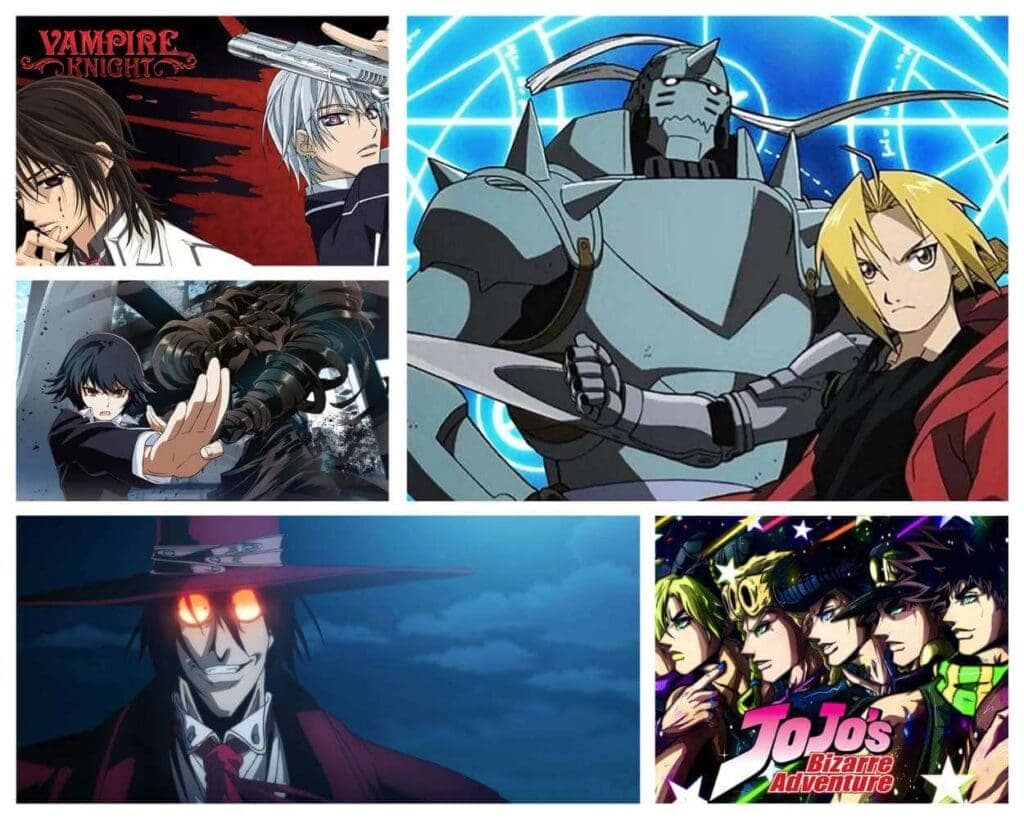
Fullmetal Alchemist, Baccano!, and Hellsing Ultimate all chase the same question from different angles. What does a person really pay to escape death? These are the anime series that treat eternity as a curse, a lens, and a slow-motion tragedy, not just a power-up.
How Immortality Works in Anime
Immortality in anime comes in flavors, and the source usually decides the cost. Vampirism buys eternal life with blood and sunlight.
Alchemy and cursed artifacts trade human souls for a body that will not quit. Divine or demon blood grants centuries by birthright, while regeneration and nanotech simply refuse to let a body stay broken.
Newer stories add digital immortality, where a mind is copied into a machine, and resurrection loops, where death is only a reset.
Sorting anime about immortality by their source is the quickest way to guess what each one will cost its cast.
Each version charges the same three-part price, which is the lens this list brings to every anime about immortality on it. Call it the Eternity Tax. There is a Primary Loss, the thing eternity takes first.
There is a Perspective Shift, the way endless time warps a mind, from cynical to detached to hollow.
And there is the Death Wish, the core tension of whether a character clings to life or quietly begs for an ending. That framework covers everyone from vampires to characters who bend time to escape it.
Fullmetal Alchemist: The Price of the Philosopher’s Stone
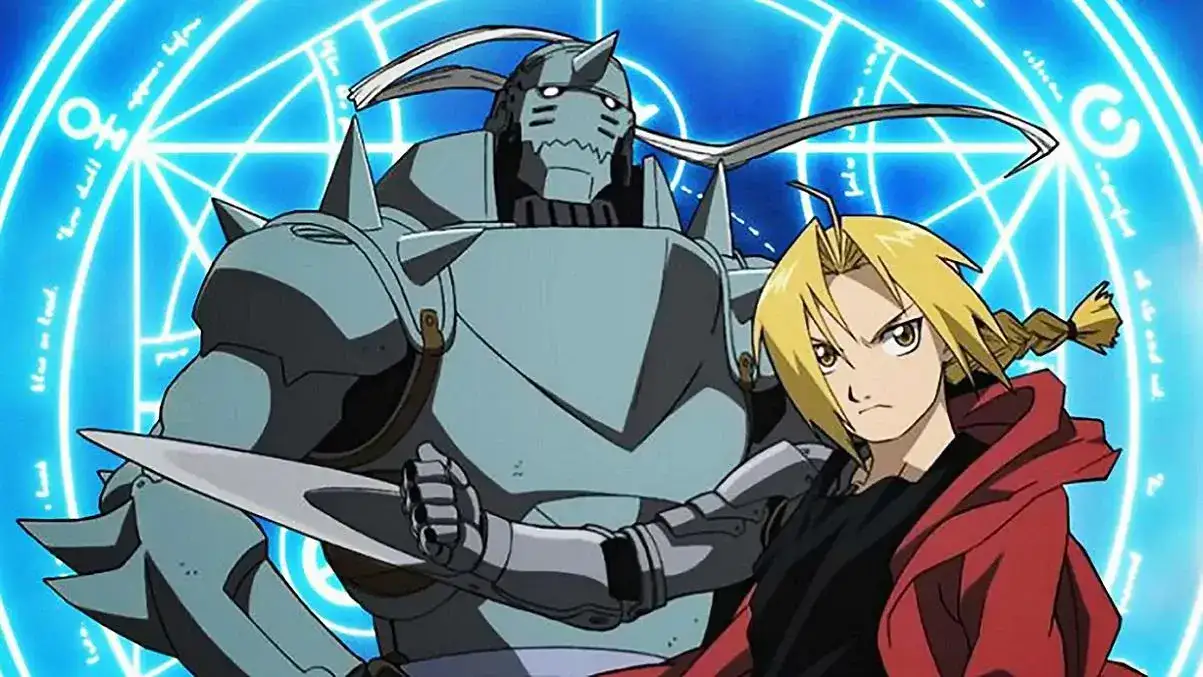
Fullmetal Alchemist and its retelling Brotherhood build their whole world around the Philosopher’s Stone, an object that grants near-endless life. The type here is soul-fueled immortality, and the source is the darkest one imaginable: each stone is crafted from human lives.
The homunculi and their creator, Father, run on that borrowed vitality. The Elric brothers spend the series learning why they should refuse it.
My read: the smartest thing this show does is make immortality a math problem, where the only way to live forever is to spend other people.
The Eternity Tax
Primary loss: Their deathless bodies run on stolen human souls, so their immortality is other people’s deaths.
Perspective shift: Father rises so far above humanity that empathy dies in him long before his body could.
The death wish: The homunculi hoard life and fear death, which the story frames as the true monstrosity.
Baccano!: The Immortals Who Can Never Leave
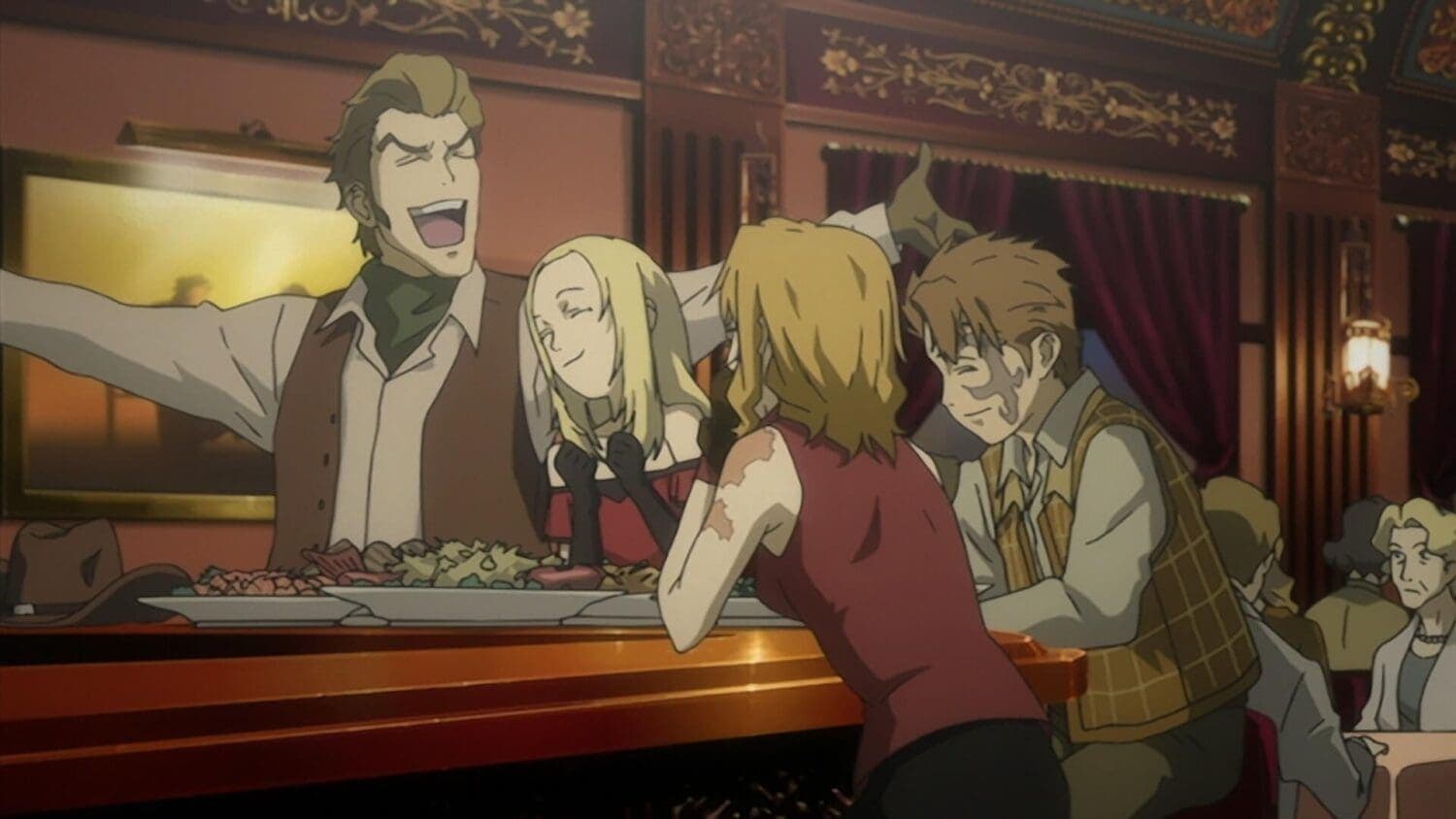
Baccano! is the purest study of true immortality on this list. A group of 18th-century alchemists brew an elixir of eternal life aboard a ship, and its drinkers stop aging, shrug off any wound, and cannot be killed by normal means.
The one loophole is grim: only another immortal can end them, by placing a hand on their head and devouring their existence. The Prohibition-era chaos is fun, but the ache underneath is real.
The tragedy: these characters get everything humans beg for, then spend decades watching mortals they love slip away.
The Eternity Tax
Primary loss: They outlive every mortal they care about, over and over, with no end in sight.
Perspective shift: Some drift into playful nihilism, others into quiet grief, as the decades stack up.
The death wish: A few come to crave an ending their own bodies flatly refuse to give.
Hellsing Ultimate: A Vampire Who Wants a Worthy Death
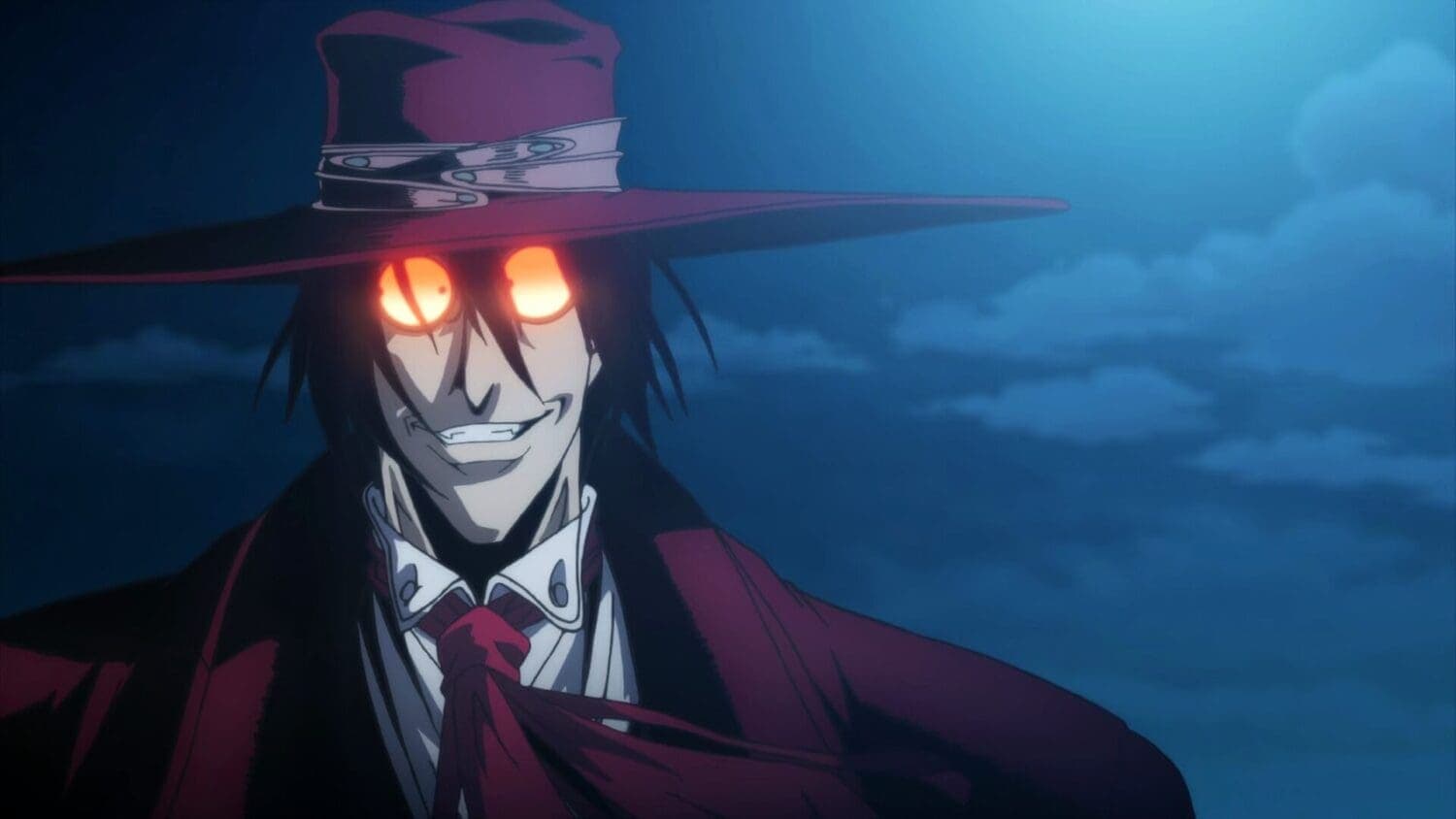
Hellsing Ultimate hands its immortality to Alucard, the monstrous vampire who serves Sir Integra Hellsing against other supernatural threats. His type is vampiric regeneration fed by the countless souls he has absorbed.
He heals from any wound, revives after apparent death, and fights like a man who has forgotten how to lose. The show never lets that power read as pure triumph.
Where it hits: Alucard has beaten everything for so long that his real hunger is to find one human strong enough to kill him.
The Eternity Tax
Primary loss: He has outlived every equal, so real connection has become impossible for him.
Perspective shift: Centuries of slaughter leave him bored, detached, and close to hollow.
The death wish: His deepest desire is a worthy opponent who can finally end him as a man, not a monster.
Re:Zero: Death on an Endless Loop
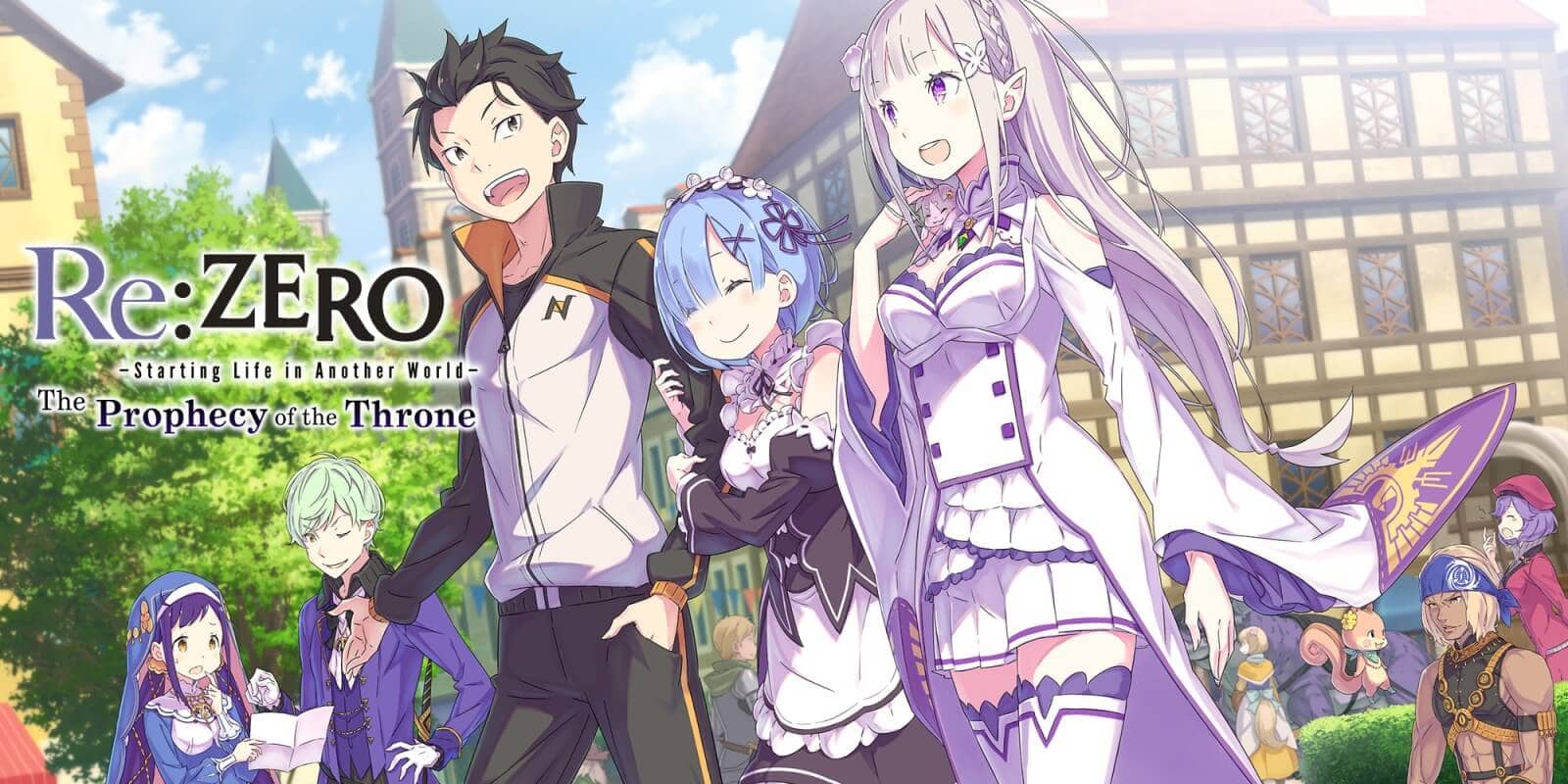
Re:Zero bends the idea of immortality into something crueler. Subaru Natsuki is pulled into another world with a power called Return by Death, which drags him back to a fixed checkpoint every time he dies.
It is not eternal youth. It is conditional resurrection with no off switch, and the source is a curse tied to the Witch of Envy. Subaru feels every death in full before he wakes up again.
The gut-punch: he cannot even tell anyone what he goes through, so the trauma of dying on repeat is his to carry alone.
The Eternity Tax
Primary loss: He cannot share the deaths he suffers, so each one isolates him a little more.
Perspective shift: He swings between despair and obsessive resolve as the loops wear him down.
The death wish: Death stops being an escape and becomes a tool he dreads having to use.
Yu Yu Hakusho: Spirits, Demons, and Borrowed Time
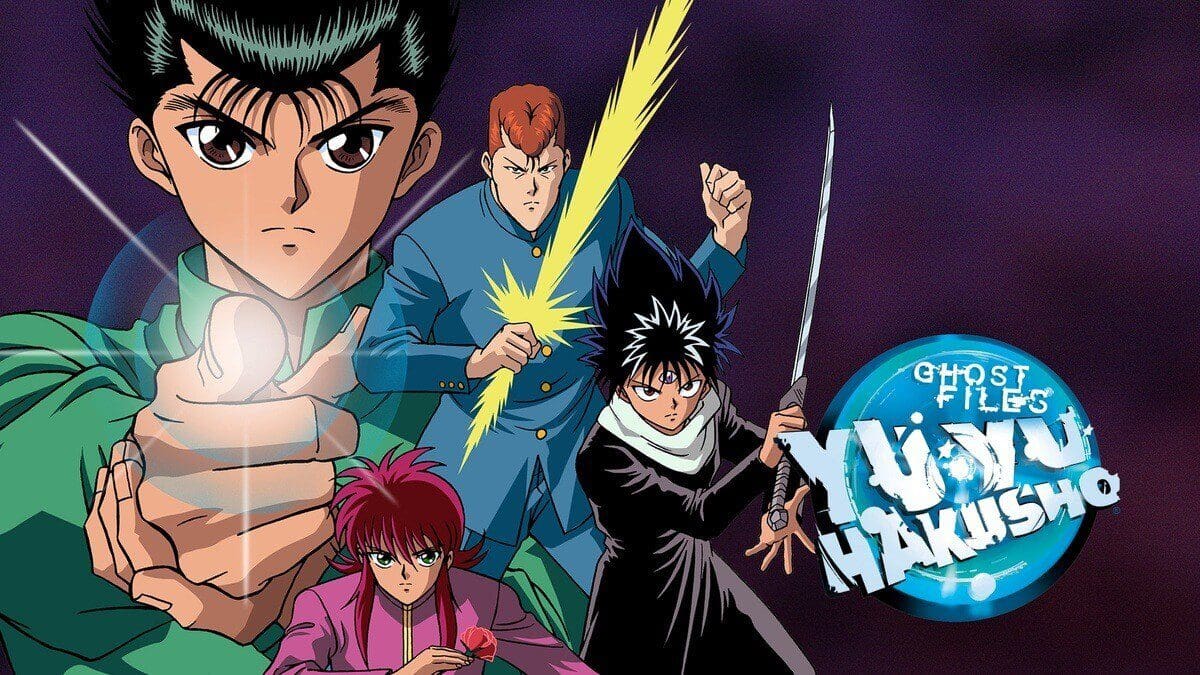
Yu Yu Hakusho opens with delinquent Yusuke Urameshi dying to save a child, then coming back as a Spirit Detective. From there the series introduces characters whose immortality runs on demon heritage and raw spirit energy.
The demon lords Yusuke later faces have lived for centuries, and his own awakened bloodline grants him a regeneration that borders on unkillable. The show keeps circling the price of all that time.
My take: the deeper the story goes into Demon World, the clearer it gets that endless life without loyal friends is just a long, empty fight.
The Eternity Tax
Primary loss: The long-lived demons watch every rival and dynasty crumble to dust around them.
Perspective shift: Eternity breeds either restless ambition or a weary, been-there detachment.
The death wish: Many chase a worthy battle because it is the only thing that still feels real.
Ajin: Demi-Human: Immortality as a Life Sentence
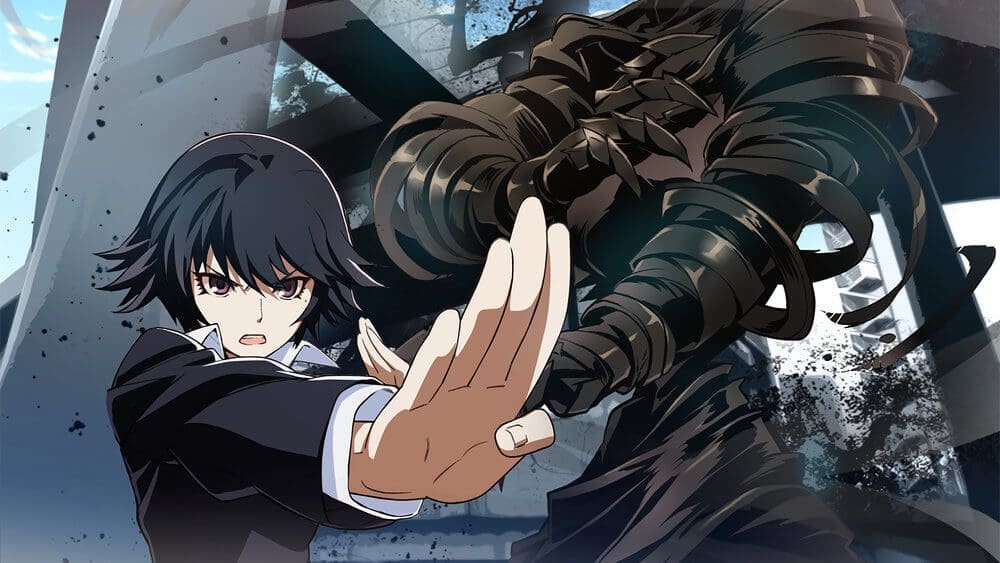
Ajin: Demi-Human is the grimmest take here. Kei Nagai discovers he is an Ajin after a fatal accident fails to kill him. Ajins are a rare offshoot of humanity who reset their entire body when they die and can summon violent, ghost-like entities called IBMs.
The type is total regeneration, and its source is a biological mystery nobody fully understands. In this world, that gift makes you government property.
Why it lands: immortality here is not freedom, it is a reason to be hunted, caged, and dissected on repeat.
The Eternity Tax
Primary loss: Kei loses his ordinary life the instant the world learns what he is.
Perspective shift: Hunted and experimented on, Ajins learn to treat their own bodies as disposable.
The death wish: Death is no exit for them, only a reset, which becomes its own quiet horror.
RIN – Daughters of Mnemosyne: Eternity and the Weight of Memory
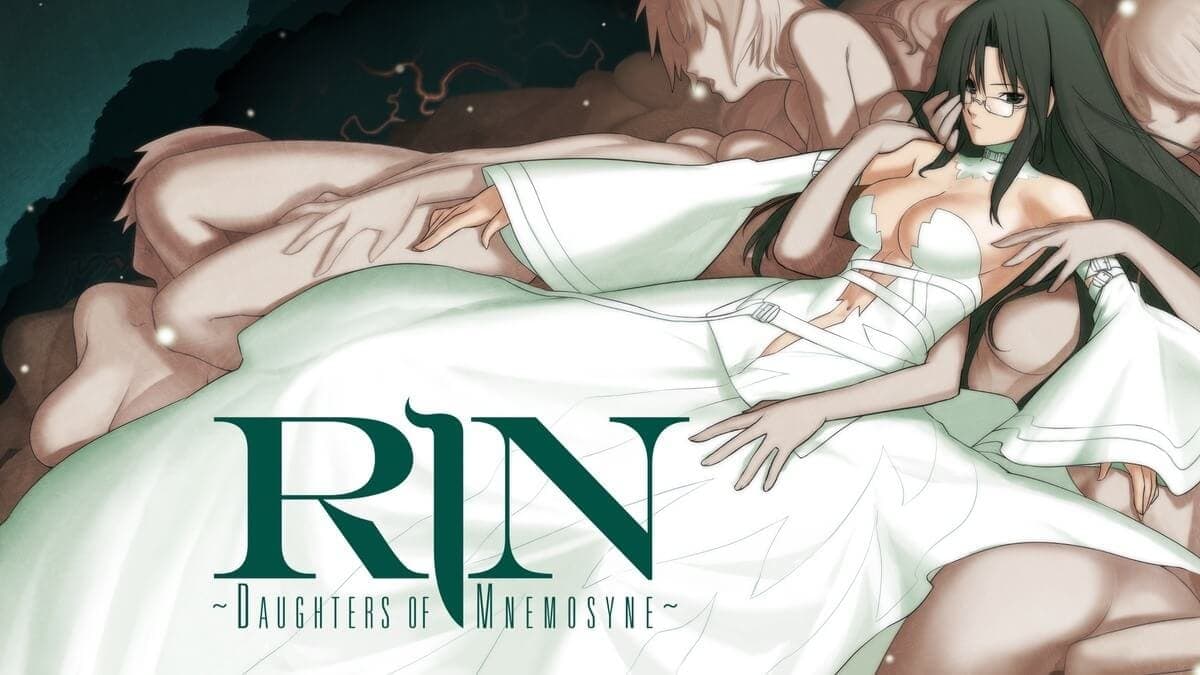
RIN – Daughters of Mnemosyne is a mature, decade-spanning noir about immortality and memory. Private investigator Rin Asogi and her partner cannot age or stay dead, because spores from a Time Fruit tied to the World Tree Yggdrasil have made them immortal.
The catch is that this gift only takes hold in certain women, which puts a target on Rin’s back. She is shot, cut, and killed many times, and her body keeps hauling her back.
What stays with me: Rin stands still while entire eras of people age and vanish, and the show treats that quiet loneliness as the real wound.
The Eternity Tax
Primary loss: She keeps her youth while every friend, lover, and enemy grows old and dies.
Perspective shift: Decades of loss harden her into a wry, unshockable survivor.
The death wish: She has died countless brutal deaths, and each time her body simply refuses to let go.
Sword Art Online: The Ghost in the Machine
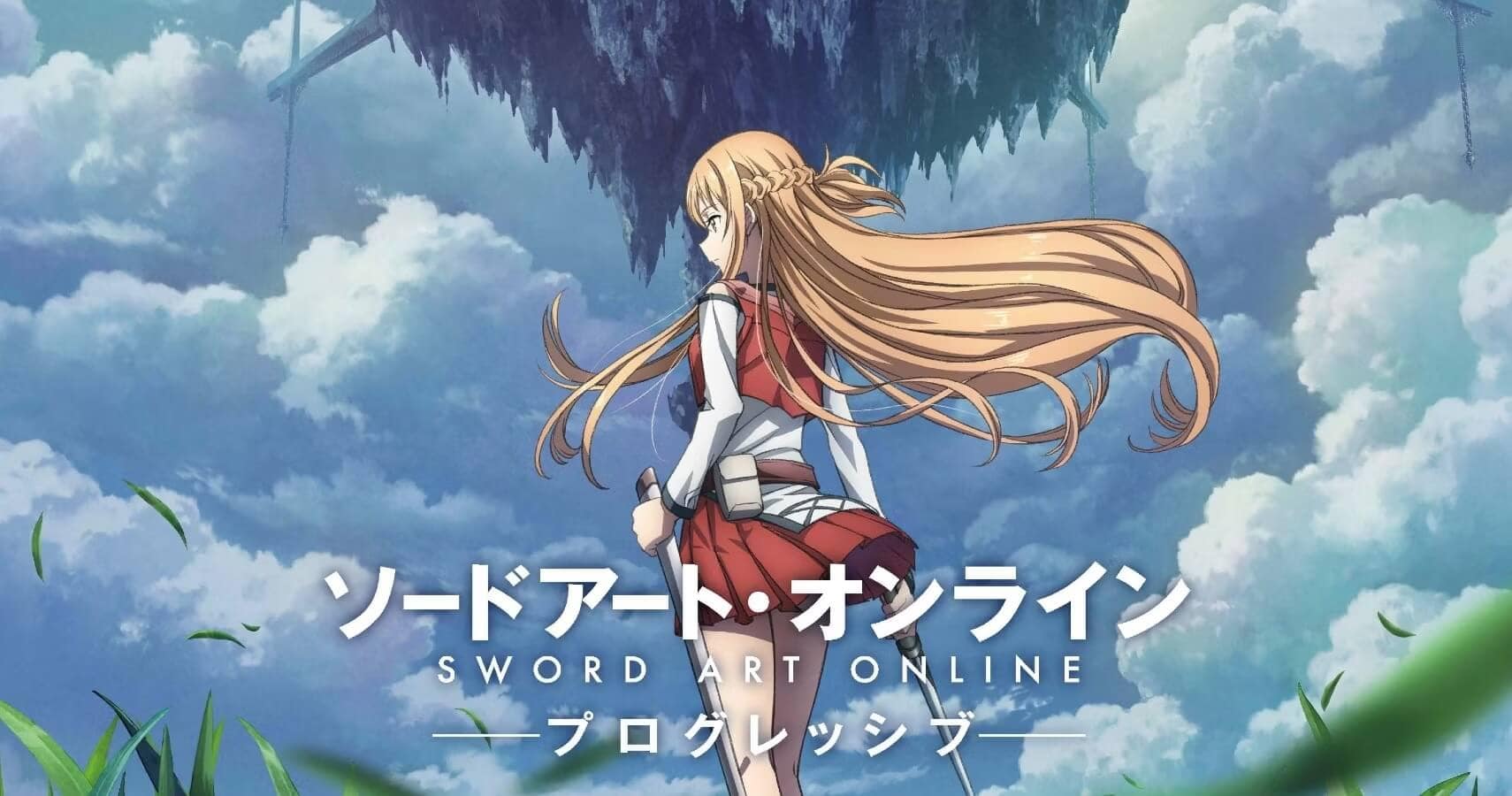
Sword Art Online starts as the opposite of immortality. In Aincrad, a death in the game means a death in real life, so every fight is pure mortality. The immortality angle arrives later, as “Sword Art Online” digs into digital consciousness and artificial souls that can be copied and preserved inside a machine.
The type is digital immortality, and the source is full-dive technology that can house a human mind as data.
The Eternity Tax
Primary loss: A digital copy may live forever, but it leaves the flesh-and-blood original behind.
Perspective shift: Living as data slowly warps what being alive even means.
The death wish: The real dread is not dying, it is doubting whether the thing that survives is truly you.
Puella Magi Madoka Magica: Souls Traded for a Wish
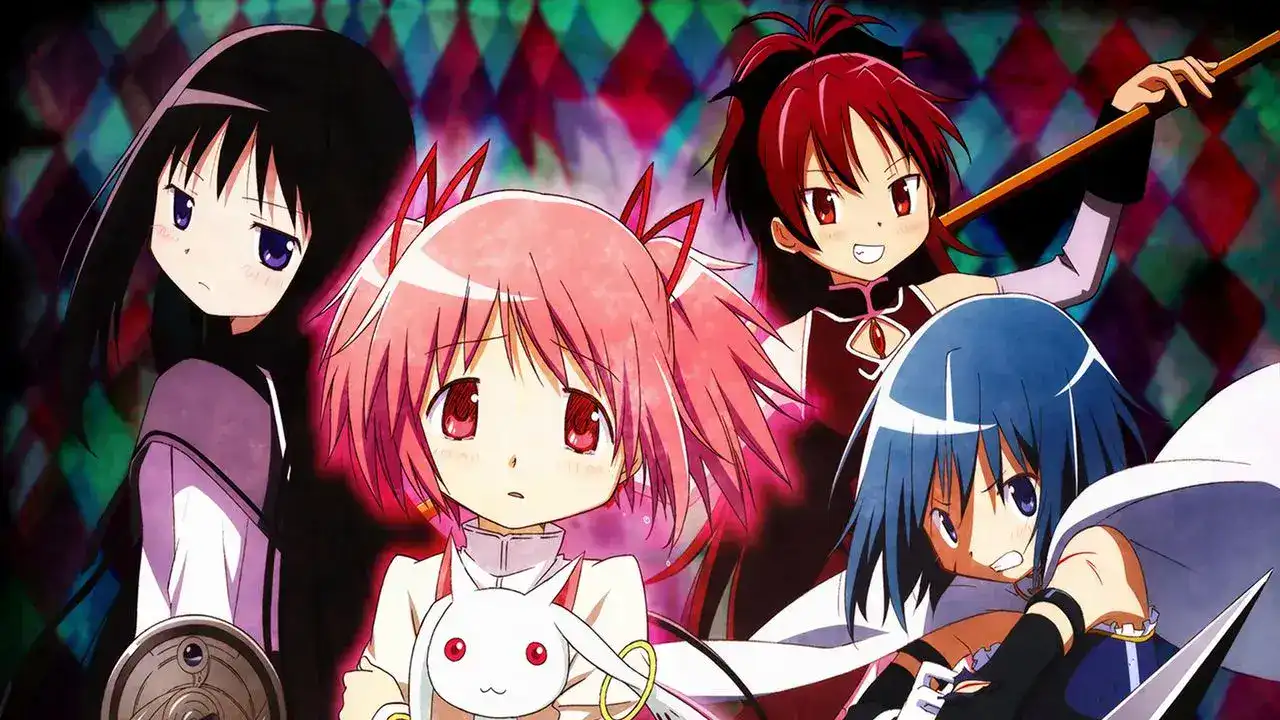
Puella Magi Madoka Magica turns the magical girl genre into a horror story about immortality. Kyubey grants young girls one wish in exchange for becoming magical girls, and the deal quietly relocates each girl’s soul into a Soul Gem.
Their bodies become vessels the gem animates from a distance, which makes them closer to liches than to living humans. The source is a contract, and the type is a cursed, undead half-life. Then comes the reveal that every magical girl is destined to become a witch.
The real horror: their reward for saving people is to slowly turn into the exact monsters they were sworn to fight.
The Eternity Tax
Primary loss: They hand over their literal souls in exchange for a single wish.
Perspective shift: Learning the truth curdles their hope into dread almost overnight.
The death wish: Their fate is not a clean death but transformation into the witches they hunt.
JoJo’s Bizarre Adventure: The Vampire Who Refused to Die
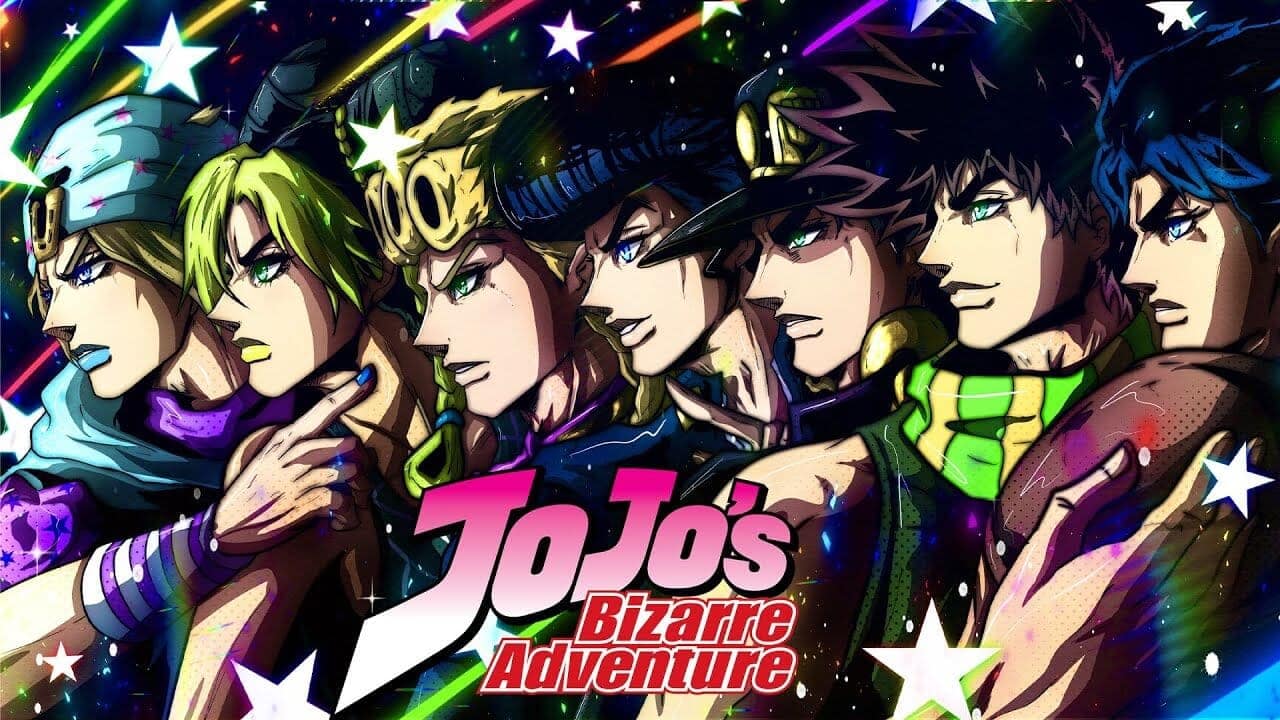
JoJo’s Bizarre Adventure spins its multi-generational saga around one immortal grudge. Dio Brando slips on an ancient Stone Mask, becomes a vampire, and later claims a Joestar body to cement his near-unkillable form.
The type is vampiric immortality, the source is that cursed Aztec mask, and the ambition behind it is total control. The Joestar bloodline exists mostly to keep putting him back down.
The irony: Dio wants to live forever more than anyone in anime, which is exactly why he keeps getting killed.
The Eternity Tax
Primary loss: Dio throws away his humanity to become an ageless predator.
Perspective shift: Eternity only feeds his god complex and his contempt for lesser lives.
The death wish: He fears death more than anything, so the story keeps handing it to him.
Blade of the Immortal: A Killer Who Begs for Death
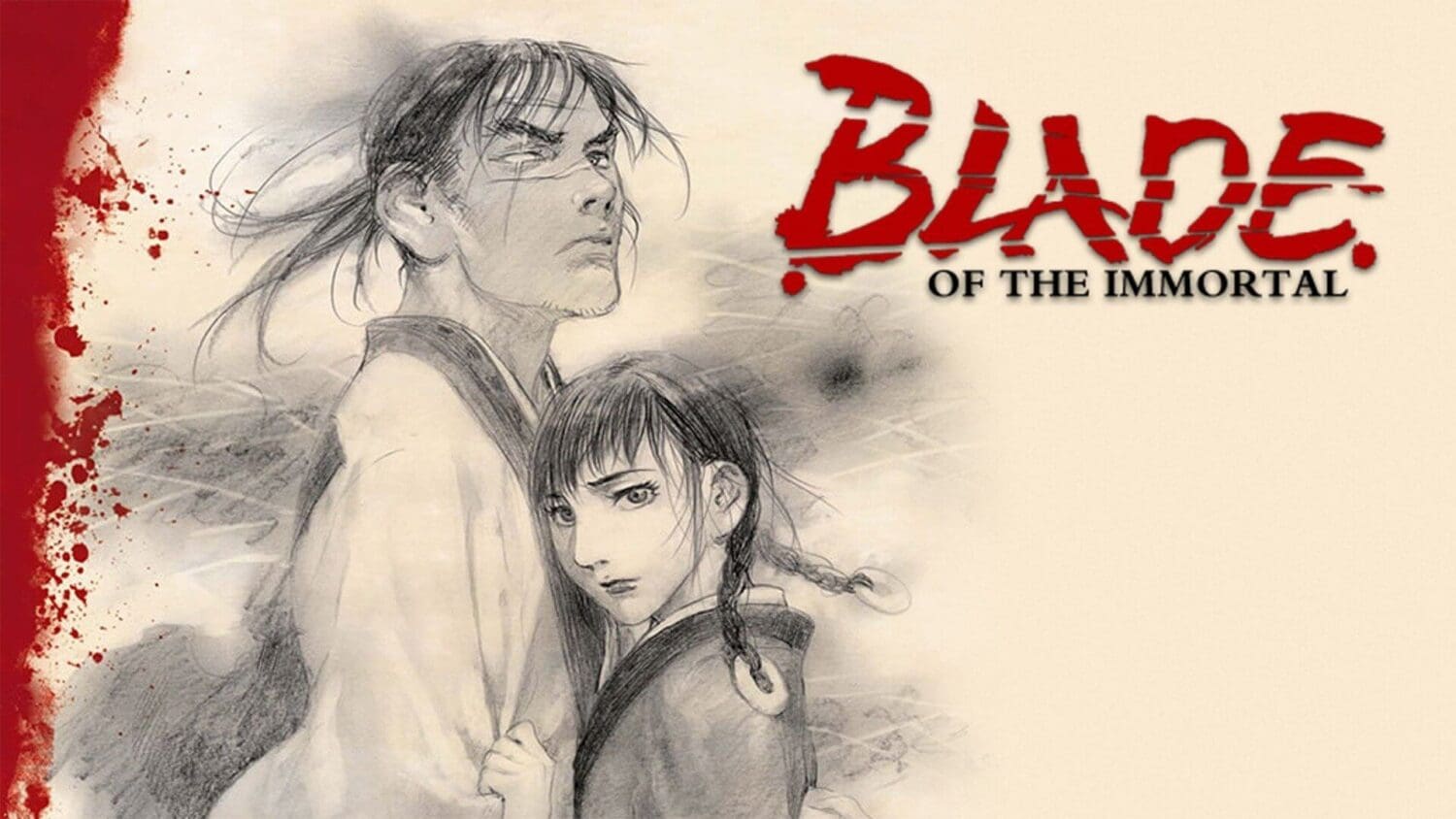
Blade of the Immortal is the show that says the quiet part out loud. Manji, a disgraced samurai, is cursed with immortality by an 800-year-old nun who fills his body with sacred bloodworms called kessen-chu. They knit any wound shut and reattach severed limbs, so he cannot die.
To earn his release, he must slay a thousand evil men, and he agrees to guard a girl named Rin on her own quest for revenge.
My pick of the bunch for this theme: Manji does not want to live forever, he wants permission to stop, and he has to carve his way toward it.
The Eternity Tax
Primary loss: Manji cannot rest, age, or join the dead he still mourns.
Perspective shift: Endless survival curdles into a sentence of guilt and grim duty.
The death wish: He openly wants to die, and must earn that death one kill at a time.
Vampire Knight: Loving Someone Who Never Ages
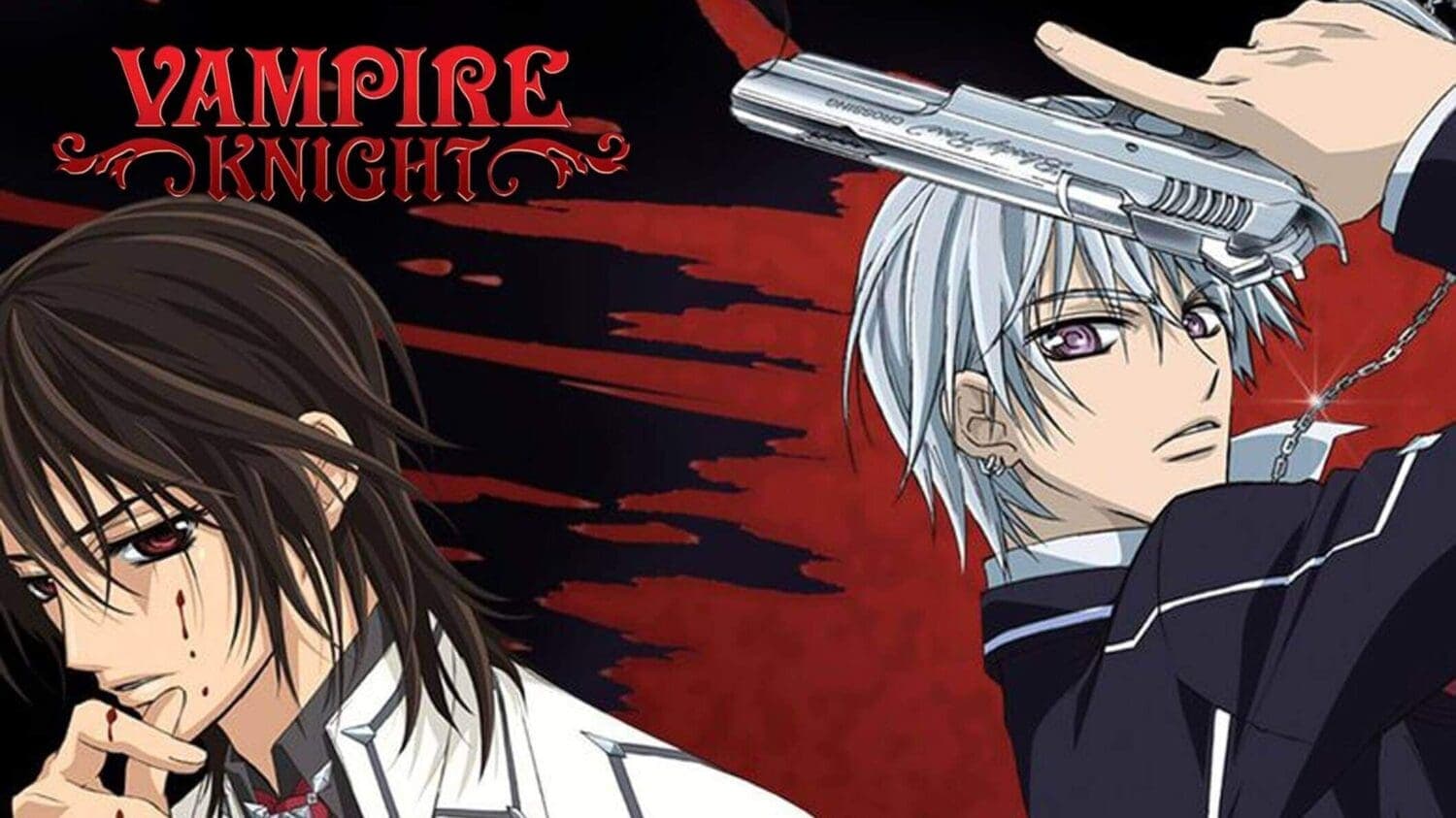
Vampire Knight runs its immortality through romance. At Cross Academy, humans and vampires share a campus, and Yuki Cross is caught between the vampire hunter Zero Kiryu and the pureblood Kaname Kuran.
The type is vampiric eternal life, strongest in the ageless purebloods, and the source is bloodline rather than any artifact. The love triangle only sharpens the theme.
Why it lands: the show frames forever less as a gift and more as the loneliness of loving people who will keep dying on you.
The Eternity Tax
Primary loss: Eternal love means eternally outliving the mortals wrapped up in it.
Perspective shift: Purebloods carry the fatigue, secrets, and politics of centuries.
The death wish: Some purebloods choose death simply to escape the weight of forever.
The Seven Deadly Sins: A Curse Worn by Two
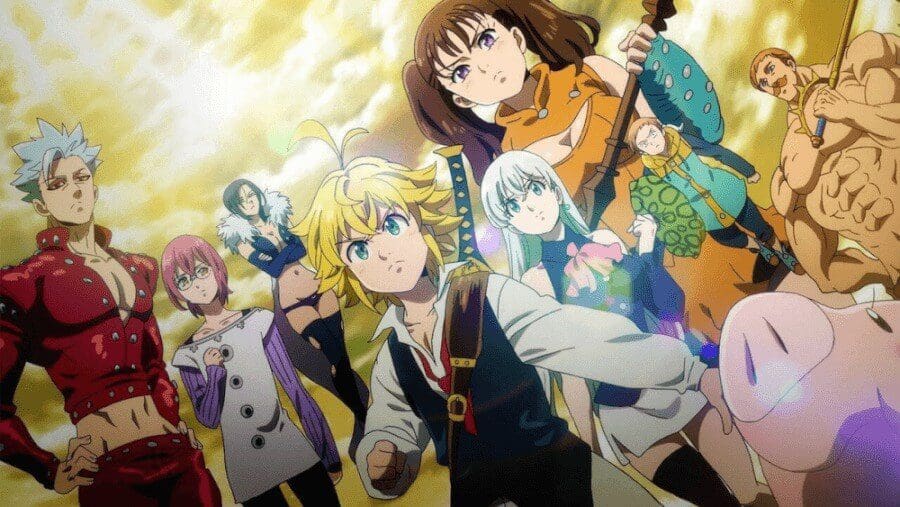
The Seven Deadly Sins hides its saddest idea behind a big fantasy adventure. Meliodas, the group’s leader, is cursed with immortality by the Demon King and revives every single time he falls.
His love, Elizabeth, carries the mirror curse from the Supreme Deity: she reincarnates, finds him, and dies young, again and again, for three thousand years.
The type is perpetual resurrection, and the source is divine and demonic spite aimed at a couple who will not stop loving each other.
The kicker: their immortality is not a shield, it is a machine built to make them lose each other forever.
The Eternity Tax
Primary loss: Meliodas and Elizabeth are cursed to lose each other on an endless loop.
Perspective shift: Three thousand years of the same heartbreak reshapes them both.
The death wish: He cannot stay dead and she cannot stop dying, and neither is allowed to quit.
Strip away the flashy regeneration and the vampire fangs, and every great anime about immortality tells the same story: the ones who live forever are the ones with the most to lose. The Eternity Tax always comes due, whether the bill is memory, sanity, or the people left behind.
The strongest anime about immortality make you sit with that question.
So which of these deaths-that-never-come would break you fastest?
Pick the immortal life you would least want to trade for, and make your case in the comments.
The best arguments might headline the next update.