
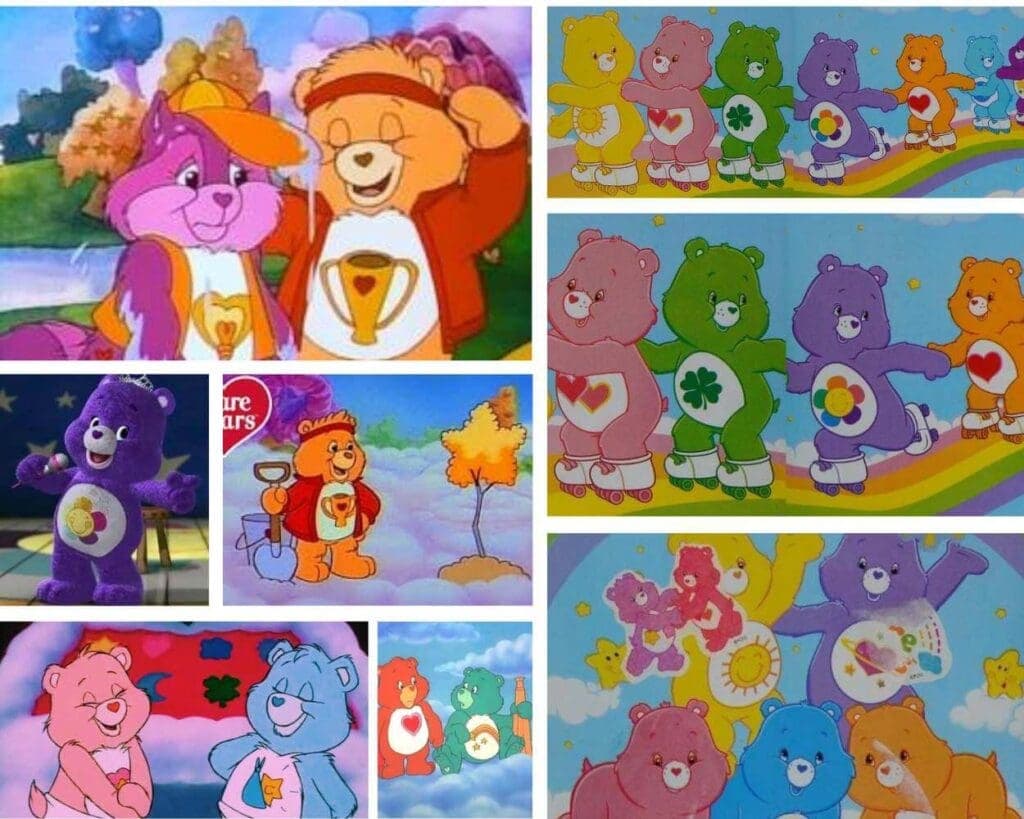
Care Bear name and color guides often disagree with one another.
One list calls Champ Bear gold. Another calls him blue. Secret Bear may appear orange in an older collection and bright pink in a newer one.
Those differences are not always mistakes.
The Care Bears have been redrawn, recolored, and given updated belly badges several times since the early 1980s. The same character can therefore have more than one correct description.
This guide uses the classic 1980s designs as its starting point. When a later relaunch made a major change, I note that separately.
How to identify a Care Bear
Start with the belly badge, not the fur
- Fur colors sometimes change between toy and television eras
- The main belly-badge idea usually remains recognizable
- Pronouns and personalities have also changed in some versions
- No single continuity controls every film, series, toy line, and greeting card
One more clarification: a belly badge represents a character’s emotional role or specialty. It can also produce magic in the cartoons, but most Care Bears do not have one fixed, consistently defined “superpower” across every version of the franchise.
Where Did the Care Bears Come From?
The Care Bears began as a greeting-card concept rather than as a cartoon or toy line.
American Greetings developed the property through its character division, Those Characters From Cleveland. Artist Elena Kucharik painted the original bears in 1981, and the public rollout followed through greeting cards and licensed products in the early 1980s.
Authentic Brands Group’s current franchise history dates the public Care Bears brand to 1982. Kenner’s plush line followed in 1983, along with the first animated television special.
The brand’s current official character page is useful for checking modern versions, although its colors and personality descriptions do not always match the classic toys. See the official Care Bears character guide.
Care Bears timeline
- 1981: Elena Kucharik paints the original character artwork
- 1982: The brand begins its public greeting-card era
- 1983: Kenner plush toys and the first television special arrive
- 1985: Nelvana releases The Care Bears Movie
- 2000s onward: Relaunches update colors, badges, personalities, and pronouns
The Canadian Movie That Changed the Franchise
Toronto animation studio Nelvana produced The Care Bears Movie for release in 1985.
The film introduced the Care Bear Cousins to movie audiences and turned what had begun as greeting-card characters into a theatrical franchise.
Box Office Mojo records nearly US$23 million in the United States and Canada against a comparatively small production budget. The film became a major turning point for Nelvana and was followed by two more theatrical movies.
The American Film Institute catalogue documents the production companies, Toronto production, and early box-office reporting.
The Original Ten Care Bears
These ten bears formed the classic starting lineup.
| Care Bear | Classic color | Belly badge | Meaning |
|---|---|---|---|
| Bedtime Bear | Blue | Sleeping moon and star | Rest and calm |
| Birthday Bear | Golden yellow | Birthday cupcake | Celebration |
| Cheer Bear | Pink | Rainbow | Optimism |
| Friend Bear | Orange | Two flowers | Friendship |
| Funshine Bear | Yellow | Smiling sun | Fun and energy |
| Good Luck Bear | Green | Four-leaf clover | Luck |
| Grumpy Bear | Blue | Rain cloud | Honest difficult feelings |
| Love-a-Lot Bear | Pink | Two hearts | Love |
| Tenderheart Bear | Brown | Red heart | Caring |
| Wish Bear | Turquoise | Shooting star | Hope |
Bedtime Bear

Bedtime Bear represents the quiet end of the day. The heavy eyelids, blue fur, and sleeping moon make the character easy to identify before any dialogue begins.
- Classic color: Blue
- Belly badge: A sleeping crescent moon wearing a nightcap, with a star
- Represents: Rest, calm, and healthy sleep
The name is Bedtime Bear, not Sleepy Bear. The common mix-up probably comes from Sleepy in Snow White and the Seven Dwarfs.
Birthday Bear
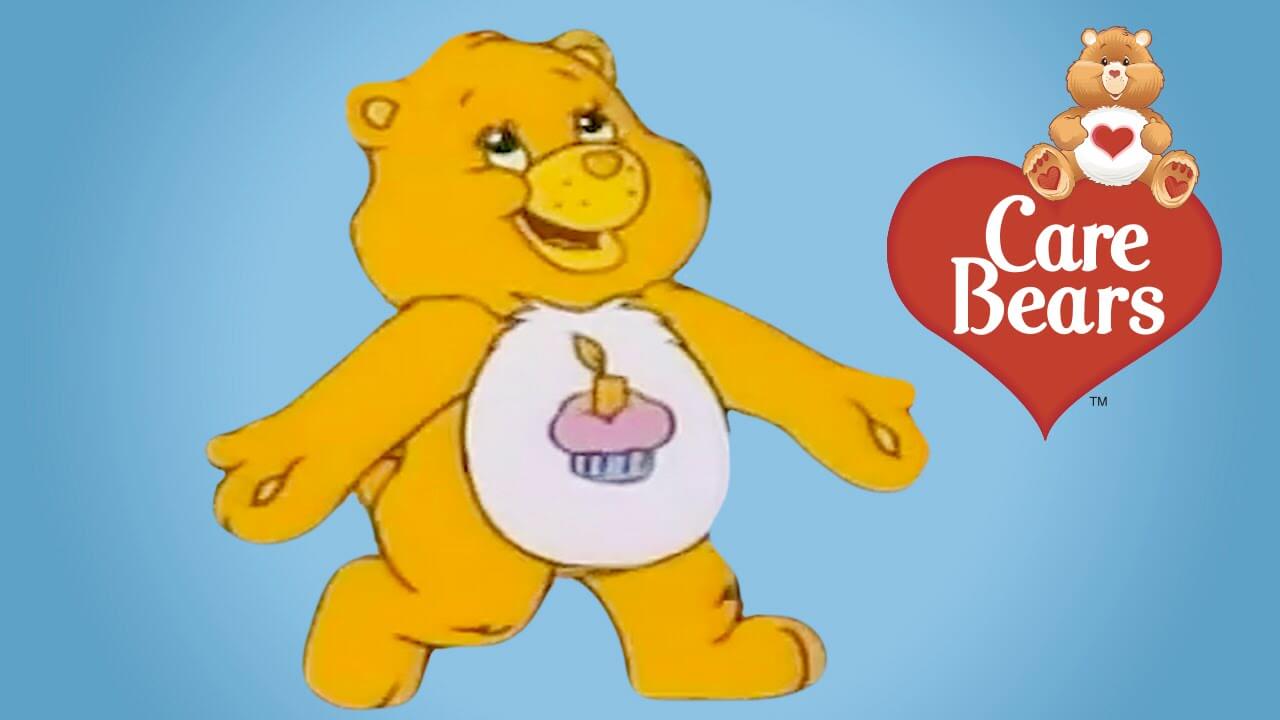
Birthday Bear turns ordinary moments into celebrations. The cupcake badge is one of the clearest reminders that the characters began on greeting cards.
- Classic color: Golden yellow
- Belly badge: A cupcake with one lit candle
- Represents: Birthdays, milestones, and making people feel remembered
The character belongs naturally beside the bright, direct designs that defined many 1980s cartoons.
Cheer Bear

Cheer Bear encourages people without pretending that sadness never exists. The rainbow has remained the essential badge even when later products added hearts or sparkles.
- Classic color: Pink
- Belly badge: A rainbow
- Represents: Optimism, encouragement, and finding hope after a difficult moment
Friend Bear
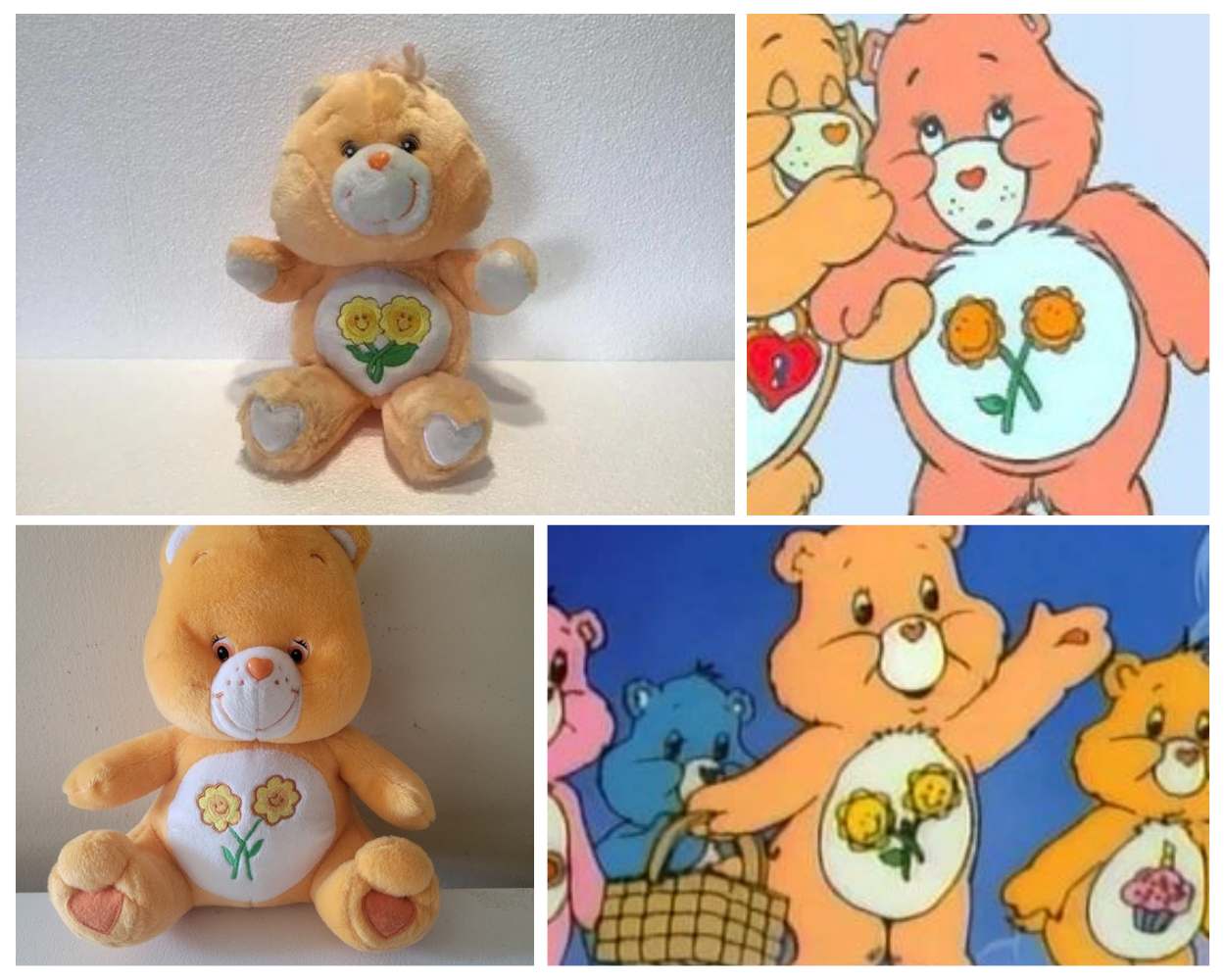
Friend Bear represents companionship and inclusion. The pair of flowers works because friendship requires more than one person.
- Classic color: Orange
- Belly badge: Two smiling flowers
- Represents: Friendship, listening, and helping people feel included
Funshine Bear

Funshine Bear is the playful member of the original group. The smiling sun communicates energy and good humor immediately.
- Classic color: Yellow
- Belly badge: A smiling sun
- Represents: Play, energy, and finding the fun in a situation
Older 1980s productions and later relaunches do not always use the same pronouns for Funshine. Modern versions generally present Funshine as male.
Good Luck Bear

Good Luck Bear combines good fortune with the confidence to keep trying. The green fur and clover make the design difficult to confuse once the badge is visible.
- Classic color: Green
- Belly badge: A four-leaf clover
- Represents: Luck, confidence, and believing that a good outcome is possible
Grumpy Bear

Grumpy Bear is one of the smartest ideas in the entire lineup. The franchise makes room for frustration and bad moods instead of insisting that every emotion must look cheerful.
- Classic color: Blue
- Belly badge: A rain cloud with falling raindrops and hearts
- Represents: Honest feelings, including anger, disappointment, and sadness
He also belongs in my wider collection of grumpy cartoon characters.
Love-a-Lot Bear
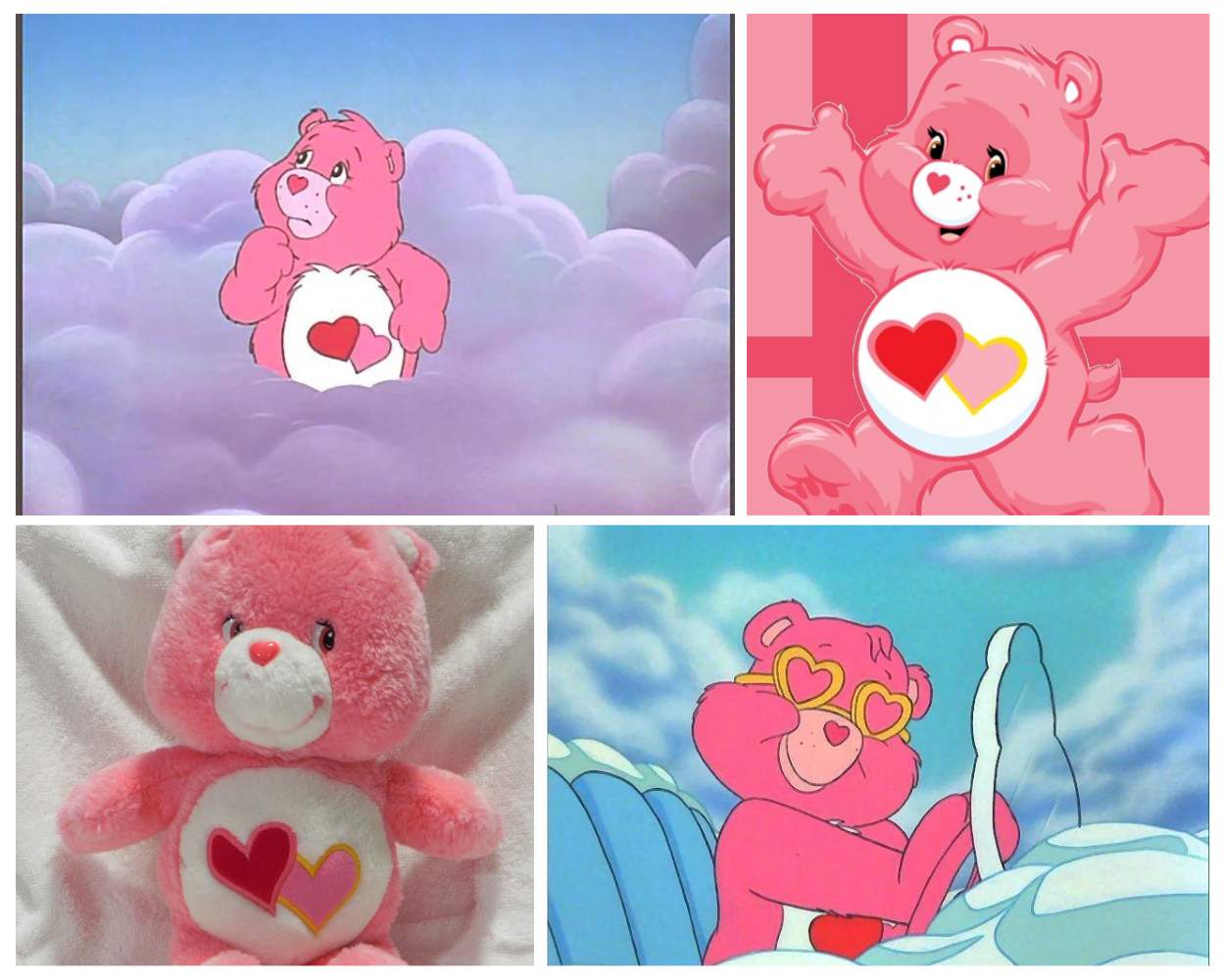
Love-a-Lot Bear focuses on affection and reassurance. The two-heart badge separates the character from Tenderheart, whose single heart represents caring more broadly.
- Classic color: Pink
- Belly badge: Two hearts
- Represents: Love, affection, and emotional reassurance
Later products have redrawn the hearts and surrounding details, but the paired-heart idea remains recognizable.
Tenderheart Bear

Tenderheart Bear is usually treated as the moral centre or leader of the classic group. The plain red heart gives the character the franchise’s broadest message.
- Classic color: Brown
- Belly badge: One large red heart
- Represents: Caring, empathy, and leadership
The original bear is brown. Orange and tan descriptions usually come from lighting, faded toys, or later artwork.
Wish Bear
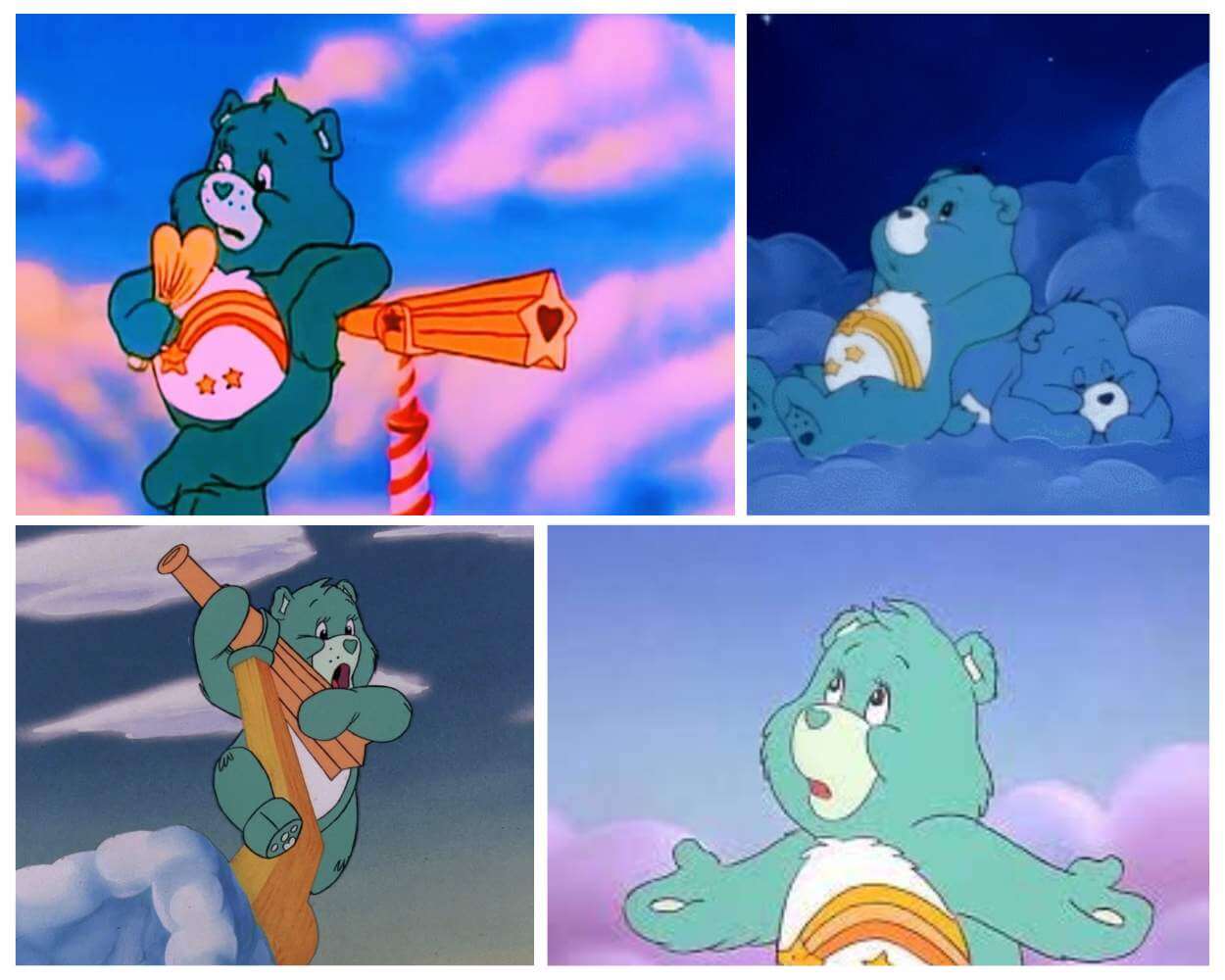
Wish Bear represents hope and imagination. The shooting star is easy to distinguish from other star badges because of its rainbow trail.
- Classic color: Turquoise, aqua, or teal
- Belly badge: A shooting star with a rainbow tail
- Represents: Hope, wishes, and believing in possibilities
Turquoise, aqua, and teal are all reasonable descriptions of the classic fur shade.
What Do Care Bear Colors and Belly Badges Mean?
The Care Bears were designed as a visual language.
The fur color separates one character from another at a distance. The belly badge communicates the character’s emotional theme more precisely.
- A rainbow suggests hope after sadness
- A rain cloud allows space for disappointment
- Two flowers suggest companionship
- A clover represents luck
- A moon signals rest
The symbols are simple because they originally had to read clearly on greeting cards and plush toys.
The term belly badge is common in modern branding. Older shows and merchandise often called the same image a tummy symbol.
Do Care Bears Have Individual Powers?
Not in one fixed way that remains consistent across the entire franchise.
The badges can project light, communicate feelings, create protective magic, or help solve a problem. A character’s magic may reflect the badge’s theme, but the exact rules change between films and television series.
It is therefore safer to say:
- The badge represents the character’s emotional purpose
- The badge is also the source or focus of magical energy
- Stories decide how that energy works in a particular continuity
How Does the Care Bear Stare Work?
The Care Bear Stare is the franchise’s signature group ability.
The bears stand together and project energy from their belly badges. The separate beams combine into one stronger force, usually to weaken an uncaring villain or restore positive feelings.
The important idea is cooperation. One Care Bear may help, but the full Stare becomes stronger when several characters work together.
The Care Bear Cousins use a related ability commonly called the Cousin Call.
Why the origin stories conflict
The first Care Bears Movie and Care Bears Movie II do not present one seamless origin. The first film shows the Cousins receiving their symbols after meeting the Bears. The sequel retells the group’s beginning with True Heart Bear, Noble Heart Horse, and the Great Wishing Star. They are different continuities rather than chapters that fit perfectly together.
Why Do Care Bear Guides List Different Colors?
The characters have passed through greeting cards, Kenner toys, television animation, theatrical films, direct-to-video productions, and several merchandise relaunches.
Designers changed them to balance a new toy shelf, fit a new art style, or update the main cast.
- Champ Bear: Gold or orange in classic releases, blue in later ones
- Secret Bear: Tangerine in older artwork, bright pink or magenta later
- Harmony Bear: Musical notes in classic art, a smiling flower in later versions
- Share Bear: A shared drink in classic art, two lollipops later
- Daydream Bear: Both the fur color and badge changed substantially
The practical rule is simple: identify the era before declaring one color correct and another wrong.
Care Bears Added After the Original Ten
The roster expanded quickly through specials, movies, toys, and later relaunches.
Baby Hugs Bear

Baby Hugs is one of the two Care Bear cubs and is usually shown beside Baby Tugs. The design emphasizes comfort and affection rather than a separate adult responsibility.
- Classic color: Pink
- Belly badge: A smiling star inside a heart
- Represents: Hugs, comfort, and affection
Some versions simplify the original badge, but the star-and-heart combination remains.
Baby Tugs Bear

Baby Tugs is the more adventurous half of the cub pair. The classic badge makes his age obvious by placing a smiling star in a diaper.
- Classic color: Blue
- Belly badge: A smiling star in a blue diaper
- Represents: Small acts of courage and growing confidence
Later versions replaced the diaper image with a heart inside a star.
Champ Bear

Champ Bear represents effort and sportsmanship rather than winning at any cost.
- Classic color: Golden orange in classic releases; blue in many 2000s and later releases
- Belly badge: A trophy
- Represents: Practice, teamwork, and being a good sport
Both common color descriptions are correct for different eras.
Daydream Bear

Daydream Bear is one of the clearest examples of a full franchise redesign.
- Classic color: Pale pink in classic artwork; blue-violet in later versions
- Belly badge: Two heart-shaped balloons originally; later a heart-shaped planet with rings
- Represents: Imagination, creativity, and daydreaming
Because both the color and badge changed, the two versions can look like separate characters.
Grams Bear
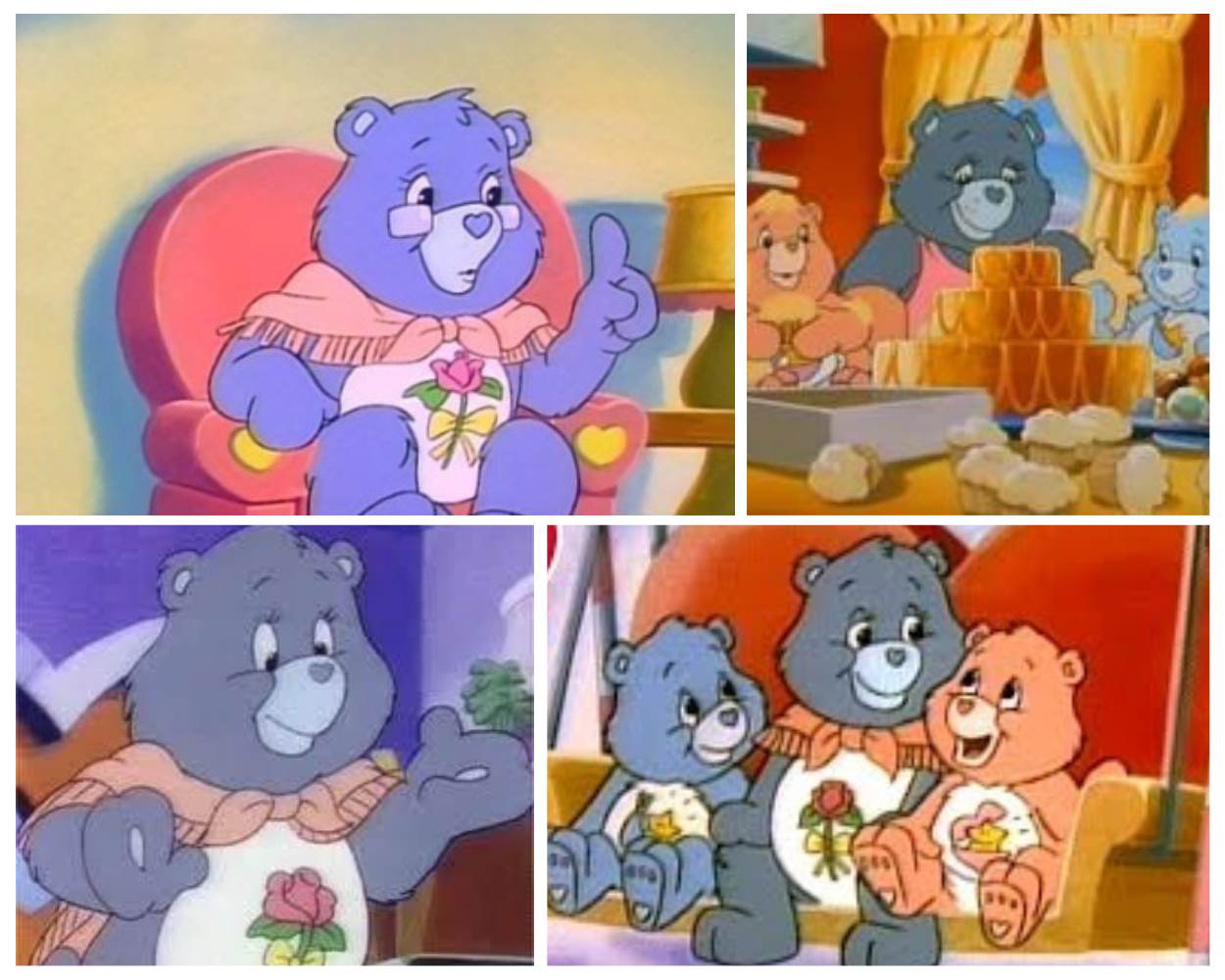
Grams Bear is the grandmother figure of the Care Bear Family. She brings patience and practical experience to a group usually defined by younger personalities.
- Classic color: Grey
- Belly badge: A pink rose with a yellow bow
- Represents: Guidance, wisdom, and steady care
Grams appeared in the 1984 television special The Care Bears Battle the Freeze Machine.
Harmony Bear

Harmony Bear connects music with emotional balance and cooperation.
- Classic color: Purple
- Belly badge: Rainbow musical notes in classic artwork; a smiling flower in later designs
- Represents: Music, harmony, and helping people work together
The purple fur is a more reliable identifier than the badge when comparing eras.
Laugh-a-Lot Bear

Laugh-a-Lot Bear treats humor as a way to relieve tension and help people reconnect.
- Classic color: Orange, sometimes closer to yellow
- Belly badge: A smiling star
- Represents: Laughter, joy, and breaking an uncomfortable mood
The face on the star distinguishes this badge from Wish Bear’s shooting star.
Secret Bear

Secret Bear represents trust and the responsibility that comes with being told something private.
- Classic color: Tangerine in classic artwork; pink or magenta later
- Belly badge: A heart-shaped padlock
- Represents: Trust, privacy, and keeping confidences
Different productions have also changed Secret Bear’s pronouns and speaking style. The padlock is the most dependable identifier.
Share Bear

Share Bear turns generosity into a concrete image by showing two people enjoying the same treat.
- Classic color: Purple
- Belly badge: A drink with two straws in classic artwork; two heart-shaped lollipops later
- Represents: Sharing, generosity, and making room for others
Both badges communicate the same idea even though the object changed.
Surprise Bear

Surprise Bear represents the excitement of something unexpected rather than fear of the unknown.
- Classic color: Light blue in classic artwork; deep purple in later releases
- Belly badge: A jack-in-the-box with a star
- Represents: Surprises, spontaneity, and playful discovery
The badge is more consistent than the fur color.
Take Care Bear
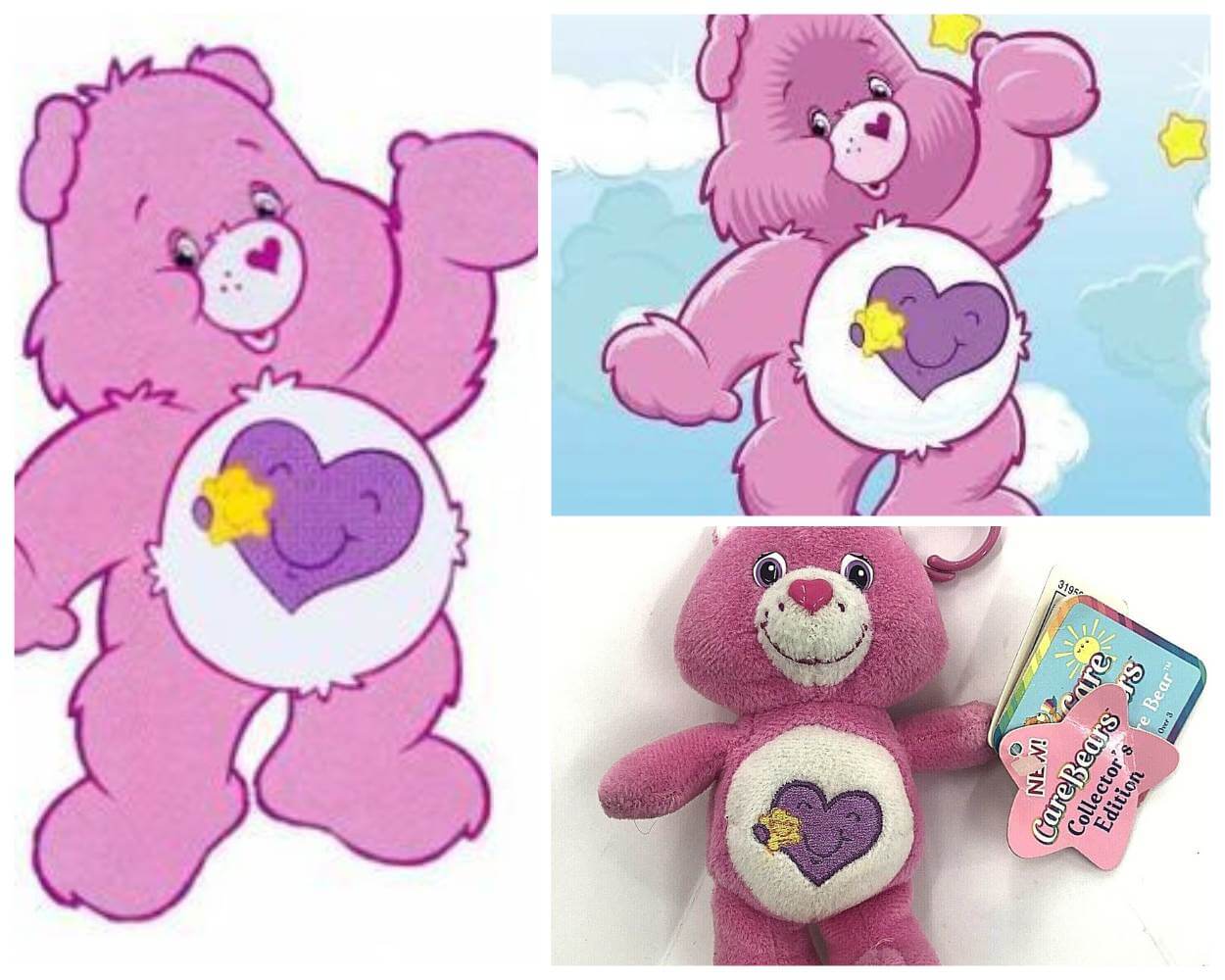
Take Care Bear is the health-and-recovery member of the group, often filling a nurse-like role.
- Classic color: Red or honey in classic versions; hot pink later
- Belly badge: A smiling apple originally; later a heart holding a star
- Represents: Looking after yourself and caring for others
The original apple badge is the easiest way to identify an older version.
True Heart Bear

True Heart Bear is a founding figure in the origin told by Care Bears Movie II: A New Generation.
- Classic color: Pastel yellow in the 1980s movie; pink in many later designs
- Belly badge: A heart with a radiating multicolored star
- Represents: Truth, kindness, and parental guidance
True Heart and Noble Heart Horse share closely related badge imagery because the sequel presents them as the adults who protect and raise the young Bears and Cousins.
Care Bear Cousins: Names and Belly Badges
The Care Bear Cousins apply the same emotional-symbol idea to animals other than bears.
The classic group contains ten familiar Cousins. Noble Heart Horse is usually discussed with them as an eleventh figure because of his founder role in Care Bears Movie II.
| Cousin | Animal | Classic badge |
|---|---|---|
| Brave Heart Lion | Lion | Crowned heart |
| Bright Heart Raccoon | Raccoon | Heart-shaped light bulb |
| Cozy Heart Penguin | Penguin | Heart wearing a winter cap |
| Gentle Heart Lamb | Lamb | Heart-shaped pillow |
| Lotsa Heart Elephant | Elephant | Heart-decorated weight |
| Loyal Heart Dog | Dog | Heart-shaped medal |
| Noble Heart Horse | Horse | Heart with a radiant star |
| Playful Heart Monkey | Monkey | Heart-shaped balloon |
| Proud Heart Cat | Cat | Star containing a heart |
| Swift Heart Rabbit | Rabbit | Winged heart |
| Treat Heart Pig | Pig | Ice cream cone with a heart |
Brave Heart Lion

Brave Heart Lion is the confident leader of the classic Cousins.
- Classic color: Orange-brown
- Belly badge: A heart wearing a gold crown
- Represents: Courage, leadership, and acting despite fear
He made his major screen debut with the Cousins in The Care Bears Movie.
Bright Heart Raccoon

Bright Heart Raccoon is the problem-solver and inventor of the Cousins.
- Classic color: Purple
- Belly badge: A heart-shaped light bulb
- Represents: Intelligence, creativity, and practical solutions
Later artwork replaced the light bulb with a different radiant symbol, but the original badge explains the name most clearly.
Cozy Heart Penguin

Cozy Heart Penguin represents warmth in an emotional sense, even though the character is built for cold weather.
- Classic color: Light purple
- Belly badge: A heart wearing a winter cap
- Represents: Comfort, safety, and helping others feel at home
Gentle Heart Lamb

Gentle Heart Lamb is quiet, considerate, and associated with calming conflict.
- Classic color: Mint green
- Belly badge: A lace-trimmed heart-shaped pillow
- Represents: Gentleness, patience, and emotional softness
Lotsa Heart Elephant

Lotsa Heart Elephant is the physically strongest member of the classic group, but the character uses strength to protect rather than intimidate.
- Classic color: Pink
- Belly badge: A hand weight decorated with hearts
- Represents: Strength, helpfulness, and using power responsibly
Different eras have used different pronouns for Lotsa Heart.
Loyal Heart Dog

Loyal Heart Dog represents the kind of support that remains dependable after the exciting part of an adventure is over.
- Classic color: Blue
- Belly badge: A heart-shaped medal
- Represents: Loyalty, dependability, and keeping promises
Noble Heart Horse

Noble Heart Horse is a founder and guardian rather than simply another member of the classic Cousin team.
- Classic color: Multicolored pastel in the 1980s movie; often purple later
- Belly badge: A heart with a radiant multicolored star
- Represents: Dignity, protection, and guidance
In the second film’s origin story, Noble Heart and True Heart raise the young Care Bears and Cousins.
Playful Heart Monkey

Playful Heart Monkey uses jokes and games to build connections, although the same energy can create trouble.
- Classic color: Brown in early versions; orange or golden yellow later
- Belly badge: A heart-shaped balloon with party details
- Represents: Play, humor, and shared fun
Proud Heart Cat

Proud Heart Cat represents healthy confidence rather than arrogance.
- Classic color: Tan in classic artwork; aqua in later versions
- Belly badge: A star containing a heart
- Represents: Self-respect, confidence, and taking pride in good work
Different eras have also used different pronouns for Proud Heart.
Swift Heart Rabbit
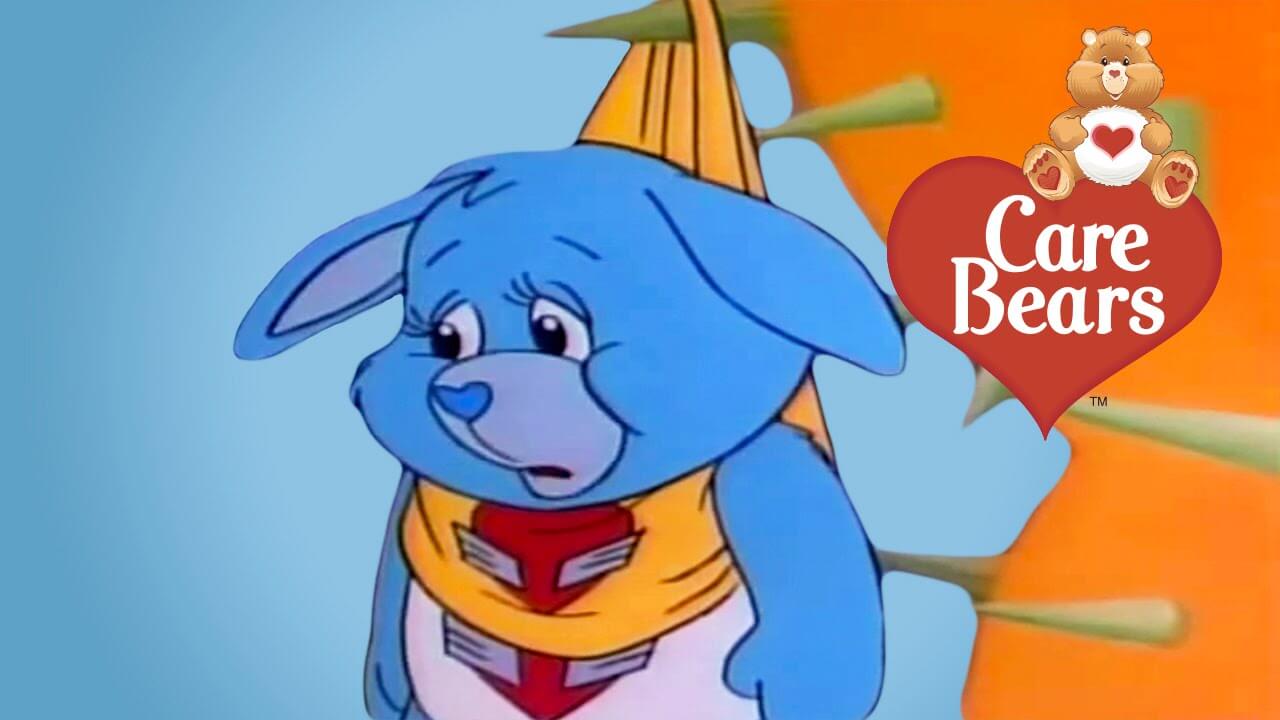
Swift Heart Rabbit is the fastest member of the extended Care Bear Family.
- Classic color: Aqua blue
- Belly badge: A red heart with wings
- Represents: Speed, momentum, and acting quickly when help is needed
Pronouns vary across productions, so the winged-heart badge is the most reliable identifier.
Treat Heart Pig

Treat Heart Pig represents the pleasure of small rewards and shared celebrations.
- Classic color: Pink
- Belly badge: An ice cream cone topped with a heart
- Represents: Treats, celebration, and everyday joy
Where Can You Watch Care Bears in 2026?
The answer depends on which generation of the franchise you want to watch and where you live.
- Netflix: Care Bears: Unlock the Magic is currently available globally on Netflix according to the official Care Bears website
- YouTube: The official Care Bears channel carries free episodes, clips, songs, and compilations
- Classic series and films: Availability rotates between streaming services, digital stores, and library DVD collections
- Official updates: The Care Bears website is the safest place to check the newest series and releases
The brand’s corporate ownership is also changing. Authentic Brands Group signed an agreement on June 30, 2026, to acquire the Care Bears intellectual property. The company said the transaction was expected to close in the third quarter of 2026, subject to normal closing conditions.
Care Bear Names and Colors: Quick Answers
Who are the original ten Care Bears? Bedtime Bear, Birthday Bear, Cheer Bear, Friend Bear, Funshine Bear, Good Luck Bear, Grumpy Bear, Love-a-Lot Bear, Tenderheart Bear, and Wish Bear.
What color is Tenderheart Bear? The classic version is brown with one large red heart. Orange or tan descriptions usually refer to artwork, lighting, or later products.
Which original Care Bears are blue? Bedtime Bear and Grumpy Bear are both blue. Bedtime has a sleeping moon, while Grumpy has a rain cloud.
Which Care Bear is green? Good Luck Bear is the classic green Care Bear and has a four-leaf clover badge.
What is a belly badge? It is the symbol on a Care Bear’s stomach that represents the character’s emotional role or specialty. Older productions often call it a tummy symbol.
Do belly badges give the Care Bears powers? They are the focus of the characters’ magic, but the exact ability varies between cartoons and movies. The badge meaning is more consistent than the magical rules.
How many Care Bear Cousins are there? There are ten classic Cousins, plus Noble Heart Horse, who is commonly grouped with them because of his founder role.
Why do Care Bear colors change? Different toy lines and animated relaunches redesigned the roster. Always check which era a guide is describing.
Who created the Care Bears? American Greetings developed the property through Those Characters From Cleveland. Elena Kucharik painted the original artwork in 1981.
What was the first Care Bears movie? Nelvana’s The Care Bears Movie, released in 1985.
One Color, One Symbol, One Feeling
The Care Bears have lasted because the original idea is easy to understand.
Each character takes one feeling or social skill and turns it into a color, a name, and a simple image.
The designs have changed. Some colors, badges, personalities, and pronouns have changed with them.
The basic language has not.
A rainbow still means hope. A cloud still makes room for a bad day. Two flowers still suggest friendship.
Which Care Bear or Cousin did you own, and which belly badge do you still recognize immediately?
Did you know the Care Bears had a Broadway-style debut hosted by Strawberry Shortcake?
While their artistic origin lies with illustrator Muriel Fahrion, the Care Bears made their official industry debut at a bizarre, one-night-only musical during the 1983 New York City Toy Fair.
American Greetings staged an elaborate play for potential buyers where Strawberry Shortcake, who was already a massive commercial success appeared on stage to symbolically “introduce” the Care Bears to the world. This wasn’t an in-universe origin story, but a strategic “passing of the torch” designed to convince skepticism investors that the Care Bears would be the next big hit.