Some of animation’s most recognizable characters have one thing in common: they are bright yellow.
Yellow cartoon characters range from canaries and talking dogs to Pokémon, sea sponges and entire animated families. Tweety Bird, SpongeBob SquarePants, Pikachu, the Simpsons and the Minions all use the color in completely different ways, yet their silhouettes are instantly recognizable.
For this list, I focused primarily on characters who are actually yellow rather than characters who simply wear yellow clothing. I also kept the ranking centered on recognizability, longevity and how important the color is to the character’s design.
Yellow cartoon characters at a glance
- Yellow bird characters: Tweety Bird and Woodstock
- Yellow dog characters: Jake, Pluto and Odie
- Yellow human characters: Homer and Bart Simpson
- Yellow movie characters: Minions, Flounder, Barry B. Benson and Joy
- Yellow TV characters: SpongeBob, Top Cat, Fluttershy and Duckman
Yellow Cartoon Characters
Wooldoor Sockbat

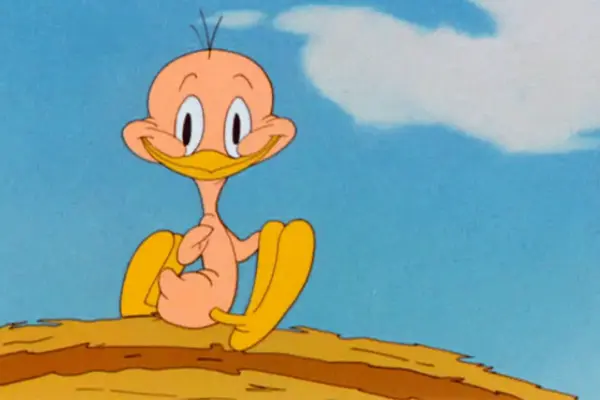
Wooldoor Sockbat is the strange yellow creature from Comedy Central’s adult animated series Drawn Together.
His rounded body, enormous eyes and bright yellow coloring parody the cheerful designs normally associated with children’s cartoon characters. That makes Wooldoor a good example of a show deliberately using a cute yellow character in a much more adult setting.
Sunni Gummi
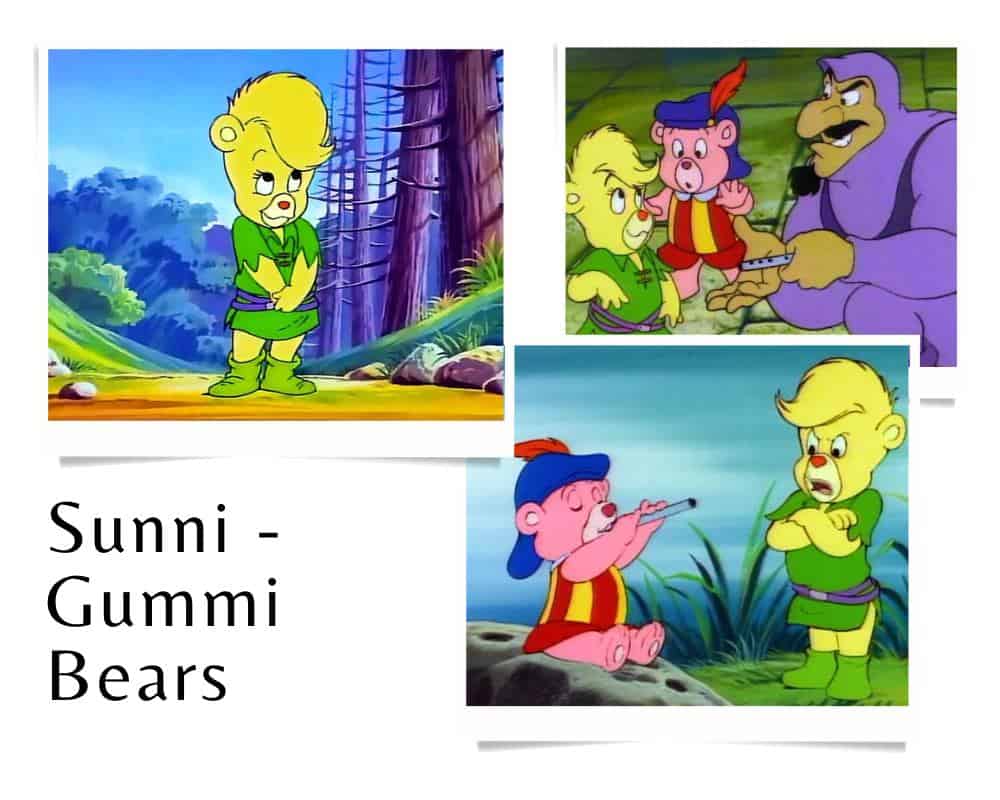
Sunni Gummi is one of the younger members of the Gummi Bears in Disney’s Adventures of the Gummi Bears, which originally aired from 1985 to 1991.
Her yellow fur and pink clothing separate her from the other color-coded Gummis. Sunni is adventurous, fashion-conscious and fascinated by the human world outside Gummi Glen.
Eric Duckman
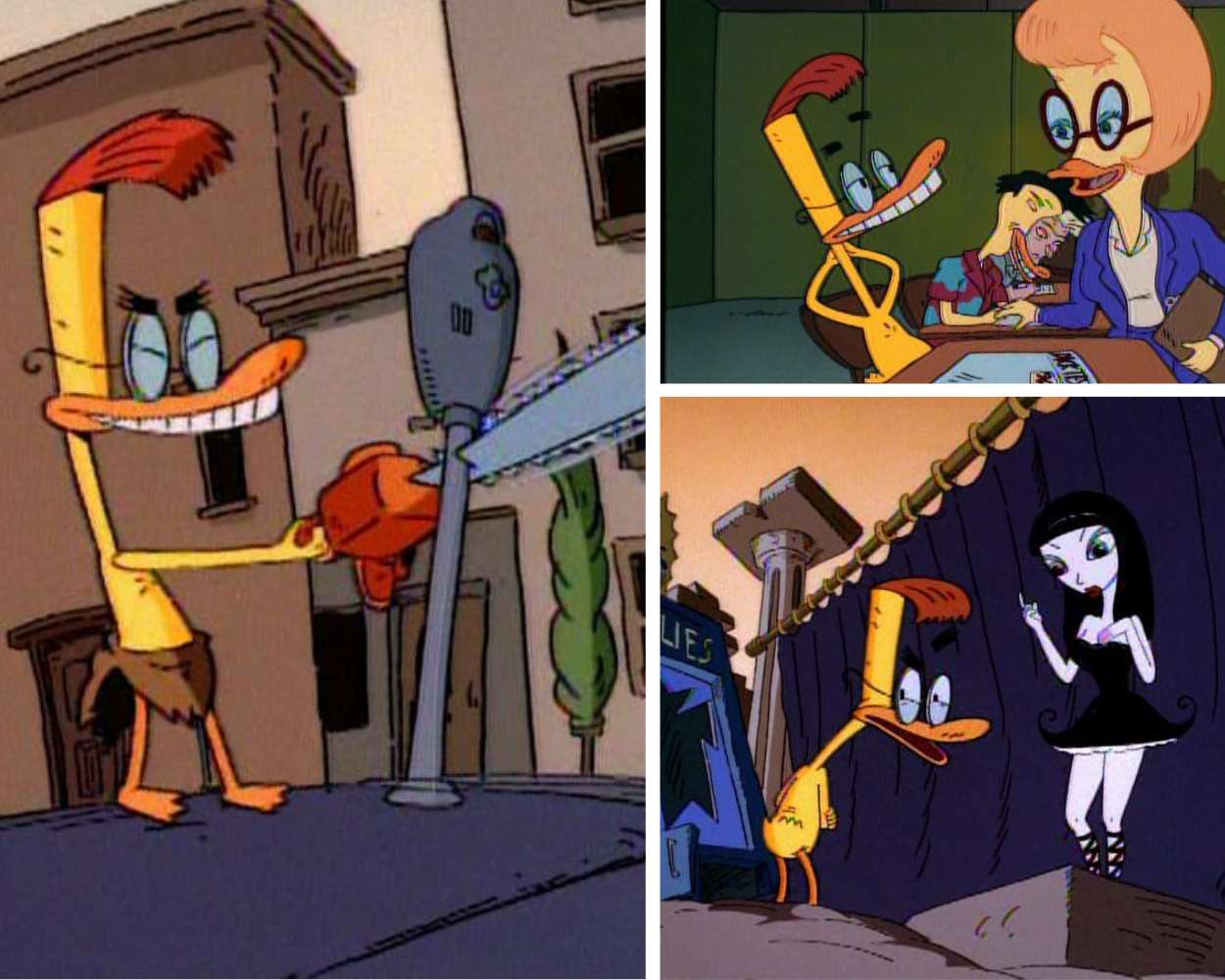
Eric Tiberius Duckman is the loud, bitter and frequently inappropriate private detective at the center of the 1990s animated series Duckman.
His yellow feathers, glasses and oversized bill create an intentionally simple cartoon silhouette that contrasts with the much darker humor of the show.
Barry B. Benson
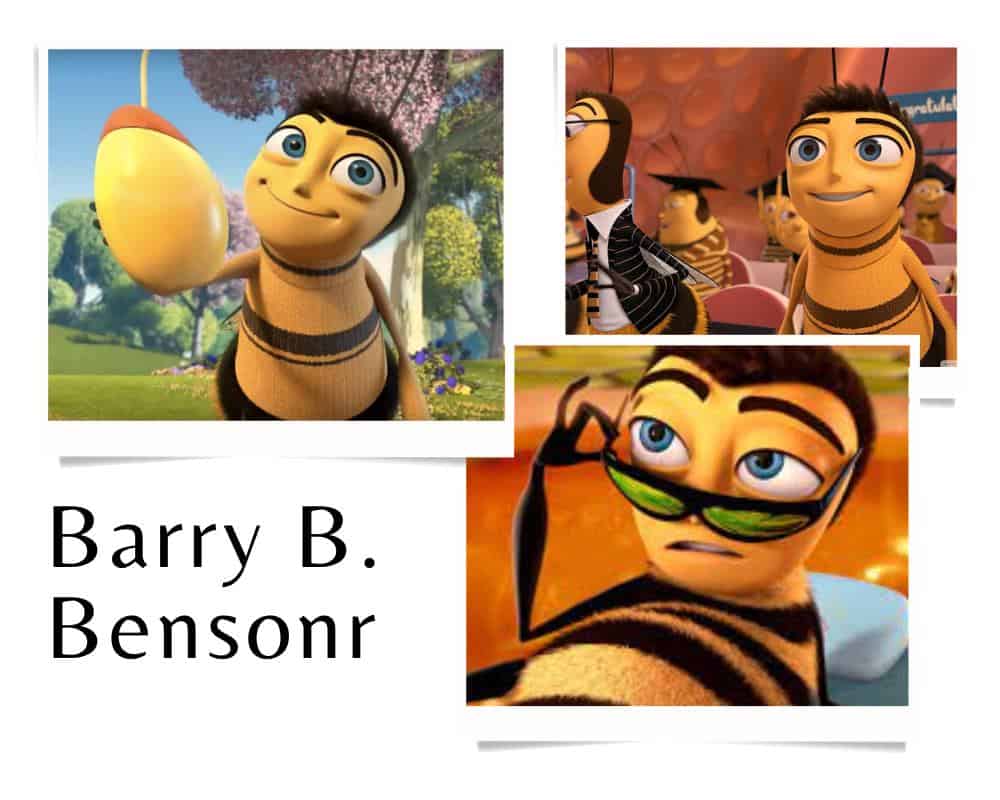
Barry B. Benson is the yellow-and-black bee voiced by Jerry Seinfeld in DreamWorks’ 2007 animated film Bee Movie.
Like most cartoon bees, Barry uses the familiar yellow-and-black color pattern, but his sneakers, expressive eyebrows and human-like posture make him immediately recognizable as the film’s lead rather than an ordinary insect.
Flounder
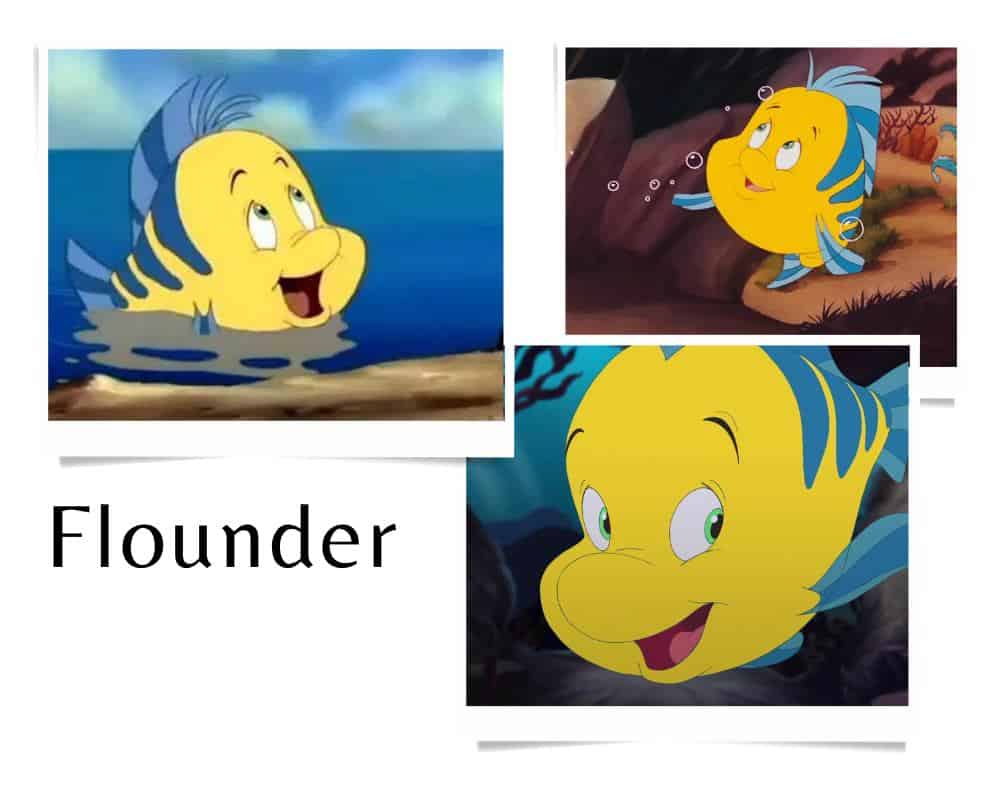
Flounder is Ariel’s loyal best friend in Disney’s The Little Mermaid.
Despite his name, he does not really resemble an actual flounder. His rounded yellow body, blue stripes and oversized eyes were designed to make him a friendly cartoon companion rather than a realistic fish.
Fluttershy
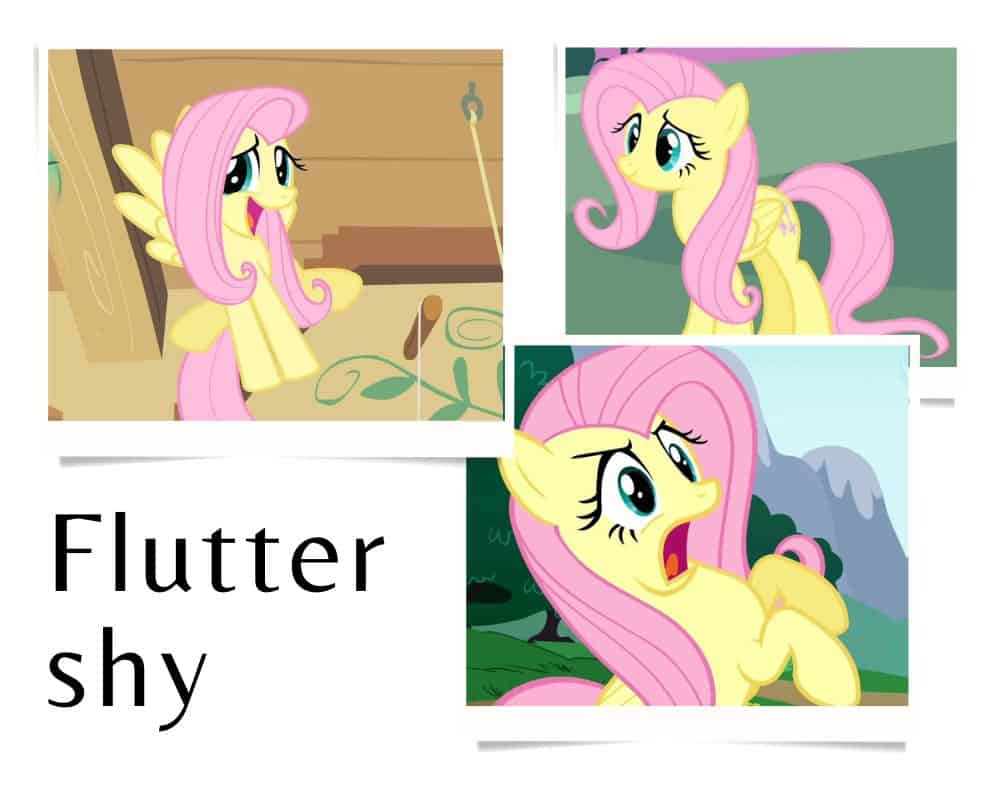
Fluttershy is the pale-yellow Pegasus with the long pink mane from My Little Pony: Friendship Is Magic.
Her soft pastel palette matches the intentionally gentle appearance of the character. She is shy around other ponies but particularly comfortable caring for animals.
For people searching for a yellow and pink cartoon character, Fluttershy is probably one of the most recognizable examples.
Odie
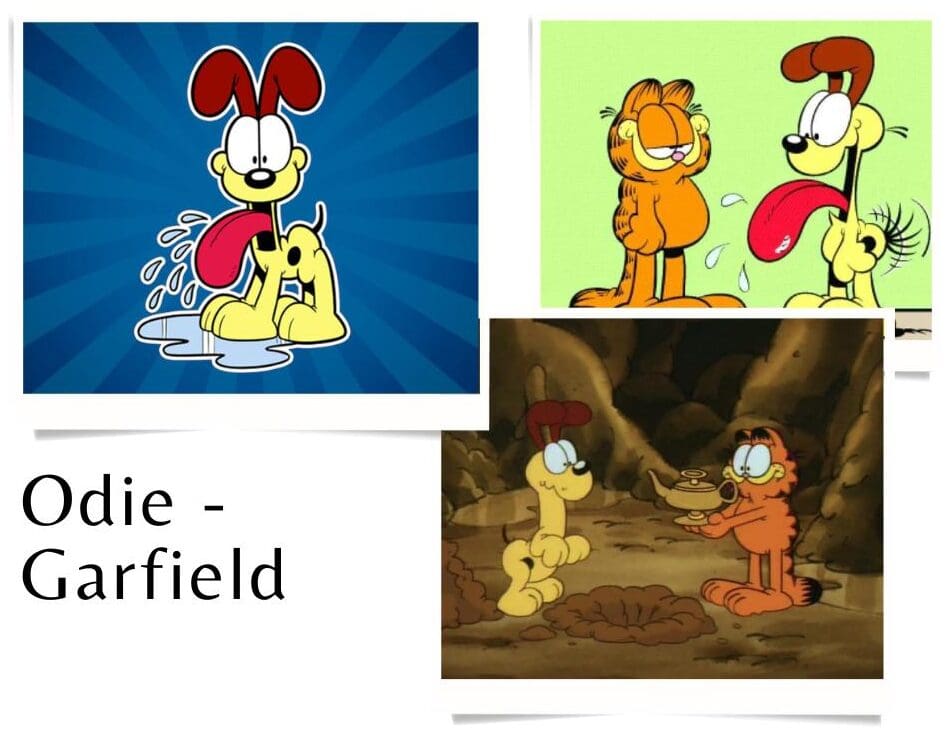
Odie is the happy, tongue-hanging dog from Jim Davis’ Garfield.
His yellow fur and enormous brown ears create a strong contrast with Garfield’s orange coloring. Odie rarely needs dialogue to be funny; most of his personality comes through movement, facial expressions and Garfield’s reaction to him.
He is one of several famous yellow dog cartoon characters on this list.
Pluto
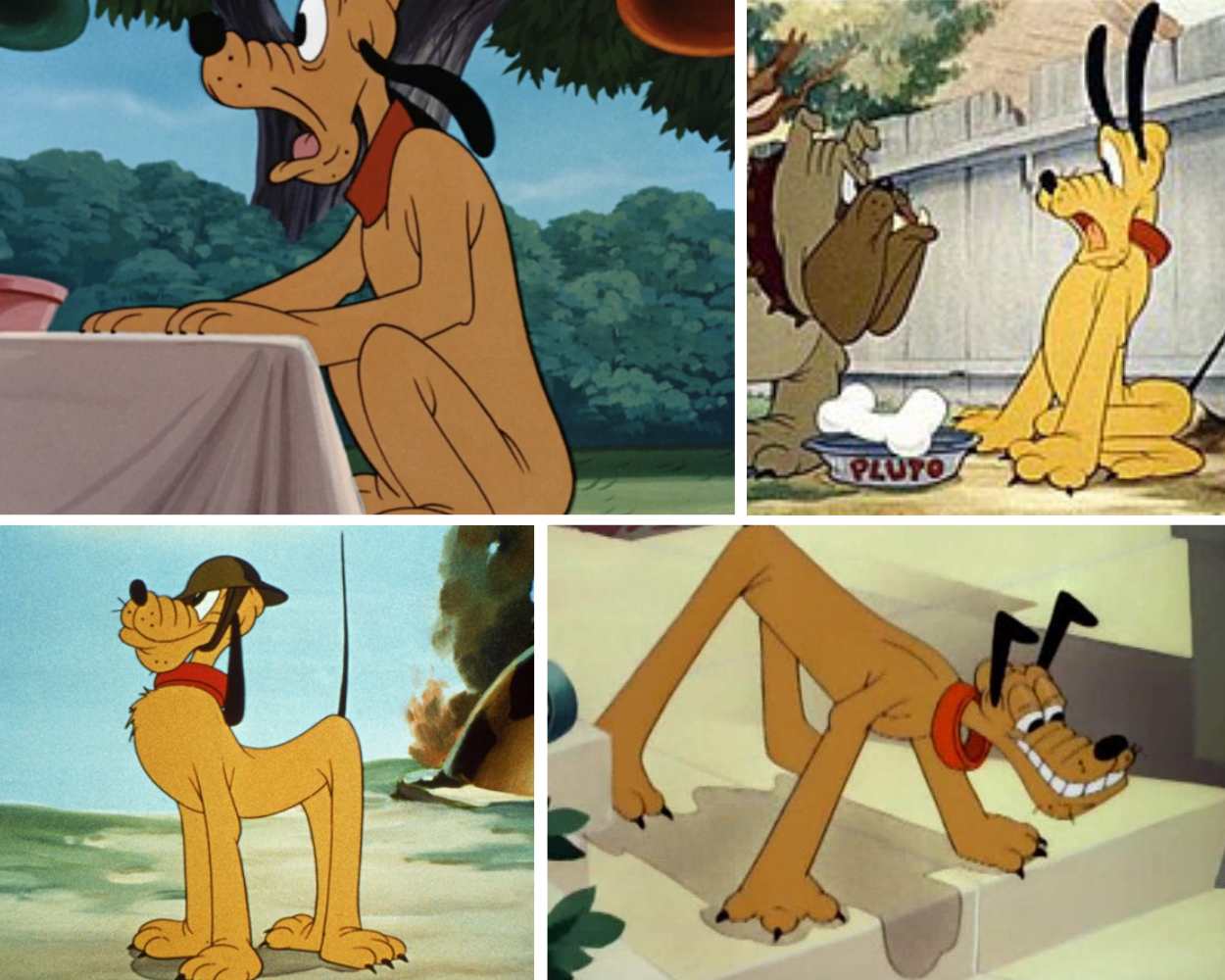
Disney’s Pluto has appeared in cartoons since 1930 and remains one of Mickey Mouse’s most recognizable companions.
His coat varies between golden yellow and orange depending on the production, so he sits near the edge of what counts as a yellow cartoon character. Still, searches for a yellow Disney dog character commonly lead to Pluto.
Unlike Mickey, Goofy and Donald Duck, Pluto normally behaves like an actual pet. He walks on four legs, does not speak and communicates through expressions, barking and physical comedy.
Top Cat
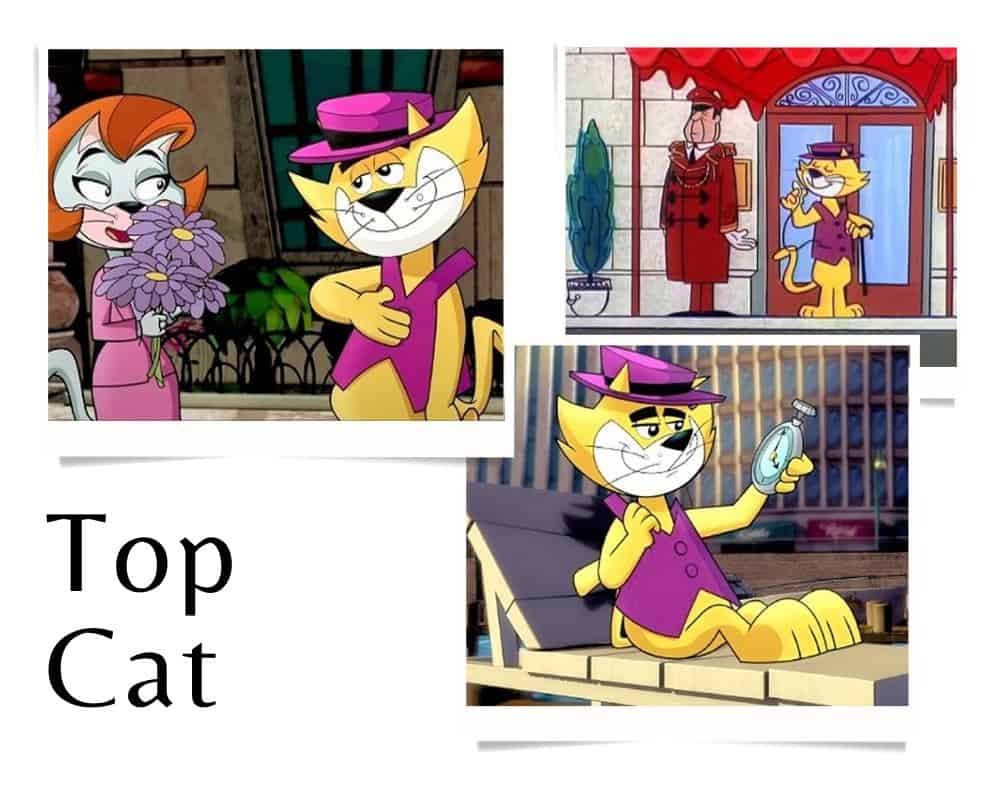
Top Cat is the smooth-talking leader of a group of Manhattan alley cats in Hanna-Barbera’s Top Cat.
The series originally ran from 1961 to 1962, but its title character remained recognizable through decades of reruns.
His golden-yellow fur, purple vest and matching hat give him one of Hanna-Barbera’s cleanest character silhouettes.
Baby Shark
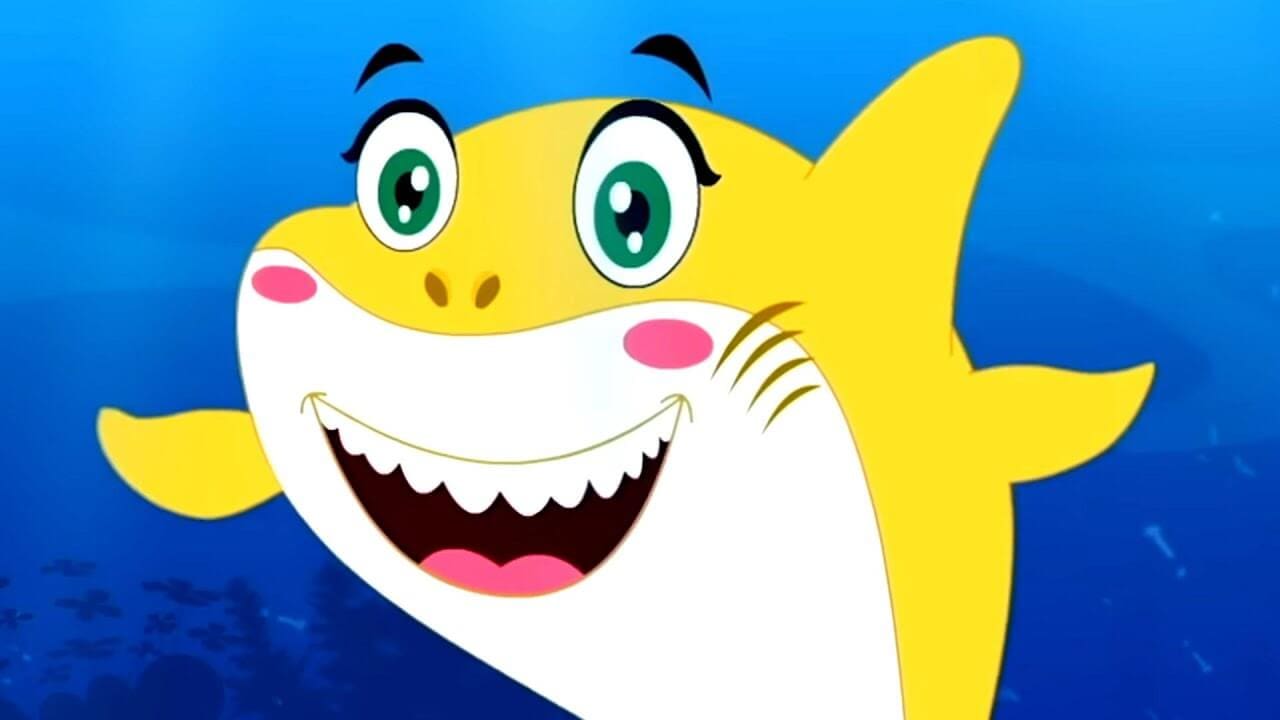
Baby Shark became a global character through Pinkfong’s animated version of the children’s song.
The character is depicted as a small bright-yellow shark with an oversized smile and simple black eyes. That uncomplicated design helped Baby Shark move easily from a viral music video into toys, merchandise and the animated television series Baby Shark’s Big Show!.
Joy
Joy is the glowing yellow emotion voiced by Amy Poehler in Pixar’s Inside Out.
Few animated characters use yellow as directly as Joy does. The color is part of the movie’s visual language: Joy glows yellow while the other emotions are distinguished through their own carefully selected colors.
Her blue hair also gives the design strong yellow-and-blue contrast, helping her stand out even when all five emotions appear together.
Winnie the Pooh
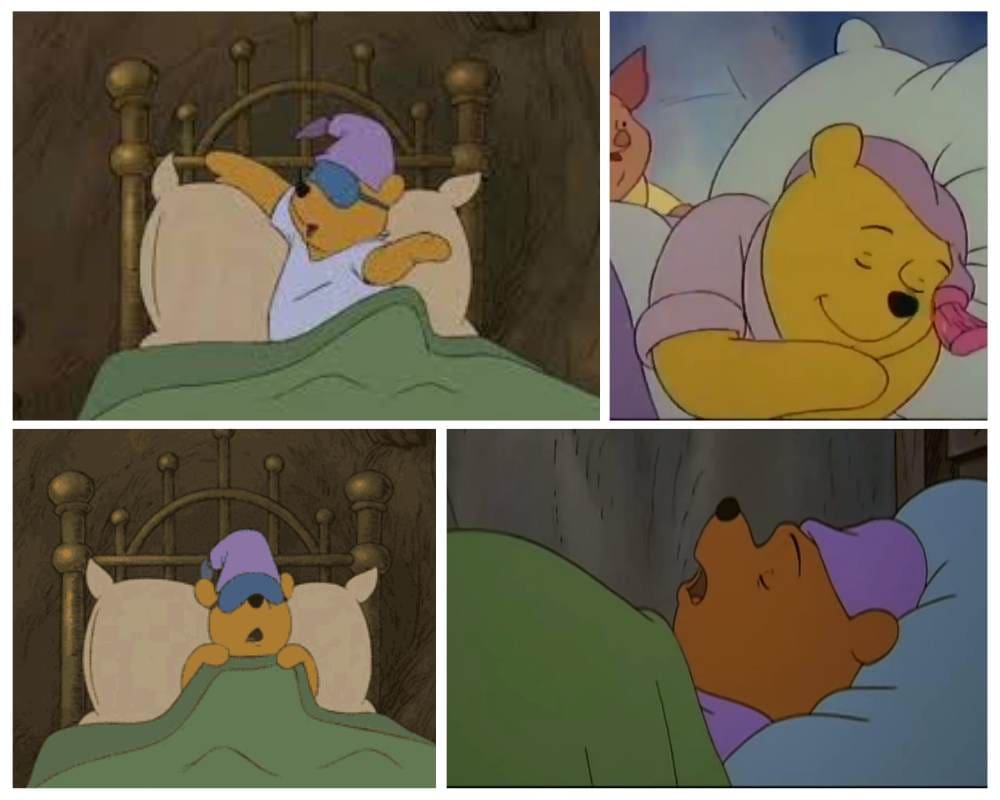
Winnie the Pooh is the gentle golden-yellow bear created by A. A. Milne and later transformed into one of Disney’s most enduring animated characters.
His simple yellow body and red shirt form one of the most recognizable color combinations in children’s animation.
Although Pooh is often described as golden rather than bright yellow, he comfortably belongs among the most famous yellow bear cartoon characters.
Jake the Dog
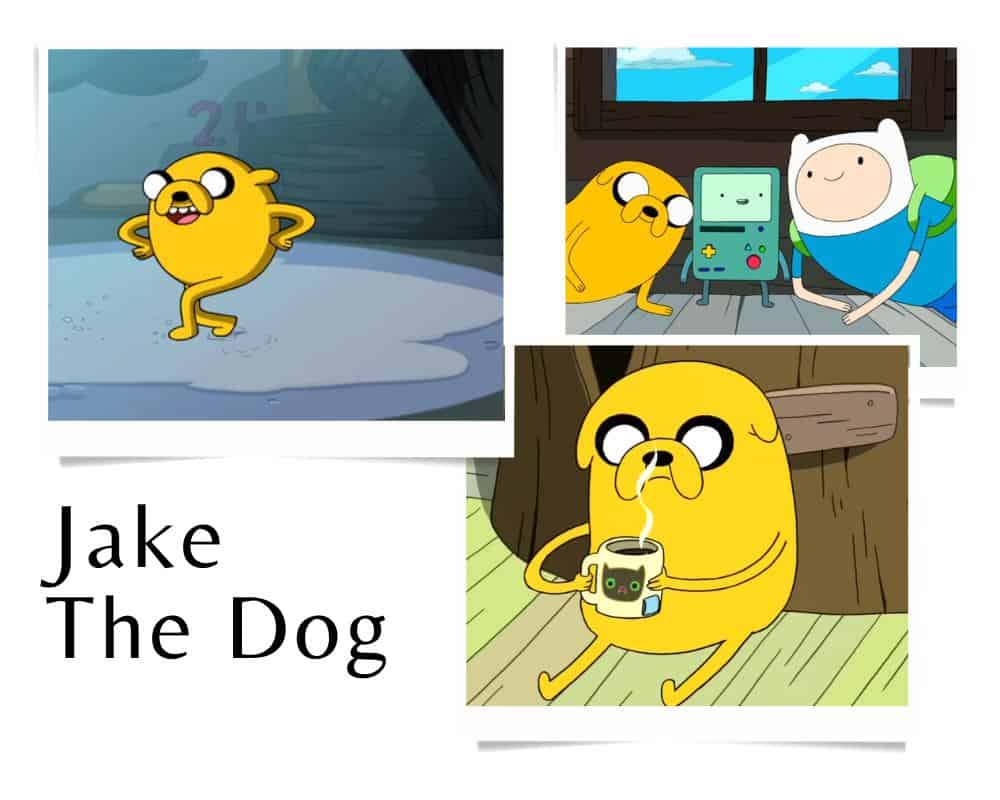
Jake the Dog is Finn’s shape-shifting best friend in Cartoon Network’s Adventure Time.
His mustard-yellow body is extremely simple: two large eyes, a black nose, floppy ears and noodle-like limbs.
That simplicity becomes part of the joke because Jake can stretch, flatten, inflate and reshape himself into almost anything the story requires.
Woodstock
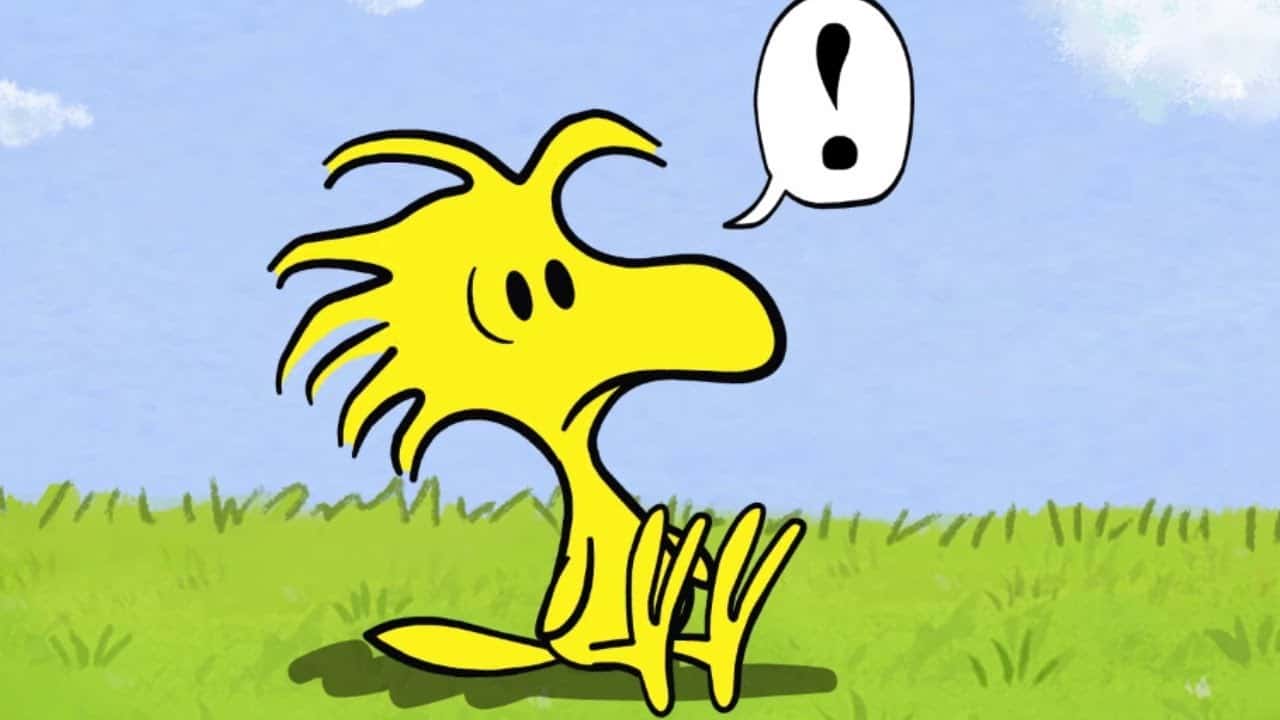
Woodstock is Snoopy’s tiny yellow bird friend from Charles M. Schulz’s Peanuts.
His design is almost nothing but a few black lines surrounding a patch of yellow, yet Schulz made him instantly recognizable.
Woodstock communicates largely through tiny marks and chirps that Snoopy somehow understands. He is one of animation and comics’ most famous little yellow bird characters.
Homer Simpson
Homer Simpson is probably the first human-looking yellow cartoon character many viewers think of.
Matt Groening’s entire Simpson family was given yellow skin partly to make the show immediately recognizable to people flipping through television channels. Against conventional flesh-colored characters and blue television backgrounds, Springfield’s residents were difficult to miss.
Homer’s bald head, muzzle-like mouth and two strands of hair make his silhouette recognizable even without the yellow.
Bart Simpson
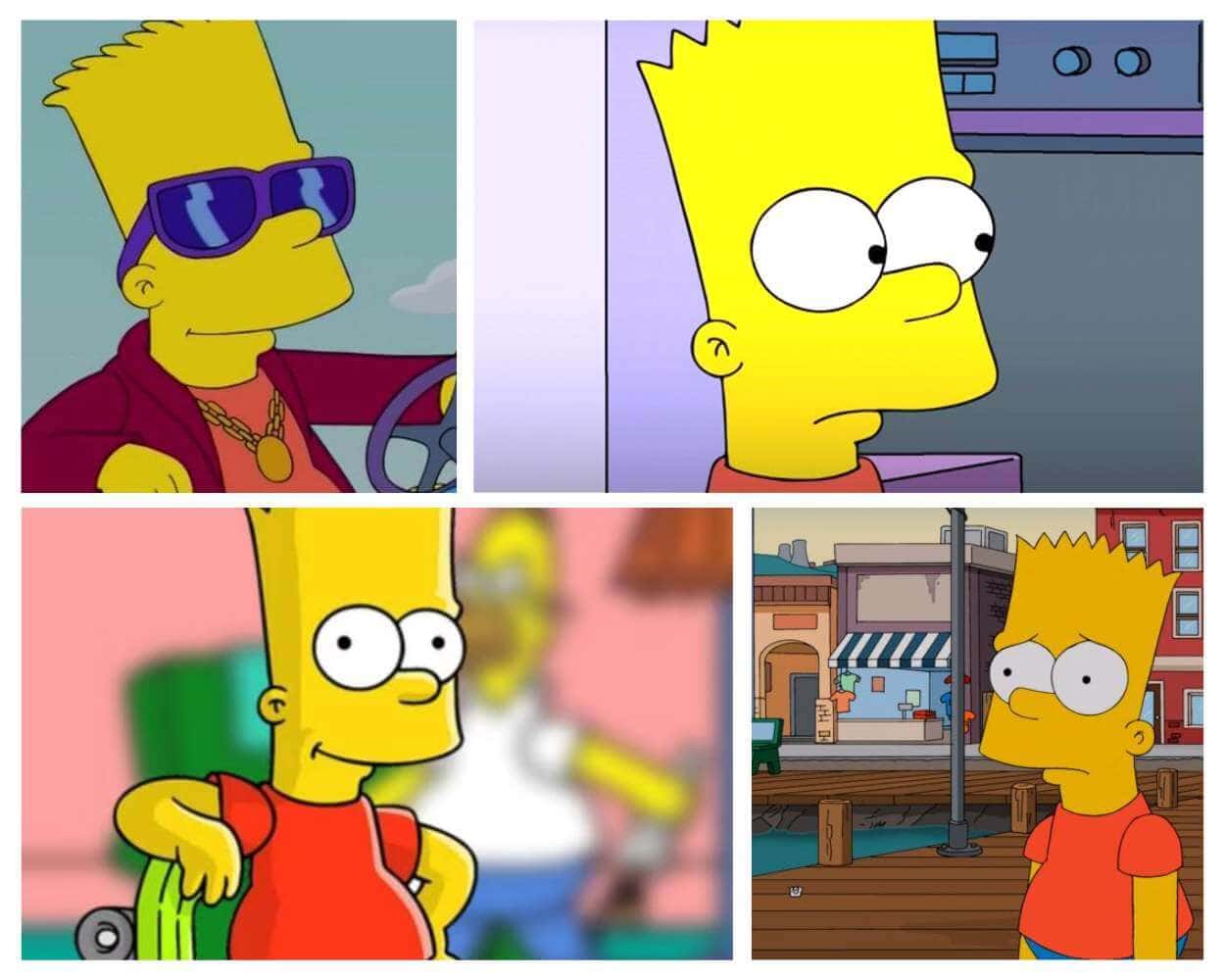
Bart Simpson has been causing trouble in Springfield since The Simpsons became a television series in 1989.
His most recognizable feature is the row of spikes that forms both his hair and the top of his head. Unlike many characters with blond hair, Bart’s hair does not have a separate outline from his yellow skin.
That unusual design makes him particularly relevant to searches for a yellow cartoon character with spiky hair.
Minions
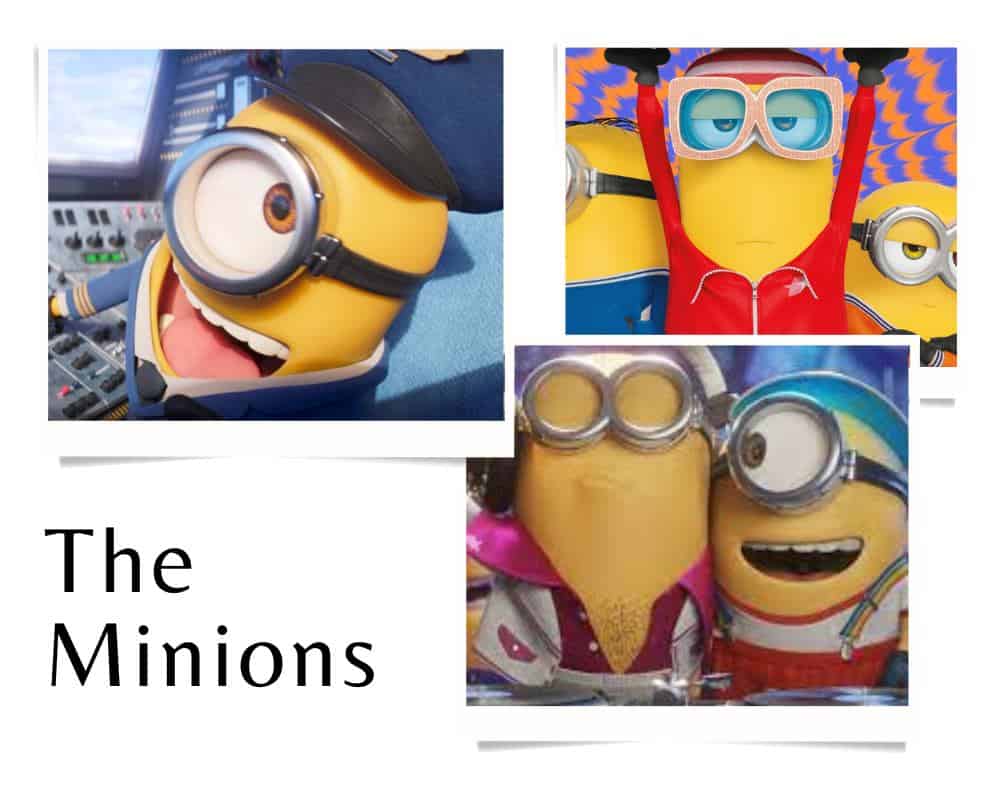
The Minions became breakout characters after appearing in Despicable Me in 2010.
Their bright yellow bodies, blue overalls, goggles and one- or two-eyed faces allow dozens of Minions to appear together while remaining readable on screen.
The contrast between yellow bodies and blue denim is particularly strong, which helps explain why the characters work so well in posters, toys and other merchandise.
They are also among the most common answers when someone searches for small yellow cartoon characters with goggles or a yellow one-eyed cartoon character.
Pikachu
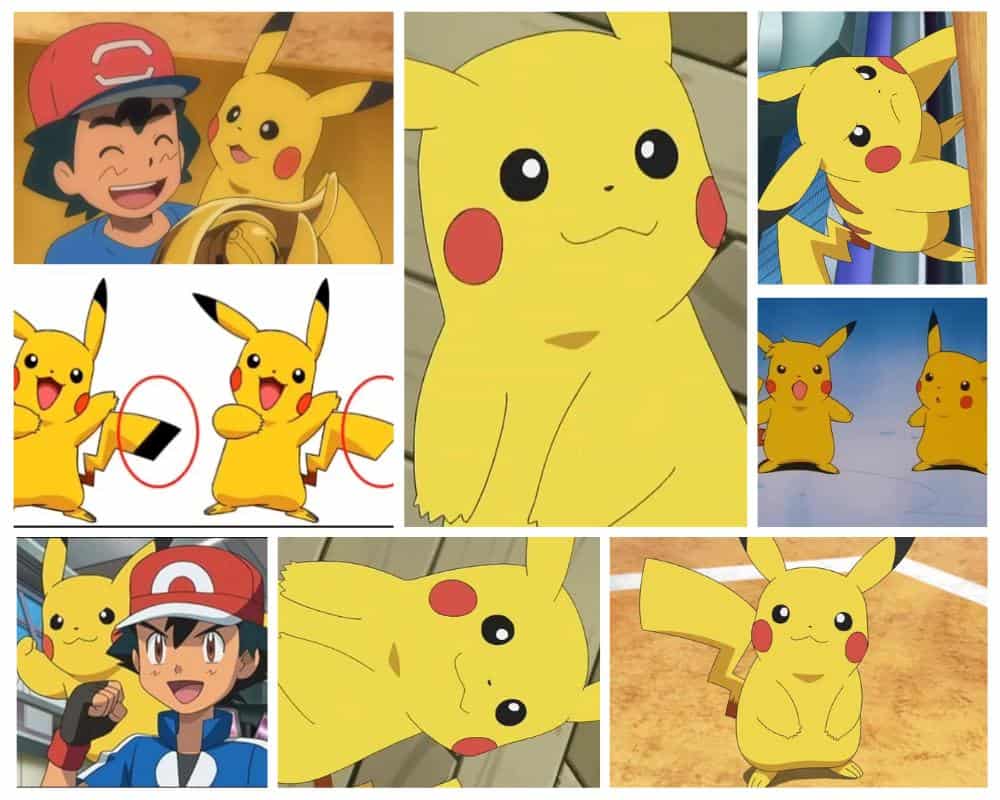
Pikachu became the face of Pokémon after appearing in the original games and taking a starring role beside Ash Ketchum in the animated series.
The design is simple but loaded with recognizable details: bright yellow fur, pointed black-tipped ears, red cheeks and a lightning-bolt-shaped tail.
Yellow is particularly appropriate visually for an Electric-type Pokémon, but Pikachu’s popularity has made the connection so strong that the character is now recognizable far beyond anime or gaming fandom.
SpongeBob SquarePants
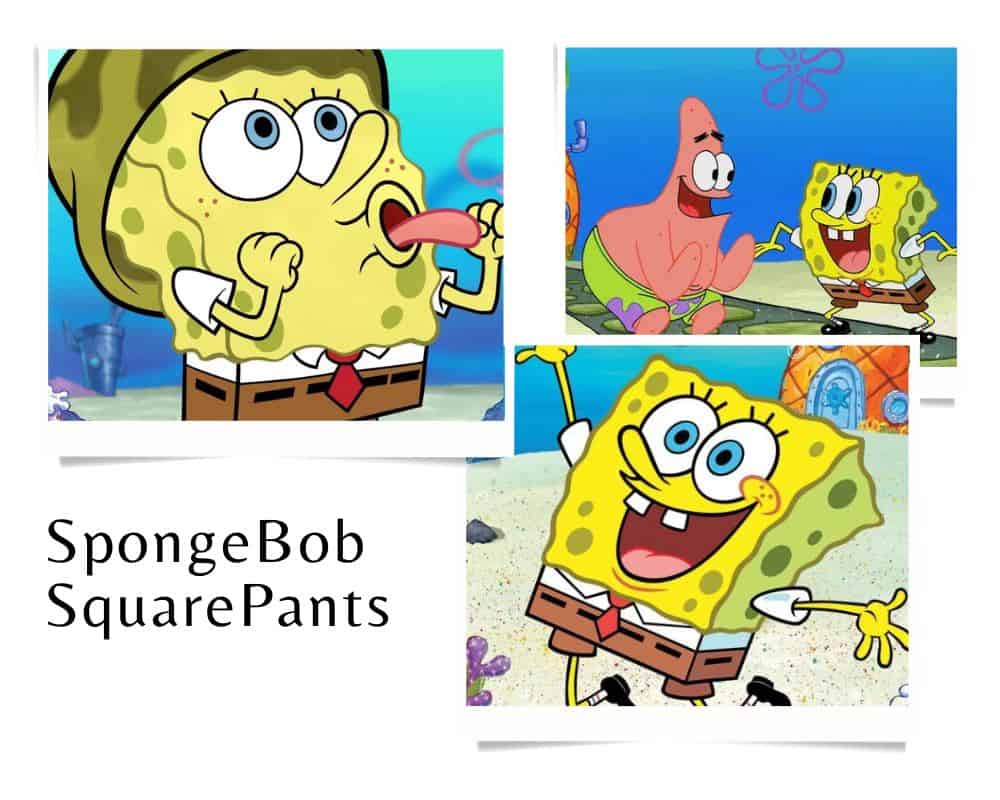
SpongeBob SquarePants is one of the most recognizable yellow cartoon characters ever created.
The Nickelodeon series debuted in 1999, and SpongeBob’s bright-yellow body immediately stood out against the blues and greens of Bikini Bottom.
His square silhouette, large blue eyes, buck teeth and brown shorts are simple enough for children to draw while remaining unmistakable.
The yellow-and-blue contrast is especially effective in an underwater cartoon, where blue backgrounds appear in almost every episode.
Tweety Bird
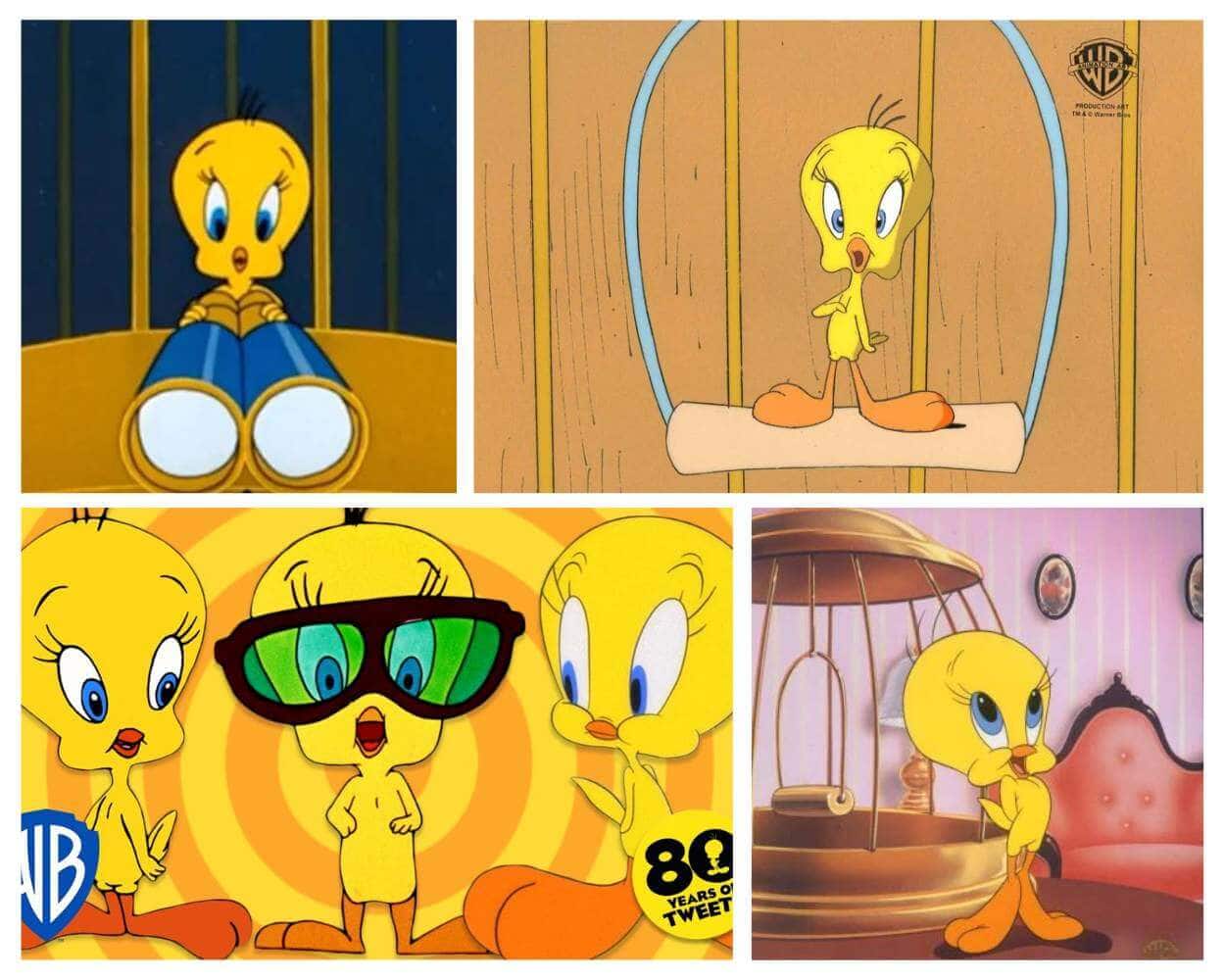
Tweety Bird takes the top spot because few yellow cartoon characters have been associated with the color for as long.
The funny part is that Tweety was not originally yellow at all.
Bob Clampett introduced the character in the 1942 Merrie Melodies short A Tale of Two Kitties as a pink, featherless baby bird. Studio model sheets called the early character Orson.
Yellow feathers did not arrive until Friz Freleng redesigned Tweety for Tweetie Pie in 1947. That makeover also helped establish him as a canary and paired him with Sylvester.
Tweety was originally pink
The yellow feathers most people consider essential to Tweety were actually part of a redesign five years after his debut. My history of Tweety Bird’s original design looks at the pink featherless version, his early name Orson, and why the character eventually turned yellow.
Today, the yellow feathers, oversized head, long eyelashes and huge blue eyes make Tweety instantly recognizable even without Sylvester nearby.
Why Are So Many Cartoon Characters Yellow?
There is no single reason animators use yellow so often. Every character has a different design history.
There are, however, a few practical reasons the color works particularly well in animation.
Yellow Creates Strong Contrast
On an RGB screen, yellow contrasts strongly with blue.
That matters because blue appears constantly in animation: skies, oceans and other outdoor backgrounds frequently fill large parts of the frame.
SpongeBob is an obvious example. His yellow body remains easy to see against the blue underwater backgrounds of Bikini Bottom.
The same basic color relationship appears in the Minions, whose yellow bodies are paired with blue overalls.
Yellow Grabs Attention
Bright yellow is difficult to overlook, which can be useful when designing a character who needs to register immediately.
The Simpsons are one of the best-known examples. Their unusual yellow skin helped make the show identifiable while viewers were flipping through television channels.
That does not mean every yellow character was designed for the same reason. Tweety became yellow because his original featherless design was changed, while Winnie the Pooh’s golden coloring has a completely different history.
It Works With Simple Character Designs
Many of the characters on this list are built around surprisingly simple shapes.
- SpongeBob is essentially a yellow rectangle.
- Minions are yellow capsules.
- Jake is a flexible yellow dog shape.
- Woodstock is only a handful of lines.
- Tweety is an oversized yellow head on a tiny body.
A strong flat color helps those simple silhouettes remain readable from a distance.
Yellow Does Not Always Mean the Same Thing
It is tempting to say that yellow automatically represents happiness or friendliness, but character design is rarely that simple.
SpongeBob is cheerful, but Eric Duckman certainly is not. Tweety looks innocent while repeatedly outsmarting predators. Bart Simpson is rebellious, while Fluttershy is timid.
The color can reinforce a personality, but it does not determine one.
The bigger pattern
Yellow works extremely well in animation because it is bright, easy to separate from common blue backgrounds and memorable in a simple character silhouette. What creators do with that color afterward is what makes Pikachu, SpongeBob, Tweety and Homer look nothing alike.
What stands out most is how little these characters actually have in common beyond color.
A yellow design can belong to a sarcastic detective, a nervous fish, an electric Pokémon, a mischievous schoolboy or a tiny canary that began life without yellow feathers at all.
That flexibility may be the real reason yellow keeps showing up in animation: it attracts attention without forcing every character into the same visual personality.