Fish cartoon characters are one of my favorite “quietly elite” categories in animation. When a show wants quick comedy, instant cuteness, or a character design that reads across the room, it leans on fish for a reason: big eyes, exaggerated mouths, dramatic fins, and the kind of facial expressions that can go from adorable to unhinged in half a second.
And once I start thinking about iconic animated fish, I usually end up in two rabbit holes at the same time: the movie lane (which is why I keep looping back to animated movies about fish) and the “underwater sitcom world” lane that’s packed with side characters (the bigger umbrella for that is cartoon sea animals).
Fish Cartoon Characters
Quick note before we dive in
- This list includes fish and sharks because “fish cartoon characters” searches almost always mix the two.
- Some “fish” aren’t real species (and that’s fine). Animation designs are often inspired by real fish, not locked to them.
- I’m focusing on characters people actually remember—the ones with personality, punchlines, or iconic scenes.
Best Fish Cartoon Characters (Movies + TV)
Nemo (Finding Nemo)
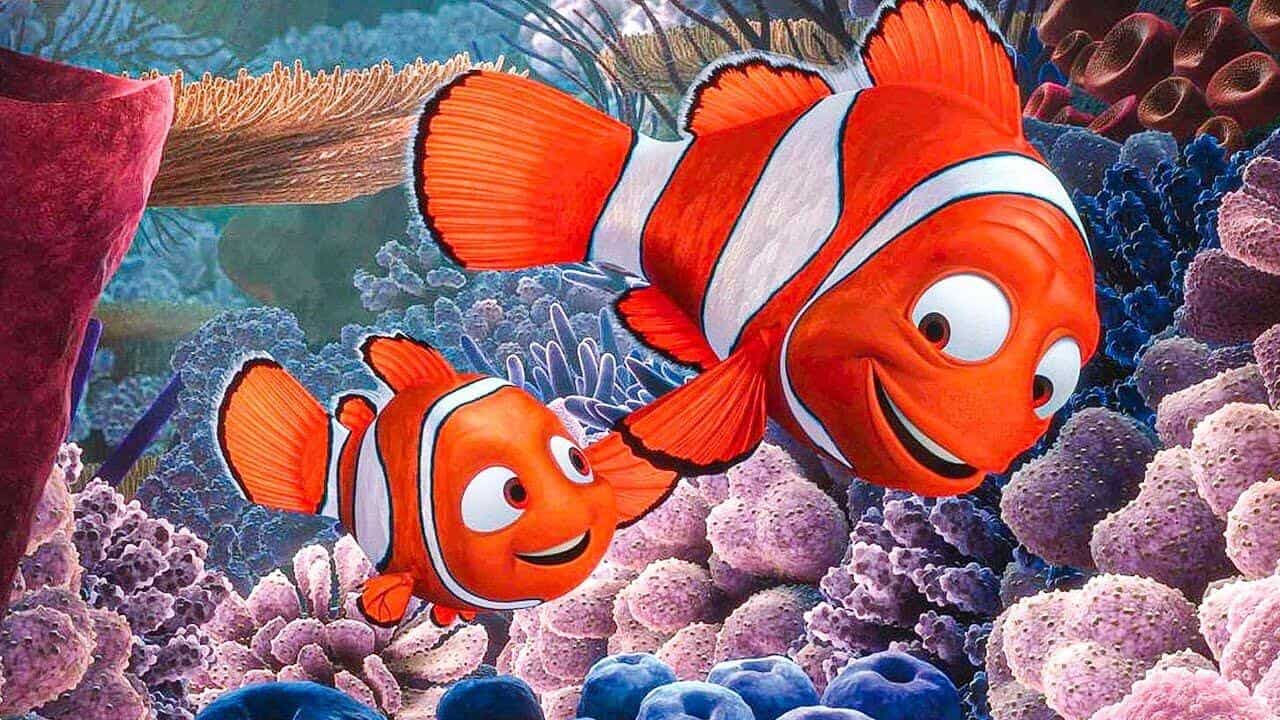
Nemo is the definition of “designed to be loved.” He’s small, expressive, and instantly readable—even when he’s panicking. The humor works because his reactions are huge, but his courage still feels real.
From: Finding Nemo
Fish vibe: “Tiny hero with big emotions”
Why it works: His face does half the comedy (wide eyes + instant mood swings)
My Take: Nemo is proof you don’t need a loud personality to be iconic—you just need moments people remember.
Dory (Finding Nemo / Finding Dory)

Dory is one of the most rewatchable fish characters ever because the comedy is built into her brain wiring. Her optimism is funny, but it’s also the emotional engine of the story—she keeps things moving when everyone else would shut down.
From: Finding Nemo / Finding Dory
Fish vibe: Chaos optimism
Why it works: Her one-liners land because she’s sincere, not “trying to be funny”
My Take: Dory is the rare comedic character who also feels genuinely brave.
Marlin (Finding Nemo)
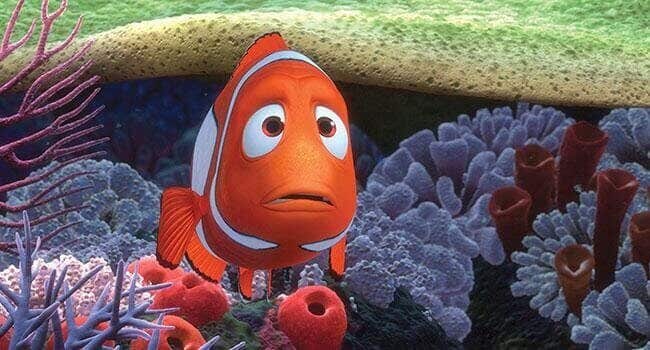
Marlin is “dad anxiety” as a character, and I mean that respectfully. He’s overprotective, a little paranoid, and constantly convinced the world is about to eat his kid—which makes his growth feel earned by the end.
From: Finding Nemo
Fish vibe: Overprotective parent energy
Why it works: His panic is funny, but it’s rooted in real loss
My Take: Marlin’s humor hits because it’s basically fear trying to look like control.
Gill (Finding Nemo)
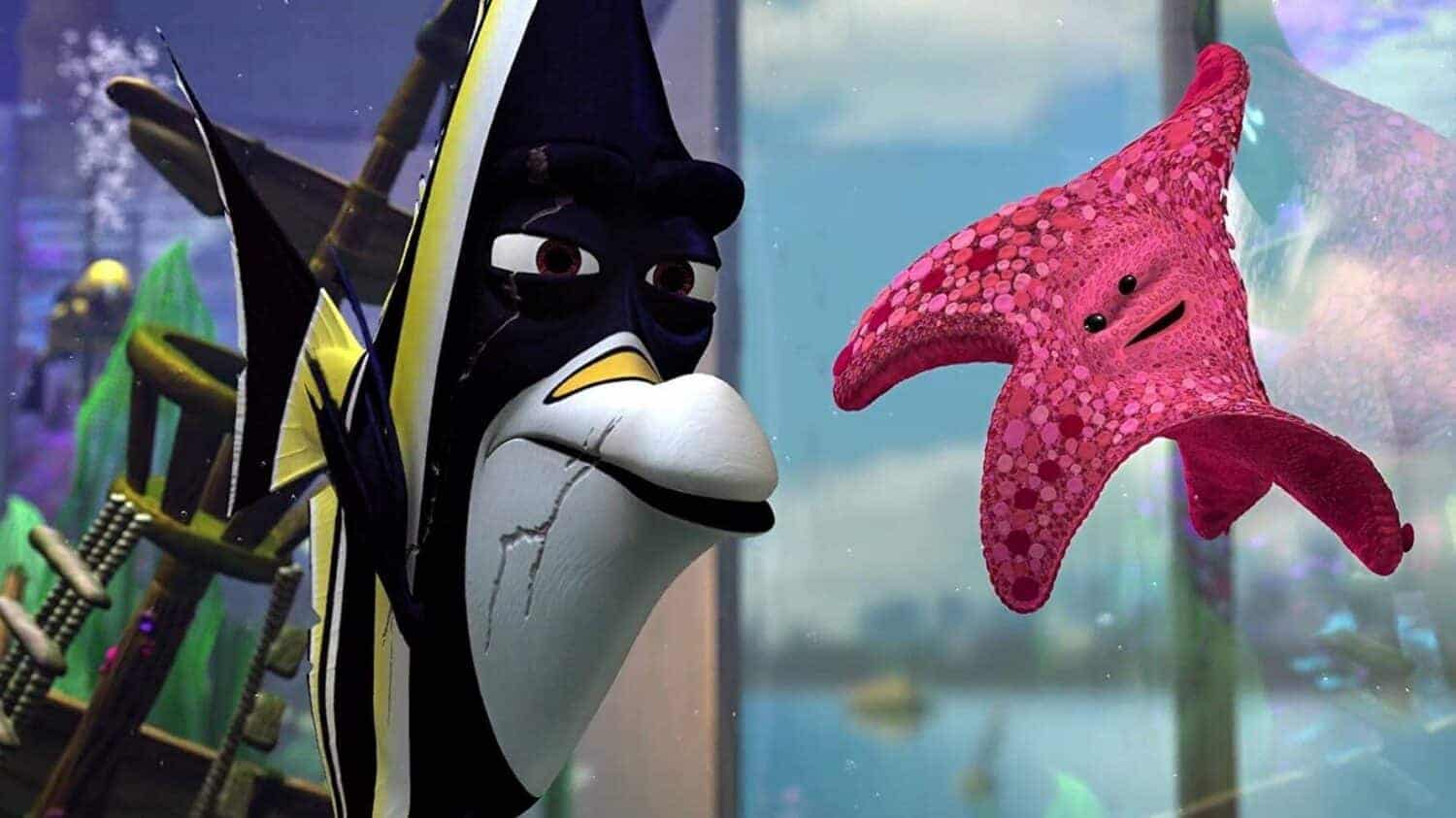
Gill is the “serious fish” who makes the tank crew feel like a real team. He’s the leader, the planner, and the one who turns a children’s fish tank into a prison-break story.
From: Finding Nemo
Fish vibe: Prison-break strategist
Why it works: He adds stakes and structure to the comedy
My Take: Every great “crew” needs one character who takes the plan too seriously—Gill is that guy.
Flounder (The Little Mermaid)
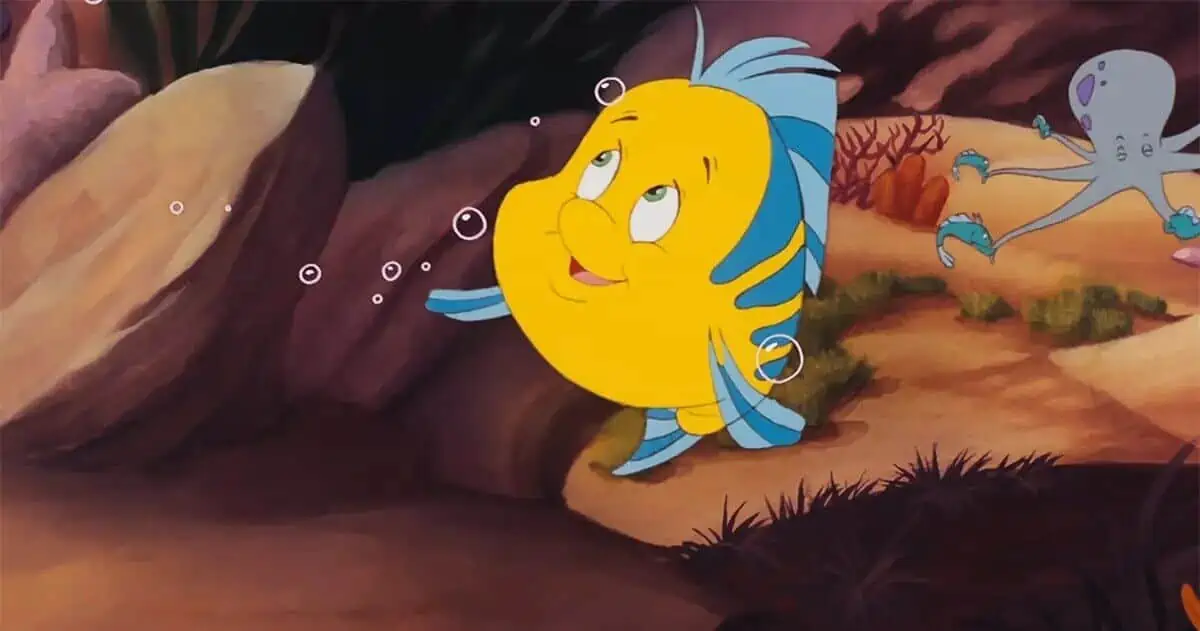
Flounder is the “nervous best friend” archetype done perfectly. He panics, he worries, he tries to talk Ariel out of trouble—and then he follows her into trouble anyway. That loyalty is why he’s still one of Disney’s most recognizable underwater sidekicks.
From: The Little Mermaid
Fish vibe: Anxious best friend
Why it works: His fear makes Ariel’s boldness funnier by contrast
My Take: Flounder is the character who says “this is a bad idea” while already swimming after you.
And if you’re collecting Disney sidekicks in general, it’s easy to end up drifting into design-based lists like ugly Disney characters, because Disney is weirdly good at making “odd-looking” characters lovable.
Blinky (The Simpsons)
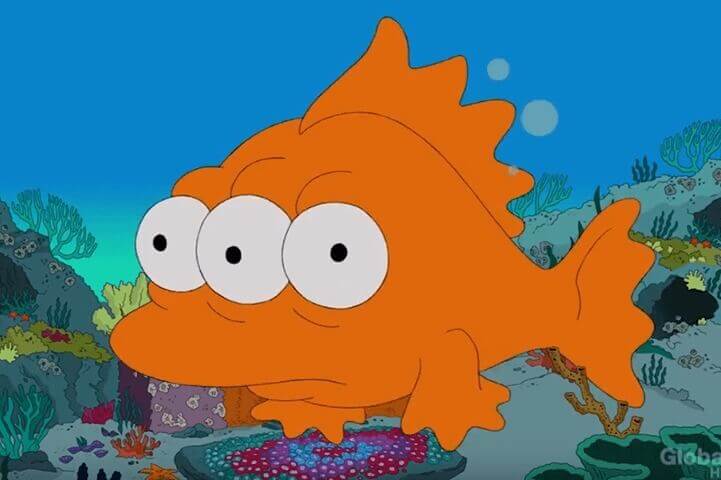
Blinky is one of those “background” fish characters that became legendary anyway. The three eyes are instantly recognizable, and the joke works because it’s not only visual—it’s also a satire on pollution and industry.
From: The Simpsons
Fish vibe: Mutant mascot
Why it works: A simple design delivers a whole environmental joke
My Take: The best “one-off” cartoon creatures are the ones you can identify from memory in two seconds—Blinky is that.
Mrs. Puff (SpongeBob SquarePants)
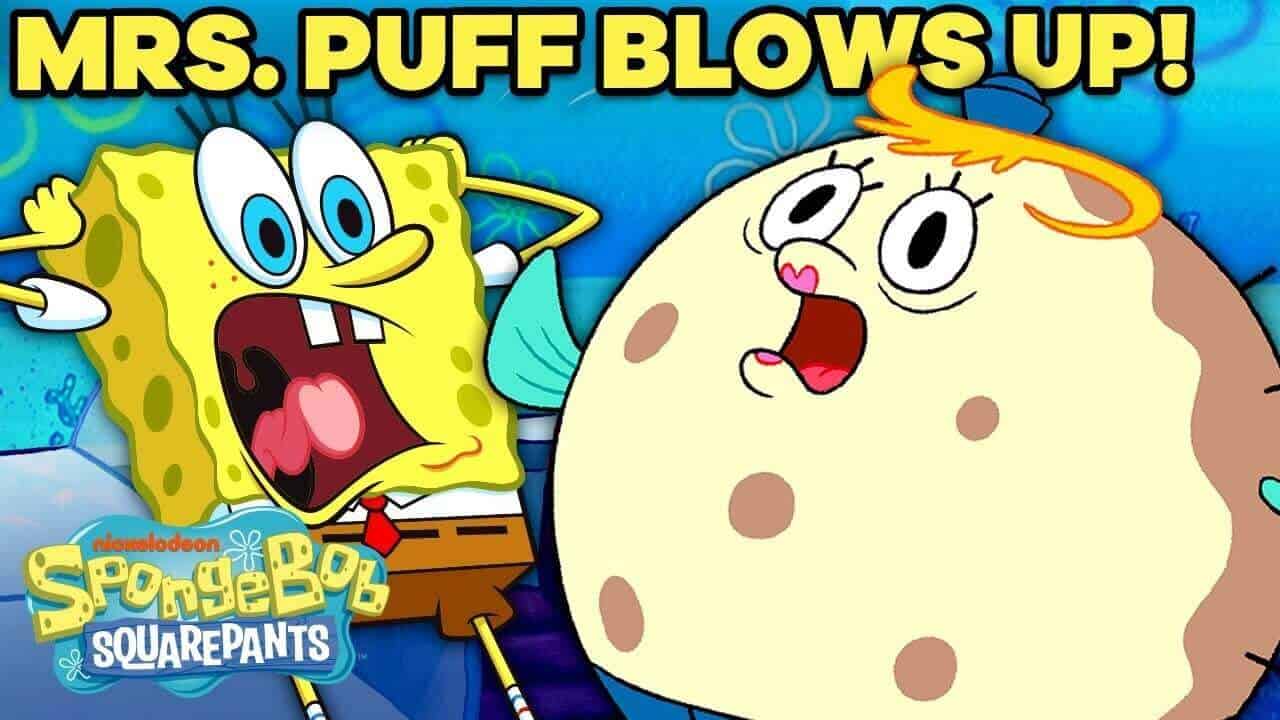
Mrs. Puff is comedy built on stress. She’s the teacher who’s trying to do her job while SpongeBob turns driving school into a demolition derby. And because she’s a pufferfish, her body literally reacts to panic—perfect cartoon logic.
From: SpongeBob SquarePants
Fish vibe: Stressed-out authority figure
Why it works: “Teacher losing patience” is timeless comedy
My Take: Mrs. Puff is the patron saint of anyone who’s ever tried to teach someone who refuses to learn.
If you’re already in SpongeBob mode, this character makes more sense inside the larger cast ecosystem of SpongeBob SquarePants characters—and yes, I still think the “adult running a business underwater” humor lands even better once you remember Mr. Krabs exists in the same town.
Klaus (American Dad!)
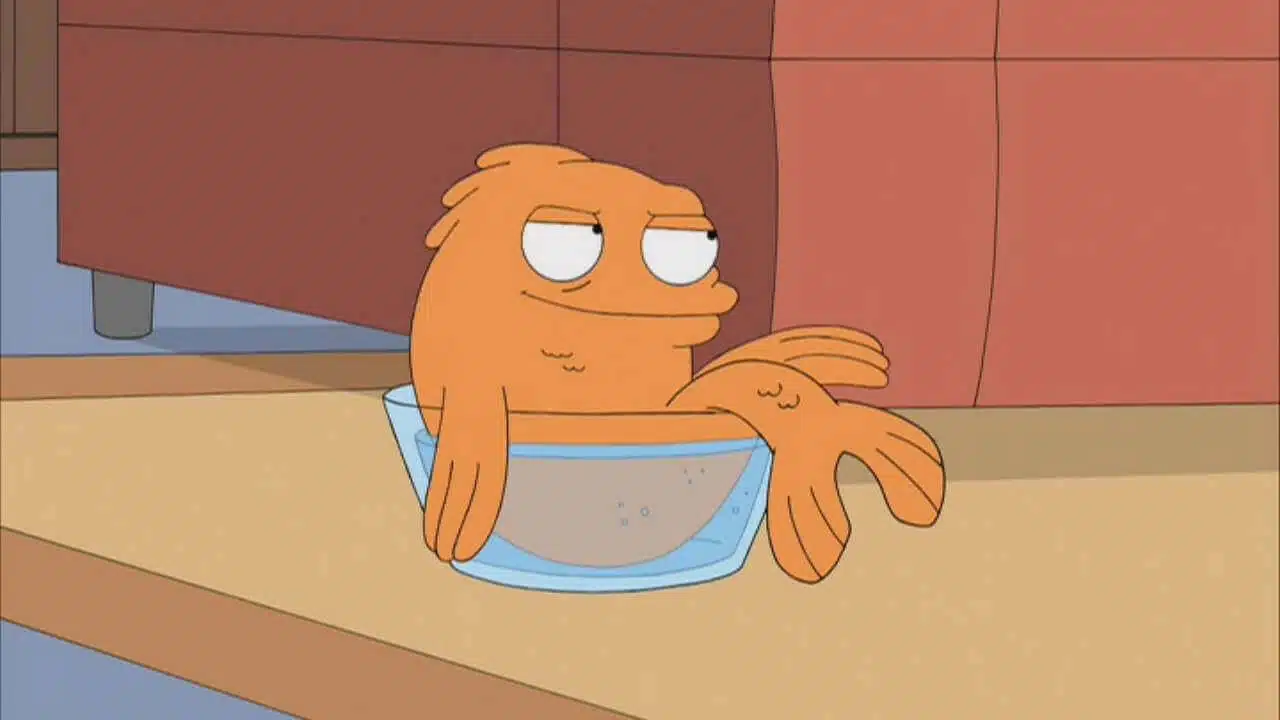
Klaus is a talking fish, but the real joke is that he isn’t just a fish—he’s a whole person stuck in a fish’s body. That’s why his bitterness, sarcasm, and desperation hit so hard in an adult comedy setting.
From: American Dad!
Fish vibe: Trapped soul with opinions
Why it works: A “pet fish” who talks like a disgruntled roommate is a perfect sitcom weapon
My Take: Klaus is funniest when he’s trying way too hard to be respected by people who refuse to take him seriously.
Once I start laughing at Klaus scenes, I usually end up clicking around the wider American Dad characters list and then spiraling into best American Dad episodes because that show’s humor really is “the cast is the engine.”
Jabberjaw (Jabberjaw)
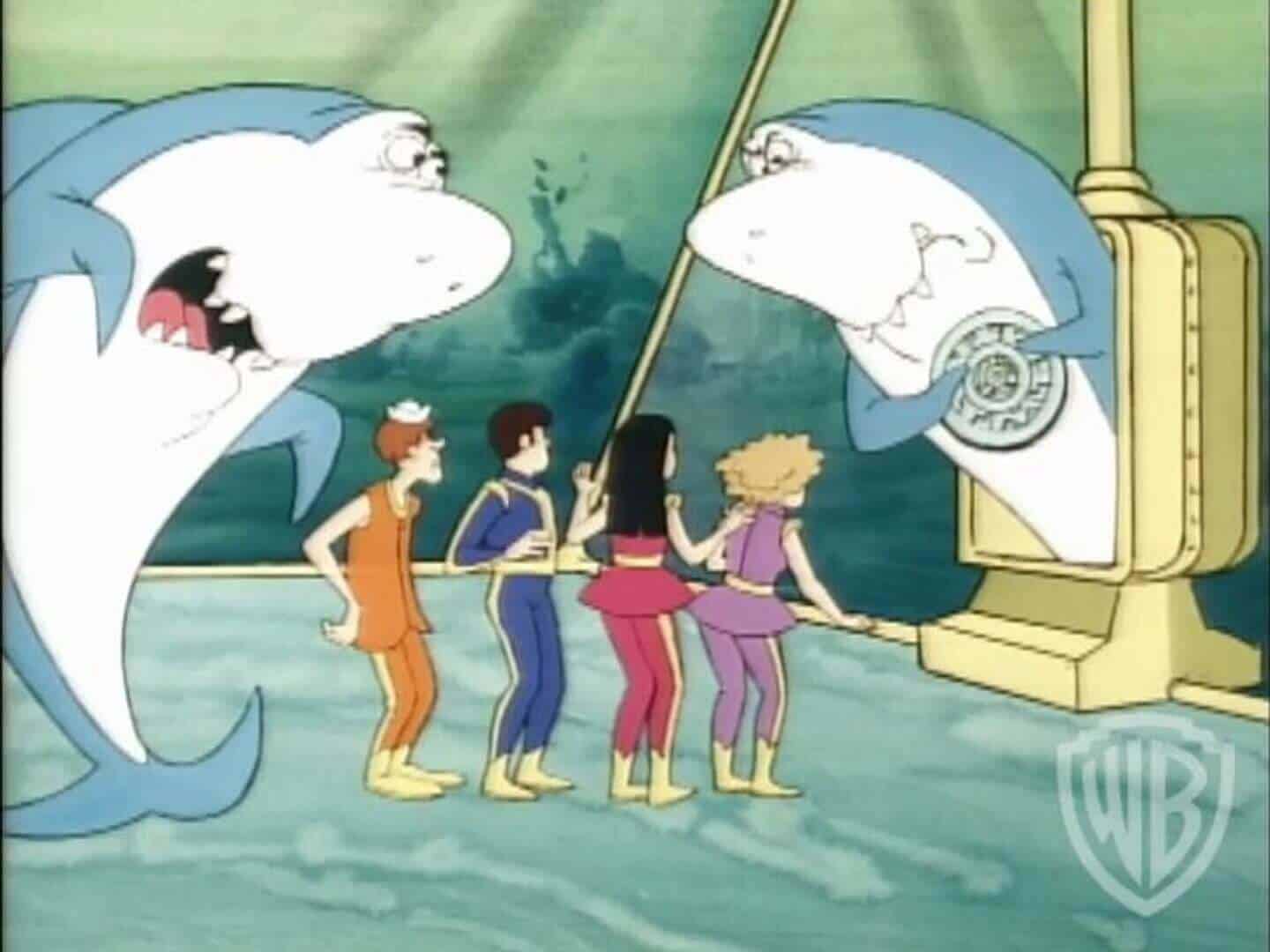
Jabberjaw is a classic talking shark who feels like pure 70s cartoon DNA: silly premise, big personality, and a band that somehow keeps getting dragged into trouble. He’s one of those characters you remember even if you barely remember the episodes.
From: Jabberjaw (Hanna-Barbera)
Shark vibe: Goofy drummer with a catchphrase
Why it works: The character is basically “friendly chaos” with fins
My Take: Jabberjaw feels like the kind of cartoon that was built to be fun first—and it succeeds.
Any time I’m pulling 70s characters into a list, I end up cross-checking the broader era through cartoons in the 70s and big studio catalogs like Hanna-Barbera cartoon characters.
Lenny (Shark Tale)
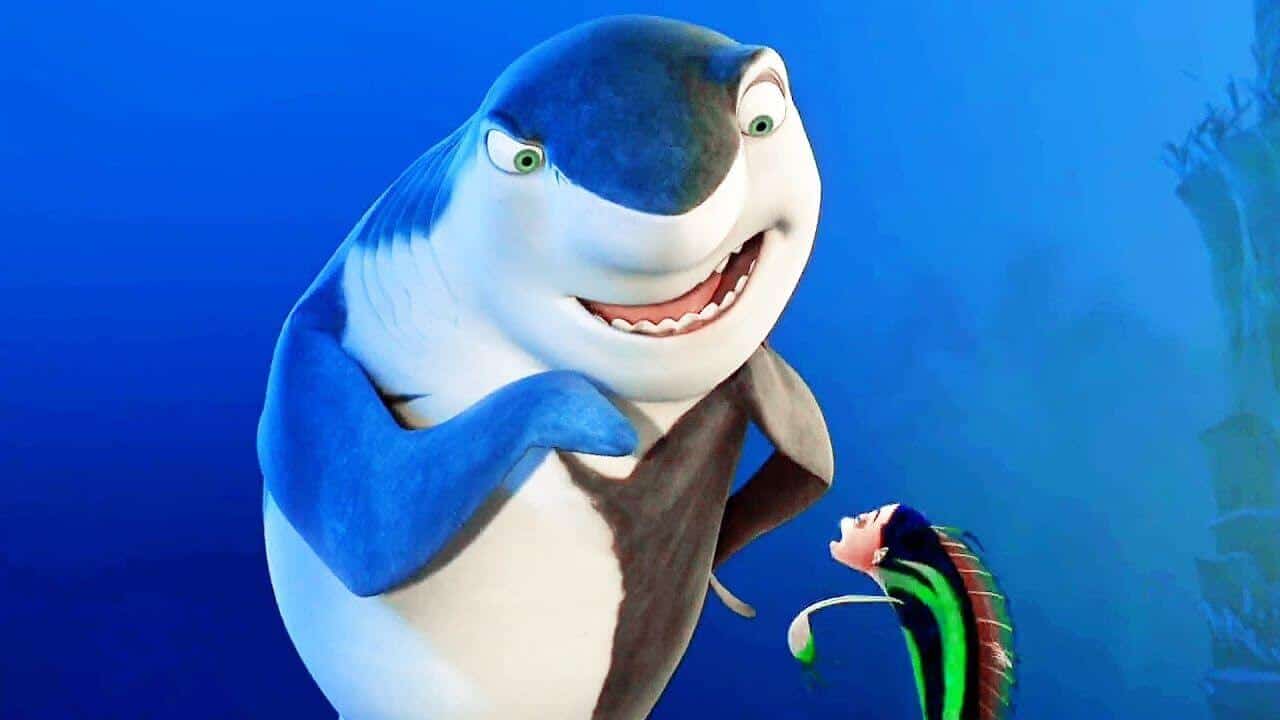
Lenny is a shark who doesn’t want to be a shark in the way his family expects—he’s gentle, anxious, and basically allergic to violence. That contrast is the whole point of why he’s funny.
From: Shark Tale
Shark vibe: “Soft kid in a tough family”
Why it works: The story plays with expectations: the shark is the sensitive one
My Take: Lenny’s humor lands because he’s trying to survive a culture he doesn’t fit.
Don Lino (Shark Tale)

Don Lino is “mob boss shark” energy—intimidating, dramatic, and obsessed with reputation. And because Shark Tale leans into parody, the character becomes both threatening and ridiculous at the same time.
From: Shark Tale
Shark vibe: Underwater “Don”
Why it works: He treats ocean drama like organized crime politics
My Take: Don Lino feels like the character who can turn a casual conversation into a threat with one sentence.
And yes—Shark Tale’s Oscar is basically a pop culture moment on his own, which is why the “remember the Will Smith fish?” question keeps coming up in comment sections.
Bull Sharkowski (My Gym Partner’s a Monkey)

Bull Sharkowski is the “jock bully” archetype… except he’s a shark in a school full of animals. The joke is simple, but the design is memorable, which is why he sticks.
From: My Gym Partner’s a Monkey
Shark vibe: School bully, but aquatic
Why it works: The contrast of “shark” + “school setting” is the whole joke
My Take: The best cartoon side characters are basically one strong concept executed cleanly—this is that.
The deeper character breakdown is fun too if you want it: Bull Sharkowski.
Muddy Mudskipper (The Ren & Stimpy Show)

Muddy Mudskipper is gross, loud, and basically designed to make you laugh and cringe at the same time. Ren & Stimpy humor lives in that uncomfortable space, and Muddy fits it perfectly.
From: The Ren & Stimpy Show
Fish vibe: Loud “bar singer” energy
Why it works: He’s basically a parody of a whole personality type
My Take: This character is proof that fish humor can go from cute to chaotic instantly.
Inspector Gil (Fish Police)
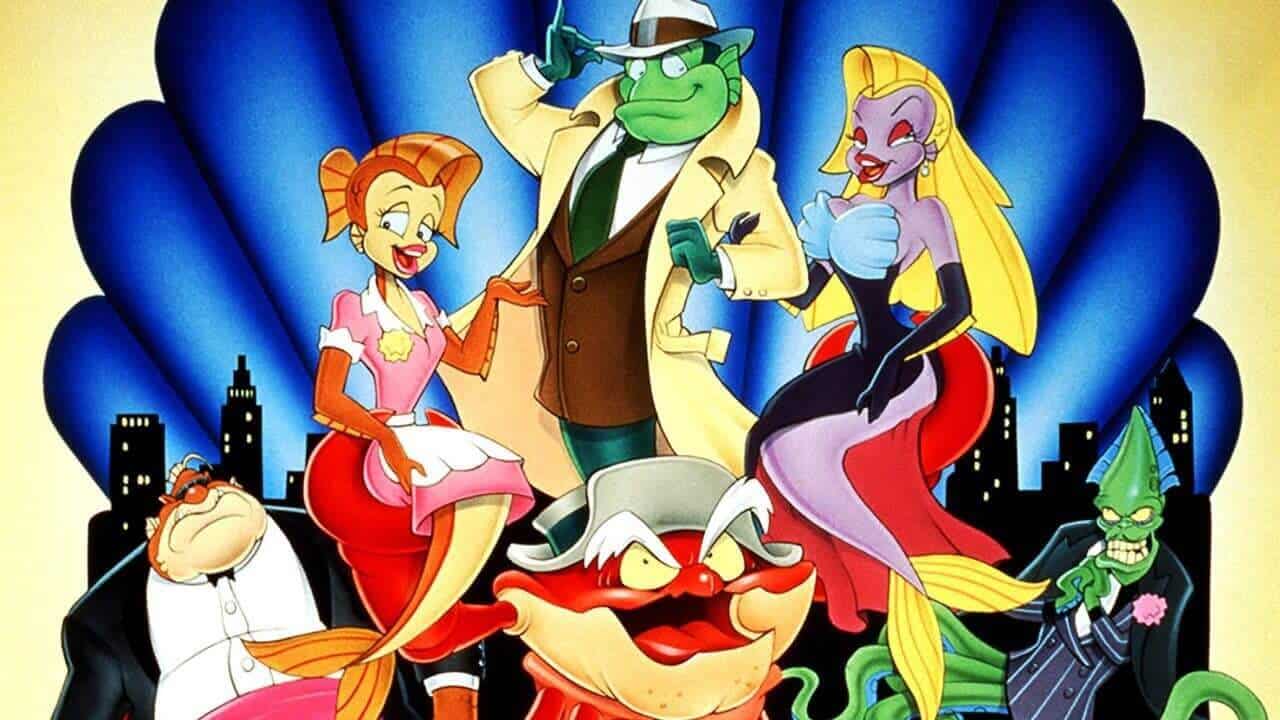
Fish Police is one of those early-90s concepts that sounds like a joke, then becomes a full noir parody: an underwater city, a detective, and constant fish puns. I respect it for committing to the bit.
From: Fish Police
Fish vibe: Noir detective
Why it works: It treats “fish city crime” like a serious detective movie
My Take: I’m a sucker for genre parodies, and this one is basically “Chinatown, but wet.”
It also fits naturally beside other law-and-order cartoons, which is why police cartoon characters and broader nostalgia lists like cartoon characters from the 90s tend to overlap with this kind of pick.
Freddi Fish (Humongous Entertainment)
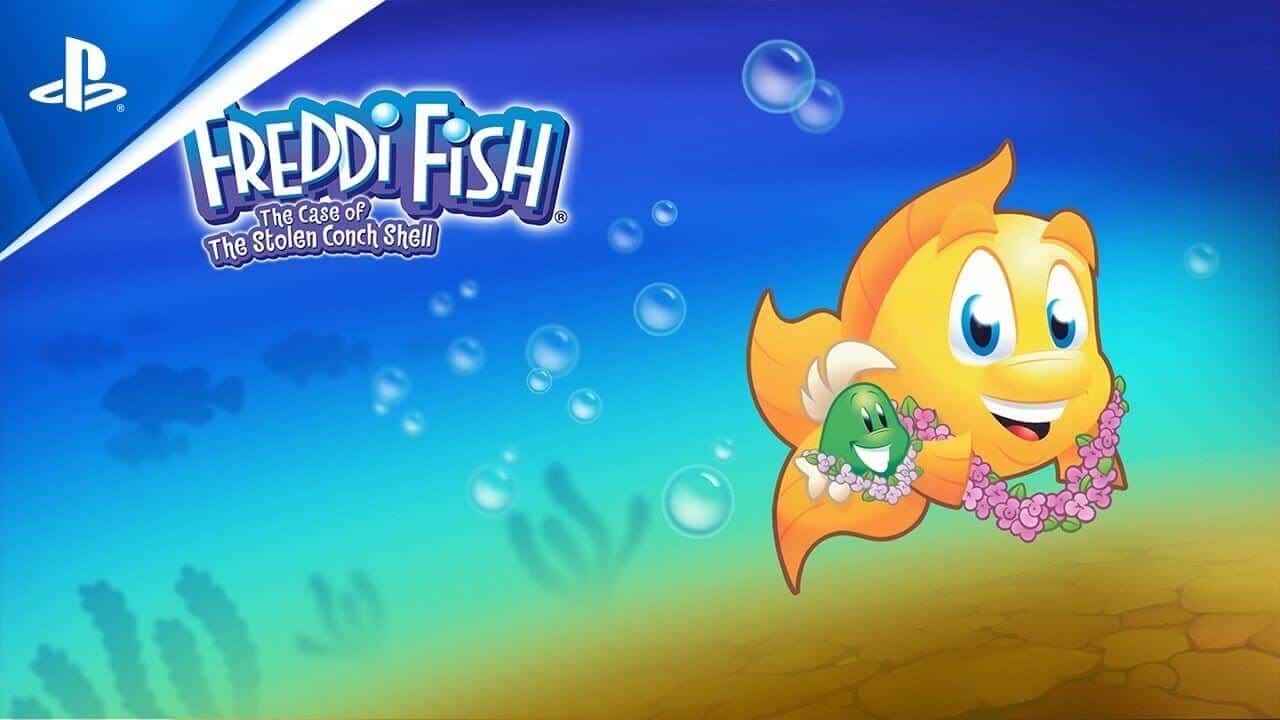
Freddi Fish belongs in this list because she’s iconic for an entire generation of point-and-click kids games. She’s basically “junior detective, but fish,” and the vibe is wholesome mystery-solving with a bright, friendly design.
From: Freddi Fish (game series)
Fish vibe: Kid detective
Why it works: Simple design + friendly tone = instantly approachable character
My Take: Freddi is the kind of character who made “mystery stories” feel safe and fun when I was younger.
FAQ: Fish Cartoon Characters
What kind of fish is Nemo?
Nemo is a clownfish (anemonefish). In real life, clownfish live in warm Indo-Pacific waters and are known for their symbiotic relationship with sea anemones.
What kind of fish is Dory?
Dory is a blue tang (also called a regal tang), a reef fish found across the tropical Indo-Pacific.
Is Flounder from The Little Mermaid actually a flounder?
No—despite the name, Flounder isn’t depicted as a real-world flatfish. His design is commonly discussed as being inspired by colorful reef fish; analysis has pointed to sergeant major-type fish as a plausible inspiration.

1 comment
FAMOUS FISH & SEA CREATURES (WESTERN CARTOONS) 🐟🐠
1. SpongeBob SquarePants (SpongeBob SquarePants – Sponge)
2. Patrick Star (SpongeBob SquarePants – Starfish)
3. Squidward Tentacles (SpongeBob SquarePants – Octopus)
4. Mr. Krabs (SpongeBob SquarePants – Crab)
5. Plankton (SpongeBob SquarePants – Copepod)
6. Sandy Cheeks (SpongeBob SquarePants – Squirrel in a suit, but lives in the sea!)
7. Gary the Snail (SpongeBob SquarePants – Sea Snail)
8. Nemo (Finding Nemo – Clownfish)
9. Dory (Finding Nemo – Blue Tang)
10. Marlin (Finding Nemo – Clownfish)
11. Flounder (The Little Mermaid – Yellow/Blue Fish)
12. Sebastian (The Little Mermaid – Crab)
13. Oscar (Shark Tale – Wrasse)
14. Lenny (Shark Tale – Vegetarian Shark)
15. Lola (Shark Tale – Lionfish)
16. Mrs. Puff (SpongeBob SquarePants – Pufferfish)
17. Pearl Krabs (SpongeBob SquarePants – Whale)
18. Darwin Watterson (The Amazing World of Gumball – Goldfish with legs)
19. Klaus Heissler (American Dad! – Goldfish with a human brain)
20. Jabberjaw (Jabberjaw – Shark)
21. Street Sharks (Street Sharks – Ripster, Jab, Streex, Big Slammu)
22. Mudkip (Pokémon – Mud Fish)
23. Magikarp (Pokémon – Fish)
24. Gyarados (Pokémon – Sea Serpent)
25. Squirtle (Pokémon – Turtle)
26. Totodile (Pokémon – Crocodile)
27. Piplup (Pokémon – Penguin)
28. Freddi Fish (Freddi Fish – Yellow fish)
29. Rainbow Fish (The Rainbow Fish)
30. Bea Goldfishberg (Fish Hooks)
31. Milo (Fish Hooks)
32. Oscar (Fish Hooks)
MERFOLK & HUMAN-LIKE SEA DWELLERS (FEMALE) 🧜♀️🐚
33. Ariel (The Little Mermaid)
34. Princess Shirahoshi (One Piece – Giant Mermaid)
35. Queen Otohime (One Piece – Goldfish Mermaid)
36. Aquamarine (Steven Universe)
37. Lapis Lazuli (Steven Universe – Water manipulator)
38. Undyne (Undertale – Fish warrior; often animated)
39. Cala Maria (Cuphead – Giant Mermaid/Gorgon)
40. Marina (Zig & Sharko)
41. Ponyo (Ponyo – Goldfish/Human hybrid)
42. Lucia Nanami (Mermaid Melody Pichi Pichi Pitch)
43. Hanon Hosho (Mermaid Melody Pichi Pichi Pitch)
44. Rina Toin (Mermaid Melody Pichi Pichi Pitch)
45. Cleo Sertori (H2O: Mermaid Adventures – Animated spinoff)
46. Mera (DC Animated Universe – Queen of Atlantis)
47. Sirena (Mako Mermaids – Animated adaptations)
48. Madison (Splash – Animated spinoff)
49. Urchin (The Little Mermaid TV Series)
50. Adella, Alana, Andrina, Aquata, Arista, Attina (Ariel’s Sisters)
51. Queen Clarion (Disney Fairies – Not sea, but similar aesthetic?) *Correction: Queen Athena is Ariel’s mother.*
MERFOLK & HUMAN-LIKE SEA DWELLERS (MALE) 🧜♂️🔱
52. King Triton (The Little Mermaid)
53. Aquaman (Justice League / Super Friends)
54. Prince Eric (The Little Mermaid – Human sailor)
55. Jimbei (One Piece – Whale Shark Fishman)
56. Arlong (One Piece – Sawshark Fishman)
57. Hody Jones (One Piece – Great White Shark Fishman)
58. Kisame Hoshigaki (Naruto – Shark-like human)
59. Deep Sea King (One Punch Man)
60. Merman Man (SpongeBob SquarePants – Human/Hero)
61. Barnacle Boy (SpongeBob SquarePants)
62. Luca Paguro (Luca – Sea Monster)
63. Alberto Scorfano (Luca – Sea Monster)
64. Abe Sapien (Hellboy Animated – Fish-man)
65. The Shape of Water Creature (Not a cartoon, but Abe Sapien is the animated equivalent)
66. Ripjaws (Ben 10 – Piscciss Volann)
67. Gil (Bubble Guppies)
68. Goby (Bubble Guppies)
ANIME SEA MONSTERS & SPIRITS 🐉🌊
69. Kaido (One Piece – Fish-Fish Fruit: Model Azure Dragon)
70. Gyarados (Pokémon)
71. Kyogre (Pokémon – Legendary Sea Orca)
72. Lugia (Pokémon – Guardian of the Seas)
73. Vaporeon (Pokémon – Water Eeveelution)
74. Suicune (Pokémon – Water Spirit)
75. Ponyo (Ponyo – Magic Fish)
76. Ika Musume (Squid Girl – Squid Invader)
77. Suigetsu Hozuki (Naruto – Can turn into water)
78. Tier Harribel (Bleach – Shark Arrancar)
79. Haku (Spirited Away – River Spirit Dragon)
80. Juvia Lockser (Fairy Tail – Water Mage)
81. Ami Mizuno / Sailor Mercury (Sailor Moon – Water/Ice powers)
82. Michiru Kaioh / Sailor Neptune (Sailor Moon – Ocean powers)
83. Gran Pony (One Piece – Sea Kings)
VILLAINS OF THE DEEP 🦈⚓
84. Ursula (The Little Mermaid – Sea Witch/Octopus)
85. Morgana (The Little Mermaid II)
86. Captain Hook (Peter Pan – Pirate)
87. The Flying Dutchman (SpongeBob SquarePants)
88. Bruce (Finding Nemo – Great White Shark)
89. Black Manta (Young Justice / DC – Human suit, sea villain)
90. King Shark (Harley Quinn Show / Justice League Dark)
91. Tamatoa (Moana – Giant Coconut Crab)
92. Monstro (Pinocchio – The Whale)
93. Tick-Tock the Crocodile (Peter Pan)
94. Sharpedo (Pokémon)
Comments are closed.