
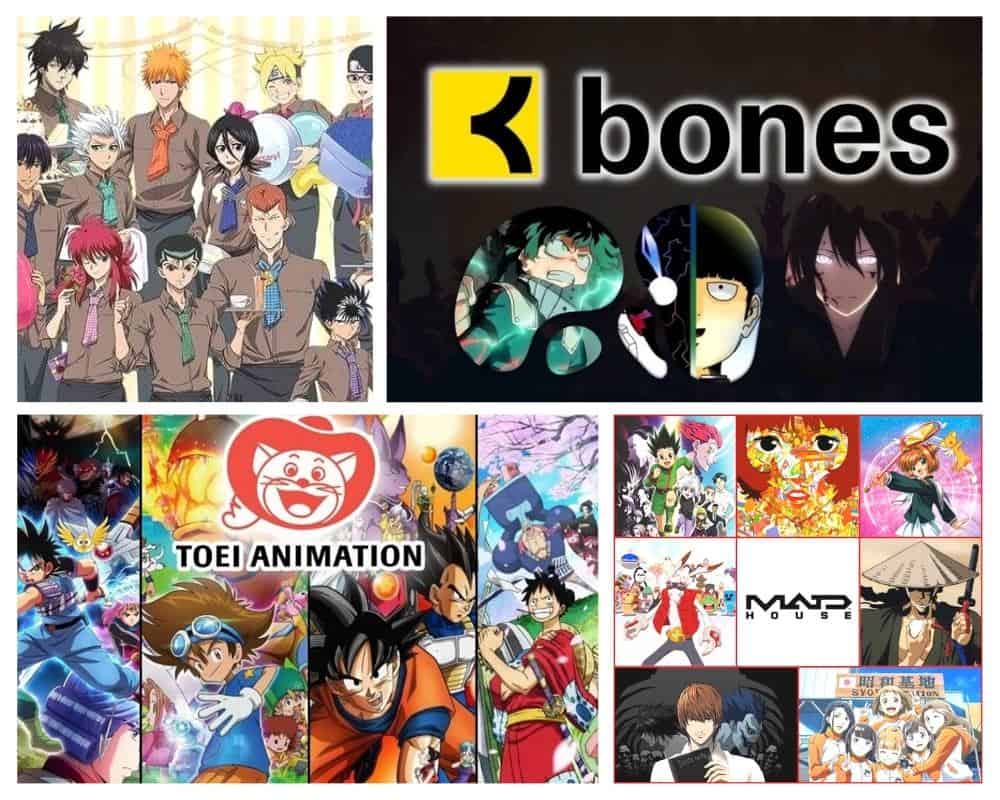
Japanese anime studios are the real engine behind the medium.
A great manga gives you the blueprint, but the studio decides how the world feels: the acting choices, the animation timing, the background art, the sound design, and the small production touches that separate a solid adaptation from an unforgettable one.
Serious fans can name a studio before the title card even appears, from the way characters emote to how the action flows.
How Anime Gets Made: In-House vs. Freelance
Before the ranking, a quick reality check, because how a studio is built explains a lot about why its work feels the way it does. Anime studios split into two broad models.
Some studios run on salaried, in-house staff with a stable internal culture and training pipeline; Kyoto Animation and Ufotable are the poster children, and that model tends to produce consistency and polish.
Others operate as lean cores that scale up by hiring armies of talented freelancers for big projects, the model behind the explosive output of MAPPA and A-1 Pictures, which can create spectacle but also brutal crunch.
Layered on top, most anime is financed by a production committee, a group of publishers, broadcasters, streamers, and merchandise partners who share the cost and the profit, which is why a studio is usually both artist and business partner, juggling budgets and deadlines alongside the art.
Studio Superlatives (The Quick Awards)
If you only skim one section, make it this one, the technical and visual distinctions that separate the best anime studios from the pack:
- Best Digital Compositing and VFX: Ufotable, for its glowing Unlimited Budget Works lighting style.
- Best Emotional Character Acting: Kyoto Animation.
- Most Relentless Action Choreography: Studio Bones and MAPPA.
- Greatest Modern Renaissance: Madhouse, reclaiming its legend with Frieren.
- Best 3DCG Animation: Studio Orange.
- Deepest Back Catalog: Madhouse.
The Best Anime Studios in Japan, Ranked
These anime studios are ranked on a blend of animation quality, historical legacy, signature identity, and cultural impact.
It is one informed opinion, so treat the order as a conversation starter rather than gospel, and expect to disagree at least once.
J.C.Staff

J.C.Staff is the ever-present workhorse, a studio whose sheer volume across rom-com, action, and fantasy makes it easy to underrate. It is rarely the first name in an animation debate, but Toradora, Food Wars, and the A Certain Magical Index franchise are pillars of their genres. Give it the right staff and schedule and J.C.Staff absolutely delivers.
- Signature visual trademark: dependable, high-output adaptations across a huge genre spread.
- Definitive masterpiece: Toradora!
- Current era: a franchise-stamina studio built on consistency over spectacle.
TMS Entertainment
TMS is the studio you have watched without knowing it, home to Lupin the 3rd and Detective Conan and a catalog stretching back decades. Its longevity speaks to rare operational stability, and its modern output, the slick science of Dr. Stone, the punch of Megalobox, the warmth of the Fruits Basket remake, proves the old house still has range.
- Signature visual trademark: classic-franchise reliability with flashes of modern polish.
- Definitive masterpiece: Megalobox
- Current era: a quiet veteran with a deceptively strong modern slate.
A-1 Pictures
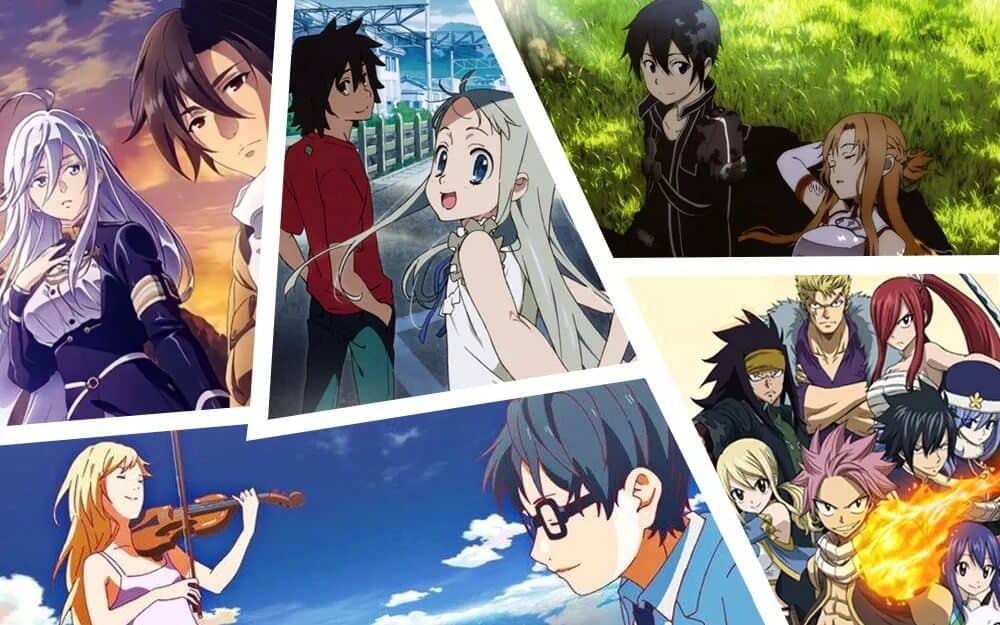
A-1 Pictures is one of the busiest modern anime studios that has quietly animated a huge share of what a generation rewatches, from Sword Art Online to the tear-jerking Your Lie in April to the razor-sharp comedy of Kaguya-sama. It runs hot and cold with the schedule, but its ceiling, with the right staff lineup, is high.
- Signature visual trademark: clean, bright, broadly appealing production across every genre.
- Definitive masterpiece: Your Lie in April
- Current era: a franchise engine that can spike to real excellence with the right team.
Shaft

Shaft proved you can build a studio identity out of direction and editing as much as raw animation. Under Akiyuki Shinbo, its sharp cuts, symbolic layouts, and cinematic conversations turned the genre-flipping Madoka Magica and the endless-dialogue Monogatari series into visual events. Love it or find it exhausting, the Shaft style is unmistakable.
- Signature visual trademark: the Shaft style, head-tilts, hard cuts, and typographic, symbolic composition.
- Definitive masterpiece: Puella Magi Madoka Magica
- Current era: output has slowed, but the Monogatari franchise keeps the identity alive.
P.A.Works
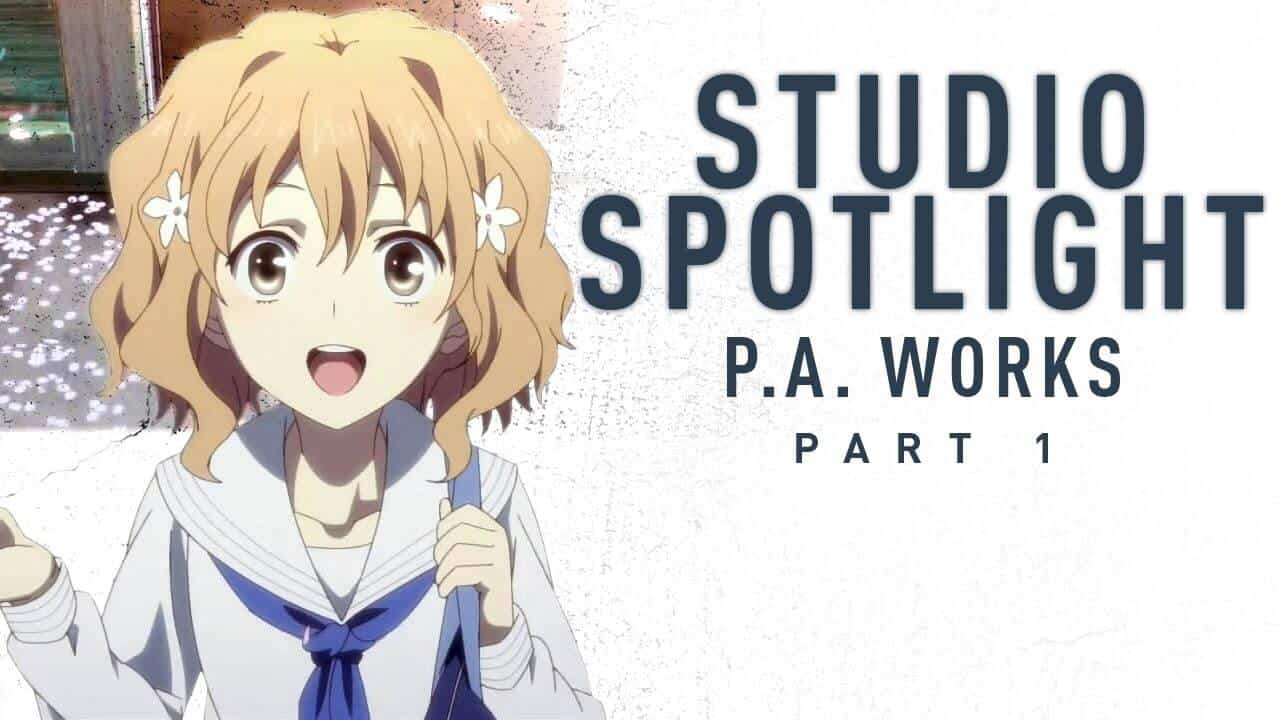
P.A.Works is the studio of atmosphere, small towns, seasonal color, and calm-but-emotional pacing rendered in lush background art. It excels at grounded, character-driven drama and love letters to specific places and jobs, from the working-world honesty of Shirobako to the coming-of-age warmth of Hanasaku Iroha. It is the palette cleanser for anyone tired of constant power scaling.
- Signature visual trademark: gorgeous painted scenery and grounded, human-scale drama.
- Definitive masterpiece: Shirobako
- Current era: a dependable specialist in the quieter, prettier corner of anime.
Studio Pierrot

Pierrot is the shonen studio that raised a global generation. Naruto, Bleach, and Tokyo Ghoul handed worldwide fandom some of its defining moments, and while its filler eras are a running joke, the cultural footprint is undeniable. When direction, animation peaks, and music align, Pierrot still produces the scenes fans replay for years.
- Signature visual trademark: long-running shonen with occasional, unforgettable animation spikes.
- Definitive masterpiece: Naruto Shippuden at its peak fights
- Current era: a legacy shonen powerhouse leaning on remakes and revivals.
Toei Animation
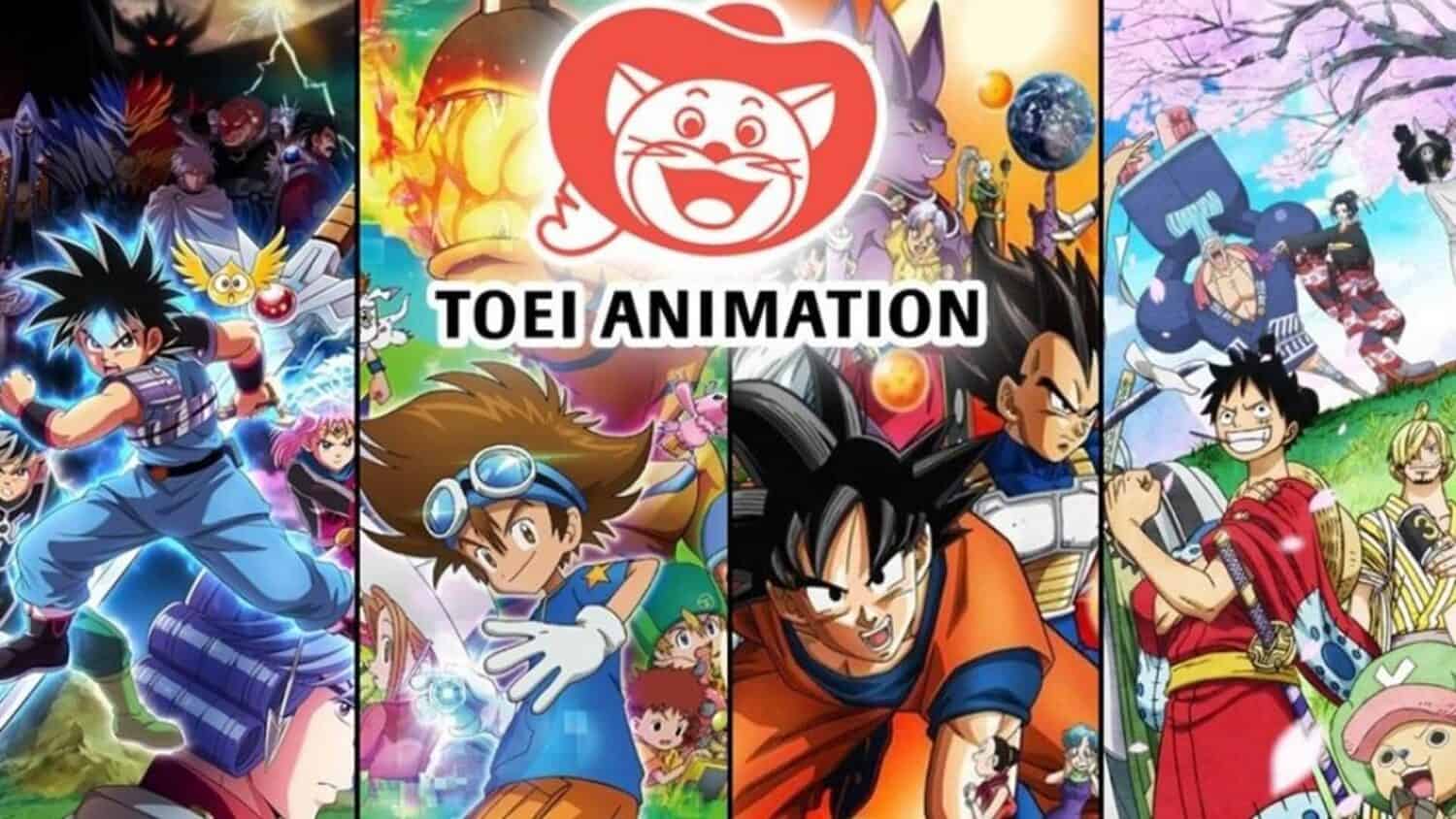
Toei is the foundation the whole industry stands on, minting global icons since the 1950s. Dragon Ball, One Piece, and Sailor Moon (a cornerstone of the magical girl anime genre) introduced entire generations to anime. Its weekly TV pipeline draws fair criticism for tight schedules, but its film peaks and franchise arcs still deliver era-defining hype.
- Signature visual trademark: mainstream franchise spectacle, variable week to week and transcendent at its peaks.
- Definitive masterpiece: Dragon Ball Z at its animation peaks
- Current era: the sleeping giant, capable of jaw-dropping film work when it fully commits.
CloverWorks
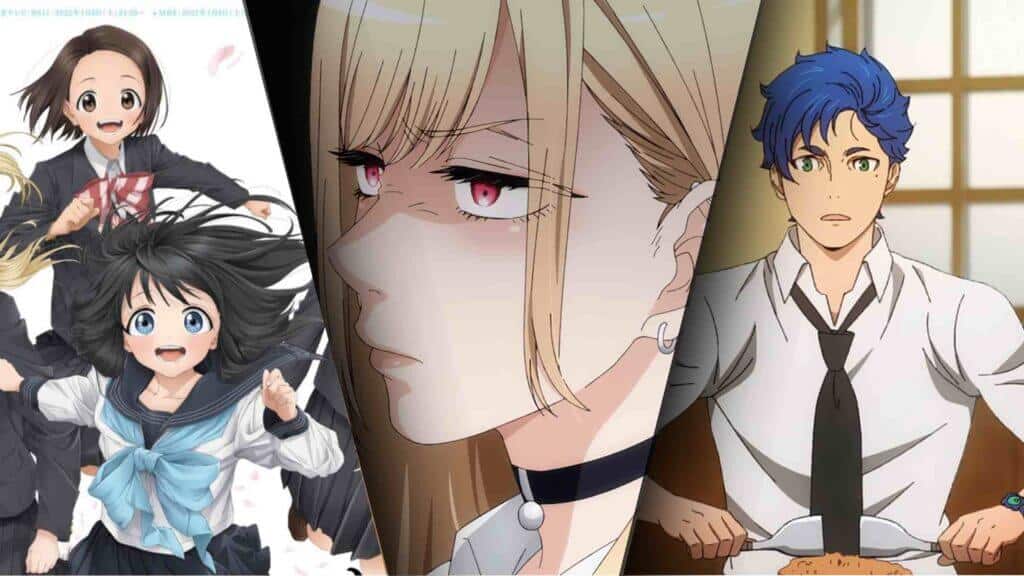
CloverWorks is the modern polish studio, its name now shorthand for a premium finish. In its lane the results are glossy and confident: the melancholy shine of Bunny Girl Senpai, the raw energy of Bocchi the Rock, the co-produced spectacle of Spy x Family. Its ceiling is high when the schedule cooperates.
- Signature visual trademark: bright, glossy compositing and standout, experimental episode direction.
- Definitive masterpiece: Bocchi the Rock!
- Current era: a modern quality-signal studio, though fans watch its schedules closely.
Studio Orange
For years, 3DCG was anime’s dirty word. Studio Orange, founded by CG animator Eiji Inomoto, is the studio that changed that, proving computer animation can be as expressive and cinematic as anything hand-drawn. Beastars, Land of the Lustrous, and Trigun Stampede combine 3D models with kinetic direction to pull off shots traditional animation simply cannot.
- Signature visual trademark: fully-3DCG animation with cinematic direction that finally makes CG anime look intentional.
- Definitive masterpiece: Beastars
- Current era: the pioneer proving 3D anime can be visually stunning, and a direction much of the industry is quietly watching.
Studio Trigger
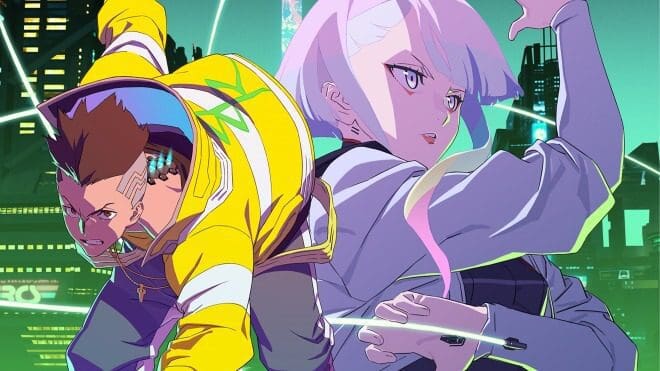
Trigger is pure kinetic id, founded by ex-Gainax staff and devoted to animation that looks about to burst off the screen. Kill la Kill, Little Witch Academia, and the Netflix breakout Cyberpunk: Edgerunners share the same DNA: huge expressions, iconic silhouettes, and a gleeful disregard for restraint. You can spot a Trigger frame in a single second.
- Signature visual trademark: explosive, exaggerated action and instantly recognizable silhouettes.
- Definitive masterpiece: Cyberpunk: Edgerunners
- Current era: a global cult brand riding high off the Edgerunners phenomenon.
Science SARU
Science SARU is the auteur’s playground, co-founded by Masaaki Yuasa and built on a modern digital pipeline that lets it look like nobody else. Devilman Crybaby, Ping Pong the Animation, and Keep Your Hands Off Eizouken! trade gloss for elastic, hand-of-the-artist motion. When you want risk and personality over polish, SARU is one of the most exciting anime studios in the business.
- Signature visual trademark: loose, elastic, hand-drawn-feeling motion and fearless stylization.
- Definitive masterpiece: Keep Your Hands Off Eizouken!
- Current era: the industry’s boldest experimental voice, now with serious international attention.
WIT Studio

WIT built the template for modern prestige TV anime with the early seasons of Attack on Titan, athletic, camera-driven animation with real momentum. Since handing Titan to MAPPA, WIT has pivoted toward prestige and international co-productions: the aching first season of Vinland Saga, the storybook beauty of Ranking of Kings, and the runaway charm of Spy x Family.
- Signature visual trademark: athletic camerawork and cinematic set-pieces with real physical weight.
- Definitive masterpiece: Attack on Titan Season 1
- Current era: pivoting from shonen spectacle to prestige co-productions like Spy x Family and original films.
Sunrise (Bandai Namco Filmworks)
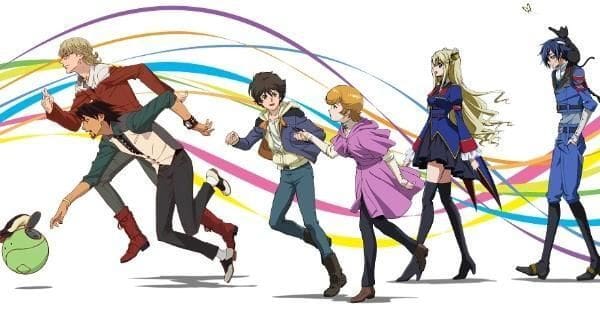
Sunrise is industry architecture. Beyond inventing the modern mecha genre with Mobile Suit Gundam, it produced Cowboy Bebop and Code Geass and served as a talent hub whose alumni seeded half the anime studios on this list. Now operating as Bandai Namco Filmworks, the Sunrise identity remains one of the most recognized brands in the medium.
- Signature visual trademark: mecha grandeur and confident, classical genre storytelling.
- Definitive masterpiece: Cowboy Bebop
- Current era: the Gundam machine runs on; a legacy giant more than a modern sakuga darling.
Studio Bones
If you care about how action reads on screen, Bones is one of the finest in the world at it. Its fights have weight and clarity, its character acting has snap, and its hit rate, Fullmetal Alchemist: Brotherhood, My Hero Academia, Mob Psycho 100, is remarkable. If Mob Psycho hooked you, our telekinetic anime characters list is a natural next stop.
- Signature visual trademark: weighty, legible action fused with elastic, wildly expressive character animation.
- Definitive masterpiece: Mob Psycho 100 Season 2
- Current era: consistently among the most reliable action studios working today.
Production I.G
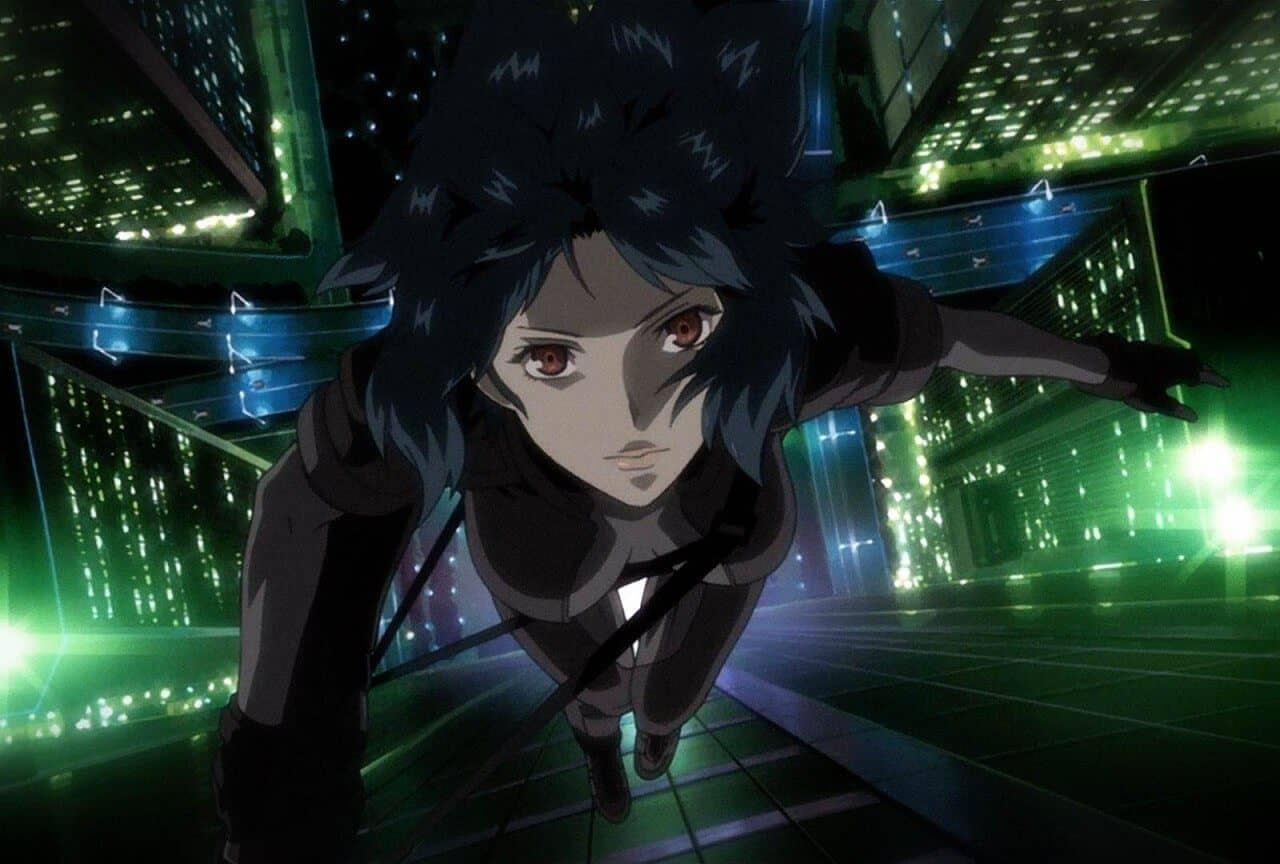
Production I.G is the house of prestige, the studio that made Ghost in the Shell and still sets the bar for sleek, grounded, cinematic sci-fi. Its fingerprints run from the philosophical dread of Psycho-Pass to the athletic clarity of Haikyuu, and its influence on modern production practice runs deep through the wider IG Port group.
- Signature visual trademark: sleek cinematic realism and elite, grounded action choreography.
- Definitive masterpiece: Ghost in the Shell
- Current era: an elder statesman that still delivers, from Haikyuu to major modern co-productions.
MAPPA
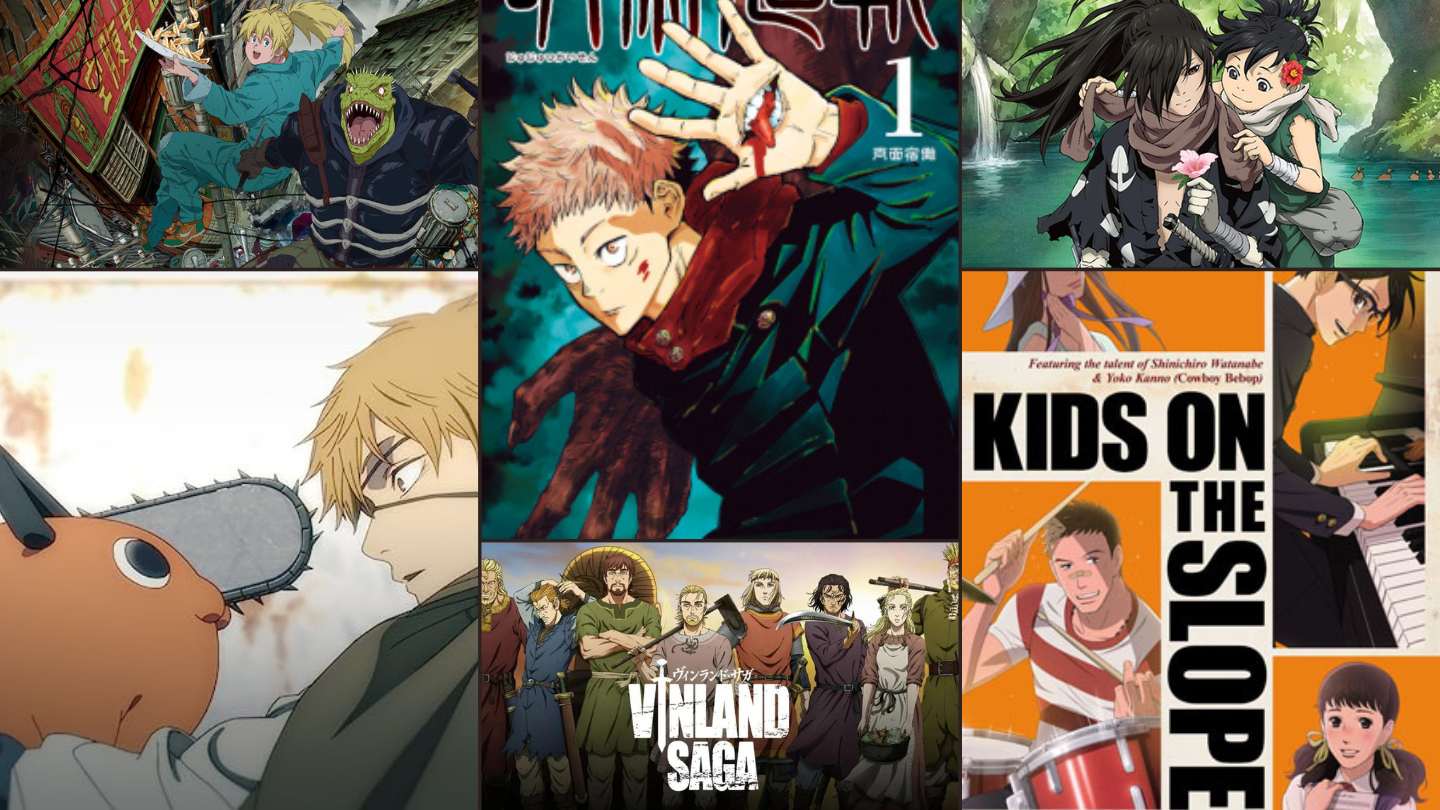
MAPPA is the studio every manga reader now prays their favorite gets adapted by, the shonen-spectacle juggernaut behind Jujutsu Kaisen, Chainsaw Man, Vinland Saga’s second season, and the finale of Attack on Titan. Founded in 2011 by Madhouse veteran Masao Maruyama, it increasingly takes full solo control of productions rather than sharing them through a committee, which is both its superpower and its problem.
- Signature visual trademark: dense, kinetic action with seamless 3D-into-2D integration and a different look per project.
- Definitive masterpiece: Jujutsu Kaisen Season 2
- Workplace culture: the cautionary flip side of the freelance-army model, MAPPA has drawn sustained, well-documented criticism over animator crunch and punishing schedules, the industry’s sharpest debate on output versus conditions.
Madhouse
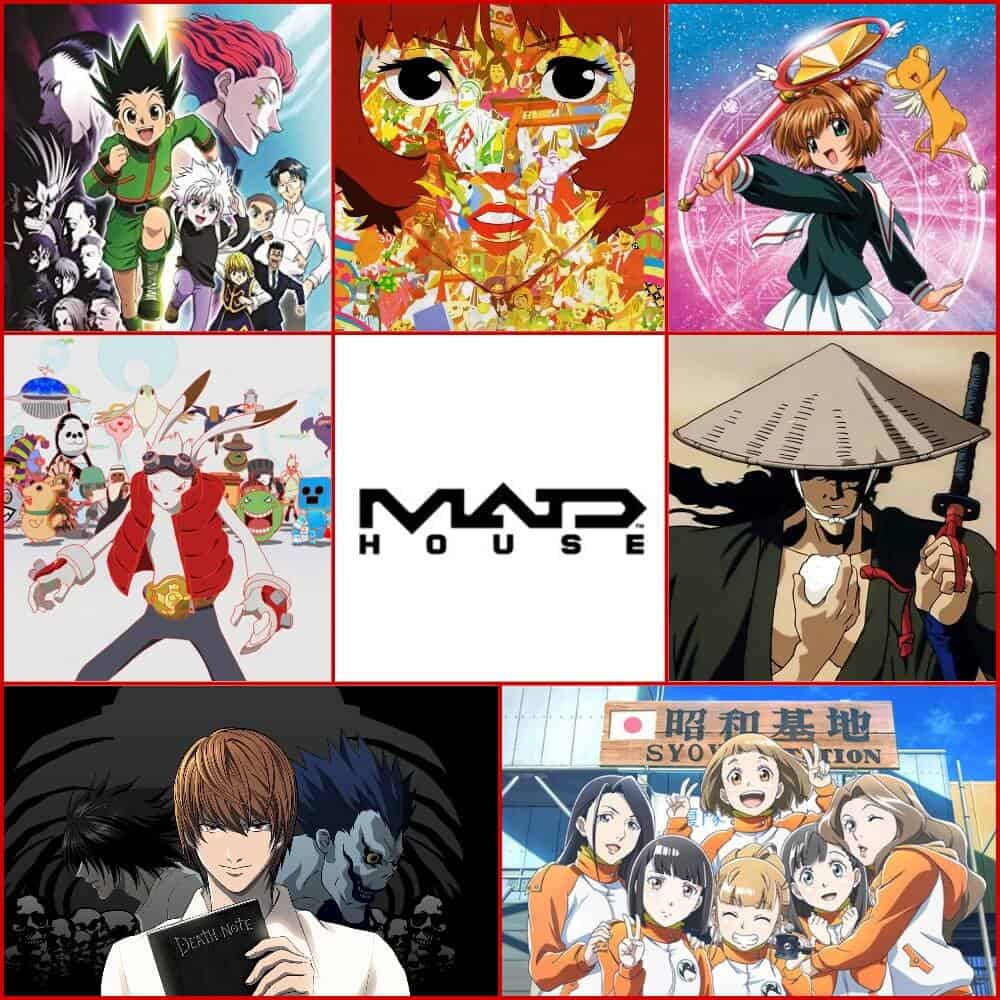
For a while, fans wrote Madhouse off after a mid-2010s slump and the departure of key directors. Then came Sonny Boy and era-spanning prestige work like Frieren: Beyond Journey’s End, and the studio behind Death Note, Hunter x Hunter, and One Punch Man’s first season reclaimed its legend. Frieren’s backgrounds read like living concept paintings; this is one of anime’s great renaissance stories.
- Signature visual trademark: painterly, contemplative direction and backgrounds composed like fine art.
- Definitive masterpiece: Frieren: Beyond Journey’s End
- Current era: mid-2010s doubts fully erased, back among the elite.
Ufotable
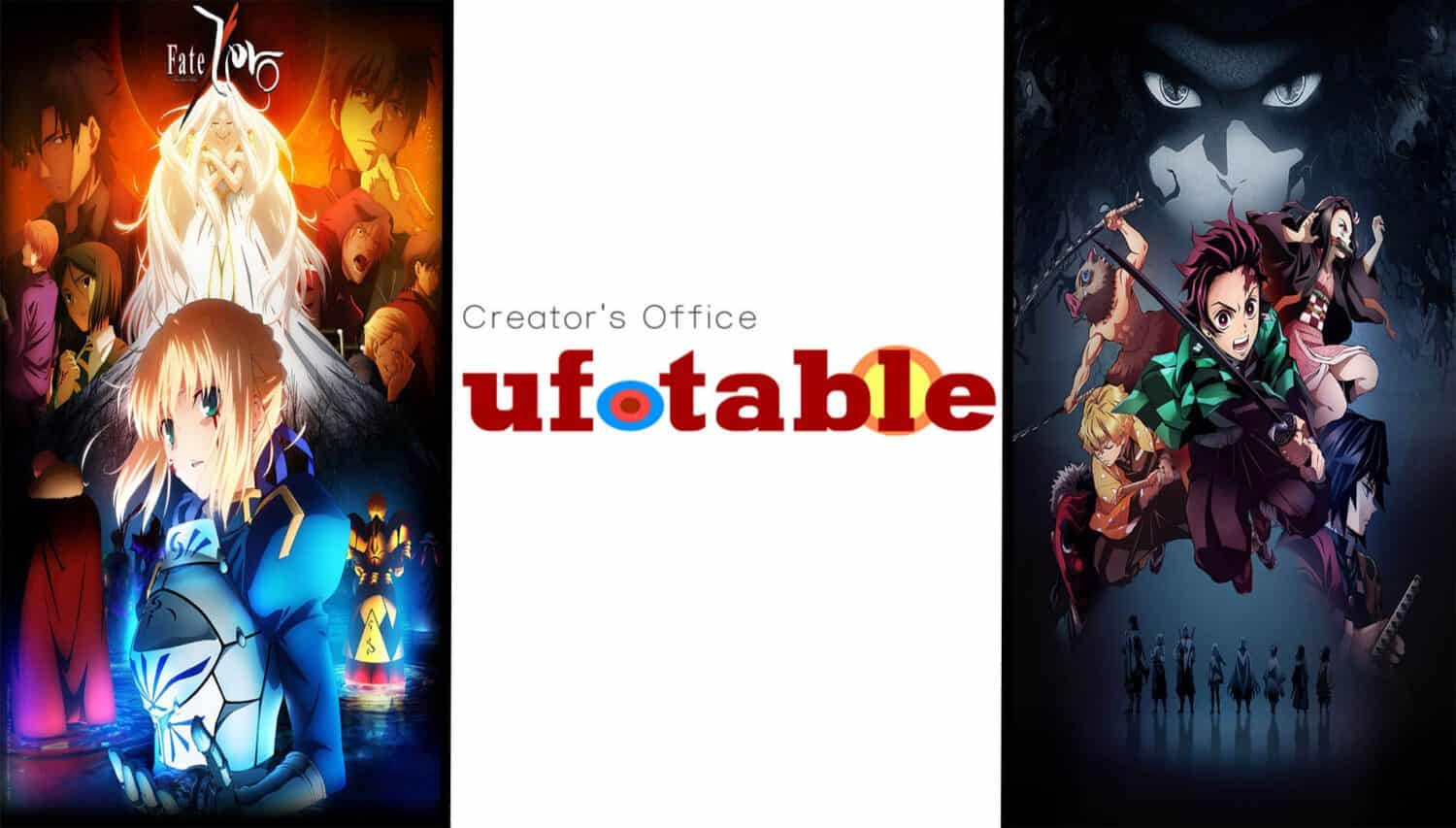
Ufotable turned digital compositing into a spectacle of its own. Its Unlimited Budget Works style, hyper-dynamic 3D camera sweeps welded to glowing, particle-heavy effects, made Demon Slayer’s fights look like feature films airing weekly, and few anime studios blend 2D character art with digital lighting more seamlessly. When visual impact is the priority, Ufotable is near the top of the world.
- Signature visual trademark: glowing particle effects and swooping 3D camera work fused invisibly onto 2D characters.
- Definitive masterpiece: the Demon Slayer fights and Fate/Zero
- Current era: the reigning benchmark for movie-grade spectacle on a TV schedule.
Kyoto Animation
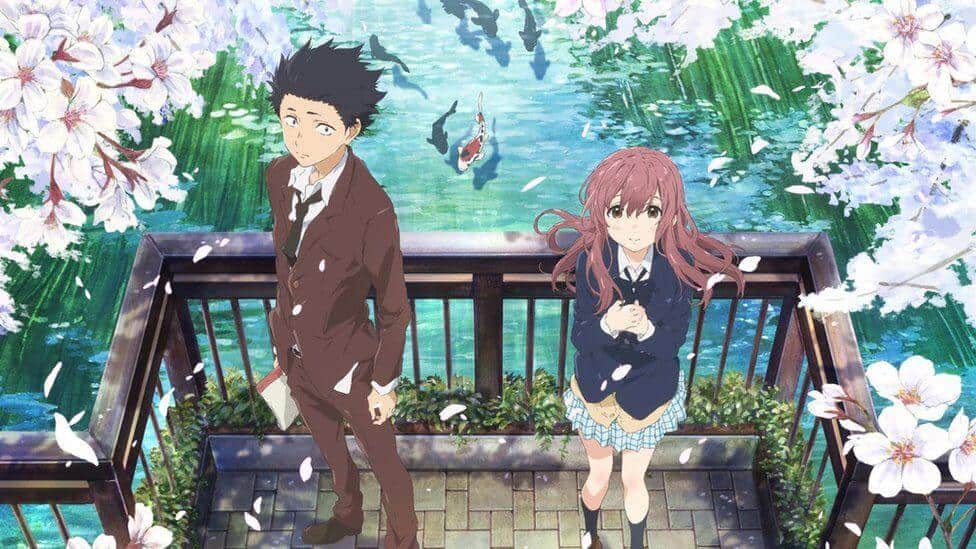
In an industry defined by grueling deadlines and freelance burnout, Kyoto Animation stands as the crown jewel of the craft, proof that treating salaried animators with care yields the most breathtaking, emotionally resonant character acting on Earth. KyoAni’s signature is the small gesture: a flicker of the eyes, a held breath, the weight of a hand, the details most studios simply cannot afford to draw.
- Signature visual trademark: microscopic character acting, with emotion carried in eyelids and fingertips rather than dialogue.
- Definitive masterpiece: Violet Evergarden
- Workplace culture: 10/10, the industry model for salaried in-house animators, sustainable scheduling, and internal training, and a studio that rebuilt with remarkable resilience.
Studio Ghibli

Ghibli is less an anime studio than a national art institution that happens to make anime. Hayao Miyazaki and Isao Takahata built a house style, hand-painted worlds, characters who breathe between the action, and pacing that trusts silence, that reads as cinema first and animation second. Even people who claim they do not watch anime keep a Ghibli favorite, and that is the entire point. For a starting watchlist, see our top Studio Ghibli films.
- Signature visual trademark: watercolor-soft, hand-painted worlds where the quiet moments carry as much weight as the spectacle.
- Definitive masterpiece: Spirited Away
- Current era: still the global gold standard; The Boy and the Heron proved the old master had one more masterwork in him.
Anime Studio FAQ
Why do anime fans care so much about which studio animates a show?
Because the studio, not the manga, decides how the final product looks and feels: the animation quality, the character acting, the direction, the pacing, and whether an adaptation honors its source or squanders it.
A beloved manga in the wrong hands can be flattened, while the same story at one of the top anime studios can become a phenomenon.
For fans tracking an upcoming adaptation, the studio announcement is the single biggest signal of whether it is in safe hands.
What is the difference between an animation studio and a production committee?
The animation studio is the team that draws and produces the anime.
The production committee is the group of companies, publishers, broadcasters, streaming services, and music and merchandise partners, that finances it and shares the rights and profits.
The committee model spreads financial risk, but it also means the studio is one voice among many and often earns a smaller slice of a hit than fans assume, which is a big reason animator pay and schedules stay so strained.
Which anime studio has the highest animation quality?
It depends on what you value. For character-acting craft and consistency, Kyoto Animation is the usual answer; for movie-grade action and compositing, Ufotable; and for painterly prestige TV, Madhouse’s Frieren reset the bar.
Those three anime studios are almost always in the conversation, whichever way you weigh expressive acting, explosive action, and cinematic polish.
Once you start noticing anime studios’ fingerprints, you cannot stop, especially in how different anime studios handle faces, tension, and atmosphere.
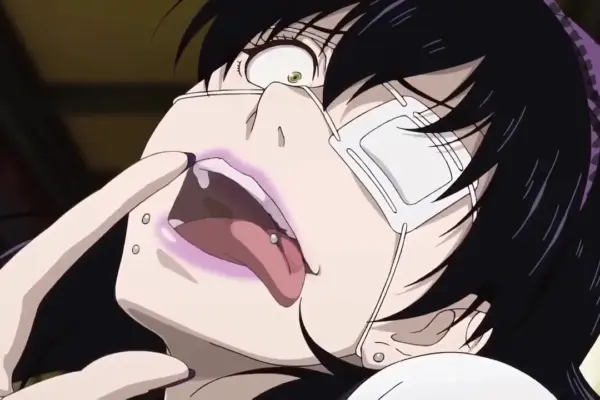
Pair this list with scariest anime laughs and creepiest monsters in horror anime to watch those expression styles in action.

Here are three SEO-optimized “power comments” (500+ words) tailored to your post about Legendary Anime Studios.
These comments target high-value keywords like anime production quality, visual storytelling, Kyoto Animation, Ufotable, and Studio Ghibli to help drive authority to your page.
Option 1: The “Visual & Technical” Analysis (Focus: Studio Identity & Quality)
Best for: Engaging with the “magic behind the curtain” aspect and discussing animation styles.
Subject: Why Studio Identity Matters: From Ufotable’s Lights to KyoAni’s Emotions
This is such a necessary post! I feel like for a long time, casual viewers just watched “cartoons,” but recently, there has been a massive shift where fans actually follow specific anime studios the same way movie buffs follow specific directors.
I love that you listed Ufotable and Kyoto Animation (KyoAni) in the same breath as Studio Ghibli. While Ghibli set the standard for cinematic storytelling, studios like Ufotable and KyoAni have revolutionized TV anime production standards. When you talk about the “divisions” within these studios, it really shows in the final product. For example, Ufotable is famous for its in-house “Digital Team.” That is why shows like Demon Slayer or the Fate/Stay Night series look so distinct. Their integration of 2D animation with 3D CGI environments and particle effects (the “magic behind the curtain” you mentioned) is seamless. They have created a “house style” that is instantly recognizable.
On the flip side, you have Kyoto Animation. If Ufotable is the king of action spectacles, KyoAni is the master of character acting and “micro-movements.” I completely agree with your point about the “beating heart” of the anime world. When you watch Violet Evergarden or A Silent Voice, the emotion isn’t just in the script; it is in the way a character’s hair moves, or the way their eyes shift slightly before they speak. That level of detail requires an incredibly synchronized team where the background artists and key animators are on the exact same page. It is tragic what happened to them, but their comeback proves they are truly legendary.
I also think Studio Pierrot and Toei Animation deserve the credit you gave them for a different reason: consistency and legacy. While they might not always have the movie-quality budget of a 12-episode seasonal anime, they are the ones keeping the long-running shonen giants alive. One Piece (Toei) and Naruto/Bleach (Pierrot) are the pillars of the industry. The fact that Toei has managed to elevate the animation quality of the Wano Arc in One Piece to movie levels on a weekly basis is a testament to those “buzzing hives of creativity” you described.
It is almost unthinkable to imagine a world without Studio Trigger as well. They brought back that raw, cartoony, energetic style that feels like pure adrenaline. Kill la Kill and Cyberpunk: Edgerunners prove that you don’t always need hyper-realism; sometimes you just need style and passion.