Mexican representation in animation has changed dramatically.
For decades, it often meant a sombrero, an exaggerated accent, or a character built from a handful of visual shortcuts.
Some of those older figures, especially Speedy Gonzales, became more complicated than their creators probably expected. Mexican and Mexican-American viewers sometimes embraced them as clever heroes even while critics pointed out the stereotypes surrounding them.
Modern animated characters have moved much further.
Characters such as Manny Rivera, Manolo Sánchez, and Miguel Rivera come from stories shaped by Mexican and Mexican-American creators. Their families, traditions, art, music, and conflicts are part of the plot rather than decoration around it.
This list ranks five memorable characters tied directly to Mexican identity and cultural influence.
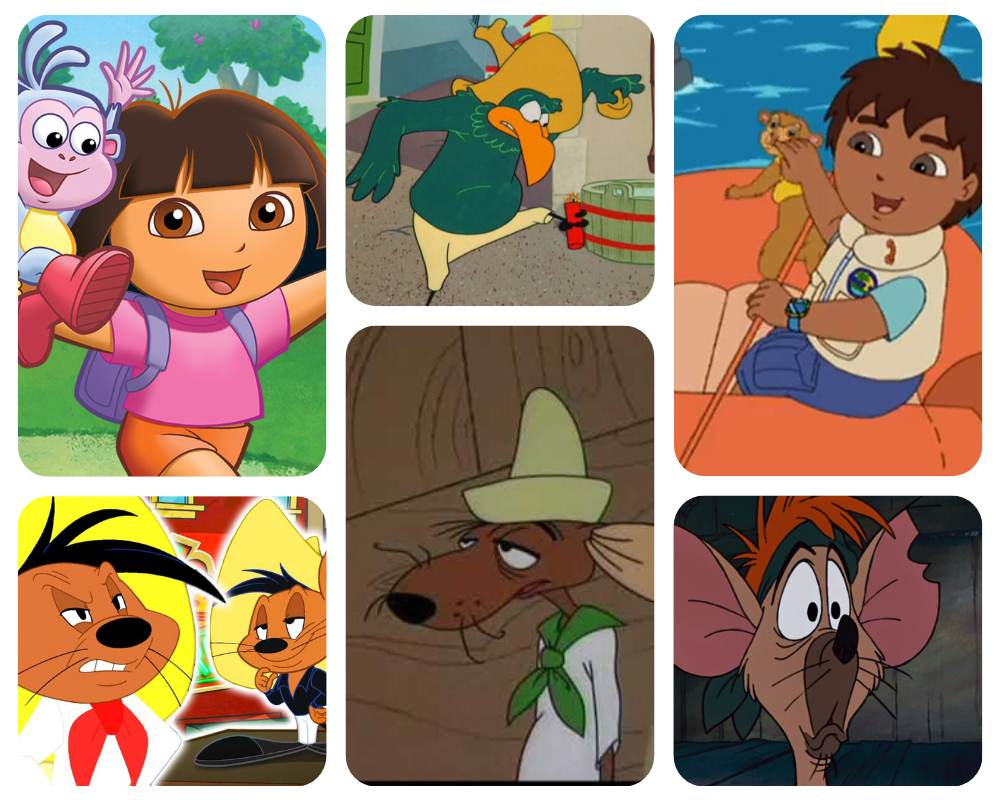
It also clears up a common mistake: Dora and Diego are hugely important Latino characters, but they were intentionally created without one specific nationality.
How this list is ranked
- Cultural impact: How widely the character is recognized
- Depth: Whether Mexican identity affects the story or is only visual shorthand
- Creative connection: The role of Mexican and Mexican-American artists, writers, actors, and consultants
- Lasting influence: What the character changed for later animation
Mexican Cartoon Characters, Ranked
Tito from Oliver & Company
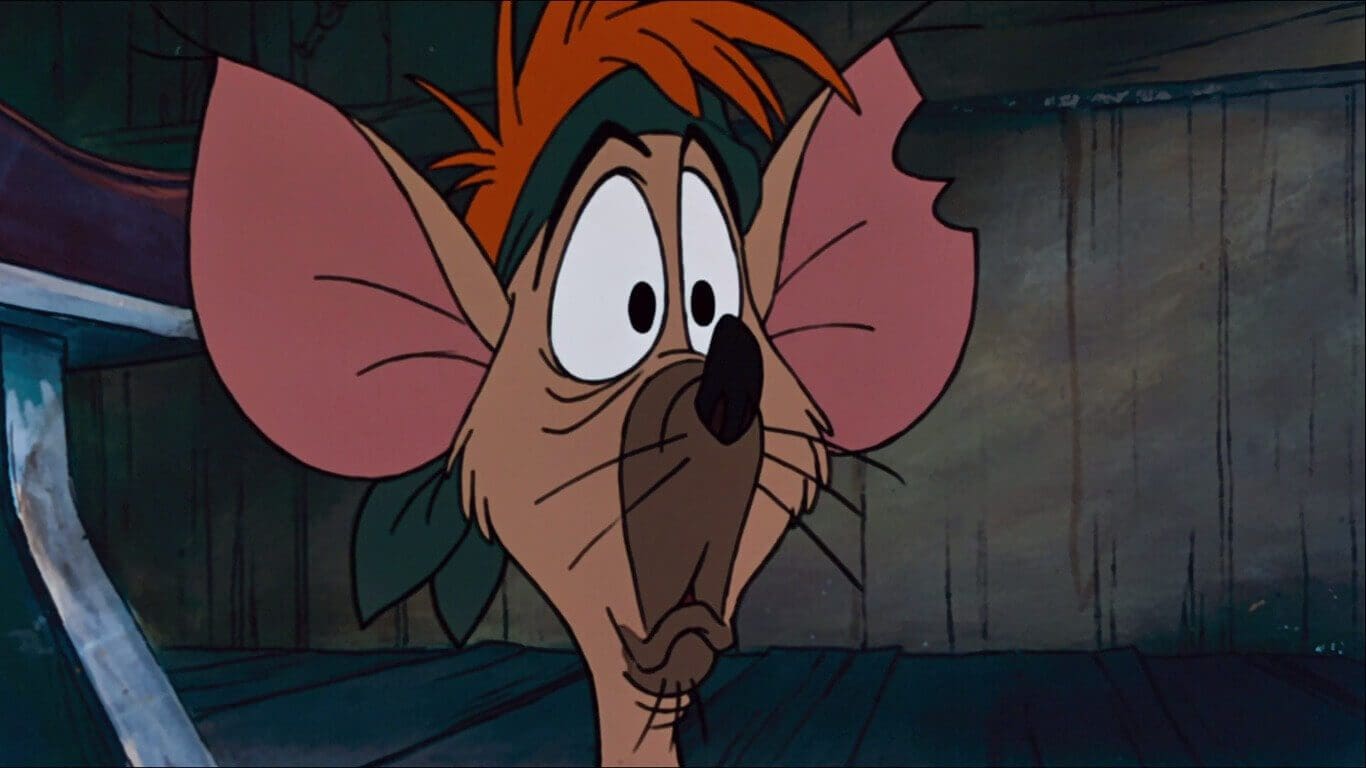
Tito is the smallest member of Fagin’s dog gang and usually the loudest.
The fast-talking Chihuahua spends most of Oliver & Company boasting, flirting, starting arguments, and acting much tougher than his size suggests.
Disney never gives Tito a formal nationality, so calling him a fully developed Mexican character would go too far. His name, breed, performance, and comic style clearly draw on Mexican-American coding, however.
Much of that personality comes from Cheech Marin, the Mexican-American comedian who voiced him. Disney’s official film page credits Marin as part of the 1988 cast.
Tito belongs on this list because he brought a recognizable Chicano comic voice into a major Disney ensemble during an era when Latino characters were still uncommon in American animation.
- First appeared: Oliver & Company (1988)
- Voiced by: Cheech Marin
- Why he matters: An early Mexican-American comic presence in a Disney animated feature
- Important caveat: His nationality is never explicitly established
Speedy Gonzales from Looney Tunes
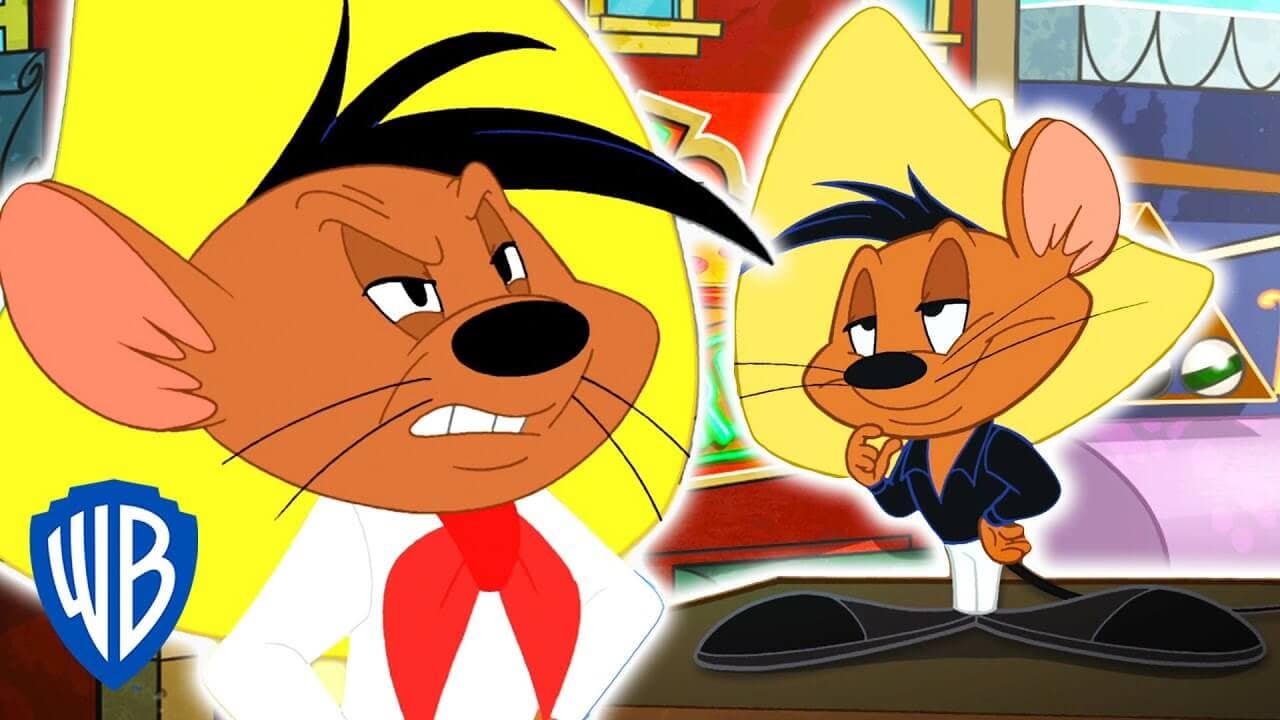
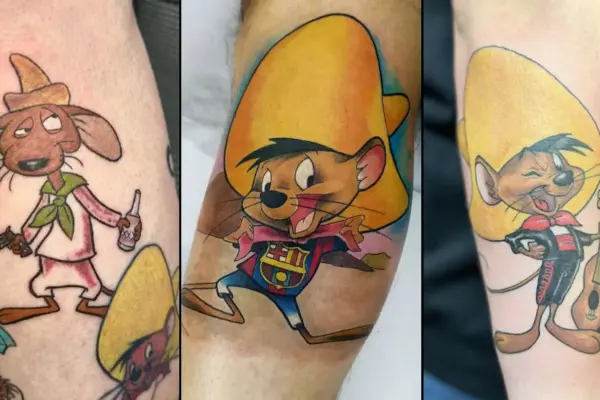
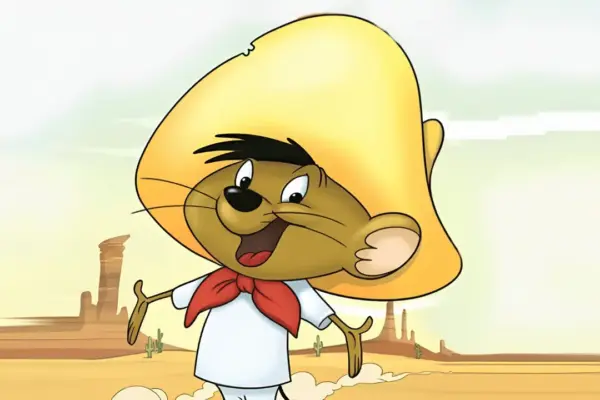
Speedy Gonzales is probably the most internationally recognizable Mexican cartoon character ever created.
He is also the hardest one to discuss neatly.
The familiar version of Speedy debuted in the Oscar-winning 1955 short Speedy Gonzales. His sombrero, white clothes, accent, and surrounding village rely on the kind of broad ethnic shorthand common in mid-century cartoons.
Yet Speedy himself is rarely the fool.
He is one of animation’s most famous fast cartoon characters, but he is also confident, loyal, and almost always smarter than the American cat trying to catch him. He protects the other mice, defeats the bully, and finishes the story as the hero.
That contradiction explains why efforts to remove his cartoons were met with resistance from many Mexican-American viewers. A Los Angeles Times examination found that many defended Speedy because they saw a victorious Mexican character in a media landscape that offered very few.
Speedy can be both a stereotype and a reclaimed icon.
Ignoring either side makes the character less interesting than he really is.
- Defining debut: Speedy Gonzales (1955)
- Identity: “The fastest mouse in all Mexico”
- Why he matters: The best-known example of the stereotype-versus-cultural-icon debate
- How to read him: Critically, without pretending his popularity is not real
Manolo Sánchez from The Book of Life
Manolo Sánchez is caught between the life his family planned for him and the one he wants for himself.
His family expects him to continue its bullfighting tradition. Manolo would rather become a musician.
That conflict gives The Book of Life an emotional centre deeper than its romantic triangle. Manolo loves his family and heritage, but he does not believe honour requires repeating every choice made before him.
The character was created by Mexican director and co-writer Jorge R. Gutierrez. The film’s wooden-puppet designs, colours, music, and Day of the Dead imagery grow from his own artistic style rather than being added to a generic fantasy story.
The official studio synopsis describes Manolo’s journey as a choice between family expectations and following his heart.
Manolo helped show that a mainstream animated feature could be unmistakably Mexican in its visual language while still telling a universal story about family pressure and personal identity.
- First appeared: The Book of Life (2014)
- Created by: Jorge R. Gutierrez
- Core conflict: Family tradition versus an artistic calling
- Why he matters: A Mexican hero shaped through a Mexican filmmaker’s visual and cultural perspective
2. El Tigre, Manny Rivera
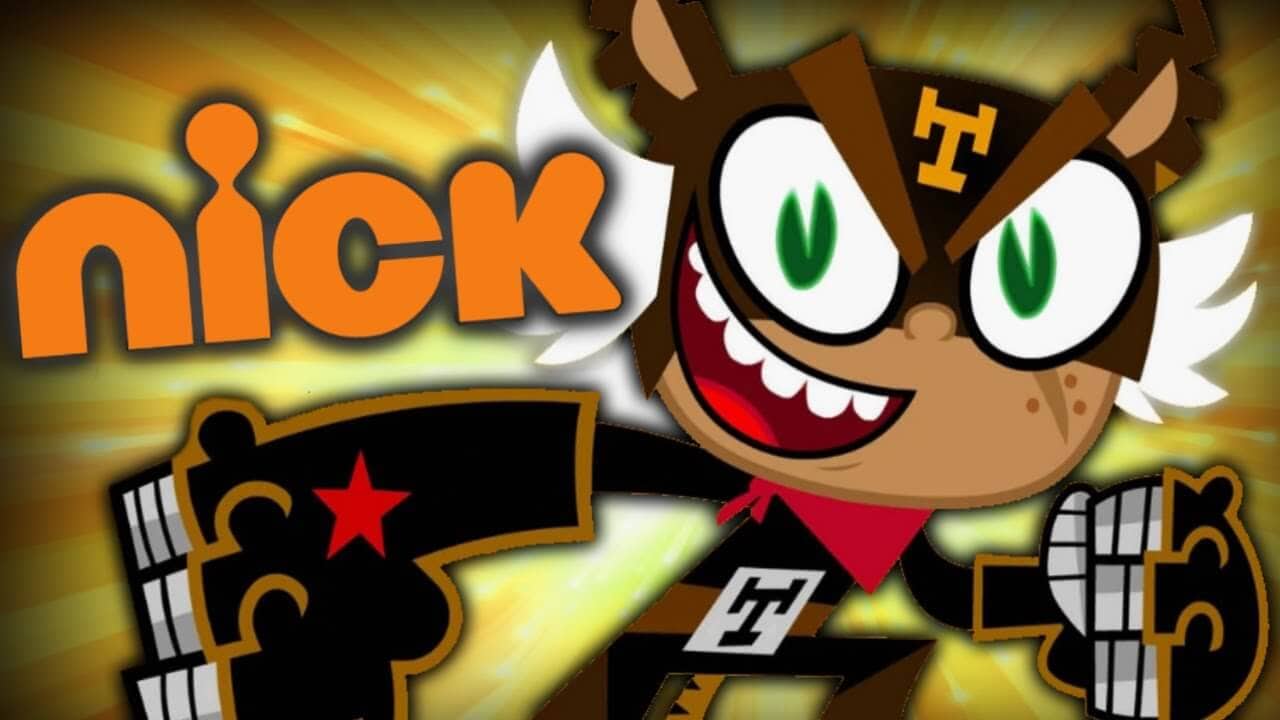
Manny Rivera lives between two family legacies.
His father, White Pantera, is a superhero. His grandfather, Puma Loco, is a supervillain. Manny has the power to follow either path, and he is never completely comfortable choosing only one.
That tension makes El Tigre: The Adventures of Manny Rivera more than a superhero parody.
The show turns family loyalty, moral choice, lucha libre, border culture, Mexican folklore, and adolescent temptation into parts of the same story.
Jorge R. Gutierrez and Sandra Equihua co-created the series. In an Animation World Network interview, Gutierrez discussed the show’s Mexican influences and his connection to Tijuana and the border.
Manny matters because his culture is not a costume that appears in one special episode.
It shapes the city, family, villains, jokes, design, and central question of who he will become.
- First appeared: El Tigre (2007)
- Created by: Jorge R. Gutierrez and Sandra Equihua
- Core conflict: Choosing between heroic and villainous family traditions
- Why he matters: One of American television animation’s strongest Mexican-American lead characters
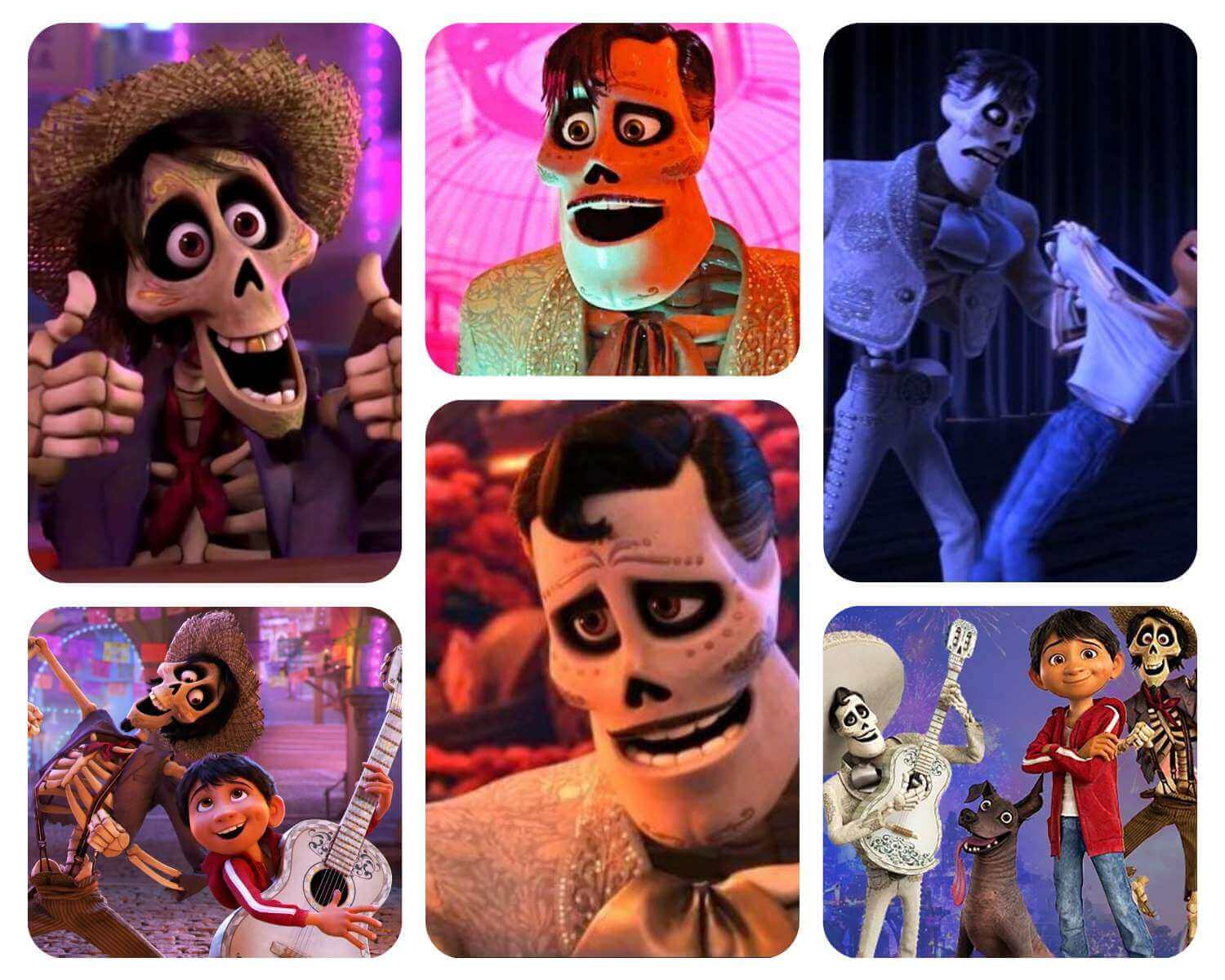
Miguel Rivera from Coco
Miguel Rivera represents the largest global breakthrough on this list.
He is a Mexican boy who dreams of becoming a musician, even though his family has banned music for generations. His attempt to understand that ban carries him into the Land of the Dead during Día de los Muertos.
Miguel’s culture is not presented as a collection of visual references.
The family workshop, ofrenda, photographs, music, food, marigold bridge, village, and relationships all affect what he wants and what he misunderstands.
Coco was directed by Lee Unkrich and co-directed and co-written by Mexican-American filmmaker Adrian Molina. Pixar also worked with cultural advisers and repeatedly travelled to Mexico while developing the film.
On its official production page, Pixar describes Miguel’s struggle between his musical ambition and the Rivera family’s history.
The result became one of the most widely seen animated stories centred on a Mexican family.
Miguel ranks first because he combines global popularity with a story in which family memory, Mexican tradition, and personal ambition cannot be separated.
- First appeared: Coco (2017)
- Co-directed and co-written by: Adrian Molina
- Core conflict: Musical ambition, family memory, and inherited pain
- Why he ranks first: He brought a detailed Mexican family story to a worldwide audience
Are Dora and Diego Mexican?
No, not specifically.
Dora and Diego are major Latino cartoon characters, and many viewers naturally associate them with Mexico because they speak Spanish and are popular with Mexican families.
The original creators intentionally avoided assigning Dora one nationality.
Nickelodeon developed her as a pan-Latina character so children from different Latin American backgrounds could identify with her. The creators discussed that decision in reporting from NPR and, more recently, in an Associated Press feature marking Dora’s 25th anniversary.
Diego follows the same broad cultural approach.
They belong in a discussion of Latino representation, but placing them in a strict ranking of Mexican characters without explanation is misleading.
Dora Márquez
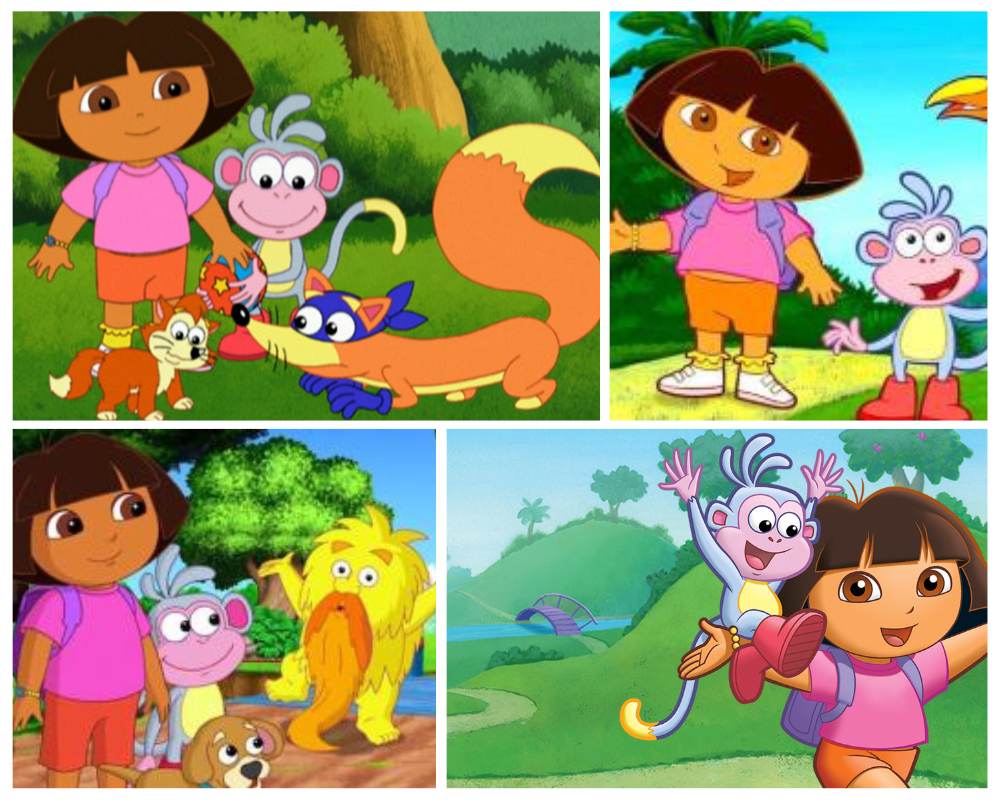
Dora remains one of the most influential Latina characters in children’s television.
She made Spanish vocabulary, bilingual communication, and a Latina girl hero part of everyday preschool programming around the world.
Her importance does not depend on calling her Mexican.
Diego Márquez

Diego extends the same pan-Latino approach into wildlife rescue and science.
He gives young viewers a bilingual Latino boy hero defined by empathy, observation, and problem-solving.
Like Dora, he represents a broad audience rather than one country.
The accurate description: Dora and Diego are pan-Latino characters, not confirmed Mexican characters.
More Mexican and Mexican-Created Characters to Know
María Posada and Joaquín Mondragón
Manolo is not the only important character in The Book of Life.
María refuses to behave like a passive prize in someone else’s romance, while Joaquín has to learn that public heroism and private courage are not the same thing.
Together, the trio gives the film a broader look at gender, reputation, family expectation, and friendship.
Maya from Maya and the Three
Maya is not presented as a historically literal Mexican princess.
She lives in a fictional fantasy world inspired by a mixture of Aztec, Maya, Inca, Caribbean, and other cultural traditions.
The series still belongs in this larger conversation because Mexican creator Jorge R. Gutierrez built the nine-part adventure around a Mesoamerican-inspired warrior heroine. The Netflix Media Center describes the world as a deliberate mixture rather than one exact historical culture.
That distinction makes the show richer, not less valuable. It allows Gutierrez to create an original mythic world without pretending that several distinct civilizations were interchangeable.
From Caricature to Character
The history of Mexican characters in animation is not a straight line from bad representation to perfect representation.
It also includes characters reshaped through dubbing and local audiences, as explored in the story of why Top Cat became Don Gato in Mexico.
Speedy Gonzales remains both stereotypical and beloved.
Tito brings Mexican-American comic energy without receiving much cultural depth.
Manny Rivera, Manolo Sánchez, and Miguel Rivera belong to stories where Mexican identity shapes the characters from the inside.
That is the largest change.
Older cartoons often asked what visual details would make a character look Mexican quickly.
The stronger modern stories ask how family, place, history, art, humour, and memory shape the way a character sees the world.
Mexican Cartoon Characters: Quick Answers
Who is the most famous Mexican cartoon character? Speedy Gonzales is probably the most internationally recognizable. Miguel Rivera from Coco represents the biggest modern global success.
Is Dora the Explorer Mexican? No specific nationality was assigned to Dora. She was intentionally developed as a pan-Latina character.
Is Diego Mexican? Diego is also presented broadly as Latino rather than specifically Mexican.
Who created El Tigre? Jorge R. Gutierrez and Sandra Equihua created Manny Rivera and the world of Miracle City.
Is Coco a Mexican movie? It is an American Pixar production centred on a Mexican family and co-directed and co-written by Mexican-American filmmaker Adrian Molina, with extensive research and cultural consultation in Mexico.
Is Maya from Maya and the Three Mexican? Maya comes from a fictional Mesoamerican-inspired world rather than a literal modern or historical Mexico. The series was created by Mexican filmmaker Jorge R. Gutierrez.
A Broader and Better Range of Heroes
Mexican viewers no longer have to rely on one fast mouse as the only recognizable figure on screen.
There is still room to examine the older characters, including the affection audiences developed for them.
But animation now offers something those early caricatures rarely could: Mexican characters who are allowed to have families, ambitions, contradictions, histories, and creative voices of their own.
Speedy opened the argument.
El Tigre, The Book of Life, and Coco showed how much larger the story could become.