Memorable Studio Ghibli female characters include Sophie Hatter, Kiki, Nausicaä, Sheeta, Arrietty, and San from Princess Mononoke.
I’ve rewatched Ghibli enough times to notice something that most “best characters” lists miss.
These women aren’t iconic because they’re perfect. They’re iconic because they’re allowed to be human. Even when they’re not human.
My hot take: Studio Ghibli doesn’t write “strong female characters.”
- ✅ It writes girls and women with agency.
- ✅ It lets them be scared, stubborn, messy, kind, and brave in the same scene.
- 💡 That’s why I keep coming back to Studio Ghibli consistently presents movies that feel like comfort and challenge at the same time.
Strong Female Leads in Studio Ghibli Movies: Why They Feel Real
Let’s be real. “Strong female lead” usually gets translated into one of two boring extremes.
Either she’s flawless and untouchable, or she’s “strong” because she’s emotionally numb.
Ghibli doesn’t do that. And I think that’s the entire point.
Why Are Studio Ghibli Female Characters So Well Written?
In my experience, the writing works because it’s behavior-based. Not speech-based.
These characters don’t just tell me who they are. They show me. They decide. They act. They pay for their choices. They grow without turning into a different person.
The three things I see Ghibli doing better than most studios:
- ✅ Agency over attitude: I trust a character who makes choices, not just snappy comebacks.
- ✅ Competence with softness: Kindness isn’t treated like weakness.
- ✅ Growth without “glow-up” nonsense: They evolve, but they don’t lose their core.
Studio Ghibli Heroine Archetypes Explained
I don’t mean “archetype” in a lazy way. I mean patterns I notice when I watch these films back-to-back.
These roles show up again and again, and I love how Ghibli makes each one feel personal.
Studio Ghibli heroine archetypes explained, the way I see them:
- ✅ The quiet protector: carries responsibility without asking for applause.
- ✅ The wild defender: love expressed as teeth, rage, and loyalty.
- ✅ The working survivor: learns the rules of a brutal system, then outsmarts it.
- ✅ The gentle rebel: refuses to become cruel, even when cruelty would be easier.
- 💡 If I’m in the mood for the non-human side of this, I usually spiral into Studio Ghibli creatures because the “women” of Ghibli aren’t always human, and that’s part of the magic.
Best Studio Ghibli Female Characters Ranked: My Personal List
This is subjective. Completely.
I’m ranking based on impact, rewatch pull, and how often I catch myself thinking about them years later.
How I ranked this list:
- ✅ Who changes the story through choices, not luck.
- ✅ Who feels emotionally honest, even in fantasy.
- ✅ Who sticks with me after the credits.
12Chihiro Ogino (Sen) – Spirited Away
Chihiro is my number one because she earns every bit of her bravery.
She starts overwhelmed, annoyed, frightened. Then she adapts. She works. She learns the rules of a world that wants to swallow her whole and she keeps her identity anyway.
I also love the name angle. Yubaba steals names to control people. Chihiro fights for hers without giving a speech about it. That’s power.
Why she tops my list:
- ✅ She’s resilient without being “tough for show.”
- ✅ Her growth feels realistic. I can track every step.
- 💡 If I’m fact-checking names or credits, I still reference sources like Spirited Away.
11Sophie Hatter – Howl’s Moving Castle
Sophie is the character I think about when I’m underestimating myself.
She gets cursed into an old body, and instead of collapsing, she finds freedom in it. She speaks up more. She takes up space. She becomes bolder because the world stops expecting “cute” from her.
I’ve always found that deeply relatable, even if the scenario is fantasy.
Why Sophie feels so real to me:
- ✅ She proves confidence can be built, not bestowed.
- ✅ Her love story is secondary to her self-respect, and I respect that.
- 💡 If I’m in a romance mood after this, I usually jump to best romantic Studio Ghibli movies because Ghibli romance hits differently.
10Nausicaä – Nausicaa of the Valley of the Wind
Nausicaä is the leader I wish more stories gave me.
She’s brave, yes. But she’s also curious and compassionate in a way that feels strategic, not naive. She listens. She studies. She tries to understand the “enemy” before she destroys it.
That blend of science-minded thinking and emotional empathy is rare. And it’s why she stays legendary.
Why I rank Nausicaä this high:
- ✅ She’s powerful without being cruel.
- ✅ She leads through understanding, not domination.
- 🚀 She’s the blueprint for so many “environmental heroine” stories that came after.
9San – Princess Mononoke
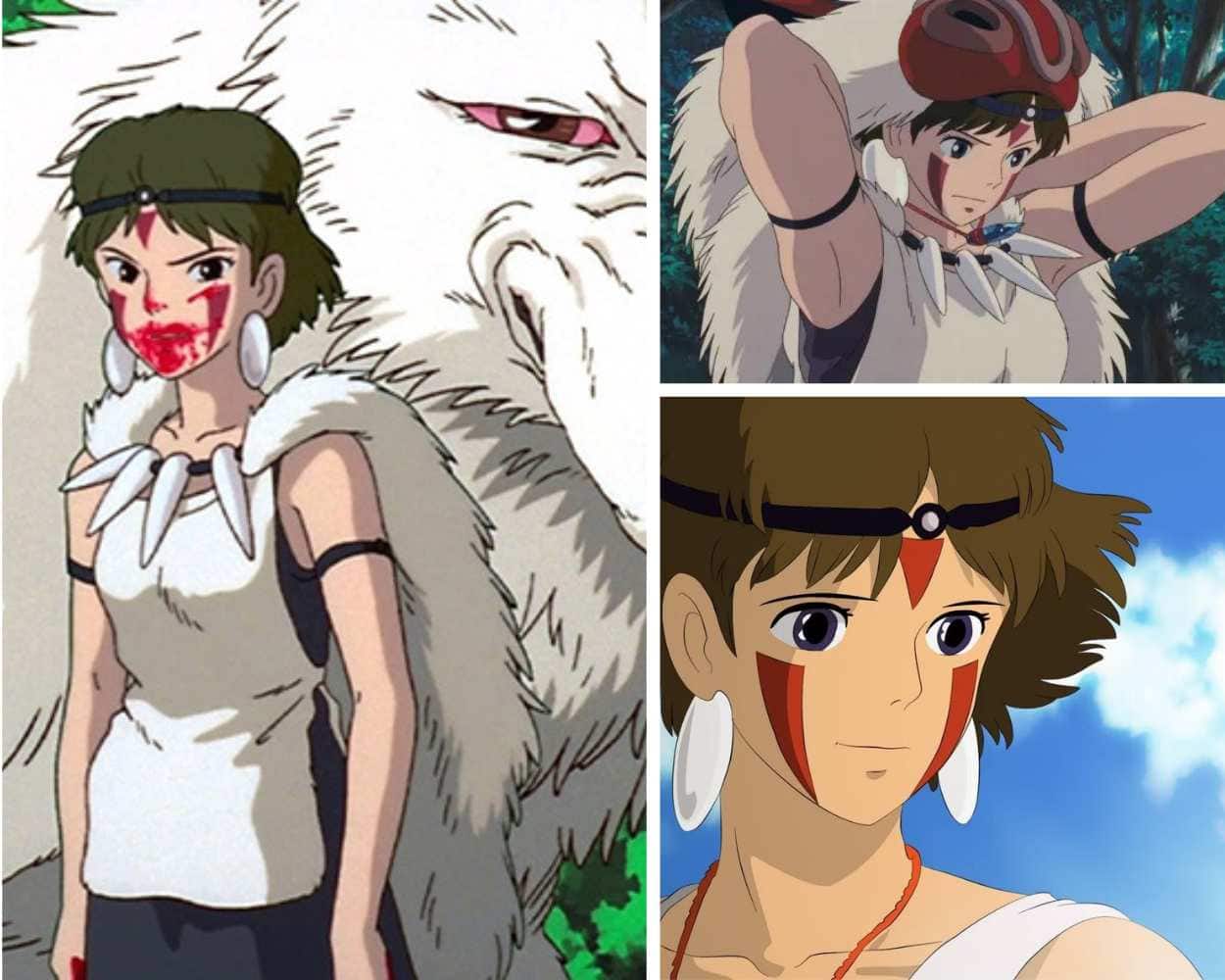
San is what happens when love turns into a survival instinct.
She’s feral, loyal, furious, and heartbreakingly young. I don’t romanticize her pain. I just respect the honesty of her character. She’s not “nice,” and she’s not trying to be.
Also, the visuals matter. The red war paint isn’t just a look. It’s a warning.
Why San earns her spot:
- ✅ She’s a “strong female lead” who is allowed to be angry for real reasons.
- ✅ Her loyalty is fierce, not performative.
- 💡 She’s also one of the most iconic cosplay choices in Ghibli fandom for a reason.
8Kiki – Kiki’s Delivery Service
Kiki is the character I return to when I’m burned out.
She’s talented, hopeful, and then life hits. Confidence dips. Energy fades. The world doesn’t clap for you just because you’re trying.
I love that the film treats that slump as normal. Not as failure.
And yes, I adore that she’s accompanied by her loyal cat, Jiji. The vibe is perfect.
Why Kiki is quietly powerful:
- ✅ She models independence without pretending it’s easy.
- ✅ Her story validates creative slumps and self-doubt.
- 💡 If someone asks me for the best Studio Ghibli female protagonist for kids, Kiki is almost always on my shortlist.
7Lin (Rin) – Spirited Away
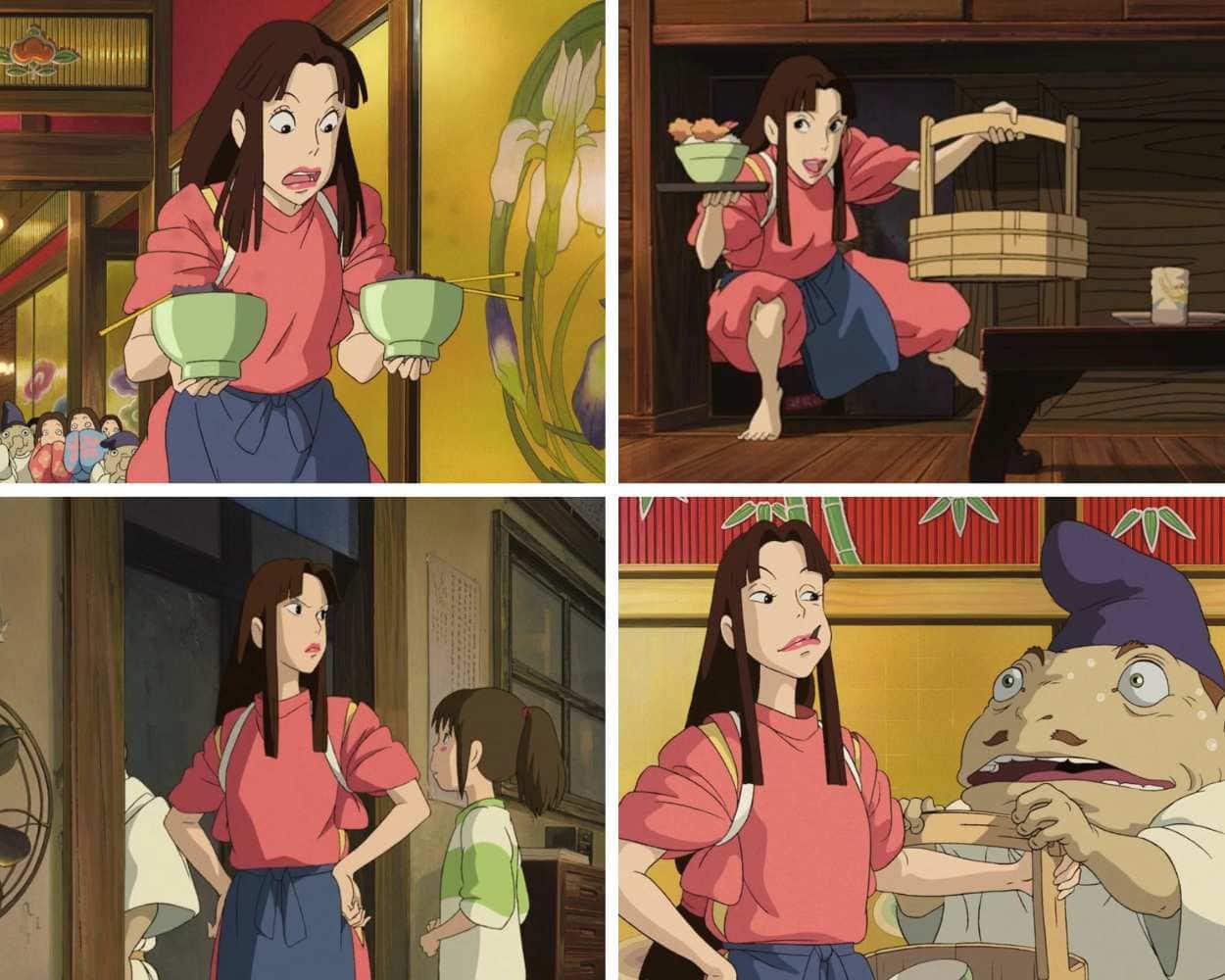
Lin is the coworker I wish everyone had when they’re new and terrified.
She doesn’t coddle Chihiro. She doesn’t abandon her either. She teaches her the rules, keeps her moving, and gives her a lifeline inside a system designed to chew people up.
I respect that kind of practical kindness. It’s not sentimental. It’s real.
Why Lin matters:
- ✅ She represents solidarity, not savior energy.
- ✅ She’s tough because she has to be.
- 💡 She’s a big reason Spirited Away feels like a “workplace survival story” and not just a fantasy ride.
6Satsuki – My Neighbor Totoro
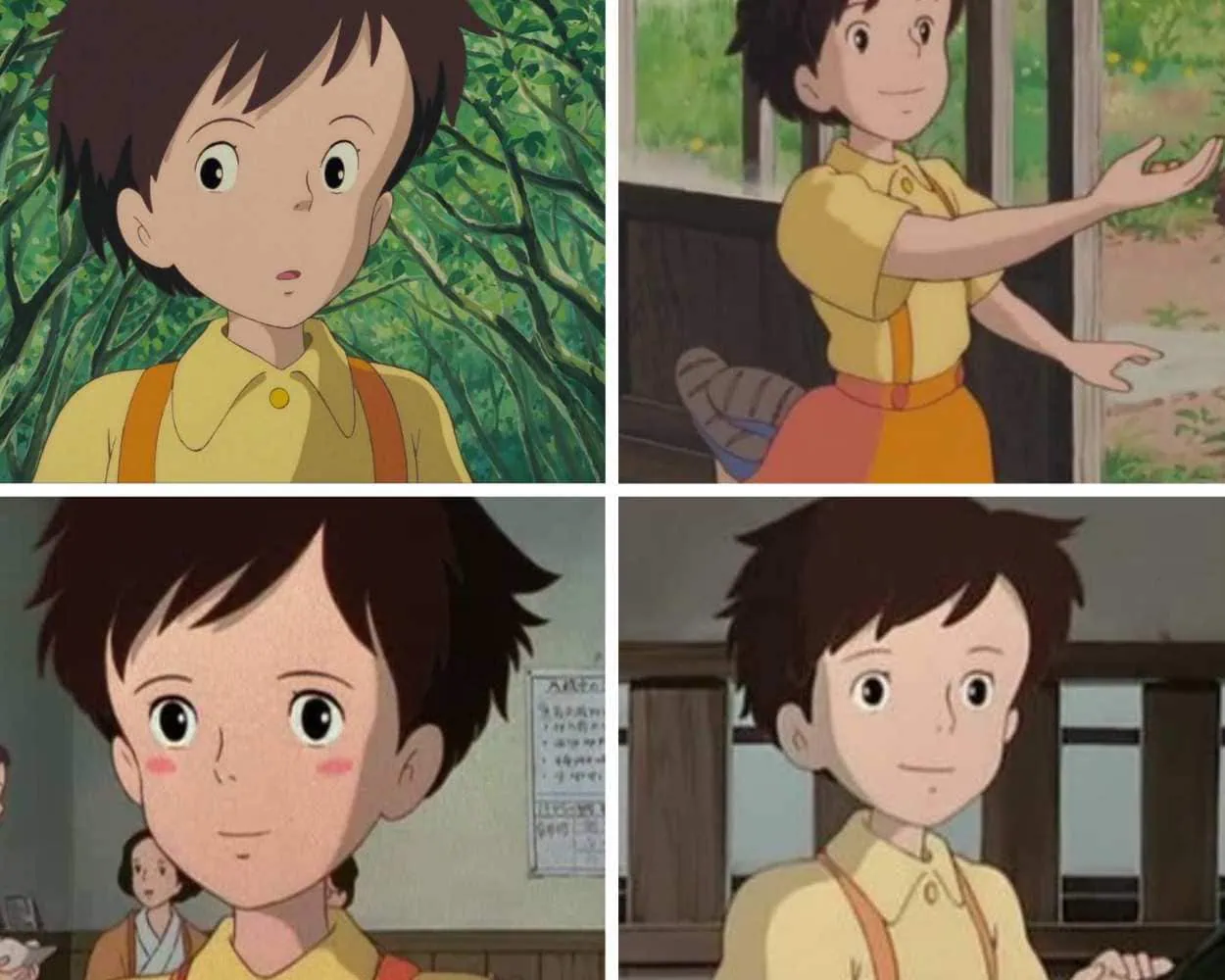
Satsuki is the definition of quiet strength.
She’s a kid carrying adult fear. She’s trying to be stable for Mei while still processing what’s happening to their mom. That’s not “cute.” That’s heavy. And the film treats it gently without dismissing it.
I’ve always admired how responsible she is without turning her into a mini-parent cliché.
Why Satsuki stays with me:
- ✅ She’s protective without being controlling.
- ✅ She feels like a real older sibling under stress.
- 🚀 If I’m recommending a gentle entry point, Totoro is one of my safest “first Ghibli” picks.
5Arrietty – The Secret World of Arrietty
Arrietty is courage in miniature.
She’s curious, stubborn, and brave enough to risk change even when her entire world is built on staying unseen.
I love how her “coming of age” isn’t about popularity or romance. It’s about boundaries, family, and survival.
Why Arrietty belongs in the conversation:
- ✅ She represents curiosity that has consequences.
- ✅ Her world-building is detailed in a way that rewards rewatching.
- 💡 If I’m thinking about style and influence, her look reminds me of the kind of animation I still chase in my iconic movies nostalgia spirals.
4Yubaba – Spirited Away
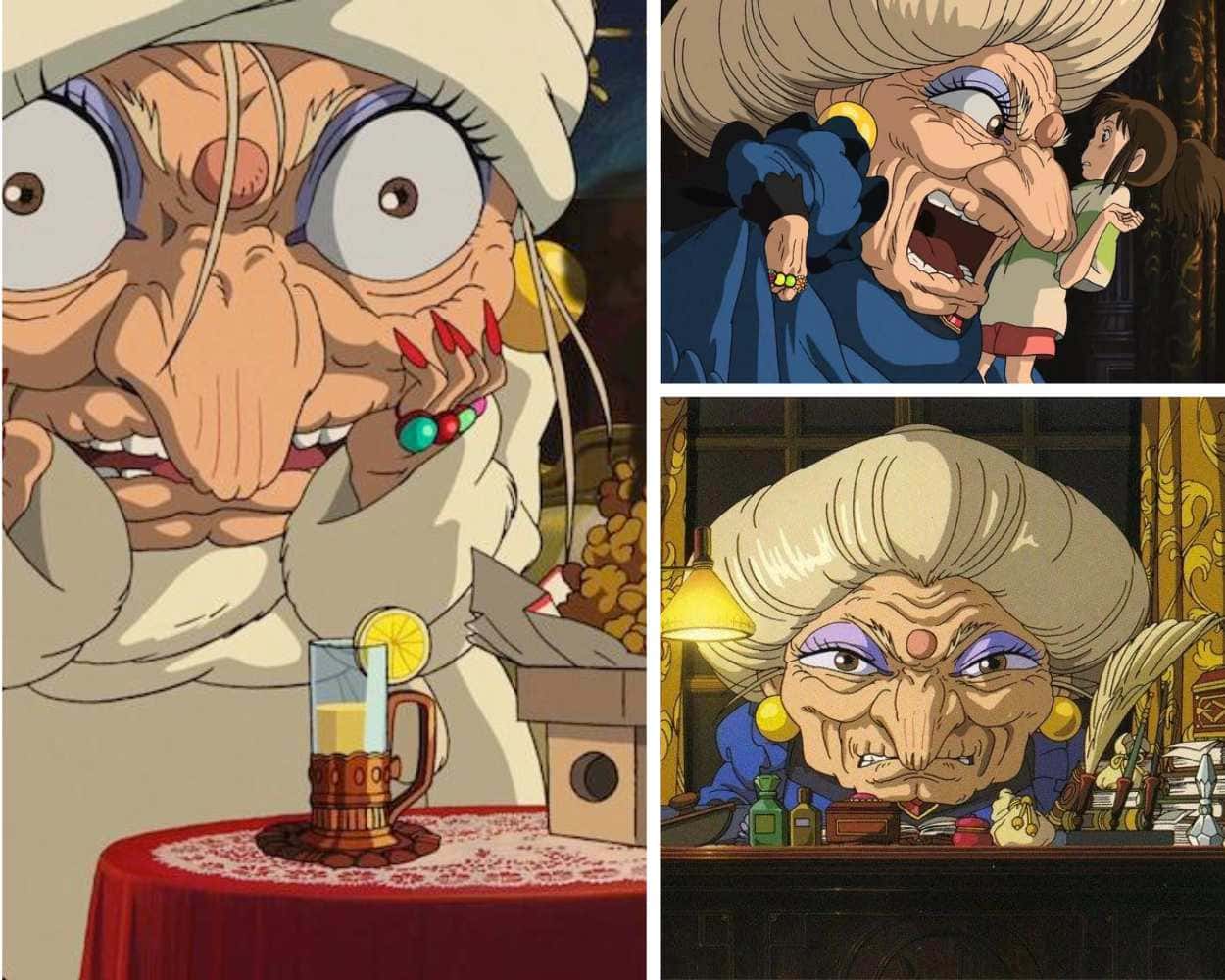
Yubaba is one of my favorite “villain-boss” characters in animation.
She’s controlling, theatrical, and terrifying, but she’s not flat. She runs a business empire. She enforces contracts. She exploits labor. And she’s still a mother with her own weird soft spot.
I don’t excuse her. I just find her fascinating.
Why Yubaba is memorable to me:
- ✅ She’s a villain built on power systems, not random evil.
- ✅ Her name-stealing is one of the smartest control metaphors I’ve seen.
- 💡 She’s also a reminder that “female character” doesn’t need to mean “likable.”
3Moro – Princess Mononoke
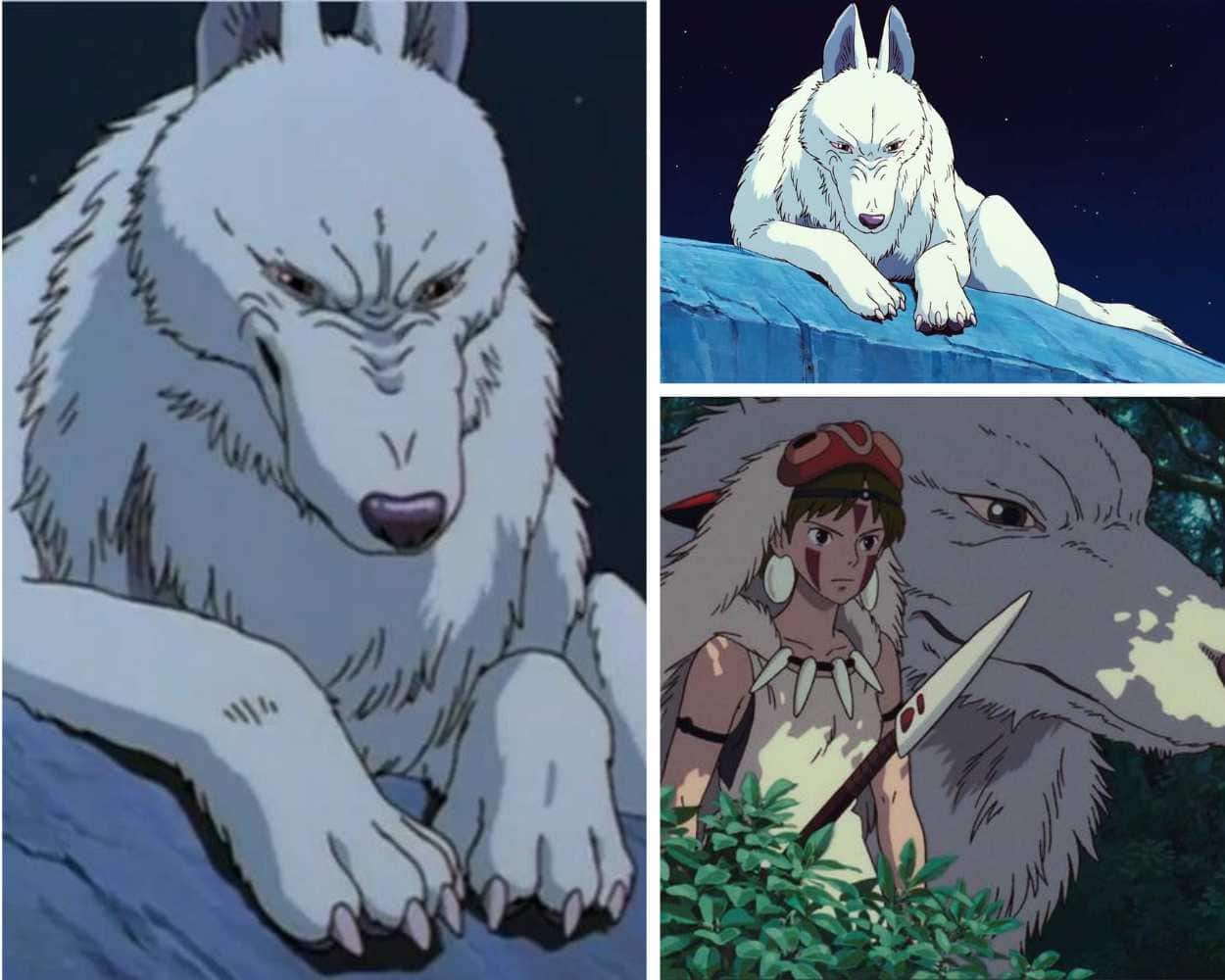
Moro is the kind of character that proves Ghibli’s women aren’t limited to human girls in cute dresses.
She’s fierce, intelligent, protective, and exhausted by humans. Honestly, relatable.
She also connects to the mythic side of Ghibli that I never get tired of. That Forest Spirit presence is a huge part of why the world feels sacred and dangerous.
Why Moro earns her spot:
- ✅ She’s maternal without being gentle about it.
- ✅ She represents nature’s anger without turning it into a cartoon lecture.
- 💡 When I want more of that energy, I go straight into Studio Ghibli creatures because the “monsters” are often the most honest characters.
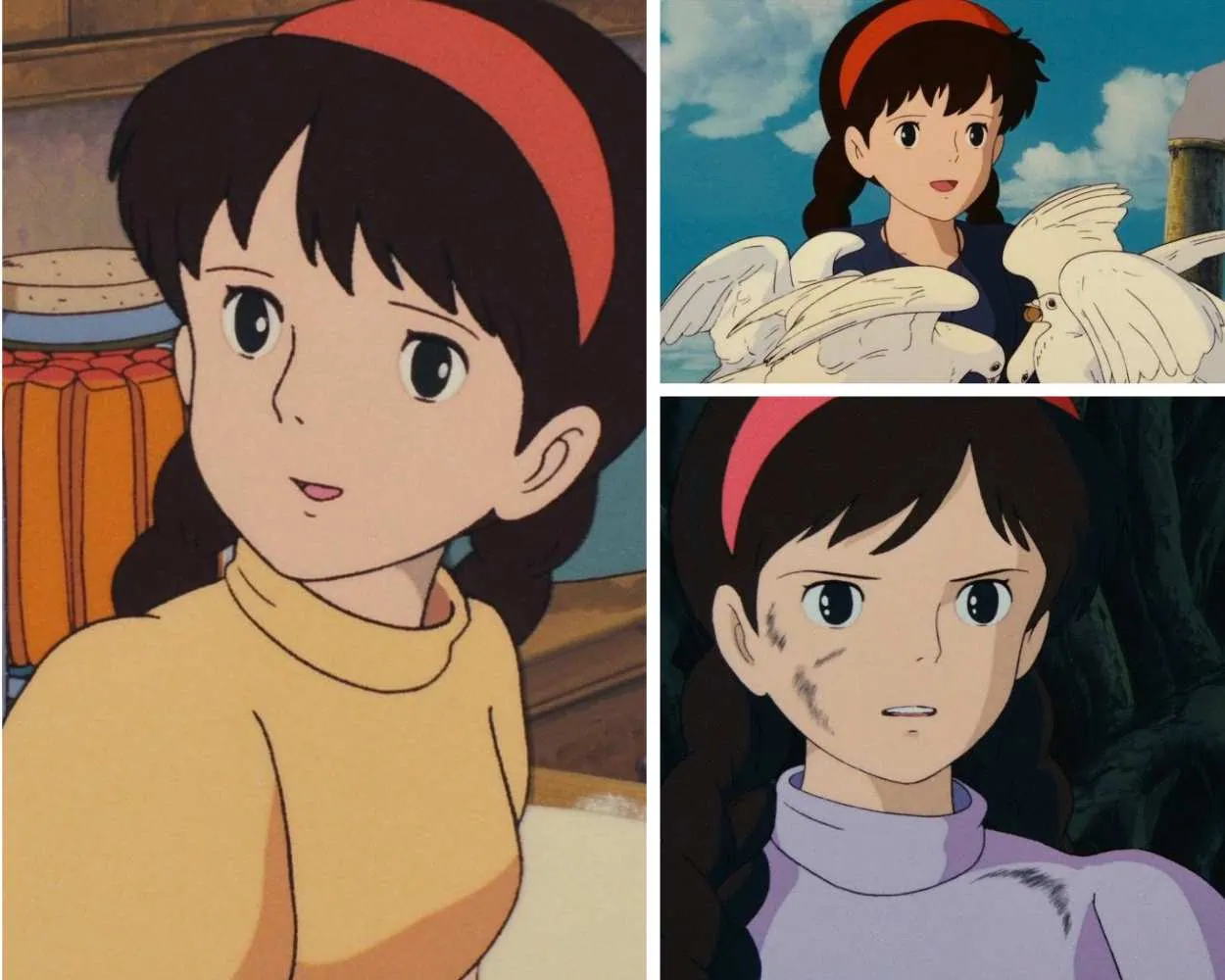
2Sheeta – Laputa: Castle in the Sky
1Naoko Satomi – The Wind Rises
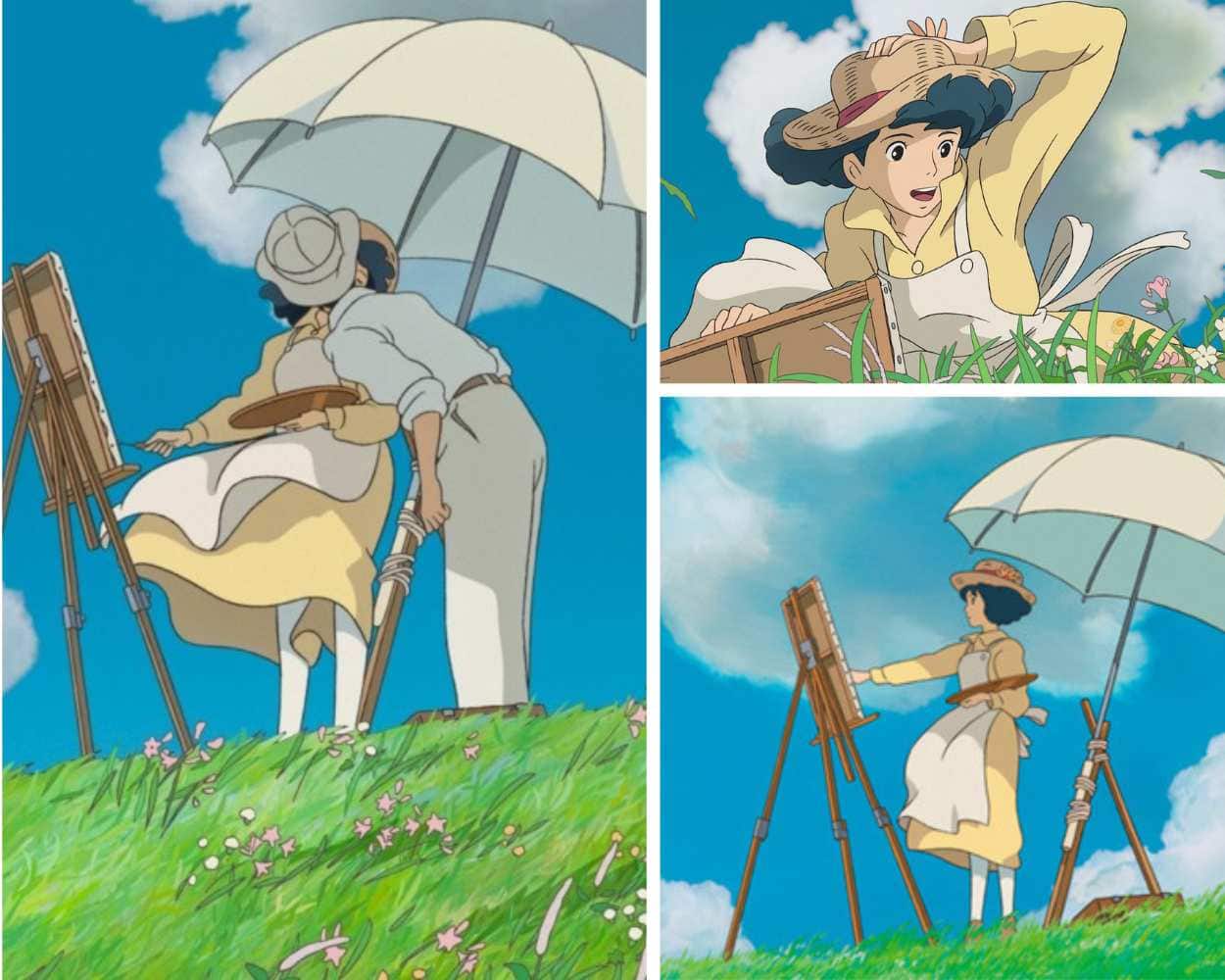
Naoko is strength through gentleness, and I don’t say that lightly.
Her presence feels like warmth in a film that’s otherwise filled with ambition, pressure, and moral weight. She’s not a “plot device” to me. She’s the emotional truth that keeps the story human.
Also, I love when Ghibli grounds characters with tiny real-world details. A favorite shoe brand. a casual reference. It’s subtle, but it makes them feel like people I might’ve passed on a street.
Why Naoko matters in this lineup:
- ✅ She shows “strength” without combat, power, or intimidation.
- ✅ Her love feels steady, not performative.
- 💡 I file her under “quiet heartbreak,” which is a very specific Ghibli specialty.
Best Studio Ghibli Female Protagonist for Kids
When I’m thinking about kid-friendly Ghibli, I’m not only thinking about age ratings.
I’m thinking about emotional tone. I’m thinking about whether the fear is gentle or intense. I’m thinking about whether the film feels safe to process.
My safest “starter” picks:
- ✅ Kiki for independence, confidence, and kindness.
- ✅ Satsuki for responsibility and sibling love with a soft tone.
- ✅ Chihiro when I want a bigger adventure, but still want growth and heart.
- 💡 If I’m unsure, I watch first, then recommend. I don’t gamble with a kid’s first Ghibli experience.
If I Want More Ghibli Vibes: Romance, Creatures, and Movies Like Studio Ghibli
After I finish a Ghibli film, I usually want one of two things.
Either I want more Ghibli. Or I want something that feels like it, without being a cheap imitation.
What to check next:
- ✅ If I want romance that feels sincere: best romantic Studio Ghibli movies
- ✅ If I want the weird and wonderful: Studio Ghibli creatures
- ✅ If I want the closest “Ghibli-like” watchlist: movies like Studio Ghibli
- ✅ If I’m doing character comparisons: best Studio Ghibli male characters
A quick “high-value fan” note I’ve learned the hard way:
- ✅ If I’m buying gifts, I stick to official Studio Ghibli merchandise when I can. The quality difference is real.
- ✅ The safest splurges are usually art books, soundtrack vinyl, and collector figurines that match a fan’s favorite film.
- 💡 I never assume someone wants the “rarest collectible.” I assume they want something they’ll actually love looking at.
Frequently Asked Questions
Who are the best Studio Ghibli female characters ranked?
My top tier is Chihiro, Sophie, Nausicaä, San, and Kiki. I ranked them based on agency, emotional impact, and how strongly they hold up on rewatch. If someone’s list is different, I get it. Ghibli characters hit people differently depending on life stage.
Why are Studio Ghibli female characters so well written?
In my experience, it’s because the writing focuses on behavior and choices instead of speeches. These characters act under pressure. They learn. They change. They keep their core. And kindness is treated like a real form of strength, not a weakness to “grow out of.”
Who are the strongest female leads in Studio Ghibli movies?
I don’t measure “strong” by who wins a fight. I measure it by who keeps moving when life gets hard. That’s why I put Chihiro, Sophie, Nausicaä, and San near the top. Their strength shows up as resilience, integrity, and courage with consequences.
What is the best Studio Ghibli female protagonist for kids?
If I’m choosing the safest picks, I usually start with Kiki or Satsuki. They’re emotionally gentle, and the lessons are clear without being heavy. If I’m choosing a bigger adventure, I go with Chihiro, but only when I think the kid is ready for scarier visuals and higher stakes.
Can you share Studio Ghibli heroine archetypes explained in a simple way?
I group them into patterns like the quiet protector (Satsuki), the working survivor (Lin), the wild defender (San and Moro), and the gentle rebel (Kiki and Sophie). The films reuse these energies, but they never feel copy-pasted because the characters are written with specific motivations and real emotional texture.

1 comment
THE BRAVE HEROINES (ACTION & ADVENTURE)
1. San (Princess Mononoke) – The Wolf Girl raised by wolves; fights to protect the forest.
2. Nausicaä (Nausicaä of the Valley of the Wind) – The pacifist princess and glider pilot.
3. Sheeta (Castle in the Sky) – The heir to Laputa who possesses the Aetherium crystal.
4. Fio Piccolo (Porco Rosso) – The brilliant 17-year-old mechanic who redesigns the plane.
THE MAGIC USERS & WITCHES
5. Kiki (Kiki’s Delivery Service) – The young witch in training with a red bow and a broomstick.
6. Yubaba (Spirited Away) – The greedy, powerful sorceress who runs the bathhouse.
7. Zeniba (Spirited Away) – Yubaba’s kind twin sister who lives in the swamp.
8. Sophie Hatter (Howl’s Moving Castle) – Cursed to be an old woman, she finds her inner strength.
9. Ponyo (Ponyo) – The magical goldfish princess who wants to be human.
10. Granmamare (Ponyo) – The massive, glowing Goddess of Mercy/Queen of the Ocean.
THE EVERYDAY GIRLS (GROWING UP & REAL LIFE)
11. Chihiro Ogino (Spirited Away) – The brave survivor who works to save her parents.
12. Satsuki Kusakabe (My Neighbor Totoro) – The responsible older sister who cares for the house.
13. Mei Kusakabe (My Neighbor Totoro) – The fearless, loud 4-year-old who chases Totoros.
14. Shizuku Tsukishima (Whisper of the Heart) – The aspiring writer and bookworm.
15. Taeko Okajima (Only Yesterday) – The office worker reflecting on her childhood.
16. Umi Matsuzaki (From Up on Poppy Hill) – The responsible girl who raises signal flags daily.
THE COMPLEX VILLAINS & ANTI-HEROINES
17. Lady Eboshi (Princess Mononoke) – The ruler of Iron Town; destructive but cares for the outcast.
18. The Witch of the Waste (Howl’s Moving Castle) – The jealous witch who curses Sophie.
19. Kushana (Nausicaä of the Valley of the Wind) – The Tolmekian princess in gold armor.
THE TINY & HIDDEN
20. Arrietty (The Secret World of Arrietty) – The 14-year-old Borrower living under the floor.
21. Princess Kaguya (The Tale of the Princess Kaguya) – The Moon Princess found in bamboo.