
Let’s be real: for years, whenever I saw a “gyaru girl” show up in an anime, my brain tried to file her away as the trope. Loud. Flirty. Mean-girl energy. You know the drill.
And then… I kept watching.
Because here’s the thing: the best gyaru girls in anime aren’t just fashion props. They’re often the characters who surprise me the most—smart, emotionally sharp, weirdly brave, and (when the writing is good) way more tender than their first impression suggests.
My hot take: I don’t care if a character has a deep tan, pink nails, or a Shibuya-ready outfit. If she’s got that “I’m going to be myself anyway” energy—and the story gives her real depth—I count her.
- ✅ I’m ranking these based on personality, impact, and rewatch value.
- 💡 I’m also calling out the stereotype each one breaks (because that’s the fun part).
- 🚀 And I’ll point you toward the best “starter” shows if you’re new to this vibe.
What does gyaru mean in Japanese fashion culture?
When people ask me what does gyaru mean in Japanese fashion culture, I always start with the same clarification: it’s more than a look. Yes, the aesthetics can include bold makeup, dyed hair, nails, accessories, and uniform tweaks. But the bigger point is attitude—self-expression that pushes back against “be quiet, be modest, blend in.”
I’m writing this as an anime fan first, not as a cultural historian. So when I want the real-world context, I cross-check sources that go deeper than surface-level vibes. If you want a serious overview of the subculture and its branches (including kogyaru, ganguro, and yamanba), this is one of the better starting points I’ve found: Gyaru – Subcultures and Sociology (Grinnell).
Also, if you’re here because you love style-forward anime, I’d absolutely pair this list with my broader roundup of anime about fashion. In my experience, fashion-centric stories make “gyaru” feel like a person—not a punchline.
What I personally look for in a great gyaru character:
- ✅ Confidence that isn’t just arrogance.
- 💡 Social intelligence (the kind that reads the room, not just dominates it).
- 🚀 A soft side that feels earned, not tacked on.
- ✅ Fashion as expression—not as the whole personality.
Ganguro vs gyaru in anime: how I tell the difference
This is one of the most common questions I see: ganguro vs gyaru in anime—are they the same thing?
In my understanding, gyaru is the umbrella. Ganguro and yamanba are more extreme offshoots you’ll sometimes see referenced (especially in comedy anime) with heavier tanning and more dramatic makeup cues.
In anime, the distinction often gets flattened into “tan + loud = gyaru,” which… isn’t great. So when I’m watching, I try to separate the visual shorthand from the character writing.
My quick cheat sheet (anime edition):
- ✅ Gyaru (broad): bold styling + trendy attitude; can be sweet, scary, shy, studious, anything.
- 💡 Ganguro/yamanba (often coded): deeper tan + higher-contrast makeup; frequently played for shock or comedy.
- 🚀 My rule: I don’t label the character by the tan. I label by the intent of the design and how the story treats her.
Best gyaru anime characters ranked (my list of 14)
Yes, I saw the “Top 10” format. I tried. I failed.
Because once I started listing the girls I actually remember—girls who felt iconic, funny, surprisingly sincere, or just wildly entertaining—I couldn’t stop at ten. So here we are: my personal list of the best gyaru anime characters ranked, with context that actually helps you choose what to watch.
How I ranked them:
- ✅ Memorability (do I still think about her after the season ends?)
- 💡 Depth (does she get to be more than a stereotype?)
- 🚀 Watchability (would I recommend this to a friend without over-explaining?)
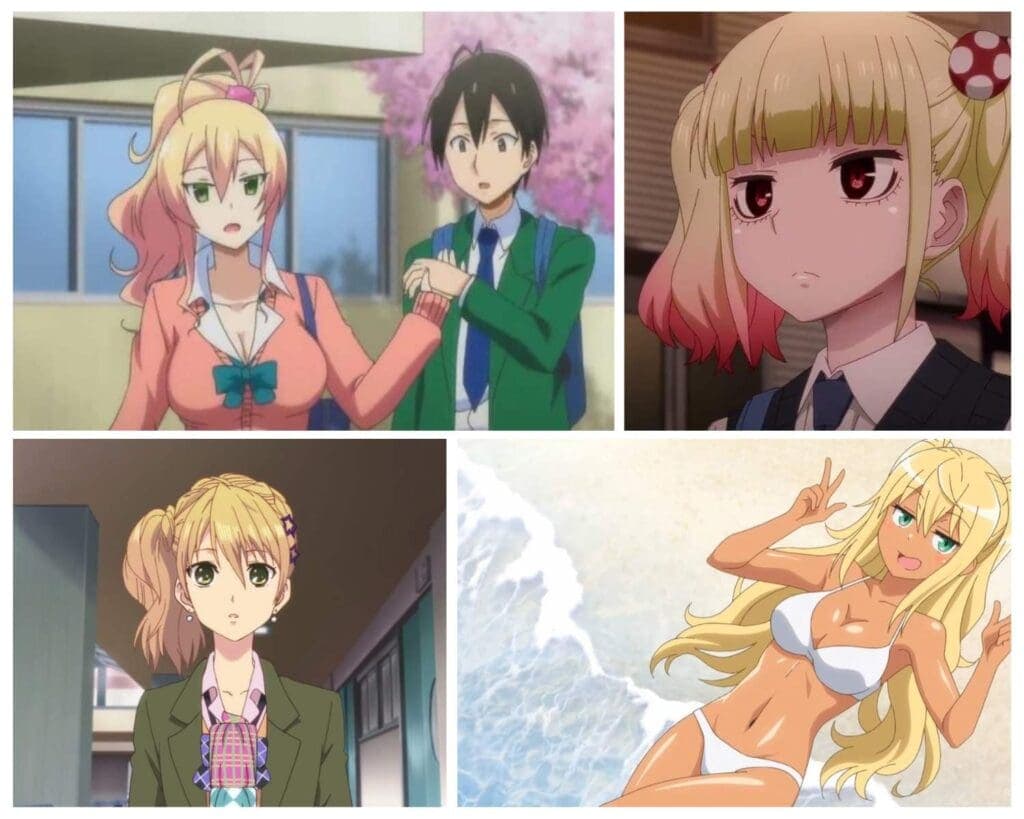
Yukana Yame — My First Girlfriend Is A Gal

When I think “classic gyaru lead,” Yukana is one of the first characters that pops into my head. The look is loud, the vibe is playful, and the show is basically built around gyaru culture as the premise.
What keeps me watching, though, isn’t just her style. It’s the fact that beneath the flirty surface, she’s genuinely affectionate and surprisingly earnest about relationships.
- ✅ Stereotype she breaks: “She’s only here for attention.”
- 💡 Why I remember her: sweet, loyal energy under the gyaru sparkle.
- 🚀 Watch if you want: straightforward comedy + gyaru-as-the-main-theme.
Yuria Niguredou — Mieruko-chan
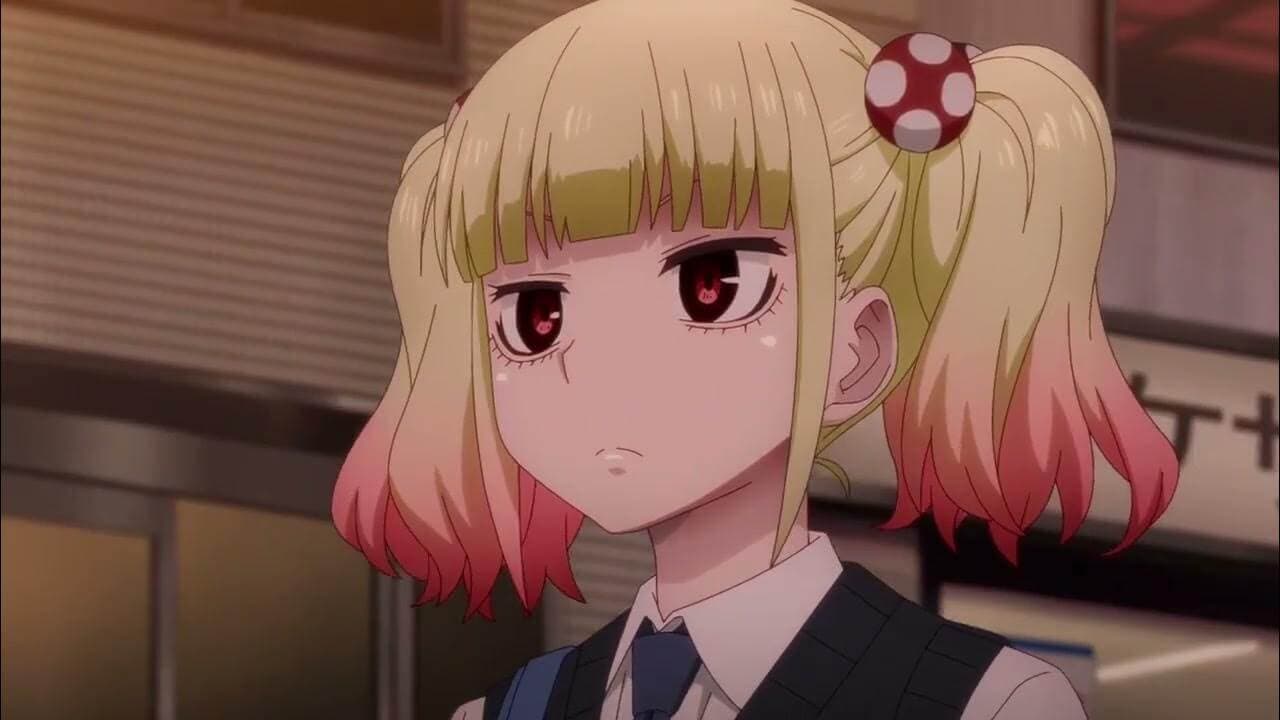
Yuria is one of those characters I’d call “gyaru-adjacent, but with a twist.” She’s got the blonde hair and style cues, but the vibe leans sharper—almost confrontational.
In my experience, she’s a great example of why I hate judging gyaru characters too quickly. She’s tough because she’s insecure, and she’s intense because she wants connection but doesn’t know how to ask for it cleanly.
- ✅ Stereotype she breaks: “Gyaru girls aren’t serious.”
- 💡 My take: her bravado reads like armor, not vanity.
- 🚀 Heads-up: the series mixes horror and comedy—know your tolerance.
Sakura Hibiki — How Heavy Are the Dumbbells You Lift?
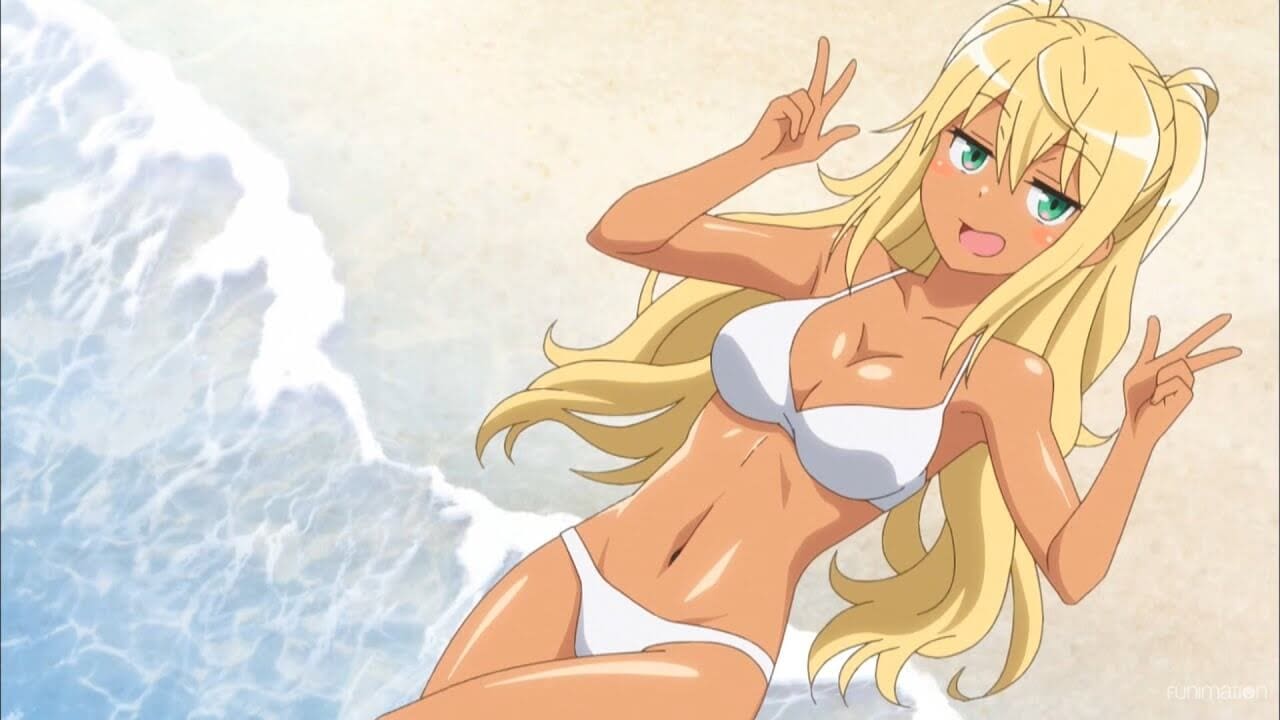
I’ve got a soft spot for Hibiki because she feels like a “real person” kind of chaotic. She’s hungry, she’s impulsive, and she’s painfully relatable if you’ve ever had a moment of “oh no, I need to get my life together.”
What I like is that her gyaru-coded look doesn’t lock her into one personality. She’s goofy, social, and genuinely tries when she commits to something.
- ✅ Stereotype she breaks: “Gyaru girls are shallow.”
- 💡 Why she works: comedy + growth without pretending she’s perfect.
- 🚀 Watch if you want: fitness comedy that doesn’t feel preachy.
Junko Enoshima — Danganronpa
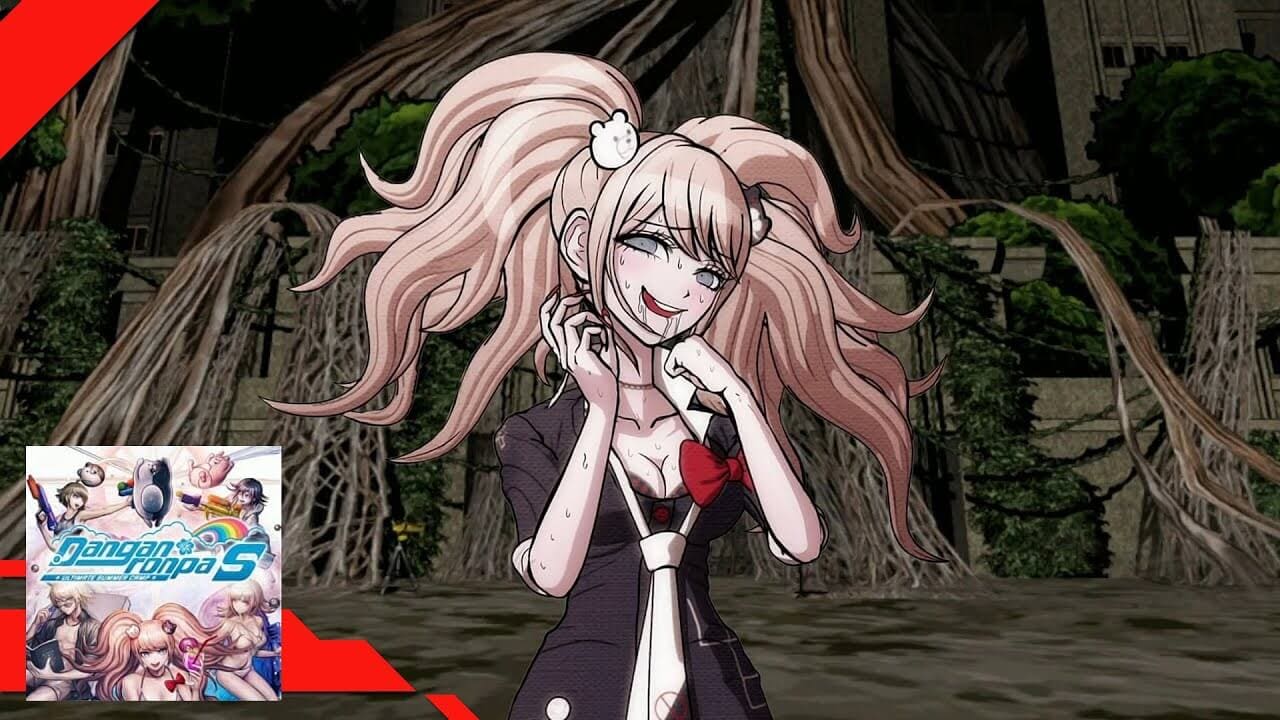
Junko is my reminder that “gyaru aesthetics” can be used to signal something darker. If you go in expecting bubbly friendliness, you’re going to get whiplash.
I’m not putting her here because she’s wholesome. I’m putting her here because she’s iconic, and the contrast between the style and the volatility is exactly why she sticks in people’s heads.
- ✅ Stereotype she breaks: “Gyaru girls are harmless comic relief.”
- 💡 My take: she weaponizes perception—and that’s the point.
- 🚀 Heads-up: darker themes; not a “cozy watch.”
Akari Watanabe — More Than A Married Couple, But Not Lovers
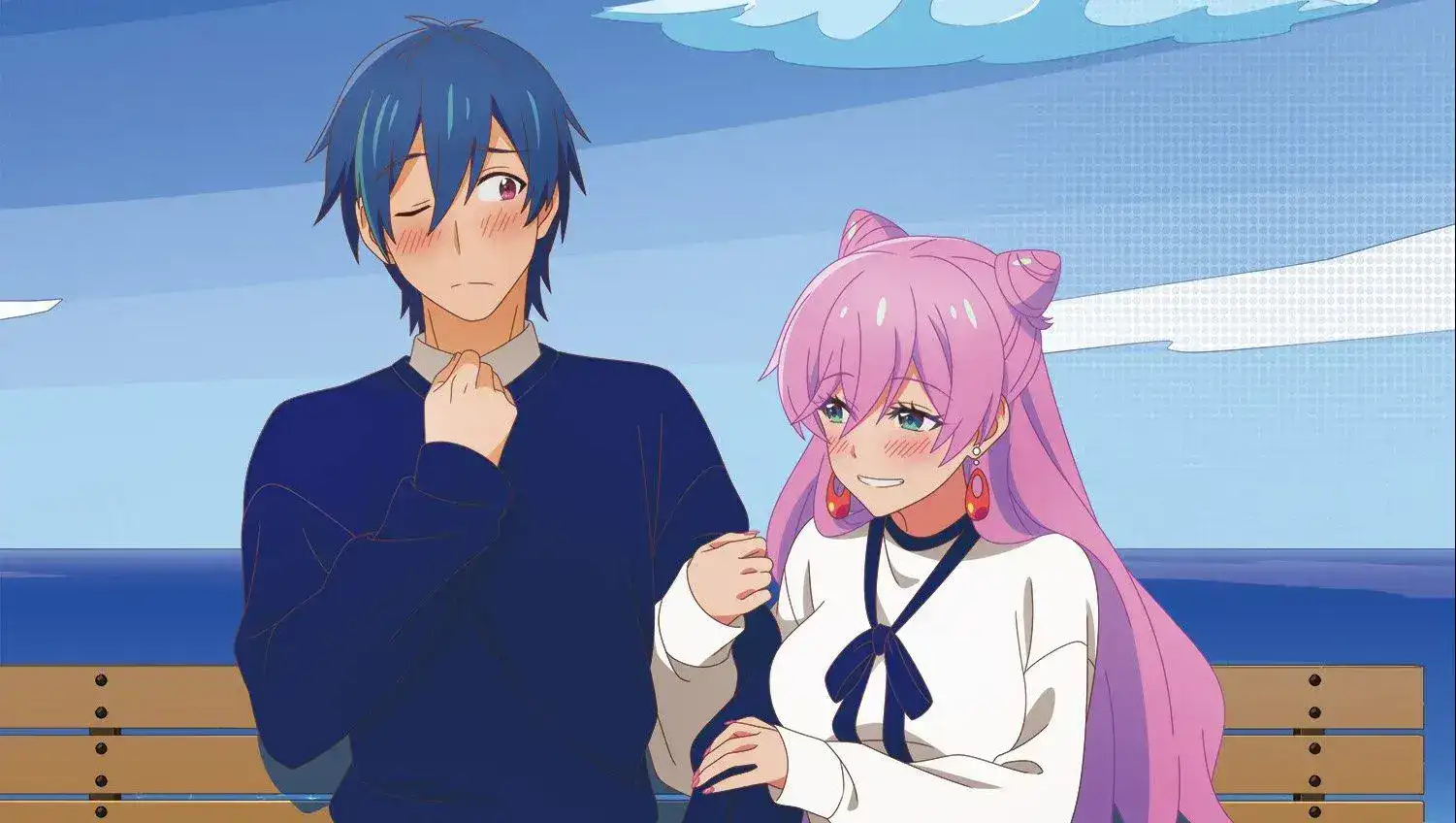
Akari is the kind of gyaru character I wish more people led with when they talk about the archetype: warm, socially skilled, and emotionally considerate.
She’s stylish and confident, but not cartoonish about it. And even though she’s thrown into a situation she didn’t choose, she still tries to treat the other person like a human being. That matters to me.
Her look is on-trend without being too over-the-top (and if you’re into anime/manga that play with identity and expectations, I’ve also browsed a bunch of gender bender manga for similar “labels don’t define you” energy).
- ✅ Stereotype she breaks: “She’s popular, so she must be cruel.”
- 💡 Why I recommend her: kindness that doesn’t feel fake.
- 🚀 Watch if you want: romance with social tension and awkward sweetness.
Lord of Pastimes — Asobi Asobase
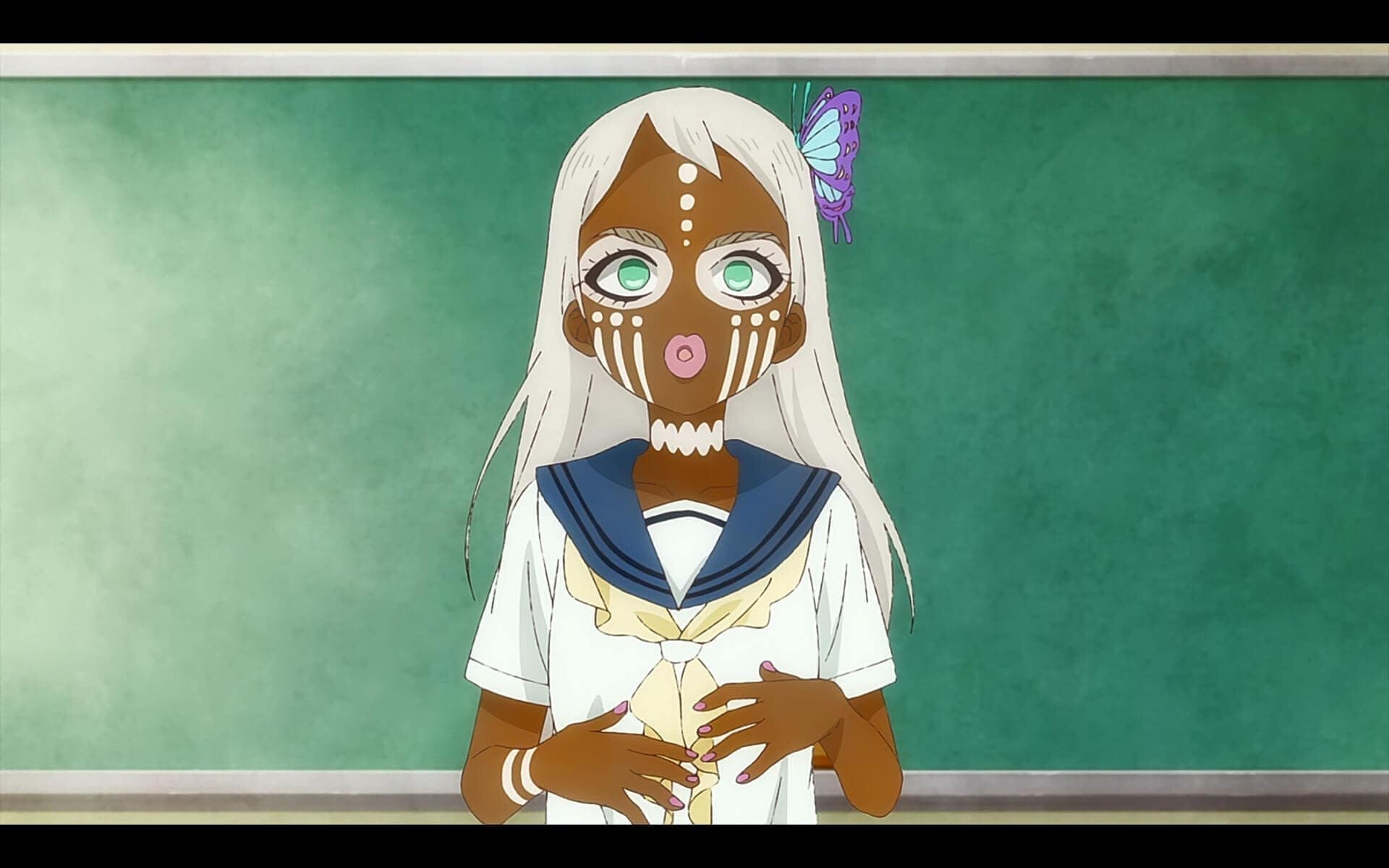
If you want the “extreme” end of the spectrum, the Lord of Pastimes is the character I point to. This is where the vibe edges closer to the ganguro/yamanba coding people associate with shock-comedy gyaru portrayals.
But what I enjoy is the subversion: people assume she’s “dumb” because of the look, and the story flips that expectation hard.
- ✅ Stereotype she breaks: “Extreme gyaru styling = no brains.”
- 💡 My take: she’s a punchline and a rebuttal at the same time.
- 🚀 Watch if you want: absurd comedy that escalates fast.
Nana Sunohara — Miss Caretaker of Sunohara-Sou
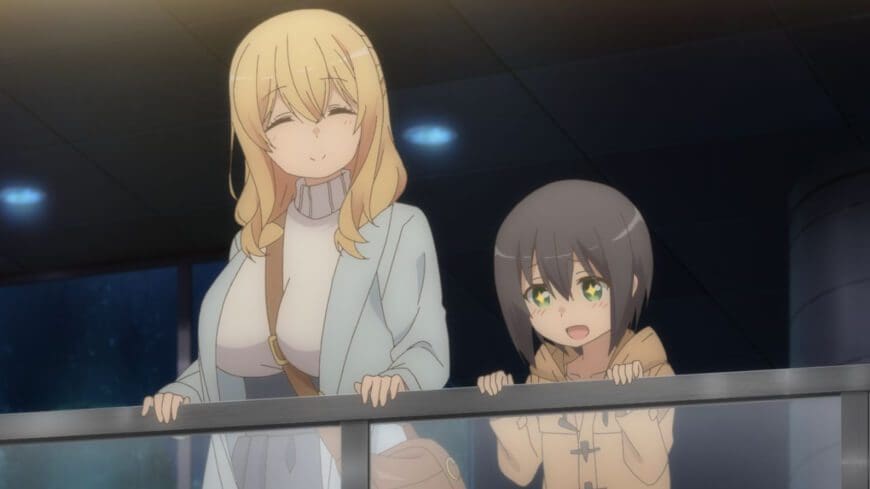
Nana has that bright, approachable gyaru energy without needing a mountain of accessories to “prove it.” I like her because she feels friendly in a grounded way—like someone who actually tries to make people comfortable.
And in anime, that’s honestly rarer than it should be.
- ✅ Stereotype she breaks: “Gyaru girls are intimidating by default.”
- 💡 Why she stands out: gentle warmth without losing personality.
- 🚀 Watch if you want: a softer vibe with light comedy.
Yuzu Aihara — Citrus
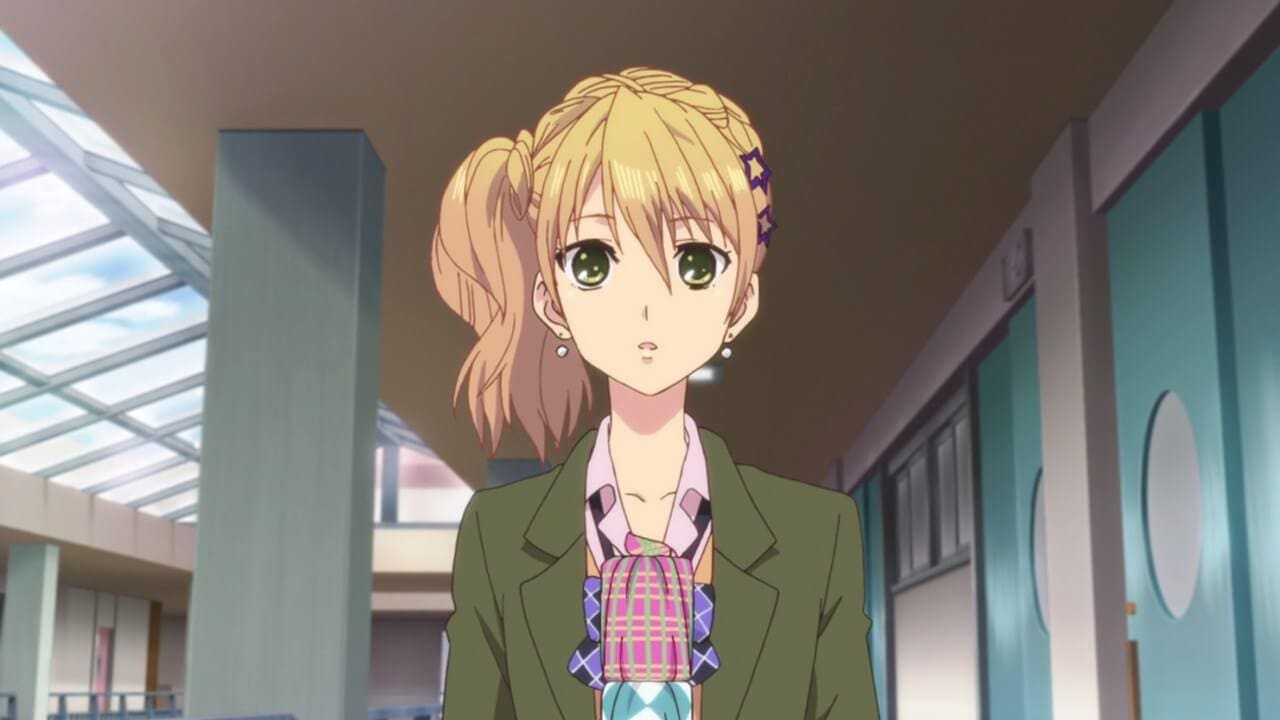
Yuzu is rebellious in a way that feels believable to me—messy, emotional, sometimes defensive. Her style reads like self-protection as much as self-expression.
And I appreciate that the series doesn’t make her shallow. She’s allowed to be insecure, complicated, and genuinely caring.
- ✅ Stereotype she breaks: “She’s acting out because she’s vapid.”
- 💡 My take: her look is a shield, not a joke.
- 🚀 Watch if you want: drama-forward storytelling and emotional tension.
Marin Kitagawa — My Dress-Up Darling!
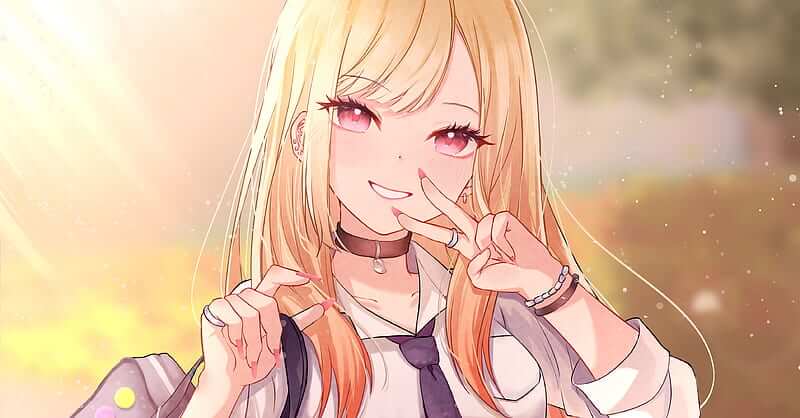
Marin is the character I bring up when someone says, “Okay, but are there any gyaru girls who are just… genuinely nice?”
Because yes. Marin is friendly without being fake, confident without being cruel, and enthusiastic in a way that makes the whole show brighter. She’s also one of my favorite examples of fashion-as-language—she uses style and cosplay to communicate joy, not superiority.
- ✅ Stereotype she breaks: “The popular girl will bully the quiet guy.”
- 💡 Why I love her: she’s open-hearted and unapologetically herself.
- 🚀 Watch if you want: a feel-good romance with real craft/fashion energy.
Mikoto Aiura — The Disastrous Life of Saiki K.

Aiura is peak “gyaru chaos,” and I mean that affectionately. She’s flashy, social, and not subtle—ever.
But what I actually respect is that she’s direct about what she believes and she wants to help people, even when she’s being ridiculous. That’s a kind of sincerity I can’t help liking.
- ✅ Stereotype she breaks: “Gyaru girls don’t have purpose.”
- 💡 My take: she’s loud, but her intentions aren’t shallow.
- 🚀 Watch if you want: comedy where every character is a walking bit.
Ran Kotobuki — Super GALS!
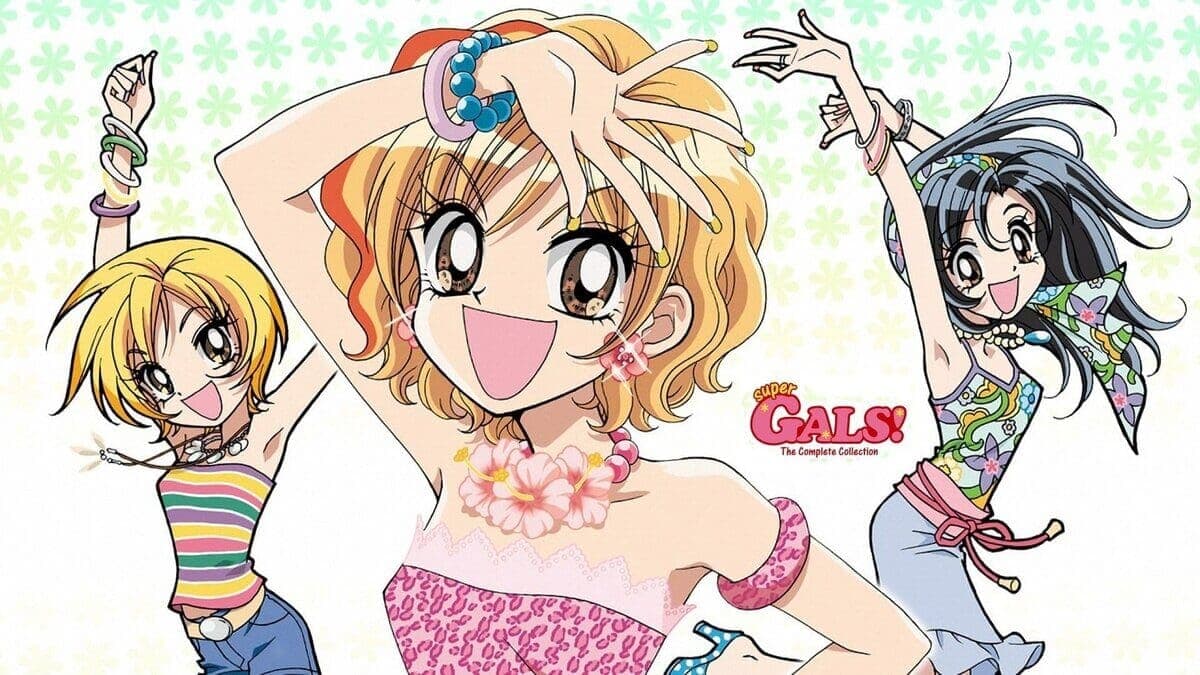
Ran is old-school iconic. She’s the kind of character who makes it obvious why gyaru became a whole “thing” in pop culture—big personality, big presence, and a strong sense of identity.
I also like that she’s got a justice streak. She’s not just trying to be cute; she wants to be respected.
- ✅ Stereotype she breaks: “Gyaru girls don’t care about rules or right/wrong.”
- 💡 Why she’s memorable: bold energy with a moral spine.
- 🚀 Watch if you want: classic gyaru anime flavor and Shibuya vibes.
Rio Nakamura — Assassination Classroom
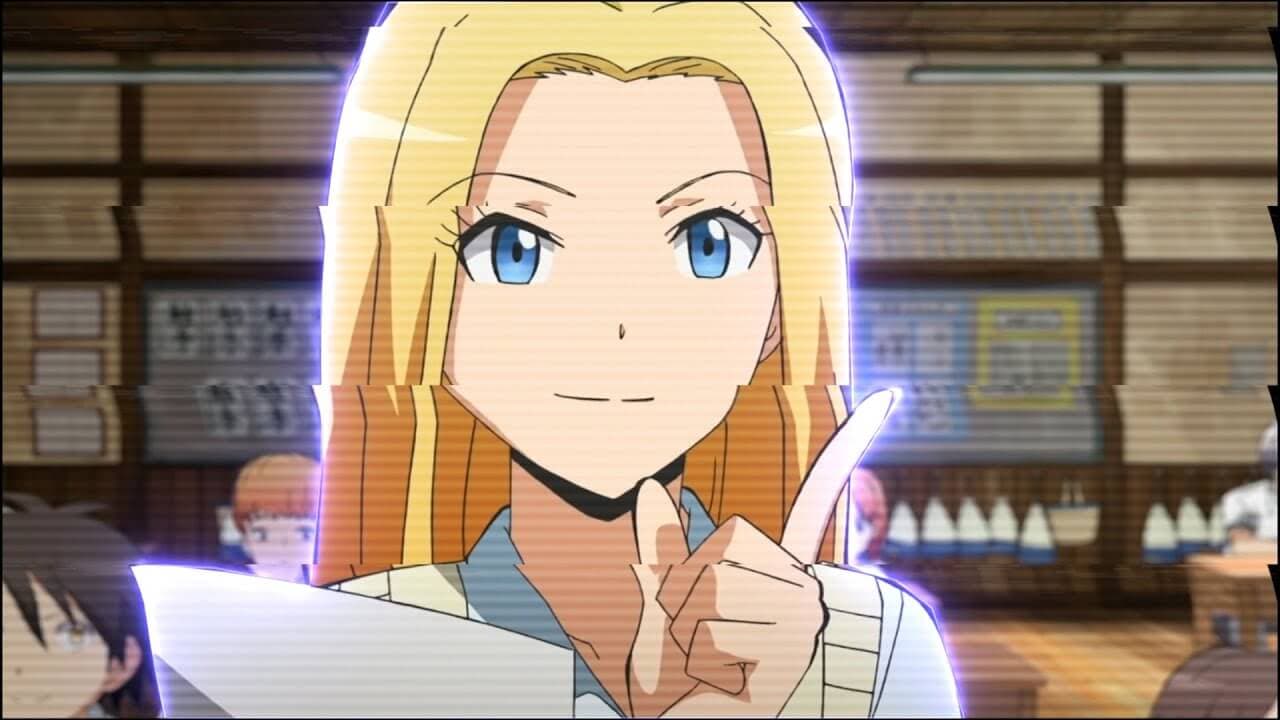
Rio is unpredictable in a way that’s honestly fun. She’s not the most accessory-heavy gyaru look, but the blonde hair + confidence + teasing social game puts her in the “gyaru-coded” lane for me.
And the big thing: she’s smart. Like, actually smart. Not “the story says she’s smart,” but “she consistently outplays people” smart.
- ✅ Stereotype she breaks: “Pretty girls can’t be academic threats.”
- 💡 My take: she’s playful, but she’s never helpless.
- 🚀 Watch if you want: ensemble casts with big personalities.
Kaede — Gal & Dino (My Roomie Is A Dino)
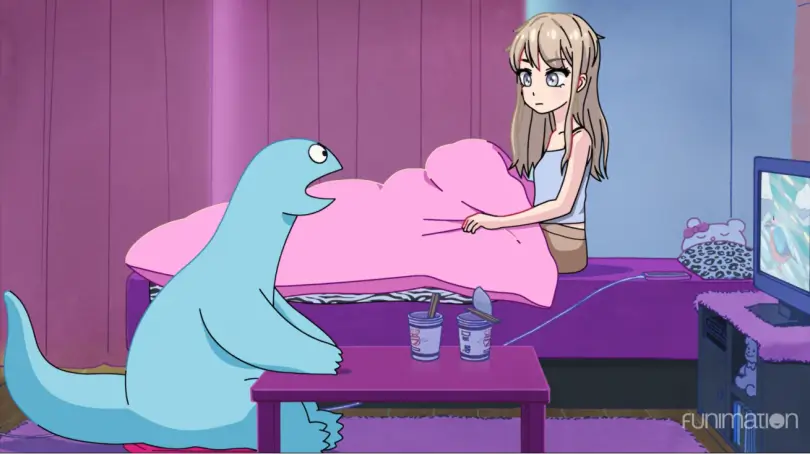
Kaede is proof (to me) that “gyaru” and “caretaker” aren’t opposites. She’s messy, loud, and occasionally a disaster… and still shows up when it counts.
She doesn’t fit the stereotype of a traditional caregiver, but that’s exactly why she works. Kindness doesn’t always look quiet.
- ✅ Stereotype she breaks: “Gyaru girls aren’t responsible.”
- 💡 Why I like her: chaotic warmth and unexpected tenderness.
- 🚀 Watch if you want: odd-couple comedy with wholesome moments.
Galko — Please Tell Me! Galko-chan
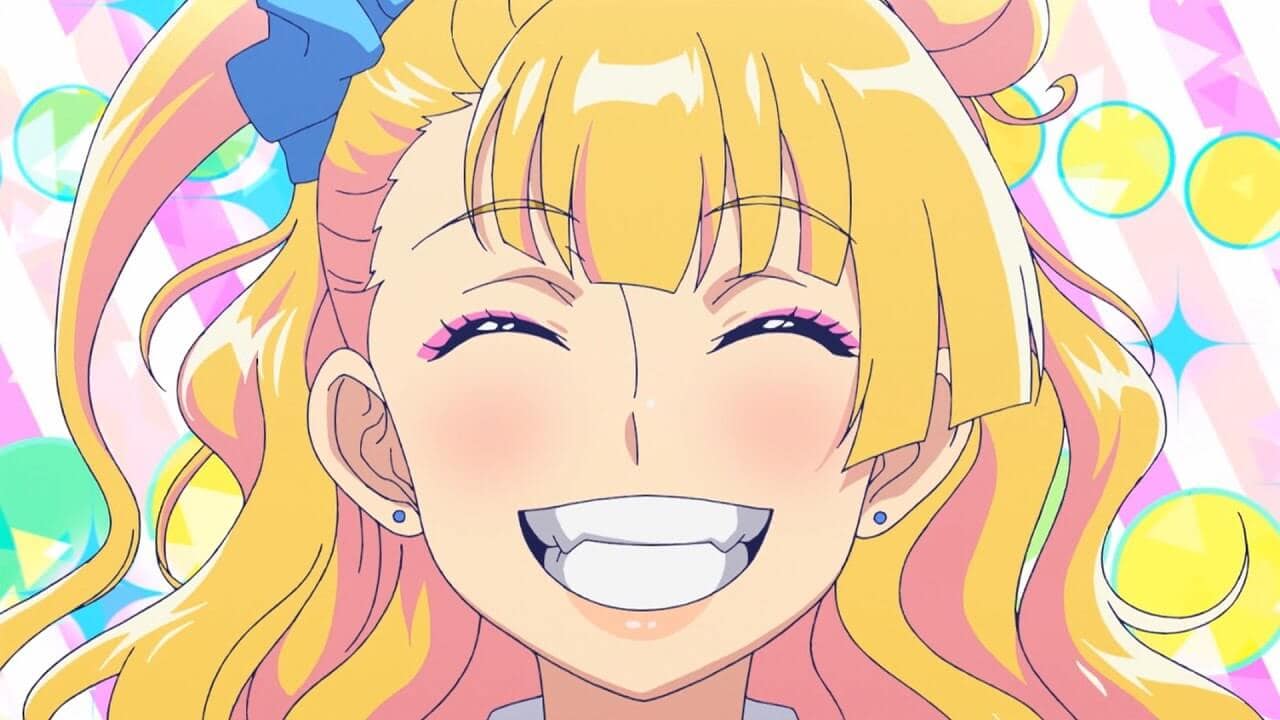
Galko is basically the thesis statement for why gyaru girls in anime are misunderstood. People project all kinds of assumptions onto her because of how she looks—and the show keeps nudging you to notice the gap between appearance and reality.
In my experience, she’s one of the most empathetic “don’t judge me” characters in this whole niche. She’s stylish, yes. But she’s also sensitive, easily embarrassed, and way more innocent than the rumors people try to paste onto her.
- ✅ Stereotype she breaks: “Gyaru girls are sexually experienced party animals.”
- 💡 My take: the whole point is how unfair the assumptions are.
- 🚀 Watch if you want: short episodes that are surprisingly thoughtful.
Anime with a gyaru protagonist: where I tell friends to start
If someone asks me for anime with a gyaru protagonist, I don’t just throw titles at them. I ask what mood they want. Romance? Comedy? Something weirder?
My beginner-friendly starting points:
- ✅ My Dress-Up Darling (Marin): warm, popular, accessible, and fashion-forward.
- 💡 Please Tell Me! Galko-chan (Galko): stereotype-busting in bite-sized episodes.
- 🚀 Super GALS! (Ran): classic gyaru energy if you want something more “era-defining.”
- ✅ How Heavy Are the Dumbbells You Lift? (Hibiki): goofy motivation with a lovable lead.
Why gyaru girls in anime are misunderstood (and why I’m protective of them)
I’ll say it plainly: I think a lot of “gyaru hate” comes from lazy writing and lazy audience assumptions feeding each other.
Sometimes the story uses the gyaru look as a shortcut for “sexual,” “mean,” or “stupid.” And sometimes viewers bring those assumptions into the show before a character even speaks.
But when a series actually tries, gyaru characters can be some of the strongest vehicles for themes like self-expression, class anxiety, social performance, and the pressure to be “acceptable.” That’s why I keep coming back to them.
Three misconceptions I wish people would drop:
- ✅ “She dresses like that for male attention.” (Sometimes it’s for herself. Sometimes it’s armor. Sometimes it’s just joy.)
- 💡 “She can’t be smart.” (Half the time she’s the most socially aware person in the room.)
- 🚀 “She’s automatically a bully.” (A lot of the best ones are protective, not predatory.)
Frequently Asked Questions
What does gyaru mean in Japanese fashion culture?
To me, “gyaru” reads as an umbrella term: bold fashion, visible self-expression, and a refusal to blend into conservative beauty expectations. In anime, it often becomes shorthand for “trendy girl,” but the best shows treat it like a whole identity, not a costume.
Ganguro vs gyaru in anime—what’s the difference?
In my understanding, gyaru is the broader category, while ganguro (and yamanba) are more extreme substyle cues—especially around tanning and makeup contrast. Anime sometimes collapses all of it into one visual gag, so I focus on how the character is written, not just how she’s shaded.
What are the best gyaru anime characters ranked?
My personal ranked picks are the ones above because they’re memorable, not one-note, and actually fun to watch. If you want the fastest “starter trio,” I’d begin with Marin (My Dress-Up Darling), Galko (Please Tell Me! Galko-chan), and Ran (Super GALS!).
- ✅ Most wholesome vibe: Marin Kitagawa
- 💡 Best stereotype-breaker: Galko
- 🚀 Most “classic gyaru” energy: Ran Kotobuki
Is there anime with a gyaru protagonist that isn’t just fanservice?
Yes. In my experience, the safest rec is My Dress-Up Darling if you want warmth and style, and Please Tell Me! Galko-chan if you want quick episodes that focus on social assumptions. I always recommend checking a show’s tags first, though, because “gyaru” as a label doesn’t tell you the tone.
Why are gyaru girls in anime so misunderstood?
Because the look gets treated like a personality. Viewers assume “mean,” “shallow,” or “promiscuous,” and some writers lazily reinforce it. But the better series use gyaru characters to show how wrong snap judgments can be—especially when confidence looks “too loud” for other people’s comfort.
THE “GAL WITH A HEART OF GOLD” (KIND & WHOLESOME) 💖💅
1. Marin Kitagawa (My Dress-Up Darling) – The current queen of Gyarus. Otaku-friendly, kind, and passionate about cosplay.
2. Minami Fuyuki (Hokkaido Gals Are Super Adorable!) – The snowy Gyaru. Incredibly sweet, forward, and loves Hokkaido.
3. Akari Watanabe (More than a Married Couple, but Not Lovers) – Acts tough and flashy but is actually pure-hearted and domestic.
4. Galko-chan (Please Tell Me! Galko-chan) – Looks like a stereotype but is actually the most sensible, kind, and innocent person in the room.
5. Anjou-san (Yancha Gal no Anjou-san) – Teasing but deeply caring about the protagonist. (Manga popular, anime adjacent vibe).
6. Manbagi Rumiko (Komi Can’t Communicate) – Starts with heavy ganguro makeup, eventually tones it down. A tragic but lovable best friend.
7. Kaoru Ijuuin (Tada Never Falls in Love) – Childhood friend Gyaru who is supportive and energetic.
8. Hibiki Sakura (How Heavy Are the Dumbbells You Lift?) – A Gyaru who just wants to get fit (and eat).
9. Yui Yuigahama (My Teen Romantic Comedy SNAFU) – Soft Gyaru aesthetic (loose uniform/hair), acts as the emotional glue of the group.
THE “KOGAL” & CLASSIC 90s/00s STYLE (LOOSE SOCKS) 👢📼
10. Great Teacher Onizuka (The Students) – Specifically Urumi Kanzaki and the background students define the late 90s Kogal era.
11. Super GALS! (Ran Kotobuki) – The absolute icon of 2000s Shibuya culture. Police family daughter who rules the streets.
12. Miyu Yamano (Super GALS!) – The gentle, reformed gang member.
13. Aya Hoshino (Super GALS!) – The honors student turned Gal.
14. Peach Girl (Momo Adachi) – Often mistaken for a “bad girl” because of her tan skin and bleached hair, but is a pure drama heroine.
15. Gangarugo (Hamtaro) – The literal Gyaru hamster.
16. Koizumi (Ramen Fighter Miki) – Rival character with the classic tan/blonde look.
THE “BITCHY” OR VILLAINOUS GYARU (INITIALLY) 😈💄
17. Ai Hayasaka (Kaguya-sama: Love is War) – Uses “Gyaru Mode” as a disguise to repel people. Fake nails, fake attitude.
18. Saki Saki (Girlfriend, Girlfriend) – Has the aesthetic but is actually one of the girlfriends.
19. Mami Nanami (Rent-a-Girlfriend) – Doesn’t have the full tan, but fits the “evil ex-girlfriend” fashionista/social climber vibe.
20. Rio Nakamura (Assassination Classroom) – The playful, scheming English genius. Not a villain, but definitely mischievous.
21. Yuzu Aihara (Citrus) – Starts as a flashy, rebellious Gyaru who clashes with the student council president.
22. Rika Jougasaki (The Idolmaster: Cinderella Girls) – The “Charisma Gal” idol (sister to Mika).
23. Mika Jougasaki (The Idolmaster: Cinderella Girls) – The older sister, sets the trend.
THE “HIME-GYARU” & “ONEGYARU” (ELEGANT & MATURE) 👗👑
24. Yukana Yame (My First Girlfriend is a Gal) – The teasing, slightly more mature-looking Gyaru girlfriend.
25. Rena Kariu (ReLIFE) – Competitive, wears her uniform with a Gyaru flair (piercings, accessories), but very serious.
26. Erina Nakiri (Food Wars!) – Not a Gyaru by definition, but **Alice Nakiri** leans into the “Ojou-sama meets modern fashion” vibe.
27. Saki Yoshida (Metamorphosis / Emergence) – *Warning: Do not look this up if you want to stay happy.* The ultimate tragedy of the Gyaru transformation.
28. Lisa Imai (BanG Dream!) – The “compassionate Gyaru” of the band Roselia.
29. Gyaru-ko (Boy’s Abyss) – A darker take on the archetype.
FANTASY & SUPERNATURAL GYARUS 🧛♀️✨
30. Mirko (My Hero Academia) – High energy, tanned skin, bleached hair—she embodies the “aggressive/athletic Gyaru” spirit in a hero.
31. Midnight (My Hero Academia) – The “sensual teacher” vibe overlaps with older Onegyaru trends.
32. Jibanyan (Yo-Kai Watch) – There is a “Gyaru Jibanyan” variant in the games/show.
33. Zombina (Monster Musume) – A zombie who dresses like a Gyaru.
34. Kyoko Machi (Interviews with Monster Girls) – A Dullahan (headless girl) who worries about fashion and boys.
35. Rumi (The World God Only Knows) – A target capture who is a classic Gal.
THE “POSER” OR “FAILED” GYARU 😅🙅♀️
36. Ranko Honjou (My First Girlfriend is a Gal) – The “dark” Gyaru who tries too hard.
37. Kitamura (Toradora!) – Briefly turns into a delinquent/rebel with bleached hair? No, that was angst.
38. Yotsuba Nakano (The Quintessential Quintuplets) – Wears the ribbon/sporty look, often associated with “Genki Girl” which overlaps with Gyaru energy.
39. Nino Nakano (The Quintessential Quintuplets) – The fashionista of the group, fits the “Tsundere Gal” vibe perfectly.
40. Komaru Naegi (Danganronpa) – Toko Fukawa’s fantasy of her (“Dekomaru”) is a gross caricature of a Gyaru.