If you grew up in the 80s, you know the truth: cartoons were not just for kids. They were dark, weird, and sometimes absolutely terrifying.
While Disney was in a slump, the era before The Little Mermaid saved them, that power vacuum let studios like Don Bluth and a wave of anime imports take risks that would never get greenlit today.
e did not just get fairy tales. We got nuclear war parables, gritty cyberpunk, and tears, lots of tears.
So I revisited my childhood favorites to see which ones hold up, and ranked the 17 best 80s animated movies with the most iconic sitting at the very bottom.
80s Animated Movies
It has been nearly four decades since the 1980s, and looking back, we were spoiled.
The animation was hand-drawn, the soundtracks were synth-heavy, and the stories did not talk down to us.
To make this more than a nostalgia dump, I tagged each film two ways: its creative tier and its cult-status role in animation history.
- Tier: Visionary Auteur for the directors who changed the medium, Technicolor Nightmare for the dark and surreal picks, and Global Blockbuster for the grand, crowd-pleasing epics.
- Cult Status: The Trendsetter started a sub-genre, The Visual Benchmark pushed the budget and tech, and The Midnight Movie is the weird, dark, experimental kind.
Each entry also gets a Must-Watch Moment and a Soundtrack Highlight, with restoration notes and influence trivia on the heavy hitters.
Rock & Rule (1983)
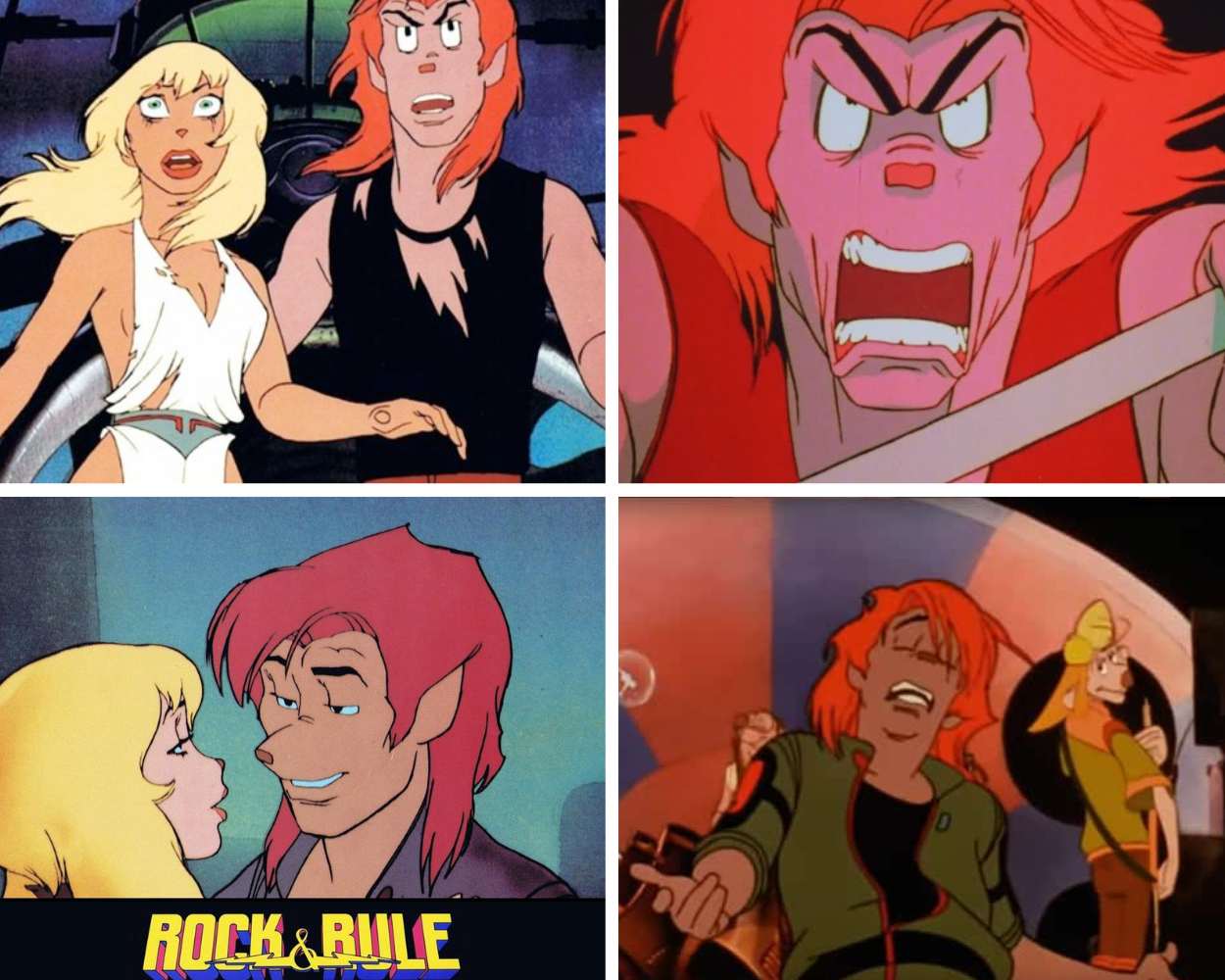
Rock & Rule is a cult classic in the truest sense. It flopped hard in theaters, then found a second life on late-night TV. Canada’s Nelvana built a post-apocalyptic world of mutant animals, where an aging rock star named Mok tries to summon a demon through music. The plot is nonsense, but the vibes are immaculate.
Cult Status: The Midnight Movie.
Must-Watch Moment: any scene with the villain Mok chewing the scenery.
Soundtrack: a stacked lineup of Cheap Trick, Debbie Harry, Iggy Pop, and Lou Reed.
The Flight of Dragons (1982)
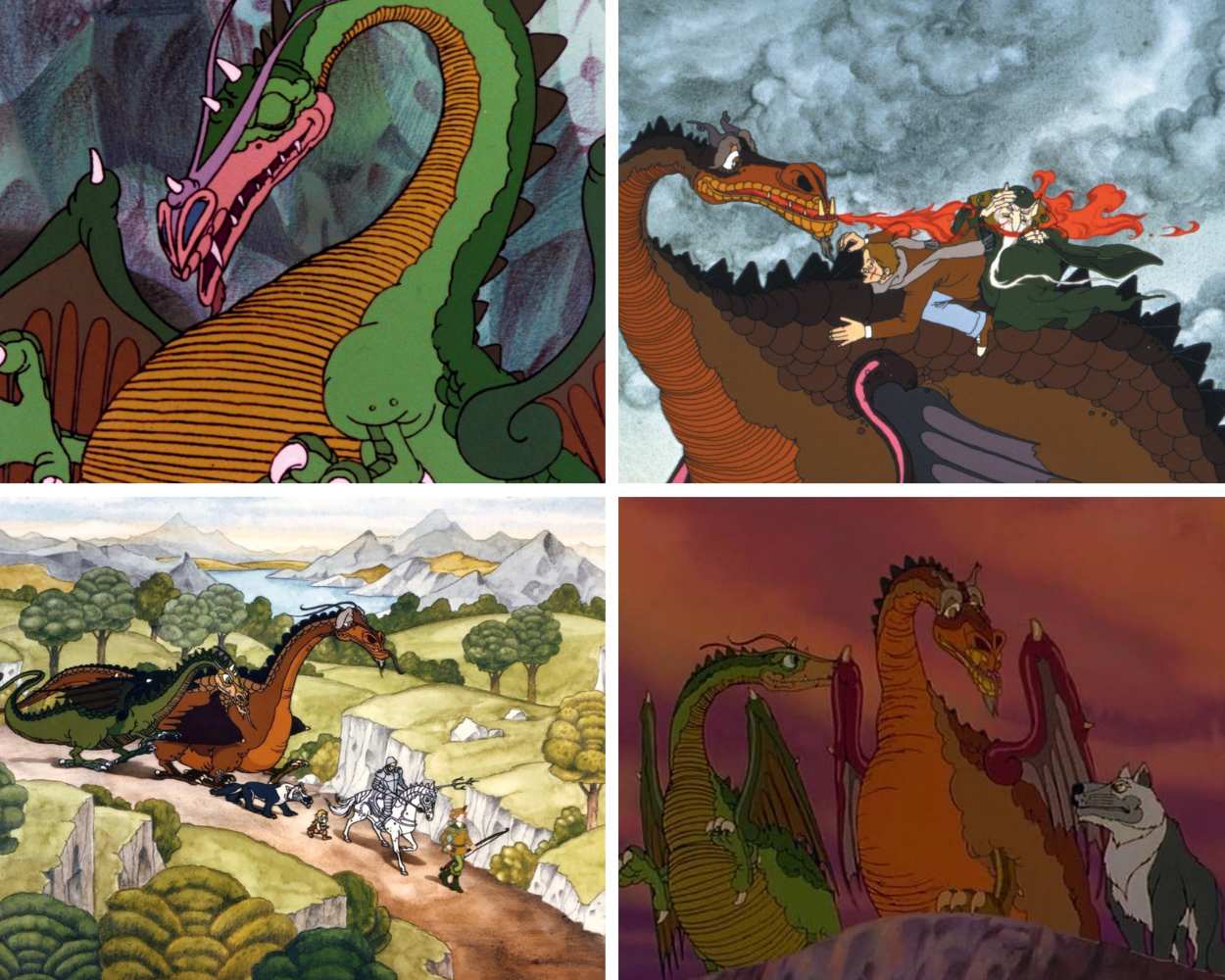
If you were a Dungeons and Dragons kid in the 80s, this was your movie. Produced by Rankin/Bass, The Flight of Dragons takes a weirdly scientific approach to fantasy, explaining dragon flight with actual physics. The voice cast is stacked, with John Ritter as the hero and James Earl Jones as the villain Ommadon.
Cult Status: The Midnight Movie.
Must-Watch Moment: the film calmly explaining dragon flight with science.
Soundtrack: a memorable title song by Don McLean of American Pie fame.
When the Wind Blows (1986)
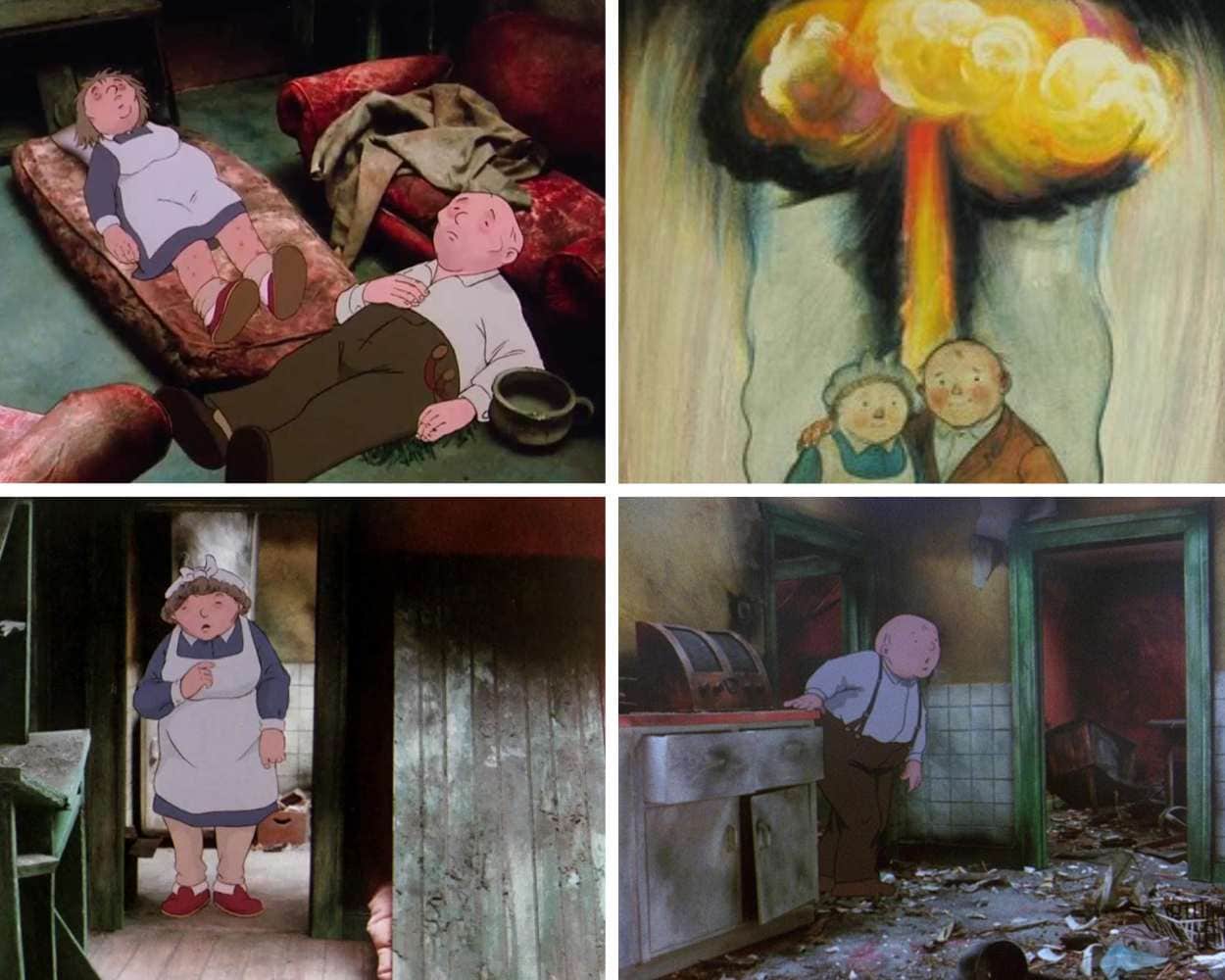
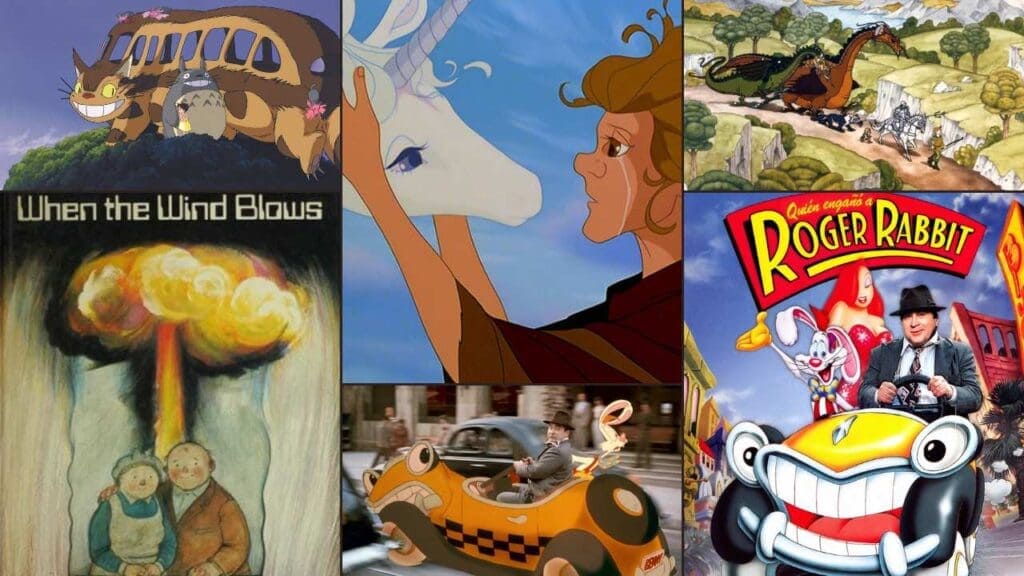
This is the most depressing movie I have ever seen, and I mean that as a compliment. I watched it around age 13, and it changed how I looked at the world. Based on Raymond Briggs’s graphic novel, it follows an elderly British couple who prepare for a nuclear bomb by following government pamphlets and trusting that everything will be fine. Their slow, polite decline from radiation poisoning is gut-wrenching.
Cult Status: The Midnight Movie.
Must-Watch Moment: the bomb itself, rendered in pure, chilling silence.
Soundtrack: a haunting title track by David Bowie and a score from Roger Waters of Pink Floyd.
The Brave Little Toaster (1987)
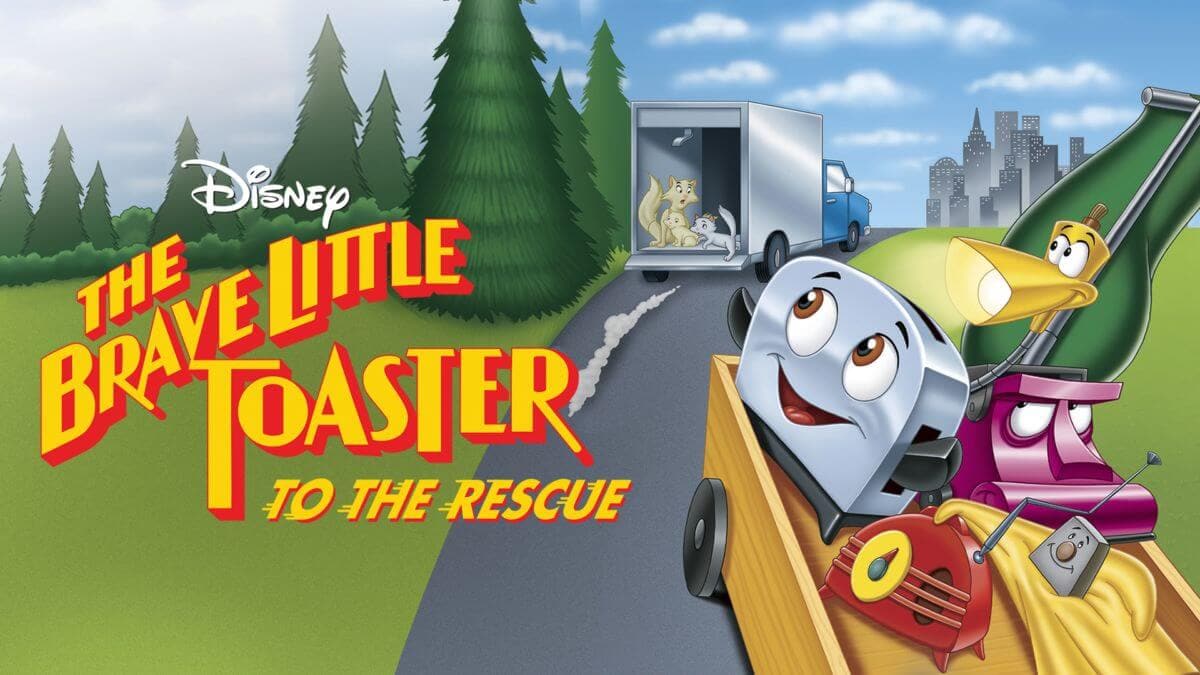
I dismissed this as a baby movie when I was a teenager, and revisiting it now, it is shockingly dark. There is a scene where an air conditioner blows itself out in despair and a nightmare sequence with a demonic clown that belongs in a horror film. It works because it tackles the fear of obsolescence, of being replaced and thrown away.
Cult Status: The Midnight Movie.
Must-Watch Moment: the devastating “Worthless” song in the junkyard.
Missing Link: its “objects have feelings” premise pre-dates and clearly foreshadows Toy Story, and members of its crew went on to help build Pixar.
The Black Cauldron (1985)
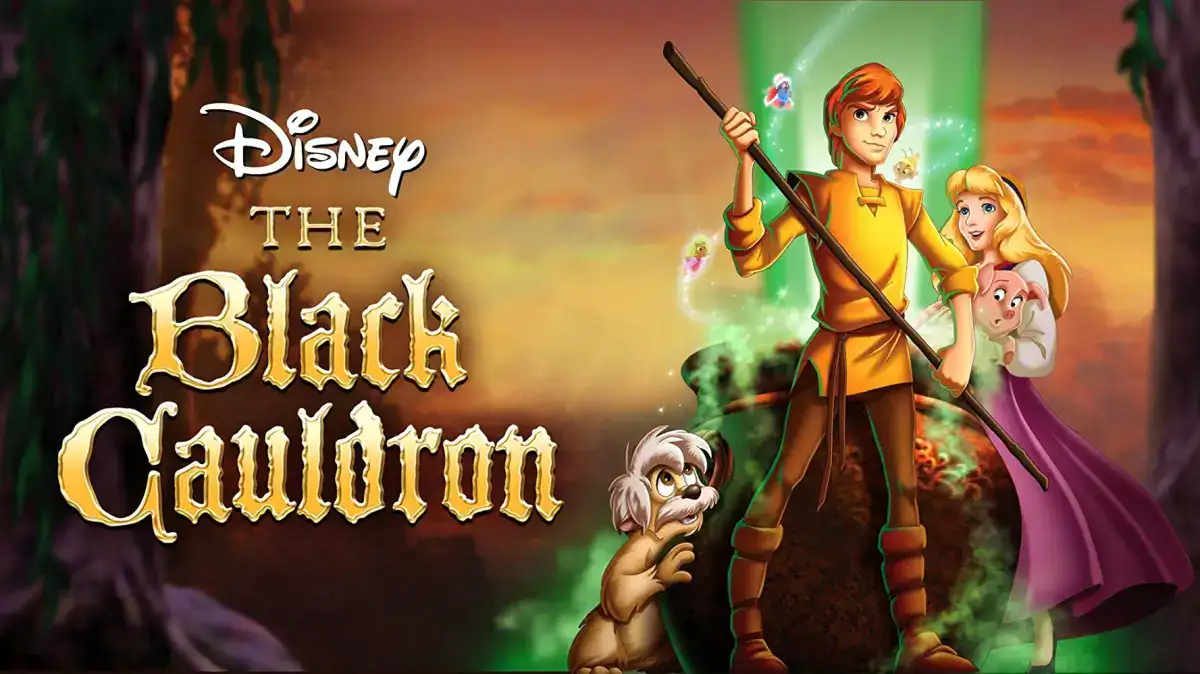
This is the movie that almost killed Disney animation. It was expensive, dark, and terrified test audiences so badly that executives were hacking scenes out right before release, which is why the editing feels choppy. Still, the Horned King is legitimately scary, like a heavy metal album cover come to life.
Cult Status: The Midnight Movie.
Must-Watch Moment: the Skeleton Army rising from the cauldron.
Soundtrack: a suitably ominous orchestral score by Elmer Bernstein.
All Dogs Go to Heaven (1989)
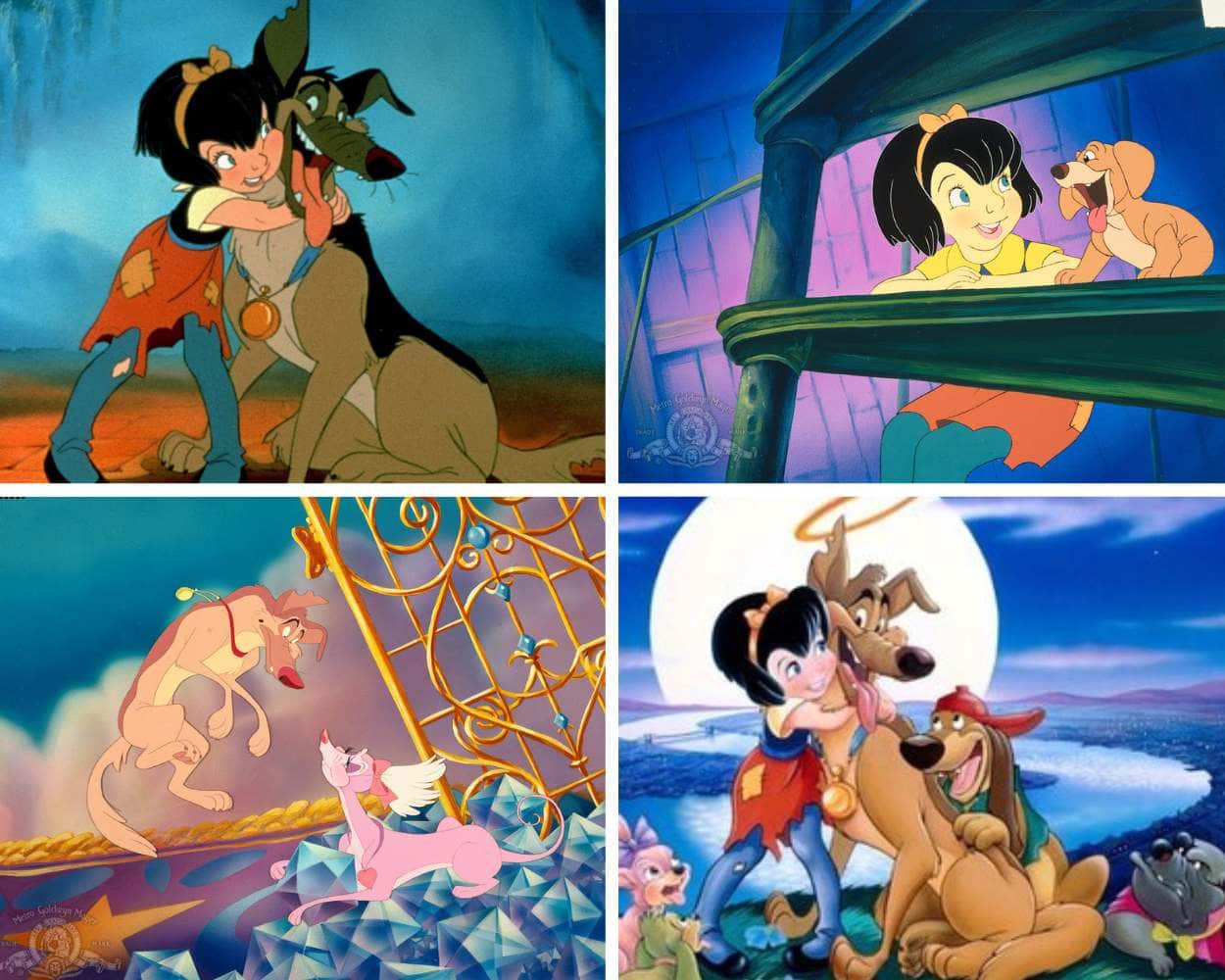
I rewatched this recently and was surprised by how gritty it is. It is a movie about gambling, murder, and literal demons, disguised as a cute dog movie. The protagonist, Charlie, is kind of a jerk for most of the film, which is exactly what makes his redemption arc land.
Cult Status: The Midnight Movie.
Must-Watch Moment: Charlie’s tearful goodbye to Anne-Marie.
Soundtrack: Burt Reynolds voices Charlie, with songs by Broadway veteran Charles Strouse.
The Great Mouse Detective (1986)
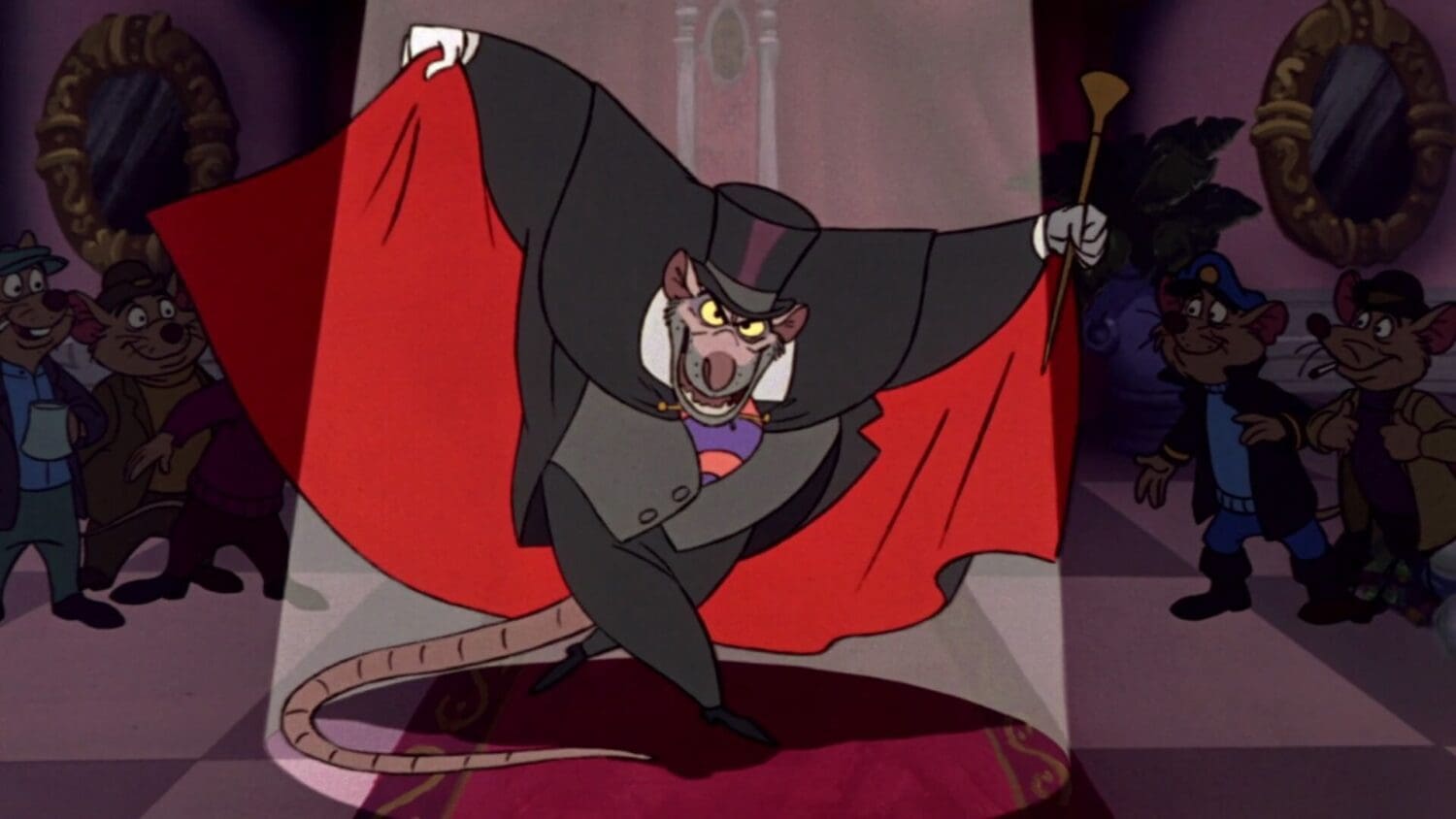
This is the movie that arguably saved Disney. Before the Renaissance of the 90s, there was Basil of Baker Street: essentially Sherlock Holmes with mice, executed with real style and energy. Vincent Price as the villain Ratigan is the highlight, chewing every scene he is in.
Cult Status: The Trendsetter.
Must-Watch Moment: the clock-tower fight inside the gears of Big Ben.
Missing Link: that finale used early computer animation inside the gears, a technique Disney would perfect in the Beauty and the Beast ballroom.
Oliver & Company (1988)
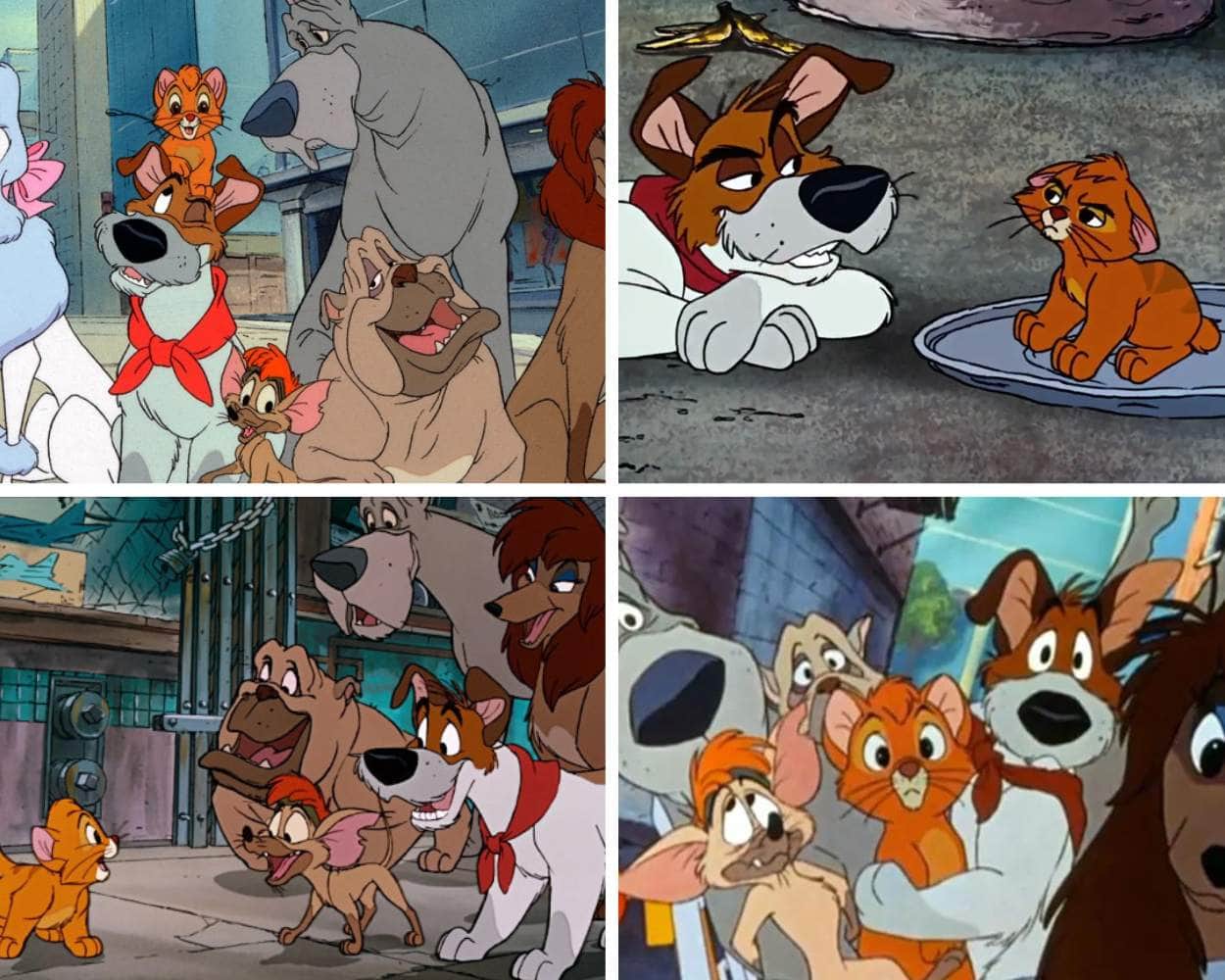
Oliver & Company screams 1988. From the Billy Joel songs to the grimy New York City setting, it is a pure time capsule. It is Oliver Twist with dogs, and while it is not the deepest movie, its energy is infectious.
Cult Status: The Visual Benchmark.
Must-Watch Moment: Dodger strutting through the city to “Why Should I Worry?”
Soundtrack: Billy Joel and Huey Lewis lead a very 1988 song lineup.
The Fox and the Hound (1981)
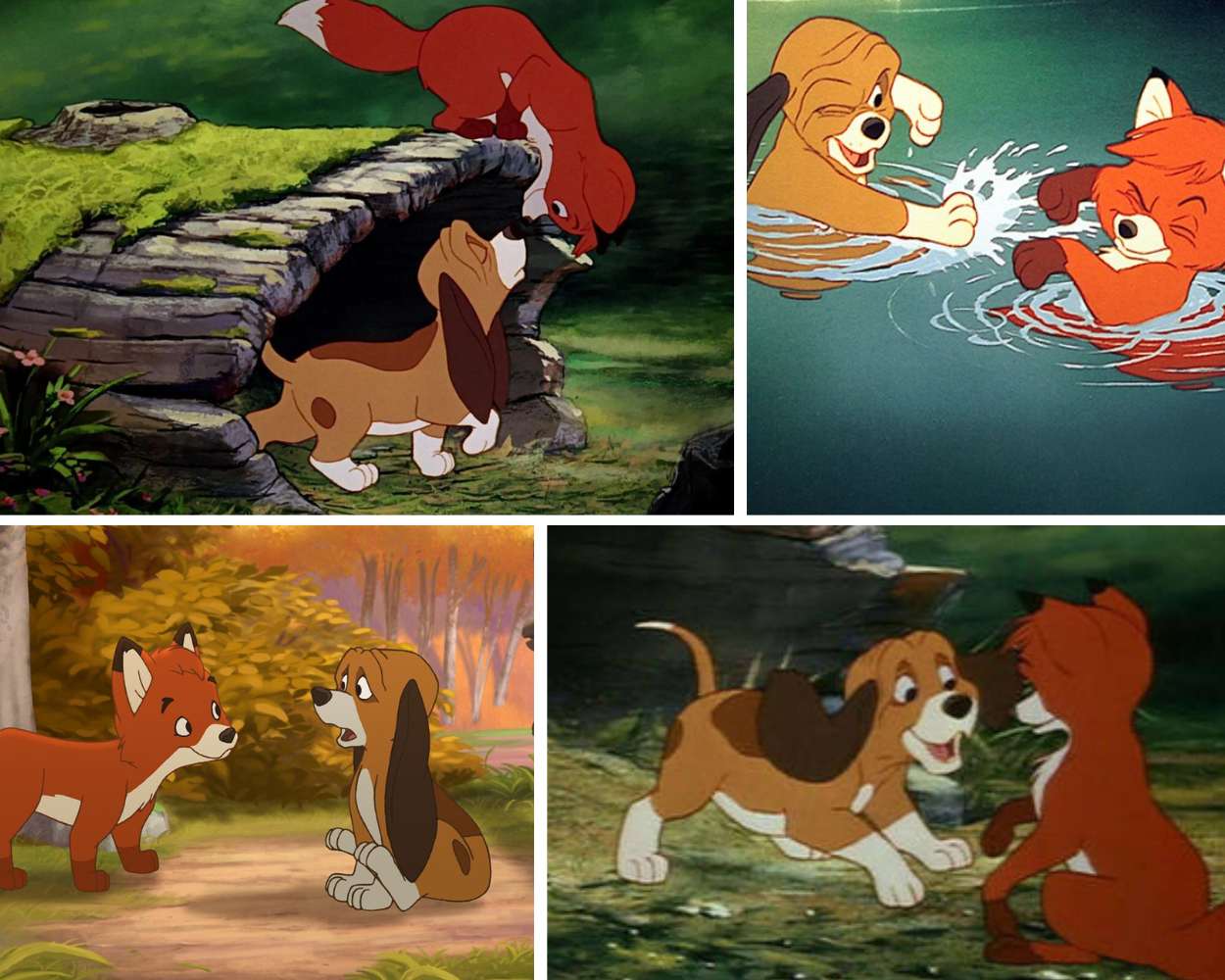
The Fox and the Hound is a transition movie, the last film where the legendary Nine Old Men of Disney worked alongside the new generation. It is a bittersweet story about how society forces us into roles that break our friendships. The ending refuses “happily ever after”: Tod and Copper survive, but they cannot be friends anymore.
Cult Status: The Trendsetter.
Must-Watch Moment: the desperate bear fight in the finale.
Missing Link: its young animators included future legends like Tim Burton, Brad Bird, and John Lasseter.
Heavy Metal (1981)
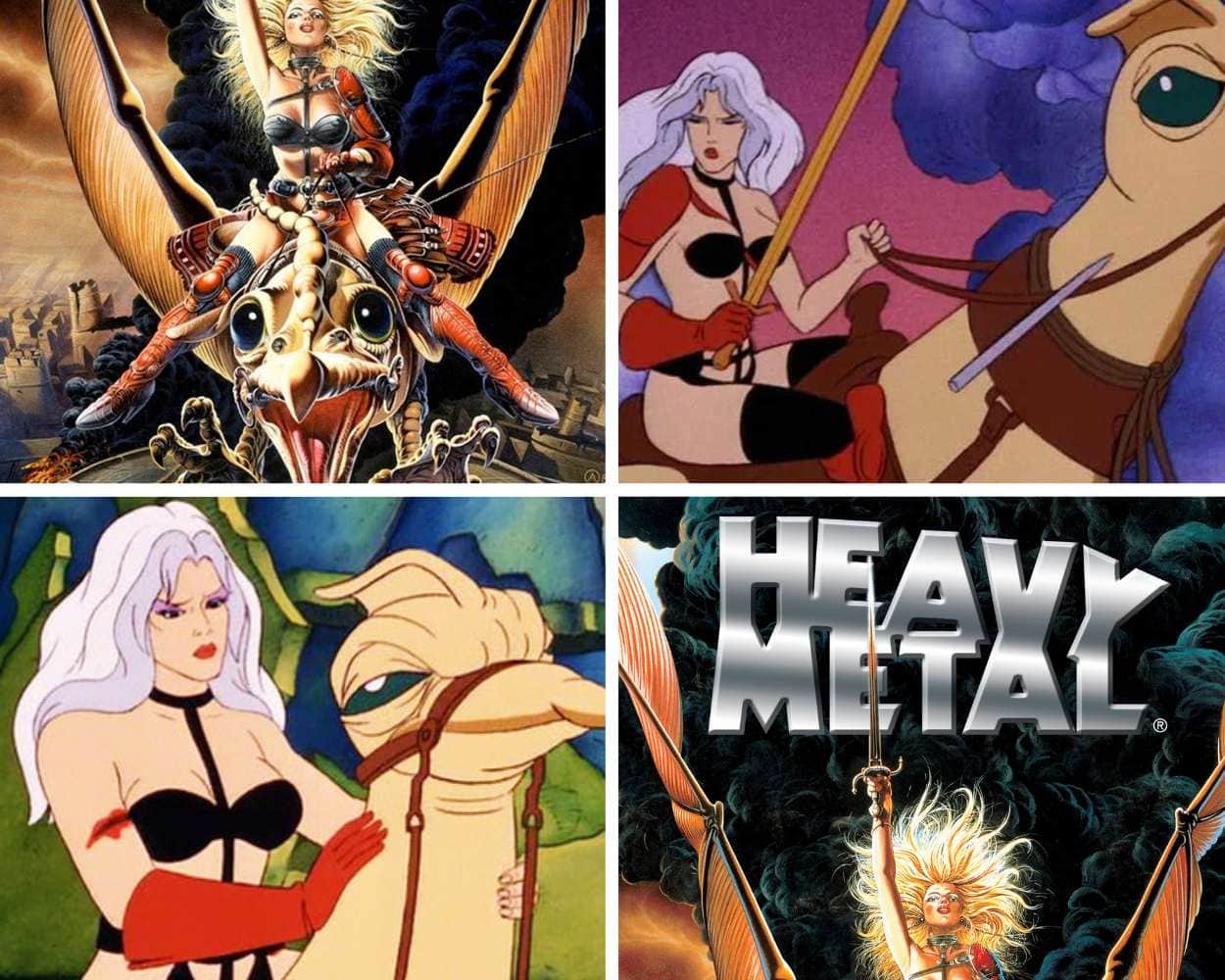
This was the forbidden fruit of 80s animated movies. If you saw Heavy Metal as a kid, you probably snuck it while your parents were not looking. It is an anthology that screams 1981: rock music, gratuitous content, and ultra-violence, all tied together by an evil green orb called the Loc-Nar.
Cult Status: The Midnight Movie.
Must-Watch Moment: the eerie B-17 bomber segment with the undead crew.
Soundtrack: a killer lineup of Black Sabbath, Blue Oyster Cult, and Cheap Trick.
Restoration: available in a remastered Blu-ray edition.
The Last Unicorn (1982)
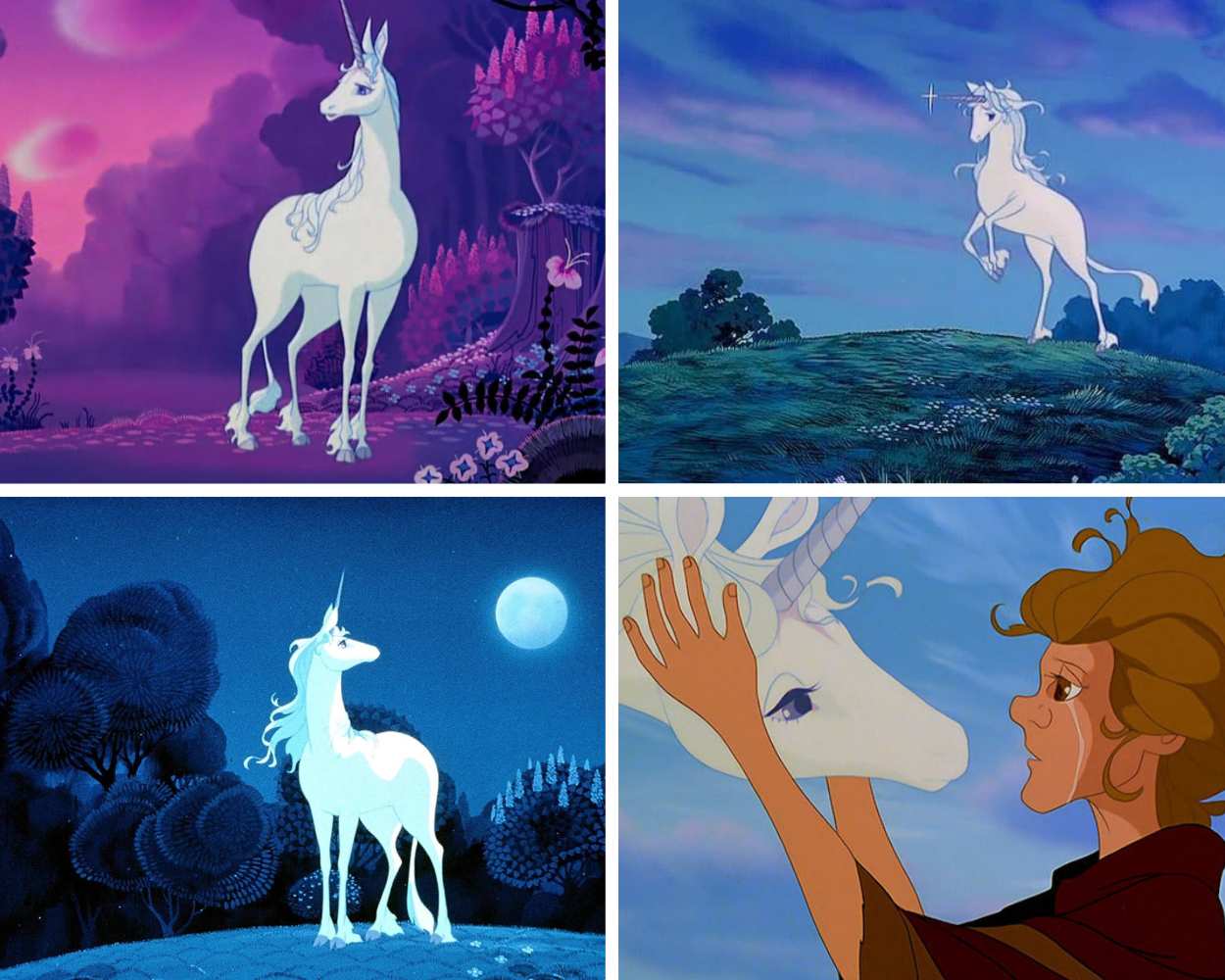
I must have rented this VHS fifty times. The Last Unicorn feels less like a movie and more like a fever dream, between its haunting soundtrack and the eerie, unsettling design of the Red Bull. Christopher Lee’s performance as the sorrowful King Haggard is legendary, bringing a tragic humanity to the villain.
Cult Status: The Trendsetter.
Must-Watch Moment: the Red Bull driving the unicorns into the sea.
Soundtrack: dreamy songs by the band America.
Missing Link: the studio behind it, Topcraft, dissolved and its core staff went on to found Studio Ghibli.
The Secret of NIMH (1982)
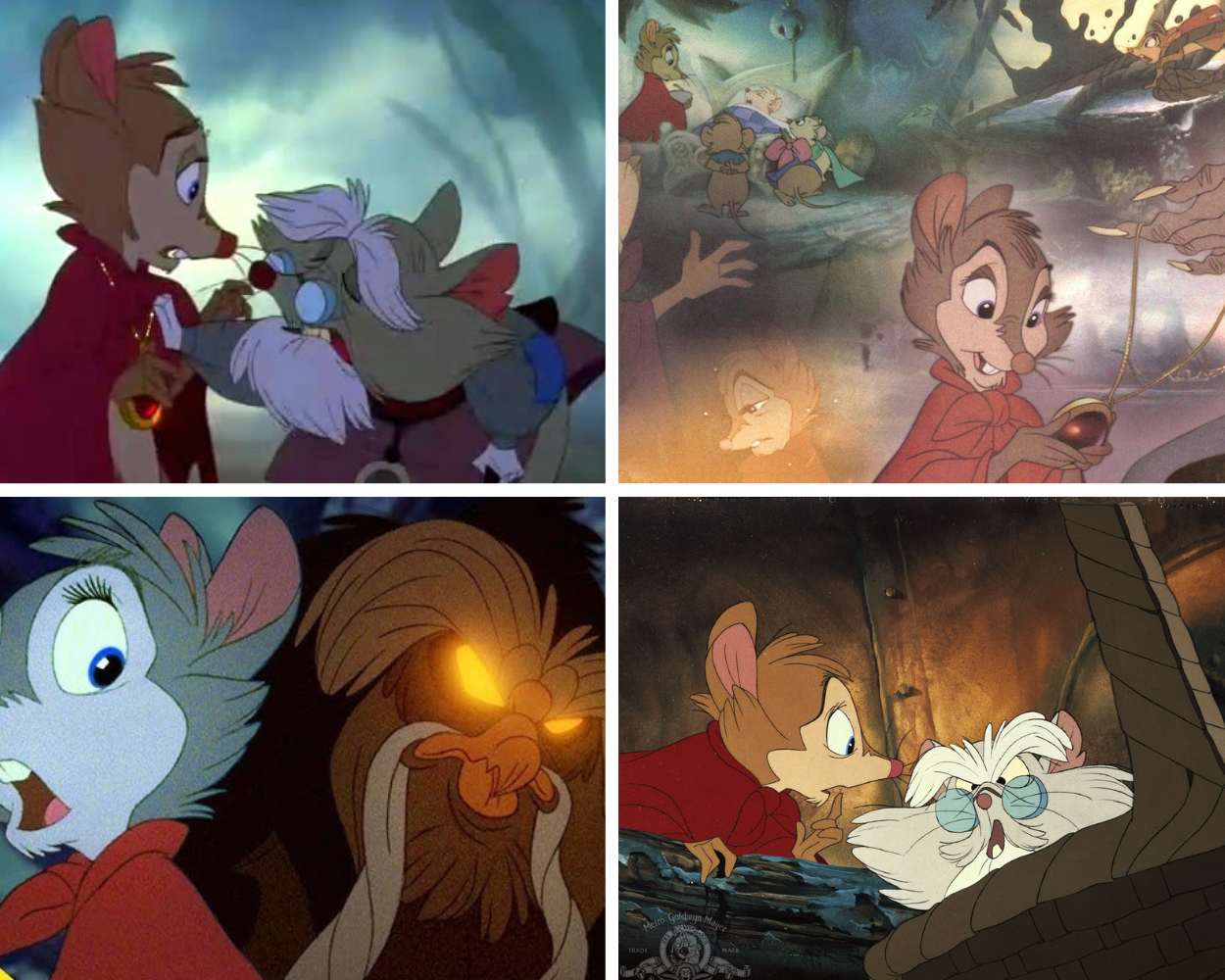
The Secret of NIMH is the gold standard for animated movies that refuse to coddle children. Don Bluth left Disney to make it, and you can tell: it is darker, grimier, and far more intense than anything the Mouse House was making. The story of Mrs. Brisby is not about a chosen hero, it is about a terrified mother trying to save her sick child.
Cult Status: The Trendsetter.
Must-Watch Moment: the still-terrifying Great Owl scene.
Soundtrack: a rich, dramatic score by the great Jerry Goldsmith.
Missing Link: Bluth’s rebellion here launched the dark, ambitious animation movement that defined the decade.
The Transformers: The Movie (1986)
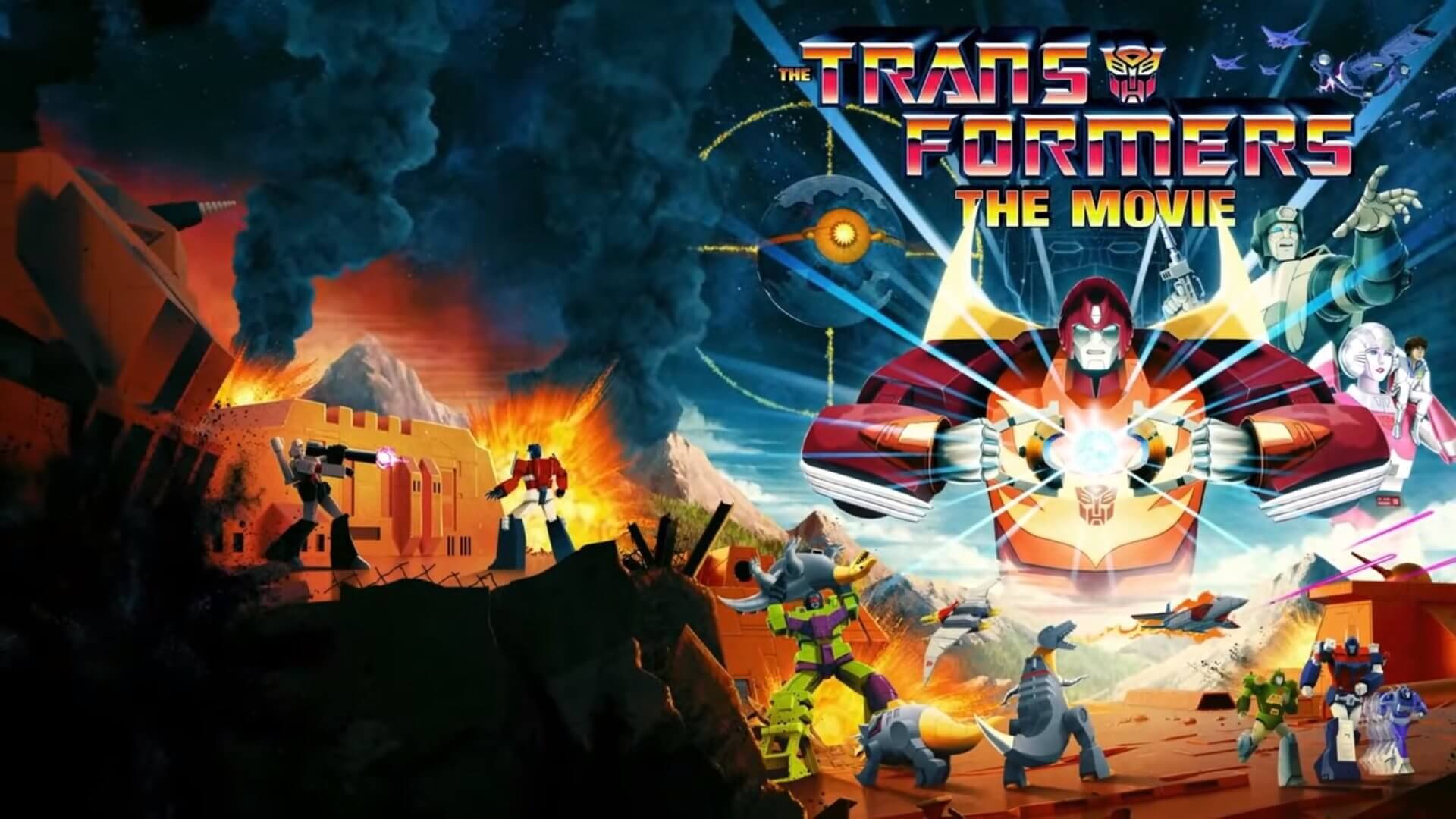
If you want the exact moment an entire generation of kids was traumatized, it was the first 20 minutes of this movie. To sell new toys, Hasbro ruthlessly killed off the original cast, including Optimus Prime. The guts it took to do that is still incredible, and it taught a generation that heroes could die.
Cult Status: The Visual Benchmark.
Must-Watch Moment: Optimus Prime’s shocking death in the opening act.
Soundtrack: pure 80s cheese perfection, led by Stan Bush’s “The Touch.”
Restoration: available in a gorgeous 35th-anniversary 4K restoration.
The Land Before Time (1988)
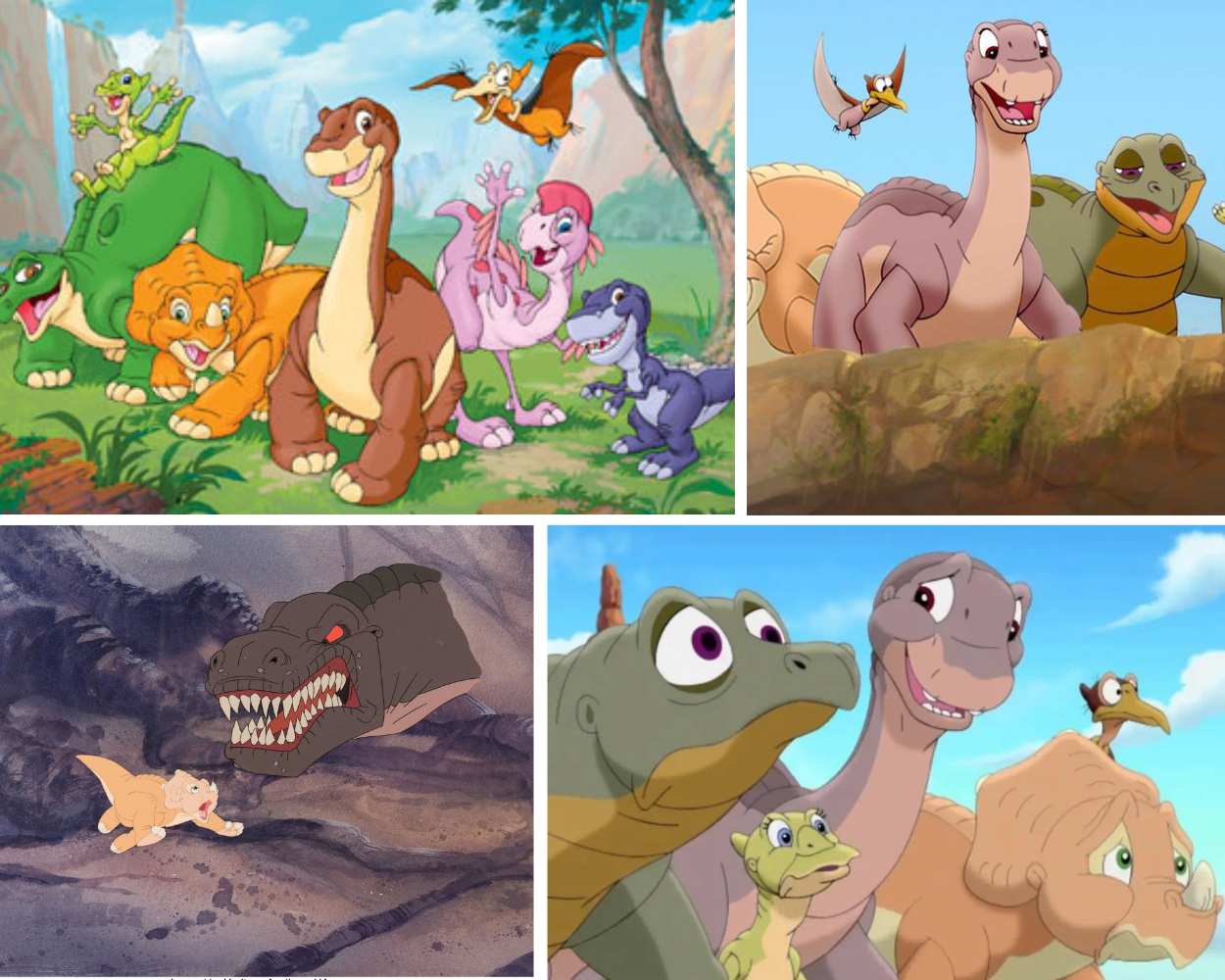
Forget the 13 awful sequels. The original Land Before Time is a masterpiece. Produced by Spielberg and Lucas, it treats its young audience with real respect, following a group of orphaned dinosaurs on a journey to the Great Valley. The death of Littlefoot’s mother is the Bambi moment for 80s kids.
Cult Status: The Visual Benchmark.
Must-Watch Moment: the gentle, heartbreaking Tree Star scene.
Soundtrack: a stunning score by James Horner, who later scored Titanic.
Who Framed Roger Rabbit (1988)
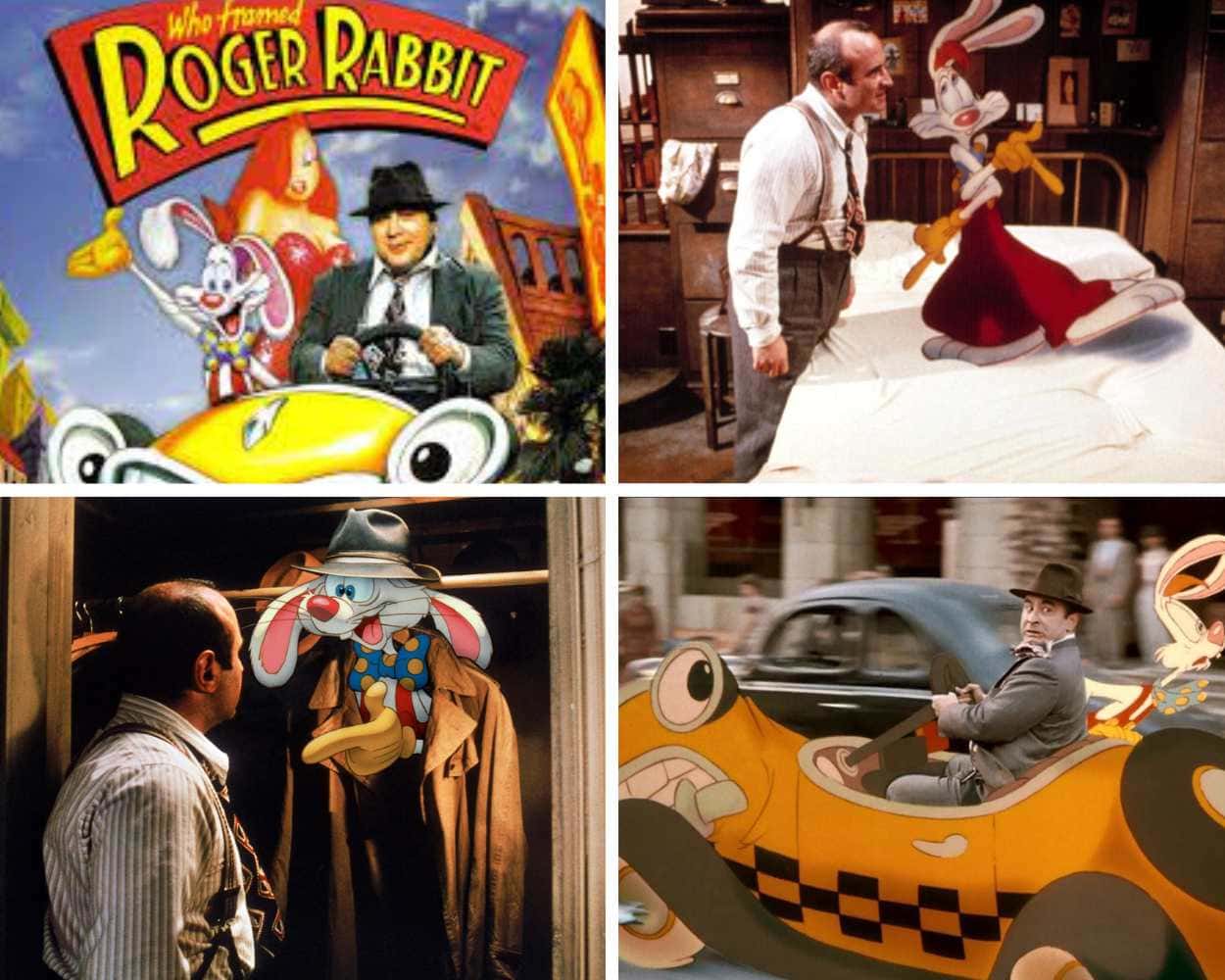
Technically a hybrid, but it earns its spot on any animation list. The technical wizardry needed to make cartoons interact with real-world lighting, shadows, and physics has not been topped since. Beyond the tech, it is a love letter to the golden age of animation wrapped in a noir detective story.
Cult Status: The Visual Benchmark.
Must-Watch Moment: Mickey Mouse and Bugs Bunny skydiving together, the only time the rivals shared a screen.
Soundtrack: a jazzy, playful score by Alan Silvestri.
Missing Link: its blockbuster success helped reignite mainstream interest in animation right before the Disney Renaissance.
My Neighbor Totoro (1988)
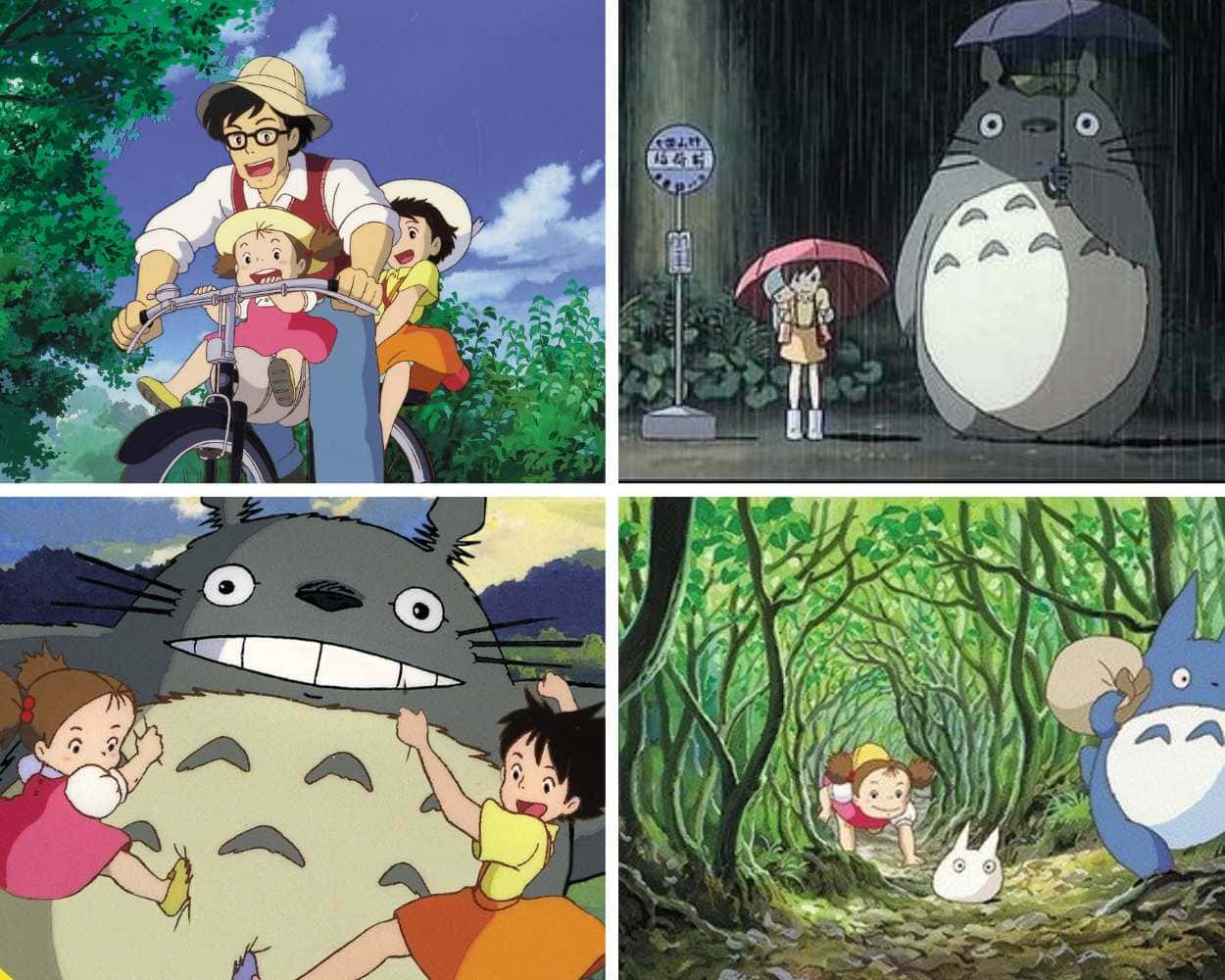
While American cartoons were obsessed with good versus evil, Hayao Miyazaki made a movie with no villain at all. My Neighbor Totoro is simply about two girls exploring the countryside while their mother is ill. The pacing is gentle, almost meditative, and the sense of wonder is unmatched.
Cult Status: The Trendsetter.
Must-Watch Moment: the arrival of the Catbus.
Soundtrack: an unforgettable, joyful score by Joe Hisaishi.
Restoration: beautifully remastered and widely available in HD.
Missing Link: Totoro became Studio Ghibli’s mascot, and Pixar loved it so much they hid a Totoro plush in Toy Story 3.
Akira (1988)

At number one, the movie that changed everything. Before Akira, most Westerners thought cartoons were just funny animals.
Then came Neo-Tokyo, the bike slide, and the body horror of the finale. The level of detail is insane, right down to city lights that blur in ways hand-drawn animation should not be able to manage.
Cult Status: The Trendsetter.
Must-Watch Moment: the legendary Kaneda bike slide.
Soundtrack: a spine-tingling score of taiko drums and gamelan by Geinoh Yamashirogumi.
Restoration: released in a jaw-dropping 4K remaster.
Missing Link: Katsuhiro Otomo’s industrial-scale detail set the bar for every modern anime blockbuster, and the bike slide has been homaged in everything from Star Wars to music videos.
The Cel-Shaded Aesthetic: Why It Looks So Good
There is a reason these movies feel different from a modern release, and it is not just nostalgia talking. In the 80s, artists were working with physical paint on clear plastic sheets called cels, layered over hand-painted backgrounds and shot one frame at a time.
That process leaves a rich, tactile texture. You can see faint brush strokes, tiny paint imperfections, and the soft depth of real layered artwork. Modern software, even with filters built to fake it, still struggles to fully replicate that hand-made warmth. It is why the best 80s animated movies read as art objects, not just files, and why so many artists in 2026 are chasing that look all over again.