In the early 2000s, Nickelodeon’s golden era ran on gross-out humor, quirky slice-of-life comedies, and vibrant slapstick. But in August 2003, Rob Renzetti handed the network something unexpected: a series that looked like a 1930s World’s Fair poster come to life.
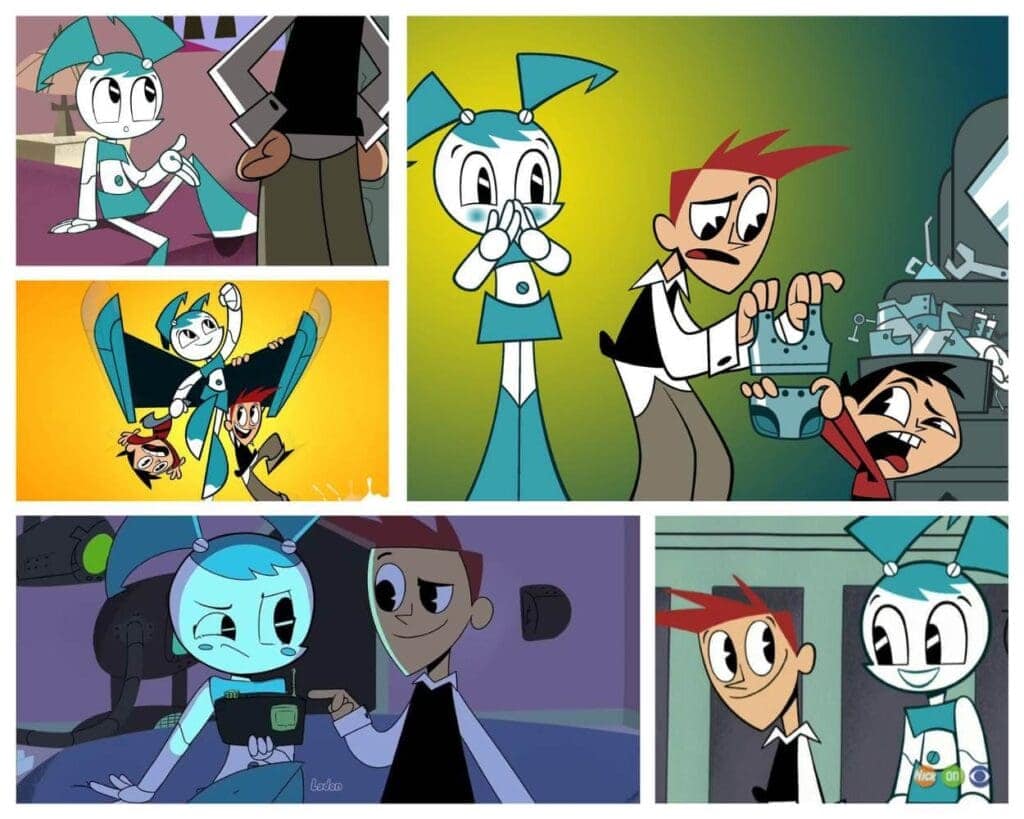
My Life as a Teenage Robot looked like nothing else on television. Sharp geometric linework, a retro-futurist palette and high-octane action gave it a look all its own.
Across three seasons on Nickelodeon and Nicktoons, the show built a devoted cult following.
At the center stood XJ-9, or “Jenny Wakeman,” as she preferred to be called. She was a towering battle android who could dismantle an alien armada before lunch, yet melted down over acne and school dances.
Show Blueprint
My Life as a Teenage Robot at a Glance
- Creator: Rob Renzetti, a Dexter’s Laboratory collaborator and later a Gravity Falls producer
- Developed with: Art director Alex Kirwan, channeling 1930s Art Deco and Streamline Moderne
- Original pilot: “My Neighbor Was a Teenage Robot” on Oh Yeah! Cartoons, 1999
- Broadcast run: Nickelodeon 2003 to 2005, plus a shelved season on Nicktoons, 2008 to 2009
- Studios: Frederator Studios and Nickelodeon Animation Studio, with Fred Seibert executive producing
The Art Deco Sci-Fi Aesthetic: 1930s Design Meets 2000s High School
Before the character dynamics, the visual style deserves its own discussion. Most cartoons of the era leaned on soft digital shapes or grungy textures. Art director Alex Kirwan and Renzetti reached backward instead.
They pulled from Art Deco poster design, Streamline Moderne curves and classic rubber hose cartooning, with a clear nod to Astro Boy.
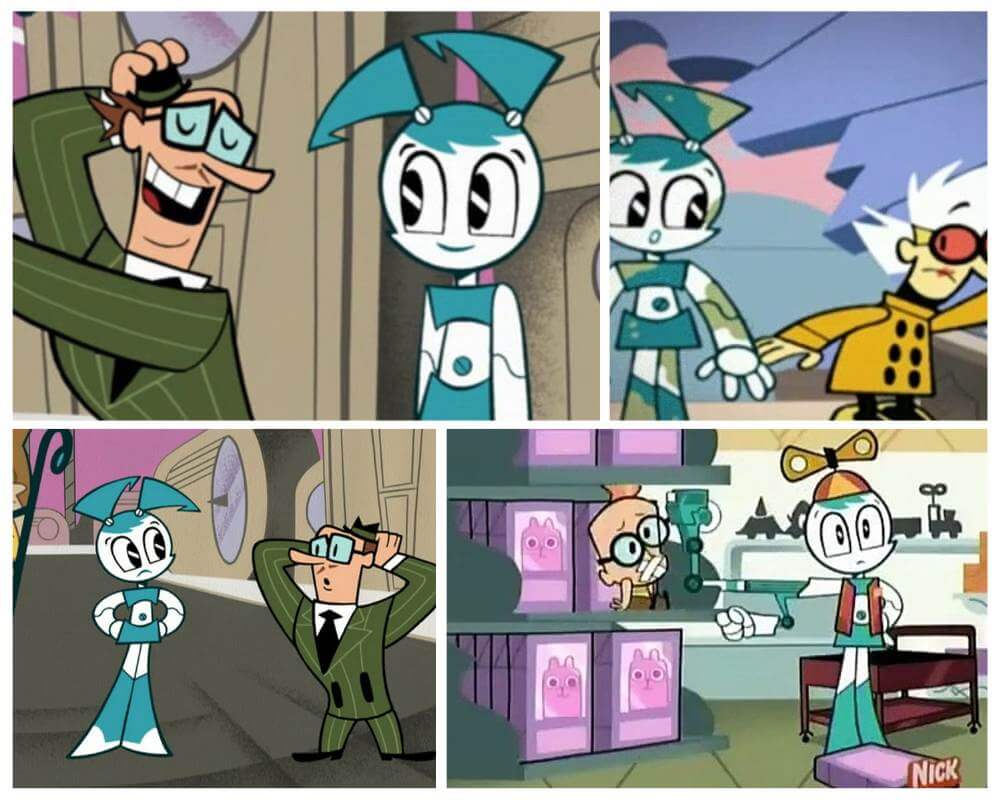
The fictional city of Tremorton came built from sharp angles, bold silhouettes and glowing neon gradients. Jenny’s own design did the heaviest lifting, however.
Her pigtail-shaped antennas, circle-and-line joints and metallic skirt fused vintage cartooning with sleek modern robotics.
That commitment to craft earned real hardware too. The franchise picked up a Primetime Emmy win along with a stack of Annie nominations. It also pushed boundaries for the animation industry of its time.
The Vampire Show That Became a Robot Girl
The origin story is stranger than most fans realize: Jenny exists because Nickelodeon rejected a vampire. In the late 1990s, Renzetti directed eleven shorts for Fred Seibert’s Oh Yeah! Cartoons showcase. Five of them starred Mina and the Count, a rambunctious little girl and her vampire best friend.
Mina was already a survivor by then. Her 1995 pilot, “Interlude with a Vampire,” had aired on Cartoon Network’s What a Cartoon! showcase, with Mark Hamill voicing the Count. Cartoon Network passed on more shorts, so Seibert carried the vampire over to Nickelodeon.
Renzetti hoped Mina would earn her own series, but Nickelodeon passed, leaving an empty slot where the sixth Mina short was supposed to go. Seibert asked him for three fresh ideas, and one pitch involved a teenage girl with a robot boyfriend. Renzetti merged the two characters into one: a robot with the personality of a teenage girl.
The resulting pilot, “My Neighbor Was a Teenage Robot,” aired in December 1999, and viewer approval carried it to a full series. Renzetti had sharpened his craft alongside the Dexter’s Laboratory crowd, a crew that first came together on 2 Stupid Dogs at Hanna-Barbera. Jenny became that generation’s Nickelodeon outpost.
From XJ-9 to Jenny: The Existential Heart of the Show
At its core, My Life as a Teenage Robot is a coming-of-age story wrapped in heavy sci-fi. XJ-9 arrived as the ninth robot in Dr. Nora Wakeman’s defense line, built to shield Earth from galactic threats.
Her chest cavity holds a literal arsenal of lasers, plasma cannons, rocket boosters and shapeshifting limbs. Her creator, however, gave her something far more complicated than weaponry: a fully autonomous, highly emotional teenage artificial intelligence.
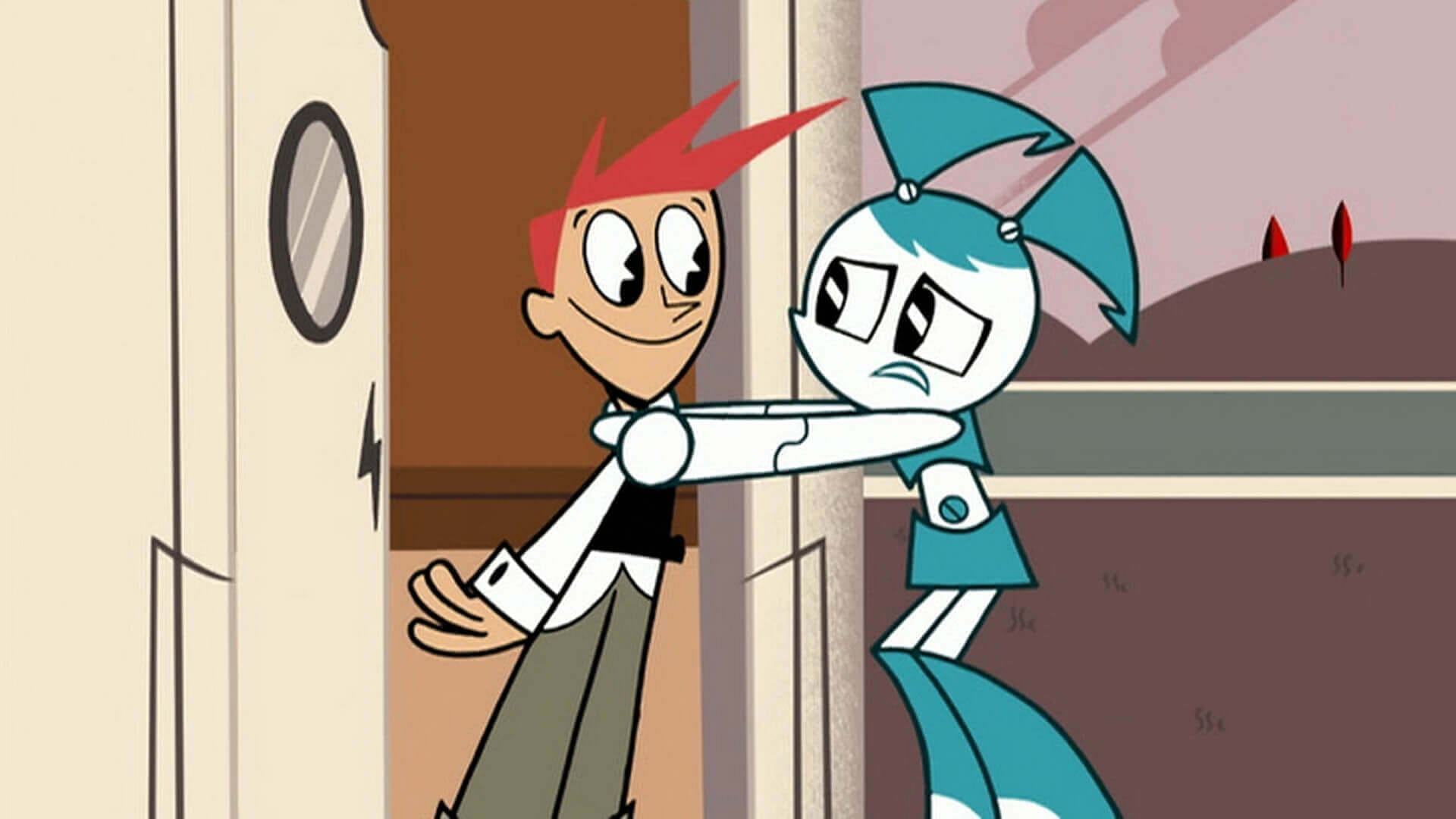
The central conflict writes itself. Dr. Wakeman views Jenny as a defense system that belongs in a laboratory capsule until trouble strikes. Jenny, however, refuses to spend her youth in a charging bay, wanting the mall, the music and the school dances.
When she sneaks out and meets her human neighbors, she chooses the name “Jenny” and enrolls at Tremorton High. Every episode after that becomes a tug-of-war between world-saving heroics and adolescent peer pressure.
The Tremorton Crew: Characters and Voice Legends
The world came alive through a sharp voice cast and sharper character writing.
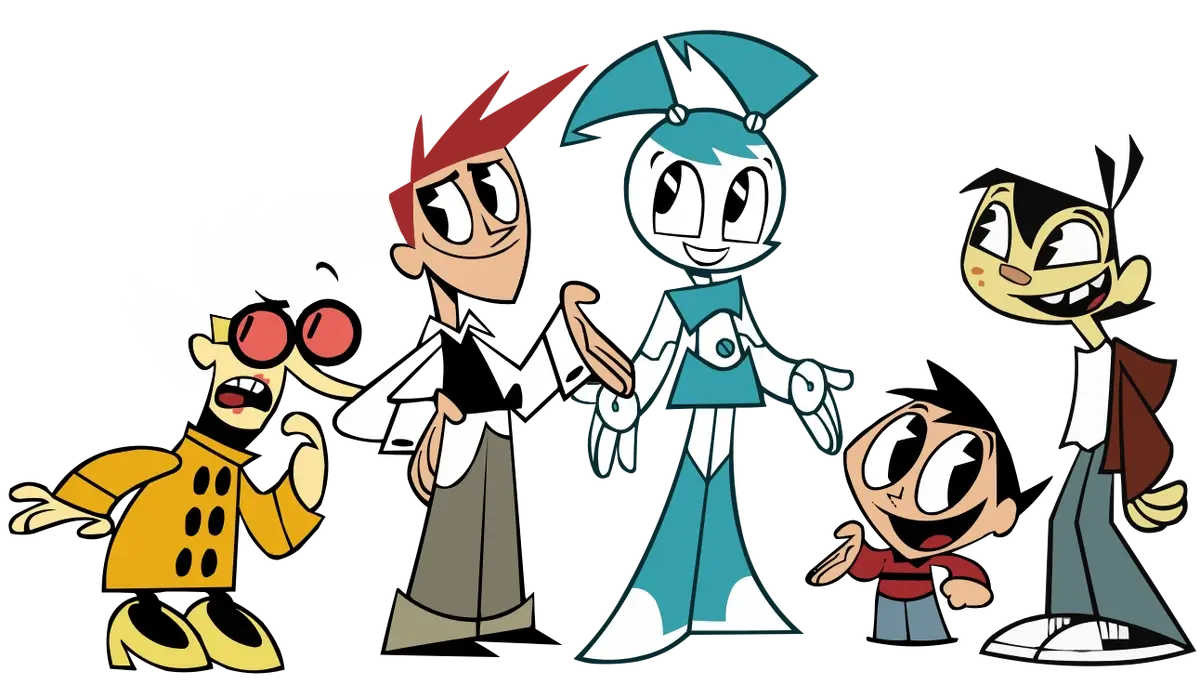
The Main Allies
- Jenny Wakeman / XJ-9 (Janice Kawaye): Sarcastic, compassionate, and desperate to fit in. Kawaye brought an endearing vulnerability to a character made of cold, hard steel.
- Dr. Nora Wakeman (Candi Milo): Jenny’s “mother” and creator, a brilliant scientist whose overprotective instincts smother Jenny’s social life. Fans know Milo as the second voice of Dexter, the ideal mad-scientist casting.
- Brad Carbunkle (Chad Doreck): Jenny’s outgoing next-door neighbor. He treats a robot best friend as the greatest thing ever, then drags her into suburban misadventures.
- Tuck Carbunkle (Audrey Wasilewski): Brad’s hyperactive, easily spooked little brother, the chaos agent of their dynamic trio.
- Sheldon Lee (Quinton Flynn): A geeky mechanical prodigy with a massive crush on Jenny. He builds custom hardware for her, and sometimes fights beside her as his masked alter ego, the Silver Shell.
Hollywood Royalty in the Booth: Eartha Kitt as Queen Vexus
One of the show’s greatest casting coups was Eartha Kitt, the original 1960s Catwoman, as Queen Vexus of the robotic Cluster empire. Kitt purred theatrical menace into every line and stayed with the role across the run, with Cree Summer stepping in for just two appearances.
The Antagonists and Rivals
- Queen Vexus (Eartha Kitt): The tyrannical ruler of Cluster Prime. She obsesses over prying Jenny away from humanity and drafting her into conquering Earth.
- Brit and Tiff Crust (Moira Quirk and Cree Summer): Tremorton High’s snobbish rich-girl duo. They torment Jenny with teenage cruelty rather than lasers, because high school politics scare harder than alien invasions.
- The Cluster hordes: An endless parade of cosmic invaders interrupting Jenny’s attempts at a normal life.
Modular Weaponry: The Metaphor of Transformation
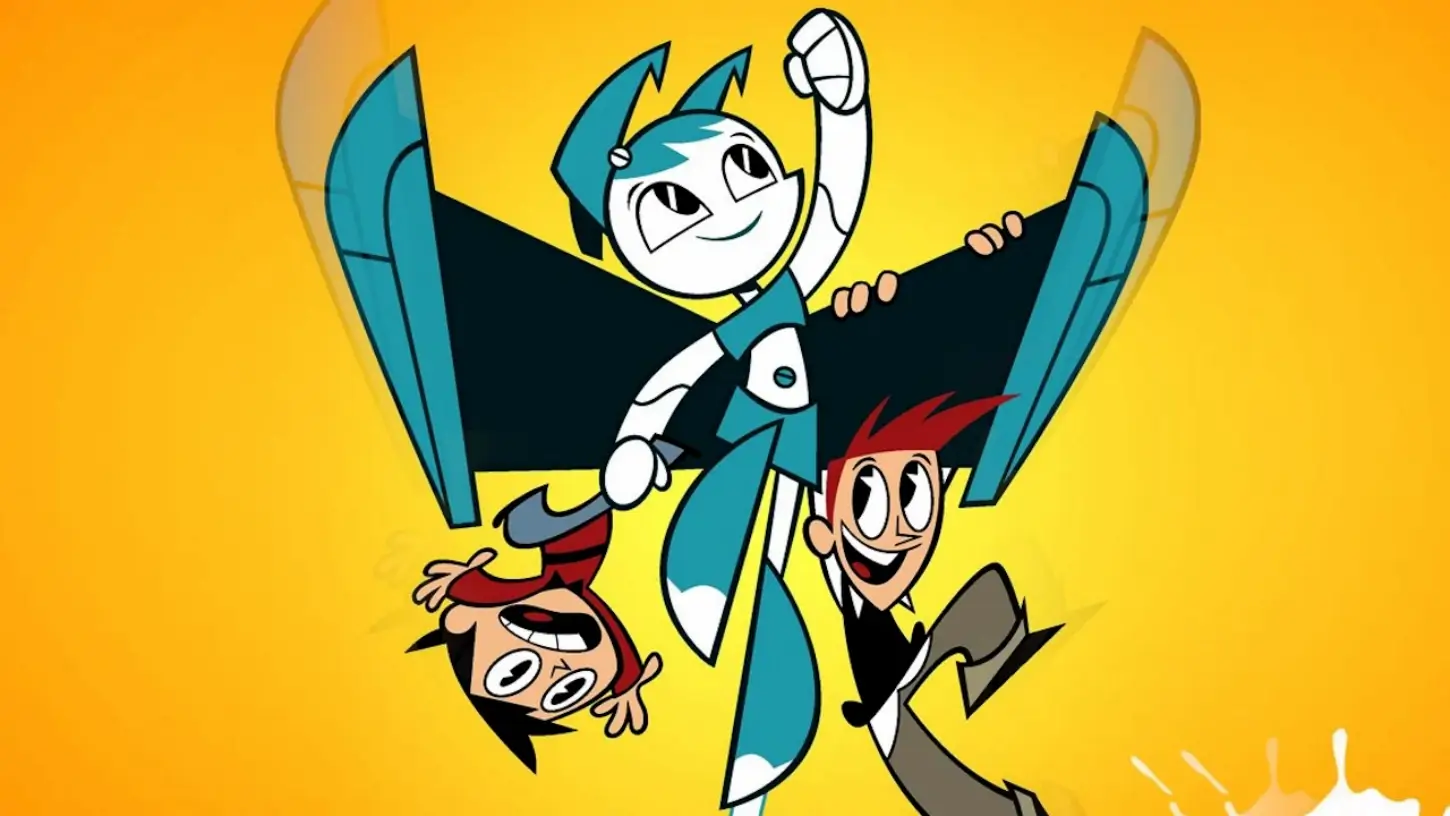
A huge part of the fun came from watching Jenny’s internal mechanics reconfigure into specialized tools: pigtail drills, chest-mounted speakers, rocket thrusters. The writers used that endless reconfiguration as a metaphor for puberty and bodily change.
The episode “Raggedy Android” makes the theme explicit. Dr. Wakeman builds Jenny a synthetic human disguise, and the costume backfires badly. The lesson lands hard: an identity that is not yours never fits. Her mechanical upgrades track the same truth every teenager knows, because bodies keep changing whether you consent or not.
Ahead of Its Time: A Trailblazing Early 2000s Lead
When the show premiered in the early 2000s, action cartoons built around a solo female lead were still uncommon on cable. Jenny was not a sidekick, a love interest or the token girl on a team. She was the heavy hitter, carrying the entire show on her steel shoulders.
She wielded terrifying mechanical power, but the writing let her stay flawed, emotional, goofy and insecure. She never had to trade away her femininity or her pop culture obsessions to remain the strongest thing on the battlefield.
The Emmy Movie and the Shutdown
The franchise peaked in August 2005 with a TV movie, Escape from Cluster Prime. Renzetti directed it with Chris Savino, the story sent Jenny to Vexus’s home planet, and Thora Birch guested as the princess Vega. The movie went on to win a Primetime Emmy, the franchise’s biggest trophy.
The whiplash came weeks later.
In September 2005, Nickelodeon aired the season two finale and shut production down over soft ratings. An Emmy-caliber series ended at its creative peak. One strange twist, however, kept the story going.
The Season Nickelodeon Left in a Drawer
Season three was already finished when the plug got pulled. Rather than air it, Nickelodeon shelved the completed episodes for roughly three years. The Nicktoons channel finally burned them off between October 2008 and May 2009, closing the series at 40 episodes.
That shelf time carries a bittersweet footnote. Eartha Kitt recorded her Vexus material long before the burn-off.
Some of her work sat unaired until the final months of her life. The drawer also puts this show in familiar company, because television keeps finishing seasons it never intends to air.
Frequently Asked Questions
Why is Jenny called XJ-9?
She is the ninth robot in Dr. Wakeman’s XJ line. Her eight prototype sisters, XJ-1 through XJ-8, appear in the series, each stranger than the last. Jenny picked her human name herself.
Why was My Life as a Teenage Robot canceled?
Ratings, despite the acclaim. Nickelodeon stopped production after season two in 2005. The finished third season then sat shelved until Nicktoons aired it from 2008 to 2009.
Who voiced Queen Vexus?
Broadway and Hollywood legend Eartha Kitt voiced Vexus in nearly every appearance. Cree Summer, who also plays Tiff, filled in for two episodes.
Where did the show originally premiere?
It began as the short “My Neighbor Was a Teenage Robot” on Fred Seibert’s Oh Yeah! Cartoons showcase in 1999. The full series followed on Nickelodeon in August 2003.
The Legacy of Tremorton’s Favorite Hero
Nearly two decades on, My Life as a Teenage Robot remains a high-water mark for Nickelodeon animation. Its fusion of Art Deco design, sharp comedy and honest teenage feeling has aged better than most of its louder contemporaries. It gave a generation a heroine who saved the world and still worried about the dance.
Did you watch Jenny Wakeman save Earth after school, and which transformation or episode stuck with you? Share your memories in the comments below, and the strongest requests will help pick the next Nicktoons deep dive.