
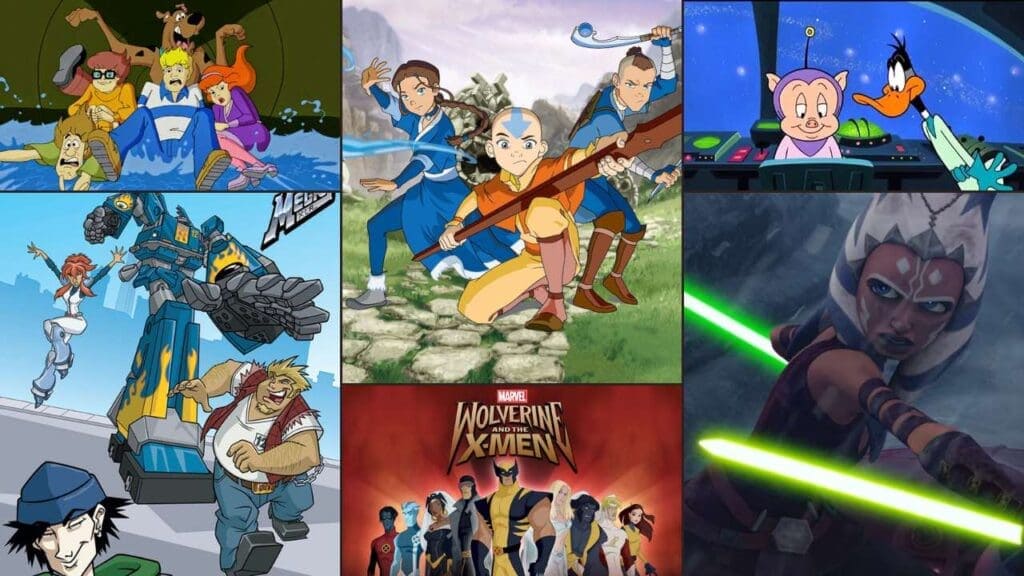
The 2000s did not produce one single kind of cartoon.
Cartoon Network leaned into creator-driven comedy and increasingly ambitious action. Nickelodeon mixed fast, character-based humour with strange cult favourites.
Disney Channel built animated comedies around school, family, and movie characters, while Kids’ WB, Adult Swim, and imported series filled in the rest of the decade.
That variety is why the era still feels so large.
This is not another ranking of the best 2000s cartoons. I already have a separate list for that argument.
This is a network-by-network guide to the shows people actually grew up watching, including major hits, preschool staples, superhero series, adult animation, and forgotten early 2000s cartoons that rarely make the usual lists.
Air dates and networks below refer mainly to the original United States broadcasts. A few late-1990s series are included because their most familiar reruns, episodes, or cultural impact carried directly into the 2000s.
Inside this guide
2000s cartoons by network and style
- 2000s Cartoon Network shows
- 2000s Nickelodeon cartoons
- 2000s Disney Channel cartoons
- Superhero and action cartoons from the 2000s
- Adult cartoons from the 2000s
- Forgotten early 2000s cartoons worth rediscovering
2000s Cartoon Network Shows
For many viewers, Cartoon Network is the first channel that comes to mind when someone mentions 2000s cartoons.
The network entered the decade with several late-1990s Cartoon Cartoons still producing new episodes, then added shows with stranger art styles, darker comedy, and more serialized action.
This section focuses on comedy and general-audience series, including a few Warner Bros. productions that became part of the channel’s everyday identity.
The Powerpuff Girls
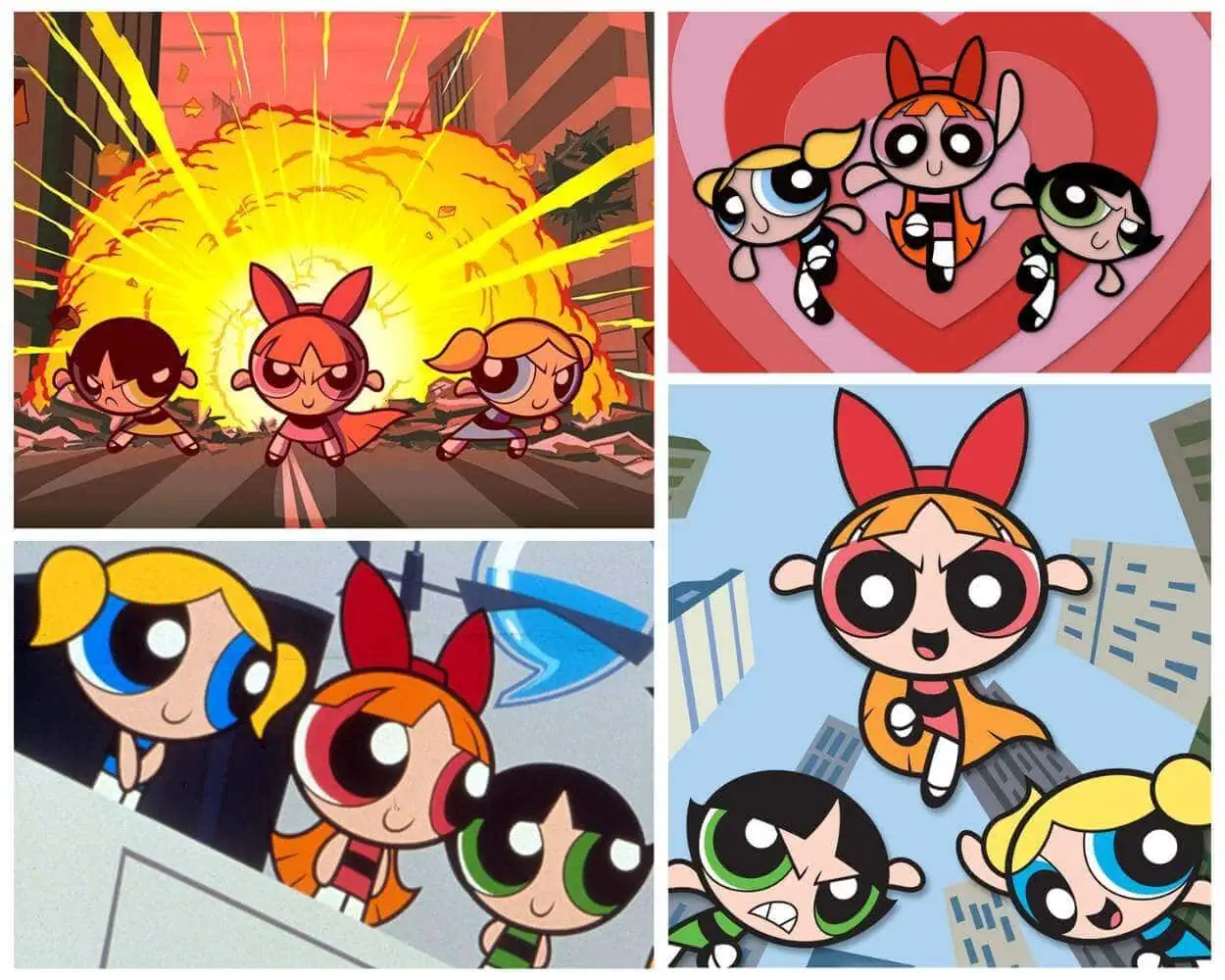
Three kindergarteners built from sugar, spice and a lab accident defend the city of Townsville from a rotating cast of villains. Although it began in 1998, it ran through 2005 and defined the look of early Cartoon Network.
- Blossom, Bubbles and Buttercup each carry one of leadership, sweetness and temper.
- Mojo Jojo and HIM gave the show an unusually strong villain bench.
- Episodes are short, fast, and driven by personality.
Ed, Edd n Eddy
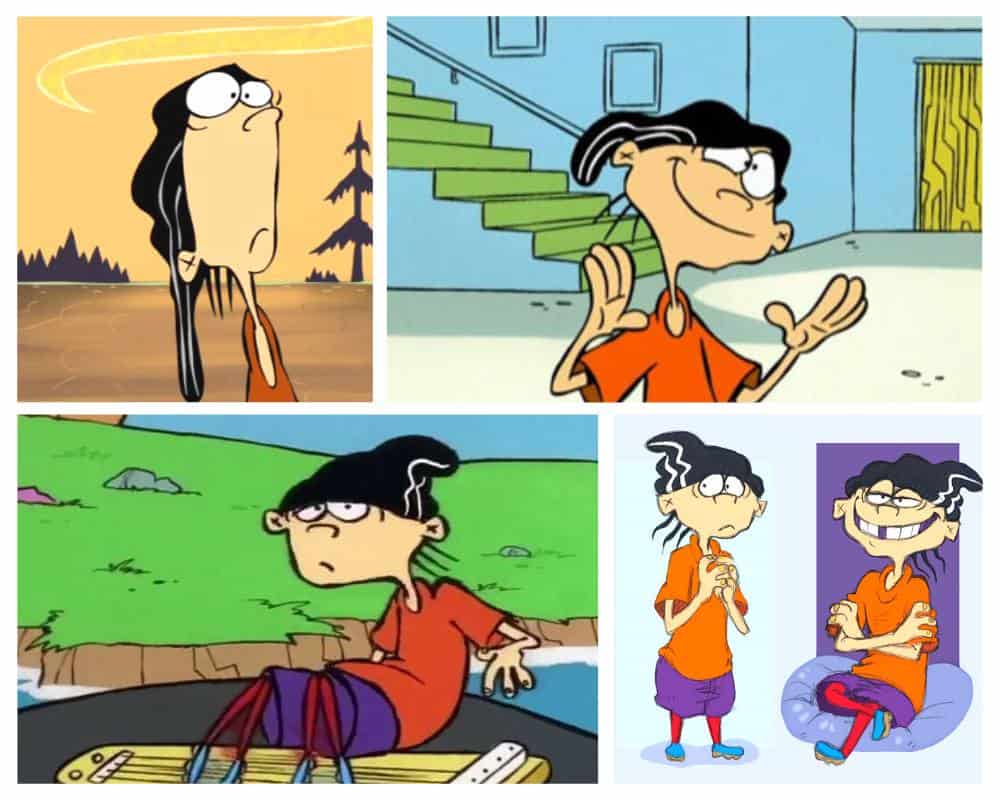
Three boys run doomed schemes to squeeze pocket money from the other children in their cul-de-sac, usually because Eddy wants another jawbreaker. The series premiered on January 4, 1999, and ended with a television movie in 2009, so most of its life belongs to the 2000s.
- Ed is the muscle, Edd the anxious brain, and Eddy the greedy planner.
- Their schemes almost always collapse in some humiliating way.
- Every character is a kid, so the world stays firmly at their level.
Foster’s Home for Imaginary Friends
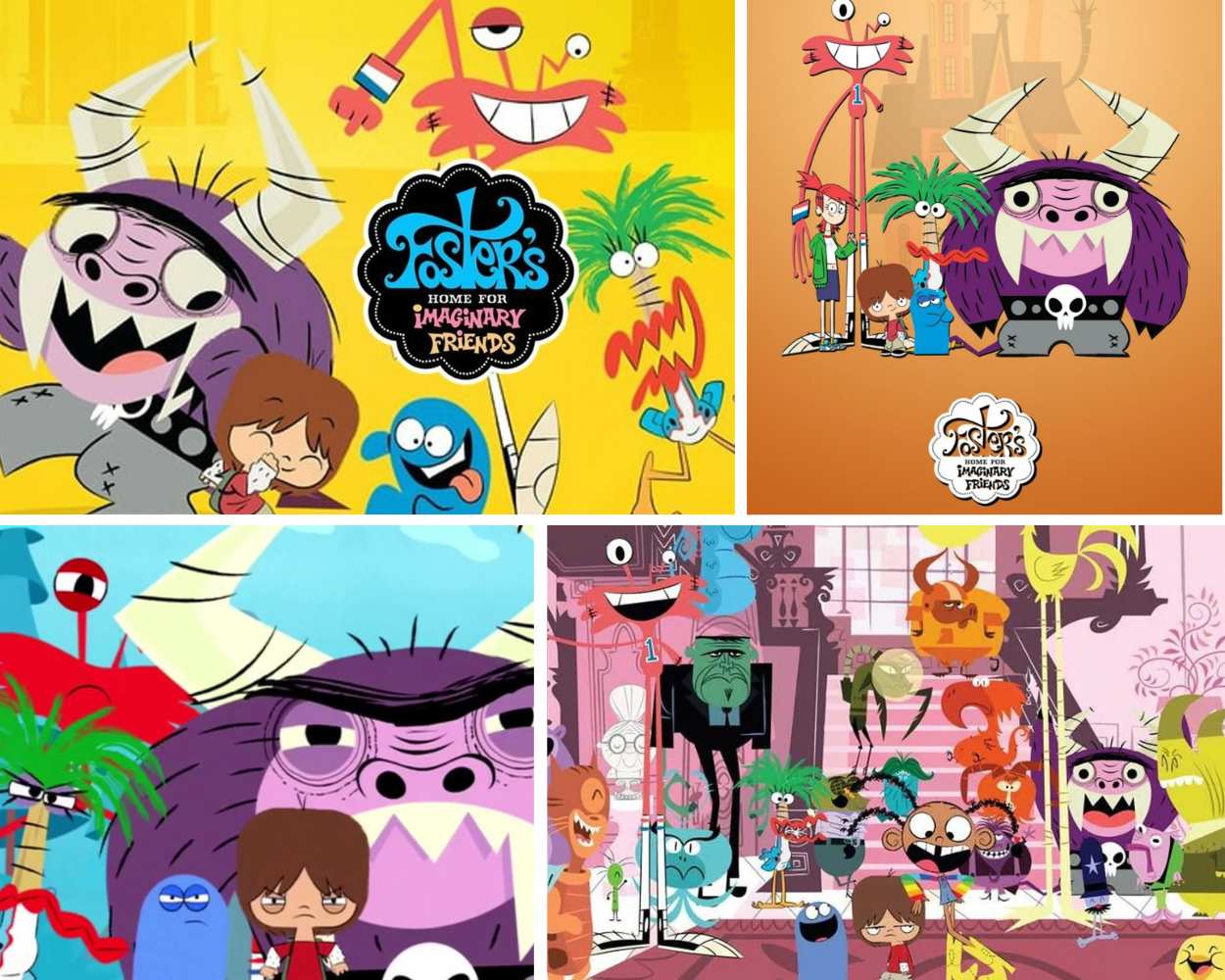
When children outgrow their imaginary friends, those friends move into a foster home rather than disappearing. The show ran from 2004 to 2009 and paired broad comedy with a surprisingly tender premise.
- Each day, Mac visits his friend Bloo to stop him being adopted away.
- The house is filled with creatures whose designs and personalities can support stories of their own.
- Bloo is the friend you would regret in real life and still miss.
Codename: Kids Next Door
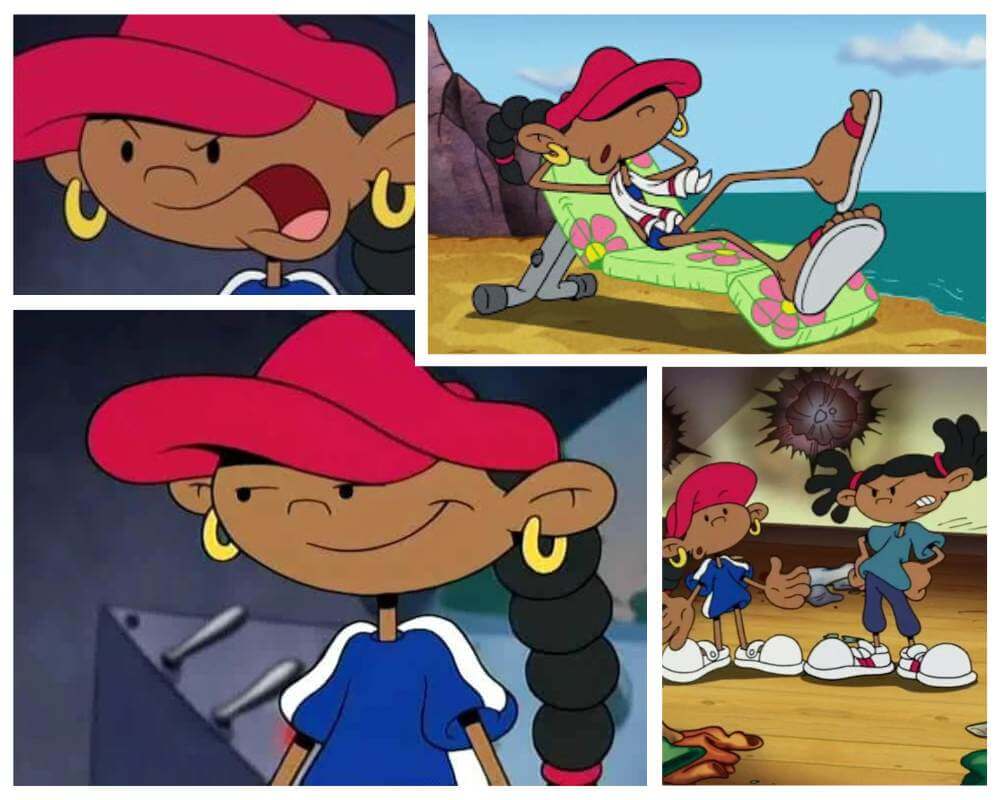
A secret organisation of children fights the tyranny of adults using homemade gadgets built from junk. It ran from 2002 to 2008, turning ordinary childhood grievances into full spy-agency plots.
- The five operatives go by Numbuh 1 through Numbuh 5.
- Their treehouse headquarters remains one of the great cartoon bases.
- Every adult rule becomes a conspiracy to be resisted.
The Grim Adventures of Billy and Mandy
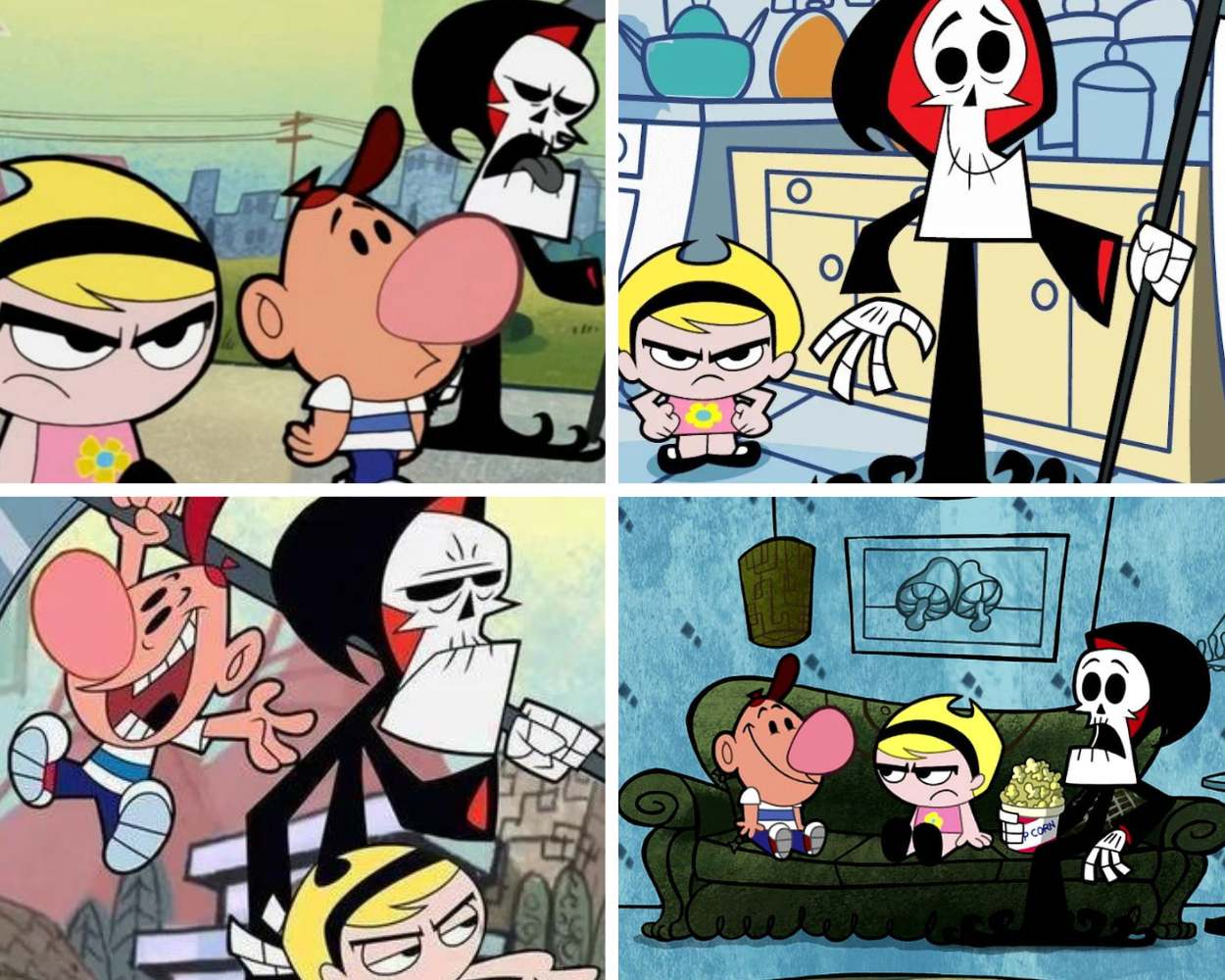
Two children win a bet against the Grim Reaper and force him to be their friend forever. The full series ran from 2003 to 2007, and its dark, deadpan humour set it apart from the network’s brighter shows.
- Billy is cheerfully stupid, and Mandy is coldly in control.
- Grim, meanwhile, is bound to the pair against his considerable will.
- Mandy became a template for the deadpan cartoon character.
Chowder
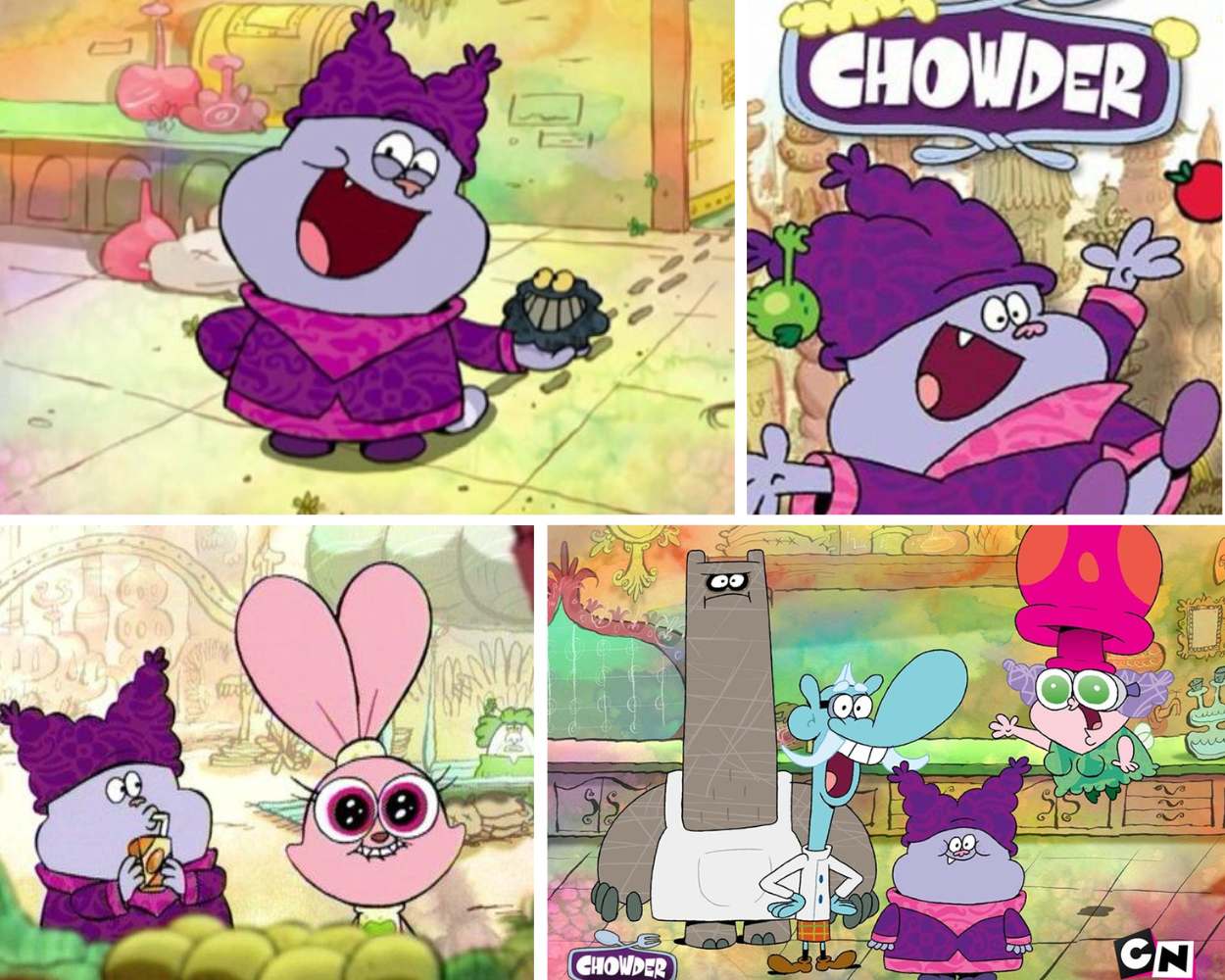
An apprentice cook with no self-control learns his trade in the surreal kitchens of Marzipan City. It ran from 2007 to 2010 and mixed traditional animation with puppetry and stop-motion textures.
- Chowder wants to be a chef and mostly wants to eat.
- The art style covers clothing, buildings, and props with patterns that remain fixed while the characters move.
- The humour is loud, fast, and deliberately strange.
Megas XLR
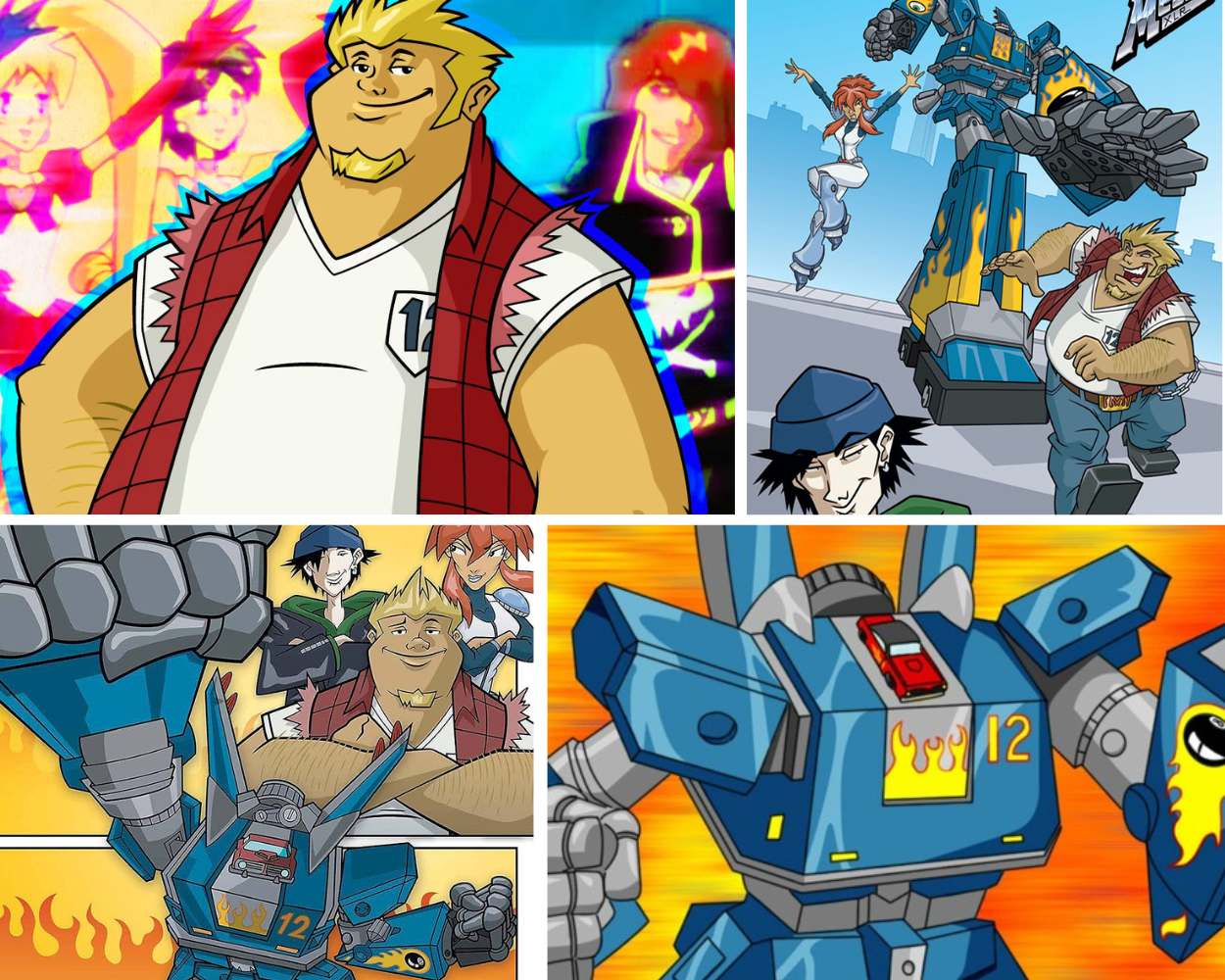
A slacker from New Jersey finds a giant war robot from the future and fits it with a muscle-car body and a games controller. It ran from 2004 to 2005 and read as a love letter to mecha anime.
- Coop pilots the robot with more enthusiasm than skill.
- The show is packed with references to giant-robot and gaming culture.
- Still, two short seasons were all it got, which fans continue to resent.
Duck Dodgers
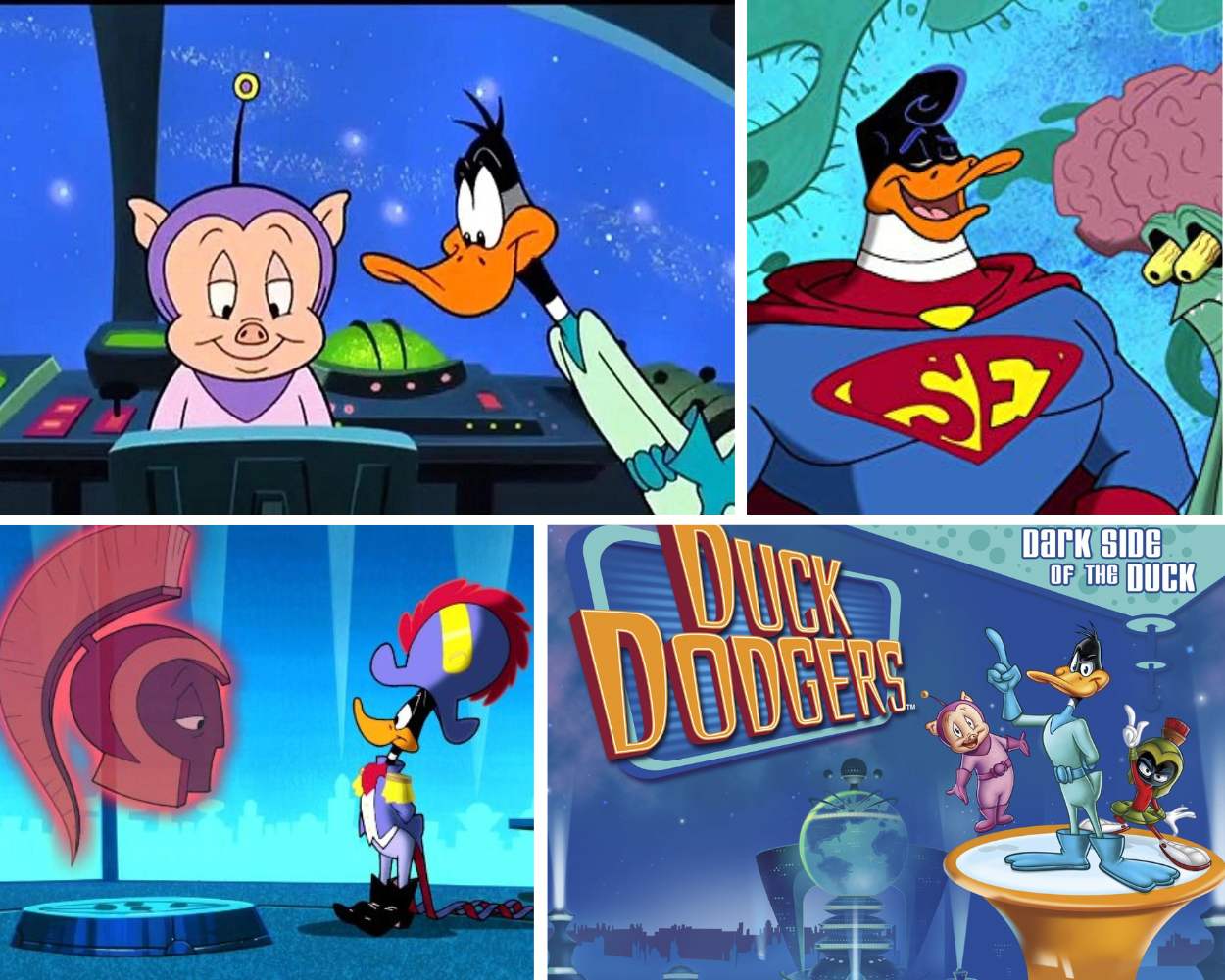
Daffy Duck plays a bumbling space hero in a full series built out of a classic Looney Tunes short. It ran from 2003 to 2005 and let the old characters loose on science-fiction parody.
- Daffy is heroic in title and cowardly in practice.
- Porky Pig serves as his patient and far more competent sidekick.
- Tonally, it sits somewhere between Looney Tunes and a Star Trek spoof.
Baby Looney Tunes
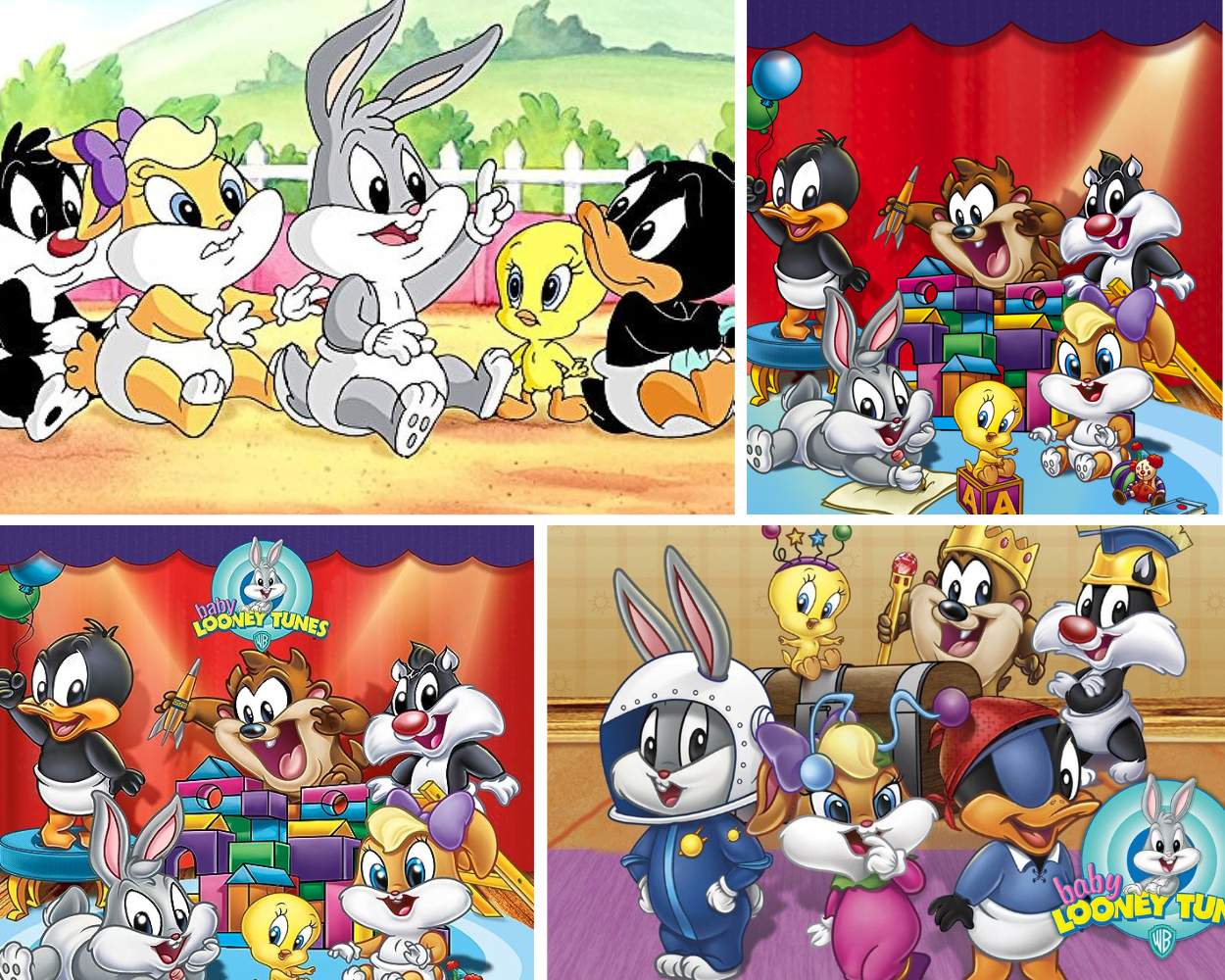
The Looney Tunes cast appears as toddlers in the care of Granny, learning gentle lessons about sharing and manners. It ran on Kids’ WB and Cartoon Network from 2002 to 2005, riding the early-2000s trend for baby versions of established characters.
- Baby Bugs, Daffy, Taz and the rest live together under Granny.
- The stories aim much younger than the classic theatrical shorts.
- The whole thing is a neat time capsule of the era.
What’s New, Scooby-Doo?
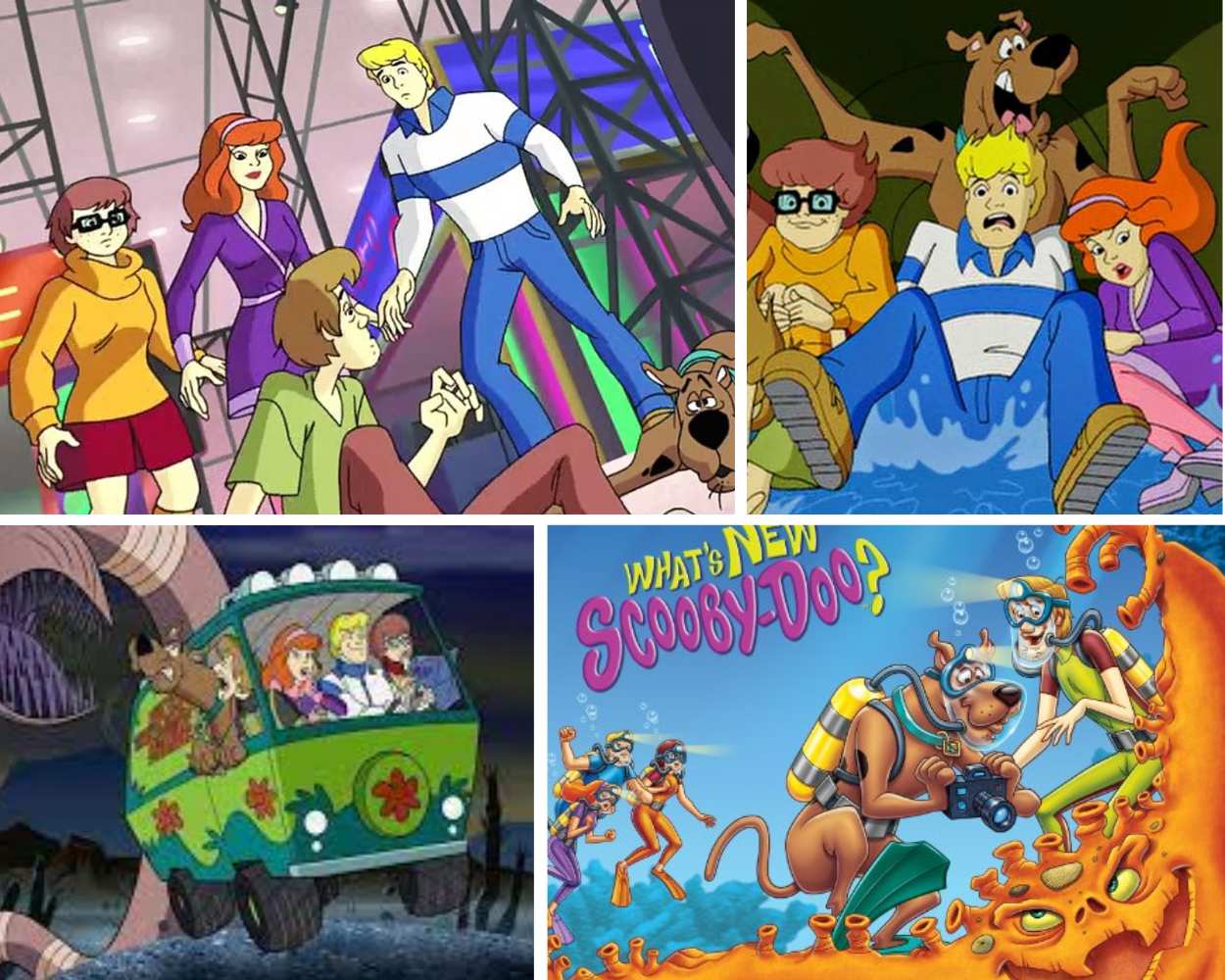
Mystery Inc. returns in a modern setting, solving cases with mobile phones and up-to-date technology. This Warner Bros. revival ran on Kids’ WB and Cartoon Network from 2002 to 2006.
- The classic formula stays intact under a contemporary coat of paint.
- Each episode still delivers a spooky setup, a comic chase and a mask reveal.
- It was the Scooby-Doo a lot of 2000s kids grew up on.
Total Drama
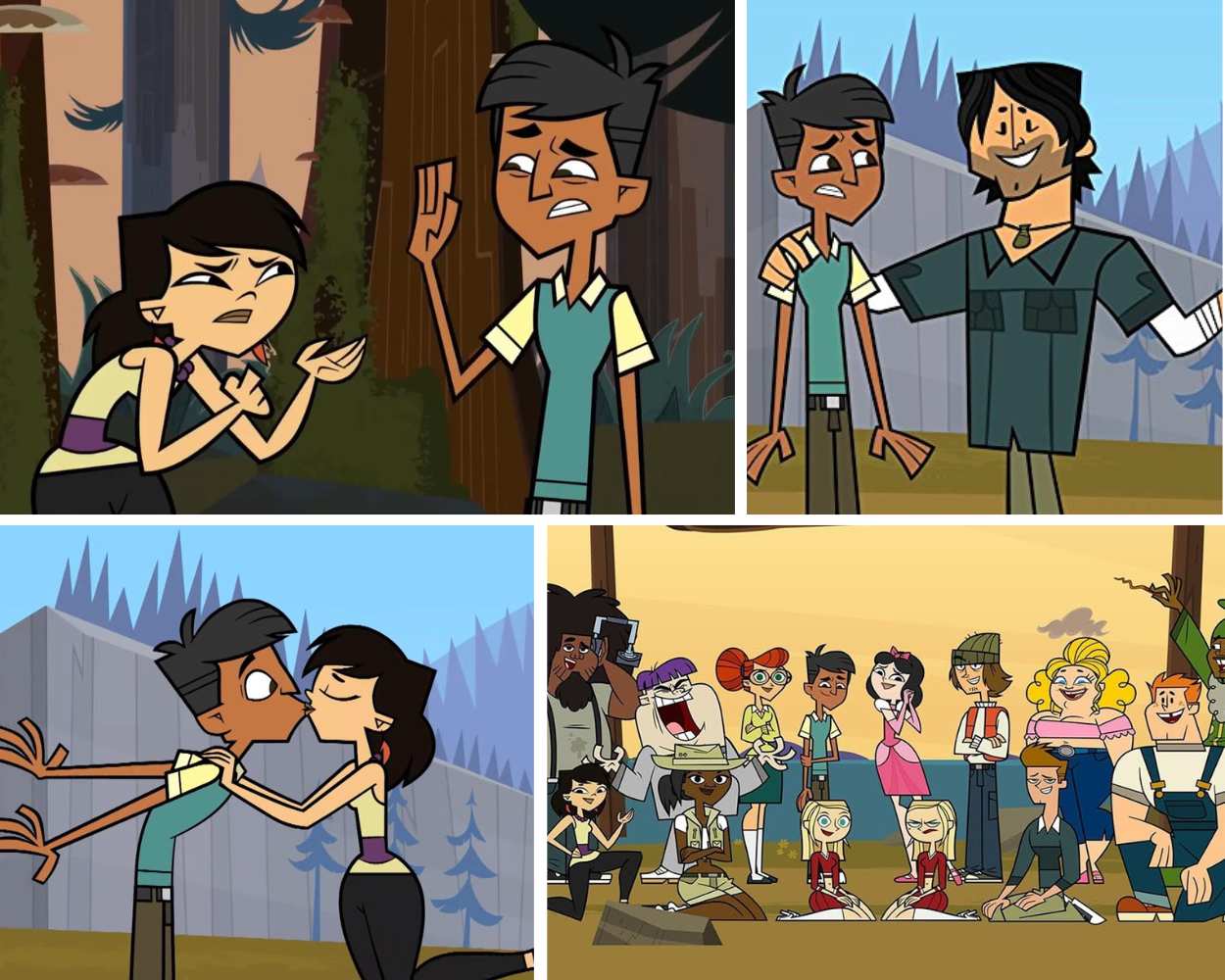
A group of teenage contestants enters a deliberately miserable summer camp and competes in a parody of reality television, complete with alliances, confessionals, and eliminations. The franchise premiered in Canada in 2007 and reached Cartoon Network in the United States in 2008.
- Contestants are voted off one at a time, reality-show style.
- Betrayals and shifting alliances, meanwhile, drive most episodes.
- It helped establish reality-competition cartoons as a workable format.
2000s Nickelodeon Cartoons
Nickelodeon’s 2000s cartoons were less visually unified than Cartoon Network’s lineup, but the channel knew how to build characters viewers remembered.
The decade included rapid-fire comedies, superhero stories, dark cult favourites, and preschool shows that became unavoidable for younger viewers. Several late-1990s Nicktoons also remained major parts of the schedule.
The Fairly OddParents
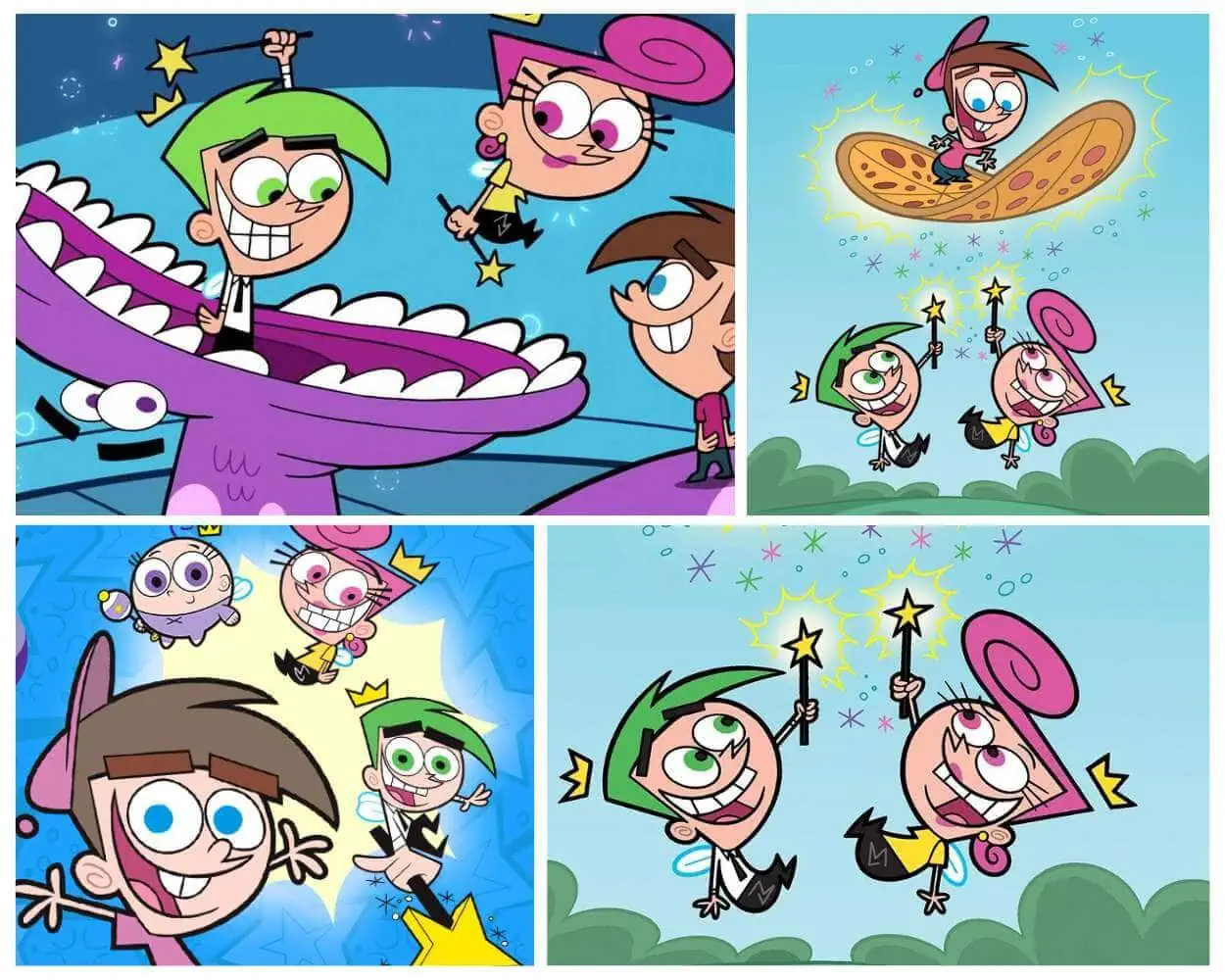
A neglected ten-year-old is granted two fairy godparents who must obey his wishes, which go wrong at speed. It began in 2001 and ran, on and off, until 2017.
- Timmy Turner wishes, and Cosmo and Wanda reluctantly deliver.
- Yet every wish carries a consequence Timmy did not think through.
- The pacing is fast enough to feel like caffeine.
Danny Phantom
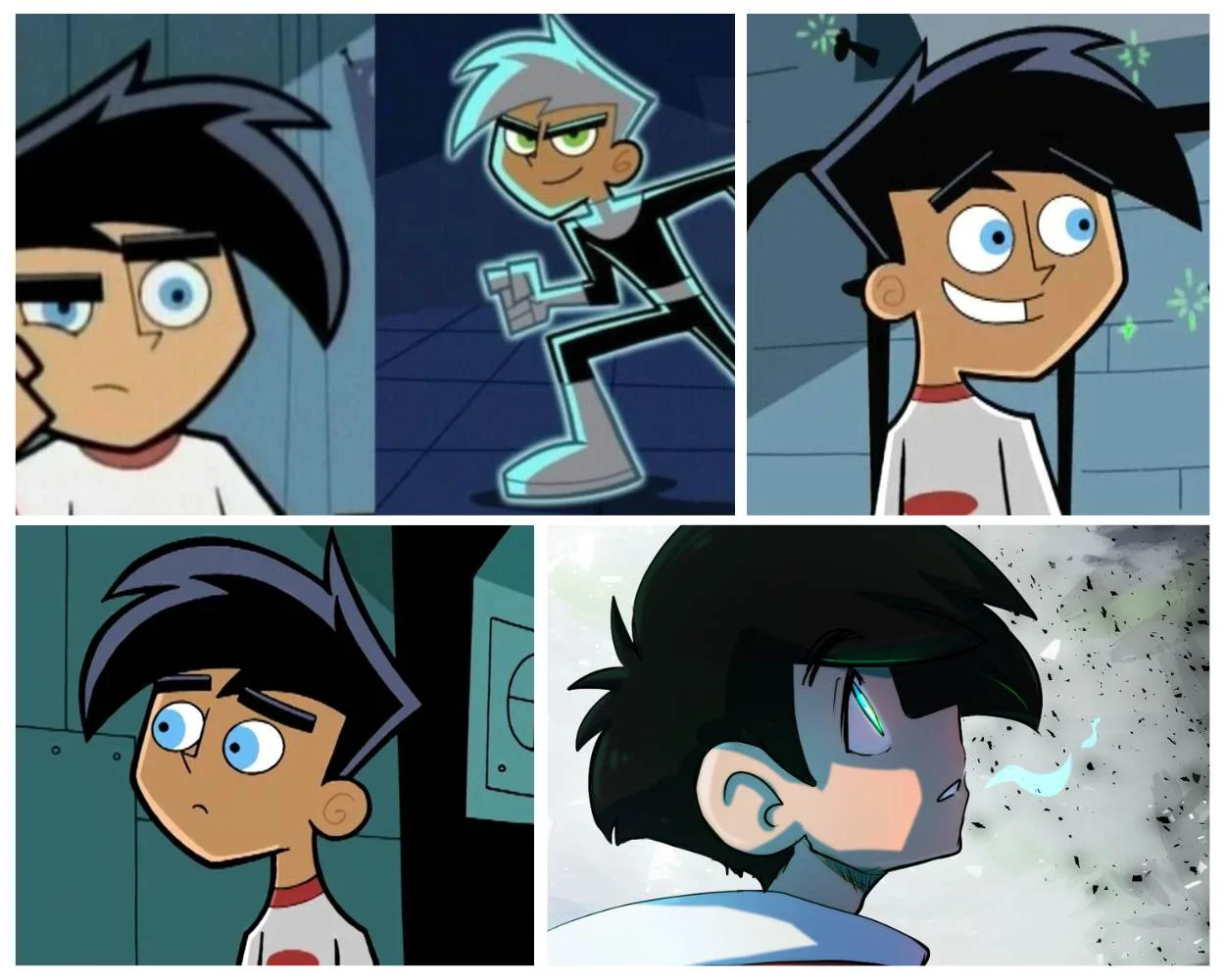
A teenager gains ghost powers in a lab accident and secretly defends his town from the spirit world. It ran from 2004 to 2007 and balanced superhero action with school-age drama.
- Danny Fenton fights ghosts while hiding his double life.
- Over time, the show built real lore and a deep villain roster.
- Secret-identity tension drives most of the plots.
Invader Zim
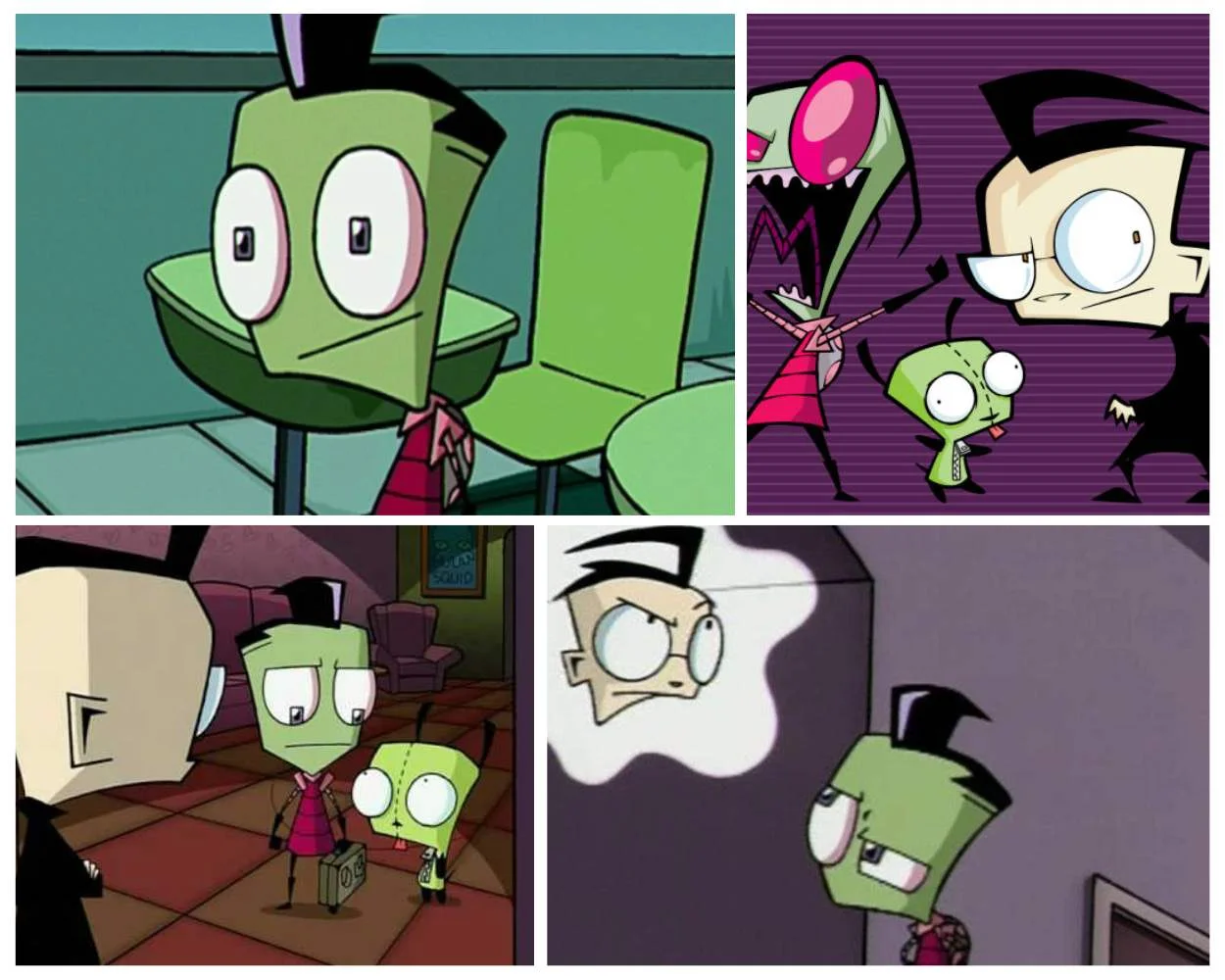
An incompetent alien is sent to conquer Earth by leaders who mainly want him as far away as possible. Nickelodeon premiered the series in 2001, stopped regular production after its second season, and released several completed episodes later.
- Zim’s plans are undone by his own arrogance and his robot GIR.
- Only the paranoid Dib recognises him as an alien.
- The tone, throughout, is dark, loud and openly hostile to sentiment.
CatDog
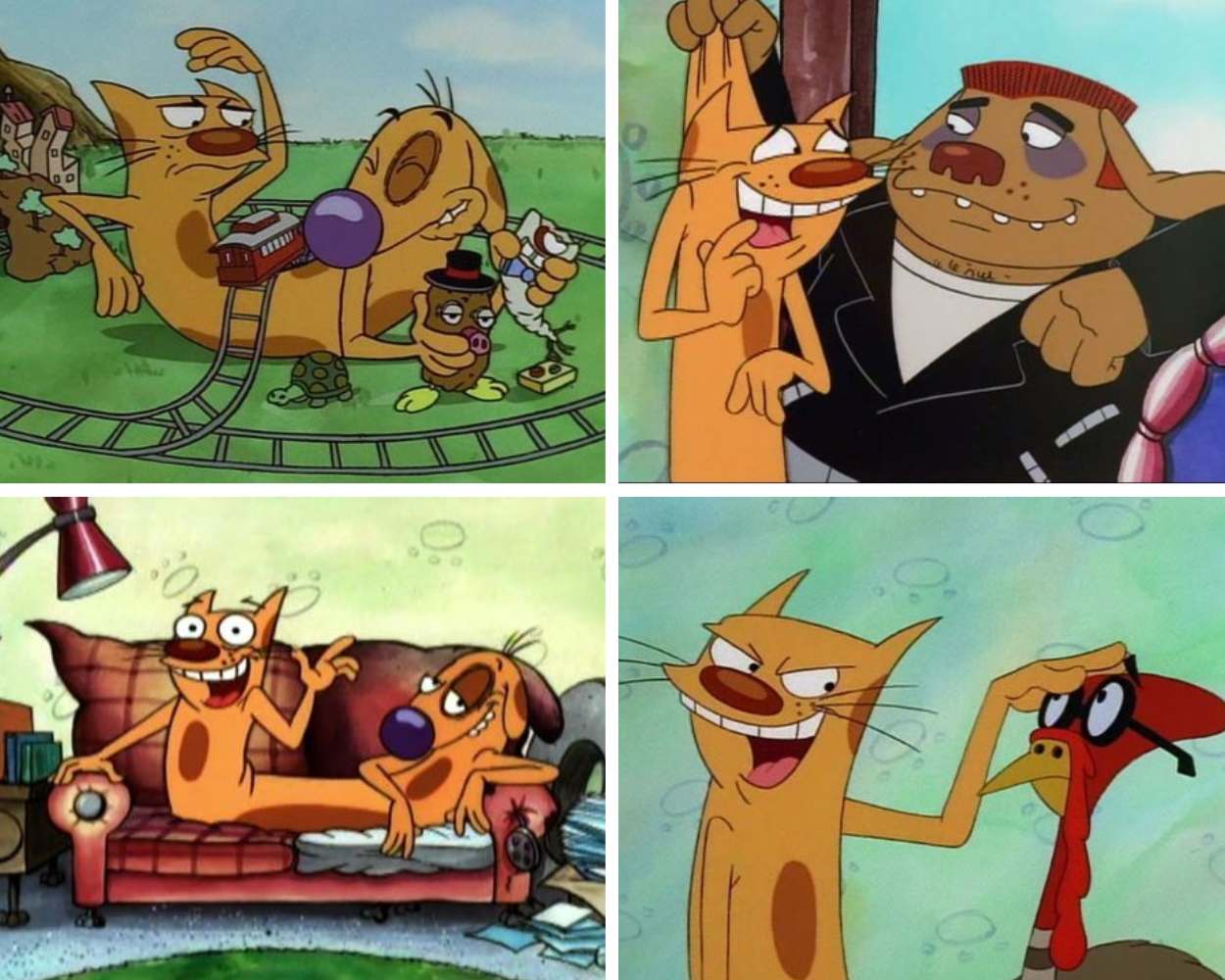
A cat and a dog share one body and one life, pulling in opposite directions the whole time. It ran from 1998 to 2005 on a premise only animation could sustain.
- Cat is scheming and neat, while Dog is impulsive and messy.
- As a result, neither can go anywhere without the other.
- A gang called the Greaser Dogs torments the pair throughout.
My Life as a Teenage Robot
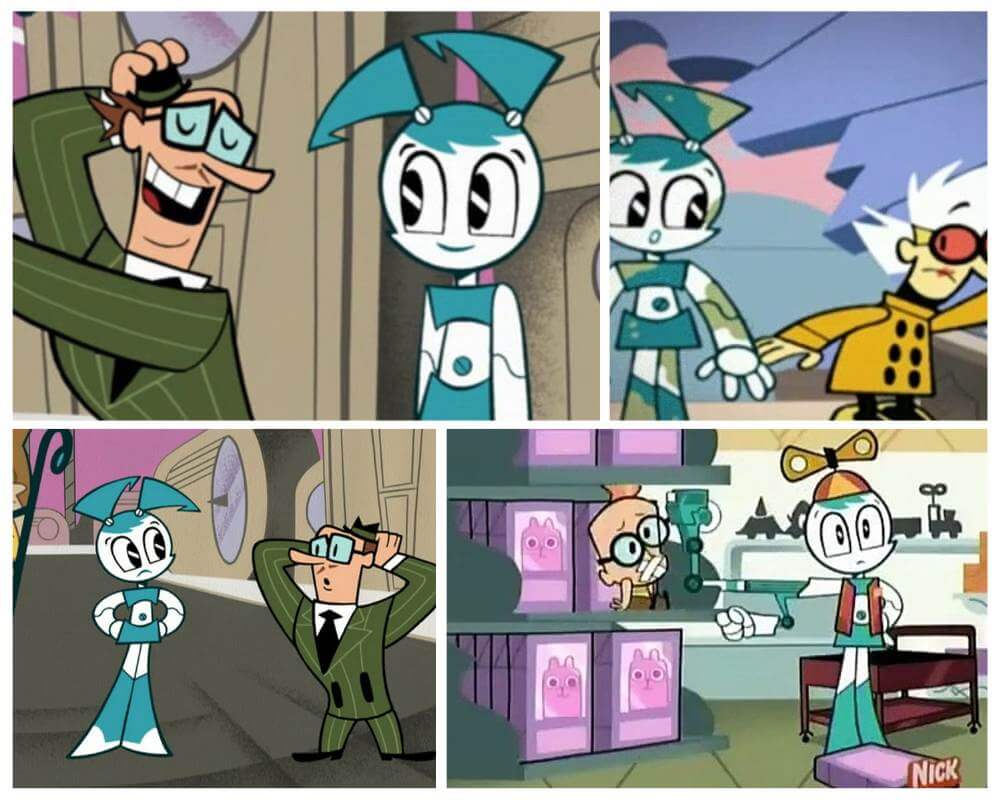
A robot girl built to defend Earth would rather attend school, make friends, and live an ordinary teenage life. The series premiered in 2003, with its final completed episodes reaching American television later in the decade.
- Jenny, designated XJ-9, protects Earth between social disasters.
- Her creator built her to fight, not to fit in.
- The retro-futurist art style, meanwhile, still looks distinctive.
Bob the Builder
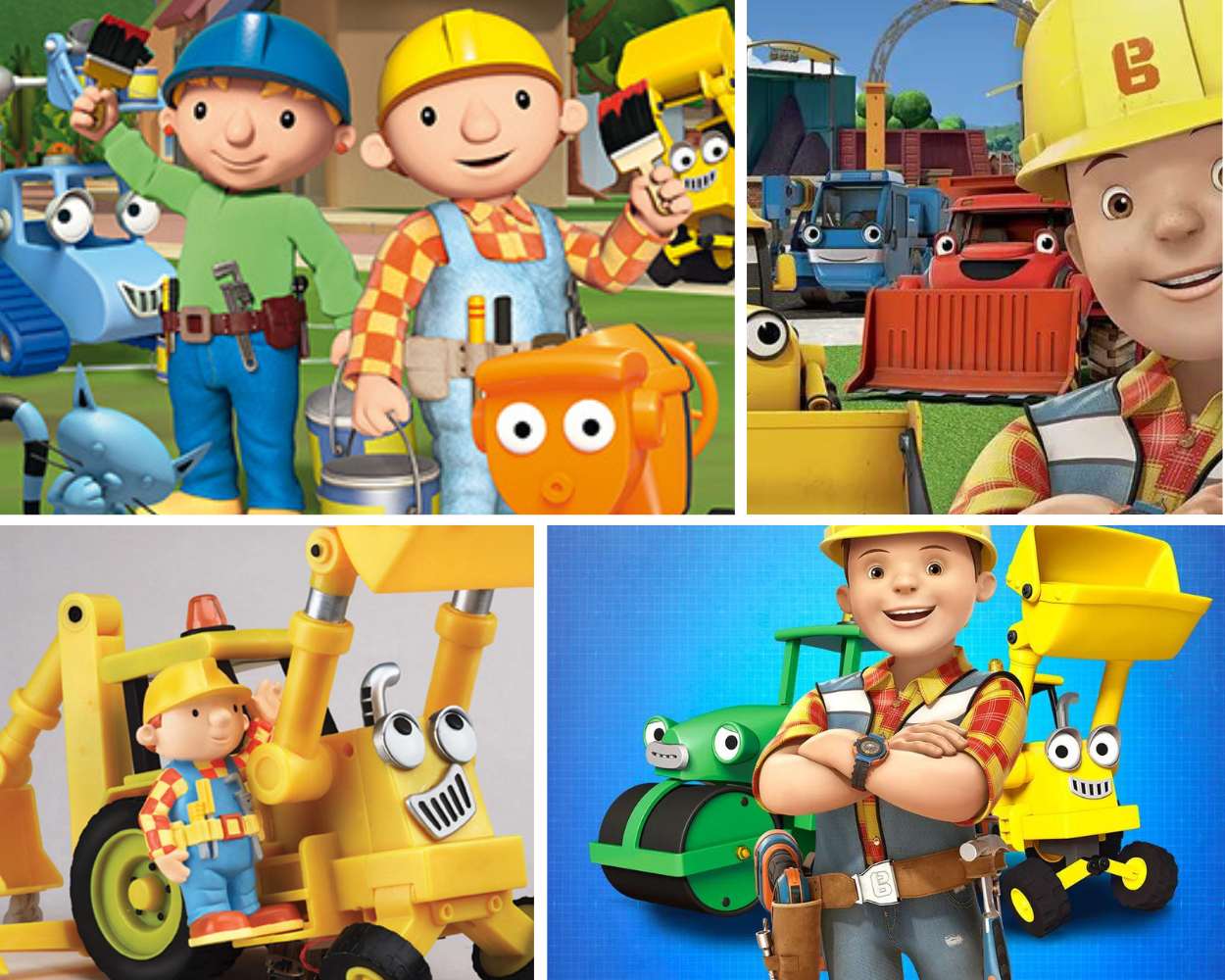
A cheerful builder and his talking machines fix problems around town, one project at a time. The British stop-motion series aired on Nick Jr. in the United States and was a preschool fixture of the era.
- Bob leads a crew of anthropomorphic construction vehicles.
- Each episode, in turn, solves a small and practical problem.
- Its catchphrase is burned into an entire generation’s memory.
2000s Disney Channel Cartoons
Disney’s animated television lineup was smaller than Cartoon Network’s or Nickelodeon’s, especially once live-action sitcoms became central to the channel.
Still, the best 2000s Disney Channel cartoons developed a recognizable lane: school comedy, movie spin-offs, capable young heroes, and fast dialogue that worked for children and parents.
Kim Possible
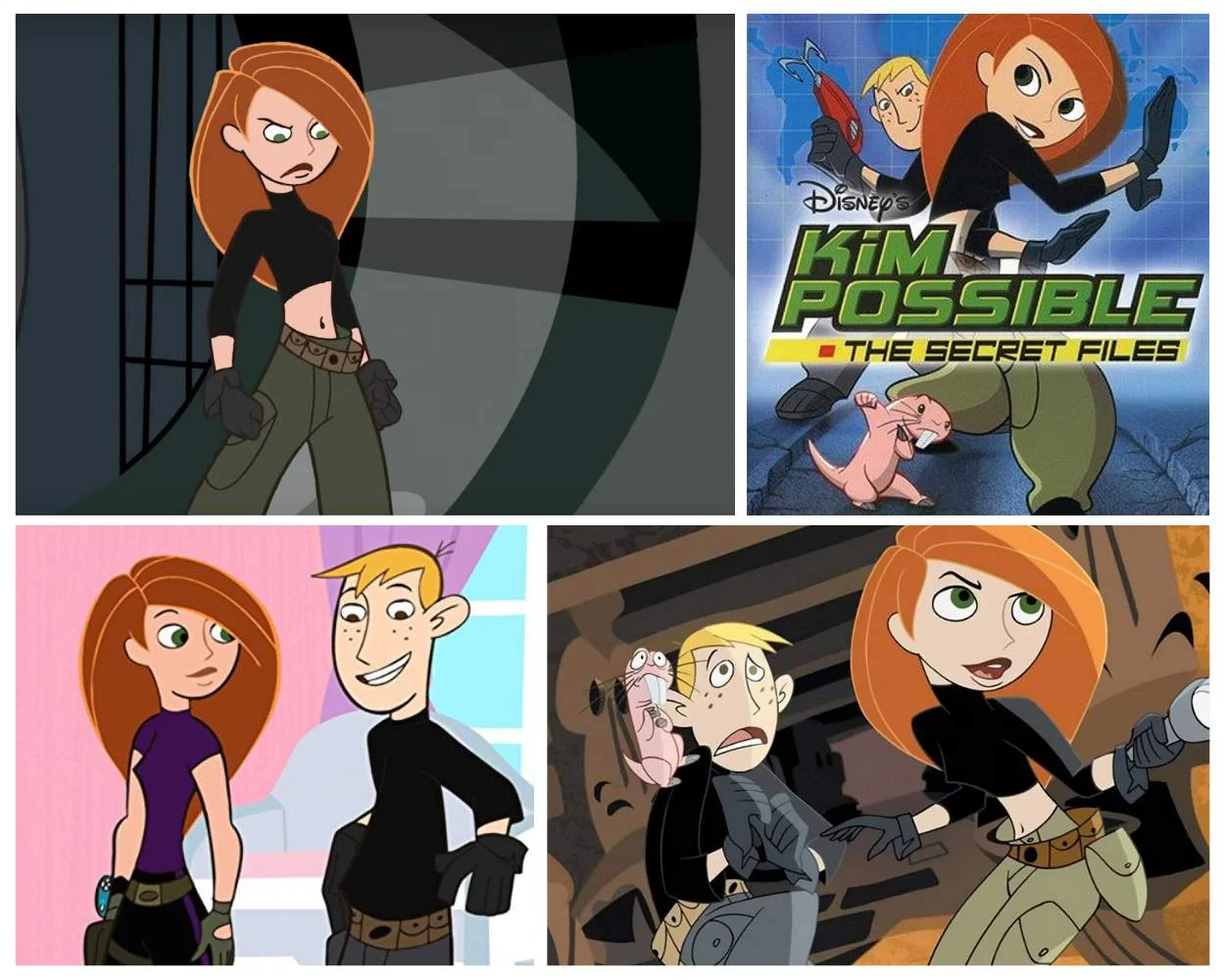
A high-school student saves the world in her spare time with the help of her nervous best friend. It ran from 2002 to 2007 and was one of Disney Channel’s biggest animated hits.
- Kim juggles cheerleading, homework and global espionage.
- Ron Stoppable and his pet Rufus, meanwhile, provide the comedy.
- The premise pairs teen drama with spy action neatly.
House of Mouse
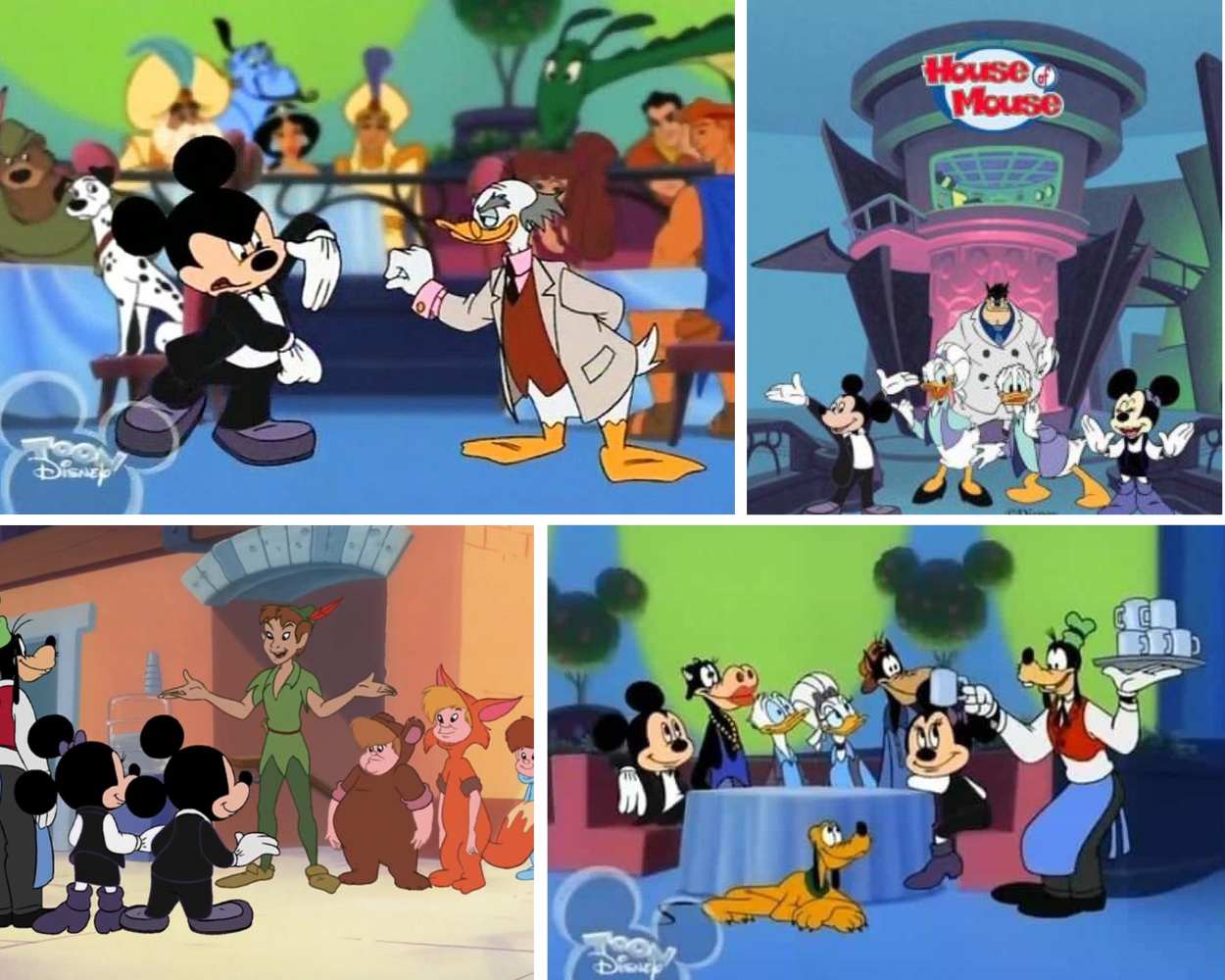
Mickey Mouse runs a nightclub where the entire Disney roster turns up to watch classic shorts. It ran from 2001 to 2003 as a showcase wrapped around a loose plot.
- Mickey and friends manage the club while chaos unfolds.
- Deep-cut Disney characters appear in almost every episode.
- Classic and newer shorts are folded into the club’s nightly entertainment.
Fillmore!
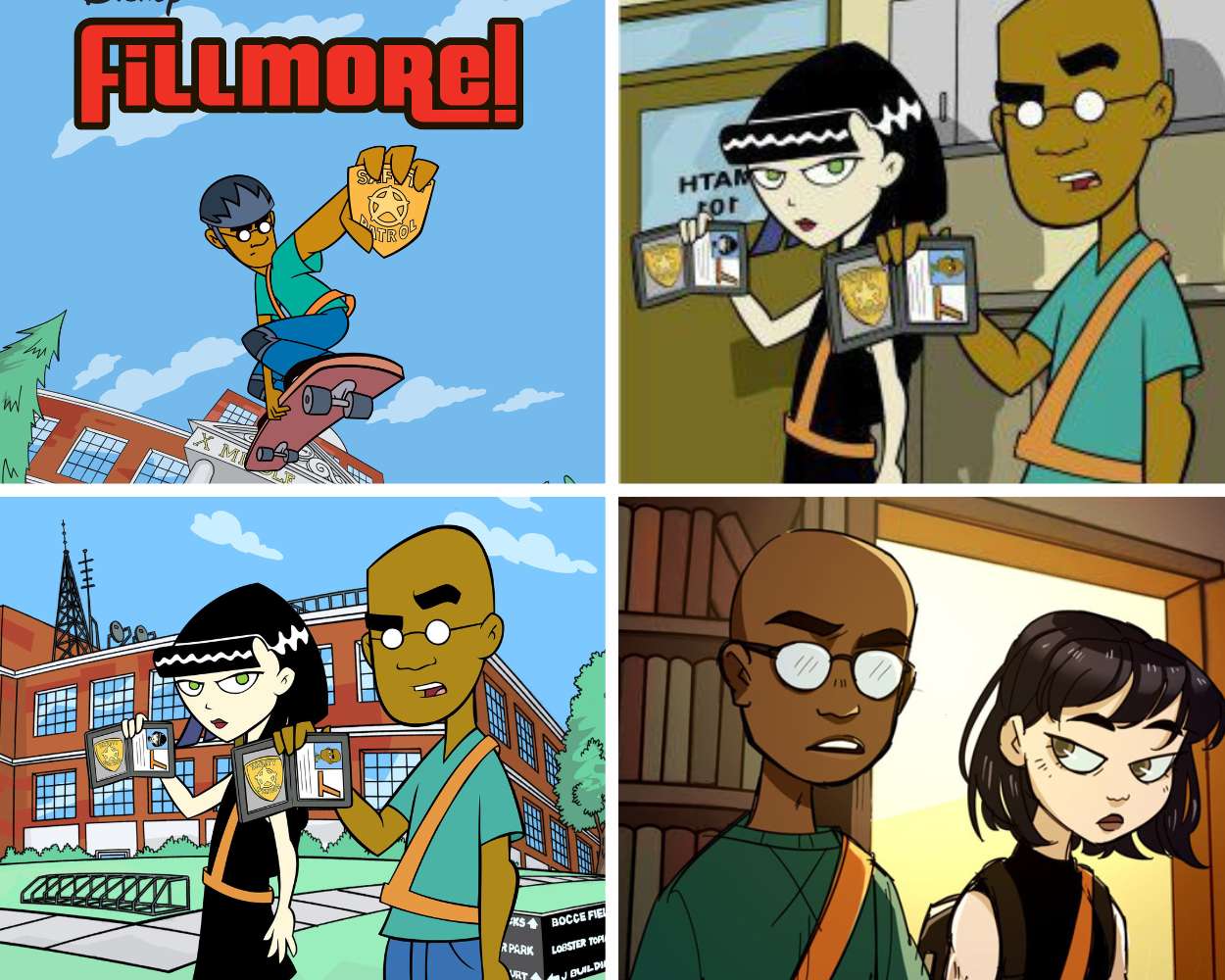
A reformed troublemaker joins his middle school’s safety patrol and works cases like a hardened detective. It ran from 2002 to 2004 as a straight-faced parody of gritty cop dramas.
- Cornelius Fillmore polices hall-pass forgery and locker theft.
- Throughout, the show plays school crime with total dramatic seriousness.
- It earned a devoted following despite its short run.
The Emperor’s New School
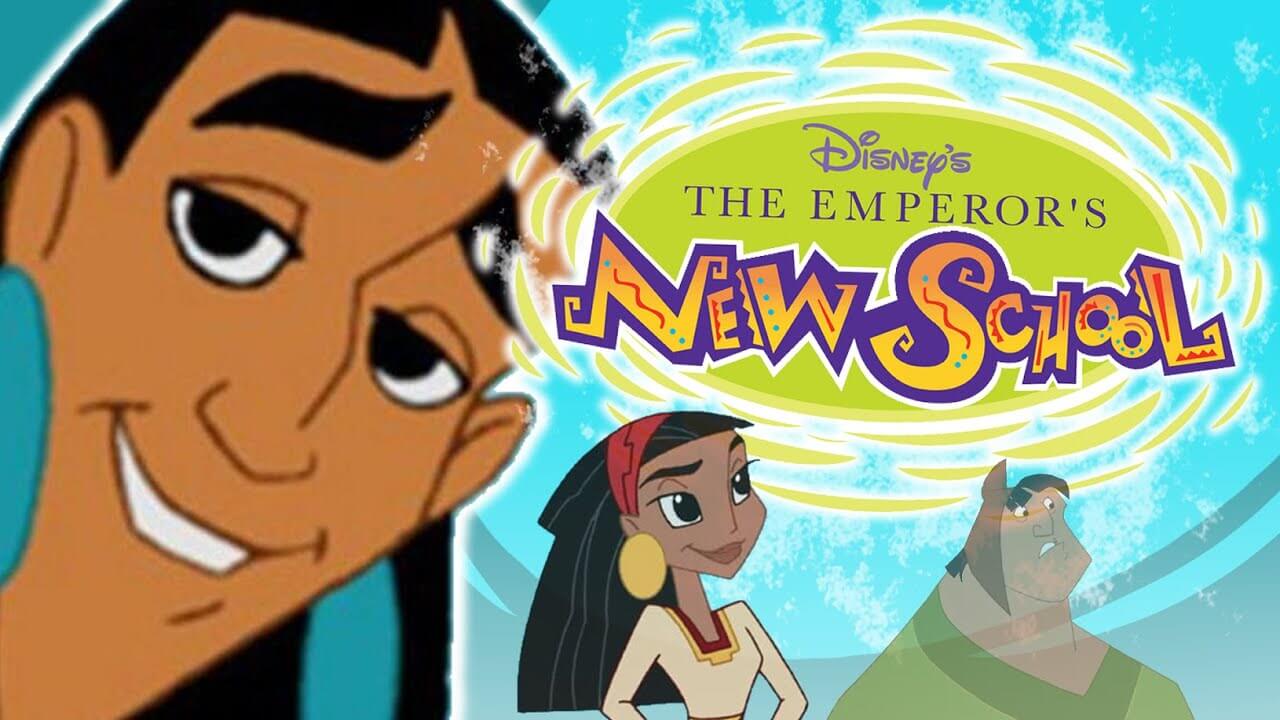
Emperor Kuzco must pass school to reclaim his throne, with Yzma scheming to stop him. This spin-off of The Emperor’s New Groove ran from 2006 to 2008.
- Kuzco narrates his own life with total self-regard.
- Yzma and Kronk keep trying and failing to remove him.
- The format suits Kuzco’s personality for episodic comedy.
Superhero and Action Cartoons From the 2000s
The decade was unusually strong for animated action.
Some of these shows aired on Cartoon Network, Nickelodeon, Kids’ WB, Nicktoons, or Disney XD, but grouping them together makes the larger trend easier to see. Long story arcs, anime influence, and more complicated villains became normal parts of children’s television.
Avatar: The Last Airbender
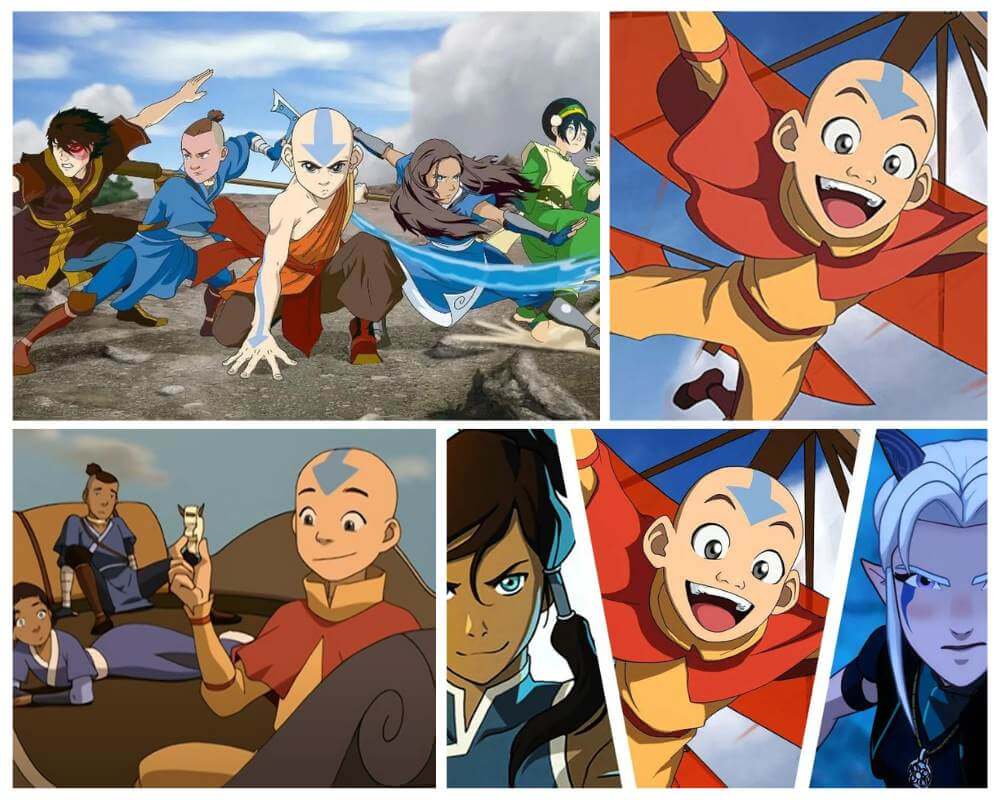
A boy frozen for a century wakes as the world’s last hope against a conquering empire. This Nickelodeon series ran from 2005 to 2008 and is one of the rare shows you can recommend to almost anyone.
- Aang must master four elements to end the Fire Nation’s war.
- The story is told, moreover, across three tightly plotted seasons.
- Character growth is the point, not a side effect.
Samurai Jack
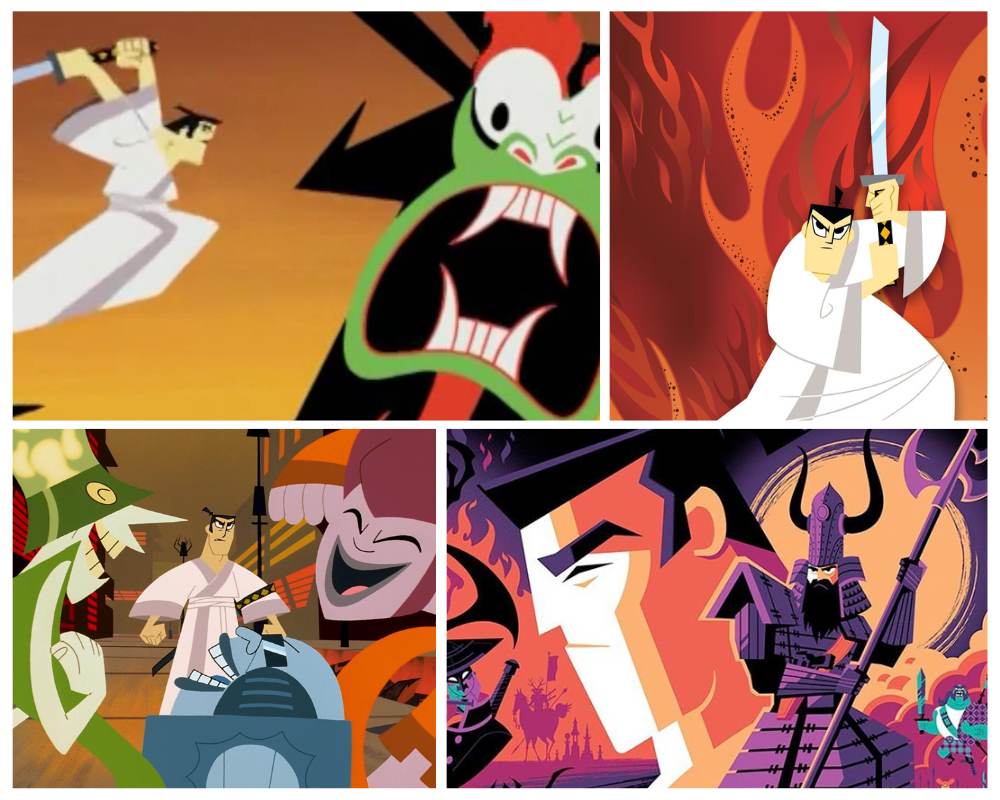
A samurai is flung into a dystopian future by a shape-shifting demon and fights to return home. The original run aired from 2001 to 2004, and its visual style set it apart from everything around it.
- Jack hunts a way back while battling the tyrant Aku.
- Whole episodes, in fact, pass with almost no dialogue.
- The composition also leans on colour, silence and negative space.
Justice League
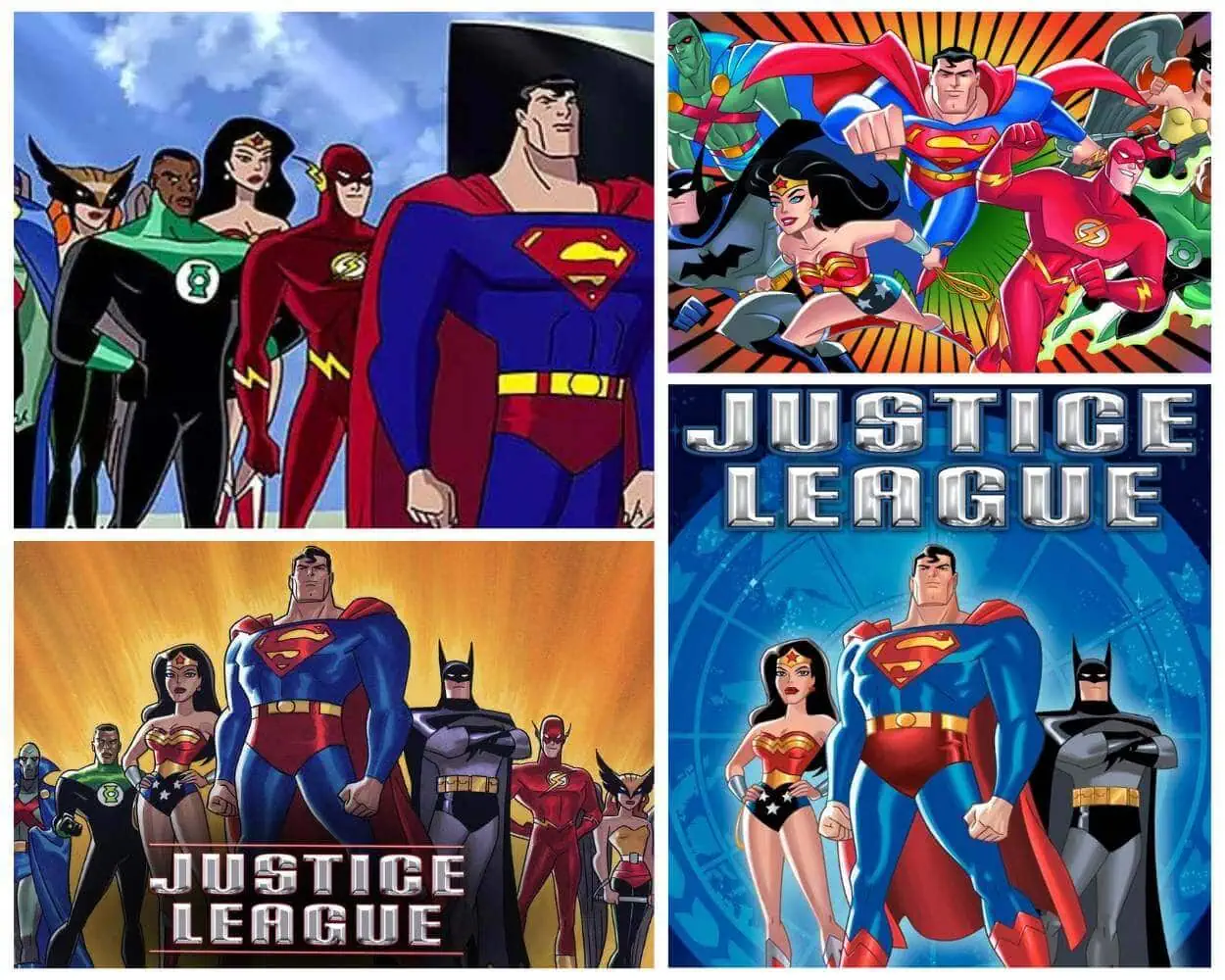
The heavyweights of DC form a single team to face threats no one hero can handle. It ran from 2001 to 2004 before continuing as Justice League Unlimited.
- Superman, Batman, Wonder Woman and the rest share the load.
- Stories often run across two episodes, leaving room for ensemble drama.
- It sits at the centre of the wider DC Animated Universe.
Teen Titans
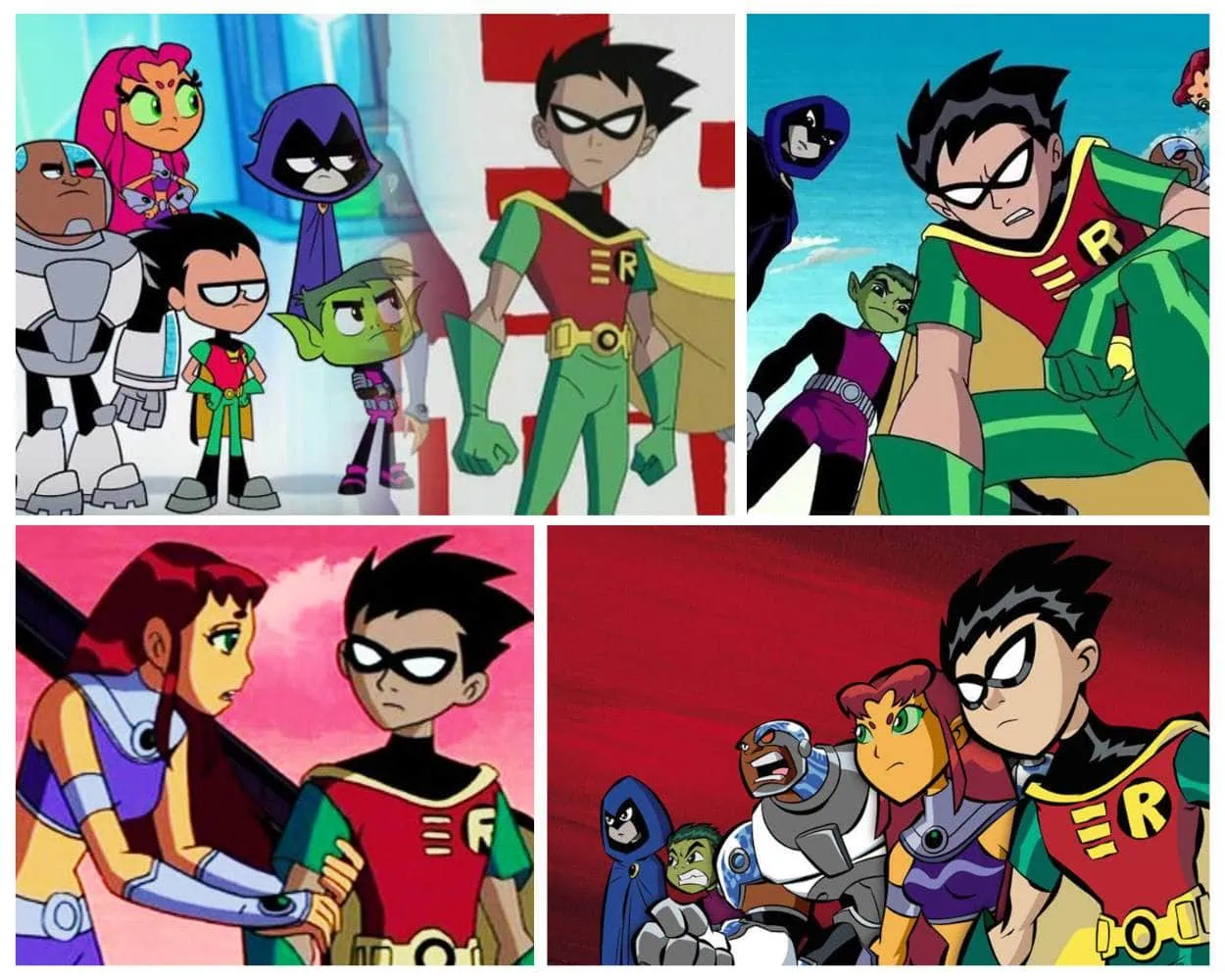
Five young heroes share a tower and juggle world-saving with the awkwardness of growing up. It ran from 2003 to 2006 and wore its anime influence openly.
- Robin leads Starfire, Raven, Beast Boy and Cyborg.
- Season-long villains sit beside much lighter comic episodes.
- The tone swings between goofy and surprisingly heavy.
Star Wars: Clone Wars
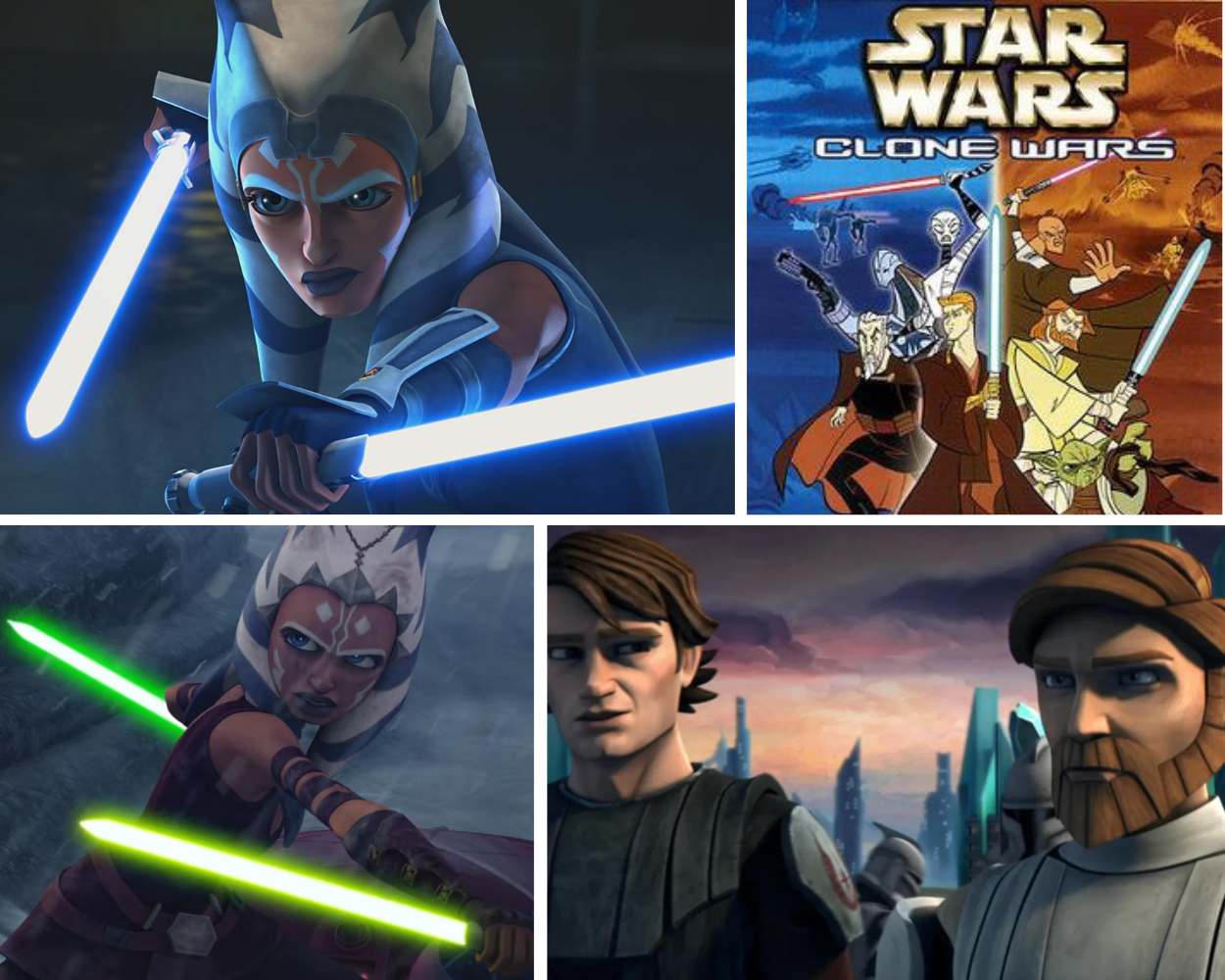
A run of short, stylish chapters fills the gap between two Star Wars films with pure action. This micro-series aired from 2003 to 2005.
- Each instalment is brief, sharp and heavy on spectacle.
- In effect, it bridges Attack of the Clones and Revenge of the Sith.
- The animation style is unmistakably distinct.
Ben 10
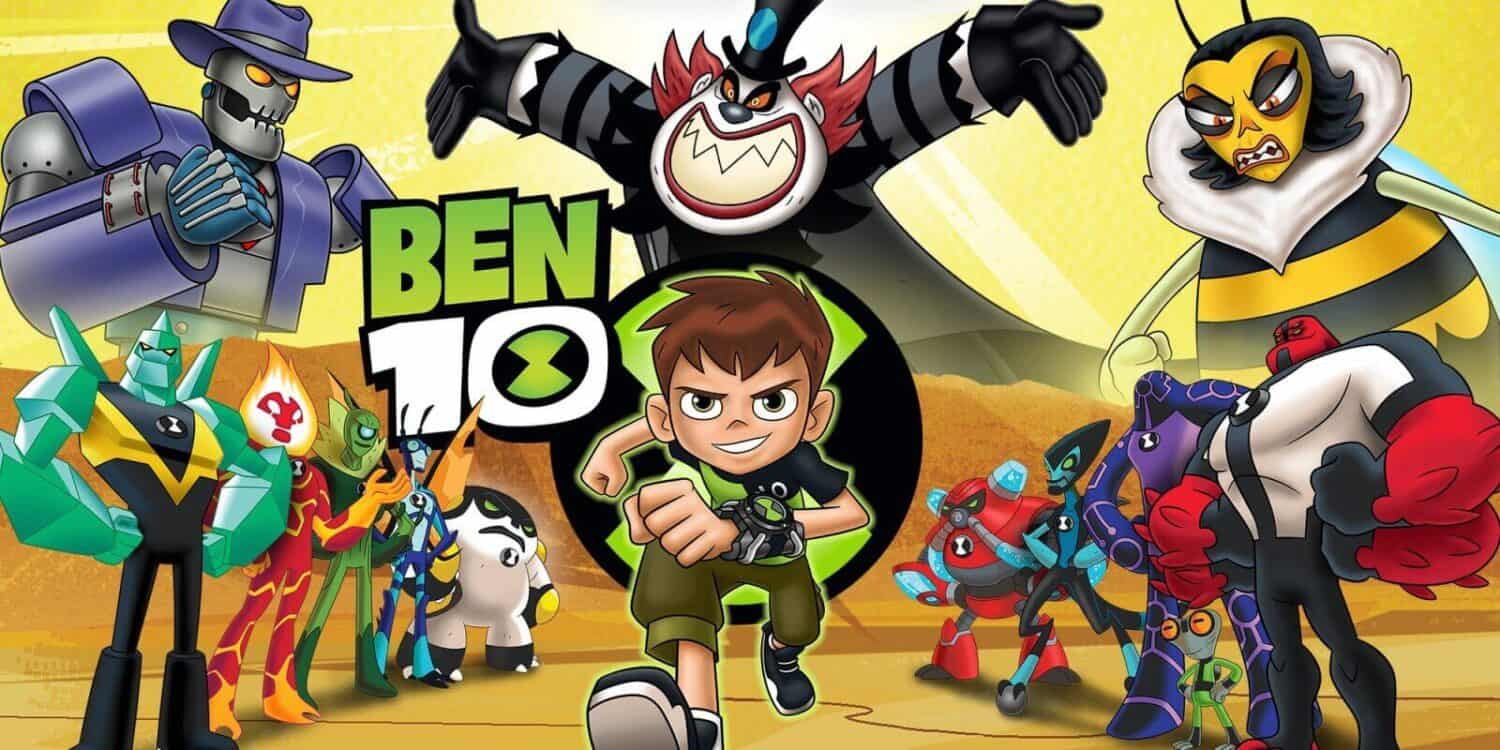
A boy finds an alien device that lets him transform into ten different creatures. It ran from 2005 to 2008 and turned monster-of-the-week into a real hit.
- The Omnitrix gives Ben a rotating set of alien forms.
- He travels with his cousin Gwen and grandfather Max.
- Threats escalate steadily across the series.
X-Men: Evolution
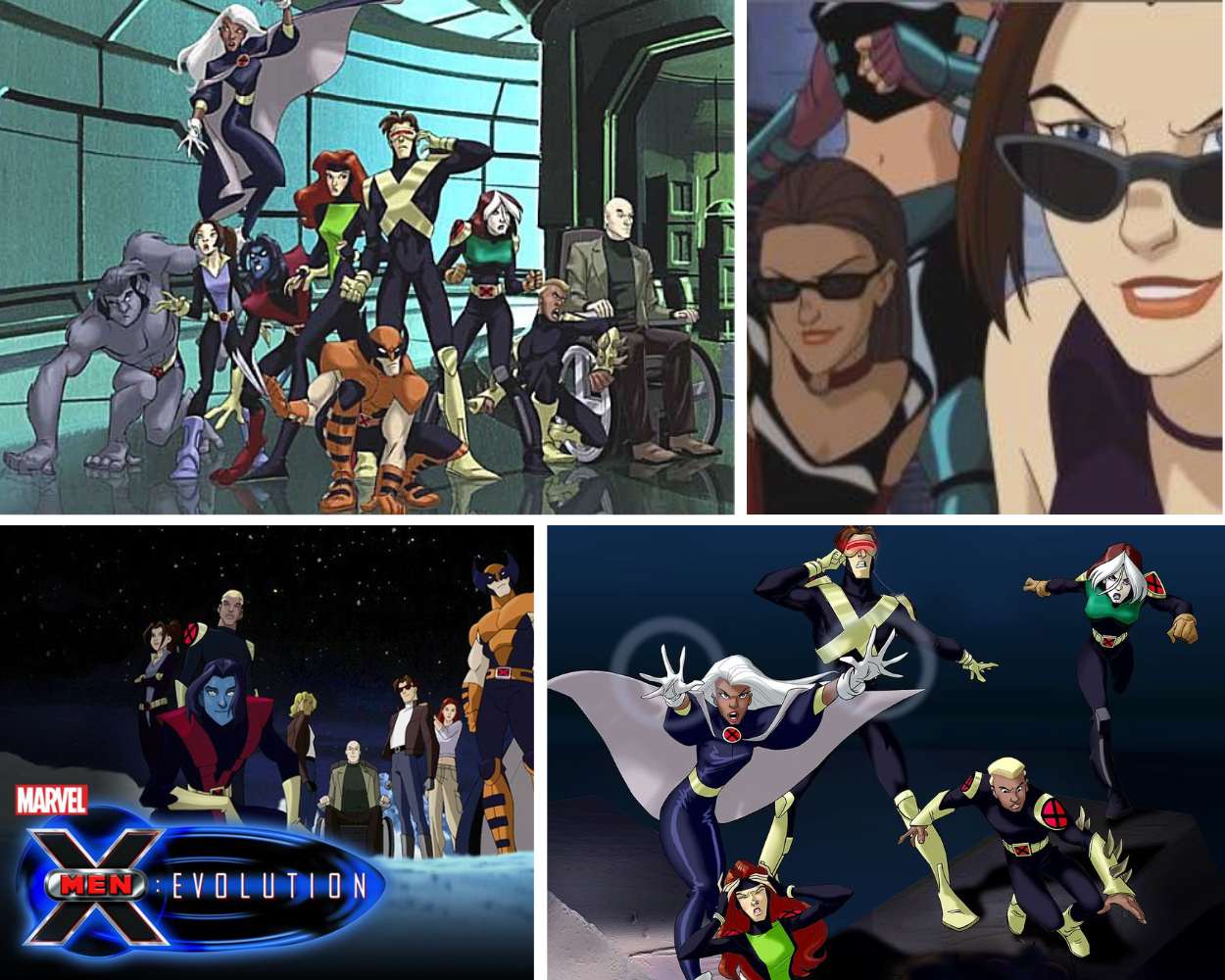
The X-Men are reimagined as teenagers attending high school while learning to control their powers. It ran on Kids’ WB from 2000 to 2003.
- Familiar mutants are recast as students at Xavier’s school.
- The younger framing creates room for longer character arcs.
- It refreshed the franchise without breaking it.
The Spectacular Spider-Man
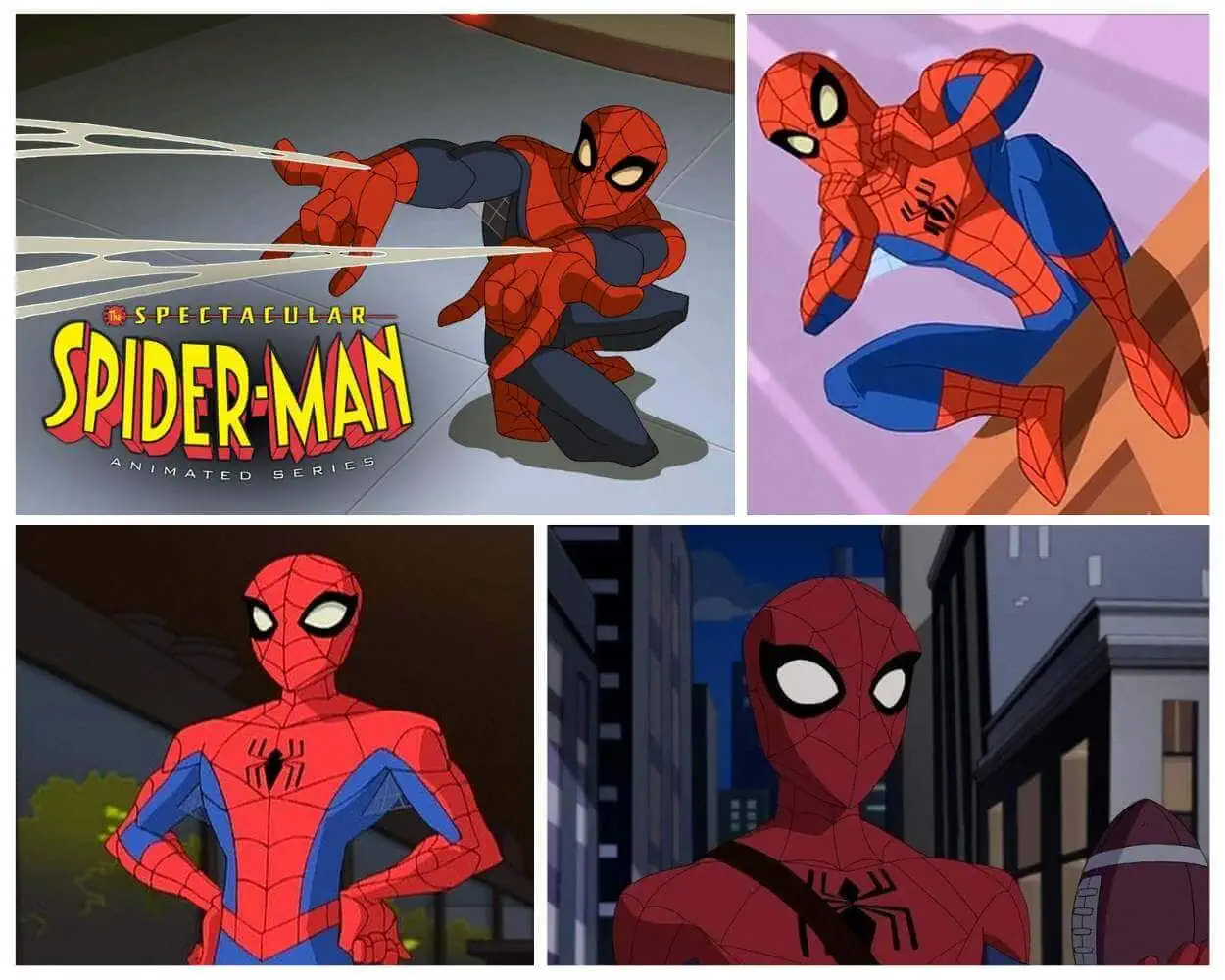
One of the strongest animated versions of early Spider-Man balances high-school life, money problems, friendships, and the costume. Its 26 episodes aired across 2008 and 2009, first on The CW4Kids and later on Disney XD.
- Peter Parker juggles school, work and web-slinging.
- The villain roster is introduced and developed with real care.
- Its two seasons are carefully structured even though the larger story was left unfinished.
Wolverine and the X-Men
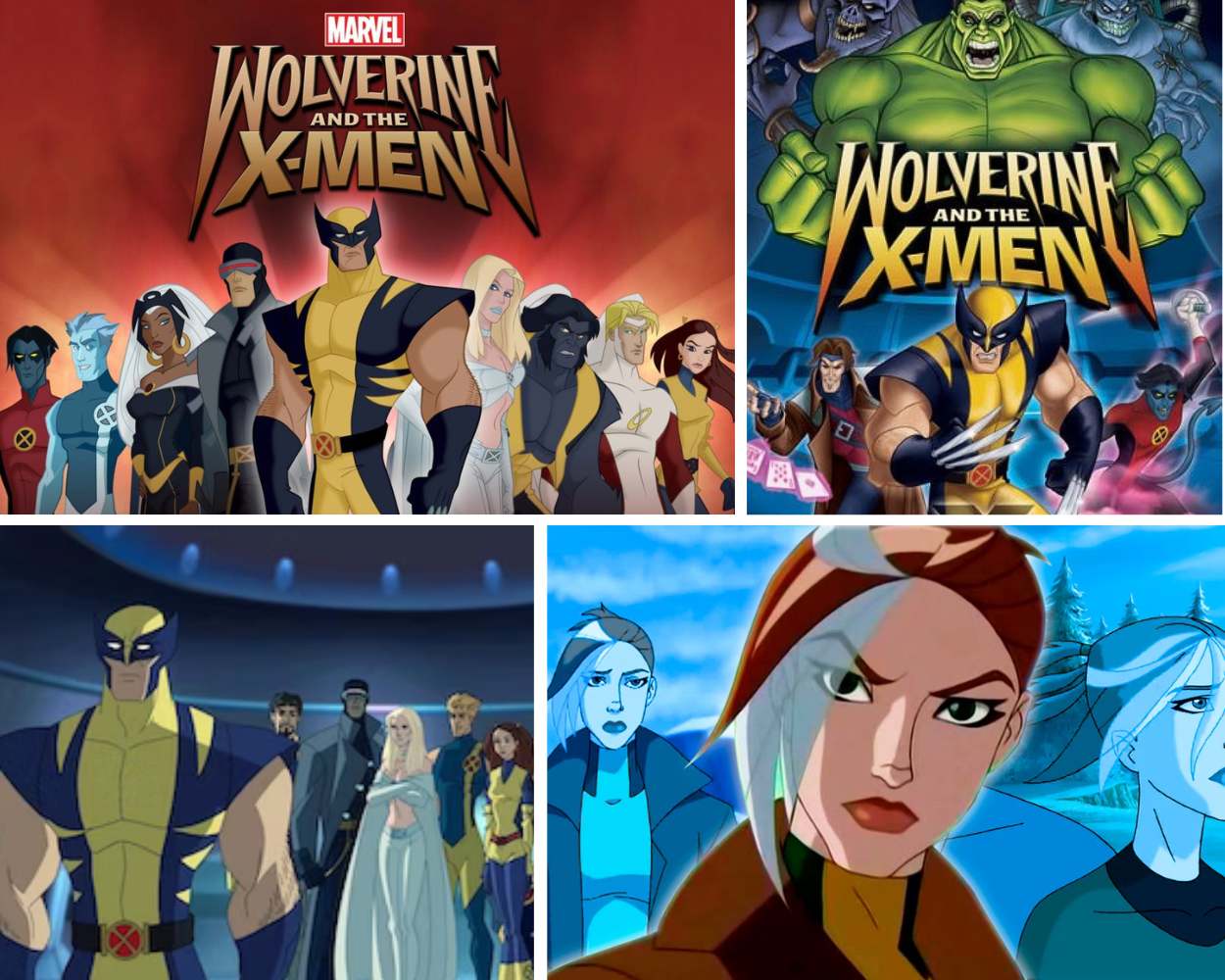
With Xavier missing, Wolverine reluctantly rebuilds the team in a darker, more serialised story. This Marvel Animation series aired on Nicktoons in 2009.
- Wolverine leads a scattered team back together.
- One serialized storyline carries the season.
- The tone is heavier than most of its network stablemates.
Jackie Chan Adventures
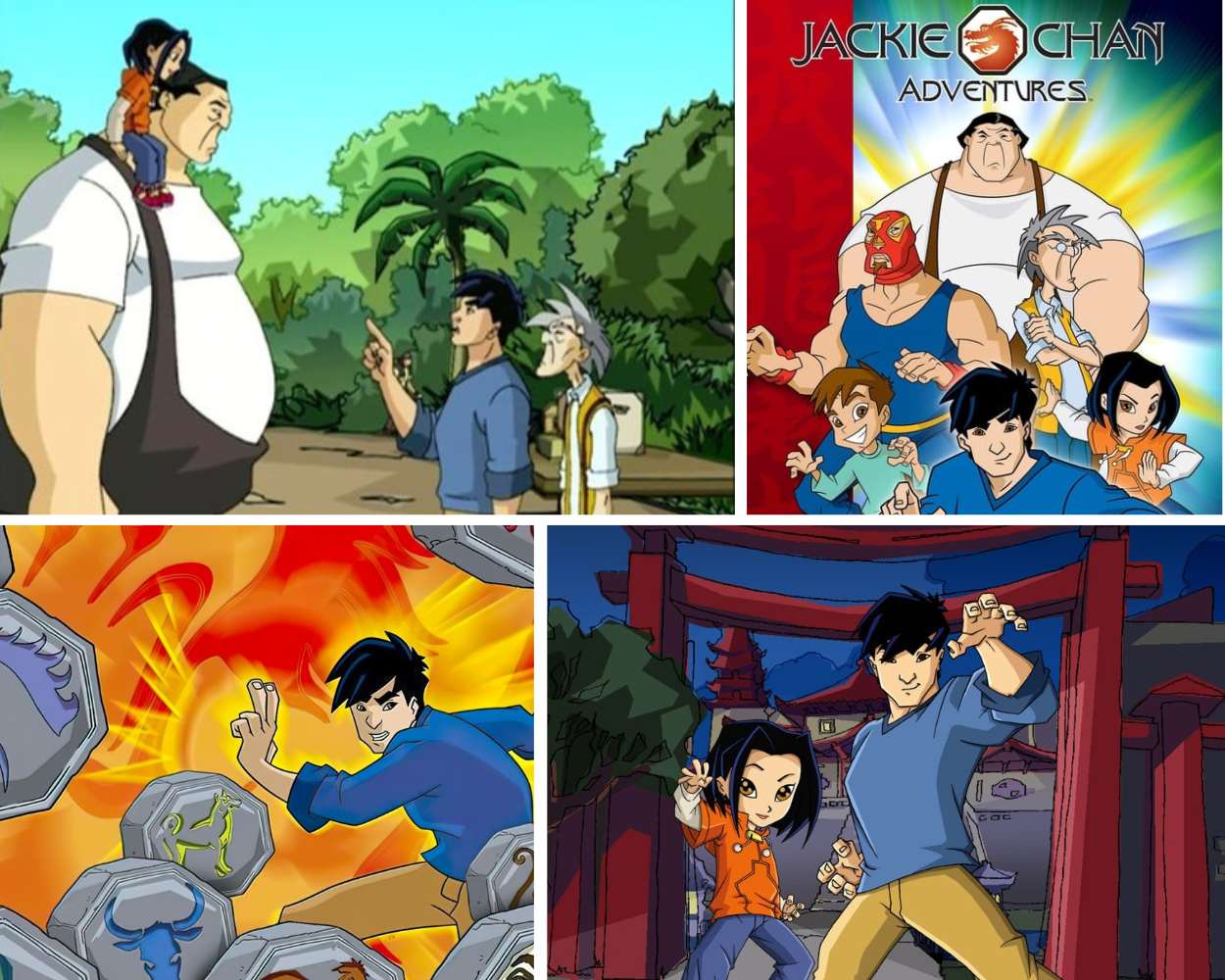
An archaeologist and his niece chase magical talismans against a rotating set of villains. It ran on Kids’ WB from 2000 to 2005 with a fictionalised version of Jackie Chan at its centre.
- Jackie and Jade hunt talismans before the bad guys do.
- The collect-the-artifact structure gives the first season real momentum.
- Uncle and his shop also anchor the show’s mythology.
Totally Spies!
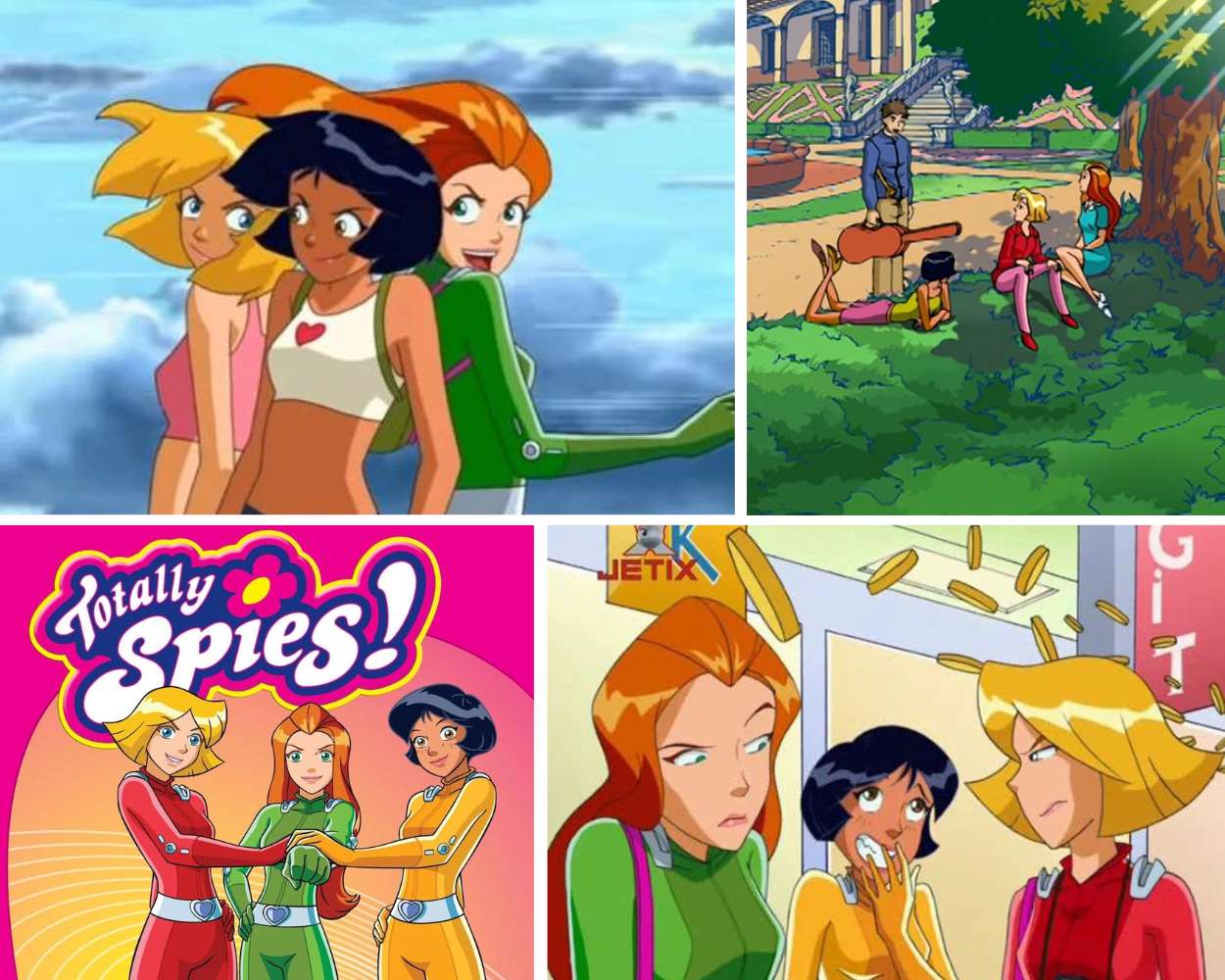
Three friends from Beverly Hills lead double lives as agents for a secret organisation. This French-produced series began in 2001 and aired in the United States on ABC Family and Cartoon Network.
- Sam, Clover and Alex balance school with global missions.
- Their handler at WOOHP supplies gadget-heavy assignments.
- The villains are absurd, while the tone stays knowingly over the top.
Adult Cartoons From the 2000s
Adult animation also changed dramatically during the decade.
Adult Swim created a home for low-budget absurdity and densely serialized cult shows, while Fox continued using prime-time animation as a major part of its schedule. These three series represent very different sides of 2000s adult cartoons.
Aqua Teen Hunger Force
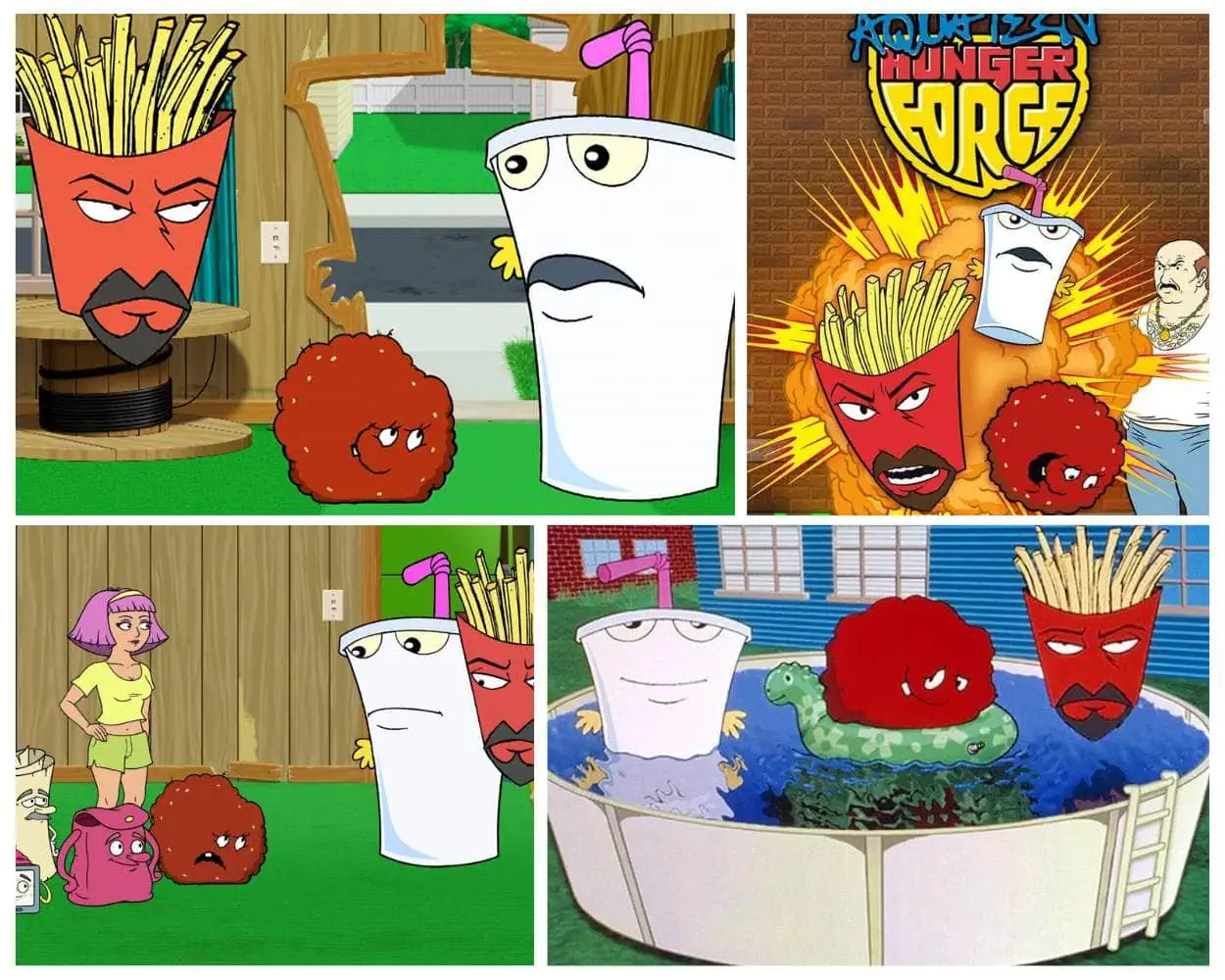
A talking milkshake, a box of fries, and a wad of meat share a house and almost never solve a case. A pilot aired in 2000, the regular series began in 2001, and its cheap, strange comedy helped define early Adult Swim.
- Master Shake is lazy and cruel, while Frylock plays the reluctant adult.
- Meatwad, by contrast, is sweet and easily led into trouble.
- Their neighbour Carl is the long-suffering human next door.
The Venture Bros.
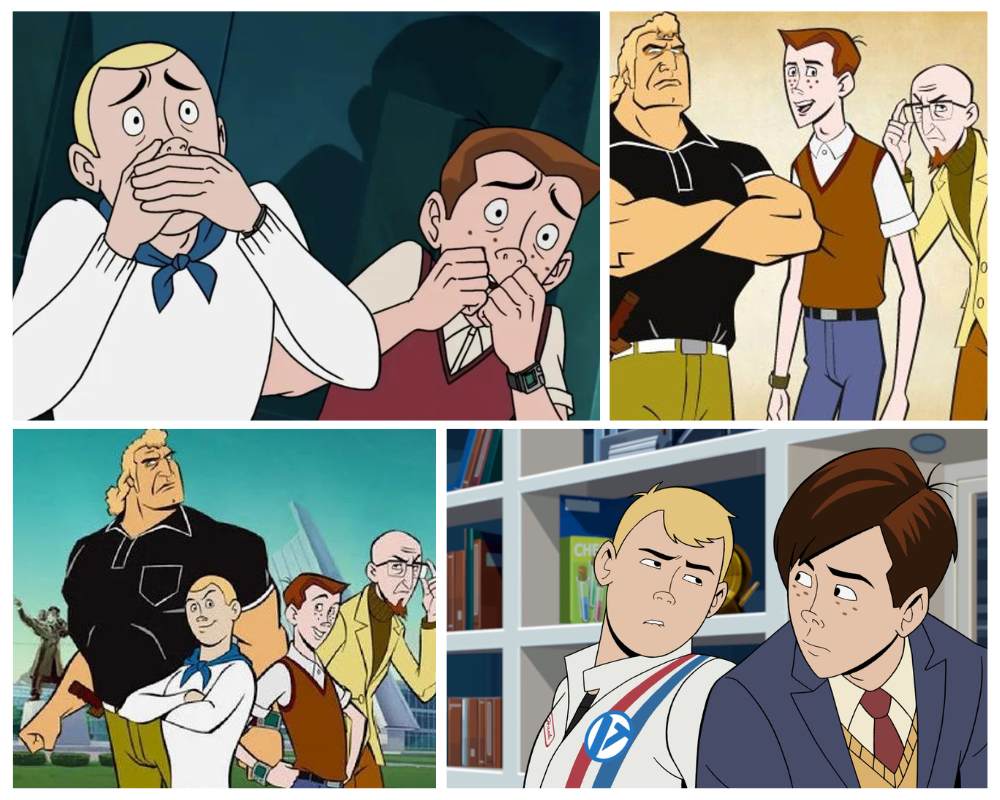
A former boy adventurer grows into a failed super-scientist raising two sheltered sons. A pilot aired in 2003, the regular series began in 2004, and what started as a Jonny Quest parody slowly became a dense story about failure, inheritance, and damaged families.
- The show skewers Jonny Quest and Cold War adventure serials.
- Its world of henchmen, villains, and bureaucratic rules becomes remarkably detailed.
- Failure is the running theme across nearly every character.
American Dad!
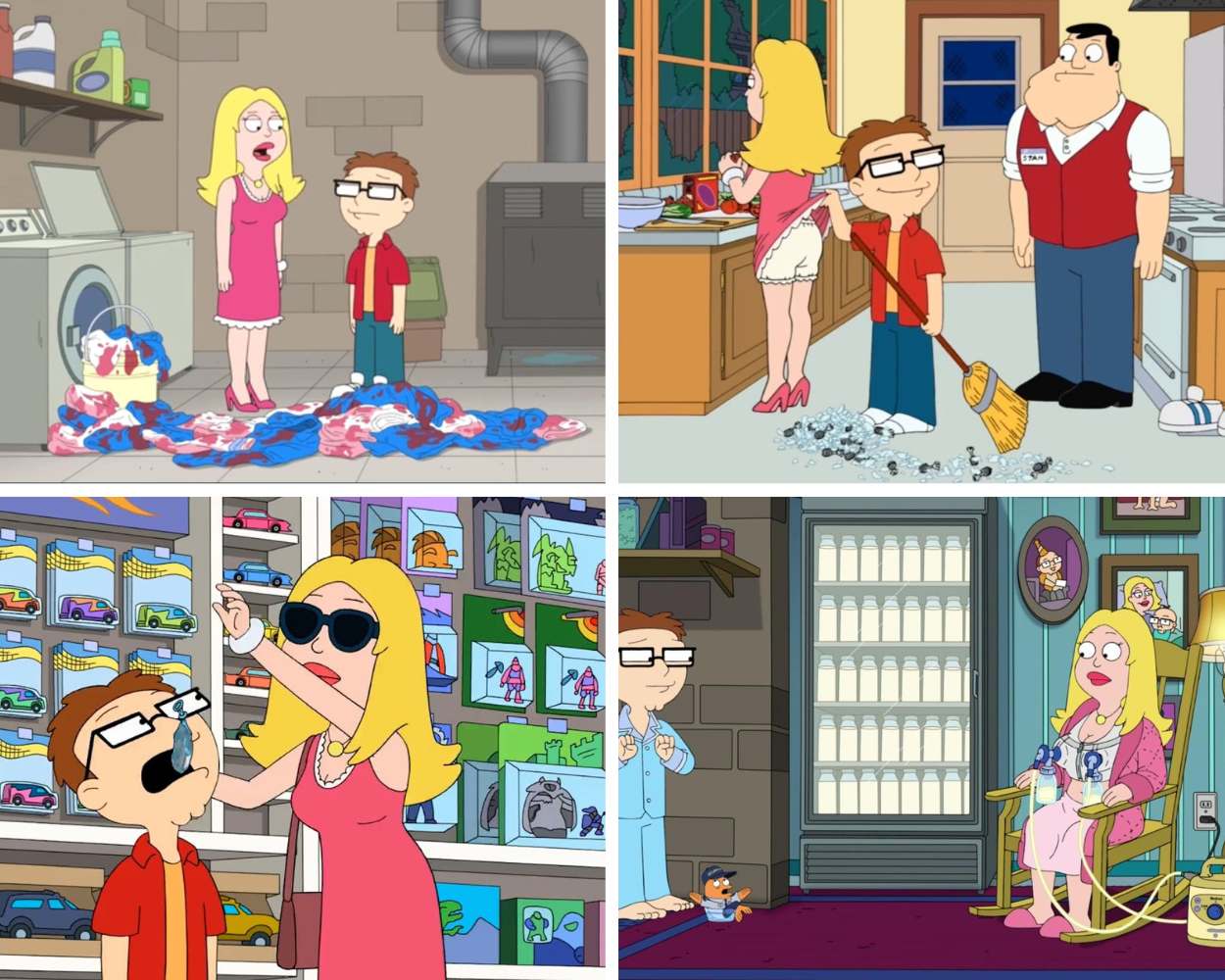
A CIA agent runs his household like a security operation, while a talking goldfish and an alien with hundreds of disguises make ordinary family problems much stranger. The series premiered on Fox in 2005, spent more than a decade on TBS, and returned to Fox with new episodes in 2026.
- Stan Smith applies agency logic to ordinary family life.
- Roger the alien and Klaus the fish drive the stranger plots.
- The comedy is sharp, absurd, and willing to follow a minor idea into complete chaos.
How the Big Three Cartoon Channels Felt Different
Cartoon Network, Nickelodeon, and Disney Channel often competed for the same viewers, but their cartoons rarely felt interchangeable.
The network identities
Three channels, three different moods
- Cartoon Network: creator-driven visual comedy, experimental designs, action blocks, and shows that openly celebrated cartoon history
- Nickelodeon: strong character voices, suburban kid problems, faster comedy, and several unusually dark cult favourites
- Disney Channel: school and family comedy, animated movie spin-offs, musical branding, and heroes balancing missions with ordinary life
That difference is one reason people still argue over which network had the best 2000s cartoons. Choosing a favourite channel often means choosing the tone that felt most like your childhood.
Early, Mid and Late 2000s Cartoons
The decade also changed noticeably as it moved forward.
- Early 2000s cartoons: Late-1990s hits were still active, while shows such as Samurai Jack, Invader Zim, Justice League, and Kim Possible pushed into new visual and storytelling territory.
- Mid-2000s cartoons: The network identities became especially clear through Foster’s Home for Imaginary Friends, Danny Phantom, Avatar, Ben 10, and Disney’s growing group of animated comedies.
- Late-2000s cartoons: Shows such as Chowder, Flapjack, The Secret Saturdays, Total Drama, and Phineas and Ferb began forming a bridge toward the creator-driven animation boom of the 2010s.
This is why “2000s cartoon style” is difficult to define. The beginning and end of the decade do not look the same.
Forgotten Early 2000s Cartoons Worth Revisiting
The major hits only tell part of the story. These forgotten 2000s cartoons had shorter runs or smaller audiences, but each captures something specific about the period.
- Time Squad: A sloppy time cop, an anxious robot, and a history-obsessed orphan repair a future where famous people keep making the wrong decisions.
- Whatever Happened to Robot Jones?: A boxy robot attempts to understand middle school through a strange mixture of retro design and adolescent awkwardness.
- Class of 3000: André 3000 voices a musician who becomes a teacher at an Atlanta performing-arts school.
- The Secret Saturdays: A family of cryptozoologists protects hidden creatures in one of Cartoon Network’s more overlooked late-2000s action shows.
- ChalkZone: Rudy Tabootie enters a world containing everything that has ever been drawn and erased from a chalkboard.
- Catscratch: Three wealthy cats inherit a mansion, a monster truck, and problems they are completely unprepared to handle.
- El Tigre: Manny Rivera has both heroes and villains in his family and has not decided which side he wants to join.
- The X’s: A family of secret agents can defeat international villains but struggles to behave like an ordinary suburban household.
- The Weekenders: Four friends treat every weekend as a small event, with changing hangout spots and unusually natural friendship writing.
- Dave the Barbarian: A powerful but gentle barbarian would rather cook and knit than become the fantasy hero his kingdom expects.
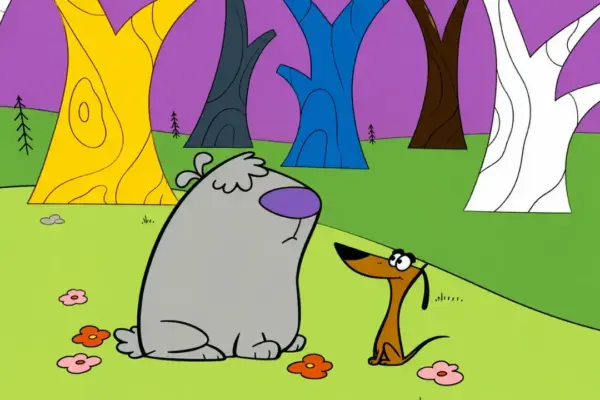
- Brandy & Mr. Whiskers: A spoiled dog and an excitable rabbit become unlikely roommates in the Amazon rainforest.
- American Dragon: Jake Long: A New York teenager protects magical creatures while learning how to control his dragon form.
These are useful entry points for anyone searching for old cartoons from the 2000s that are not already part of every nostalgia ranking.
Frequently Asked Questions About 2000s Cartoons
What were the most popular Cartoon Network shows in the 2000s? The decade included The Powerpuff Girls, Ed, Edd n Eddy, Samurai Jack, Codename: Kids Next Door, Teen Titans, Foster’s Home for Imaginary Friends, Ben 10, and Chowder. The exact answer changes depending on whether you value ratings, influence, or nostalgia.
Which Nickelodeon cartoons defined the 2000s? The Fairly OddParents, Danny Phantom, Invader Zim, My Life as a Teenage Robot, and Avatar: The Last Airbender cover much of the channel’s range. SpongeBob SquarePants also dominated the decade even though it premiered in 1999.
What Disney Channel cartoons aired in the 2000s? Major examples include Kim Possible, House of Mouse, Fillmore!, Lilo & Stitch: The Series, Dave the Barbarian, American Dragon: Jake Long, The Emperor’s New School, and Phineas and Ferb.
What are some forgotten early 2000s cartoons? Time Squad, ChalkZone, Whatever Happened to Robot Jones?, The Weekenders, Dave the Barbarian, Class of 3000, and Catscratch are good places to begin.
Which superhero cartoons from the 2000s still hold up? Justice League, Teen Titans, Samurai Jack, Ben 10, X-Men: Evolution, The Spectacular Spider-Man, and Wolverine and the X-Men all reward an adult rewatch.
Which 2000s cartoons were made for adults? Adult Swim’s lineup included Aqua Teen Hunger Force and The Venture Bros., while Fox aired shows such as American Dad!, Family Guy, and The Simpsons in prime time.
Where can I watch cartoons from the 2000s? Availability changes frequently and differs by country. Warner-owned series often rotate through Warner streaming or digital stores, Nickelodeon titles usually appear through Paramount services, and Disney television animation is commonly found through Disney platforms. Check the specific show before subscribing because complete seasons are not always available.
Why This Post Is Different From a Ranking
A ranked list asks which shows were best.
This guide asks a different question: what did the decade actually feel like when you moved between Cartoon Network, Nickelodeon, Disney, Kids’ WB, Nicktoons, and Adult Swim?
That wider view leaves room for preschool shows, cult failures, network imports, superhero series, and strange little comedies that would disappear from a top-20 ranking.
The 2000s were memorable because there was no single type of cartoon that could dominate the entire decade.
Which channel did you watch most, and which forgotten show should be added next?
Share your answer in the comments.
I miss when life was simple and my only worry was finding a cartoon to watch. Pre-social media and YouTube.
CARTOON NETWORK LEGENDS (THE CITY ERA & BEYOND) 🏙️🏁
1. Samurai Jack (2001)
2. Justice League / Justice League Unlimited (2001)
3. Teen Titans (2003)
4. Foster’s Home for Imaginary Friends (2004)
5. Codename: Kids Next Door (2002)
6. The Grim Adventures of Billy & Mandy (2001/2003)
7. Ben 10 (2005)
8. Star Wars: Clone Wars (2003 – 2D Micro-series)
9. Star Wars: The Clone Wars (2008 – CGI Series)
10. Chowder (2007)
11. The Marvelous Misadventures of Flapjack (2008)
12. Camp Lazlo (2005)
13. My Gym Partner’s a Monkey (2005)
14. Megas XLR (2004)
15. Hi Hi Puffy AmiYumi (2004)
16. The Secret Saturdays (2008)
17. Sheep in the Big City (2000)
18. Time Squad (2001)
19. Whatever Happened to… Robot Jones? (2002)
20. Transformers: Animated (2007)
21. Class of 3000 (2006)
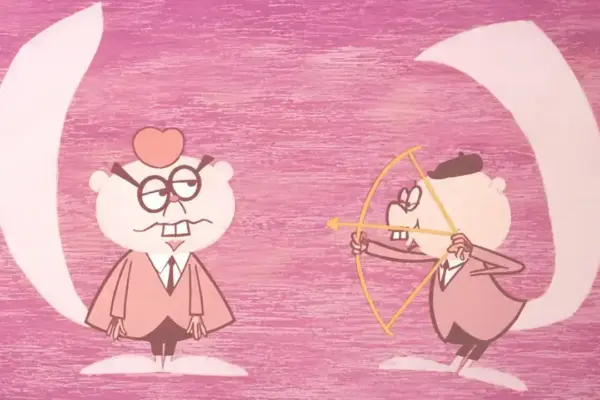
22. Squirrel Boy (2006)
23. Chop Socky Chooks (2008)
24. Hero: 108 (2010 – late era)
NICKELODEON HITS (NICKTOONS) 🧡💚
25. Invader Zim (2001)
26. The Fairly OddParents (2001)
27. Jimmy Neutron: Boy Genius (2002)
28. Avatar: The Last Airbender (2005)
29. Danny Phantom (2004)
30. My Life as a Teenage Robot (2003)
31. ChalkZone (2002)
32. All Grown Up! (2003)
33. El Tigre: The Adventures of Manny Rivera (2007)
34. The Penguins of Madagascar (2008)
35. Fanboy & Chum Chum (2009)
36. Back at the Barnyard (2007)
37. As Told by Ginger (2000)
38. Pelswick (2000)
39. The X’s (2005)
40. Catscratch (2005)
41. Tak and the Power of Juju (2007)
42. Mighty B! (2008)
43. Making Fiends (2008)
44. Wayside (2007)
45. Dora the Explorer (2000)
DISNEY CHANNEL & JETIX (ACTION & COMEDY) 🏰🐭
46. Kim Possible (2002)
47. The Proud Family (2001)
48. Phineas and Ferb (2007)
49. Lilo & Stitch: The Series (2003)
50. American Dragon: Jake Long (2005)
51. The Emperor’s New School (2006)
52. Dave the Barbarian (2004)
53. Brandy & Mr. Whiskers (2004)
54. The Replacements (2006)
55. House of Mouse (2001)
56. Teacher’s Pet (2000)
57. The Weekenders (2000)
58. Lloyd in Space (2001)
59. Fillmore! (2002)
60. W.I.T.C.H. (2004)
61. Super Robot Monkey Team Hyperforce Go! (2004)
62. Yin Yang Yo! (2006)
63. Pucca (2006)
64. Get Ed (2005)
65. Dragon Booster (2004)
66. Maggie and the Ferocious Beast (2000)
SUPERHEROES & COMIC BOOK ADAPTATIONS 🦸♂️⚡
67. X-Men: Evolution (2000)
68. Static Shock (2000)
69. Justice League (2001)
70. Teen Titans (2003)
71. The Batman (2004)
72. Batman: The Brave and the Bold (2008)
73. The Spectacular Spider-Man (2008)
74. Wolverine and the X-Men (2009)
75. Jackie Chan Adventures (2000)
76. Mucha Lucha! (2002)
77. Xiaolin Showdown (2003)
78. TMNT (2003 – The darker reboot)
79. Iron Man: Armored Adventures (2009)
80. Legion of Super Heroes (2006)
81. The Zeta Project (2001)
82. Astro Boy (2003 Reboot)
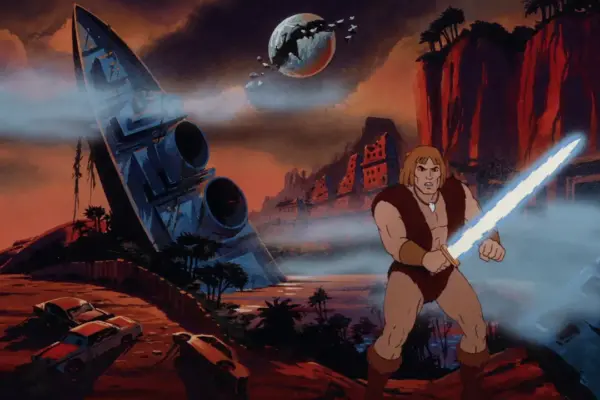
83. He-Man and the Masters of the Universe (2002 Reboot)
ADULT ANIMATION & CULT CLASSICS 🌙🍺
84. Aqua Teen Hunger Force (2000)
85. Harvey Birdman, Attorney at Law (2000)
86. Sealab 2021 (2000)
87. The Venture Bros. (2003)
88. The Boondocks (2005)
89. Robot Chicken (2005)
90. American Dad! (2005)
91. Archer (2009)
92. Clone High (2002)
93. Drawn Together (2004)
94. Metalocalypse (2006)
95. Squidbillies (2005)
96. Moral Orel (2005)
97. Superjail! (2007)
98. Frisky Dingo (2006)
99. Tripping the Rift (2004)
100. 12 oz. Mouse (2005)
CANADIAN / INTERNATIONAL HITS (TELETOON/YTV) 🍁🌍
101. Total Drama Island (2007)
102. 6teen (2004)
103. Totally Spies! (2001)
104. Martin Mystery (2003)
105. Code Lyoko (2003)
106. Cyberchase (2002)
107. Max & Ruby (2002)
108. Jacob Two-Two (2003)
109. Being Ian (2005)
110. Kid vs. Kat (2008)
111. Jimmy Two-Shoes (2009)
112. League of Super Evil (2009)
113. Ruby Gloom (2006)
114. Grossology (2006)
115. Winx Club (2004)
116. Stoked (2009)
This one honestly hits me right in the chest, because 2000s cartoons were not just something I watched. They were something I grew up inside of. They shaped my humor, my values, my sense of comfort, and in a lot of ways, who I became. When I think about that era, I do not just remember episodes. I remember rooms, routines, and feelings. Coming home from school. Weekend mornings. That sense that the world paused for thirty minutes and everything felt safe.
Shows like Avatar: The Last Airbender taught me empathy, loss, and responsibility before I even had words for those things. Teen Titans showed me that heroes could be broken, emotional, and still strong. Hey Arnold! made me feel seen in quiet ways, especially during moments of loneliness that I did not know how to explain back then.
What really gets me is how many of these cartoons trusted kids with big emotions. Courage the Cowardly Dog taught me fear and love at the same time. Ed, Edd n Eddy wrapped chaos and friendship into something messy but real. Even the sillier shows carried emotional weight when you look back at them now. They were funny, yes, but they were also honest.
I think that is why people say “these cartoons made us.” They were there during formative moments. They taught us how to feel, how to cope, how to laugh when things were confusing or unfair. Rewatching them now feels like opening a time capsule and realizing the person you were becoming was already there, sitting cross-legged on the floor, staring at the TV.
This list feels less like ranking shows and more like honoring a shared childhood. I would love to know what others feel about this era. Which 2000s cartoon feels like home to you, and which one do you think quietly shaped who you are today, even if you did not realize it at the time?