The Tsundere is arguably the most misunderstood archetype in anime.
Too often, the trope is reduced to ‘the girl who yells’, a repetitive cycle of aggression that can feel more annoying than endearing. But when written well, the Tsundere isn’t about hostility; it’s about emotional dissonance.
It’s the friction between a character’s desire for connection and their terror of being hurt.
In this ranking, we aren’t just looking for characters who throw things at their love interests.
Must-Watch Tsundere Love Stories in Anime
We are looking for the ‘Dissonance Breakdowns’ the relationships where the ‘Tsun’ is a tangible shield, and the ‘Dere’ is a hard-won victory.
Here are the 13 best Tsundere love stories in anime, analyzed not just for their comedy, but for the psychological growth that makes their eventual ‘thaw’ so satisfying.”
Kyou Fujibayashi and Tomoya Okazaki from Clannad
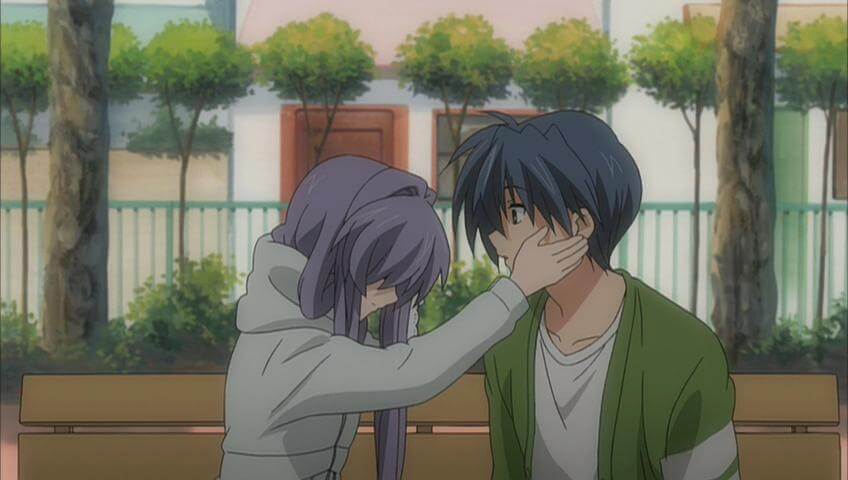
Kyou is the fierce, book-throwing class rep who has quietly loved Tomoya for years, yet keeps pushing him toward her shy twin sister Ryou instead. Her whole arc is the ache of wanting someone while insisting, loudly, that you do not.
Tsun Intensity: High, quick to yell and swing a dictionary.
The “Tsun” Strategy: Aggression as camouflage so no one clocks her feelings.
The “Dere” Trigger: Seeing Tomoya truly happy, even when it is not with her.
The Emotional Cost: Admitting she wants him would mean betraying her sister.
Vegeta and Bulma from Dragon Ball Z
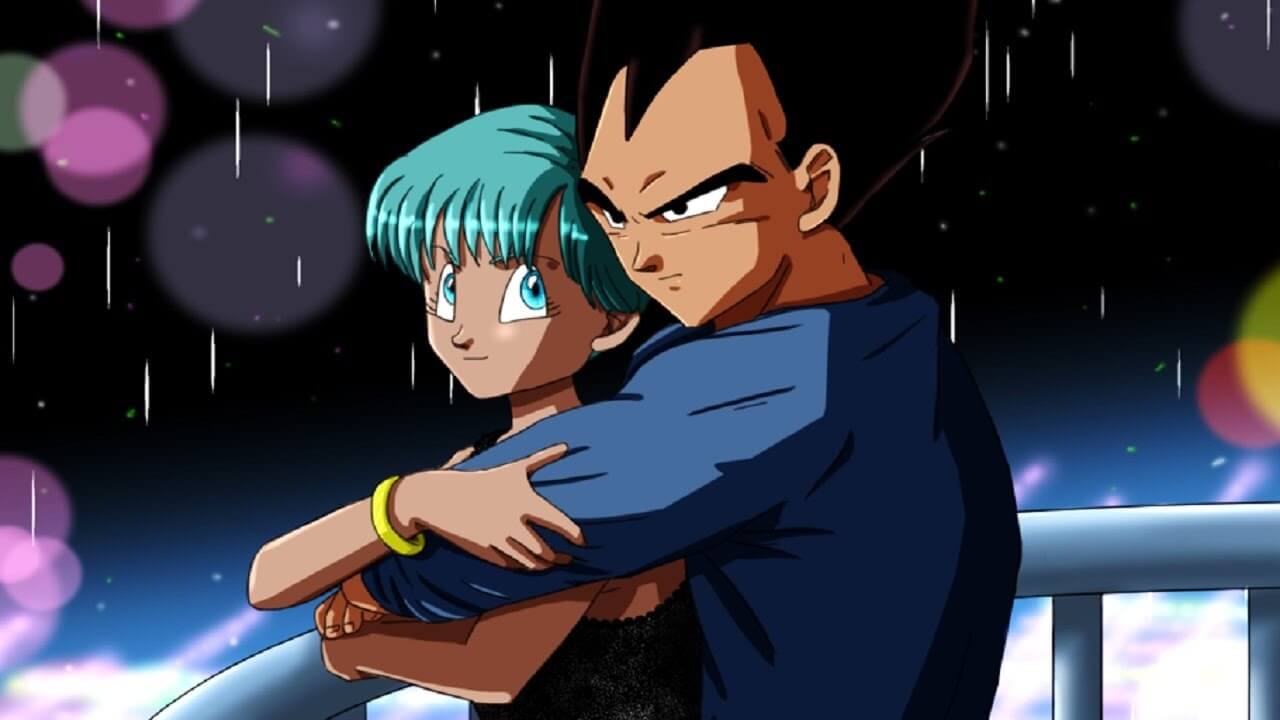
The Saiyan prince spends years treating Bulma’s home like a training pit stop and his own emotions like a weakness, yet somehow builds a family with the one woman completely unimpressed by his ego. Their romance happens almost entirely between the punches.
Tsundere Type: Prideful male tsundere, more warrior than romantic.
Tsun Intensity: High early on, mellowing over the years.
The “Tsun” Strategy: Arrogance and distance to protect a bruised warrior’s pride.
The “Dere” Trigger: His family being threatened, which cracks the armor completely.
The Emotional Cost: Caring openly means admitting he is not the lone elite he claims to be.
Dynamic Balance: Lopsided but stable, as Bulma simply refuses to be intimidated.
The Analytical Verdict: Proof the tsundere shield is not just a girls’ trope, and that pride melts fastest around family.
Louise and Saito from The Familiar of Zero

Louise summons a random Japanese teenager as her familiar, then spends most of the series blowing him up with misfired spells and a riding crop. Underneath the abuse, though, is a girl terrified of being worthless.
Tsundere Type: Classic harsh-type, the explosive young noble.
Tsun Intensity: Very high, and often physical.
The “Tsun” Strategy: Cruelty and control to hide crippling insecurity about her magic.
The “Dere” Trigger: Saito choosing to stay and fight for her when he could leave.
The Emotional Cost: Softening means facing her fear that she is a failure, “the Zero.”
Dynamic Balance: Rocky, and clearly a product of an older, harsher tsundere era.
The Analytical Verdict: A dated but revealing case where the “tsun” is pure fear of inadequacy.
Hak and Yona from Yona of the Dawn
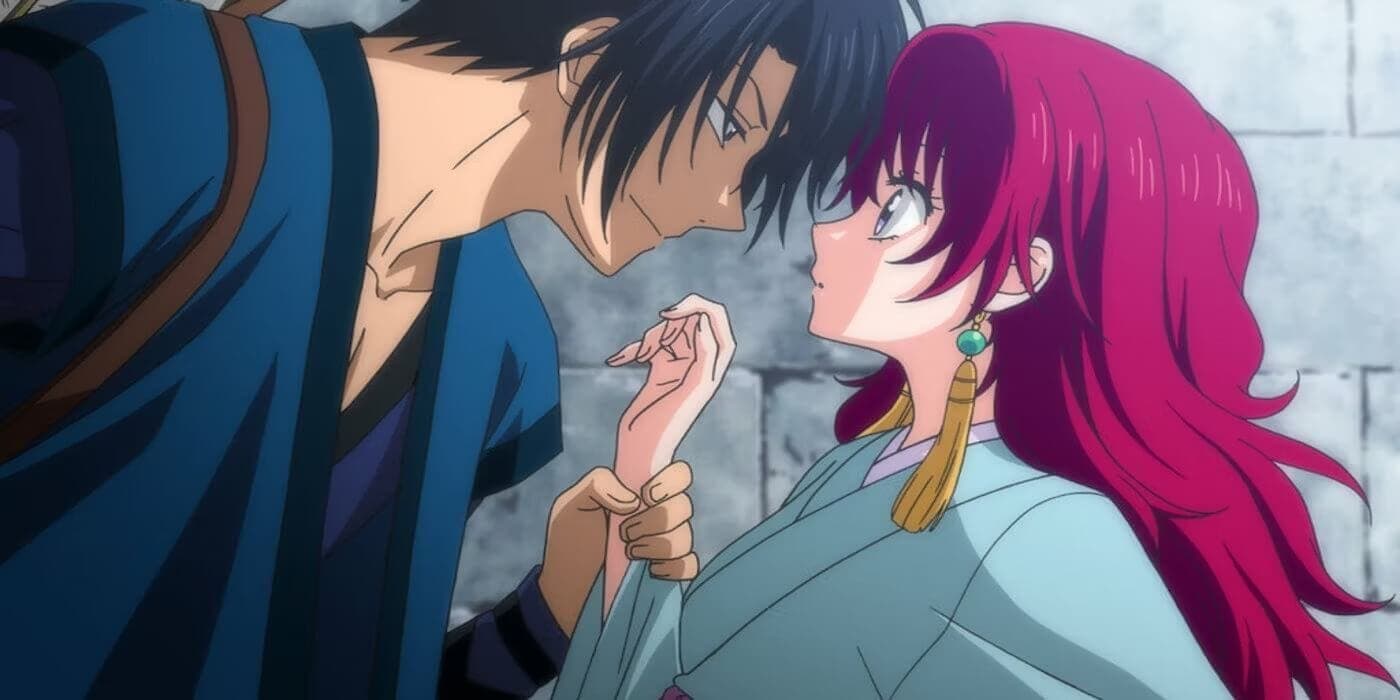
Hak is the fearless bodyguard who watches the princess he loves fall for another man, then spends the series protecting her without ever pressing his own feelings. His teasing is the only outlet he lets himself have.
Tsundere Type: Teasing male tsundere, gruff affection over open romance.
Tsun Intensity: Medium, more sarcasm than rage.
The “Tsun” Strategy: Jokes and mock-insults to mask devotion he feels he cannot act on.
The “Dere” Trigger: Yona growing strong enough that his protection becomes a choice, not a duty.
The Emotional Cost: Confessing risks the trust and the role that define his whole life.
Dynamic Balance: Slow and patient, a years-long unspoken loyalty.
The Analytical Verdict: Here the “tsun” is duty, not defensiveness, a guard hiding his heart on purpose.
Tomoe and Nanami from Kamisama Kiss
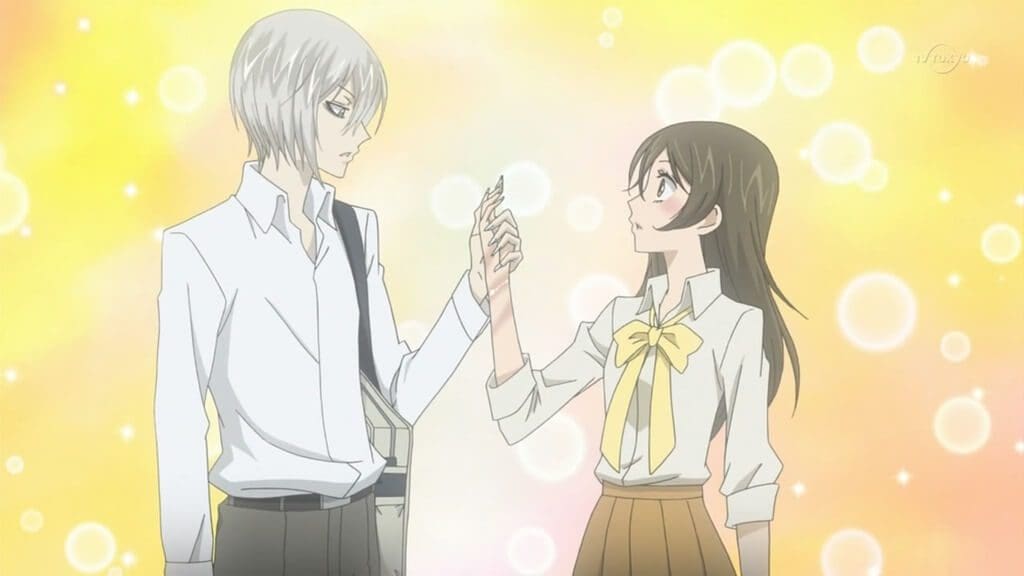
When a homeless girl accidentally becomes a land god, her new fox familiar Tomoe is insulted to be serving a human. His cold, superior act slowly gives way to a fierce, possessive devotion he has no idea how to name.
Tsundere Type: Cold-type male tsundere, aloof yokai pride.
Tsun Intensity: Medium to high, icy rather than loud.
The “Tsun” Strategy: Condescension and detachment to keep a human at arm’s length.
The “Dere” Trigger: Nanami repeatedly risking herself for him despite his coldness.
The Emotional Cost: Loving a mortal means facing the loss he dreads, her short human life.
Dynamic Balance: A master-and-familiar power flip that keeps them circling each other.
The Analytical Verdict: A supernatural spin on the tsundere, where the real fear is impermanence.
Rin Tohsaka and Shirou Emiya from Fate/stay night
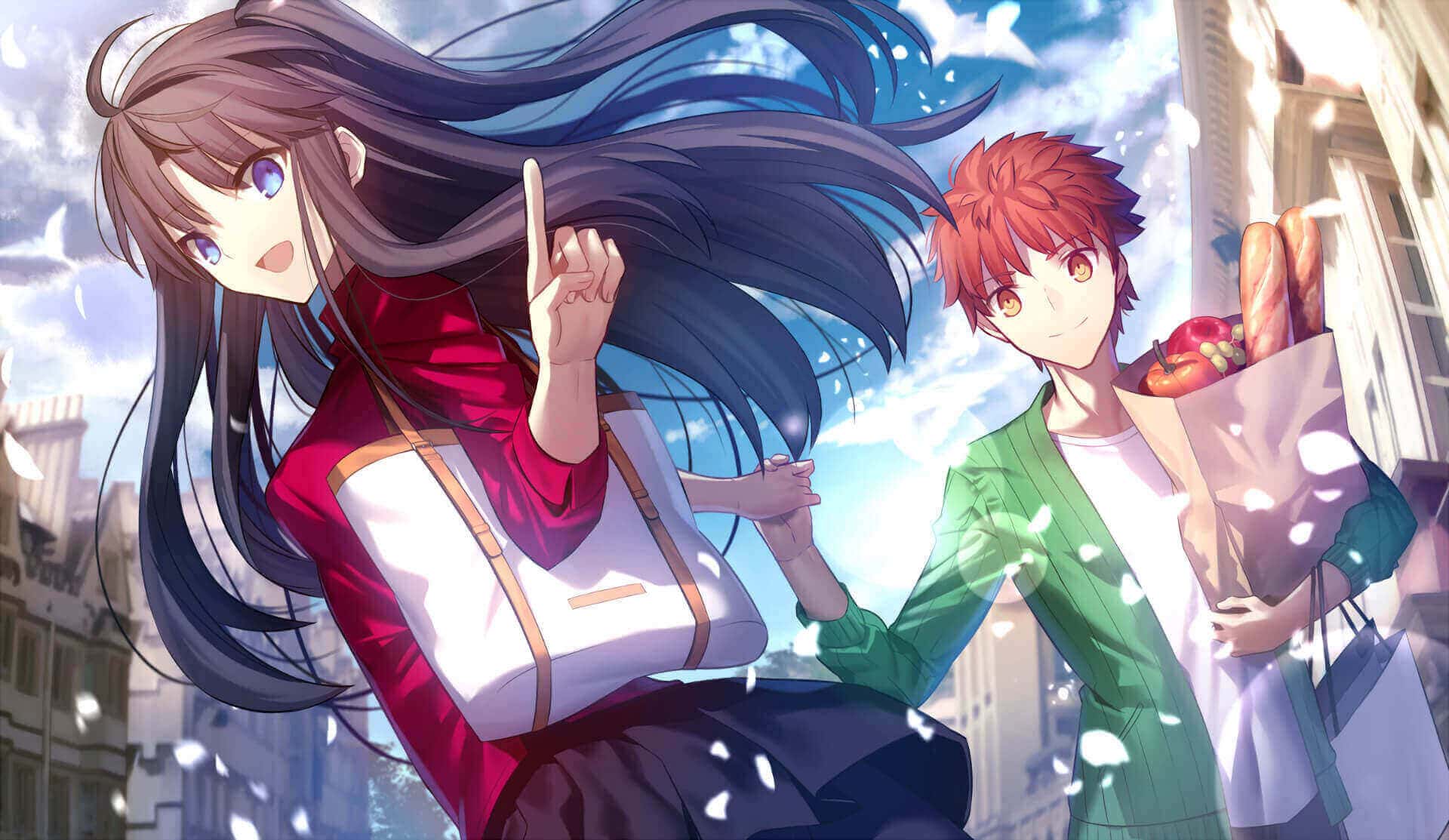
By day Rin is the perfect honor student, but in truth she is a cutthroat mage who ends up reluctantly allied with the earnest, self-sacrificing Shirou. Letting him in means dropping the flawless mask she has spent her life maintaining.
Tsundere Type: Kuudere-leaning tsundere, composed in public, prickly in private.
Tsun Intensity: Medium, sharp-tongued rather than violent.
The “Tsun” Strategy: Perfectionism and sarcasm so she never looks weak or dependent.
The “Dere” Trigger: Shirou’s reckless willingness to throw himself into danger for others.
The Emotional Cost: Relying on him threatens the self-sufficient image she is built on.
Dynamic Balance: Fairly even, two capable people slowly learning to trust.
The Analytical Verdict: A tsundere whose armor is competence, cracked by someone even more selfless.
Chitoge Kirisaki and Raku Ichijou from Nisekoi
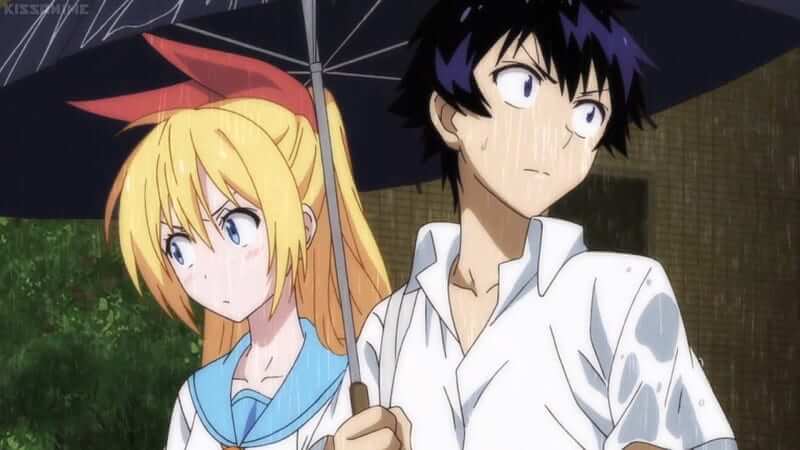
A yakuza heir and a gangster’s daughter are forced to fake-date to keep their families from going to war, and Chitoge greets the whole arrangement fists first. The pretend romance slowly, painfully becomes real.
Tsundere Type: Classic harsh-type, the “gorilla” who hits first.
Tsun Intensity: High, very physical in the early going.
The “Tsun” Strategy: Violence and denial to avoid admitting the fake feelings turned real.
The “Dere” Trigger: Small moments of Raku’s kindness that contradict her tough-girl expectations.
The Emotional Cost: Real feelings mean a vulnerability she has never risked before.
Dynamic Balance: Muddied by a crowded love triangle that stalls their resolution.
The Analytical Verdict: A textbook tsundere romance whose biggest obstacle is the harem around her.
Misaki Ayuzawa and Takumi Usui from Maid Sama!
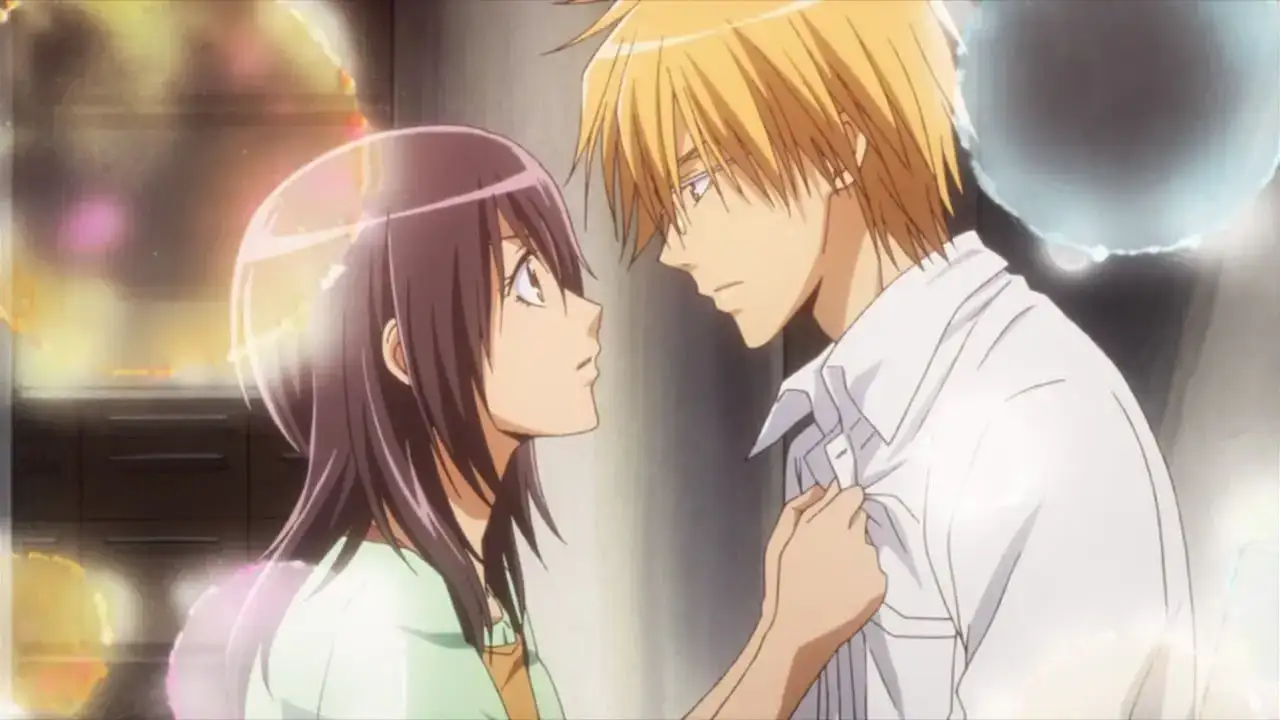
Misaki is the fearsome, boy-hating student council president guarding a secret: she works at a maid café to support her family. When the school heartthrob Usui finds out, he turns her flustered fury into a patient, running courtship.
Tsundere Type: Harsh-type with a strong, principled core.
Tsun Intensity: High toward boys, softening only for Usui.
The “Tsun” Strategy: Strictness and hostility to stay in control of a life she barely holds together.
The “Dere” Trigger: Usui guarding her secret and her dignity without asking for credit.
The Emotional Cost: Leaning on him means admitting she cannot do everything alone.
Dynamic Balance: Even and healthy, two strong personalities meeting as equals.
The Analytical Verdict: A tsundere whose defensiveness is really exhaustion, eased by a partner who shares the load.
Yukino Yukinoshita and Hachiman Hikigaya from My Teen Romantic Comedy SNAFU
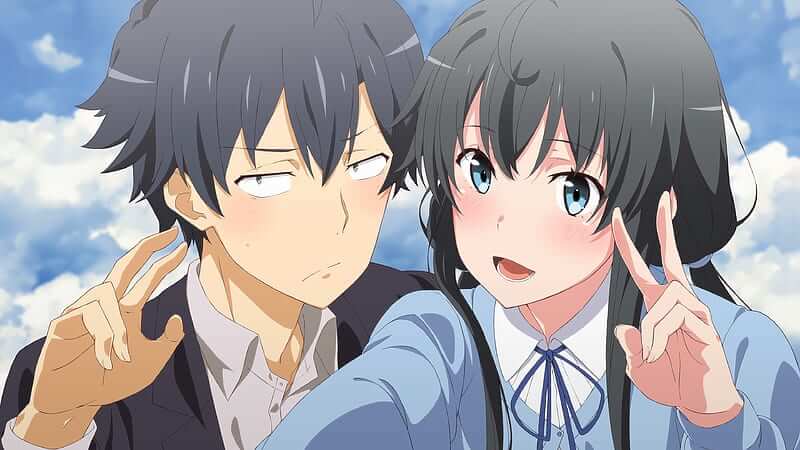
Two brilliant loners, one an icy perfectionist and the other a self-loathing cynic, get stuck running a school service club together. Their whole relationship is a standoff between two people who would rather be honest about everything except their own feelings.
Tsundere Type: Kuudere-tsundere blend, cold and cerebral.
Tsun Intensity: Medium, delivered as cutting logic rather than shouting.
The “Tsun” Strategy: Intellect and distance to sidestep the mess of real dependence.
The “Dere” Trigger: Hachiman demanding something real between them, forcing honesty.
The Emotional Cost: Admitting she needs anyone undercuts the self-reliance she prizes.
Dynamic Balance: Tense but balanced, two equals afraid of the exact same thing.
The Analytical Verdict: One of anime’s most mature tsunderes, where the defense is a fear of false comfort.
Kaguya Shinomiya and Miyuki Shirogane from Kaguya-Sama: Love Is War
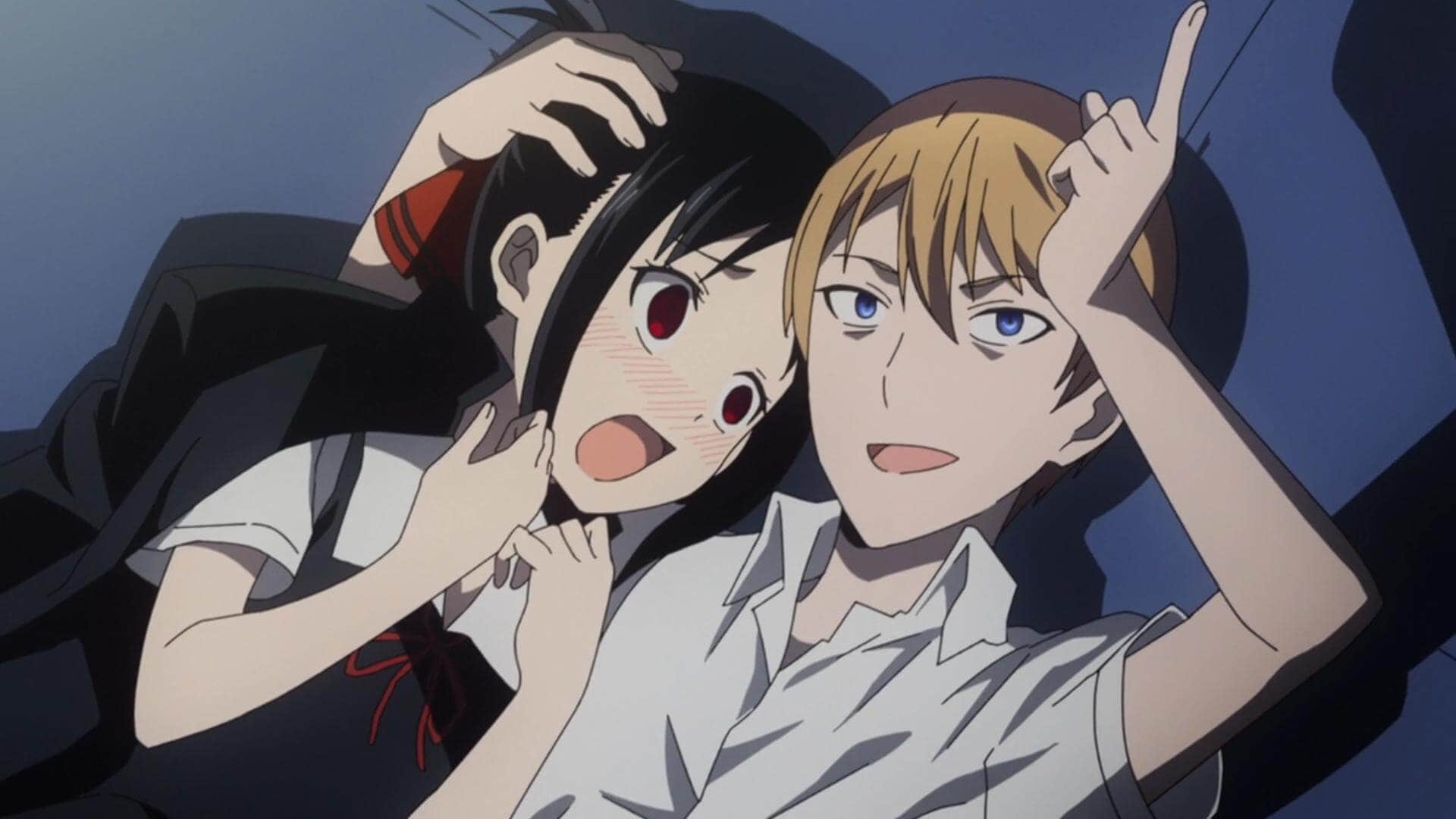
The two smartest students in school are hopelessly in love and far too proud to say so, turning their Kaguya-sama: Love Is War courtship into a battlefield where confessing first counts as losing. It is a comedy built entirely on the tsundere’s inability to be honest.
Tsundere Type: Prideful kuudere-tsundere, elegant on the surface.
Tsun Intensity: Medium, all schemes and composure rather than outbursts.
The “Tsun” Strategy: Elaborate mind games to make the other one confess first.
The “Dere” Trigger: Rare, unguarded moments that slip past both their defenses.
The Emotional Cost: Confessing means surrendering pride and control to another person.
Dynamic Balance: Perfectly matched, two equals locked in the very same trap.
The Analytical Verdict: The purest comedy of the tsundere thesis, where pride itself is the whole obstacle.
Kurisu Makise and Rintarou Okabe from Steins;Gate
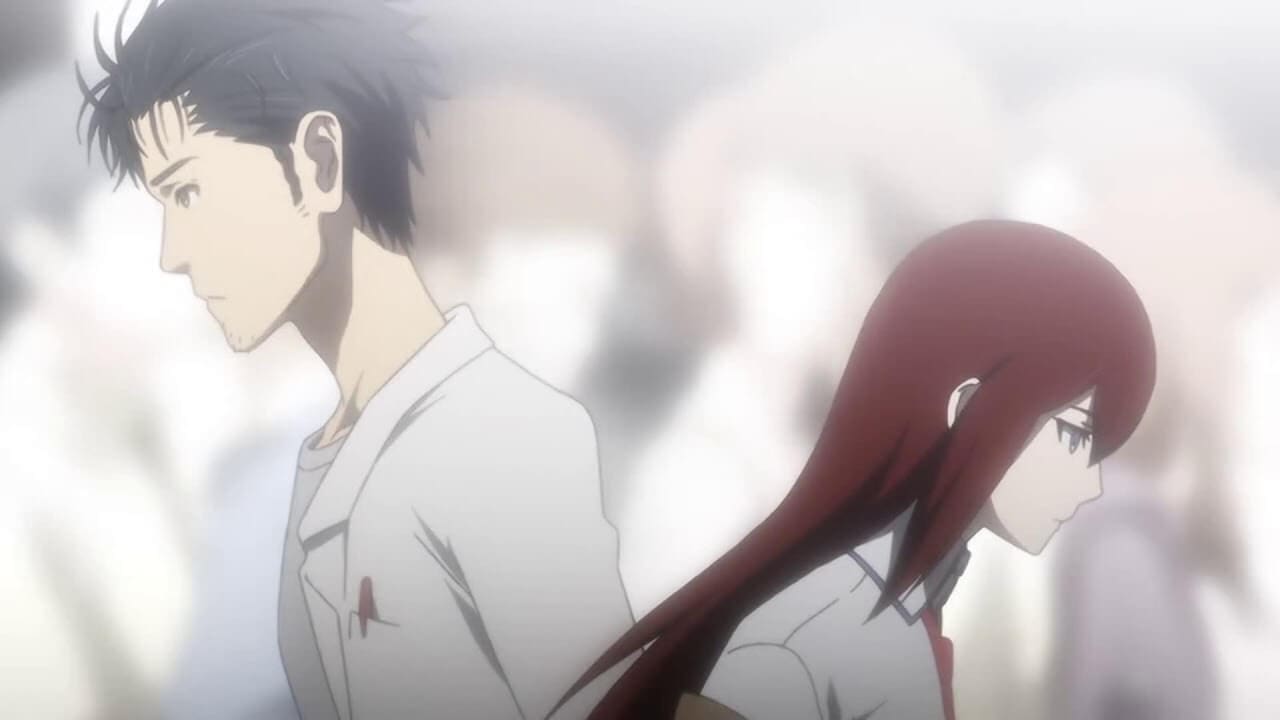
A prodigy neuroscientist gets tangled up with a self-styled mad scientist just as time travel starts tearing their world apart in Steins;Gate. Their bickering banter becomes the one steady thing across a story of unbearable loss.
Tsundere Type: Sharp-tongued classic tsundere, the “it’s not like I…” type.
Tsun Intensity: Medium, quick denials and flustered comebacks.
The “Tsun” Strategy: Rational deflection to avoid admitting how much she has come to care.
The “Dere” Trigger: Okabe’s desperate, unspoken efforts to save her, over and over.
The Emotional Cost: Opening up risks a bond that time itself keeps threatening to erase.
Dynamic Balance: Even and electric, two sharp minds meeting head-on.
The Analytical Verdict: A tsundere whose denial is armor against a world that keeps taking people away.
Hitagi Senjougahara and Koyomi Araragi from Bakemonogatari
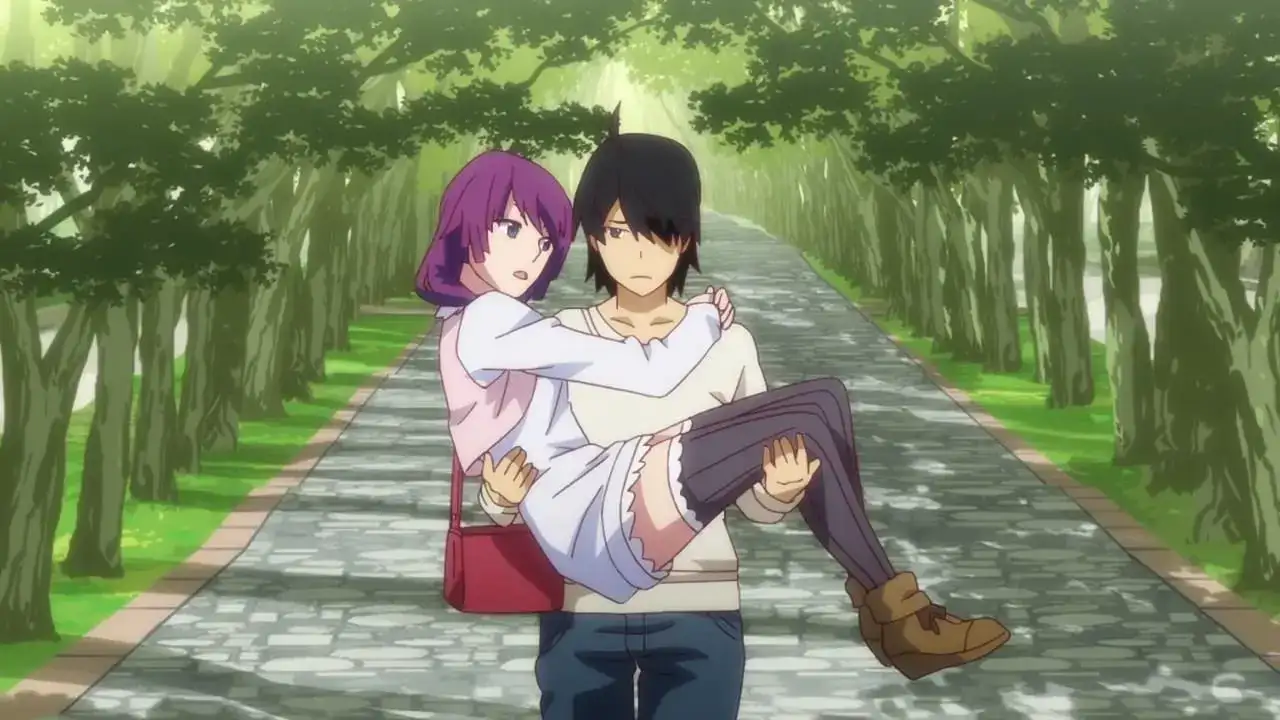
Senjougahara threatens Araragi with a mouthful of staplers before he can get anywhere near her, but when he helps lift the supernatural weight she has secretly carried for years, she turns her sharp edges into fierce devotion.
Tsundere Type: Weaponized classic tsundere, dangerous then doting.
Tsun Intensity: Very high at first, dialed way down once she trusts him.
The “Tsun” Strategy: Threats and hostility to keep everyone at a safe distance.
The “Dere” Trigger: Araragi helping her with no expectation of anything in return.
The Emotional Cost: Trusting him means being vulnerable after years of self-protection.
Dynamic Balance: Refreshingly healthy, since they date and communicate like adults.
The Analytical Verdict: A rare tsundere who resolves early, proving the trope can lead somewhere real.
Taiga Aisaka and Ryuuji Takasu from Toradora!
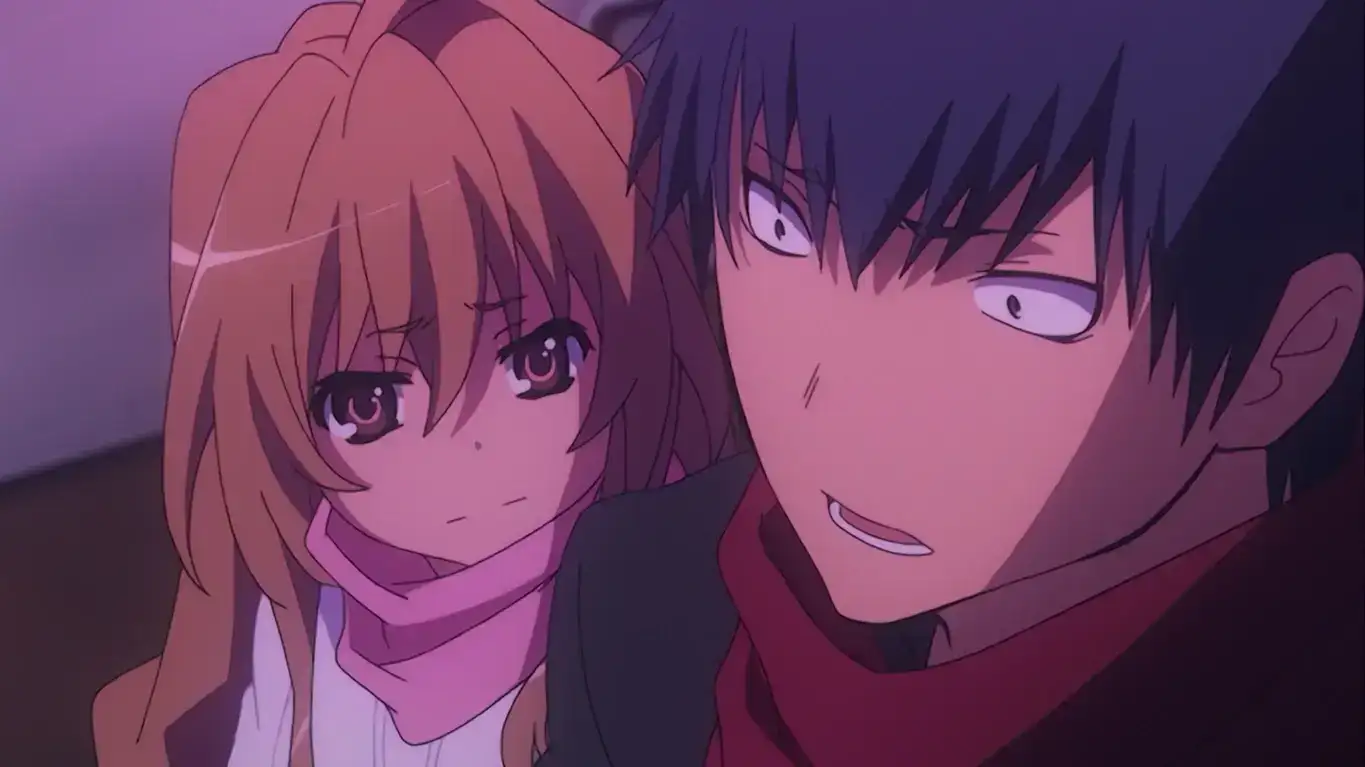
The tiny, ferocious “Palmtop Tiger” teams up with the scary-looking softie Ryuuji, each trying to set the other up with a crush, only to fall for each other instead. In Toradora!, it becomes the gold standard of the tsundere romance.
Tsundere Type: The definitive classic tsundere, all claws and hidden tenderness.
Tsun Intensity: Very high, quick to lash out with words and fists.
The “Tsun” Strategy: Ferocity as a wall around a lonely kid from a broken home.
The “Dere” Trigger: Ryuuji’s steady, domestic care, cooking and cleaning up after her.
The Emotional Cost: Depending on him means facing the abandonment she has always braced for.
Dynamic Balance: Beautifully even, two lonely people who become each other’s home.
The Analytical Verdict: The blueprint every tsundere romance is measured against, and still the best.
The Armor Always Comes Off
The best tsundere romances all share one truth: the hostility is never the point, it is the armor.
What makes these couples land is the moment that armor finally comes off, usually because a patient partner looked past the yelling and saw the anxious person underneath.
Which of these thaw-outs hit you hardest, and whose “tsun” do you think hides the deepest fear?