
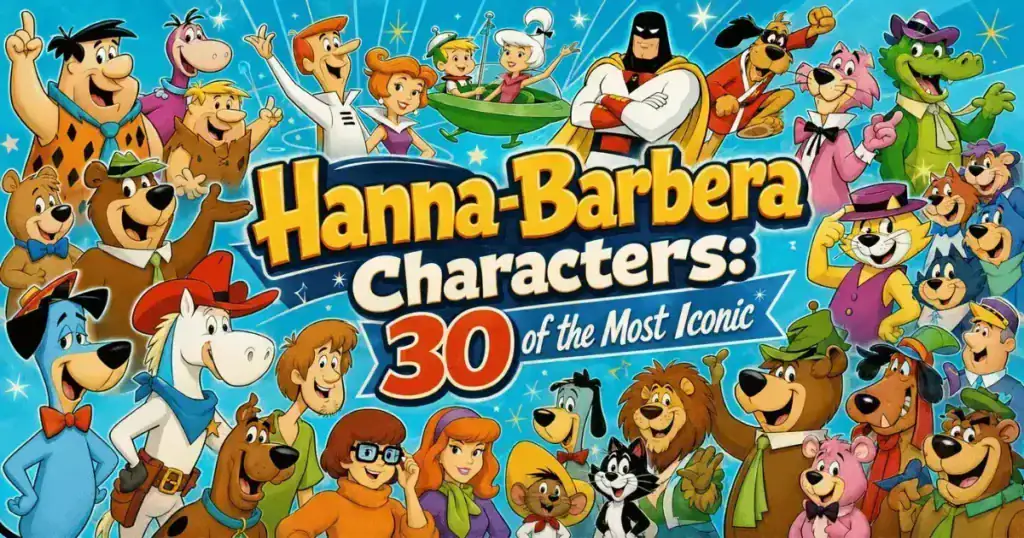
Hanna-Barbera did not just make cartoons.
For several generations, it helped define what television animation looked and sounded like.
William Hanna and Joseph Barbera founded their studio in 1957 after MGM closed the animation unit where they had created Tom and Jerry. Television budgets were smaller than theatrical budgets, so the new company developed a faster, dialogue-driven form of limited animation.
The results were everywhere: Huckleberry Hound, Yogi Bear, The Flintstones, The Jetsons, Jonny Quest, Scooby-Doo, and dozens of characters that filled weekday syndication and Saturday mornings.
This is my personal ranking of the 30 best Hanna-Barbera characters and character groups.
I am weighing popularity, personality, voice performance, historical importance, and how well the character still works today.
A note about the list
- Most entries were created directly by Hanna-Barbera
- The Smurfs, Super Friends, and Josie were licensed adaptations
- Tom and Jerry were created by Hanna and Barbera at MGM before their studio opened
- A few entries are teams because separating the characters would misrepresent their appeal
- The ranking is subjective, but the debut and production details have been checked
The Television Academy’s William Hanna biography credits Hanna and Barbera with seven Academy Awards and eight Emmys across their careers. Their television work reached hundreds of millions of viewers around the world.
Why Hanna-Barbera Characters Still Work
The animation was economical, but the characters were rarely vague.
- Clear personalities: Yogi schemes, Huck stays calm, Fred explodes, and Scooby runs
- Recognizable voices: Daws Butler, Don Messick, Mel Blanc, Janet Waldo, and other performers gave the studio a consistent sound
- Strong partnerships: Yogi and Boo-Boo, Scooby and Shaggy, Fred and Barney, Tom and Jerry
- Flexible premises: The same studio could make domestic sitcoms, superheroes, mysteries, fantasy, and science fiction
How limited animation changed television
Hanna-Barbera reduced movement, reused backgrounds, and let dialogue, poses, sound effects, and timing carry more of each scene. A PBS history of television cartoons explains how this economical approach allowed studios to create original animation for television on a scale theatrical methods could not support.
30-21: Cult Favorites and Deep Cuts
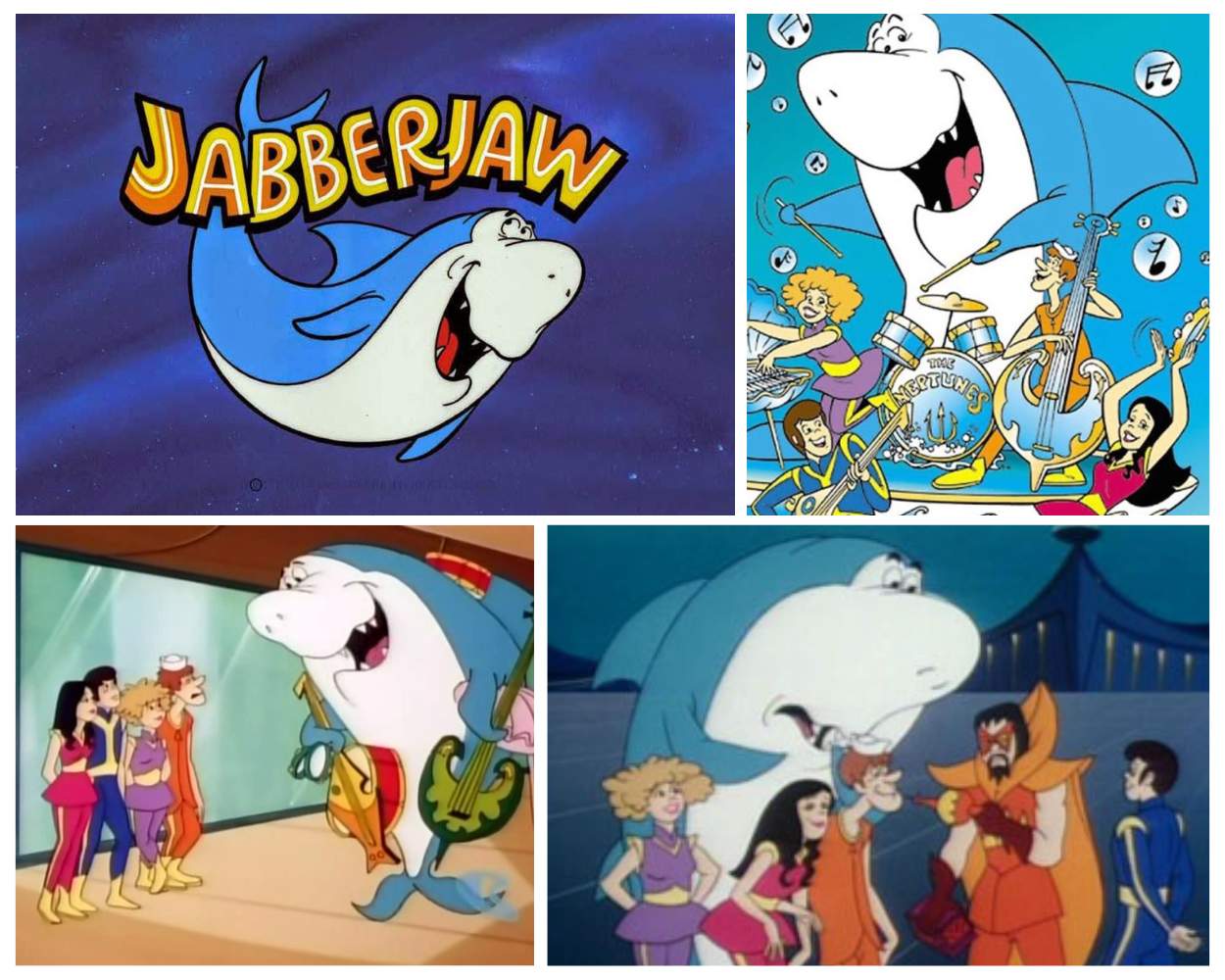
30. Jabberjaw
- Debut: Jabberjaw (1976)
- Original voice: Frank Welker
- Why they rank: The funniest and most memorable of Hanna-Barbera’s many post-Scooby mascot experiments.
Jabberjaw should not work as well as he does.
He is a talking great white shark who plays drums in an underwater rock band in the year 2076. He is also insecure, excitable, and forever complaining that he gets no respect.
That Rodney Dangerfield-style personality gives him more identity than many of the mystery mascots Hanna-Barbera produced during the 1970s. The show followed a familiar formula, but the character is strange enough to remain memorable.
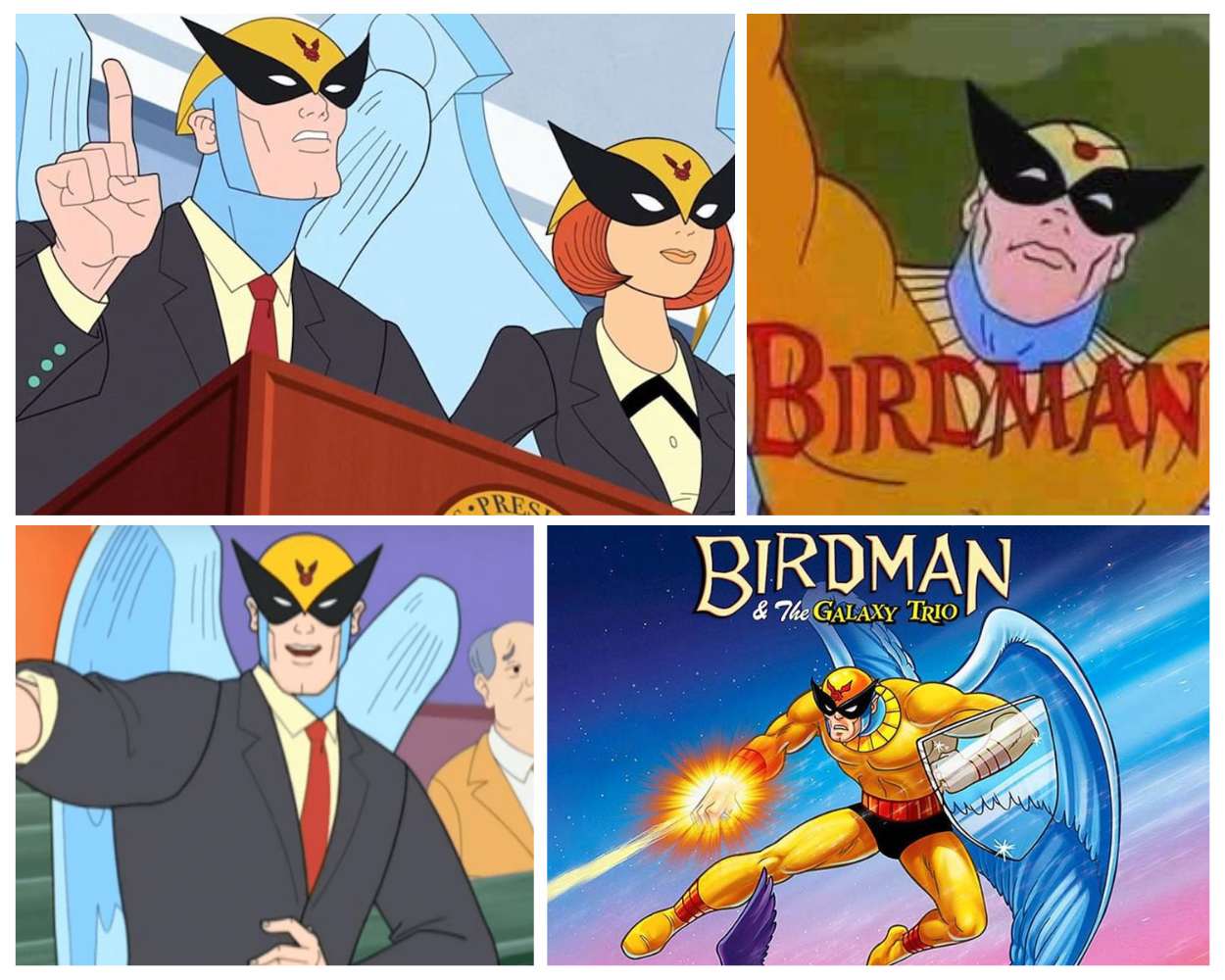
29. Birdman
- Debut: Birdman and the Galaxy Trio (1967)
- Original voice: Gary Owens
- Why they rank: A straight-faced 1960s superhero who became even more famous after Adult Swim turned him into an attorney.
The original Birdman is pure Saturday-morning superhero theatre.
He draws power from the sun, flies with enormous golden wings, and announces attacks with complete seriousness. Gary Owens gives every line the authority of a radio announcer describing the end of the world.
Decades later, Harvey Birdman, Attorney at Law transformed him into a tired lawyer representing old cartoon characters. That reinvention gave Birdman a second life without erasing the appeal of the original. I cover the first series in my Birdman and the Galaxy Trio guide.
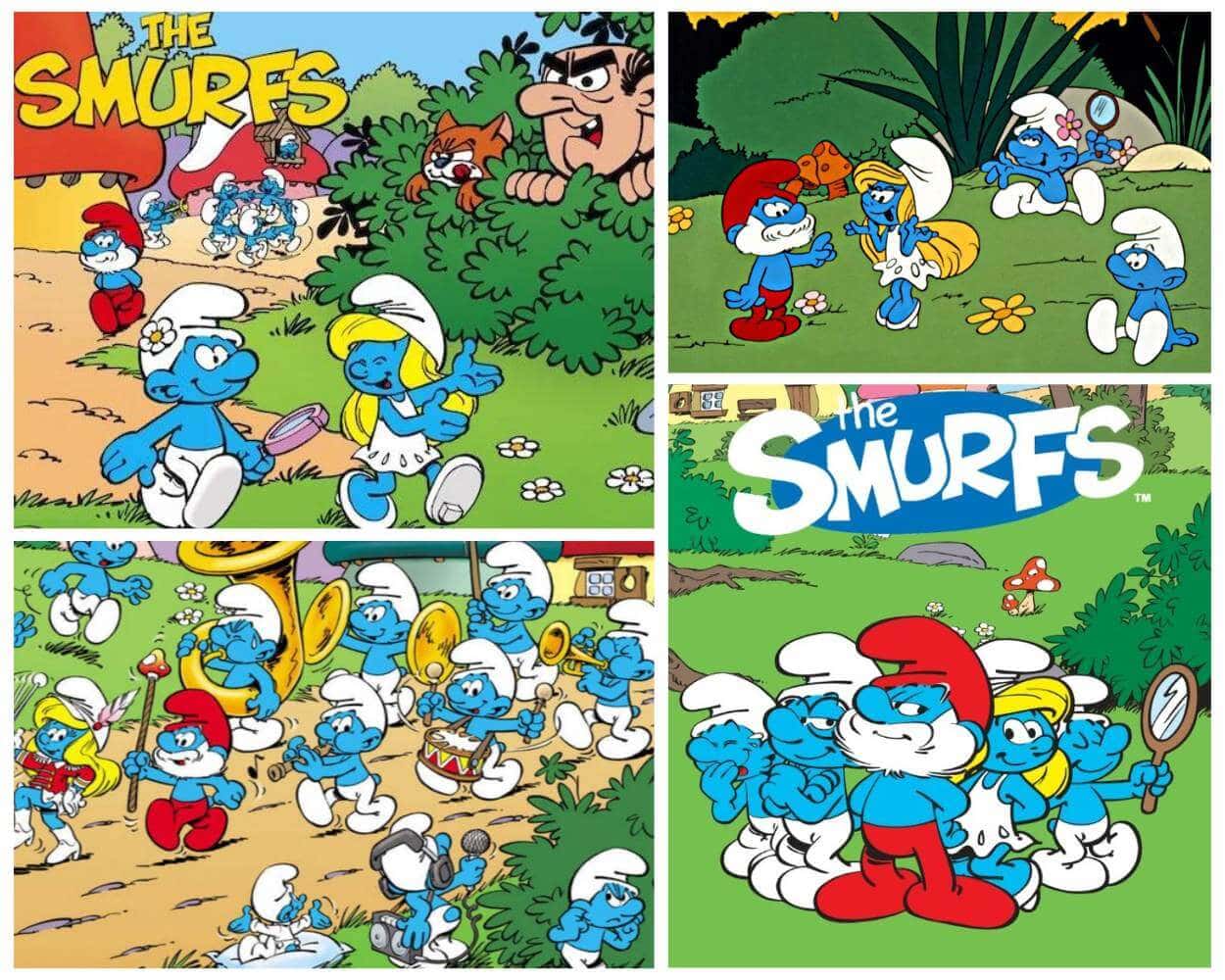
28. The Smurfs
- Debut: Hanna-Barbera television series, 1981
- Original voice: Don Messick, Lucille Bliss, and a large ensemble
- Why they rank: A licensed European property that Hanna-Barbera turned into a nine-season Saturday-morning phenomenon.
The Smurfs were not created by Hanna-Barbera.
Belgian artist Peyo introduced them in comics in 1958. The official Smurfs history traces their origin to a Johan and Peewit story.
Hanna-Barbera’s 1981 television adaptation brought the village to a worldwide Saturday-morning audience. The series ran for nine seasons and made Papa Smurf, Smurfette, Brainy, Clumsy, and Gargamel familiar far beyond the original comics.
27. Muttley
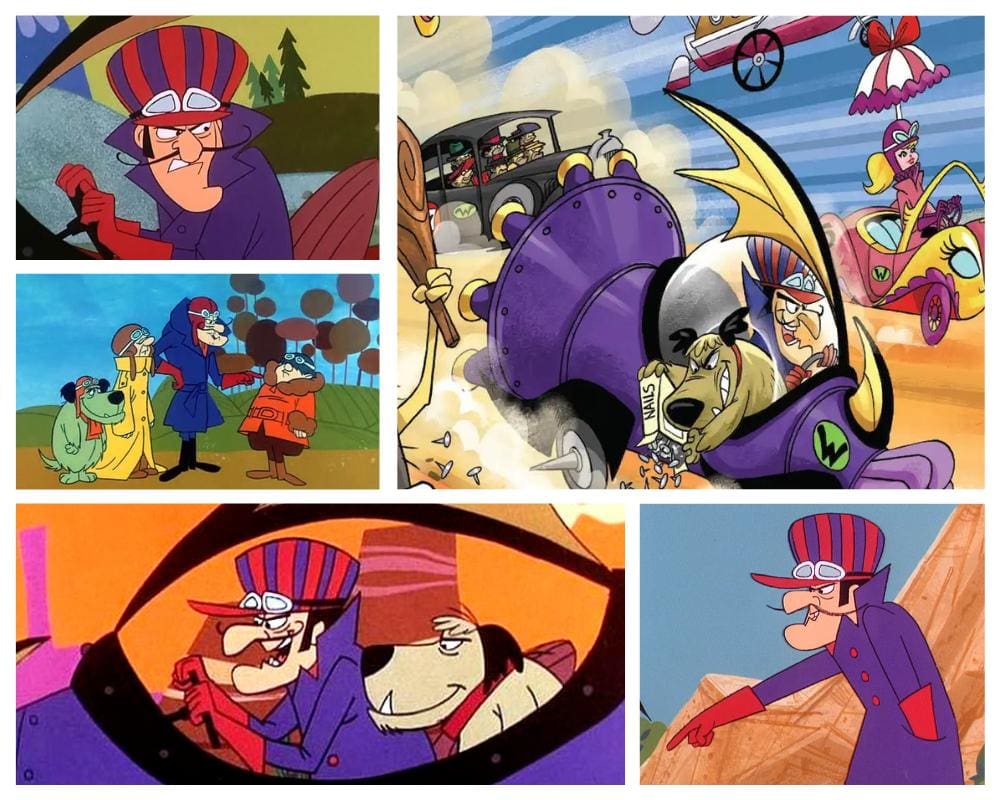
- Debut: Wacky Races (1968)
- Original voice: Don Messick
- Why they rank: One wheezing laugh turned a villain’s sidekick into a character more popular than his boss.
Muttley barely needs dialogue.
The hunched posture, muttered complaints, and wheezing snicker tell you exactly what he thinks of Dick Dastardly’s latest plan.
He is disloyal, amused by failure, and always ready to demand a medal when he accidentally does something useful. Few sidekicks have ever upstaged their partners so completely. See the rest of the racers in my Wacky Races character guide.
26. Space Ghost
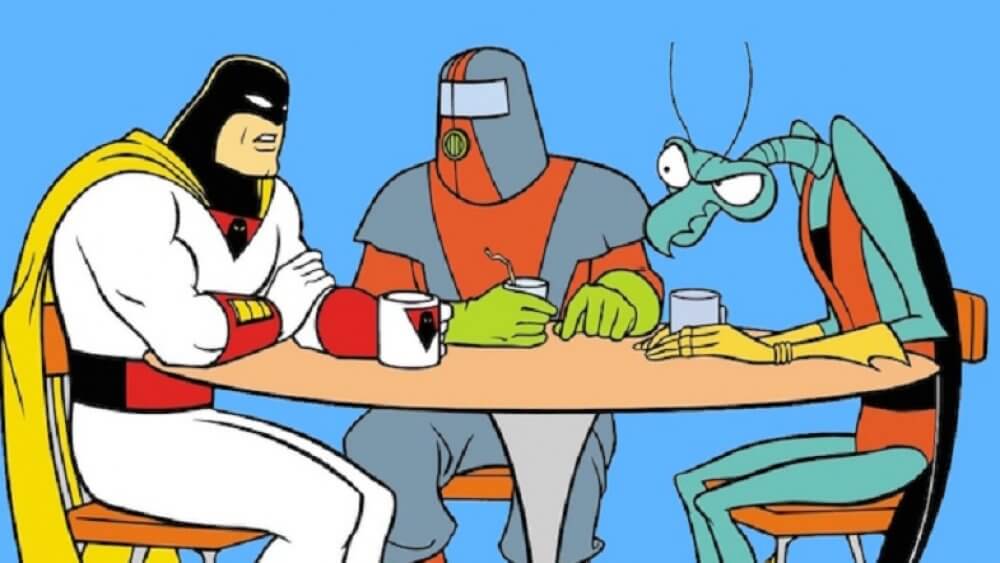
- Debut: Space Ghost and Dino Boy (1966)
- Original voice: Gary Owens, later George Lowe
- Why they rank: He survived one of animation’s strangest career changes, from cosmic superhero to surreal talk-show host.
Space Ghost began as a serious action hero designed by Alex Toth.
Gary Owens played him completely straight as he fought Zorak, Moltar, Brak, and other threats with help from Jan, Jace, and Blip.
The 1994 revival Space Ghost Coast to Coast reused the old animation and turned the hero into an arrogant, confused broadcaster. That inexpensive experiment helped create the staff, tone, and production culture that led to Adult Swim.
25. Magilla Gorilla
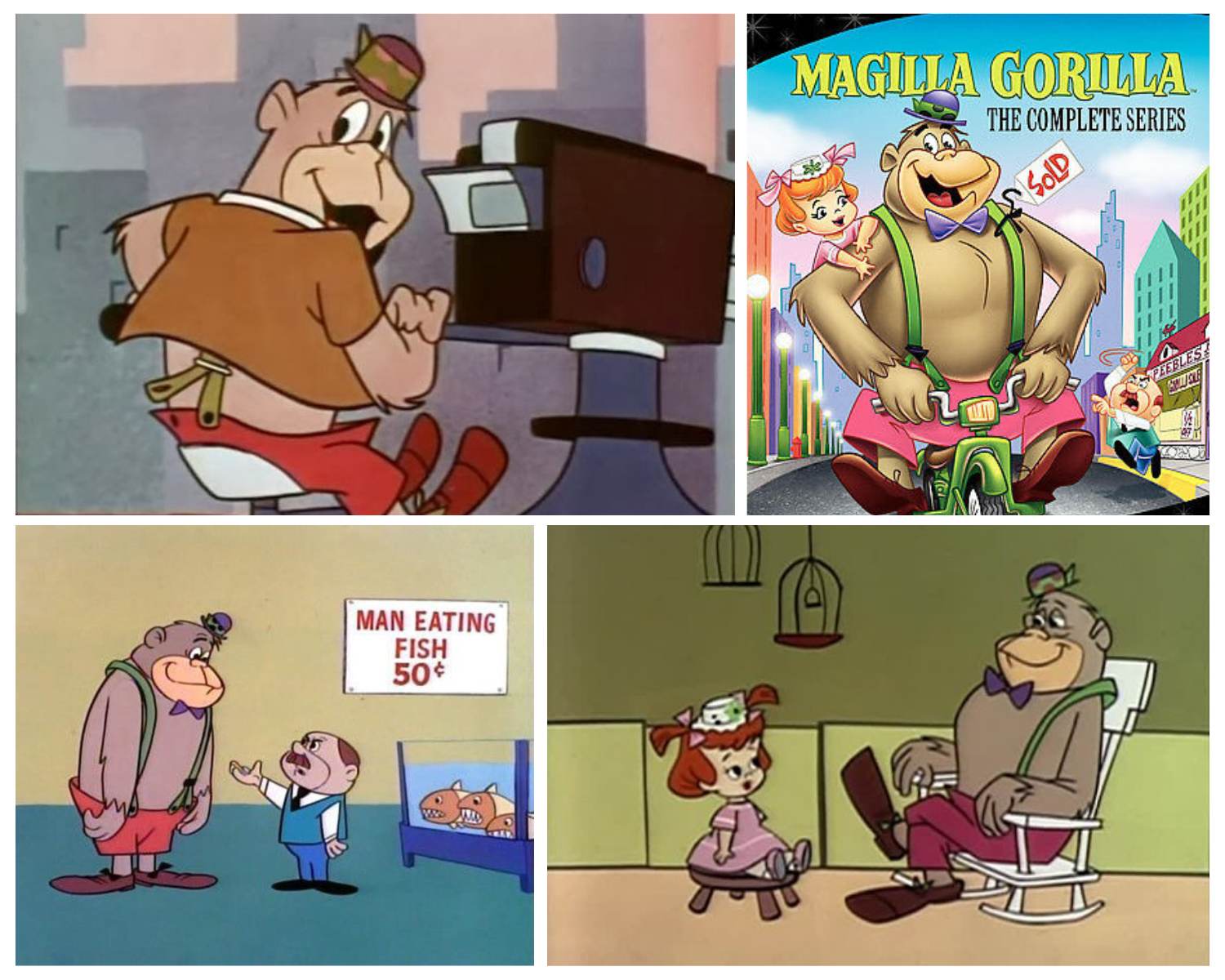
- Debut: The Magilla Gorilla Show (1964)
- Original voice: Allan Melvin
- Why they rank: A gentle character built around a premise that is funny, hopeful, and a little sad.
Magilla lives in the front window of Mr. Peebles’ pet shop, waiting for someone to buy him.
Every apparent adoption goes wrong, and Magilla usually ends up back in the shop. Yet he never becomes bitter.
Allan Melvin gives him an eager innocence that keeps the premise warm rather than depressing. Magilla wants a home, but he remains cheerful even when the latest attempt falls apart.
24. Secret Squirrel

- Debut: The Atom Ant/Secret Squirrel Show (1965)
- Original voice: Mel Blanc
- Why they rank: A full James Bond parody compressed into fast television shorts.
Secret Squirrel is a spy with a trench coat, a hat full of gadgets, and a sidekick named Morocco Mole.
Mel Blanc gives him the confidence of a secret agent who assumes every mission is under control, even when the machinery around him says otherwise.
The character is less a detective than a parody of the entire 1960s espionage craze. He also belongs beside the sleuths in my cartoon detective character guide.
23. Penelope Pitstop
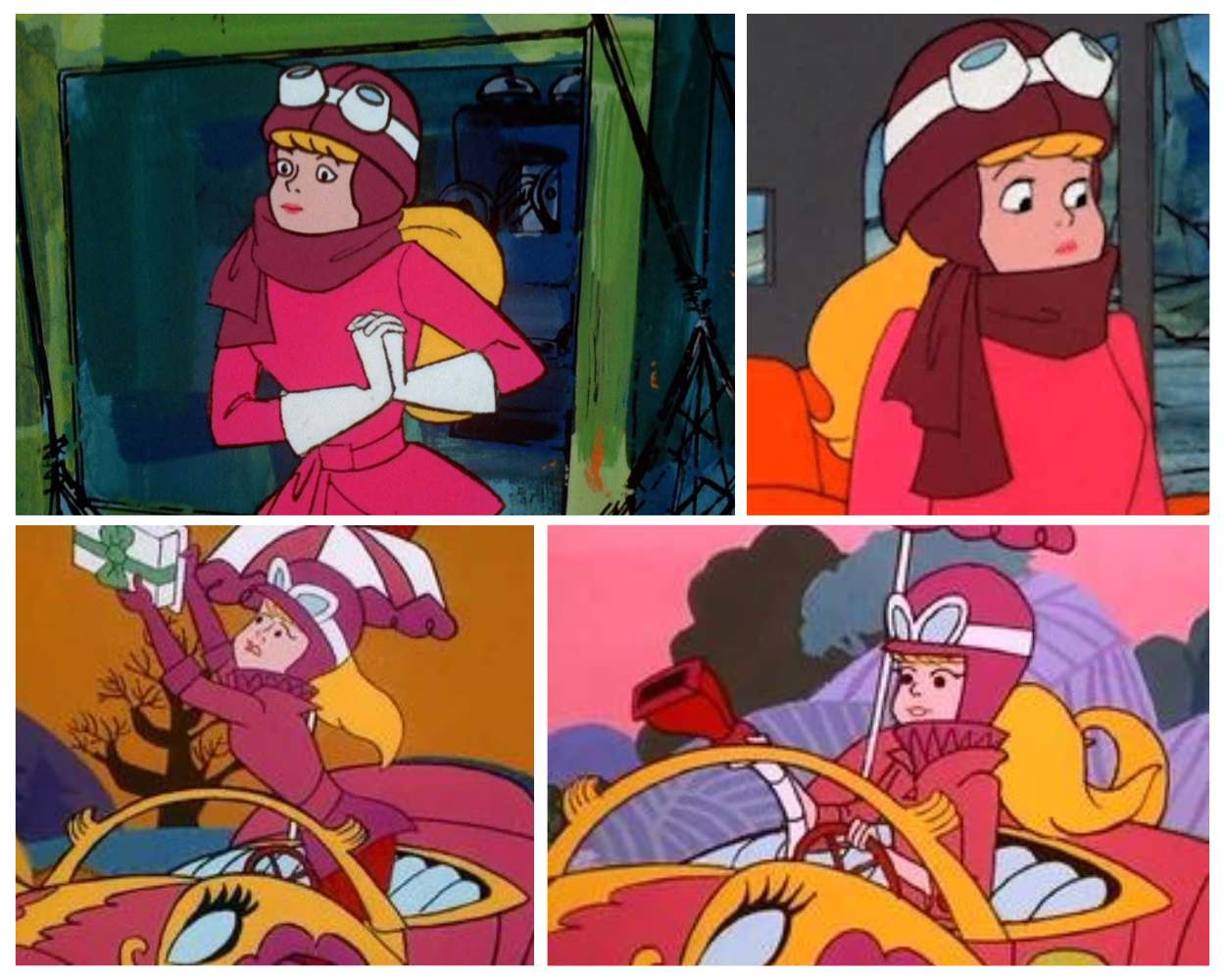
- Debut: Wacky Races (1968)
- Original voice: Janet Waldo
- Why they rank: The only woman in the original racing lineup became one of the few early Hanna-Barbera women to lead a spinoff.
Penelope Pitstop begins as the fashionable driver of the Compact Pussycat.
Her follow-up series, The Perils of Penelope Pitstop, places her inside an old-fashioned cliffhanger parody. The title suggests a helpless damsel, but Penelope frequently thinks and fights her way out of danger before the Ant Hill Mob can rescue her.
She is still written through the gender conventions of the period, but Janet Waldo gives her enough confidence and wit to rise above them.
22. Augie Doggie and Doggie Daddy
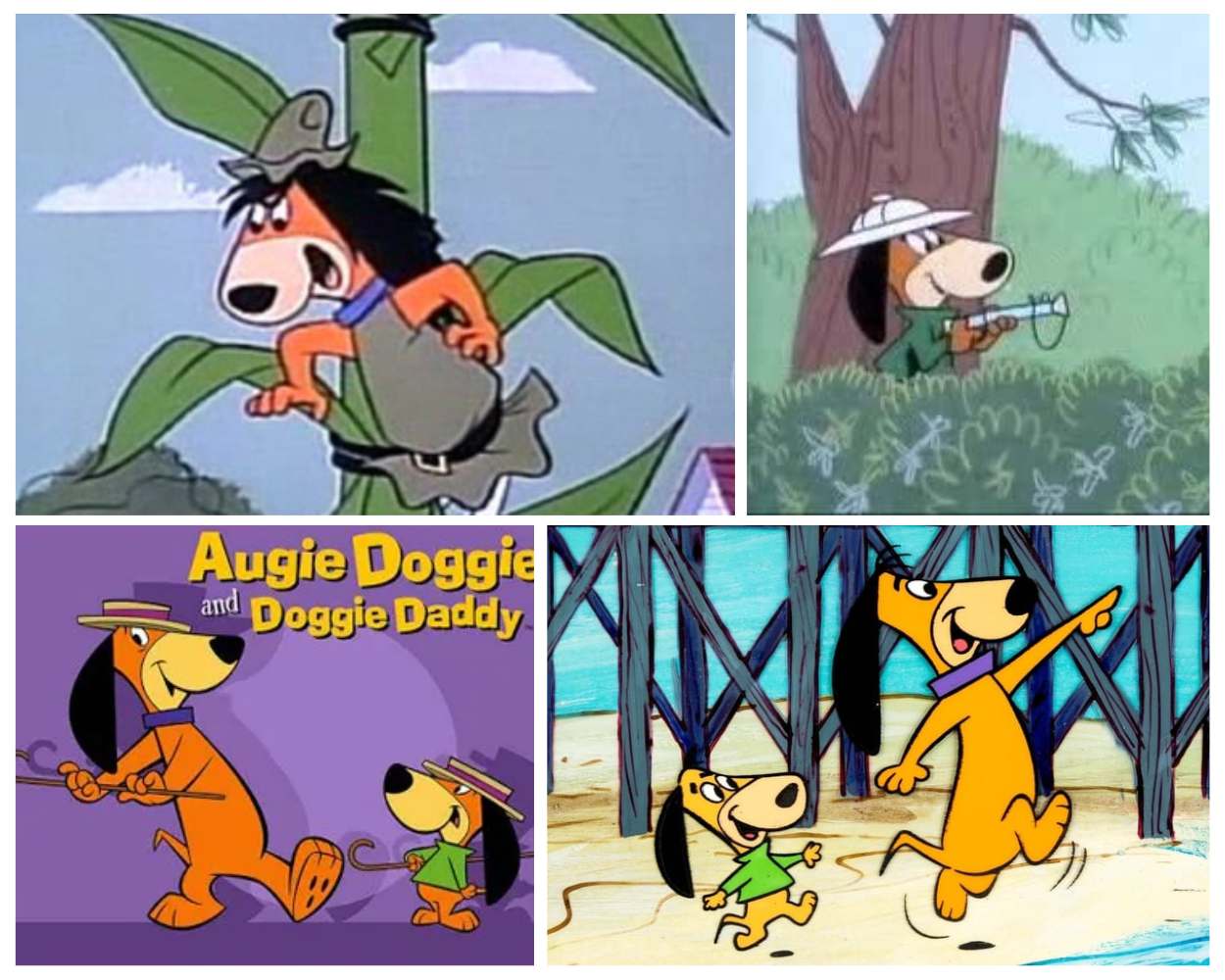
- Debut: The Quick Draw McGraw Show (1959)
- Original voice: Daws Butler as Augie and Doug Young as Doggie Daddy
- Why they rank: A warm father-and-son act in a catalogue filled with rivals, partners, and comic troublemakers.
Doggie Daddy wants to be the wise, patient parent who always knows what to do.
Augie adores him and usually creates the problem that proves Dad does not know nearly as much as he claims.
The shorts are gentle by Hanna-Barbera standards. Their best moments come from the affection underneath every misunderstanding, especially Doggie Daddy’s proud cry of “my son, my son.”
21. Hong Kong Phooey
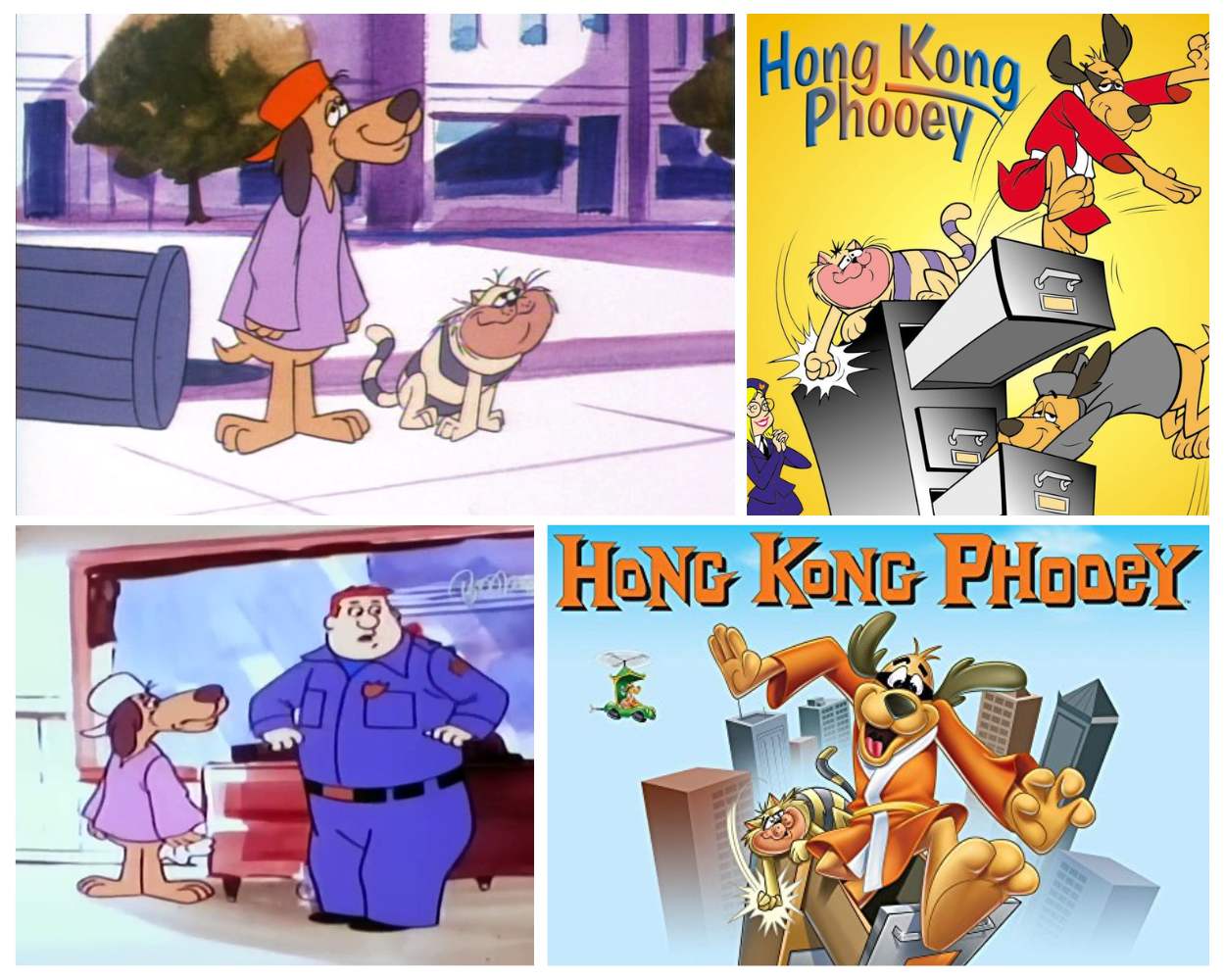
- Debut: Hong Kong Phooey (1974)
- Original voice: Scatman Crothers
- Why they rank: A perfectly confident crime fighter whose cat secretly does most of the work.
Penry Pooch is a police-station janitor who changes into Hong Kong Phooey whenever trouble appears.
He believes his martial-arts manual and natural ability make him unbeatable. In reality, his cat Spot usually solves the case while Phooey crashes through walls and accepts the credit.
Scatman Crothers gives the character warmth and musical rhythm, turning what could have been a one-note parody into one of the studio’s most likable heroes.
20-11: Saturday-Morning Staples
20. Wally Gator
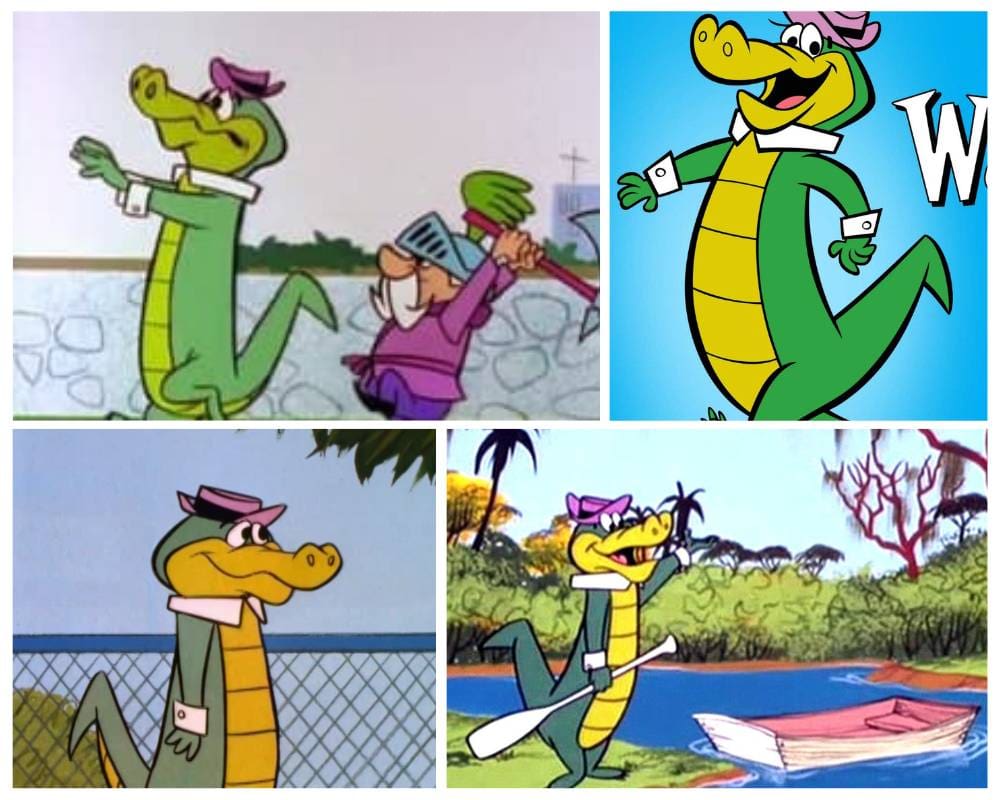
- Debut: The Hanna-Barbera New Cartoon Series (1962)
- Original voice: Daws Butler
- Why they rank: A charming early character whose only real goal is to experience life outside the zoo.
Wally Gator is comfortable, well fed, and completely bored.
He repeatedly escapes from the zoo in search of adventure, only to discover that the outside world is more exhausting than he expected.
Daws Butler plays him with a cheerful Ed Wynn-style voice. The stories are simple, but Wally’s optimism makes him an easy character to like.
19. Atom Ant
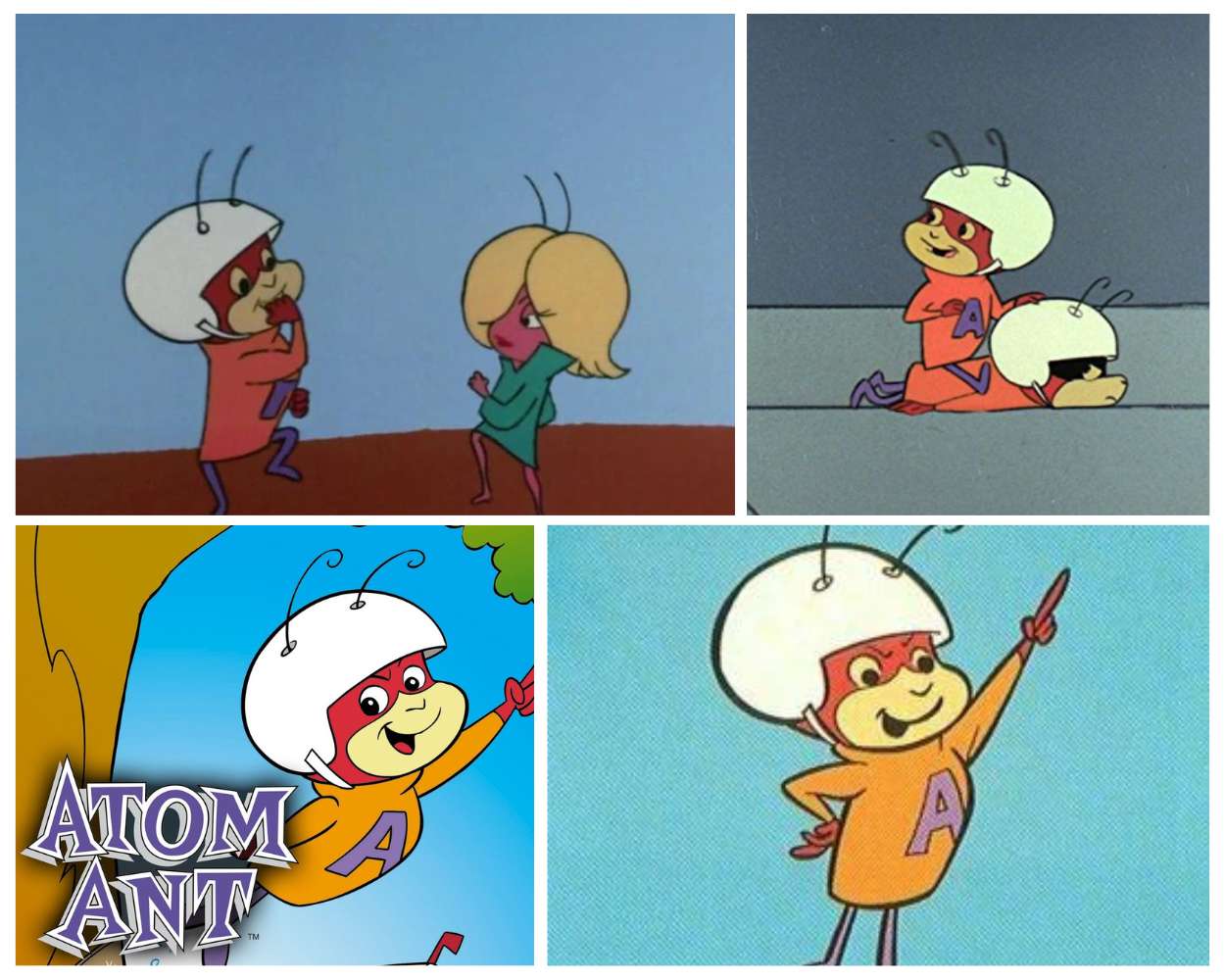
- Debut: The Atom Ant/Secret Squirrel Show (1965)
- Original voice: Howard Morris
- Why they rank: A tiny superhero whose uncomplicated enthusiasm captures Hanna-Barbera at its most playful.
Atom Ant launches from his anthill headquarters whenever the police need help.
He can fly, lift enormous objects, and defeat criminals many times his size. His famous “Up and at ’em, Atom Ant!” turns every emergency into an opportunity.
The joke is never that he is too small to be a hero. The joke is that nobody else should have doubted him.
18. Josie and the Pussycats
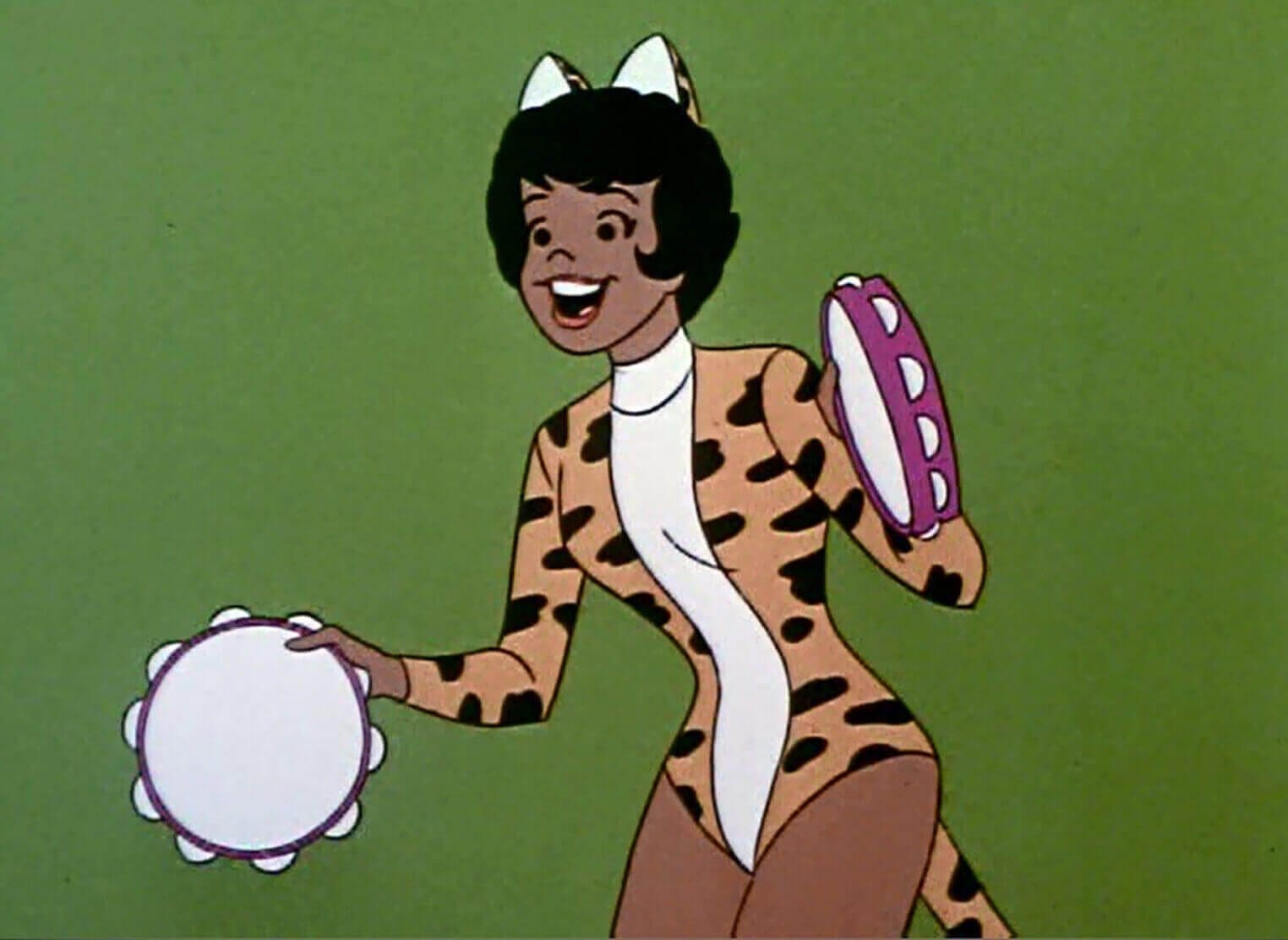
- Debut: Hanna-Barbera television series, 1970
- Original voice: Janet Waldo, Barbara Pariot, and Jackie Joseph
- Why they rank: An Archie Comics band transformed into a globe-trotting mystery team with one of Saturday morning’s earliest Black female leads.
Josie and the Pussycats were Archie Comics characters before Hanna-Barbera adapted them for television.
Archie identifies Josie McCoy and Melody Valentine as characters who first appeared in 1963. The studio added the Scooby-era adventure structure and sent the band into weekly mysteries. Archie Comics documents Josie’s original comic debut.
Valerie Brown is the most historically important member of the television ensemble. She is intelligent, capable, and commonly recognized as the first Black female regular in an American Saturday-morning animated series.
17. Grape Ape
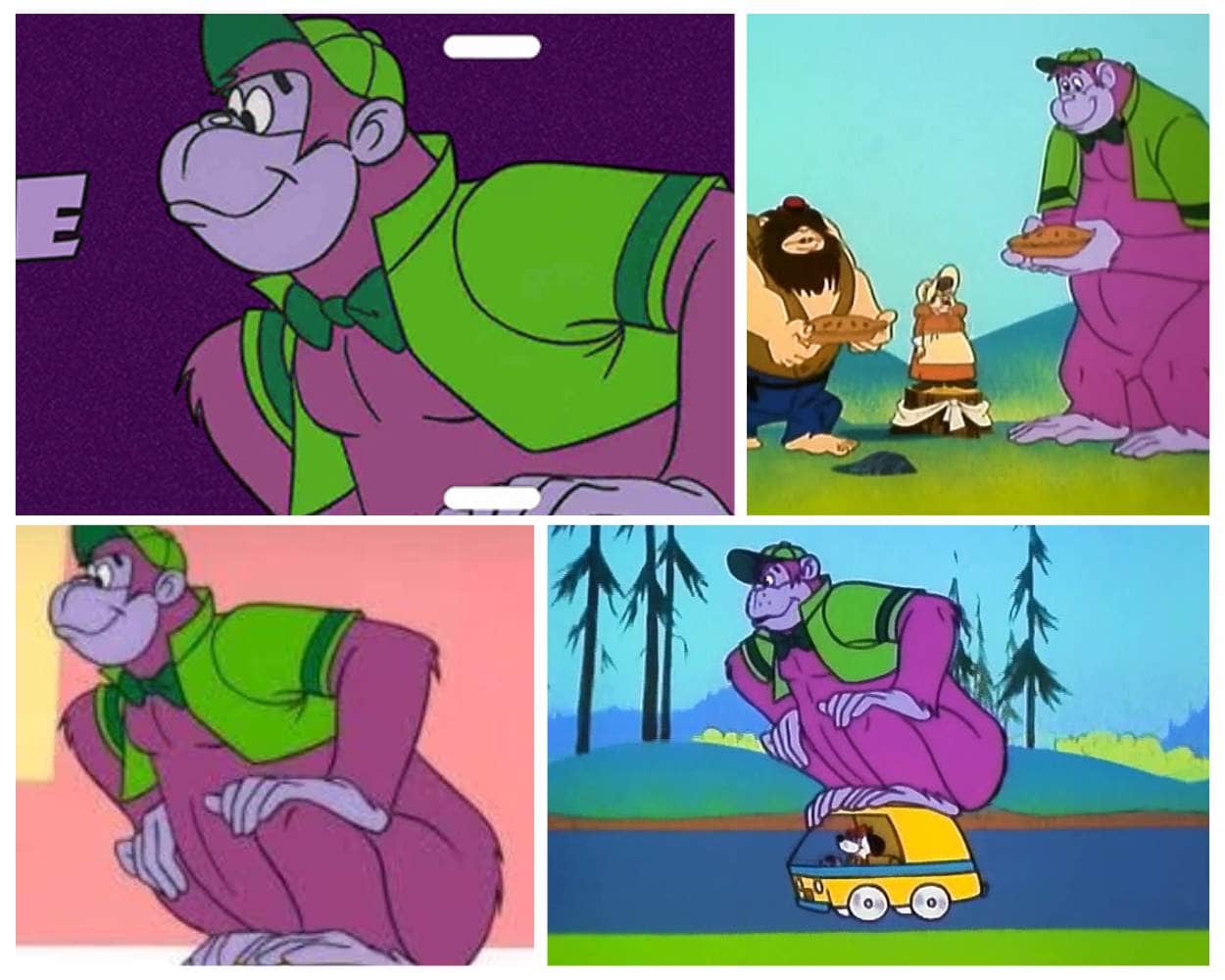
- Debut: The Great Grape Ape Show (1975)
- Original voice: Bob Holt
- Why they rank: A forty-foot purple gorilla played as a harmless, affectionate giant.
Grape Ape says his own name, towers over buildings, and creates disasters simply by trying to fit into ordinary places.
His friend Beegle Beagle does most of the talking and attempts to explain why nobody should panic.
The design is ridiculous, but the personality is gentle. Grape Ape rarely intends harm, which makes him less a monster than a giant child trying to understand a world built too small for him.
16. Captain Caveman
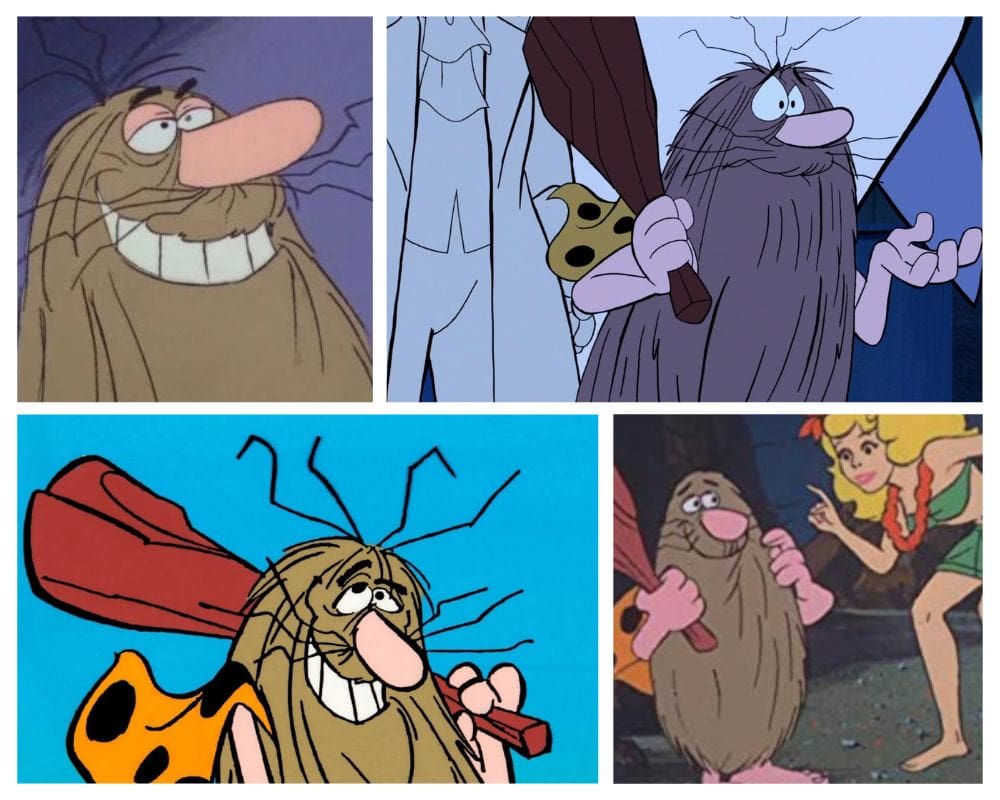
- Debut: Captain Caveman and the Teen Angels (1977)
- Original voice: Mel Blanc
- Why they rank: A mystery-show mascot who became a superhero, a walking storage closet, and a perfect excuse for Mel Blanc to yell.
Captain Caveman is discovered frozen in ice and immediately joins three teenage detectives.
His club contains ropes, gadgets, animals, and almost anything else a joke requires. He can also fly, although his hair covers so much of his body that the mechanics are best left unexplained.
The thunderous “Captain Caaaaaveman!” is half battle cry and half punchline. He is one of the clearest examples of Hanna-Barbera turning a deliberately absurd idea into a lasting character.
15. Hooded Claw
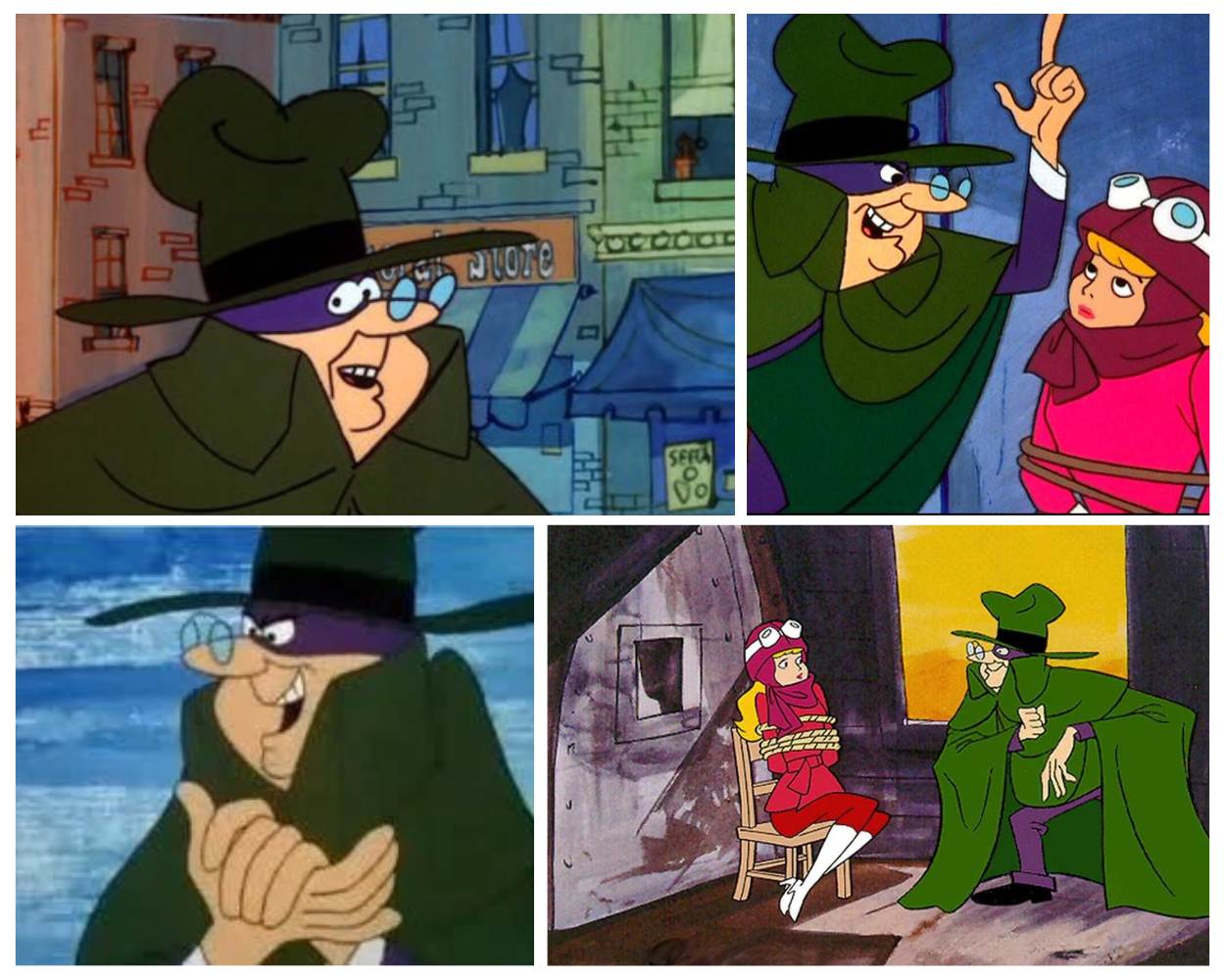
- Debut: The Perils of Penelope Pitstop (1969)
- Original voice: Paul Lynde
- Why they rank: One of the studio’s most theatrical villains, largely because Paul Lynde sounds delighted by every terrible plan.
The Hooded Claw spends an extraordinary amount of time building elaborate death traps for Penelope Pitstop.
He could choose a practical solution. Instead, he prefers collapsing buildings, runaway vehicles, and schemes that require several minutes of explanation.
Paul Lynde’s voice makes the villain. Every cackle suggests that the performance matters more to him than actually winning.
14. Super Friends
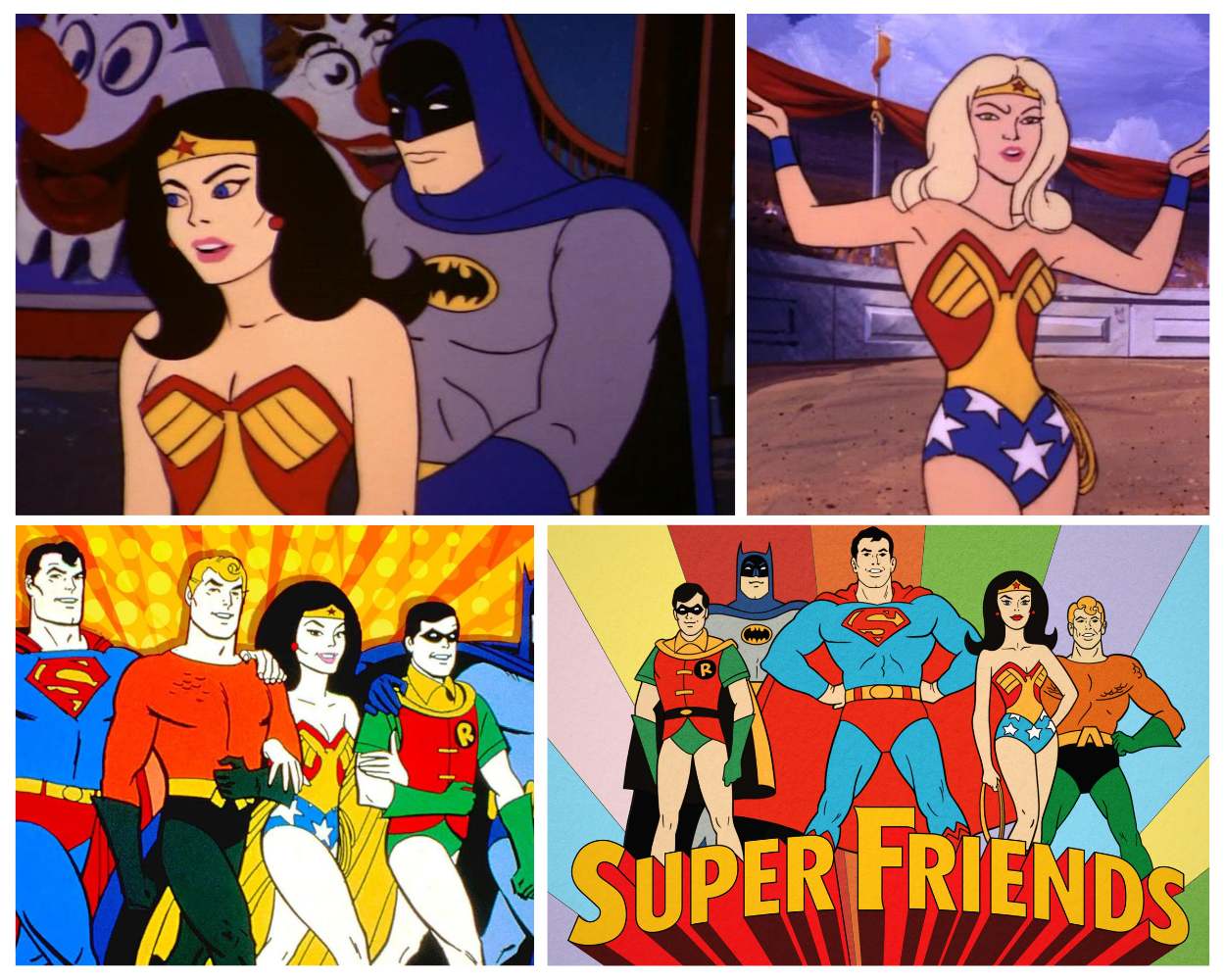
- Debut: Hanna-Barbera television series, 1973
- Original voice: An ensemble led by Danny Dark, Olan Soule, and Shannon Farnon
- Why they rank: A licensed DC adaptation that shaped how a generation first encountered the Justice League.
Superman, Batman, Wonder Woman, and Aquaman were DC Comics characters long before Hanna-Barbera brought them together on Saturday mornings.
The studio softened the violence, emphasized teamwork, and eventually added characters such as the Wonder Twins and the Legion of Doom.
The show can be stiff and wonderfully corny, but its reach was enormous. For many children, Super Friends was the first version of the DC universe they knew.
13. Snagglepuss

- Debut: Early Hanna-Barbera shorts in 1959, established in the early 1960s
- Original voice: Daws Butler
- Why they rank: A pink mountain lion who speaks as though every ordinary exit is the final scene of a Broadway tragedy.
Snagglepuss is built almost entirely from voice and timing.
Daws Butler gives him the grand theatrical delivery associated with Bert Lahr. “Heavens to Murgatroyd” and “Exit, stage left” make even a quick escape sound like an important dramatic event.
He is vain, nervous, and permanently ready to perform. My Snagglepuss guide looks more closely at how the voice and character developed.
12. Huckleberry Hound
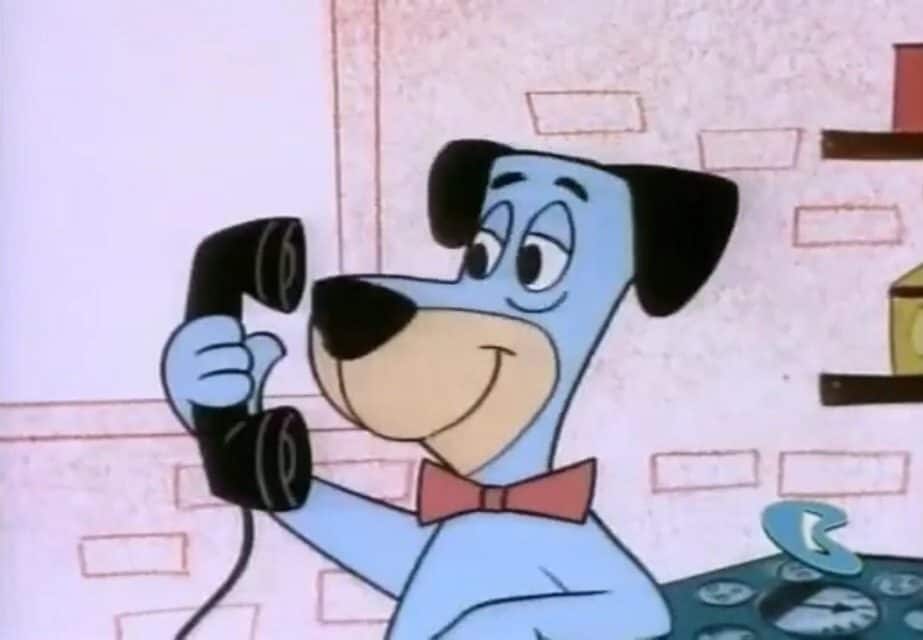
- Debut: The Huckleberry Hound Show (1958)
- Original voice: Daws Butler
- Why they rank: The relaxed blue dog whose series gave Hanna-Barbera its first major television success and a historic Emmy.
Huckleberry Hound can fail at almost any occupation without losing his patience.
He sings “Oh My Darling, Clementine” badly, speaks directly to the audience, and approaches every disaster with the same calm Southern drawl.
The Television Academy records The Huckleberry Hound Show as the 1960 winner for Outstanding Achievement in Children’s Programming. It became the first animated series to win an Emmy. Read the full story in my Huckleberry Hound article.
11. Bubbles
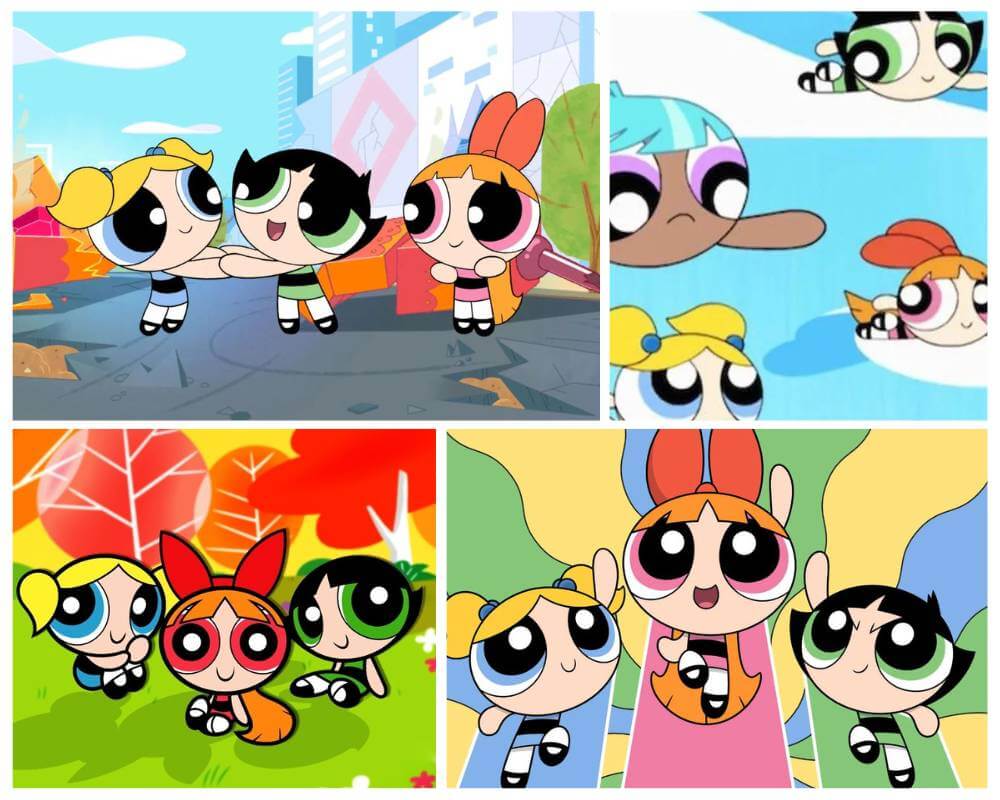
- Debut: What a Cartoon! short “Meat Fuzzy Lumkins” (1995)
- Original voice: Kath Soucie in the pilot, Tara Strong in the series
- Why they rank: The sweetest Powerpuff Girl is also the one whose anger becomes most frightening when someone pushes too far.
Bubbles is made from sugar, joy, laughter, and a willingness to hit monsters through buildings.
Her softness is not a weakness. She loves animals, speaks several languages, and often sees emotional details her sisters miss.
The original article listed her first appearance as the 1998 television series. The character actually appeared in a 1995 What a Cartoon! pilot before the full series began.
10-1: The Hanna-Barbera Icons
10. The Jetsons
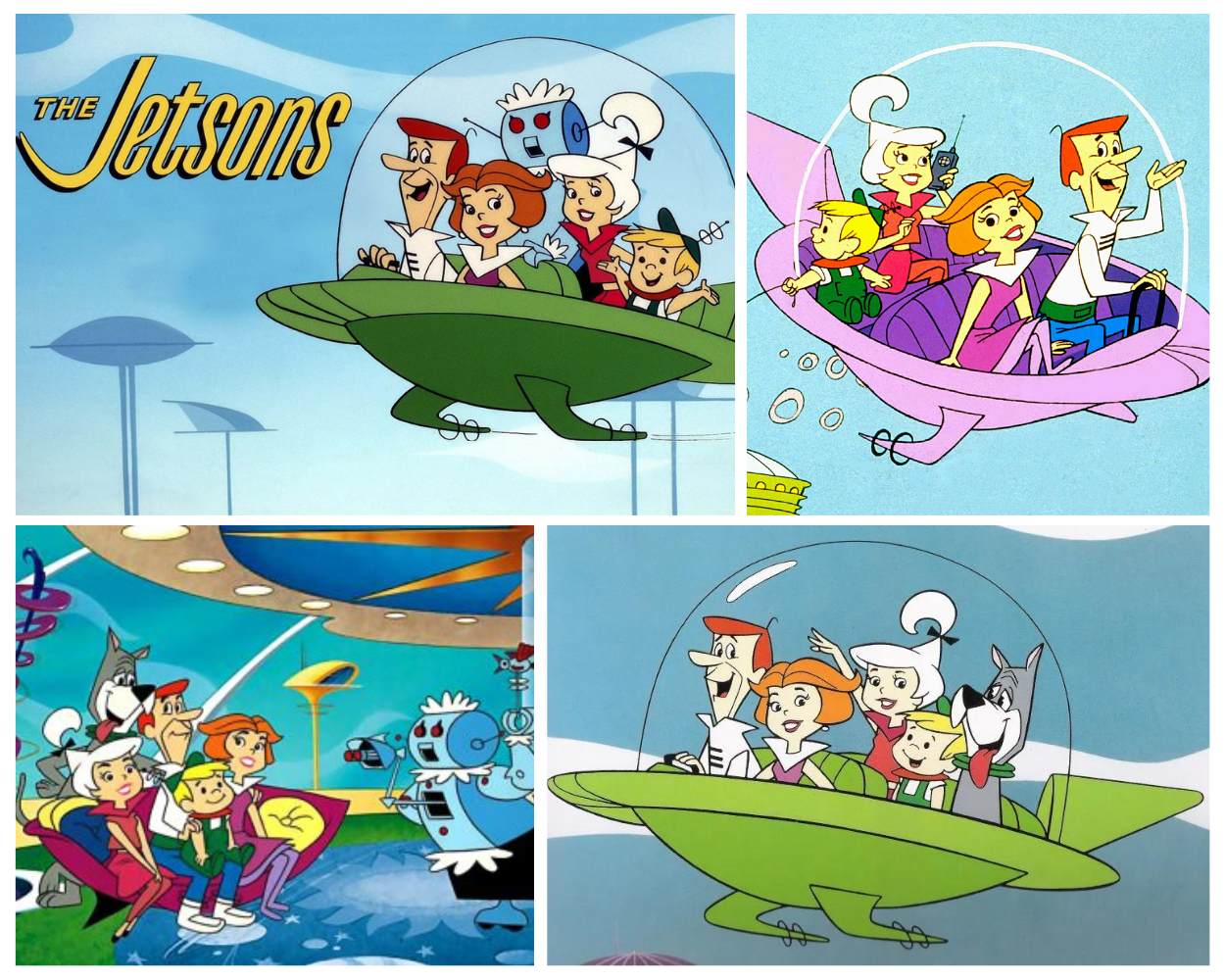
- Debut: The Jetsons (1962)
- Original voice: George O’Hanlon, Penny Singleton, Janet Waldo, and Daws Butler
- Why they rank: Hanna-Barbera’s most durable vision of family life in the future.
The Jetsons are less a prediction of the future than a 1960s sitcom lifted into the sky.
George still hates his job, Jane manages the household, Judy worries about teenage life, and Elroy is fascinated by technology. Flying cars and robot maids do not remove ordinary family problems.
The show helped popularize cartoon versions of video calls, moving walkways, wearable screens, and automated homes. Meet the full family in my Jetsons character guide.
9. Quick Draw McGraw
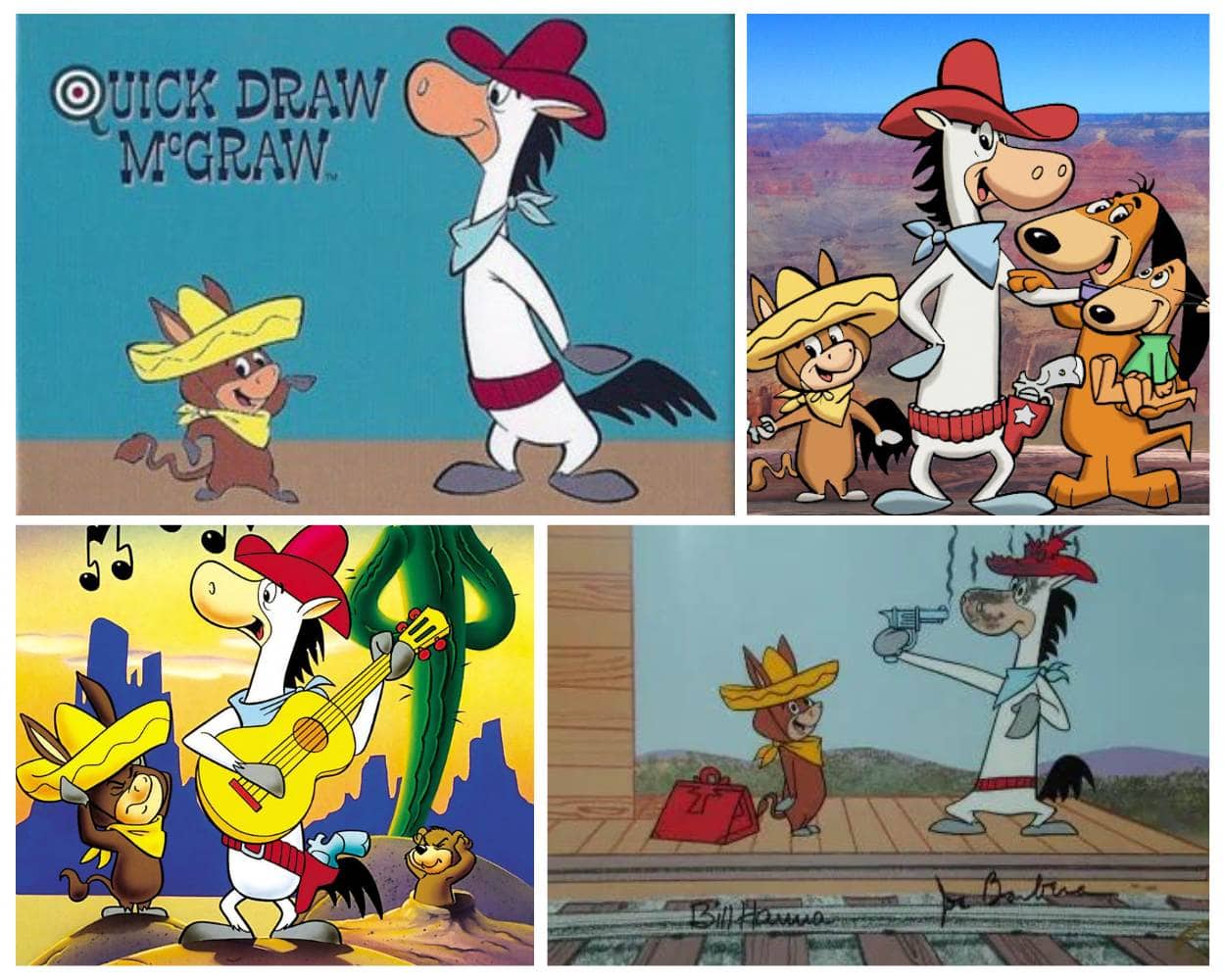
- Debut: The Quick Draw McGraw Show (1959)
- Original voice: Daws Butler
- Why they rank: A well-meaning Western lawman whose confidence is much faster than his thinking.
Quick Draw McGraw is a horse sheriff who believes enthusiasm can replace planning.
His deputy Baba Looey usually understands the problem first, but Quick Draw insists that he will do the thinking around there.
The best variation is El Kabong, his masked alter ego who fights crime by smashing guitars over criminals’ heads. More equine characters appear in my horse cartoon character guide.
8. Tom and Jerry
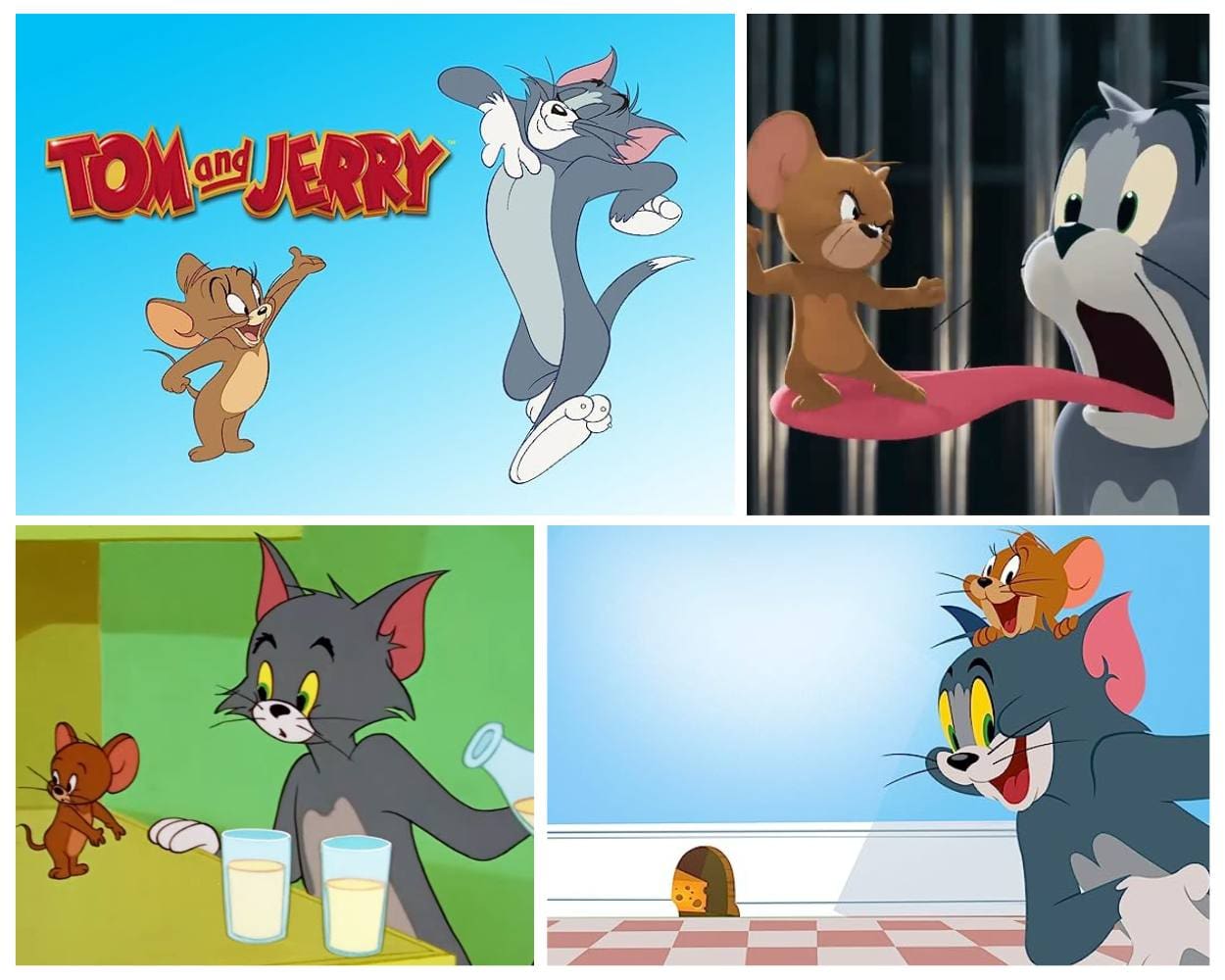
- Debut: Puss Gets the Boot at MGM (1940)
- Original voice: Mostly pantomime, with effects and occasional dialogue
- Why they rank: The cat-and-mouse partnership that made Hanna and Barbera famous before their television studio existed.
Tom and Jerry are part of the Hanna-Barbera story, but they are not Hanna-Barbera studio creations in the strict sense.
William Hanna and Joseph Barbera created the duo while working at MGM. Their theatrical shorts won seven Academy Awards, although the trophies were officially awarded to producer Fred Quimby.
The rivalry taught Hanna and Barbera how much character could be communicated through movement, timing, and sound. The relationship is more complicated than simple hatred, as explored in my article asking whether Tom and Jerry are secretly friends.
7. Jonny Quest
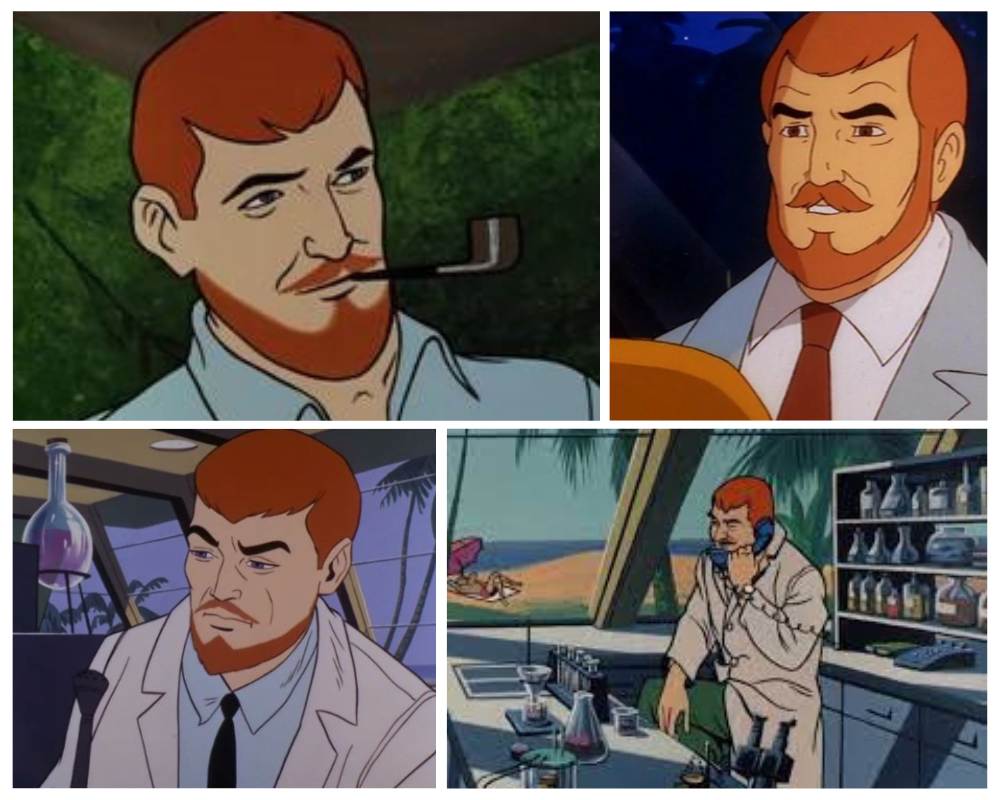
- Debut: Jonny Quest (1964)
- Original voice: Tim Matheson
- Why they rank: A television adventure hero allowed to face real danger, science-fiction threats, and villains who felt genuinely dangerous.
Jonny Quest looks and moves differently from most early Hanna-Barbera television characters.
Designer Doug Wildey brought a comic-book realism to the series, while Hoyt Curtin’s music gave every escape and chase a sense of scale.
Jonny, Hadji, Race Bannon, Dr. Quest, and Bandit travel through stories involving espionage, monsters, robots, and lost civilizations. The series remains one of the studio’s strongest action productions.
6. Top Cat
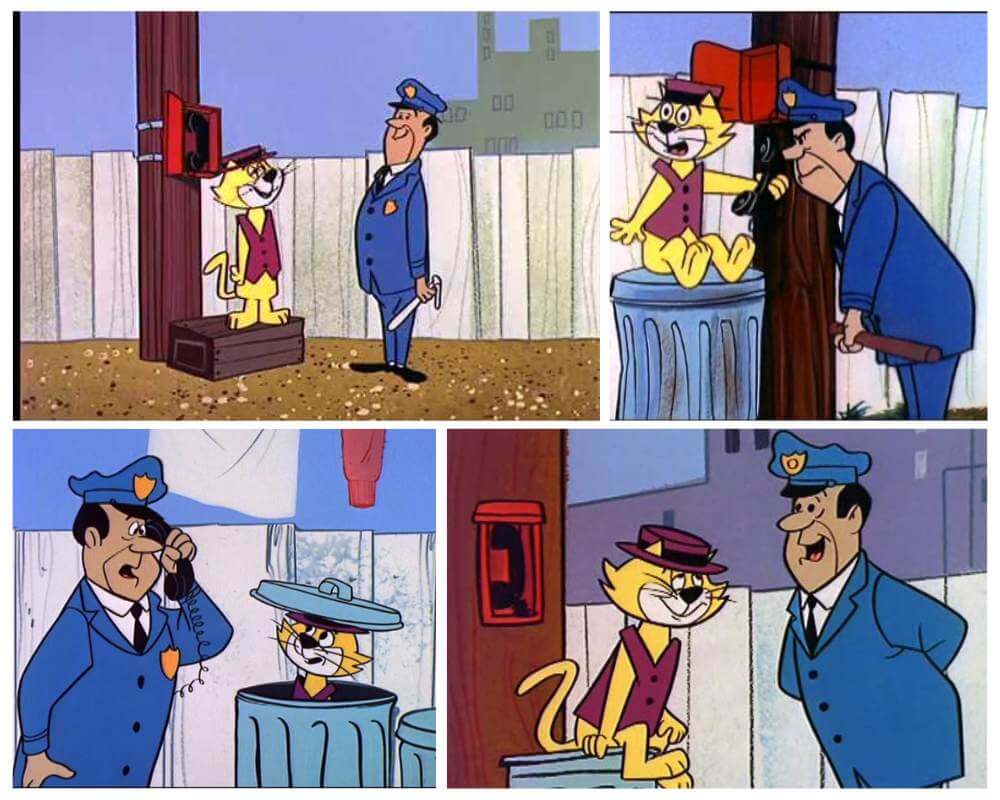
- Debut: Top Cat (1961)
- Original voice: Arnold Stang
- Why they rank: A fast-talking alley schemer whose Mexican dub gave him an extraordinary second cultural life as Don Gato.
Top Cat runs his alley like Sergeant Bilko ran an Army motor pool.
He has a gang, a telephone, endless plans, and Officer Dibble standing between him and easy money. Arnold Stang’s voice makes every bad idea sound polished and reasonable.
The series lasted only 30 episodes, but its Latin American dub became a major cultural success. I explore that separate history in Why Is Top Cat Popular in Mexico?
5. Boo-Boo Bear
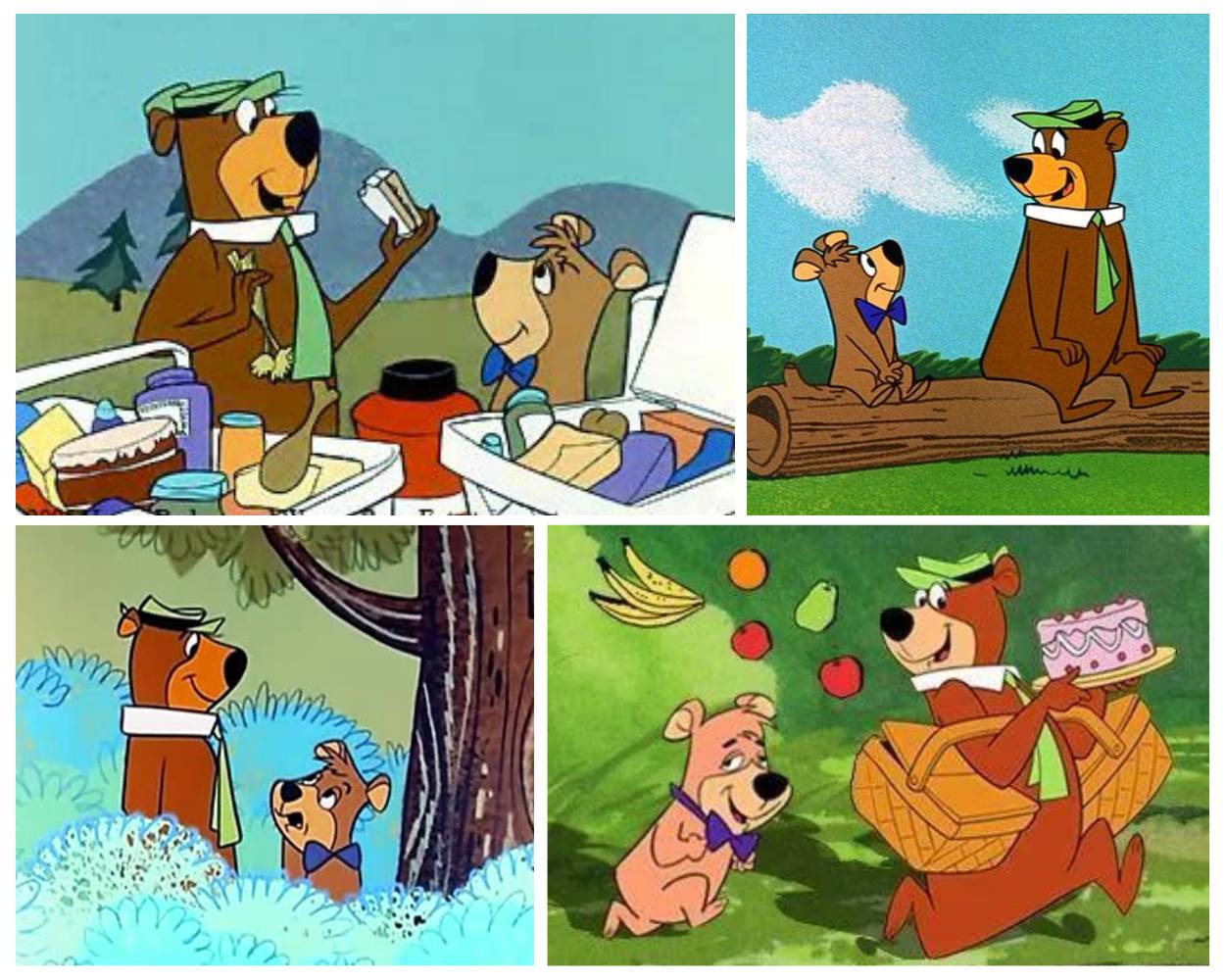
- Debut: The Huckleberry Hound Show (1958)
- Original voice: Don Messick
- Why they rank: The quiet conscience that makes Yogi Bear’s schemes funnier and gives the partnership its heart.
Boo-Boo understands every reason Yogi’s latest plan will fail.
He warns him about Ranger Smith, points out the obvious problem, and then follows anyway because he is loyal.
Don Messick plays him softly, which creates the perfect contrast with Yogi’s confidence. Boo-Boo is not merely the responsible one. He is the friend who knows better and stays beside you.
4. Yogi Bear
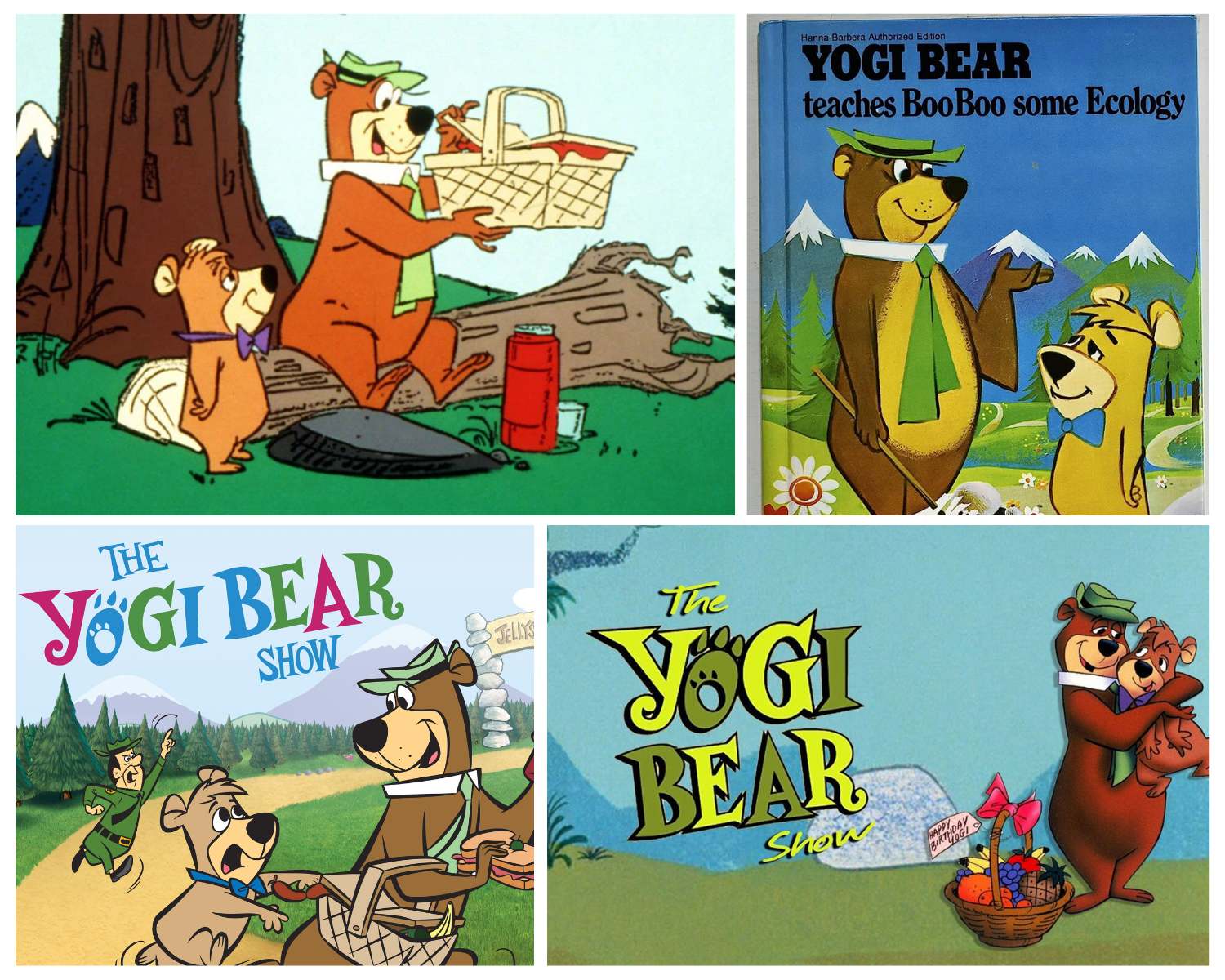
- Debut: The Huckleberry Hound Show (1958)
- Original voice: Daws Butler
- Why they rank: The first Hanna-Barbera supporting character to become a franchise of his own.
Yogi Bear became more popular than the program that introduced him.
He is certain that intelligence makes ordinary rules optional, especially when a picnic basket is nearby. Boo-Boo provides the warning, Ranger Smith provides the obstacle, and Yogi provides the plan that turns a small theft into a park-wide disaster.
His success led to The Yogi Bear Show and the 1964 theatrical feature Hey There, It’s Yogi Bear. Few early television characters expanded so quickly.
3. Barney Rubble
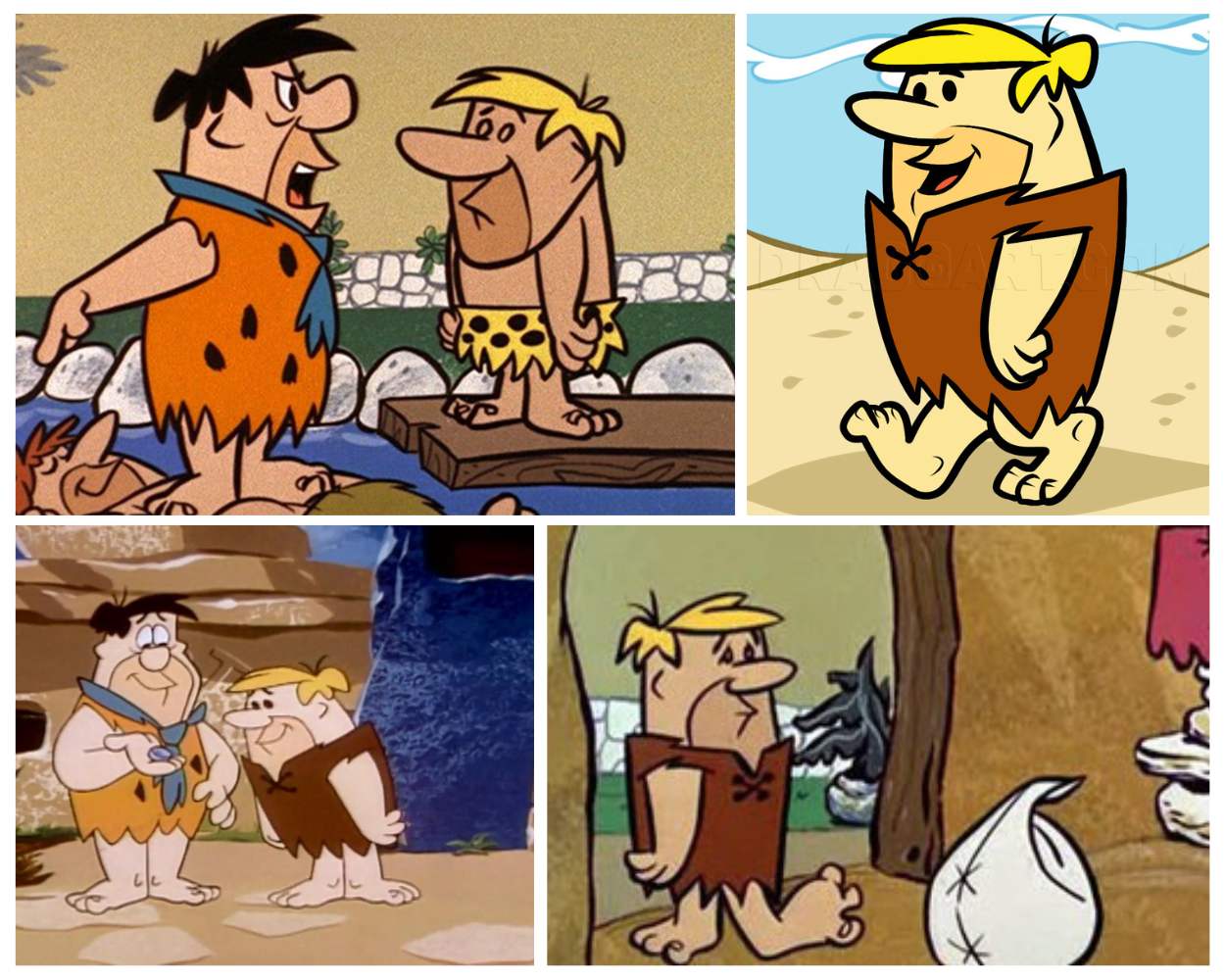
- Debut: The Flintstones (1960)
- Original voice: Mel Blanc
- Why they rank: The relaxed neighbour whose loyalty and comic timing make Fred Flintstone easier to love.
Barney Rubble is the friend who recognizes that Fred’s plan is terrible and agrees to help anyway.
Mel Blanc’s laugh, lighter voice, and patient delivery make him the ideal counterweight to Fred’s shouting.
Barney is not as forceful as Fred, but the series would lose much of its warmth without him. Their friendship is the engine underneath many of Bedrock’s best stories.
2. Fred Flintstone
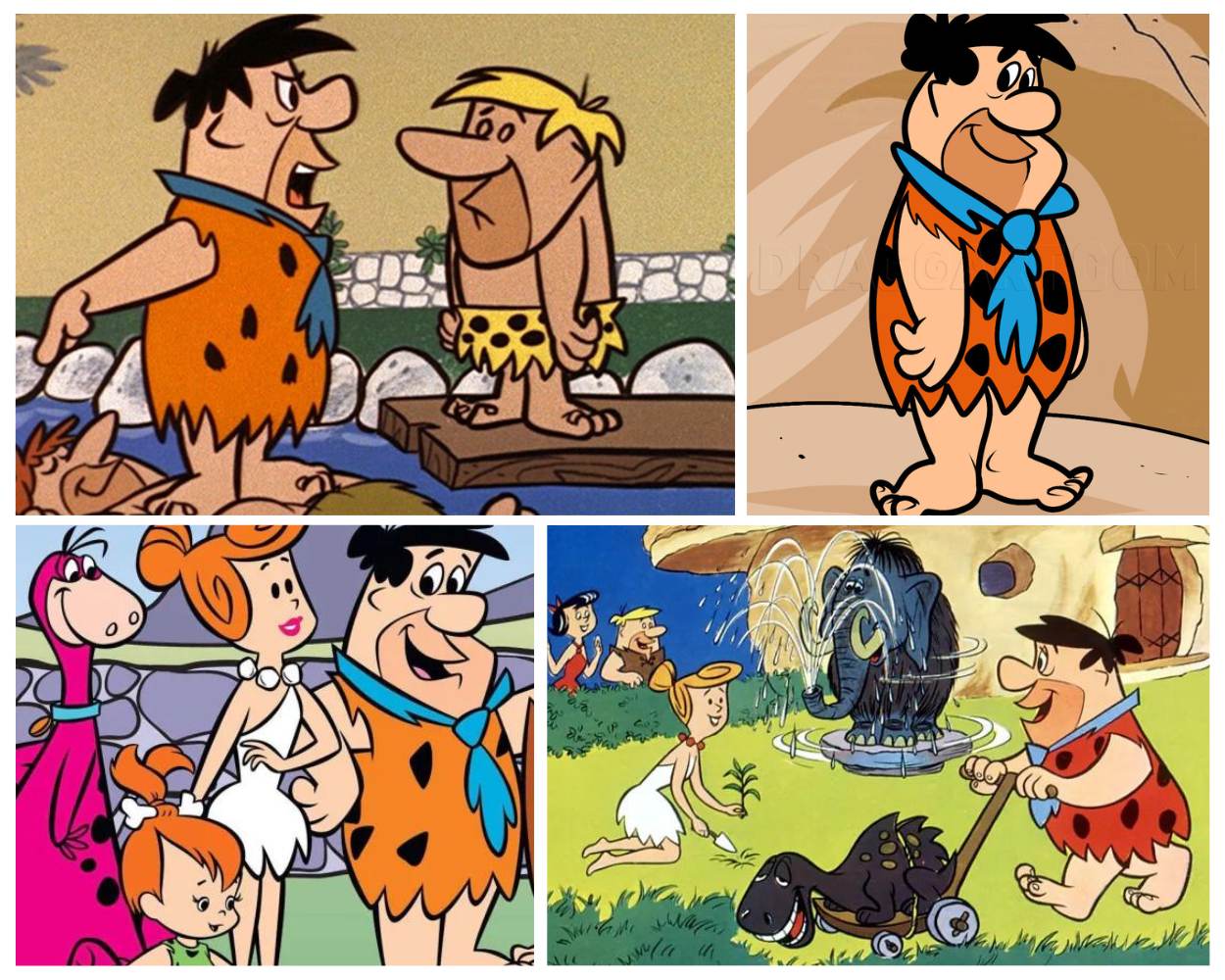
- Debut: The Flintstones (1960)
- Original voice: Alan Reed
- Why they rank: The loud, flawed everyman who proved an animated sitcom could compete in prime time.
Fred Flintstone is impatient, proud, generous, insecure, and immediately recognizable.
The character borrowed heavily from Ralph Kramden in The Honeymooners, but Alan Reed’s voice and the Stone Age setting gave Fred his own identity.
Guinness World Records recognizes The Flintstones as the first prime-time animated television series. The show did more than produce a catchphrase. It proved that animation could carry an evening family sitcom.
1. Scooby-Doo
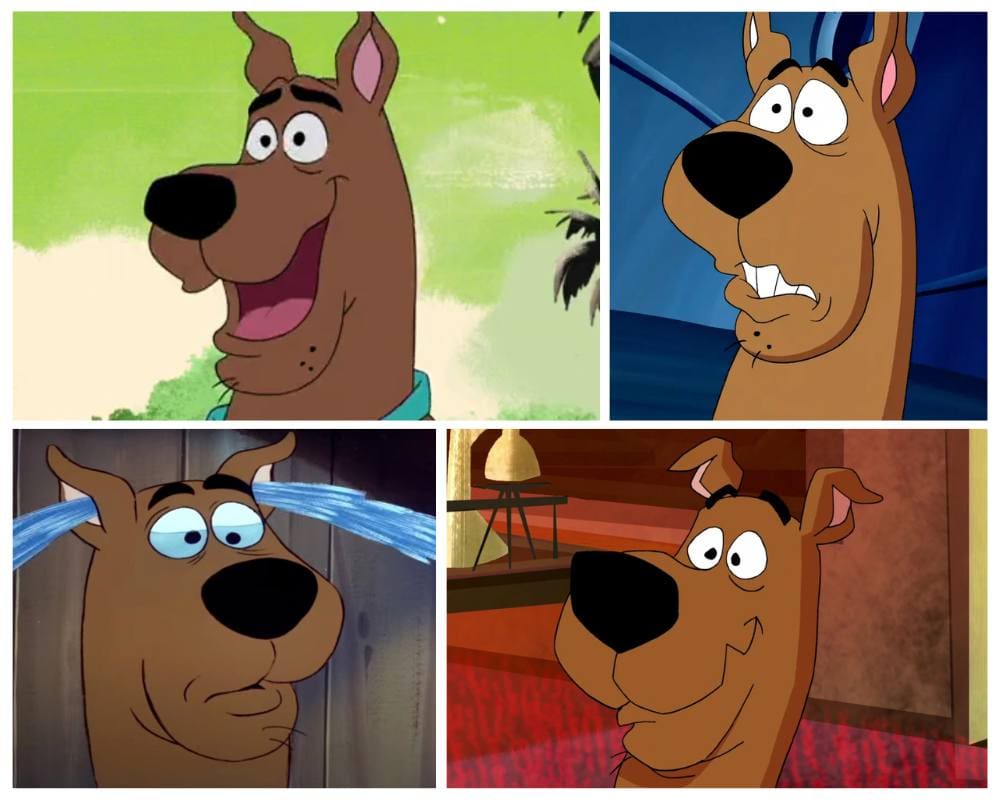
- Debut: Scooby-Doo, Where Are You! (1969)
- Original voice: Don Messick
- Why they rank: The studio’s most durable original character and the centre of a franchise that has survived every change in television animation.
Scooby-Doo is afraid of ghosts, motivated by food, and almost never volunteers to investigate anything.
He still saves the day.
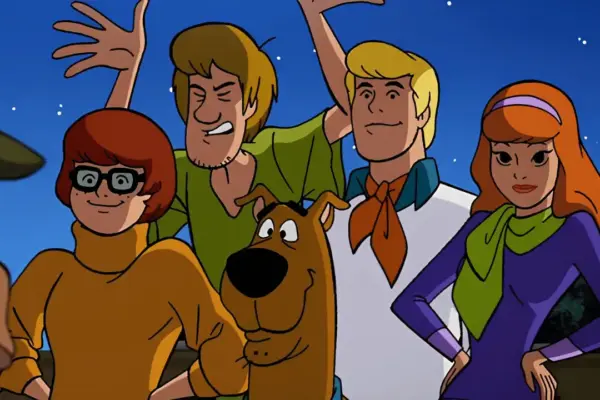
The relationship with Shaggy gives the comedy its heart, while the mystery format allows the franchise to keep changing around them. Scooby has worked in horror comedy, celebrity crossovers, theatrical films, direct-to-video mysteries, reboots, and self-parody.
No other Hanna-Barbera creation has remained this visible for this long. Scooby-Doo is the clear number one.
Top Hanna-Barbera Characters at a Glance
This compact table covers the highest-ranked characters and their original voices. It scrolls horizontally on smaller screens.
| Rank | Character | Debut | Original voice |
|---|---|---|---|
| 1 | Scooby-Doo | 1969 | Don Messick |
| 2 | Fred Flintstone | 1960 | Alan Reed |
| 3 | Barney Rubble | 1960 | Mel Blanc |
| 4 | Yogi Bear | 1958 | Daws Butler |
| 5 | Boo-Boo Bear | 1958 | Don Messick |
| 6 | Top Cat | 1961 | Arnold Stang |
| 7 | Jonny Quest | 1964 | Tim Matheson |
| 8 | Tom and Jerry | 1940 | Mostly pantomime |
| 9 | Quick Draw McGraw | 1959 | Daws Butler |
| 10 | The Jetsons | 1962 | Ensemble |
| 11 | Bubbles | 1995 | Kath Soucie |
| 12 | Huckleberry Hound | 1958 | Daws Butler |
Who Voiced the Most Hanna-Barbera Characters?
No single performer carried the studio, but a small group returned constantly.
- Daws Butler: Yogi Bear, Huckleberry Hound, Quick Draw McGraw, Snagglepuss, Wally Gator, and many more
- Don Messick: Scooby-Doo, Boo-Boo, Muttley, Astro, Papa Smurf, and dozens of supporting characters
- Mel Blanc: Barney Rubble, Secret Squirrel, Captain Caveman, and Dino
- Janet Waldo: Judy Jetson, Penelope Pitstop, Josie, and other major female roles
- Frank Welker: Jabberjaw, Dynomutt, and later Scooby-Doo after Don Messick
The Studio Behind the Characters
Hanna-Barbera grew because it understood television as its own medium.
The drawings moved less than theatrical animation, but the characters talked more. Voices, music, sound effects, and clear poses carried the comedy.
The studio also knew how to reuse a successful structure. Yogi followed the breakout-sidekick model. The Flintstones led to more prime-time experiments. Scooby-Doo inspired a decade of mystery teams, including The Funky Phantom and many of the shows covered in my Scooby-Doo clones guide.
That repetition sometimes produced weak copies.
It also produced characters strong enough to outlive the formulas that created them.
Final Ranking
Scooby-Doo takes the top spot because no other Hanna-Barbera creation has remained as active, adaptable, or recognizable.
Fred Flintstone and Yogi Bear helped establish the studio. Huckleberry Hound gave it early credibility. Space Ghost and Bubbles connect the classic era to Cartoon Network and Adult Swim.
The list could easily have included another 30 characters.
Who did I rank too low?
Share your pick in the comments.

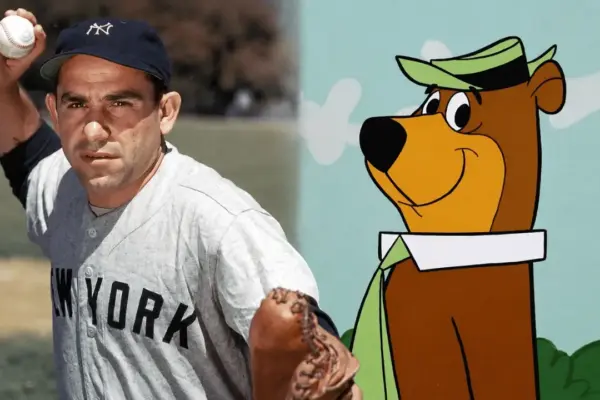
Everyone forgets about Squiddly Diddly. He was an octopus whose biggest dream was leaving the underwater park to become famous, and I think he deserves a lot more attention. His whole character was built around chasing a dream that always seemed just out of reach, which made him surprisingly relatable. He may not be as iconic as Yogi Bear or Huckleberry Hound, but he’s definitely one of Hanna-Barbera’s most underrated characters.
### Adult Males
1. Fred Flintstone
2. Barney Rubble
3. George Jetson
4. Shaggy Rogers
5. Fred Jones
6. Dick Dastardly
7. Race Bannon
8. Dr. Benton Quest
9. Cosmo Spacely
10. Mr. Slate
11. Captain Caveman
12. Space Ghost
13. Harvey Birdman
14. Ranger Smith
15. Scooby-Doo
16. Yogi Bear
17. Huckleberry Hound
18. Top Cat
19. Quick Draw McGraw
20. Snagglepuss
21. Magilla Gorilla
22. Muttley
23. Secret Squirrel
24. Hong Kong Phooey / Penry
25. Wally Gator
26. Peter Potamus
27. Jabberjaw
28. Tom Cat
29. Jerry Mouse
30. Atom Ant
31. Doggie Daddy
32. Baba Looey
33. Mr. Jinks
34. Morocco Mole
35. Grape Ape
36. Blue Falcon
37. Dynomutt
38. Mildew Wolf
39. Touché Turtle
40. Dum Dum
41. Papa Smurf
42. Lippy the Lion
43. Hardy Har Har
44. Squiddly Diddly
45. Frankenstein Jr.
46. Multi Man
47. Fluid Man
48. Coil Man
49. Benny the Ball
50. Choo-Choo
51. Spook
52. Brain
53. Fancy-Fancy
54. Officer Dibble
55. Droop-a-Long
56. Ricochet Rabbit
### Adult Females
1. Wilma Flintstone
2. Betty Rubble
3. Jane Jetson
4. Daphne Blake
5. Velma Dinkley
6. Penelope Pitstop
7. Josie McCoy
8. Valerie Brown
9. Melody Valentine
10. Brenda Chance
11. Dee Dee Sykes
12. Taffy Dare
13. Granny Sweet
14. Rosie the Robot
15. Cindy Bear
16. Smurfette
17. Maw Rugg
18. Floral Rugg
19. Alexandra Cabot
20. Stella Spacely
21. Pearl Slaghoople
22. Mrs. Slate
### Kids – Boys
1. Elroy Jetson
2. Jonny Quest
3. Hadji Singh
4. Bamm-Bamm Rubble
5. Chuck
6. Boo-Boo Bear
7. Augie Doggie
8. Scrappy-Doo
9. Pixie
10. Dixie
11. Shag Rugg
12. Dexter
13. Henry Chan
14. Stanley Chan
15. Alan Chan
16. Tom Chan
17. Flip Chan
18. Scooter Chan
### Kids – Girls
1. Pebbles Flintstone
2. Judy Jetson
3. Nancy
4. Blossom
5. Bubbles
6. Buttercup
7. Suzie Chan
8. Anne Chan
9. Nancy Chan
10. Mimi Chan
11. Sassette Smurfling
12. Dee Dee