

These are the best cartoon characters ever made, at least in my book, and I have spent way too much of my life thinking about this list. Ranking them was brutal.
From the ink-stained hands of early animators to today’s digital studios, the greatest cartoon characters have always done the same thing.
They entertain you once, then they follow you around for decades.
That is the test I used here.
I am counting down, so my number one sits at the very bottom. Along the way I called out what each character did first, why they broke ground for their era, and the exact reason they earned a spot. Grab a bowl of cereal and settle in.
The Greatest Cartoon Characters Of All Time, Ranked
Walt Disney breathed life into Snow White, Cinderella, and a certain mouse, and the floodgates never closed after that.
Mickey is the most famous cartoon character on the planet, and you will find him waiting at the bottom of this list.
Everyone else had to fight for their place above him. Whether you loved lazy Saturday mornings on the couch or you still queue up old shorts on a Friday night, let us get into it.
Dastardly and Muttley (Wacky Races)
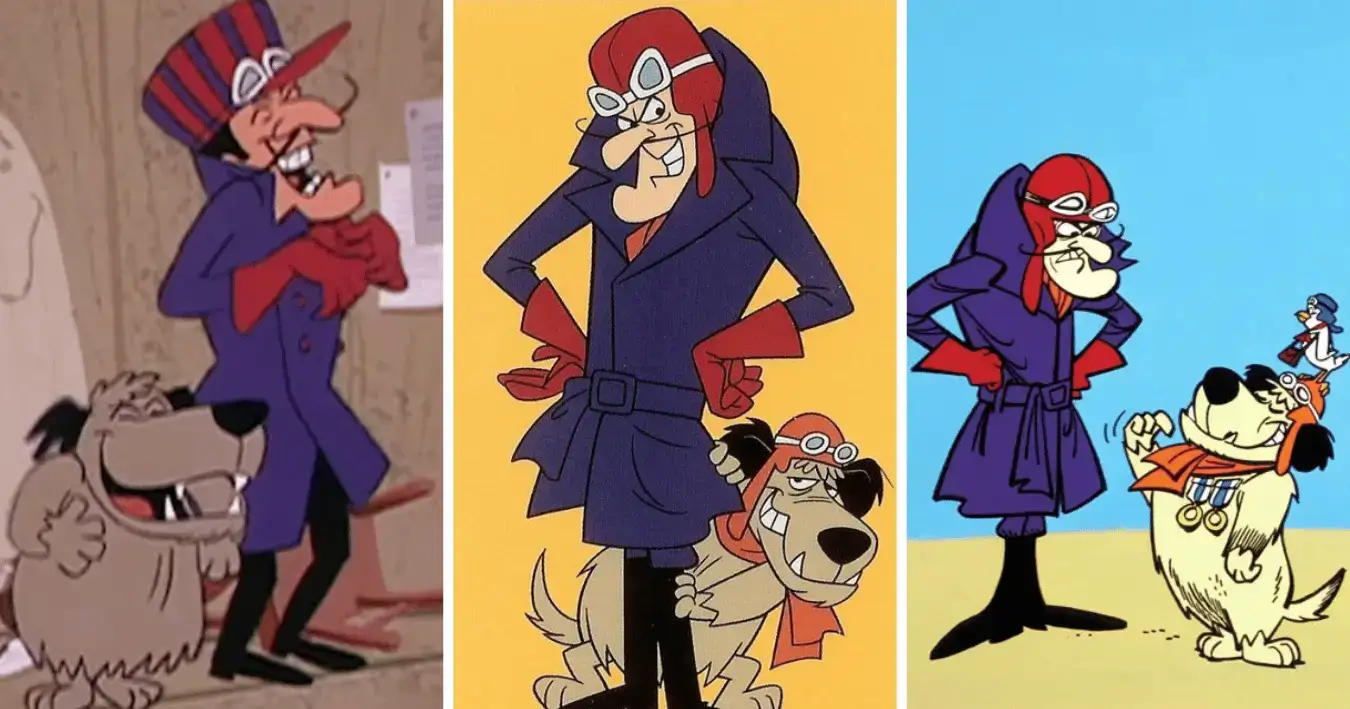
Debut: Wacky Races, 1968 (Hanna-Barbera)
Why they made my list: The blueprint for the lovable cheater who never quite wins
Hanna-Barbera dropped Dick Dastardly and his wheezing dog Muttley into Wacky Races in 1968, and they instantly became the most recognizable schemers in animation.
I loved that they lost every single week and never learned a thing. Muttley’s snickering laugh lived rent-free in my head for years, and the show would be forgettable without this duo grounding the chaos.
Korra (The Legend of Korra)
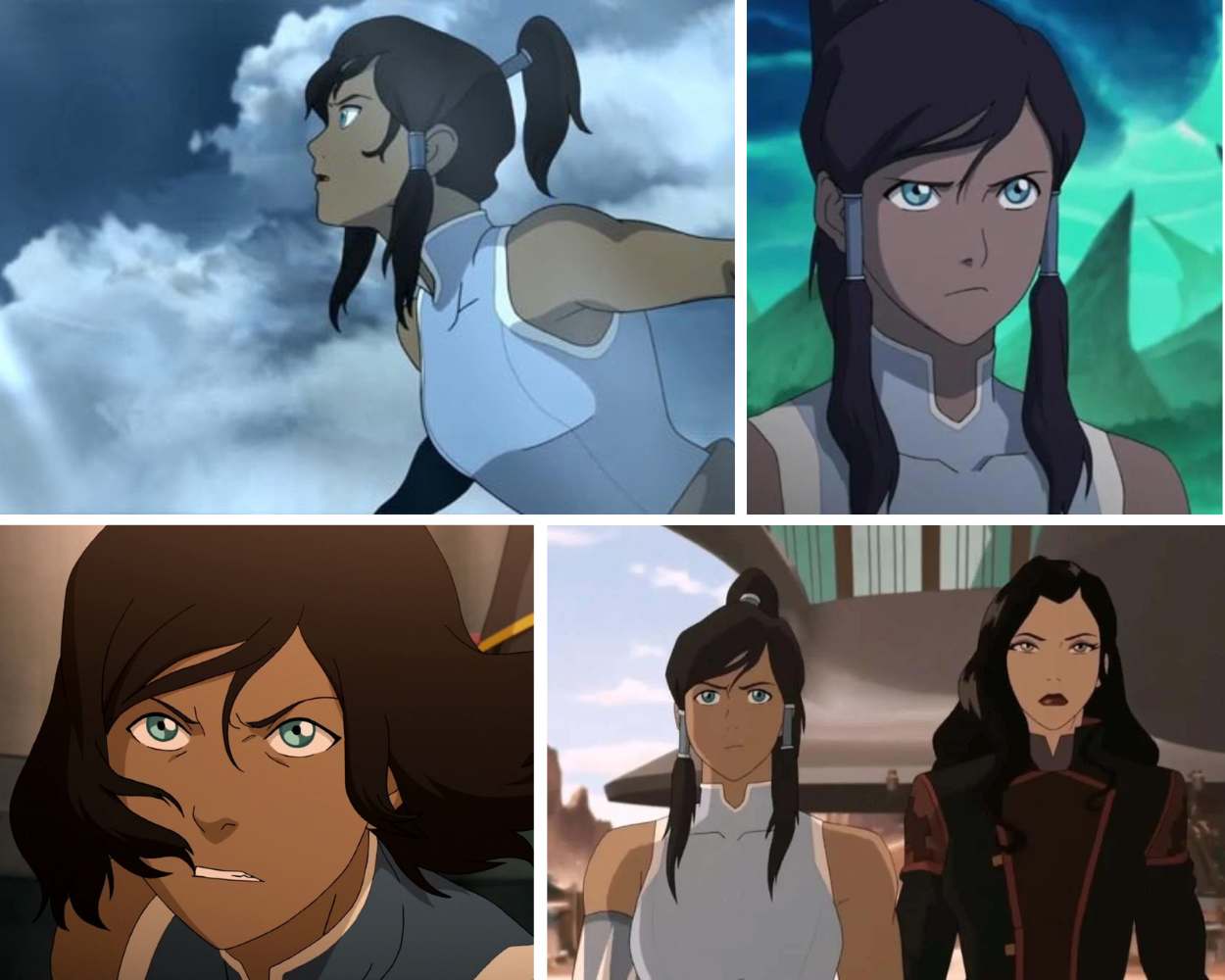
Debut: The Legend of Korra, 2012
Why they made my list: A flawed, stubborn hero who had to earn every win
Korra is the star of the animated series that followed Avatar: The Last Airbender.
What I respect about her is that she is basically the hard-mode Avatar. She comes in strong and cocky, then the show spends four seasons humbling her and forcing her to grow. Following a beloved original is a losing game, and she pulled it off.
Wile E. Coyote and the Road Runner
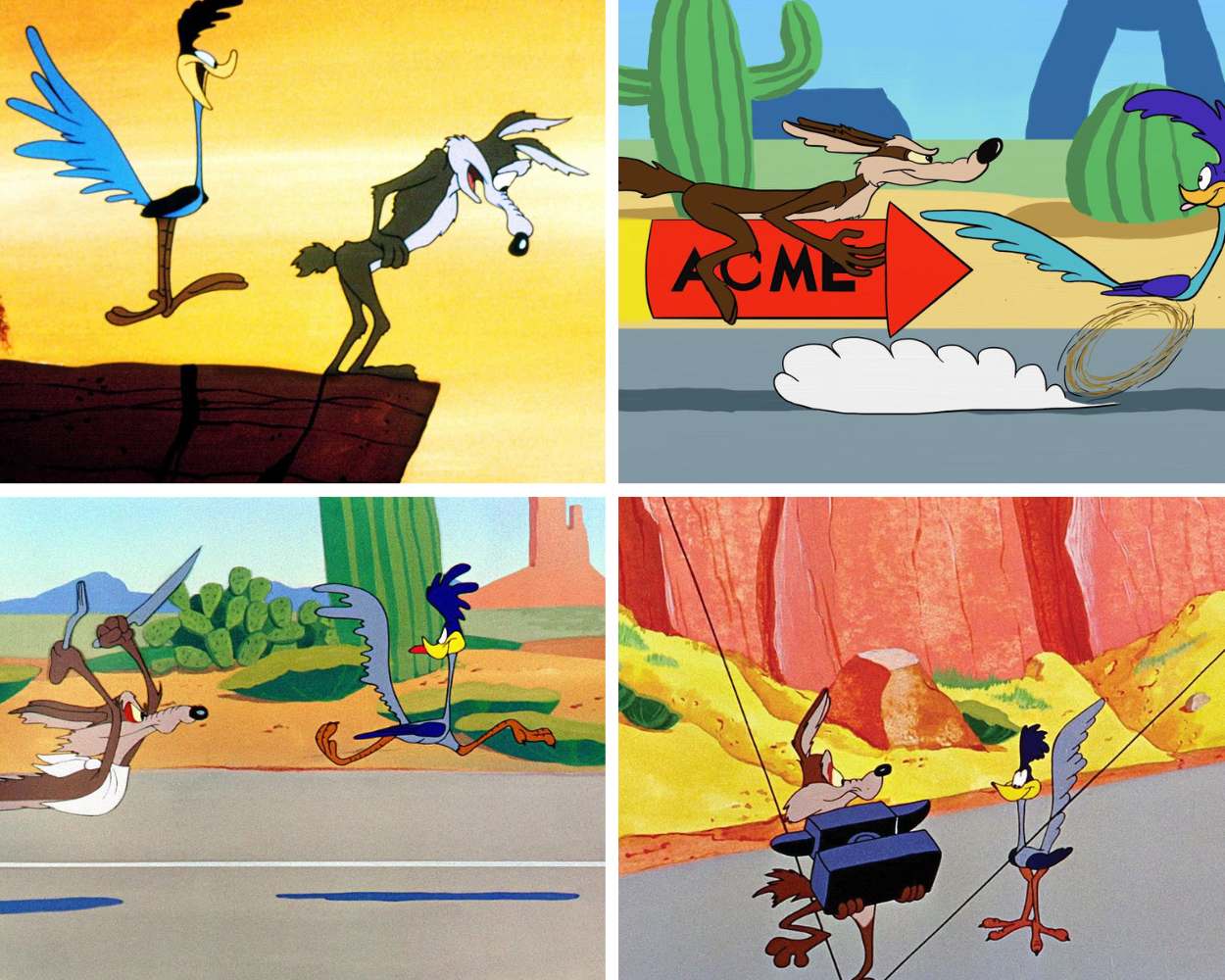
Debut: Fast and Furry-ous, 1949 (Chuck Jones)
Why they made my list: Proof that perfect comic timing needs zero dialogue
Chuck Jones built a duo you can name from a one-second silhouette. Their shorts run on pure timing, escalation, and the grim certainty that ACME will betray the coyote yet again.
As a kid I rooted for him even though I knew he was doomed, and that tension is why they remain some of the most iconic cartoon characters ever drawn.
Sterling Archer (Archer)
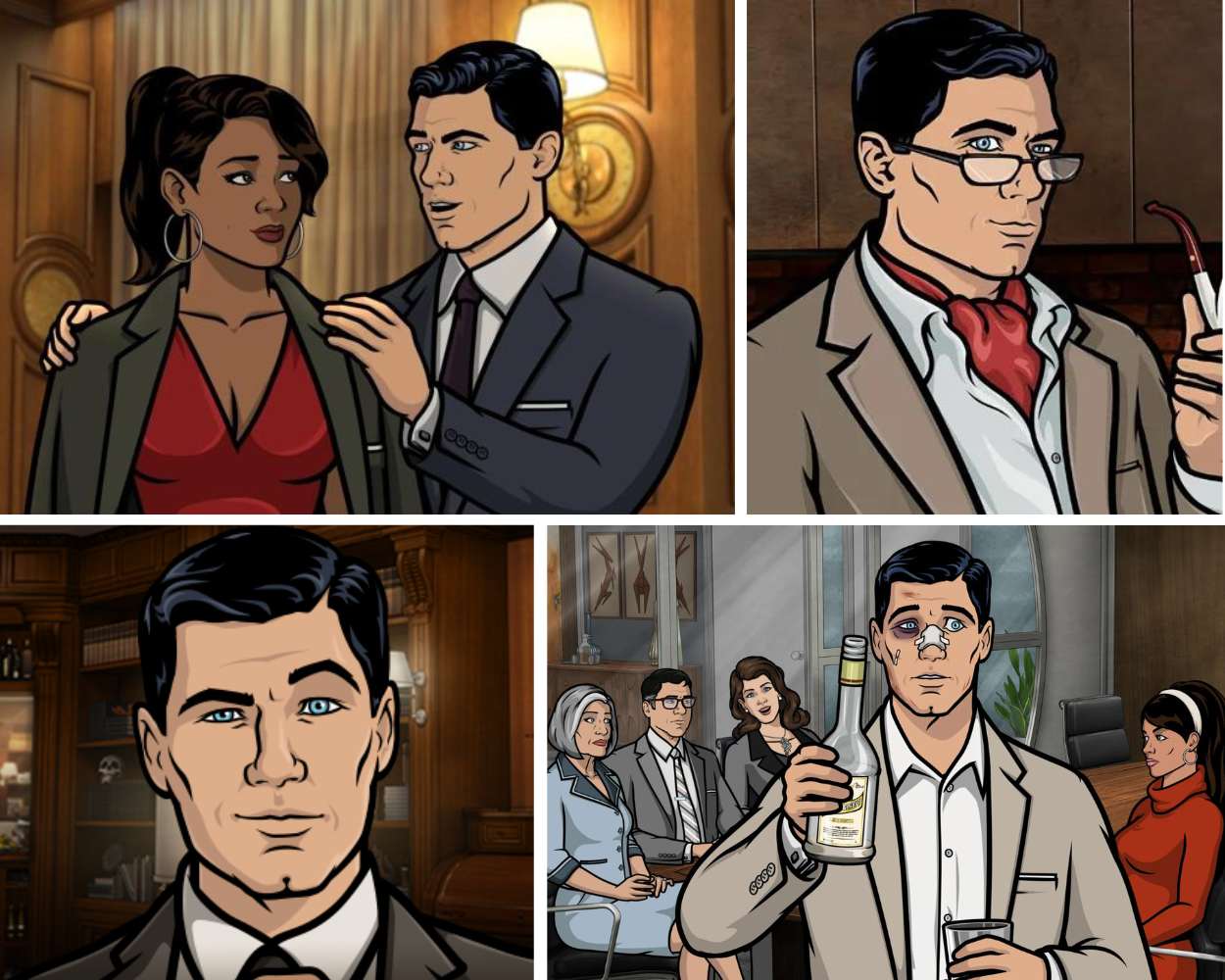
Debut: Archer, 2009
Why they made my list: Adult animation built entirely on razor-sharp dialogue
Archer showed that adult animation could mint its own legends out of nothing but ego and rapid-fire wordplay.
He is the world’s greatest spy and an insufferable man-child at the same time, and the show works because those two things are never separate. This is not a kids’ pick, but it earned its place among the best cartoon characters of the modern era.
Wonder Woman
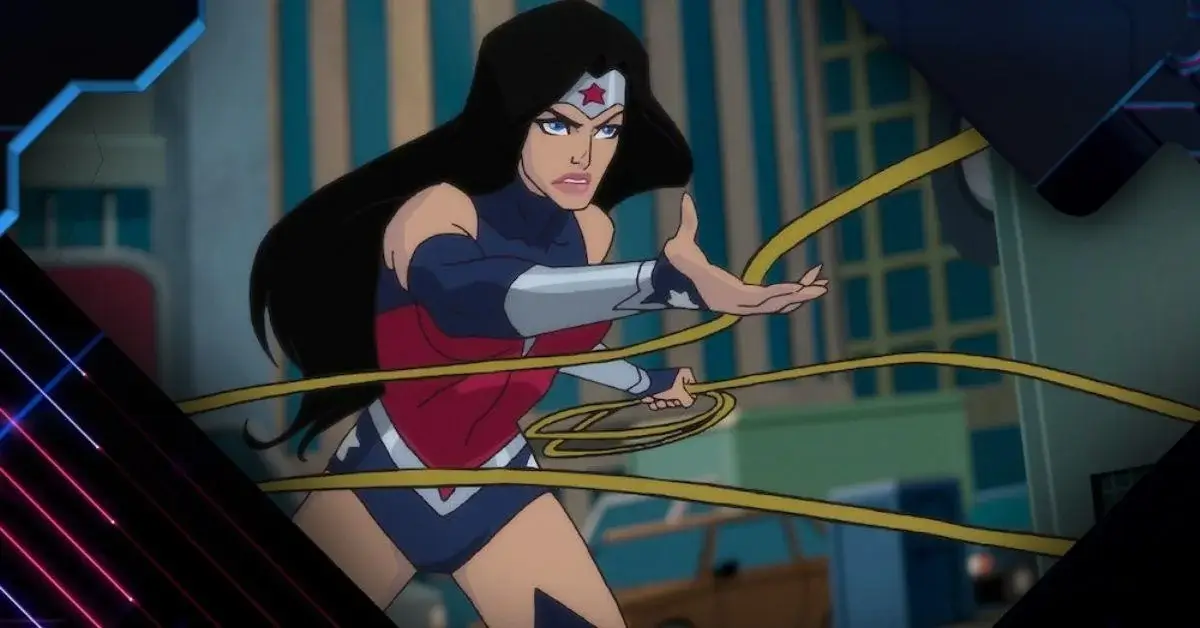
Debut: DC Comics, 1941 (animated across many series since)
Why they made my list: The template for the powerful, principled heroine
Wonder Woman is bigger than any single cartoon she has starred in. In animated form she stands for strength, elegance, and a moral clarity that never tips into being naive.
She predates almost every superheroine who followed, and animators have leaned on her design and values for decades. Hope without corniness is hard to write, and she nails it.
Magilla Gorilla
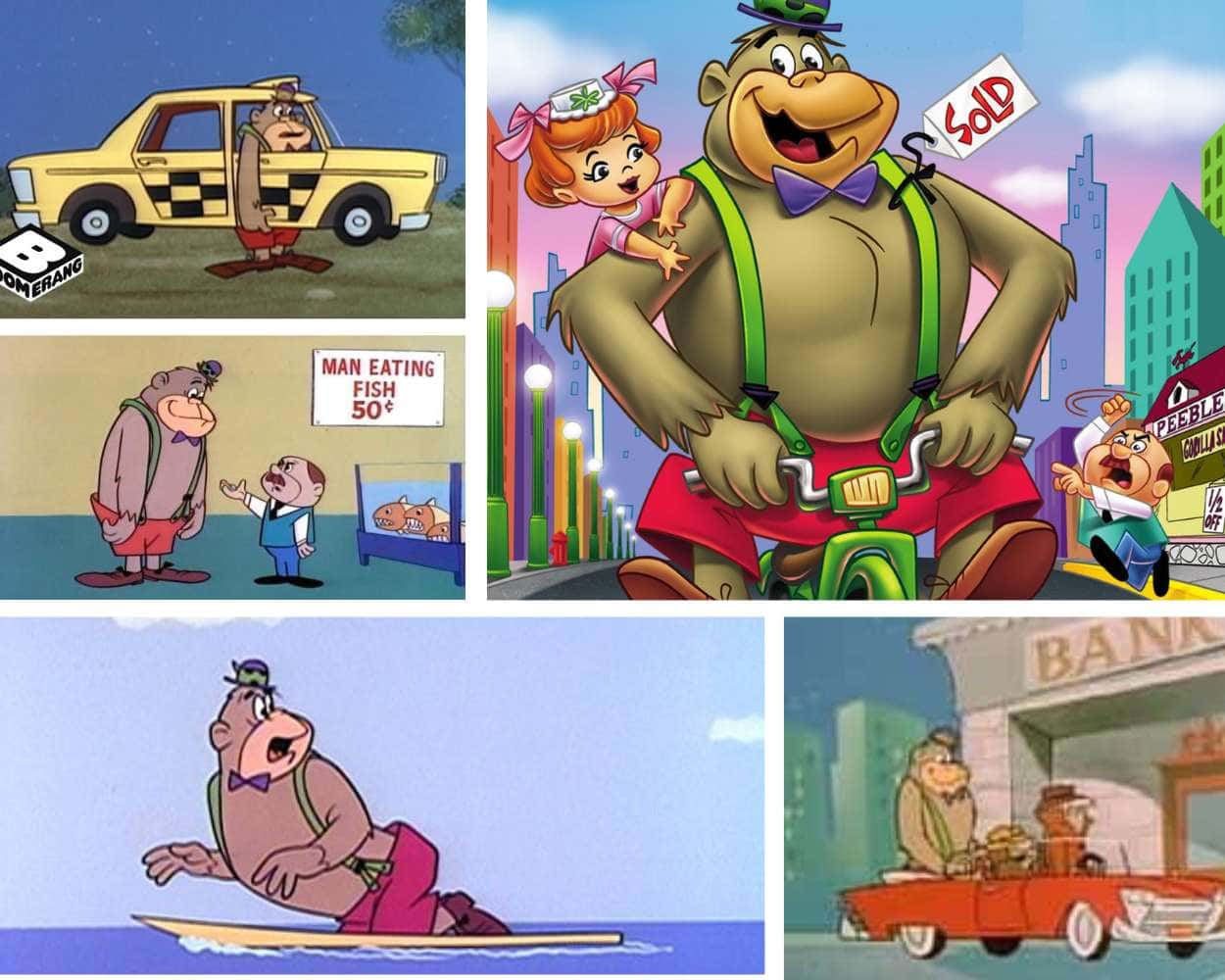
Debut: The Magilla Gorilla Show, 1964 (Hanna-Barbera)
Why they made my list: Pure rerun comfort from the golden age of TV animation
The Magilla Gorilla Show packed in plenty of segments, but Magilla is the glue holding it together.
He is simple, sweet, and instantly recognizable, which is exactly what early television animation needed to move product and fill afternoons. He is comfort TV in gorilla form, and I have a soft spot for him.
Patrick Star (SpongeBob SquarePants)
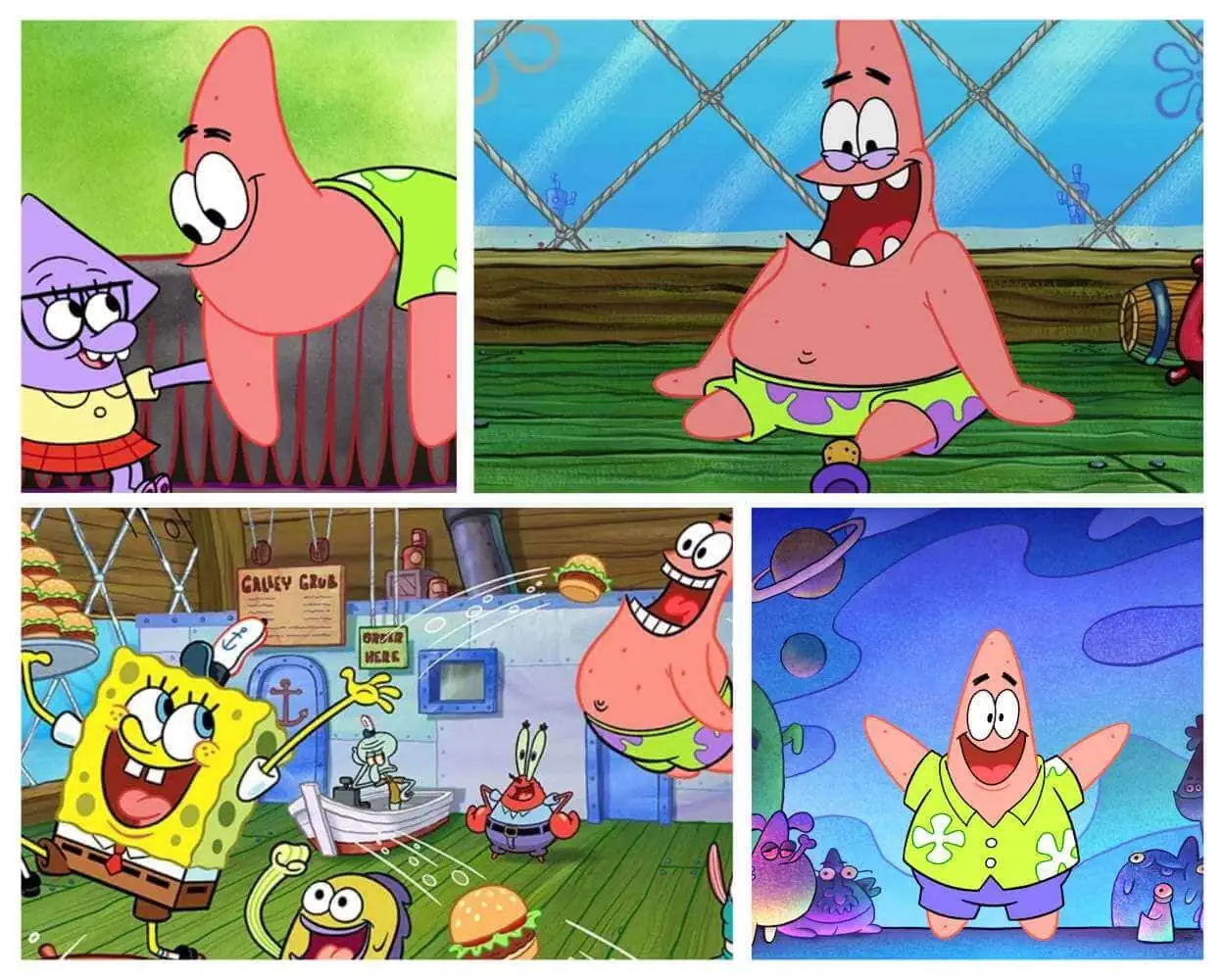
Debut: SpongeBob SquarePants, 1999
Why they made my list: The purest comedy-timing engine in modern animation
Patrick Star is one of those rare characters where the voice, the face, and the timing all line up perfectly.
He runs on zero logic, and somehow that makes him one of the most quotable punchline generators on TV. SpongeBob simply would not be SpongeBob without him, and half the internet’s reaction images agree with me.
Static Shock
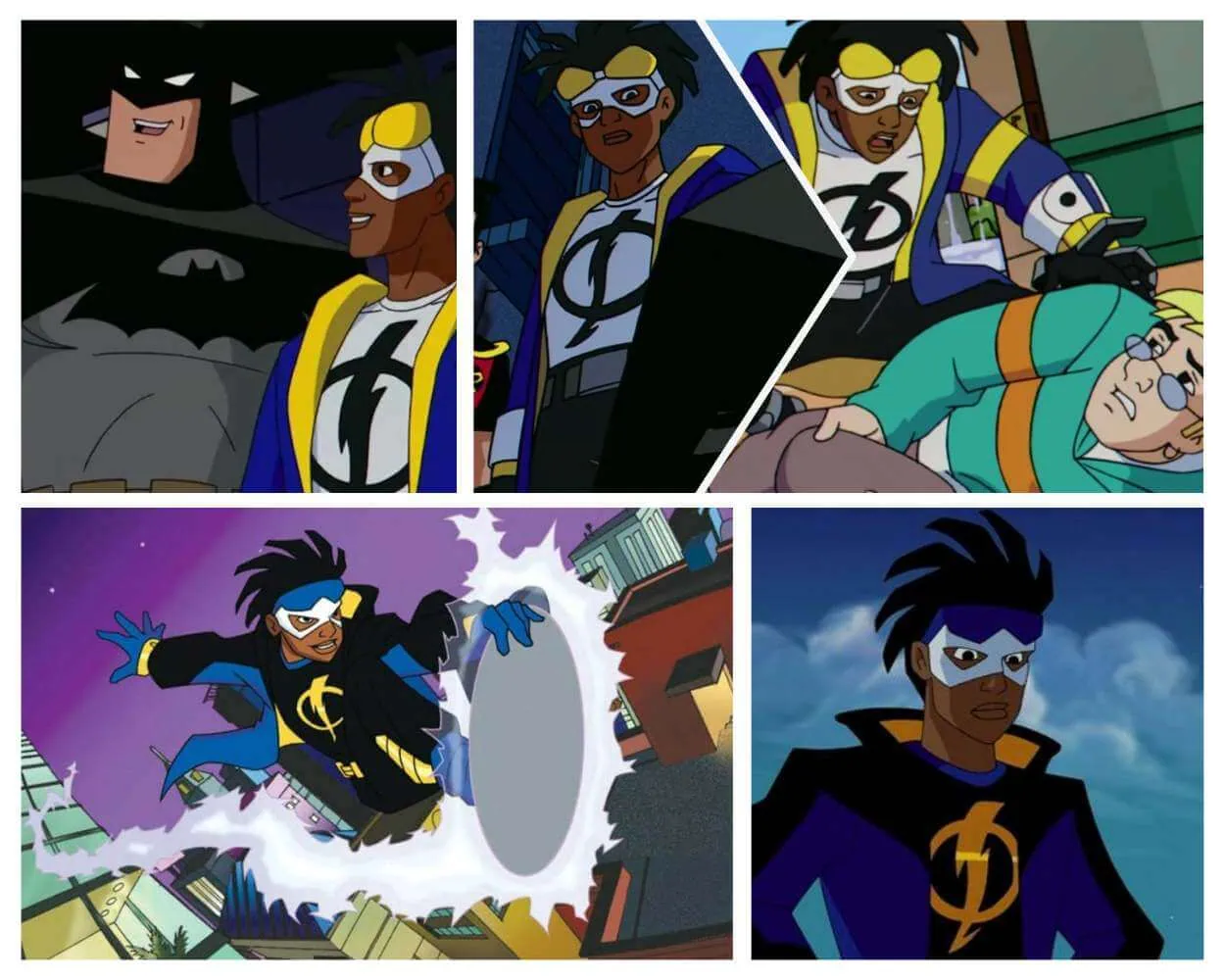
Debut: Static Shock, 2000 (from Milestone Comics)
Why they made my list: A superhero show that tackled real issues without preaching
Static was one of the most important early-2000s heroes, full stop. He handled real-world topics head on and never talked down to the kids watching.
He remains a standout among black cartoon characters who headlined their own show, and he belongs in a lot more greatest-of-all-time conversations than he gets.
Ben Tennyson (Ben 10)
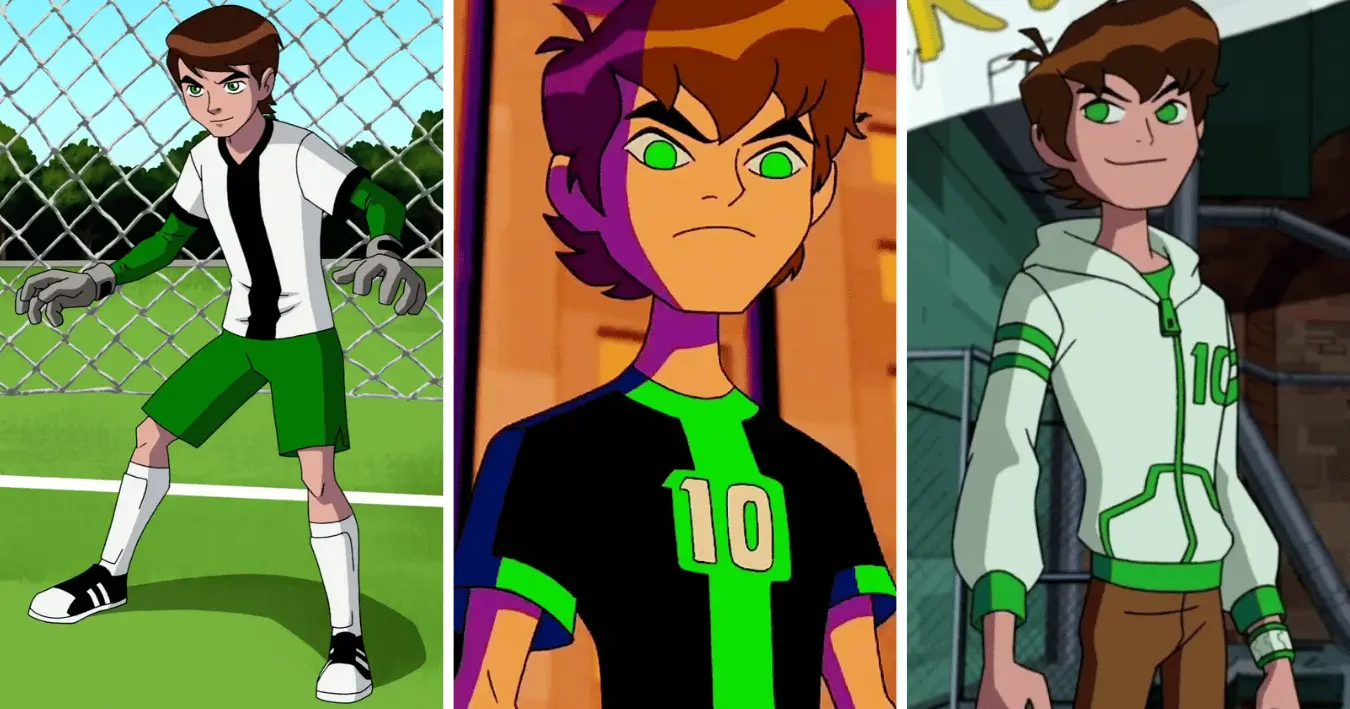
Debut: Ben 10, 2005 (Cartoon Network)
Why they made my list: One of the best toy-friendly hooks in kids’ TV history
Ben 10 became one of Cartoon Network’s defining franchises, and the Omnitrix is the reason why.
Turning a wristwatch into ten aliens on demand was a brilliant hook for a kid audience, and every new alien reveal was the whole thrill. If you want more from that era, my list of the best Cartoon Network shows for kids is right here.
Dora the Explorer

Debut: Dora the Explorer, 2000 (Nickelodeon)
Why they made my list: Turned kids talking back to the TV into a global phenomenon
Dora broke ground by making the audience part of the show.
That pause-and-wait format felt new, and it turned a preschool cartoon into a real educational milestone that reached kids worldwide. She is one of the few children’s characters who became a true icon without losing an ounce of charm. If you caught yourself answering the screen out loud, that was the whole point.
Tina Belcher (Bob’s Burgers)
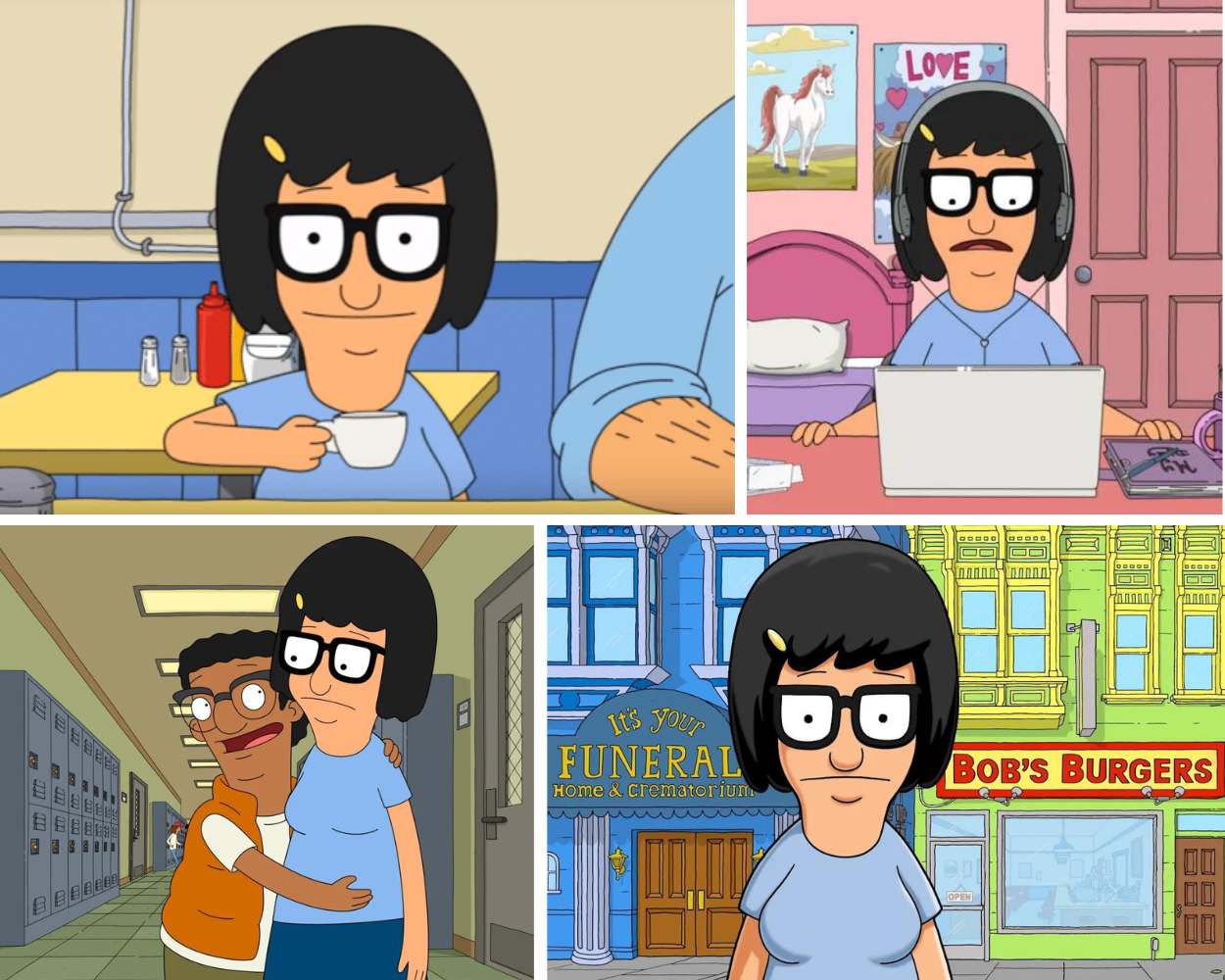
Debut: Bob’s Burgers, 2011
Why they made my list: Painfully relatable in a very specific, very human way
Tina is iconic because she commits one hundred percent to every awkward thought she has.
Her deadpan delivery and her unshakable confidence in the face of total social disaster make her the heart of the show. She turned teenage cringe into something weirdly heroic. You can read more in my profile on Tina Belcher.
Dexter (Dexter’s Laboratory)
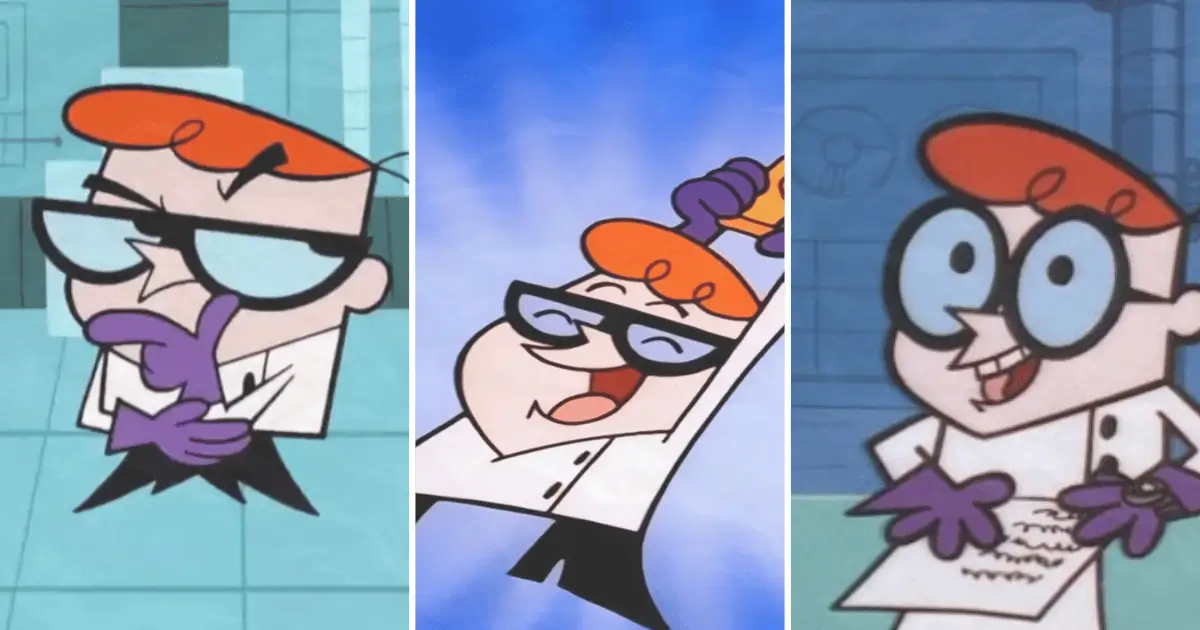
Debut: Dexter’s Laboratory, 1996 (Cartoon Network)
Why they made my list: Nailed the universal kid fantasy of a secret world you built yourself
Dexter’s whole character sits on one idea every kid understands: what if my bedroom had a secret lab hidden under it? That fantasy is why he still holds up.
He was also part of the wave of creator-driven shows that put Cartoon Network on the map, and his losing battles against Dee Dee never got old.
Arthur
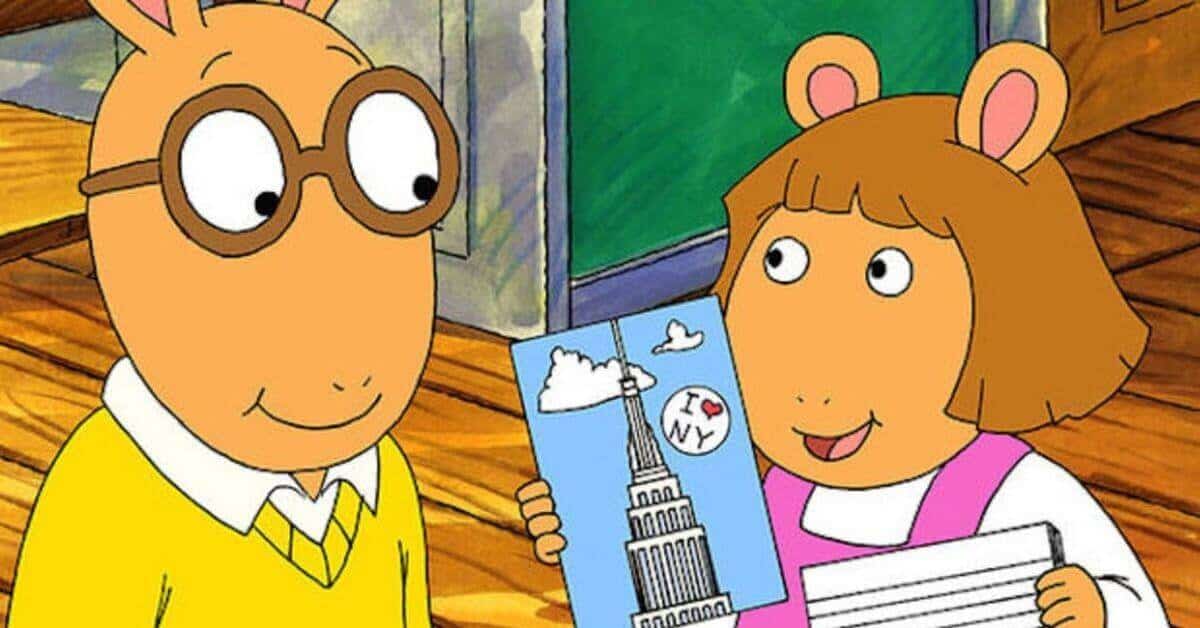
Debut: Arthur, 1996 (PBS)
Why they made my list: One of the longest-running kids’ shows for a reason
Arthur’s staying power comes from how sincerely it treats kids. It teaches real lessons about friendship and family without ever preaching or assuming the audience is clueless.
That respect is rare, and it is why the little aardvark stuck around for more than two decades. He is proof that consistent and sincere beats loud and flashy.
Porky Pig
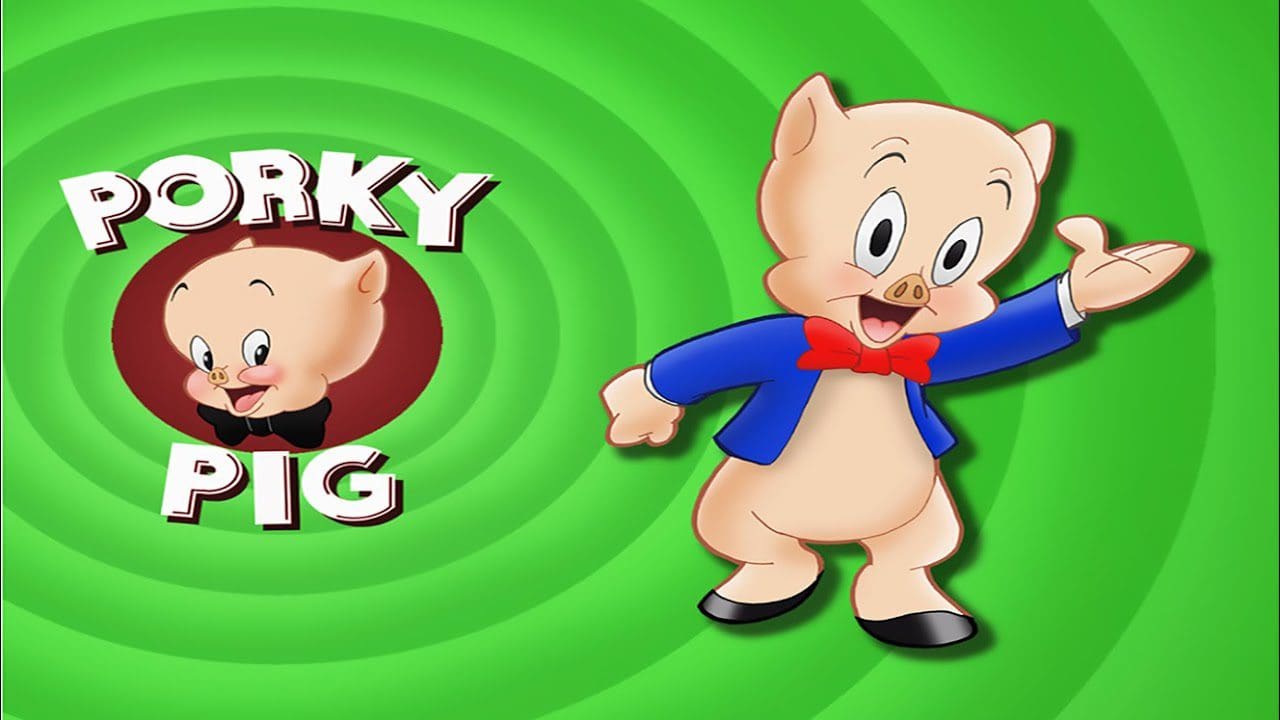
Debut: 1935 (Looney Tunes)
Why they made my list: Looney Tunes’ first real breakout star and their steady anchor
Porky is foundational. Before Bugs or Daffy, he was the star who proved Looney Tunes could carry a franchise, and that immortal “That’s all, folks” closed thousands of shorts.
A lot of the bigger chaos only lands because a Porky-type is in the scene keeping things grounded. Playing the straight man is thankless work, and he made it an art.
Huey Freeman (The Boondocks)
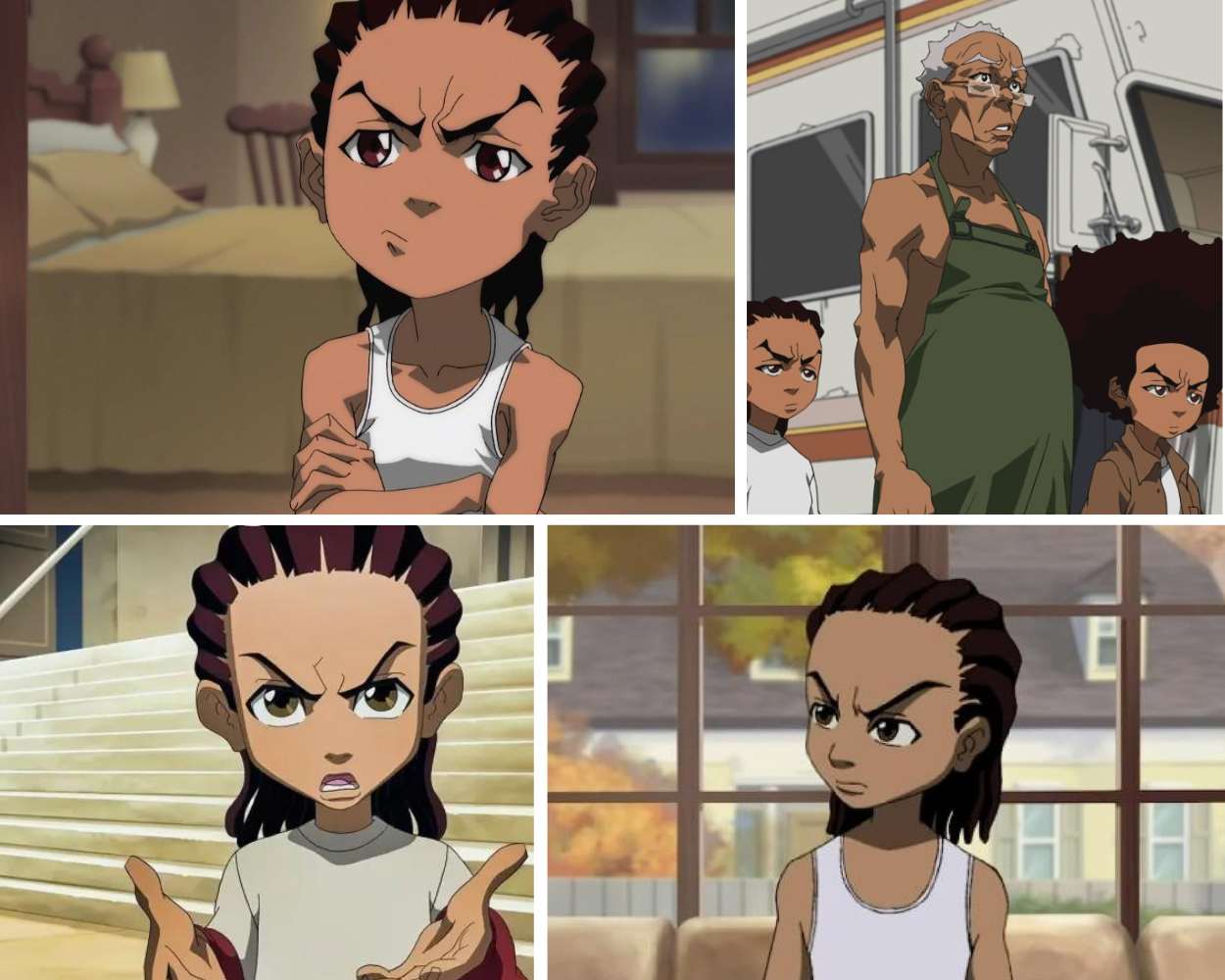
Debut: The Boondocks, 2005 (from the comic strip)
Why they made my list: Sharp political satire with a kid at the center of it
Huey is iconic because he flat out refuses to be background noise.
He can dismantle an entire argument in a single sentence, and the show used him to say things most cartoons would not touch. He carried real satire on very young shoulders, and he did it without ever feeling like a mouthpiece.
Doug Funnie
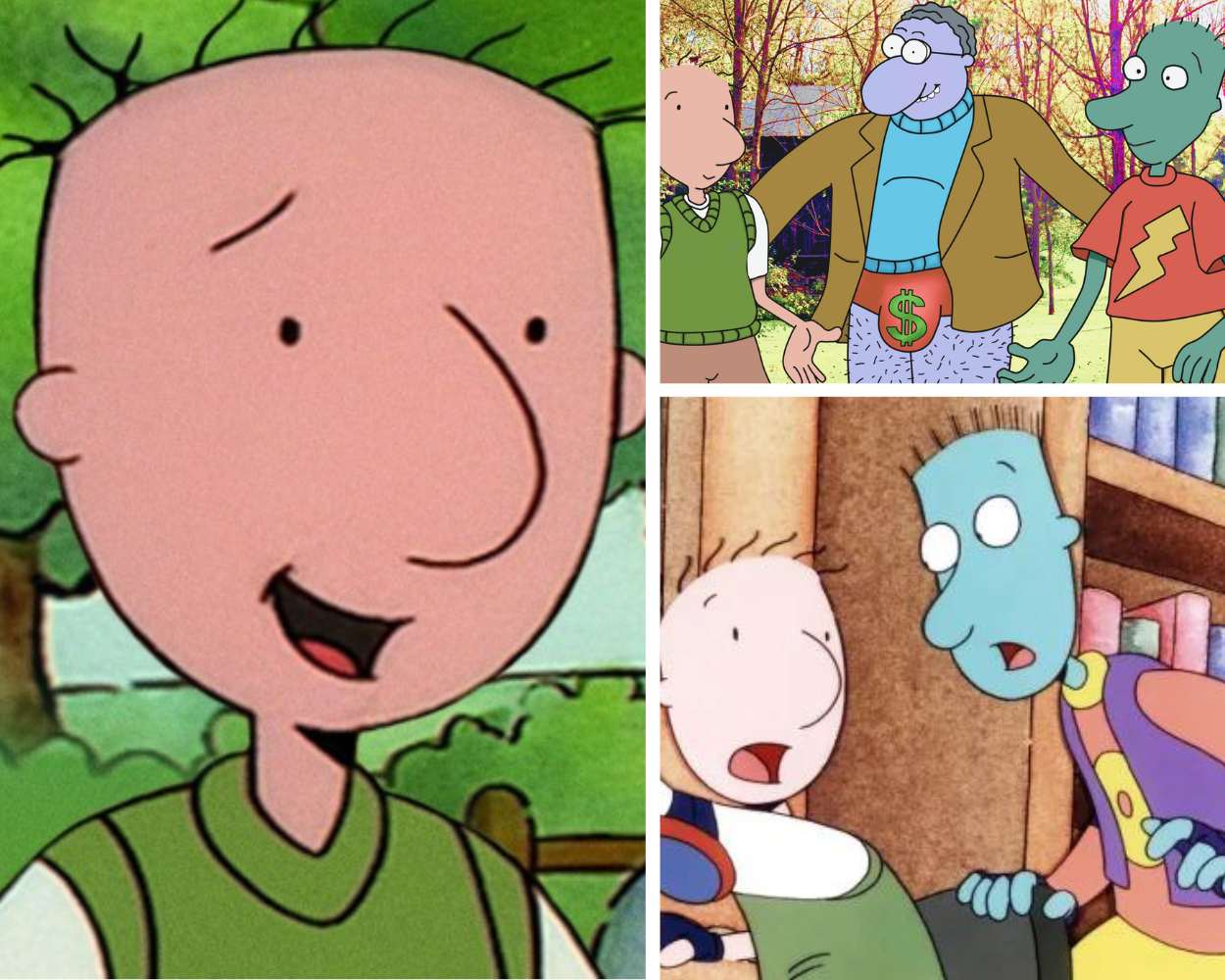
Debut: Doug, 1991 (one of the original Nicktoons)
Why they made my list: One of the first cartoons to treat a kid’s inner life seriously
Doug is iconic because he feels like an actual kid, worries and all.
As a launch Nicktoon he helped prove that animation could slow down and just live inside an ordinary child’s head. I loved how his imagination turned a tiny problem into a full-blown crisis movie, because that is exactly how being eleven felt.
Beavis and Butt-Head
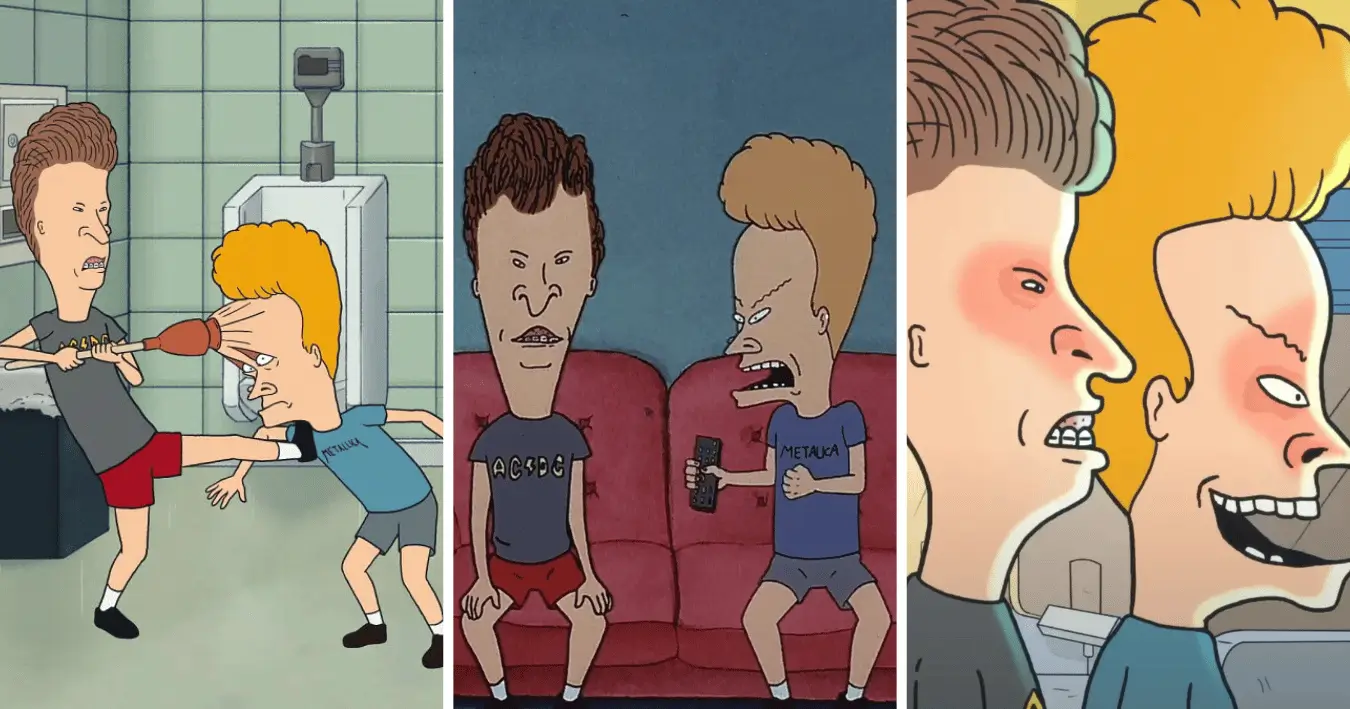
Debut: 1993 (MTV)
Why they made my list: They rewrote what a cartoon was allowed to be
These two changed the conversation. Before them, the idea of a crude, couch-bound, teen-apathy cartoon on cable felt impossible, and their dumb laugh somehow became a cultural signature. They kicked open the door for the adult animation boom that followed.
This show is a perfect gateway to more cartoon characters from the 90s.
The Powerpuff Girls
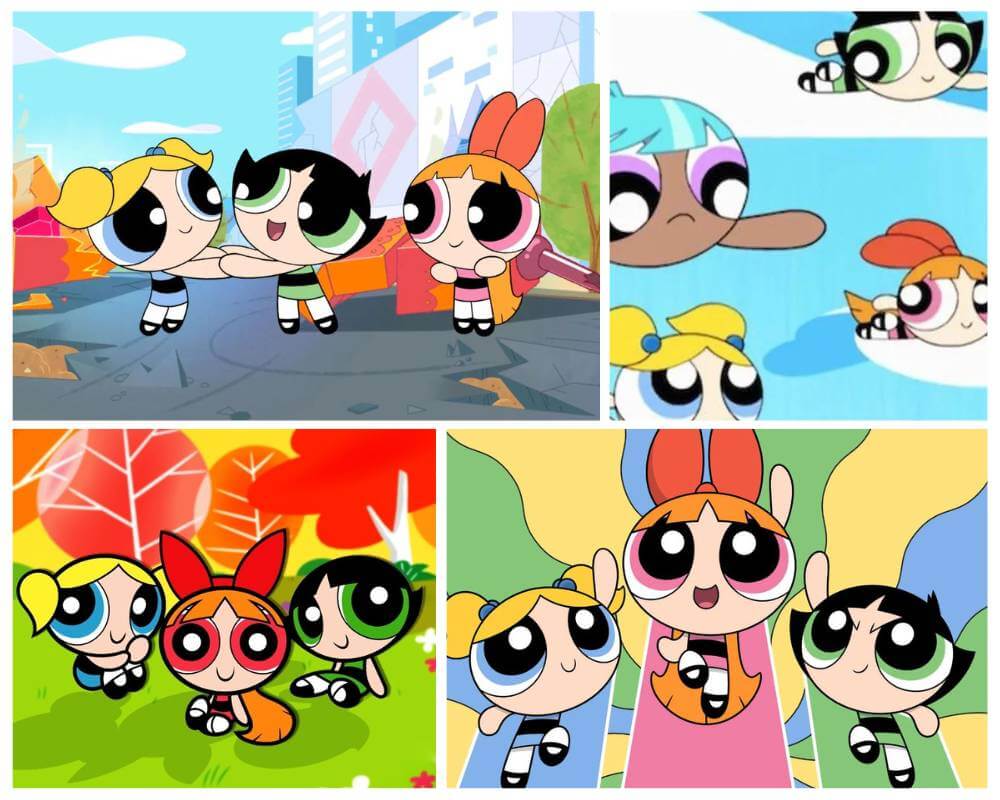
Debut: The Powerpuff Girls, 1998 (Cartoon Network)
Why they made my list: A design so clean it became instantly iconic
Blossom, Bubbles, and Buttercup fight a city-leveling monster and still make it home for bedtime, and that mix of cute and brutal is the whole appeal.
Their design is perfect, the kind you can recognize as a silhouette. They rank among the best cartoon characters of the late 90s and stand tall next to other famous Hanna-Barbera cartoon characters and helped define late-90s Cartoon Network.
Mulan
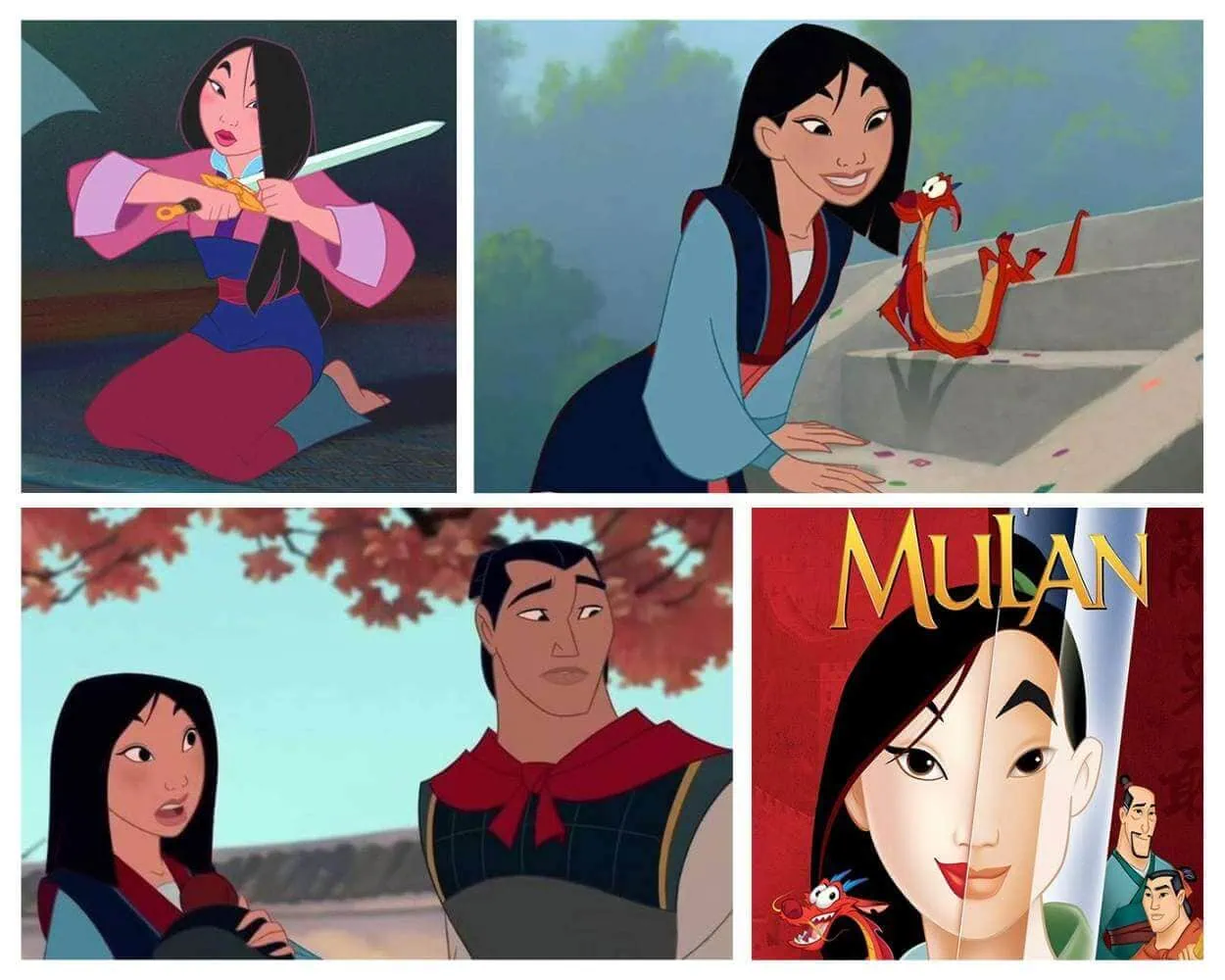
Debut: Mulan, 1998 (Disney)
Why they made my list: A Disney lead who wins with brains, not brute force
Mulan broke the Disney mold by being heroic without being invincible.
Her best moment is winning through cleverness rather than raw strength, and that is why she has aged so well. She was a different kind of Disney lead for her time, one defined by courage and sacrifice instead of a happily-ever-after handed to her.
Kim Possible
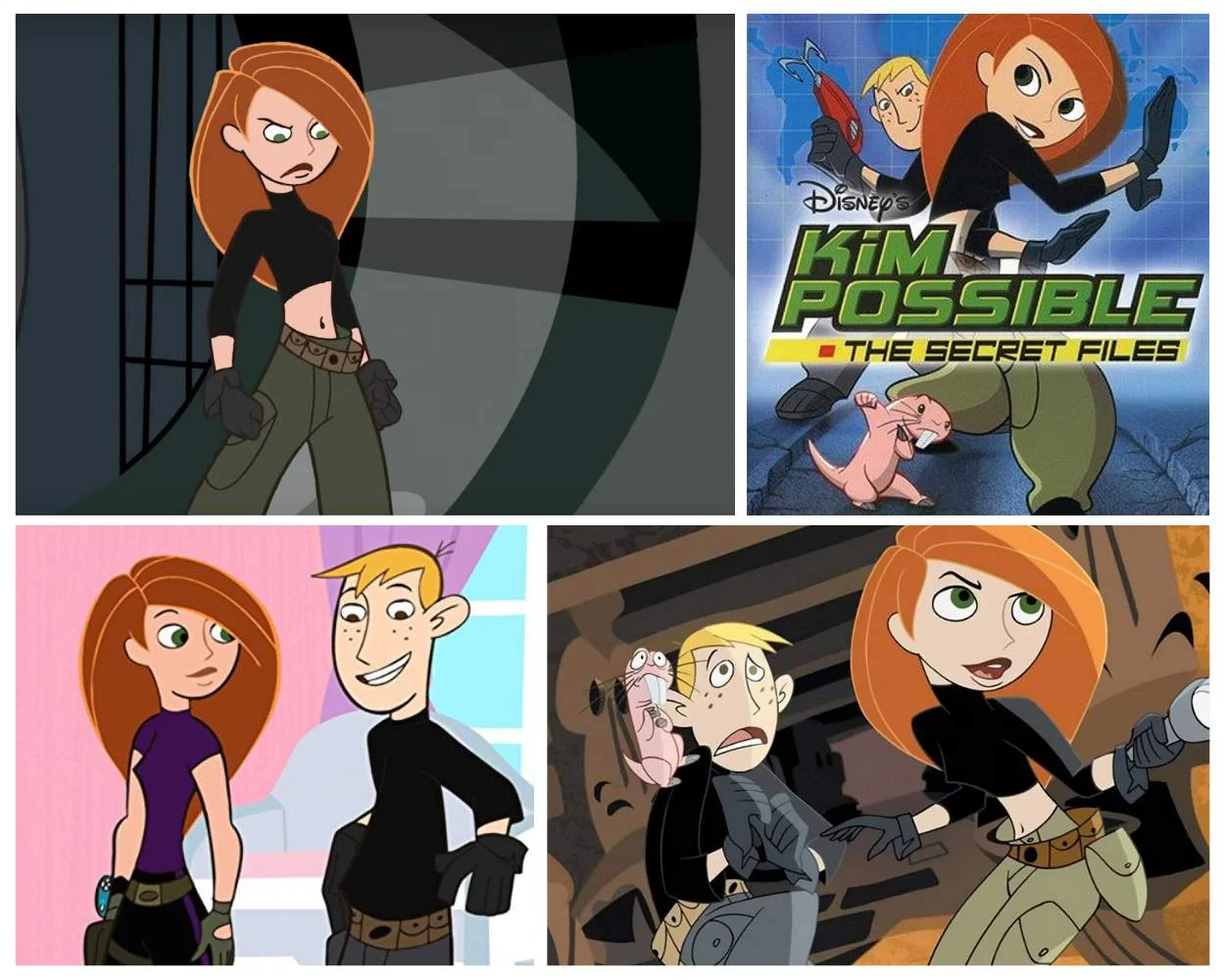
Debut: Kim Possible, 2002 (Disney Channel)
Why they made my list: Made the case that Disney Channel could do action-comedy
Kim saves the world and still makes it to cheer practice, and that balancing act was the whole pitch.
She was a game-changer for animation on cable and helped clear the runway for many other Disney Channel cartoons. A competent teen hero who made juggling everything look possible was exactly what that lineup needed.
Buzz Lightyear
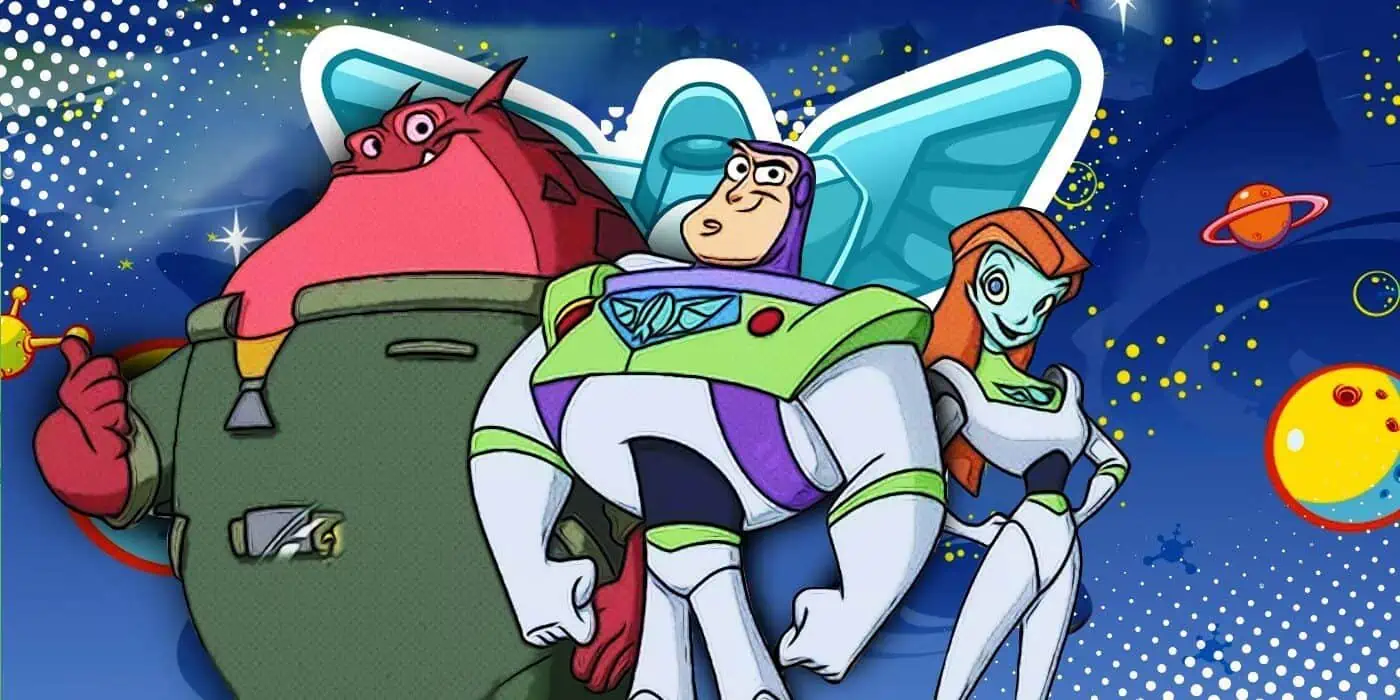
Debut: Toy Story, 1995 (Pixar)
Why they made my list: The comic and emotional core of the film that started 3D animation
Buzz arrived with the movie that changed animation forever, and his arc is why Toy Story still lands.
The “I am not a toy” era, where his confidence cracks and he has to accept who he really is, is real character growth wrapped in slapstick. Hero swagger plus real vulnerability is a hard combo, and he pulls it off across four films.
Fat Albert
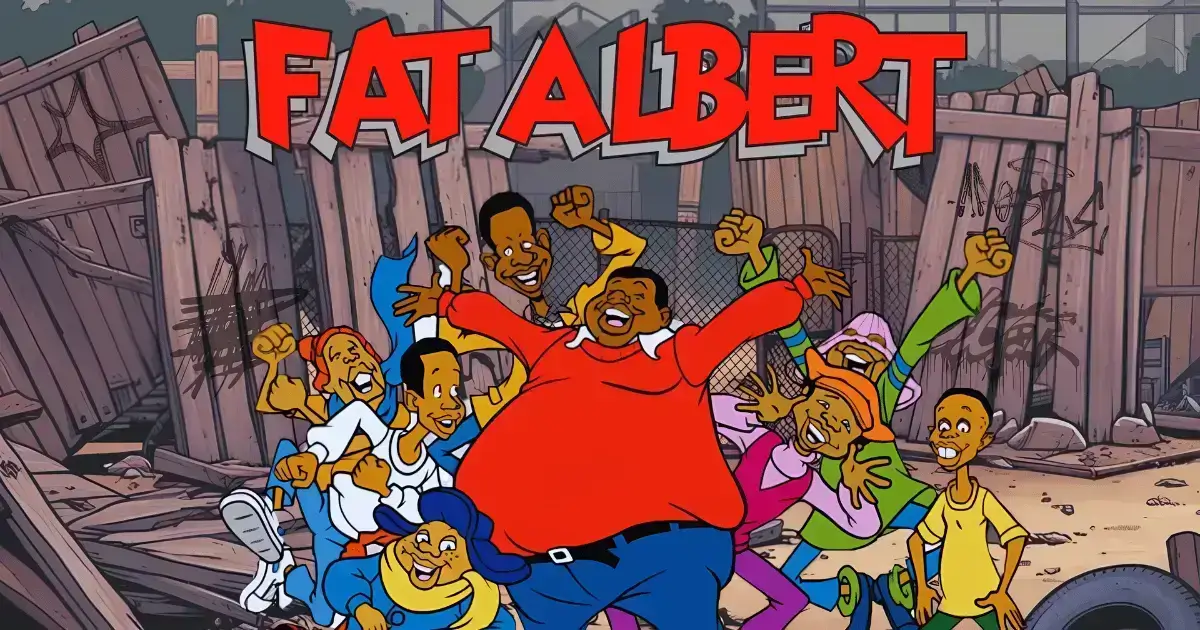
Debut: Fat Albert and the Cosby Kids, 1972
Why they made my list: An early, meaningful step forward for representation on TV
Fat Albert’s cultural weight is bigger than any of its jokes.
In the early 1970s it centered a friendly, working-class Black cast and slid life lessons in without ever lecturing. That mattered, and it helped pave the way for future black cartoon characters across animation. Groundbreaking is a word people overuse, but here it fits.
Astro Boy
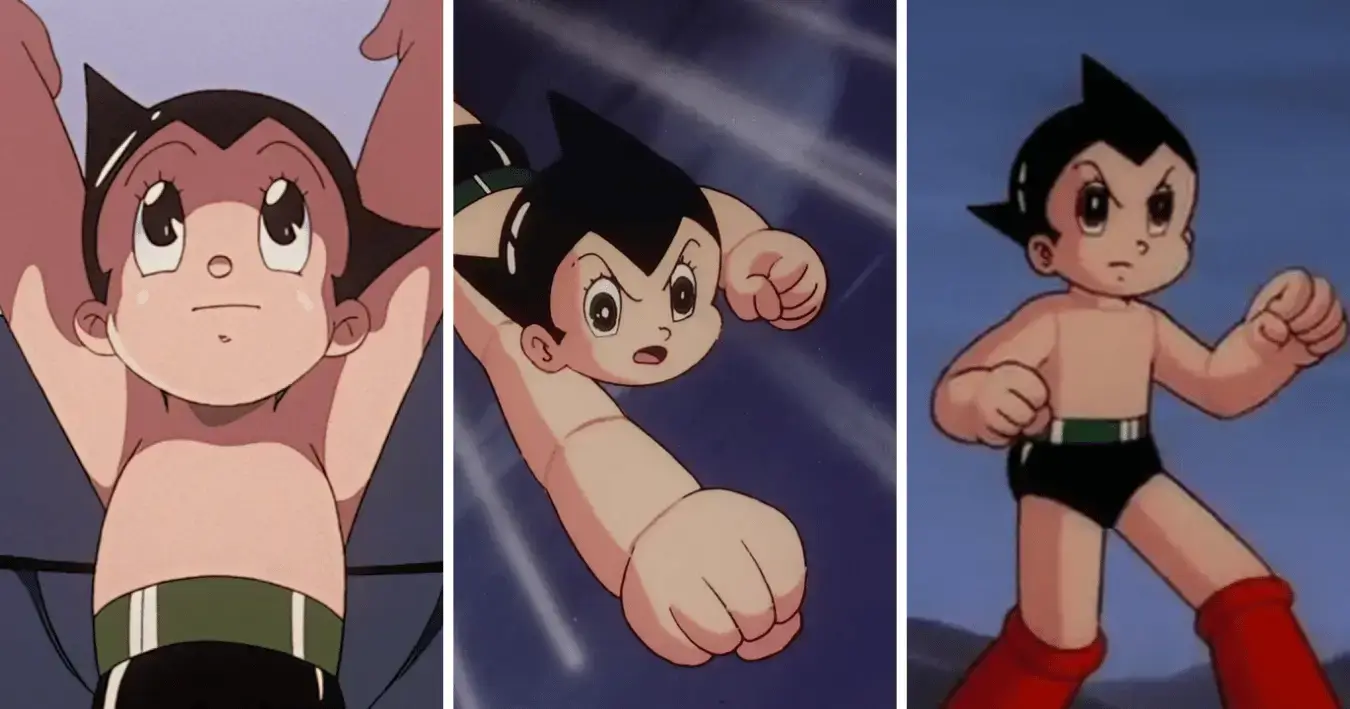
Debut: Astro Boy, 1963 (Osamu Tezuka)
Why they made my list: One of the shows that launched the entire anime medium
Astro Boy is here on legacy, and it is more than earned. Osamu Tezuka’s 1963 series was one of the first anime built for television, and its style and storytelling shaped nearly everything that came after in anime.
When you realize how much the modern medium owes this little robot, his spot among the best cartoon characters of all time becomes obvious.
Woody Woodpecker
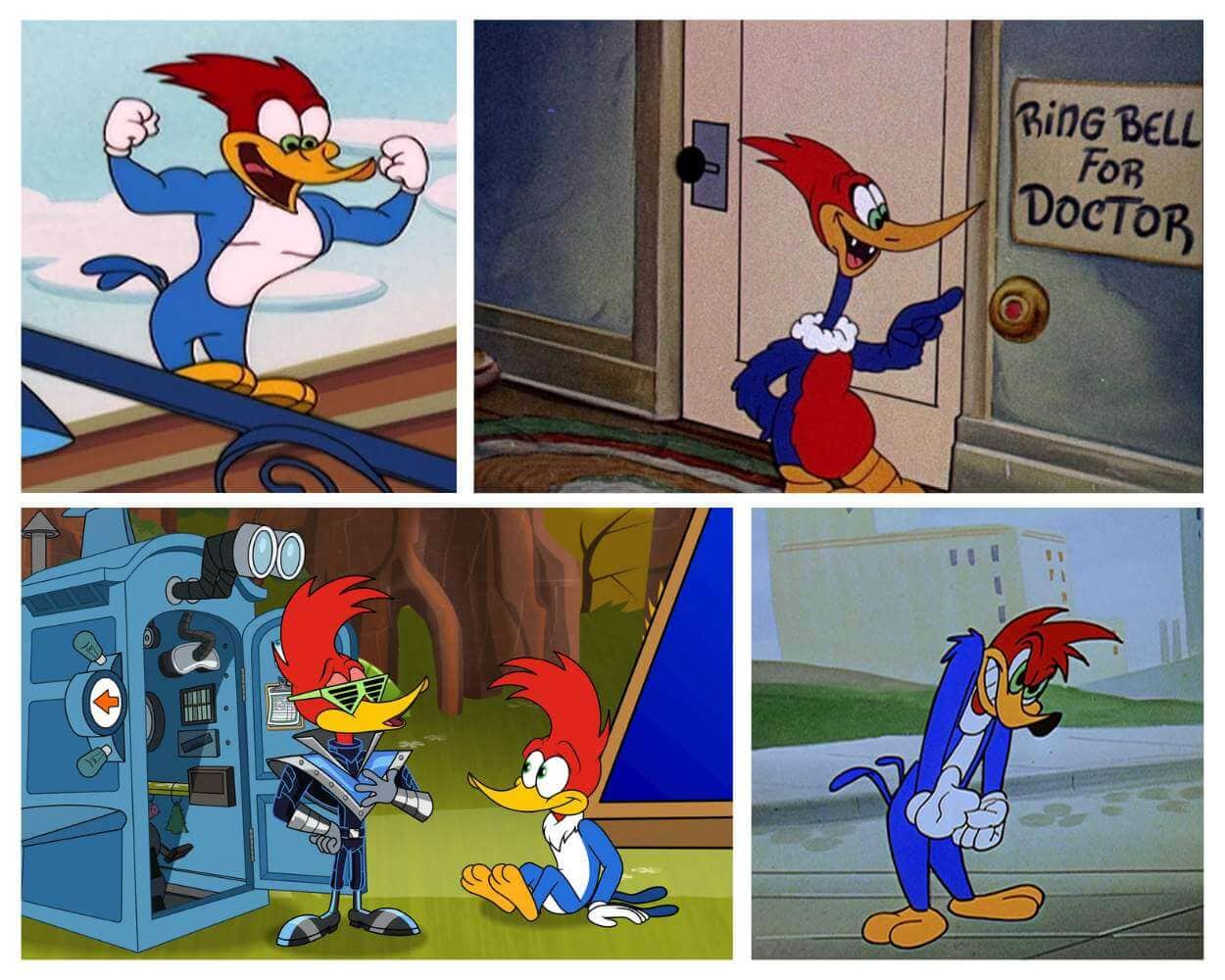
Debut: 1940 (Walter Lantz)
Why they made my list: A laugh so distinct it is still a brand today
Woody is loud, hyper, and frankly too much, which is exactly why he stuck. That machine-gun laugh has outlived most of his actual cartoons and is still instantly recognizable.
He belongs to the golden age of theatrical shorts, when a character could be built entirely around one perfect sound and a chaotic streak.
Snagglepuss
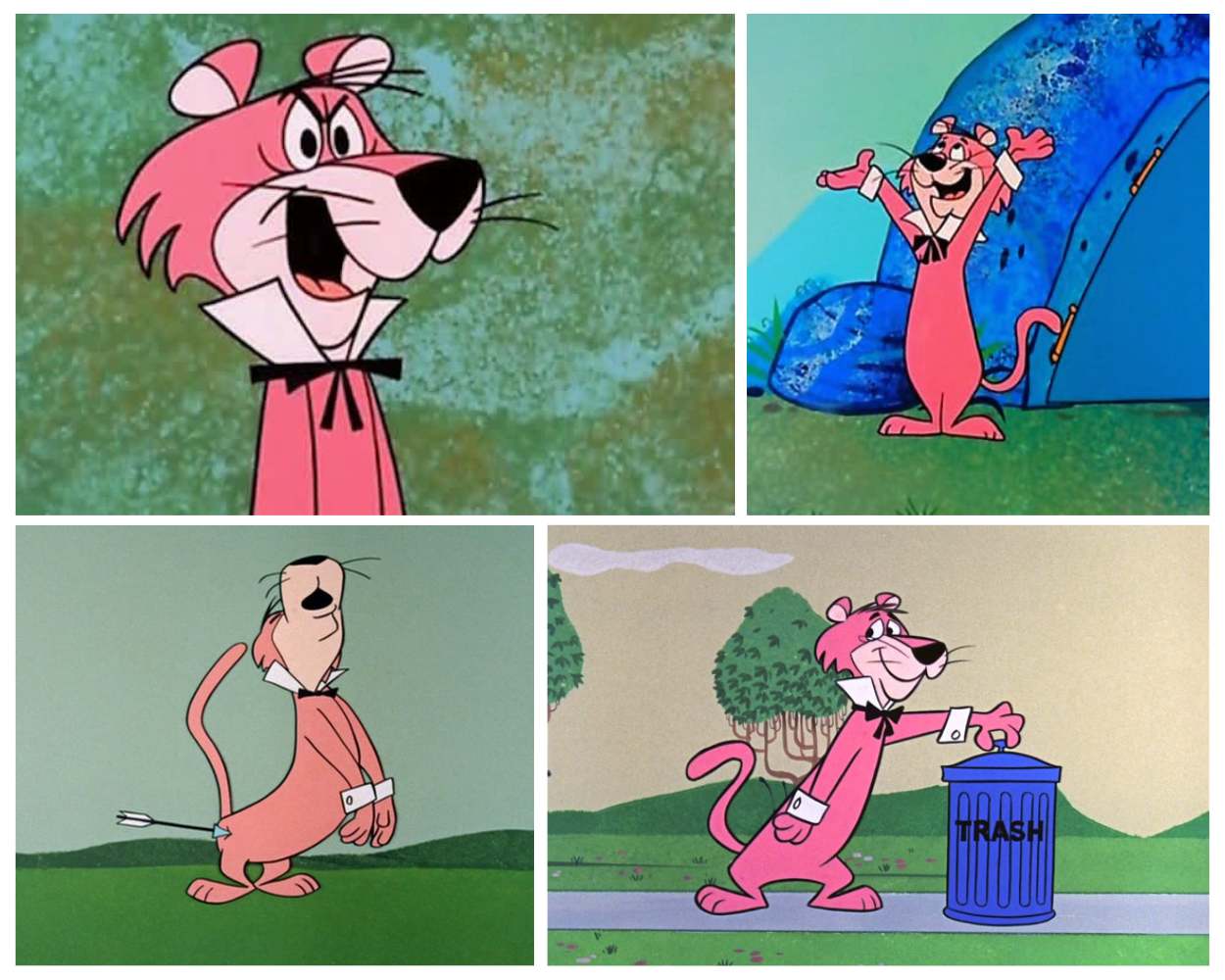
Debut: 1959 (Hanna-Barbera)
Why they made my list: Self-aware theatrical comedy decades before it was trendy
Snagglepuss was doing knowing, fourth-wall-adjacent theater-kid comedy long before that became a whole genre.
“Exit, stage left” is one of the most quotable catchphrases Hanna-Barbera ever produced. He is dramatic, clever, and cowardly on purpose, and that self-awareness is why he still reads as ahead of his time. Read more in my post on Snagglepuss.
Quick Draw McGraw
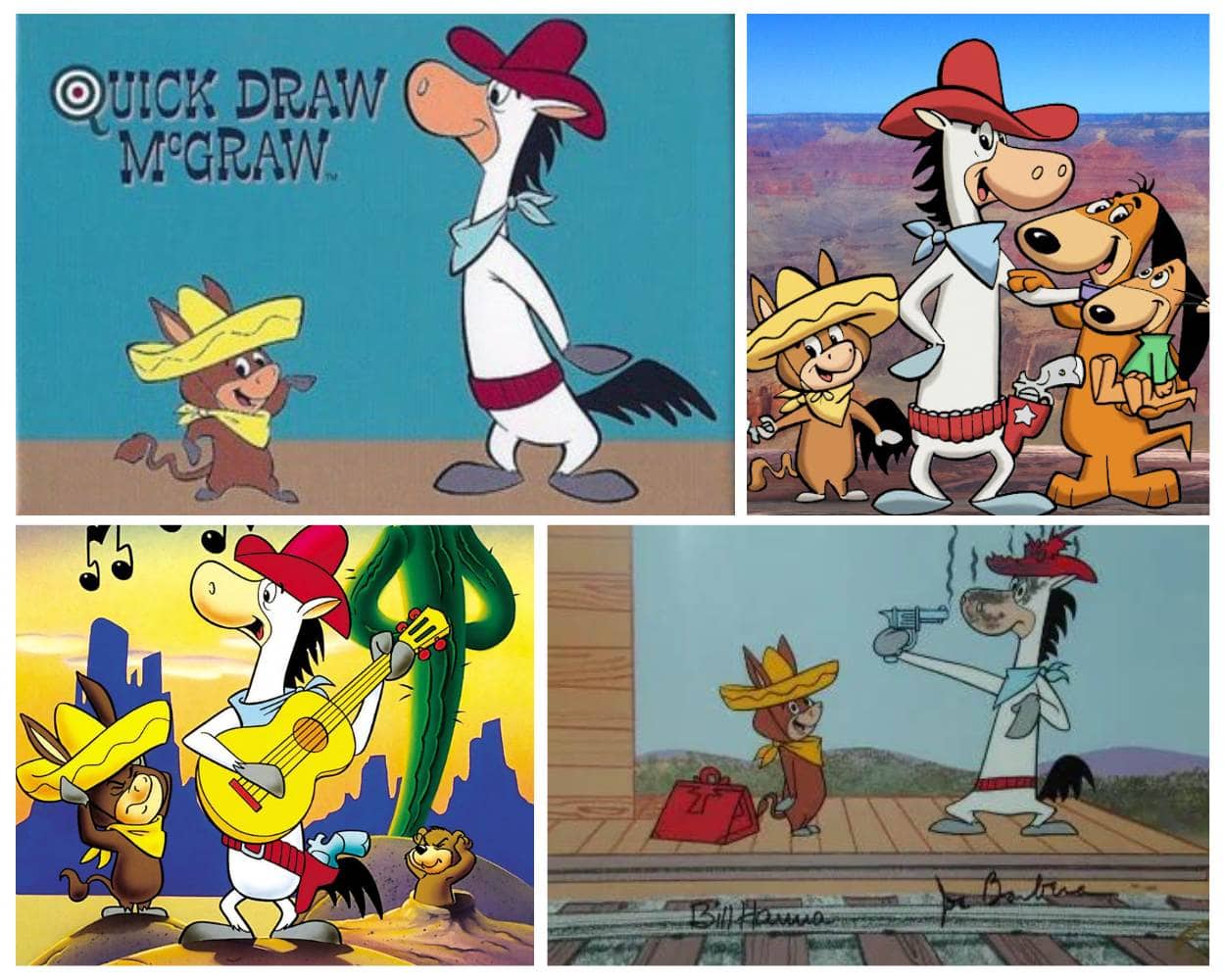
Debut: 1959 (Hanna-Barbera)
Why they made my list: A perfect kid-friendly parody of the westerns of the era
Quick Draw is the cartoon version of the western craze that gripped kids back then. His masked alter ego El Kabong, who solves problems by whacking villains with a guitar, is peak silly.
He shares a legacy with other Hanna-Barbera stars like Huckleberry Hound, and that whole stable basically built the TV cartoon business.
Bender (Futurama)
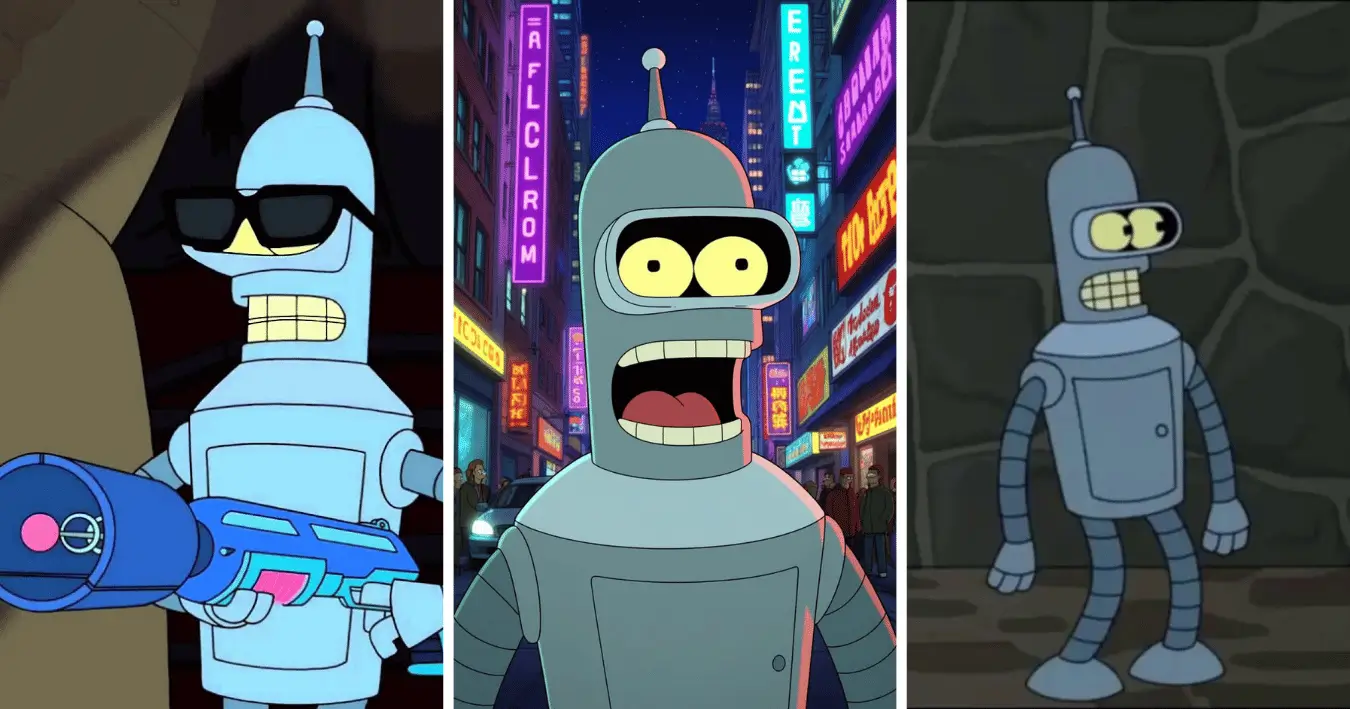
Debut: Futurama, 1999
Why they made my list: A cartoon id in a metal body who stays lovable
Bender is selfish, greedy, and morally bankrupt, and somehow you root for him every time. He is basically pure impulse with a shiny chrome shell, and that is the joke.
Pulling off a character who chooses the worst option in every scene and still stays charming is not easy. Learn more in my breakdown of Bender Bending Rodriguez.
Felix the Cat
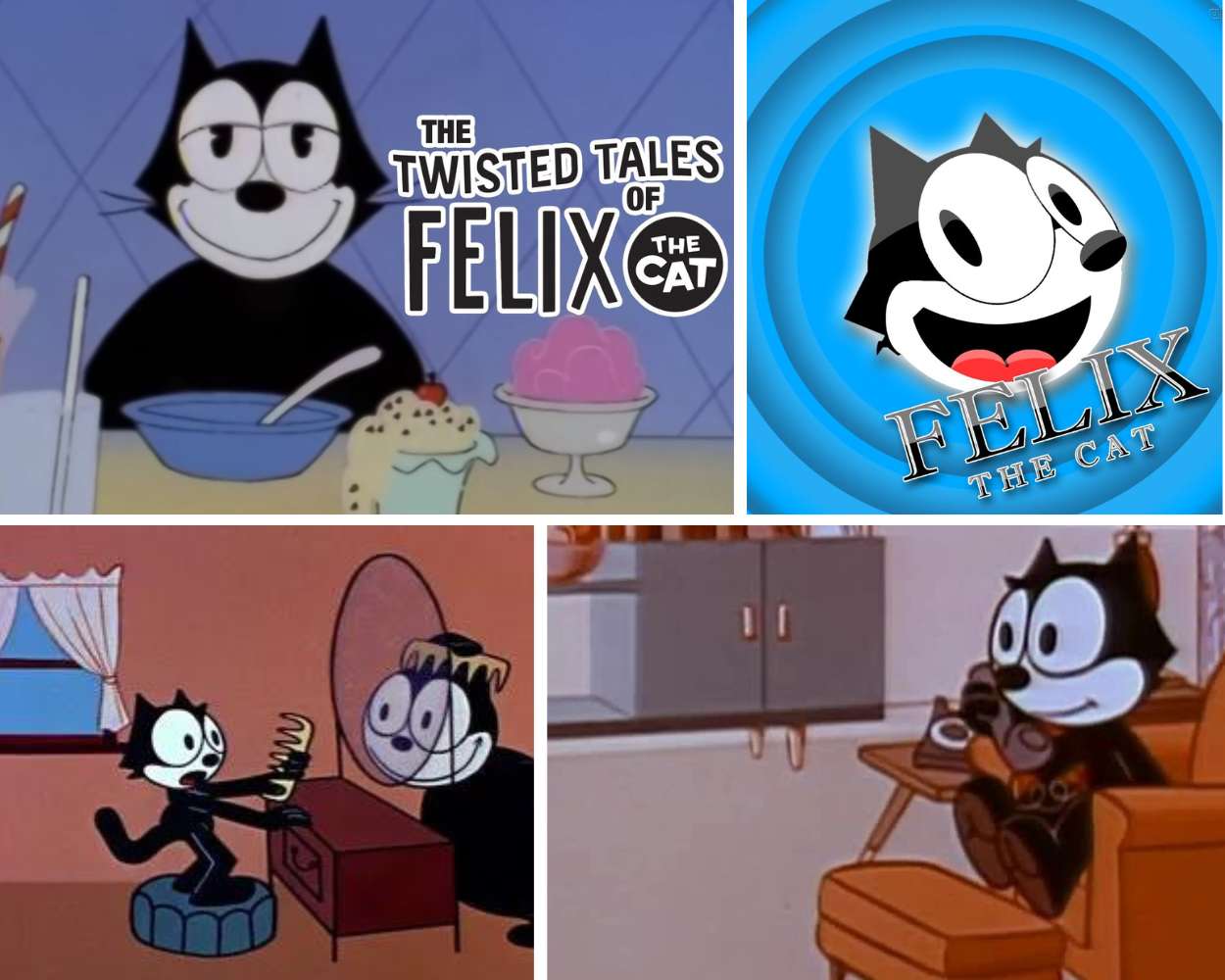
Debut: 1919 (silent era)
Why they made my list: One of the very first true cartoon celebrities
Felix belongs here because early animation basically invented the idea of a cartoon star through him. He was one of the first animated characters to become a merchandising machine and a household name, back in the silent era when this was all brand new. His surreal, anything-can-happen logic set a tone that Looney Tunes and everyone else later ran with.
Frozone (The Incredibles)
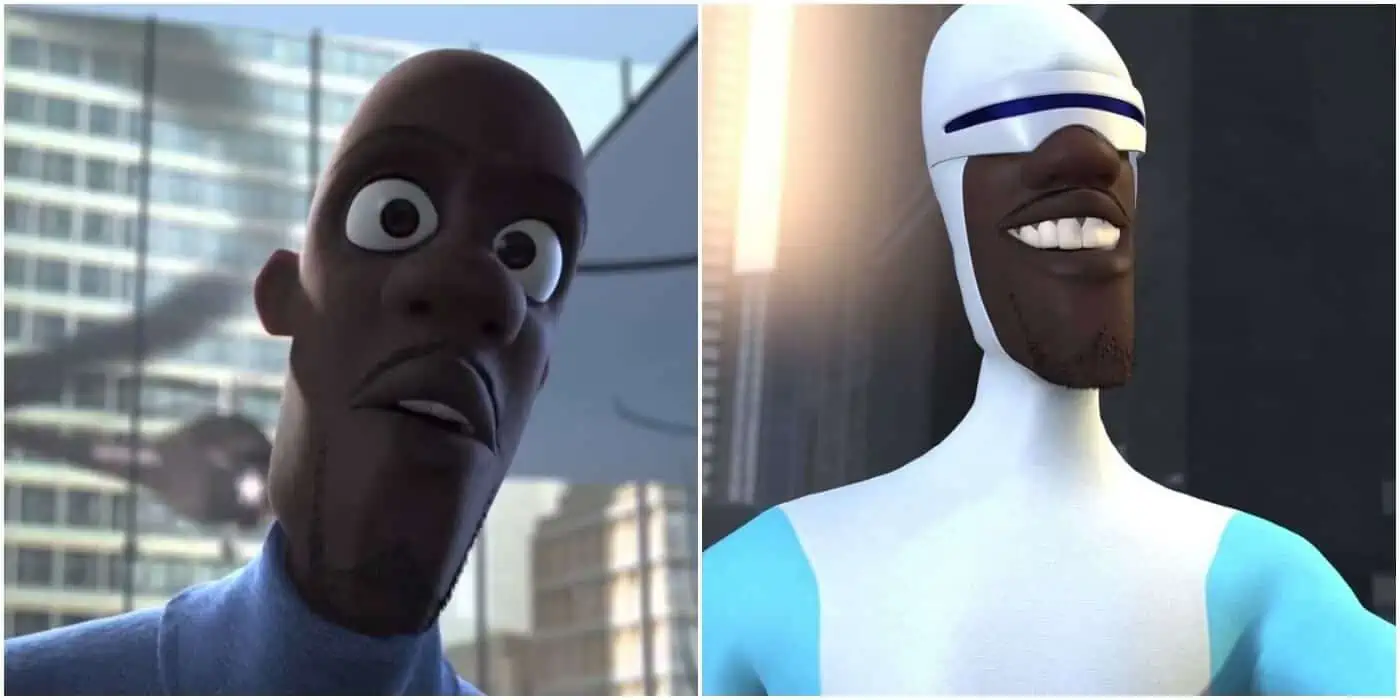
Debut: The Incredibles, 2004 (Pixar)
Why they made my list: The rare side character people quote more than the leads
Frozone is proof that a supporting character can steal an entire movie with a handful of lines.
“Where is my super suit” is quoted more than most of the film’s main dialogue, and that is the mark of a great one. As a standout hero he earns his spot among the most memorable black cartoon characters in animation.
Danger Mouse
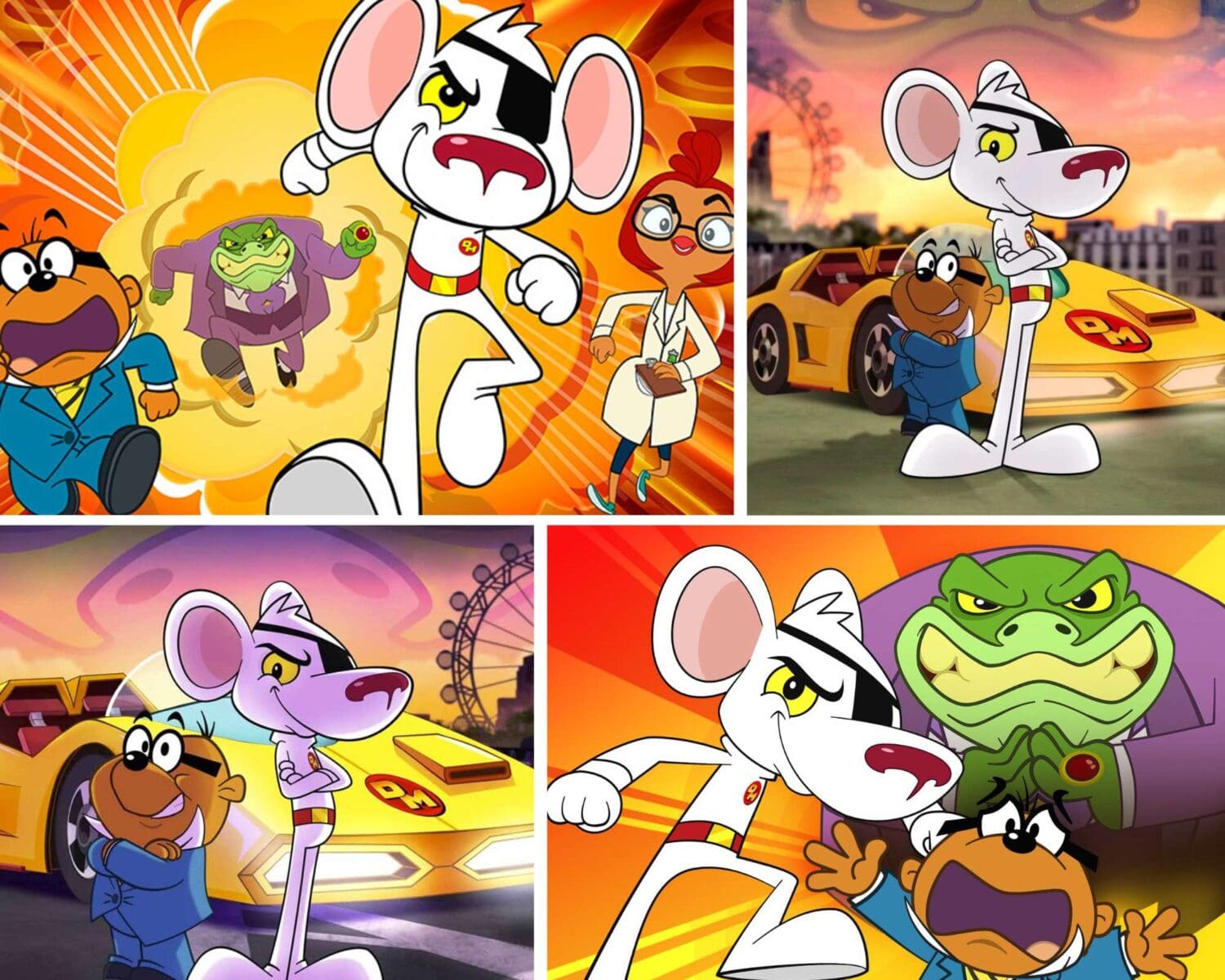
Debut: Danger Mouse, 1981 (UK)
Why they made my list: Proof that kids can handle smarter humor than adults expect
Danger Mouse was a British spy parody that trusted its young audience.
It landed jokes that flew right over kids’ heads while still being a blast on the surface, and that dual-layer humor influenced a lot of what came after. I did not catch half the gags until I rewatched it as an adult, which is the best kind of kids’ show.
Peter Griffin (Family Guy)
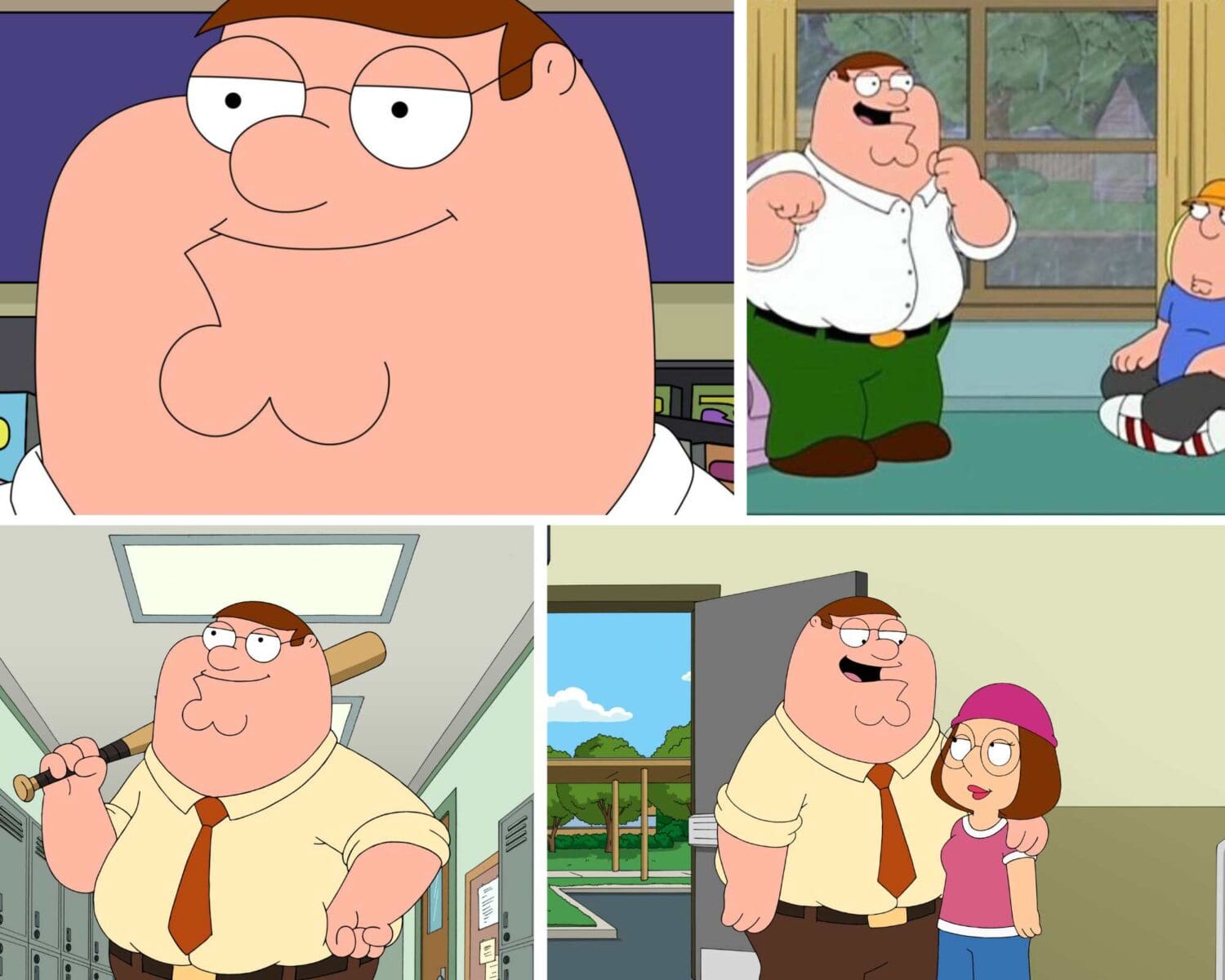
Debut: Family Guy, 1999
Why they made my list: A milestone in the primetime adult animation wave
Love him or roll your eyes at him, Peter Griffin is a landmark for primetime cartoons. His baffling, unearned confidence carries the show, and the cutaway-gag format he anchors reshaped how adult animation is written. He is a cultural marker whether you want him to be or not. For more Quahog chaos, see my post on Peter Griffin.
Angelica Pickles (Rugrats)
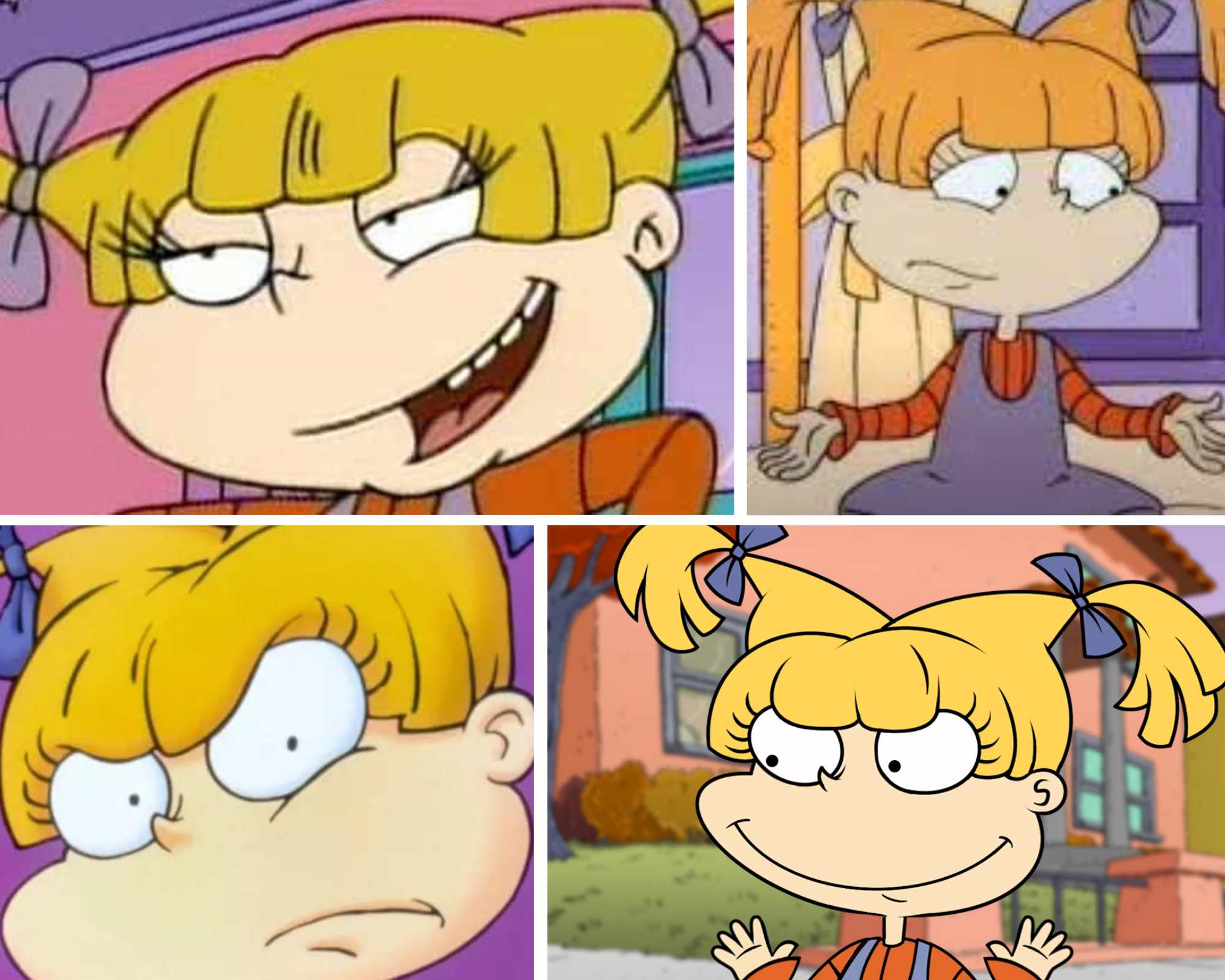
Debut: Rugrats, 1991 (an original Nicktoon)
Why they made my list: The antagonist every kid recognized from real life
Angelica is iconic because she is the bully we all knew, shrunk down to toddler size.
She wins purely through intimidation, and that tiny-villain energy made her the best part of a launch Nicktoon. Rugrats helped build Nickelodeon’s animation empire, and she was its sharpest tool. See why in my profile on Angelica Pickles.
Phineas and Ferb
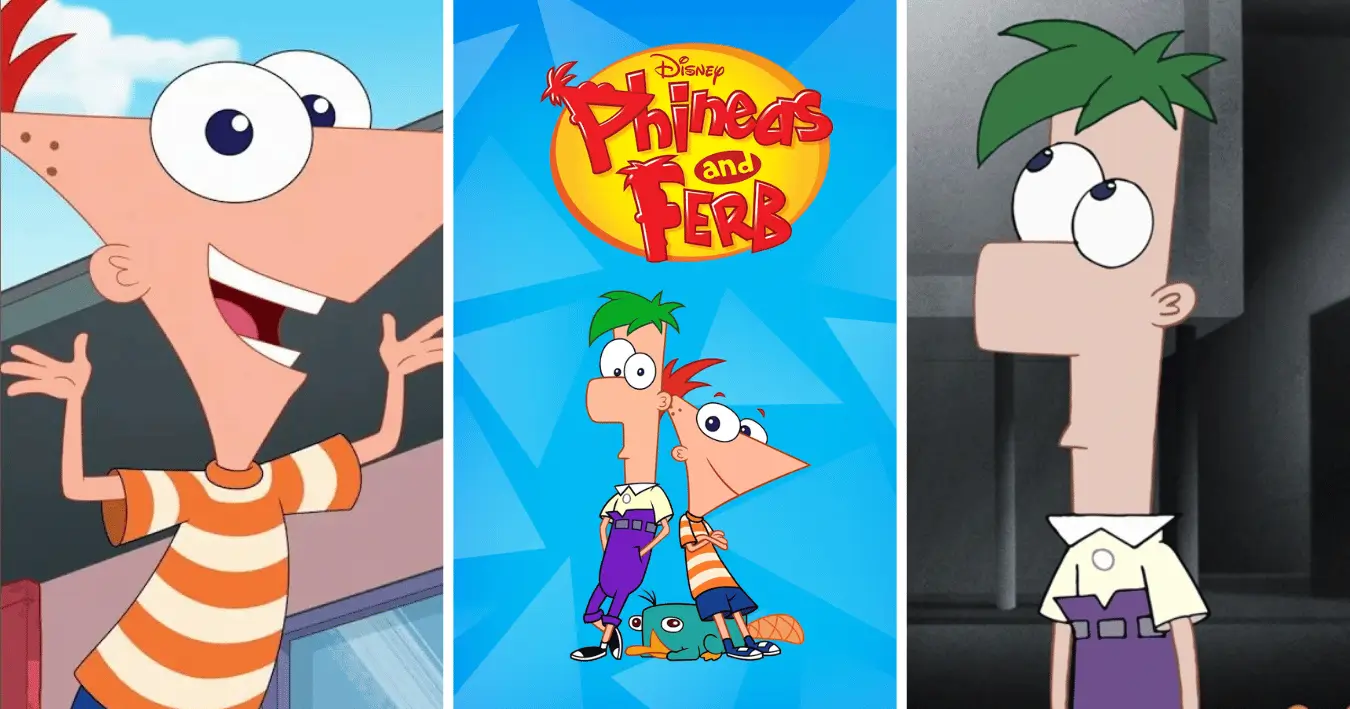
Debut: Phineas and Ferb, 2007 (Disney Channel)
Why they made my list: A rigid formula that somehow never got stale
The genius of Phineas and Ferb is that it runs the same formula every episode and it still works.
The big summer build, the Candace-almost-busts-them beat, the Perry subplot, all of it clicks like clockwork. That kind of reliable comfort is harder to write than it looks. Dig into Phineas Flynn, his silent brother Ferb Fletcher, and their frazzled sister Candace Flynn.
Ren and Stimpy
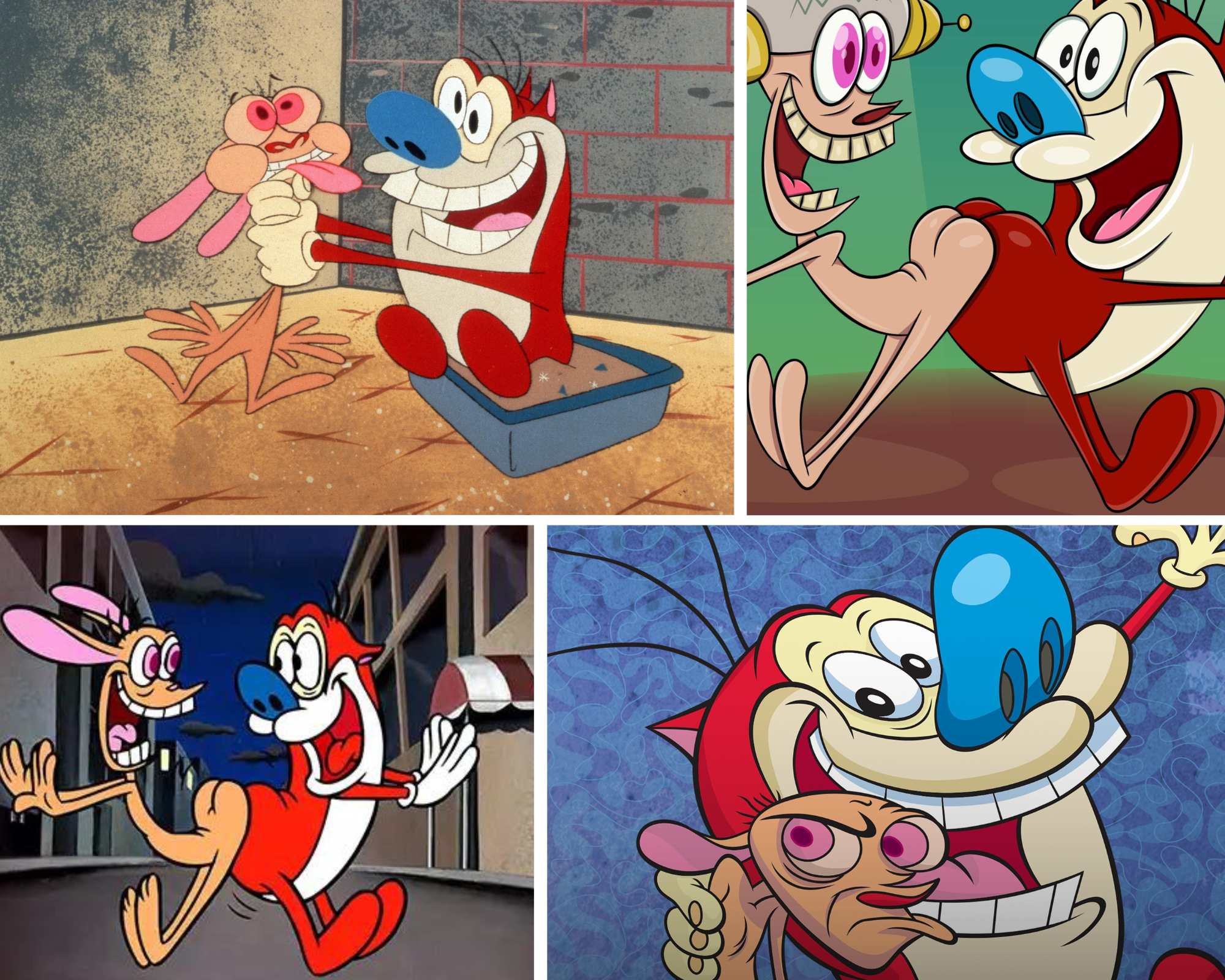
Debut: The Ren and Stimpy Show, 1991 (Nickelodeon)
Why they made my list: Pushed animation itself into wild, expressive new territory
Whether you loved this show or found it revolting, its fingerprints are all over everything that came after.
The gross-out gags and rubbery, hyper-detailed animation broke the rules of what a kids’ cartoon could look like. That influence is real and huge. The blue cat has a surprisingly deep backstory, which I cover in my piece on Stimpson J. Cat.
Tweety Bird
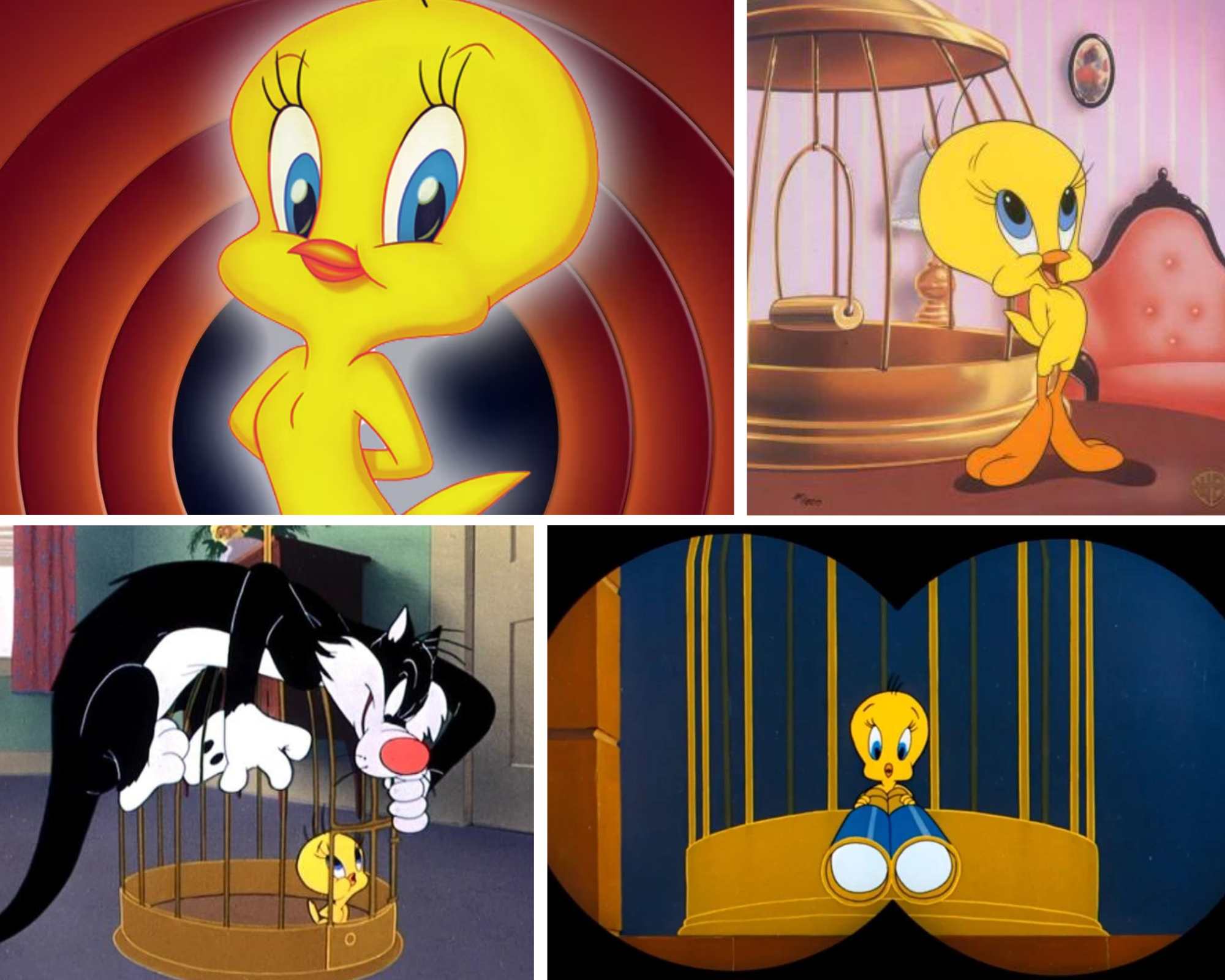
Debut: 1942 (Looney Tunes)
Why they made my list: Flipped the helpless-cute trope into the real threat
Tweety’s design is pure innocent cuteness, and that is the whole trick. The joke is that he is not the victim at all; poor Sylvester is.
Turning “tiny and helpless” into the actual danger was a clever inversion, and it kept him a Looney Tunes staple for decades. I still think that face hides a truly dangerous brain.
Optimus Prime
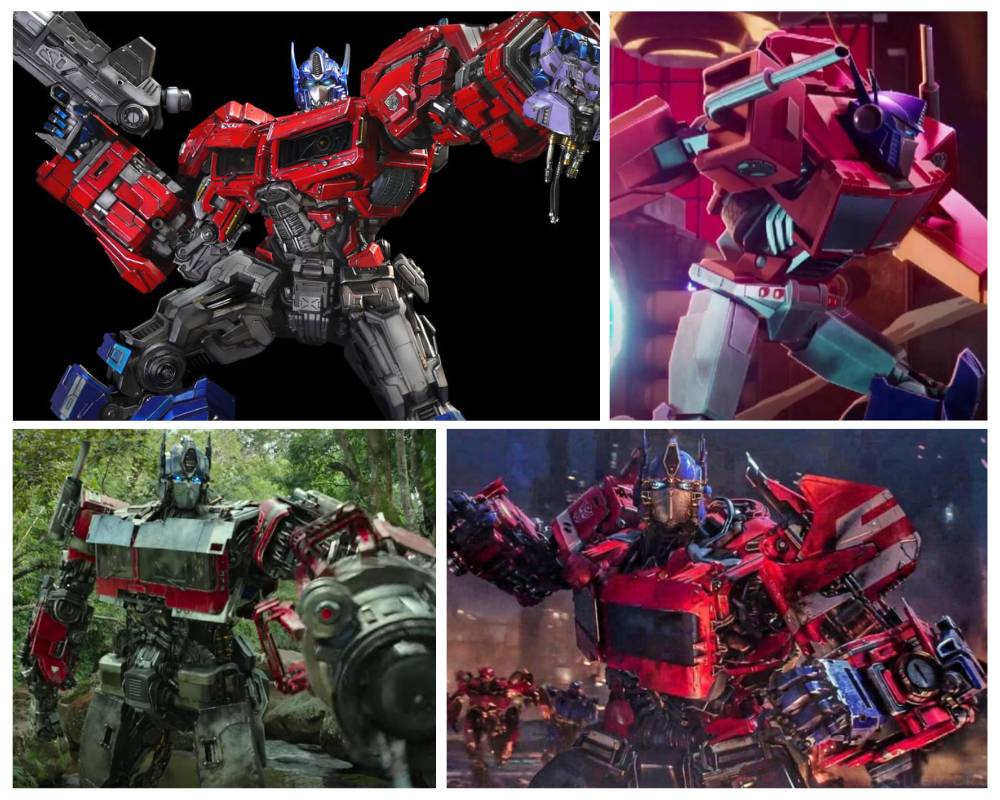
Debut: The Transformers, 1984 (voiced by Peter Cullen)
Why they made my list: A toy-commercial character who became a real father figure
Optimus Prime started life to sell toys and ended up as a moral compass for a whole generation.
Peter Cullen’s voice gave “Autobots, roll out” the kind of weight that still raises goosebumps. He is the standout among cartoon robot characters, and whether he is fighting Megatron or sacrificing himself, he represents the best of what leadership looks like.
Johnny Bravo
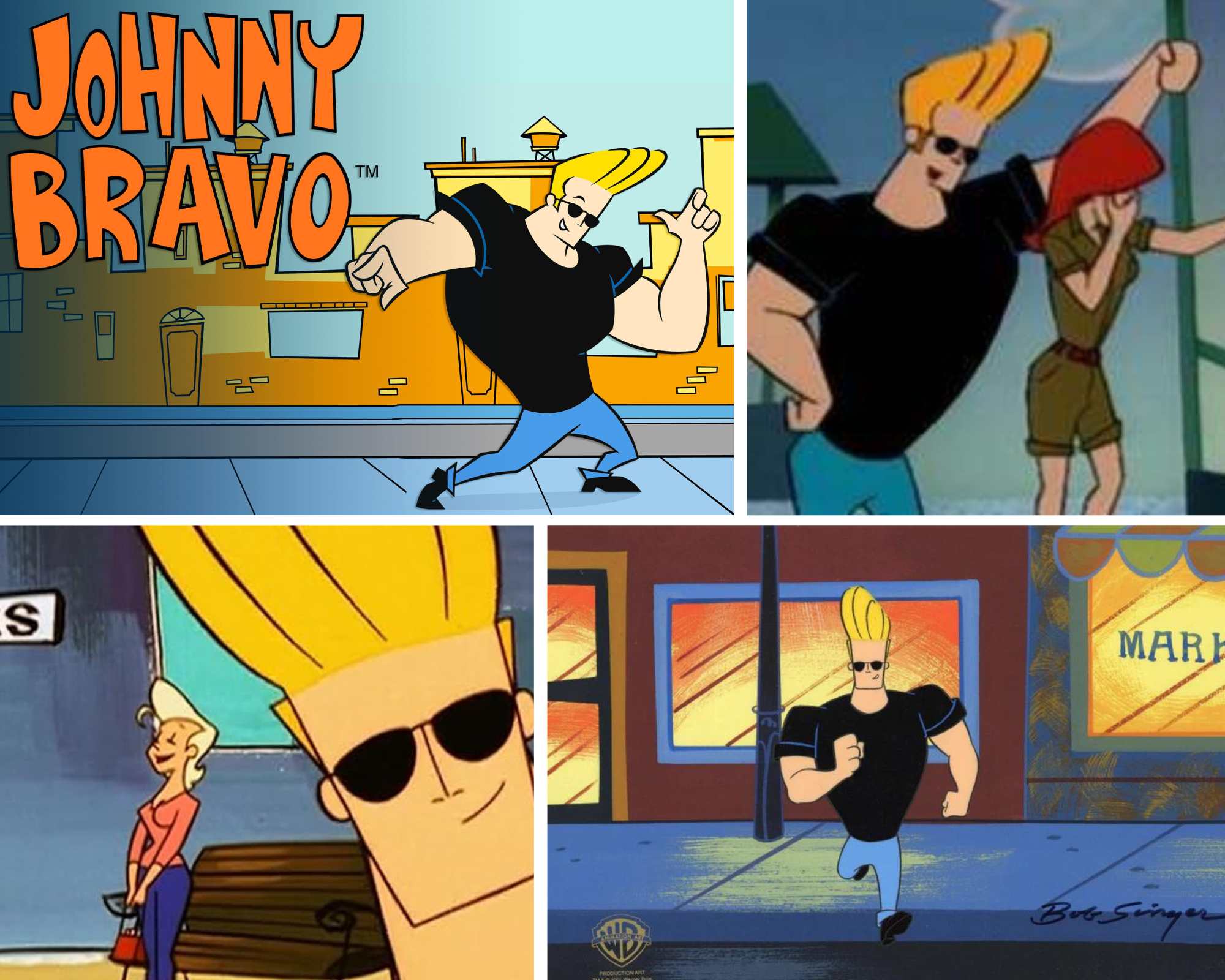
Debut: Johnny Bravo, 1997 (Cartoon Network)
Why they made my list: One of the funniest running gags on 90s Cartoon Network
Johnny Bravo is Elvis hair, sunglasses, and absolutely zero game, and the comedy writes itself.
His doomed attempts to talk to women, capped by a karate chop, never stopped being funny to me. He is a staple on any list of cartoon characters with glasses, sunglasses in his case, and he taught us that muscles and hair gel are no substitute for a personality.
Pinky and The Brain
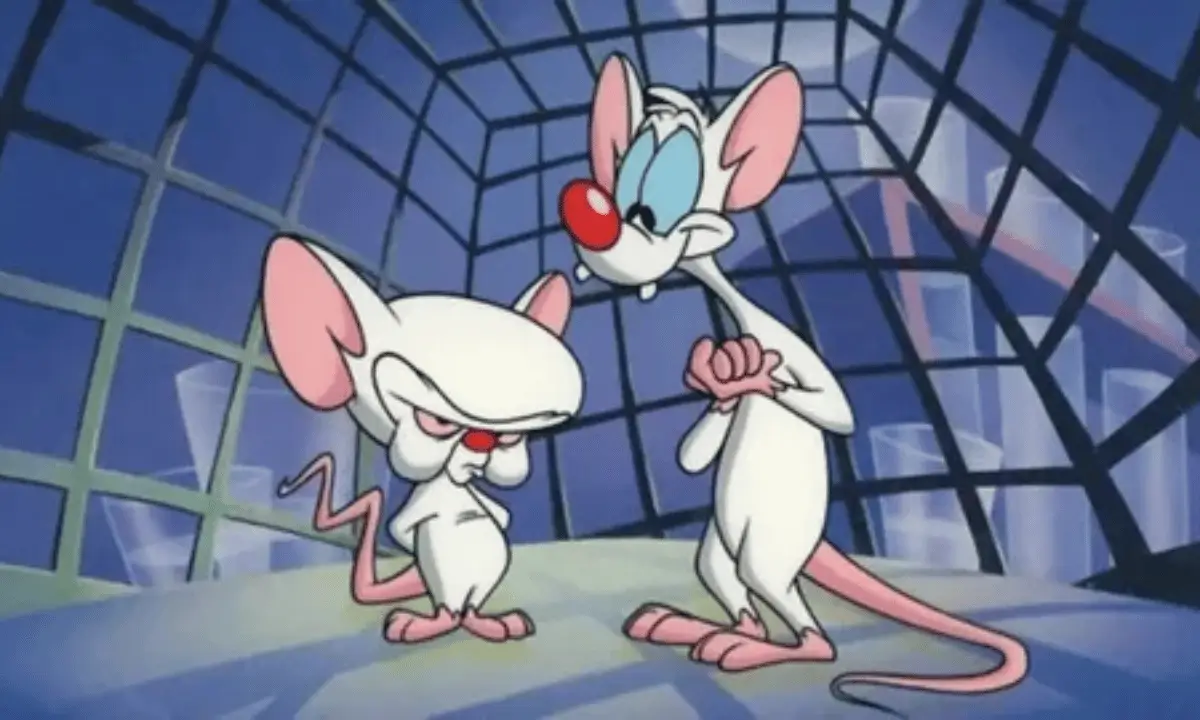
Debut: Animaniacs, 1993 (own series in 1995)
Why they made my list: Some of the smartest writing in all of 90s animation
Plenty of cartoon villains chase world domination, but these two lab mice turned it into a nightly ritual.
The dynamic is perfect: Brain is a genius certain he is helping humanity, and Pinky is just thrilled to be along for the ride. Their guaranteed failures are legendary, and the wordplay was aimed as much at adults as kids.
Tom and Jerry
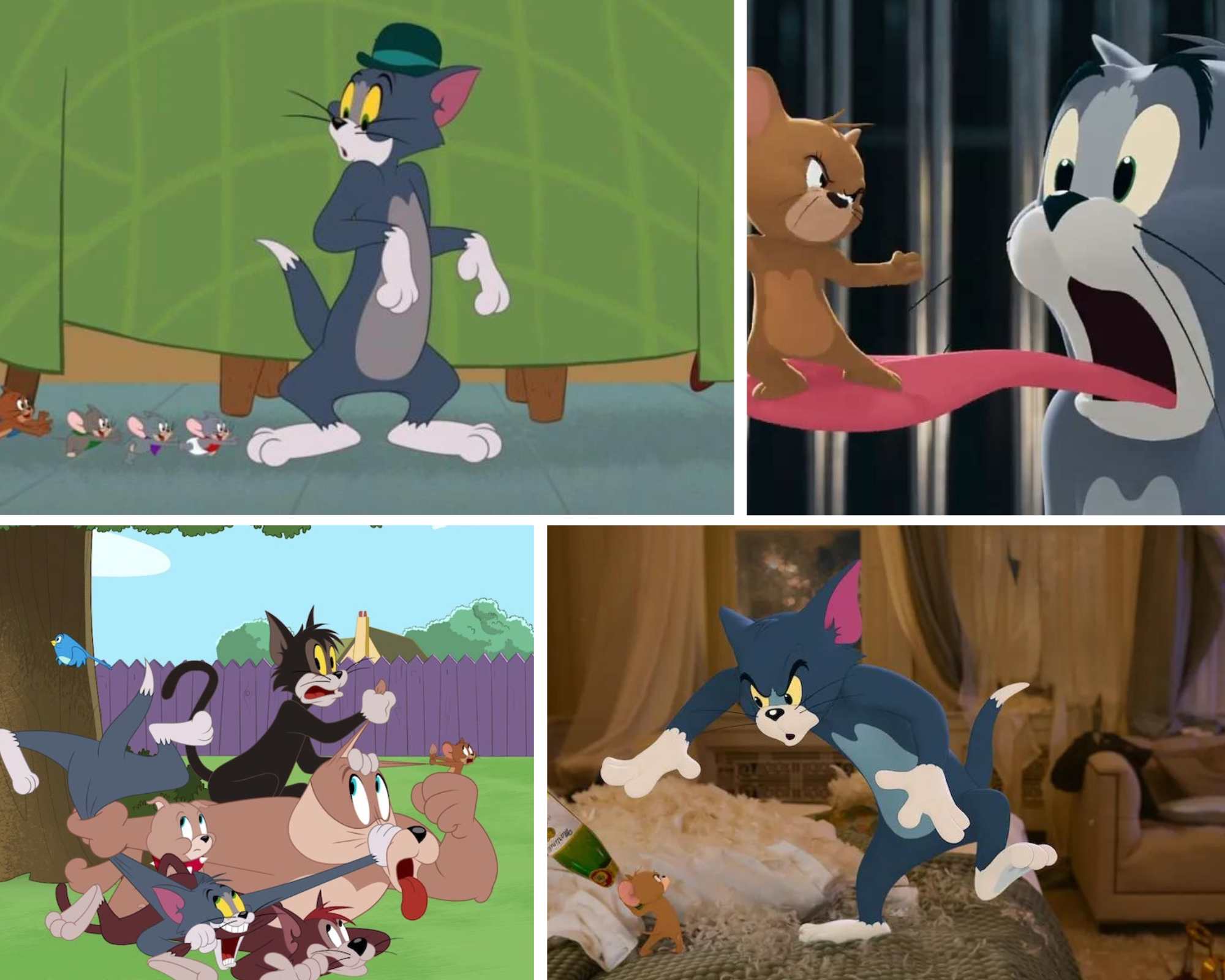
Debut: 1940 (William Hanna and Joseph Barbera at MGM)
Why they made my list: Defined the cat-and-mouse formula and won a shelf of Oscars doing it
Tom and Jerry prove that actions speak louder than words. Their endless chase, all slapstick and no dialogue, basically defined the cat-and-mouse genre and racked up multiple Academy Awards along the way.
Fans still argue whether they are best friends or mortal enemies, a debate I dig into in are Tom and Jerry best friends. Either way, it is timeless.
Bart Simpson
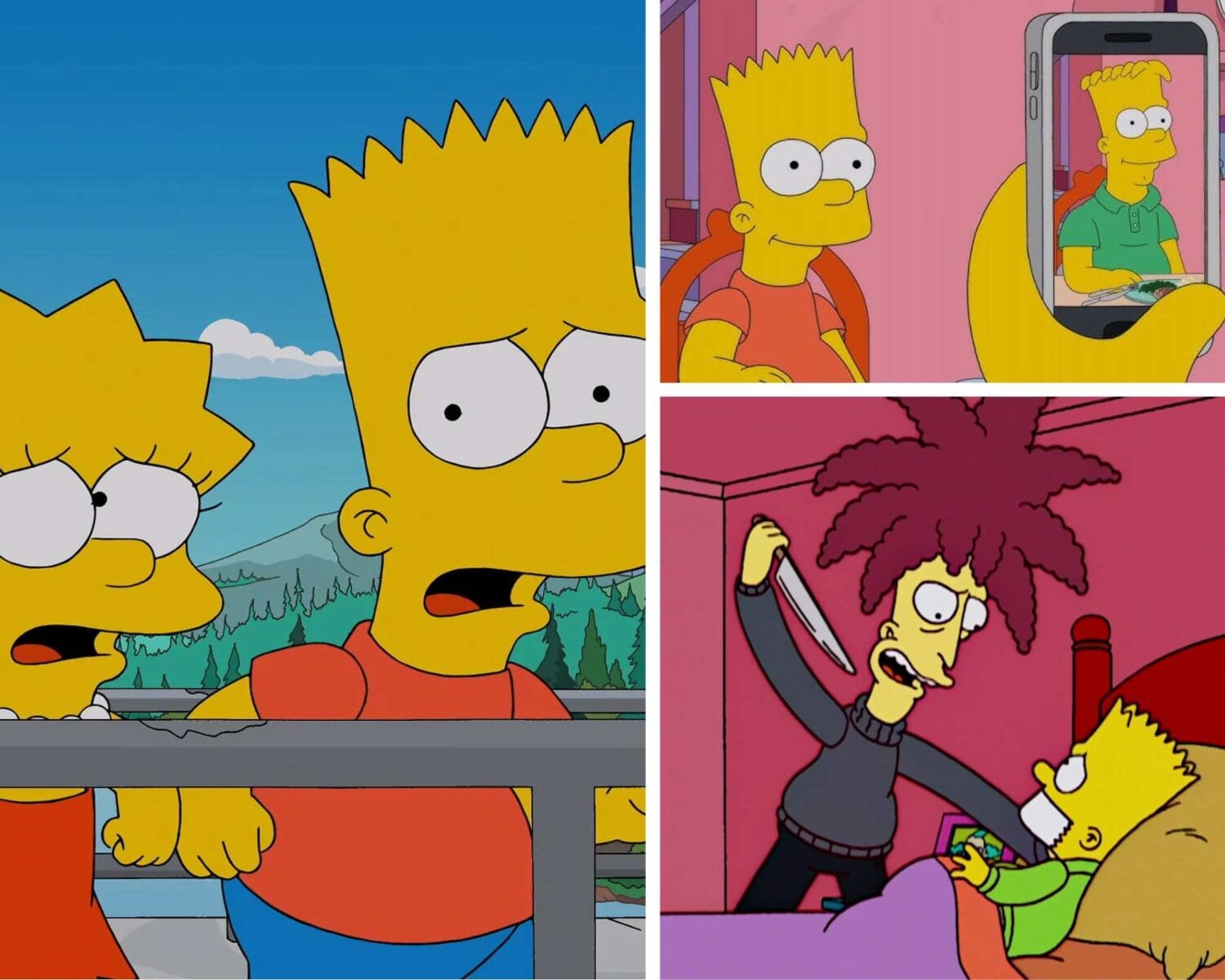
Debut: The Simpsons, 1989 (shorts on The Tracey Ullman Show, 1987)
Why they made my list: The original breakout star of the adult animation era
Before Homer took over, Bart was the show. That spiky-haired troublemaker and his “Eat my shorts” attitude made him the face of 90s rebellion and put The Simpsons on millions of t-shirts.
He was the breakout who proved a primetime cartoon could dominate pop culture. For a while, Bart Simpson mania was everywhere, and it earned him a high spot here.
Fred Flintstone
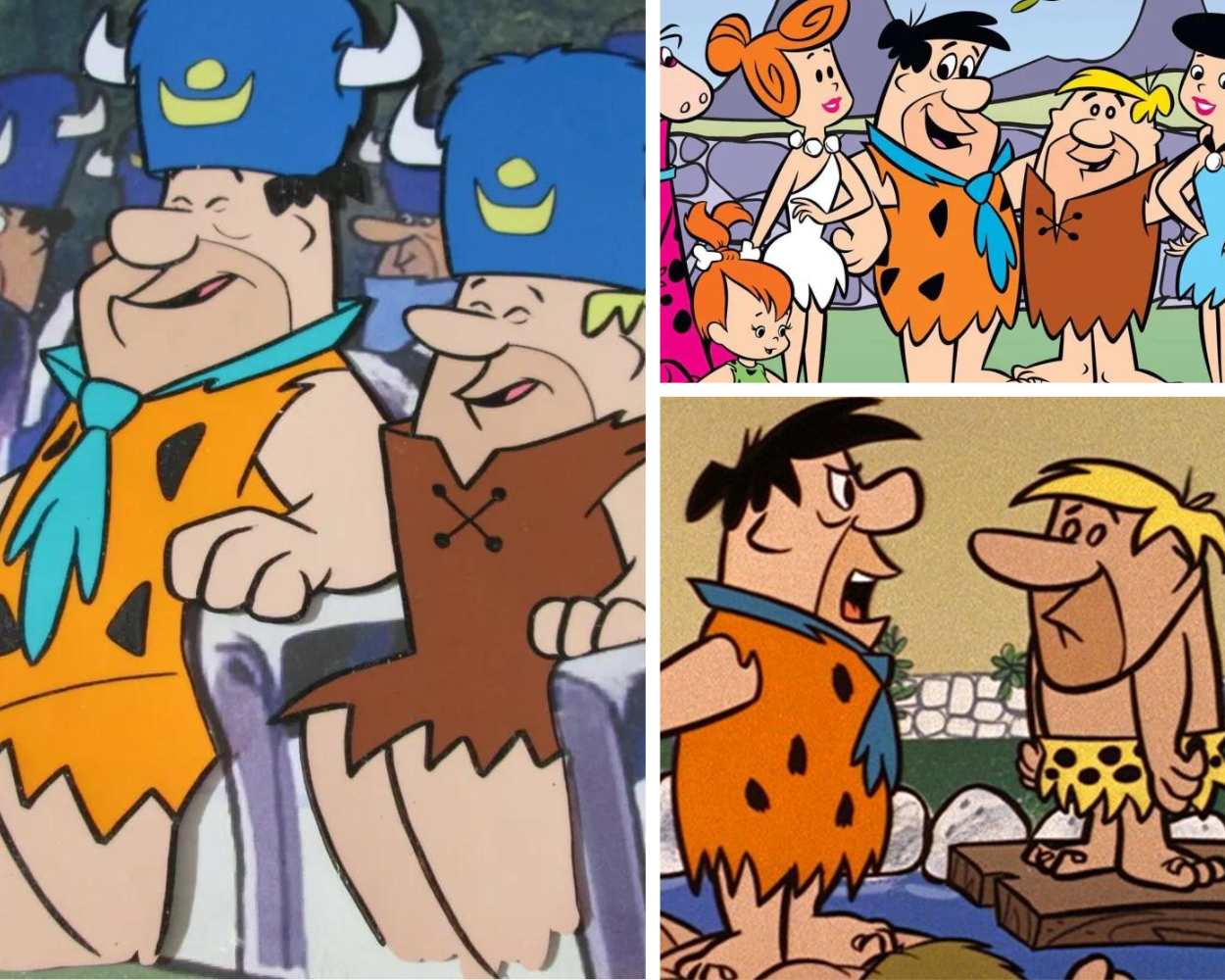
Debut: The Flintstones, 1960 (Hanna-Barbera)
Why they made my list: The star of the first primetime animated sitcom
Fred is one of the best cartoon characters you might overlook.
The Flintstones was the first primetime animated sitcom, and Fred basically invented the loud, brash, well-meaning “sitcom dad” that animation has reused ever since. Modeled on The Honeymooners, his bond with best pal Barney Rubble set the standard for the animated buddy comedy. “Yabba Dabba Doo” still rings out.
Betty Boop
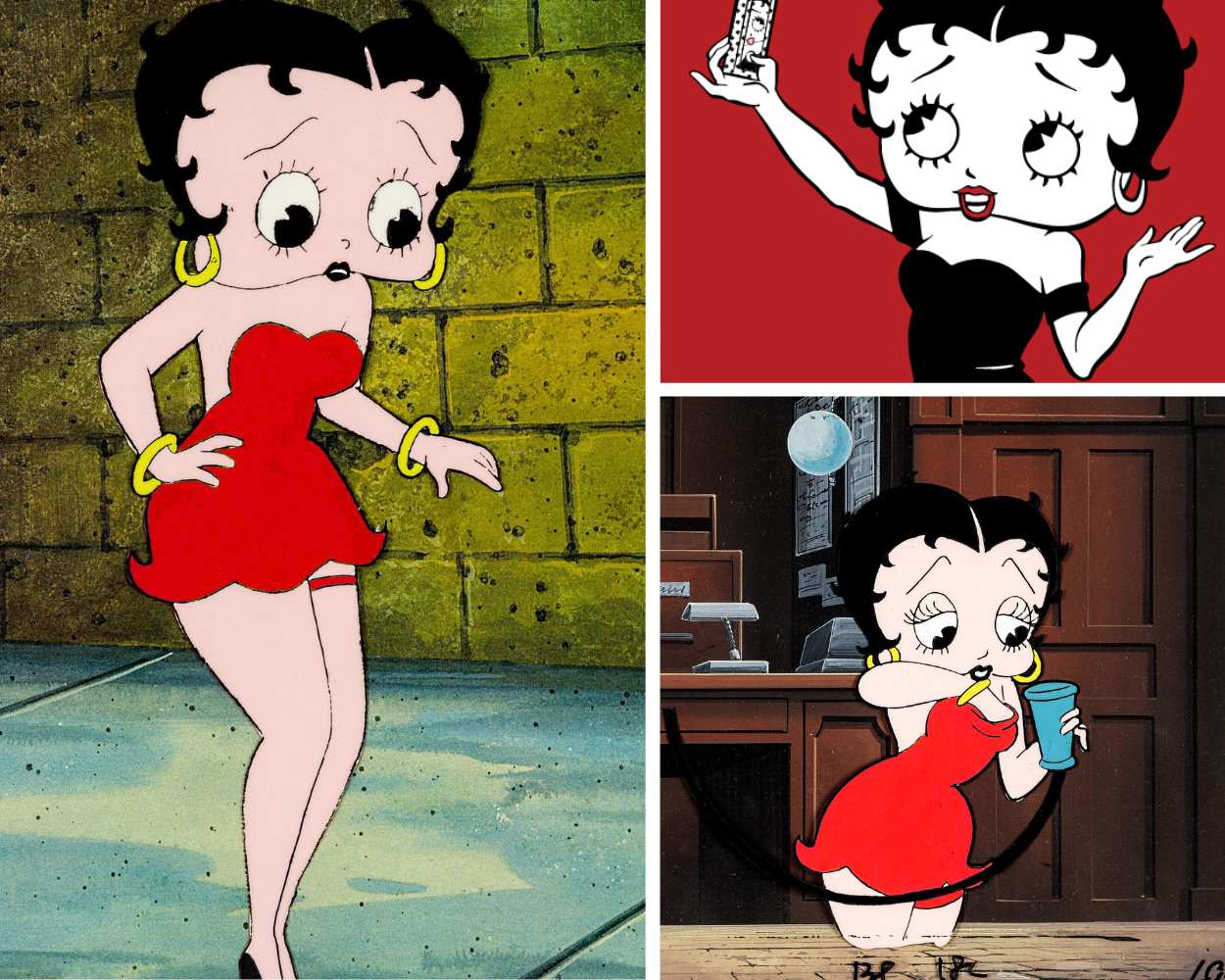
Debut: 1930 (Max Fleischer)
Why they made my list: One of animation’s first true female stars, from the rubber hose era
Betty Boop has an appeal that survives every passing decade.
She was one of the first breakout female cartoon stars and is often called an early animated sex symbol, yet she kept a playful innocence that made her endearing rather than crude. As one of the most famous black and white cartoon characters, she is a living snapshot of the rubber hose style of the 1930s.
Scooby-Doo
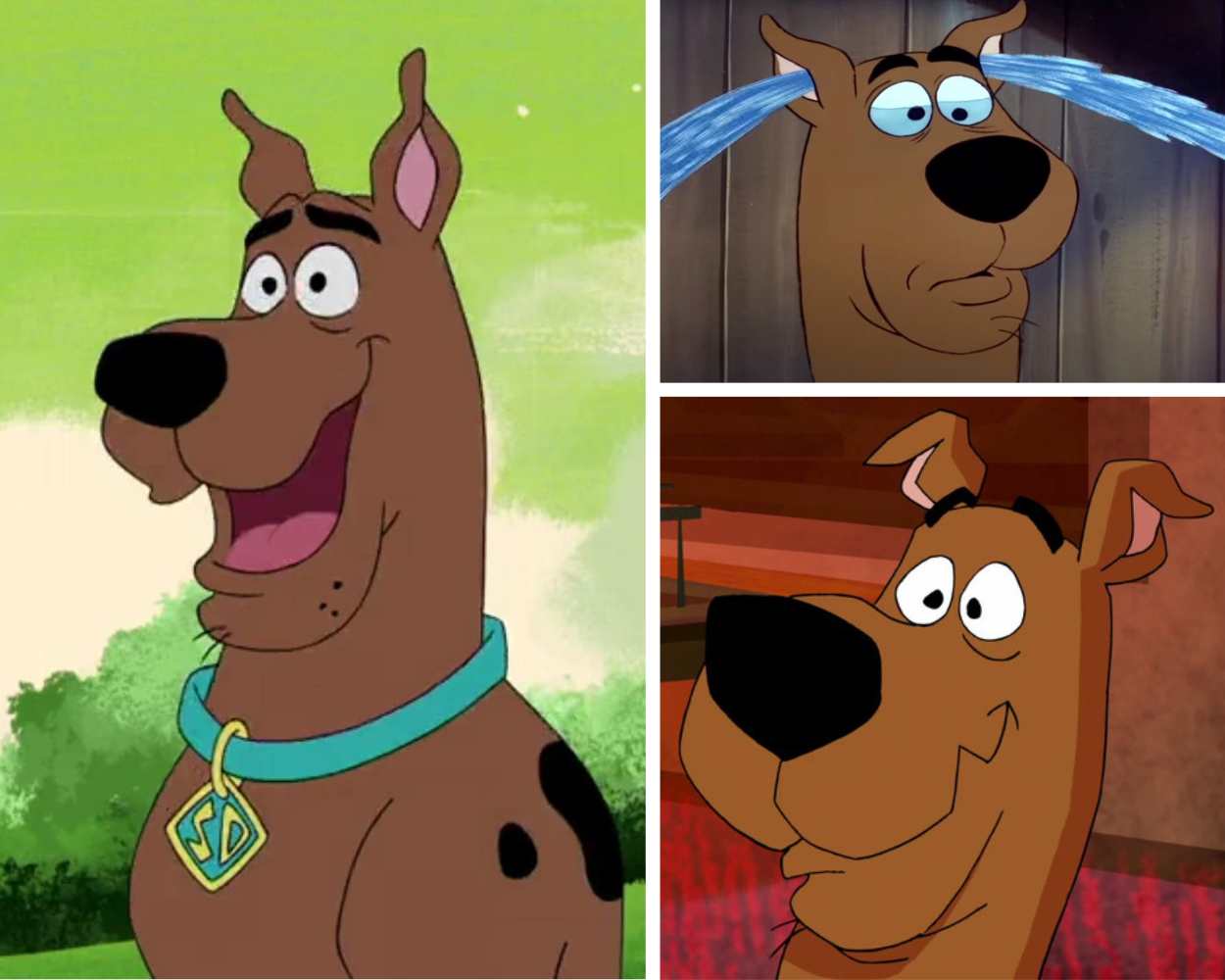
Debut: Scooby-Doo, Where Are You!, 1969 (Hanna-Barbera)
Why they made my list: Arguably the most famous cartoon dog in the world
Since 1969, kids have loved this snack-obsessed Great Dane, one of the best cartoon characters the Saturday-morning era produced. As the leader of the ultimate crew of cartoon detective characters, his cowardice makes him relatable while his loyalty to Shaggy makes him a hero.
He also quietly taught a generation that the monster is usually just a guy in a mask, which is a solid life lesson.
The Pink Panther
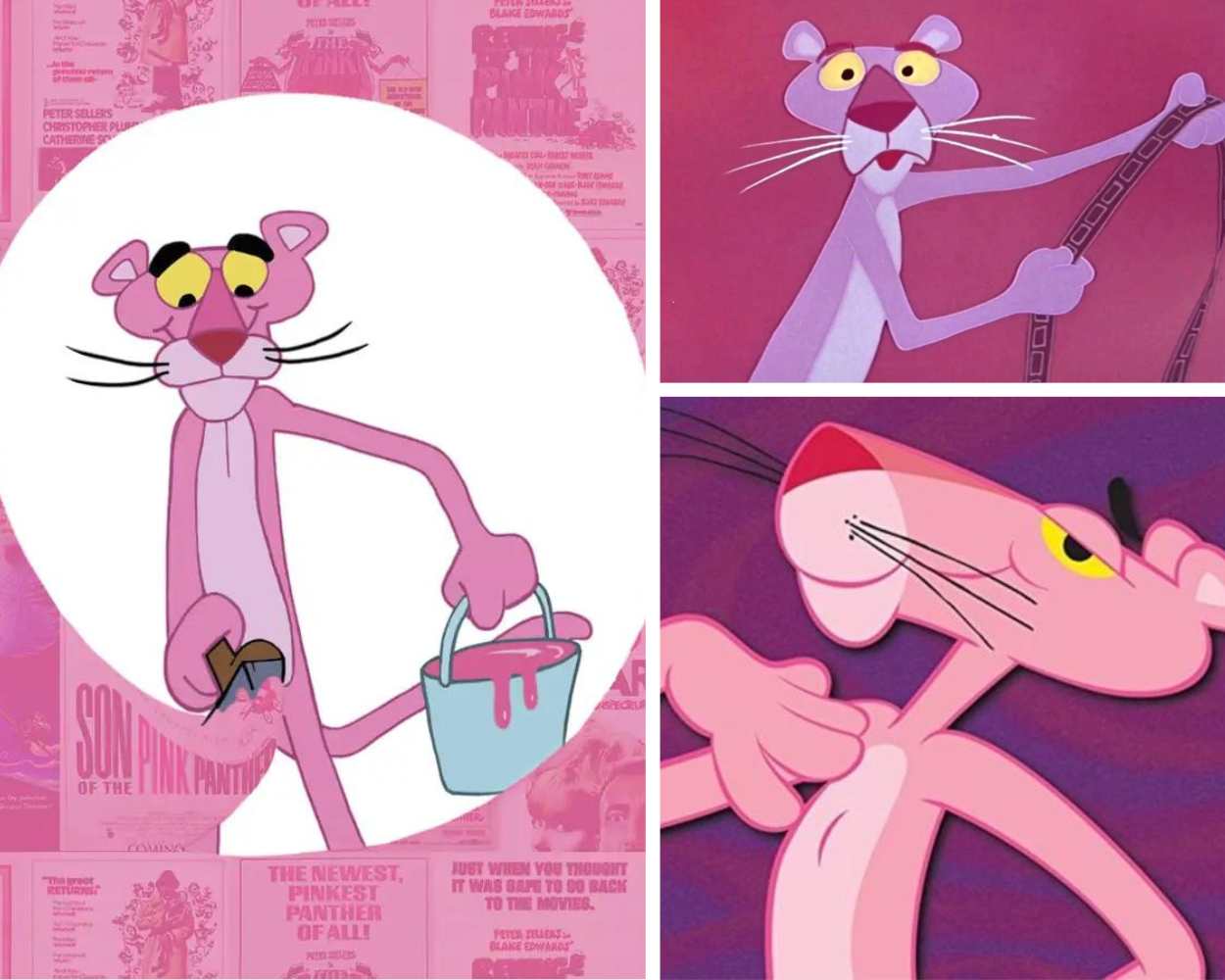
Debut: 1964 (from the 1963 film’s title sequence)
Why they made my list: Became a legend with almost no dialogue at all
How does a character who barely speaks become a legend? Pure style.
The Pink Panther rode his cool, unbothered swagger and that unforgettable Henry Mancini jazz theme straight into icon status. He made the color pink a symbol of sophistication and led the pack of pink cartoon characters that followed. Silent and unbeatably smooth.
Yogi Bear
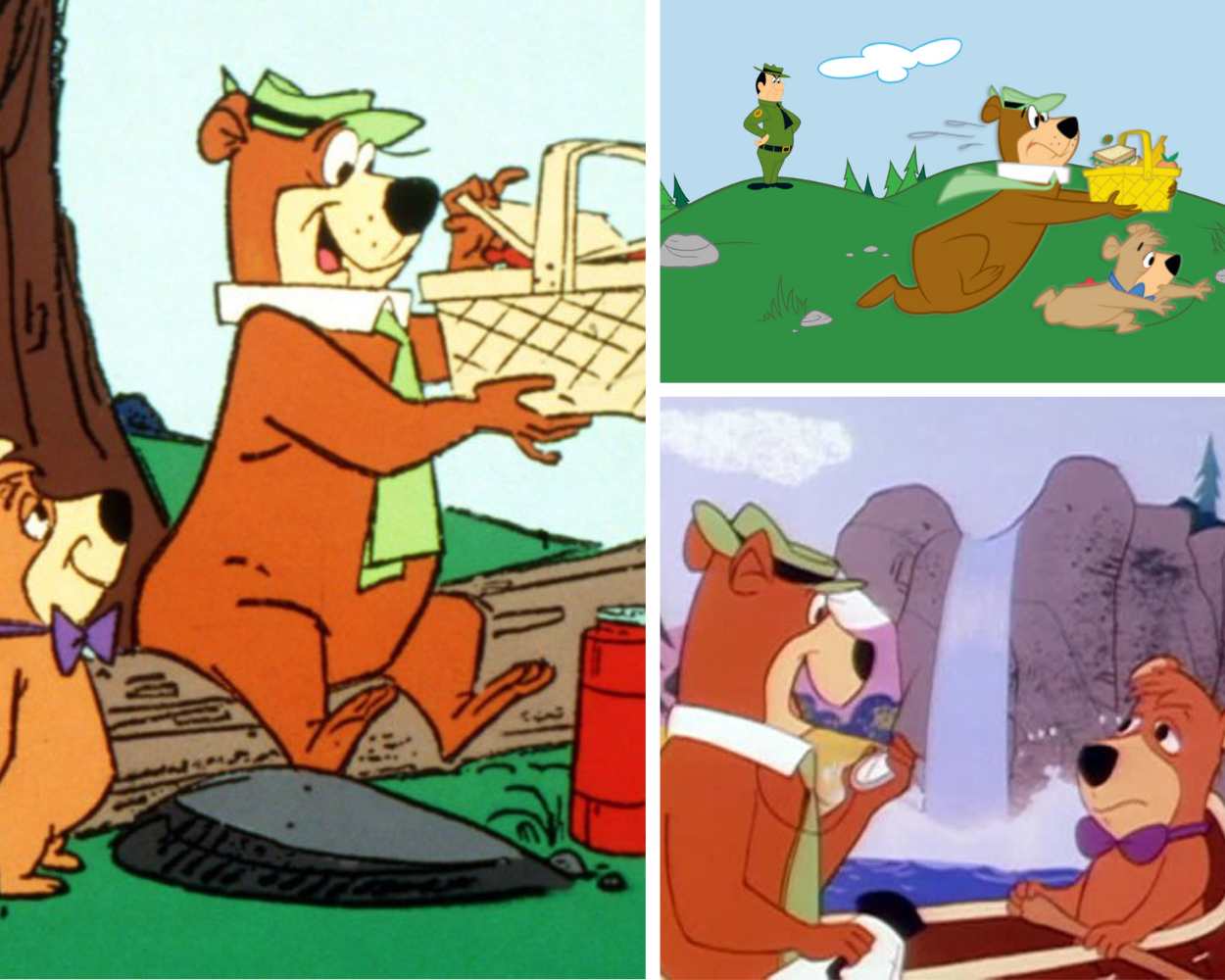
Debut: 1958 (Hanna-Barbera), own show in 1961
Why they made my list: Hanna-Barbera’s most iconic creation outside of Scooby
Yogi is arguably the crown jewel of the early Hanna-Barbera stable.
His picnic-basket heists and his signature “smarter than the average bear” line made him a worldwide favorite. He is all about the simple joy of outsmarting authority, in his case poor Mr. Ranger, and he is easily the most famous bear in all of cartoons.
Popeye
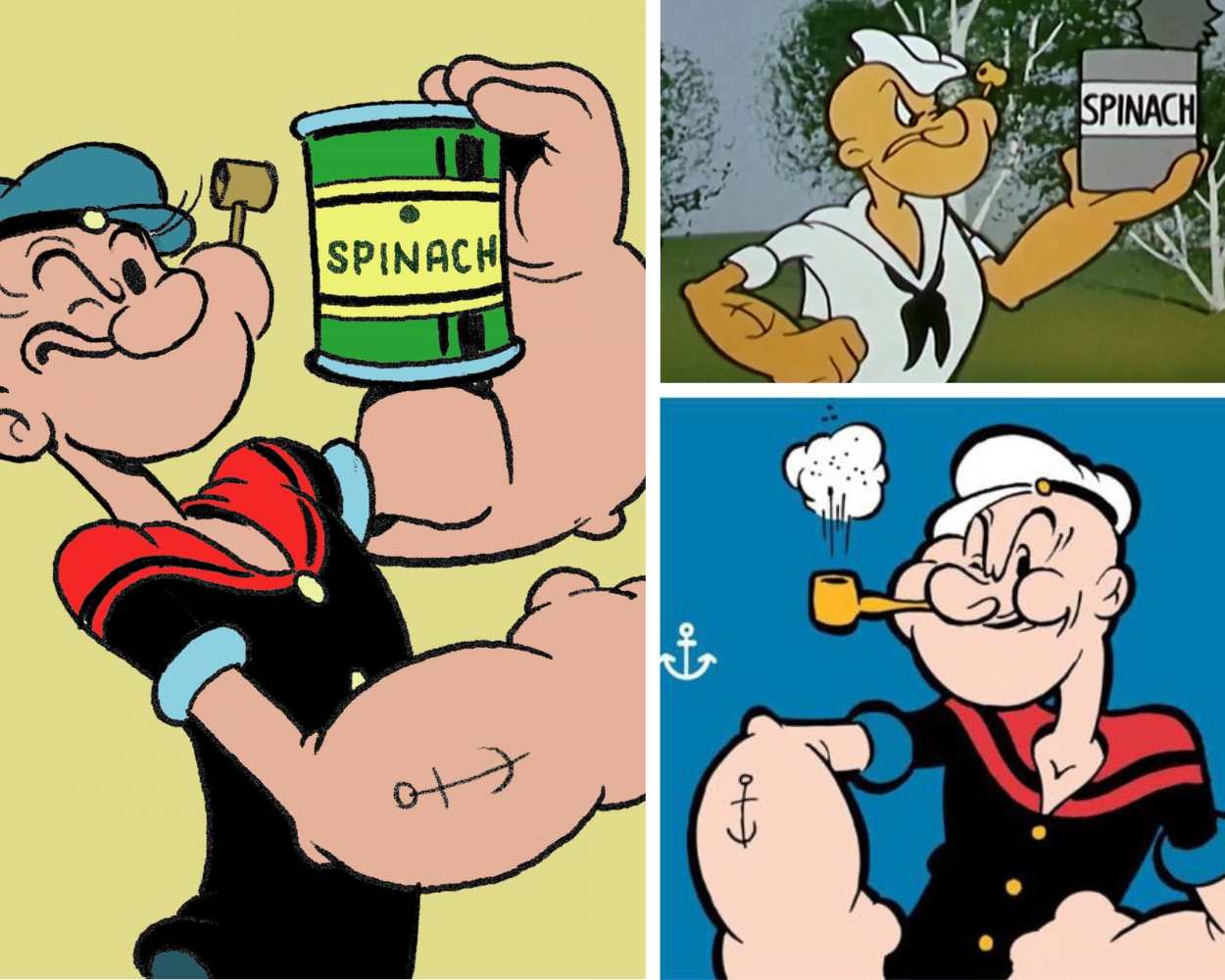
Debut: Comic strip in 1929, animated shorts from 1933 (Fleischer)
Why they made my list: A comic-strip sailor who became a Depression-era animation giant
Popeye the spinach-loving sailor has been flexing since his 1929 comic-strip debut.
His mangled speech and relentless courage make him one of the best cartoon characters ever, and the Fleischer shorts of the 1930s were animation powerhouses. He taught kids that vegetables make you strong, a small lie in a good cause, and he never backed down from a bully like Bluto.
Eric Cartman

Debut: South Park, 1997
Why they made my list: The engine that turns South Park into real satire
Cartman outshines everyone else in South Park, and that is by design.
His self-centered, childish, gleefully awful personality is a fascinating character study, basically the unsupervised id of American culture. Without him the show would just be preachy; with him, it becomes legendary satire. He is the villain we tune in to watch fail.
Garfield
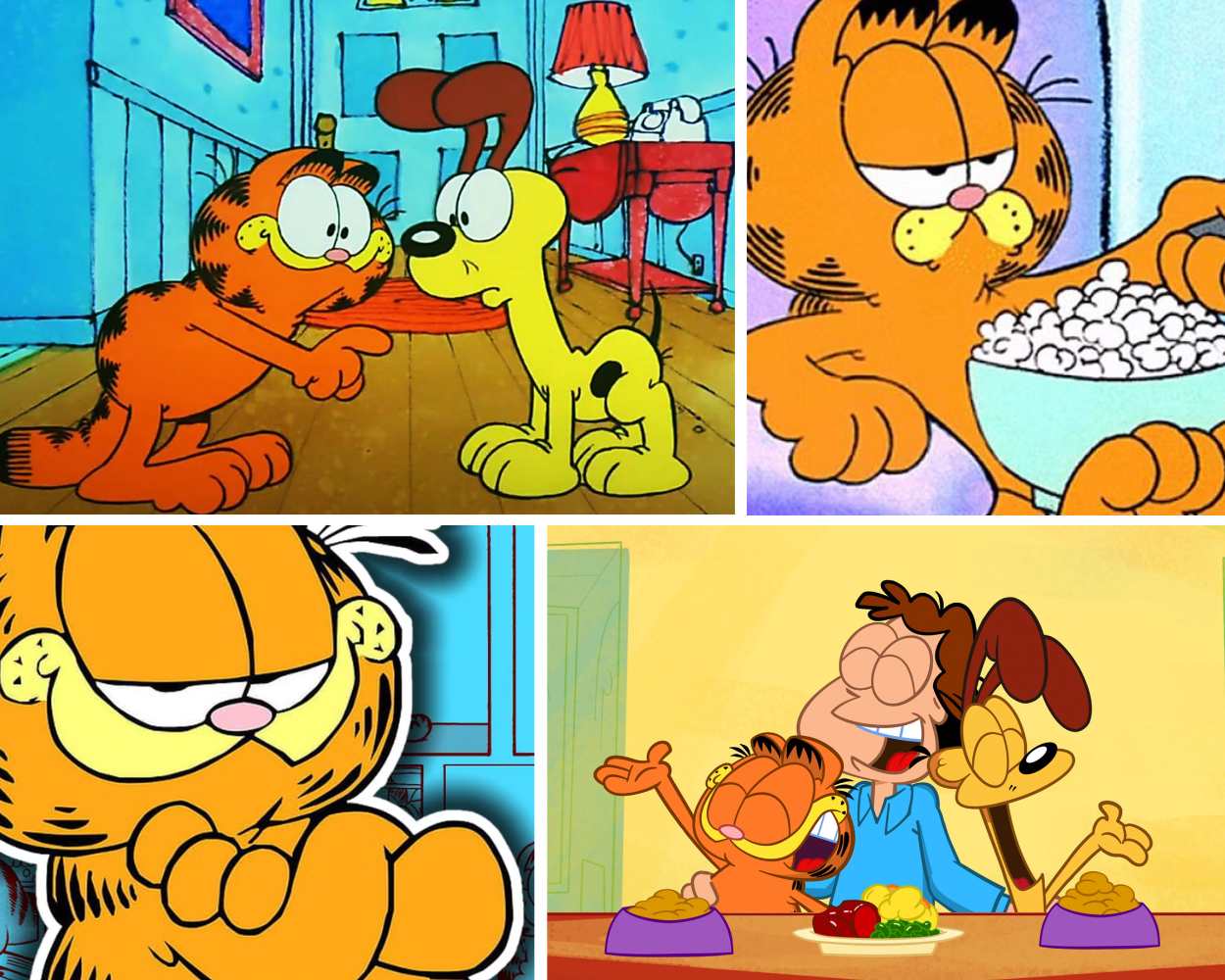
Debut: Comic strip in 1978 (Jim Davis)
Why they made my list: One of the most widely syndicated comic characters ever
Garfield is everything cat owners secretly love: lazy, selfish, and obsessed with food.
Hating Mondays and loving lasagna are two feelings just about every human shares, which is why the strip spread to thousands of papers worldwide. His deadpan humor makes him the king of comic-to-cartoon adaptations, and I have quoted him more than I would like to admit.
Winnie the Pooh
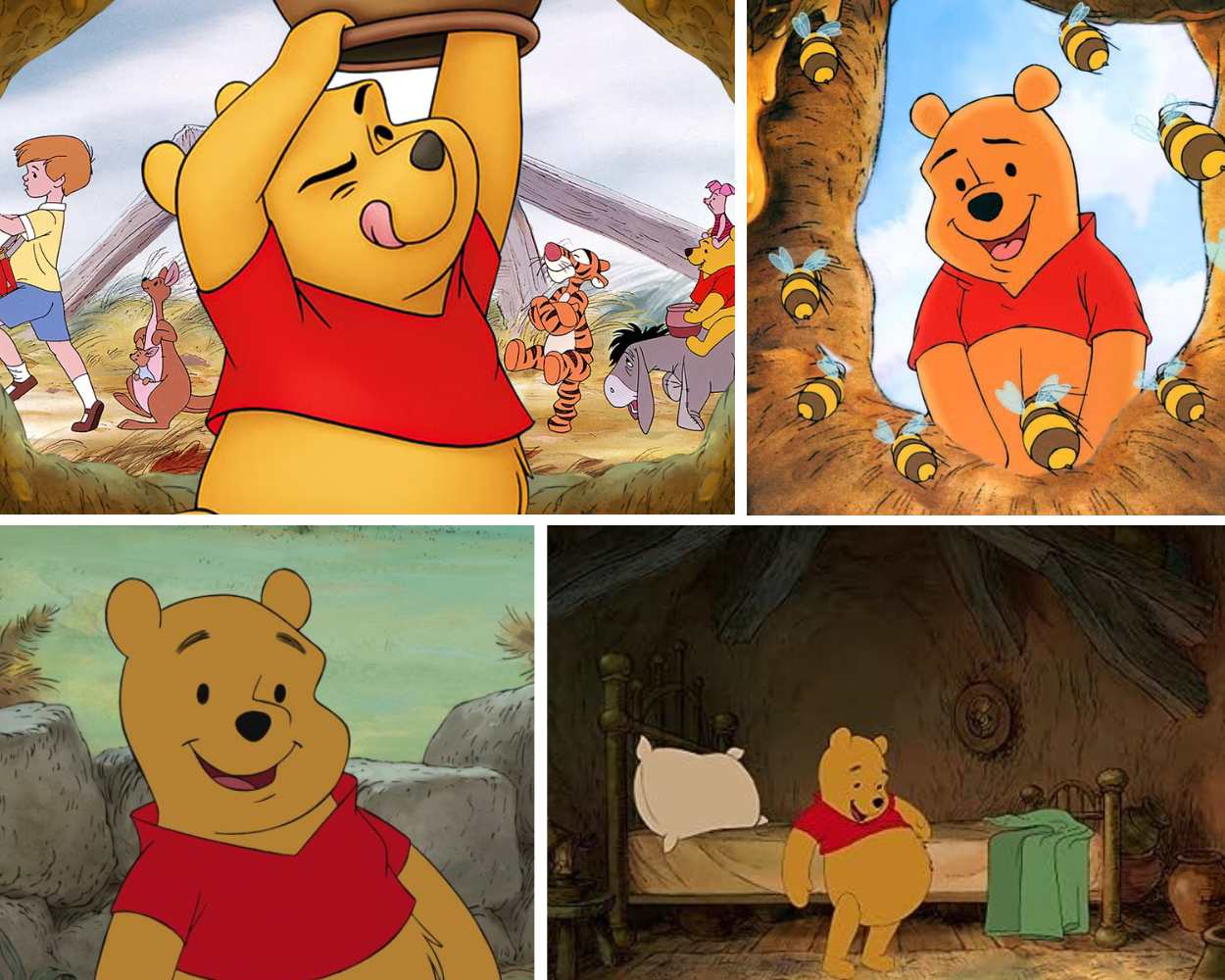
Debut: Disney animation, 1966 (books from 1926)
Why they made my list: The gentlest, warmest presence in all of animation
Wearing his little red shirt and dispensing accidental wisdom, Pooh is the teddy bear of the cartoon world.
His quiet adventures in the Hundred Acre Wood are all about friendship and kindness. In a genre full of loud, frantic characters, Pooh is a reminder to slow down and enjoy a bit of honey. He is the comfort food of animation, and I mean that as the highest praise.
Bullwinkle J. Moose
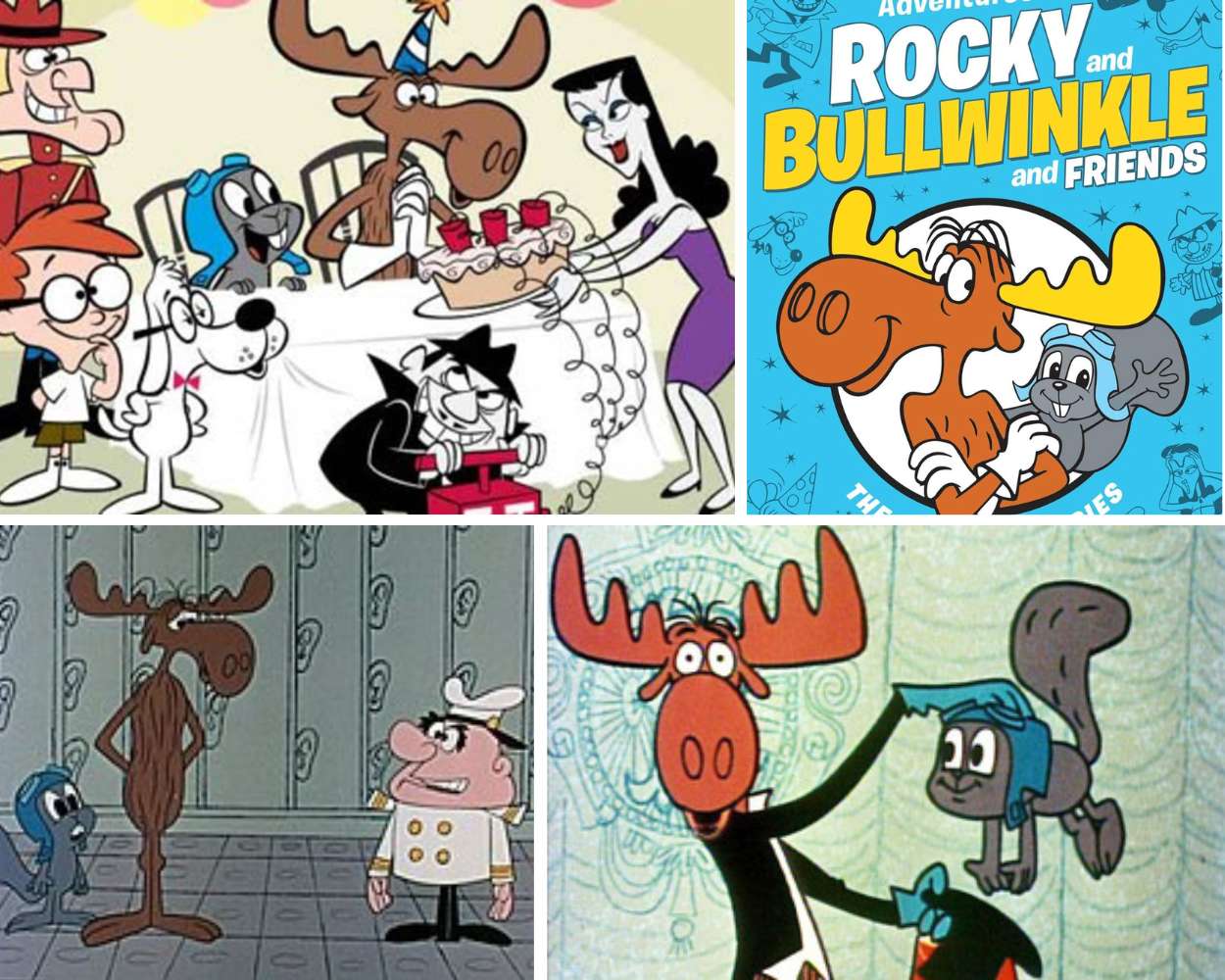
Debut: Rocky and His Friends, 1959
Why they made my list: A pioneer of meta-humor and the knowing wink
You do not need to overthink Bullwinkle to get him.
He is a goofy, endlessly entertaining moose, and alongside Rocky he pioneered meta-humor in cartoons. The pair broke the fourth wall constantly and packed in puns that sailed over kids’ heads while cracking up the adults. That layered style influenced decades of smarter cartoons.
Pikachu
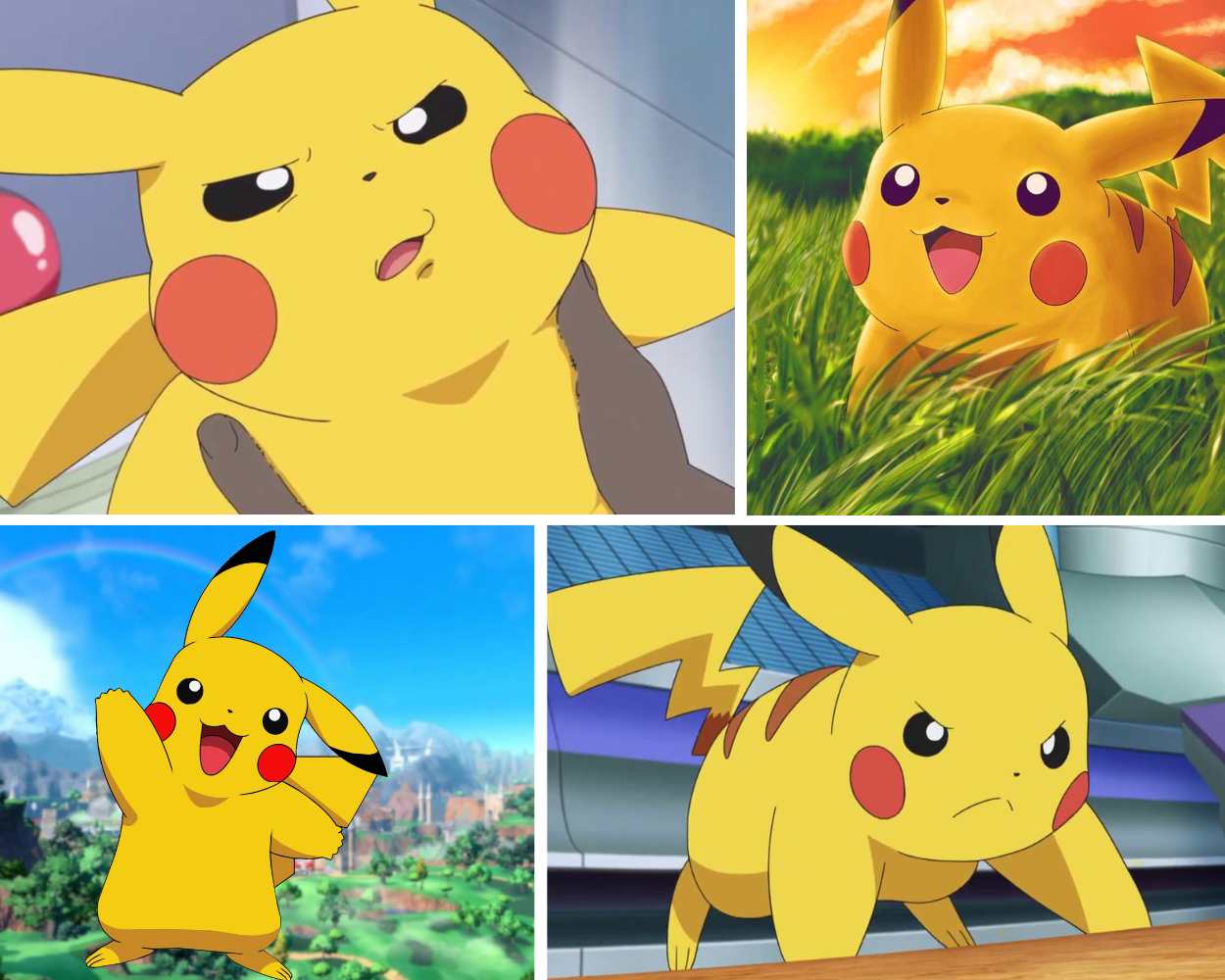
Debut: Pokemon, 1996 games and 1997 anime
Why they made my list: A character that became one of the biggest brands on Earth
Pikachu is more than a character; he is a global brand and one of the most recognizable faces in entertainment.
His charm, his electric attacks, and his loyalty to Ash carried the Pokemon phenomenon for decades. People call him the Mickey Mouse of Japan, and it fits. If you love the electric mouse, check out other yellow cartoon characters.
Ash Ketchum
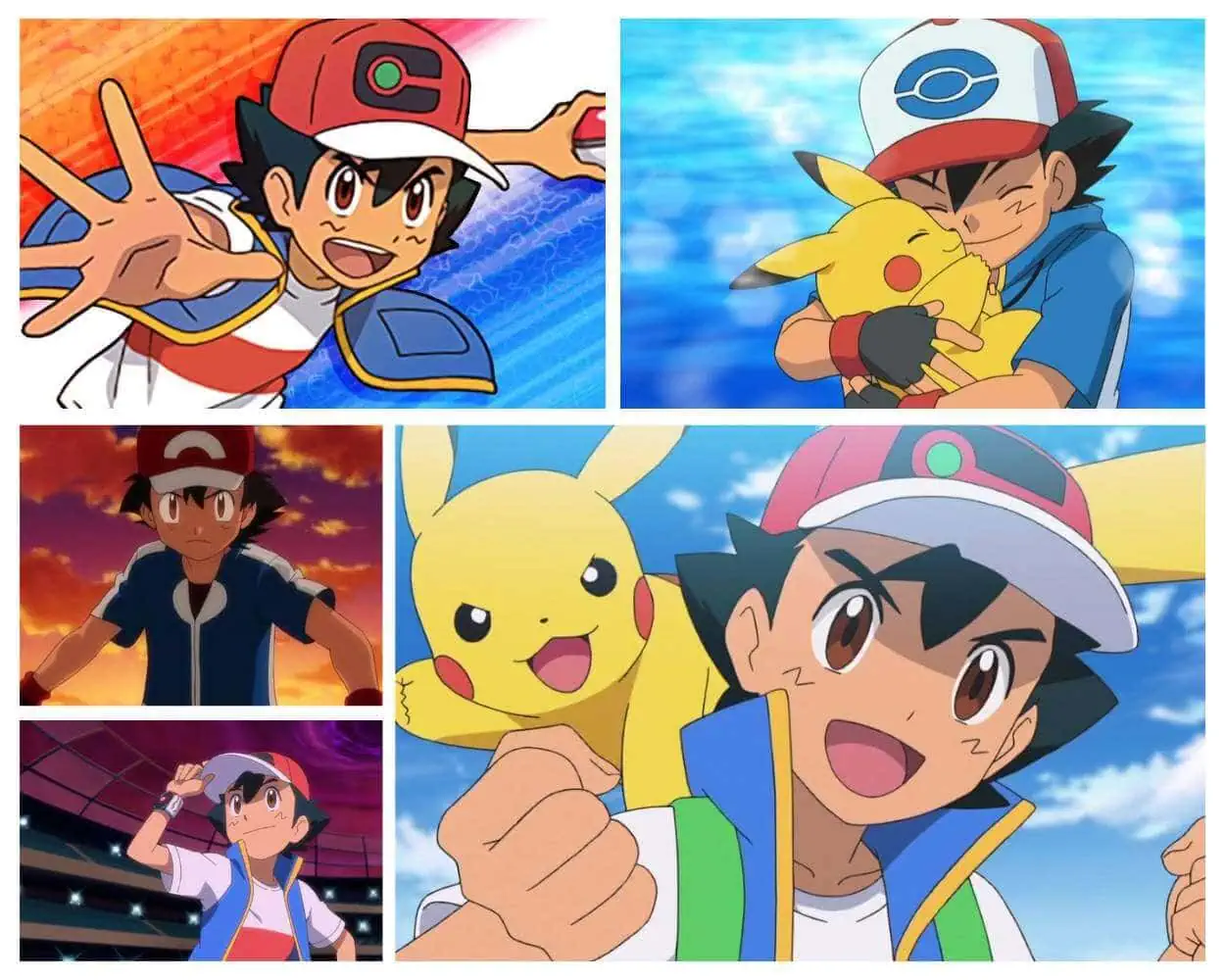
Debut: Pokemon anime, 1997
Why they made my list: An underdog who finally paid off decades of persistence
Ash Ketchum was the face of Pokemon for more than twenty years, and we watched him fail, learn, and try again the entire time.
His refusal to give up finally paid off in 2022 when he was crowned World Champion. That long, patient arc taught a whole generation that losing is just part of the road to winning, and it made the eventual payoff land.
Snoopy
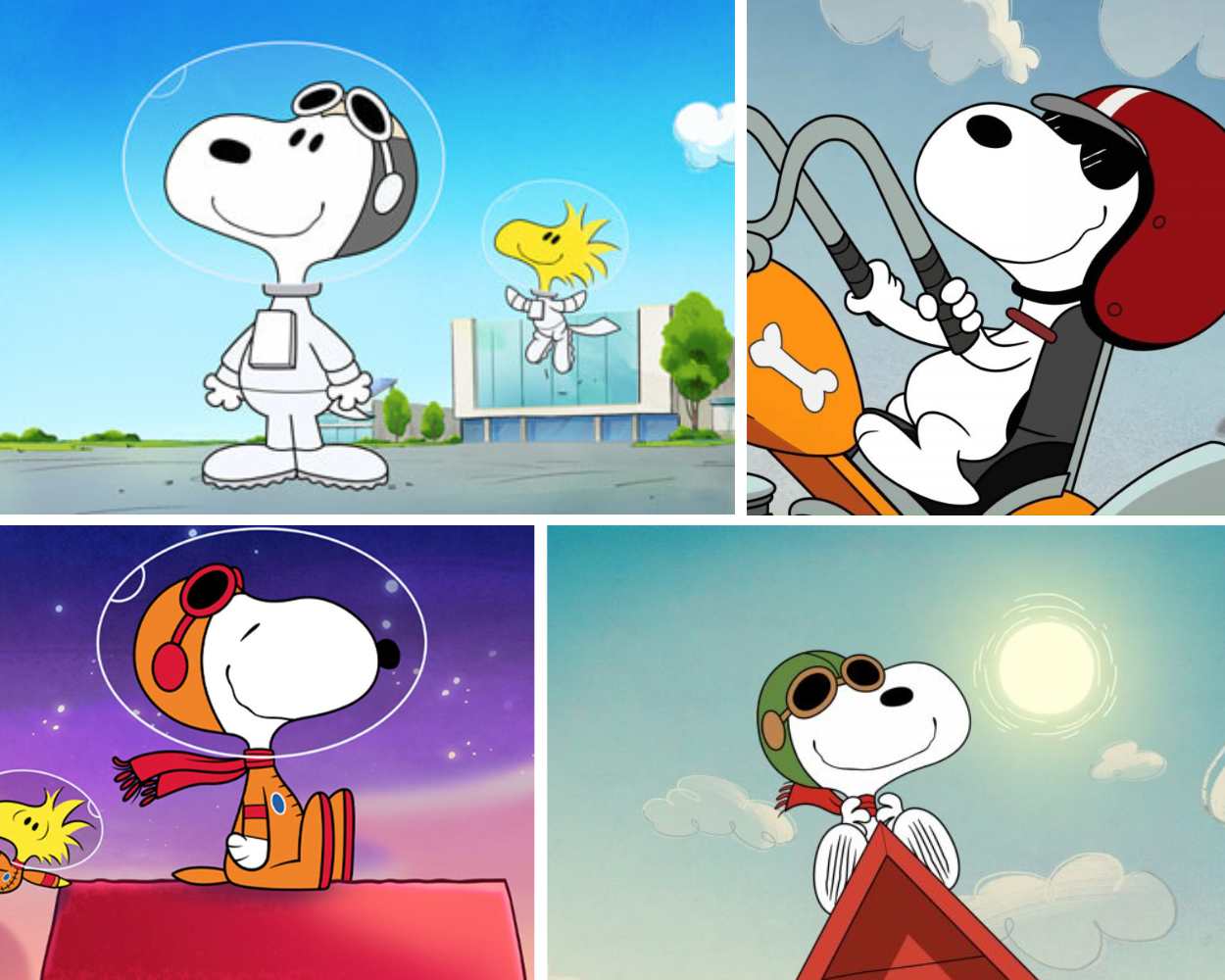
Debut: Peanuts comic strip, 1950 (TV specials from 1965)
Why they made my list: One of the most recognized characters on the planet
Snoopy is one of the most universally recognized cartoon characters anywhere.
Whether he is the Red Baron or Joe Cool, his imagination has no ceiling. He is the cool, silent observer of the Peanuts gang who quietly steals the show from Charlie Brown in nearly every strip and special. Not bad for a beagle who never says a word.
Stewie Griffin
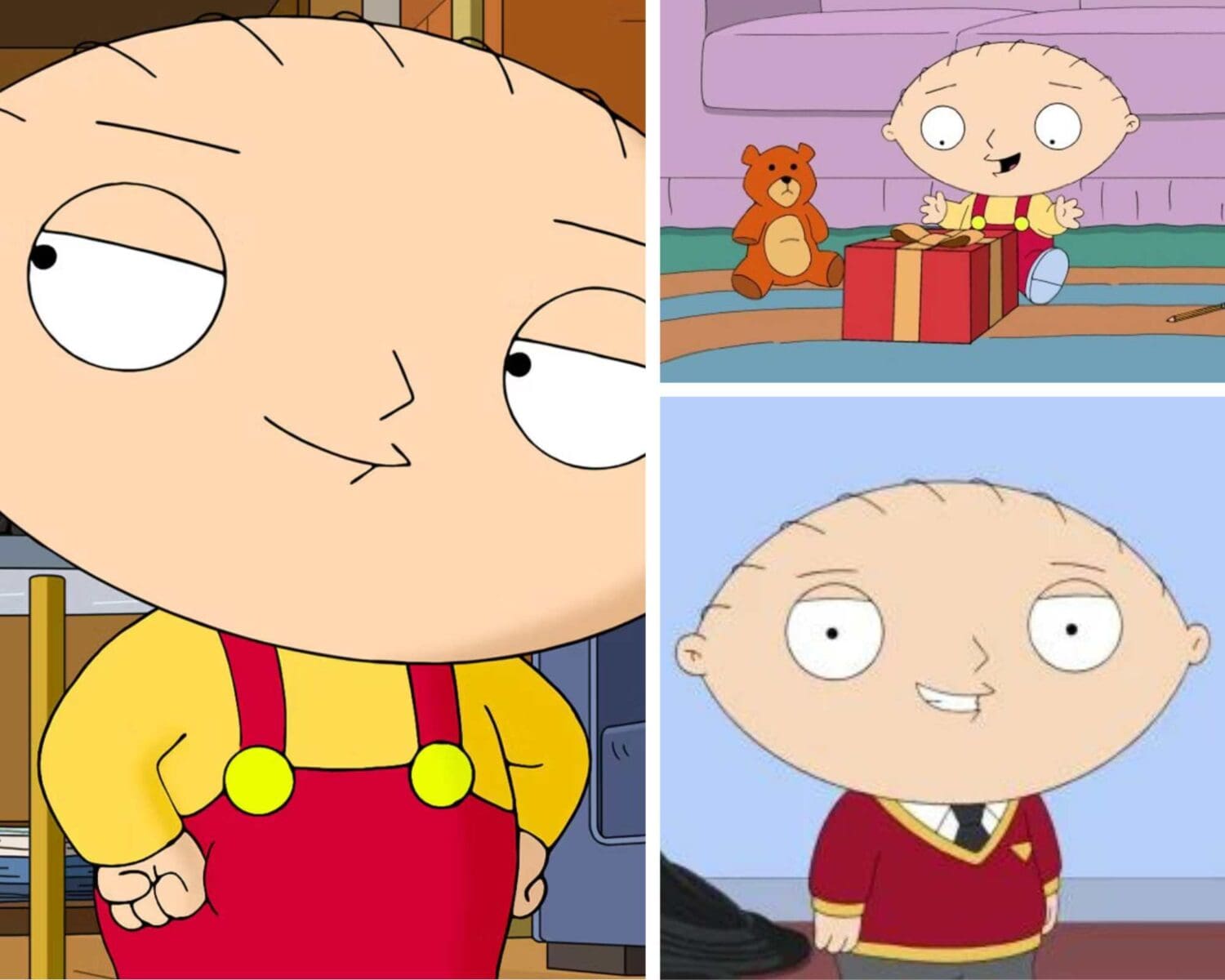
Debut: Family Guy, 1999
Why they made my list: A one-of-a-kind character: a baby supervillain with a British accent
Stewie Griffin is a wholly original creation, a toddler with the vocabulary of a Shakespearean villain and the ethics of a Bond antagonist.
His odd-couple bond with Brian the dog is the real heart of Family Guy. He evolved from a would-be tyrant into a complex, hilarious character, and that growth is a big part of why he lasts.
Daffy Duck
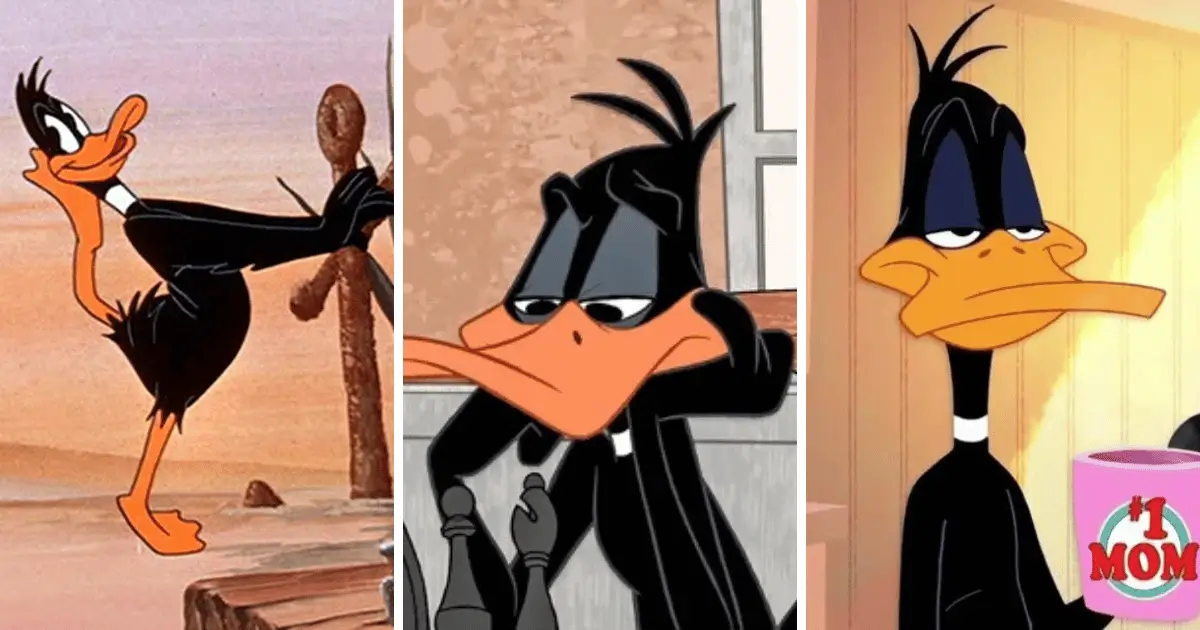
Debut: Porky’s Duck Hunt, 1937 (Looney Tunes)
Why they made my list: The perfect foil, and funnier for always losing
Daffy is one of the zaniest characters ever animated.
Bugs is the winner, so Daffy is stuck as the eternal loser, and that is exactly what makes him funnier. His towering ego, his greed, and that famous lisp make him the ideal foil to every other Looney Tune. The “Duck season, Rabbit season” bits are some of the sharpest comedy the studio ever produced.
Donald Duck
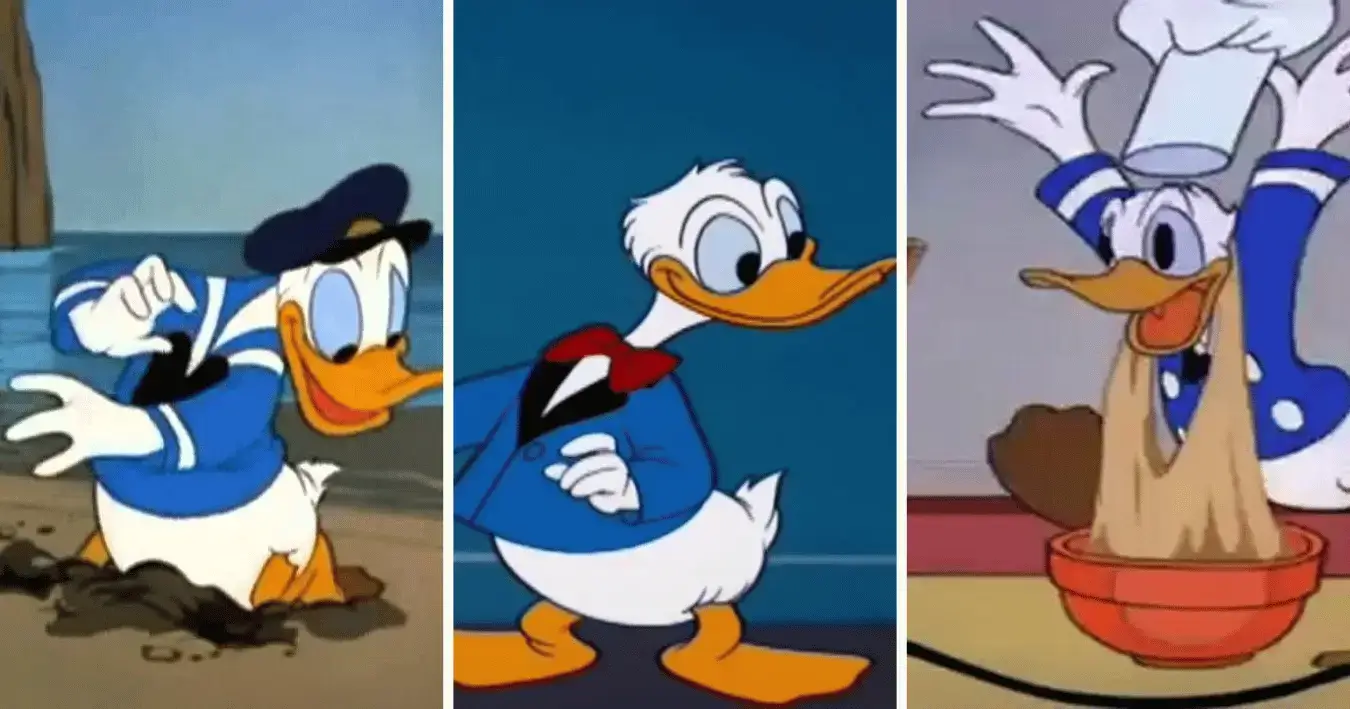
Debut: The Wise Little Hen, 1934 (Disney)
Why they made my list: Disney’s most relatable star, flaws and all
With his sailor suit and that unmistakable voice, Donald Duck is the most relatable character Disney ever made. Where Mickey is polished and perfect, Donald gets angry, gets frustrated, and has terrible luck.
We love him because he reacts to life exactly the way we secretly want to, by throwing a tantrum and yelling at it.
SpongeBob SquarePants
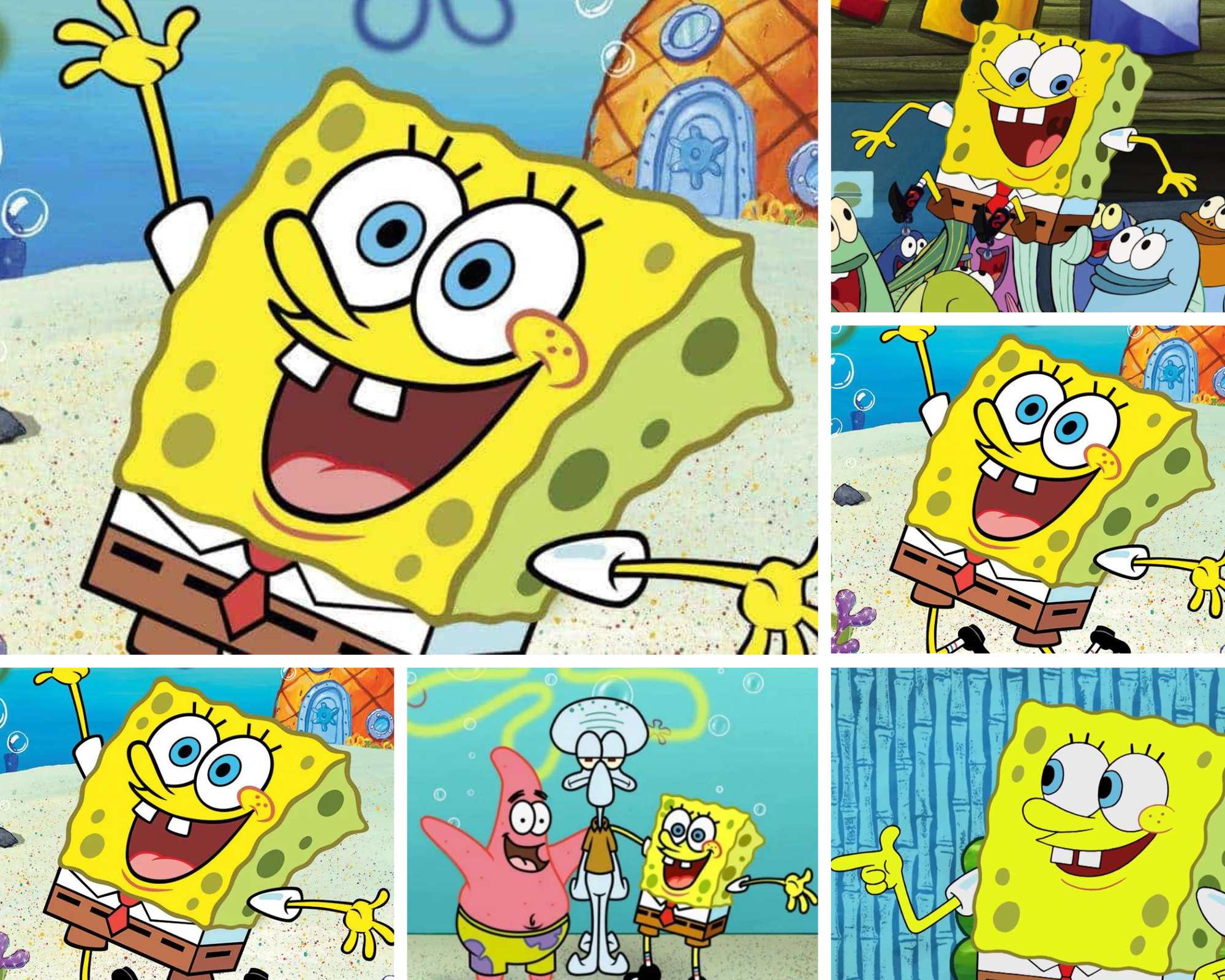
Debut: SpongeBob SquarePants, 1999 (Nickelodeon)
Why they made my list: The defining cartoon character of the 21st century
SpongeBob SquarePants is the most successful cartoon character of the 2000s, no argument from me.
His relentless optimism and that infectious giggle made him a favorite for kids and an endless meme source for adults. He defined the sense of humor of an entire generation, mine included, and that “I am ready” energy is very hard to dislike.
Homer Simpson
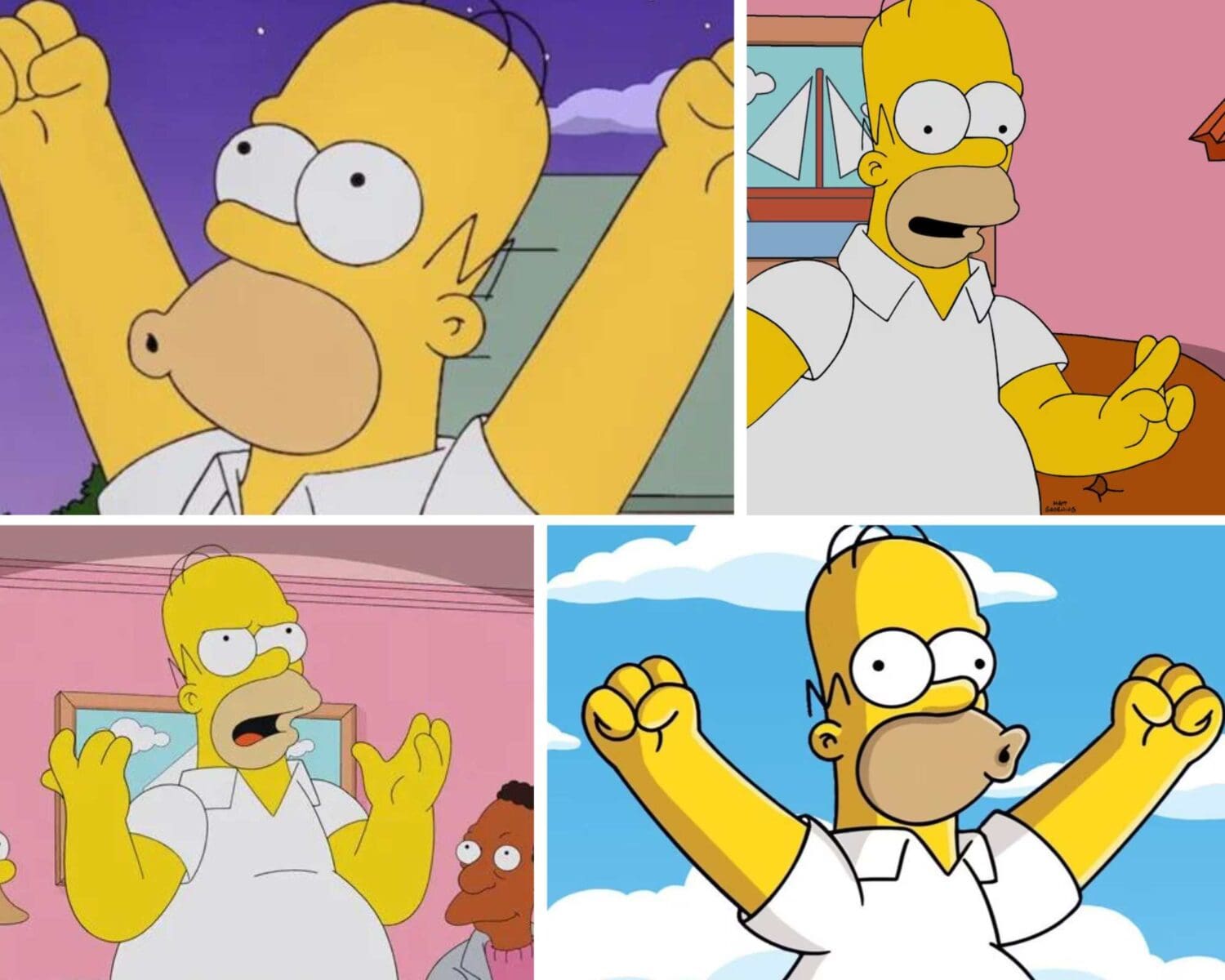
Debut: The Simpsons, 1989 (shorts from 1987)
Why they made my list: His “D’oh” is literally in the dictionary
Homer Simpson is the ultimate cartoon dad. His “D’oh” was added to the Oxford English Dictionary, which tells you how deep he sank into the culture. He is lazy, greedy, and none too bright, but he loves his family, usually.
He launched the adult animation revolution and remains the gold standard for comedic writing and one of the best cartoon characters ever put on TV. For me he is the greatest comedic performance in animation history.
Bugs Bunny
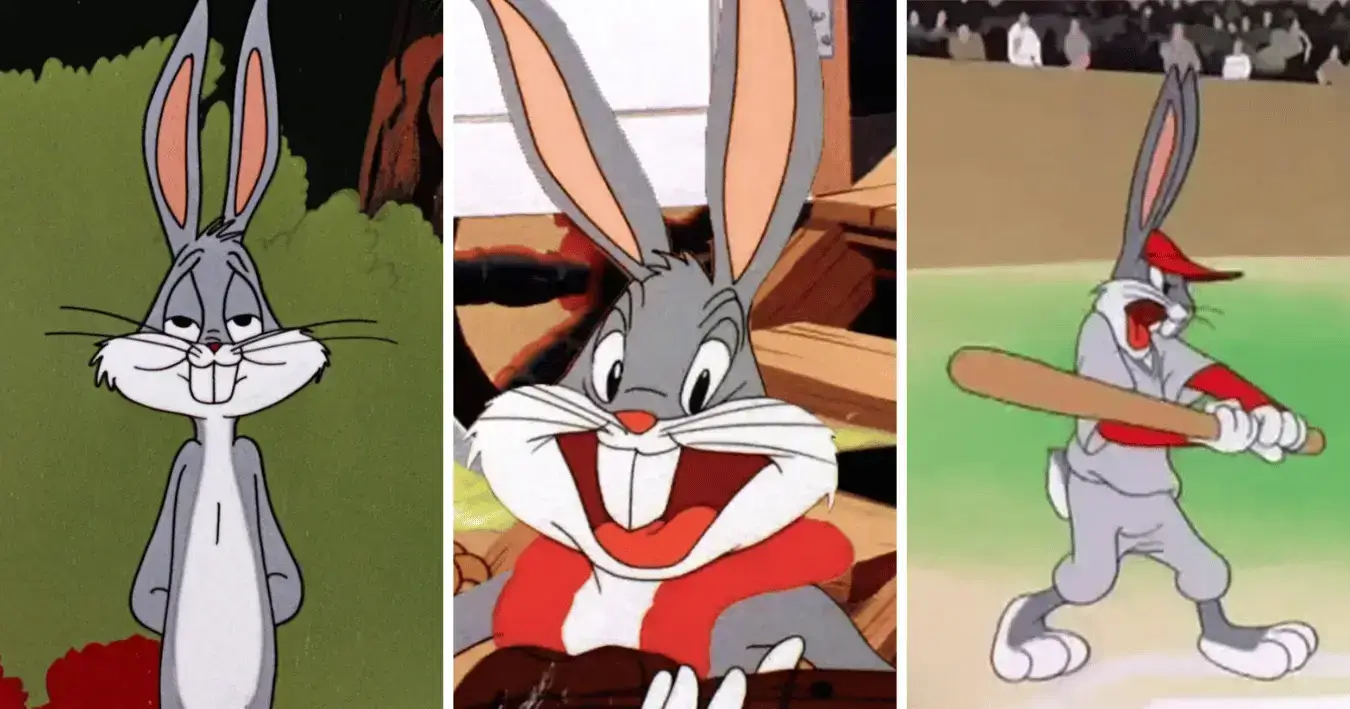
Debut: A Wild Hare, 1940 (Looney Tunes)
Why they made my list: The coolest character in animation, and he always wins
Bugs Bunny is the definition of cool. He always wins, he always outsmarts the villain, and he does it without breaking a sweat.
He became the face of Warner Bros. animation and a true national mascot, one of the best cartoon characters of all time. He taught me that you can beat any bully by staying calm, using your head, and casually chewing a carrot while you do it. Only one character kept him out of my top spot.
Mickey Mouse
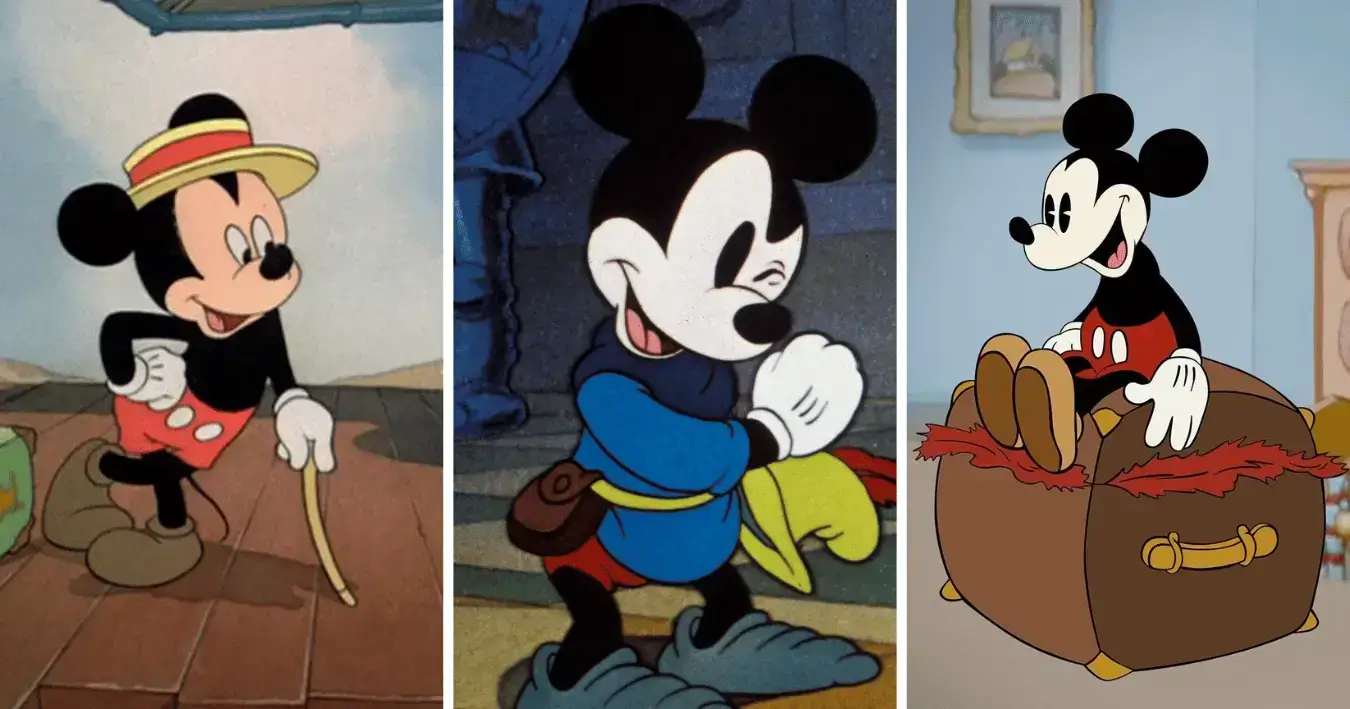
Debut: Steamboat Willie, 1928 (one of the first sound cartoons)
Why they made my list: The character every other one on this list is built on
You cannot say the words “cartoon characters” without picturing Mickey Mouse.
The face of Disney has charmed the world since 1928, and Steamboat Willie was one of the first cartoons to sync sound to animation, which changed the medium overnight.
He is not just a character; he is the symbol of animation itself. Without Mickey, none of the others on this list exist. That is why he is my number one, and the greatest animated character in history.
How I Picked the Best Cartoon Characters of All Time
Ranking this many legends is never going to be an exact science, and yes, this is my opinion. I weighted three things: how much a character shaped what came after them, how well they hold up today, and the simple gut test of whether they stuck with me for life.
Debut year mattered too, because breaking new ground in 1930 or 1963 is a different feat than doing it now.
Disagree with the order?
Good. That is half the fun of a list like this.
If you want to go deeper, wander into my roundups of cartoon characters from the 90s, Hanna-Barbera cartoon characters, or the black cartoon characters who changed the medium, and build your own list of the best cartoon characters from there.


I think in my time, Pikachu would be the best cartoon character, I think the popularity of him is far more then Mickey Mouse or Bugs Bunny.
Cartoon characters really did more than entertain me. They shaped how I think, how I laugh, and even how I process emotions. Looking back, it’s wild how much of my personality was quietly influenced by animated characters who showed up every day after school or on Saturday mornings. They taught me empathy, resilience, curiosity, and sometimes how to be unapologetically weird.
If I had to name a few best cartoon characters of all time that genuinely left a mark on me, these always rise to the top:
Bugs Bunny – Taught me wit, confidence, and how intelligence beats brute force.
SpongeBob SquarePants – Pure optimism and emotional honesty, even when the world is unfair.
Batman – Proof that discipline and morality can exist without superpowers.
Homer Simpson – A reminder that flawed people can still love deeply and grow.
Aang – Showed me that kindness and strength do not cancel each other out.
What makes cartoon characters timeless for me is that they meet you where you are. As a kid, they are funny and exciting. As an adult, you realize they were quietly teaching you how to be human. That layered impact is why the “best cartoon characters of all time” conversation never really ends.
I’m curious what others think. Which cartoon character shaped you the most growing up, and do you see their influence in who you are now?
Why does Betty Boop still feel so culturally bold for her era?
Was she ahead of her time in terms of independence and expression, or did animation give creators freedom live action never could?
What is it about Mickey Mouse that made him feel timeless even from the 1930s?
Was it the optimism during the Great Depression, the simplicity of his design, or the fact that he felt like a friend when times were rough?
Early Mickey was a scrappy underdog who faced giants and survived on quick wit, he has gone through many different versions though, so I guess you could put the versions in rank order.