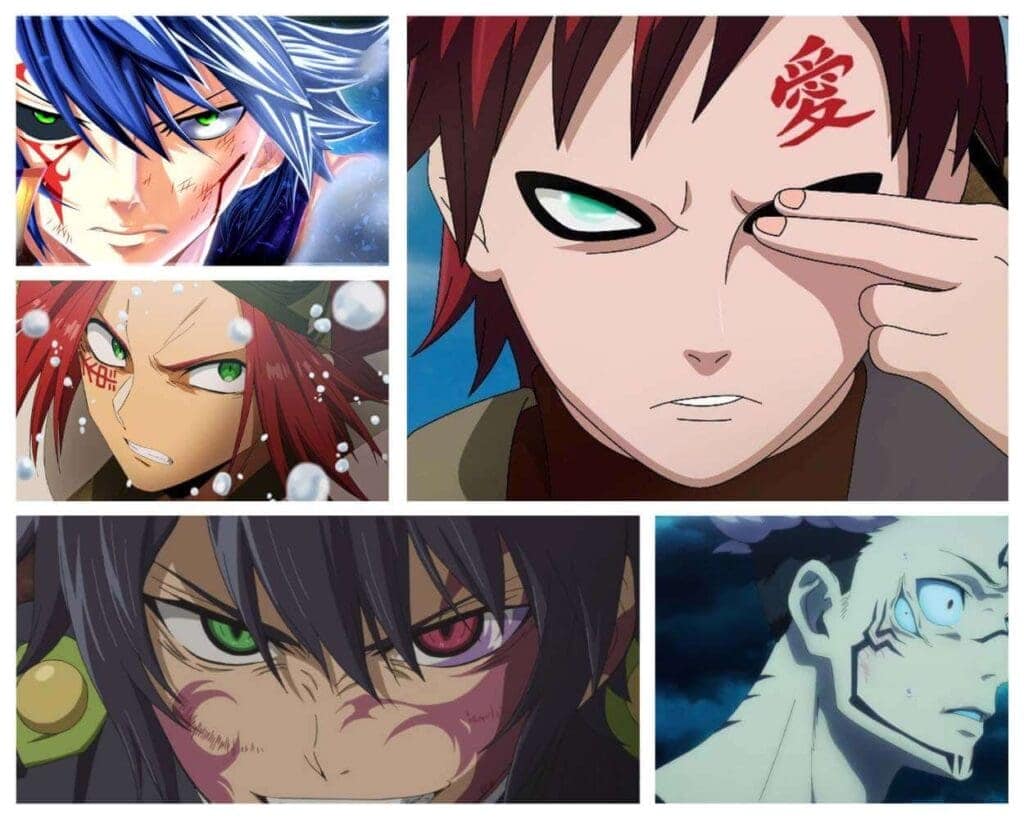
Some of the most iconic anime characters with face markings include Naruto Uzumaki, Gaara, Sukuna, Hisoka Morow and Jellal Fernandes. Their distinctive face paint, tattoos and supernatural markings have become inseparable from their identities.
When ranking these characters, I like to apply a simple test: if you removed their hairstyle, clothing and accessories, could you still recognize them from their facial markings alone?
Naruto’s whiskers and Gaara’s forehead symbol certainly pass that test. However, I’m equally interested in markings that contribute something to the story, rather than simply making a character look more distinctive.
For this list, I’ve considered both visual originality and the meaning behind each design.
The Quick Answer
- Most iconic cheek markings: Naruto Uzumaki
- Most meaningful forehead tattoo: Gaara
- Most distinctive face paint: Hisoka Morow
- Red facial markings: San and Jellal Fernandes
- Green markings under the eyes: Ulquiorra Cifer
- Black curse markings: Ryomen Sukuna
- Inherited clan markings: Toge Inumaki
11 Iconic Anime Characters With Face Markings, Ranked
Not every facial marking is a tattoo. Some are painted on, others are inherited, and several appear only when a character uses supernatural abilities. I’ve included examples of each, counting down to my personal favourite.
Bisco Akaboshi (Rust-Eater Bisco)
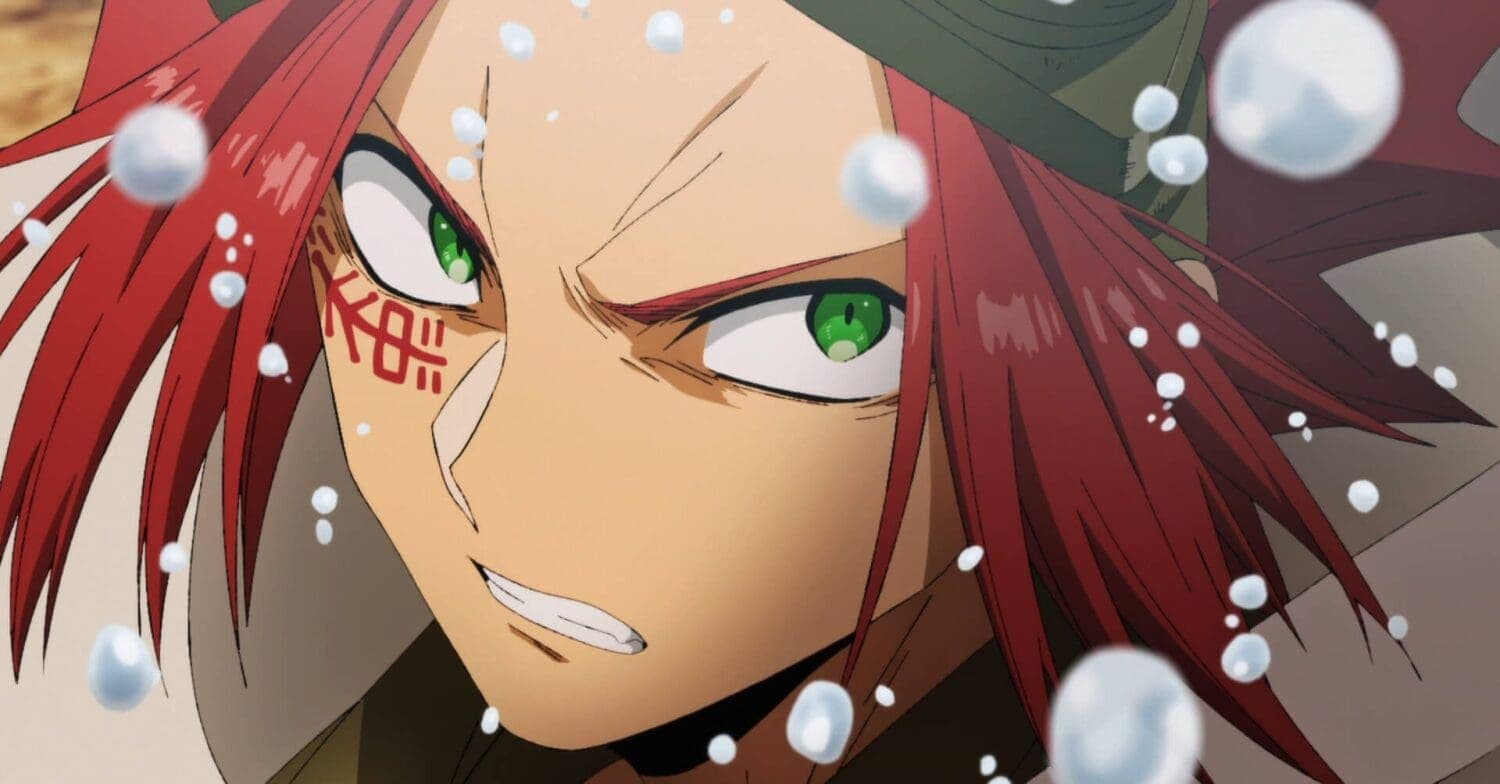
Bisco Akaboshi has one of the more distinctive character designs in post-apocalyptic anime. His crimson hair, green eyes, goggles and red facial marking make him immediately recognizable.
Known as a Mushroom Keeper, Bisco searches for a legendary mushroom capable of curing the destructive rust affecting his world. The original light novels are published in English by Yen Press.
I haven’t found a definitive explanation for the meaning of his facial marking. Visually, however, its red colouring complements his hair without overwhelming the rest of his design.
- Marking: Red symbol beneath his right eye
- Type: Tattoo-like facial marking
- Meaning: Not clearly established
Yuichiro Hyakuya (Seraph of the End)
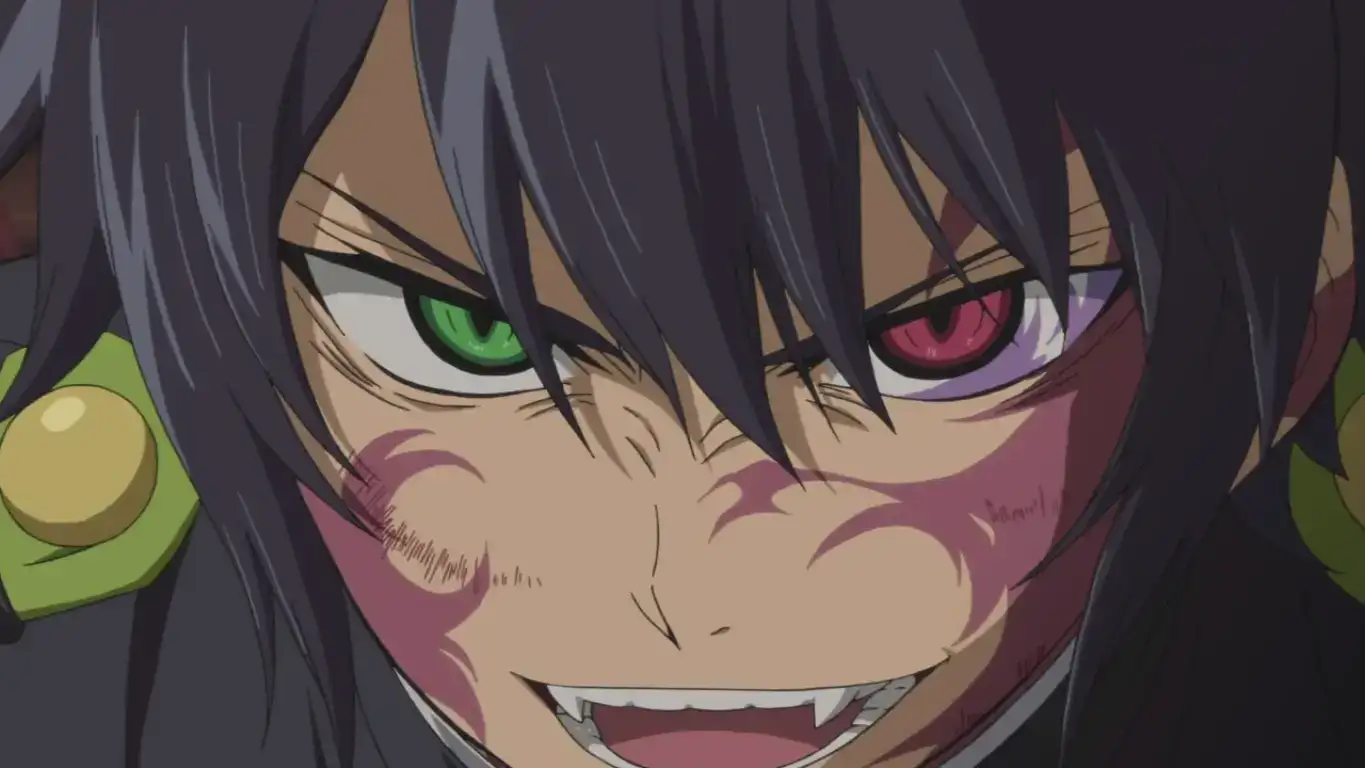
Yuichiro Hyakuya fights vampires using supernatural weapons in the dark fantasy series Seraph of the End.
His curse markings become visible during certain transformations involving demonic power. Unlike an ordinary tattoo, these markings reflect changes in his physical and supernatural condition.
What I appreciate about this design is that the markings serve as a visual warning. Even without dialogue, the audience can recognize that something about Yuichiro has changed.
- Marking: Dark patterns across his face
- Type: Supernatural transformation markings
- Meaning: Associated with his demonic power
Jellal Fernandes (Fairy Tail)
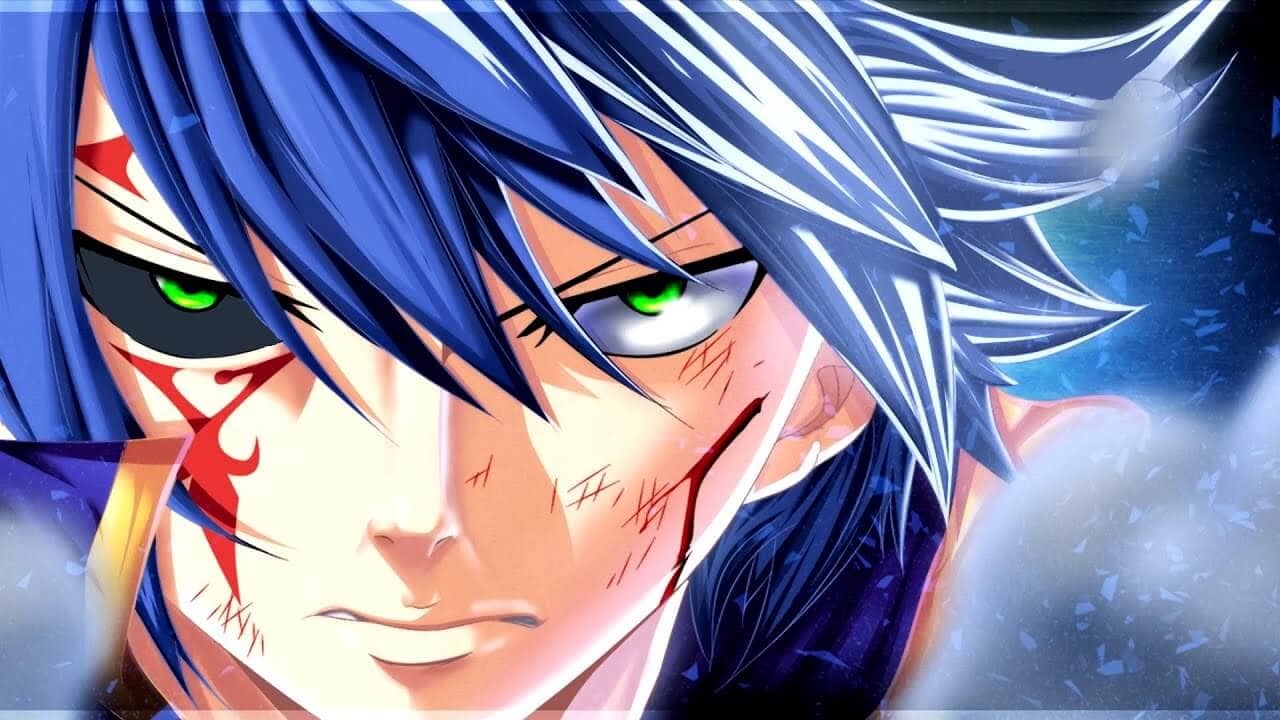
Jellal Fernandes is easily recognized by the angular red tattoo extending above and below his right eye.
The Fairy Tail character has carried the marking since childhood, although its exact origin and symbolic meaning are not clearly explained in the series.
Knowing Jellal’s history and eventual pursuit of redemption, I tend to associate the marking with his complicated past. That’s my interpretation of the design, rather than an established explanation from the manga.
- Marking: Red angular tattoo around his right eye
- Type: Permanent facial tattoo
- Meaning: Not officially established
Kars (JoJo’s Bizarre Adventure)
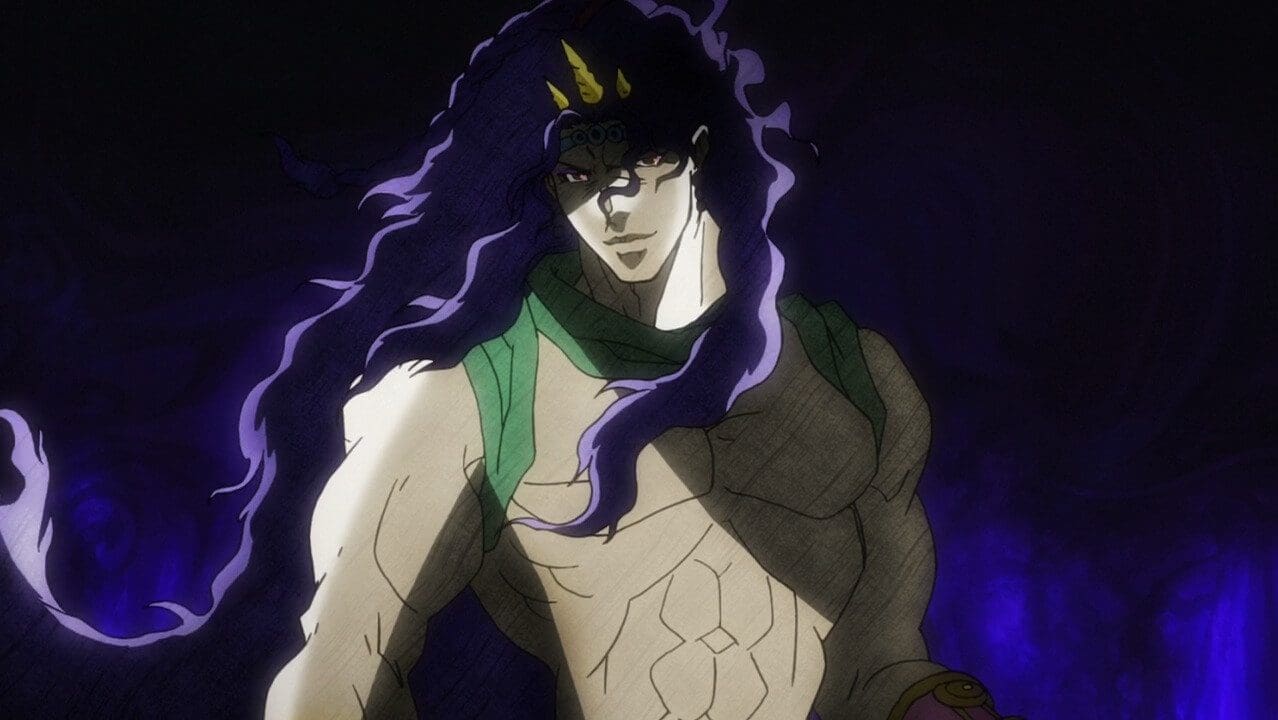
Kars is the leader of the Pillar Men in Battle Tendency, the second part of JoJo’s Bizarre Adventure.
His elaborate appearance includes dark eye shading in the anime, dramatic headwear and distinctive facial features. Like many of Hirohiko Araki’s characters, his design borrows heavily from fashion and artistic exaggeration.
I’ve included Kars as a less conventional example. His stylized appearance is memorable, although he isn’t known for a specific facial tattoo or inherited curse symbol.
- Marking: Stylized dark shading around the eyes
- Type: Makeup-like character design
- Meaning: No established symbolic explanation
Toge Inumaki (Jujutsu Kaisen)

Toge Inumaki usually keeps the lower portion of his face covered. Beneath his high collar are the Snake and Fangs markings associated with his family’s inherited Cursed Speech technique.
His ability allows him to imbue spoken commands with cursed energy. To avoid accidentally harming others, he limits his everyday vocabulary to rice ball ingredients.
His unusual speech pattern is also explained in the official Jujutsu Kaisen character profiles.
For me, Inumaki has one of the cleverest designs on this list because revealing his facial markings also reveals something important about his abilities.
- Marking: Snake and Fangs symbols
- Location: Cheeks and tongue
- Meaning: Inherited Cursed Speech technique
San (Princess Mononoke)
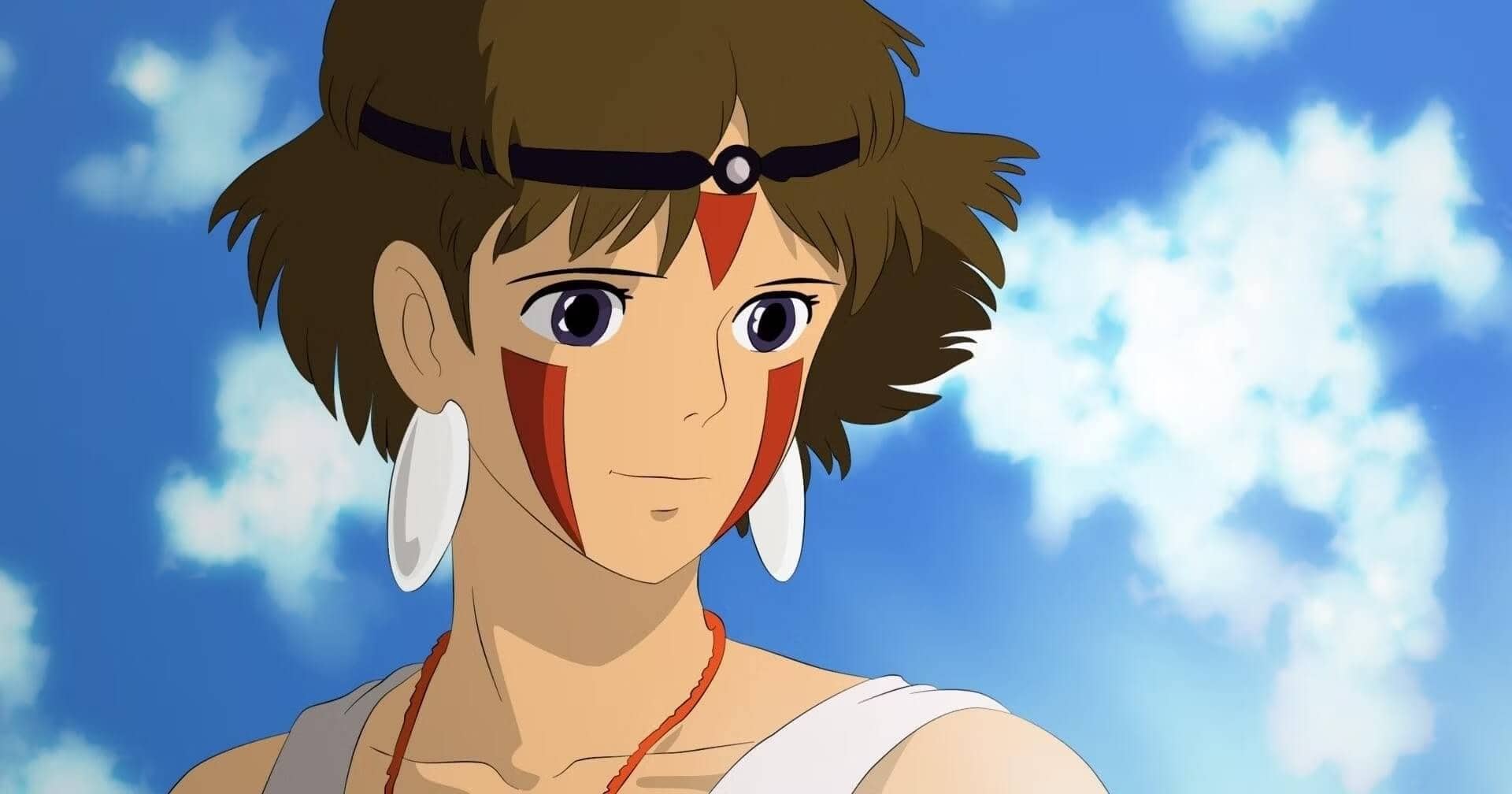
San is one of my favourite examples of female anime characters with face paint. Introduced in Studio Ghibli’s 1997 film Princess Mononoke, she was raised by the wolf goddess Moro and fiercely protects the forest.
Her red facial markings complement her wolf-fur clothing and mask, visually connecting her to the natural world she considers home.
What makes the design particularly effective is its simplicity. Hayao Miyazaki communicates much of San’s identity through a handful of shapes and colours.
Claire Danes provided San’s voice in the English-language adaptation, as documented by the film’s distributor, GKIDS.
- Marking: Red geometric facial paint
- Location: Forehead and cheeks
- Meaning: Visually reinforces her connection to wolves and the forest
Ulquiorra Cifer (Bleach)
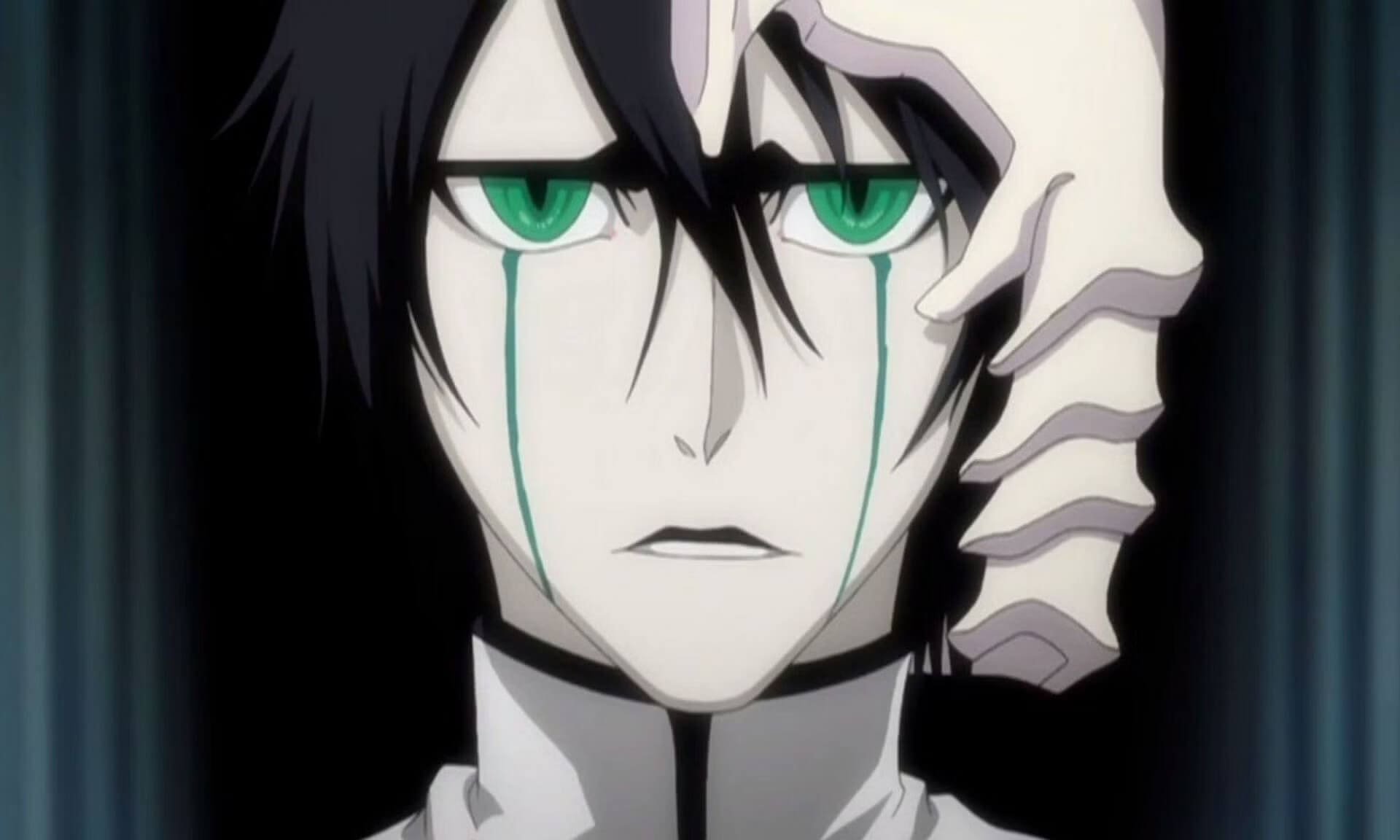
Ulquiorra Cifer is the Fourth Espada in Bleach, recognizable by his pale complexion, green eyes and two dark green lines running down his cheeks.
The markings resemble permanent tear tracks, creating an interesting contrast with his detached personality. Their appearance also changes as he undergoes supernatural transformations.
Of all the designs here, Ulquiorra’s is one of my favourites from a colour perspective. Against his predominantly black-and-white appearance, the green markings become almost impossible to overlook.
I also find the resemblance to tears particularly interesting given his character’s struggle to understand human emotions.
- Marking: Two green tear-like lines
- Location: Beneath both eyes
- Meaning: No definitive symbolic explanation established
Hisoka Morow (Hunter x Hunter)
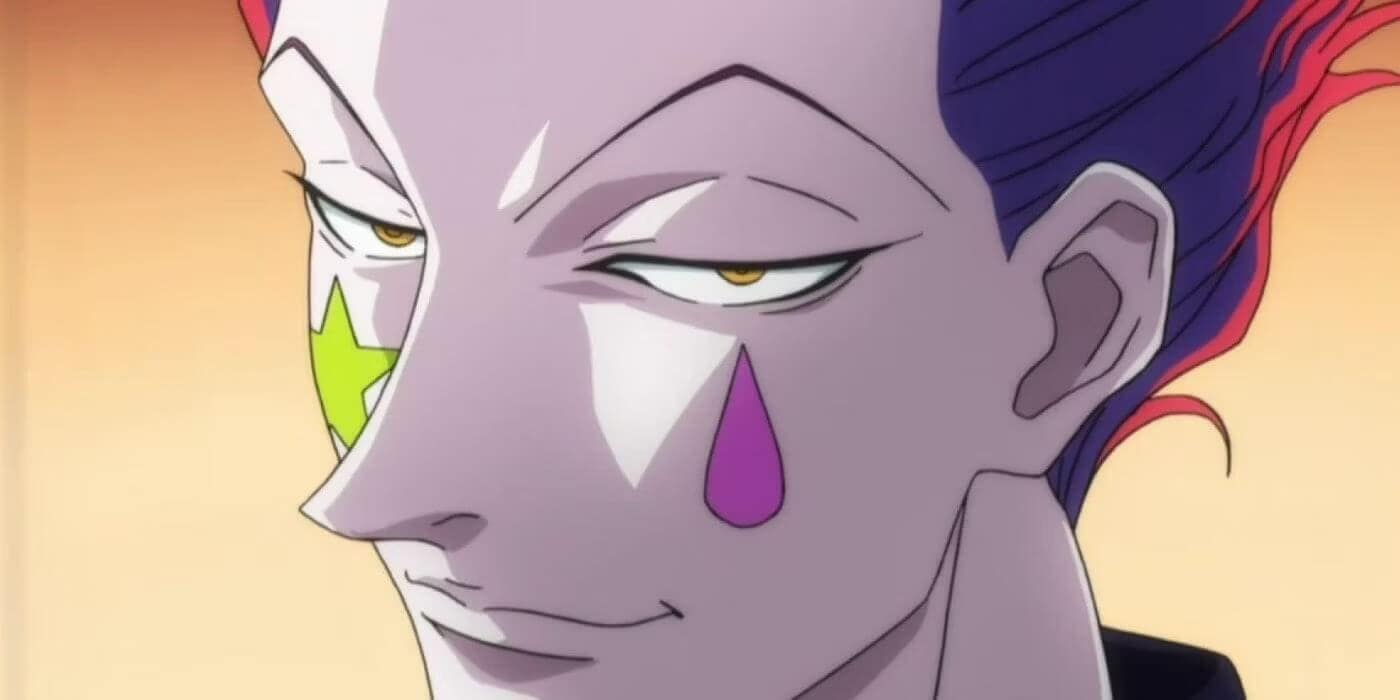
Hisoka Morow is perhaps the most recognizable example of an anime character with a star on his face.
His signature makeup consists of a star on his right cheek and a teardrop on his left. The colours vary across appearances, complementing his theatrical clothing and magician-inspired personality.
Unlike supernatural curse markings, Hisoka’s facial designs are part of his chosen appearance.
What I find particularly effective is the contrast between the playful shapes and his unpredictable behaviour. Stars and teardrops ordinarily seem harmless, yet they belong to one of Hunter x Hunter’s most unsettling personalities.
- Marking: Star and teardrop
- Type: Applied face paint
- Meaning: Complements his theatrical magician persona
Gaara (Naruto)
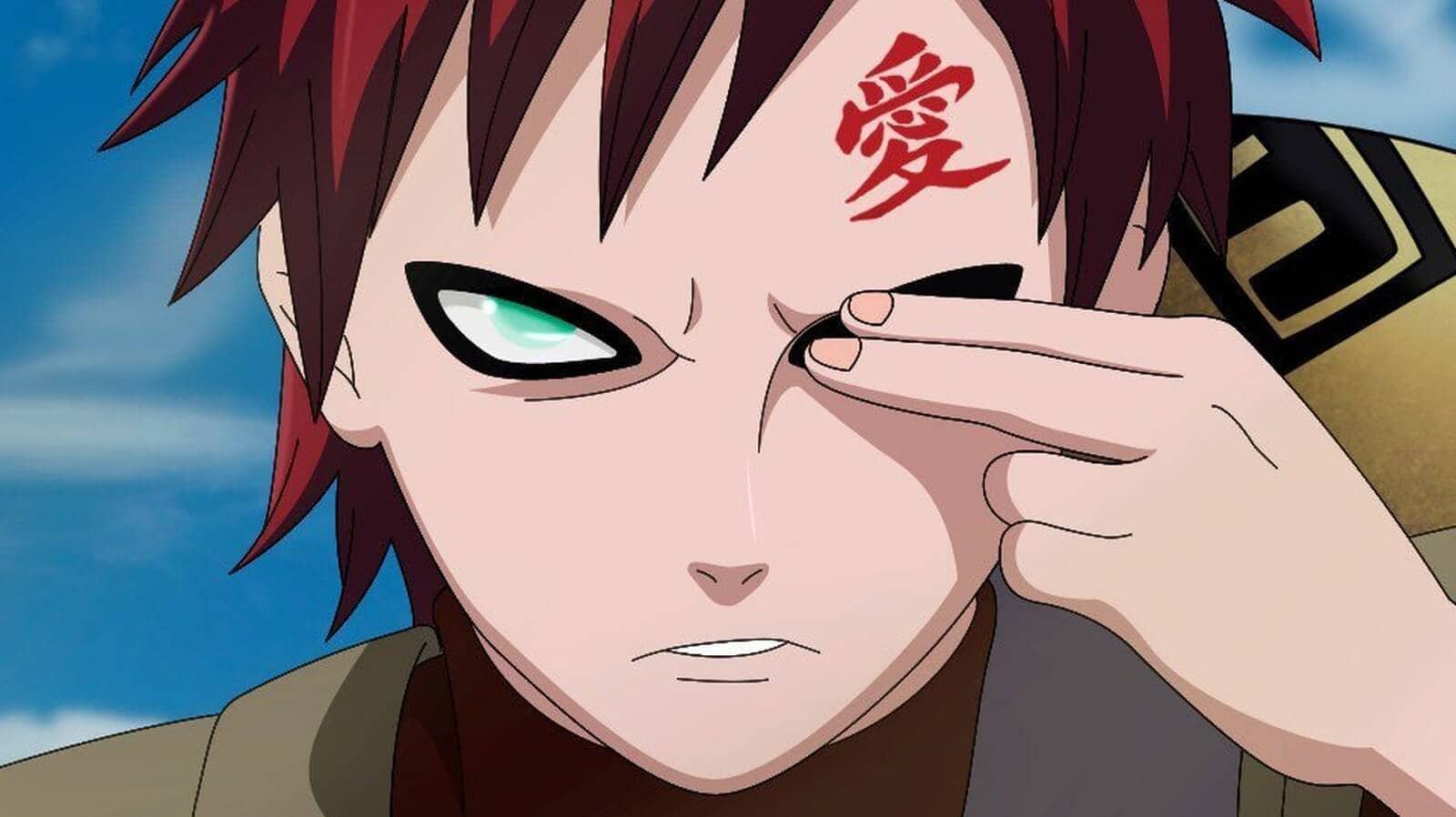
Gaara has what I consider the most meaningful forehead marking in anime. The red Japanese character on his forehead is 愛 (ai), meaning love.
He acquired the marking during a traumatic period of his childhood, when rejection and isolation led him to believe that he could depend only on himself.
Unlike several other markings on this list, Gaara’s symbol has a clearly established meaning. The official Naruto character retrospective explores its origin through the events of manga chapter 131.
What makes the marking even more interesting is that Gaara keeps it after his personality changes. The symbol remains the same, but its emotional significance feels entirely different once you know his full story.
- Marking: Red kanji for love
- Location: Left side of his forehead
- Type: Permanently scarred symbol
Ryomen Sukuna (Jujutsu Kaisen)
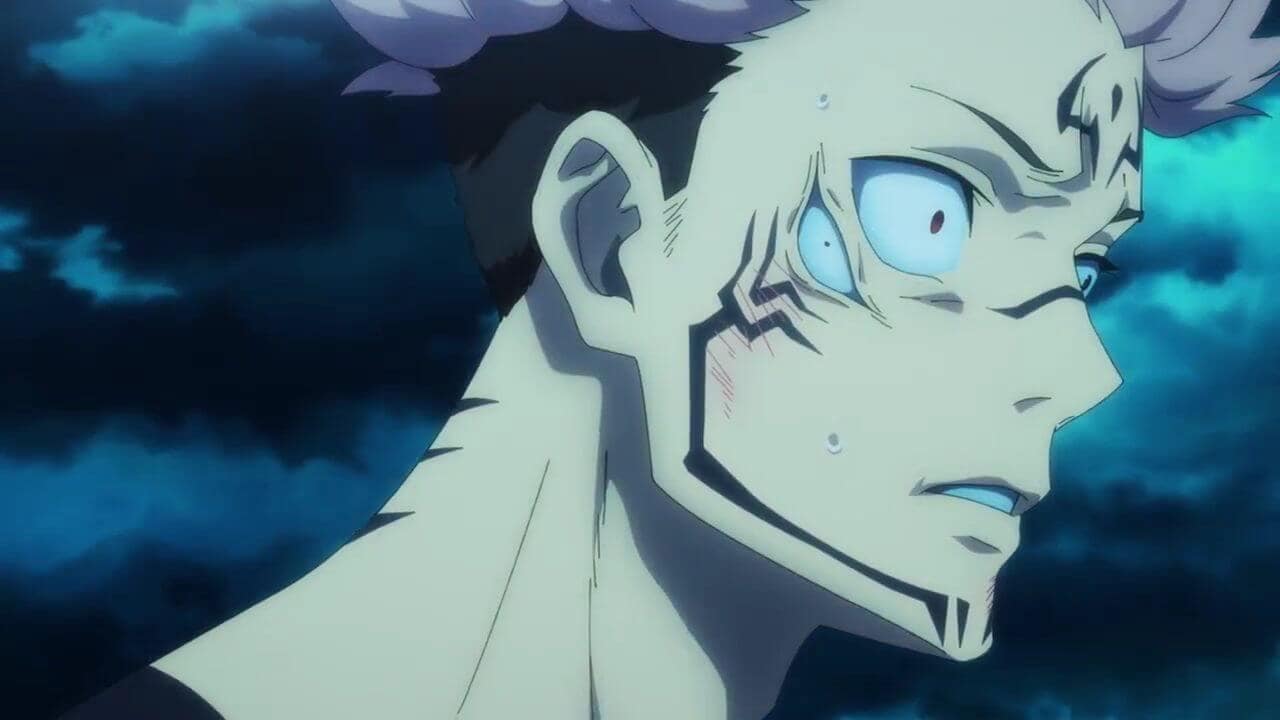
When Ryomen Sukuna takes control of Yuji Itadori’s body, distinctive black markings appear across his face and body.
These include angular cheek lines, symbols on his forehead and markings across his nose. Additional eyes further distinguish Sukuna’s appearance from Yuji’s.
I rank Sukuna so highly because the markings accomplish something that ordinary character designs rarely need to do: they allow two separate personalities sharing the same body to remain visually distinct.
Although the markings identify Sukuna’s presence, the individual symbols do not have universally established explanations within the series.
- Marking: Black geometric symbols and lines
- Type: Supernatural markings
- Meaning: Visually identifies Sukuna’s presence
Naruto Uzumaki (Naruto)
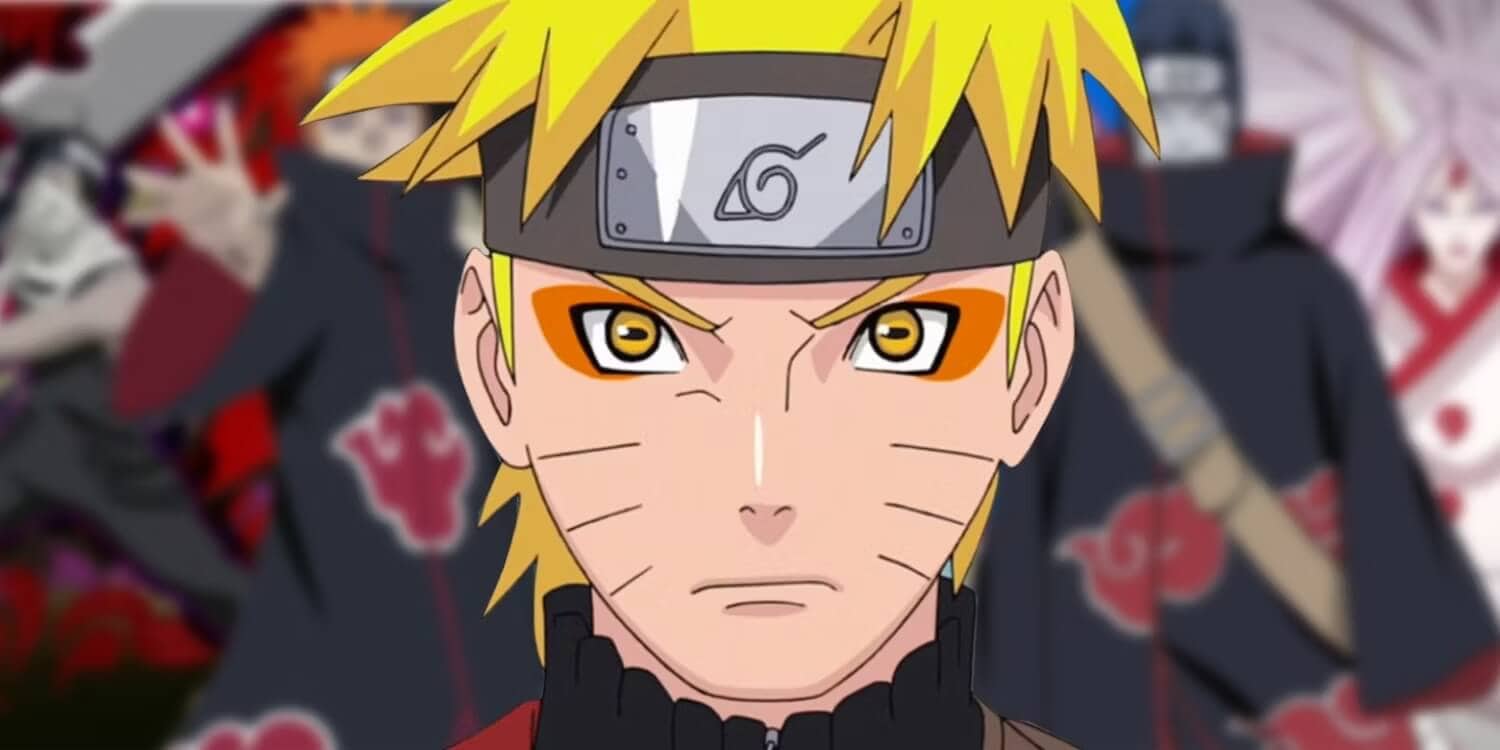
Naruto Uzumaki takes the number-one position in my ranking. His three whisker-like marks on each cheek are among the simplest and most recognizable facial designs in anime.
The markings are associated with his connection to Kurama, the Nine-Tailed Fox. However, an interesting detail is that Naruto already had them before Kurama was sealed inside him.
His mother, Kushina Uzumaki, was the previous host of the Nine-Tails, as explained in the official account of Naruto’s birth.
Exposure to Kurama’s chakra before birth is a commonly accepted explanation for the markings, although their precise biological mechanism is not explicitly established.
The reason Naruto wins this ranking for me is simplicity. Six short lines are enough to identify him without his orange clothing, blond hair or ninja headband. That’s remarkably effective character design.
- Marking: Three whisker-like lines on each cheek
- Type: Congenital facial markings
- Meaning: Associated with the Nine-Tails
Find an Anime Character by Their Face Markings
If you remember the markings but can’t recall the character’s name, this quick identification guide should help.
Character Identification Guide
- Red tattoo around one eye: Jellal Fernandes
- Star and teardrop under the eyes: Hisoka Morow
- Green lines running down both cheeks: Ulquiorra Cifer
- Red Japanese symbol on the forehead: Gaara
- Three whiskers on each cheek: Naruto Uzumaki
- Black symbols across the face: Ryomen Sukuna
- Symbols beside the mouth: Toge Inumaki
- Girl with red face paint: San from Princess Mononoke
Anime Face Paint, Tattoos and Supernatural Markings
One distinction worth making is that not every anime character with facial markings actually has tattoos.
- Face paint: Applied designs worn by characters such as Hisoka and San.
- Permanent markings: Tattoos or scarred symbols, such as those belonging to Jellal and Gaara.
- Inherited markings: Designs connected to a character’s heritage, such as Inumaki’s clan symbols.
- Supernatural markings: Patterns associated with transformations, possession or unusual abilities, such as Sukuna’s.
I find permanent markings especially interesting when their meaning changes alongside the character. Gaara is a perfect example of that, while Sukuna demonstrates how temporary markings can communicate an immediate change in identity.
Japanese Culture and Anime History
The Connection Between Anime Face Paint and Kabuki Theatre
While researching facial markings in anime, I came across an interesting connection between Naruto’s Jiraiya and traditional Japanese theatre.
Kabuki theatre uses a distinctive makeup technique called kumadori, in which coloured lines emphasize facial expressions and help communicate a character’s personality.
In traditional kabuki, red makeup is commonly associated with heroic qualities, courage and strength.
A discussion with researchers on the official Naruto website compares Jiraiya’s red cheek markings with this traditional theatrical makeup.
It’s a fascinating example of how modern anime character designs can reflect artistic traditions that existed long before animation itself.
More Anime Characters With Distinctive Face Markings
A few other characters deserve recognition, even though they didn’t make my main ranking:
- Kiba Inuzuka (Naruto): Red fang-shaped markings on both cheeks.
- Jiraiya (Naruto): Red lines extending down from his eyes.
- Kankuro (Naruto): Purple face paint that changes throughout the series.
- Shuhei Hisagi (Bleach): The number 69 tattooed on his cheek.
- Sesshomaru (Inuyasha): A crescent moon on his forehead and coloured cheek markings.
- Caesar Zeppeli (JoJo’s Bizarre Adventure): Distinctive coloured birthmarks on his cheeks.
Final Thoughts
Naruto wins my ranking for recognizability, Gaara for emotional significance, and Hisoka for originality in face paint.
However, I think Ulquiorra’s design is the one I appreciate most from a purely artistic perspective. His green markings demonstrate how a small amount of colour can define an entire character’s appearance.
Which anime character has your favourite facial markings, and who would you add to this list?
Let me know in the comments below.