
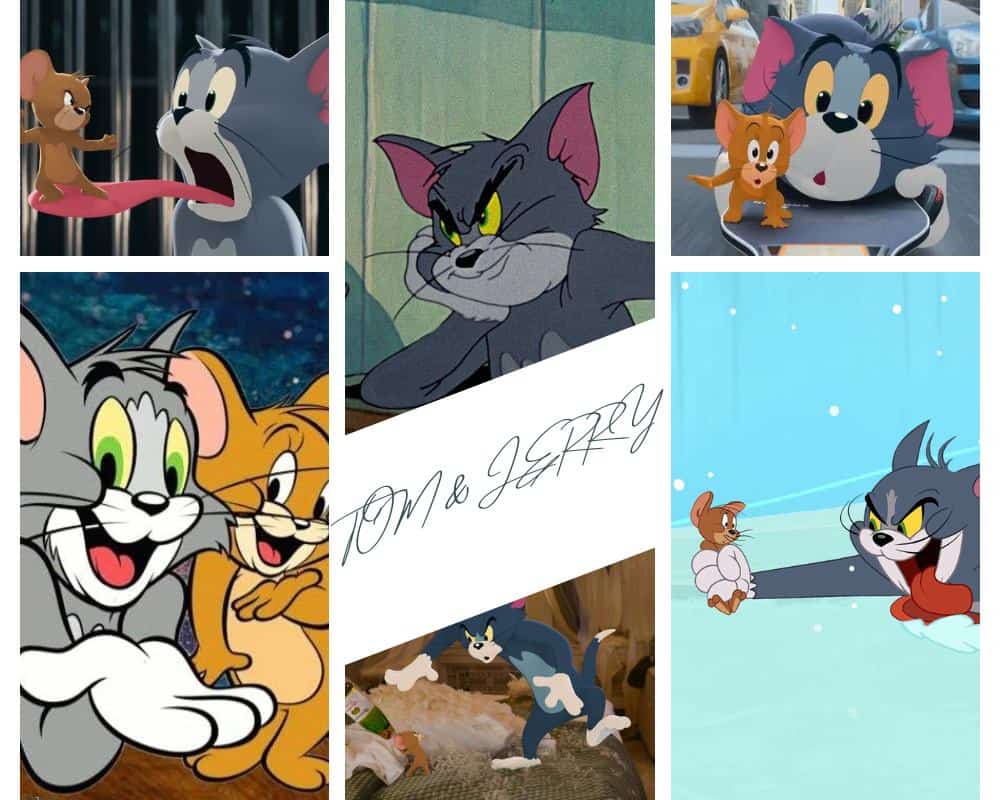
Every time I rewatch Tom and Jerry, I get stuck on the same question: are Tom and Jerry best friends, or are they just two rivals who never learned to quit?
Tom is always chasing. Jerry is always winning. And yet neither one of them seems able to function without the other.
Tom is a tall grey-blue house cat. Jerry is a small brown mouse maybe a third his size. On paper they are complete opposites. In practice, their relationship feels weirdly familiar, like two people who argue nonstop but still show up for each other when it counts.
So, are Tom and Jerry best friends?
Here is the short version first, then the long one.
Quick answer, my take
- Most of the time: they are rivals stuck in an endless game.
- When it counts: they act like reluctant teammates.
- What that makes them: classic frenemies. Not best friends in the normal sense, but bonded all the same.
Are Tom and Jerry Best Friends?
So are Tom and Jerry best friends? I do not think so, at least not the way a wholesome cartoon duo hugs it out before the credits. But I also do not buy that they are true enemies. Their bond lives in a strange middle ground. They fight because fighting is the relationship, and they also understand each other better than anyone else in the room.
Think about how often the show breaks its own rules.
There are episodes where Jerry pulls Tom out of real danger, whether it is a bigger bully, a dog, or an angry human.
There are others where Tom quietly protects Jerry and then pretends he did not. Those small moments are exactly why the Tom and Jerry best friends question keeps coming up, even after all these decades of chaos.
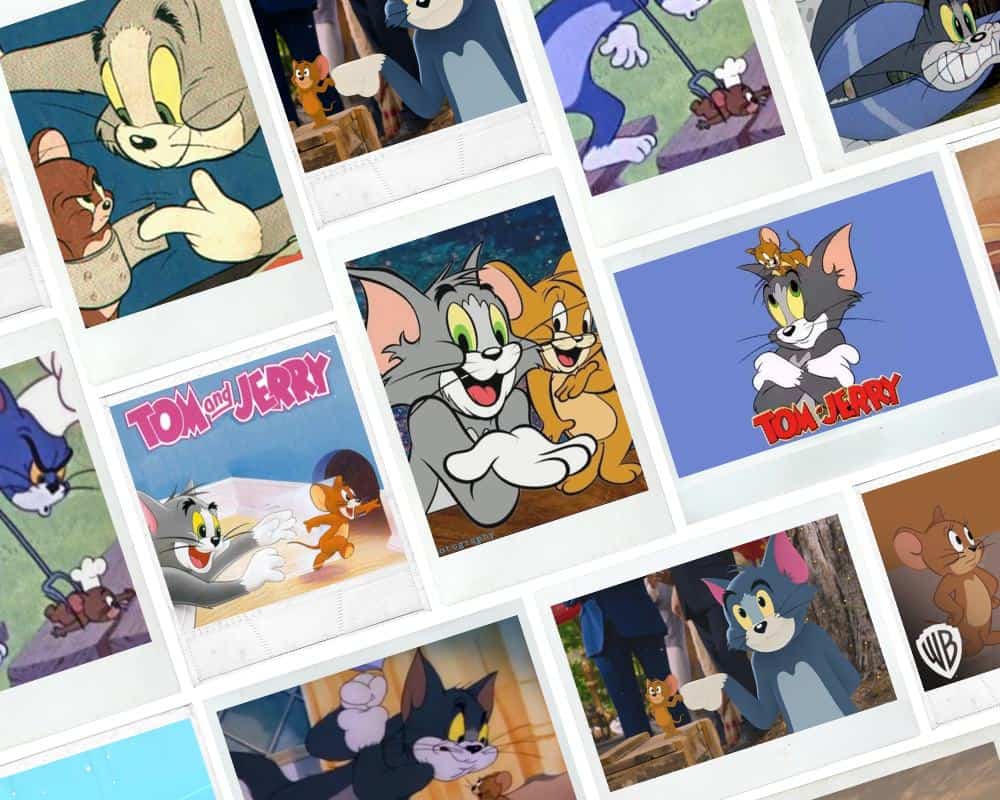
The relationship in one sentence: Tom wants to win, Jerry wants to survive, and somehow they both want the game to keep going.
My take: the chasing is the show. The loyalty moments are why it sticks with people.
The frenemies angle
There are a handful of reasons their relationship reads as friendship, even while they are actively trying to ruin each other’s day.
Why they read as friends sometimes
- They team up against bigger threats: a dog, a rival cat, a strict owner, or some outside danger.
- The conflict is usually playful: most episodes feel like a high-stakes prank war, not real hatred.
- They save each other: the second something turns into true danger, the tone flips.
- They know each other cold: it is like watching two people who have been sparring for decades.
Here is what makes it work for me. Neither of them is truly free. Tom chases Jerry because it is his job, or because he is trying to impress a human. Jerry fights back because he is defending his home and does not want to get caught. The chase is the routine. The concern is the tell. It is the strongest case anyone can make for calling Tom and Jerry best friends.
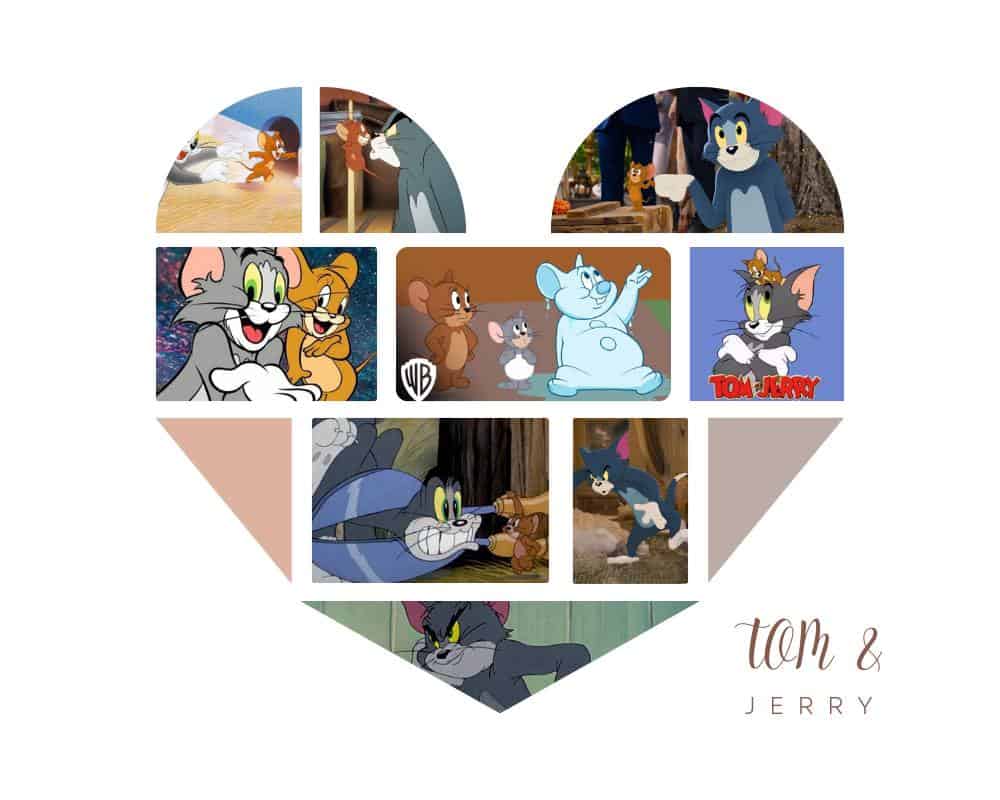
One thing I always notice: when they fight, it is loud and dramatic. When they care, it is quiet and fast, like they do not want anyone to catch them doing it.
My take: that is what makes them feel real. They never announce the friendship.
Why does Tom chase Jerry?
This is the follow-up that always comes next: why does Tom chase Jerry so hard if he does not truly want him gone forever? When I watch closely, the chase usually comes down to one of three things.
- Instinct and role: Tom is the house cat, Jerry is the mouse. The script is built in.
- Pressure: Tom often wants approval, peace, or a reward from a human, or he is trying to dodge punishment.
- Pride: sometimes he chases Jerry because losing to a mouse is embarrassing.
And Jerry keeps fighting back because he has to. If you live in someone’s house and they want you out, you do not get to be passive. So the whole thing settles into a loop: chase, trap, escape, revenge, repeat.
What shapes their relationship episode to episode
Their dynamic is not fixed. Depending on the short, Tom is a pure villain, or Jerry is the troublemaker, or the two of them act like coworkers stuck on the same shift.
What changes the vibe
- Outside forces: a bully arrives, a strict owner steps in, or another animal becomes the real enemy.
- Personality balance: Tom is emotional and reactive, Jerry is calm and strategic.
- History: years of the same chase make every new prank feel personal.
- Power gap: Tom has the size, Jerry has the brains and, somehow, cartoon super-strength.
Are Spike and Tom friends?
Most of the time, no. Spike the bulldog treats Tom like a walking problem. If the yard gets wrecked or the peace gets broken, Spike blames the cat first and asks questions never. Spike showed up back in 1942 and became the muscle Tom could not out-scheme.
Spike’s role: he is the consequence.
My take: Spike is the reason Tom cannot treat the chase like a harmless game, because Spike makes it hurt.
That said, Tom and Jerry will occasionally line up on the same side when Spike, or anyone else, becomes the bigger threat. Those quick team-ups are some of the best proof that these two are not pure enemies.
How Tom and Jerry shaped pop culture
Tom and Jerry has been around so long that even people who never watch old cartoons still know the chase music, the scream faces, and the slapstick timing. That is a rare kind of staying power, and it is part of why the Tom and Jerry best friends debate has lasted as long as the cartoons have.
A big part of it is that the comedy barely uses words. The timing, the expressions, the visual gags, the over-the-top reactions, all of it lands the same whether you speak English, Hindi, or nothing at all. If you like digging into classic animation, you can browse more legends from the same studio here: Hanna-Barbera cartoon characters and animated cartoon characters.
What I think made it timeless
- Simple premise: cat versus mouse never gets old.
- Universal humor: the jokes are visual, not verbal.
- Rare emotional beats: the few “they care” moments hit harder because they almost never happen.
- Expressive animation: even a still frame tells you the whole joke.
Fun facts about Tom and Jerry
- Tom and Jerry were created in 1940 by William Hanna and Joseph Barbera.
- Their first short was Puss Gets the Boot (1940). In it the cat is named Jasper, and the mouse has no on-screen name, though the animators called him Jinx in early materials.
- The names Tom and Jerry came from a studio contest. Animator John Carr won $50 for the idea, borrowed from an old Tom and Jerry Christmas cocktail. Their first short under those names was The Midnight Snack (1941).
- During the MGM era, the series won seven Academy Awards for Best Animated Short, tying Walt Disney’s Silly Symphonies for the most wins in that category at the time.
- Spike the bulldog first appeared in 1942 and did not speak until 1944.
- Counting the MGM, Gene Deitch, and Chuck Jones eras, there are 161 classic theatrical shorts, so there is always another one to rediscover.
- The near-total lack of dialogue is a big reason the cartoons still work everywhere in the world.
FAQ: Tom and Jerry’s Relationship
Are Tom and Jerry friends or enemies?
Most of the time they are enemies in a competitive way. But the way they occasionally save each other pushes them into frenemy territory. They fight, and there is still a bond underneath it.
Do Tom and Jerry ever work together?
Yes. When another character becomes the bigger threat, they team up fast. Those episodes are a big reason people argue that they care about each other.
Does Tom really want to eat Jerry?
A few shorts play it that way, but most do not. The chase usually reads as pride, pressure, or rivalry rather than hunger. Tom wants to catch Jerry and win far more than he wants him for dinner.
Why do people call Tom and Jerry frenemies?
Because they are locked in constant conflict but keep showing flashes of loyalty and protection. They act like rivals and react like partners the moment real danger shows up. That is also why the Tom and Jerry best friends question never fully goes away.
Tom and Jerry are technically “frenemies”—or, more accurately, best enemies.
While they are famous for their violent rivalry, they share a deep, codependent bond that often crosses the line into friendship. They cannot seem to live without each other, and when the chips are down, they almost always have each other’s backs.
Here is a breakdown of their dynamic:
1. The “Frenemy” Bond
For the vast majority of the original Hanna-Barbera shorts (1940–1958), they are adversaries. However, their rivalry is often portrayed as a “game” rather than genuine hatred.
Codependency: Several episodes show that when one is gone, the other becomes miserable. For example, in The Lonesome Mouse (1943), they fake a fight to get Tom back into the house because they miss each other.
Mutual Respect: They frequently pause their fighting to shake hands, celebrate holidays, or share food, only to resume the chase immediately after.
2. When They Team Up
Tom and Jerry are quick to become allies when a third party threatens their dynamic. They frequently team up to defeat:
Common Enemies: Usually Spike the bulldog, alley cats (like Butch), or an abusive owner.
Outside Threats: In episodes like The Night Before Christmas (1941), Jerry tricks Tom but then feels guilty and saves him from freezing outside. In Snowbody Loves Me (1964), Jerry actually warms a frozen Tom back to life.
3. The “Secret Protection” Theory
There is a popular and widely accepted fan theory (often supported by subtle cues in the animation) that Tom isn’t actually trying to catch Jerry.
The theory suggests Tom only pretends to chase Jerry to show his owners he is doing his job.
If Tom actually caught and ate Jerry, his owners would replace him with a new cat who might actually kill Jerry. By keeping the chase going forever, Tom ensures Jerry stays alive and safe in the house.
4. The Exception: The 1975 Series
There is one specific era where the answer is a hard “Yes.” In the 1975 television series The Tom & Jerry Show, broadcast strict regulations against violence forced the creators to change the format. In this version, Tom and Jerry were explicitly portrayed as non-violent best friends who traveled the world together solving mysteries and helping others. (Most fans, however, consider this the “weird” era).