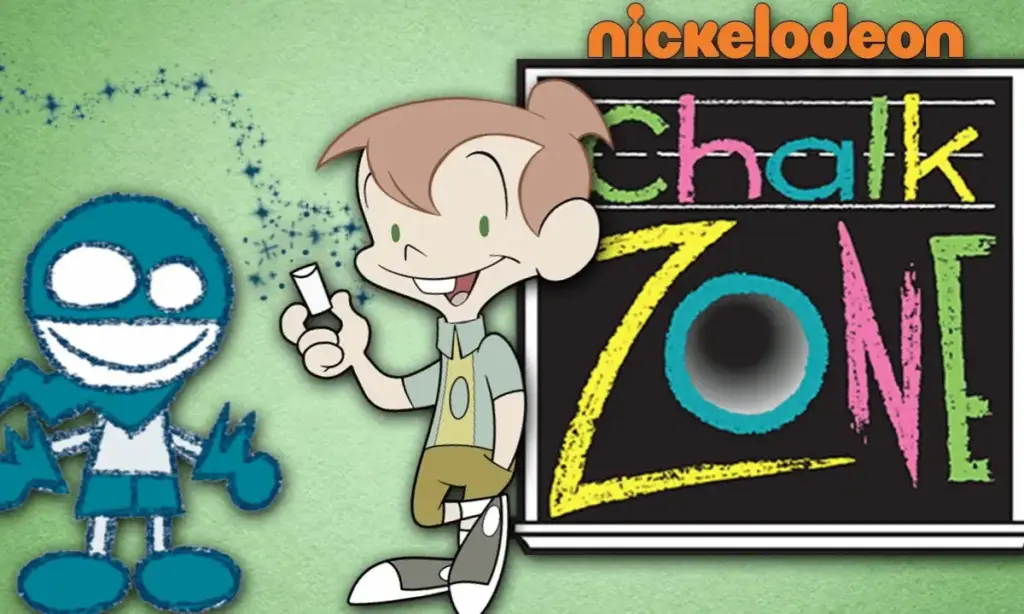
Some cartoon premises just stick with you forever, and ChalkZone has one of the best: a kid finds a magic piece of chalk, and anything he draws on a chalkboard comes to life in a hidden world.
Most people remember it as a simple “kid draws things and they appear” show.
Look closer, though, and ChalkZone is quietly one of the most philosophical cartoons Nickelodeon ever aired.
Underneath the doodles, it keeps asking a surprisingly big question: what does it really mean to create something?
More Than a Kid With Magic Chalk
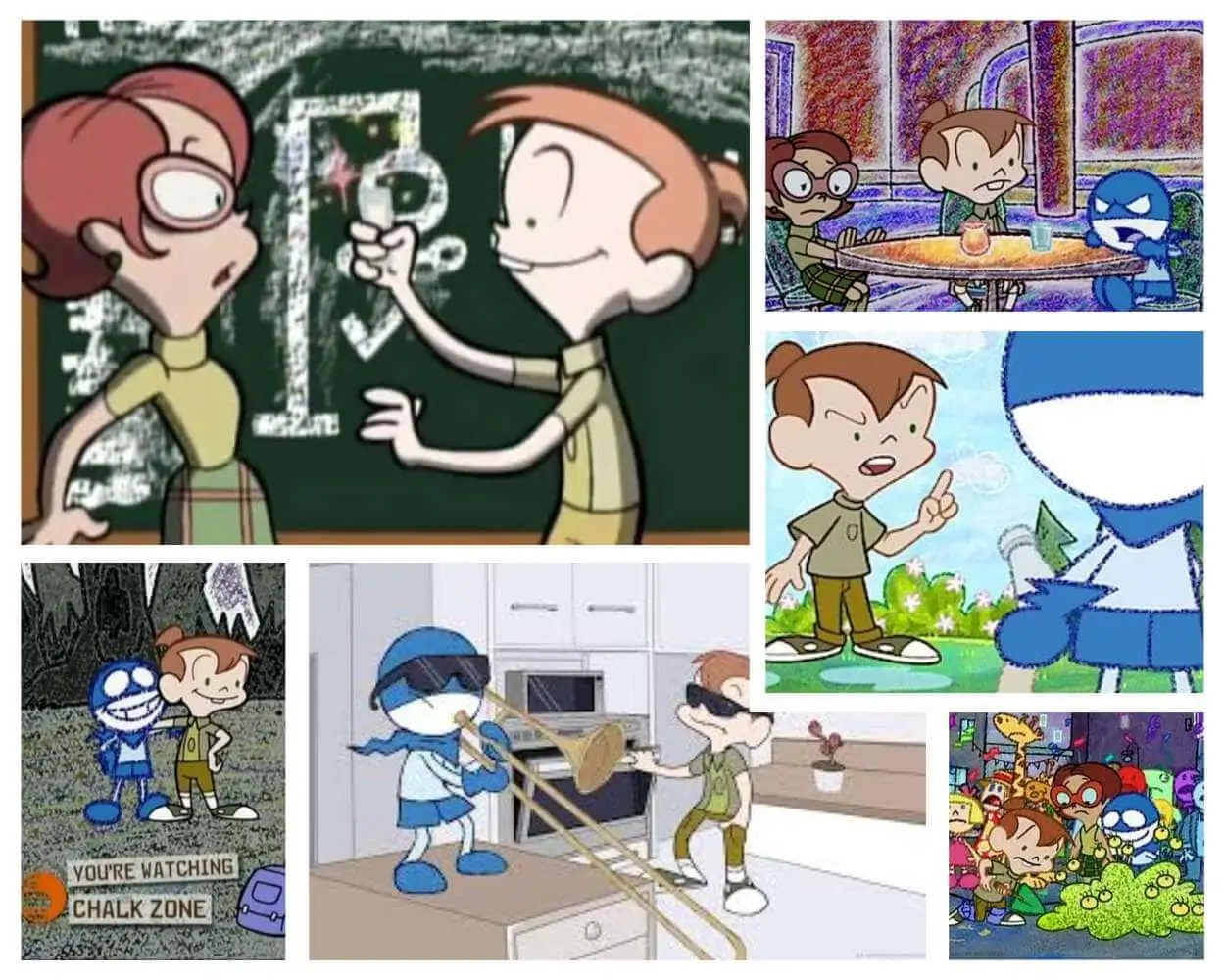
The setup is deceptively simple. Ten-year-old Rudy Tabootie owns a piece of magic chalk that opens a doorway into ChalkZone, an alternate dimension where every drawing that has ever been chalked onto a board and erased keeps right on living.
That last part is the quietly profound bit: nothing creative is ever truly thrown away, it just moves somewhere else and waits.
- Rudy draws with magic chalk and steps through the chalkboard into the Zone
- Every erased doodle in history lives on there as a sentient being
- Co-creator Bill Burnett described a world where drawings live on with the soul the artist gave them
The Trio as Three Philosophies
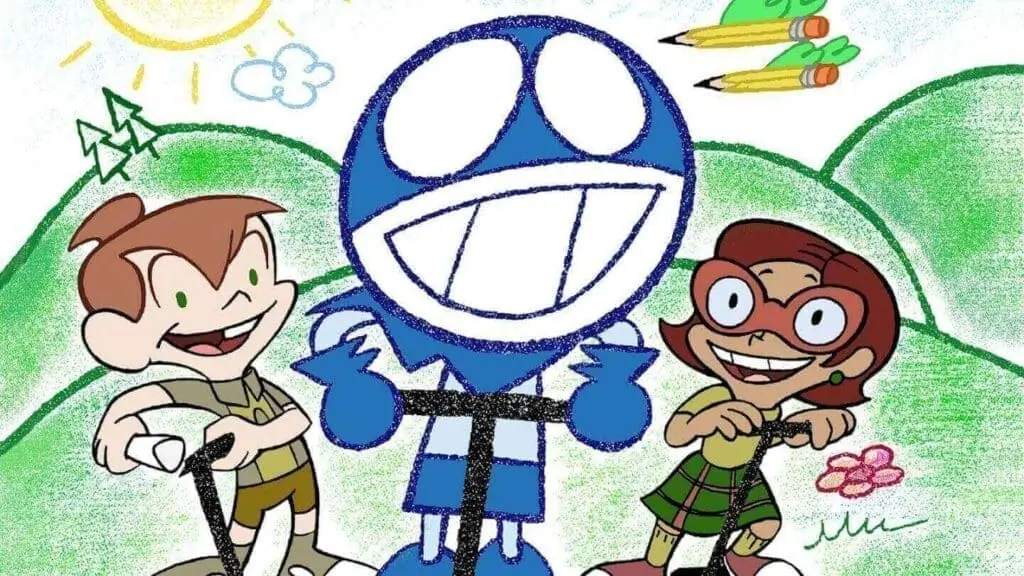
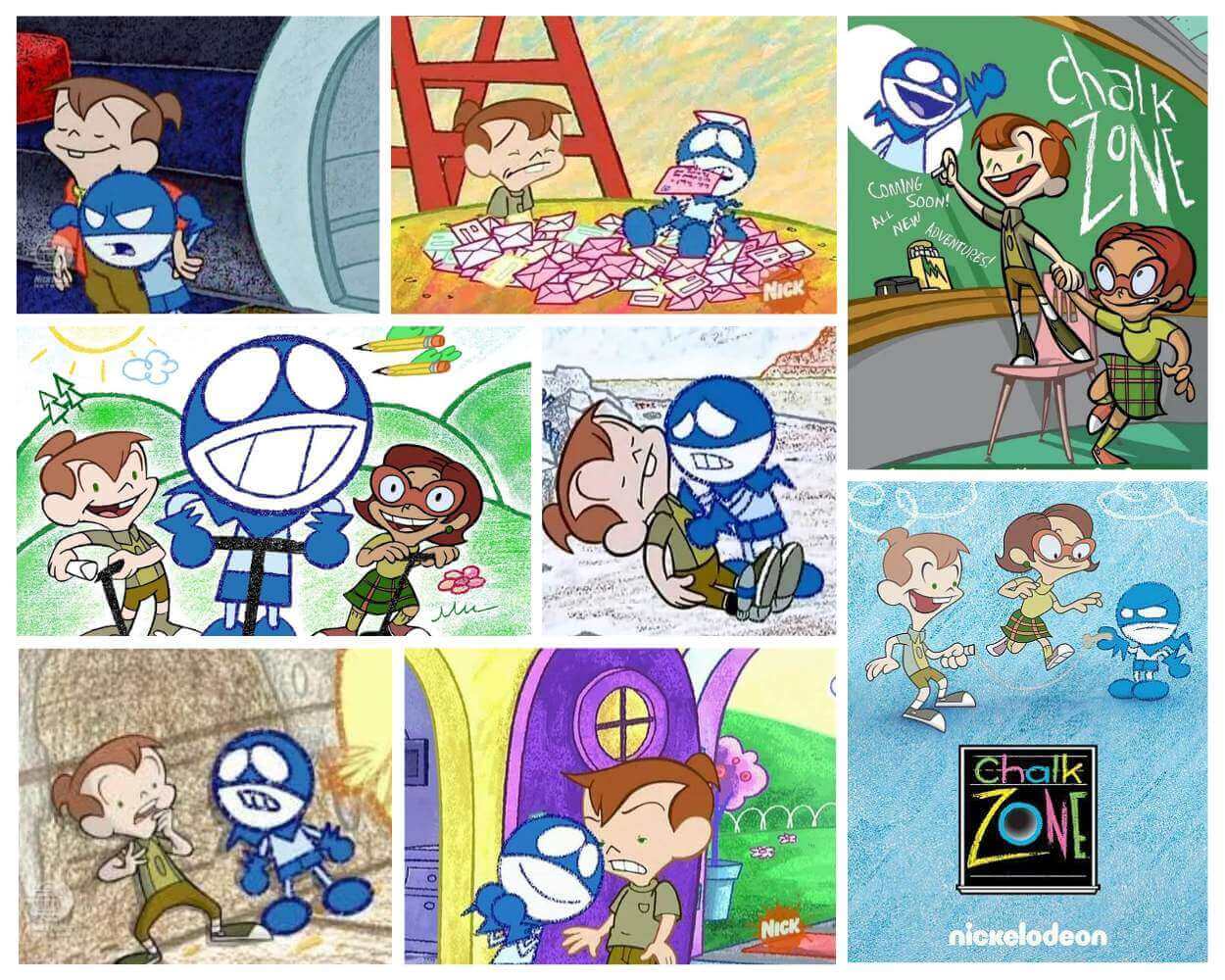
Here is the reframe. Rudy, his creation Snap, and his best friend Penny are not just a hero, a sidekick, and a smart girl. Read them as three positions in an argument about creativity: the creator, the created, and the critic.
Once you see them that way, the whole show becomes a debate about the ethics and mechanics of making things.
- Rudy is the creator, the one holding the chalk
- Snap is the creation, a drawing that took on a life of its own
- Penny is the critic, the voice of reason and constraint
Pillar One: The Creator’s Dilemma
Start with Rudy. Inside ChalkZone, he is effectively a god. A locked door becomes a key, a chasm becomes a bridge, a threat becomes whatever he can sketch fast enough. It is a rare kids’ show that turns the ethics of creation into an actual plot engine, and it keeps circling one question: if you can draw anything into being, what do you owe the things you create?
- Rudy can solve almost any problem by drawing a solution into existence
- His creations are living beings, not disposable tools
- The show frames drawing as both a gift and a real responsibility
Pillar Two: The Autonomy of Art
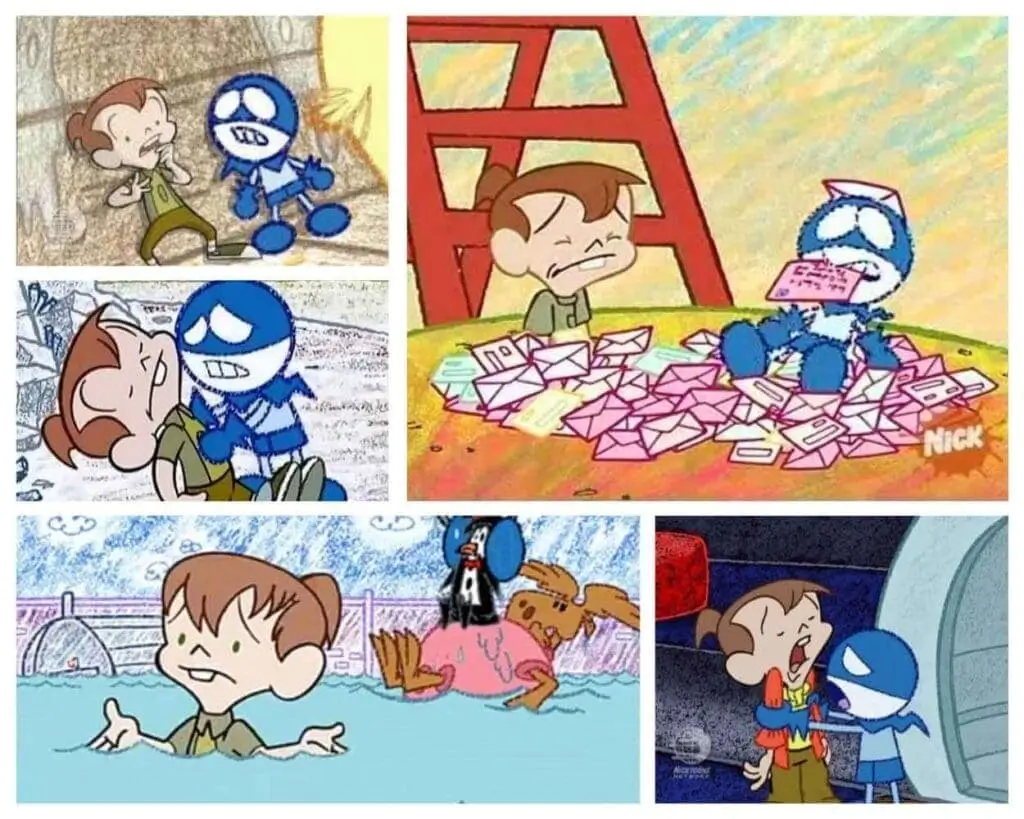
Then there is Snap, the small blue superhero Rudy drew when he was eight. Snap is brave, funny, hotheaded, and completely his own person, which raises the pillar’s central question: once you make something, does it still belong to you, or does it get to belong to itself?
The Rudy-and-Snap bond is one of the sweetest artist-and-creation duos in cartoons, and the show explores the idea from both a hopeful and a dark angle.
- Snap has his own personality, opinions, and even a crush, far beyond anything Rudy designed
- He often ends up saving the day, the creation outshining the creator
- The show treats its drawings as autonomous lives, not the artist’s property
Pillar Three: The Necessity of Constraint
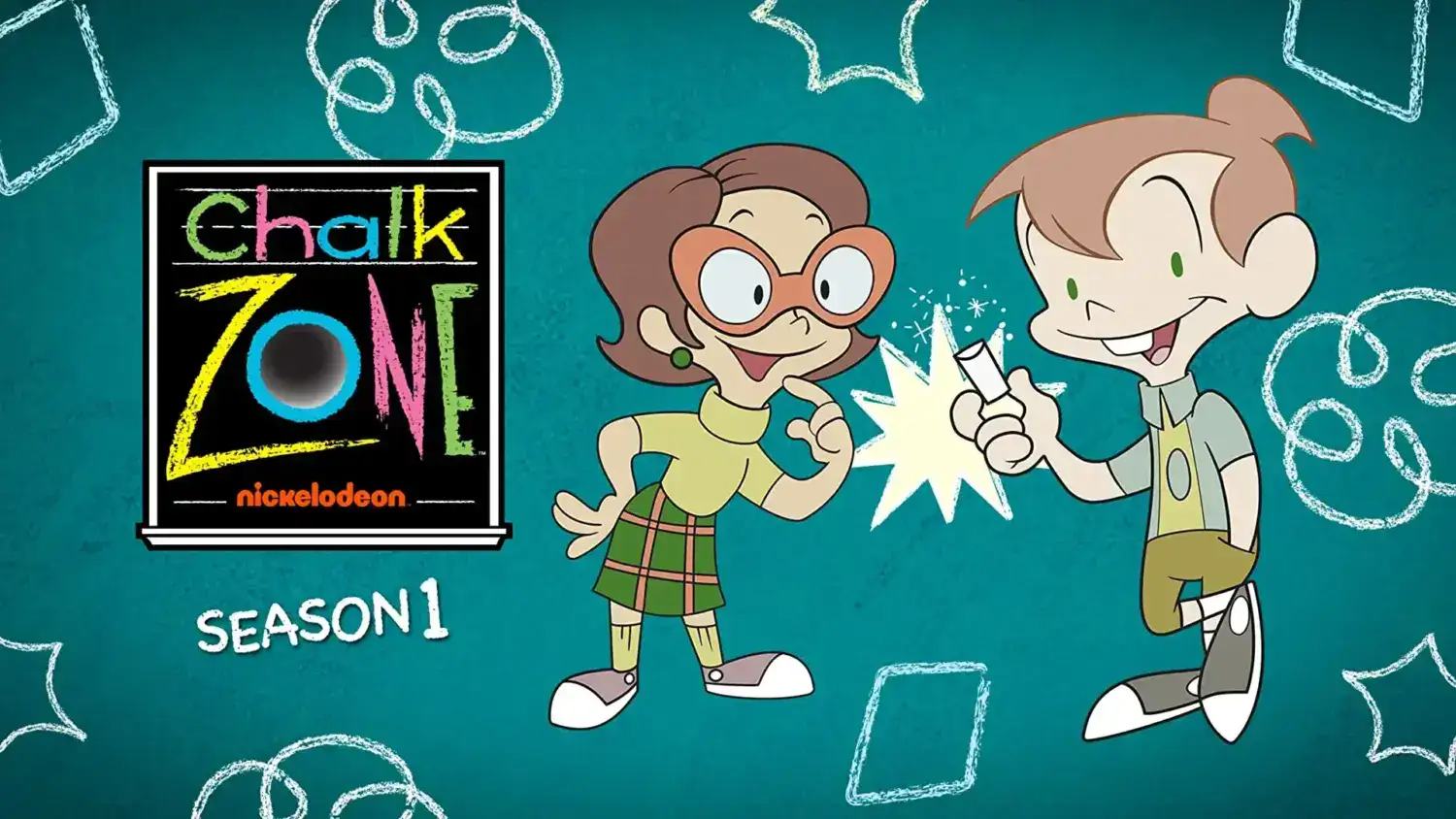
Which brings us to Penny Sanchez, and to the pillar most people overlook. Penny is the practical science genius to Rudy’s wild imagination, and she is arguably the most important character in the show. Pure creativity, with no rules and no editor, is just chaos, and Penny is the constraint that makes Rudy’s magic hold together.
- Penny is the level-headed scientist who thinks through the consequences
- She stops Rudy’s wildest ideas from spiraling out of control
- Together they are basically art meeting science, imagination meeting logic
A World Made of Forgotten Doodles
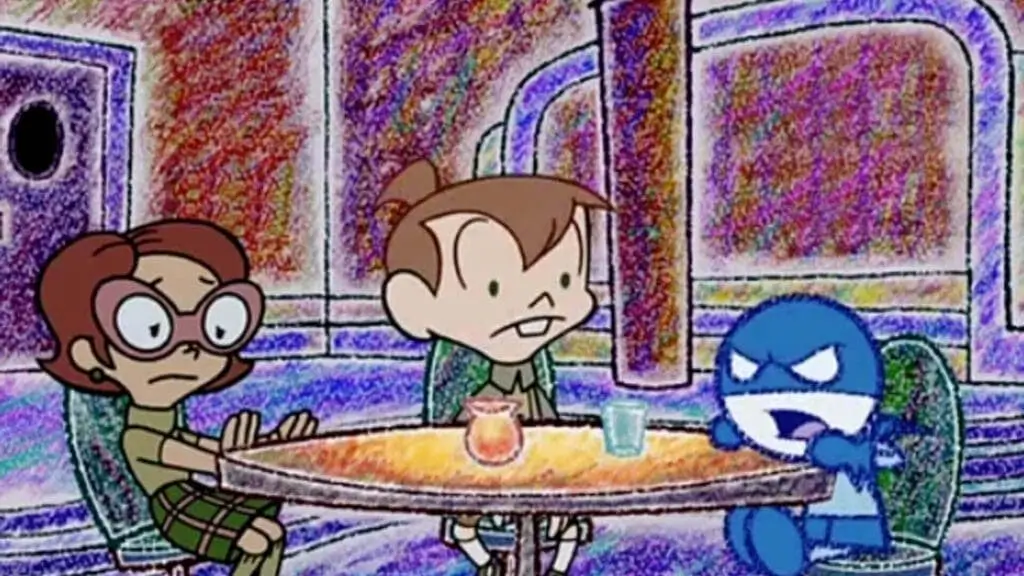
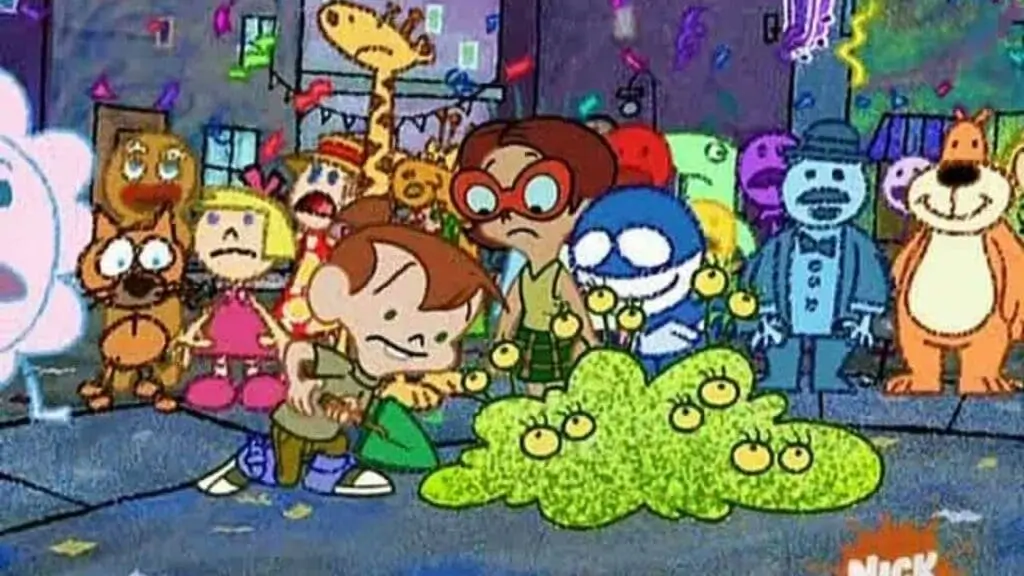
The philosophy is baked into the world itself. Every resident of ChalkZone, called a Zoner, is some drawing that a person somewhere once made and rubbed out. That means the entire setting is built from creativity the real world discarded, given a second life and a personality.
- Zoners are erased doodles turned into sentient, colorful residents
- Blocky, a sweet green cube, is said to be Rudy’s very first drawing
- Queen Rapsheeba, the Zone’s reigning rap star, shows the world even has its own culture
The Look of Imagination
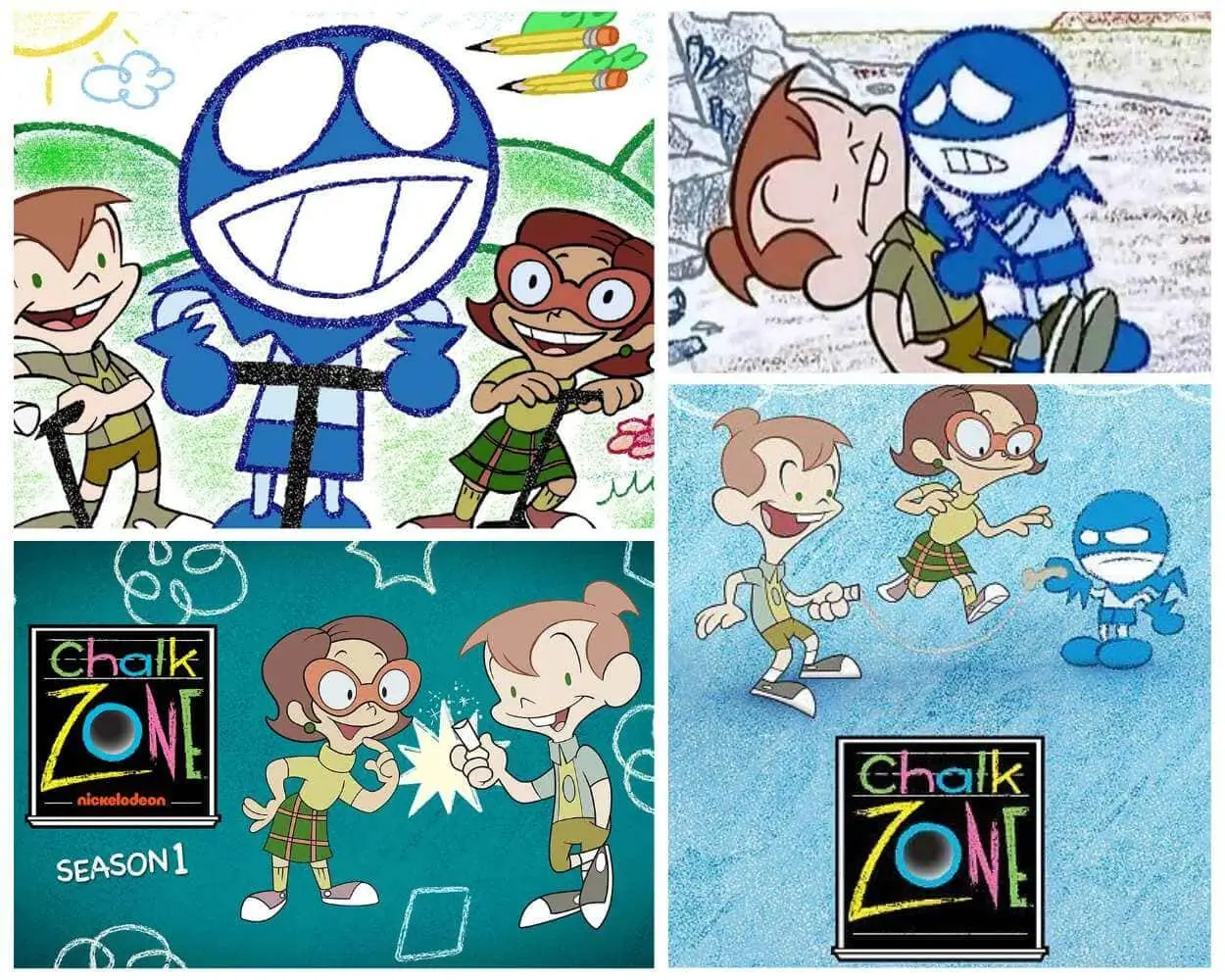
The art style makes the whole thesis visual. The real world is drawn in normal, solid animation, while ChalkZone itself has a soft, smudgy, chalk-on-a-blackboard texture. That contrast is a clever shorthand for the exact moment you step out of reality and into pure imagination.
- Solid animation for the real world, chalky texture for the Zone
- A visual language that cleanly separates reality from creation
- A final-season refresh brought slimmer lines and a slick zooming transition
The Voices Behind the Chalk
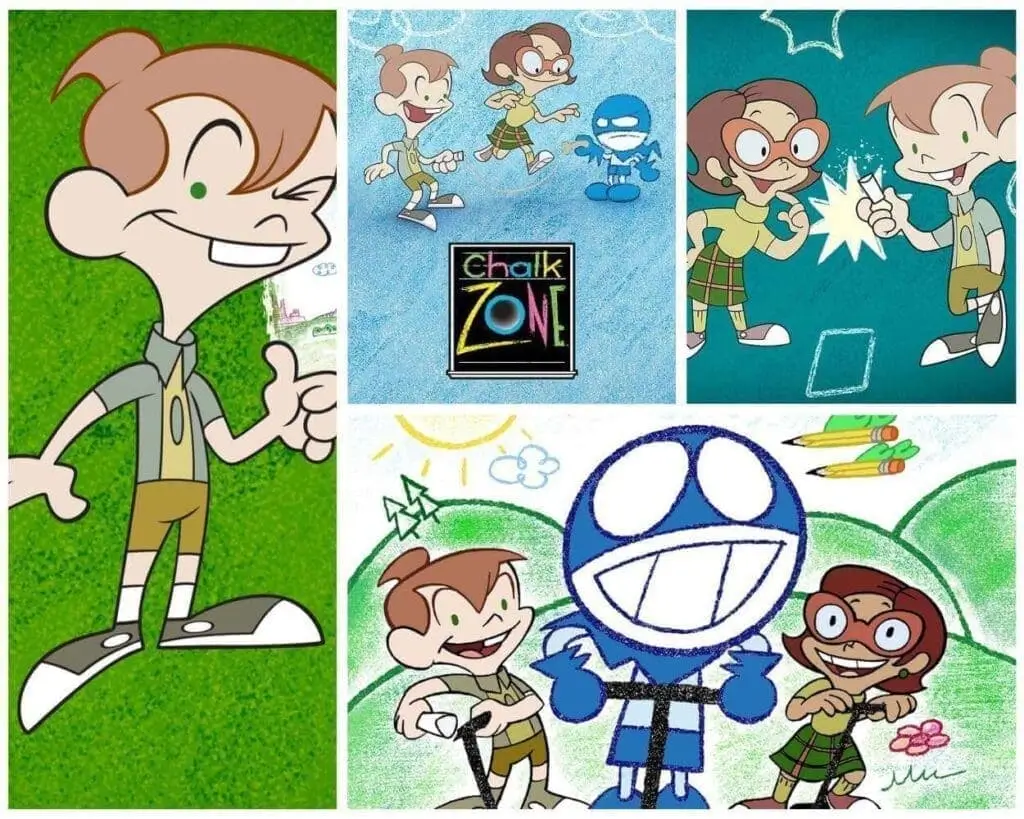
Here is something most ChalkZone write-ups skip: the voice cast is stacked with animation royalty. The people who brought these chalk drawings to life had already defined a generation of cartoon characters.
- The leads and villains are all voiced by major animation veterans
- Several of them you have heard in dozens of other beloved shows
- Two rival characters are even played by the same actor
Why ChalkZone Ended Too Soon
For all its early success, ChalkZone never got the steady support Nickelodeon handed its bigger Nicktoons. It launched as a real hit, then slowly slipped through the cracks.
- A record-breaking debut that Nickelodeon never fully capitalized on
- Placed on hiatus in 2005, partway through its fourth and final season
- The remaining episodes sat unaired for roughly three years
Where to Watch ChalkZone
The good news, whether you want to revisit the Zone or discover it for the first time, is that the full four-season run is easy to stream today.
All forty episodes, produced by Frederator Studios, are available on Amazon Prime Video, and the show has also aired across Nickelodeon, Nicktoons, and Paramount+ over the years.
ChalkZone quietly argued that nothing you create is ever truly erased, that every doodle keeps living somewhere, just waiting to be remembered.
That is a surprisingly beautiful idea to tuck inside a kids’ cartoon about a piece of magic chalk. What is the first thing you remember drawing as a kid, and where do you imagine it ended up?
I would love to hear about the doodles that got away.