The fiercest female Pixar characters do far more than just show up strong.
Pixar loves handing its women the emotional weight of a whole film, and the best of them run on grit, defiance, and a flat refusal to let anyone else define them.
So instead of another generic strong-female-lead roundup, this ranks them by pure ferocity, from a gentle background mom up to a princess who took an axe to her own genre.
What Makes a Pixar Heroine Fierce
Fierce is not the same as strong.
Plenty of characters are capable, but fierceness is narrower and more interesting. It shows up as defiance of the status quo, an uncompromising moral code, and a refusal to let circumstances write the ending.
That is the lens this ranking uses, which is why a fearless toddler and a tradition-smashing princess do not land anywhere near each other.
Every entry gets a Fierce Factor Audit: a Defiance Score out of 10, her signature fierce move, and a note on how her design carries her personality.
The Fiercest Female Pixar Characters, Ranked
Mrs. Davis (Toy Story)
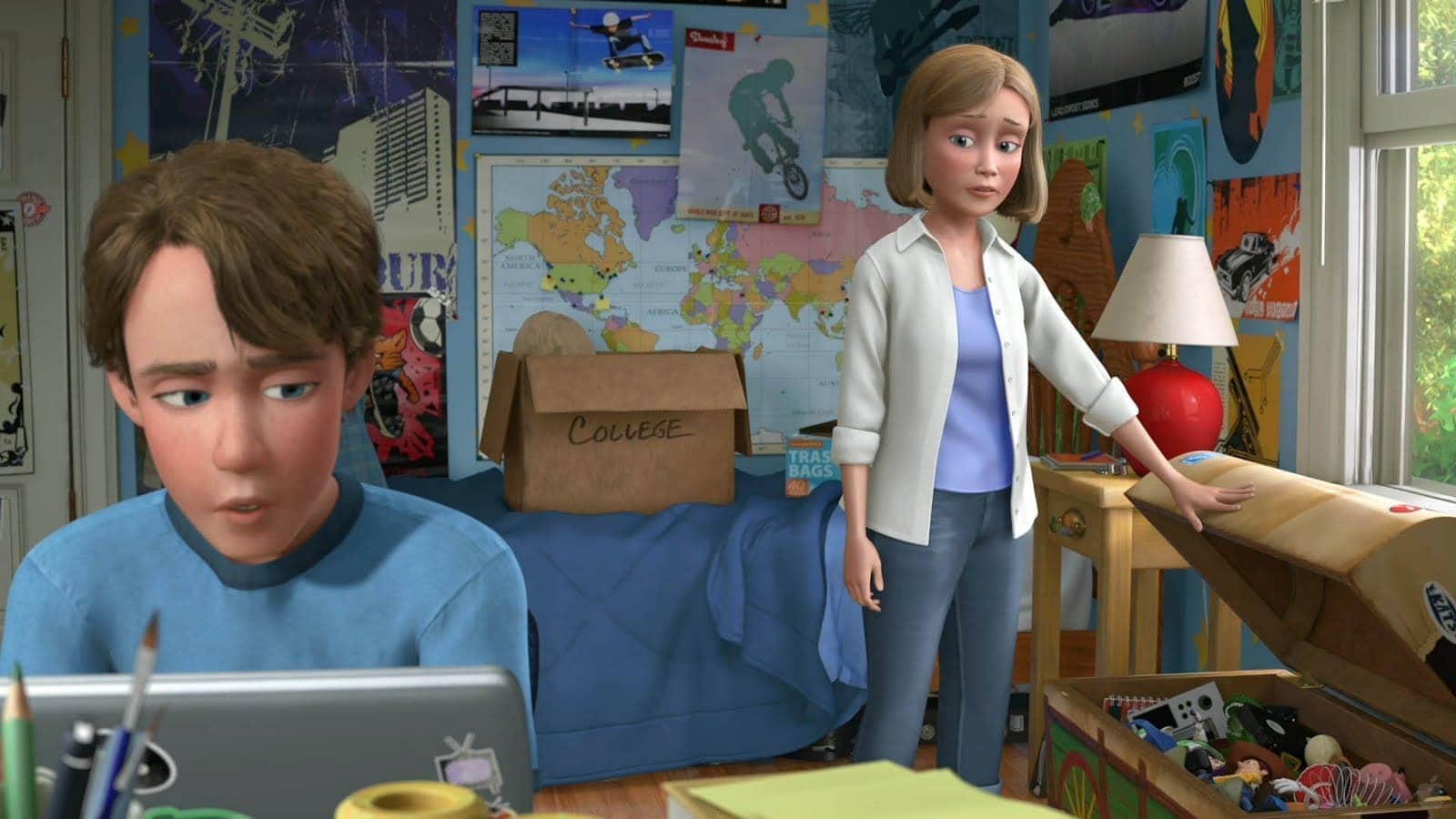
Mrs. Davis is the softest entry here, and that is worth saying plainly. Her fierceness is not defiance, it is the quiet, unglamorous grit of raising two kids alone and never once dropping the ball. She holds the entire Toy Story world together off-screen, which is its own heroism even if the films rarely frame it that way.
Signature fierce move: Keeping her family steady through every upheaval as a single parent.
Design language: Warm, soft, and rarely shown in full, the reassuring parent kept deliberately in the background.
Boo (Monsters, Inc.)
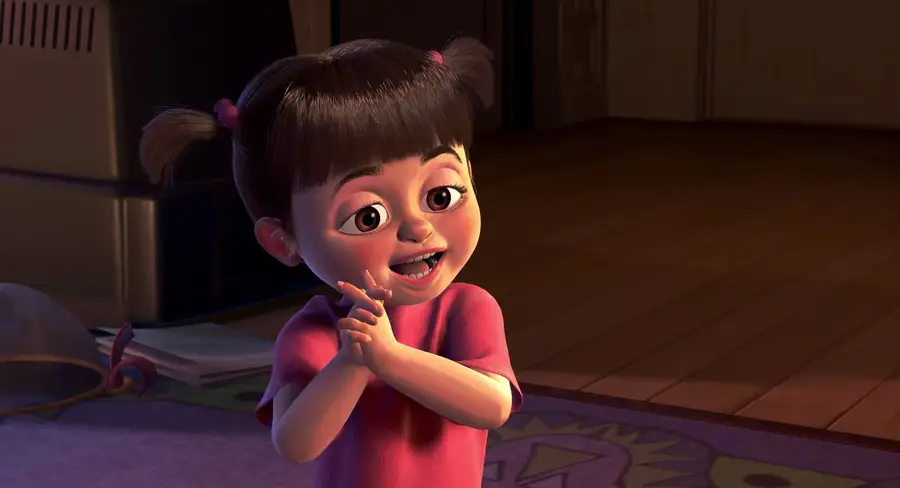
Boo’s ferocity is pure fearlessness rather than defiance, and the film knows it. She toddles into a world of monsters without a flicker of doubt, disarming Sulley by simply refusing to be scared of him. It is brave and charming, but the movie is honest that saving the day falls to Mike and Sulley, not to her.
Signature fierce move: Wandering through the monster world completely unafraid.
Design language: Tiny, wobbly, and swallowed by an oversized shirt, engineered for maximum vulnerability and charm.
Ellie Fredricksen (Up)

Ellie’s fierceness lives almost entirely inside a four-minute montage, and it still hits harder than most full-length arcs. She is the one who dreams bigger than her small life and pulls a bashful Carl along for the ride. Her refusal to let disappointment sour her, no kids and no Paradise Falls, yet no complaints, is a subtler strength.
Signature fierce move: Dreaming past the limits of her circumstances and dragging Carl along with her.
Design language: A gap-toothed, kinetic kid design, all spark and motion against Carl’s stiff, square stillness.
Riley Andersen (Inside Out)
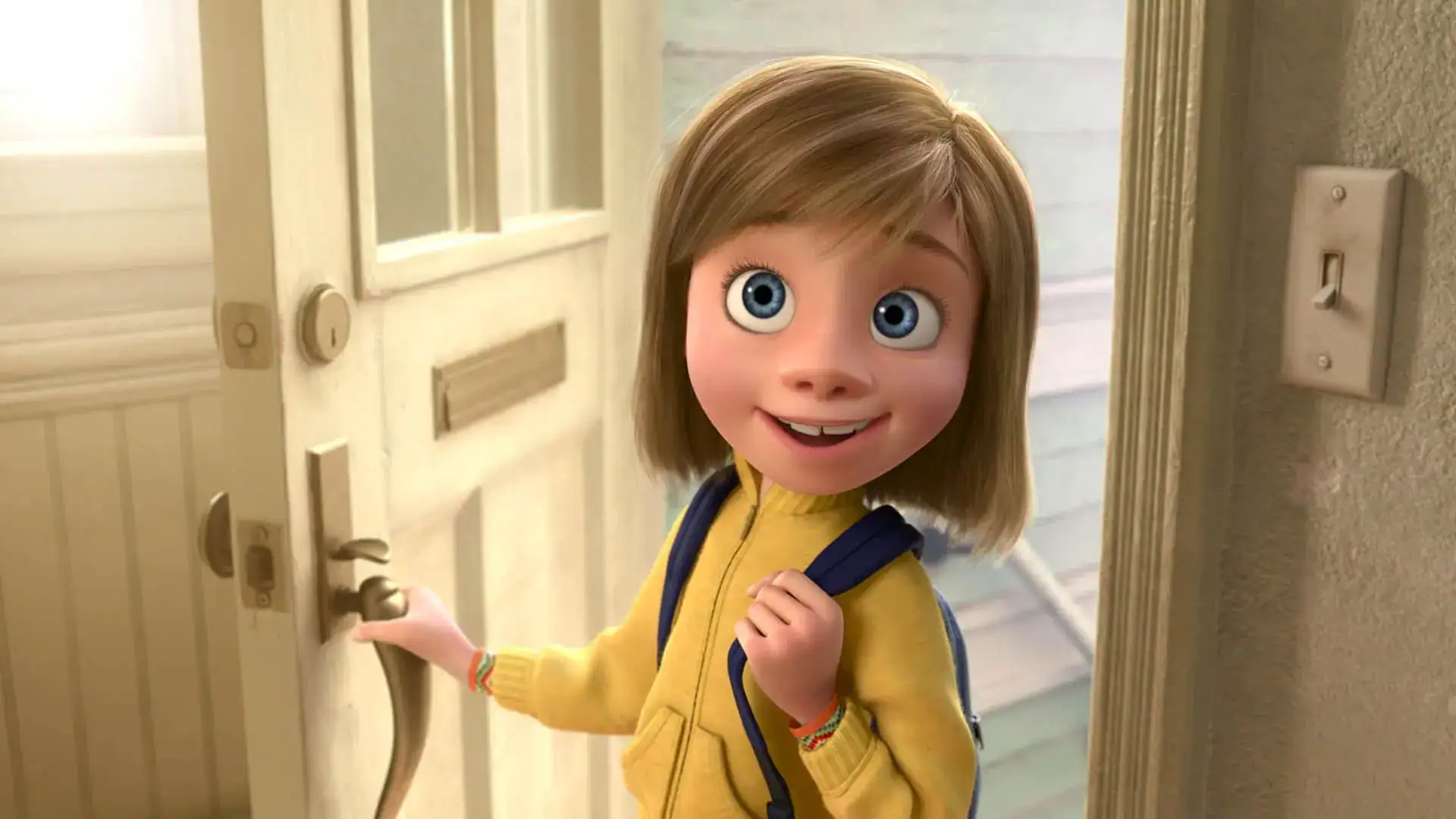
Riley is fierce in the most relatable way: an ordinary kid refusing to break under a brutally hard year. Uprooted to a new city, she wobbles, nearly runs away, and then does the bravest thing on the table, she tells the truth about being unhappy. Her strength is resilience rather than rebellion, which is exactly why kids see themselves in her.
Signature fierce move: Choosing to be honest about her sadness instead of running away.
Design language: Deliberately unstylized, ordinary tween proportions so almost any child can map onto her.
Sadness (Inside Out)
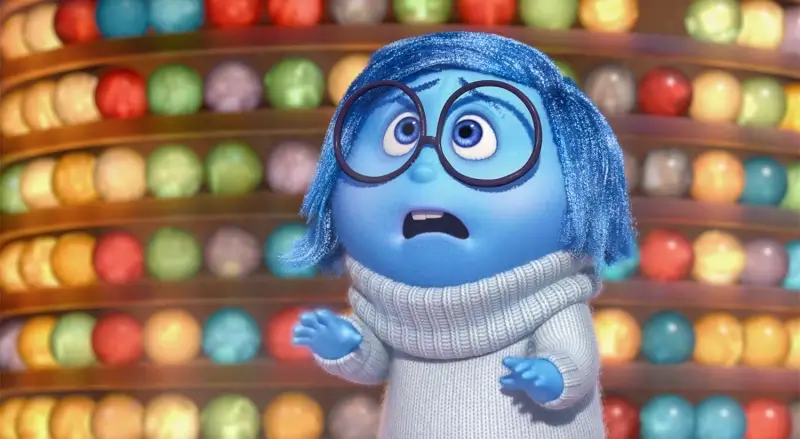
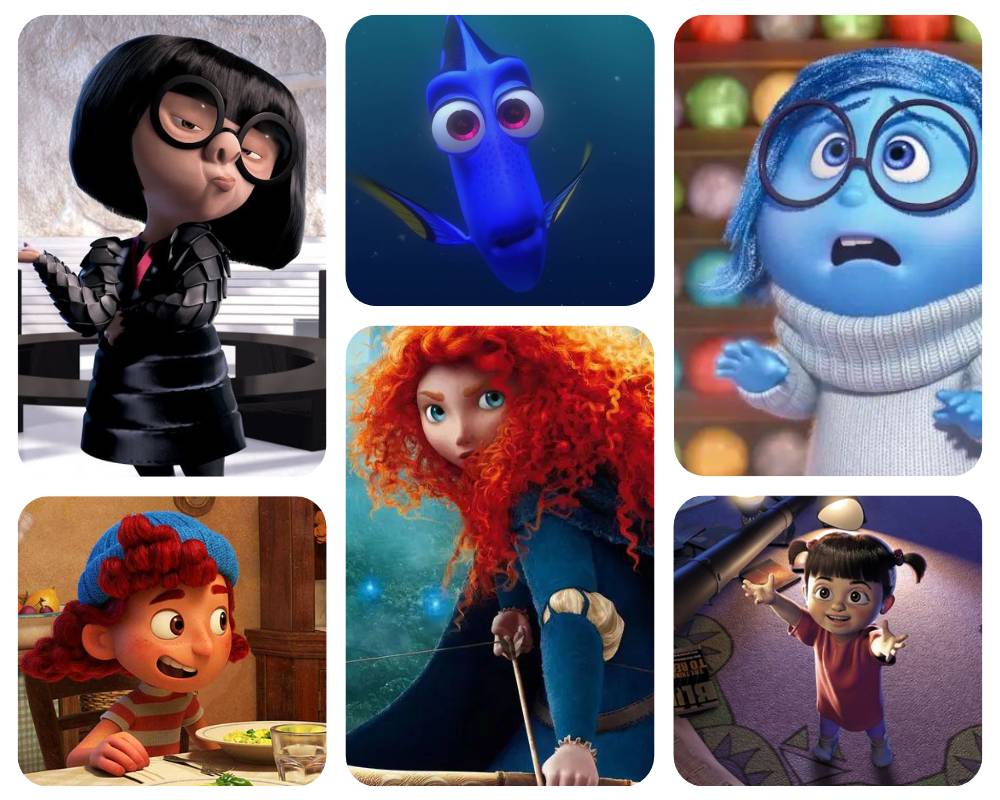
Sadness is the sneaky-fierce one. She spends most of the film apologizing for existing, then quietly becomes the hero when Joy’s relentless optimism finally fails. Stepping up despite a temperament built entirely for retreat is its own act of courage, and the whole movie’s thesis rests on her doing it.
Signature fierce move: Taking the lead to guide Riley home when Joy could not.
Design language: Droopy, round, and heavy-lidded blue, a body that literally looks the way sadness feels.
Joy (Inside Out)
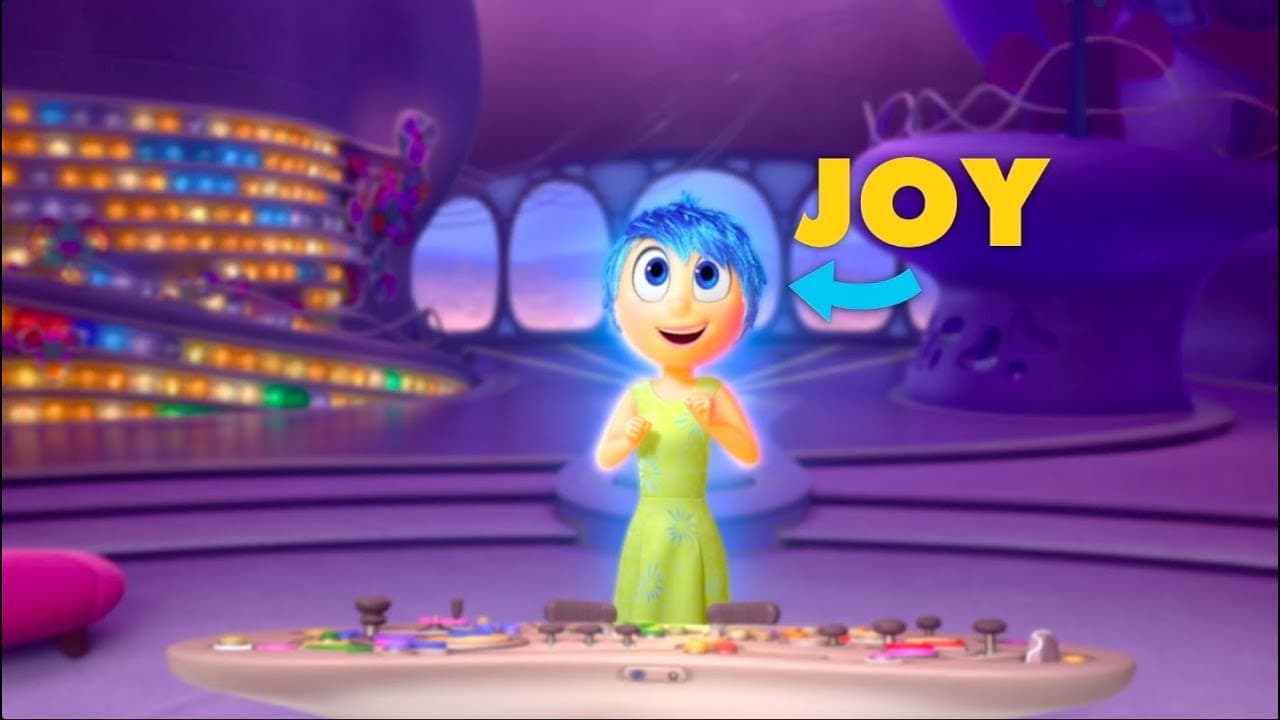
Joy has drive to spare, but her fierceness is complicated by how often she is wrong. She will risk everything to protect Riley’s core memories, yet her real growth is learning to loosen her grip and let Sadness in. The relentlessness is real, and the movie gently argues that relentlessness by itself is not the same as wisdom.
Signature fierce move: Finally handing control to Sadness and admitting she was wrong.
Design language: Star-shaped, glowing, and blue-haired, a character who is quite literally made of light.
Dot (A Bug’s Life)
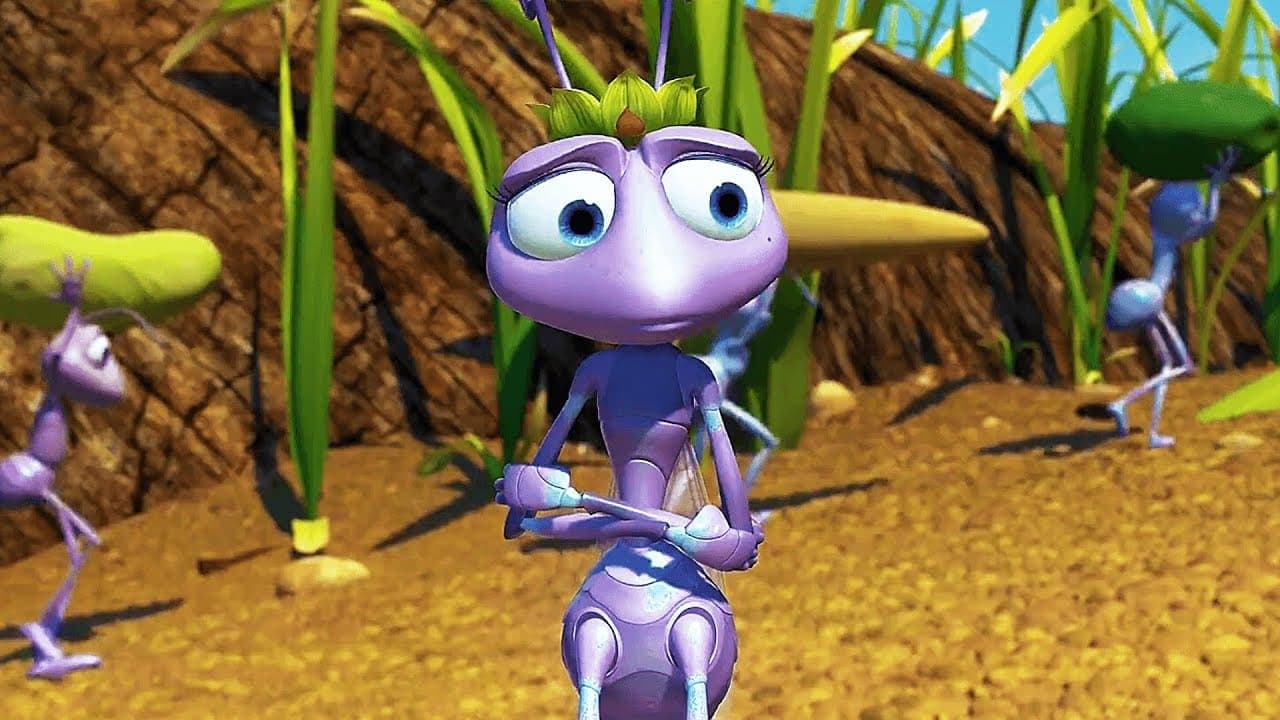
Dot is small, young, and constantly underestimated, which is the perfect setup for a fierce little arc. She cannot fly for most of the film, then does it at the exact moment Flik and the colony need her most. Her defiance is aimed squarely at the low expectations everyone, herself included, keeps setting for her.
Signature fierce move: Flying for the first time to save Flik and rally the colony.
Design language: The tiniest silhouette in the film, round and purple, built to be dismissed and then surprise you.
Giulia Marcovaldo (Luca)
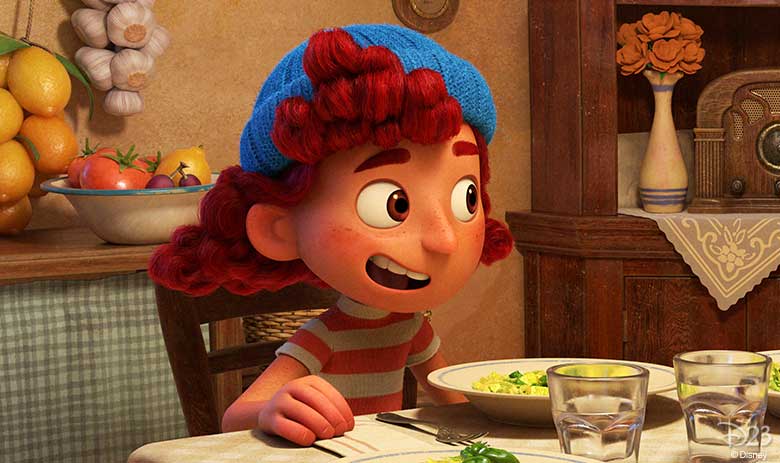
Giulia is a proper firecracker, and Luca is smarter for handing her real defiance to do. She stares down the town bully Ercole, rallies Portorosso around her sea-monster friends, and captains her race team without blinking. Her ferocity is social courage, the willingness to drag an entire community toward acceptance.
Signature fierce move: Facing down Ercole and championing her sea-monster friends in front of the whole town.
Design language: Freckled, gap-toothed, and wild-haired, an unpolished, scrappy look that matches an unpolished, scrappy spirit.
Dory (Finding Nemo)
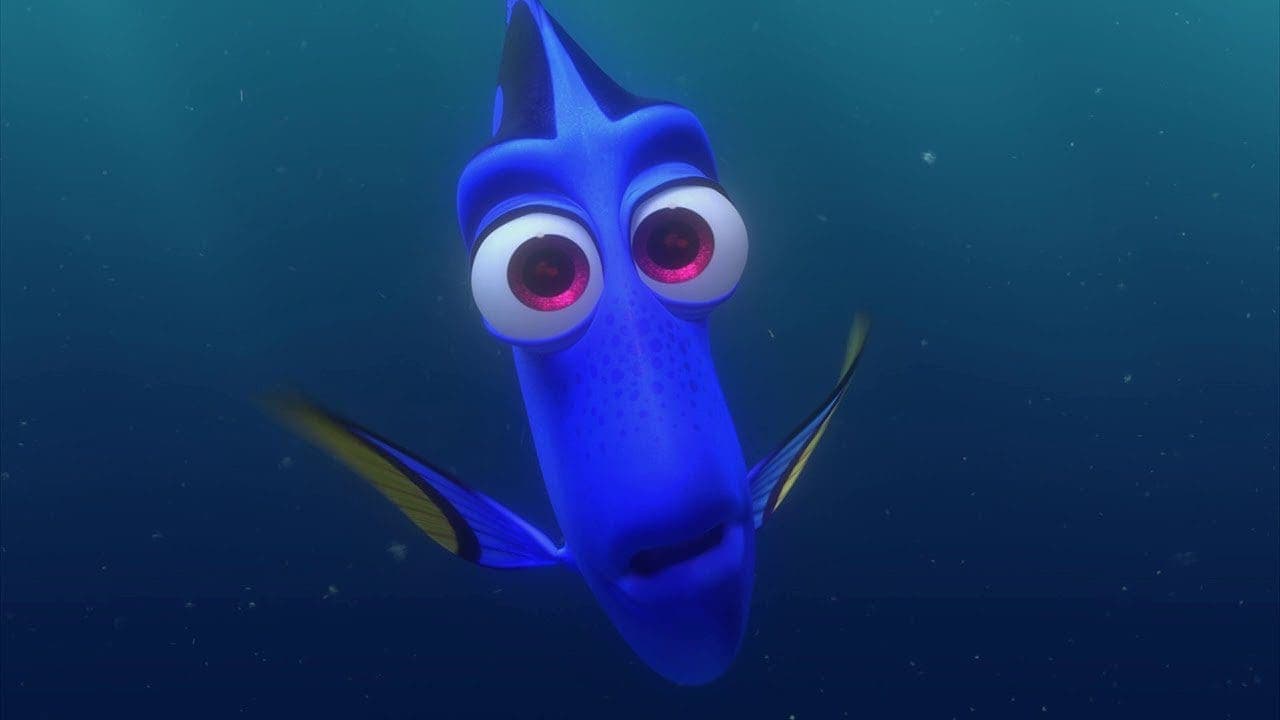
Dory’s fierceness is buried under a running gag, which is exactly what makes it easy to miss. Her short-term memory loss should stop her cold, and instead she keeps swimming through sharks, jellyfish, and nets to help a stranger find his son. Refusing to let a disability decide her outcome is a stubborn, quiet kind of fierce.
Signature fierce move: Pushing through every obstacle to reunite Marlin with Nemo.
Design language: Soft, round, and wide-eyed blue, an innocent look that hides a bottomless supply of persistence, and one of the more endearing cartoon fish designs going.
Bo Peep (Toy Story 4)

Bo Peep is the clearest example on this list of a character rewritten into fierceness. Forgettable in the early films and gone entirely by Toy Story 3, she comes back in Toy Story 4 remade as a self-sufficient lost toy who runs her own rescues with a shepherd’s crook in hand. It is a rare case of a franchise circling back to give a woman the agency it once denied her.
Signature fierce move: Leading the Toy Story 4 rescue as a fully independent lost toy.
Design language: The dainty porcelain crook repurposed as a weapon and the bonnet traded for a cape, damsel design deliberately rebuilt as adventurer.
Colette Tatou (Ratatouille)
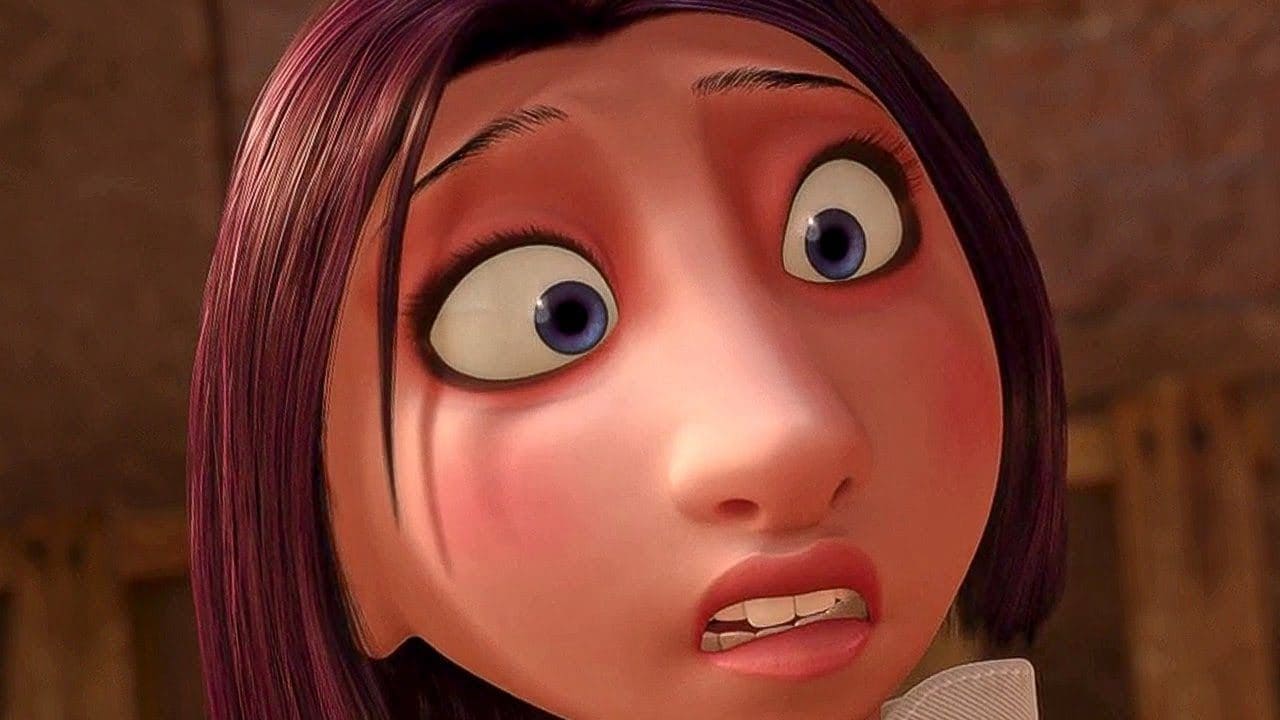
Colette is fierceness with a knife in her hand, and Ratatouille is refreshingly blunt about why. She is the only woman in a brutal, male-dominated kitchen, and she has clawed her way in by being twice as tough as anyone around her. She warns Linguini outright that she will not soften for him, and the film respects her completely for it.
Signature fierce move: Holding her ground as the lone woman in a cutthroat professional kitchen.
Design language: Sharp features and hair yanked back tight, a lean, functional look that says she has no time to be decorative.
Jessie (Toy Story 2, 3, and 4)
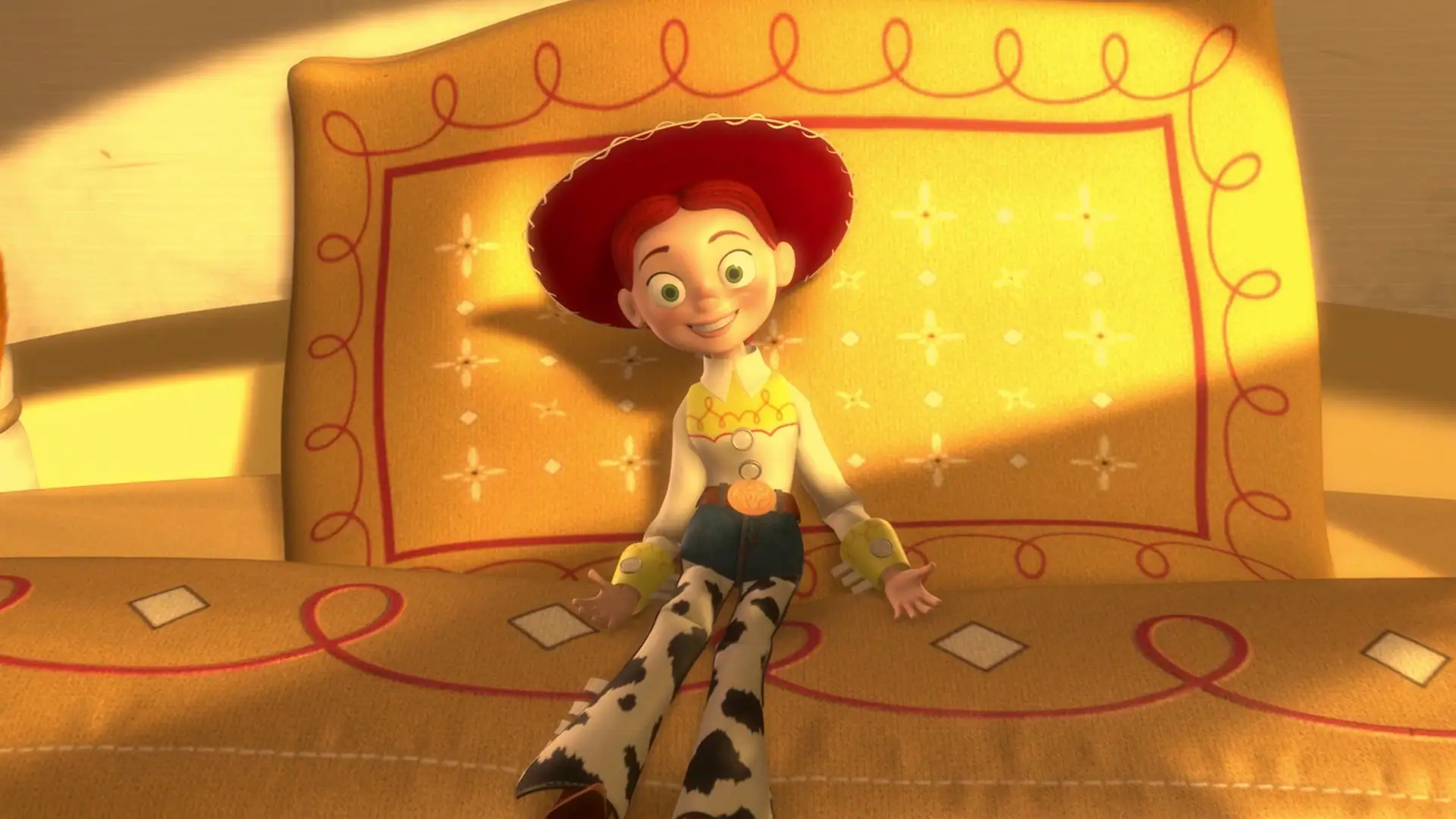
Jessie is boldness with a wound underneath, which lifts her past the standard spunky-cowgirl type. The fierceness is loud on the surface, but her real strength is surviving abandonment and still choosing to trust and love again. By the incinerator in Toy Story 3, she is the toy holding everyone together when it counts most.
Signature fierce move: Overcoming her abandonment trauma to become the group’s fearless rescuer.
Design language: A bright red-and-yellow cowgirl palette, a swinging braid, and a springy build, all energy and forward motion.
Edna Mode (The Incredibles)
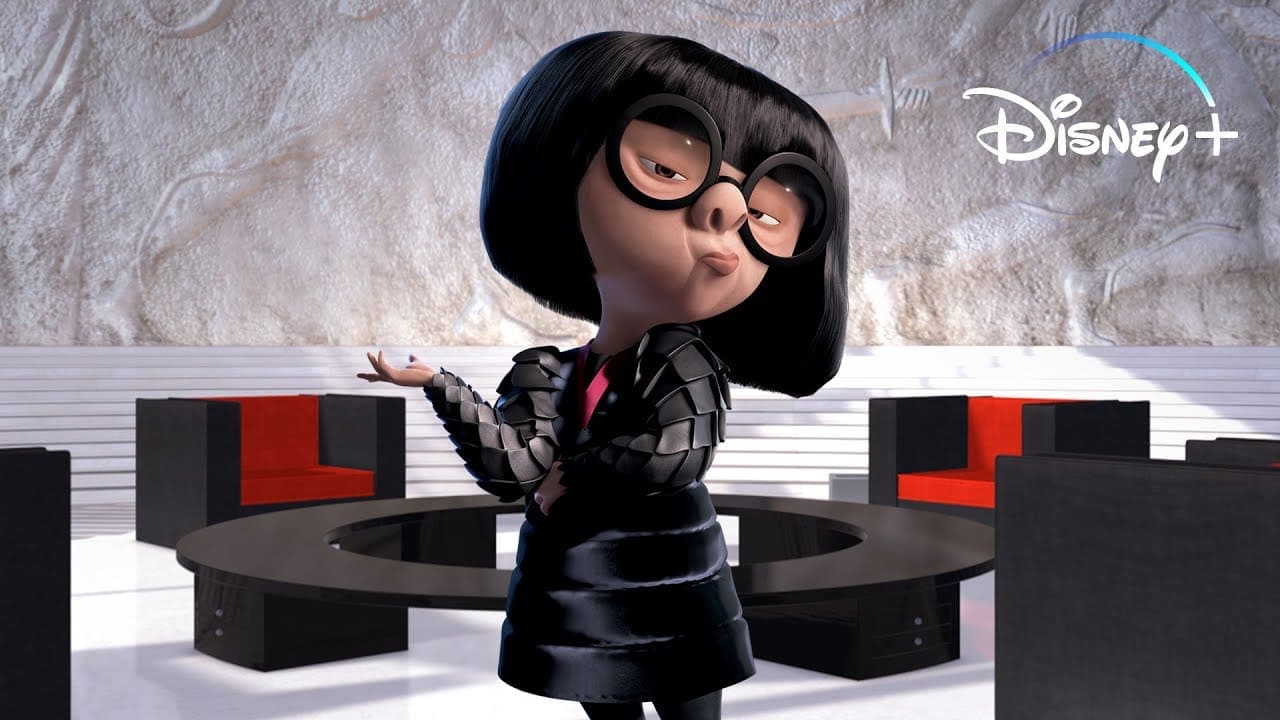
Edna Mode is proof that fierceness has nothing to do with size or superpowers. She is four feet of pure, uncompromising will, dismissing supermodels as shallow and flatly refusing to design a single thing she does not believe in. Her ferocity is aesthetic and absolute, right down to the “No capes!” rule she would sooner die than break. She is easily one of the most iconic brilliant, bespectacled characters in animation.
Signature fierce move: Refusing capes and rebuilding the family’s super-suits entirely on her own terms.
Design language: Tiny, sharp, and angular behind oversized round glasses, a silhouette as precise and unsparing as her opinions.
Helen Parr / Elastigirl (The Incredibles)
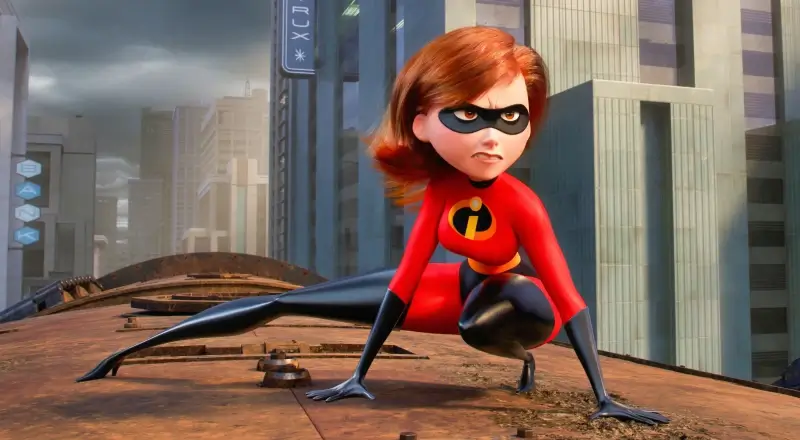
Helen Parr is fierce in a way the first film almost undersells, because it dresses her heroism up as domestic labor. She wrangles three super-powered kids, keeps the household upright, then infiltrates an island fortress to rescue her family without her composure cracking once. Her flat refusal to leave the world-saving to the men is the movie quietly stating its entire point.
Signature fierce move: Storming Syndrome’s island to rescue her family while staying calm under fire.
Design language: A rounded, flexible, athletic build designed to stretch and adapt, mirroring a woman who bends without ever breaking.
Merida (Brave)
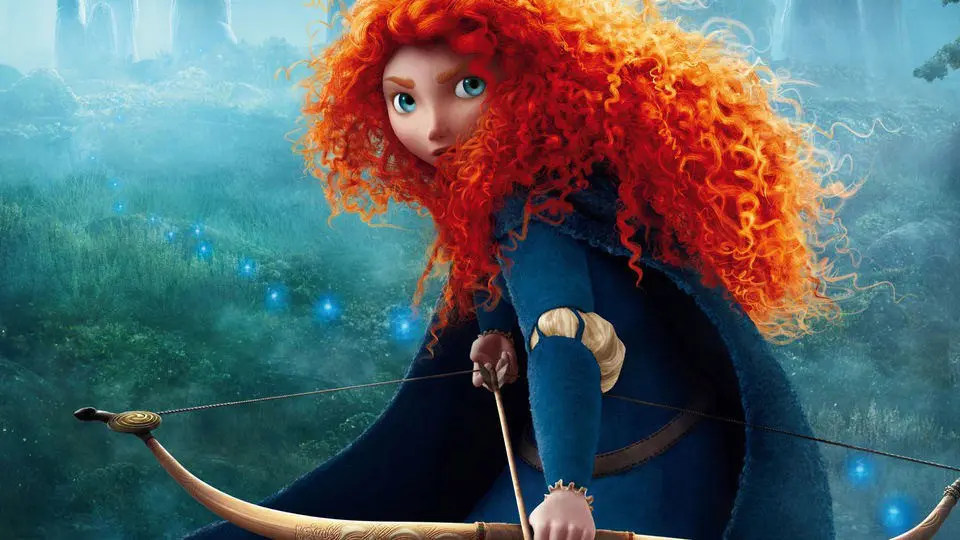
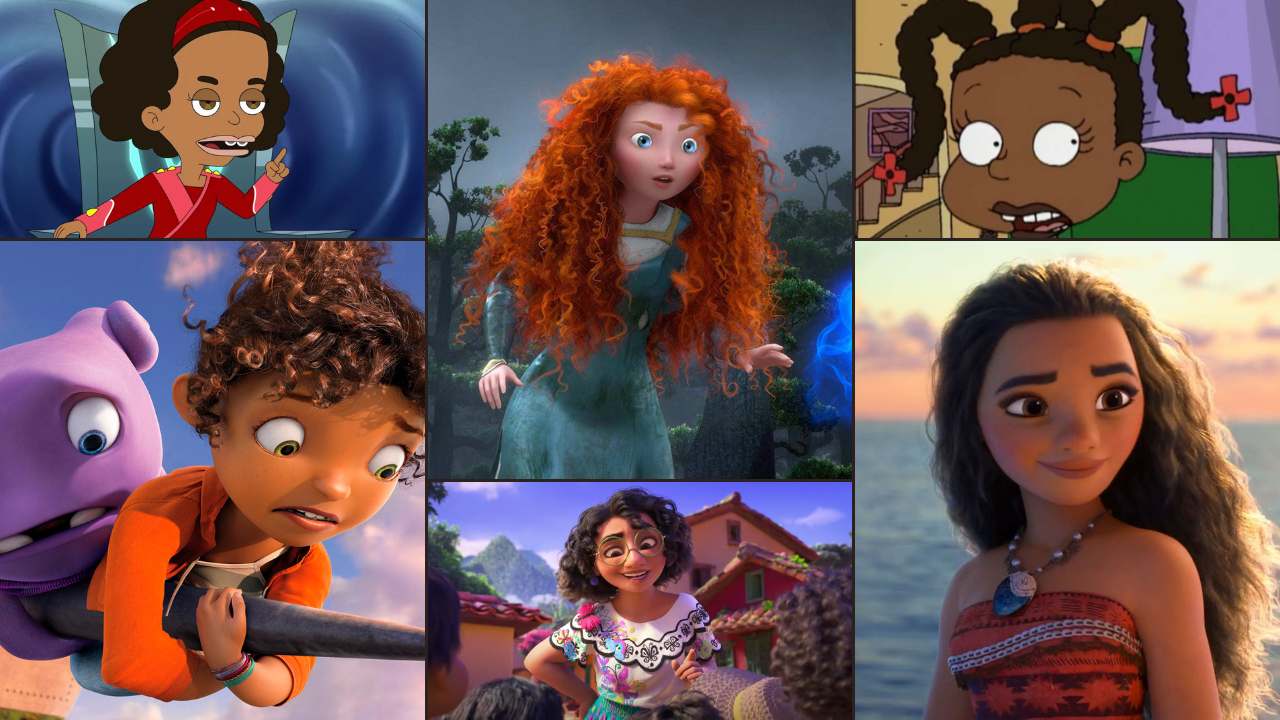
Merida is the fiercest character Pixar has ever animated, and she earns it by being a deconstruction rather than a coronation. She is not just an archer, she is an argument against the whole princess archetype, a girl whose defiance comes from refusing to let a crown, a mother, or a marriage contract define her agency. As Pixar’s first female protagonist, she shoots for her own hand at the games and quietly tears down a genre the studio grew up beside.
Signature fierce move: Competing for her own hand to reject an arranged marriage outright.
Design language: A wild, untamed mane of red curls that resists every attempt to tame it, her entire personality rendered as hair.
My Quick Fierce-Factor Takeaway
Most underrated: Colette Tatou
Best glow-up: Bo Peep
Softest fit: Mrs. Davis
Fierce Female Pixar Characters FAQ
Who is the fiercest female Pixar character? Merida takes it for defying an entire tradition to keep control of her own life, with Helen Parr and Edna Mode close behind on grit and sheer uncompromising will.
Who was Pixar’s first female protagonist? Merida, in Brave (2012), who is also Pixar’s first and so far only princess lead, arriving more than a decade after the studio’s run of male-led hits.
Does every Pixar movie have a strong female character? Not literally every one, but Pixar reliably hands major emotional and heroic weight to its women, from Inside Out and The Incredibles to Brave and Finding Nemo.
Which female Pixar characters have the best design? Edna Mode and Merida come up most, since their designs, sharp and angular versus wild and untamed, encode their personalities so cleanly.
Fierce is a higher bar than strong, and these are the Pixar women who clear it.
So who is the fiercest female Pixar character in your book?
Tell me in the comments.