The most beloved fat cartoon characters are not lazy design, they are deliberate ones.
In animation, a round, heavy silhouette is a choice: artists reach for circles and soft curves to signal warmth, comfort, and approachability, and for big, grounded shapes to signal stability and strength.
The word “fat” here is descriptive and affectionate, not a knock.
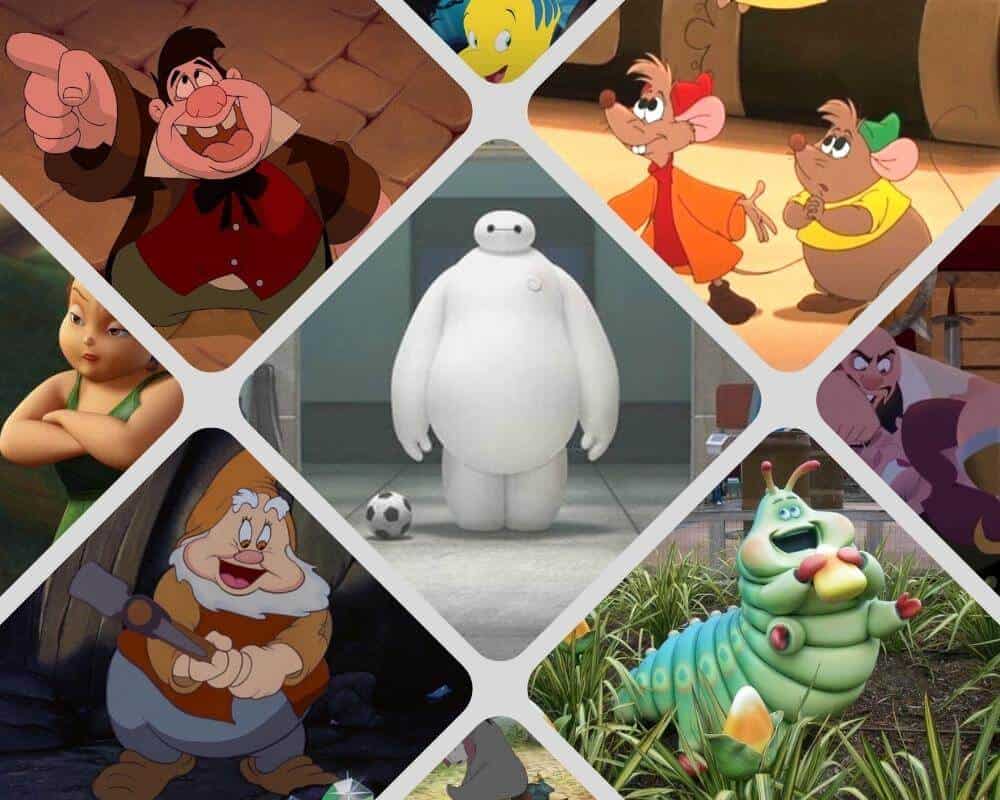
From huggable robots to scene-stealing sidekicks, these are the fat cartoon characters whose size is central to why we love them, reframed through the lens of shape language and character design.
Why Animators Draw Round Characters: Shape Language 101
Before the ranking, a quick primer on why these fat cartoon characters look the way they do. Character design runs on shape language, the idea that basic shapes carry emotional meaning:
- Circles and curves read as soft, safe, warm, and huggable, think Baymax or Winnie the Pooh. The rounder the silhouette, the more harmless and lovable the character feels.
- Squares and rectangles read as stable, reliable, strong, and sometimes stubborn, think Wreck-It Ralph’s blocky, wrecking-ball build.
- Triangles and sharp edges read as dangerous or energetic, which is why even a round villain like Ursula is given sharp accents to keep her threatening.
Kung Fu Panda’s Po is the textbook case: his mass is not a weakness played for laughs, it is a weapon, and the animators turn his size into a bouncy, unstoppable martial-arts style.
Each of these fat cartoon characters gets a Design Audit scoring how much its silhouette leans on circles, what its size is for, and how relatable the design makes it.
Fat Cartoon Characters, Ranked
These fat cartoon characters are ranked by fame and cultural footprint, from global household names to beloved scene-stealers.
As you will see, these fat cartoon characters mostly use round to mean warm, and the exceptions are deliberate.
LeFou (Beauty and the Beast)
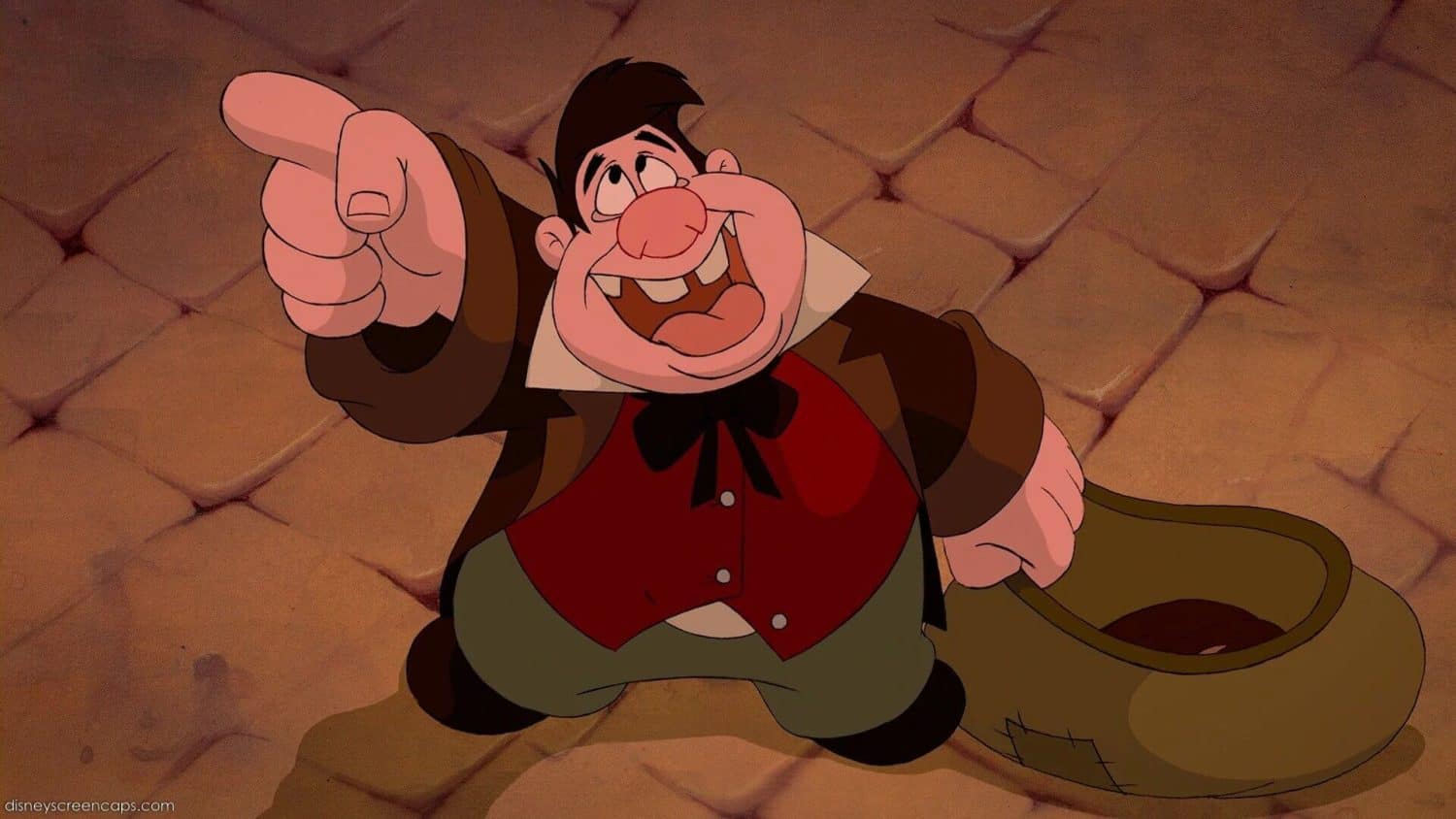
LeFou closes the list as the classic round comic sidekick. Gaston’s short, plump henchman in Beauty and the Beast is designed as the soft, rounded counterpoint to Gaston’s sharp, triangular, hyper-masculine build, and that contrast is the entire visual joke. His roundness marks him as harmless comic relief standing beside the film’s swaggering villain.
- Shape language: 8/10 circles (short and round, the soft foil)
- Design utility: his build exists to contrast Gaston’s triangular menace and cushion the comedy
- Relatability: he is the loyal, in-over-his-head sidekick
Mama Odie (The Princess and the Frog)
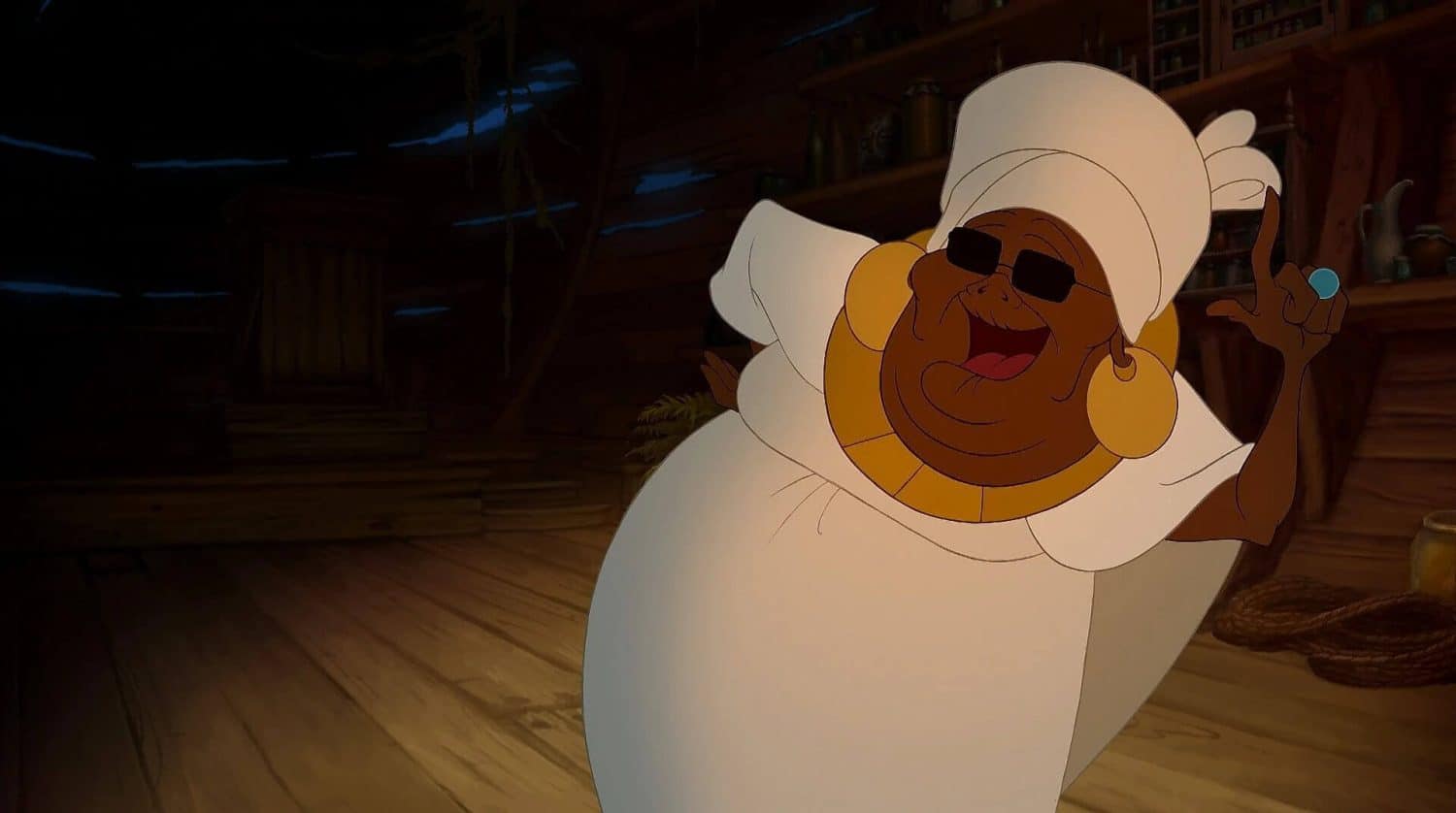
Mama Odie shows how a round design can carry age, wisdom, and power all at once. The blind voodoo priestess of the bayou in The Princess and the Frog is drawn as a small, round, spry elder, and her soft silhouette makes her larger-than-life energy feel warm rather than intimidating. She is proof a rounded build can read as a force of nature.
- Shape language: 8/10 circles (small, round, warm elder)
- Design utility: the soft build offsets her eccentric power, keeping her a guide rather than a threat
- Relatability: she is the wise, no-nonsense grandmother figure
The Sultan (Aladdin)
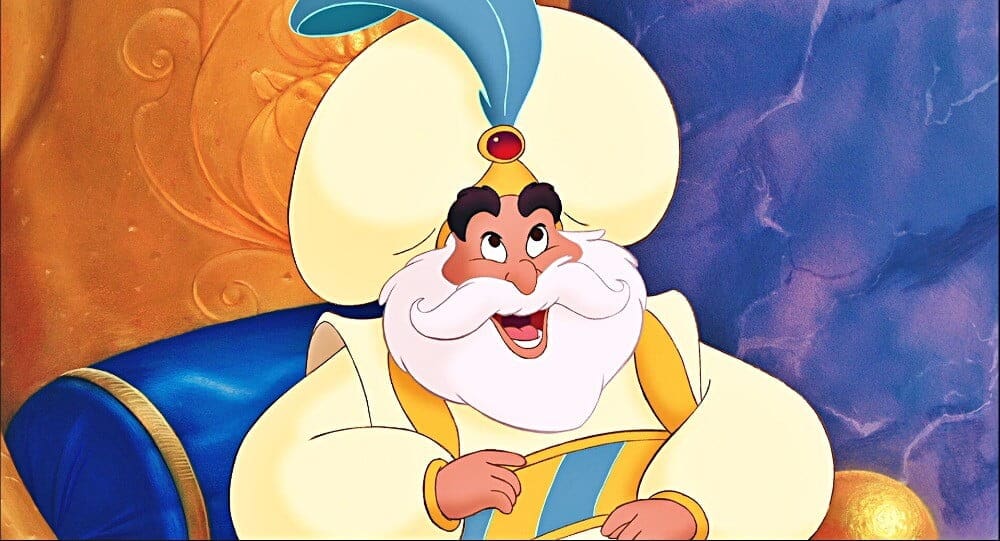
The Sultan is round-equals-harmless in miniature. Jasmine’s father in Aladdin is drawn as a short, plump, roly-poly figure, and that jolly, non-threatening shape tells you instantly he is a soft-hearted ruler, more doting dad than tyrant. His build is the visual promise that he means well, even when he is being manipulated by Jafar.
- Shape language: 9/10 circles (short, round, jolly)
- Design utility: the roly-poly build signals a kind, harmless authority figure
- Relatability: he is the well-meaning parent who is easy to love and easy to fool
Queen of Hearts (Alice in Wonderland)
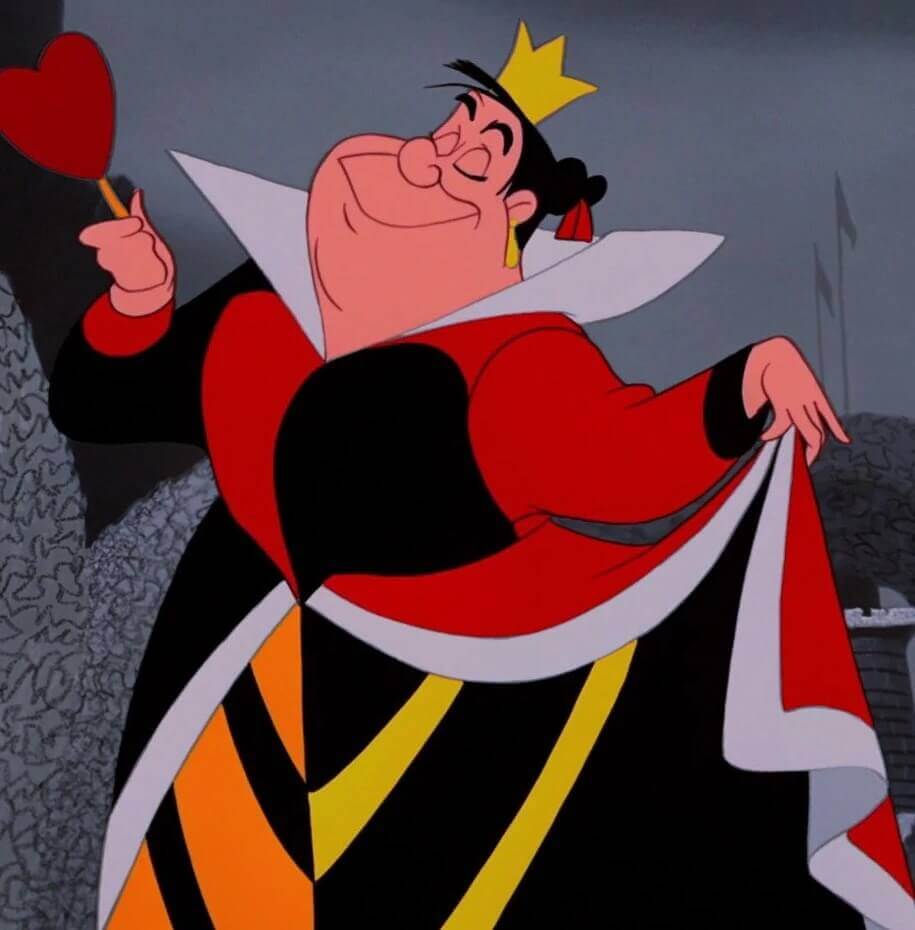
The Queen of Hearts is a study in the imposing round villain. Disney’s 1951 design gives her a large, top-heavy build that lets her physically dominate every scene, a body that fills the frame the way her temper fills the room. The roundness reads as overbearing authority here rather than warmth, a reminder that the same shape can be softened or weaponized depending on intent.
- Shape language: 5/10 circles (round volume, but drawn to loom and dominate)
- Design utility: her size makes her tantrums feel truly threatening to tiny Alice
- Relatability: low by design, she is meant to overwhelm, not endear
Heimlich (A Bug’s Life)
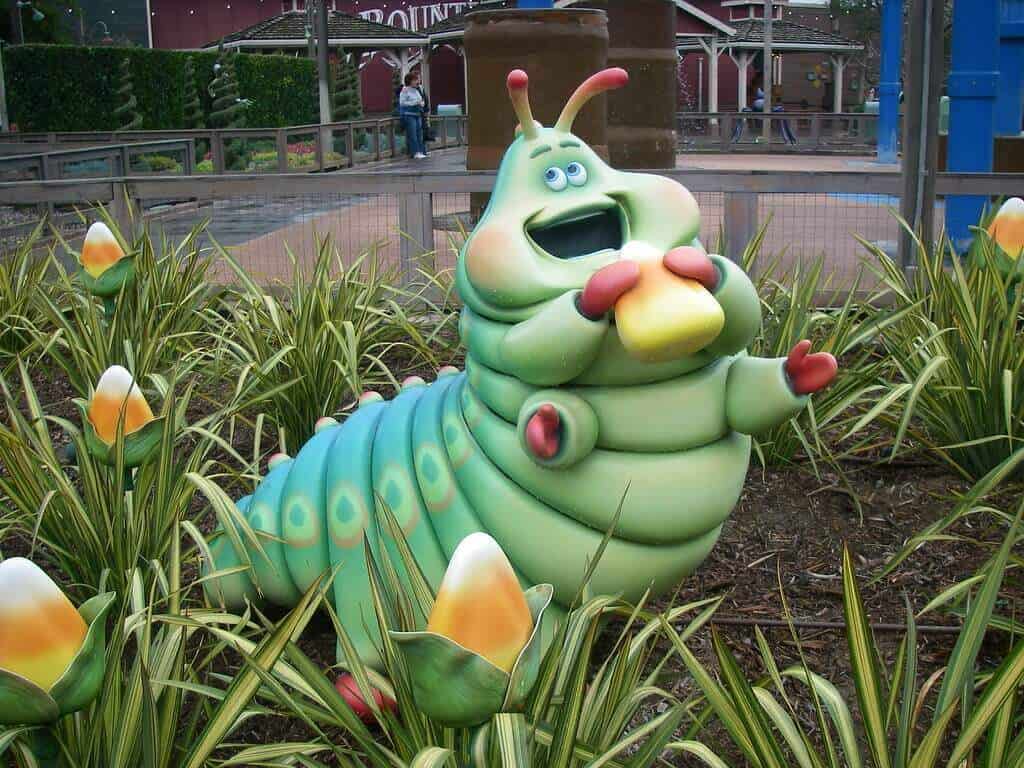
Heimlich turns a round design into a running gag with heart. Pixar’s caterpillar from A Bug’s Life is drawn as a stack of soft green segments, a rotund little bug who dreams of becoming a beautiful butterfly. The joke that he stays exactly the same size when he finally sprouts tiny wings only works because his round, food-loving build is so central to who he is.
- Shape language: 9/10 circles (segmented, round, soft)
- Design utility: the plump body powers both the comedy and the sweetness of his butterfly dream
- Relatability: he is the friend chasing a glow-up who is already lovable as-is
Russell (Up)
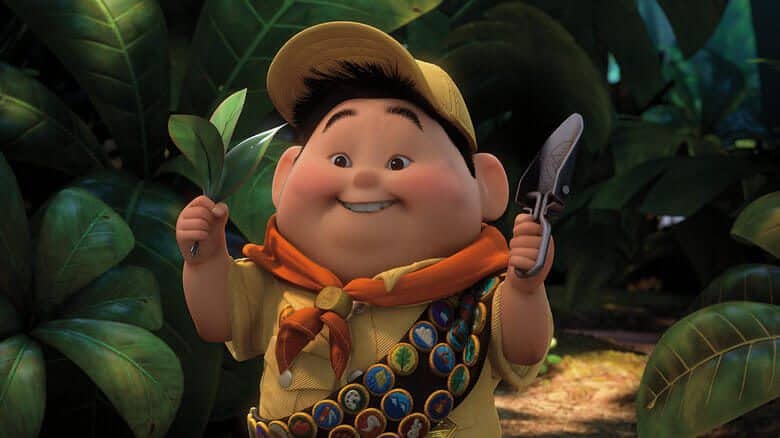
Russell is a great example of round-equals-endearing in a kid design. Pixar draws the young Wilderness Explorer from Up as a soft, round-cheeked bundle of enthusiasm, and that shape makes his relentless energy read as sweet rather than grating. His build is a big part of why the gruff Carl, and the audience, warm to him.
- Shape language: 9/10 circles (round cheeks, soft build, all enthusiasm)
- Design utility: the roundness makes his hyperactive optimism charming instead of annoying
- Relatability: he is the earnest kid who wins you over by trying so hard
Fairy Godmother (Cinderella)
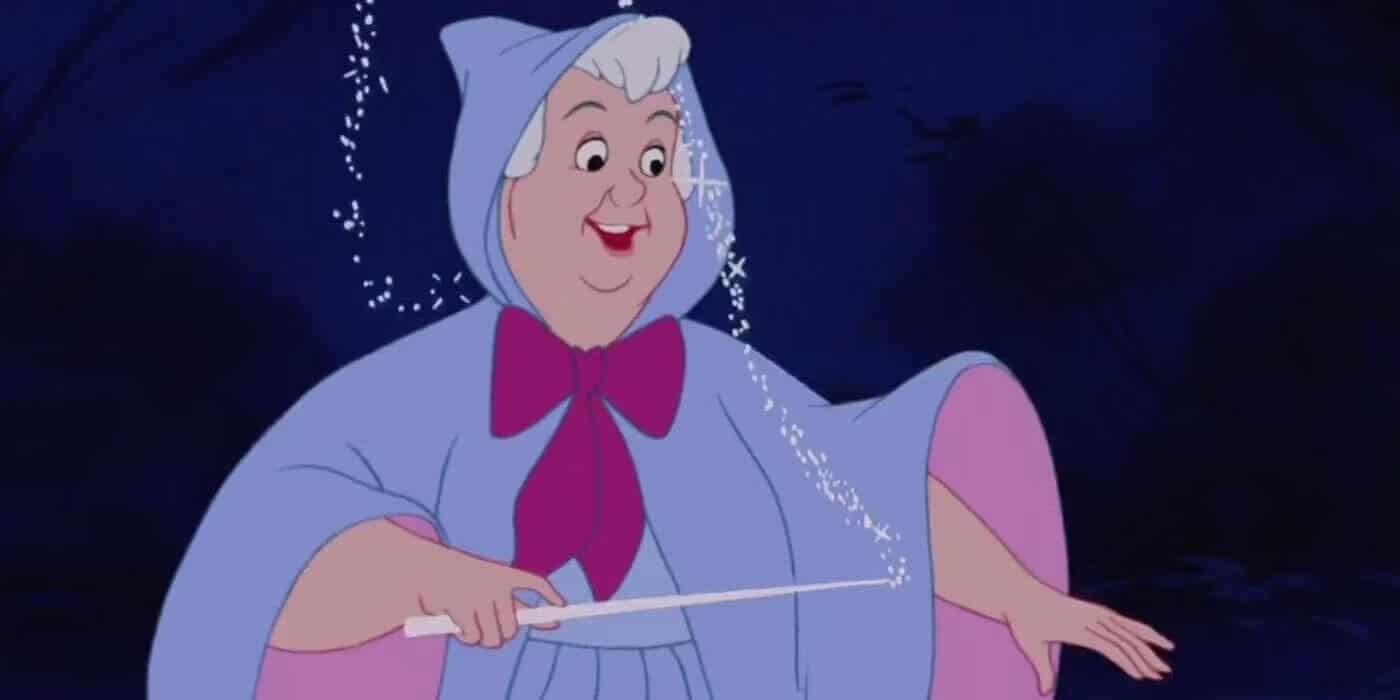
Cinderella’s Fairy Godmother is round-equals-warmth in its most classic Disney form. The 1950 film draws her as a soft, plump, grandmotherly figure, and that gentle roundness is the whole point: she is comfort and hope made visible, the reassuring presence who arrives exactly when Cinderella needs her. Bibbidi-bobbidi-boo lands because she looks like someone who would say it.
- Shape language: 10/10 circles (soft, motherly, warm)
- Design utility: the round build sells her as pure kindness and safety
- Relatability: she is every comforting elder you have wanted in your corner
Cheshire Cat (Alice in Wonderland)
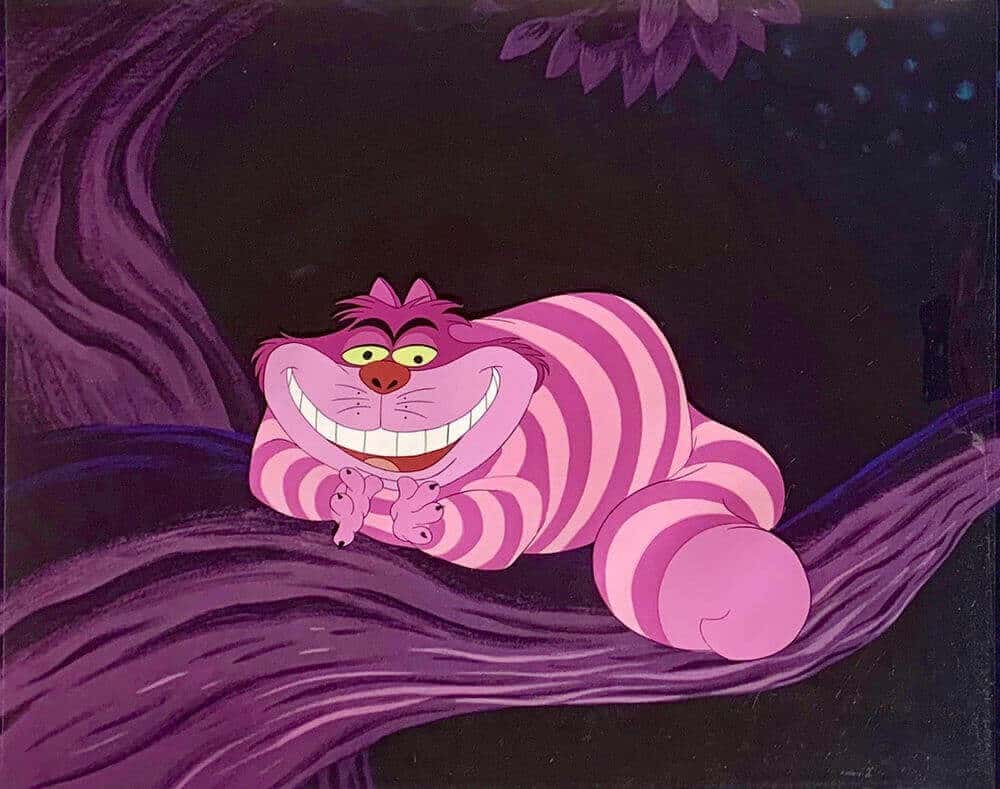
The Cheshire Cat’s plump, rounded body is a big part of his charm. In Disney’s 1951 Alice in Wonderland, his soft, striped bulk paired with that famous crescent grin makes him feel playful and mischievous rather than menacing, even as he messes with Alice’s head. The roundness keeps him lovable while he stays gloriously unpredictable.
- Shape language: 8/10 circles (round body, crescent grin, playful)
- Design utility: the soft build offsets his chaotic mind, so he reads as trickster, not threat
- Relatability: he is the friend who enjoys confusing you a little too much
Officer Clawhauser (Zootopia)
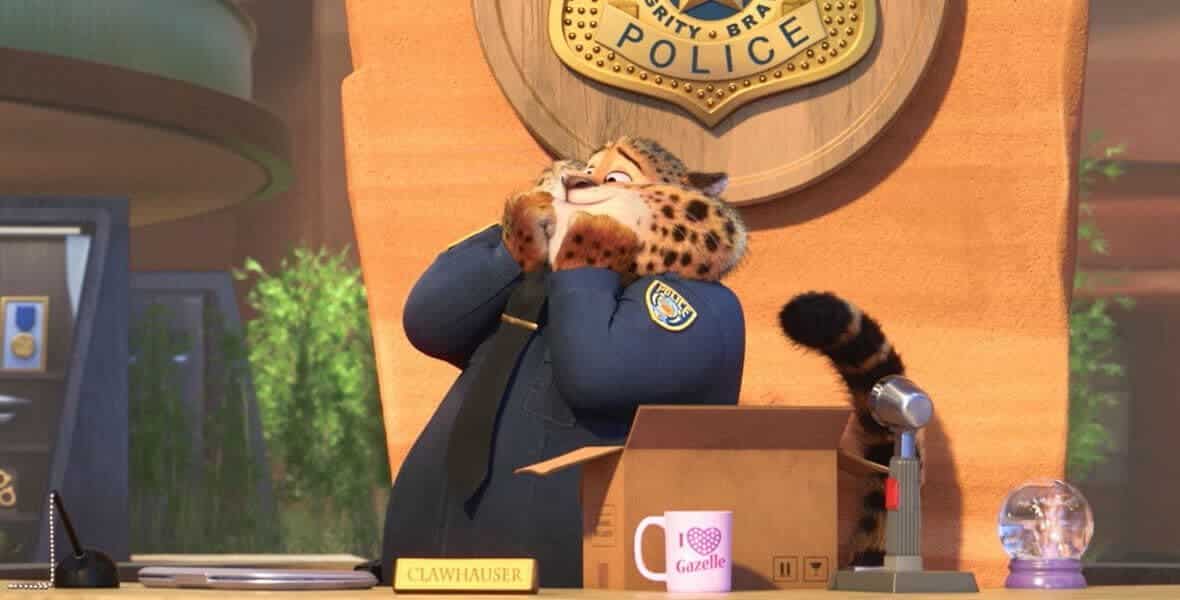
Clawhauser is modern Disney’s sweetest use of a round design. The donut-loving cheetah dispatcher in Zootopia is drawn as a bundle of soft curves, deliberately un-intimidating for a police officer, which is exactly what makes him so warm and disarming. His roundness is pure approachability, the friendly face at the front desk.
- Shape language: 9/10 circles (soft, huggable, cheerful)
- Design utility: the cuddly build subverts the tough-cop expectation and makes him instantly likable
- Relatability: he is the coworker everyone quietly likes
Fat Albert (Fat Albert and the Cosby Kids)
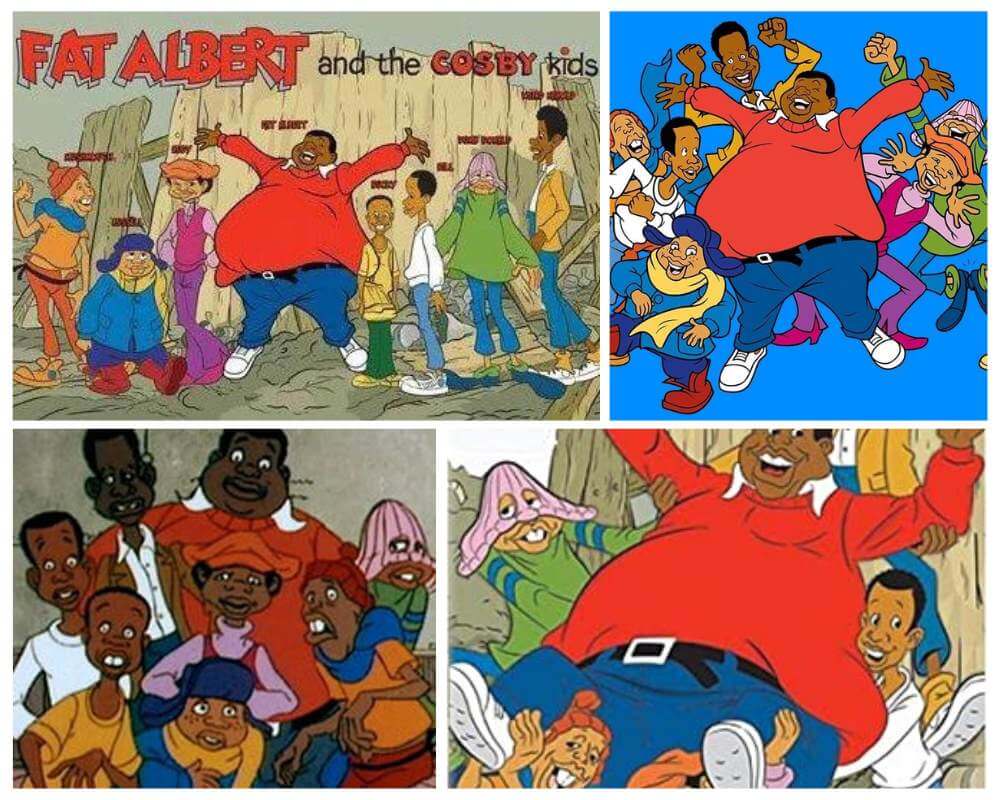
Fat Albert is one of the most beloved fat cartoon characters and an original gentle giant. Created by Bill Cosby for the 1972 Filmation series, this character is drawn as a big, soft, round figure, and the show pointedly makes his size a source of warmth and leadership rather than a punchline. He is the heartbeat of the Junkyard Gang, the biggest kid who is also the kindest, and his design backs that up at every turn.
- Shape language: 9/10 circles (big and soft, a gentle-giant build)
- Design utility: the size makes him the group’s reassuring anchor, physically and morally
- Relatability: he is the friend who looks out for everyone
Wreck-It Ralph
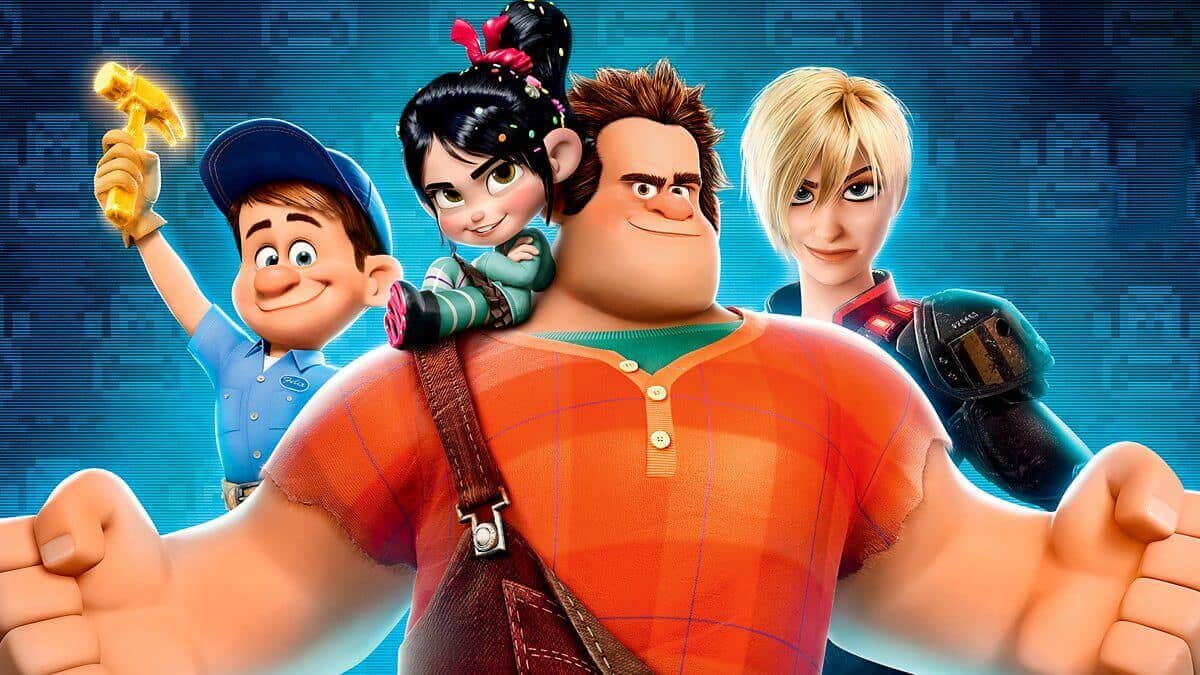
Ralph is the rare entry built on squares, not circles. At roughly nine feet tall and 643 pounds, the Fix-It Felix wrecker is drawn as a blocky wrecking machine, huge hands, heavy shoulders, all rectangles and mass. That squared-off design signals strength and reliability, and his whole arc is about proving the wrecker can be the hero.
- Shape language: 4/10 circles (mostly squares and rectangles, built to signal strength)
- Design utility: the blocky mass makes him look destructive by default, the exact misunderstanding his story fixes
- Relatability: he is the big guy who just wants to be seen as more than his size
Genie (Aladdin)
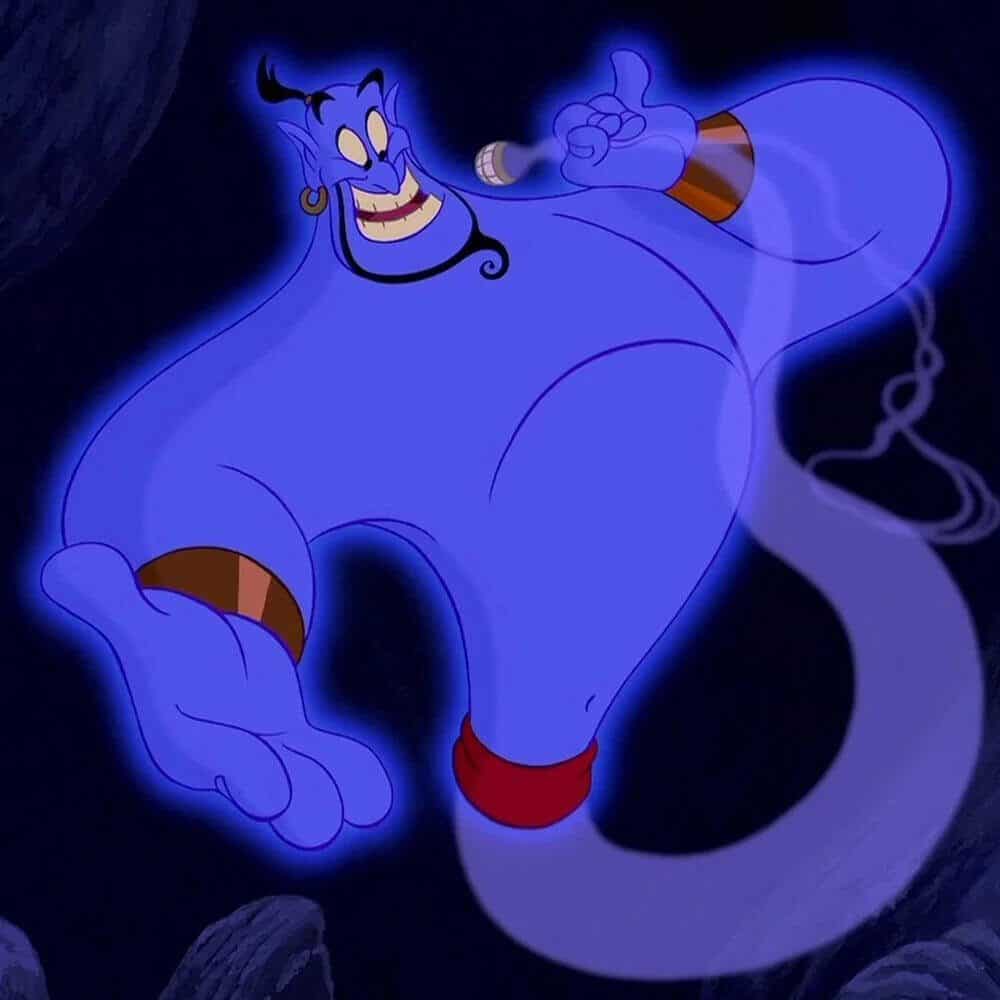
The Genie is a big, boundless silhouette with no fixed form at all, which is the point. Voiced by Robin Williams in Disney’s 1992 Aladdin, he is drawn as a mass of fluid, ever-morphing curves, a larger-than-life spirit whose size matches his phenomenal cosmic power. The rounder and more elastic he is, the more his manic, shape-shifting energy reads as friendly rather than frightening.
- Shape language: 9/10 curves (all fluid, elastic, boundless)
- Design utility: the big rubbery build lets him morph into anything while staying warm and funny
- Relatability: he is joy with no edges
Ursula (The Little Mermaid)
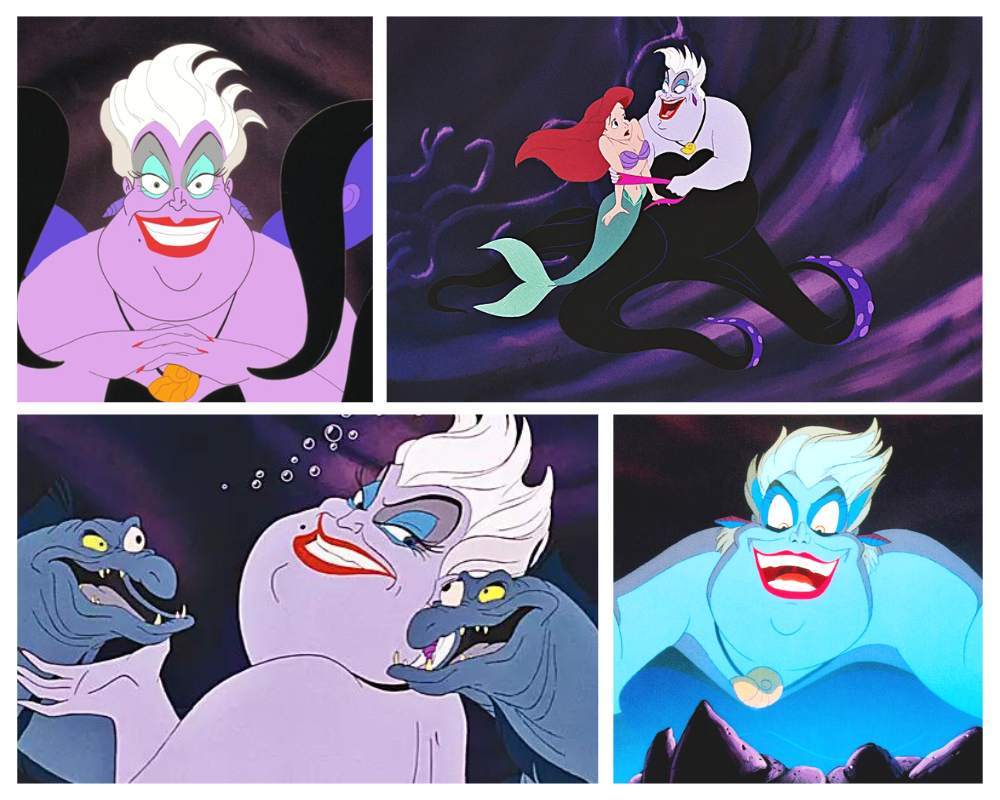
Ursula is the boldest silhouette in the Disney villain canon and one of the most striking fat cartoon characters ever drawn, and it was a deliberate swing. Animator Rob Minkoff famously modeled her on the drag performer Divine, giving her exaggerated curves, a commanding presence, and total ownership of her full figure. The design is a landmark of body diversity in animation, though it also sits inside a long tradition of coding larger characters as villains, a tension worth noticing.
- Shape language: 6/10 circles (round confidence, sharpened with villain accents)
- Design utility: her size reads as power and theatrical command, never weakness
- Relatability: she is confidence made flesh, even as the film casts her as the threat
Pumbaa (The Lion King)
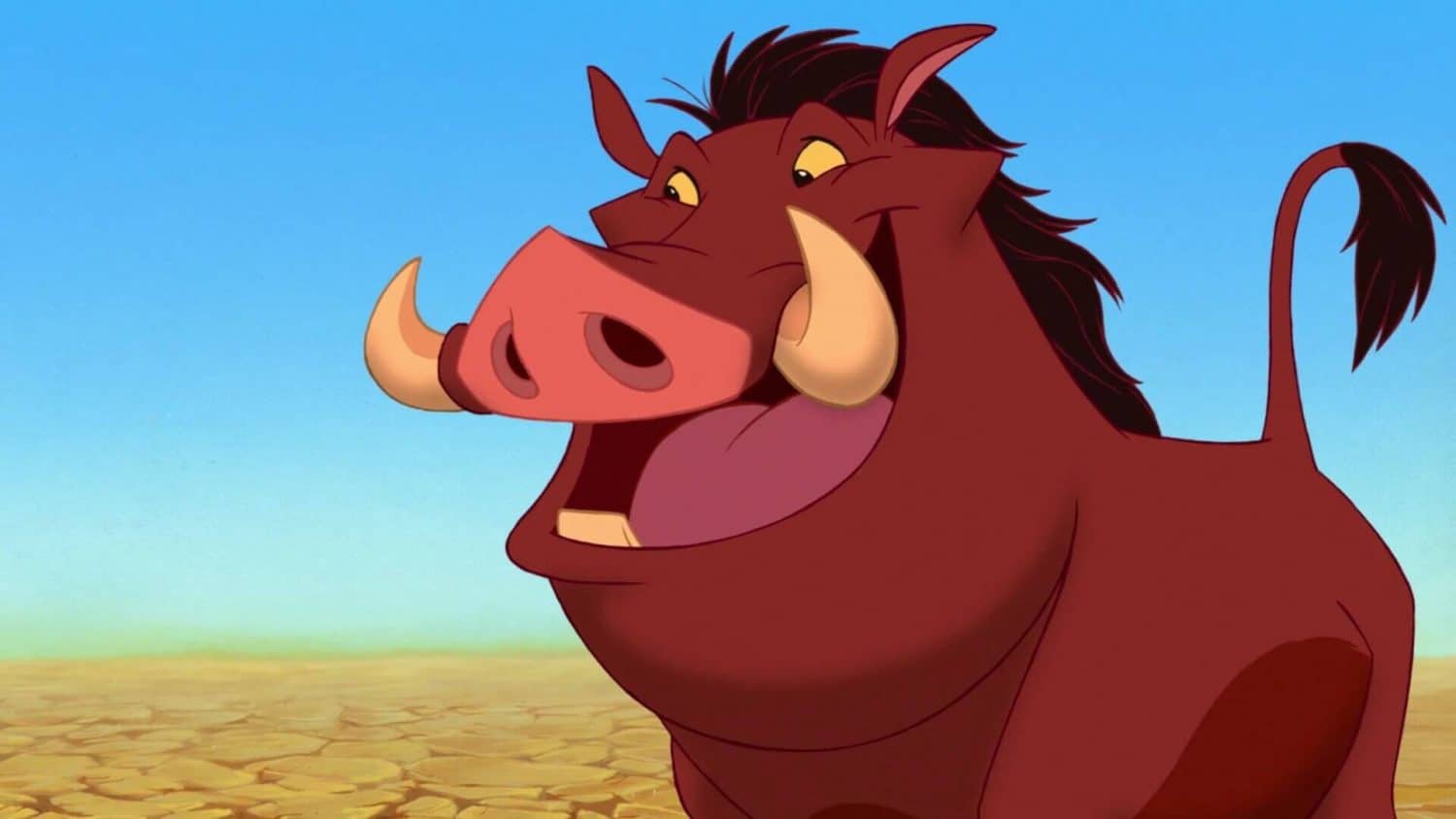
Pumbaa proves a round silhouette can carry both comedy and heart. The Lion King’s warthog is drawn as a series of soft ovals, and that jolly, rotund build makes his Hakuna Matata optimism land, you believe a shape this round has truly let his worries go. His size is the visual anchor of the film’s most relaxed philosophy.
- Shape language: 9/10 circles (ovals on ovals, pure jolly)
- Design utility: the round body makes his sunny nature and comic timing instantly readable
- Relatability: he is the friend who refuses to let anything ruin the vibe
Baloo (The Jungle Book)
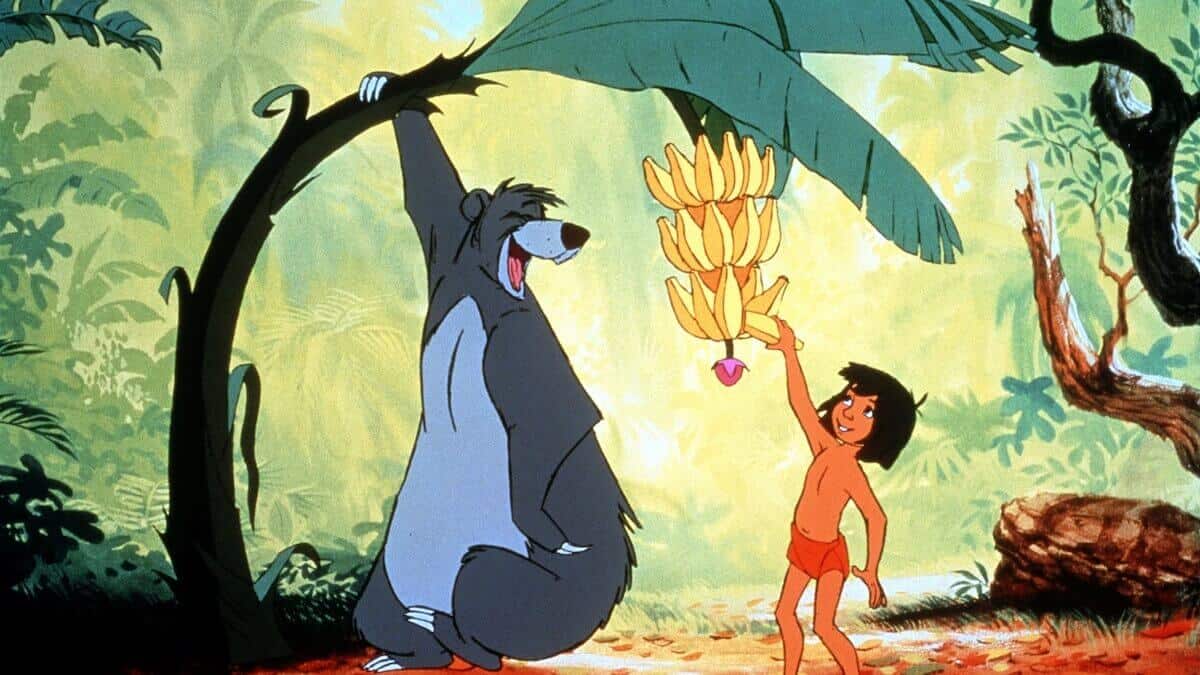
Baloo is the round, easygoing shape language of contentment itself. Disney’s 1967 bear is all soft curves and heavy, relaxed mass, and that build sells his entire Bare Necessities philosophy: a character this round could not possibly be stressed. His size reads as warmth and safety, which is why Mowgli, and the audience, trust him on sight.
- Shape language: 9/10 circles (soft, relaxed, huggable)
- Design utility: the heavy build embodies laid-back comfort and makes him a believable protector
- Relatability: he is the friend who tells you to slow down
Baymax (Big Hero 6)
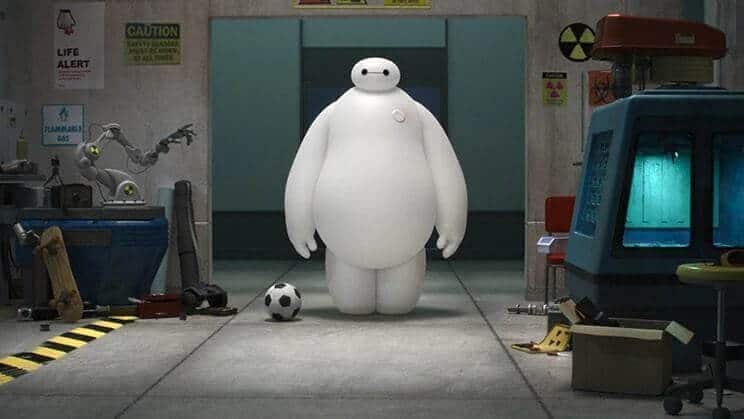
Baymax is the textbook case for round-equals-safe. The healthcare robot from Big Hero 6 is built like an inflatable marshmallow, and every curve is deliberate: a caregiver should look soft, approachable, and huggable, the opposite of a cold metal machine. The word fat here is not a knock, it is the entire source of his charm, an emblem of the warm, nurturing design that defines him.
- Shape language: 10/10 circles (the benchmark, ultimate safety)
- Design utility: the inflatable vinyl body turns a robot into a walking pillow you want to hug
- Relatability: pure comfort, he is built to make you feel cared for
Peter Griffin (Family Guy)
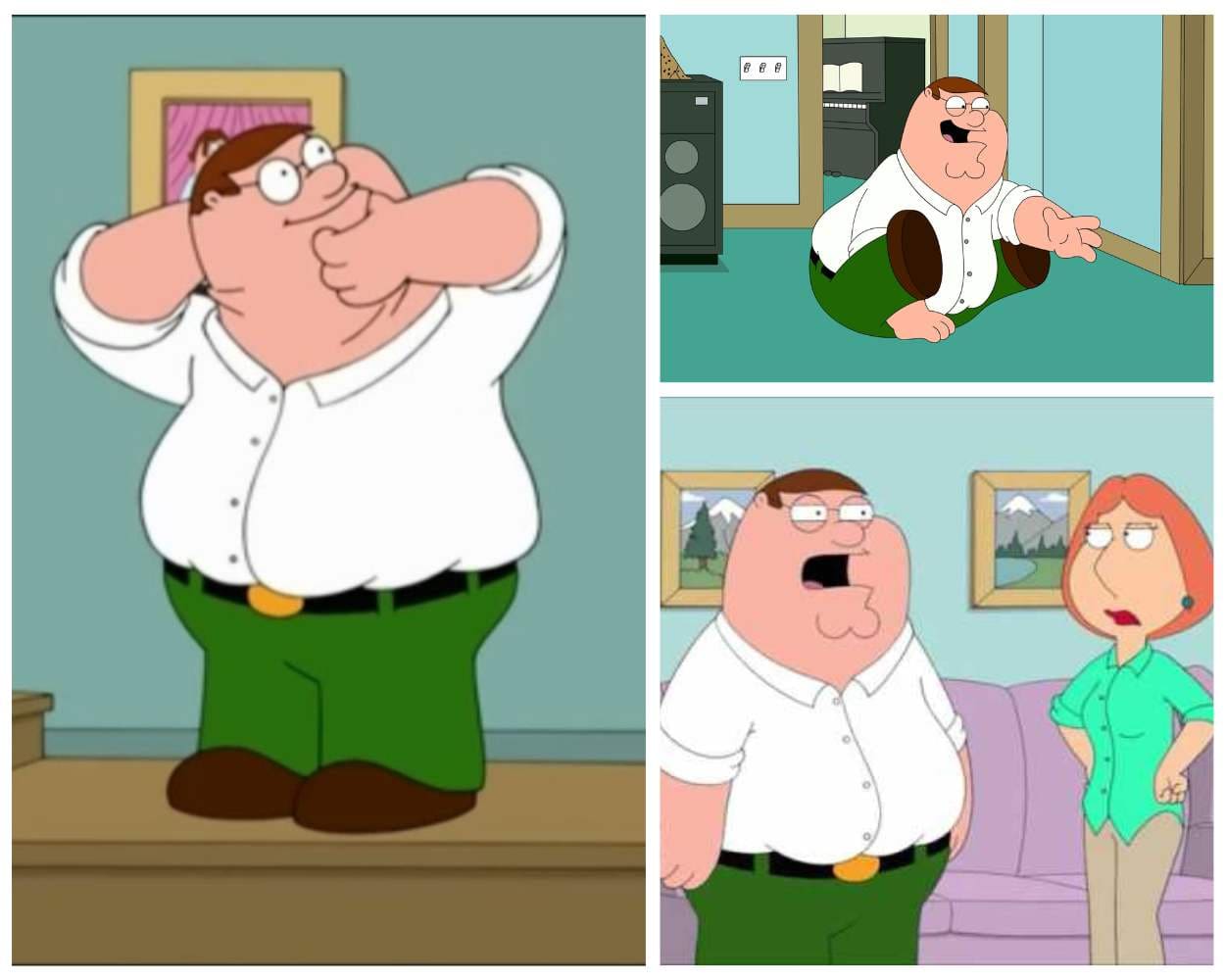
Peter Griffin’s design is a masterclass in the bumbling-everyman archetype. His rounded, non-threatening silhouette, all belly and round chin, makes his absurd, high-stakes chaos feel grounded and relatable rather than villainous. Peter’s size is not a detail, it is the character, a walking celebration of a rules-do-not-apply-to-me lifestyle.
- Shape language: 8/10 circles (round belly and chin, the harmless chaos agent)
- Design utility: the everyman roundness lets him do outrageous things while still reading as a regular guy
- Relatability: he is the unfiltered id of the suburban dad
Garfield
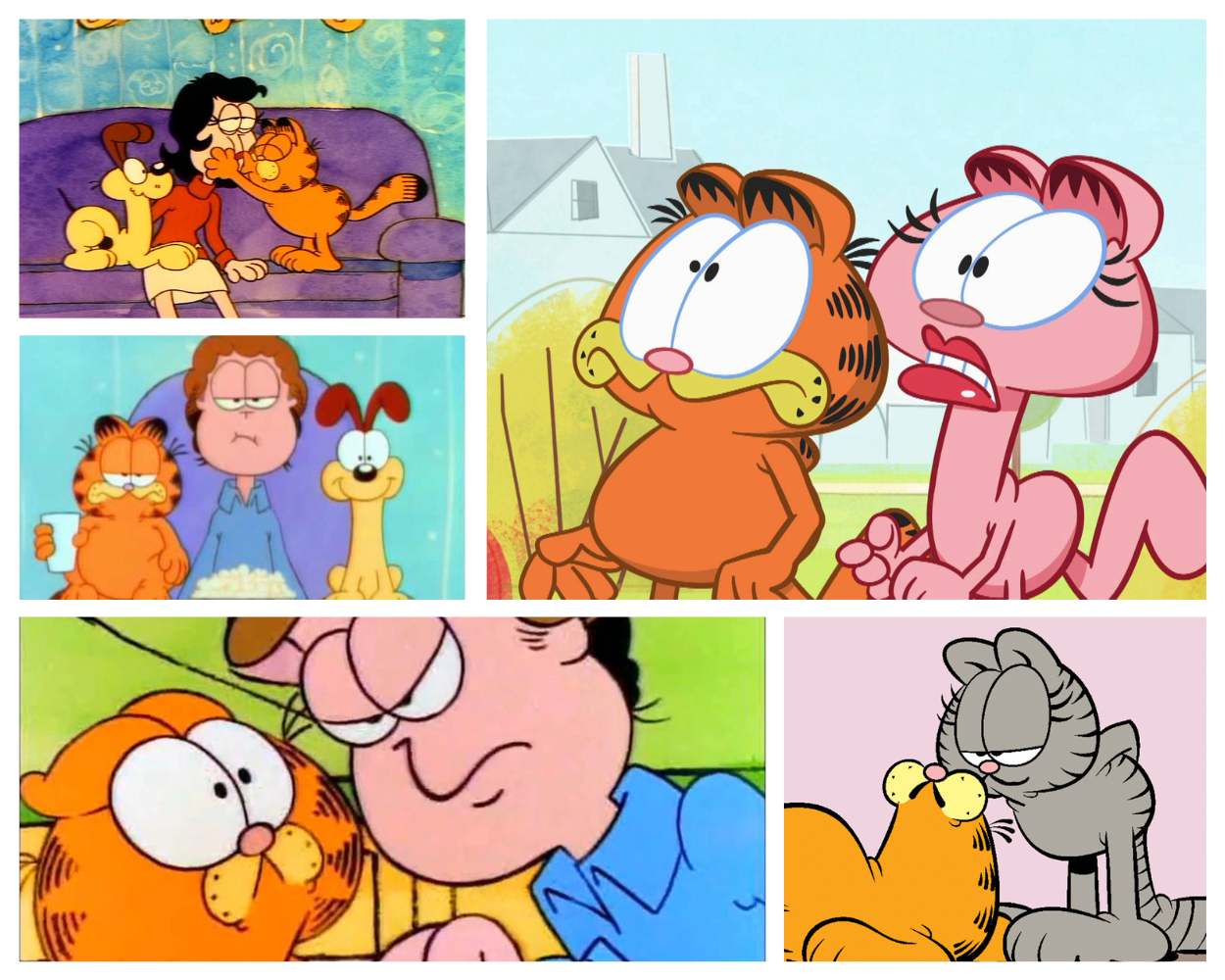
Garfield is a masterclass in the heavy, grounded silhouette. Jim Davis draws him as a low, wide oval, and that squat, weighty build is the visual shorthand for his whole personality: immovable, unbothered, and devoted to lasagna and naps. His mass is not an accident, it is the joke, a cat too comfortable to move.
- Shape language: 7/10 circles (rounded but low and heavy, a lazy oval)
- Design utility: the weight reads as stubborn comfort, he physically looks like he refuses to get up
- Relatability: he is everyone’s inner Monday
Winnie the Pooh
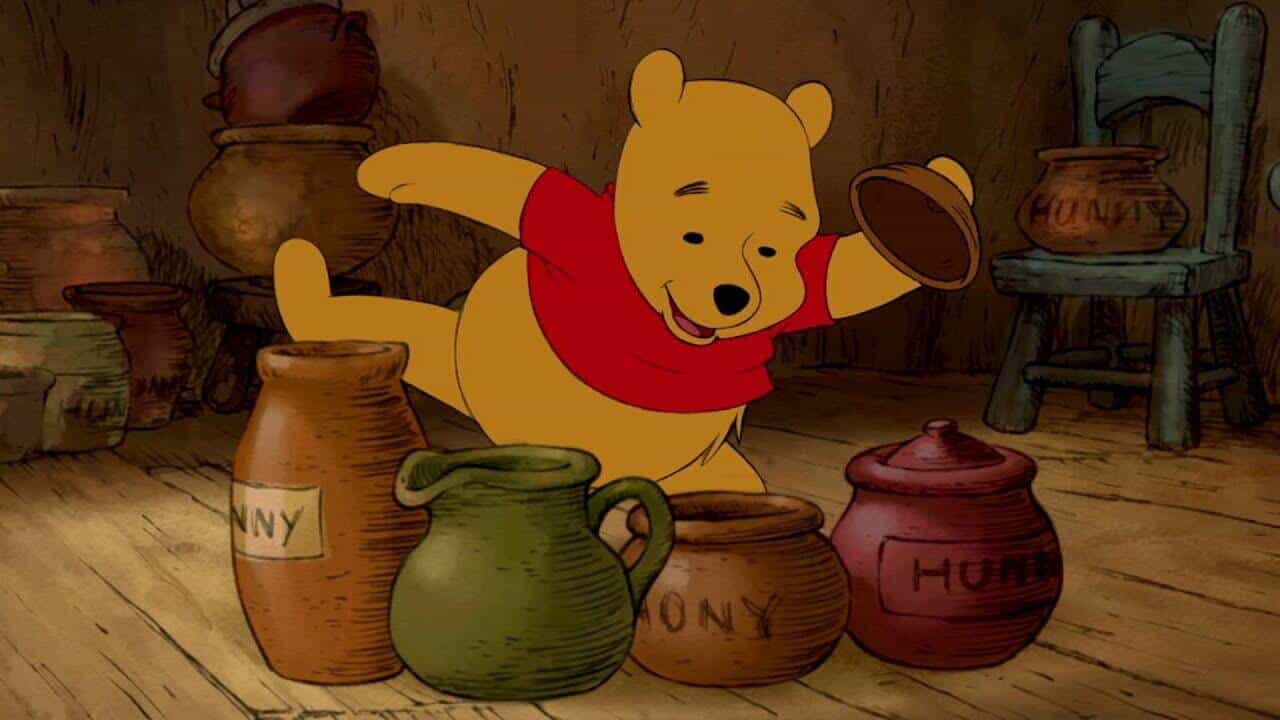
Pooh is shape language in its purest form: an almost perfect circle of a bear who exists to be hugged. A. A. Milne’s honey-loving cub is soft, round, and gentle by design, and that roundness signals comfort, patience, and a total absence of threat. He is proof that the coziest characters in fiction are often the roundest.
- Shape language: 10/10 circles (a walking hug)
- Design utility: the softness sells him as a comfort object, a plush bear you want to hold
- Relatability: he is childhood warmth given a shape
Homer Simpson (The Simpsons)
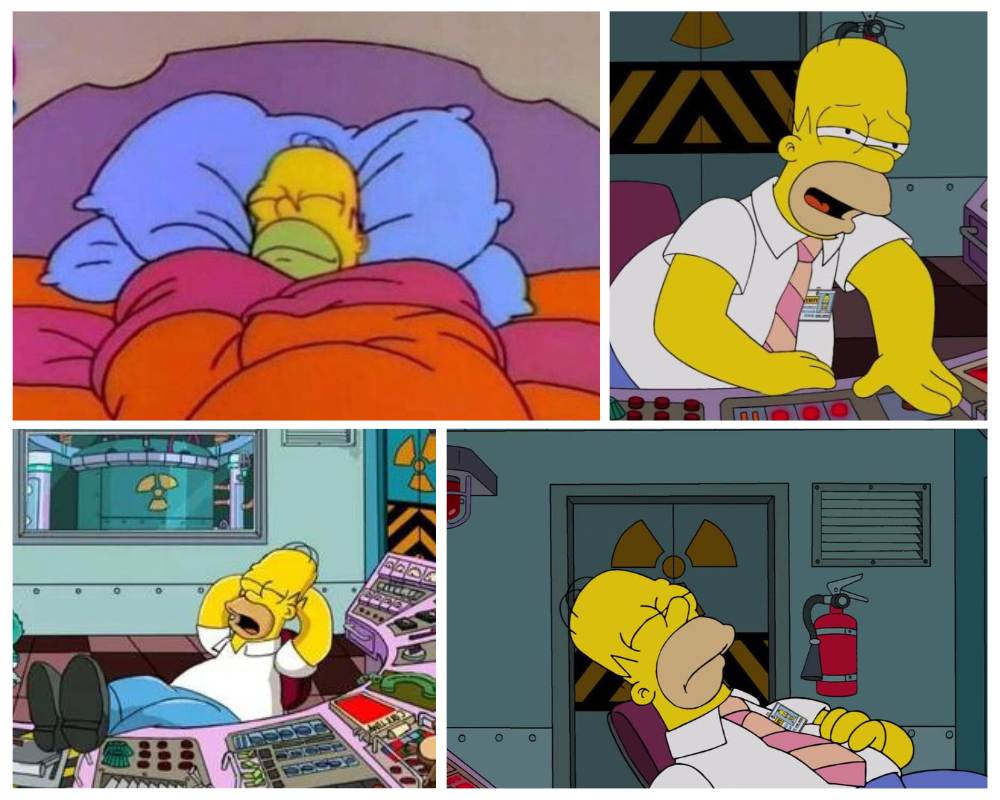
Homer is the most famous fat cartoon character on the planet, and his design is doing quiet work. That round belly and bald, egg-shaped head make him read as a soft, harmless everyman, which is exactly why his chaos plays as comedy instead of menace. You are never afraid of Homer, you are laughing with him, and the shape language is half the reason.
- Shape language: 8/10 circles (round belly and egg head, the harmless everyman)
- Design utility: the soft silhouette keeps his laziness and blunders lovable instead of off-putting
- Relatability: total, he is the exhausted, snack-loving dad in all of us
Fat Cartoon Characters: Quick Answers
Who is the most famous fat cartoon character? Homer Simpson is the most globally recognized, with Winnie the Pooh, Garfield, and Peter Griffin close behind.
Who are some famous fat female cartoon characters? Ursula, the Queen of Hearts, Cinderella’s Fairy Godmother, and Mama Odie are among the most iconic fat female cartoon characters in animation.
Who is the most famous fat Black cartoon character? Fat Albert, the title character of the 1972 series, is the classic answer, with The Princess and the Frog’s Mama Odie a more recent one.
Why do animators make characters round? In character design, round shapes signal warmth, safety, and approachability, so animators use them to make a character feel huggable and non-threatening, from Baymax to Winnie the Pooh.
The through-line across all these fat cartoon characters is simple: size is a storytelling tool, not a shortcut.
The strongest of these designs use roundness for warmth, blockiness for strength, and the occasional sharp edge for menace, which is why we remember them.
Who is your favorite of these fat cartoon characters? Let me know in the comments.