
Anime and Western cartoons can feel like separate worlds, but the line between them is blurrier than you would think.
For decades, Western animators have borrowed anime’s big expressive eyes, its sweeping action, its serialized storytelling, and its willingness to get emotional.
Some cartoons influenced by anime wear it quietly. Others practically shout it.
Cartoon Network deserves a lot of the credit here, both airing anime and greenlighting a wave of anime-flavored originals.
From quiet homages to shows that basically are anime, these are the ones where the Japanese fingerprints run deepest.
The Best Cartoons Influenced by Anime, Ranked
Across these cartoons influenced by anime, the borrowing ranges from a single transformation to a whole show Japan later turned into actual anime.
Hi Hi Puffy AmiYumi
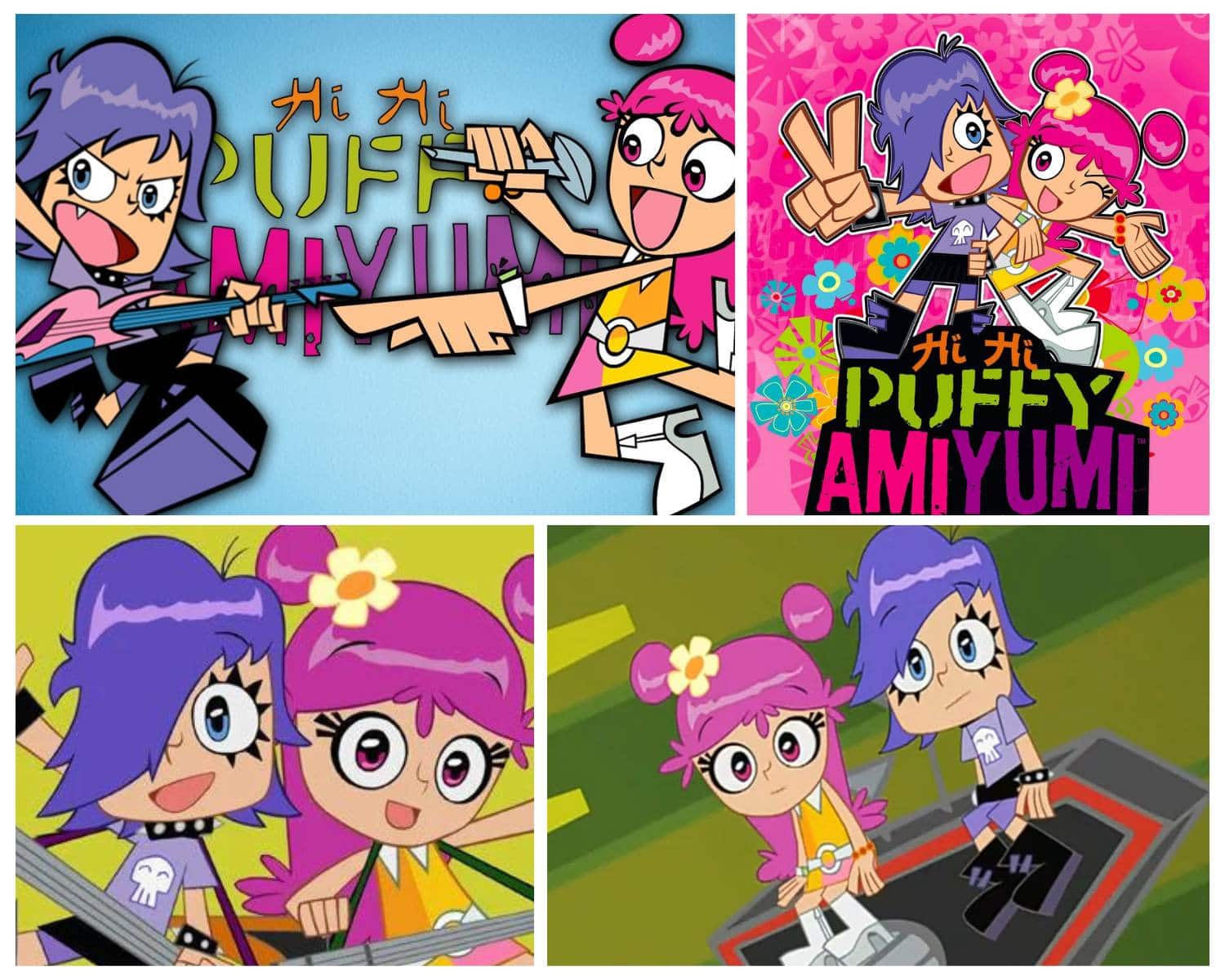
Built around the real-life J-pop duo Puffy AmiYumi, this Cartoon Network original looks the part at every turn. Big eyes, wide mouths, vivid hair, and oversized reactions make it read like an anime at a glance. It is style-first fun, and that anime coat of paint is the whole appeal.
- Anime-style art and exaggerated, rapid-fire comedy
- Based on a real Japanese pop duo
- The same duo that recorded the Teen Titans theme song
Winx Club
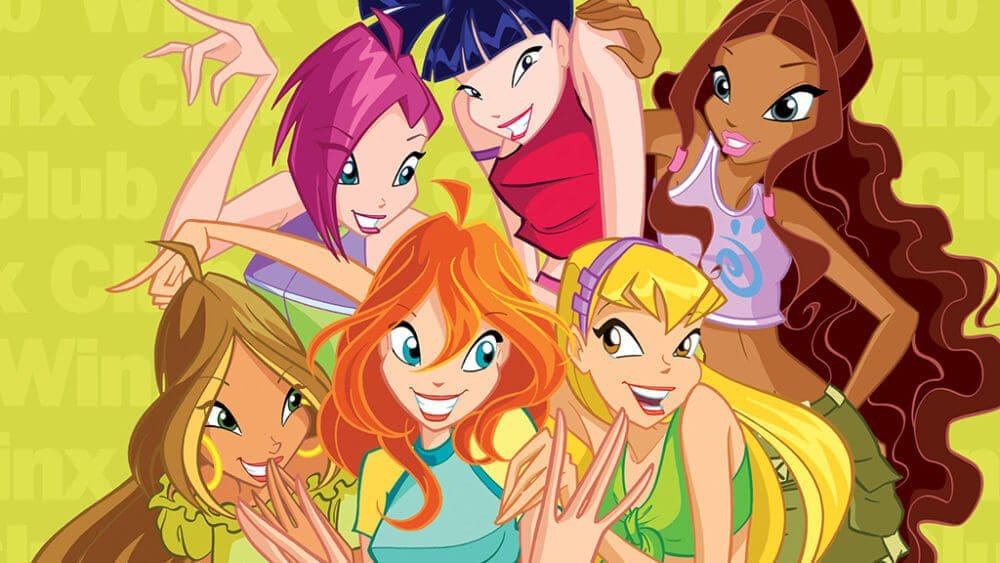
Winx Club is constantly mistaken for anime, and it is easy to see why, even though it is an Italian creation. Its magical-girl premise and sparkly transformations echo Japanese shows, filtered through early-2000s European pop. The result is a fascinating middle ground between Sailor Moon and a Y2K fashion magazine.
- Fairies attending a magical boarding school
- Magical-girl transformations and a sprawling fantasy universe
- Character looks modeled on early-2000s pop stars
Ultimate Spider-Man
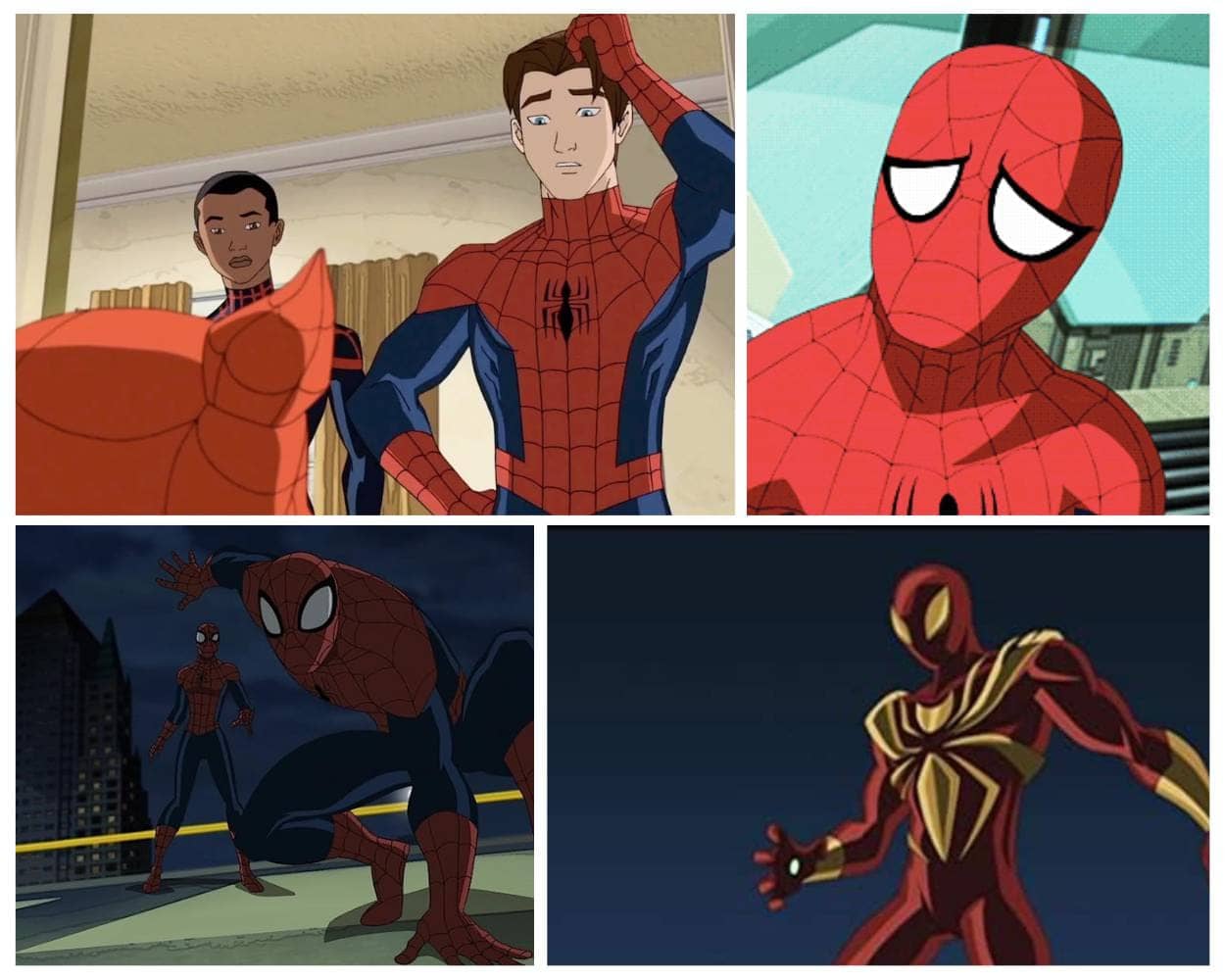
Ultimate Spider-Man leaned lighter and goofier than earlier Spidey cartoons, and a lot of that energy is pure anime. Characters constantly pop into chibi form for jokes, and reactions blow up big and wide-eyed. It is not deep anime DNA, but it is anime comedy through and through.
- A younger Spider-Man learning the ropes alongside other heroes
- Frequent chibi cutaways lifted straight from anime
- Fourth-wall breaks and dramatic, exaggerated reactions
ThunderCats
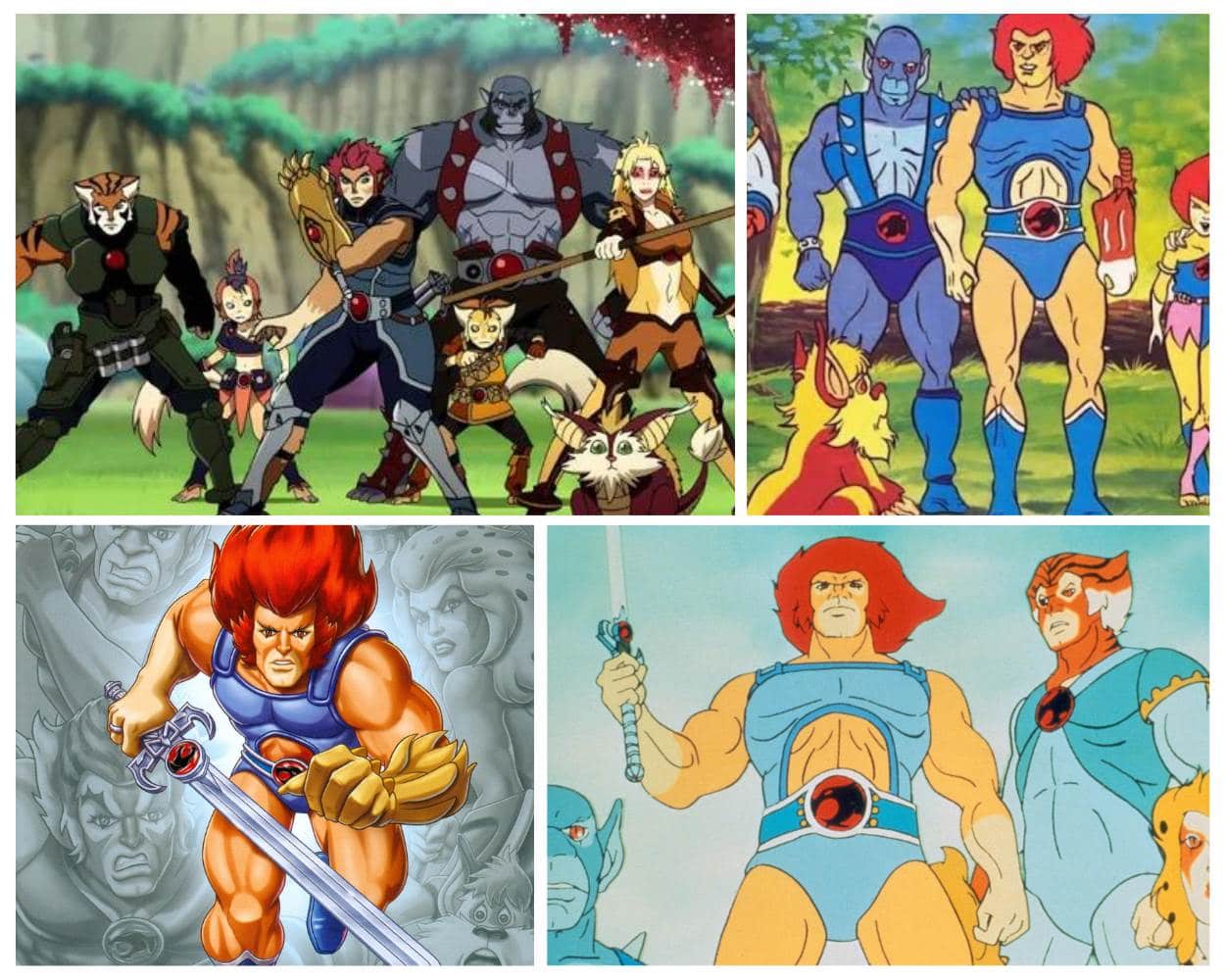
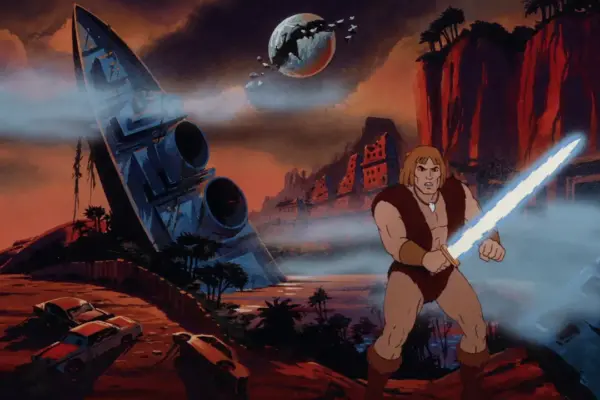
Catch ThunderCats back in 1985 and you might have sworn it was a polished anime import. Then the Rankin-Bass credit rolls, the studio better known for cozy holiday specials. The secret is that the animation itself was made in Japan.
- A band of cat warriors fighting to survive on a strange world
- An anime look that runs deeper than surface style
- Written and voiced in America, with the action left intact
Voltron: Legendary Defender
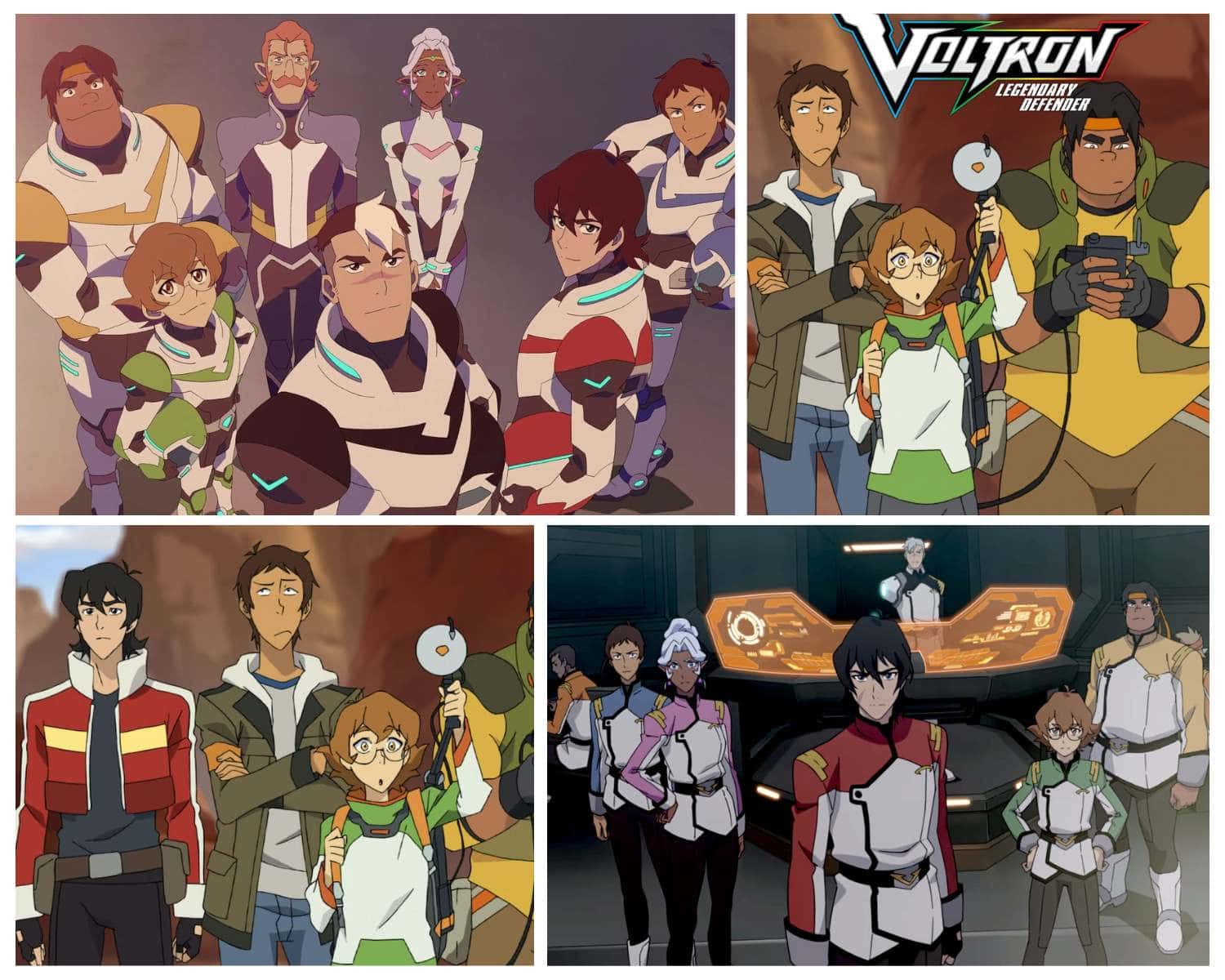
Voltron has anime in its blood, because it literally began as one. The 2016 reboot revives the 1984 series, which was itself stitched together from a Japanese mecha anime. This version simply embraces the DNA that was always there.
- Five pilots and their lion robots forming one giant defender
- Epic mecha battles and serialized team drama
- A reboot that leans hard into its anime origins
RWBY
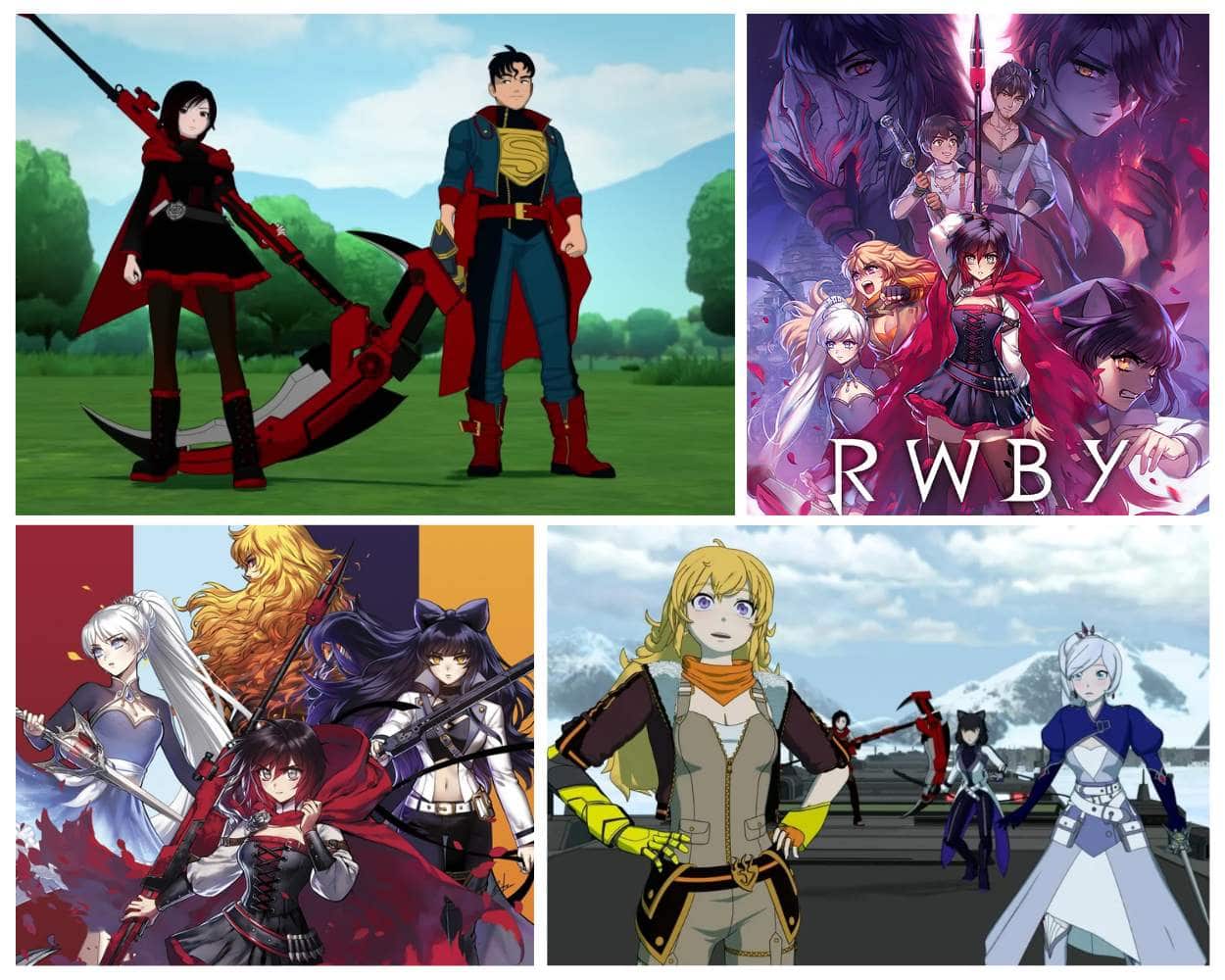
RWBY is the show most guaranteed to start the anime versus cartoon debate. Made in the US by Rooster Teeth, its art, fight choreography, and serialized plotting are so anime that the anime community adopted it outright. It is the clearest proof that the line has all but dissolved.
- Four huntresses in a world of monsters and Dust-powered weapons
- Anime-style action and long-form storytelling
- A true blurring of the cartoon and anime line
Star vs. the Forces of Evil

Grow up on magical girl anime and Star vs. the Forces of Evil will feel instantly familiar. A wand-wielding princess, monster-of-the-week battles, and big transformation moments come straight from that genre. Layer sharp Western comedy on top and you get one of the best modern fusions on this list.
- A magical princess from another dimension stuck in suburban Earth
- Wand, spells, and transformations pulled from magical-girl tradition
- A real blend of Sailor Moon and American comedy
She-Ra and the Princesses of Power
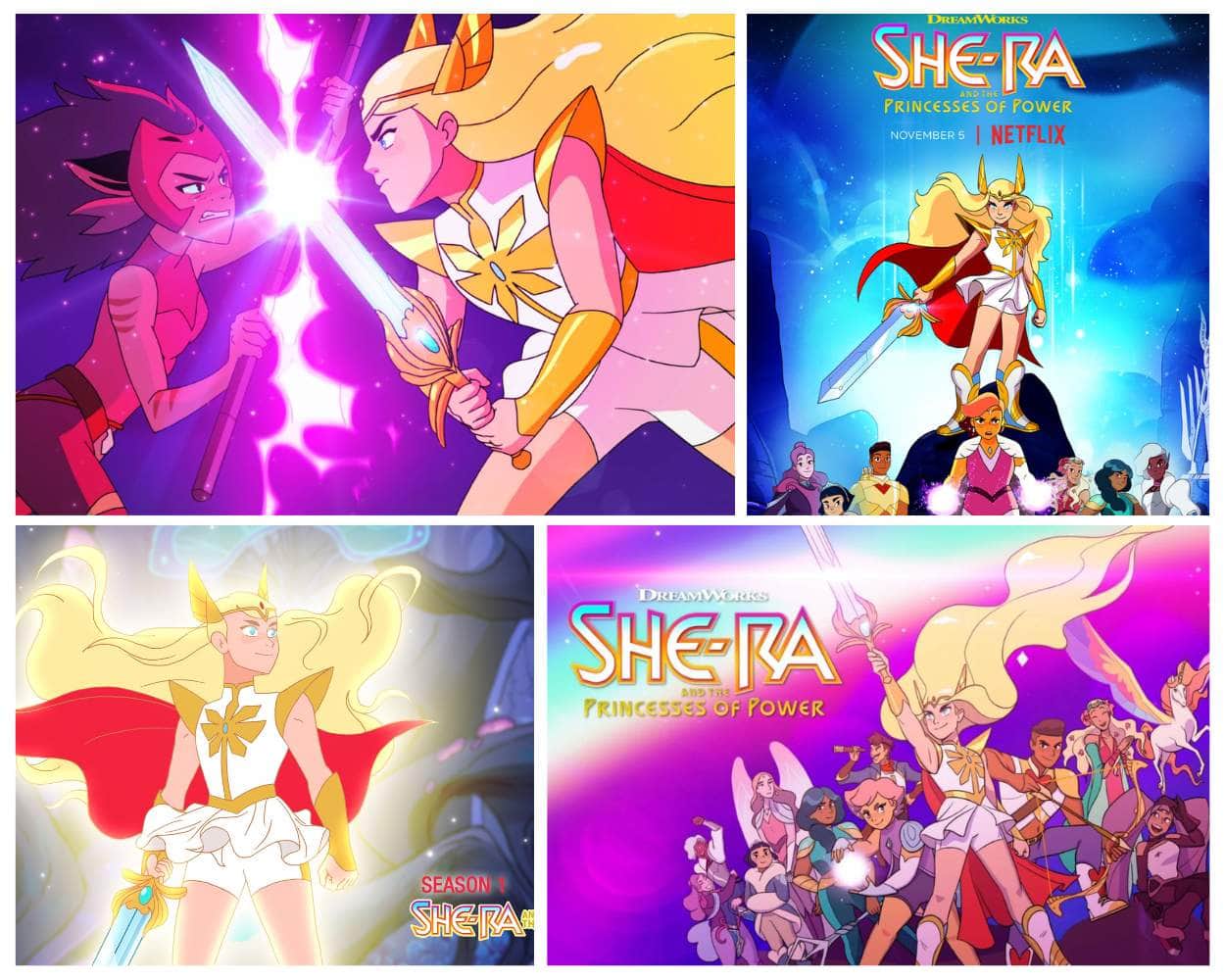
The She-Ra reboot filters an 80s property through an unmistakably anime lens. Bright palettes, big transformations, and a serialized arc give it the rhythm of a magical-girl series. It is one of the modern cartoons influenced by anime that wears its roots with the most pride.
- A modern retelling of the classic He-Man spinoff
- Magical-girl transformations and tight team dynamics
- Serialized storytelling over episodic resets
The Boondocks
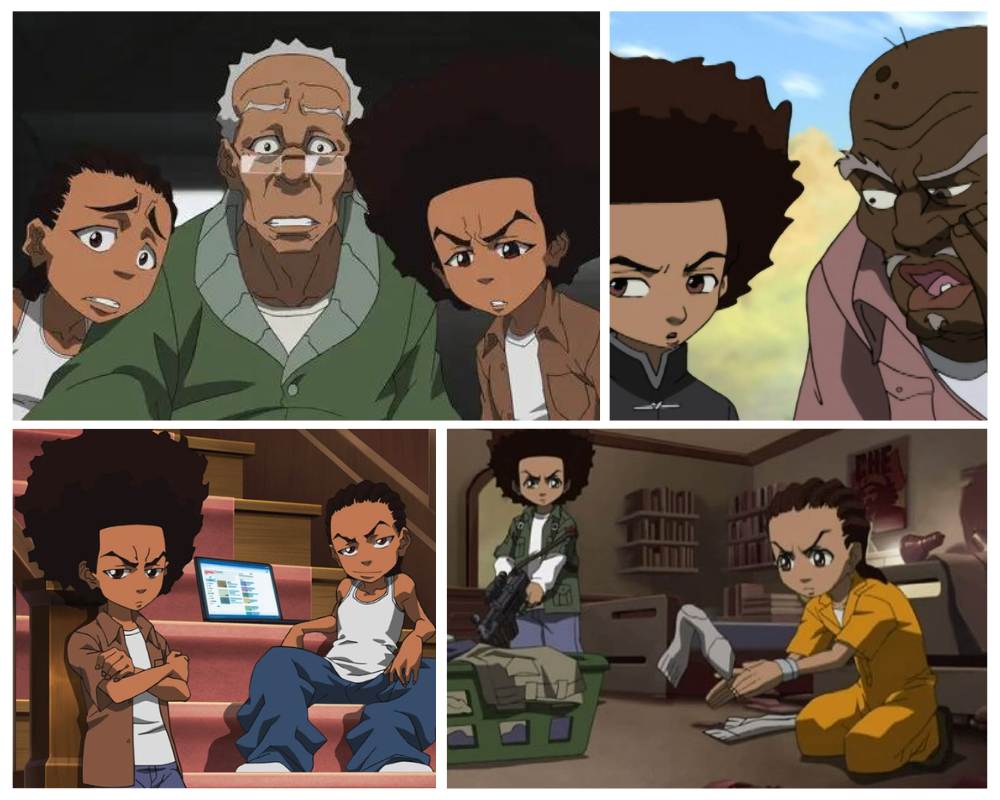
The Boondocks blends razor-sharp social satire with some of the most anime-faithful action ever made for Western TV. The fluid fight choreography comes directly from Cowboy Bebop and Samurai Champloo. Few shows commit to the aesthetic this hard while saying this much.
- Biting satire about a Black family in a mostly white suburb
- Martial-arts fights animated in full anime style
- Built from a comic strip its creator drew with manga in mind
Big Hero 6

Big Hero 6 went from obscure Marvel comic to Disney’s first animated Marvel film to a TV series, picking up anime flavor at every step. The setting says it all: a mashup city called San Fransokyo, equal parts San Francisco and Tokyo. It is Disney warmth with a Japanese soul.
- A boy genius and his marshmallow-soft healthcare robot, Baymax
- Set in San Fransokyo, a literal East-meets-West city
- Chibi-style designs and anime-flavored action beats
Kim Possible
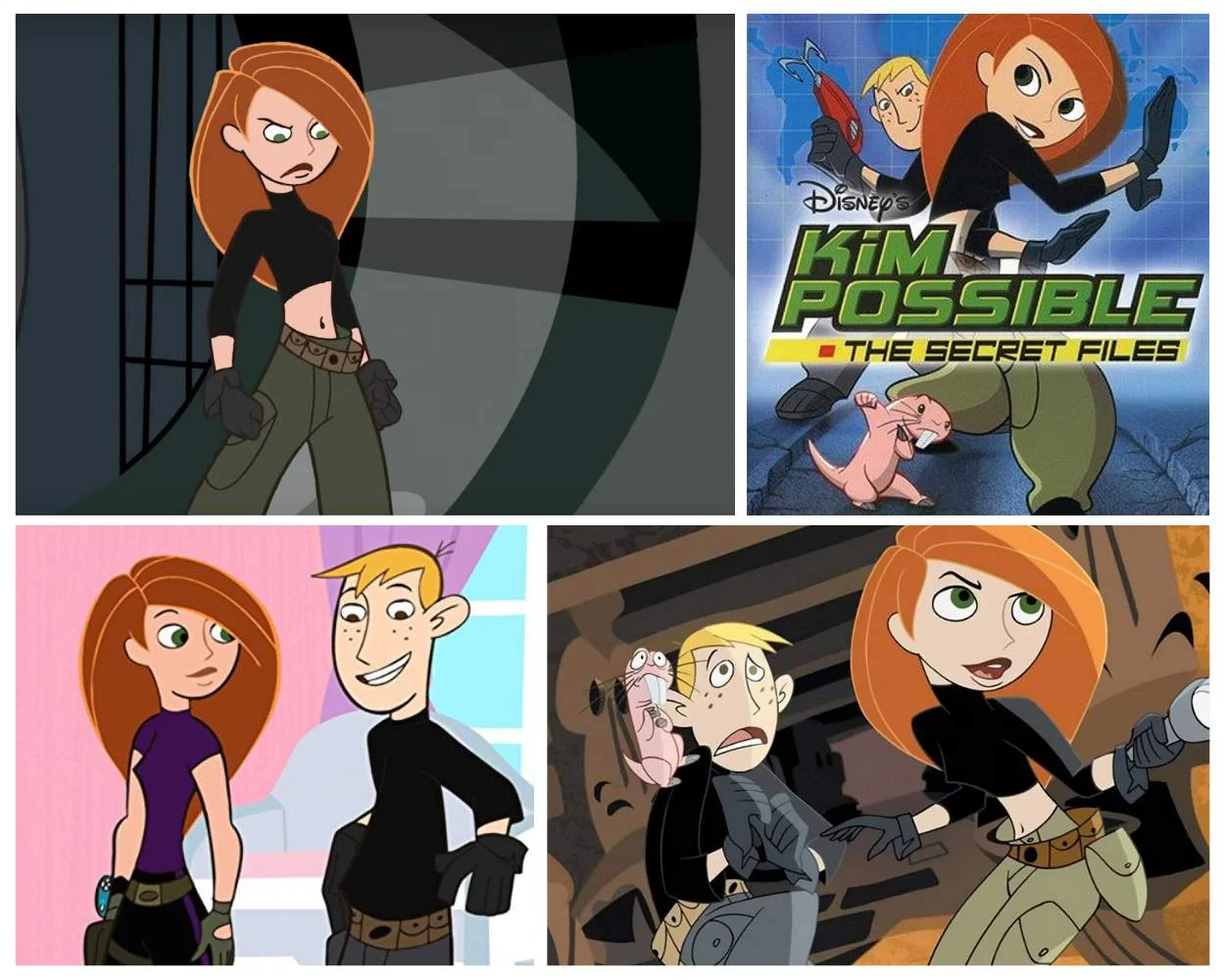
Kim Possible pairs American high-school comedy with action that owes a real debt to anime. The over-the-top fights, dramatic poses, and expressive faces all lean East. It made spy-fi feel snappy and stylish, one of the early cartoons influenced by anime to pull it off.
- A cheerleader who moonlights as a teen super-spy
- Exaggerated action sequences with anime timing
- Expressive, cartoon-meets-anime character acting
Danny Phantom
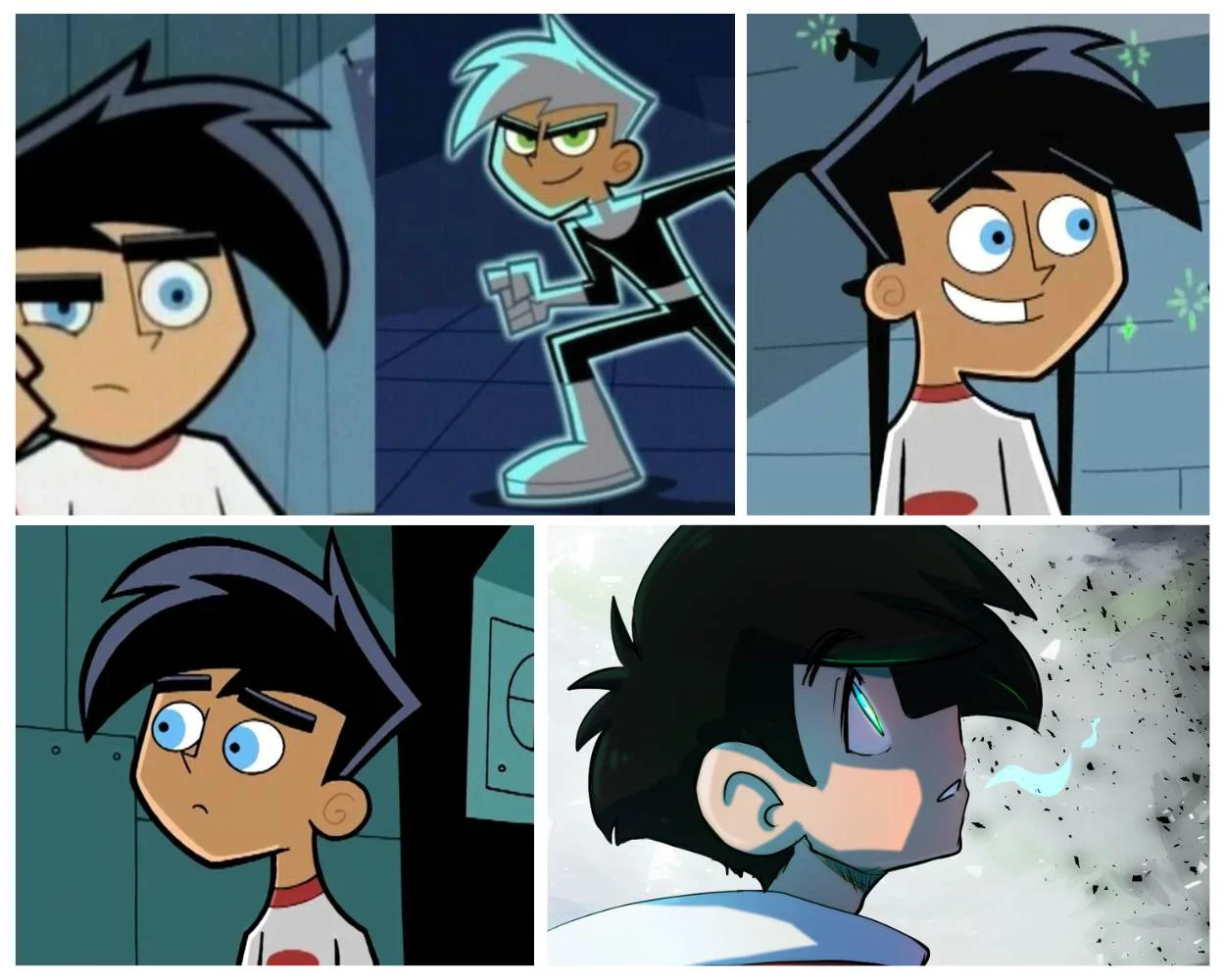
Danny Phantom is a Western teen show at heart, but its central hook is pure anime. The moment Danny shifts into his glowing ghost form plays exactly like a magical-girl or shonen transformation. That one device gives the whole series its anime pulse.
- A teenager who becomes a half-ghost superhero after a lab accident
- Transformation sequences straight out of the anime playbook
- Action and powers with a clear anime tilt
Samurai Jack
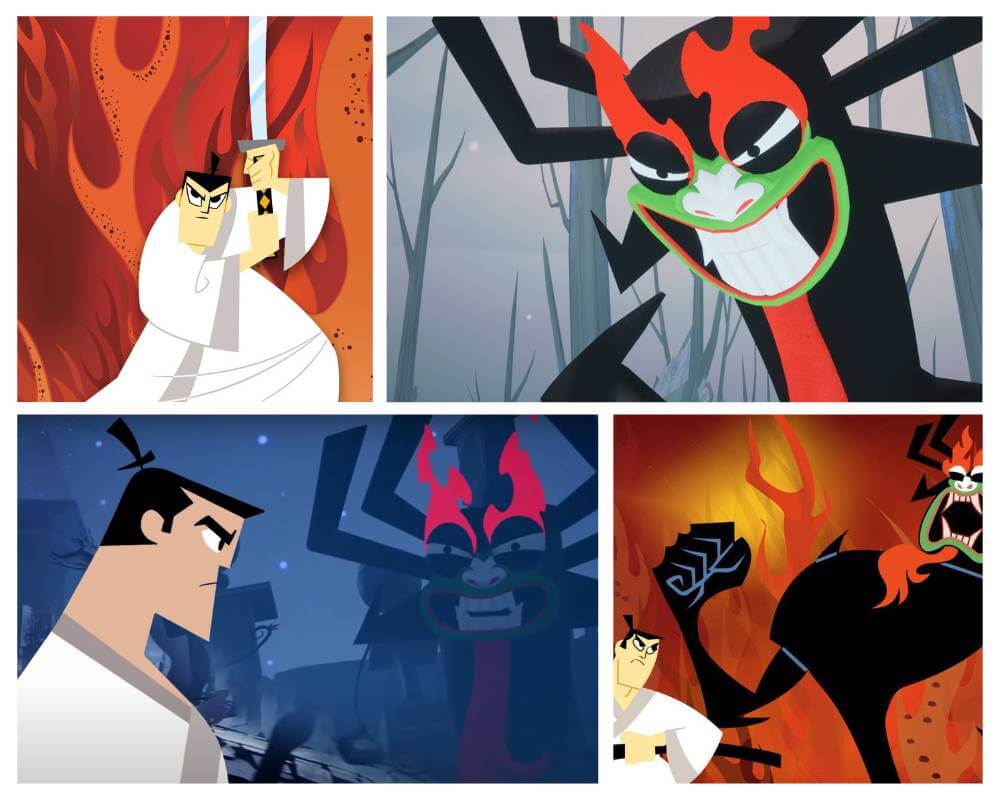
Samurai Jack is an American production soaked in Japanese influence, from its lone-samurai hero to its spare, striking visuals. Long stretches pass with almost no dialogue, letting the imagery carry the weight. It is arguably the most cinematic of all these cartoons influenced by anime.
- A displaced samurai stranded in a strange, dark future
- Minimalist art inspired by anime and Ukiyo-e prints
- Quiet, tense pacing that lets scenes breathe
Teen Titans
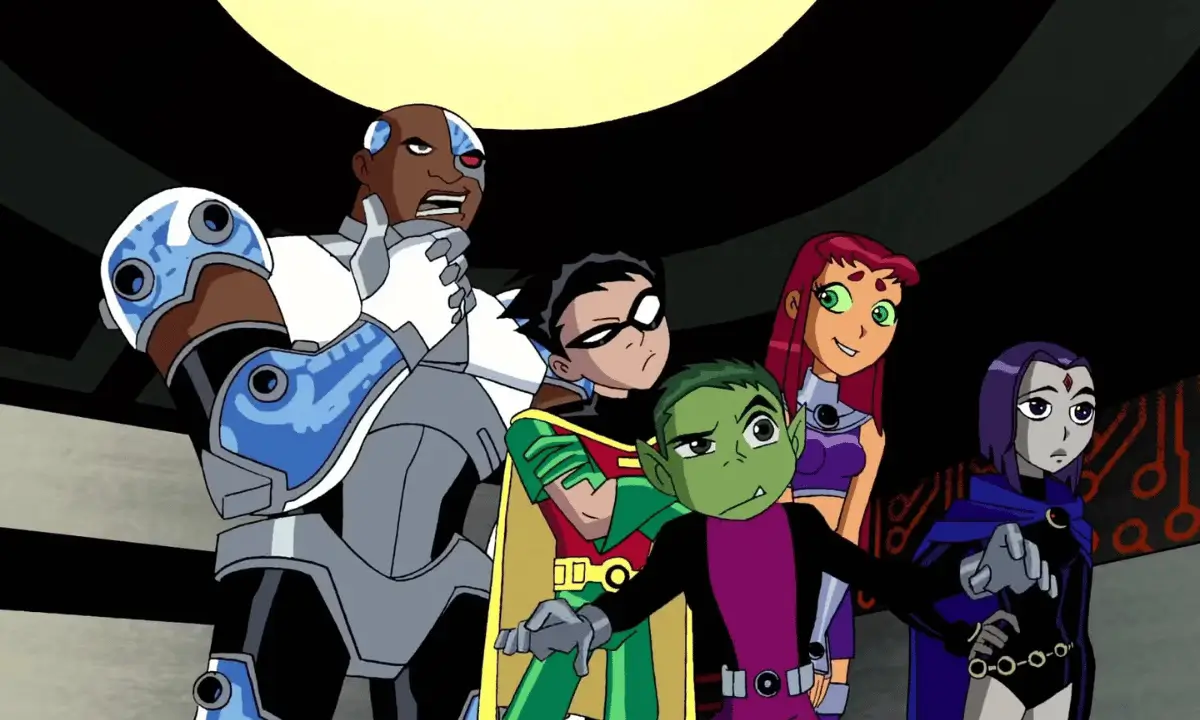
Teen Titans pairs American superhero stories with proudly worn anime influence. The vibrant, fast action and big emotional reactions call back to Naruto and One Piece. Few cartoons influenced by anime ever committed to the look this fully.
- A team of teenage heroes living and fighting together
- Anime-style action and dramatic, exaggerated emotion
- Sudden chibi gags during comedic or tense beats
The Powerpuff Girls
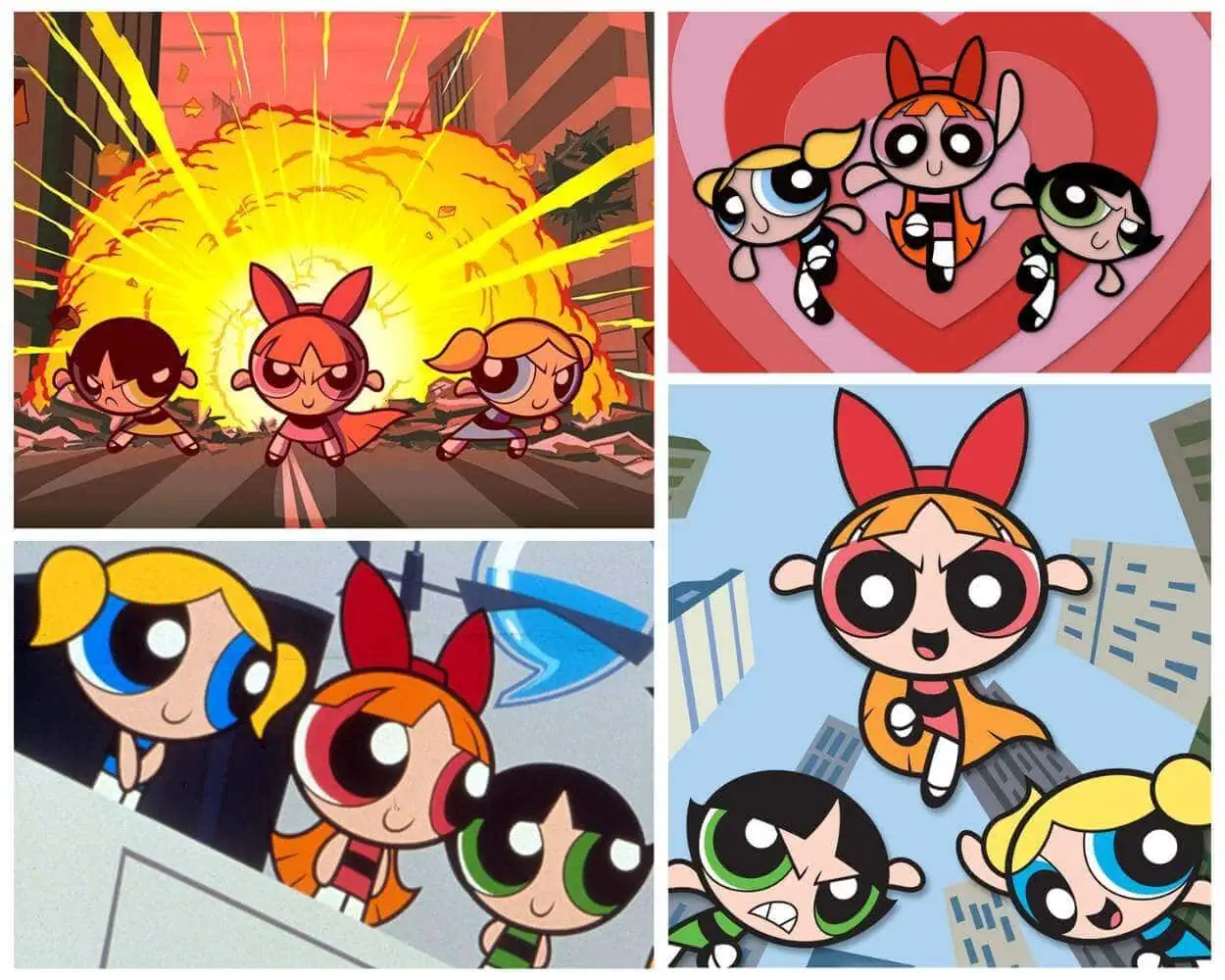
The bright, blocky world of The Powerpuff Girls hides plenty of anime fingerprints. The huge eyes, the speed lines during fights, and the over-the-top reactions all trace back to Japanese animation. It is proof that cartoons influenced by anime can hide the connection inside the most all-American package.
- Three superpowered sisters defending the city of Townsville
- Large expressive eyes and anime-style action lines
- Influences creator Craig McCracken traces to Speed Racer and Astro Boy
Adventure Time
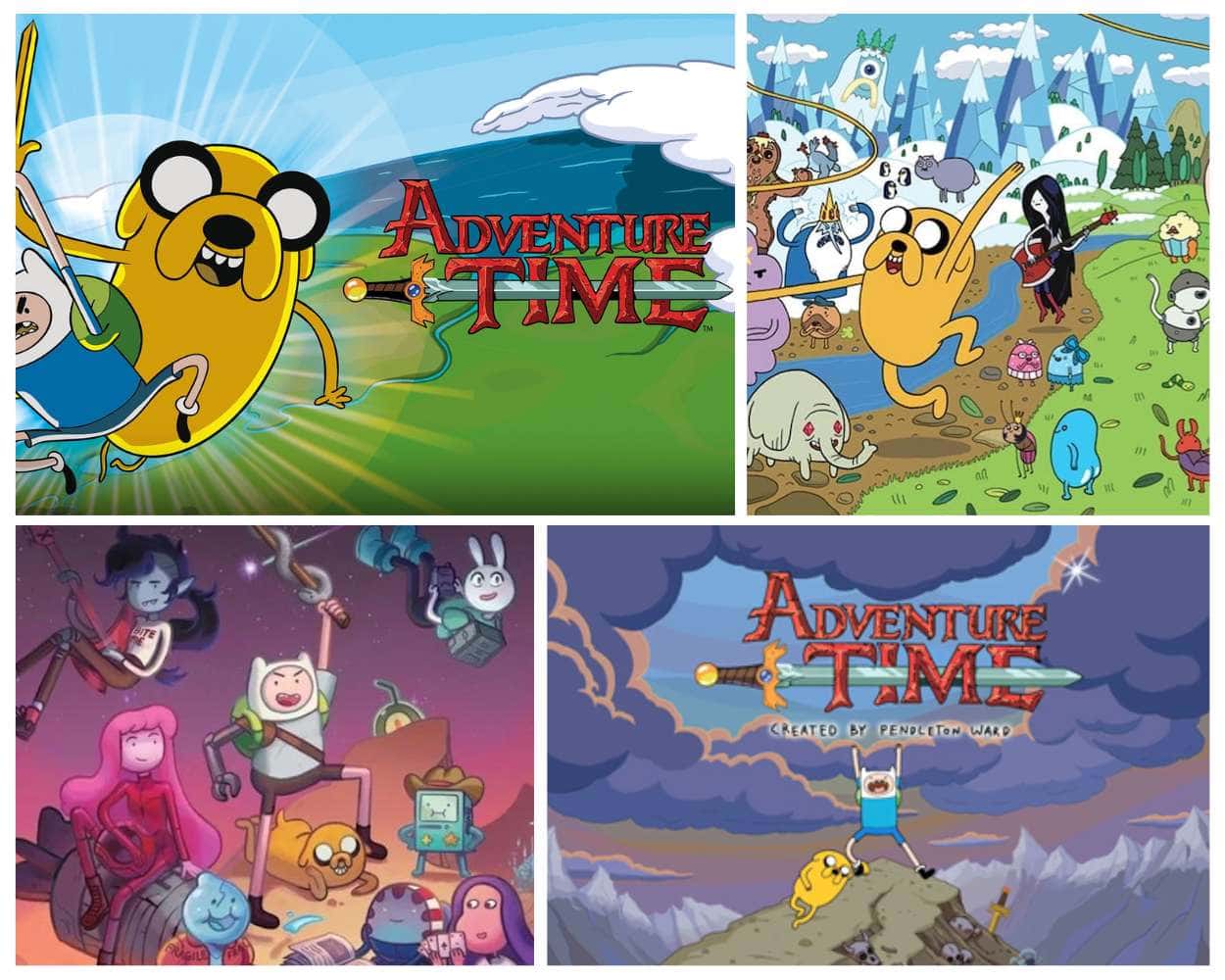
Adventure Time hides a startling amount of anime beneath its goofy surface. Creator Pendleton Ward points to Studio Ghibli and Akira as touchstones, and you feel it in the strange, post-apocalyptic worldbuilding. When it swings into real emotion, it lands like the best anime does.
- A boy and his shapeshifting dog in the candy-coated land of Ooo
- A secretly bleak, post-apocalyptic backstory
- Emotional depth and lore that reward close watching
Steven Universe
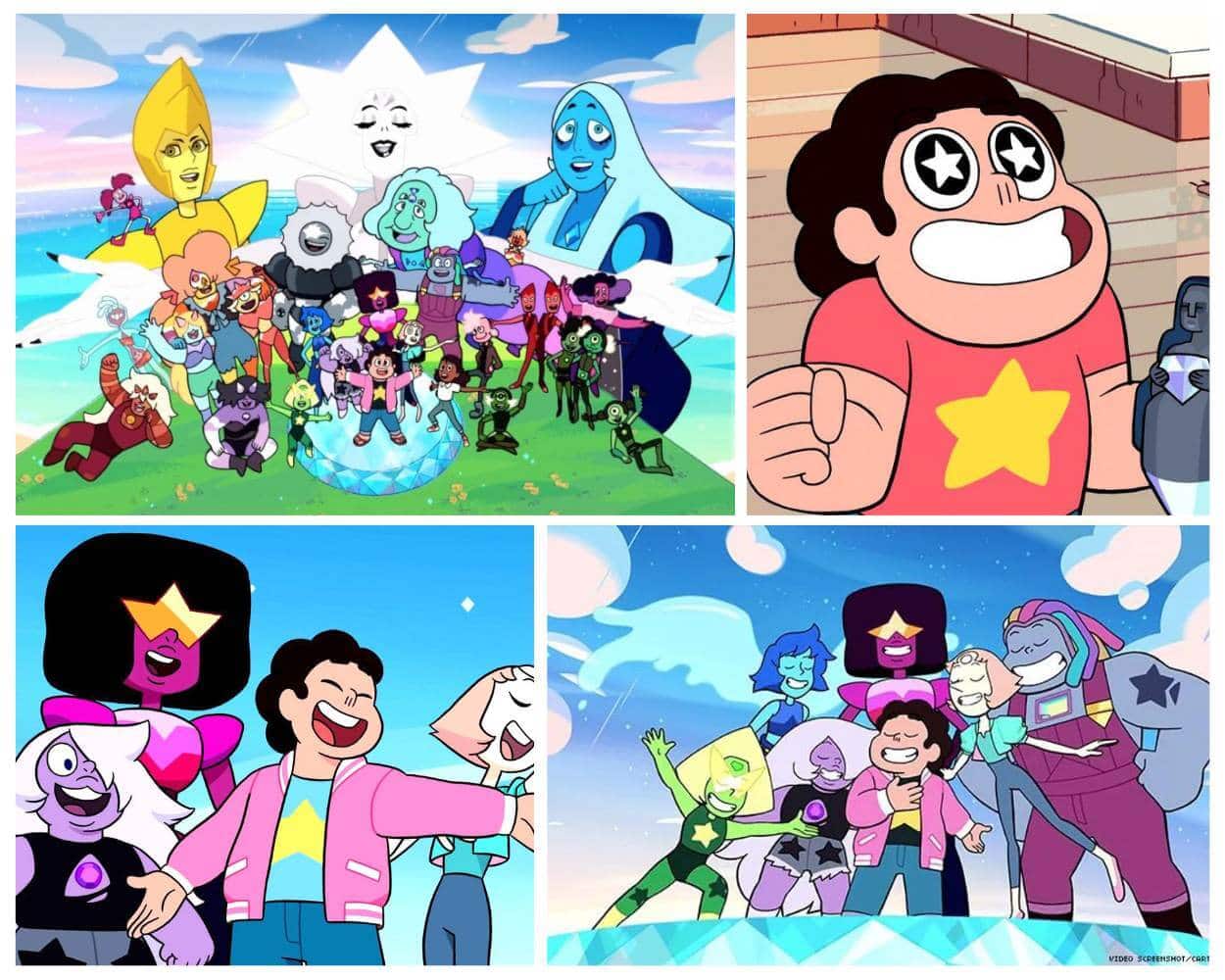
Steven Universe wears its anime heart on its sleeve. The emotional, identity-driven storytelling and the gem-summoned weapons feel pulled straight from anime, and the show name-drops its influences more than once. It is one of the most emotionally ambitious cartoons ever made.
- A boy raised by alien gem warriors learning to use his powers
- Transformation and weapon-summon sequences with anime flair
- Deep, serialized themes of love, identity, and growing up
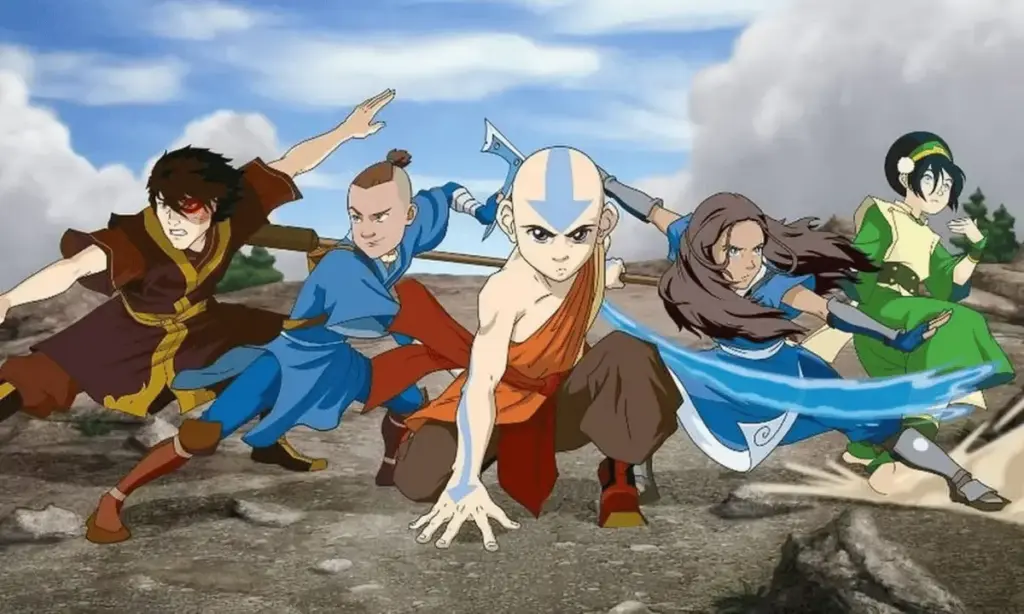
Avatar: The Last Airbender
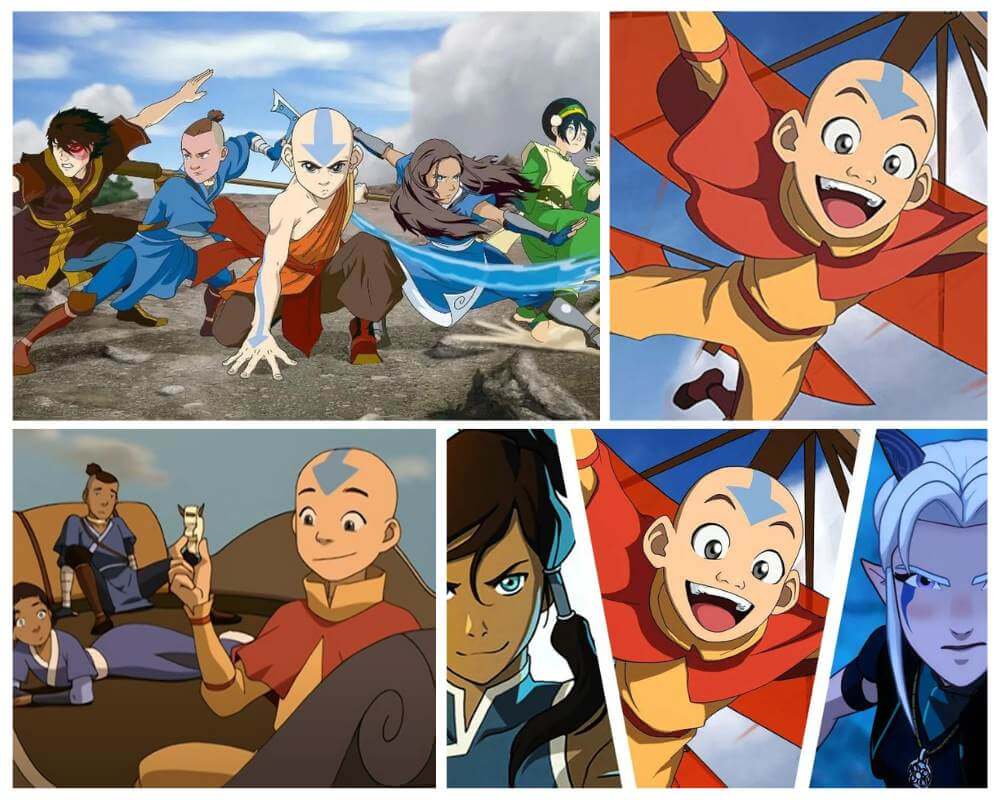
You cannot talk about cartoons influenced by anime without Avatar. Its detailed world, martial-arts-based bending, serialized arcs, and fearless heavy themes all read like a great anime, which is exactly why fans still argue about how to label it. It is the definitive proof that a Western cartoon can match anime at its own game, and the clear number one here.
- A young Avatar learning to master the four elements
- Bending styles based on real martial arts
- A long, serialized story with real character growth and detailed anime-style art
Why So Many Western Cartoons Borrow From Anime
The best cartoons influenced by anime all borrow for a reason. So why does anime keep turning up in Western cartoons? A few come up again and again.
- A bold visual style. Anime’s striking look hands animators a rich toolkit to pull from, from expressive eyes to dynamic action and imaginative settings.
- Serialized storytelling. Where older Western cartoons reset every episode, anime built long, continuous arcs that allow for deeper characters and bigger payoffs.
- Room for mature themes. Anime spans every age group, including stories aimed at adults, which gave Western creators license to tackle heavier subjects.
- Real emotional weight. Anime is not shy about big, sincere feelings, and borrowing that lets a cartoon land moments that truly stick.
- A different cultural lens. Leaning on anime brings in Japanese settings, ideas, and sensibilities, broadening what a Western cartoon can even be about.
Where Cartoon Ends and Anime Begins
From quiet homages to shows that basically are anime, these cartoons influenced by anime prove the border between East and West was never as solid as it looked.
The best of them do not just copy anime.
They absorb it and build something new.
So which cartoon blurs the anime line the hardest for you?
Drop your pick in the comments, and settle the “is it anime?” debate once and for all.
French studios like the ones behind Totally Spies! and Code Lyoko really don’t get enough credit for bringing anime-style storytelling to European and American Saturday mornings.
This is a better list if you wanted more details to add into your anime / cartoon inspired list.
—
Cartoon Shows Inspired by Anime
1. Avatar: The Last Airbender – Cartoon year: 2005 – Anime influence: Princess Mononoke, 1997 / Spirited Away, 2001 – This is one of the best-known Western cartoons with a strong anime influence, especially in its action scenes, elemental powers, character arcs, and emotional storytelling.
2. The Legend of Korra – Cartoon year: 2012 – Anime influence: Princess Mononoke, 1997 / Ghost in the Shell, 1995 – Korra continues the Avatar style with more mature themes, martial arts battles, spiritual ideas, and anime-like city action.
3. Teen Titans – Cartoon year: 2003 – Anime influence: FLCL, 2000 / Sailor Moon, 1992 / Dragon Ball Z, 1989 – This cartoon mixed superhero action with anime-style reactions, chibi comedy, dramatic poses, and big emotional fight scenes.
4. The Boondocks – Cartoon year: 2005 – Anime influence: Samurai Champloo, 2004 / Cowboy Bebop, 1998 – The fight scenes, camera angles, and sharp action style give this adult cartoon a strong anime feel.
5. RWBY – Cartoon year: 2013 – Anime influence: Soul Eater, 2008 / Final Fantasy-style action / shonen anime style – RWBY feels like an American anime with colorful weapons, school battles, team fights, and fast action scenes.
6. Voltron: Legendary Defender – Cartoon year: 2016 – Anime influence: Beast King GoLion, 1981 / Armored Fleet Dairugger XV, 1982 – This series is directly tied to Japanese mecha anime roots and updates the Voltron story with modern anime-style action.
7. Steven Universe – Cartoon year: 2013 – Anime influence: Revolutionary Girl Utena, 1997 / Sailor Moon, 1992 / Dragon Ball Z, 1989 – The magical-girl energy, emotional battles, fusion concepts, and dramatic sword moments make the anime influence very clear.
8. She-Ra and the Princesses of Power – Cartoon year: 2018 – Anime influence: Sailor Moon, 1992 / Revolutionary Girl Utena, 1997 – This reboot uses magical-girl themes, transformation energy, emotional friendships, and queer-friendly fantasy storytelling.
9. OK K.O.! Let’s Be Heroes – Cartoon year: 2017 – Anime influence: Gurren Lagann, 2007 / Kill la Kill, 2013 / Dragon Ball Z, 1989 – This show is packed with anime-style action, power-ups, over-the-top villains, and arcade-game energy.
10. My Adventures with Superman – Cartoon year: 2023 – Anime influence: Pretty Cure, 2004 / Go! Princess PreCure, 2015 / My Hero Academia, 2016 – This Superman cartoon has strong shonen and magical-girl energy, especially in the action, transformations, and character expressions.
11. The Powerpuff Girls – Cartoon year: 1998 – Anime influence: Sailor Moon, 1992 / magical-girl anime style – The original show already had anime-style action, big eyes, speed lines, and superhero-girl energy before getting its own anime spin-off.
12. Powerpuff Girls Z – Anime year: 2006 – Original cartoon year: 1998 – Anime influence: Sailor Moon, 1992 / magical-girl anime – This is the actual Japanese anime version of The Powerpuff Girls, turning the girls into magical-girl heroines.
13. My Life as a Teenage Robot – Cartoon year: 2003 – Anime influence: Astro Boy, 1963 / robot anime style – Jenny’s design, big expressions, transformation-like action, and robot-girl setup make this feel anime-inspired.
14. Danny Phantom – Cartoon year: 2004 – Anime influence: Speed Racer, 1967 / general anime action style – The show uses sharp action, glowing power effects, transformation moments, and exaggerated expressions that feel close to anime.
15. The Fairly OddParents – Cartoon year: 2001 – Anime influence: Speed Racer, 1967 / Hello Kitty-style parody references – It is not fully anime-style, but several episodes use anime jokes, parody visuals, and exaggerated Japanese animation references.
16. Megas XLR – Cartoon year: 2004 – Anime influence: Mazinger Z, 1972 / Mobile Suit Gundam, 1979 / Neon Genesis Evangelion, 1995 – This is a love letter to giant robot anime, full of mecha battles, parody, and oversized robot chaos.
17. Samurai Jack – Cartoon year: 2001 – Anime influence: Ninja Scroll, 1993 / samurai anime style – The quiet pacing, dramatic sword fights, cinematic framing, and minimal dialogue give it a strong anime and Japanese cinema feeling.
18. Hi Hi Puffy AmiYumi – Cartoon year: 2004 – Anime influence: Japanese pop-idol anime style – Based around the real J-pop duo Puffy AmiYumi, the show uses bright anime-style designs, big expressions, and Japanese pop culture energy.
19. Super Robot Monkey Team Hyperforce Go! – Cartoon year: 2004 – Anime influence: Mazinger Z, 1972 / Voltron, 1984 / super robot anime – This show uses transformation scenes, giant robot battles, team missions, and an obvious anime-inspired setup.
20. Code Lyoko – Cartoon year: 2003 – Anime influence: Digimon Adventure, 1999 / cyber-anime style – The virtual-world battles, digital monsters, school setting, and action structure give it a strong anime-inspired feel.
21. Totally Spies! – Cartoon year: 2001 – Anime influence: Sailor Moon, 1992 / magical-girl and fashion anime energy – The show mixes spy missions, stylish outfits, bright colors, and exaggerated anime-style comedy.
22. W.I.T.C.H. – Cartoon year: 2004 – Anime influence: Sailor Moon, 1992 / magical-girl team anime – A group of girls with powers, transformations, friendship drama, and fantasy battles makes it very close to magical-girl anime.
23. Miraculous: Tales of Ladybug & Cat Noir – Cartoon year: 2015 – Anime influence: Sailor Moon, 1992 / Pretty Cure, 2004 – This superhero cartoon feels very magical-girl inspired with transformations, secret identities, romance, and monster-of-the-week battles.
24. LoliRock – Cartoon year: 2014 – Anime influence: Sailor Moon, 1992 / Mermaid Melody, 2003 – A magical-girl music group with transformations, princess themes, and colorful villains makes this feel very anime-inspired.
25. Wakfu – Cartoon year: 2008 – Anime influence: shonen adventure anime / Dragon Ball Z, 1989 – This French animated series has anime-style battles, fantasy adventure, power growth, and a strong team-based story.
26. Rise of the Teenage Mutant Ninja Turtles – Cartoon year: 2018 – Anime influence: Studio Trigger style / Kill la Kill, 2013 / Gurren Lagann, 2007 – The fast movement, wild expressions, flashy fights, and bold effects make this one of the most anime-looking TMNT shows.
27. Teenage Mutant Ninja Turtles 2003 – Cartoon year: 2003 – Anime influence: samurai anime / ninja anime style – The darker action, Japanese martial arts themes, and serious story arcs give it a stronger anime tone than the 1987 cartoon.
28. Castlevania – Cartoon year: 2017 – Anime influence: Vampire Hunter D, 1985 / Berserk, 1997 – This adult animated series uses dark fantasy, gothic violence, dramatic sword fights, and anime-style character animation.
29. Blood of Zeus – Cartoon year: 2020 – Anime influence: seinen fantasy anime / Saint Seiya, 1986 – The gods, monsters, power struggles, and dramatic action make it feel like a Greek-myth anime-inspired series.
30. Skull Island – Cartoon year: 2023 – Anime influence: kaiju anime and monster anime / Godzilla-style Japanese monster media – This animated MonsterVerse series uses giant creatures, survival action, and anime-like monster tension.
31. Kipo and the Age of Wonderbeasts – Cartoon year: 2020 – Anime influence: Avatar-style anime-influenced adventure / Studio Mir action style – The colorful world, emotional team story, mutant creatures, and fluid action give it a modern anime-inspired feel.
32. Moon Girl and Devil Dinosaur – Cartoon year: 2023 – Anime influence: superhero anime / magical-girl reaction style – The show uses bold action, expressive faces, flashy effects, and anime-style reaction shots.
33. DC Super Hero Girls – Cartoon year: 2019 – Anime influence: Sailor Moon, 1992 / magical-girl superhero style – The reboot has bright action, expressive comedy, and superhero-girl team energy that feels close to magical-girl anime.
34. My Little Pony: Friendship Is Magic – Cartoon year: 2010 – Anime influence: Sailor Moon, 1992 / magical-girl friendship anime – The friendship powers, transformation-like moments, emotional bonds, and colorful cast give it a light magical-girl feel.
35. Bee and PuppyCat – Cartoon year: 2013 – Anime influence: Sailor Moon, 1992 / slice-of-life anime / magical-girl anime – The soft colors, quiet emotional tone, cute creature companion, and surreal space jobs make it feel very anime-adjacent.
36. Star vs. the Forces of Evil – Cartoon year: 2015 – Anime influence: Sailor Moon, 1992 / magical-girl anime – Star’s wand, transformation energy, monster fighting, and emotional fantasy romance make it a strong anime-inspired cartoon.
37. Thundercats 2011 – Cartoon year: 2011 – Anime influence: fantasy adventure anime / Studio 4°C-style action – This reboot has sharper anime-style designs, bigger action scenes, and a more serialized fantasy story than the original.
38. Ben 10: Alien Force – Cartoon year: 2008 – Anime influence: shonen transformation anime / Digimon Adventure, 1999 – The darker tone, alien transformations, team battles, and power-based action feel closer to anime than the original Ben 10.
39. Gargoyles – Cartoon year: 1994 – Anime influence: dark fantasy anime style / gothic action anime – The serialized storytelling, tragic characters, supernatural battles, and dramatic tone make it feel anime-adjacent.
40. X-Men: Evolution – Cartoon year: 2000 – Anime influence: school-based superhero anime / shonen team anime – The teen cast, school setting, powers, rivalries, and emotional character arcs give it an anime-friendly structure.