When the first Frozen teasers hit theatres in 2013, animation fans braced for impact.
A goofy, buck-toothed snowman skidding across the ice looked like a corporate mandate with legs. Here was a sidekick engineered to move plush toys, not one of Disney’s great animated characters.
They were not wrong to worry, because Olaf was once exactly that character. He worked so badly that the film’s future co-director kept writing notes demanding his execution.
Over a decade later, he is the emotional load-bearing wall of a franchise with two billion-dollar films behind it.
So how did Disney turn a character marked for deletion into a masterclass in sidekick design?
“Kill the Snowman”: The Early Drafts Nobody Liked
Before Jennifer Lee joined Frozen, she was finishing Wreck-It Ralph and sitting in on story screenings. Those screenings are where Olaf nearly died.
- Early Olaf served as one of Elsa’s snowman guards, closer to a henchman than a friend.
- The script made him half-good and half-bad, acerbic, and openly mean in places.
- Lee could not work out why he existed in the story at all.
- Every time he appeared on screen, she wrote a note saying to kill the snowman.
The Creative Pivot: Making Olaf a Memory of Love
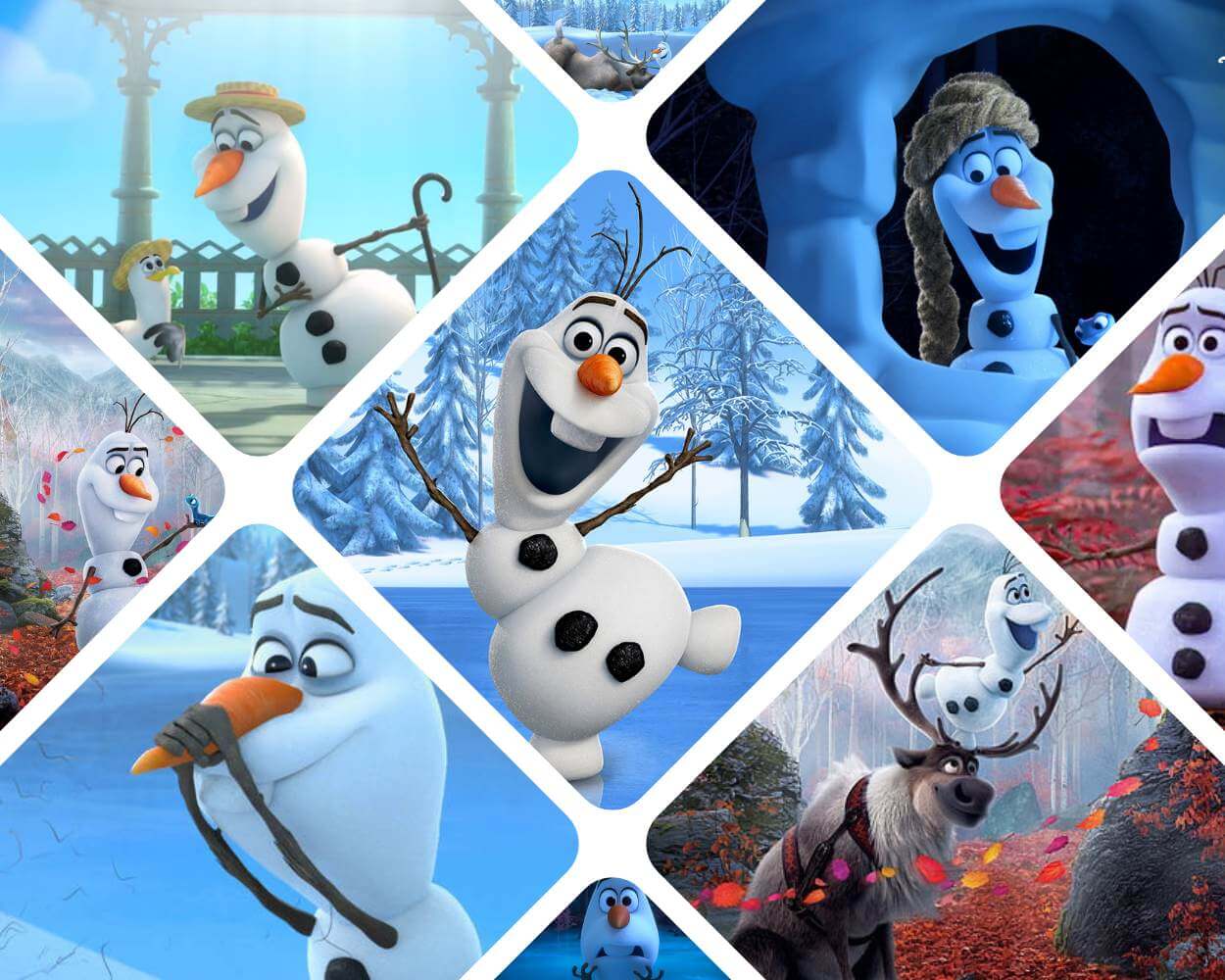
The fix was not better jokes. Rather, the team scrapped him and asked a stranger question first: how does a snowman think?
- Snow is pure, so the answer they landed on was innocence.
- That pointed straight back to Anna and Elsa as little girls.
- Olaf is the snowman they built together on the happiest night of their lives.
- Later, Elsa recreates him by accident, never realising he would come alive.
Chris Buck’s Rule: Only One Magic Talker
Here is the structural detail almost nobody notices, and it exists to protect Olaf.
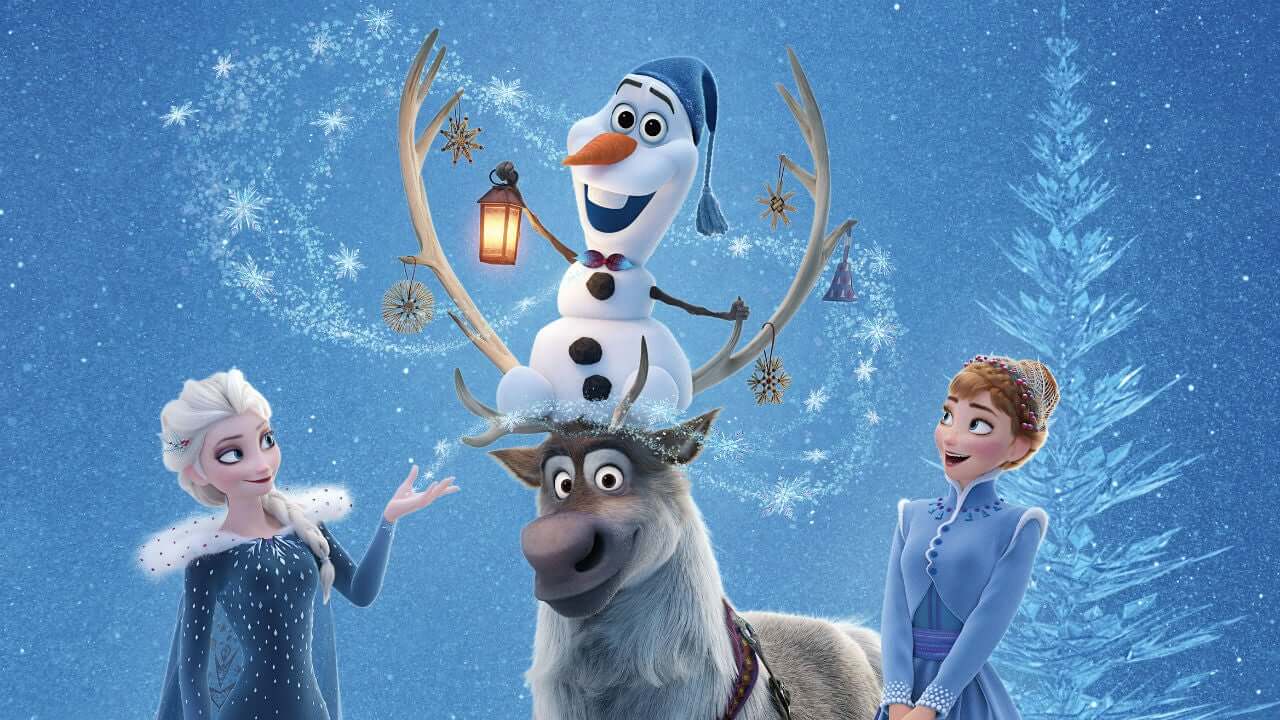
- Co-director Chris Buck held to a rule: one magical talking thing per film.
- Sven the reindeer therefore never speaks, despite being a natural talking-animal candidate.
- Kristoff voices Sven himself, which came from crew members admitting they do voices for their pets.
- That choice hands Olaf sole ownership of the film’s whimsy.
Built to Break: The Carrot, the Twigs, the Three Balls
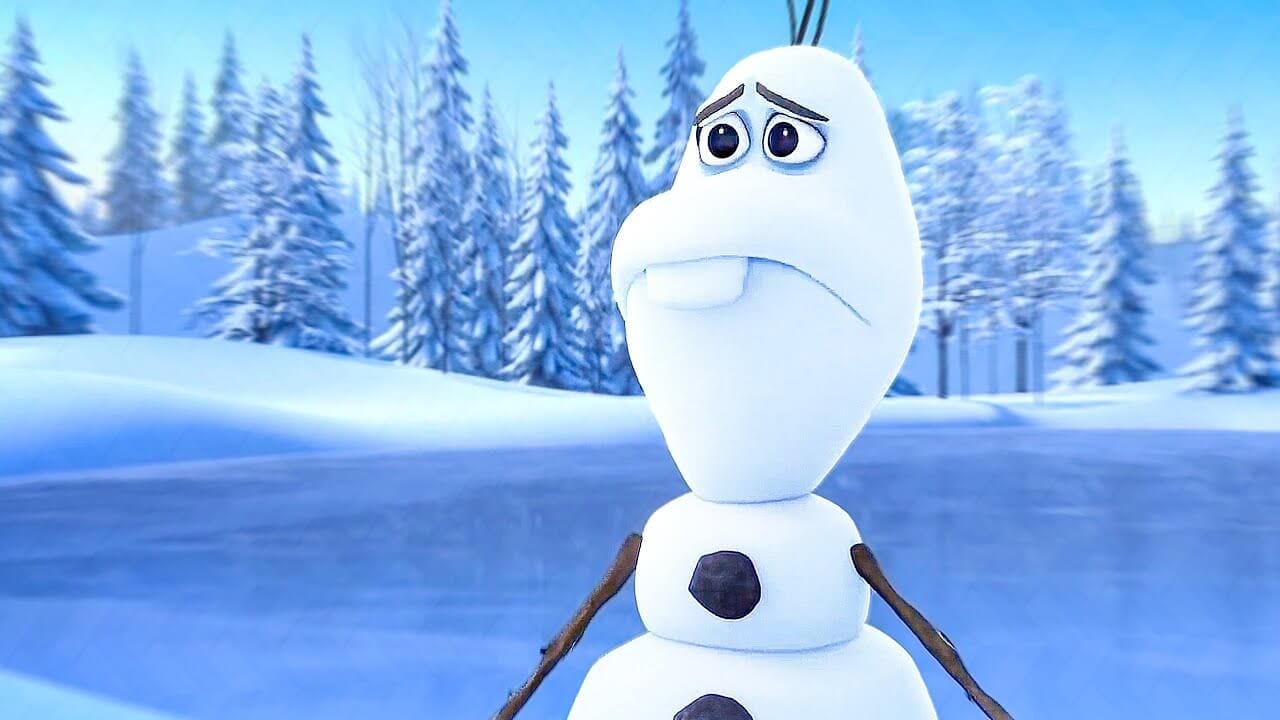
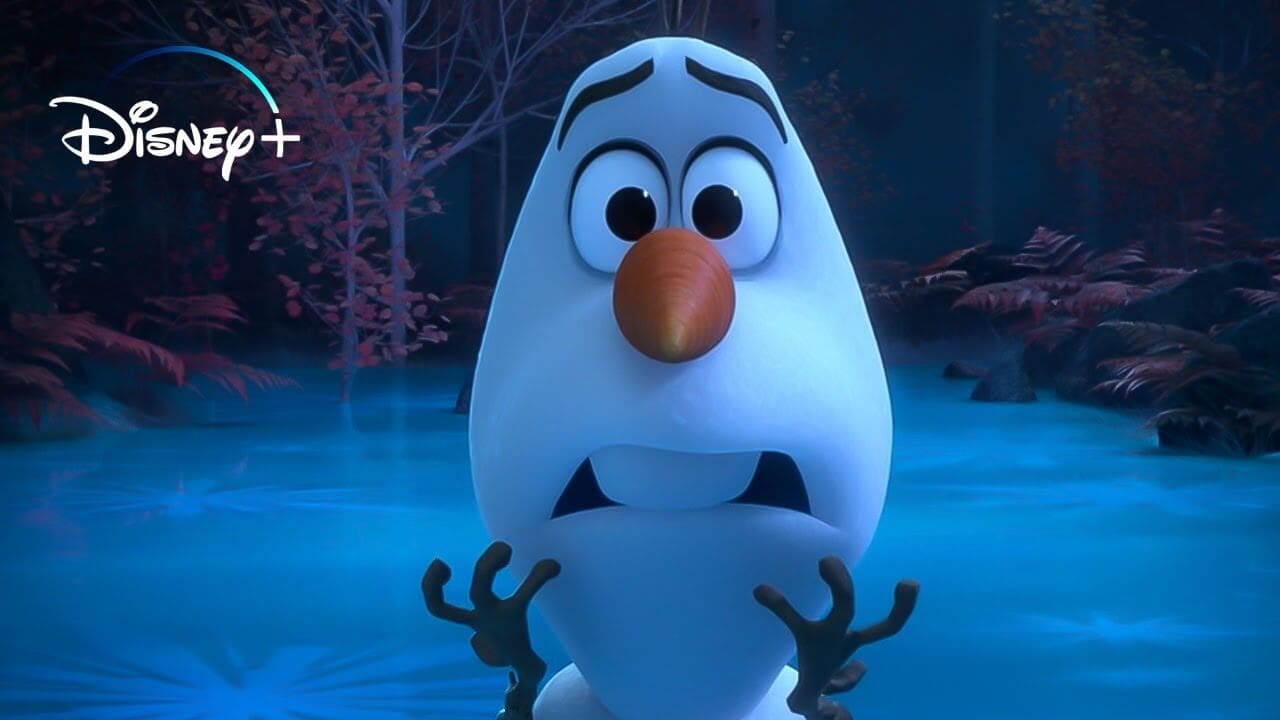
Olaf’s design looks like a child’s drawing, and that is the entire point. Every element is something two small girls could plausibly assemble.
- Three snowballs, twig arms, a carrot nose, and coal buttons, with nothing exotic added.
- His proportions stay deliberately wonky, so he never reads as slick or manufactured.
- The toothy overbite gives him a permanent look of delighted confusion.
- Nothing about him is aerodynamic, which makes every movement faintly ridiculous.
The Detachable Body as a Comedy Engine
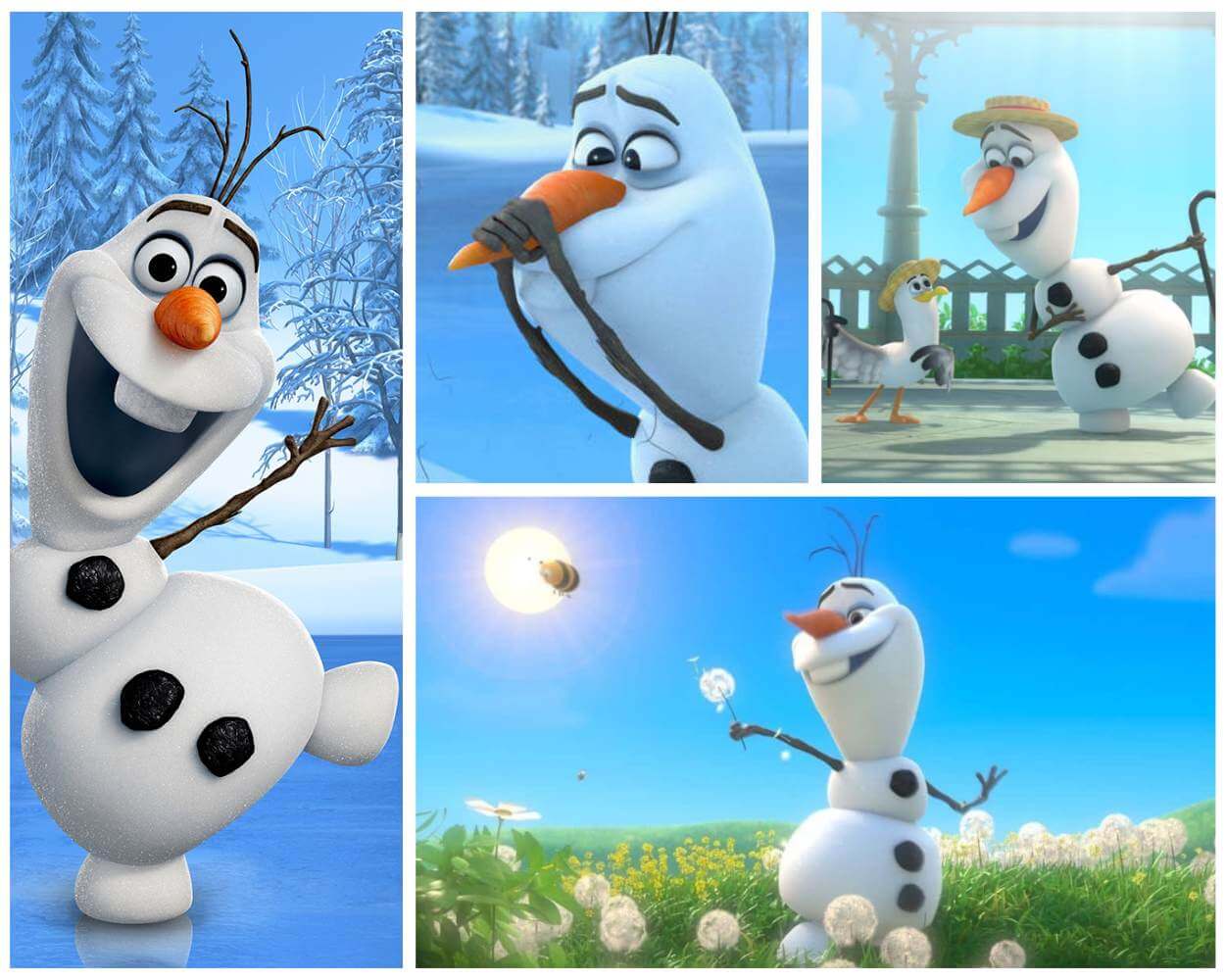
That childlike build unlocks the film’s best running gag. Olaf comes apart constantly, and he never once minds.
- Sven steals his carrot nose, which turns into an extended chase.
- His head detaches mid-conversation and simply keeps talking.
- Marshmallow launches him down a mountain, and he reassembles wrong on landing.
- He gets impaled by an icicle and treats it as a minor inconvenience.
“In Summer”: The Joke That Should Not Work
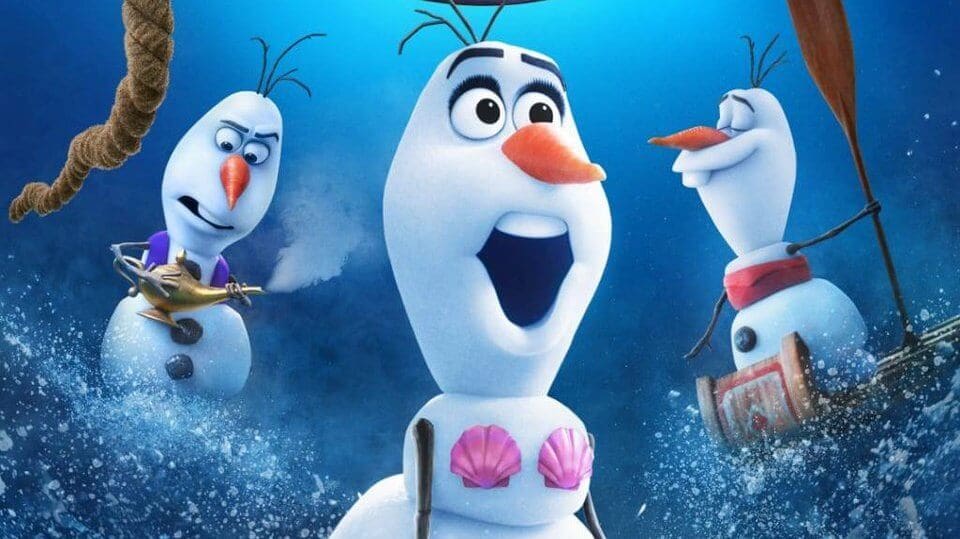
On paper, giving a snowman a song about sunbathing is a terrible idea. It stops the plot dead in the middle of a rescue mission.
- The gag runs on dramatic irony, since Olaf has no idea heat would destroy him.
- Everyone in the audience understands the danger, and he never does.
- The number is bright and brassy while the story around it is getting darker.
- Screenwriters have called the song entirely unnecessary and completely delightful.
The Josh Gad Factor: Warmth Over Slapstick
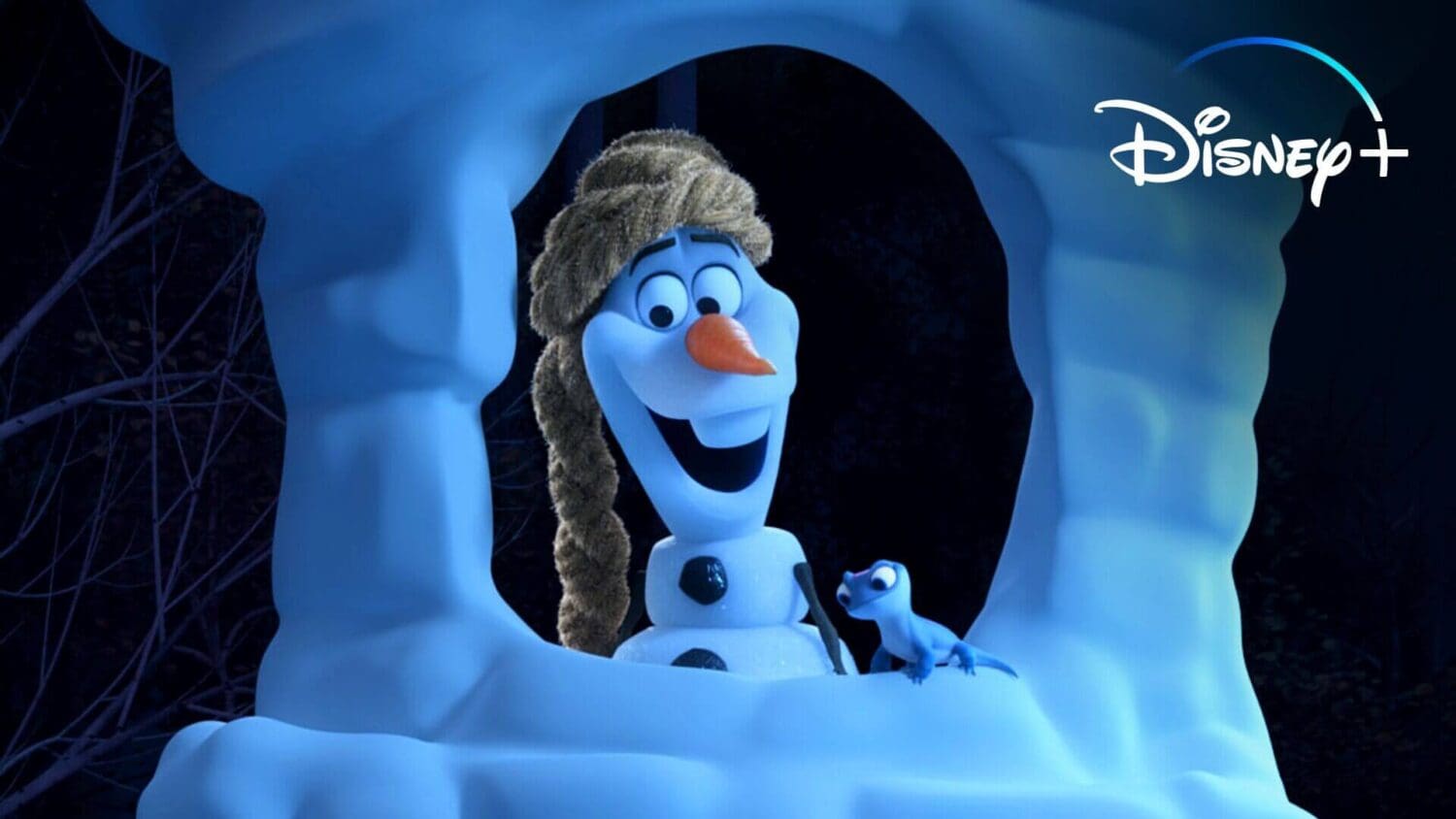
Casting solved what the page could not. Lee has been blunt that the early screenings suffered because Josh Gad had not been cast yet.
- Gad plays Olaf frantic and eager, never smug, which kills the grating-sidekick problem.
- He and Lee jointly worked out that Olaf only lands when bouncing off another character.
- Olaf exists to bring other people joy, so isolating him drains the charm immediately.
- The film times his arrival deliberately, landing it as Anna’s moment of hope after the wolf chase.
More Than a Gag: Why “Worth Melting For” Worked
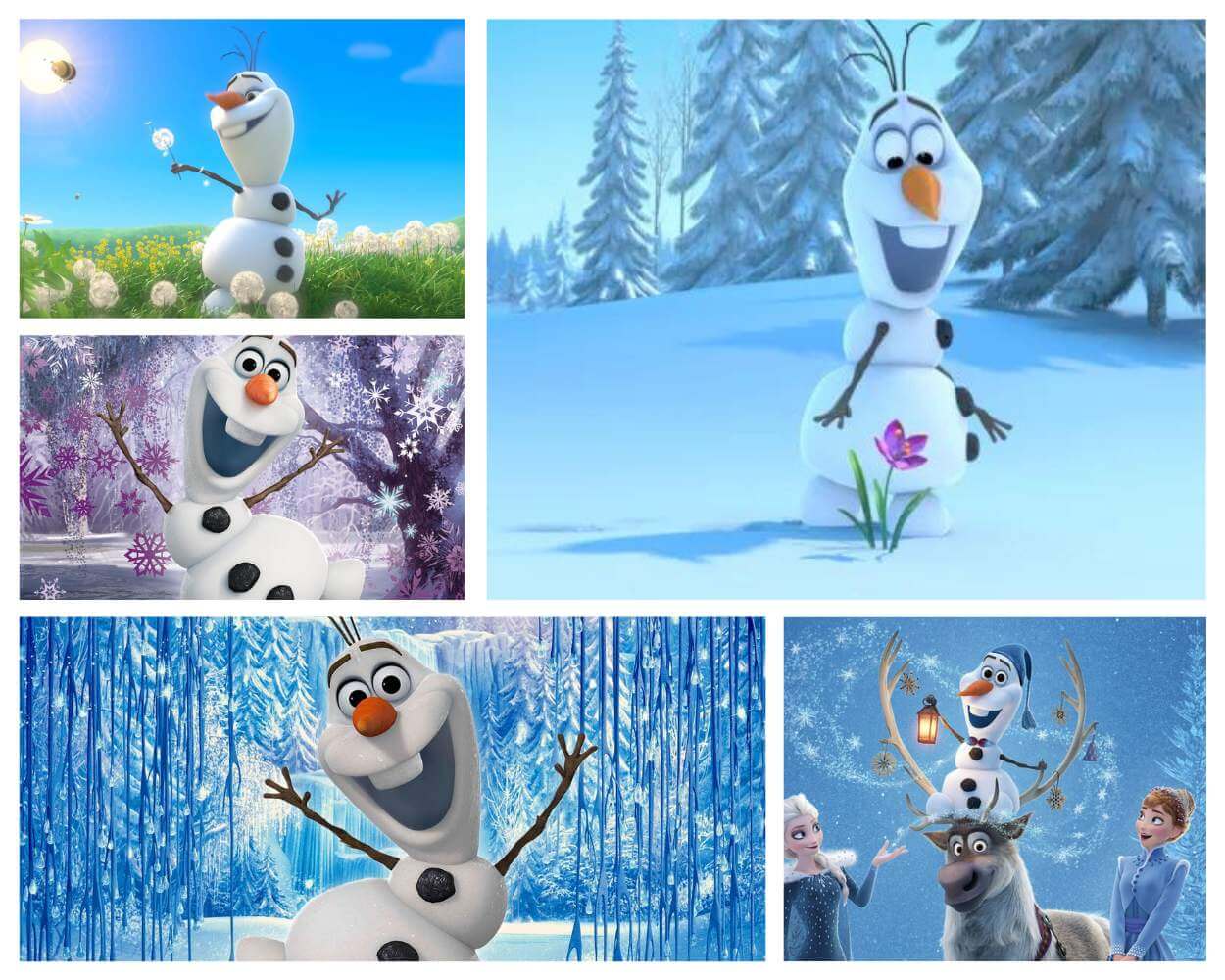
Now for the moment that justifies his entire existence. Anna is freezing to death, and Olaf lights a fire that will destroy him.
- He melts willingly, then tells her some people are worth melting for.
- Earlier he defines love as putting someone else’s needs before your own.
- The thesis of the film arrives through the comic relief, not the leads.
- Anna and Kristoff spend the middle act effectively parenting Olaf together.
The Legacy: From Deletion Threat to Disney MVP
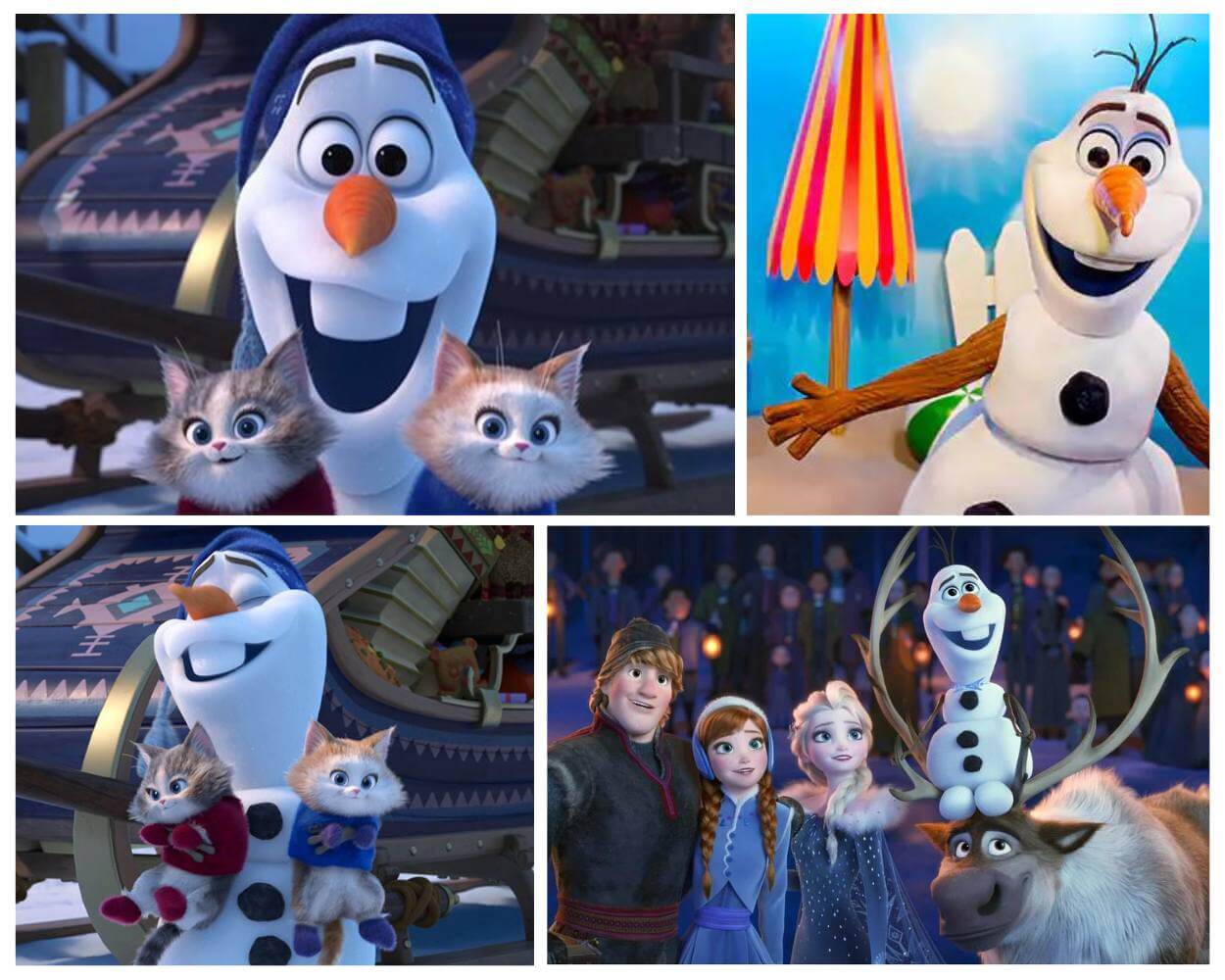
The character marked for cutting now carries more Disney content than most leads.
- Frozen took roughly $1.28 billion, and Frozen II followed with $1.45 billion.
- Notably, each film claimed the highest-grossing animated title of its moment.
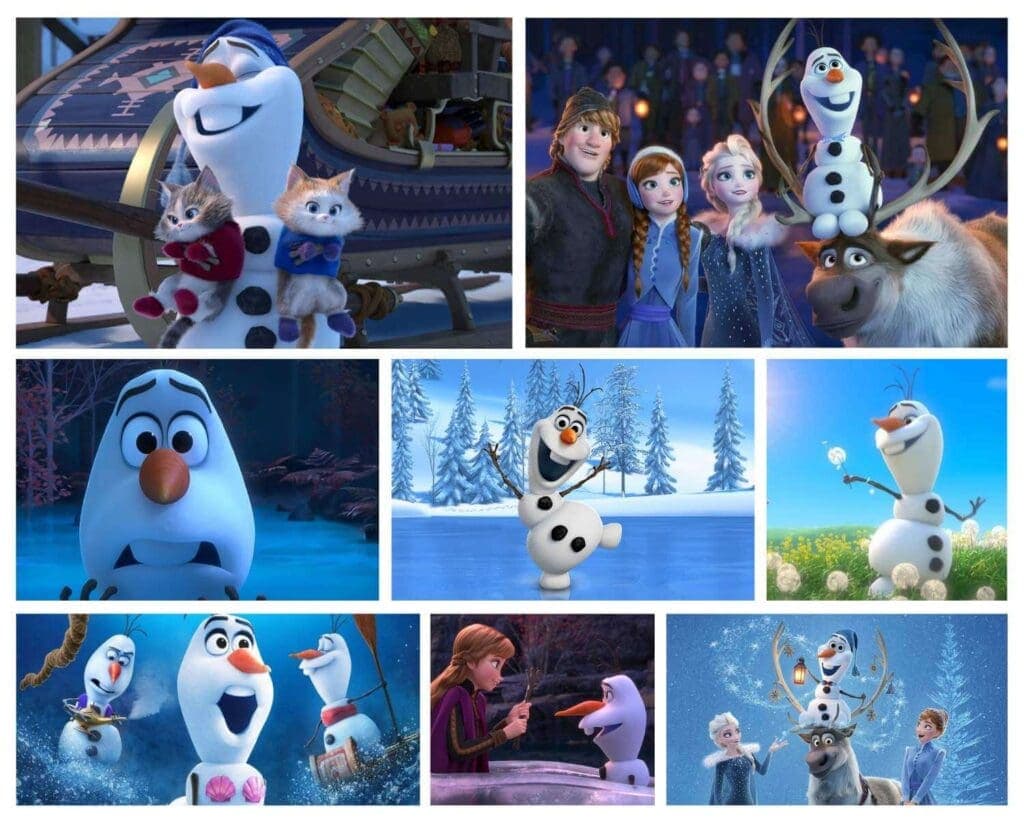
- Frozen Fever, Olaf’s Frozen Adventure and Once Upon a Snowman all put him front and centre.
- Olaf Presents arrived on Disney+ in November 2021, with five shorts retelling Disney classics.
What Olaf Teaches About Sidekick Design
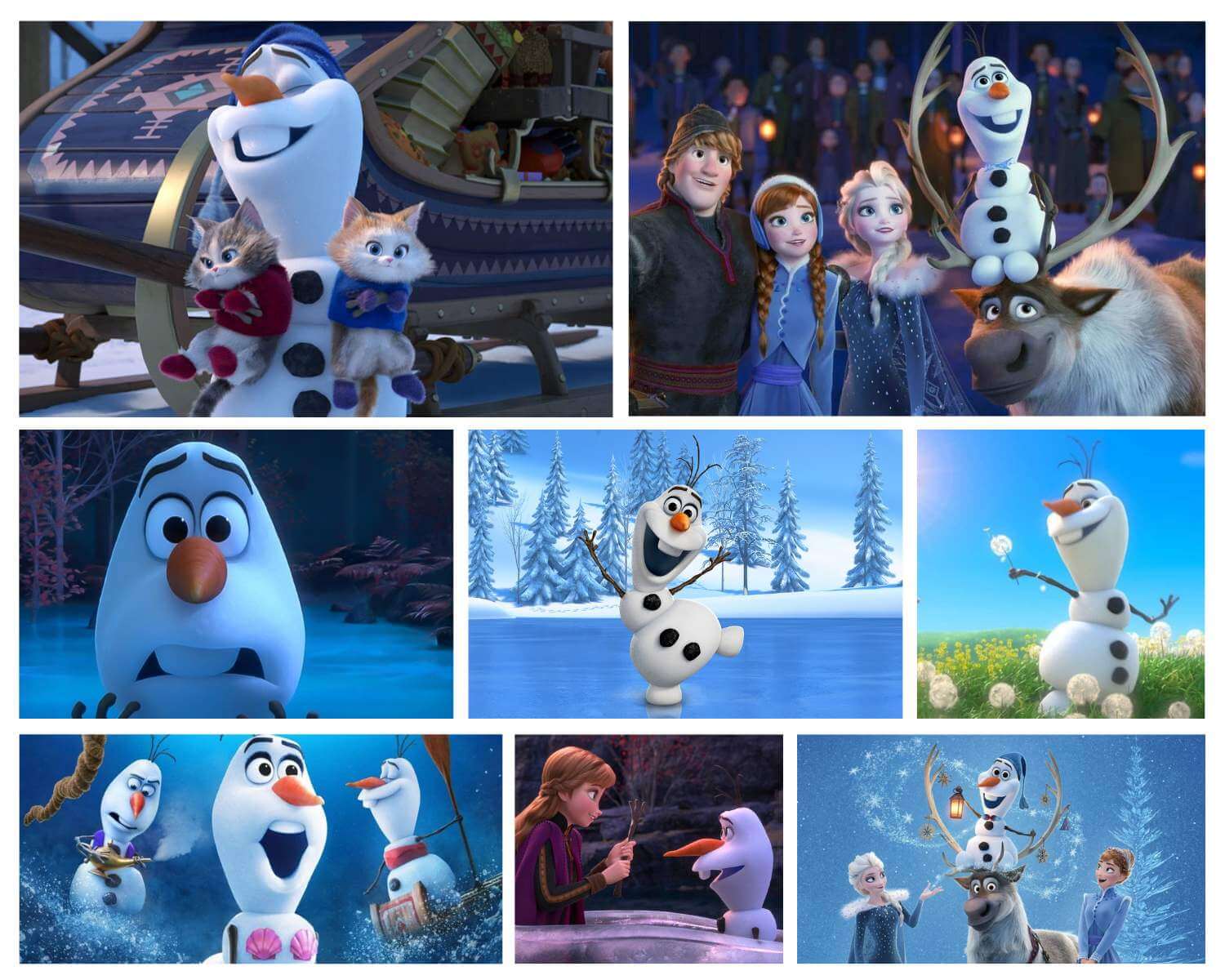
Strip away the snow, and the fix is repeatable. Most annoying cartoon characters fail for the same reason early Olaf did.
- Give the sidekick a reason to exist beyond filling gaps between plot beats.
- Tie that reason to the protagonists’ relationship, not to the sidekick’s own arc.
- Let him play off other characters rather than carrying scenes alone.
- Then hand him the theme, because sincerity from a joke character disarms the audience.
Frequently Asked Questions About Olaf
A few of the questions that come up most about this character.
Was Olaf almost cut from Frozen? Effectively, yes. Before joining as co-director, Jennifer Lee repeatedly wrote notes during story screenings saying the snowman should be killed off.
What was Olaf like in early drafts? He was one of Elsa’s snowman guards, written half-good and half-bad, acerbic and occasionally mean, with no clear reason to exist.
Who voices Olaf? Josh Gad, whose casting the filmmakers credit as a turning point for the character.
Was “I don’t have a skull. Or bones.” improvised? No, despite the widespread belief. Jennifer Lee wrote it, and she has said so directly.
What does “Some people are worth melting for” mean? It states the film’s thesis. Love is defined by sacrifice rather than romance, and Olaf proves it by melting to keep Anna warm.
Why doesn’t Sven talk? Chris Buck kept to a one-magical-talker rule. Sven staying silent protects Olaf’s role and gives Kristoff a comedy bit.
Who created Olaf? Elsa built him as a child with Anna, then unknowingly brought him to life years later during “Let It Go.”
Is Olaf in Frozen 3? Yes. Josh Gad returns, and Disney has dated Frozen 3 for 24 November 2027, with Jennifer Lee hinting a fourth film is in development.
Olaf survived because somebody was willing to admit he did not work, then rebuild him from the ground up instead of writing him funnier lines.
So where does he land for you, best Disney sidekick of the modern era or still one warm hug too far?
Let me know in the comments.