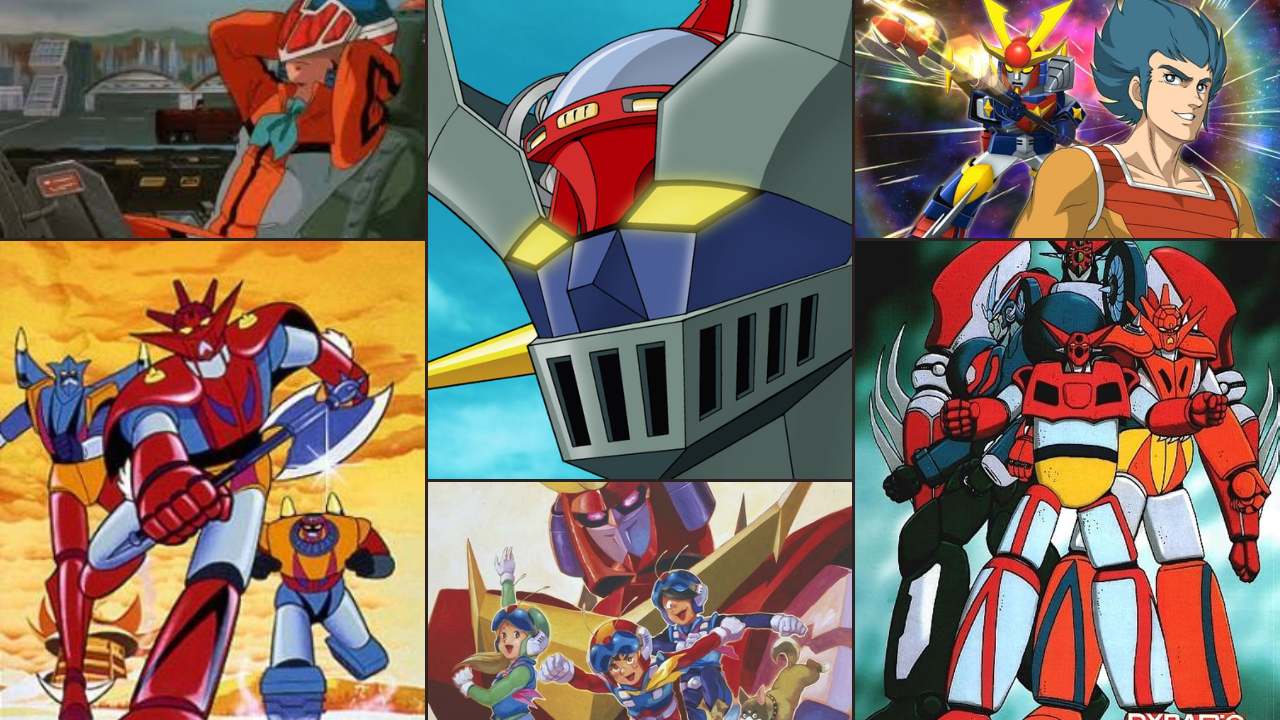
The 1970s were the wild, glorious birth of an entire genre. This is the decade Japan gave the world the giant piloted robot, and the result was a golden age of super robot anime that still influences everything from Gundam to Pacific Rim. If you have ever watched a hero leap into a cockpit and yell the name of his attack before launching a fist-rocket, you have these shows to thank.
So let me take you on a tour through the best 70s mecha anime, from genre-founder Mazinger Z to the show that quietly reinvented the whole thing, Mobile Suit Gundam.
Expect alien invasions, combining robots, and a surprising amount of real-world history along the way.
What Made 70s Mecha Anime So Special?
Almost everything here belongs to what fans call the “Super Robot” genre: a near-magical giant machine, piloted by a brave young hero, defending Earth from a monster-of-the-week alien empire. Three creators basically built this whole era. Go Nagai gave us Mazinger Z, Getter Robo, and Grendizer.
Yoshiyuki Tomino directed Raideen, Zambot 3, and Daitarn 3 before changing anime forever with Gundam. And Tadao Nagahama made the beloved combining-robot classics. If you love old mecha anime, this is the foundation it all stands on.
15Steel Jeeg (1975-1976)
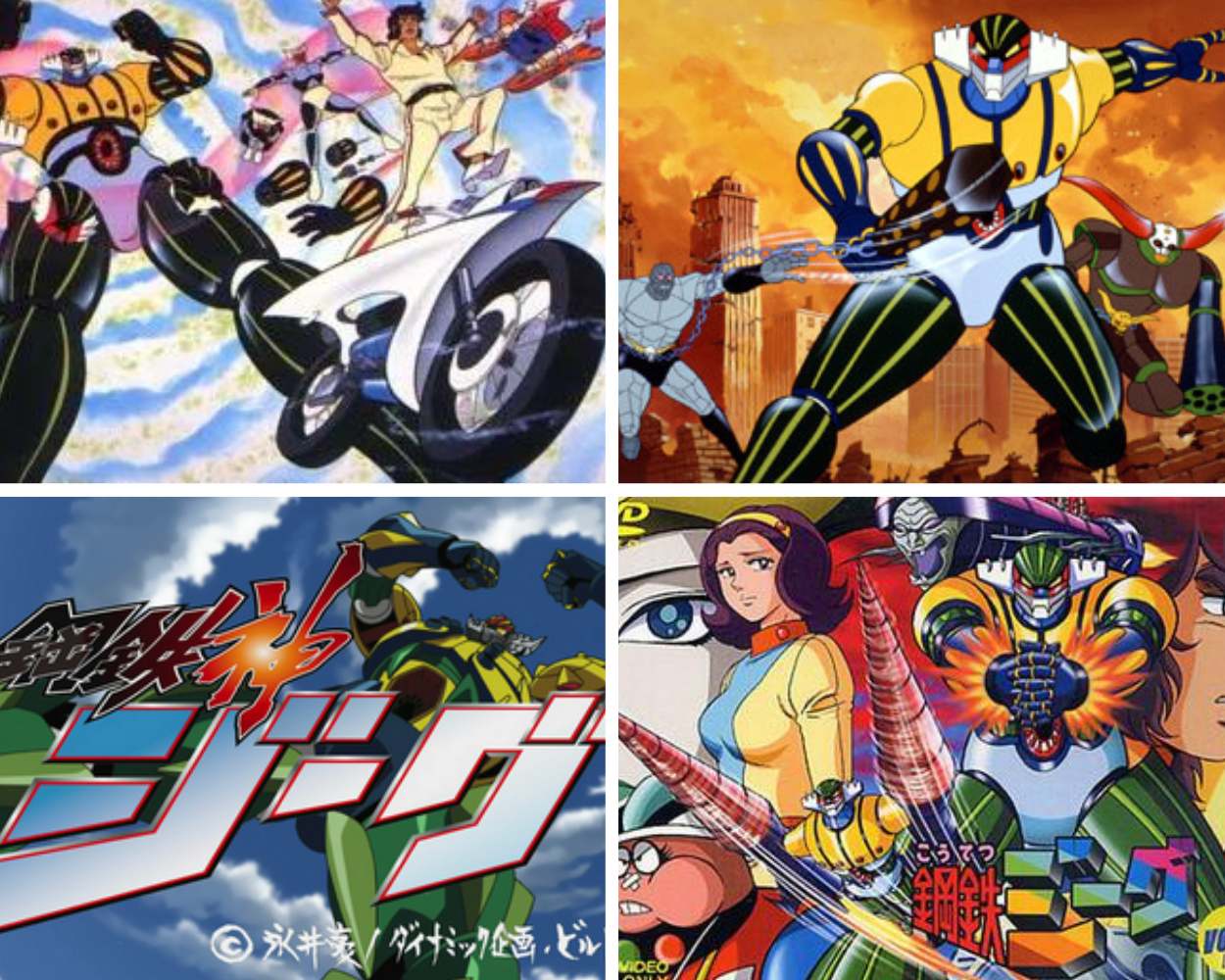
Another Go Nagai creation, Steel Jeeg has one of the coolest gimmicks of the era. Hiroshi Shiba, a race car driver, is rebuilt as a cyborg whose head becomes the control unit of the robot Jeeg, with the rest of the body assembling around him through magnetism. He battles the Haniwa Phantom Gods, an ancient civilization out to reclaim the Earth. It is a fun, action-heavy must-see series, and that magnetic build-a-robot concept made for legendary toys.
14Gaiking (1976-1977)
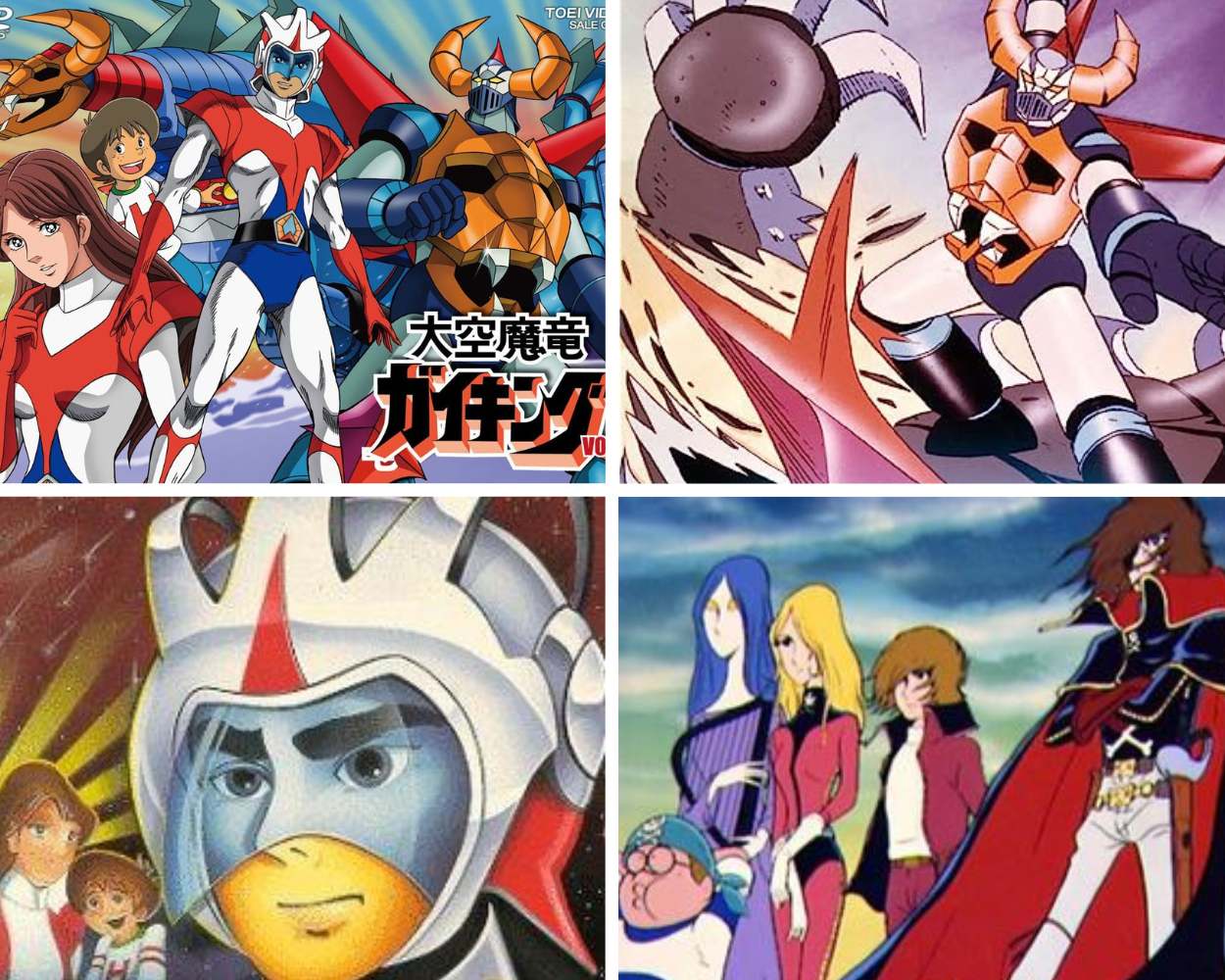
Gaiking brought a fresh spin to the mecha adventures of the 1970s. Former baseball ace Sanshiro Tsuwabuki is recruited to pilot Gaiking against the invading Dark Horror Army. What made it stand out was the Daiku Maryu, a colossal dragon-shaped flying fortress that launched Gaiking and its support craft into battle. Great designs, big personalities, and a setup that still feels epic.
13Blocker Gundan IV Machine Blaster (1976-1977)
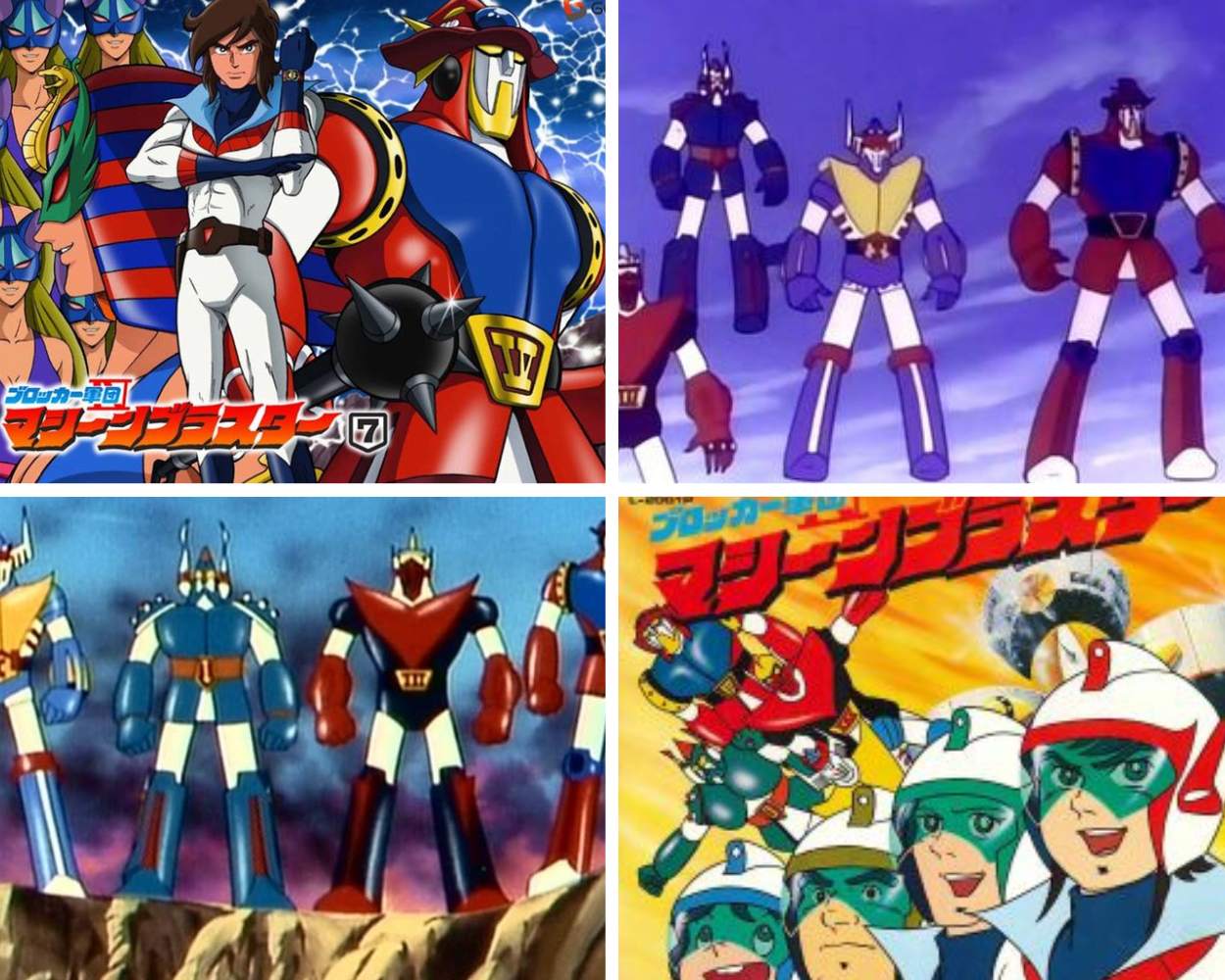
This is one of the genuinely underappreciated deep cuts of the era. Machine Blaster follows four young pilots whose separate machines combine into a single powerful robot to fend off the monstrous Beast Mechas and their alien commanders. It never reached the fame of the big names, but it has well-drawn characters, dramatic arcs, and plenty of that satisfying combining-robot action. A nice one for fans who want to go beyond the classics.
12Combattler V (1976-1977)
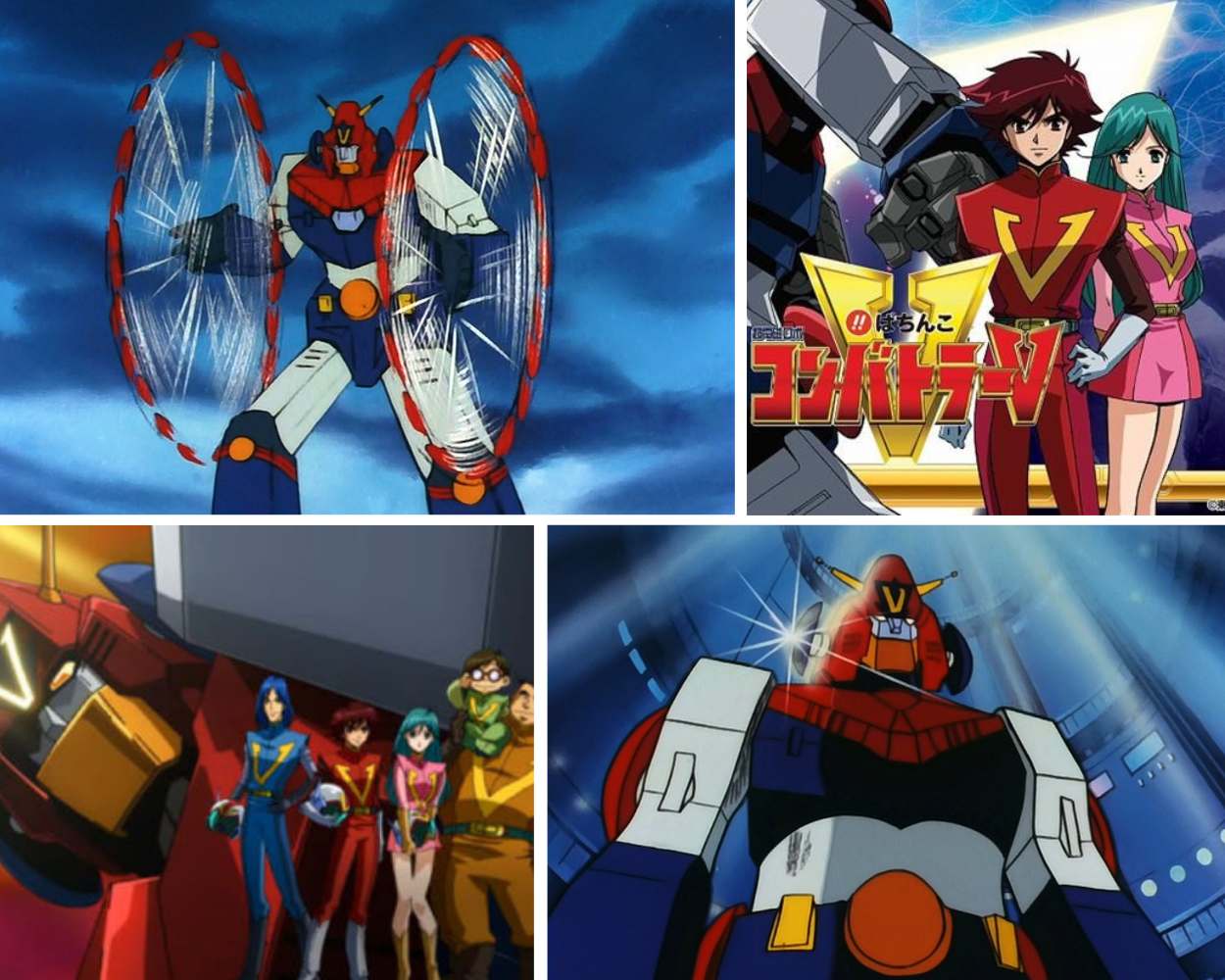
Combattler V, full name Super Electromagnetic Robot Combattler V, helped define the combining giant robot formula. Five young pilots each control a separate vehicle that joins together into the mighty Combattler V to fight the alien Campbellians. Beyond the great action, it is famous as the first chapter of director Tadao Nagahama’s celebrated Robot Romance Trilogy, which traded simple villain-of-the-week plots for genuine human drama.
11UFO Robo Grendizer (1975-1977)
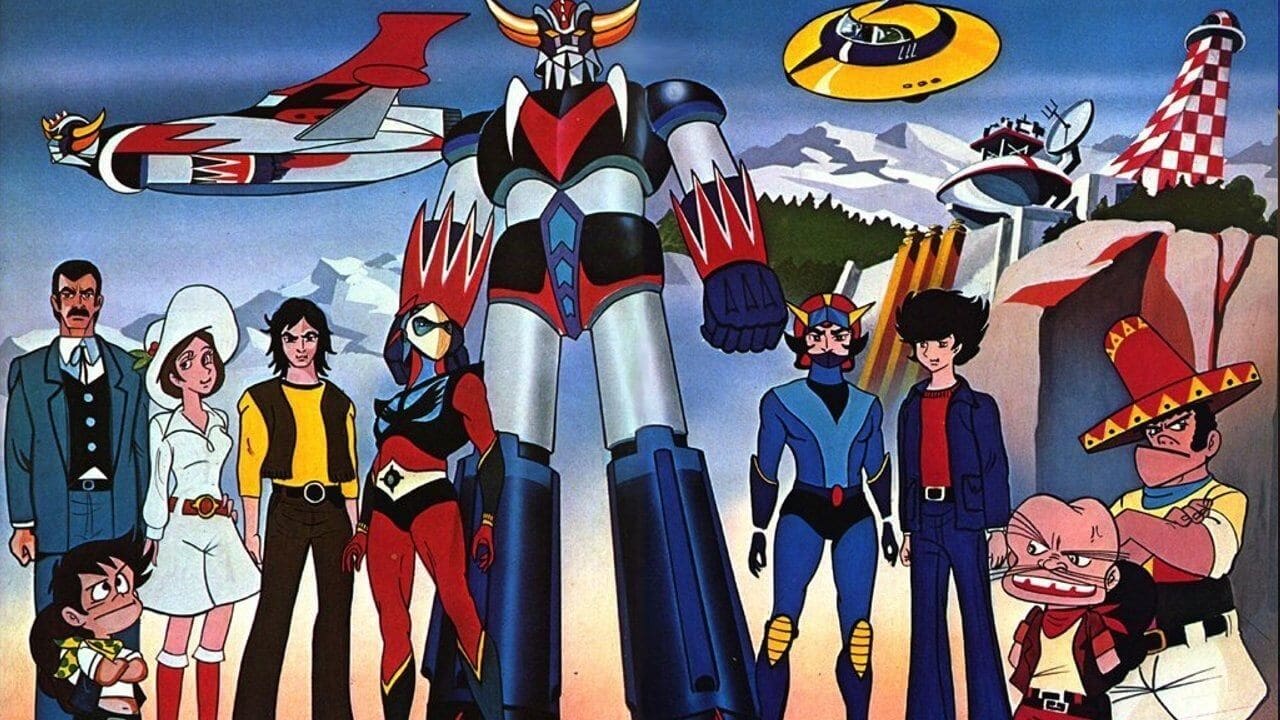
The third chapter of Go Nagai’s Mazinger saga, UFO Robo Grendizer takes the action into space. Duke Fleed is an alien prince who flees to Earth after his world is ravaged by war, and he defends his new home aboard the powerful Grendizer. With its themes of exile, sacrifice, and redemption, it is one of the more emotionally rich shows of the era.
10Voltes V (1977-1978)
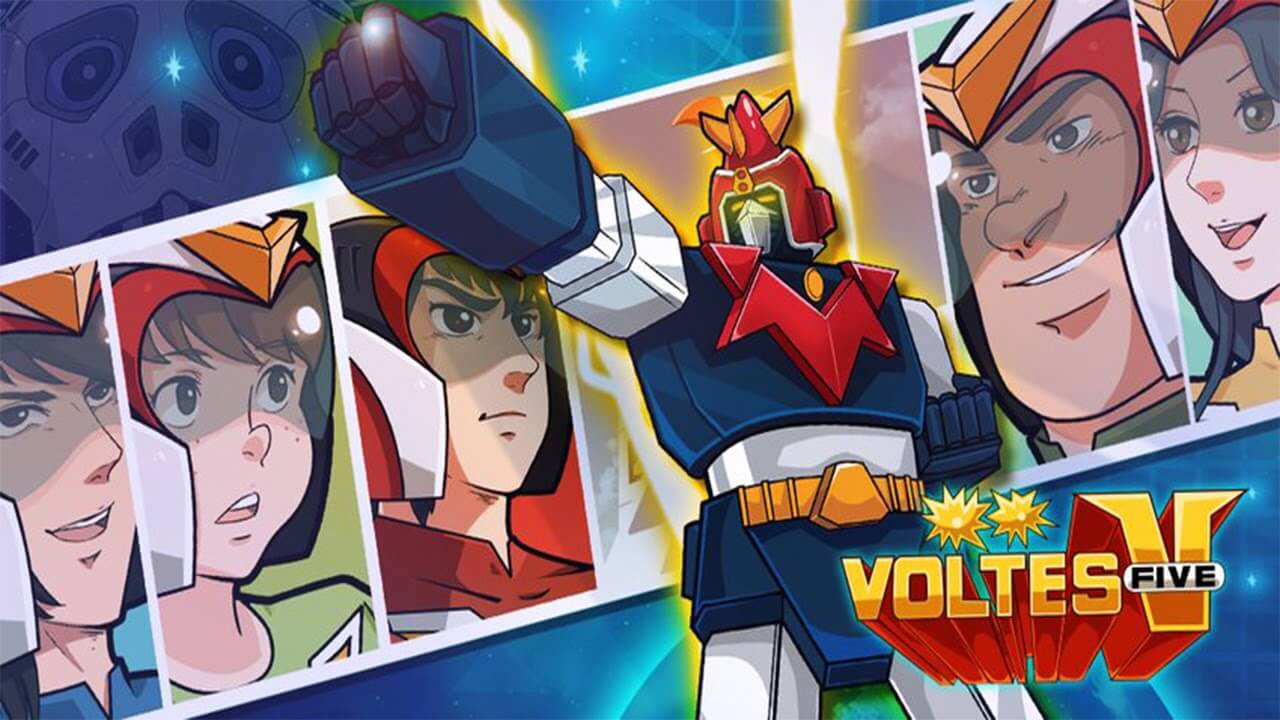
The crown jewel of the Robot Romance Trilogy, Voltes V is built around five sibling pilots reunited to fight the Boazanian invasion and its scarred Prince Heinel. Its battle cry, “Let’s Volt In!”, is iconic, and its themes of family, class oppression, and rebellion give it surprising depth. That famous “V” sword slash finish is pure 70s cool.
9Great Mazinger (1974-1975)
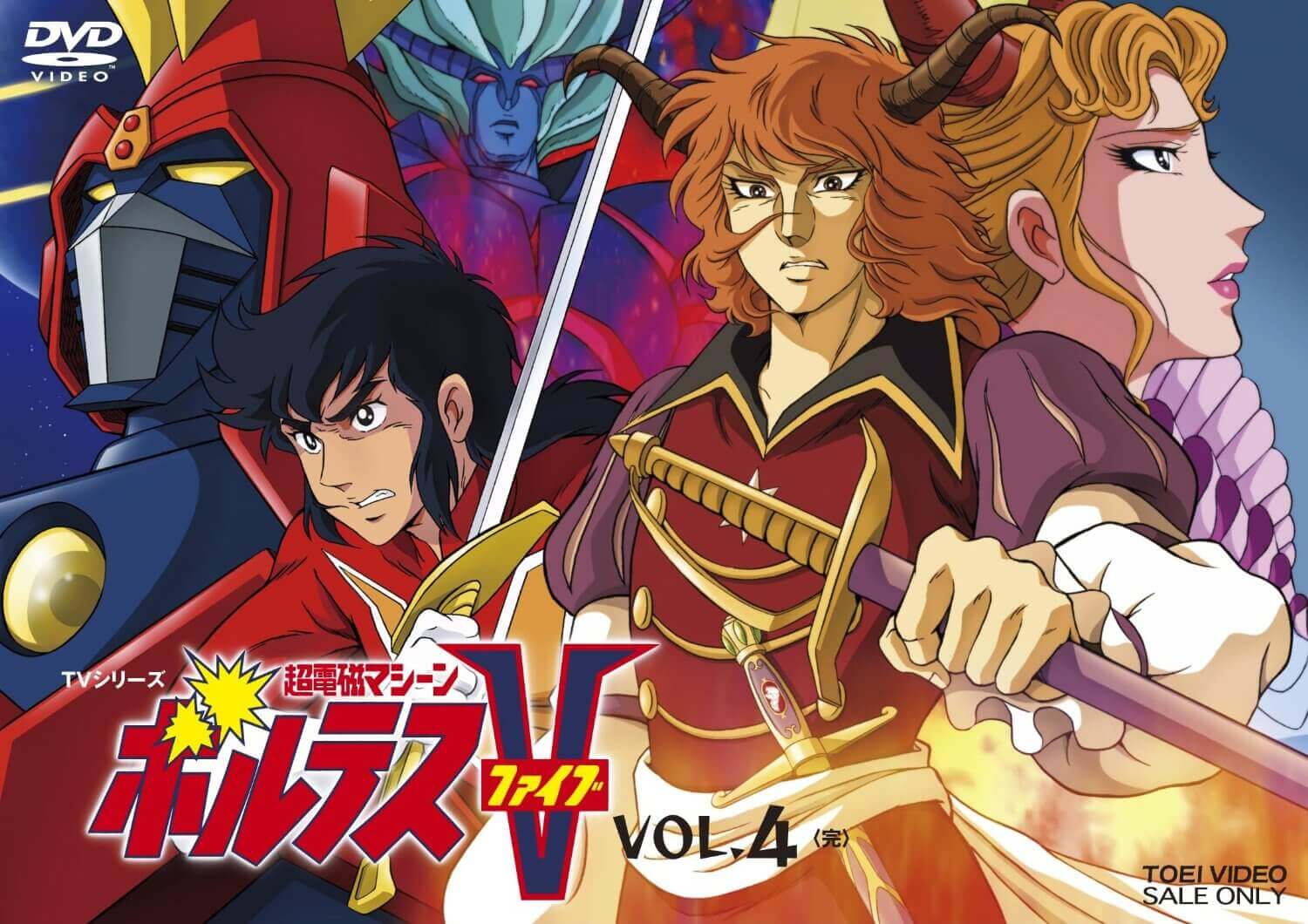
Picking up right where Mazinger Z left off, Great Mazinger is Go Nagai’s direct sequel and the middle chapter of the Mazinger saga that leads into Grendizer. This time the pilot is Tetsuya Tsurugi, a hot-blooded young fighter defending Earth against the Mykene Empire with an upgraded, more powerful Mazinger. It doubled down on everything fans loved about the original, and together the three Mazinger shows form the backbone of the entire super robot genre.
8Future Robo Daltanious (1979-1980)
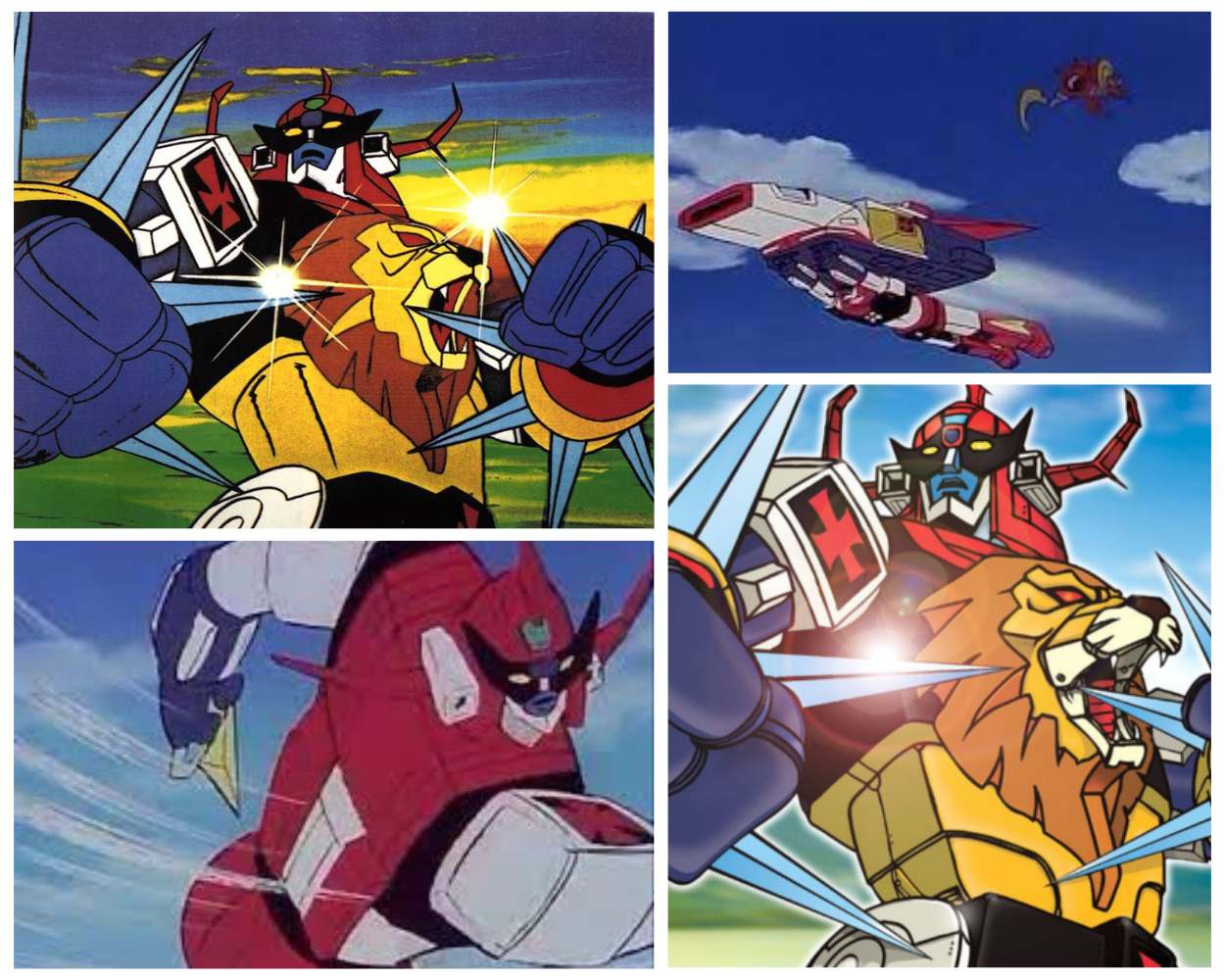
Closing out the decade, Future Robo Daltanious is set on a post-apocalyptic Earth conquered by an alien race, with humanity’s hope resting on a brave young man and his allies. Daltanious itself combines from separate units, including a robotic lion, which was an early version of the lion-mech idea that would later show up in shows like Voltron. A solid hidden gem that captures the creativity of the era.
7Invincible Steel Man Daitarn 3 (1978-1979)
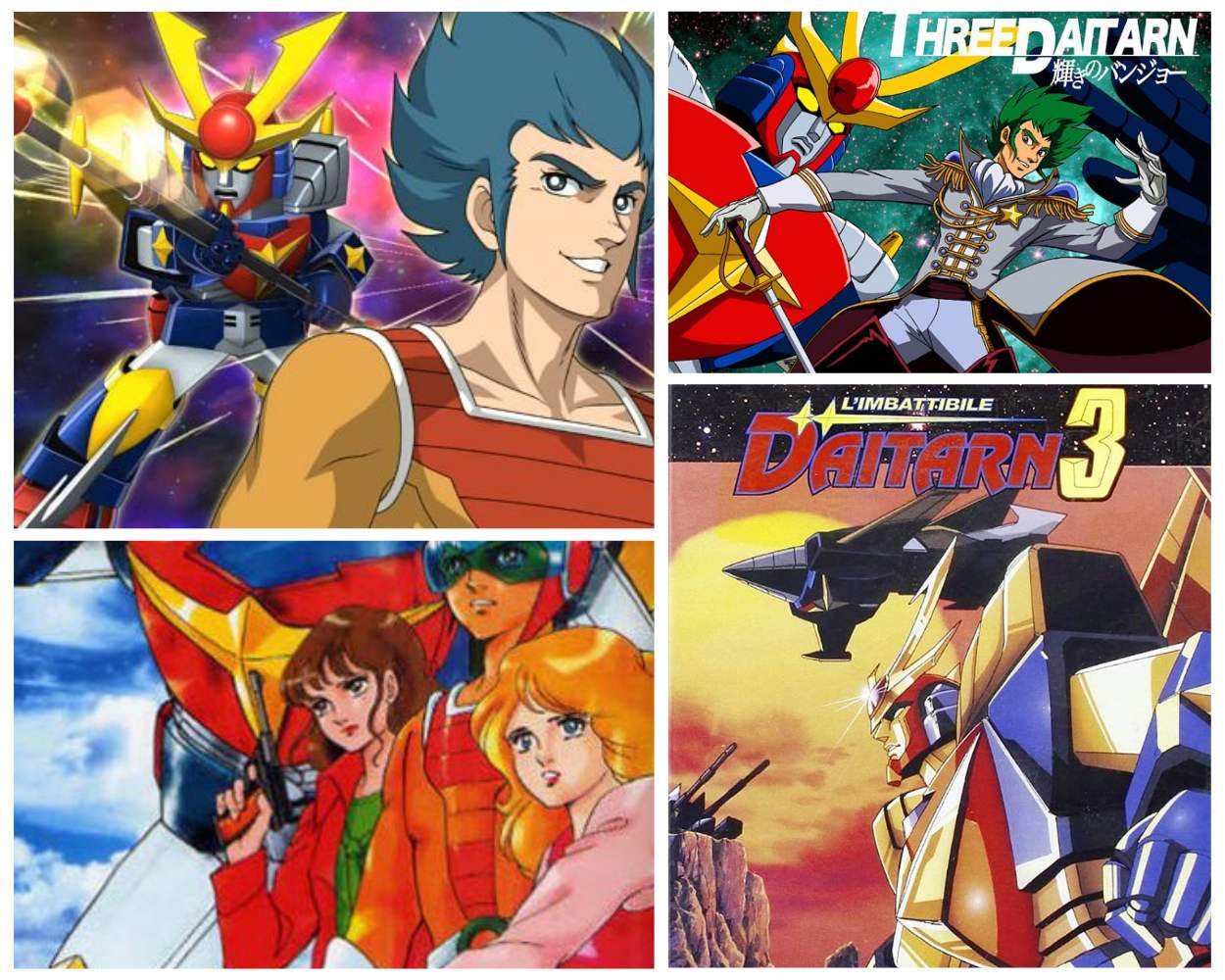
Daitarn 3 comes from Yoshiyuki Tomino, and it is a real change of pace. Suave playboy investigator Banjou Haran pilots the giant Daitarn 3 against the Meganoids, who want to convert humanity into their cyborg race. It mixes James Bond-style spy cool with super robot action and a healthy sense of humor. Tomino was clearly experimenting here, right before he made the show that would redefine the genre.
6Brave Raideen (1975-1976)
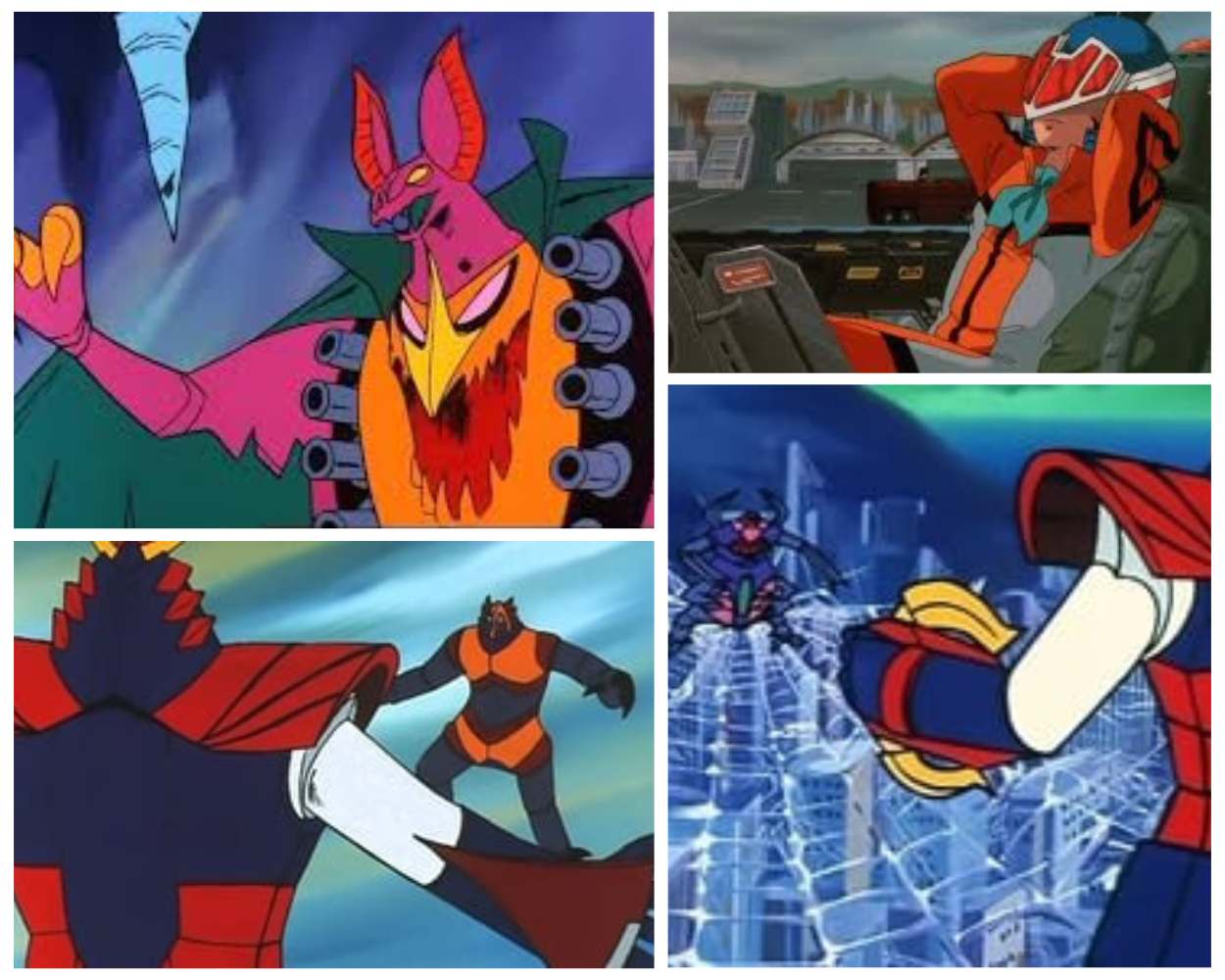
Brave Raideen, with early direction from Tomino before Nagahama took over, is a landmark for one big reason: it was one of the first mecha that could transform. Young Akira Hibiki discovers he is the only one who can pilot Raideen, an ancient robot left behind by the lost civilization of Mu. Its ability to shift into a giant flying “God Bird” was a striking break from the boxy humanoid robots of the day and pointed the way toward the transforming mecha that would follow.
5Zambot 3 (1977-1978)
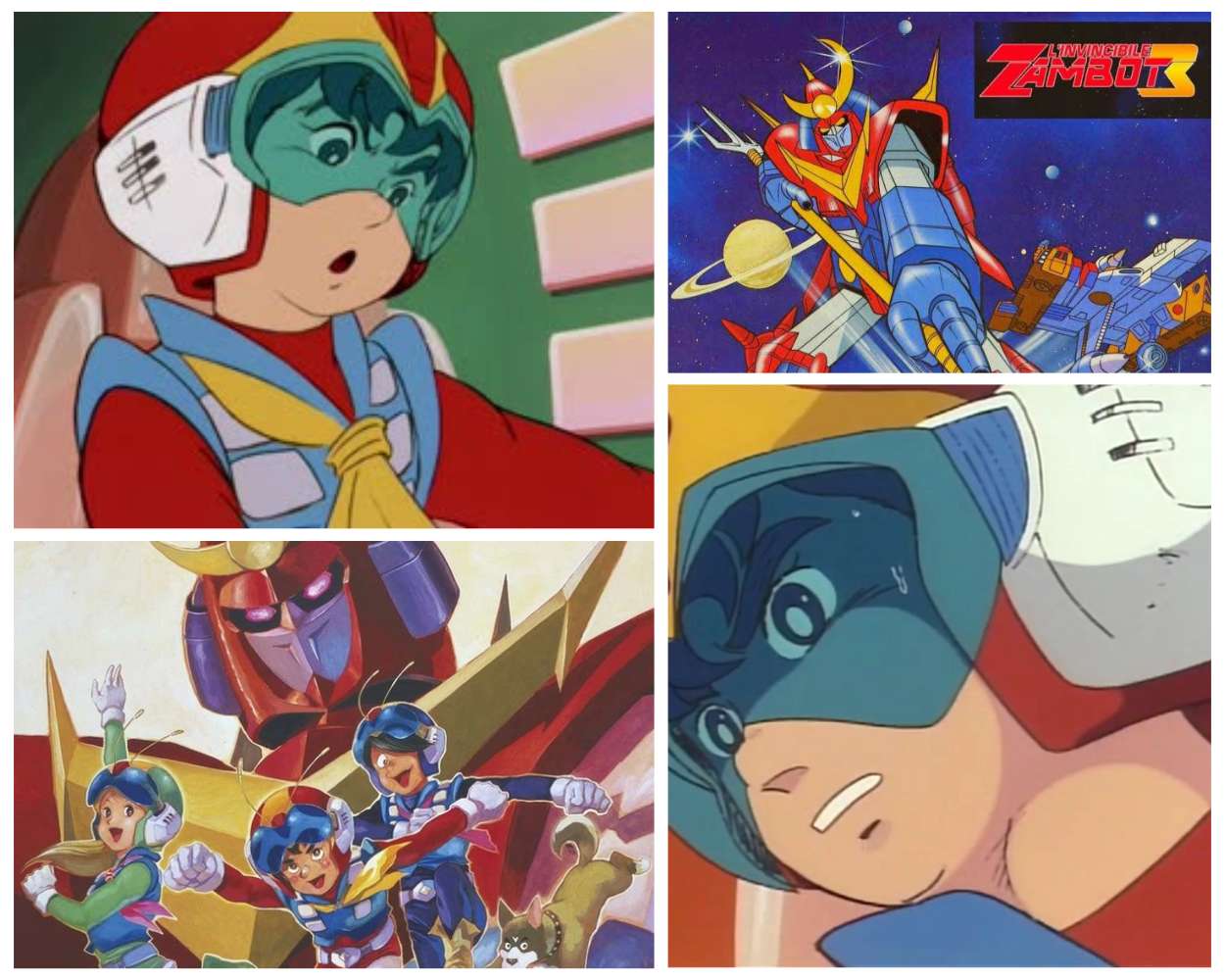
On the surface Zambot 3 looks like a standard super robot show, with young Kappei Jin and his family piloting Zambot 3 against the invading Gaizok. But Tomino had other plans.
4Getter Robo (1974-1975)
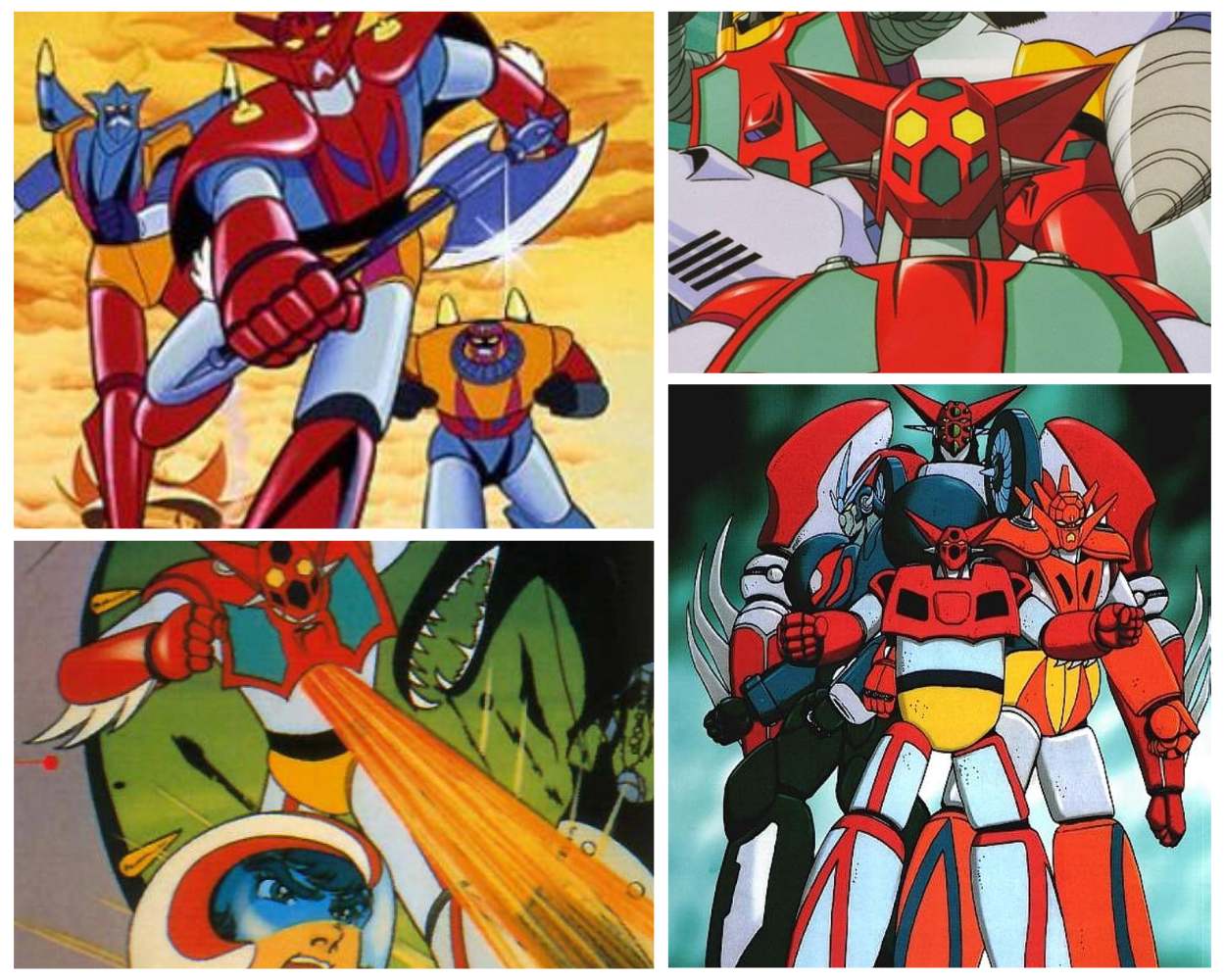
From Go Nagai and Ken Ishikawa, Getter Robo is the show that pioneered the transforming, combining robot. Three jets piloted by Ryoma, Hayato, and Musashi merge into one machine, and depending on how they combine, they form three completely different robots, each suited to a different battlefield. When the Dinosaur Empire attacks, these three are Earth’s last hope. Its DNA is in basically every combining robot that came after it.
3Mazinger Z (1972-1974)
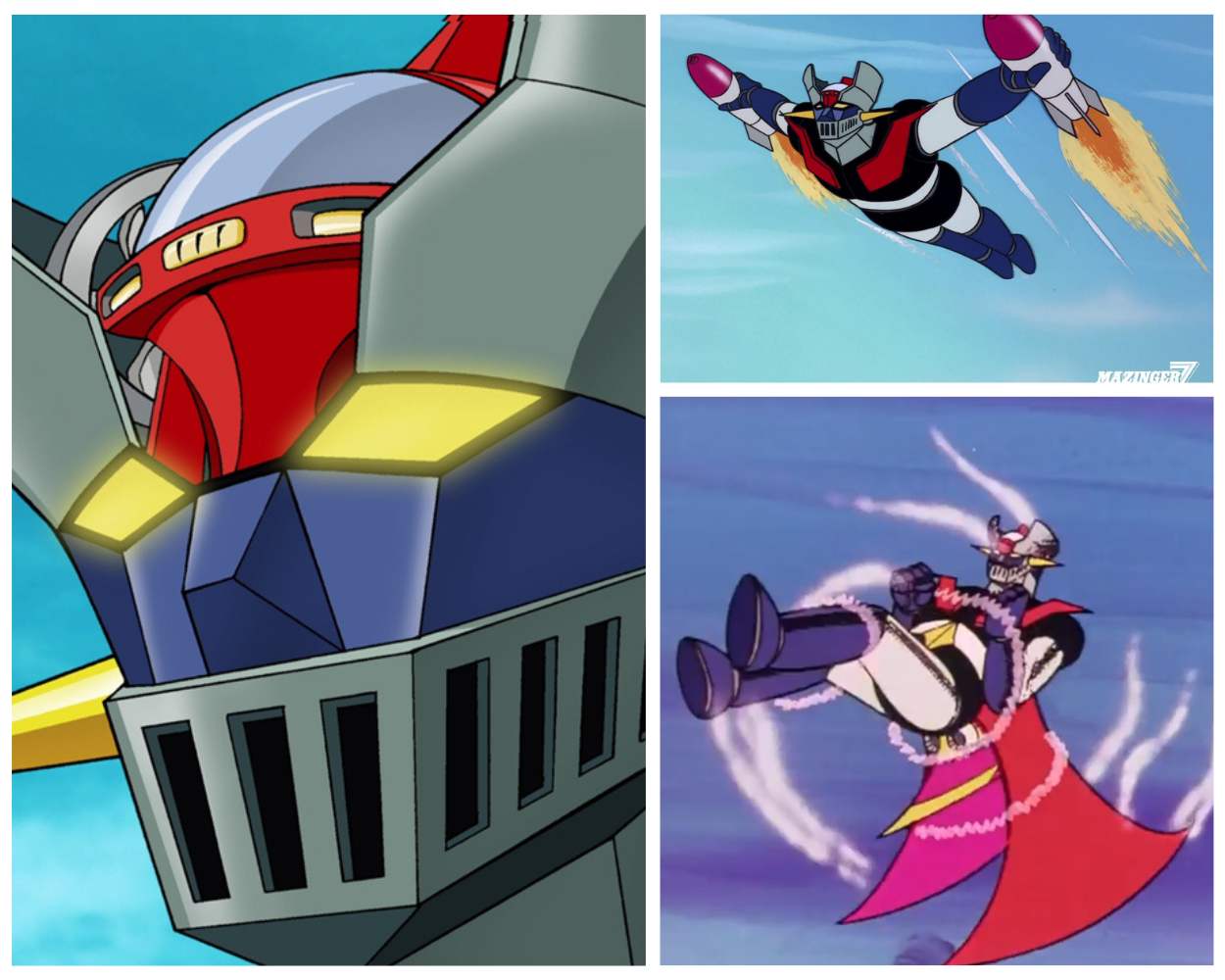
This is the big one, the show that started it all. Koji Kabuto climbs aboard the super robot Mazinger Z to battle the sinister Dr. Hell, and in doing so kicked off an entire genre.
2Mobile Suit Gundam (1979-1980)
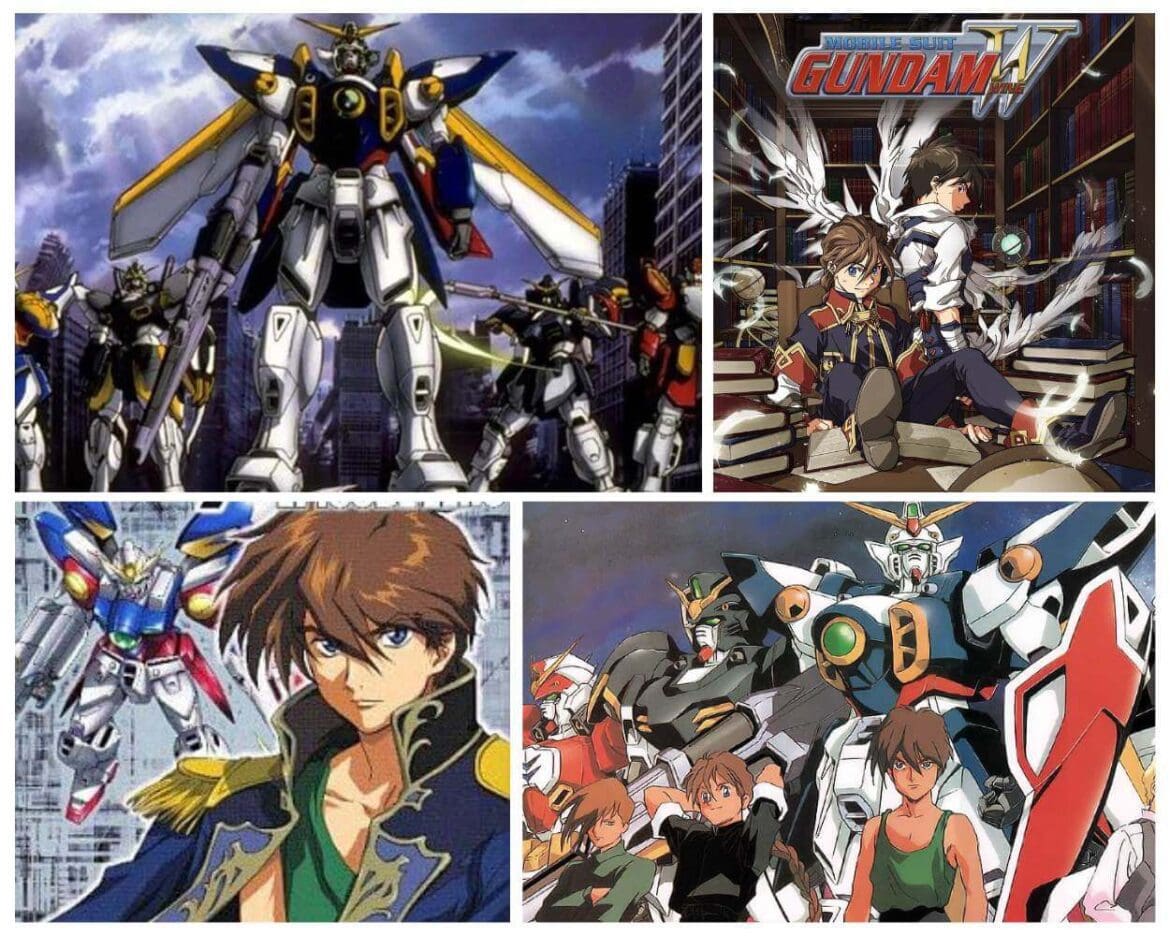
We end the decade with the show that flipped the entire genre on its head. Mobile Suit Gundam, another Tomino creation, ditched the magical super robot for grounded, mass-produced military machines called mobile suits, and told a serious war story about the conflict between the Earth Federation and the Principality of Zeon.
1More 70s Mecha Anime Worth Watching
The decade had far more giant robots than I could fit here. If you want to keep digging, Tosho Daimos (1978) completes Nagahama’s Robot Romance Trilogy alongside Combattler V and Voltes V, and it leans into martial arts and a Romeo-and-Juliet romance. Danguard Ace (1977) brought a sleek space-faring design, and Magne Robo Gakeen (1976) ran with the magnetic-combining idea. Together with everything above, they make up the unbeatable golden age of classic mecha anime.
That is my rundown of the essential 70s mecha anime. These shows are over four decades old now, but the energy, the imagination, and the sheer joy of a giant robot punching an alien monster have never gone out of style.
Which 70s super robot is your favorite, and what classic did I leave off? Let me know in the comments.