Sometimes, you don’t want to watch a hero save the world. Sometimes, you just want to feel something. You want a show that rips your heart out, stomps on it, and puts it back in your chest slightly different than it was before.
We have all been there. You finish an episode at 3 AM, staring at the ceiling, wondering why you did this to yourself. But that is the beauty of the medium. Unlike Western cartoons, which often shy away from finality, anime embraces tragedy. It explores mental health, depression, and grief with a raw honesty that live-action rarely captures.
I decided to rank the saddest anime movies and series based on a very scientific metric: How much did I cry?
Whether you are looking for emotional anime recommendations about lost love, family trauma, or the horrors of war, this list covers the spectrum of sadness. Grab a box of tissues. You have been warned.
Charlotte

🎬 Studio: P.A. Works
😭 Tear Meter: 3/10 (The twist hits hard)
🧠 My Take: It starts as a comedy and ends as a tragedy.
Charlotte tricks you. It starts as a fun show about teenagers with imperfect superpowers. Yuu Otosaka uses his power to cheat on tests. It feels like a standard high school romp. Then, halfway through, the tone shifts so violently it gives you whiplash. The descent into madness and the sacrifices made by the characters turn this from a “fun watch” into a tearjerker about losing one’s identity. If you like complex female antagonists, check out my breakdown of Konishi from this series.
Akame ga Kill!
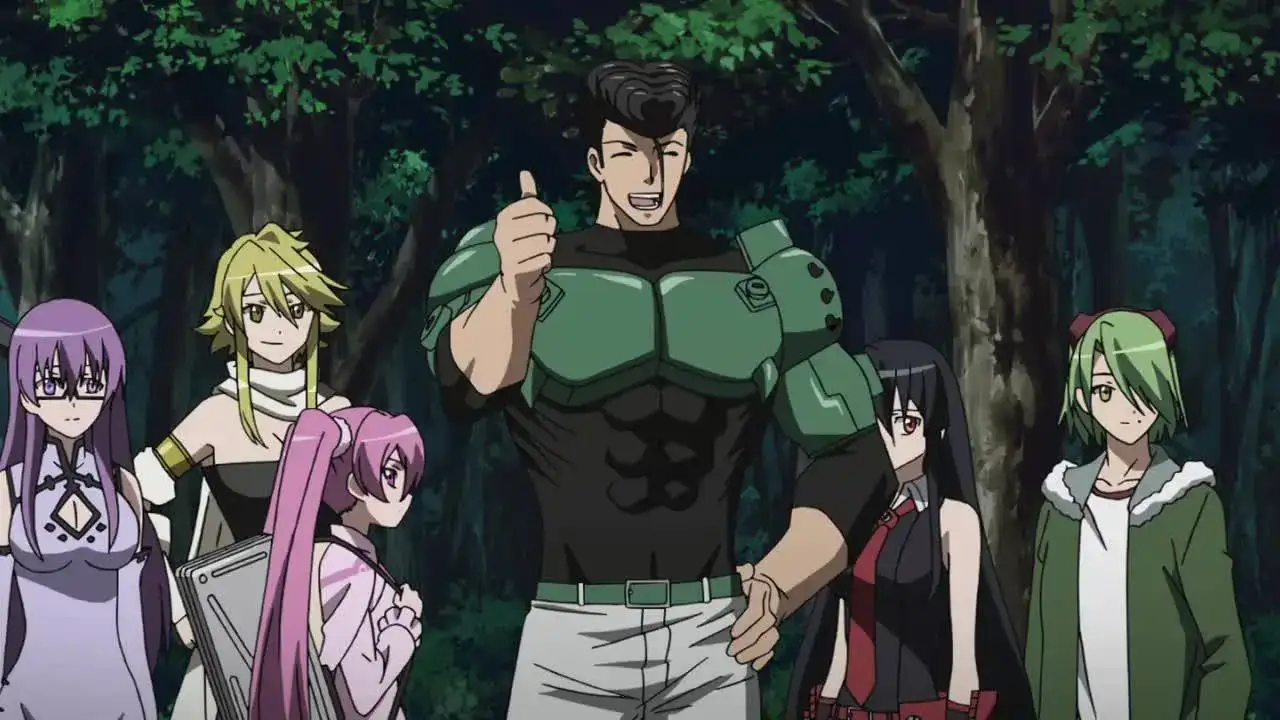
⚔️ Studio: White Fox
😭 Tear Meter: 4/10 (Shock Value)
🧠 My Take: Don’t get attached to anyone.
This isn’t “sad” in the traditional sense; it’s traumatic. Akame ga Kill! is famous for having absolutely zero plot armor. You meet a character, learn their backstory, fall in love with them, and then watch them die a brutal death two episodes later. The villain, Esdeath, is one of the most chilling examples of how love and cruelty can coexist. It hurts because it feels unfair, which is exactly the point of war.
Tokyo Ghoul
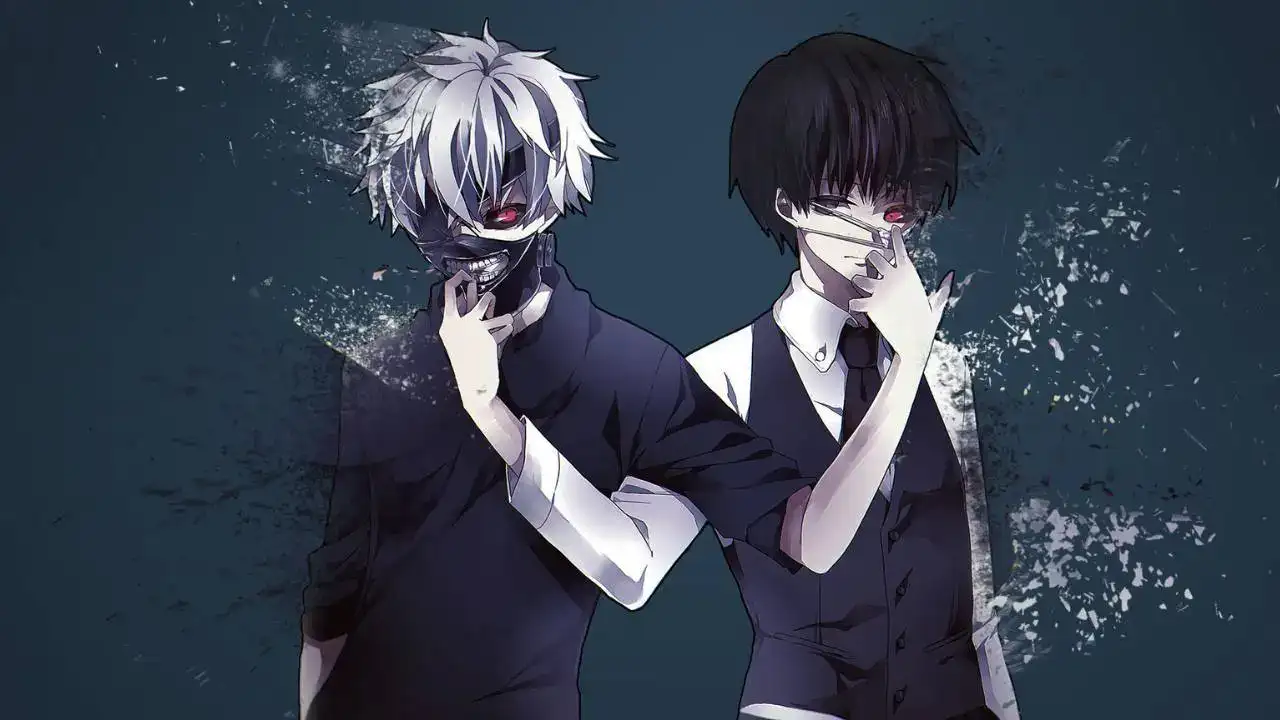
☕ Studio: Pierrot
😭 Tear Meter: 5/10 (Tragic Life)
“I am a tragedy.” Ken Kaneki says this early on, and he isn’t lying. The sadness in Tokyo Ghoul comes from the loss of humanity. Watching a kind, bookish boy be tortured and forced to cannibalize others to survive is heavy. The acoustic version of “Unravel” playing during the final walk in Season 2 is a moment that is permanently etched into anime history.
Assassination Classroom (Ansatsu Kyoushitsu)
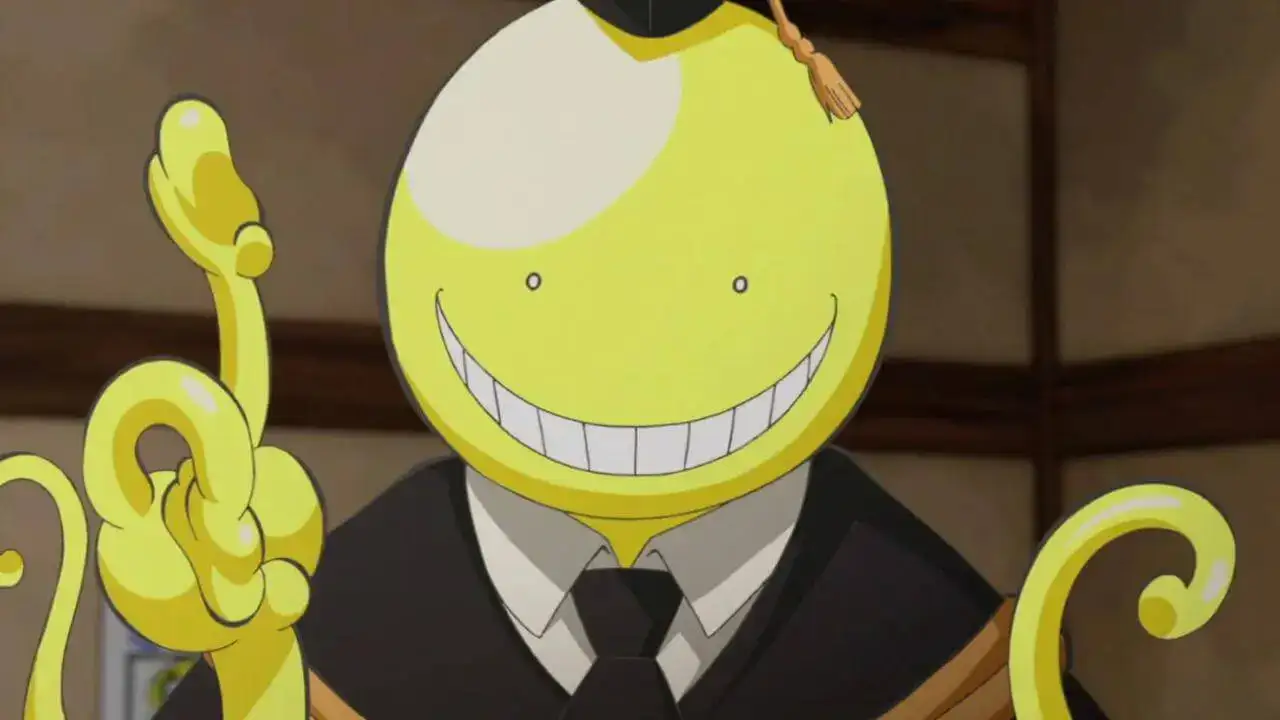
🐙 Studio: Lerche
😭 Tear Meter: 6/10 (The Roll Call)
How can a show about a yellow octopus teacher be sad? That is the magic of Assassination Classroom. You spend two seasons laughing at Koro-sensei’s antics and watching these reject students grow into confident assassins. But you know the premise: they have to kill him by graduation. When that moment finally comes, it is executed with such grace and genuine love that it will leave you sobbing over a tentacle monster.
Code Geass: Lelouch of the Rebellion
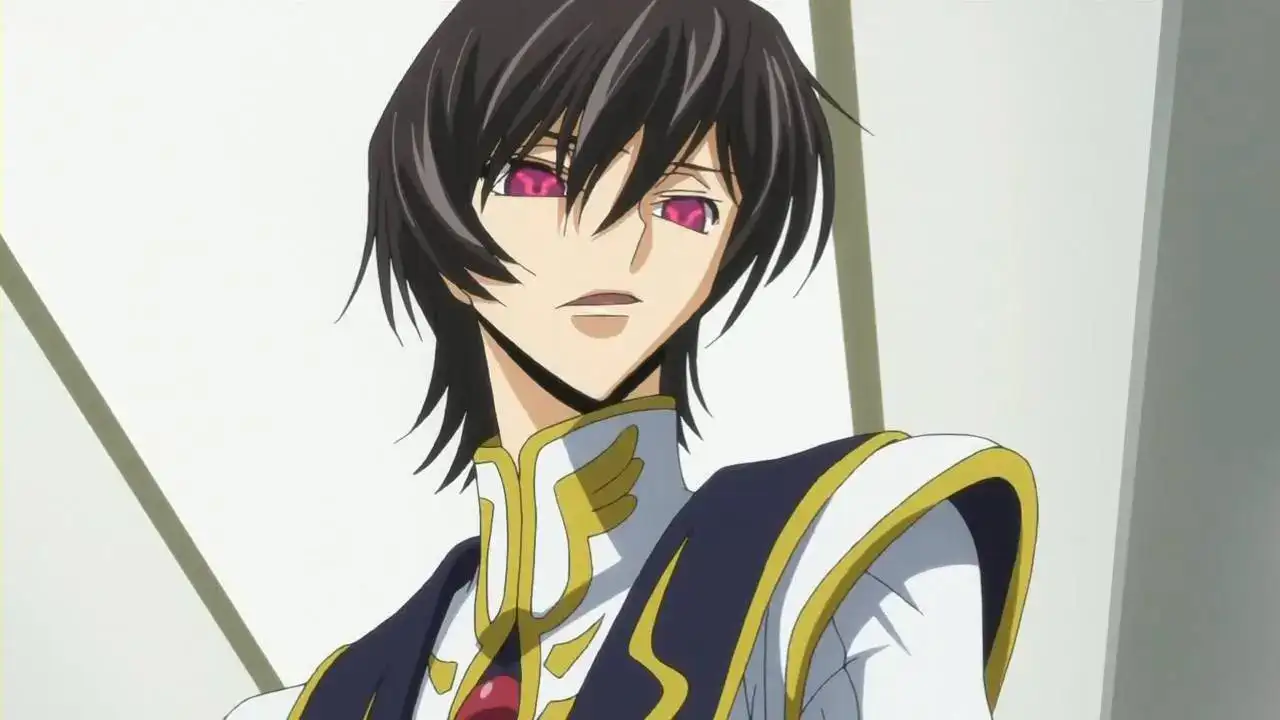
♟️ Studio: Sunrise
😭 Tear Meter: 6.5/10 (The Zero Requiem)
This is a political thriller first and a tragedy second. Lelouch Lamperouge wants to build a better world for his sister, but the cost is his soul. The “Zero Requiem” ending is widely considered one of the greatest conclusions in fiction. It’s a tearjerker because it’s the ultimate act of self-sacrifice. It also features some tragic side characters like Shirley whose deaths feel utterly preventable.
Orange
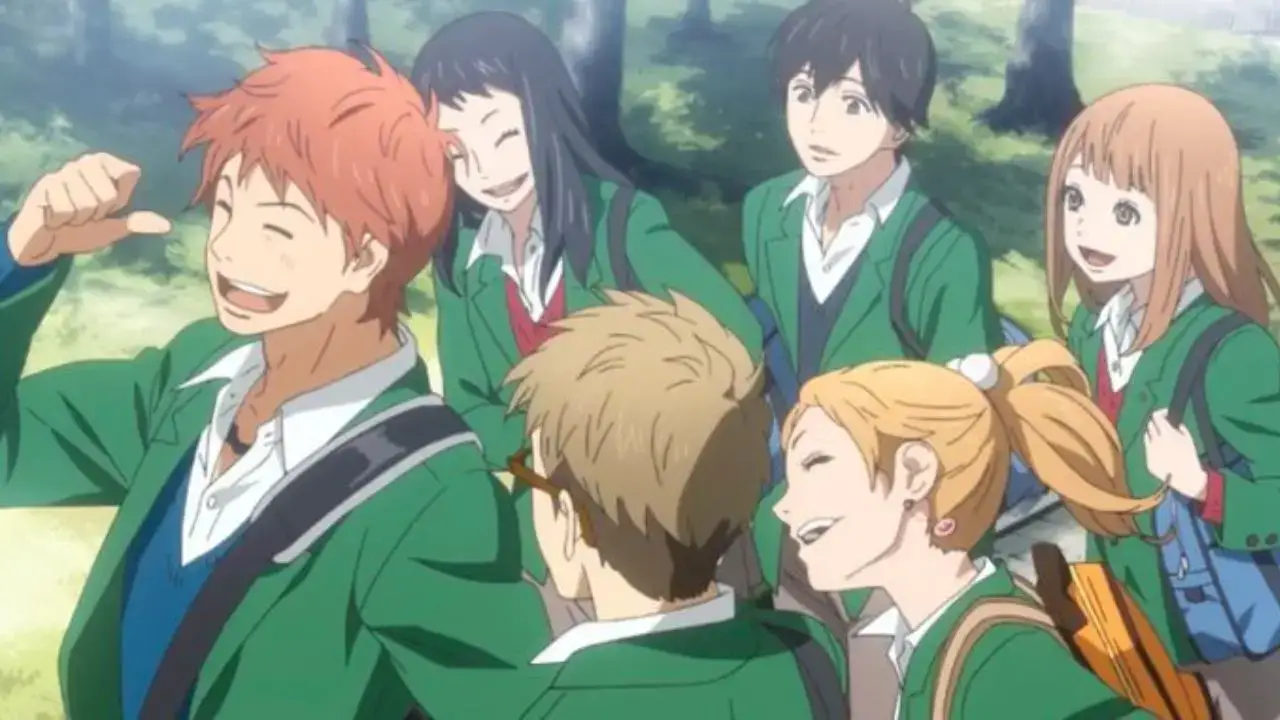
✉️ Studio: Telecom Animation Film
😭 Tear Meter: 7/10 (Regret)
What if you could save a friend from suicide? Orange deals heavily with guilt and the “what ifs” of life. Naho receives letters from her future self, instructing her on how to save Kakeru. It is a slow burn that realistically depicts high school depression. It’s one of the most potent anime about mental health because it shows that saving someone isn’t about one big moment, but a million small kindnesses.
Hotarubi no Mori e (Into the Forest of Fireflies’ Light)
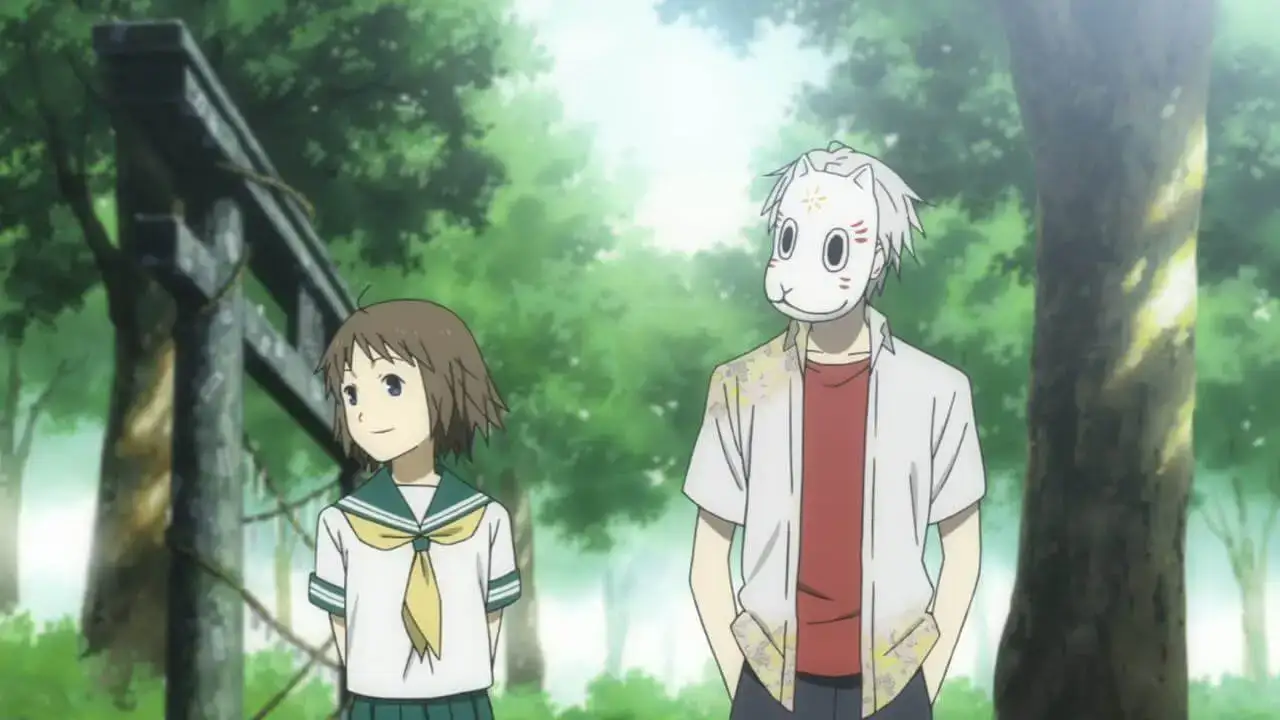
🌲 Studio: Brain’s Base
😭 Tear Meter: 7/10 (Bittersweet)
This is a short 45-minute film, but it packs a punch. A young girl meets a spirit in the forest who will disappear if he is ever touched by a human. Watching them grow up together, unable to hold hands or hug, creates a tension that hurts your chest. The ending is inevitable, beautiful, and devastatingly simple.
Plastic Memories
🤖 Studio: Doga Kobo
😭 Tear Meter: 7.5/10 (The Countdown)
Imagine falling in love knowing the exact expiration date of your partner. In this world, androids have a limited lifespan before their memories degrade. The protagonist falls for Isla, a Giftia nearing the end of her life. The show doesn’t hide the ending; it marches toward it. It forces you to ask: Is love worth the pain of loss?
Banana Fish
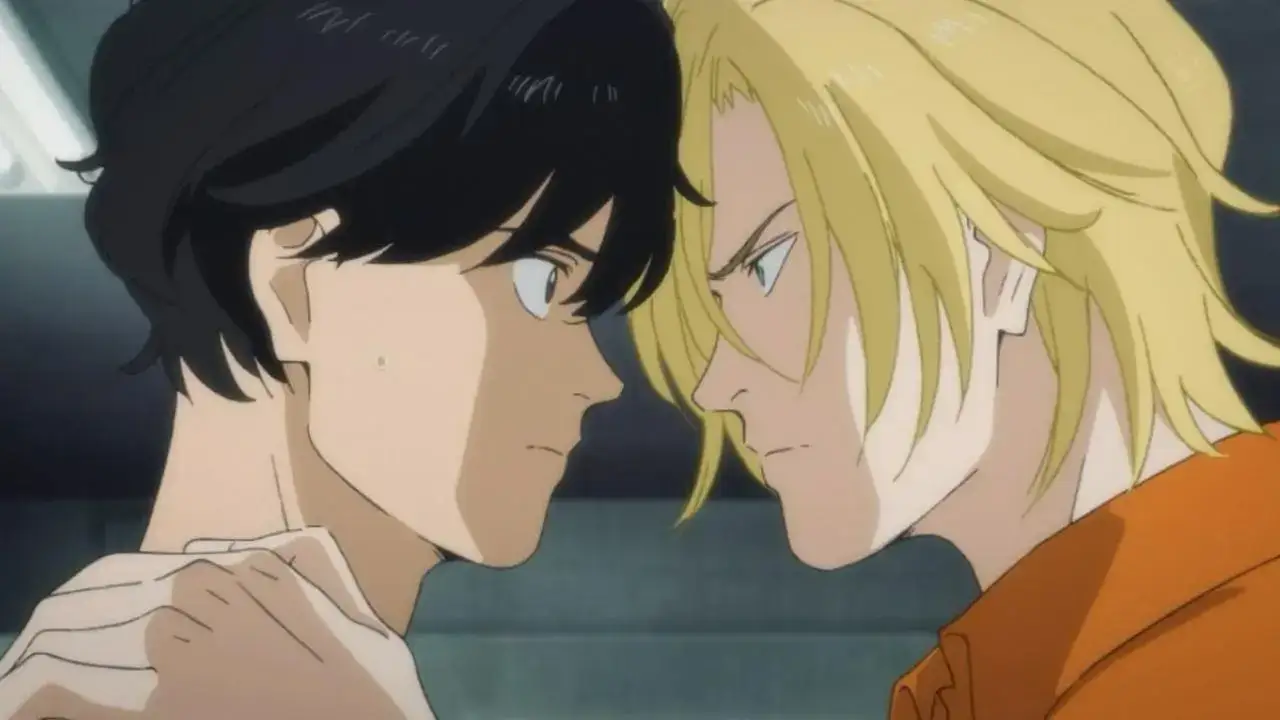
🍌 Studio: MAPPA
😭 Tear Meter: 8/10 (Unfairness)
🧠 My Take: A masterpiece of gritty storytelling.
This isn’t a fantasy; it’s a gritty crime thriller. Ash Lynx is a gang leader in NYC trying to escape his abusive past. His relationship with Eiji is pure and healing, which makes the violence surrounding them even more tragic. The ending of Banana Fish is one of the most discussed and painful conclusions in modern anime fandom.
Cyberpunk: Edgerunners
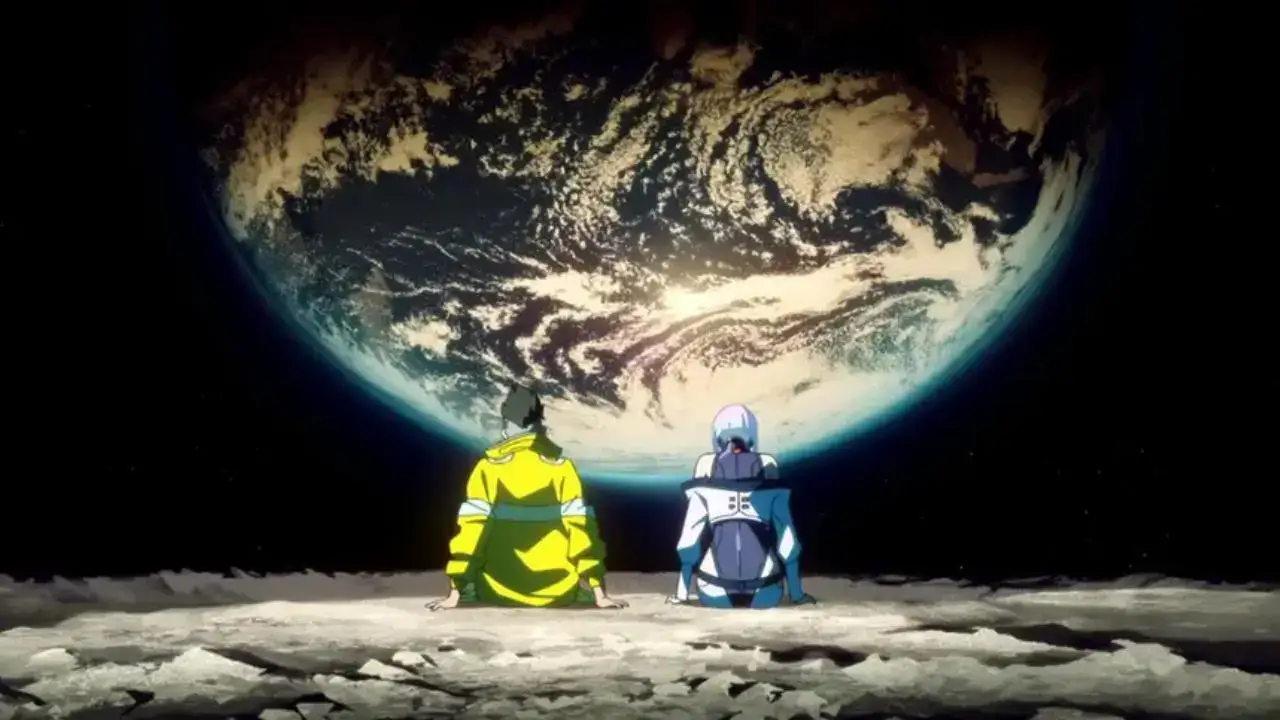
🦾 Studio: Trigger
😭 Tear Meter: 8/10 (I Really Want to Stay at Your House)
You wouldn’t expect a hyper-violent show based on a video game to make you sob, but here we are. David Martinez’s descent into cyber-psychosis is a tragedy of ambition. He literally gives pieces of himself away until there is nothing left. The song “I Really Want to Stay at Your House” will trigger PTSD in anyone who has watched this show.
Wolf Children (Ookami Kodomo no Ame to Yuki)
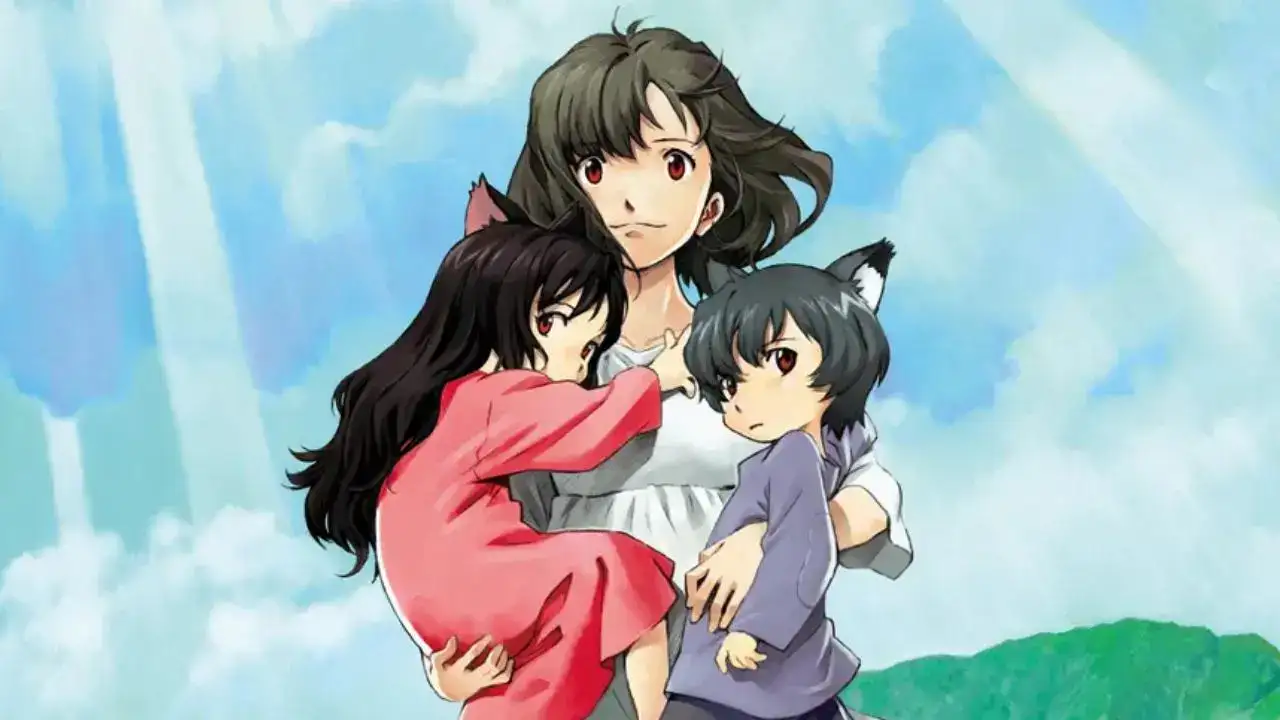
🐺 Studio: Studio Chizu
😭 Tear Meter: 8/10 (Happy Tears)
This movie isn’t sad because of death; it’s sad because of life. It chronicles the struggles of a single mother raising two werewolf children. Watching her sacrifice everything for her kids, only to have to let them go their own ways, hits hard for anyone who understands parenting. It captures the bittersweet nature of growing up perfectly. If you love this style, check out other movies like Studio Ghibli.
Death Parade
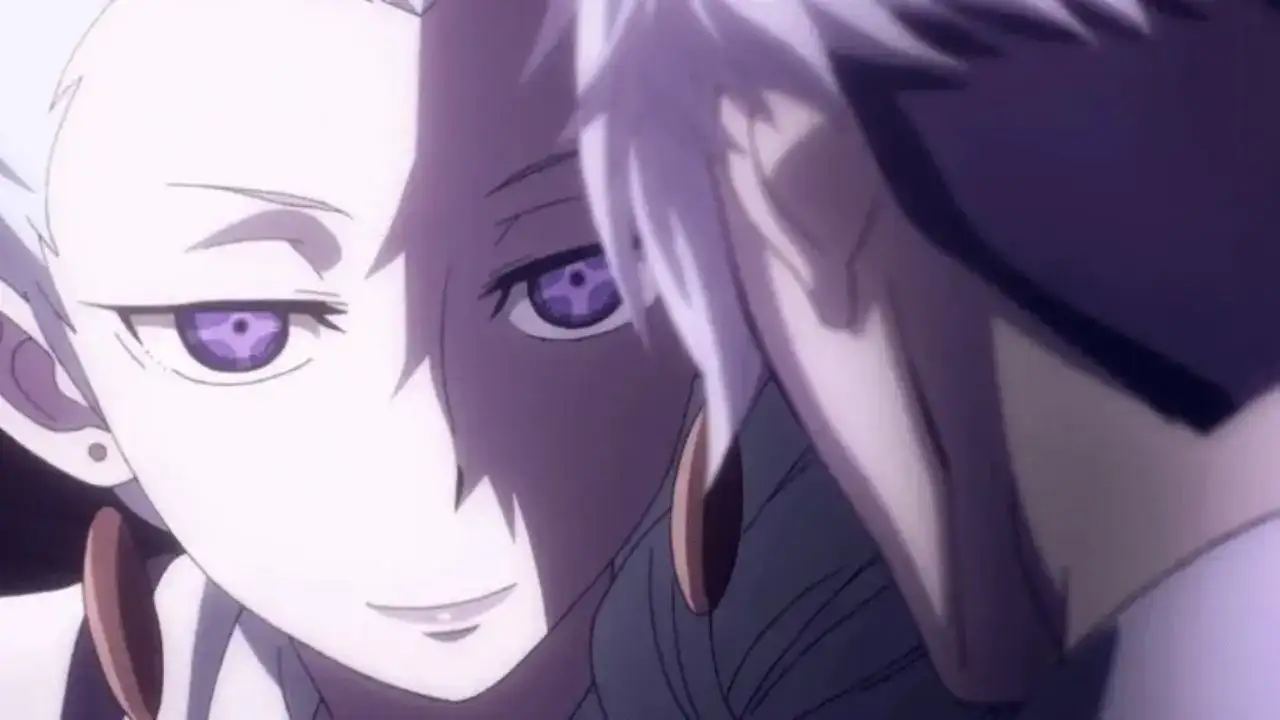
🍸 Studio: Madhouse
😭 Tear Meter: 8.5/10 (Existential Dread)
Welcome to Quindecim, a bar where the dead go to be judged. Each episode features new characters playing games to decide if they go to “heaven” or “hell.” It forces you to look at the regrets of ordinary people. The final arc, focusing on the assistant Chiyuki’s realization of her own death, is absolutely crushing.
Violet Evergarden
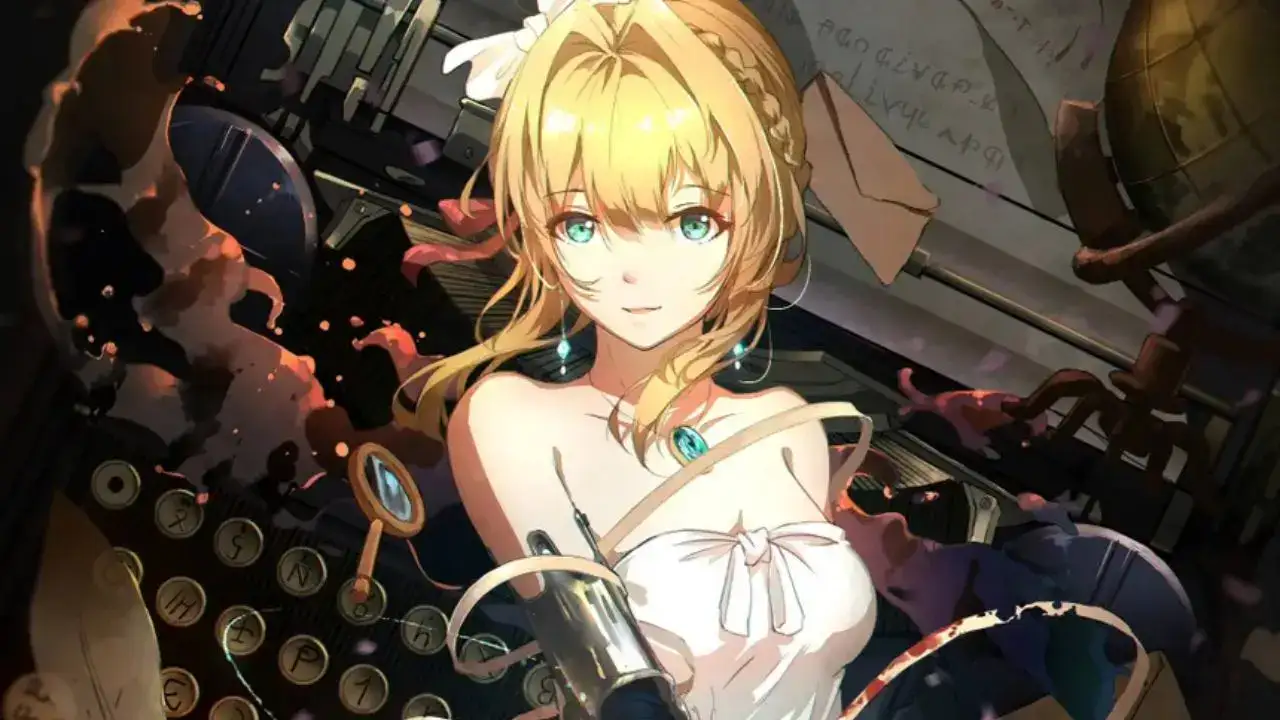
✉️ Studio: Kyoto Animation
😭 Tear Meter: 9/10 (Episode 10…)
🧠 My Take: Probably the most beautiful animation ever created.
Violet is a former child soldier learning what “I love you” means by working as a ghostwriter. The show is episodic, with Violet meeting different people dealing with grief. Episode 10, involving a dying mother writing letters to her daughter for future birthdays, is widely considered one of the saddest 24 minutes in television history. It is a defining title in the sad girl anime genre.
I Want to Eat Your Pancreas
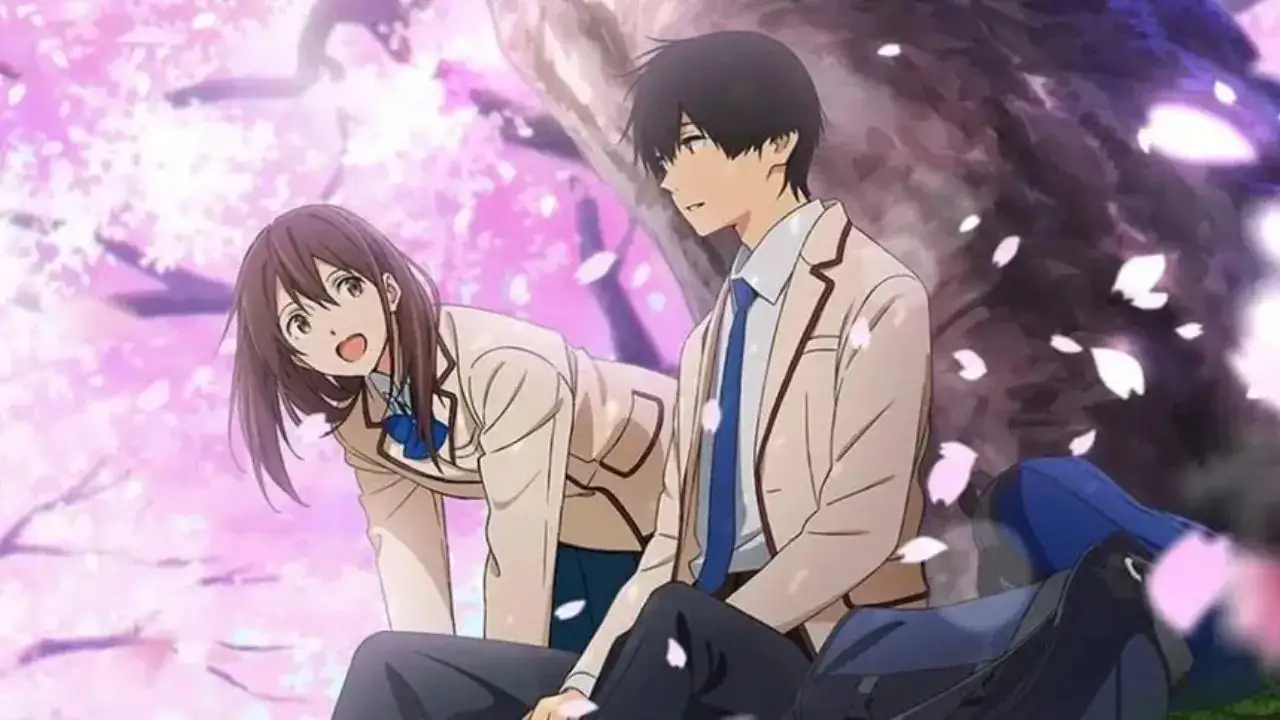
🌸 Studio: Studio VOLN
😭 Tear Meter: 9/10 (The Journal)
Despite the weird title, this is a grounded, devastating story about a boy who finds a diary belonging to a classmate with a terminal pancreatic illness. Unlike other sick-lit stories, the ending pulls the rug out from under you in a way that feels cruel and realistic. It teaches you that tragedy doesn’t wait for you to be ready.
Anohana: The Flower We Saw That Day

👻 Studio: A-1 Pictures
😭 Tear Meter: 9.5/10 (Secret Base)
Menma is a ghost who just wants her friends to get along again. The problem is, her death is the reason they drifted apart. Watching this group of childhood friends reopen old wounds and scream their guilt at each other is visceral. The finale, involving a game of hide-and-seek, will dehydrate you. It’s a premier anime about ghosts.
Your Lie in April (Shigatsu wa Kimi no Uso)
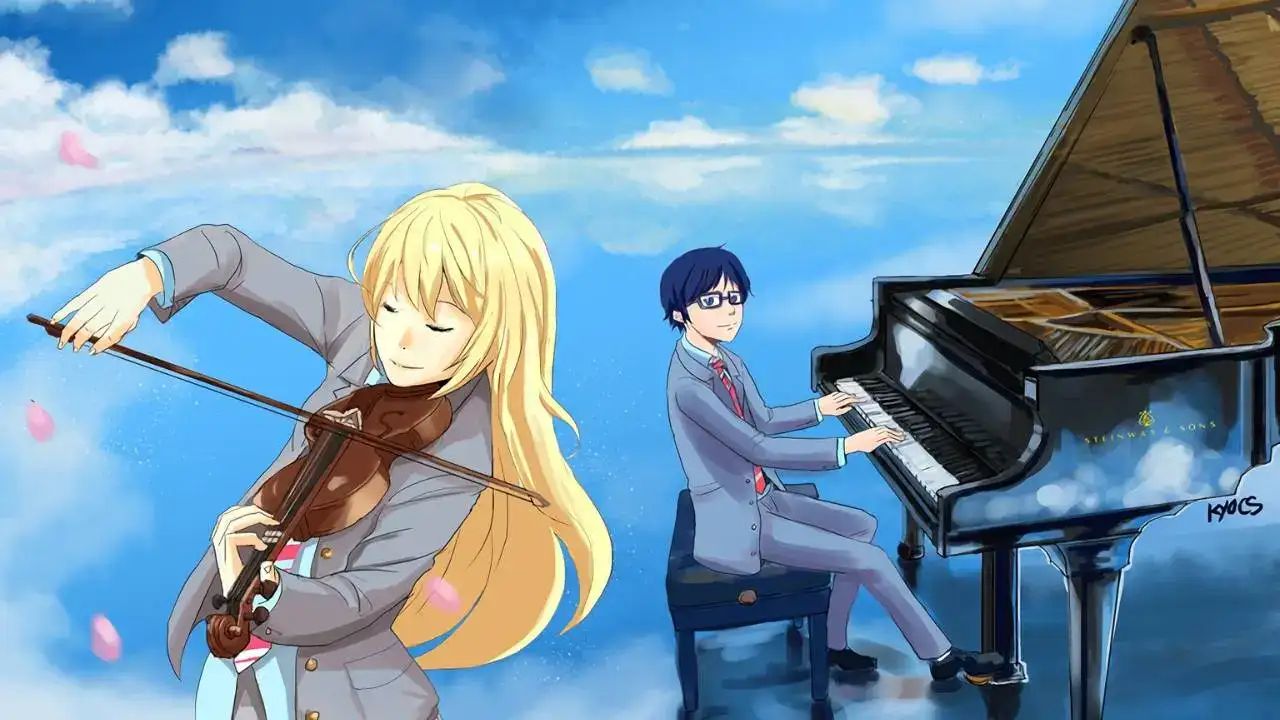
🎻 Studio: A-1 Pictures
😭 Tear Meter: 9.5/10 (The Letter)
This show uses color and music to convey emotion. Kousei is a pianist who lost his ability to hear the notes after his abusive mother died. Kaori is a violinist who drags him back into the spotlight. It’s vibrant and loud, which makes the silence of the ending hit even harder. It is the gold standard for music anime drama.
A Silent Voice (Koe no Katachi)
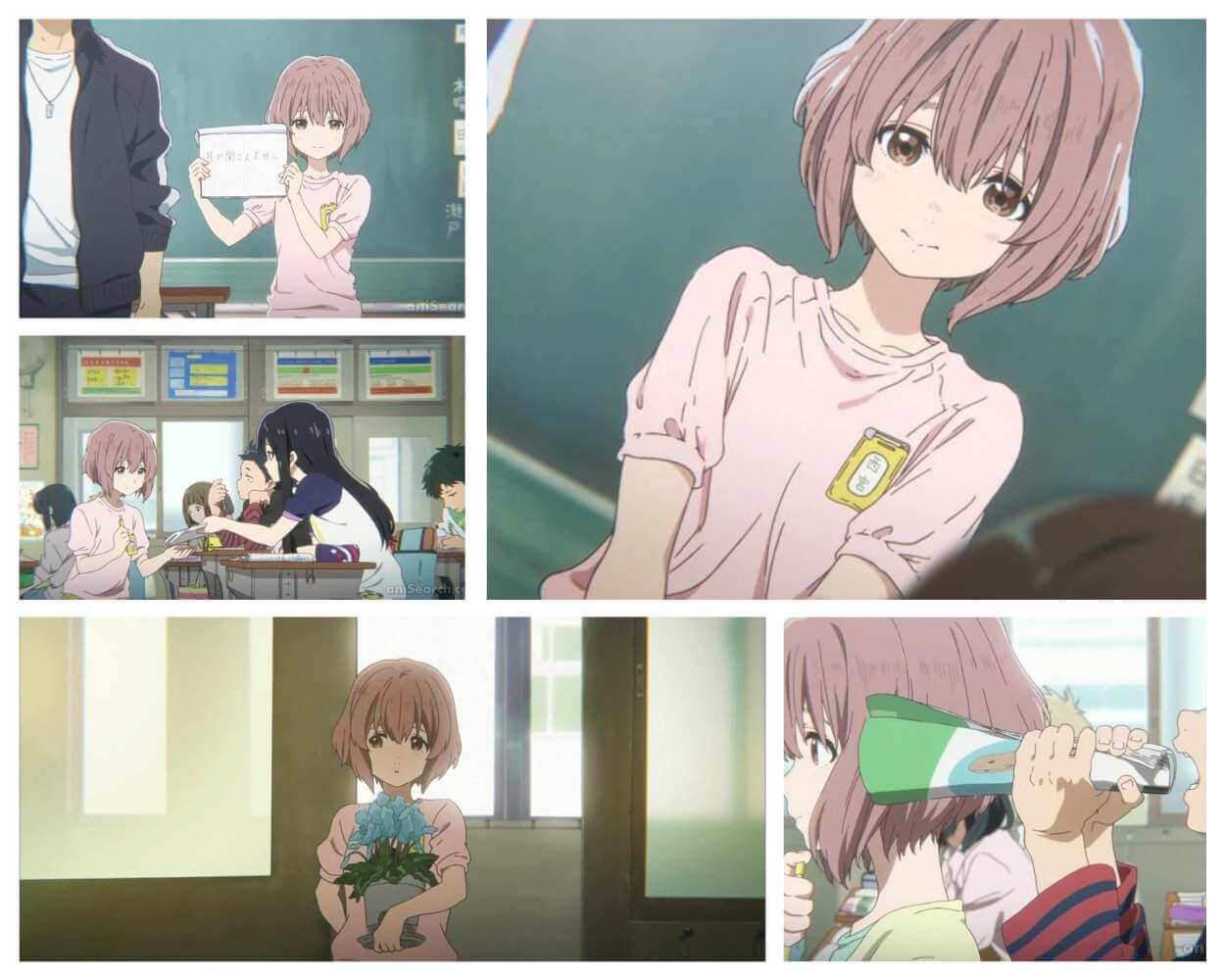
🔇 Studio: Kyoto Animation
😭 Tear Meter: 10/10 (Redemption)
🧠 My Take: A masterpiece on self-forgiveness.
A Silent Voice isn’t just sad; it’s uncomfortable. It follows Shoya Ishida, a former bully who tormented a deaf girl, Shouko Nishimiya. Years later, isolated and suicidal, he seeks redemption. The movie visually represents social anxiety (with X’s over faces) better than any live-action film. The climax isn’t a death, but a realization of self-worth that feels monumental.
Clannad: After Story
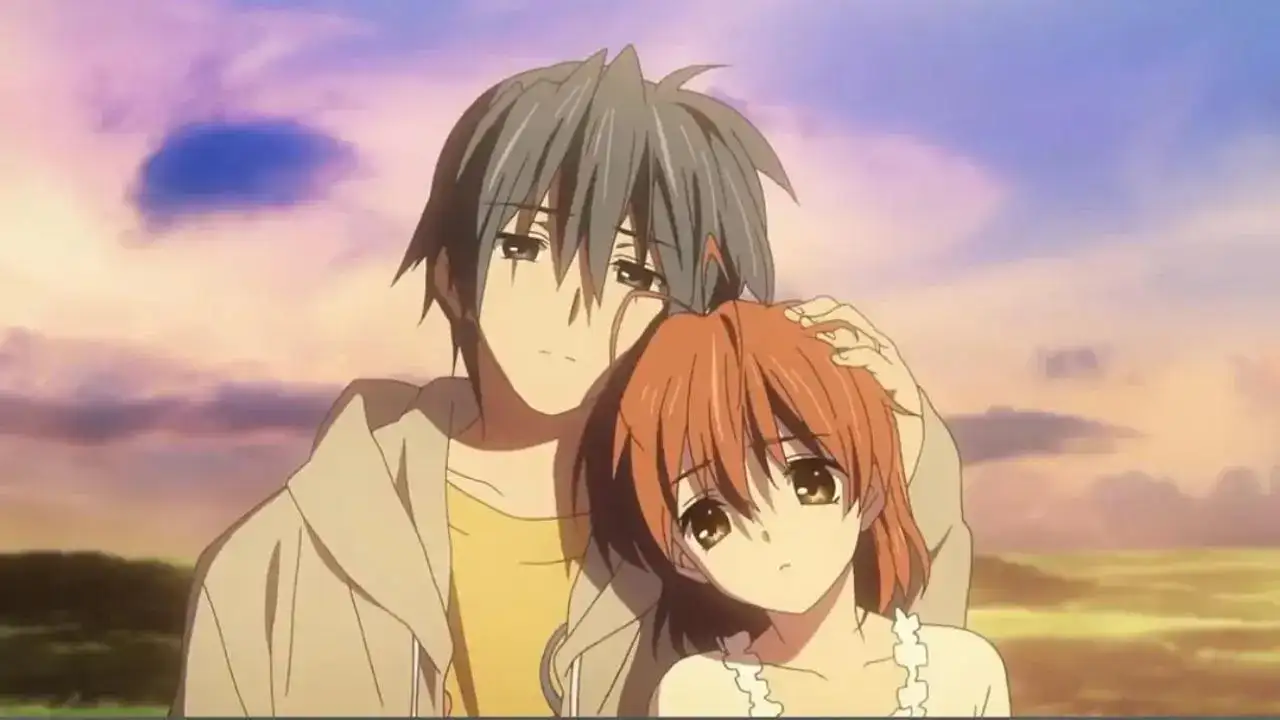
🍡 Studio: Kyoto Animation
😭 Tear Meter: 10/10 (The Field Scene)
Season 1 is a standard harem comedy. After Story is a brutal examination of adulthood, parenthood, and loss. Most romance anime end when the couple gets together. Clannad shows you what happens after… and then takes it all away. If you can make it through episodes 16-22 without crying, you might be a robot.
To Your Eternity (Fumetsu no Anata e)
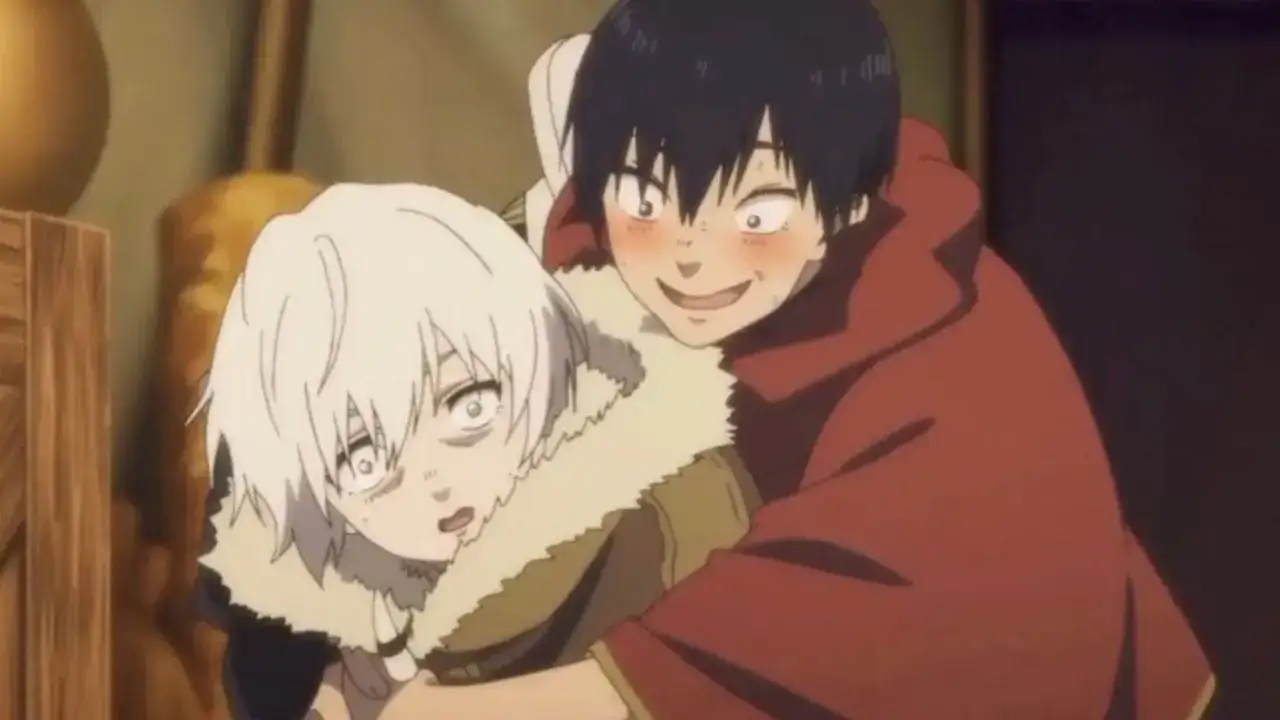
🐺 Studio: Brain’s Base
😭 Tear Meter: 10/10 (Episode 1)
Most shows wait until the end to break you. To Your Eternity does it in the first 20 minutes. It follows an immortal orb that can take the shape of dead things. It learns about humanity by watching people die. It is a beautiful, philosophical journey about memory and legacy, but watching the main character (Fushi) outlive everyone he loves is a special kind of torture.
Grave of the Fireflies (Hotaru no Haka)
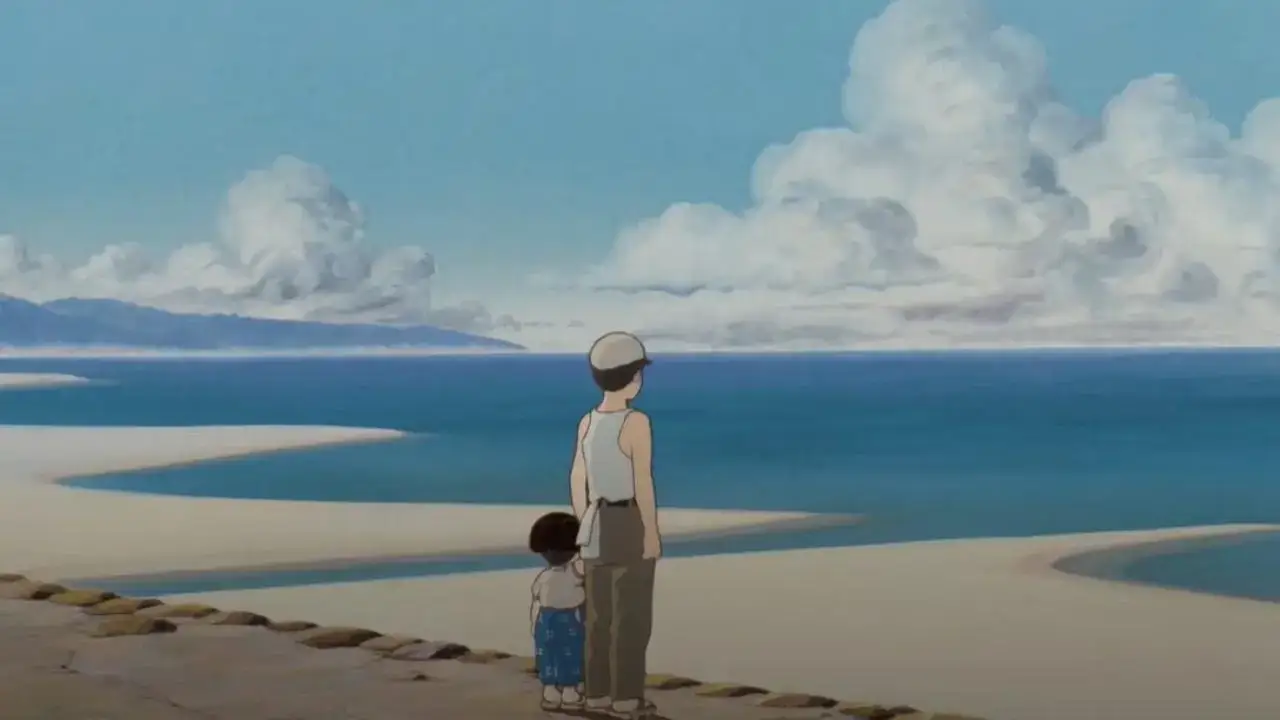
🔥 Studio: Studio Ghibli
😭 Tear Meter: ∞/10 (Soul Crushing)
🧠 My Take: A movie you should watch only once.
This is widely considered one of the greatest war movies ever made, animated or otherwise. It follows two siblings, Seita and Setsuko, trying to survive in Japan during the final months of World War II. There is no magic, no last-minute save, and no hope. It is a raw, unflinching look at starvation and neglect. It sits at the top of our list because it doesn’t just make you cry; it changes you. It is the darkest of all Studio Ghibli movies.