Why do we keep coming back to anime that makes us cry?
For me it is never about the tears themselves. It is the way these stories hold up a mirror to our own deepest hurts, then show us a way through them.
The best sad anime girls are not defined by their suffering.
They are defined by the courage it takes to face it.
From the quiet, letter-writing catharsis of Violet Evergarden to the unspoken regret of A Silent Voice, these are the heroines who taught me that sadness is not a weakness.
It is part of becoming whole.
I sorted these anime characters with tragic backstories by the source of their sorrow, then ranked them.
How I Sorted These
Rather than a random pile of tragedy, I grouped these emotionally complex anime heroines by the kind of ache they carry.
Each entry is tagged with an archetype:
- Weight of Duty: she carries the world, and struggles to understand her own heart.
- Grief and Loss: she is learning to move on after a specific tragedy.
- Quiet Resilience: she endures a harsh world through sheer strength of spirit.
- Isolation and Alienation: she feels fundamentally different, and longs to connect.
Every entry also gets an Emotional Resilience card: her core challenge, a resilience rating out of ten, the lesson she leaves behind, and a note on how the animation itself conveys her sadness.
Chihiro Shindou (ef: A Tale of Memories)
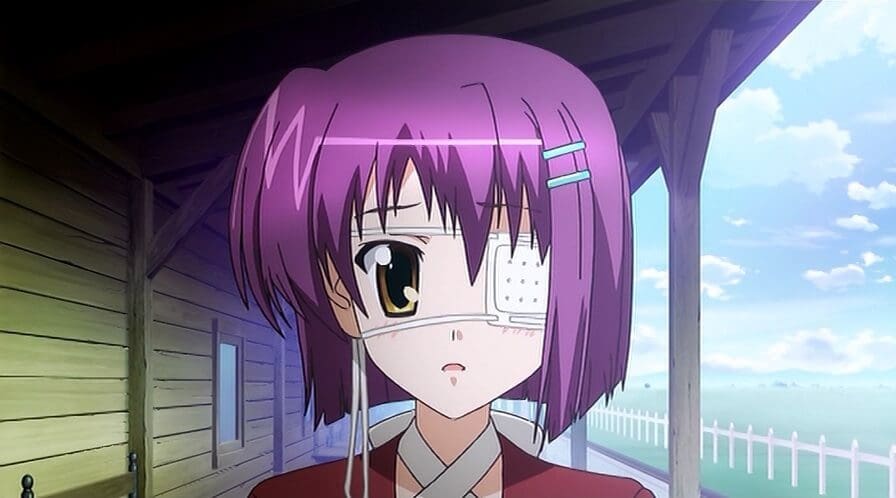
Chihiro lives with a memory that resets every thirteen hours, so every relationship starts over before it can deepen. Her sadness is the ache of a person who cannot hold onto her own life.
The show leans on stark, high-contrast framing to make her isolation feel physical. Her bond with Renji, who helps her write, is a quiet act of defiance against forgetting.
- A haunting take on memory and identity.
- A love story built on stubborn hope.
- Visually bold and melancholy.
My take: a quiet gut-punch about building meaning when your own mind erases it.
Emotional Resilience
- Archetype: Quiet Resilience
- Primary challenge: living a full life despite losing her memories
- Resilience rating: 7 of 10
- The lesson: meaning is worth building even when it will not last.
- Artistic intent: fractured, high-contrast framing mirrors her fragmented memory.
Miuna Shiodome (Nagi no Asukara)
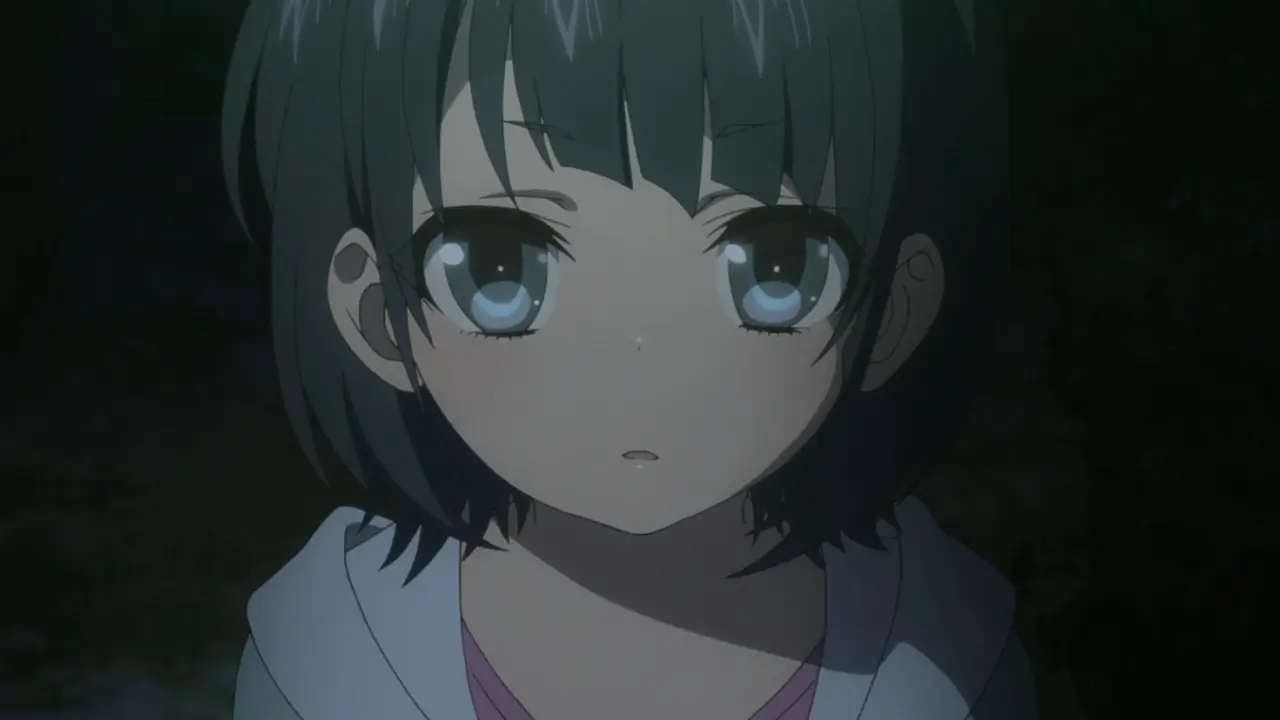
Caught between the sea and the surface, Miuna carries an unrequited love she knows will not be returned. Her quiet longing is the emotional heart of the series.
The show’s luminous underwater art turns her loneliness into something beautiful. Her arc is really about learning to let go with grace.
- A tender study of one-sided love.
- Gorgeous, dreamlike ocean visuals.
- Real growth by the end.
Where I land: one of the quietest sad anime girls, and one of the most graceful.
Emotional Resilience
- Archetype: Isolation and Alienation
- Primary challenge: loving someone who cannot love her back
- Resilience rating: 8 of 10
- The lesson: letting go is not the same as giving up.
- Artistic intent: shimmering underwater light softens her quiet heartbreak.
Yuki Takeya (School-Live!)
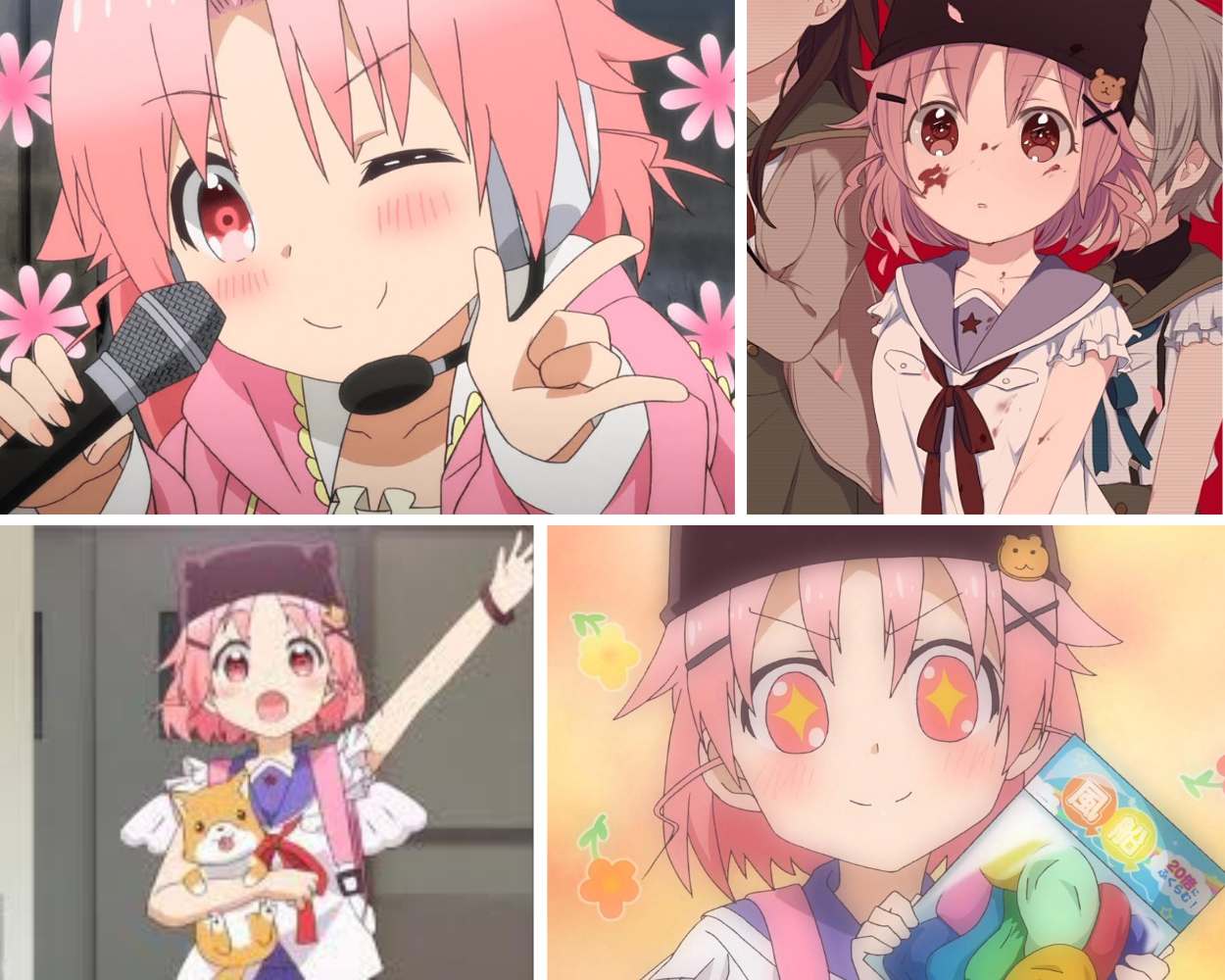
Trapped in a zombie apocalypse, Yuki’s mind protects her by rewriting reality into a cheerful, normal school day. It is one of the most affecting portraits of trauma I have seen in anime.
The show weaponizes its bright, cute art style, letting Yuki’s rosy world slowly crack. Her denial is not silly. It is a mind doing whatever it can to survive.
- A clever, devastating use of tone.
- A sensitive look at dissociation and trauma.
- Far darker than its cute surface.
My verdict: among sad anime girls, a heartbreaking case study in how far the mind will go to protect itself.
Emotional Resilience
- Archetype: Quiet Resilience
- Primary challenge: surviving a trauma her mind cannot yet accept
- Resilience rating: 6 of 10
- The lesson: denial can be a first, fragile form of survival.
- Artistic intent: deliberately cute visuals fracture to reveal the horror beneath.
Naho Takamiya (Orange)
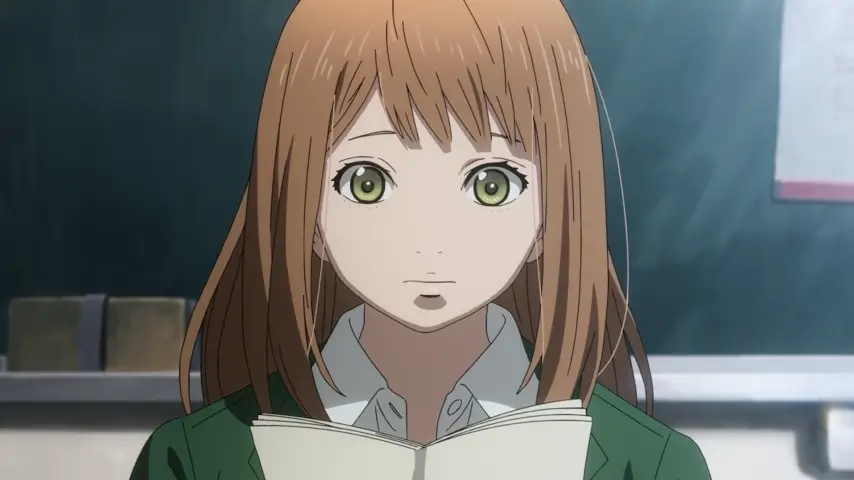
Naho receives letters from her future self begging her to save a new classmate, Kakeru, who is quietly struggling with depression. Her sadness is the weight of knowing, and fearing she will fail him.
Orange handles mental health with unusual care, framing friendship as something that can truly save a life. Naho’s growth from timid to brave is the real story.
- A rare, compassionate look at reaching out.
- Warm, grounded slice-of-life art.
- A hopeful message about showing up for people.
My honest read: a moving argument that small acts of care can change everything.
Emotional Resilience
- Archetype: Weight of Duty
- Primary challenge: carrying the fear of losing a friend she is trying to help
- Resilience rating: 8 of 10
- The lesson: reaching out, even clumsily, matters more than staying silent.
- Artistic intent: soft, sunlit palettes hold hope against a heavy subject.
C.C. (Code Geass)
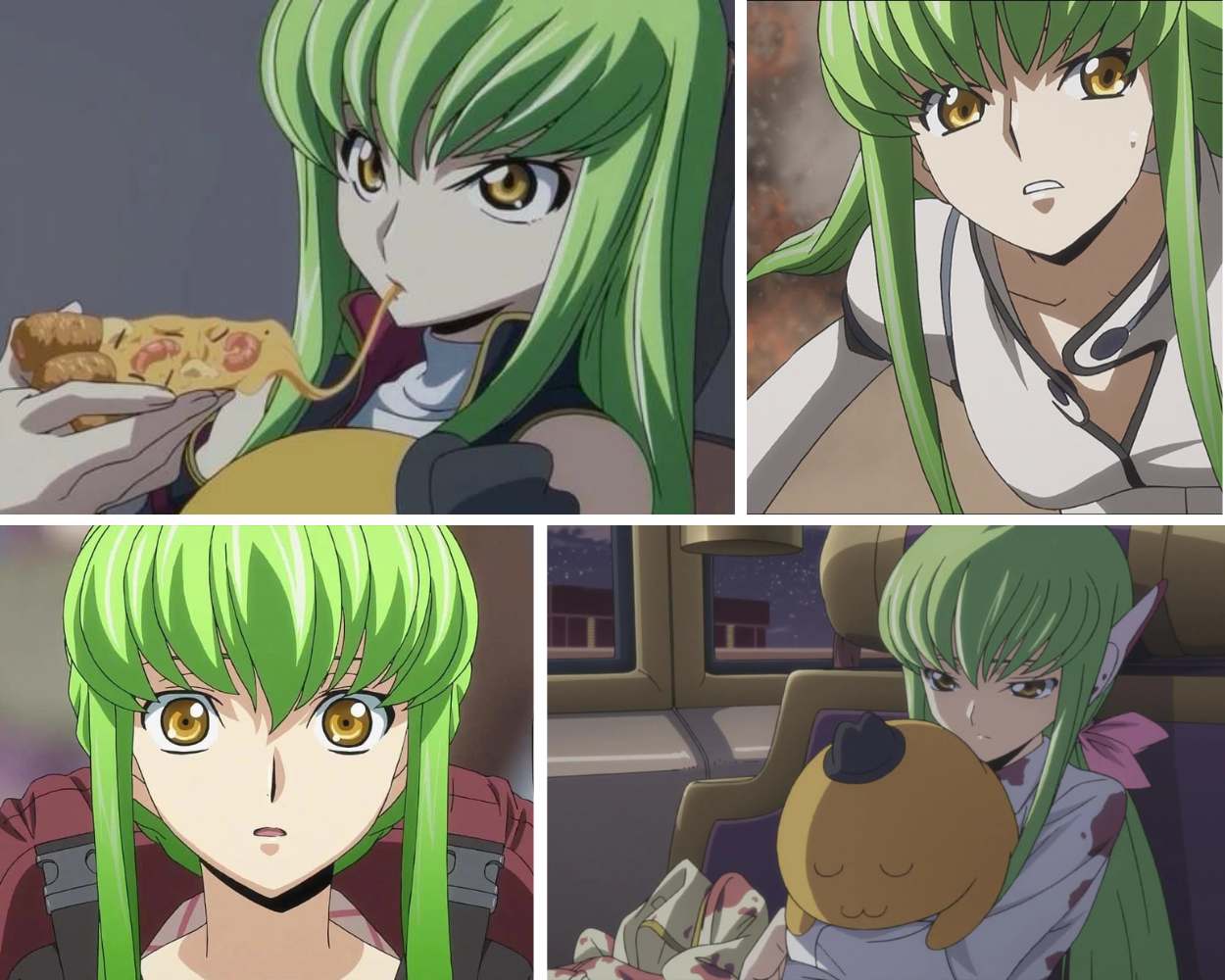
Behind her cool, teasing detachment, C.C. is an immortal who has lived so long that she once wished only for death. Her aloofness is armor built over centuries of loss.
The show frames her in cold, distant compositions that slowly warm as she reconnects through Lelouch. Her quiet tragedy is the loneliness of never being able to stay.
- A layered, mysterious presence.
- Real pain beneath the sarcasm.
- A slow thaw worth waiting for.
What hooks me: few sad anime girls hide their pain as well, which makes the thaw so rewarding.
Emotional Resilience
- Archetype: Isolation and Alienation
- Primary challenge: the loneliness of immortality
- Resilience rating: 6 of 10
- The lesson: connection is worth the risk, even when everything ends.
- Artistic intent: cold, distant framing thaws as she lets someone in.
Holo (Spice and Wolf)
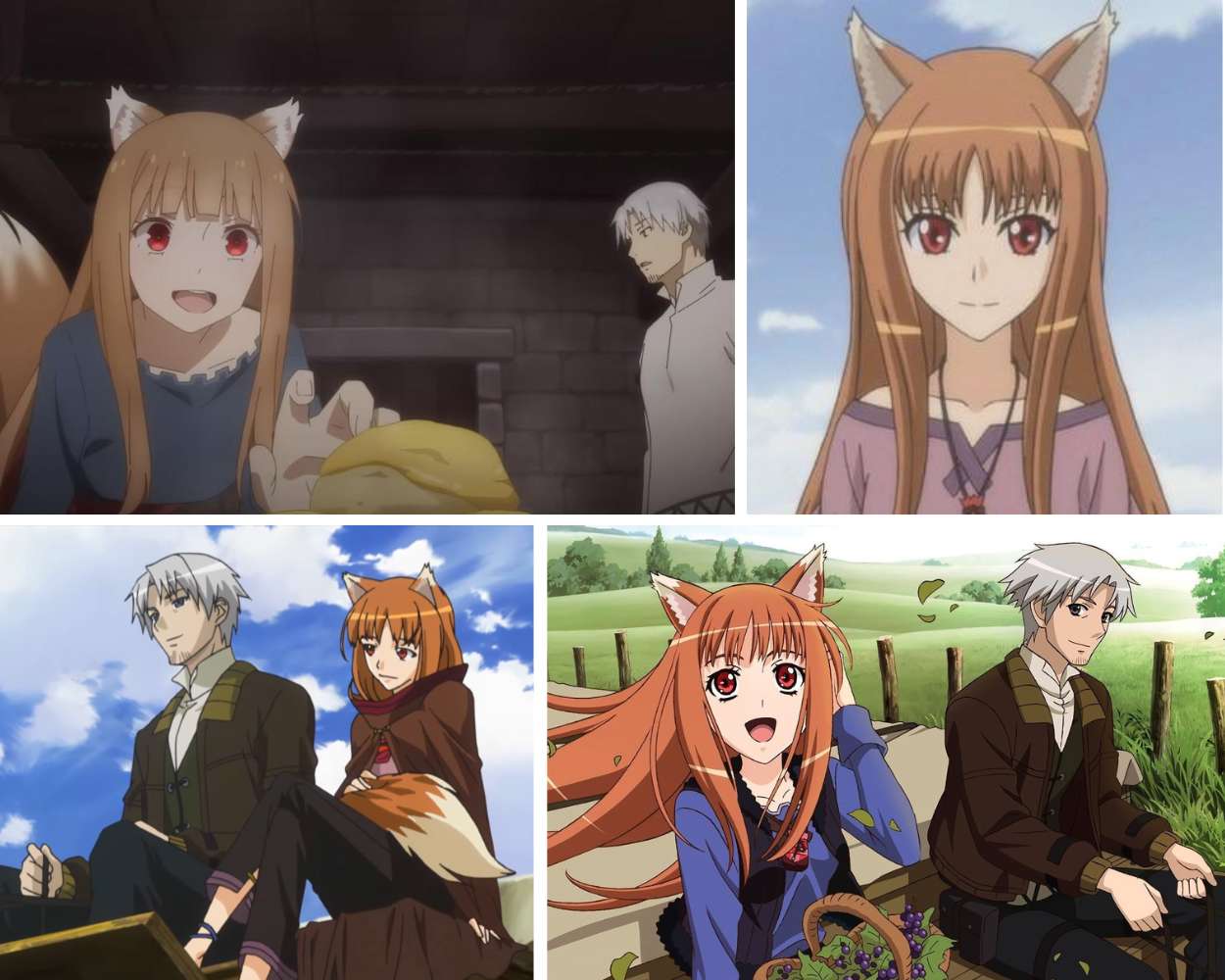
The wise wolf Holo is playful and sharp, but underneath runs a deep melancholy: she is a centuries-old deity slowly being forgotten, far from a home she can never return to. She dreads outliving everyone she loves.
Her sadness surfaces in small, quiet moments rather than grand tragedy. That restraint is what makes it land.
- A witty lead with real depth.
- A tender road-trip romance.
- Melancholy that sneaks up on you.
Why I rate her: her fear of being left behind is one of the most human things in the medium.
Emotional Resilience
- Archetype: Isolation and Alienation
- Primary challenge: facing an immortal life of goodbyes
- Resilience rating: 7 of 10
- The lesson: companionship is precious precisely because it ends.
- Artistic intent: warm firelit scenes underline how fleeting her comfort is.
Hinami Fueguchi (Tokyo Ghoul)
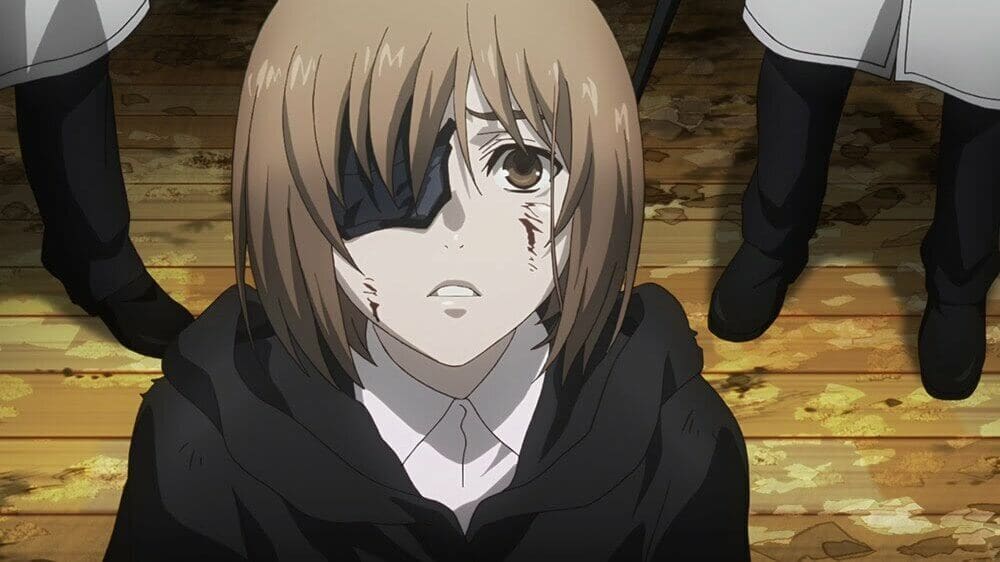
A gentle young ghoul who loses both parents to a brutal world, Hinami has to grow up far too fast. Her softness in a violent setting is exactly what makes her tragic.
The series surrounds her in shadow and cold color, then lets her warmth cut through. Her bond with Kaneki becomes a fragile source of hope.
- Innocence caught in cruelty.
- Quiet strength born of loss.
- A found-family anchor.
My call: one of the most quietly moving sad anime girls in a brutal series.
Emotional Resilience
- Archetype: Grief and Loss
- Primary challenge: growing up after losing her family to violence
- Resilience rating: 7 of 10
- The lesson: kindness can endure even where cruelty rules.
- Artistic intent: cold, shadowed palettes make her warmth stand out.
Riko (Made in Abyss)
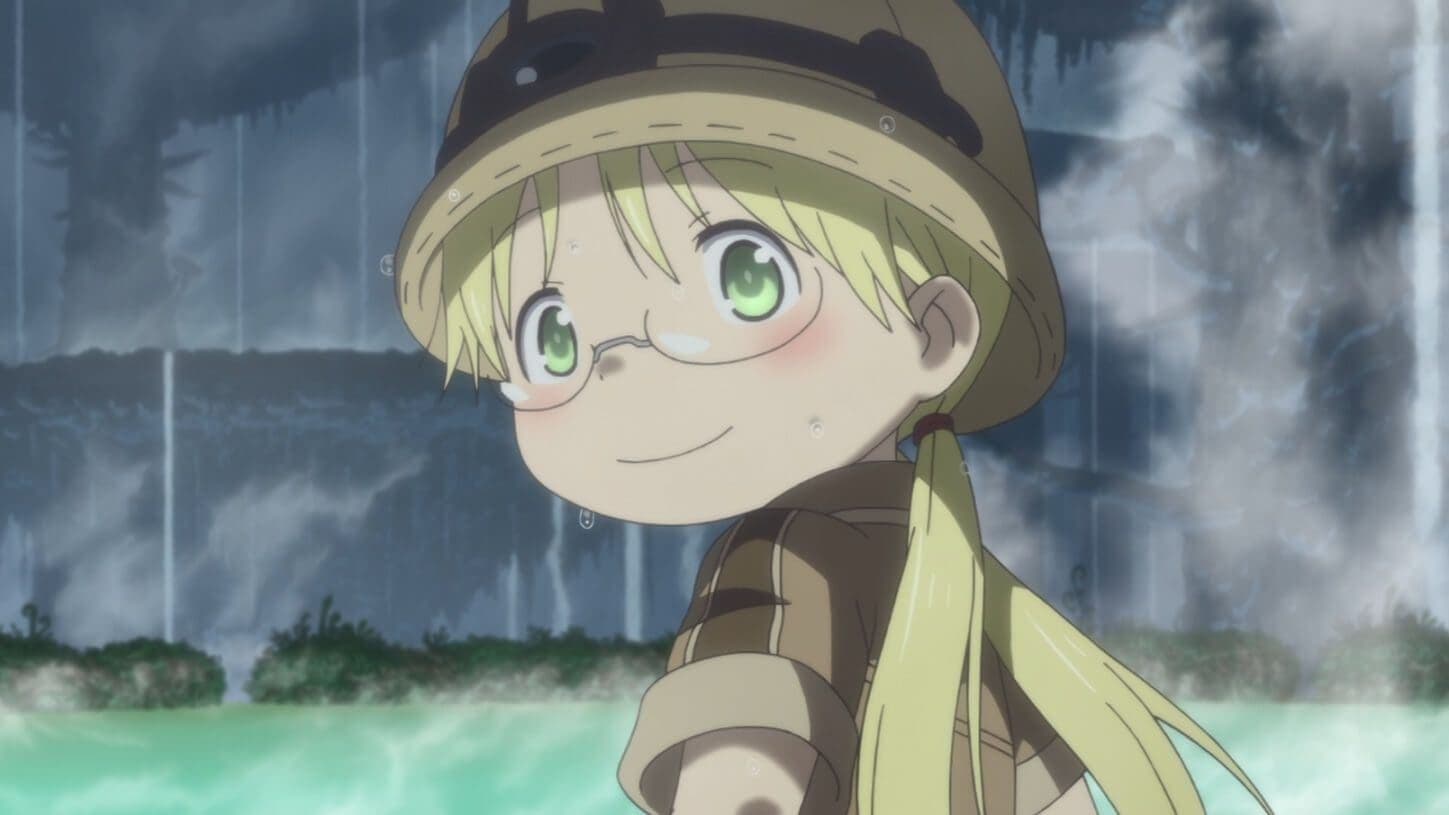
An orphan chasing rumors of her lost mother, Riko descends into a beautiful, merciless pit that punishes every step. Her yearning for connection powers a truly harrowing journey.
The lush, storybook art makes the horror hit harder by contrast. Her courage is the kind that comes wrapped in grief.
- A curious, brave young lead.
- Wonder and dread in equal measure.
- A deep undercurrent of loss.
The pull for me: among sad anime girls driven by loss, her hope burns brightest.
Emotional Resilience
- Archetype: Quiet Resilience
- Primary challenge: chasing a lost mother through a deadly world
- Resilience rating: 8 of 10
- The lesson: hope can pull you forward when nothing else will.
- Artistic intent: storybook beauty makes the cruelty land even harder.
Hinata Kawamoto (March Comes in Like a Lion)
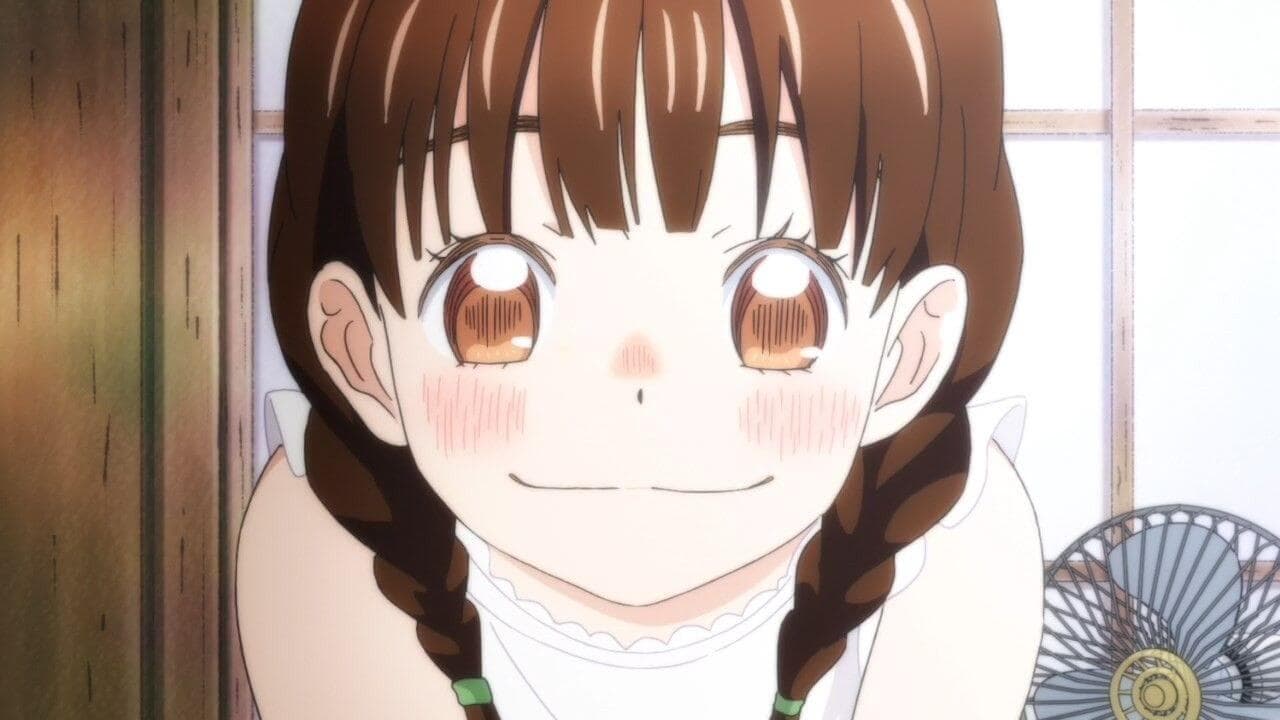
Hinata carries the loss of her mother, the strain of poverty, and a wave of school bullying, yet she keeps choosing kindness. Her sorrow never hardens into bitterness.
The show gives her the warmest light and softest color in its whole palette. Her willingness to stand up for others, at real cost to herself, is quietly heroic.
- Compassion under heavy pressure.
- A grounded, moving portrayal of bullying.
- One of anime’s most selfless hearts.
Straight up: one of the great sad anime girls whose courage has nothing to do with fighting.
Emotional Resilience
- Archetype: Quiet Resilience
- Primary challenge: holding onto kindness through grief and bullying
- Resilience rating: 9 of 10
- The lesson: standing up for others is worth the cost.
- Artistic intent: warm, golden lighting frames her as the story’s heart.
Kanade Tachibana (Angel Beats!)
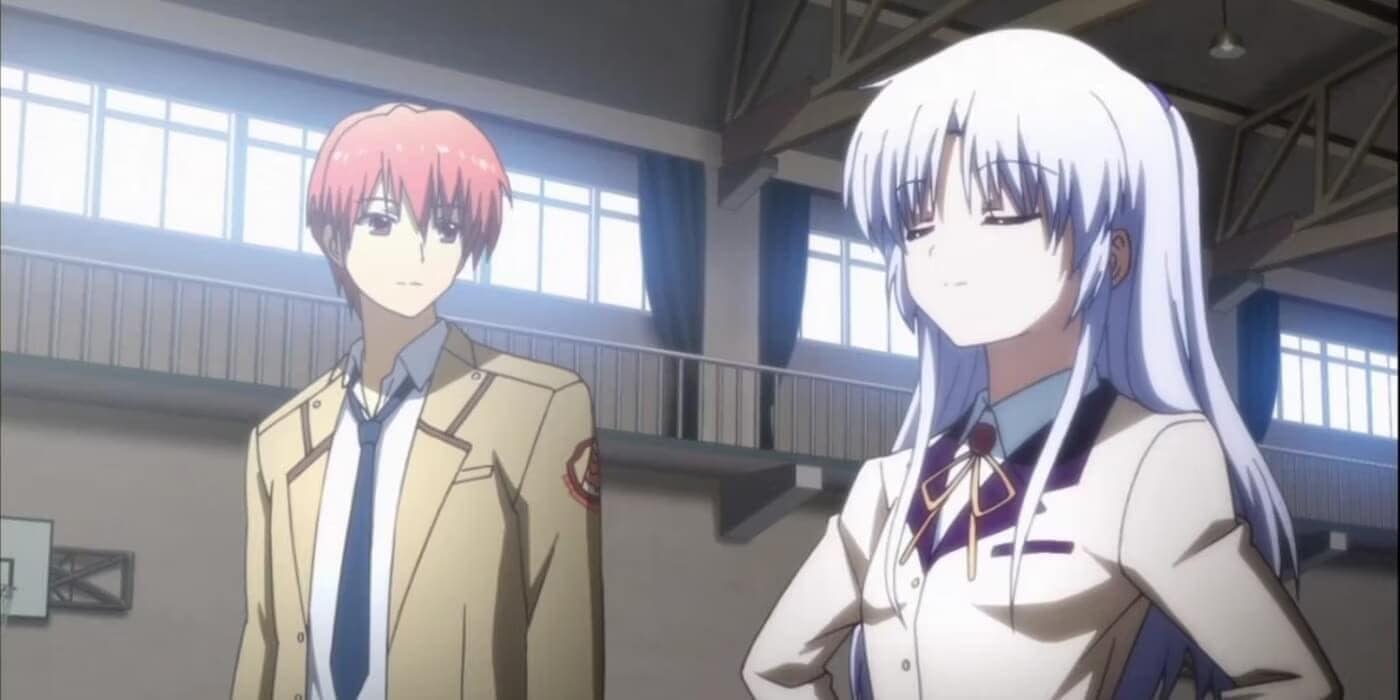
In a high school for the departed, the quiet student council president Kanade works to help others find peace and move on. Her own longing for connection stays hidden until late, and it lands hard.
The show keeps her still and composed, so her few emotional moments hit like a wave. Her selflessness carries a secret ache.
- Stoic on the surface, tender underneath.
- A finale that reliably wrecks people.
- Themes of gratitude and letting go.
Why she stuck with me: her quietest confession is the loudest moment in the show.
Emotional Resilience
- Archetype: Weight of Duty
- Primary challenge: helping everyone else move on before herself
- Resilience rating: 8 of 10
- The lesson: gratitude can turn even an ending into peace.
- Artistic intent: stillness and restraint make her rare emotion overwhelming.
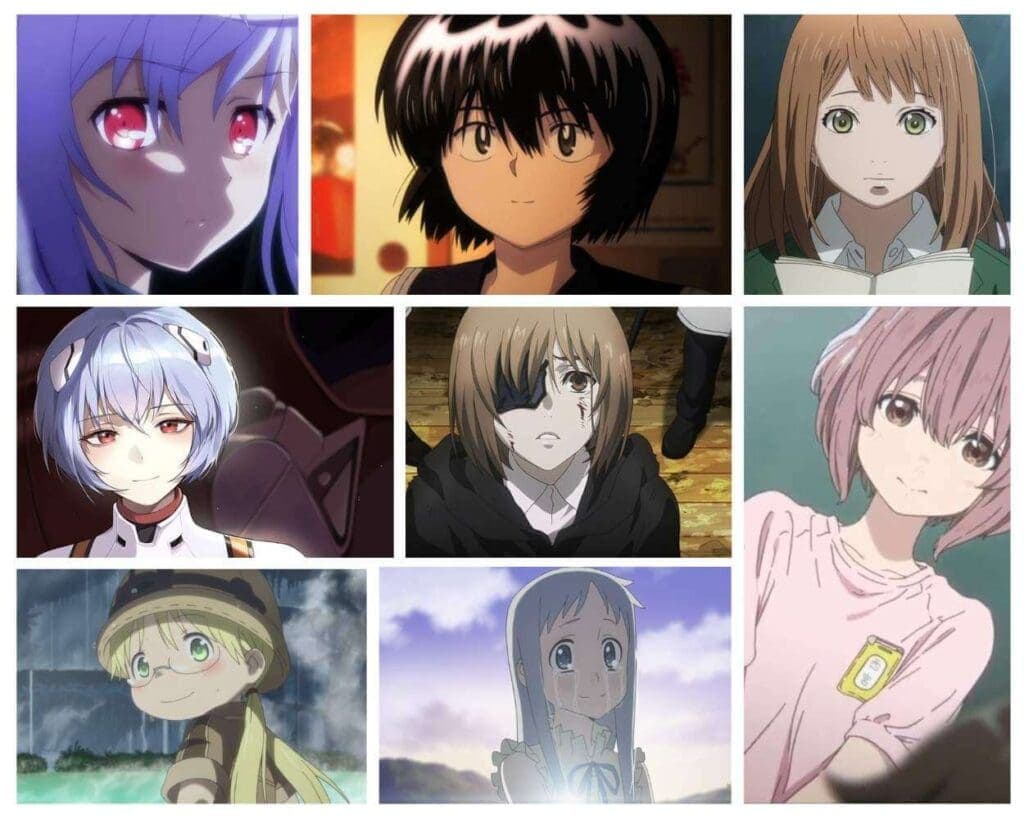
Rei Ayanami (Neon Genesis Evangelion)
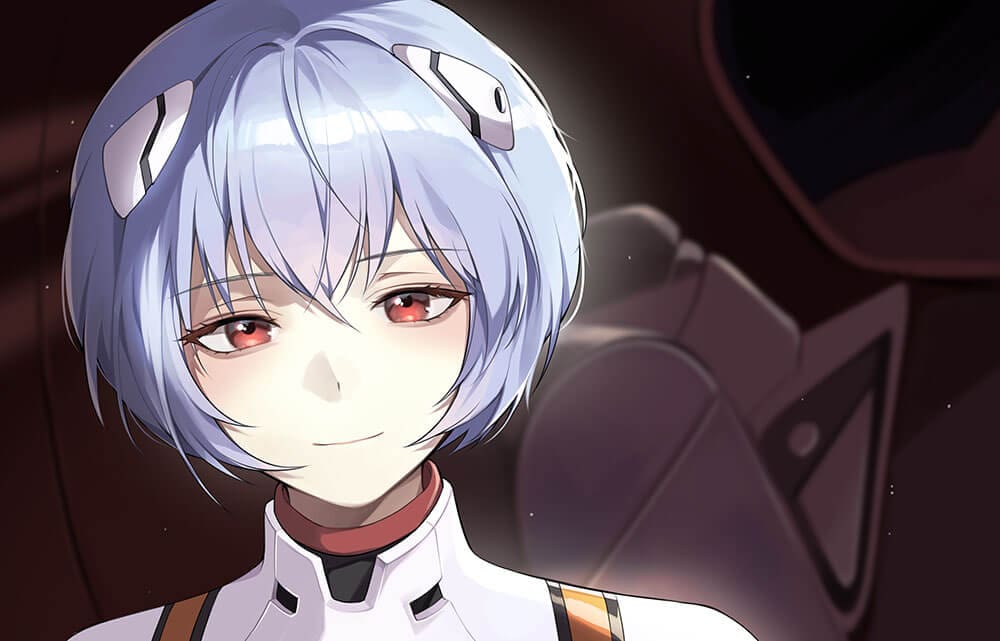
Rei is a withdrawn pilot wrestling with what it means to be a person when you were engineered as a tool. Her flat affect hides a slow, painful search for identity.
The animation isolates her constantly, framing her alone against empty space and pale blue. Her gradual awakening is one of the medium’s quietest tragedies.
- An icon of existential anime sadness.
- A haunting question of selfhood.
- Subtle, unforgettable character work.
My read: one of the original sad anime girls, and still one of the most resonant.
Emotional Resilience
- Archetype: Isolation and Alienation
- Primary challenge: finding a self she was built to lack
- Resilience rating: 6 of 10
- The lesson: becoming a person is a slow, worthwhile act.
- Artistic intent: empty framing and pale blue underline her isolation.
Rem (Re:Zero)
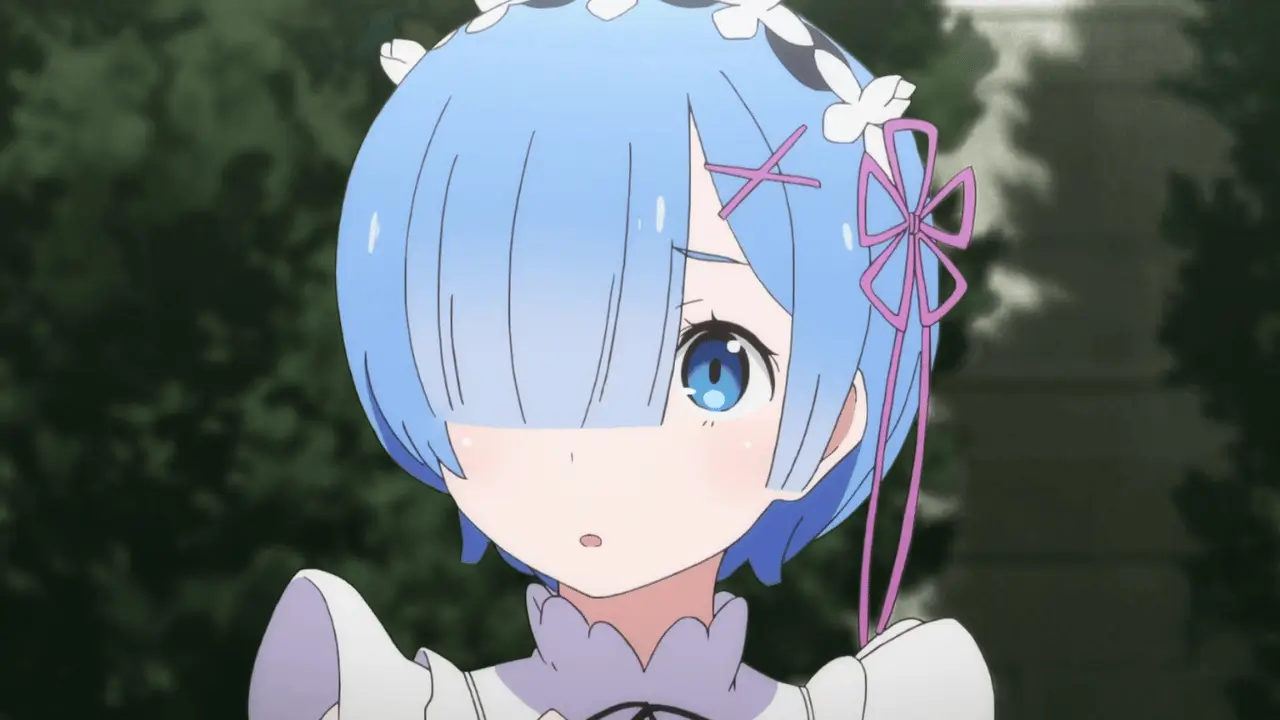
The blue-haired maid Rem carries survivor’s guilt over her sister and a deep belief that she is not worth much. Her arc is about slowly rebuilding her own sense of value.
Her devotion to Subaru, largely unreturned, only deepens the ache. When she finally chooses to believe in herself, it is deeply stirring.
- A powerful arc about self-worth.
- Loyalty that borders on heartbreaking.
- A beloved fan favorite for good reason.
My two cents: one of the most beloved sad anime girls, and her climb to self-belief is why.
Emotional Resilience
- Archetype: Grief and Loss
- Primary challenge: guilt over her sister and her own low self-worth
- Resilience rating: 8 of 10
- The lesson: you can decide your own worth, from the start.
- Artistic intent: cool blues soften into warmth as she finds hope.
Homura Akemi (Puella Magi Madoka Magica)
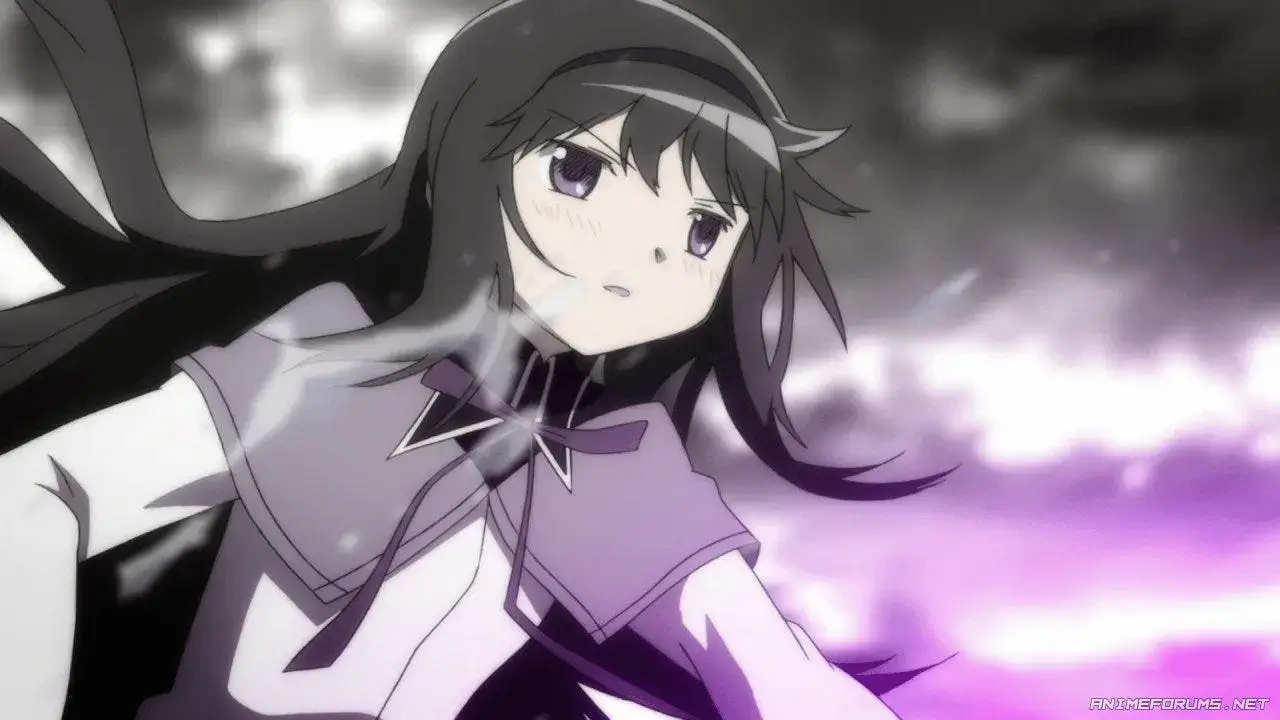
Homura relives the same stretch of time over and over, looping through timelines in a desperate bid to save her friend Madoka. Every reset piles more grief onto her shoulders.
Her cold, guarded exterior is the scar tissue of countless failures. The show’s shifting, surreal art externalizes how far her devotion has warped her.
- A stunning, tragic reveal of her true self.
- Devotion pushed to a heartbreaking extreme.
- One of anime’s great deconstructions.
What I love: among sad anime girls, her stoicism hides one of the most crushing sacrifices in the medium.
Emotional Resilience
- Archetype: Weight of Duty
- Primary challenge: carrying endless timelines to save one friend
- Resilience rating: 8 of 10
- The lesson: devotion needs limits, or it consumes you.
- Artistic intent: surreal, shifting collage art mirrors her fraying mind.
Mikasa Ackerman (Attack on Titan)
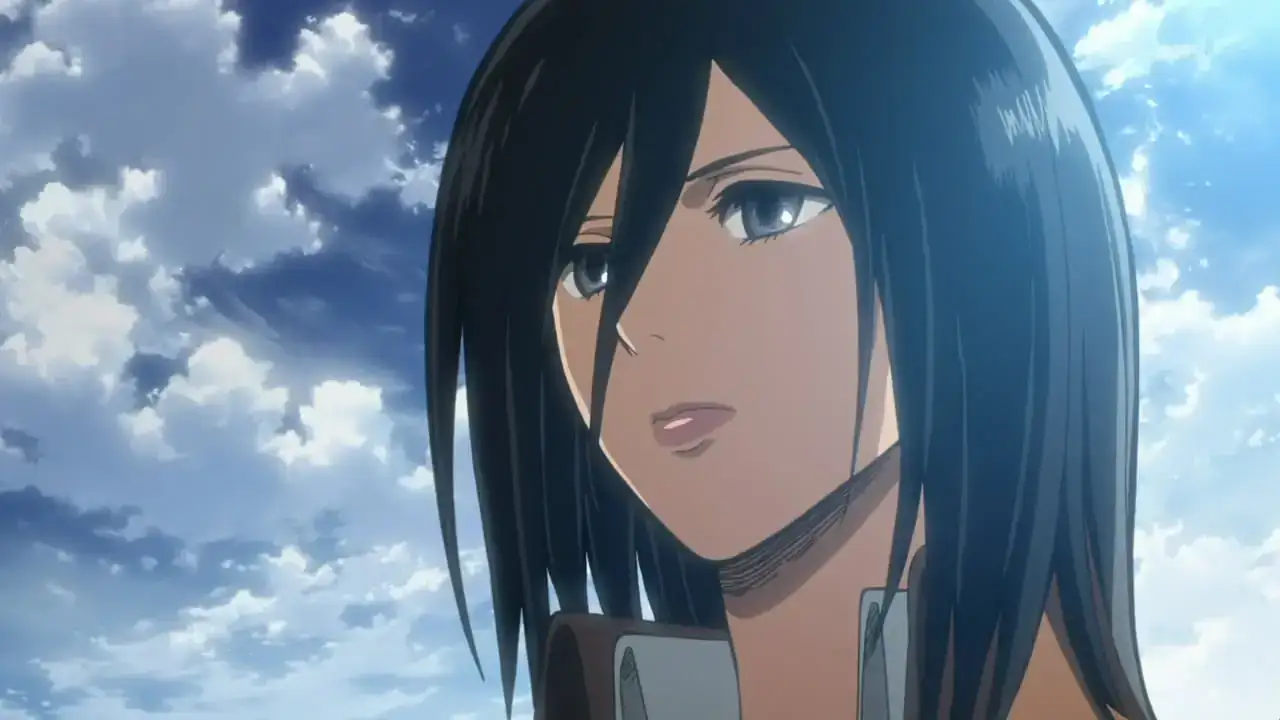
Mikasa lost her parents to violence as a child and anchored herself to Eren, the one person who pulled her out of that darkness. Her fierce, protective calm hides constant fear of losing him too.
The series keeps her composed even as the world burns, which makes her rare breaks all the more affecting. Her grief is the quiet kind that never fully leaves.
- Immense strength built on old wounds.
- Loyalty tested by an unrelenting world.
- A vulnerable heart under the armor.
Where I stand: one of the most iconic sad anime girls, and her stoicism is a lifetime of bracing for loss.
Emotional Resilience
- Archetype: Weight of Duty
- Primary challenge: protecting the person who saved her, at any cost
- Resilience rating: 8 of 10
- The lesson: strength and vulnerability can live in the same person.
- Artistic intent: restrained expressions make her rare tears devastating.
Menma (Anohana)
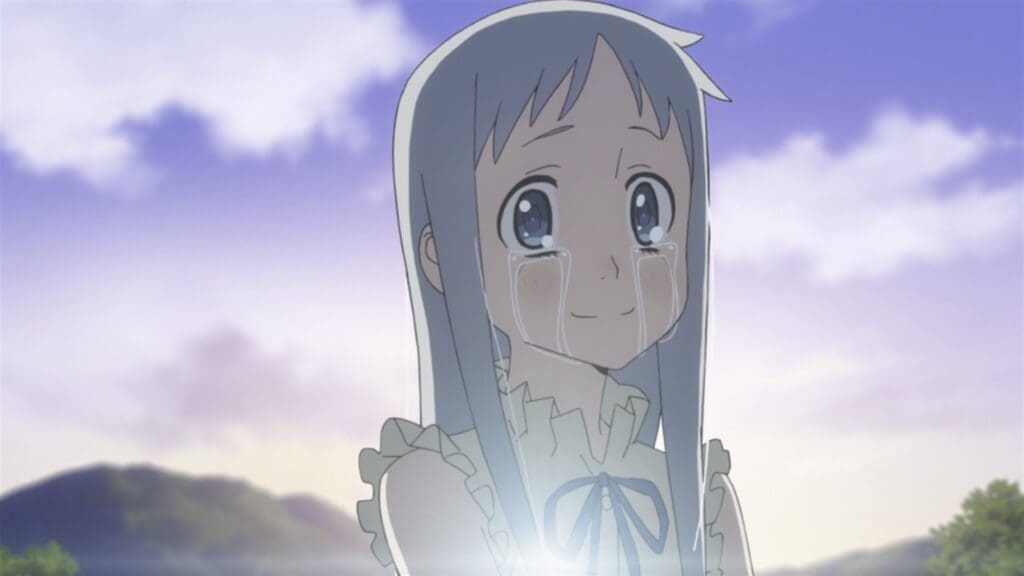
Anohana follows a group of friends who splintered after Menma’s childhood death, until her gentle spirit returns to help them finally grieve. She is less a sad character than a catalyst for everyone else’s healing.
Her soft, glowing design makes her feel like a memory made visible. The whole show is really about the guilt the living carry.
- A quietly devastating story of grief.
- A spirit who heals those left behind.
- A finale that earns every tear.
Bottom line: few sad anime girls do more with less screen time, or leave a deeper mark.
Emotional Resilience
- Archetype: Grief and Loss
- Primary challenge: helping her friends grieve so she can rest
- Resilience rating: 7 of 10
- The lesson: grief shared is grief that can finally ease.
- Artistic intent: soft glow and warm light make her feel like memory itself.
Kaori Miyazono (Your Lie in April)
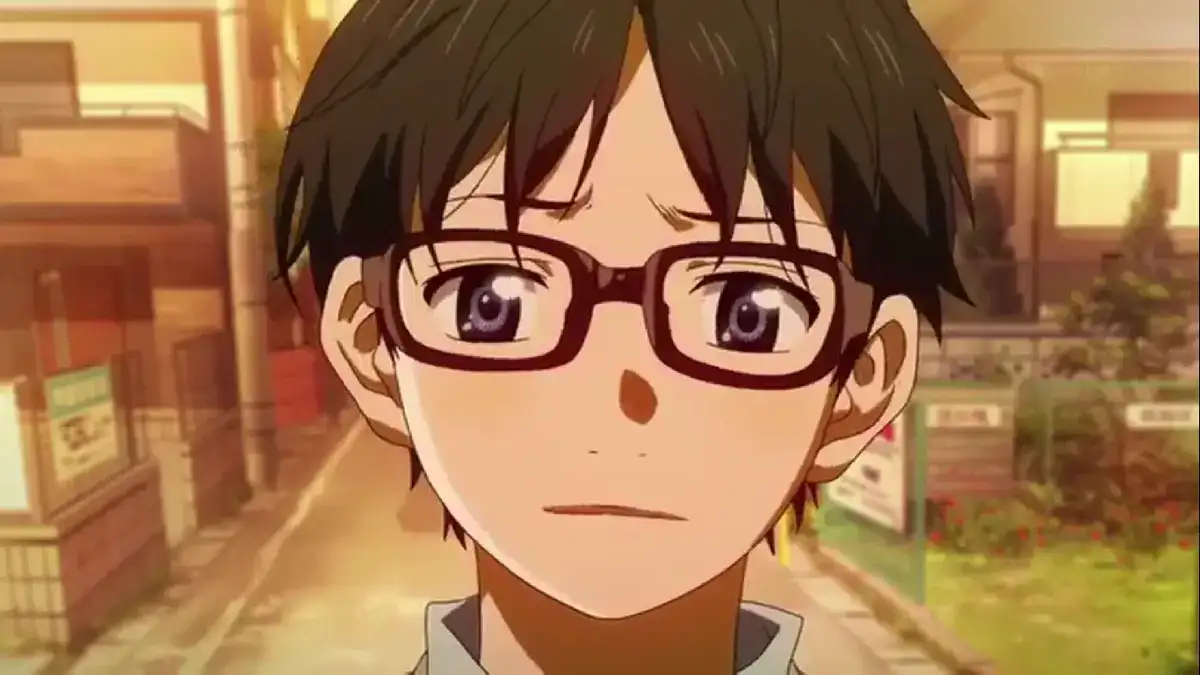
Your Lie in April follows a violinist who refuses to let a terminal illness stop her from living, playing, and pulling a grieving pianist back to music. Her joy is defiant, and it is heartbreaking.
The animation drenches her in color and light, right up until it does not. She chooses to burn bright rather than fade quietly.
- Radiant, life-affirming energy.
- A gut-wrenching, beautiful arc.
- Music as pure emotion.
My verdict: she teaches the whole cast, and the viewer, to live fully while there is time.
Emotional Resilience
- Archetype: Grief and Loss
- Primary challenge: living fully in the shadow of illness
- Resilience rating: 9 of 10
- The lesson: a short life lived brightly still leaves a lasting mark.
- Artistic intent: saturated color and light make her vitality feel precious.
Nagisa Furukawa (Clannad)
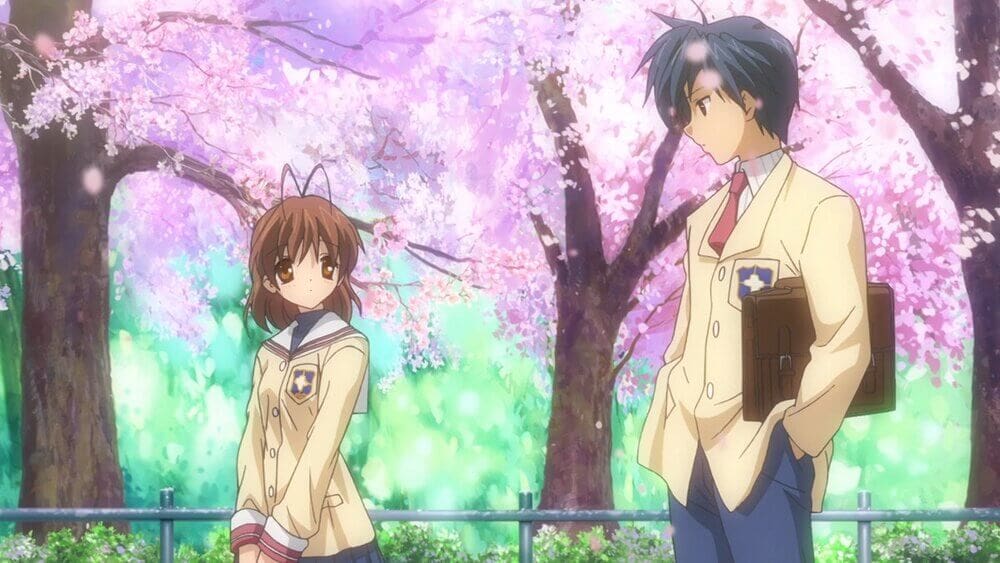
Gentle, frail Nagisa fights through chronic illness and repeated setbacks to chase small dreams and build a family. Clannad, especially After Story, uses her to explore love, loss, and endurance at their deepest.
The art keeps her soft and unassuming, which makes her quiet strength sneak up on you. Her story is one of the most emotionally complete in anime.
- A tender, deeply human protagonist.
- One of anime’s great emotional journeys.
- A story about family and perseverance.
Why I rate her: she anchors one of the most powerful arcs among all sad anime girls.
Emotional Resilience
- Archetype: Grief and Loss
- Primary challenge: chasing dreams and family through constant hardship
- Resilience rating: 8 of 10
- The lesson: gentleness and persistence are not opposites.
- Artistic intent: soft, unassuming design hides surprising strength.
Shouko Nishimiya (A Silent Voice)
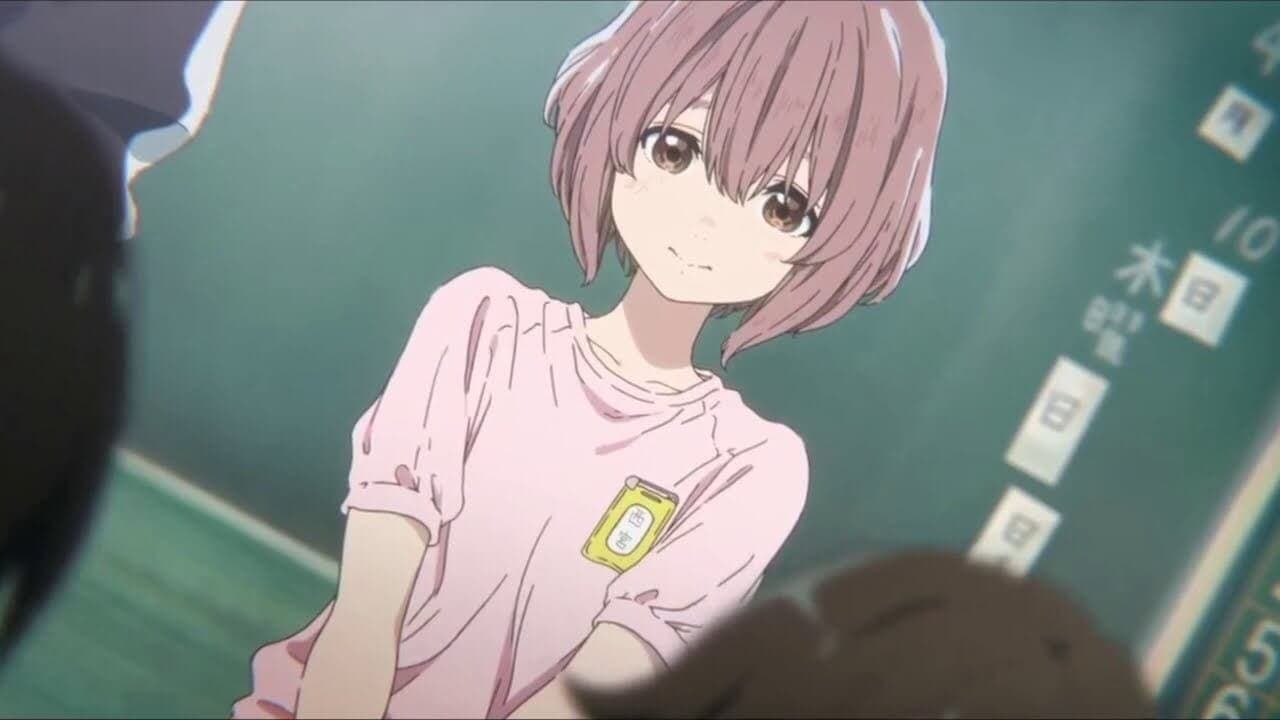
A deaf girl who endures cruel bullying and deep isolation, Shouko still meets the world with kindness and a longing to be understood. Her struggle to connect, and to forgive, is the soul of the film.
The animation famously places X marks over faces to show how cut off she and Shoya feel, then peels them away as bonds form. It is one of the most thoughtful visual metaphors in anime.
- A profound story of forgiveness.
- A tender study of isolation and connection.
- Masterful, meaningful direction.
My take: one of the most important sad anime girls of the last decade, and her forgiveness is why.
Emotional Resilience
- Archetype: Isolation and Alienation
- Primary challenge: reaching for connection after cruelty and isolation
- Resilience rating: 9 of 10
- The lesson: forgiveness can free the person who offers it.
- Artistic intent: the falling X marks visualize walls coming down.
Violet Evergarden
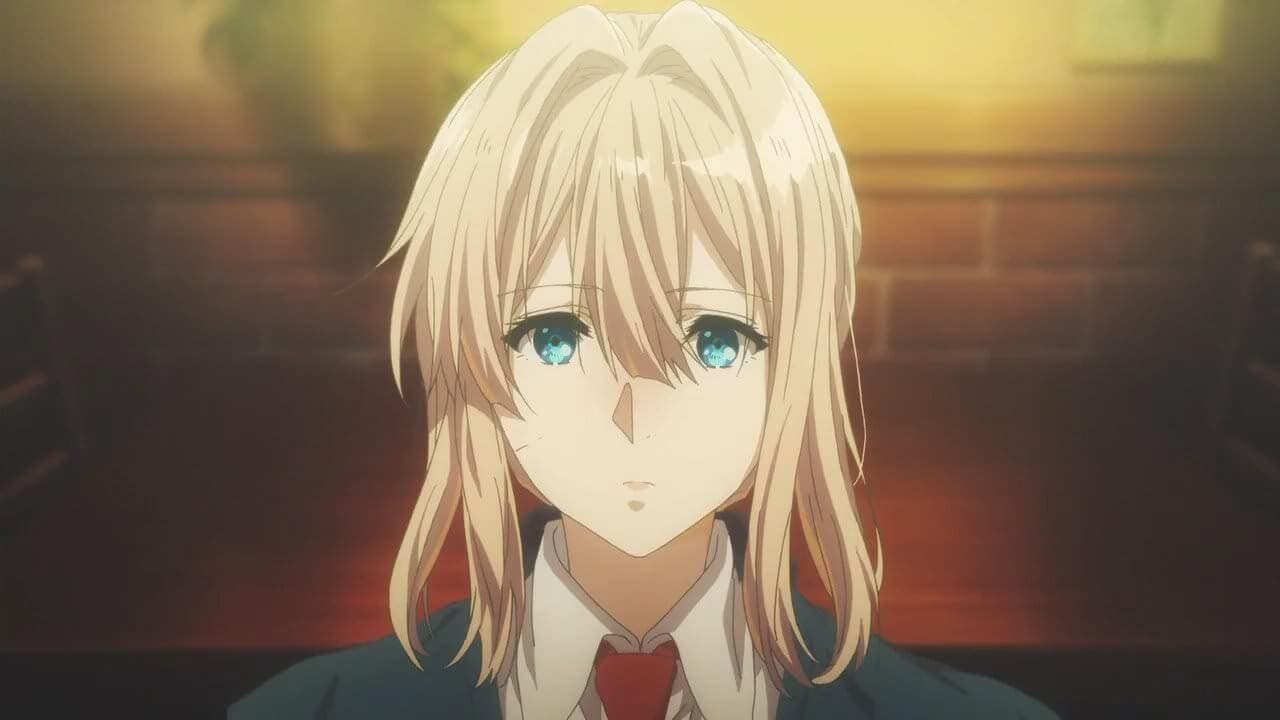
Violet Evergarden follows a former child soldier who becomes a ghostwriter, putting other people’s feelings into words while struggling to understand her own.
Her grief over a lost commander, and her slow discovery of what love means, is the gold standard for this whole list.
The animation is breathtaking, using light, weather, and the smallest facial shifts to track her emotional thaw. Watching her learn to feel is watching a person reassemble herself.
- Possibly the most beautiful animation in the genre.
- A profound arc about processing trauma.
- Catharsis in nearly every episode.
My take: she is my number one because no character turns sadness into empathy more completely, and it starts with learning to understand her own heart.
Emotional Resilience
- Archetype: Weight of Duty
- Primary challenge: processing trauma and learning what love is
- Resilience rating: 10 of 10
- The lesson: sadness is often the first step toward empathy.
- Artistic intent: light, weather, and micro-expressions chart her slow thaw.
Why These Sad Anime Girls Stay With Us
We do not love these characters because they suffer. We love them because they show us a way to carry pain without being crushed by it.
That is why they feel like company when you are lonely rather than just something pretty to look at.
Each archetype offers a different kind of comfort.
The Grief and Loss stories help us mourn, the Quiet Resilience ones help us endure, the Weight of Duty arcs help us set the burden down, and the Isolation stories remind us we are not as alone as we feel.
The best of them do not treat sadness as an aesthetic.
They treat it as something you move through.
Your Turn to Share the List
That is my ranking, from Chihiro’s fading memories up to Violet Evergarden at number one.
Every one of them, in her own way, turns hurt into something like healing.
So which of these sad anime girls hit closest to home for you?
Tell me in the comments where you would rank Violet, and drop the heroine who taught you something that I left off.
One gentle note: a few of these stories touch on grief, bullying, and mental health struggles.
If any of it hits close to home and you are having a hard time, please reach out to someone you trust, and know that support is out there.