

Bully characters in cartoons include Nelson Muntz from The Simpsons, Angelica Pickles, Helga Pataki, and Eric Cartman from South Park. In this post, I’m breaking down the cartoon bully characters we love to hate—and why they actually matter more than we give them credit for.
When I was a kid, I treated cartoon bullies like simple “bad guys.” They were the obstacle in the episode. The person you hoped would get embarrassed, pranked, or humbled before the credits rolled.
But as I got older (and rewatched way too many old shows), I started noticing something: bully characters in cartoons are rarely just one-note villains. A lot of them are written to be funny. Some of them get humanized. And some of them stay awful… but in a way that reveals something about the world around them.
If you’re thinking about the impact these characters can have on young viewers, this topic ties naturally into how cartoons shape children—because even exaggerated “schoolyard bully” stories can influence what kids think is normal, funny, or acceptable.
Cartoon Bully Characters
What counts as a cartoon bully (in my head)?
- Power imbalance: they use age, status, strength, money, popularity, or authority to control someone.
- Pattern behavior: it’s not one mean moment—bullying is the character’s default strategy.
- Humiliation is the point: the bully tries to embarrass, isolate, or intimidate others.
Quick note: Not every bully character is “evil.” Some are insecure. Some are lonely. Some are comedic chaos. And some are just… genuinely awful. That’s why this list includes a mix of cartoon bullies in kids shows and bully-like characters from older teen/adult animation too.
Also, if you’re building related posts for internal linking, this topic overlaps with “characters people argue about” lists like controversial characters in cartoons and even “energy mismatch” lists like chaotic cartoon characters. Bullies often sit right in that overlap.
Nelson Muntz (The Simpsons)
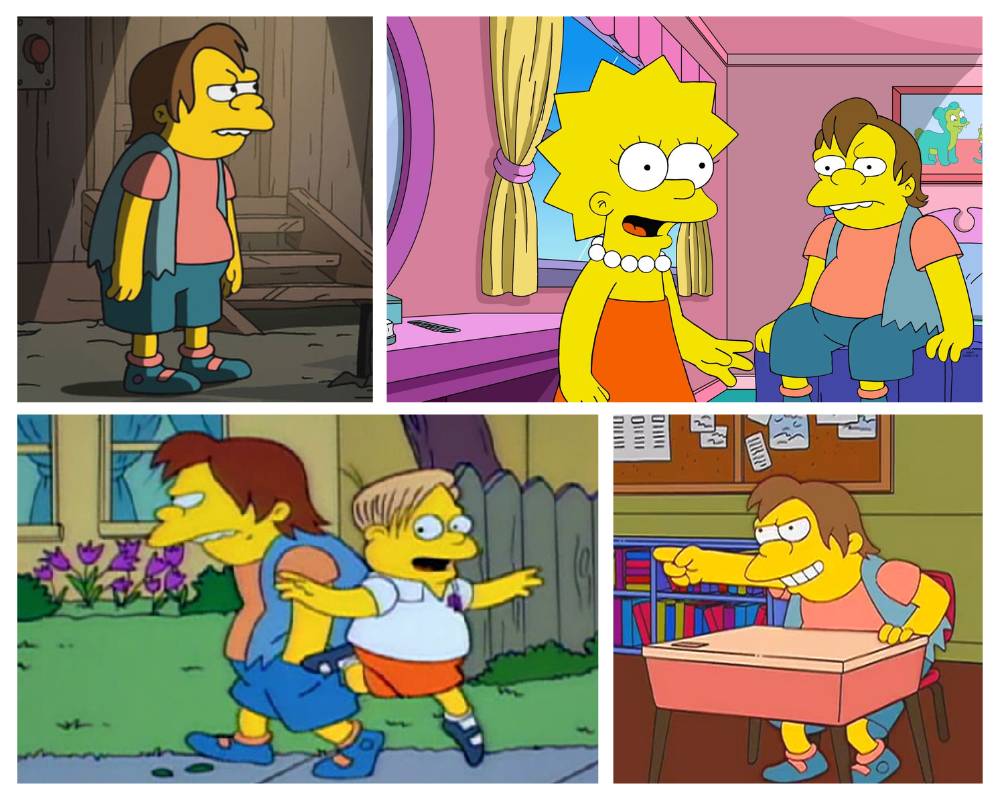
😏 Bully Style: Classic schoolyard intimidation (and social pressure)
🎯 Why he stands out: The “Ha-ha!” is basically a weaponized catchphrase.
🧠 My Take: Nelson is one of the most realistic cartoon bullies because he’s not a supervillain—he’s a kid with power in a small social world.
Nelson is the definition of an iconic cartoon bully character. He’s physical, he’s loud, and he knows exactly which kids are easy targets. But what makes him memorable is that he sometimes gets moments of vulnerability—enough to remind you that bullies can still be kids shaped by their environment.
Eric Cartman (South Park)
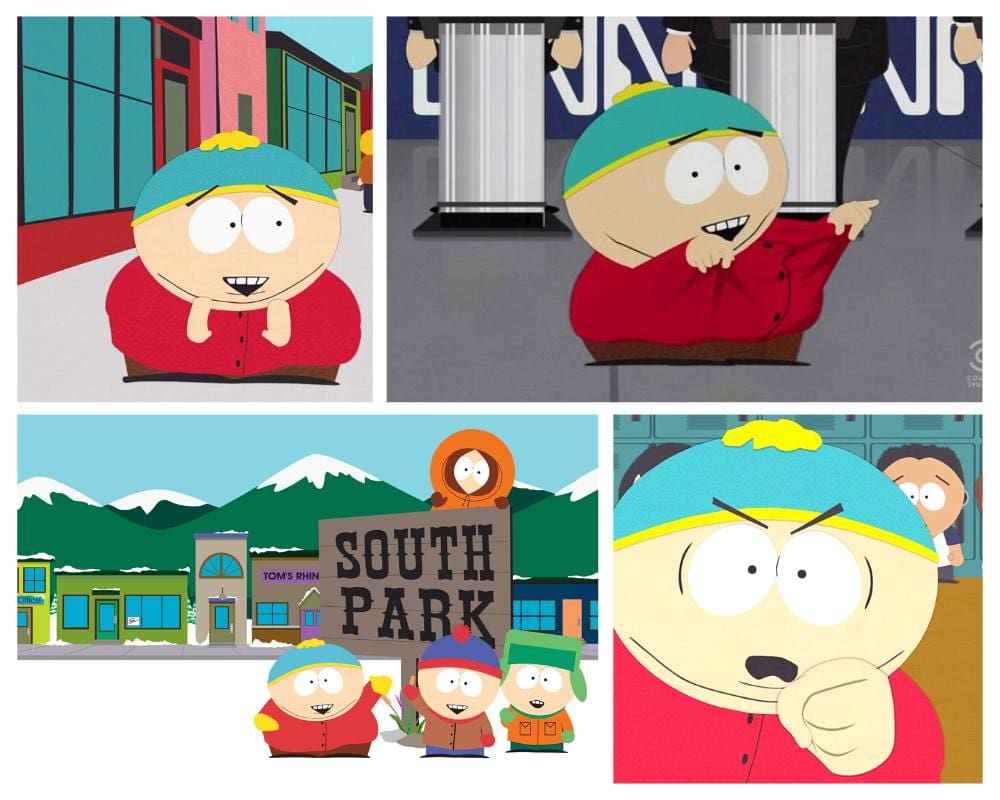
😈 Bully Style: Manipulation, cruelty, and social engineering
🎯 Why he stands out: He’s not just mean—he’s strategic about it.
🧠 My Take: Cartman is the bully character that crosses into “villain lead” territory, which is why he fits with when the main character is a villain.
Cartman is the bully character people argue about the most, because he’s written to be funny while doing things that are objectively awful. If you’re browsing darker/older animation, he also fits naturally with lists like adult cartoons similar to Family Guy.
Mojo Jojo (The Powerpuff Girls)
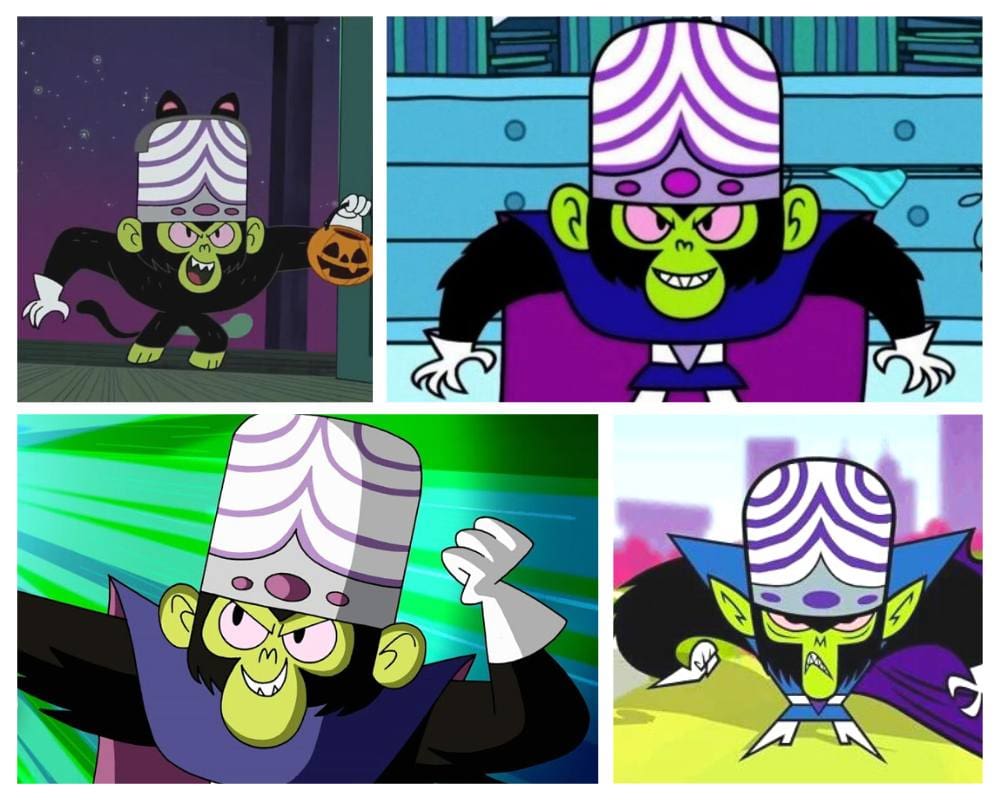
🧠 Bully Style: Intellectual dominance and “I must control everything” energy
🎯 Why he stands out: He bullies through ego—he needs to feel superior.
🧠 My Take: Mojo’s bullying is basically insecurity wearing a cape.
Mojo is a bully in “supervillain packaging.” Instead of lunch money, he’s after domination and attention. I include him because he shows a different kind of bullying: the kind that comes from obsession with control.
Angelica Pickles (Rugrats)
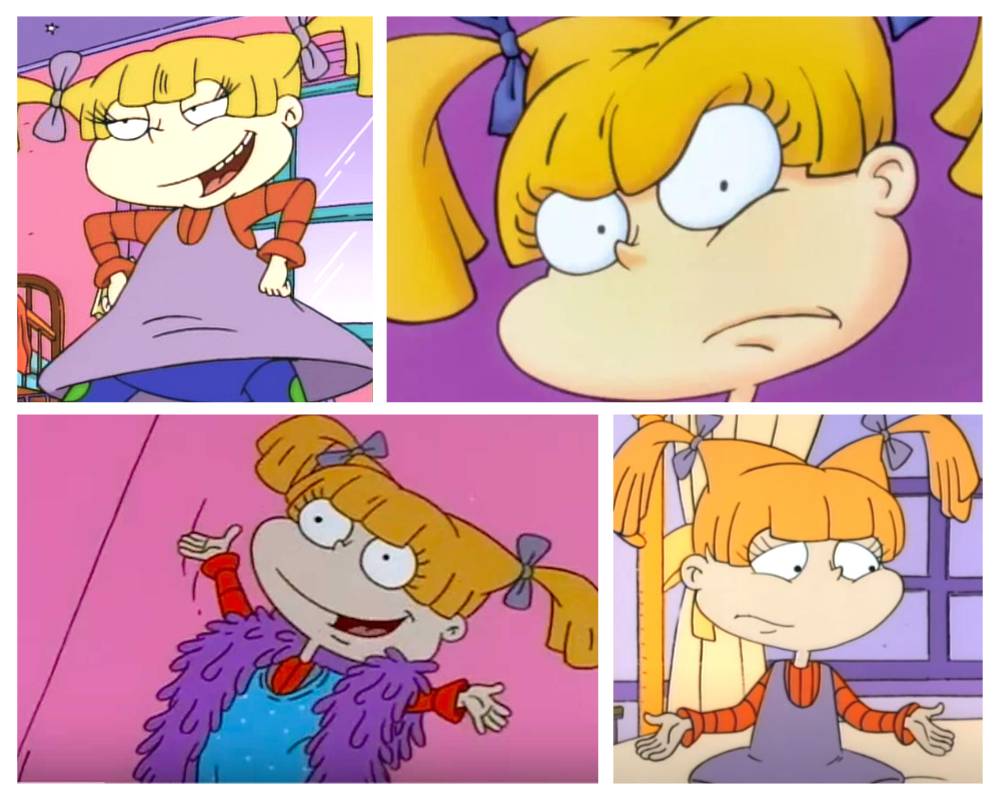
👑 Bully Style: Bossy “I’m older so I’m in charge” intimidation
🎯 Why she stands out: She weaponizes adult knowledge against toddlers.
🧠 My Take: Angelica is a perfect example of a bully character who’s also written with insecurity underneath the attitude.
Angelica is one of the most memorable female bully cartoon characters because her power isn’t physical—it’s social and psychological. She knows how to scare the babies, how to lie, and how to twist situations so she “wins.” If you want a deeper dive, her character page fits perfectly here: Angelica Pickles from Rugrats.
Daffy Duck (Looney Tunes)
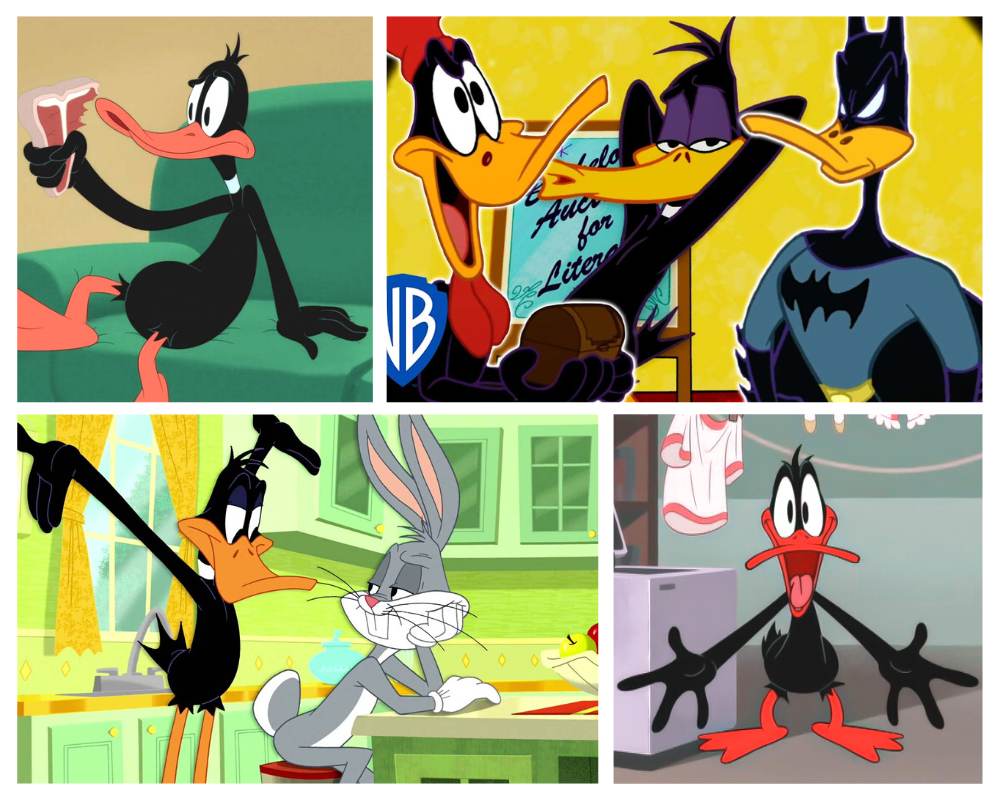
🦆 Bully Style: Competitive sabotage and ego-driven manipulation
🎯 Why he stands out: He’s funny, but he’s also jealous enough to ruin the vibe.
🧠 My Take: Daffy is the “bully when insecure” character—he lashes out when he feels second place.
Daffy is a bully in a comedic way. He’s not a schoolyard extorter—he’s the character who can’t stand not being the star. That’s why he often drifts into “bully behavior” even when he’s technically a main character.
Trixie Tang (The Fairly OddParents)
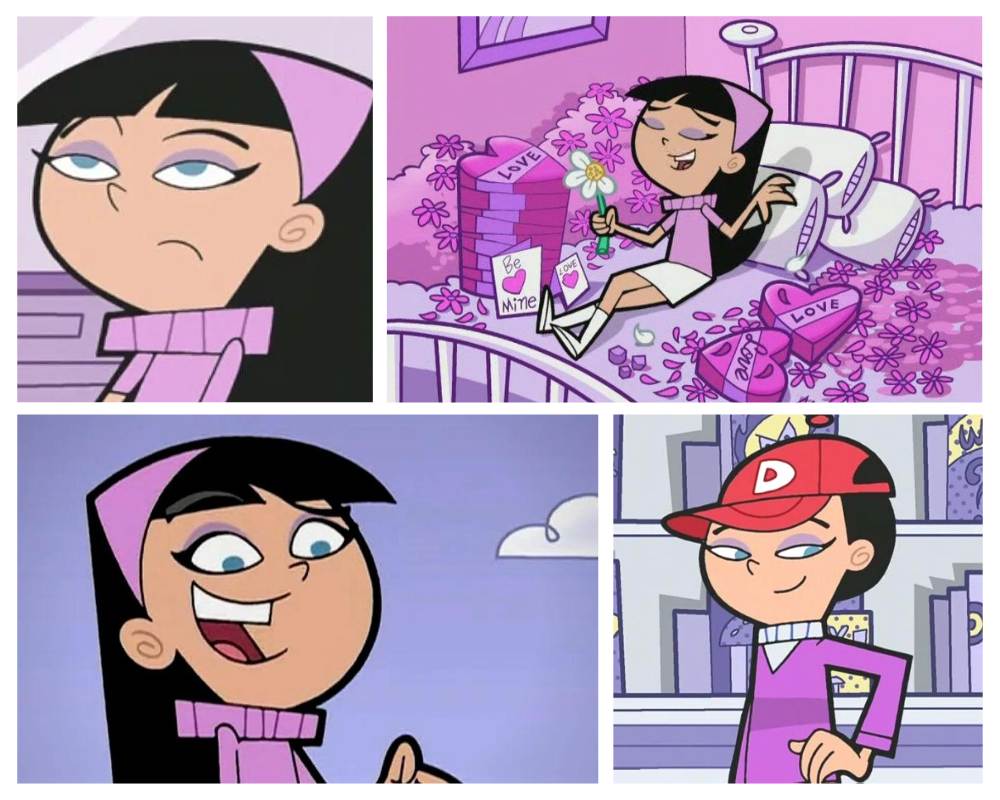
💅 Bully Style: Status bullying (wealth + popularity + public humiliation)
🎯 Why she stands out: She turns social rank into a weapon.
🧠 My Take: Trixie is the “mean girl” archetype played for laughs, but the power dynamic is still real.
Trixie’s bullying is the kind that lands because it’s social: she doesn’t need to hit anyone—she just has to embarrass them. She’s a good example of how cartoons show bullying that looks “clean” on the surface but still harms people.
Helga Pataki (Hey Arnold!)
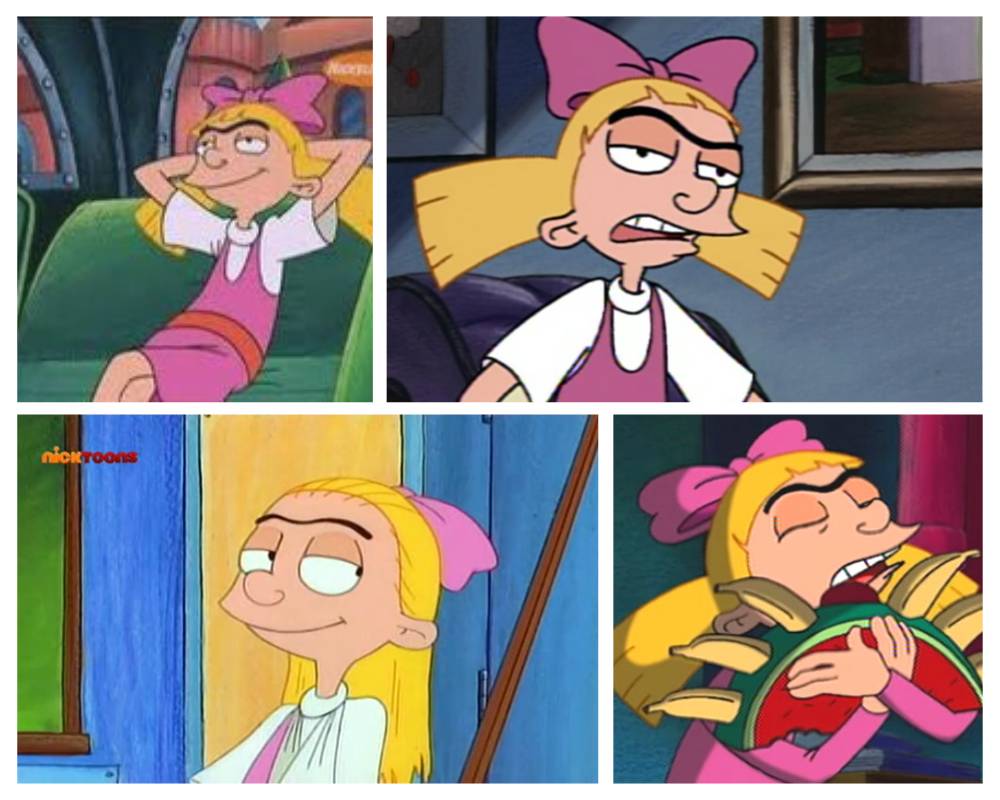
📣 Bully Style: Loud intimidation + emotional defense mechanism
🎯 Why she stands out: The show actually explains her—she’s not bullying “just because.”
🧠 My Take: Helga is one of the best-written bully characters because her cruelty is clearly tied to pain and neglect.
Helga is the bully character I can’t fully hate, because the writing shows exactly why she built that armor. She’s rough, she’s mean, and she can be emotionally brutal—but she’s also sensitive in private. If you want the deeper profile link, this fits naturally: Helga Pataki from Hey Arnold.
The “School Bully” (Peanuts)
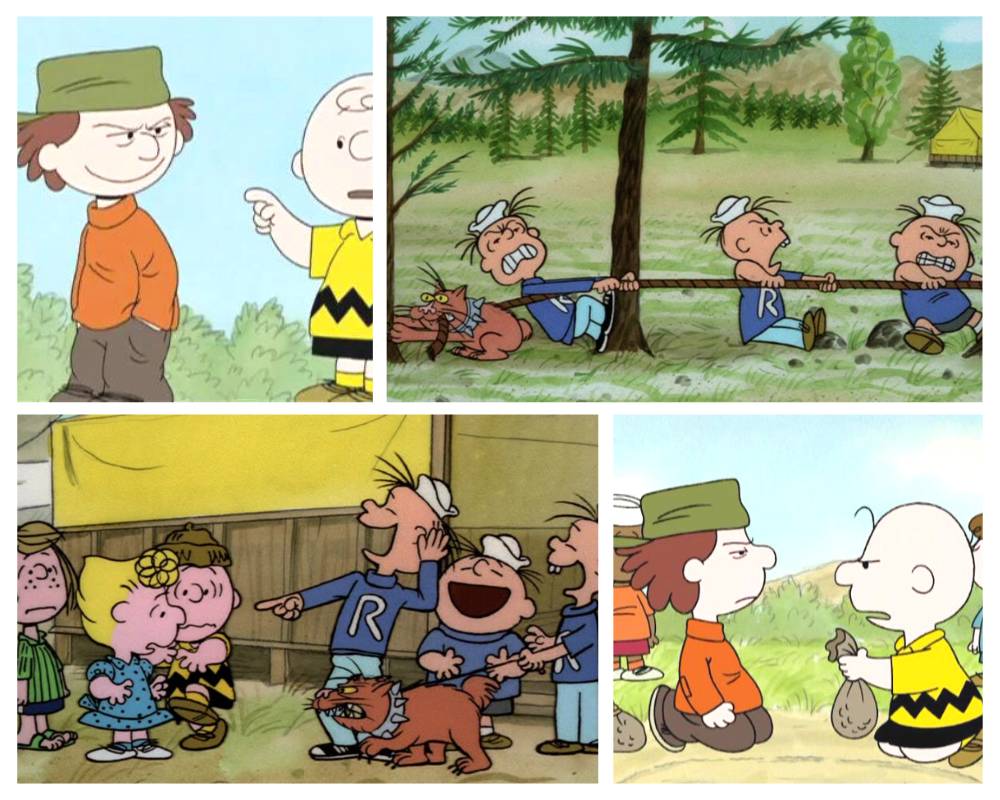
🥪 Bully Style: The classic “take your lunch money” intimidation
🎯 Why it stands out: It represents a real fear kids understand instantly.
🧠 My Take: Peanuts bullies are simple on purpose—so the story can focus on how Charlie Brown responds.
Peanuts is interesting because it treats bullying as a recurring part of childhood rather than a one-off plot twist. If you grew up watching Charlie Brown try (and often fail) to stand up for himself, you probably remember how real that felt.
Squidward Tentacles (SpongeBob SquarePants)
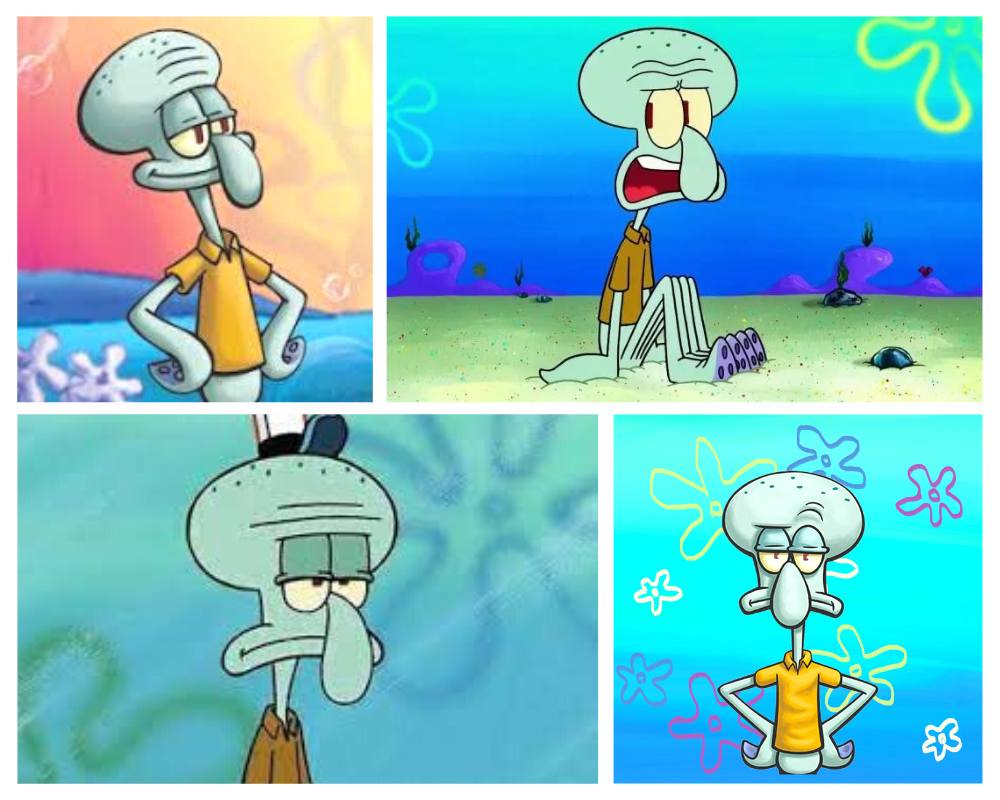
🎭 Bully Style: Emotional bullying (mocking, dismissing, belittling)
🎯 Why he stands out: He’s not evil—he’s resentful and exhausted.
🧠 My Take: Squidward is “bully-coded” because he tries to make people feel small to protect his ego.
Squidward is a polarizing one. Some fans see him as a victim of SpongeBob’s chaos. Others see him as a bully-like character because he regularly humiliates and dismisses SpongeBob and Patrick. If you want to explore his “villain-ish” angle, this pairs naturally with SpongeBob villains and his character page Squidward Tentacles.
Lori Loud (The Loud House)
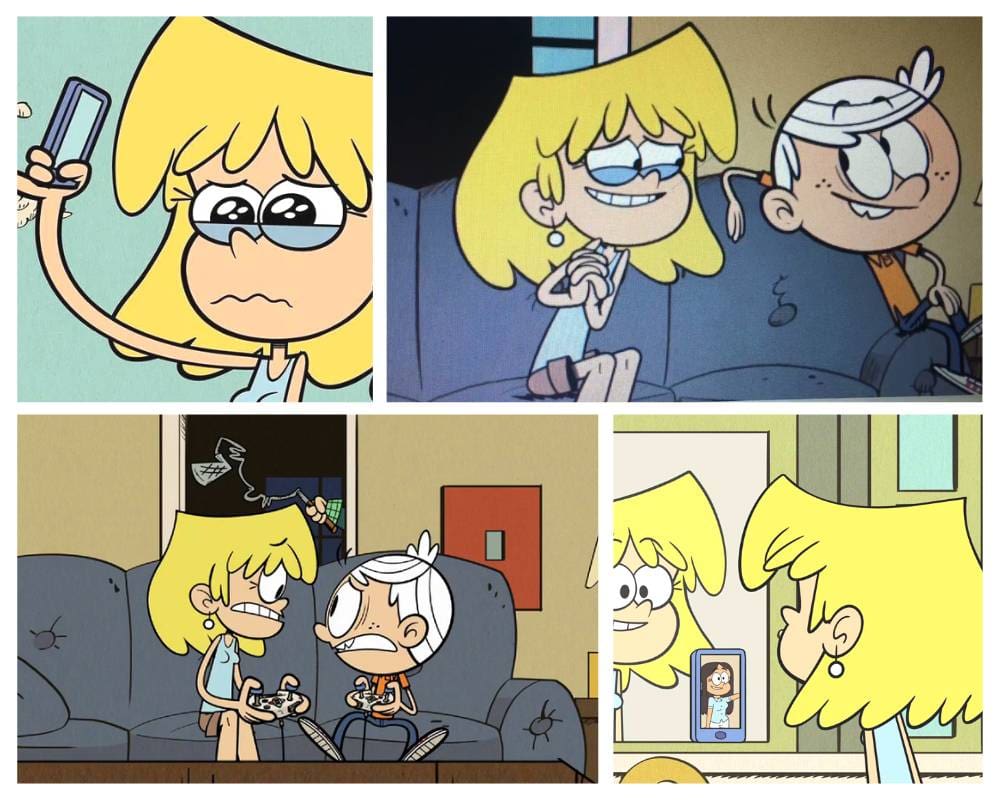
🏠 Bully Style: Sibling bullying (bossy control, criticism, “I’m in charge” energy)
🎯 Why she stands out: It’s closer to real family dynamics than “evil villain” bullying.
🧠 My Take: Lori works because the show lets her learn—she’s not frozen in bully mode forever.
Lori is a good example of “bully behavior” that isn’t framed as pure evil. She’s controlling and critical, but she’s also protective—especially when it matters. That mix is why some viewers call her a bully and others call her “the stressed oldest sibling.”
Honorable Mentions (More Cartoon Bullies Worth Talking About)
- Kevin (Ed, Edd n Eddy): the neighborhood bully archetype who rules by intimidation.
- Roger Klotz (Doug): classic “target Doug because it’s fun” bully behavior.
- Wolfgang (Hey Arnold!): the physically intimidating bully who’s more threat than joke.
- Vicky (The Fairly OddParents): authority bullying (because babysitter power is still power).
- Tom & Jerry’s bully energy: depending on the episode, the “bully” role flips—which is why I like linking this conversation to are Tom and Jerry best friends?.
How Are Bully Characters in Cartoons Portrayed?
Most bully characters in cartoons are written to do one of these jobs:
- Create conflict fast: a bully gives the hero an immediate problem to solve.
- Teach a lesson (especially in kids shows): standing up for yourself, empathy, consequences, boundaries.
- Provide comedic tension relief: the bully gets outsmarted, embarrassed, or humbled.
- Reveal social dynamics: popularity, power, insecurity, and peer pressure.
That said, the tone matters. In children’s cartoons, bullies are often exaggerated so the lesson is clear. In teen/adult animation, bully behavior is sometimes played darker or more cynical (which is why characters like Cartman also end up on lists like most annoying cartoon characters and controversial characters in cartoons).
CLASSIC SCHOOLYARD BULLIES (MALE) 🏫👊
1. Nelson Muntz (The Simpsons – “Ha-Ha!”)
2. Roger Klotz (Doug)
3. Dash Baxter (Danny Phantom)
4. Flash Thompson (Spider-Man: The Animated Series / Spectacular)
5. Kevin (Ed, Edd n Eddy)
6. Wolfgang (Hey Arnold! – The leader of the 5th graders)
7. Harold Berman (Hey Arnold! – The reformed bully)
8. Francis (The Fairly OddParents)
9. Sperg (The Grim Adventures of Billy & Mandy)
10. Buford Van Stomm (Phineas and Ferb)
11. Butch (The Powerpuff Girls – Rowdyruff Boys)
12. Gelman (Recess)
13. Earwin Lawson (Recess)
14. Binky Barnes (Arthur)
15. Jimbo Jones (The Simpsons)
16. Dolph Starbeam (The Simpsons)
17. Kearney Zzyzwicz (The Simpsons)
18. Billy Joe Cobra (Dude, That’s My Ghost!)
19. Chandler (The Loud House)
20. Lars (Steven Universe – Early seasons)
MEAN GIRLS & QUEEN BEES (FEMALE) 💅👿
21. Helga G. Pataki (Hey Arnold! – The complex secret-crush bully)
22. Angelica Pickles (Rugrats – The tyrant toddler)
23. The Kanker Sisters (Ed, Edd n Eddy – Lee, Marie, May)
24. Bonnie Rockwaller (Kim Possible)
25. Heather (Total Drama Island)
26. Paulina (Danny Phantom)
27. The Ashleys (Recess – “Scandalous!”)
28. Princess Morbucks (The Powerpuff Girls)
29. Miranda Killgallen (As Told by Ginger)
30. Mertle Edmonds (Lilo & Stitch)
31. Diamond Tiara (My Little Pony: Friendship is Magic)
32. Silver Spoon (My Little Pony: Friendship is Magic)
33. Pacifica Northwest (Gravity Falls – Early seasons)
34. Boscha (The Owl House)
35. Chloe Bourgeois (Miraculous Ladybug)
36. Trixie Tang (The Fairly OddParents)
37. Lucy van Pelt (Peanuts – Bullies Charlie Brown/Linus)
38. Connie D’Amico (Family Guy)
39. Brittany Wong (Star vs. the Forces of Evil)
BIG, BUFF & INTIMIDATING BULLIES 💪😠
40. Bluto (Popeye)
41. Pete (Disney / Mickey Mouse)
42. Biff Tannen (Back to the Future: The Animated Series)
43. Terrence (Foster’s Home for Imaginary Friends)
44. Brad Buttowski (Kick Buttowski: Suburban Daredevil)
45. Butch (Tom & Jerry – The alley cat)
46. The Box Ghost (Danny Phantom – Tries to be a bully)
47. Monster Krumholtz (Numb Chucks)
48. Gaston (Beauty and the Beast)
49. Alpha (Up – The Doberman)
50. Killer (All Dogs Go To Heaven)
51. Rosso (The Life and Times of Juniper Lee)
ANIME BULLIES, DELINQUENTS & RIVALS 🎌💢
52. Katsuki Bakugo (My Hero Academia – Started as a severe bully)
53. Takeshi Goda / Gian (Doraemon – The archetypal “Big” bully)
54. Suneo Honekawa (Doraemon – The “Sneaky” rich bully)
55. Gary Oak (Pokémon – The arrogant rival)
56. Team Rocket (Pokémon – Jessie & James)
57. Neito Monoma (My Hero Academia – Class 1-B antagonist)
58. Joey Wheeler / Katsuya Jonouchi (Yu-Gi-Oh! – Former bully)
59. Honda / Tristan (Yu-Gi-Oh! – Former bully)
60. Urumi Kanzaki (Great Teacher Onizuka)
61. Akito Sohma (Fruits Basket – The abuser/head of family)
62. Rio Nakamura (Assassination Classroom – Starts mischievous/mean)
63. The Ginyu Force (Dragon Ball Z – Galactic bullies)
64. Ami Kawashima (Toradora! – The two-faced idol)
65. Yumeko Jabami (Kakegurui – Psychological bullying themes)
66. Arlong (One Piece – Bullied Nami’s village)
67. Bellamy the Hyena (One Piece)
SMALL, SNEAKY OR YOUNGER BULLIES 🧒😈
68. Stewie Griffin (Family Guy – Bullies Brian endlessly)
69. Eric Cartman (South Park – The ultimate manipulator)
70. D.W. Read (Arthur – Sibling bully to Arthur)
71. Suzy Johnson (Phineas and Ferb – Bullies Candace)
72. Gideon Gleeful (Gravity Falls)
73. Montana Max (Tiny Toon Adventures)
74. Elmyra Duff (Tiny Toon Adventures – Bullies animals with “love”)
75. Vicky (The Fairly OddParents – “Icky with a V”)
76. Darla Dimple (Cats Don’t Dance)
77. Louise Belcher (Bob’s Burgers – Chaotic neutral/bully)
78. Megan Parker (Drake & Josh – Live action but cartoonish villainy)
79. Kat (Kid vs. Kat – Alien bully)
80. Plankton (SpongeBob SquarePants – Small but evil)