If you judge a book by its cover, Shota Aizawa looks less like a superhero and more like a man who hasn’t slept since 2014. He carries a yellow sleeping bag, drips eye drops like it’s an IV drip, and radiates pure “I’m done with everything.”
But in My Hero Academia, where heroes chase fame, rankings, and sponsorships, Aizawa (Hero Name: Eraser Head) is built different. He’s an underground hero who avoids the spotlight, and he’s the teacher who would rather crush a student’s ego than attend their funeral.
While All Might teaches students how to be symbols of peace, Aizawa teaches them how to survive the night. And the more I revisit the series, the more I think he might be the most important adult in U.A.—because without him, half the cast would have been wiped out in Season 1.
What you’ll get in this guide
- A clean profile (stats + quick facts that people miss)
- Erasure explained (including limitations most fans misunderstand)
- The real story behind his Binding Cloth / Capturing Weapon
- His Vigilantes backstory and why Shirakumo changes everything
- Why “Dad-Zawa” is not a meme—it’s basically canon energy
Profile: Who Is Eraser Head?
Before we dissect his psyche, here’s the clean profile. Aizawa is a fan favorite not because he’s the strongest, but because he’s the most pragmatic. He represents the reality of hero work: it’s dirty, it’s tiring, and it’s dangerous.
| Stat | Details |
| Real Name | Shota Aizawa |
| Hero Name | Eraser Head |
| Birthday | November 8 (Scorpio) |
| Height | 183 cm (6’0″) |
| Affiliation | U.A. High School (Class 1-A Homeroom) |
| Quirk | Erasure |
| Voice Actor (Dub) | Christopher Wehkamp |
Quick facts people forget about Aizawa
- He’s an “underground hero” by choice (meaning he doesn’t rely on popularity or public image).
- He’s built for ambush fights—short-range, stealth, take-the-Quirk-and-close-the-distance.
- His “lazy look” is tactical. People underestimate him. He likes that.
- He’s strict because he’s terrified—not of losing fights, but of losing students.
The Quirk: Erasure Explained
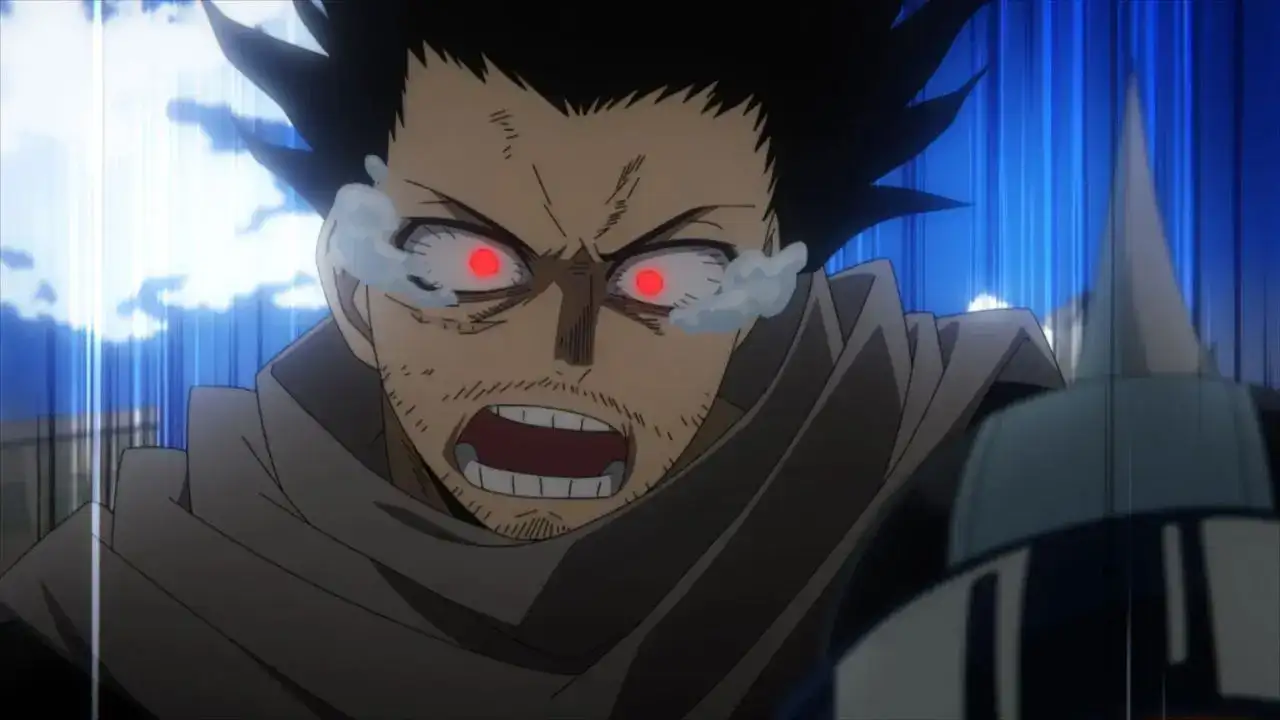
Aizawa’s Quirk, Erasure, lets him nullify a target’s Quirk by looking at them. The key detail most people miss: it’s not “turning powers off forever.” It’s a tactical shutoff that buys him a window—and he uses that window better than almost anyone.
Erasure in plain English
- Activation: He needs line-of-sight to “catch” the target.
- Duration: It stays active until he blinks (looking away doesn’t automatically end it once it’s activated).
- Multi-target: He can keep multiple people erased at once if he gets them in sight.
- The toll: Dry eye, strain, and the constant risk that one blink equals one opening.
- My Take: Erasure forces Aizawa to win the hard way—hands, cloth, positioning, and nerves.
Does Erasure Work on “Mutant” (Heteromorph) Quirks?
This is the nuance fans argue about, and the best way I can explain it is: Aizawa doesn’t delete physical traits, but he can shut down their function. If a Quirk creates a permanent body change, that body part doesn’t vanish. But it can go limp or lose its “powered” function while Erasure is active.
Examples (simplified)
- Emitter / Transformation Quirks: usually get shut off cleanly.
- Heteromorph Quirks: the trait stays, but the “mechanism” can be impaired.
- Bottom line: It’s not useless against heteromorphs—but it’s not a full reset either.
The Secret Weapon: The Binding Cloth (Capturing Weapon)
You cannot talk about Aizawa without talking about the scarf. It isn’t just drip. It’s a Capturing Weapon—a specialty item built for restraint, mobility, and control.
What the Binding Cloth does (and why it matters)
- Restraint: binds enemies fast so he can control the fight.
- Mobility: he uses it like a grappling line to reposition.
- Deception: villains often assume the cloth is his Quirk because it moves so fluidly.
- Backup plan: even if Erasure fails (or he faces someone whose body is still dangerous), he’s not helpless.
- My Take: this cloth is the real reason he can walk into a mob of villains and not instantly die.
One detail I love: Aizawa didn’t inherit a flashy fighting style. He built one. He developed “Binding Cloth style” through pure repetition and practicality. That’s why he feels so different from the celebrity heroes—he’s craftsmanship, not branding.
The Tragedy of Oboro Shirakumo (Vigilantes Lore That Changes Everything)
Most casual viewers miss this, but if you want the “why” behind Aizawa’s personality, you need the prequel story My Hero Academia: Vigilantes. That’s where you see that Aizawa wasn’t always a solitary, exhausted ghost of a man.
When he was younger, he had a trio: Present Mic (Hizashi Yamada) and a classmate named Oboro Shirakumo (Hero Name: Loud Cloud). Shirakumo was the sunlight in that trio—the one who kept Aizawa grounded and pushed him forward when he doubted himself.
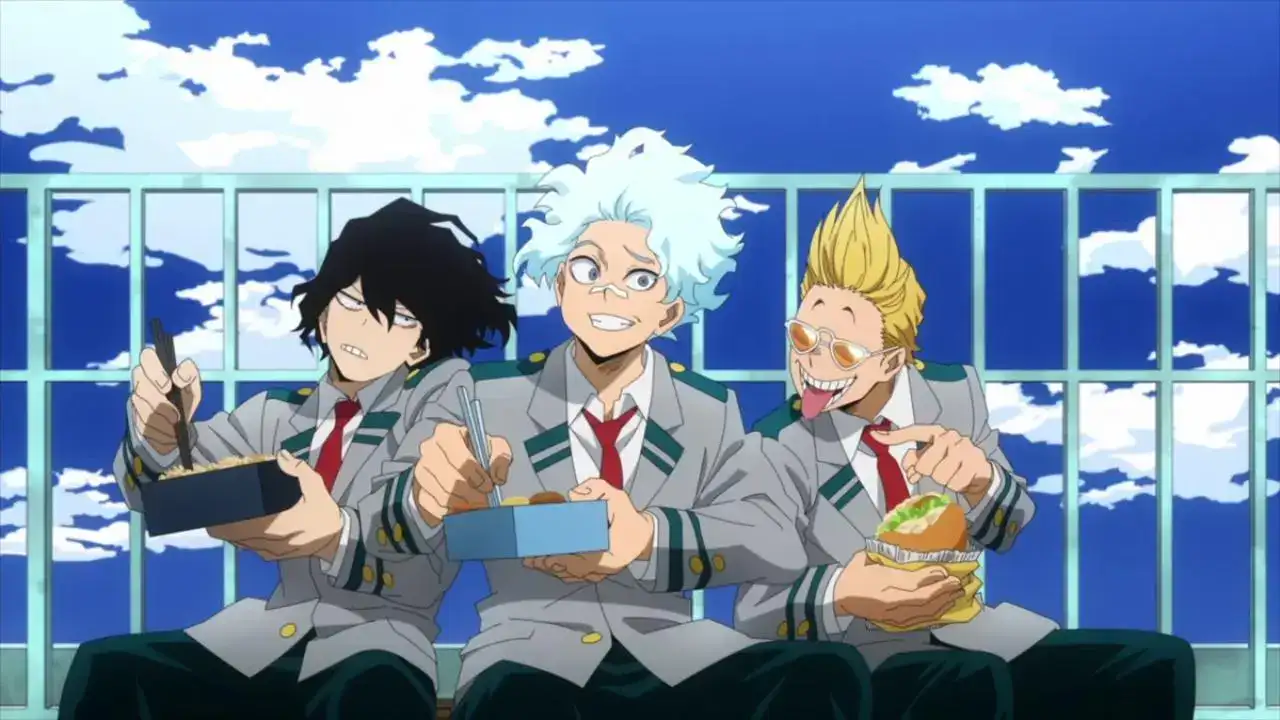
Why Shirakumo matters
- He validated Aizawa when Aizawa thought Erasure was “not heroic enough.”
- His death changed Aizawa’s entire worldview—especially about student readiness.
- It explains the harshness: Aizawa would rather be hated than attend another funeral.
Shirakumo dies during hero training/internship circumstances—saving people, doing what heroes are supposed to do—and Aizawa witnesses the aftermath. That’s the origin of his obsession with preparedness. It’s also why he hates the media circus around hero work. To him, “hero headlines” are often just another way to glamorize risk.
Major spoiler warning: The story hits even harder when the series reveals the villain Kurogiri is connected to Shirakumo. If you’ve never seen that arc, that’s your sign to brace yourself. (And if you enjoy power mechanics, Kurogiri’s Warp Gate is basically a perfect example of why “teleport” abilities are always broken—this is the closest relevant rabbit hole I’ve written: anime characters with teleportation powers.)
The “Logical Ruse”: Aizawa’s Teaching Philosophy
Aizawa’s reputation is legendary: “the teacher who expelled an entire class.” Early on, he threatens to expel the lowest performer in the Quirk Apprehension Test. Later, we learn it’s a “Logical Ruse”—a psychological tactic designed to force students to reveal their real potential.
What Aizawa is actually teaching
- Self-sacrifice vs. recklessness are not the same thing.
- Hero work punishes “main character syndrome.” One mistake can kill you.
- Talent isn’t enough. Control, judgment, and teamwork matter more.
- My Take: Aizawa’s methods feel harsh because he’s teaching survival, not inspiration.
Here’s the uncomfortable truth: the “ruse” works because it creates a controlled version of “death.” The death of the dream. Aizawa believes that if you can’t survive that moment—if you can’t adapt when the fantasy collapses—you shouldn’t be in hero work yet.
It’s also why his approach contrasts so hard with All Might. All Might builds a symbol. Aizawa builds a student who can still move when the symbol fails.
Relationships: The “Dad-Zawa” Energy (That He Pretends Doesn’t Exist)
Aizawa acts cold, but he’s the definition of “protective in denial.” He doesn’t do emotional speeches. He does actions. He shows up. He throws himself into danger first. Then he pretends he didn’t.
1) Hitoshi Shinso: The Protégé
- Why Aizawa cares: Shinso has a “villain-coded” Quirk and gets judged for it.
- What Aizawa gives him: practical training + a fighting method that doesn’t rely on people “playing along.”
- My Take: This is Aizawa at his best—quietly correcting what the system ignores.
Aizawa sees himself in Shinso: a kid with a Quirk that isn’t flashy, isn’t “hero-poster-friendly,” and gets underestimated. So he trains him personally and passes down the Binding Cloth style. That’s not random mentorship. That’s Aizawa actively rewriting someone’s fate.
2) Eri: The Child He Won’t Let the World Break Again
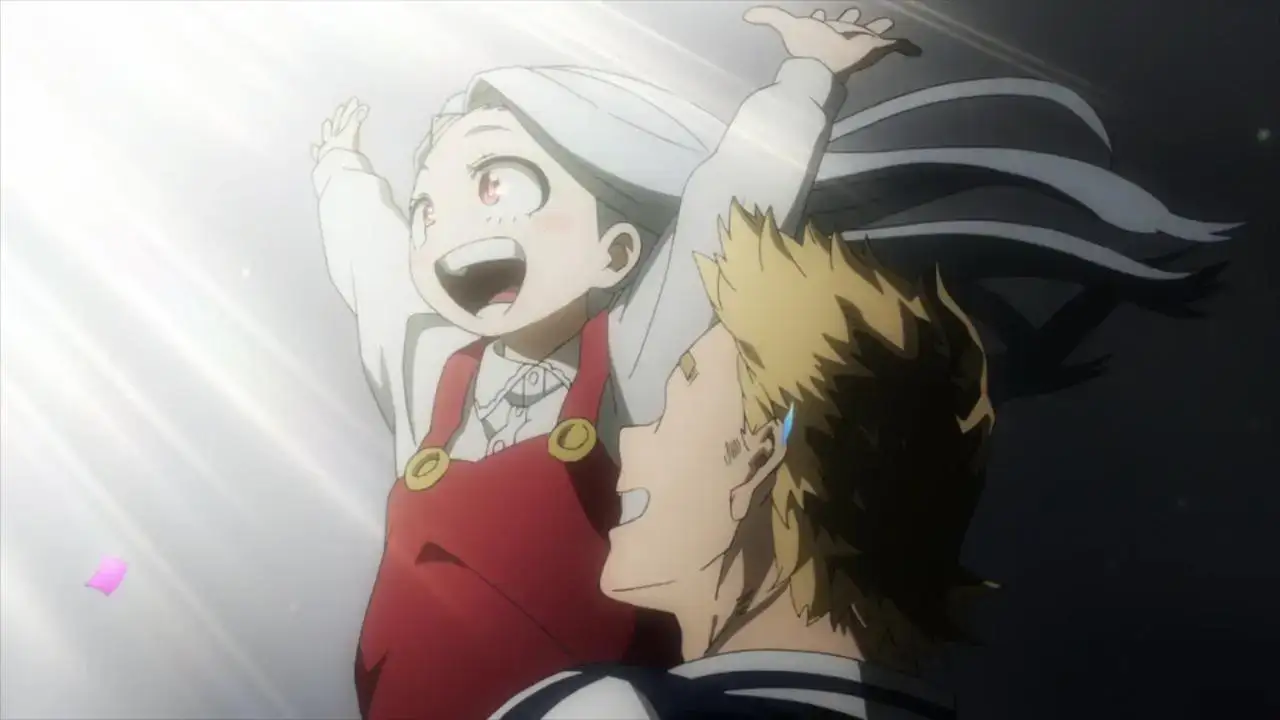
- Why he’s crucial: Erasure is one of the few tools that can safely stop Rewind if it spirals.
- What changes him: you see him soften in small, rare moments that feel earned.
- My Take: Eri doesn’t “fix” Aizawa—she reveals the tenderness he was already trying to hide.
I’m careful with the word “guardian” because the series treats it more like “protective caretaker under U.A.’s supervision,” but the vibe is clear: Aizawa becomes one of the central adults in Eri’s recovery. He’s gentle with her in a way that’s almost shocking if you only know him as the teacher who threatens expulsion.
3) Ms. Joke: The Only Person Who Can Annoy Him Without Dying
- Dynamic: loud optimism vs. exhausted realism
- Why fans ship it: she cracks his “I don’t care” armor.
- My Take: It’s funny because she treats him like a person, not a legend.
Emi Fukukado (Ms. Joke) is basically Aizawa’s personality kryptonite. She’s bright, playful, and direct—he’s dry, quiet, and allergic to attention. Their scenes give him a human rhythm outside the constant trauma and combat.
Major Battle Feats (Why He’s More Than “Just a Teacher”)
Aizawa’s power is tactical, but his real weapon is his decision-making under pressure. He’s one of the few pro heroes who consistently chooses the “ugly but correct” option when everyone else would hesitate.
Iconic Aizawa moments (high-level, spoiler-light)
- USJ Incident: dives into a crowd of villains alone to buy his students time.
- Student vs. Teacher Exam: uses stealth and traps to force strategy over raw power.
- War-level conflicts: pushes Erasure past normal limits to keep monsters from snowballing the battlefield.
Major spoiler section (late-series Aizawa injuries and sacrifices)
- He makes brutal choices instantly when the alternative is more casualties.
- His injuries permanently change how he fights—which makes his continued presence even more impressive.
- My Take: Aizawa’s late-series moments are a masterclass in “heroism without applause.”
My Take: Is Shota Aizawa the Best Teacher in Anime?
“Best” depends on what you value. If you want inspiration, All Might is your guy. If you want survival, Aizawa clears. I honestly think Aizawa feels like the teacher you’d want in real life if your job involved dying.
Why I rank Aizawa so highly as a teacher
- He teaches consequences. Not in theory—in practice.
- He adapts to the student. Shinso is the best proof of that.
- He’s consistent. He doesn’t preach heroism; he models it.
- He protects without ego. No cameras, no speeches, just action.
- My Take: If U.A. is a machine that makes heroes, Aizawa is the safety system that stops it from killing the kids inside it.
If you’ve made it this far, you already get the appeal: Aizawa is quiet, practical, and defined by trauma—but instead of becoming bitter, he becomes a shield. He’s not flashy. He’s essential.
Is Aizawa your favorite teacher, or are you Team All Might? I’m genuinely curious—drop your pick in the comments.