Beloved black cartoon characters deserve more recognition, from Fat Albert and Princess Tiana to The Proud Family, Frozone, and Miles Morales. Get ready to be entertained, educated, and inspired!
I grew up watching Saturday morning cartoons where diversity was often an afterthought. But over the years, the industry has evolved. We went from sidekicks to superheroes, from background characters to main protagonists. Shows like The Proud Family and Static Shock didn’t just entertain me; they showed me a world that looked a little more like the real one.
As the industry continues to evolve, animated shows and films are becoming increasingly diverse, showcasing characters from various races, ethnicities, and backgrounds. In this article, I’ll explore the most impactful and inspiring black animated characters that have left their mark on the animation world.
You can read an interesting piece published in The Guardian – A short history of race in animation.
Cartoons With Black Characters (The Classics)
Can you name the beloved black cartoon characters that have captured your heart? Despite the popularity of characters like Huey Freeman and Cleveland Brown, many more deserve recognition. These are the icons that paved the way.
Fat Albert
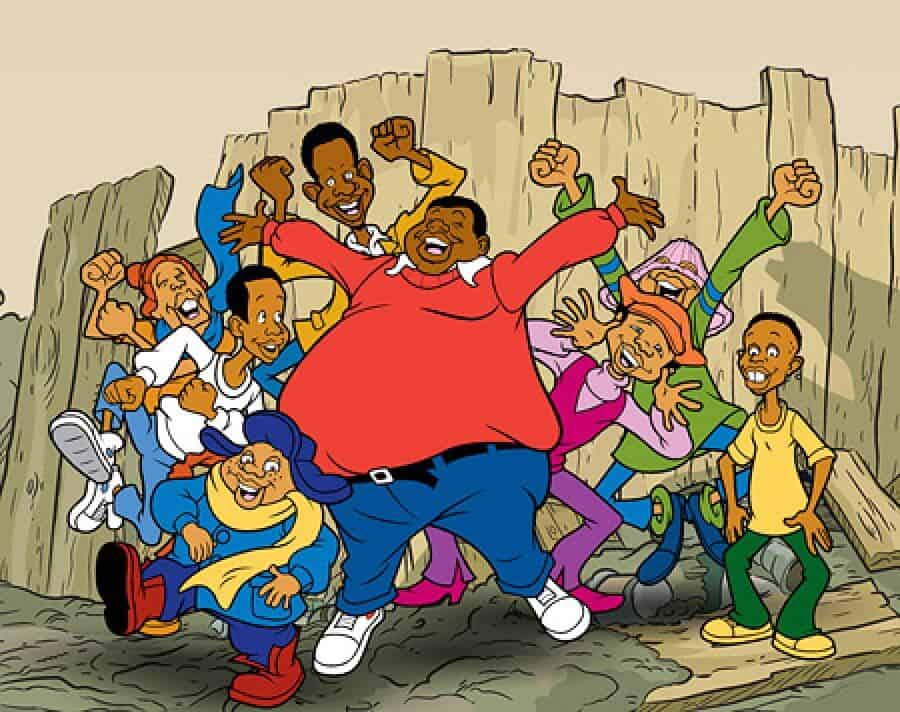
📺 Show: Fat Albert and the Cosby Kids
🧠 Why He Matters: One of the first cartoons to focus entirely on black urban youth.
🎬 Best Moment: “Hey, hey, hey!”
Released in 1972, this show was groundbreaking. It featured exaggerated caricatures of Black teenage boys living in inner cities, but it was educational at its core. It didn’t shy away from real-world problems like poverty and peer pressure. Fat Albert was the heart of the group, teaching us that you can be big, loud, and kind all at the same time.
Penny Proud

📺 Show: The Proud Family
🧠 Why She Matters: A realistic portrayal of a black teenage girl.
🎬 Best Moment: Dealing with Oscar’s strict rules.
Introducing Penny Proud from The Proud Family, a trailblazer in the world of black animated characters. When the show first aired on Disney Channel in 2001, it introduced audiences to a 14-year-old Penny, growing up in an African American household. She is arguably one of the best black cartoon characters of the 2000s because she was so relatable. With the recent reboot Louder and Prouder, she continues to inspire a new generation.
Susie Carmichael
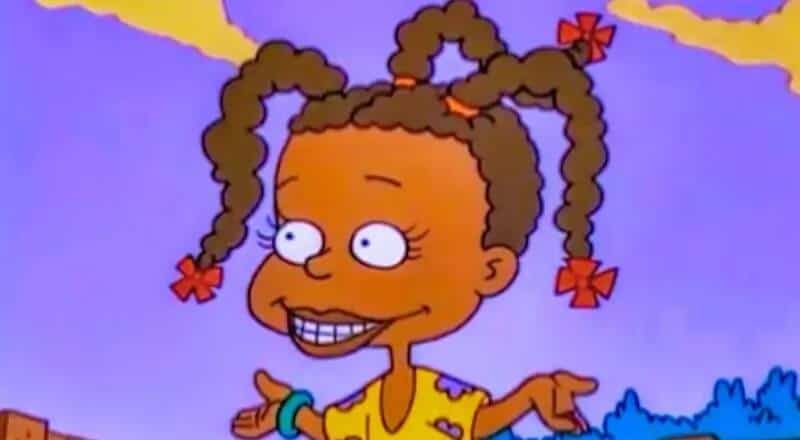
We wouldn’t be where we are without Susie Carmichael. In Rugrats, she was the perfect foil to the bratty Angelica. Susie was kind, smart, talented (she could sing!), and stood up for the babies. She represented the “good older sister” trope perfectly and showed that you could be cool without being mean. She was basically the “mom friend” before that was even a term.
Gerald Johanssen
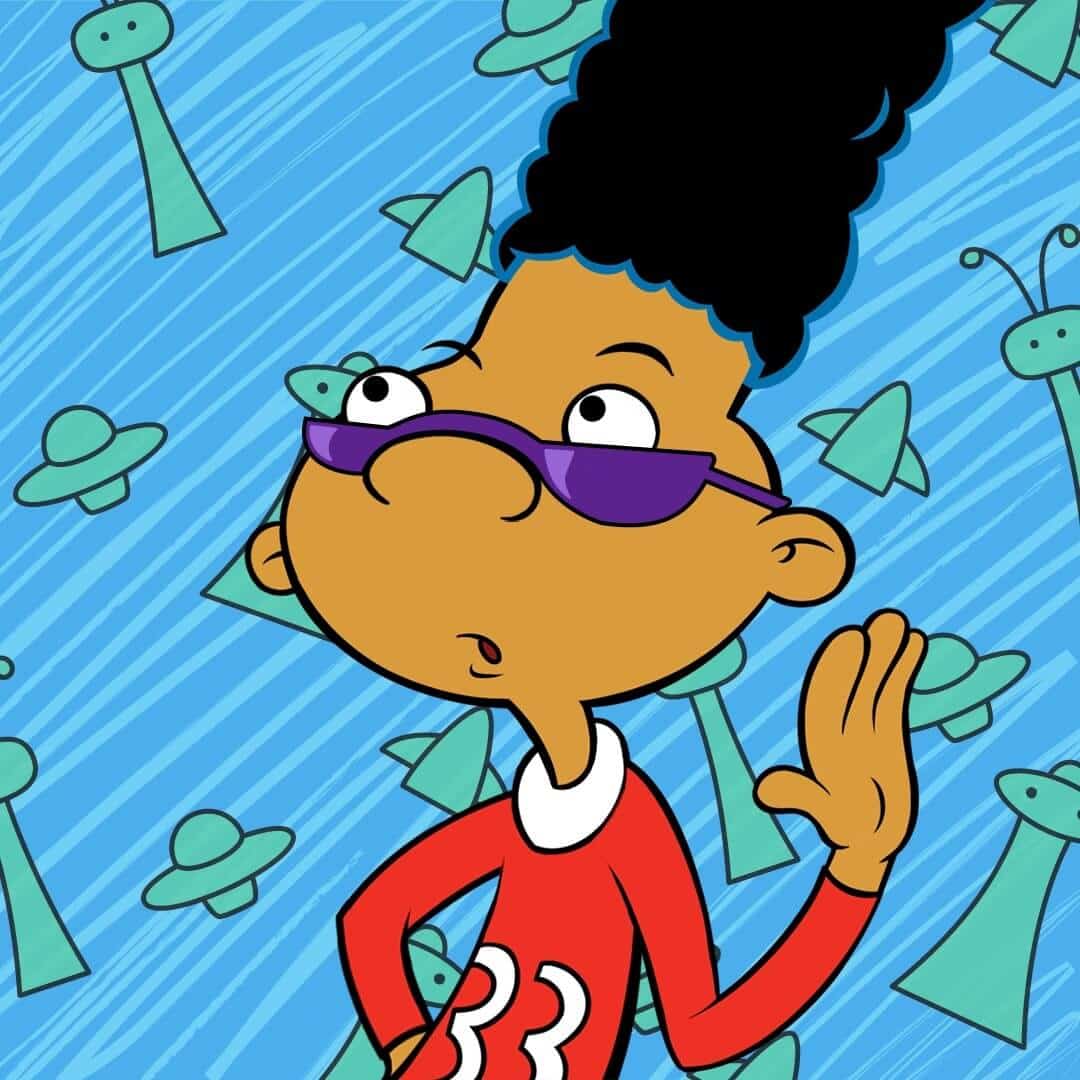
📺 Show: Hey Arnold!
🧠 Why He Matters: The coolest kid in Hillwood.
🎬 Best Moment: Telling the urban legends.
Gerald was the keeper of tales. With his iconic high-top fade (which was basically a character of its own), he was Arnold’s best friend and the voice of reason. He oozed coolness. He wasn’t just a sidekick; he was the narrator of the neighborhood’s history. I always wanted to be as cool as Gerald.
Valerie Brown

Valerie from Josie and the Pussycats (1970) was groundbreaking. She was the first black female character to have a regular role in a Saturday morning cartoon. She was the smart one, the mechanic, and the best musician in the band. Without Valerie, the Pussycats would have been lost (literally and figuratively).
Jodie Landon
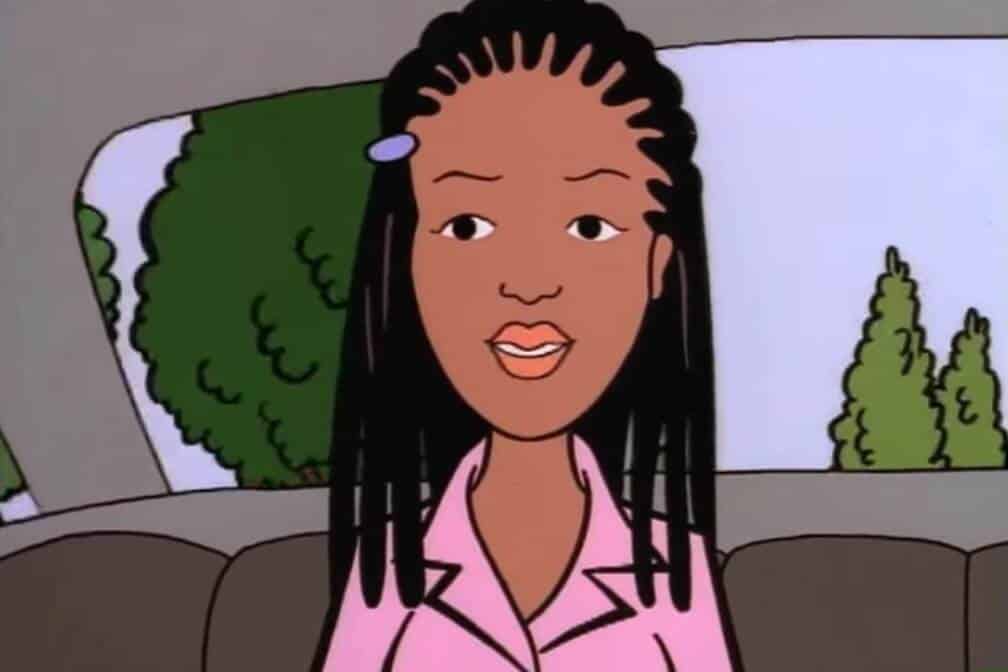
It’s impossible to overstate how ahead of her time Jodie was. In Daria, she openly discussed the pressure of being the “model minority.” She was intelligent, ambitious, and often the only person who could call Daria out on her privilege. She recently got her own spin-off movie, confirming her status as an icon.
Miranda Killgallen
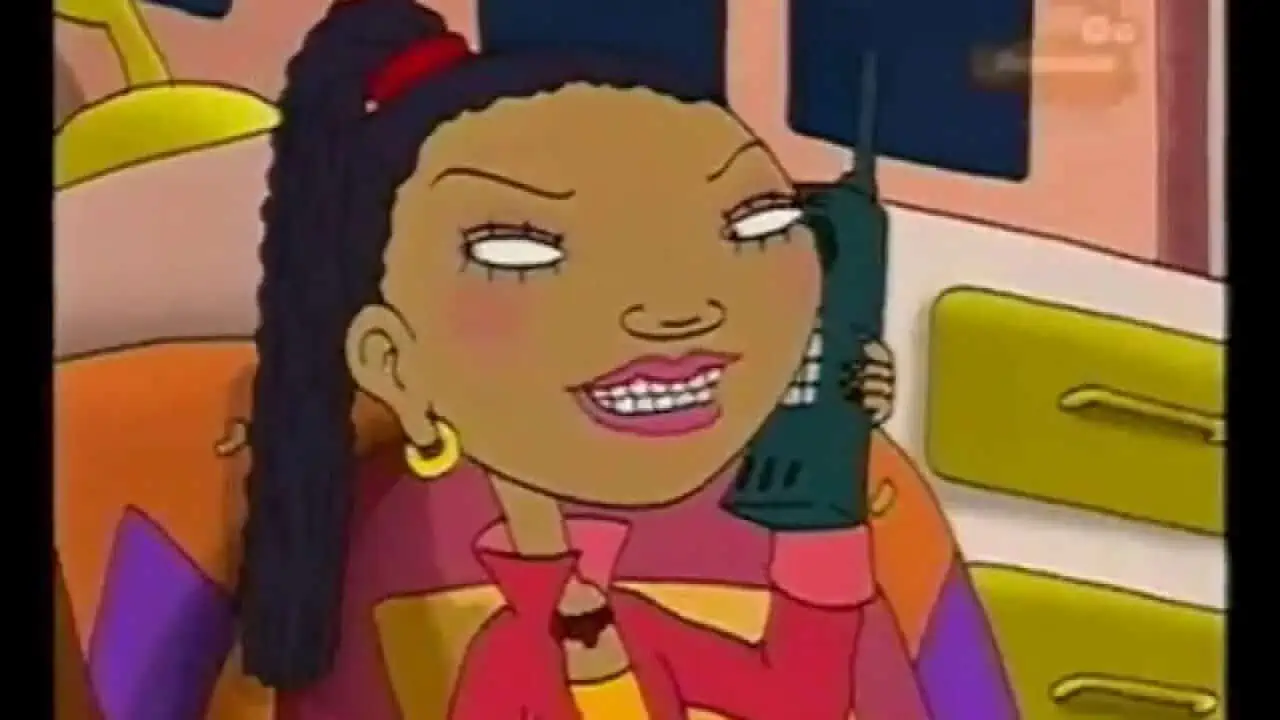
As Told by Ginger featured Miranda as one of the “mean girls,” but I loved watching her personality develop. She was tough, sarcastic, and fiercely loyal to her best friend Courtney. She showed that black characters didn’t always have to be “nice”; they could be complex, flawed, and popular.
Trixie Carter
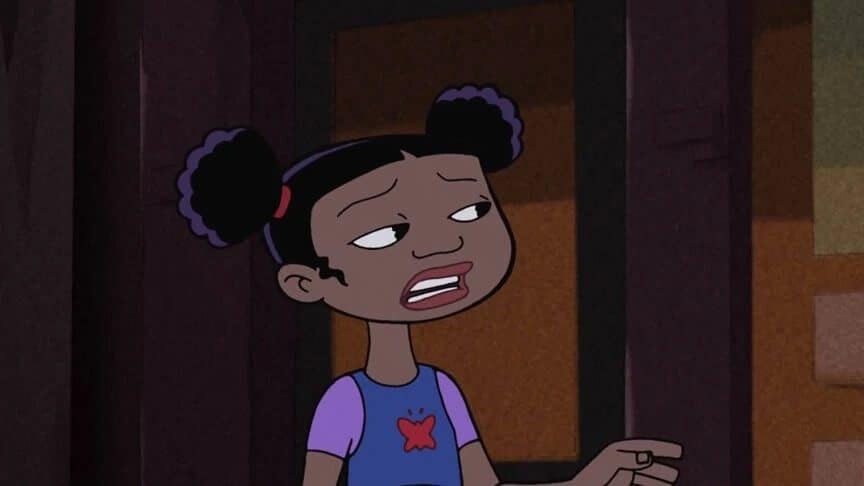
Trixie Carter from American Dragon: Jake Long was the definition of a ride-or-die friend. She found out her best friend could turn into a dragon and didn’t even blink. As a talented skateboarder and cheerleader, she effortlessly balanced being both a tomboy and feminine.
Keesha Franklin
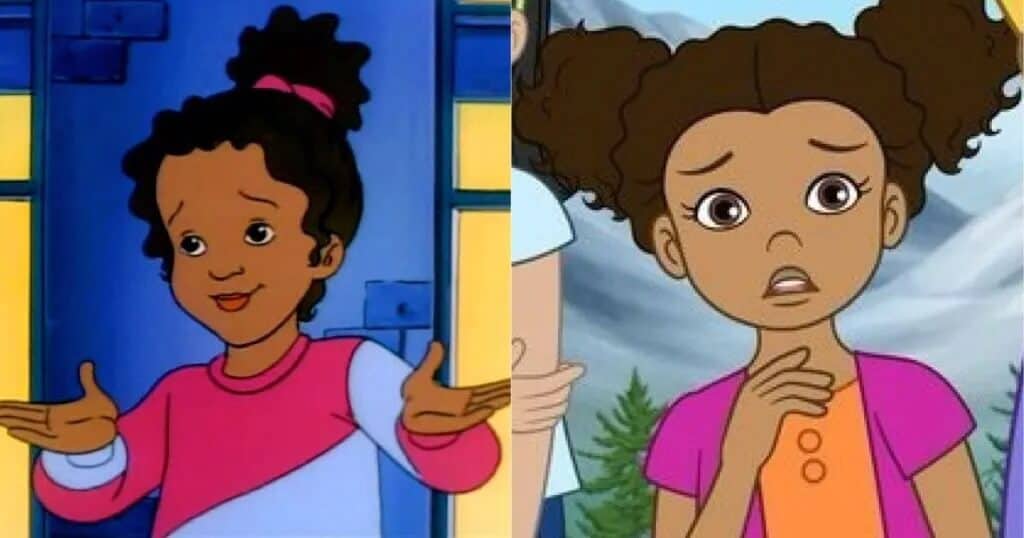
In The Magic School Bus, Keesha was the level-headed skeptic. While Arnold was complaining, Keesha was asking Ms. Frizzle the hard questions. She represented the inquisitive nature of science and learning.
Numbuh 5 (Abigail Lincoln)
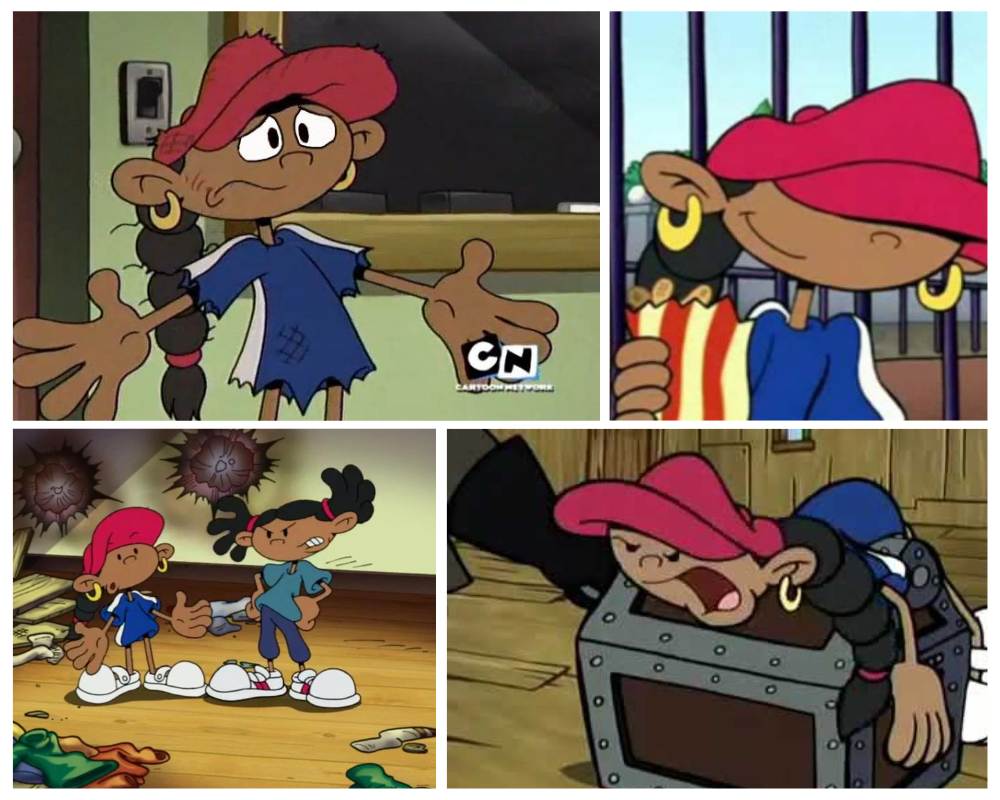
Numbuh 5 from Codename: Kids Next Door was arguably the coolest character on Cartoon Network in the early 2000s. She was the tactical expert, the calm one, and the only one with any common sense. Her laid-back attitude and signature blue hat made her an instant icon.
Libby Folfax
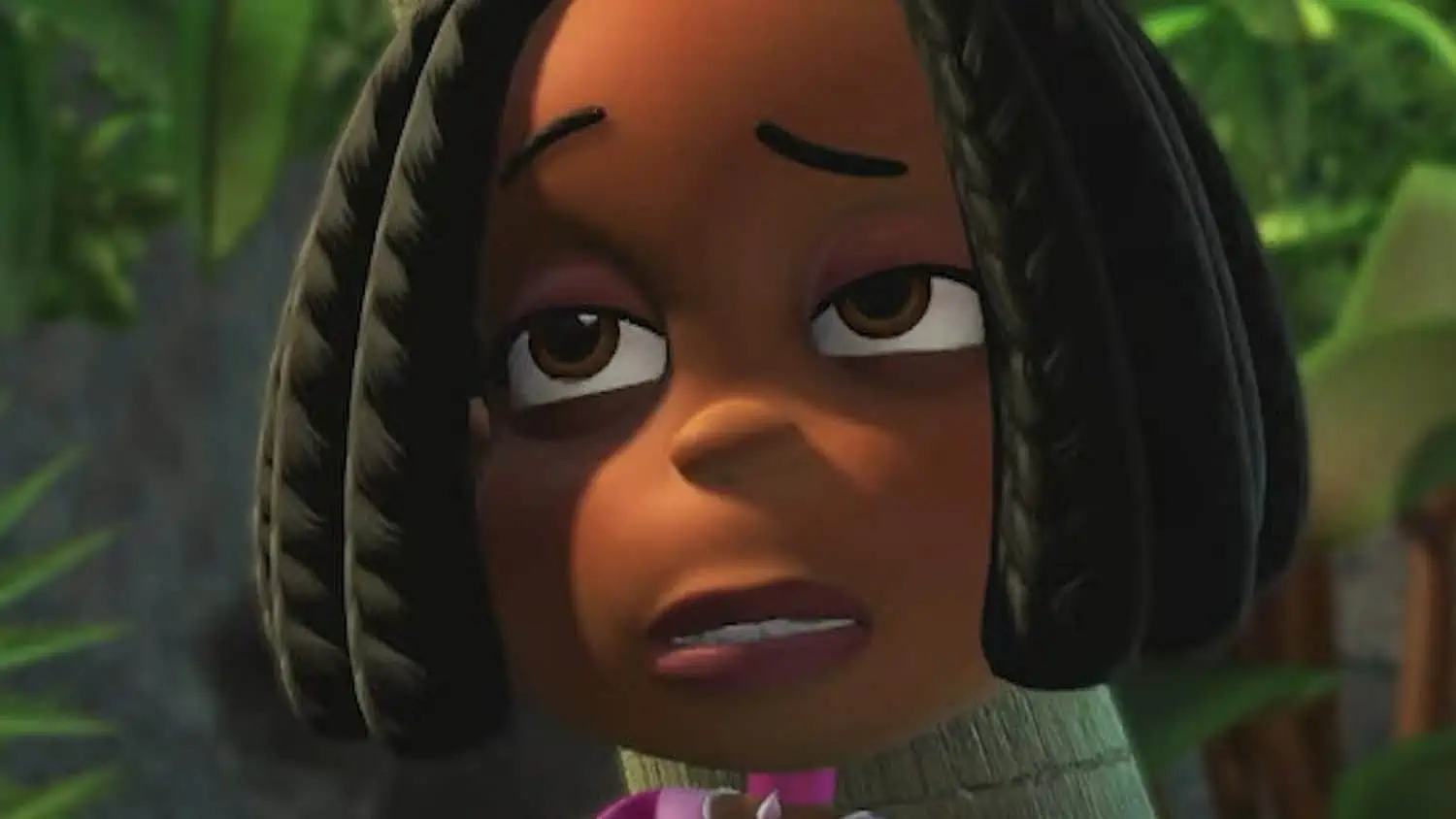
In my opinion, Libby from Jimmy Neutron had the best character development. She went from being Cindy’s sidekick to a music-loving, gadget-using icon. Her makeover season where she changed her hair was a huge moment for representation.
A.J.
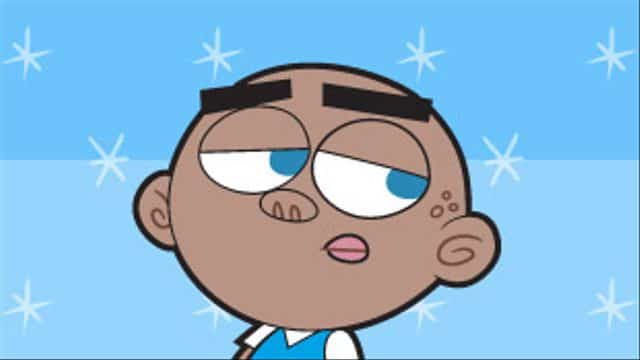
A.J. was the resident genius in The Fairly OddParents. While Timmy had magic, A.J. had science. He had a secret lab in his bedroom and was arguably smarter than any adult in Dimmsdale. It was refreshing to see the “smart kid” trope applied to a cool black character.
Vince LaSalle (Recess)
Vince was the coolest kid on the playground. He was an athletic prodigy but never arrogant. His friendship with T.J. Detweiler was the core of the show. He showed that you could be a jock and a good friend at the same time.
The Superheroes
Black representation in superhero cartoons has exploded. Here are the titans that protect the animated universe.
Miles Morales (Spider-Man)

🕷️ Hero: Spider-Man
🧠 Why He Matters: He proved “anyone can wear the mask.”
🎬 Best Moment: The Leap of Faith in Into the Spider-Verse.
Miles Morales is a cultural phenomenon. Debuting in 2011 comics and exploding in popularity with the movies, Miles represents a new generation. He balances his Afro-Latino heritage with the immense pressure of being a hero. He is arguably the most important addition to the Marvel universe in the 21st century.
Storm (X-Men)

Storm, also known as Ororo Munroe, is royalty. Literally. In the 90s X-Men animated series, her dramatic speeches whenever she summoned lightning (“I summon the power of the arctic wind!”) were iconic. She paved the way for every black female hero that followed, showing grace, power, and leadership.
Frozone (The Incredibles)
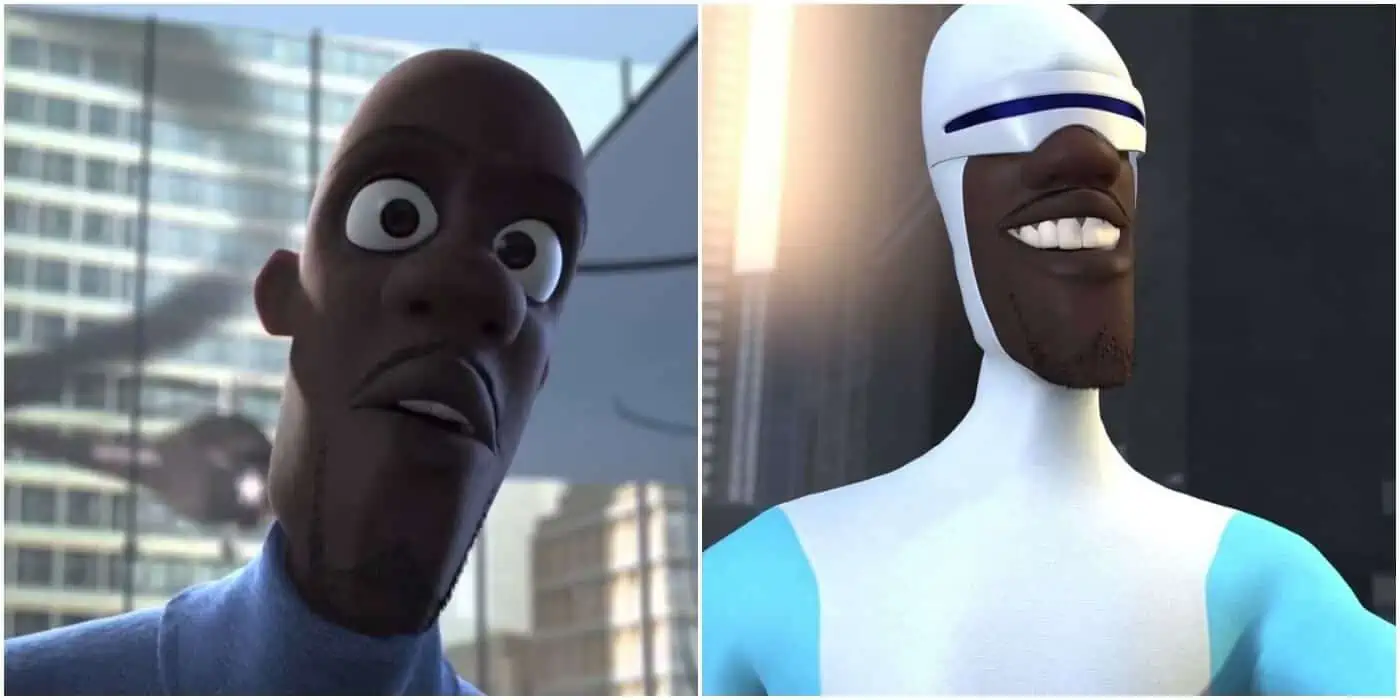
“Honey, where is my super suit?!” Samuel L. Jackson brought Lucius Best to life with such charisma that he stole the show. Frozone is the epitome of cool (pun intended). As a black superhero, he showed that you can save the world and still deal with domestic life.
Static Shock (Virgil Hawkins)
Virgil Hawkins changed the game. Static Shock was one of the few shows starring a black superhero that dealt with real issues like gang violence, racism, and homelessness. Virgil was witty, relatable, and powerful. He wasn’t a sidekick; he was the main event.
Cyborg (Teen Titans)
Booyah! Victor Stone, aka Cyborg, is the heart of the Teen Titans. He balances the tragedy of his accident (becoming part machine) with a fun-loving personality. His friendship with Beast Boy is one of the best “bromances” in animation history.
Bumblebee (Teen Titans)
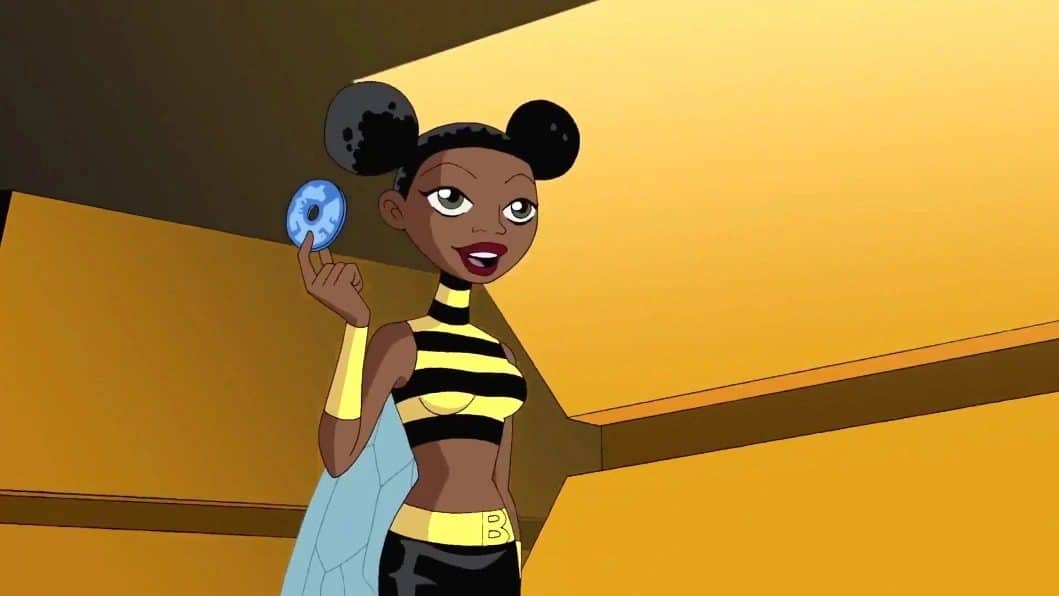
Karen Beecher is a genius and a leader. In Teen Titans Go! and the original series, she was a double agent who infiltrated the H.I.V.E. academy. She is confident, smart, and often the one calling the shots.
Aqualad (Young Justice)
Kaldur’ahm is one of the most complex characters in modern animation. As the leader of the Young Justice team, he is stoic, strategic, and burdened by his heritage (his father is the villain Black Manta). He is a born leader.
Green Lantern (Justice League)
For an entire generation of kids who watched the Justice League cartoon, John Stewart is the Green Lantern. His background as a Marine made him a disciplined, serious hero, contrasting perfectly with the Flash’s humor.
Valerie Gray (Danny Phantom)
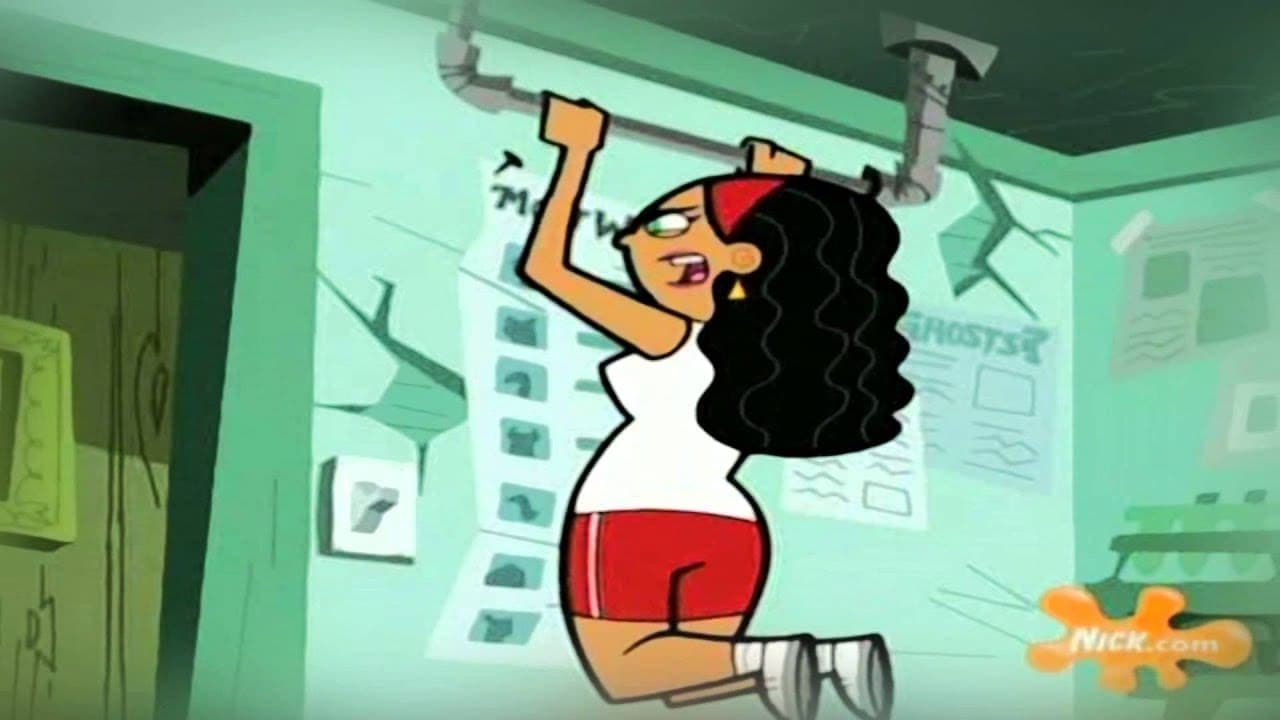
Valerie Gray is a trailblazing black female lead. As the school’s ghost-hunting squad captain, she served as both a love interest and a rival to Danny Fenton. She brought depth and nuance to the series, facing challenges ranging from financial struggles to saving her dad.
Adult Animation & Anime
Black characters in adult animation often tackle satire, stereotypes, and gritty realism.
Huey Freeman (The Boondocks)
Huey is the voice of a generation. A 10-year-old domestic terrorist (in his own words), he sees through the lies of society. The Boondocks is a biting satire, and Huey is the serious, martial-arts-fighting center of it all.
Cleveland Brown
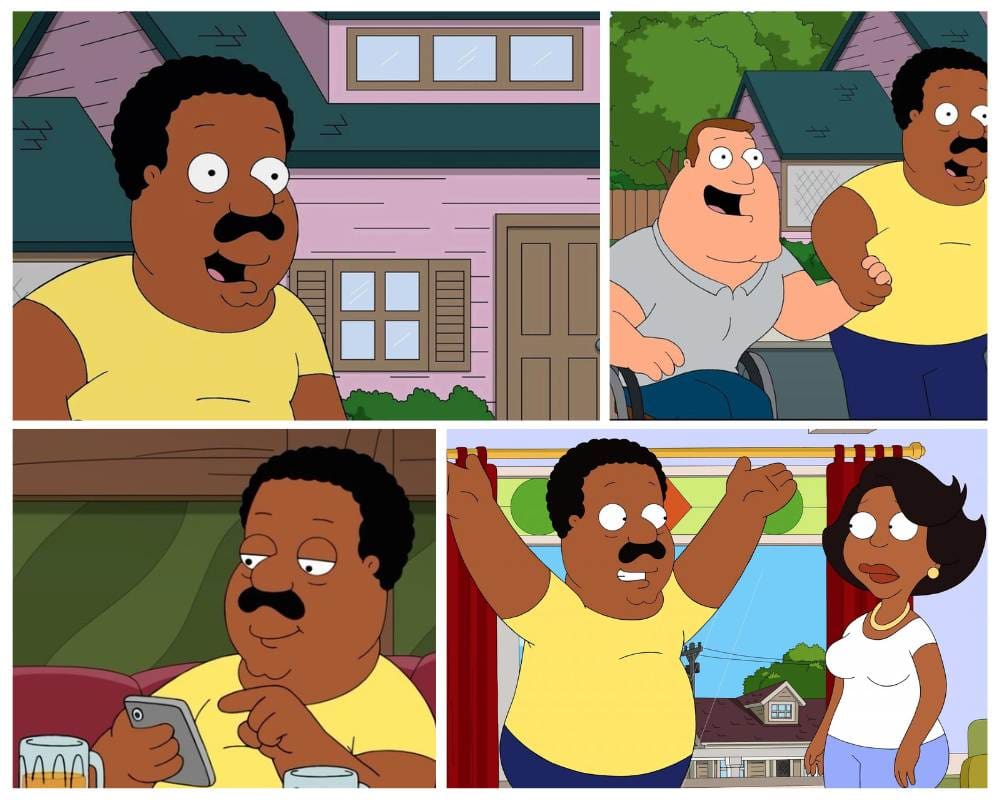
Love him or hate him, Cleveland is a staple of Family Guy. He is the calm, slow-talking member of Peter’s group. He even got his own spin-off, The Cleveland Show, which gave us a deeper look into his family life. Also, shout out to Cleveland Brown Jr., who reinvented himself from a hyperactive kid to a gentle giant.
Lana Kane (Archer)
Lana is the most competent spy at ISIS. She is beautiful, deadly, and constantly annoyed by Archer’s incompetence. She is a modern action hero who balances gunfights with motherhood, and her hands (and truckasaurus jokes) are iconic.
Michiko Malandro
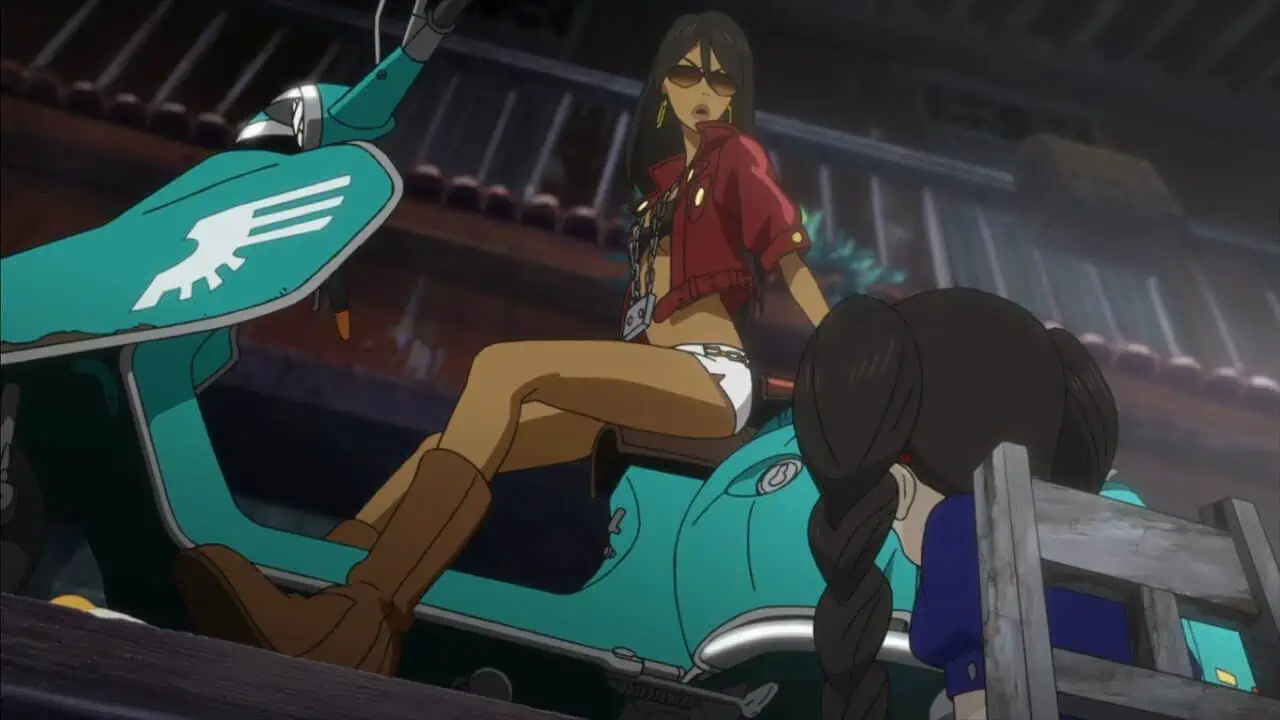
The list would not be complete without at least one anime character, and Michiko is undoubtedly my favorite. Inspired by R&B singer Aaliyah, she is a badass who escaped a prison. Her strength and determination enabled her to take on people who were much more significant than her.
Afro Samurai
Voiced by Samuel L. Jackson, Afro is a warrior on a path of vengeance. The anime is stylish, bloody, and incredibly cool. It blends hip-hop culture with feudal Japan aesthetics in a way that had never been done before.
Token / Tolkien Black (South Park)
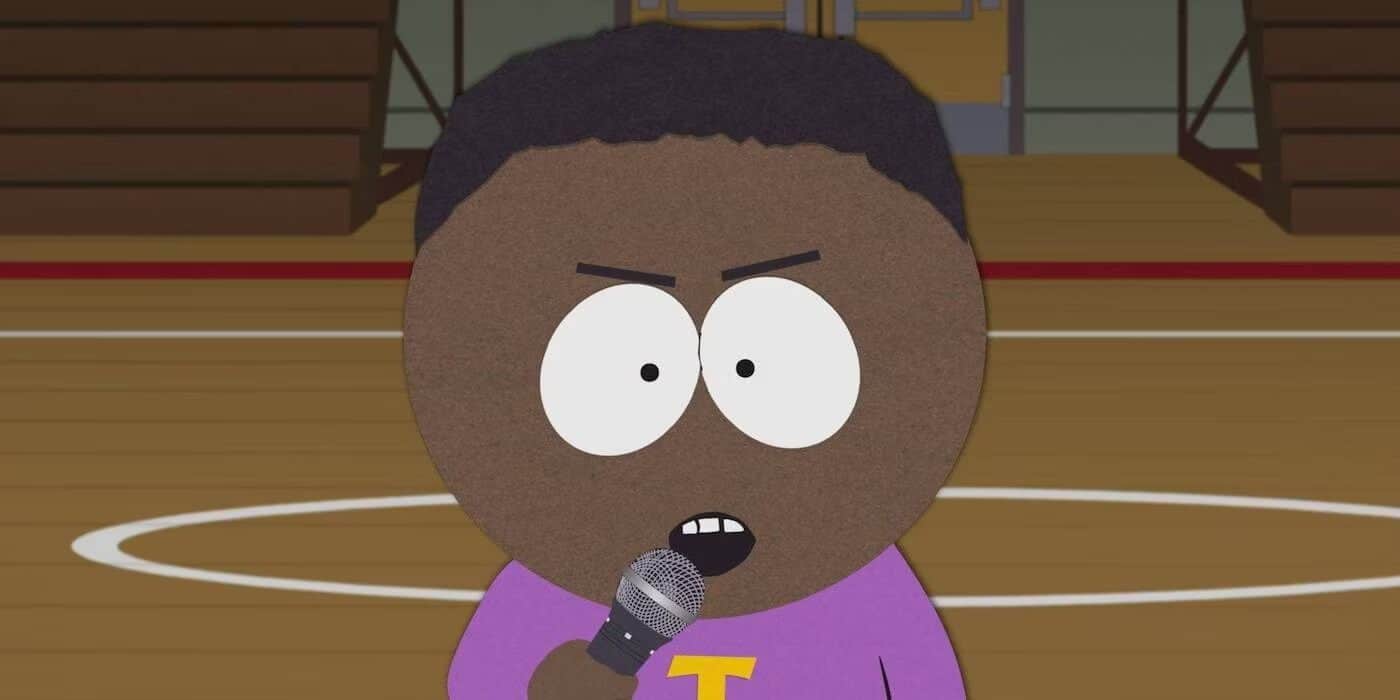
As the only black child in the main group, his name was a satire of the “token black guy” trope. Recently, the show brilliantly retconned his name to “Tolkien” (after J.R.R. Tolkien), gaslighting the audience into thinking we were the ones who got it wrong all along. It was a genius move.
Foxxy Love (Drawn Together)
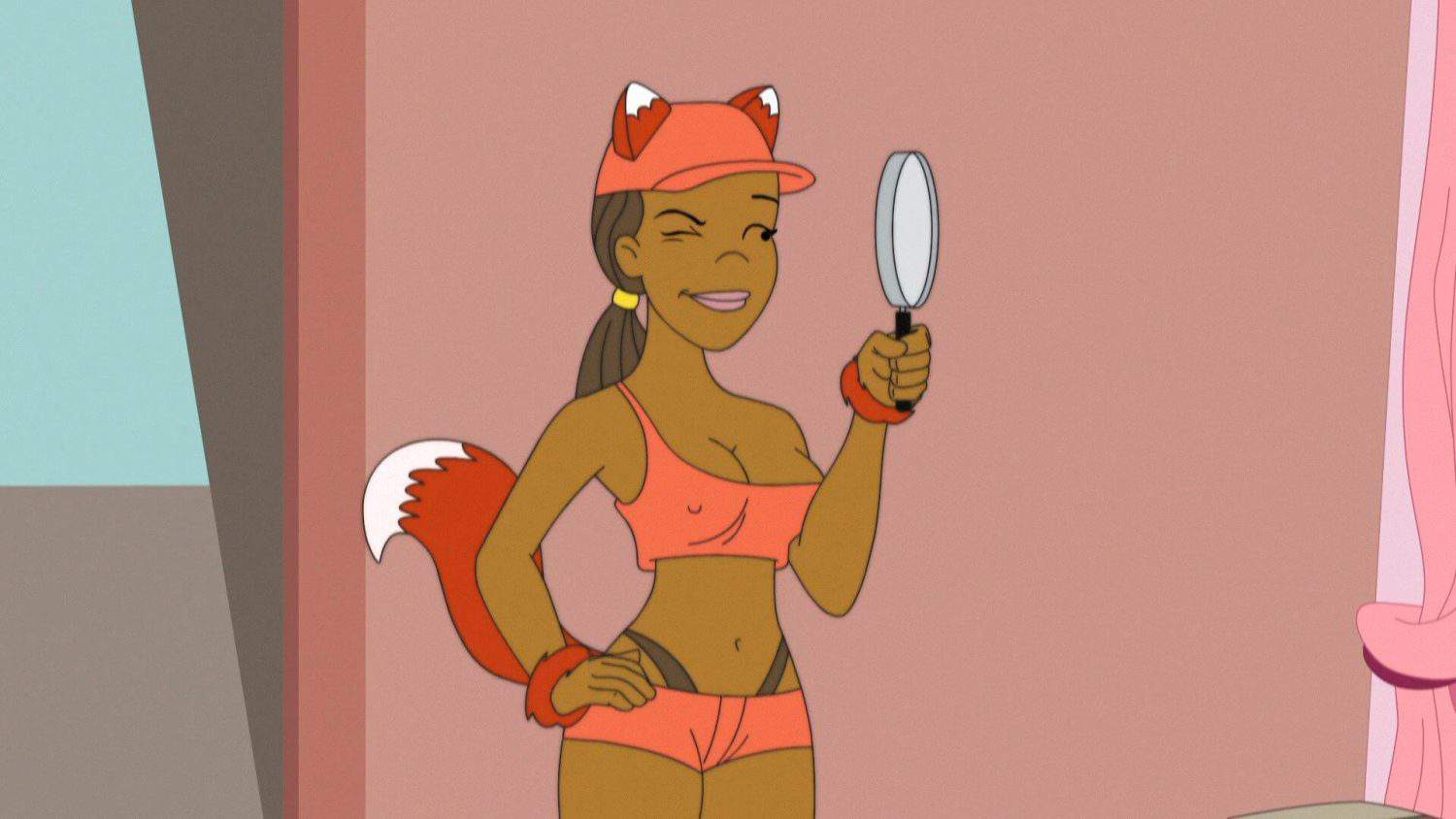
Foxxy Love is a hilarious and bold character from Drawn Together, a parody of Valerie from Josie and the Pussycats. She was created to poke fun at stereotypes, but she often ended up being the smartest person in the house, solving mysteries while the others were being idiots.
The Modern Era (2010s – Present)
We are currently in a golden age of diverse animation.
Princess Tiana
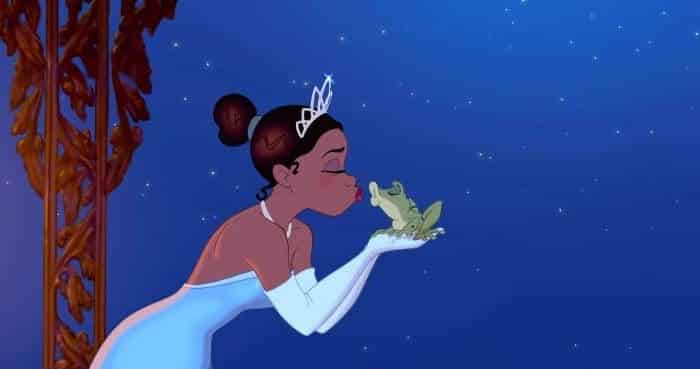
👑 Movie: The Princess and the Frog
🧠 Why She Matters: Disney’s first African-American princess.
Princess Tiana is the first African-American princess in the Disney franchise. Unlike other princesses who wait for a prince, Tiana is a hard worker with a dream of opening her own restaurant. She represents ambition and resilience. While she spent a lot of time as a frog, her human design and impact are undeniable.
Craig Williams (Craig of the Creek)
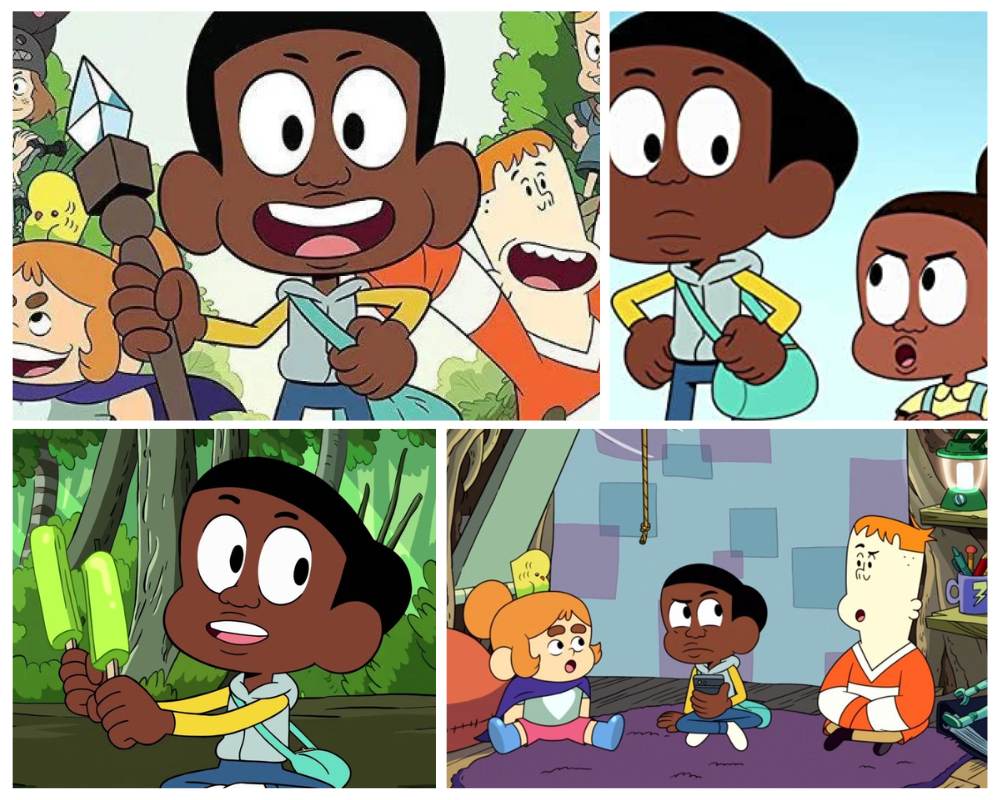
Craig of the Creek is a masterpiece of modern representation. Craig is just a regular kid exploring the woods, but the show beautifully integrates black culture (like the importance of Sunday dinner or hair care) without making it the only focus. It feels authentic.
Doc McStuffins
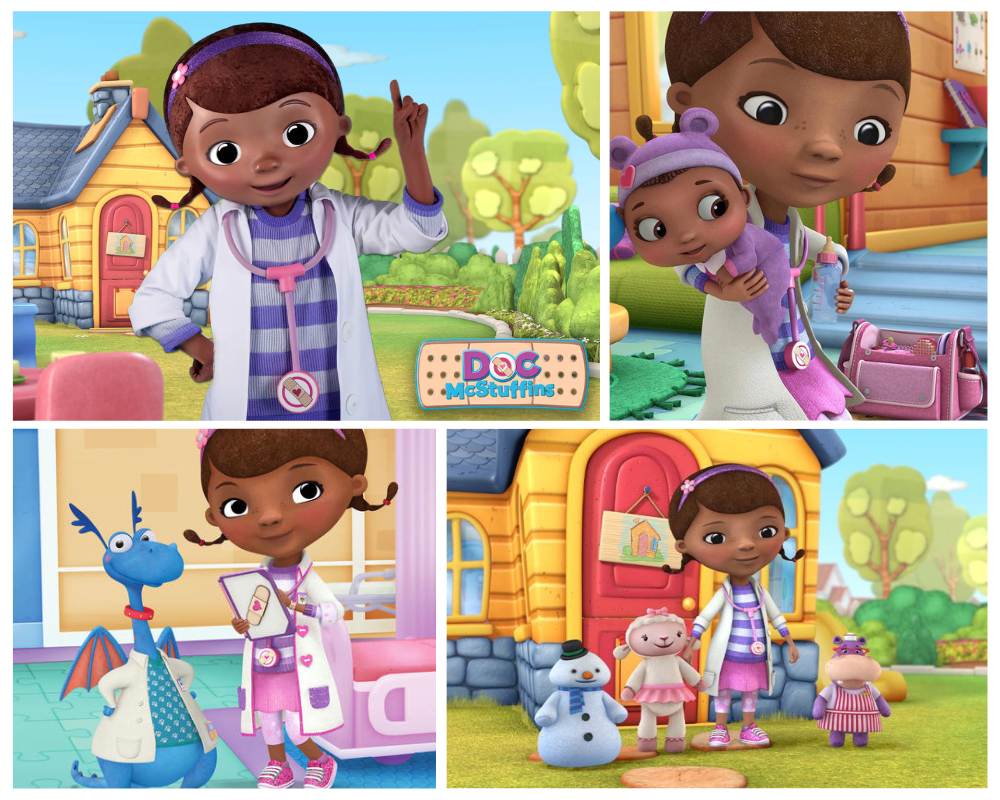
This show changed the landscape for preschoolers. Doc is a young black girl who acts as a doctor for her toys. It normalized the image of black women in medicine for an entire generation of children. It is sweet, educational, and incredibly important.
Kiki Pizza (Steven Universe)
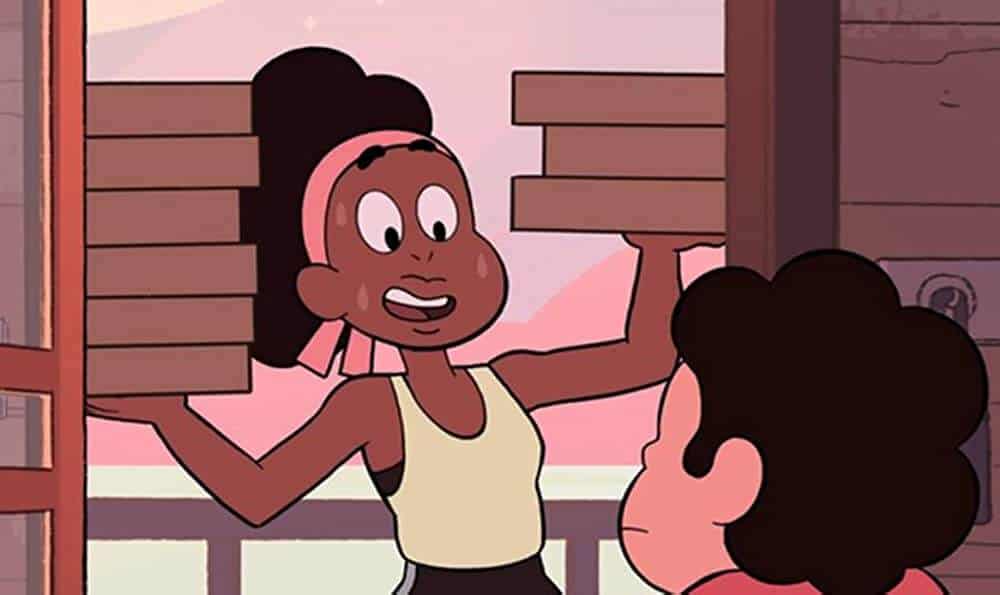
Kiki works at her family’s pizza shop in Beach City. Unlike her twin sister Jenny, she is hardworking and selfless. She represents the “everyday hero”—someone who works hard to support their family and friends.
Garnet (Steven Universe)
While technically an alien gem, Garnet is coded as a black woman and voiced by Estelle. She is the leader of the Crystal Gems, representing strength, love, and stoicism. Her afro and her swagger make her one of the coolest designs in modern cartoons.
Bow (She-Ra and the Princesses of Power)
The reboot of She-Ra reimagined Bow as a black character (specifically mixed race with two dads). He is the heart of the show—the master of technology and friendship. Unlike the macho warriors of the 80s, Bow is allowed to be soft, emotional, and loving.
Honorable Mentions
We can’t forget these characters who added flavor to their respective shows.
- Mr. T – Mister T: The cartoon version of the 80s icon.
- Dr. Facilier – The Princess and the Frog: One of the best Disney villains ever.
- Sokka – Avatar: The Last Airbender: While based on Inuit culture, his voice actor (Jack DeSena) and the character’s swag have made him an icon in the black community.

1 comment
What really stands out to me looking back is how many of these characters carried weight beyond their shows. Gerald Johanssen was not just Arnold’s best friend. He was the storyteller, the cultural historian of the block. Susie Carmichael was not just the nice kid. She was talented, confident, and never reduced to a punchline. At the time, that kind of representation felt rare, especially in kids animation.
The superhero section really hits home too. Watching Miles Morales take center stage changed the conversation entirely. He was not introduced as a replacement or a gimmick. He was written as his own person, with his own culture, music, family pressures, and fears. The same goes for Storm, who set the standard decades ago for black female superheroes being powerful, respected, and central to the story rather than ornamental.
What I appreciate most about the modern characters you listed is how normalized they feel. Shows like Craig of the Creek and characters like Garnet or Bow do not exist solely to teach a lesson. Their identities are part of who they are, not the entirety of their narrative. That feels like real progress and probably why people search things like “positive black cartoon characters for kids” or “best black animated characters of all time” more than ever now.
I am curious how others here experienced this shift. Was there a specific black cartoon character that made you feel seen growing up, or one that changed how you viewed animation as a whole? And do you think current shows are finally getting representation right, or is there still a gap between visibility and depth?