
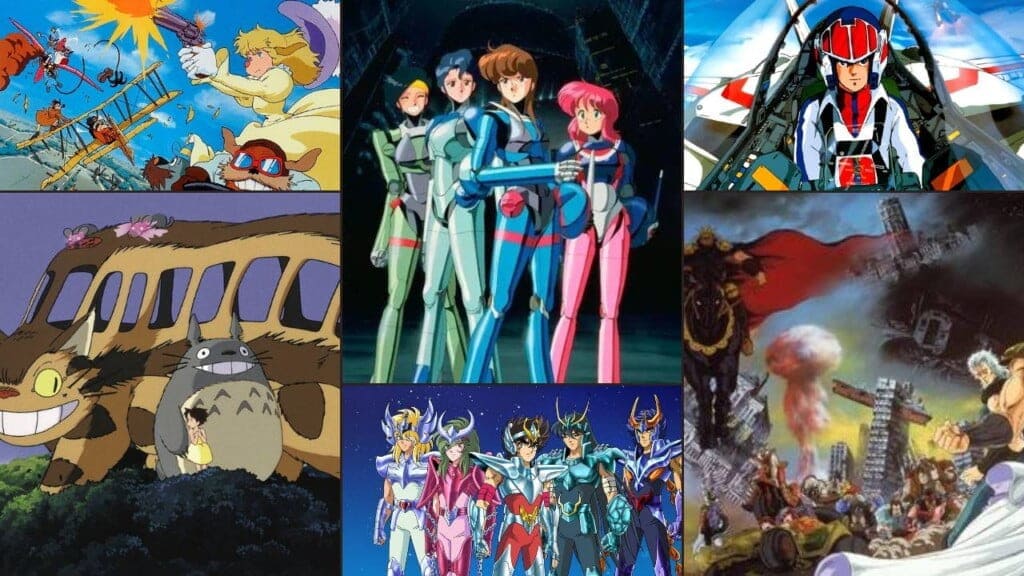
There is a specific kind of magic to 80s anime.
Neon-soaked cityscapes, analog warmth, and a fearless creative energy that we just do not see the same way today.
For those of us who grew up with it, the thick hand-drawn lines and saturated colors are not just retro.
They are a memory.
But the 1980s were not only a stack of great shows. This was the Wild West of animation, a decade fueled by Japan’s booming bubble economy, which gave studios the money and the nerve to take enormous creative risks.
From the birth of the experimental OVA format, which let creators bypass TV standards and get gloriously weird, to the cinematic breakthrough of Akira, this era did not just produce anime.
It invented the visual language of modern pop culture.
Powerhouse studios like Studio Ghibli, Gainax, and Sunrise turned that freedom into masterpieces.
So this time I am ranking the best 80s anime by sheer popularity and impact, and the further you scroll, the bigger the legend gets. Number one is waiting at the very bottom.
How I Ranked These
Every pick gets a Gold Standard card that goes past the plot summary.
You get the aesthetic that defines its look, the legacy moment that explains why it still matters, a quick case for why the older animation holds up, and a nostalgia score across visual style, story depth, and cultural impact.
Igano Kabamaru (1983)
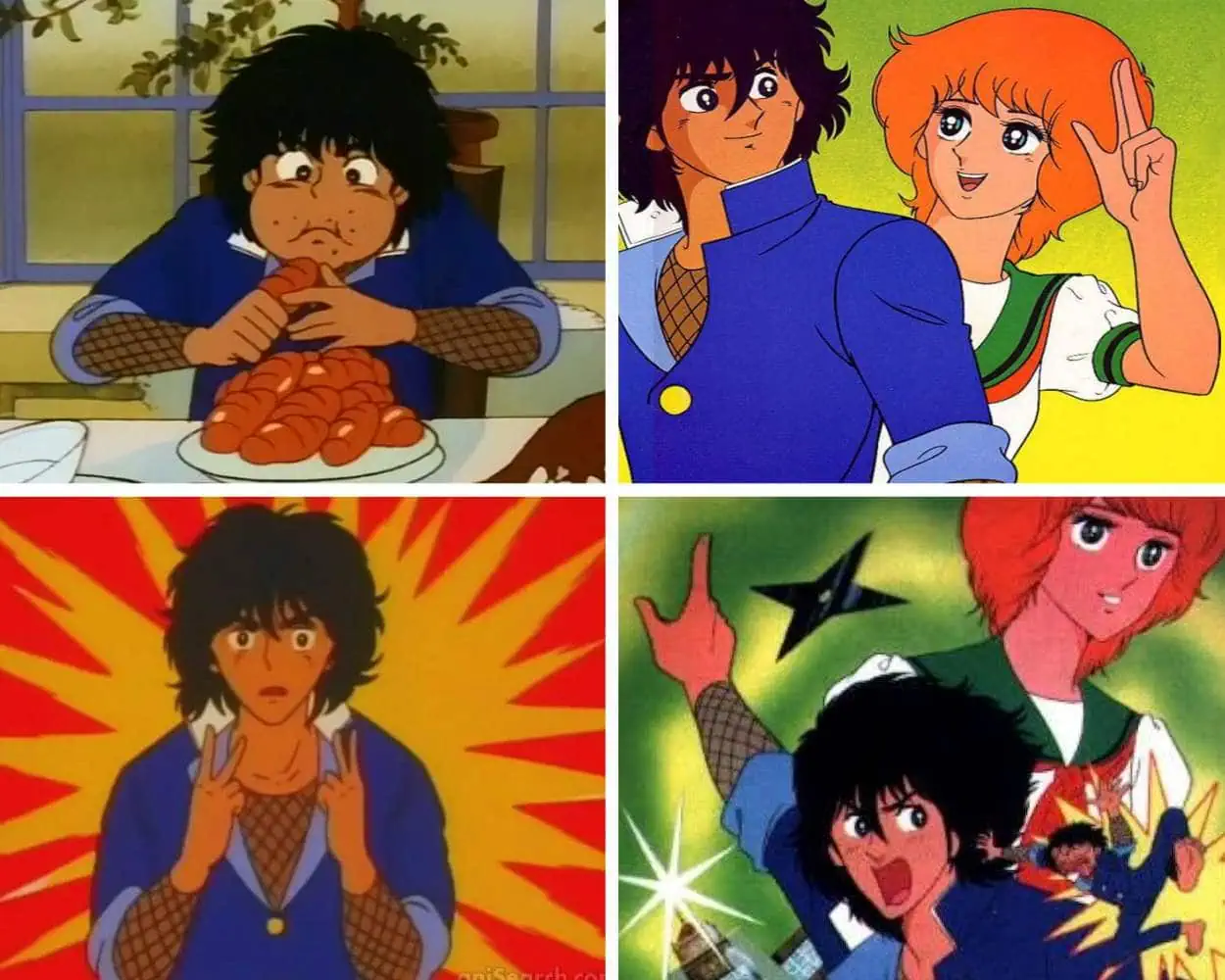
A mountain-raised ninja gets dropped into a modern Tokyo school and hits total culture shock. It is silly, warm, and always hungry.
The Gold Standard
- The aesthetic: Rough-edged, high-energy early-80s TV animation.
- The legacy moment: A charming deep cut that shows how freely 80s anime blended ninja action with everyday school comedy.
- Why it still holds up: The animation looks dated, but the fish-out-of-water gags and breakneck pace still land.
- Nostalgia score: Visual style 6 of 10, story depth 6 of 10, cultural impact 4 of 10
Silver Fang (1986)
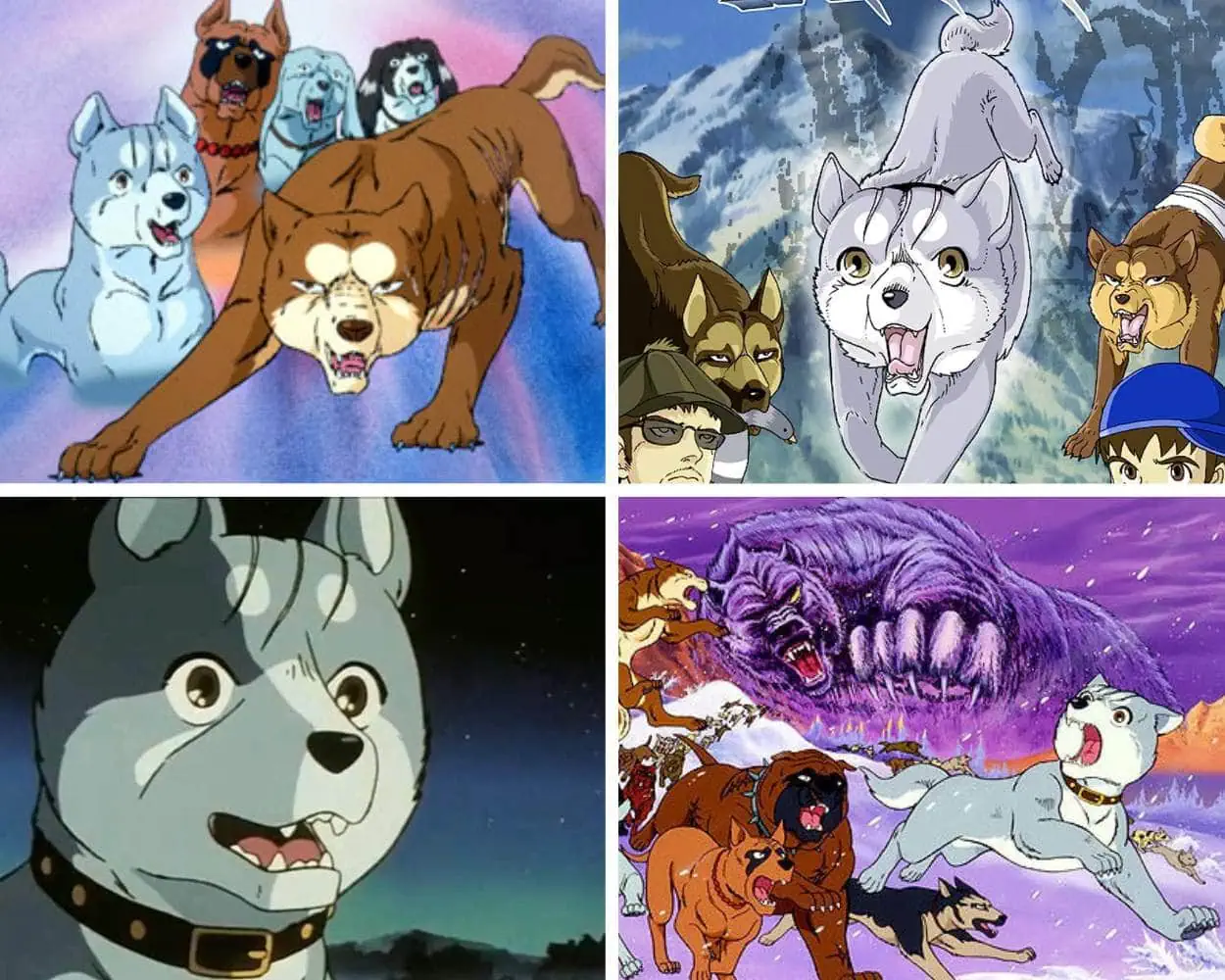
A young Akita pup bands together with a pack of dogs to take down a monstrous bear. It is a shonen battle epic, just with dogs.
The Gold Standard
- The aesthetic: Rugged, wilderness-soaked action animation.
- The legacy moment: It proved you could pour full shonen intensity into an all-animal cast, and it became a cult hit across Japan and Europe.
- Why it still holds up: Track down the original uncensored version and the raw themes of loyalty and survival still bite as hard as any 80s anime.
- Nostalgia score: Visual style 6 of 10, story depth 7 of 10, cultural impact 5 of 10
Sherlock Hound (1984)
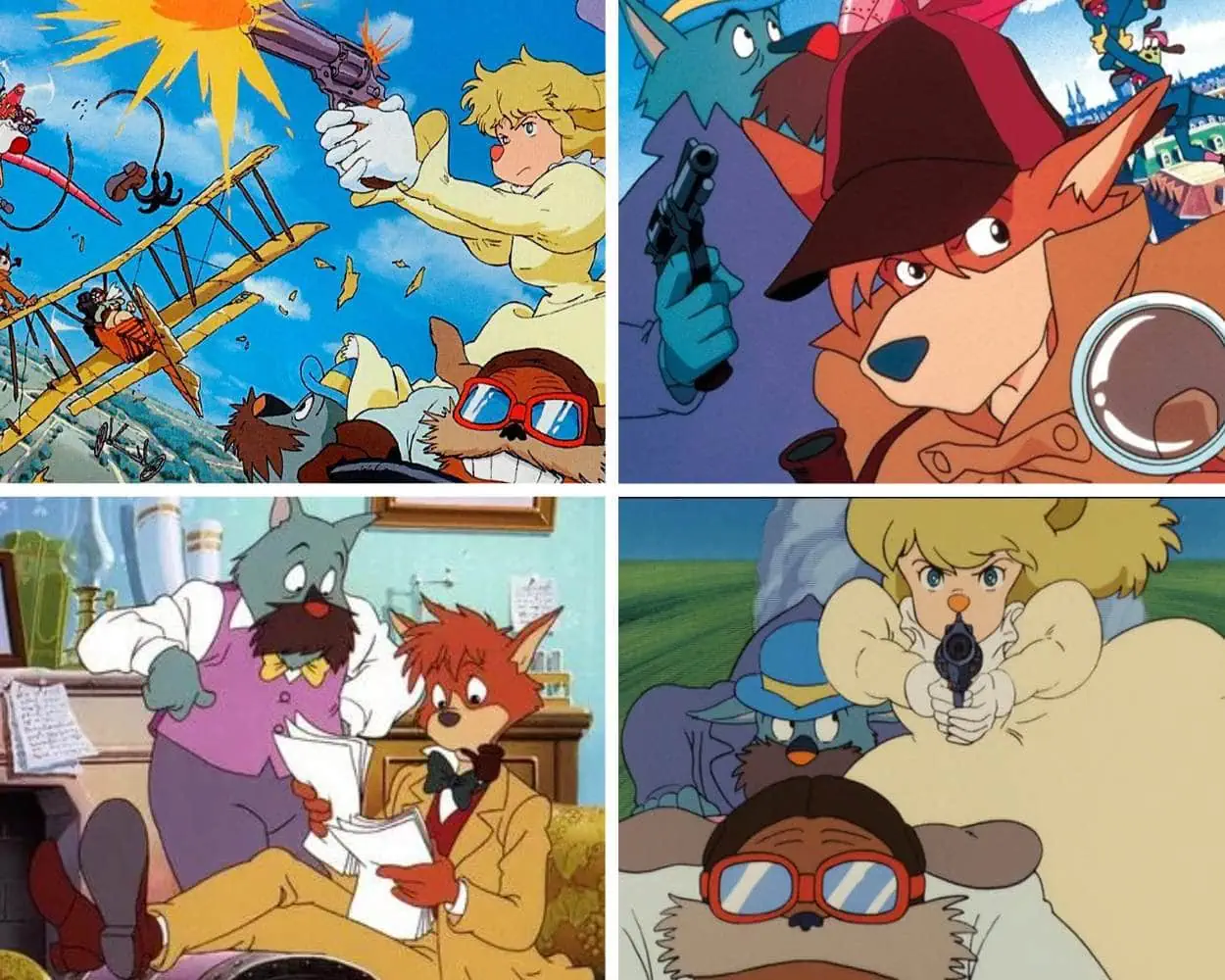
Hayao Miyazaki reimagines Sherlock Holmes as a clever anthropomorphic dog. It is whimsical, steampunk-tinged, and quietly brilliant.
The Gold Standard
- The aesthetic: Warm, rounded character design with playful mechanical gadgetry.
- The legacy moment: It is an early showcase of Miyazaki’s fingerprints, from the flying machines to the gentle humor.
- Why it still holds up: The mystery-of-the-week charm plays just as well for kids and adults today.
- Nostalgia score: Visual style 8 of 10, story depth 7 of 10, cultural impact 5 of 10
Royal Space Force: The Wings of Honnêamise (1987)
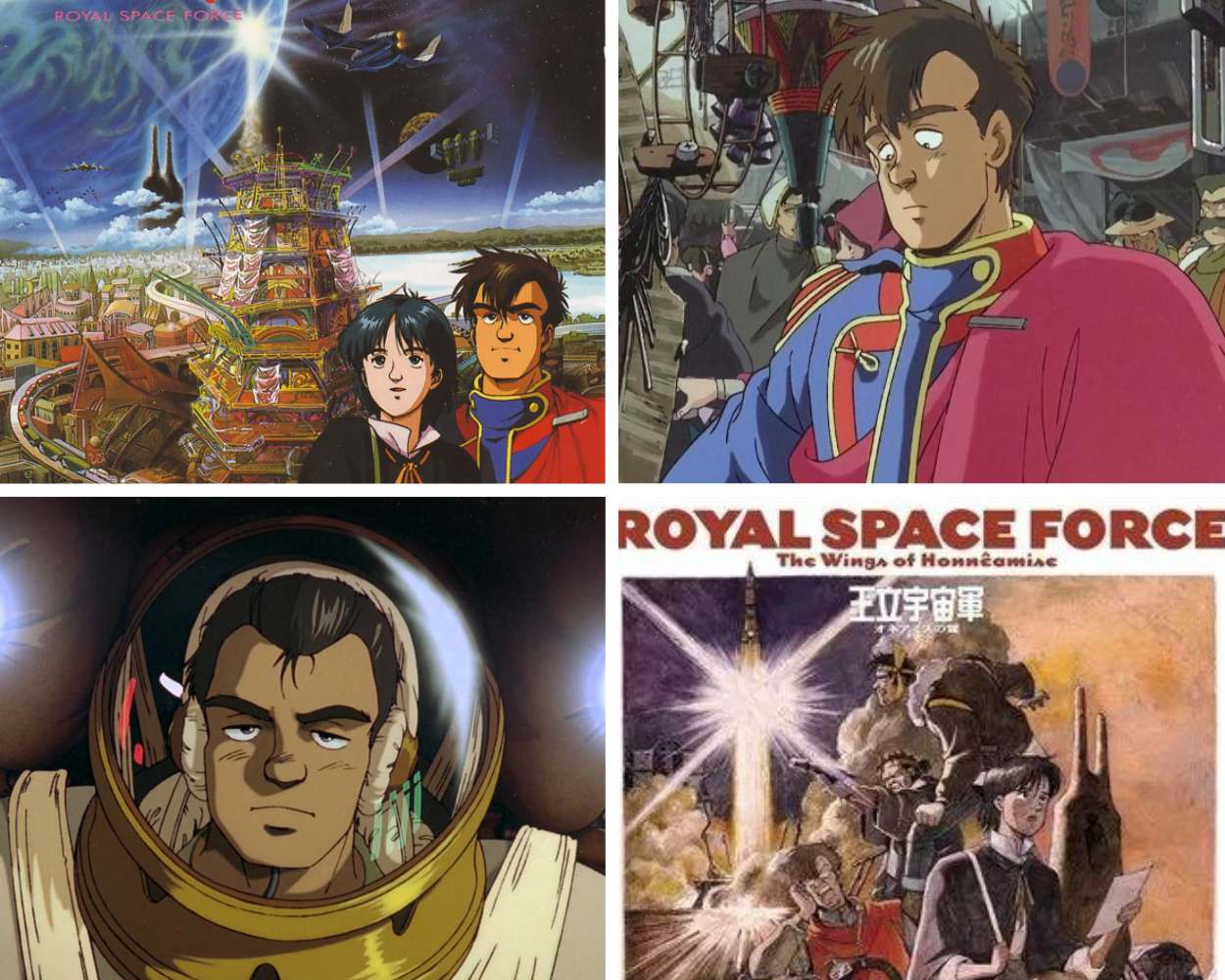
Gainax’s feature debut follows an aimless young man who volunteers to become his world’s first astronaut. It is grounded, ambitious science fiction.
The Gold Standard
- The aesthetic: Meticulous, lived-in world design and some of the most detailed hand-drawn animation ever put on film.
- The legacy moment: It is a landmark of pure animation craft and a statement of how far a young studio would push the medium.
- Why it still holds up: The pacing is deliberate, but the final launch sequence earns the entire runtime.
- Nostalgia score: Visual style 10 of 10, story depth 8 of 10, cultural impact 6 of 10
Creamy Mami, the Magic Angel (1983)
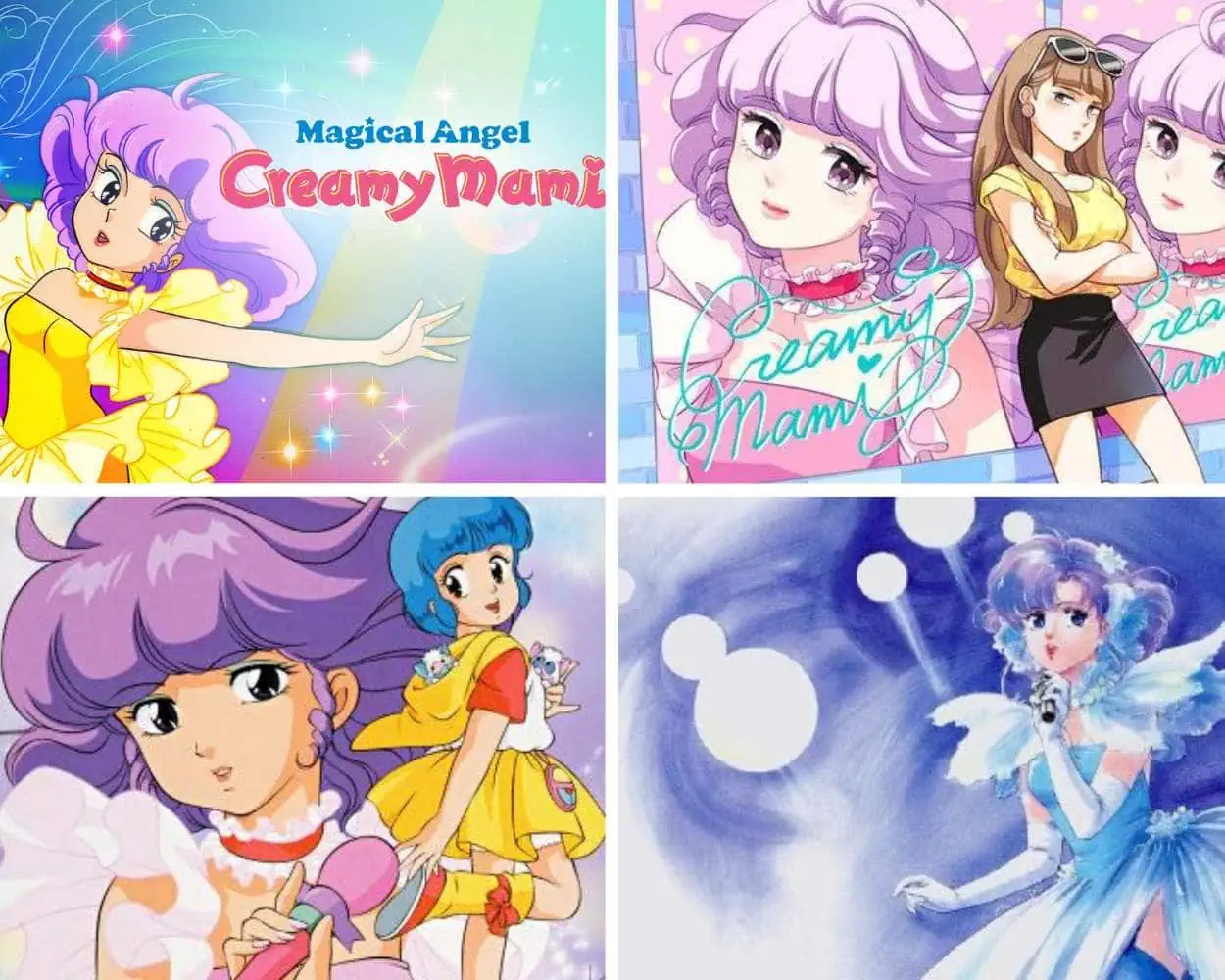
A ten-year-old is granted the power to transform into a teenage pop idol. Behind the sparkle sits a surprisingly real look at the idol industry.
The Gold Standard
- The aesthetic: Bright, sparkly, quintessential 80s magical-girl design.
- The legacy moment: It helped invent the idol-anime genre and reshaped the magical-girl formula for a whole generation of 80s anime.
- Why it still holds up: The songs and the sweetness still charm, and the industry subplot gives it real texture.
- Nostalgia score: Visual style 7 of 10, story depth 6 of 10, cultural impact 7 of 10
Touch (1985)
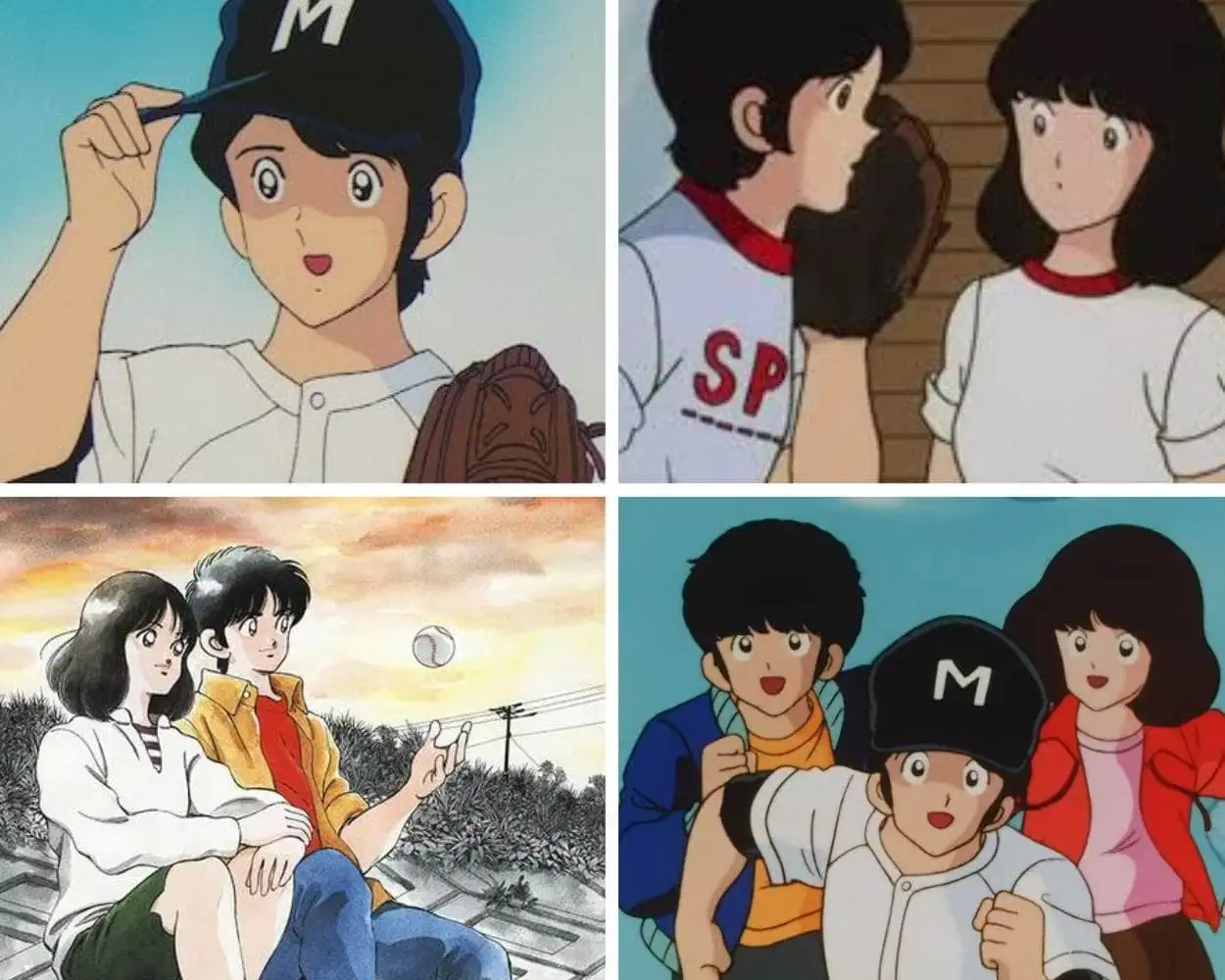
A slice-of-life sports drama about twin brothers, the girl next door, and a high-school baseball dream. Then a romantic-triangle twist changes everything.
The Gold Standard
- The aesthetic: Soft, naturalistic Mitsuru Adachi character art and gentle everyday framing.
- The legacy moment: It set the template for the emotional, romance-laced sports drama that still defines the genre.
- Why it still holds up: The unhurried pacing is the point, letting the bittersweet turns hit like real memories.
- Nostalgia score: Visual style 7 of 10, story depth 9 of 10, cultural impact 7 of 10
Dirty Pair (1987 – 1988)

Two glamorous troubleshooters, Kei and Yuri, solve galactic crimes and level entire cities by accident. Chaos is the whole charm.
The Gold Standard
- The aesthetic: Glossy, glamorous retro sci-fi with big 80s flair.
- The legacy moment: It is a foundational buddy-action comedy and an early showcase of women leads owning 80s anime sci-fi.
- Why it still holds up: The banter and the gleeful destruction never get old.
- Nostalgia score: Visual style 7 of 10, story depth 6 of 10, cultural impact 6 of 10
Bubblegum Crisis (1987)

An all-female mercenary team suits up to fight rogue androids in a neon Neo-Tokyo. This is cyberpunk at its most stylish.
The Gold Standard
- The aesthetic: Neon-drenched, synthwave-scored cyberpunk straight out of Blade Runner’s shadow.
- The legacy moment: It is a defining OVA of the cyberpunk boom, proof the format could deliver film-grade style on a mature theme.
- Why it still holds up: The soundtrack and the aesthetic are pure 80s anime adrenaline that modern shows still chase.
- Nostalgia score: Visual style 8 of 10, story depth 6 of 10, cultural impact 7 of 10
Patlabor: The Mobile Police (1988)
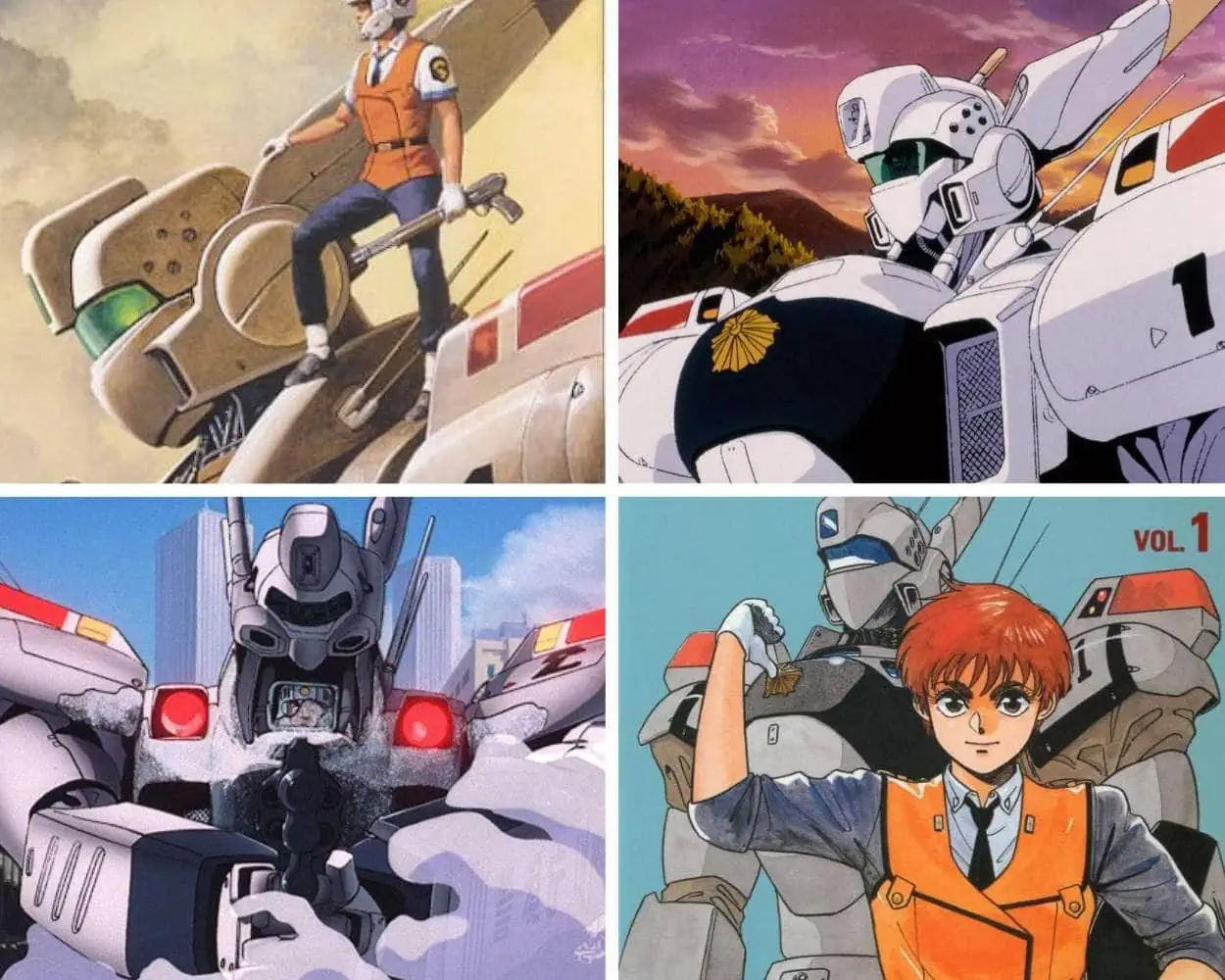
In a near-future where giant robots are everyday construction tools, a police unit handles the crimes that follow. It treats mecha as mundane, on purpose.
The Gold Standard
- The aesthetic: Grounded, realistic mechanical design and calm, observational direction.
- The legacy moment: It pioneered the slow-burn, workplace take on mecha, trading spectacle for politics and character.
- Why it still holds up: The patient, funny, human focus feels refreshingly adult next to explosion-heavy robot shows.
- Nostalgia score: Visual style 8 of 10, story depth 8 of 10, cultural impact 7 of 10
Tomorrow’s Joe 2 (1980)
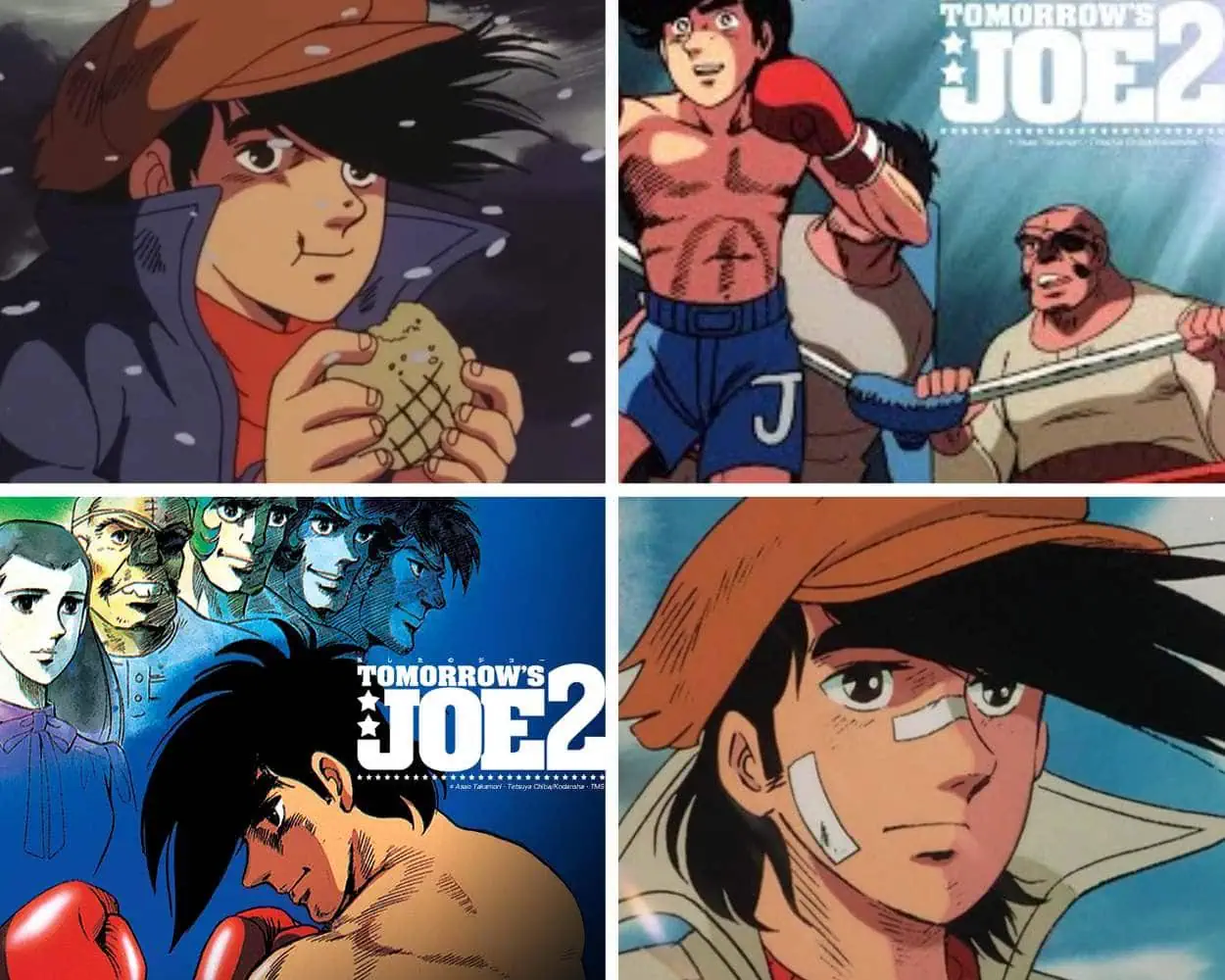
Joe Yabuki claws from the slums to the peak of boxing in one of the most devastating sports stories ever animated.
The Gold Standard
- The aesthetic: Stark, expressive, dramatically shadowed character work.
- The legacy moment: Its influence on sports and shonen storytelling, plus that final image, is immeasurable in Japan.
- Why it still holds up: The raw emotion and that closing scene transcend the era entirely.
- Nostalgia score: Visual style 7 of 10, story depth 10 of 10, cultural impact 8 of 10
Lupin the Third Part II (1977 – 1980)
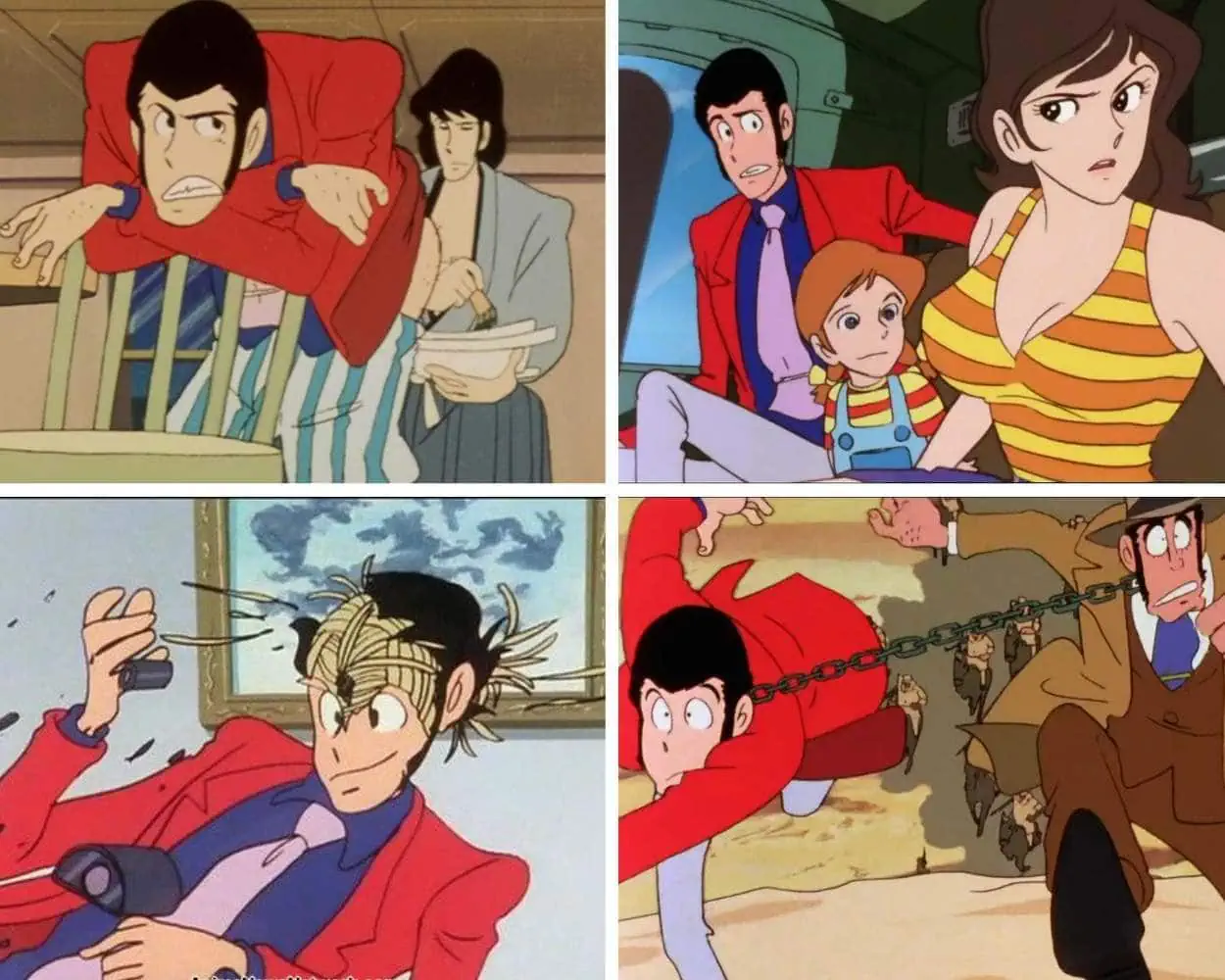
The world’s coolest thief pulls daring heists with his crew while dodging Inspector Zenigata. The run started in 1977 and rolled into 1980.
The Gold Standard
- The aesthetic: Jazzy, loose, effortlessly cool caper animation.
- The legacy moment: It cemented Lupin as an enduring icon and a masterclass in breezy action-comedy timing.
- Why it still holds up: The heists, the humor, and that yellow Fiat are timeless.
- Nostalgia score: Visual style 7 of 10, story depth 7 of 10, cultural impact 8 of 10
City Hunter (1987)
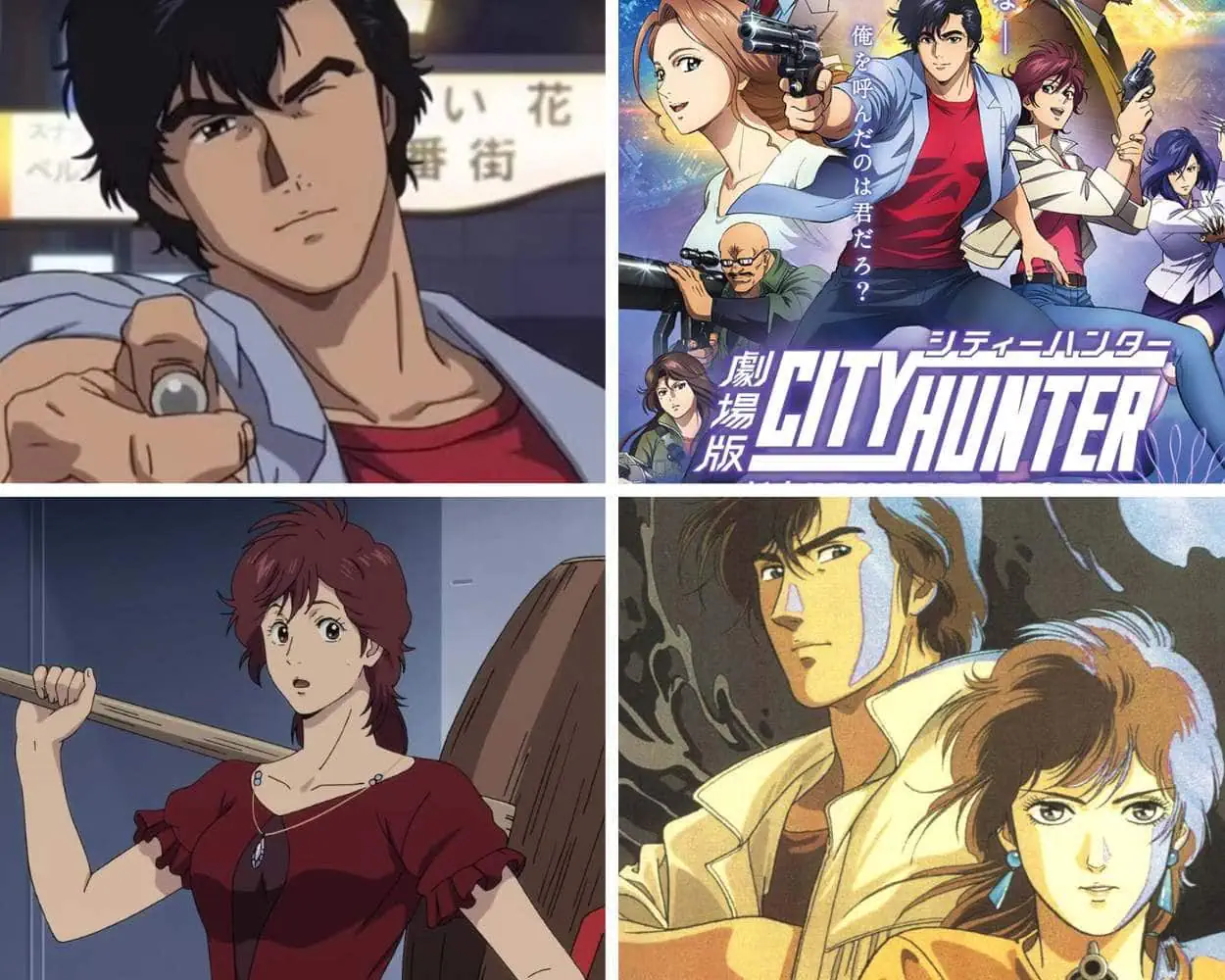
Ryo Saeba is a Tokyo sweeper for hire, equal parts sharpshooter, detective, and hopeless flirt. Action and slapstick trade blows constantly.
The Gold Standard
- The aesthetic: Slick, urban 80s cool with a killer synth-pop soundtrack.
- The legacy moment: It defined the suave-gunman-with-a-comic-streak archetype, and Get Wild is still an anthem.
- Why it still holds up: The mix of gunfights and gags plays like a perfect Friday-night 80s anime watch.
- Nostalgia score: Visual style 7 of 10, story depth 7 of 10, cultural impact 7 of 10
Gunbuster (1988)
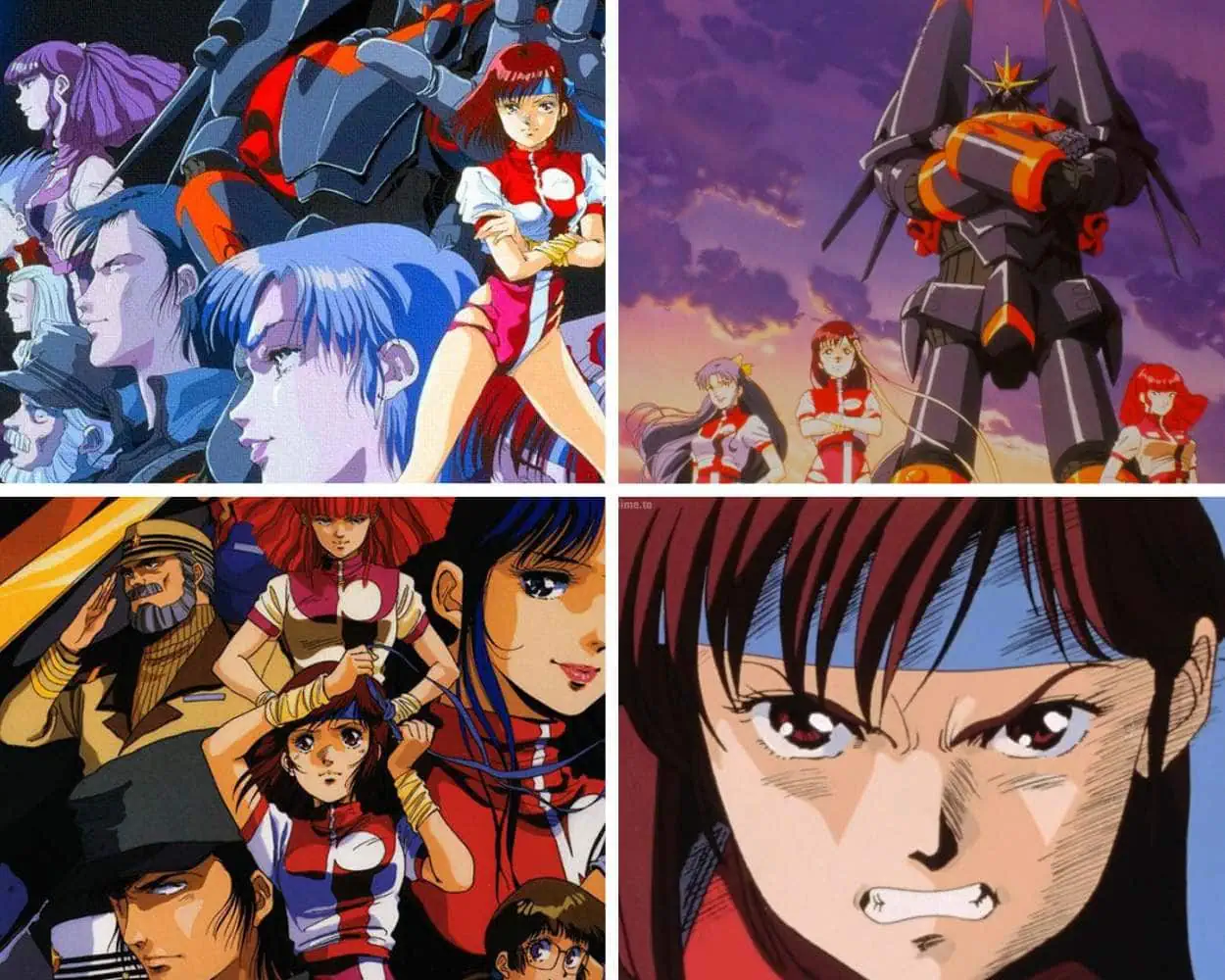
A six-episode Gainax OVA that starts as a training-montage mecha story and ends as a heartbreaking meditation on time and distance.
The Gold Standard
- The aesthetic: Ambitious, cinematic animation that outclassed most TV of its day, ending in stark monochrome.
- The legacy moment: It is an early Hideaki Anno tour de force and a blueprint for emotionally devastating hard sci-fi.
- Why it still holds up: The time-dilation ending still lands as one of anime’s great gut-punches.
- Nostalgia score: Visual style 8 of 10, story depth 9 of 10, cultural impact 7 of 10
Legend of the Galactic Heroes (1988)
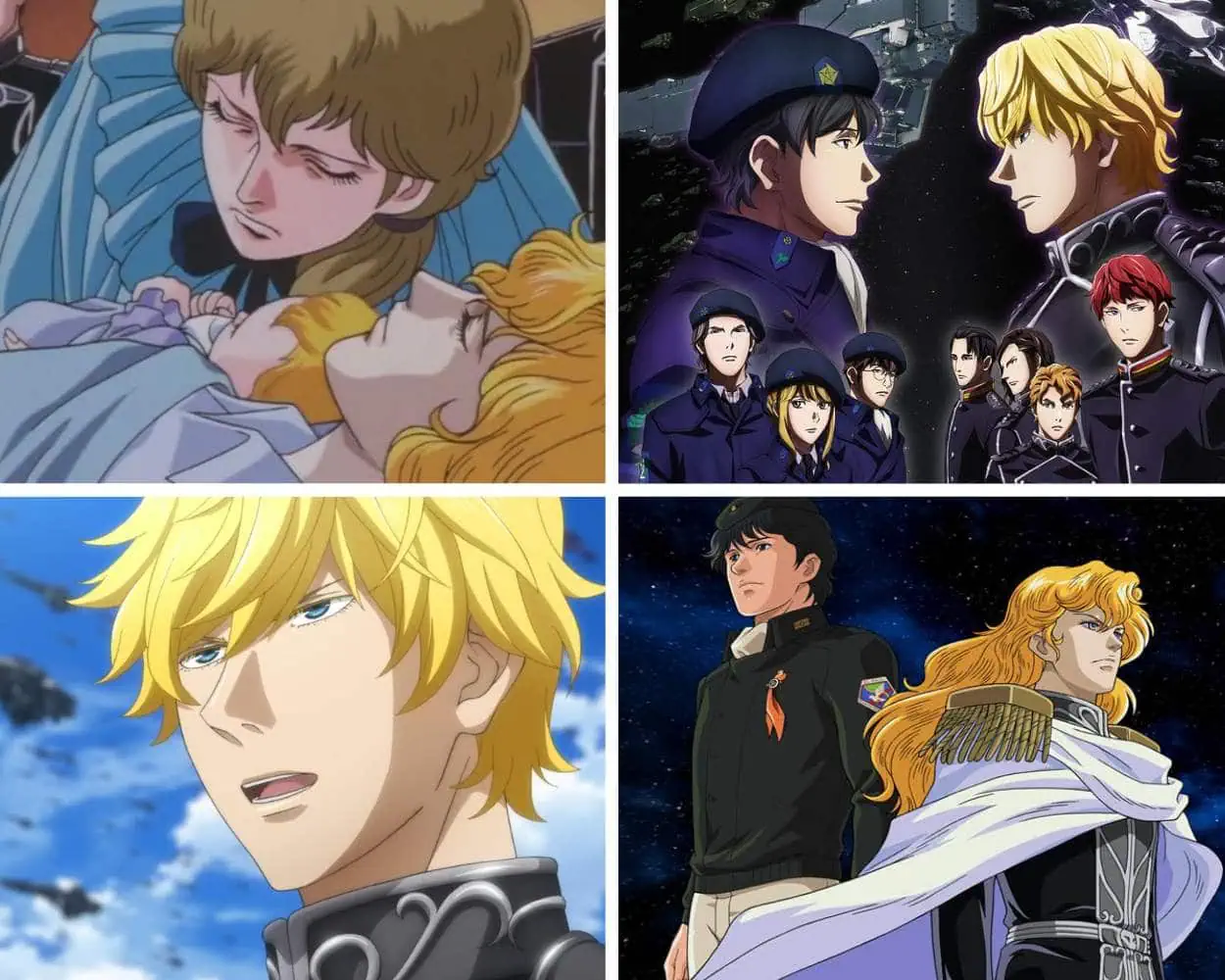
A decades-long war between an empire and a democracy, told through two brilliant rival commanders. It is space opera as grand political novel.
The Gold Standard
- The aesthetic: Classical, restrained design with an operatic scale and a symphonic score.
- The legacy moment: It is the benchmark for intelligent, morally complex space opera that later epics still measure against.
- Why it still holds up: The leisurely pace is a feature, giving its ideas and battles real weight.
- Nostalgia score: Visual style 7 of 10, story depth 10 of 10, cultural impact 8 of 10
Urusei Yatsura (1981)
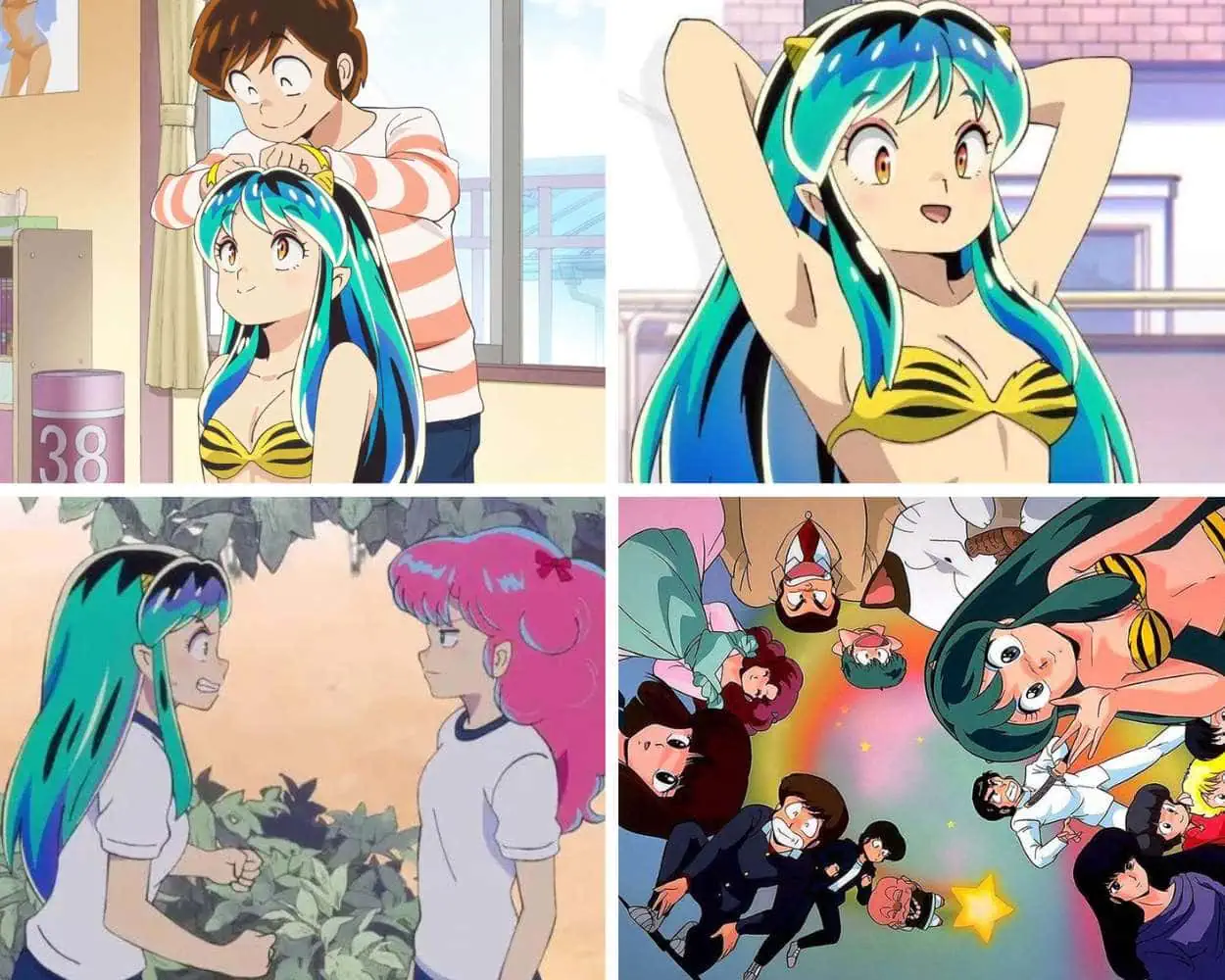
Unlucky Ataru accidentally gets engaged to the alien princess Lum, unleashing years of surreal cosmic comedy. Rumiko Takahashi’s breakout.
The Gold Standard
- The aesthetic: Bright, elastic, gag-driven early-80s comedy design.
- The legacy moment: It is the grandparent of the harem rom-com and shaped nearly every romantic comedy that followed.
- Why it still holds up: The absurd energy is timeless, which is exactly why it just earned a modern reboot.
- Nostalgia score: Visual style 7 of 10, story depth 7 of 10, cultural impact 8 of 10
Ranma ½ (1989)
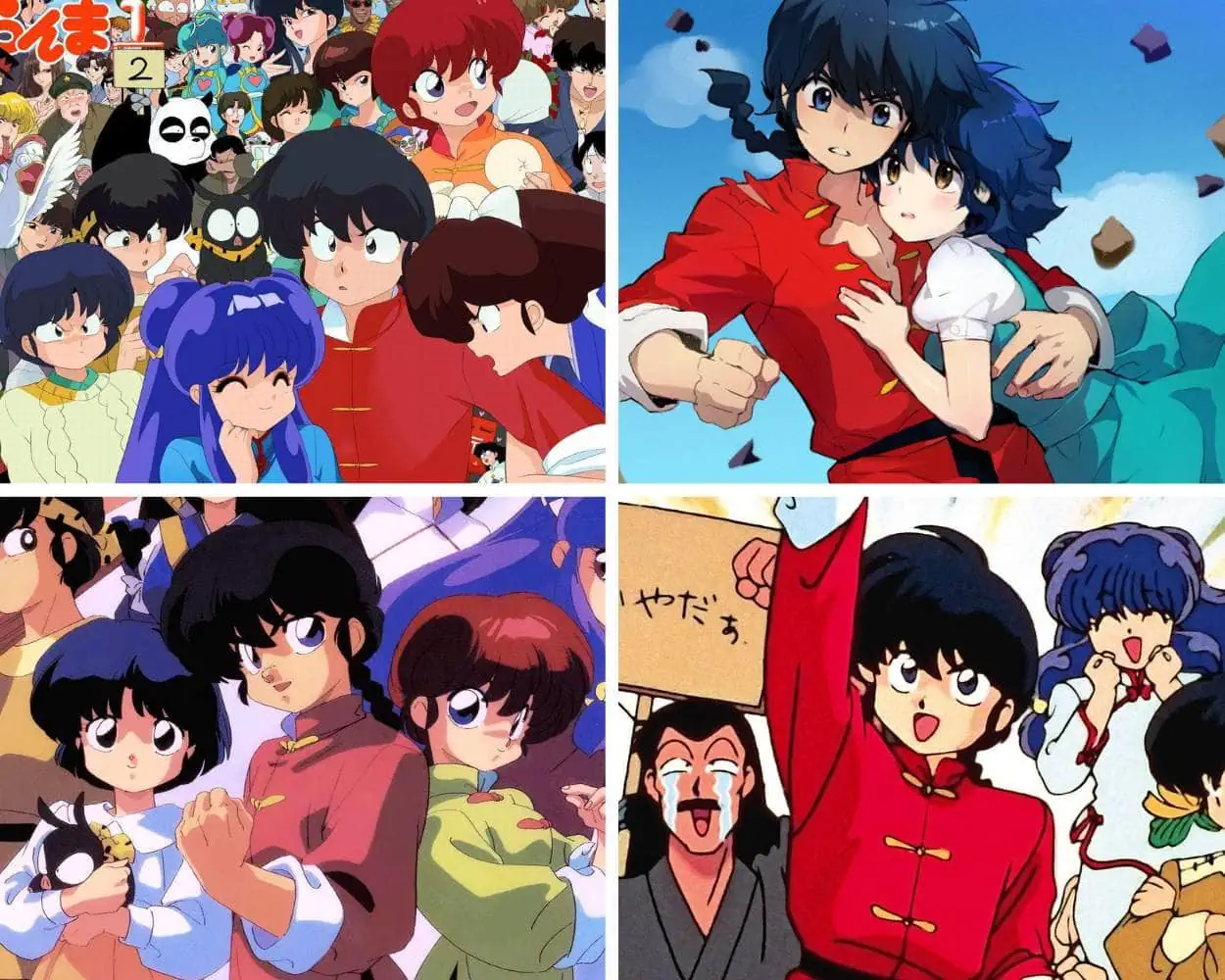
A martial-arts prodigy turns into a girl whenever splashed with cold water, sparking endless comedic chaos. Peak Takahashi rom-com.
The Gold Standard
- The aesthetic: Clean, expressive, fast-paced comedic animation.
- The legacy moment: It is a cornerstone of gender-bending comedy and helped export anime rom-coms worldwide.
- Why it still holds up: The jokes and the fights still fly, and the premise never runs dry.
- Nostalgia score: Visual style 7 of 10, story depth 7 of 10, cultural impact 8 of 10
Saint Seiya: Knights of the Zodiac (1986)
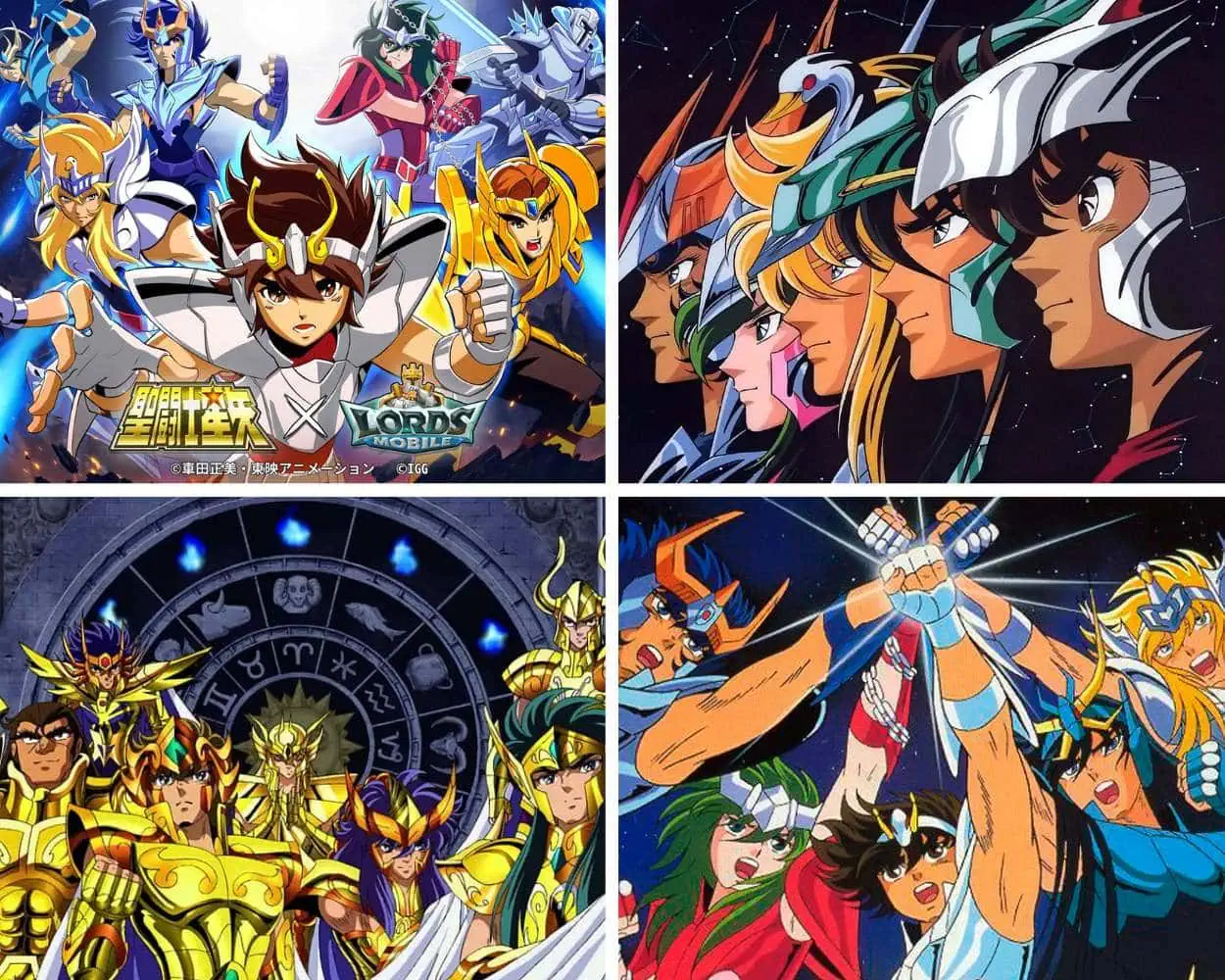
Teen warriors don mythological armor to protect the goddess Athena, powering up through gorgeous, brutal battles rooted in Greek myth.
The Gold Standard
- The aesthetic: Ornate, gleaming armor designs and dramatic, melodramatic staging.
- The legacy moment: It codified the armored power-up battle shonen and became one of the biggest 80s anime exports to Europe and Latin America.
- Why it still holds up: The escalating fights and majestic score still deliver pure hot-blooded fun.
- Nostalgia score: Visual style 8 of 10, story depth 7 of 10, cultural impact 8 of 10
Fist of the North Star (1984)

In a Mad Max wasteland, the stoic martial artist Kenshiro dispenses justice one exploding villain at a time. You are already dead.
The Gold Standard
- The aesthetic: Hyper-muscular, grimy, ultra-violent post-apocalyptic design.
- The legacy moment: It defined the macho action archetype, and its imagery is the most meme-famous in all of 80s anime four decades on.
- Why it still holds up: Beneath the gore is a surprisingly moving story of honor and survival.
- Nostalgia score: Visual style 7 of 10, story depth 7 of 10, cultural impact 9 of 10
Macross (1982)
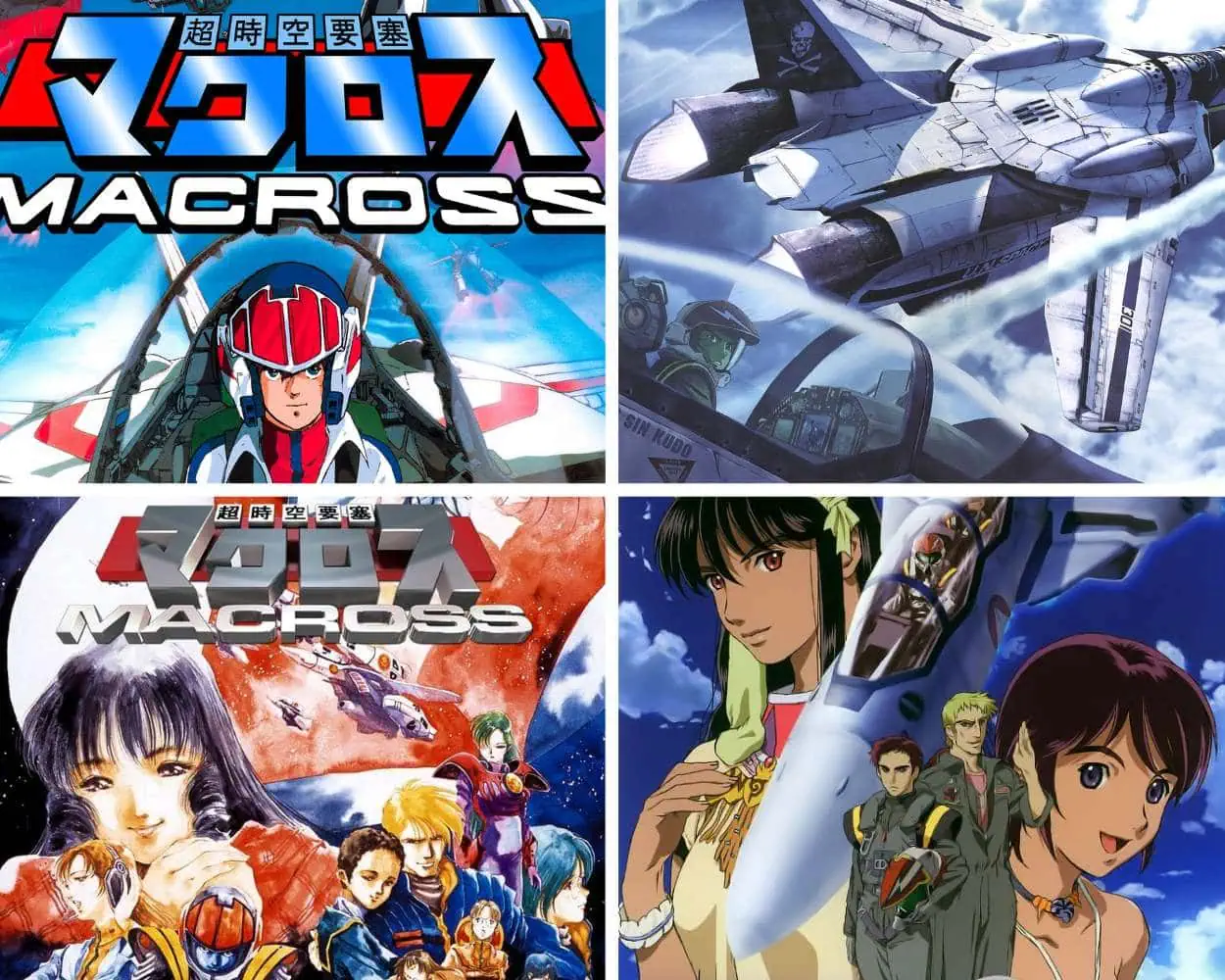
Humanity fights the alien Zentradi aboard a giant space fortress, and the deciding weapon turns out to be a pop idol’s voice. Mecha, romance, and music, all at once.
The Gold Standard
- The aesthetic: Sleek transforming-fighter design fused with idol-era pop glamour.
- The legacy moment: It fused music and mecha in a way modern series still copy, and launched a franchise that never stopped.
- Why it still holds up: The love-triangle-meets-war-meets-concert formula is as bold now as it was in 1982.
- Nostalgia score: Visual style 8 of 10, story depth 8 of 10, cultural impact 9 of 10
Nausicaä of the Valley of the Wind (1984)
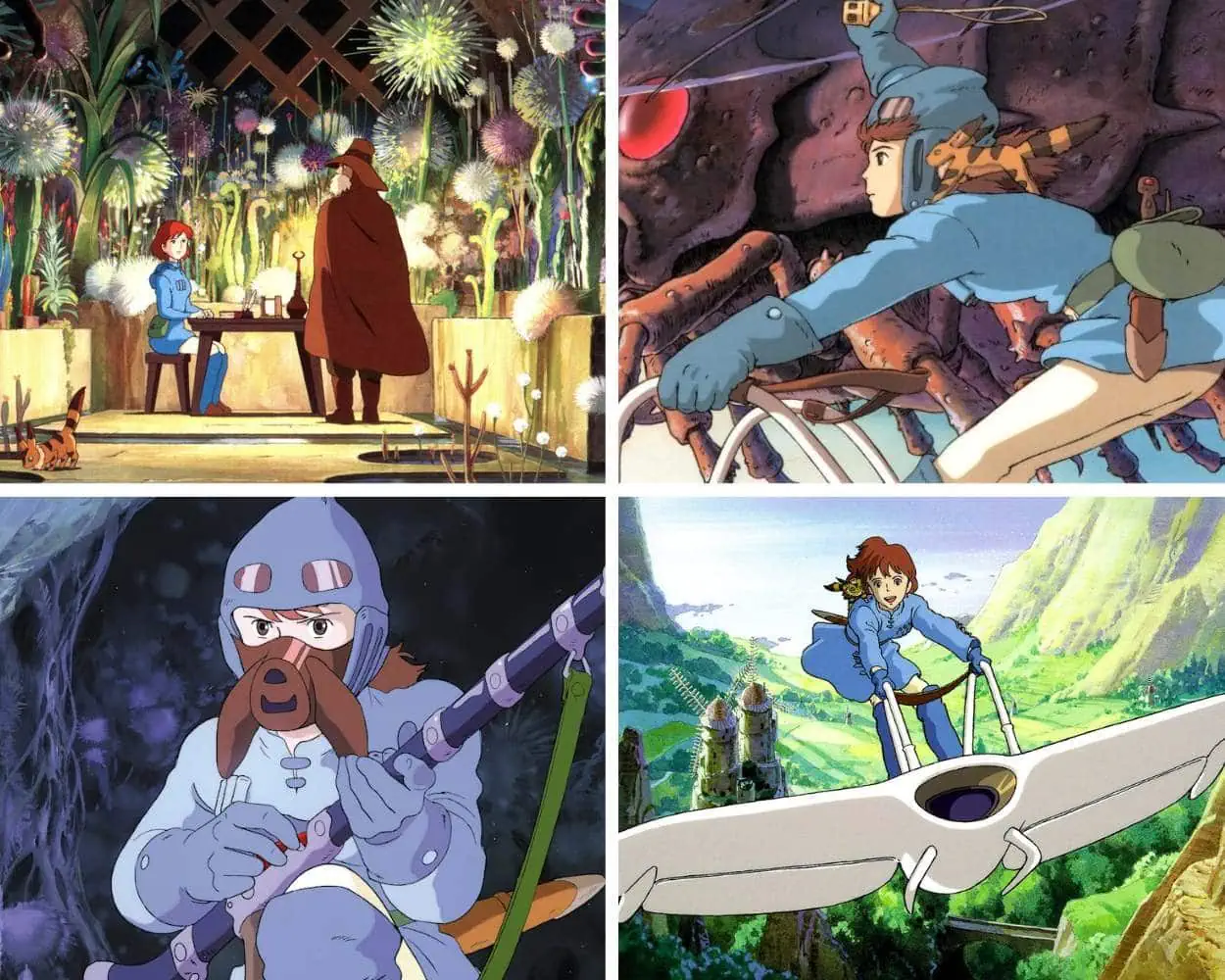
In a poisoned world, a princess tries to broker peace between humanity and the giant insects of a toxic jungle. Miyazaki’s environmental epic.
The Gold Standard
- The aesthetic: Sweeping, painterly landscapes and fluid, weightless flight.
- The legacy moment: It effectively launched Studio Ghibli and set the template for every Miyazaki film after it.
- Why it still holds up: The anti-war heart and hand-painted beauty are utterly timeless.
- Nostalgia score: Visual style 9 of 10, story depth 9 of 10, cultural impact 9 of 10
Mobile Suit Gundam (1979 – 1980s)

A reluctant teen pilots a prototype robot through a bitter space war in a story about politics and loss. It debuted in 1979 and exploded across the 80s through its films and the Zeta sequel. Mobile Suit Gundam reset the whole genre.
The Gold Standard
- The aesthetic: Grounded military-hardware design that anchored giant robots in reality.
- The legacy moment: It invented the Real Robot genre and reframed mecha as serious war drama for good.
- Why it still holds up: The human cost at its center keeps it gripping long past the vintage animation.
- Nostalgia score: Visual style 7 of 10, story depth 9 of 10, cultural impact 10 of 10
My Neighbor Totoro (1988)
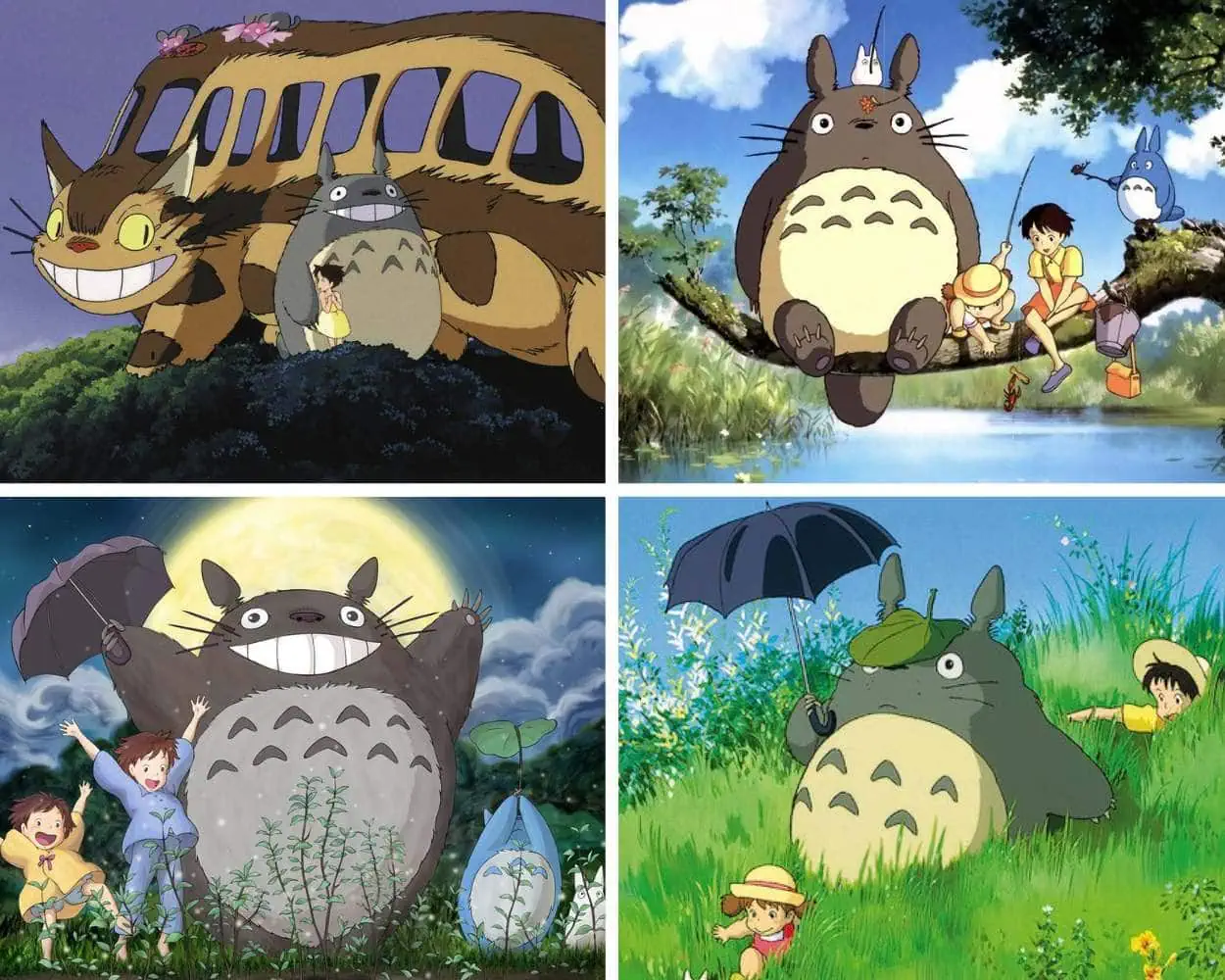
Two young sisters move to the countryside and befriend the gentle forest spirit Totoro in My Neighbor Totoro. Pure, warm, wondrous Ghibli magic.
The Gold Standard
- The aesthetic: Soft, luminous, hand-painted nature and impossibly cozy character design.
- The legacy moment: Totoro became Ghibli’s mascot and a global symbol of childhood wonder.
- Why it still holds up: It is stress relief in movie form, and the animation has aged beautifully.
- Nostalgia score: Visual style 9 of 10, story depth 8 of 10, cultural impact 9 of 10
Dragon Ball (1986)
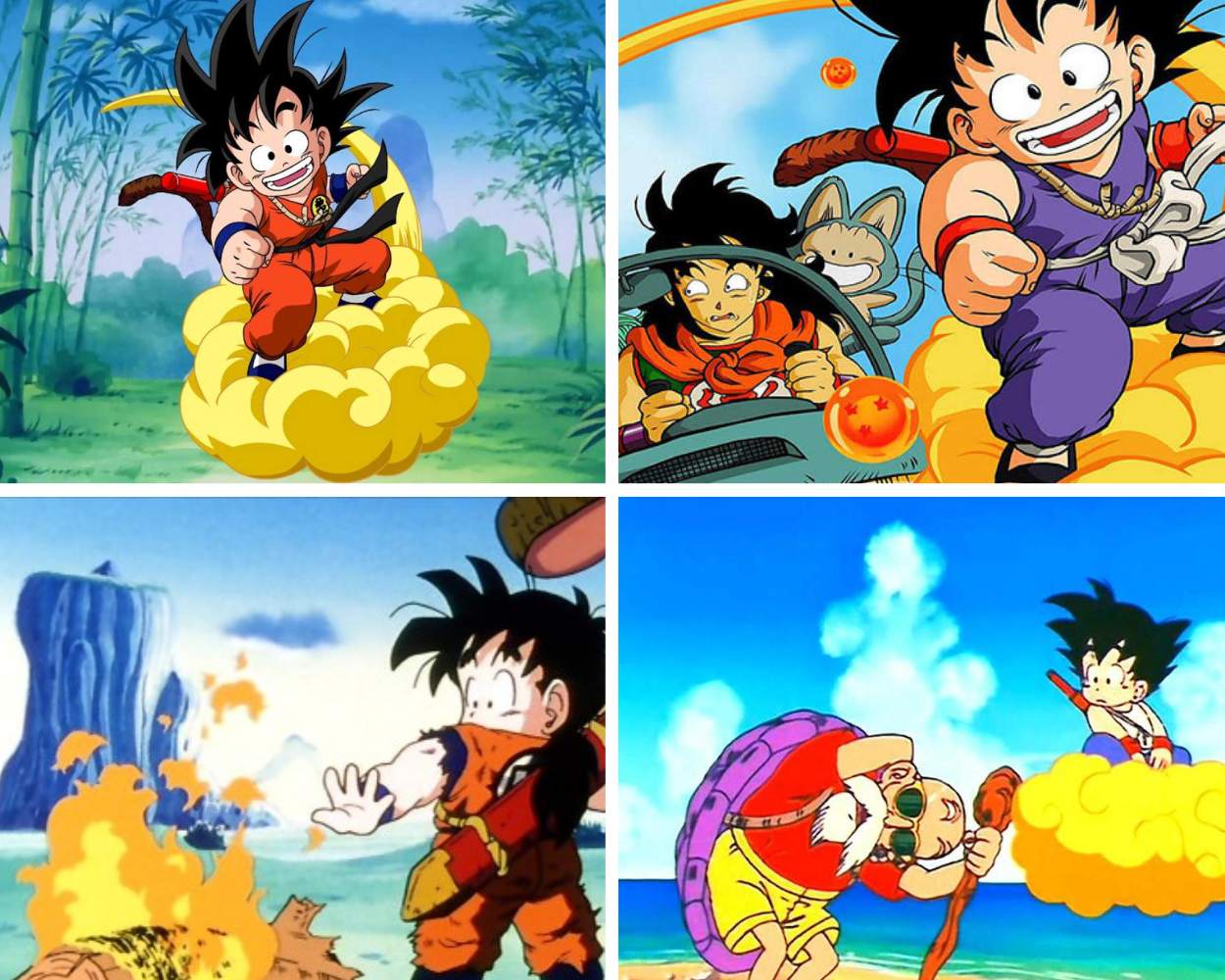
A naive, super-strong boy named Goku hunts the wish-granting Dragon Balls, training and fighting across the world. The origin of a global empire, chronicled at Dragon Ball.
The Gold Standard
- The aesthetic: Clean, kinetic Akira Toriyama design with playful, adventurous energy.
- The legacy moment: It pioneered the modern shonen blueprint and became the most influential action anime on earth.
- Why it still holds up: The early adventure charm and martial-arts comedy still hook new viewers who discover 80s anime today.
- Nostalgia score: Visual style 8 of 10, story depth 8 of 10, cultural impact 10 of 10
Akira (1988)

In a sprawling Neo-Tokyo, a biker gang, psychic experiments, and raw political rot collide in an apocalyptic spiral. Akira is the film that changed everything.
The Gold Standard
- The aesthetic: Staggering, hyper-detailed cyberpunk animation, over 160,000 cels of it, with lighting most films still cannot match.
- The legacy moment: It broke anime into global pop culture and rewrote what animation could look like and mean.
- Why it still holds up: It still looks better than most modern anime, and its themes have only grown sharper.
- Nostalgia score: Visual style 10 of 10, story depth 9 of 10, cultural impact 10 of 10
Why 80s Anime Still Hits Harder in 2026
Modern anime is technically flawless, and that is exactly what it sometimes loses.
The hand-drawn cels of the 80s carry a human imperfection, a slight wobble and weight, that sterile digital polish rarely captures.
When people say 80s anime looks better than modern digital animation, this is what they mean: it was drawn by hand, frame by frame, with real craft behind every line.
A big part of the boom came from the OVA. Released straight to home video, these Original Video Animations skipped broadcast standards entirely and let creators make something mature, weird, and hyper-stylized.
Bubblegum Crisis, Gunbuster, and Patlabor all thrived in that freedom, and the format quietly shaped the anime we still love today.
Then there is the pacing. Modern viewers are trained on fast, seasonal, high-octane shows, so the slower rhythm of 80s anime can feel strange at first. Give it a chance.
That deliberate pace is a feature, not a bug. It leaves room for the emotional depth and quiet character moments that today’s rushed production schedules so often skip.
Your Turn to Fire Up the VCR
That is my ranking, from a hungry ninja at the top all the way down to Akira at number one.
Each of these came from a decade that was not chasing an algorithm, just chasing the coolest, boldest idea in the room.
So which of these 80s anime did you grow up on, and which classic did I leave off?
Tell me in the comments where you would rank Akira, and tell me which forgotten gem deserves a modern reboot next.