Every animal in animation carries a job. The mouse is tactical leverage, the rabbit is chaos, the bat is sensory dominance.
The monkey’s job is stranger: it is the evolutionary mirror, the one animal designers use to hold a distorted reflection of humanity up to the audience.
Strip the civilization off a person and you are left with instinct; hand an animal ambition and language and you get a genius or a monster.
So the sharpest way to read the great monkey cartoon characters is not by how smart they are, but by how human they have become, a measure worth naming before the ranking starts.
The Anthropomorphic Scale
Rate each character from 1 to 10 on an anthropomorphic coefficient, the degree to which it has traded animal instinct for human structure.
A 1 is a pure creature of reflex; a 10 has adopted human society wholesale. The most interesting monkeys almost always sit near the middle, in the uncanny zone where instinct and ambition openly fight for control.
- 1 (Pure Instinct). Driven by territory, hunger, and reflex, a straight animal. Donkey Kong pounding the ground is the primal obstacle.
- 5 (The Uncanny Zone). Human social intelligence trapped in an animal that cannot fully cross over. Abu understands everything and says nothing, half pet, half partner. This middle is where the richest characters live.
- 10 (Fully Civilized). Language, tactics, ambition, clothing, the works, a monkey that runs on human structures. Mojo Jojo plots world domination in complete sentences.
Every monkey cartoon character below carries a coefficient, and the tension between the animal and the human is where each one earns its place.
Monkey Cartoon Characters, Ranked by Popularity
The order runs on cultural footprint: franchise reach, cross-generational recognition, and how widely each monkey cartoon character is still searched and quoted today.
The coefficient rates how human each one has become; the ranking rates how famous.
Francine Frensky (Arthur)
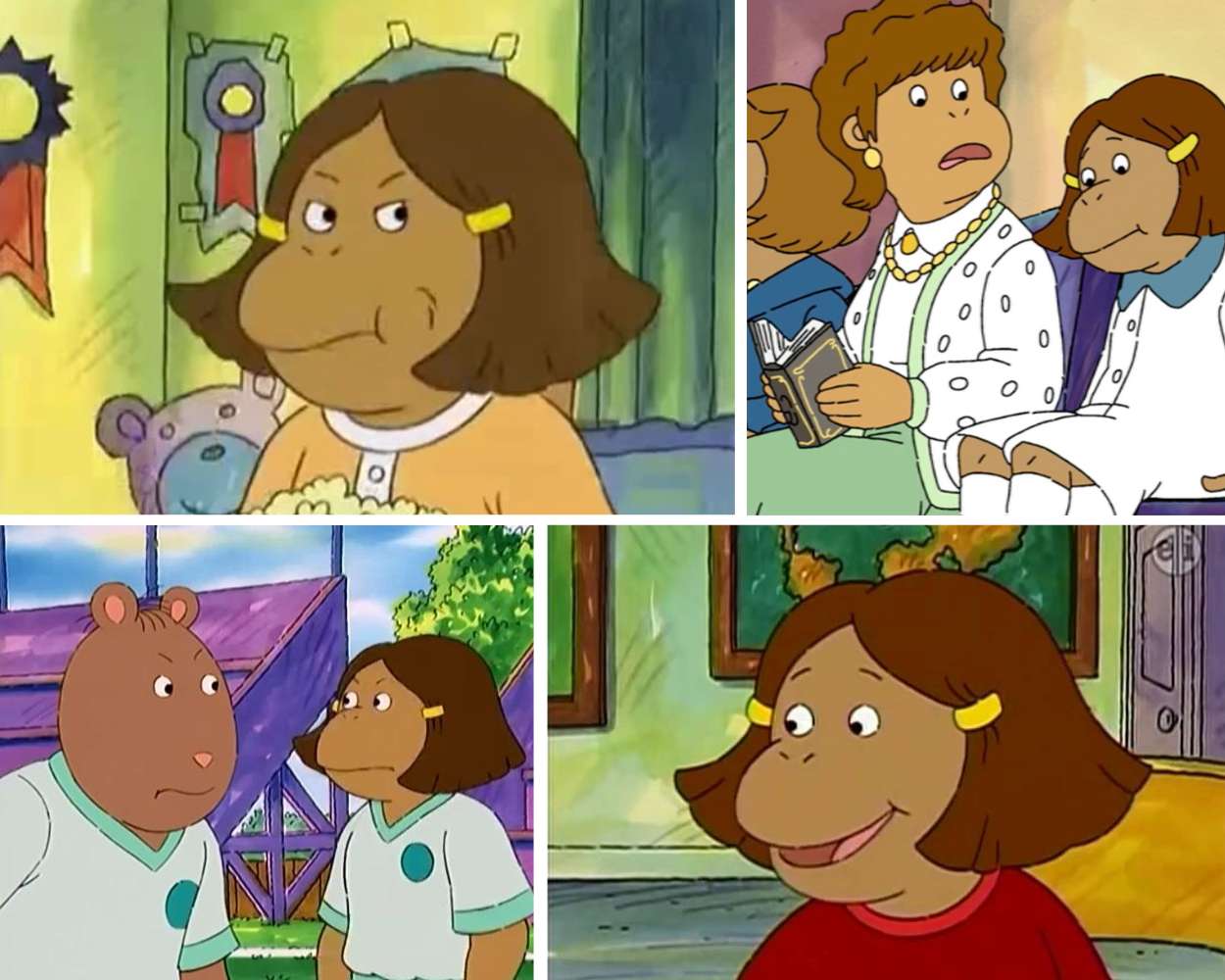
Francine Frensky is the athletic, sharp-tongued monkey of Arthur, a character so fully human in behavior that most viewers forget she is a monkey at all. She goes to school, argues with friends, and lives an entirely human-analog childhood, which puts her high on the civilization scale, a monkey only by the show’s design language. That is its own flavor of uncanny: the species is invisible until you name it.
- Anthropomorphic coefficient: 7/10
- Where it sits: civilization so complete the animal disappears; a human child in monkey form.
- Why she closes the list: the monkey you never think of as a monkey.
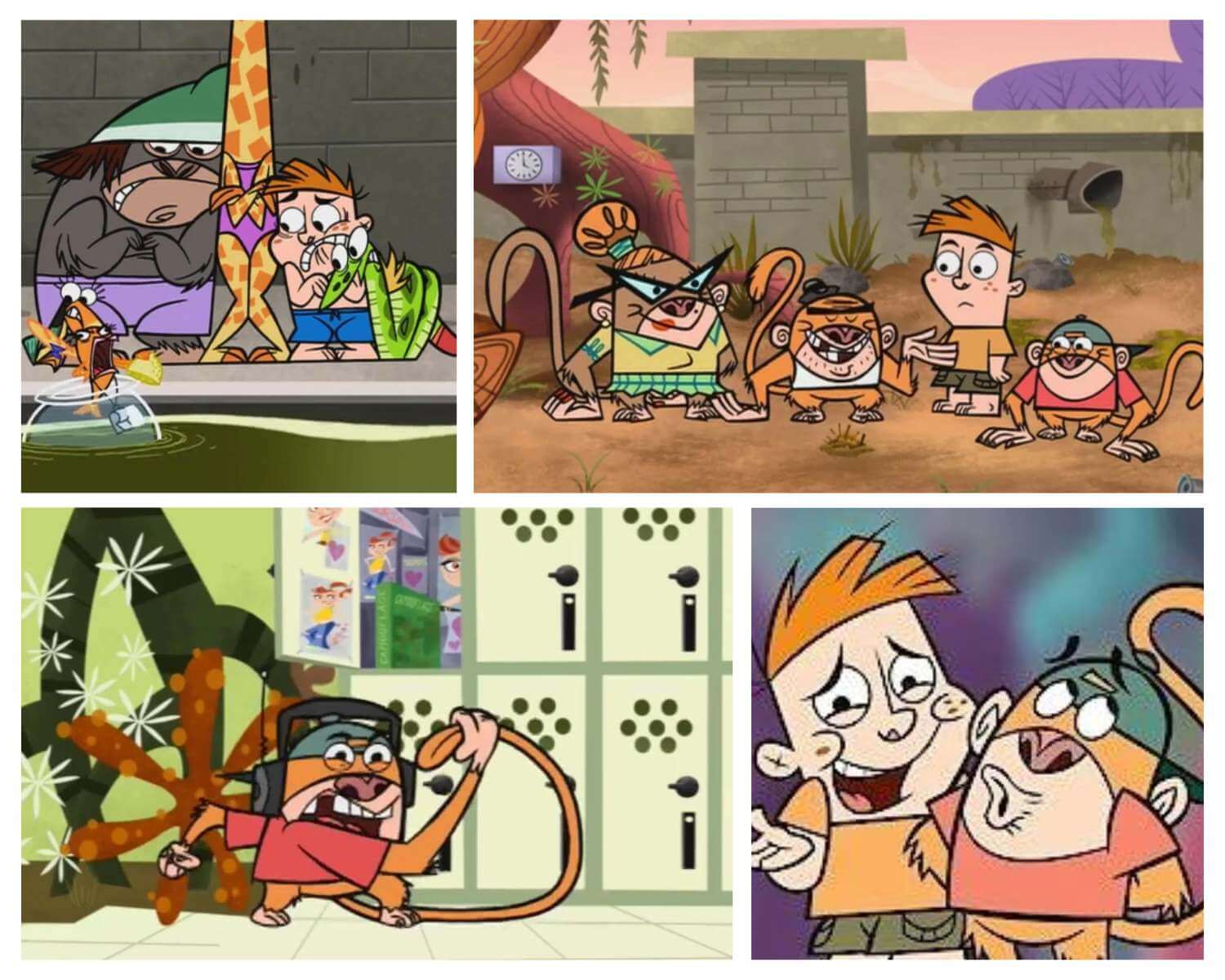
Lazlo (Camp Lazlo)
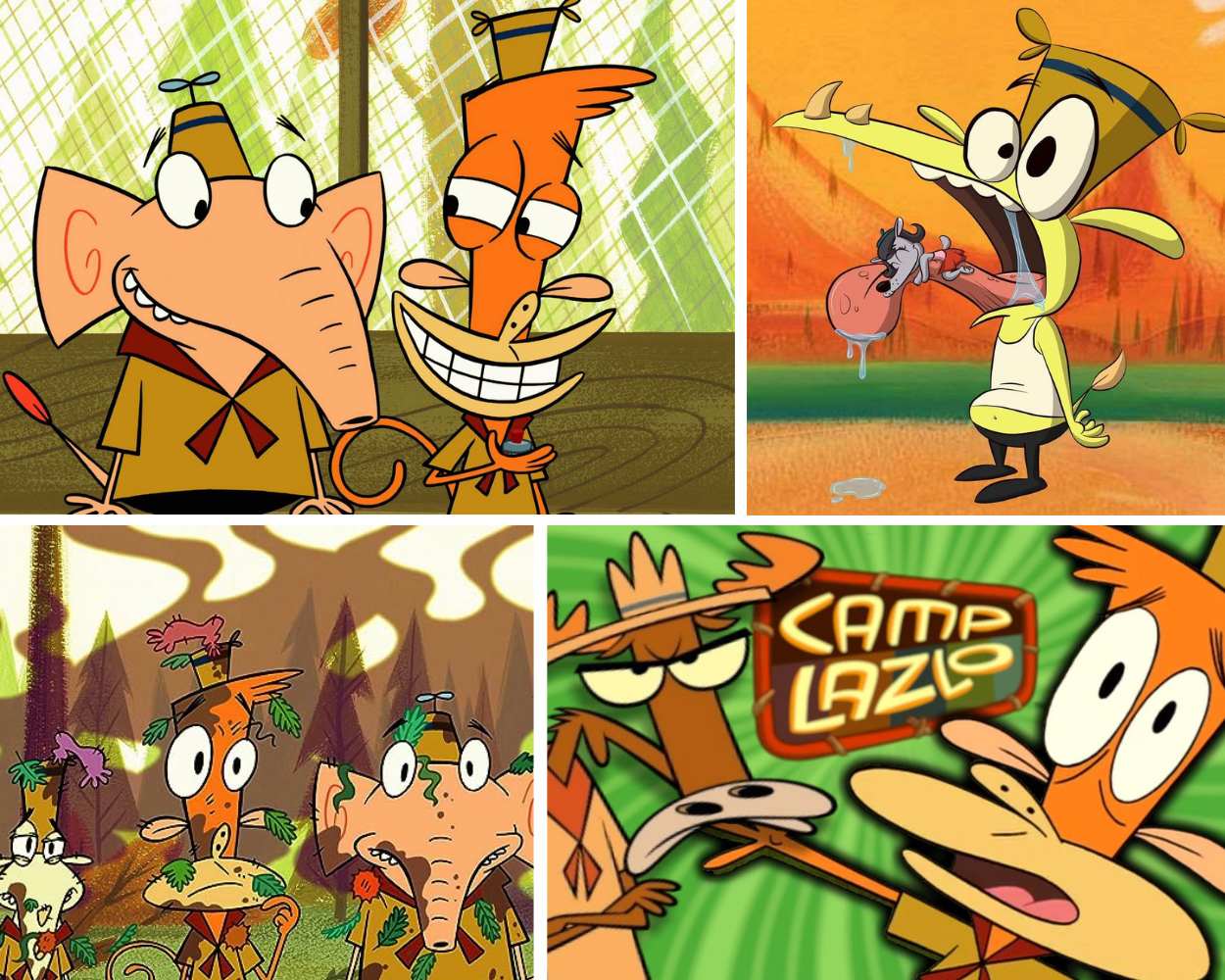
Lazlo is the irrepressible optimist of Camp Lazlo, a Brazilian spider monkey who turns the rigid Camp Kidney upside down with sheer relentless cheer. He speaks and socializes like any camp kid, but his free-spirited, rule-bending instinct is the engine of the whole show, keeping him in the uncanny middle. He is what happens when animal joy refuses to be institutionalized.
- Anthropomorphic coefficient: 5/10
- Where it sits: a talking camper ruled by untamable animal enthusiasm.
- Why he is here: a deep-cut monkey with an outsized spirit.
Guenter (Futurama)
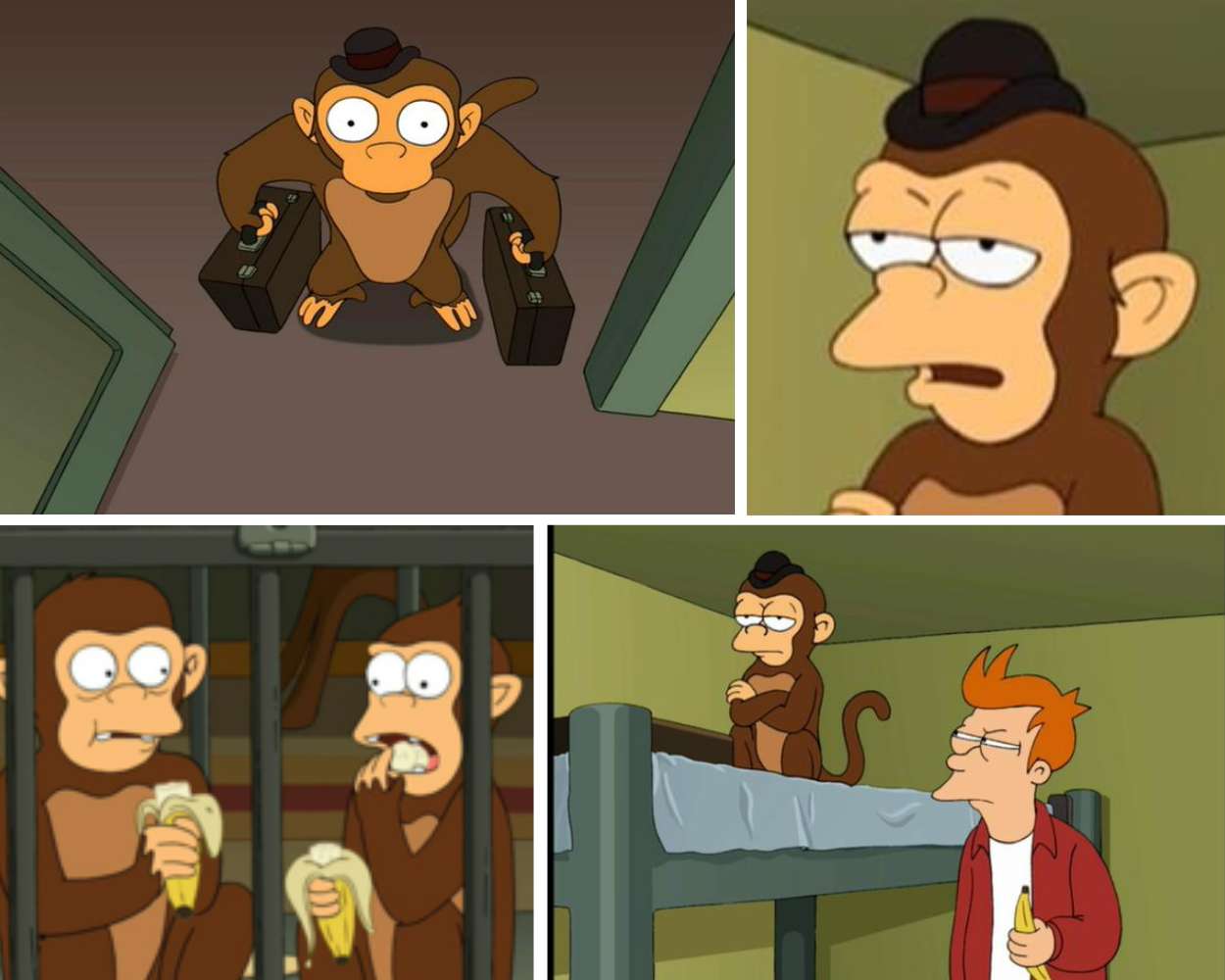
Guenter is Futurama’s cautionary tale about the scale itself, a lab monkey whose Electronium Hat grants genius, speech, and human ambition, until he chooses to throw it away. With the hat he is nearly human, an 8 who resents his own instincts; without it he crashes to a 1, content to be an ordinary monkey. He is the only character here who gets to argue, on screen, about where he belongs on the spectrum.
- Anthropomorphic coefficient: 8/10 with the hat, 1/10 without
- Where it sits: the scale made into a plot; genius and instinct fighting for the same body.
- Why he is here: the sharpest illustration of the whole framework.
Jake Spidermonkey (My Gym Partner’s a Monkey)
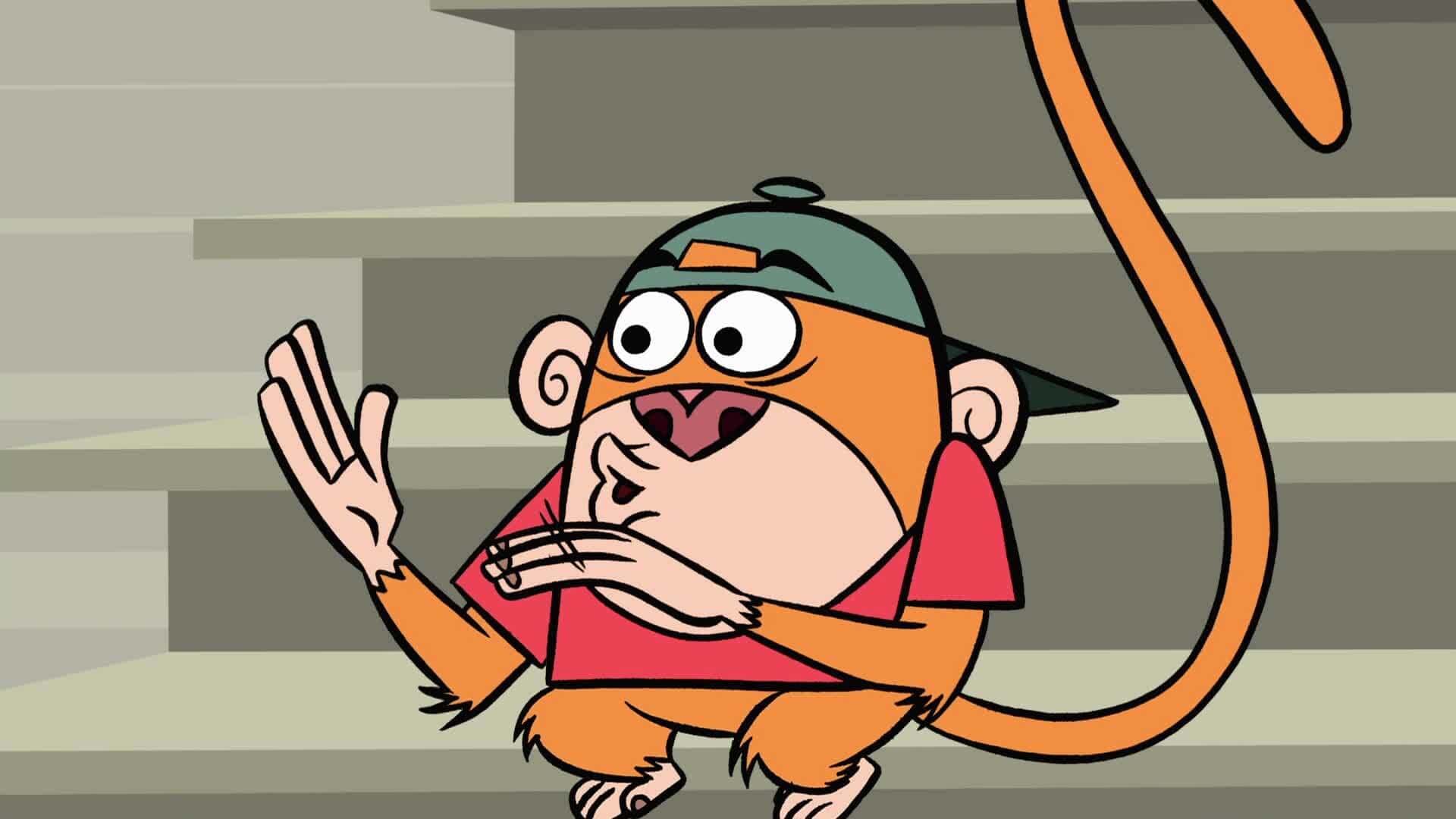
Jake Spidermonkey is the gleefully gross simian sidekick of My Gym Partner’s a Monkey, a spider monkey enrolled at Charles Darwin Middle School. He talks, attends class, and navigates a human-style social world, but his defining traits are appetite, chaos, and zero impulse control, keeping him in the uncanny zone where animal instinct wears a backpack. The show mines every joke from that clash.
- Anthropomorphic coefficient: 6/10
- Where it sits: socially human, behaviorally all animal; the uncanny zone as a sitcom.
- Why he is here: the id of the animated schoolyard.
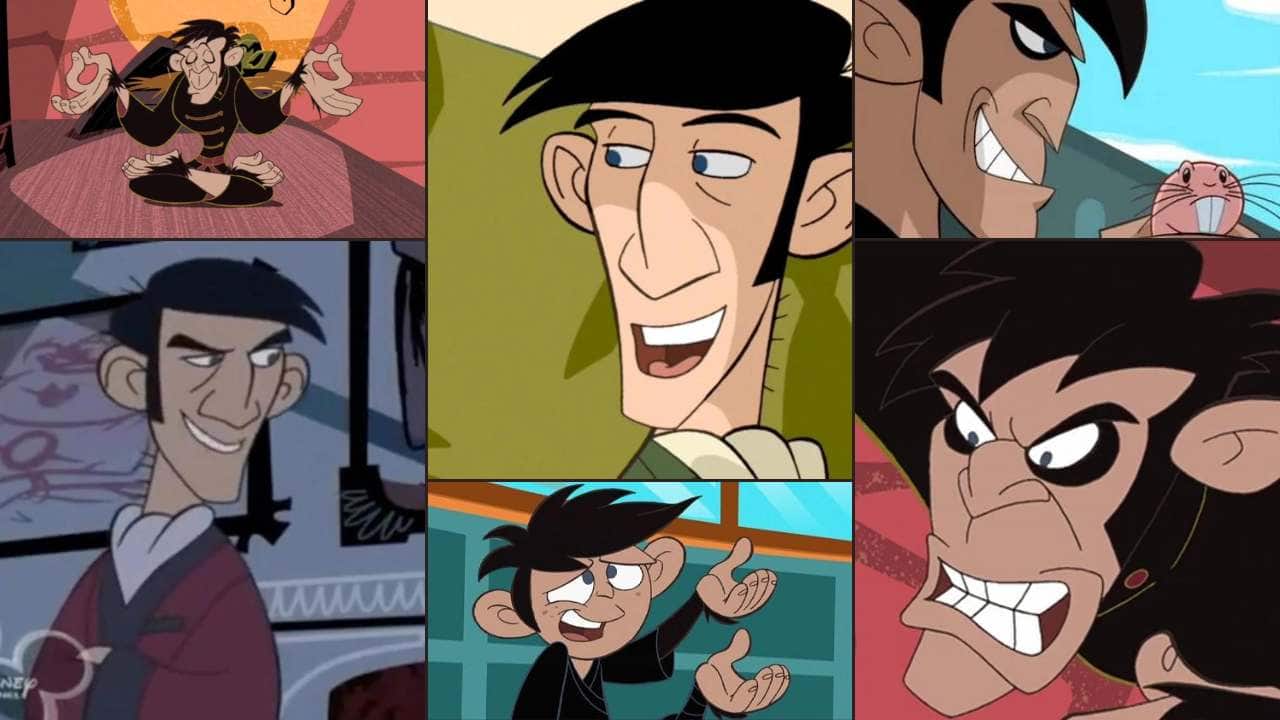
Monkey Fist (Kim Possible)
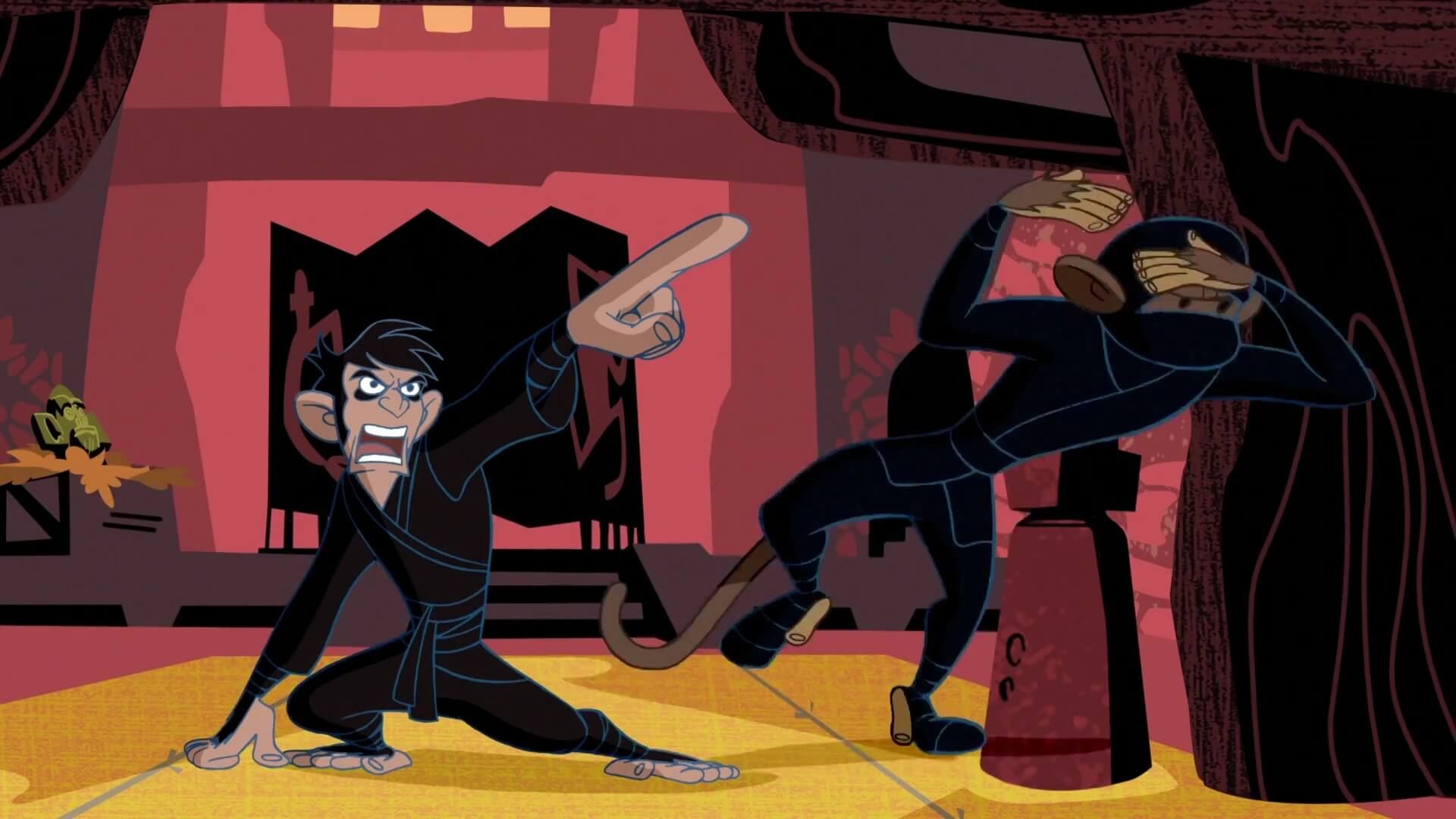
Monkey Fist is Kim Possible’s creepiest villain, the aristocrat Monty Fiske who remade himself into a monkey-man to master Tai Sing Pek Kwar and chase the Mystical Monkey Power. He keeps a full human intellect, speech, and obsessive ambition, which puts Monkey Fist near the top of the scale, an example of civilization deliberately reaching back toward the animal. He chose to become the monkey, which is somehow more unsettling than being born one.
- Anthropomorphic coefficient: 9/10
- Where it sits: a human mind in a monkey body by choice; civilization inverted.
- Why he counts: the darkest twist on the evolutionary mirror here.
Dixie Kong (Donkey Kong Country 2)
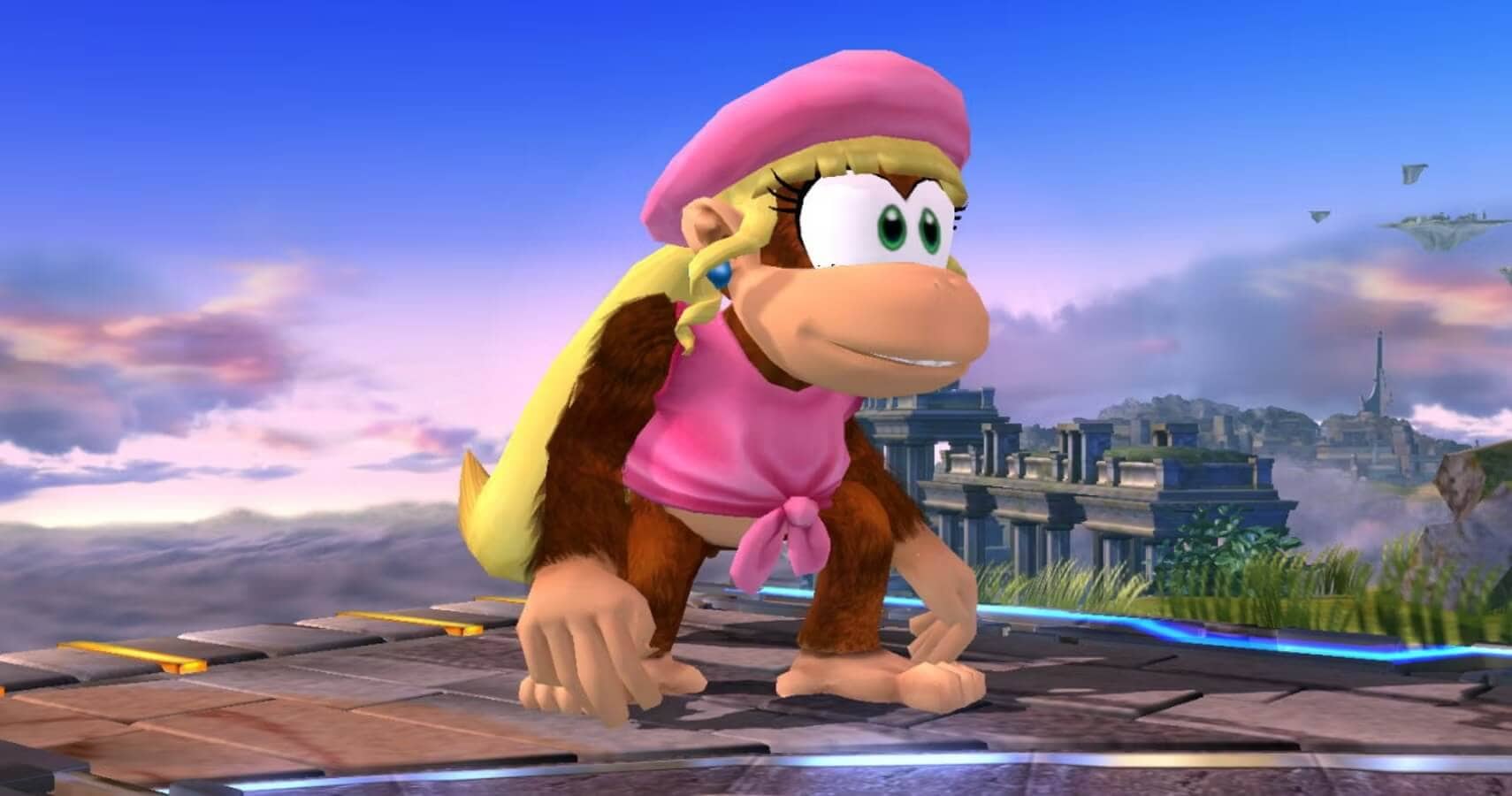
Dixie Kong cartwheeled into 1995’s Donkey Kong Country 2 and became the Kong clan’s breakout heroine, powered by a ponytail that doubles as a helicopter. She is a determined, gear-using adventurer like Diddy, chattering rather than speaking, which keeps her in the same uncanny middle of the scale. Her signature ponytail spin gave her a movement gimmick no other Kong could match.
- Anthropomorphic coefficient: 5/10
- Where it sits: instinct-and-gadgets adventurer; an animal hero with a toolkit.
- Why she is here: the rare sidekick who headlined her own game.
The Evil Monkey (Family Guy)
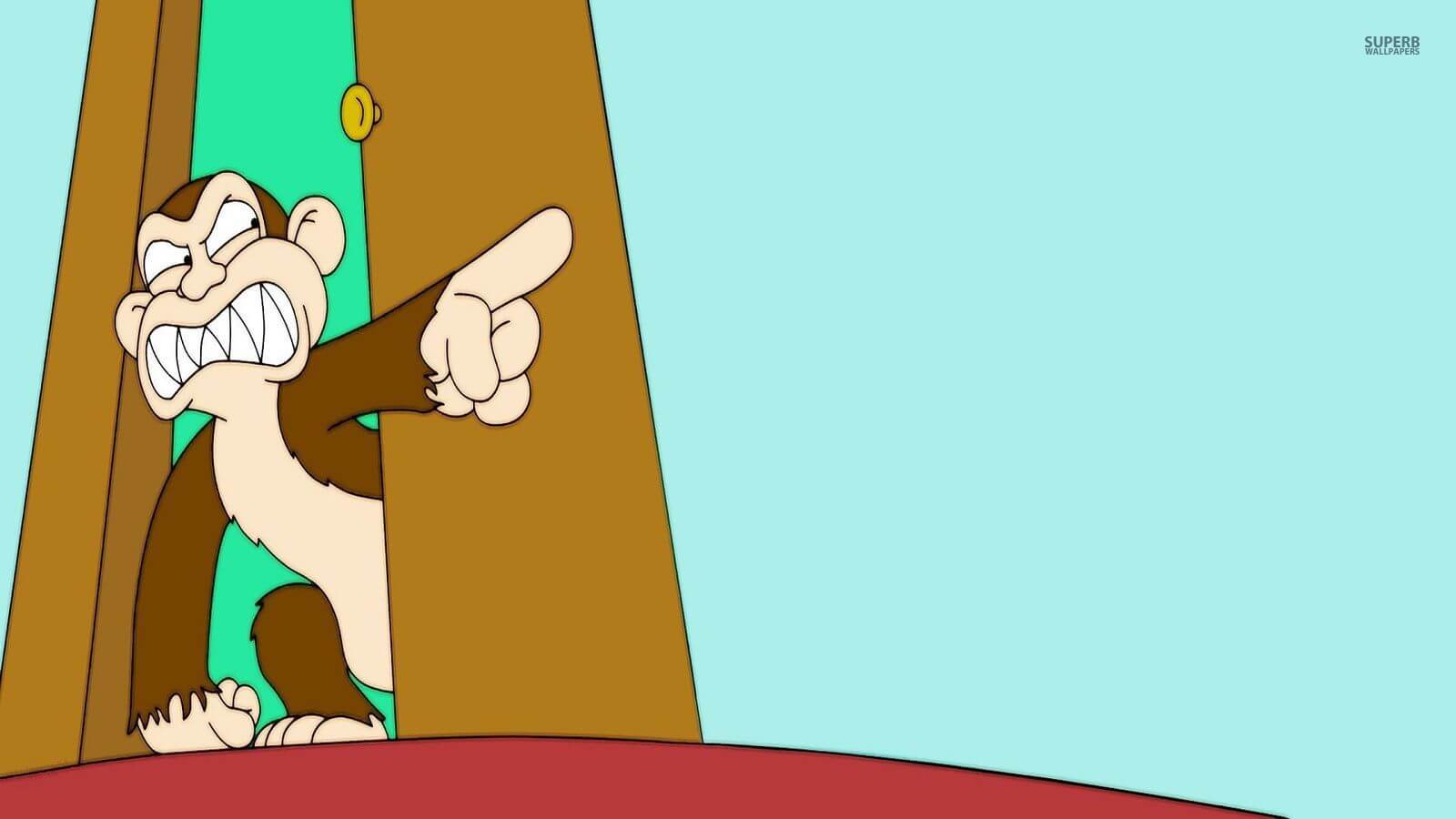
The Evil Monkey is Family Guy’s sharpest sight gag, the glaring simian that lived in Chris Griffin’s closet and pointed accusingly for years. It barely moves and never speaks, running on pure ominous instinct, which is exactly what makes the eventual reveal, that it was misunderstood rather than evil, land so well. It is menace as minimalism, a monkey that does everything with one glare and one point.
- Anthropomorphic coefficient: 3/10
- Where it sits: near the instinct end; a wordless creature of pure vibe.
- Why he made it: a recurring gag that outshined half the cast.
Magilla Gorilla (The Magilla Gorilla Show)
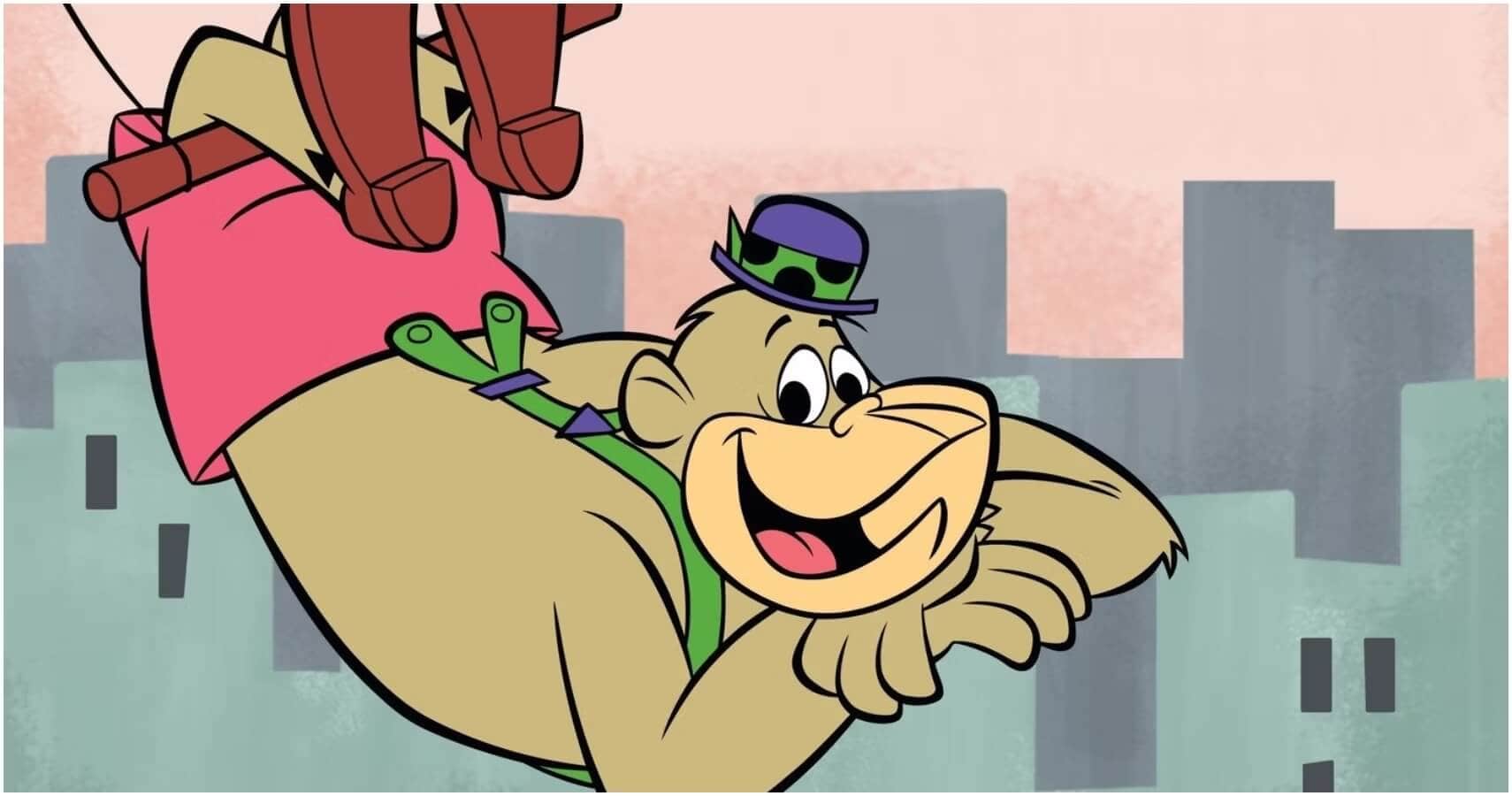
Magilla Gorilla is a 1964 Hanna-Barbera relic who lives in Mr. Peebles’ pet shop, perpetually for sale and perpetually returned. He wears a bow, hat, and shorts, speaks in full sentences, and wants nothing more than a home, which makes him a civilized soul stuck in a literal cage. The comedy runs on his gentle, clumsy humanity crashing against a world that keeps treating him like merchandise.
- Anthropomorphic coefficient: 6/10
- Where it sits: a civilized everyman gorilla, undone by his own clumsiness.
- Why he is here: a classic-era ape with more heart than luck.
Master Monkey (Kung Fu Panda)
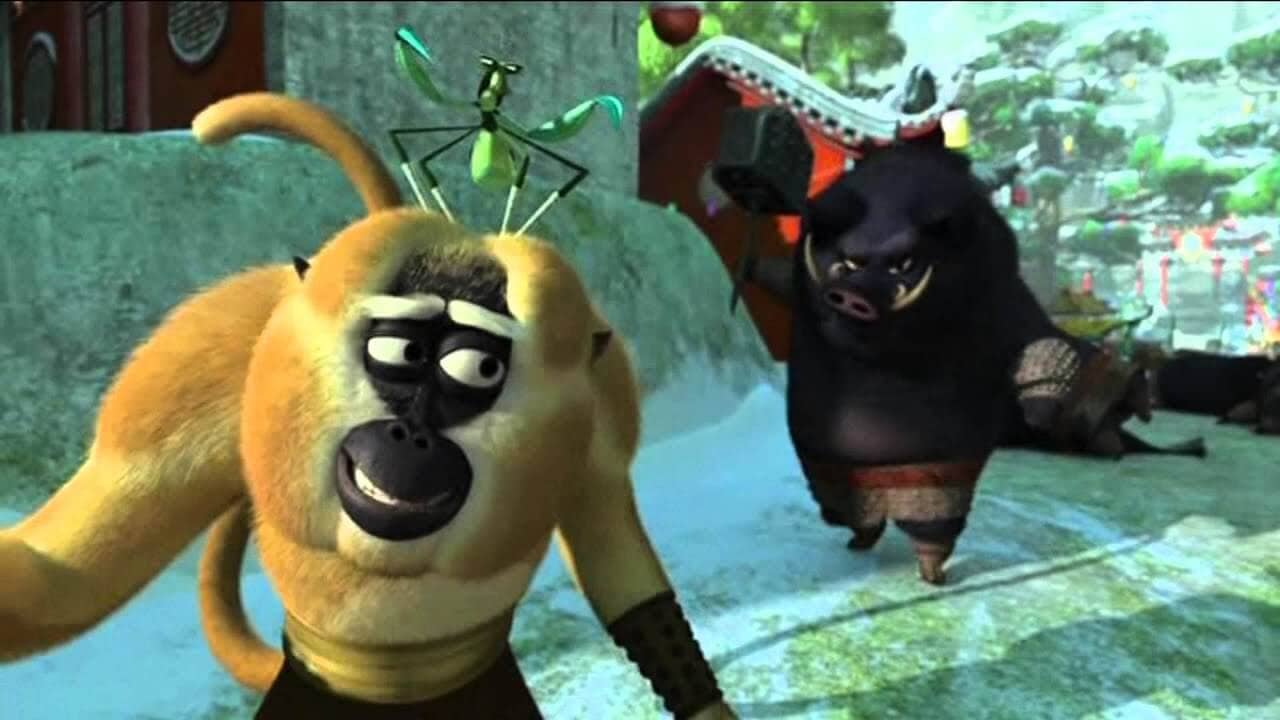
Master Monkey is the prankster of Kung Fu Panda’s Furious Five, a golden langur with almond cookies stashed in his pants and Jackie Chan’s voice behind his grin. He speaks, trains, and fights with disciplined mastery, sitting high on the civilization scale, but his defining trait is a mischievous instinct he never fully outgrows. He is proof a character can be a monk and a trickster at once.
- Anthropomorphic coefficient: 8/10
- Where it sits: disciplined and civilized, with an incurable prankster streak.
- Why he counts: the most playful monkey cartoon character in an elite martial order.
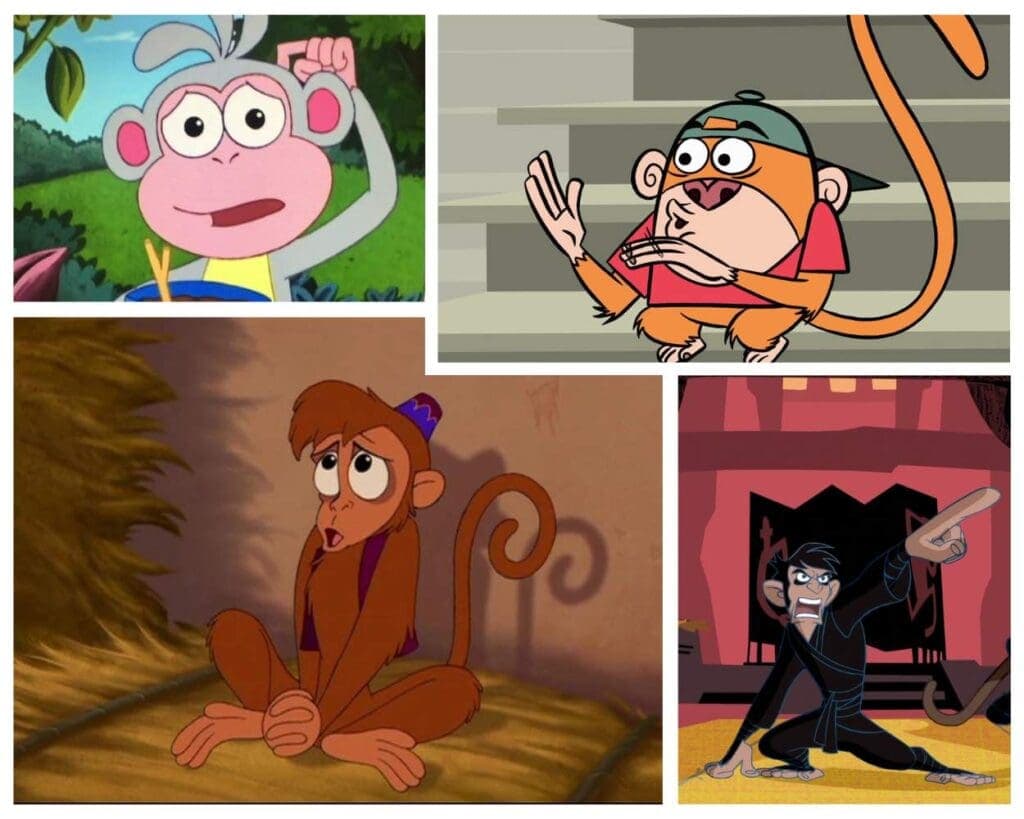
Boots (Dora the Explorer)
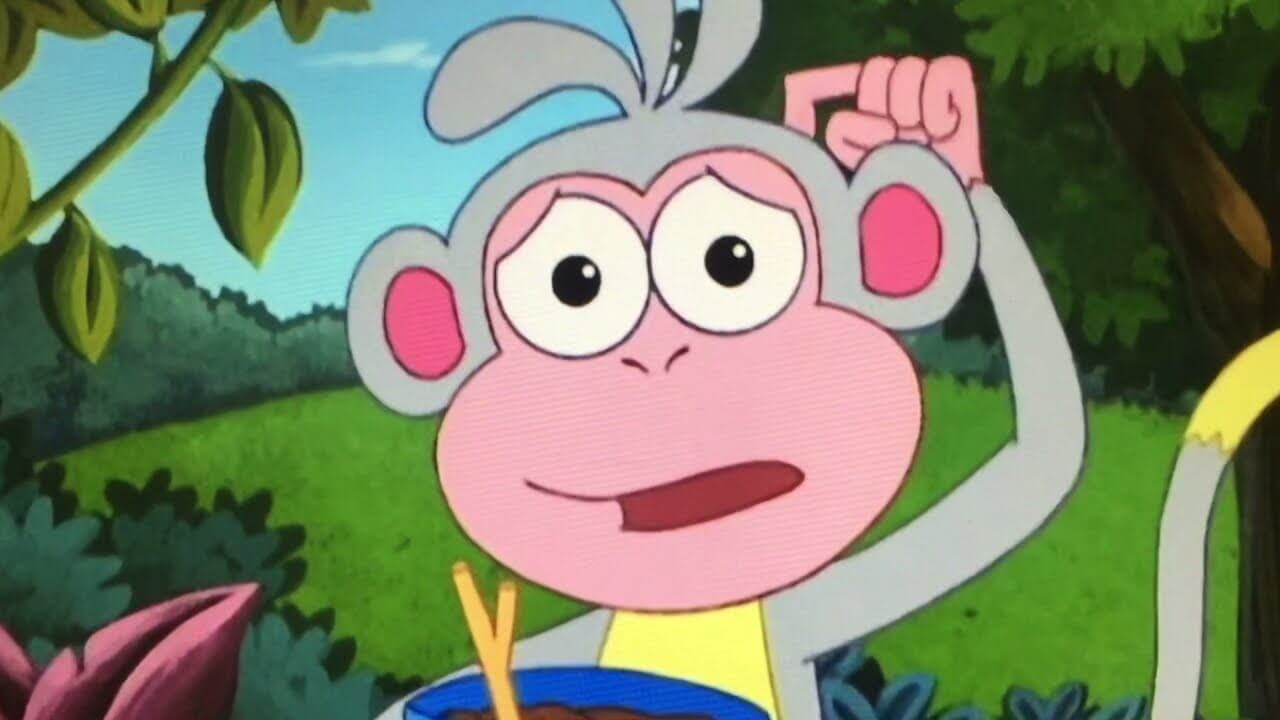
Boots is Dora’s inseparable partner, a monkey defined by the red boots he adores and the acrobatic flips he lands after every setback. He speaks, wears clothing, and co-hosts a preschool empire, but stays childlike and animal-agile, planting him squarely in pet-partner territory. For a generation of toddlers, Boots was the first monkey cartoon character they ever loved.
- Anthropomorphic coefficient: 5/10
- Where it sits: the uncanny middle for the preschool set; talking sidekick, bouncing animal.
- Why he is here: enormous reach with the under-five crowd.
Diddy Kong (Donkey Kong Country)
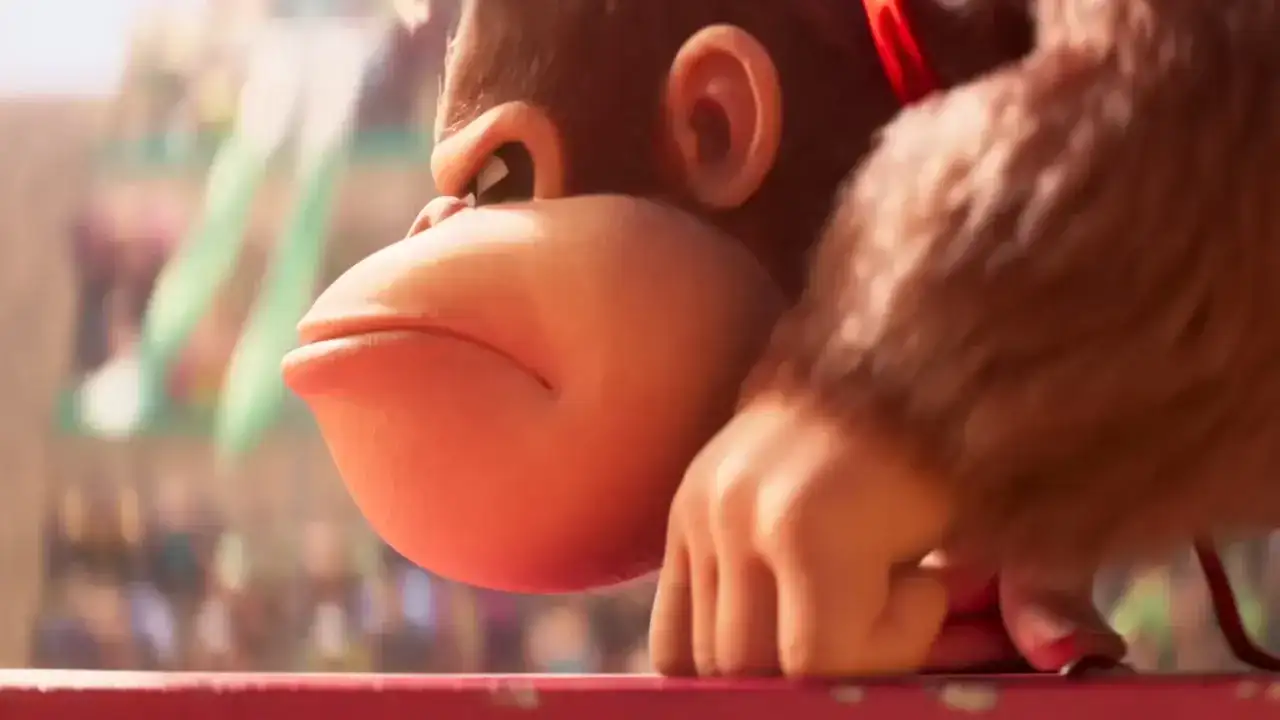
Diddy Kong is Donkey Kong’s nimble nephew, a red-cap-wearing adventurer who swung into the 1994 game Donkey Kong Country and never left. He uses jetpacks, peanut popguns, and gadgets like a purposeful hero, but he chatters instead of speaking, keeping him in the uncanny middle between wild instinct and tool-using intelligence. Decades of platformers made him one of gaming’s most recognizable primates.
- Anthropomorphic coefficient: 5/10
- Where it sits: an instinct-driven adventurer with a gadget bag; half animal, half action hero.
- Why he ranks: the monkey cartoon character who earned his own franchise.
Mojo Jojo (The Powerpuff Girls)
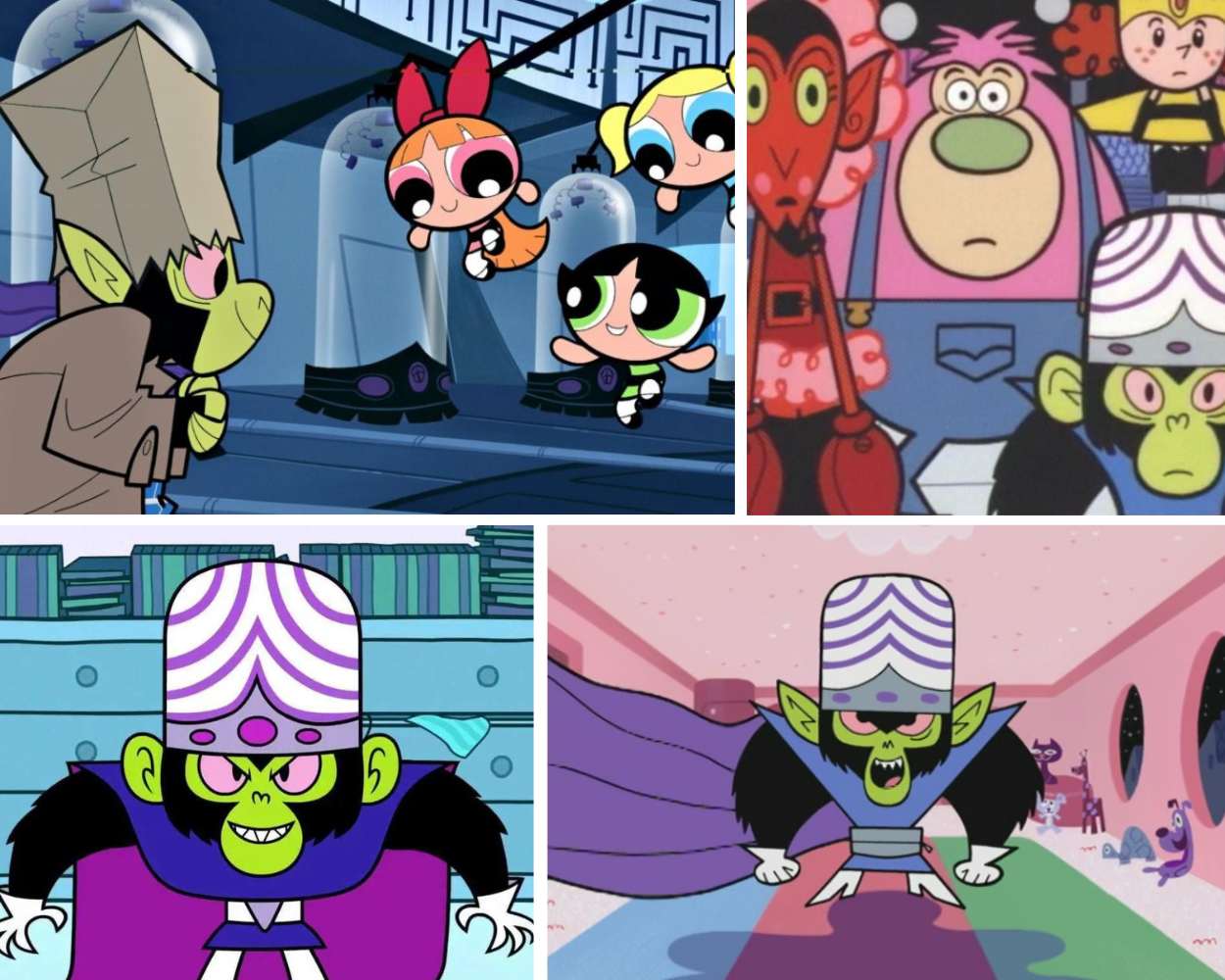
Mojo Jojo is the ceiling of the scale, a chimpanzee super-villain so civilized he has out-humaned the humans. He builds doomsday machines, monologues in looping redundant syntax, and runs elaborate schemes to conquer a city, all while wearing a cape and boots. The Powerpuff Girls gave Mojo the most human ambition possible, total domination, and none of the restraint, which is the joke.
- Anthropomorphic coefficient: 10/10
- Where it sits: maxed out; civilization curdled into megalomania.
- Why he counts: peak evolutionary mirror, aimed straight at human hubris.
King Louie (The Jungle Book)
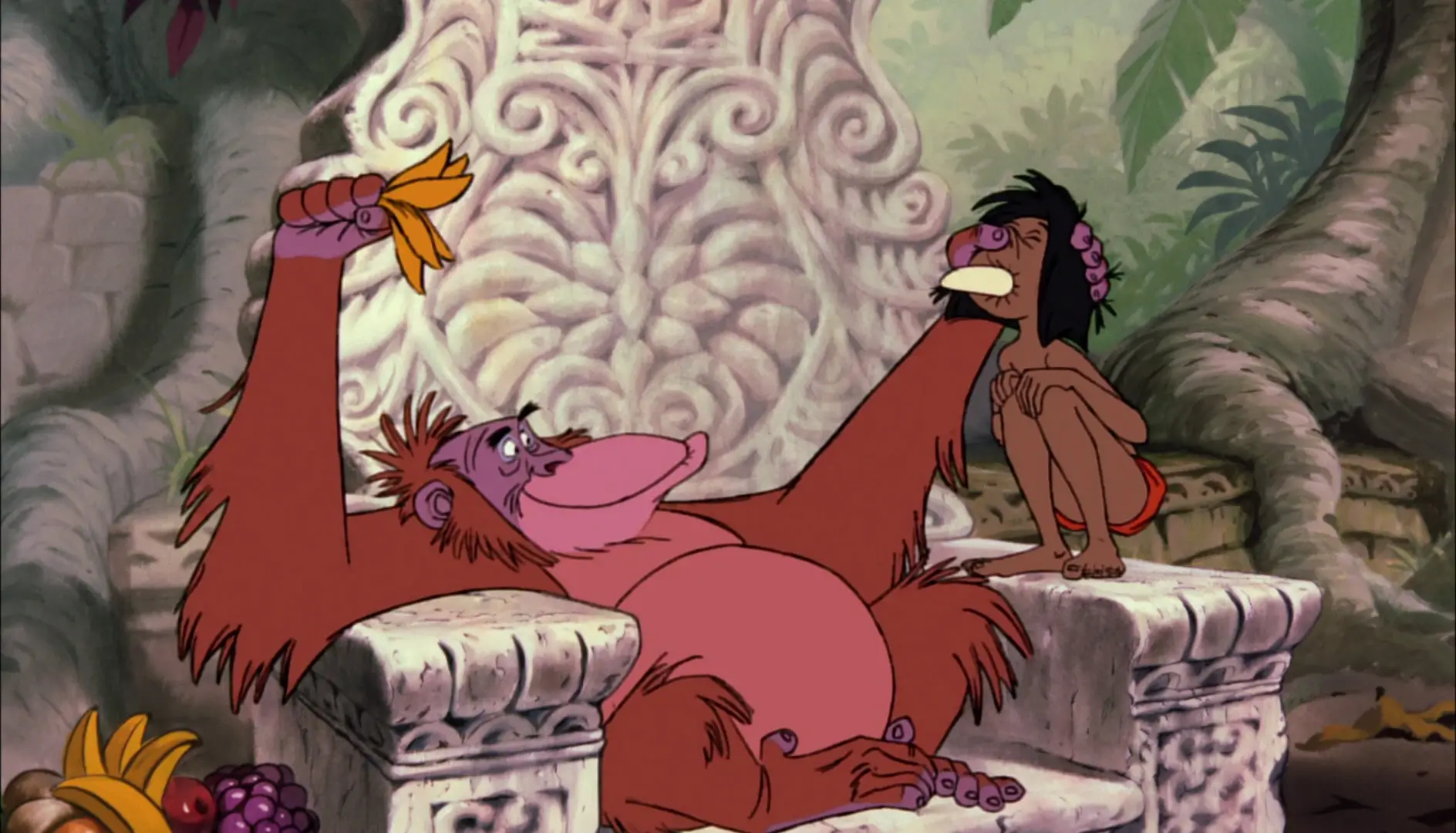
King Louie is the swinging monarch of The Jungle Book’s ancient ruins, an orangutan whose entire song is a plea to cross from animal into human. “I Wanna Be Like You” is the anthropomorphic scale set to music: he rules a kingdom, speaks, and scats, but he wants the one human thing he lacks, fire. He is instinct openly reaching for civilization, which puts him high on the scale and aching to climb higher.
- Anthropomorphic coefficient: 7/10
- Where it sits: an ape actively campaigning for humanity; the scale’s ambition made literal.
- Why he lands here: the rare villain whose motive is evolution itself.
Abu (Aladdin)

Abu is Aladdin’s kleptomaniac sidekick, a capuchin monkey with a fez, a taste for shiny things, and more loyalty than sense. He is the textbook uncanny-zone case: he understands everything, plots alongside Aladdin, and shows a full emotional range, but he cannot speak, which leaves him hovering exactly between pet and partner. That silent, expressive intelligence is why he steals scenes without a single line. He remains one of Disney’s most beloved monkey cartoon characters.
- Anthropomorphic coefficient: 5/10
- Where it sits: dead center; human social intelligence with no human voice.
- Why he is here: the definition of the bridge between animal and person.
Rafiki (The Lion King)
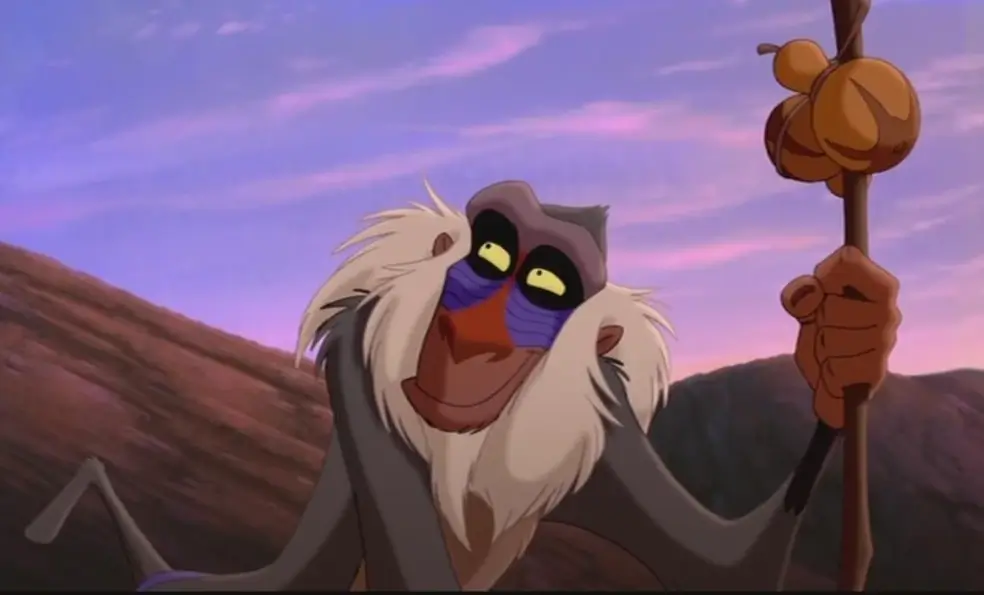
Rafiki is the wise eccentric of The Lion King, a mandrill shaman who speaks in riddles, wields a staff, and paints the future on tree bark. He sits near the civilized end of the scale, a spiritual authority with language and ritual, yet the film keeps his wildness intact through his cackling, stick-swinging unpredictability. Presenting newborn Simba on Pride Rock made him one of the most quoted monkey cartoon characters in animation.
- Anthropomorphic coefficient: 8/10
- Where it sits: high civilization with a wild streak; a mystic who still bonks people with a stick.
- Why he ranks this high: one of Disney’s most beloved mentors, monkey or otherwise.
Curious George
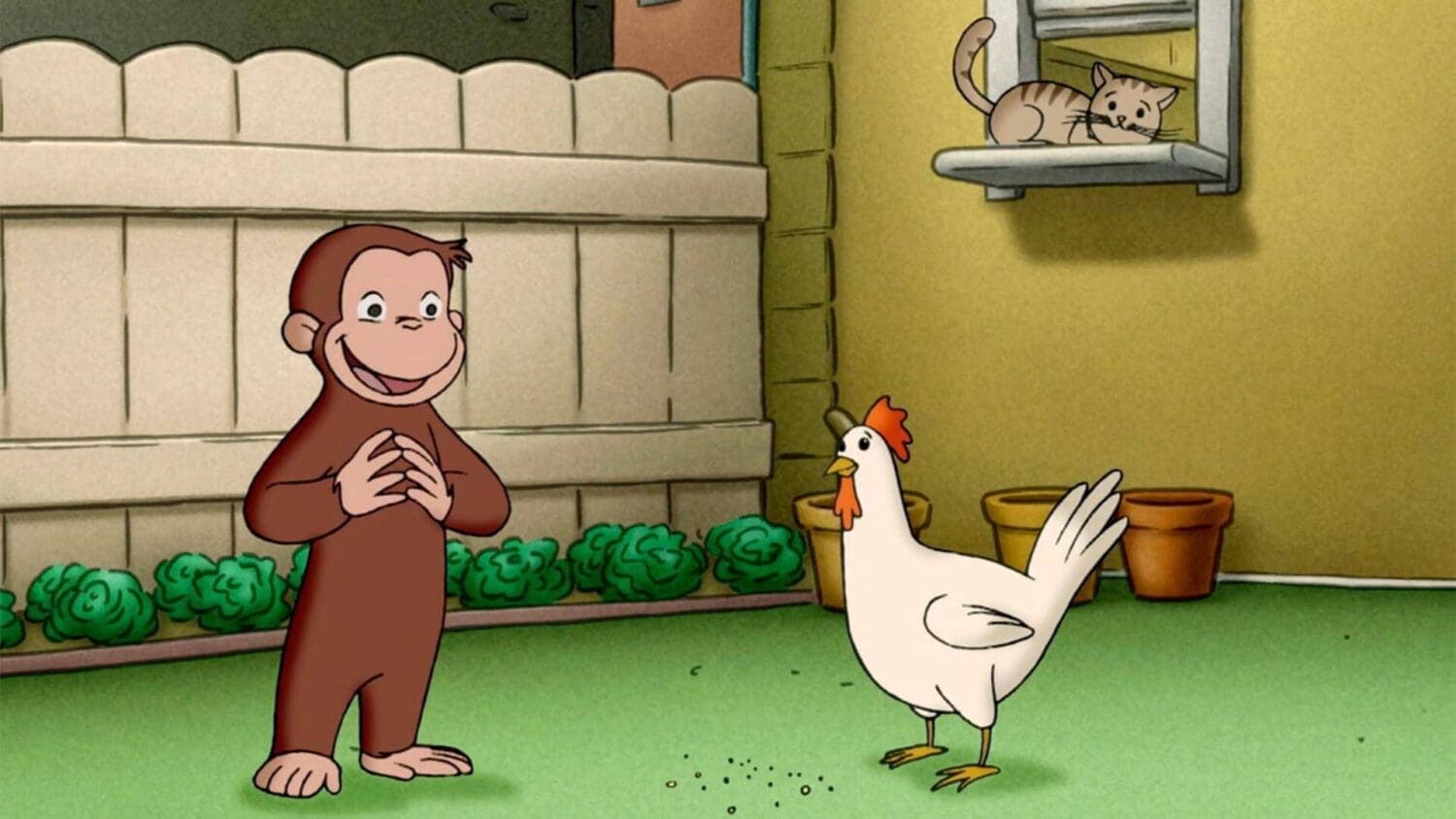
Curious George is the most famous monkey in children’s media, full stop, a wordless bundle of curiosity who has been getting into trouble since H.A. and Margret Rey drew George in 1941.
He does not speak, wears no clothes, and runs almost entirely on instinct, yet he navigates a human world of kitchens, hospitals, and museums like a toddler who has not learned the rules yet.
That gap between his animal impulses and the human settings he wrecks is the whole comedy.
- Anthropomorphic coefficient: 4/10
- Where it sits: low on the scale, high on charm; pure impulse loose in a civilized house.
- Why he is number one: no monkey cartoon character is more universally recognized.
The Design Secret: Kinetic Navigation
There is a reason monkey cartoon characters are almost never standing still. Where the rabbit is built for flat-out speed, the monkey is built for three-dimensional movement, and animators treat the tail as a fifth limb.
Give a character a prehensile tail and the environment stops being a floor and a wall and becomes a jungle gym, every ledge, vine, and rafter turning into a route.
That single design choice lets these characters break the gravity rules that keep a Scooby-Doo or a Piglet planted on the ground.
Watch Abu ricochet through a palace or Diddy chain-swing across a level and you are watching the same principle, momentum routed through a body designed to treat any space as climbable.
The Whole Barrel, In Short
Popularity crowns Curious George, Rafiki, and Abu, but the scale is where the fun lives: Mojo Jojo maxed out at civilized menace, the Evil Monkey down at pure instinct, and Guenter arguing with himself in the middle.
The monkey cartoon characters that endure all pull the same trick in different costumes, holding up a mirror to how much of being human is just instinct in a nicer outfit.
Where does your favorite monkey cartoon character land on the scale, a civilized schemer like Mojo Jojo or a pure-instinct icon like Curious George?
Drop your pick in the comments. The best cases might headline the next update.