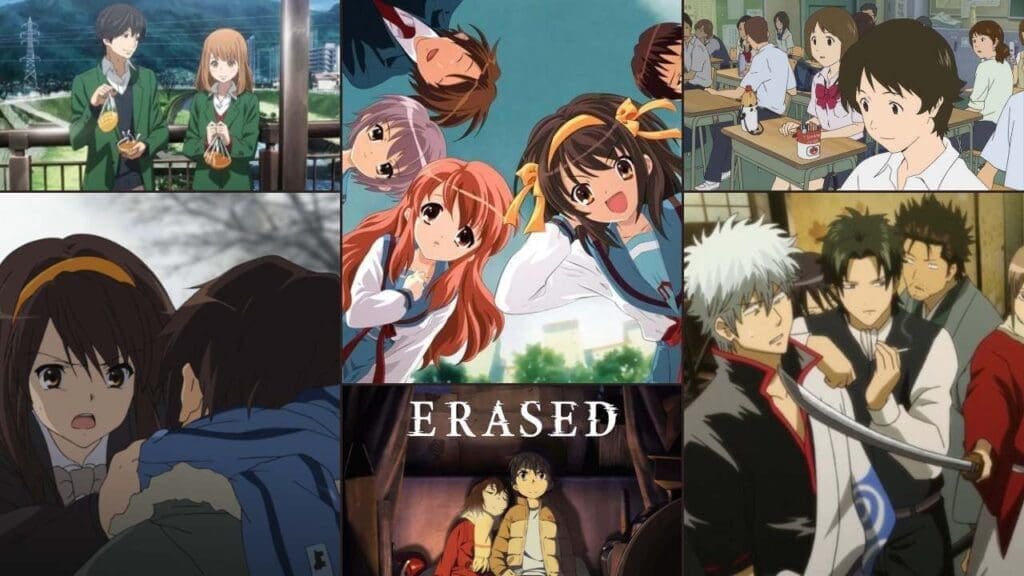
We have all played the “what if” game.
What if I had said the thing? Taken the other job? Caught her before she left?
Time travel anime lives in that exact ache, which is why it is my favorite kind of sci-fi.
Most Western time travel is about fixing the world or winning a war.
The best time travel anime care about something smaller and heavier: the weight of your own choices, and whether chasing yesterday is worth what it costs you.
Some of the anime about time travel on this list bend the rules into pretzels. Some just quietly break your heart.
Every one earned a spot because time travel is not a gimmick here, it is the whole point.
These are the shows I keep recommending.
New to the genre?
Start with Erased if you want something bingeable and emotional, or Steins;Gate if you want the one that rewires how you think about time. Neither will steer you wrong.
The Disappearance of Haruhi Suzumiya
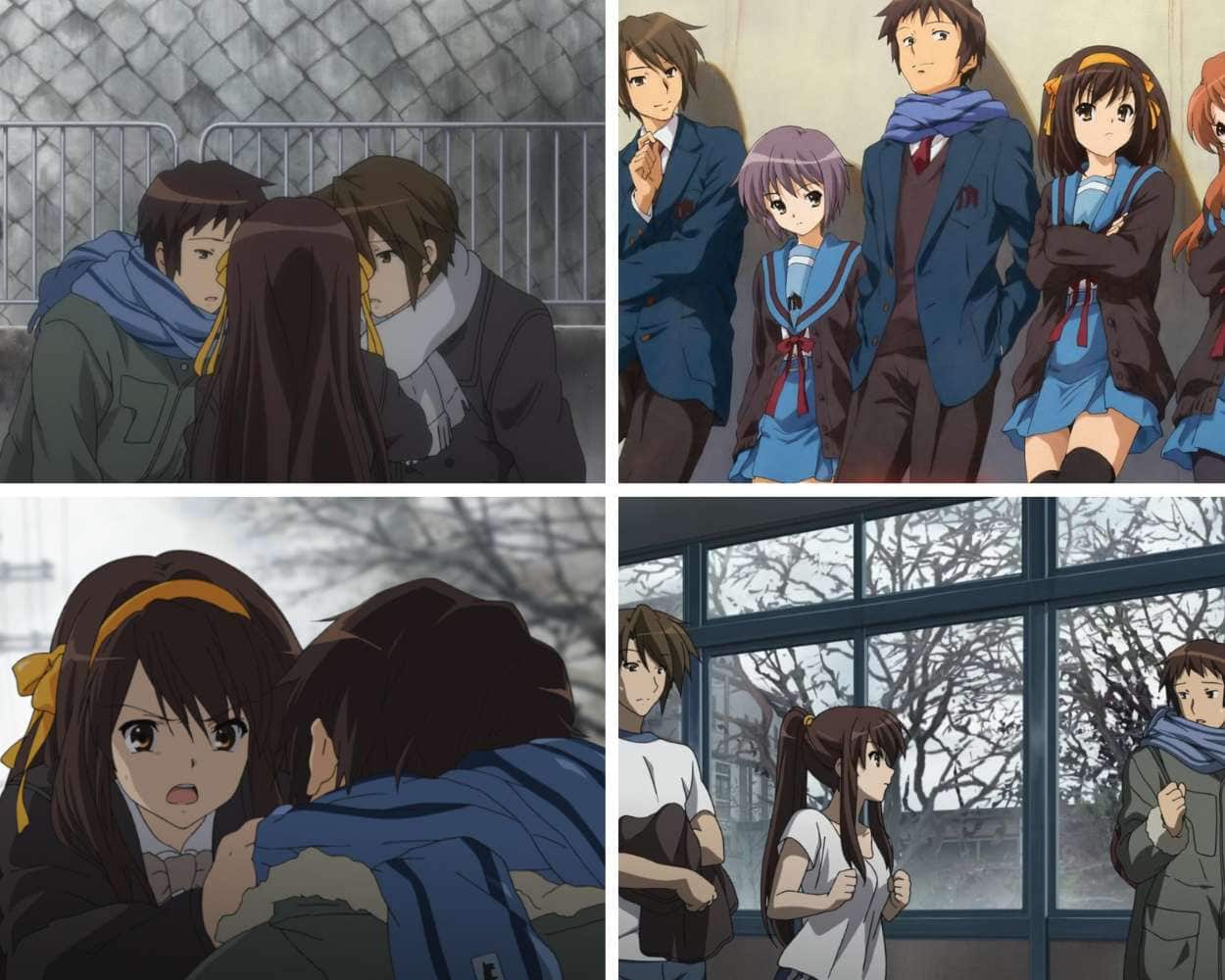
One December morning, Kyon wakes up and the world is wrong. Haruhi is gone. The aliens, espers, and time travelers he grudgingly got used to have been swapped out for a normal, boring high school.
The catch is that Kyon has to decide whether he even wants the strange old world back, and then travel through time to restore it.
Heads up: watch the Melancholy of Haruhi Suzumiya series before this film, or none of the payoff will land.
The time travel comes late and deliberate, but the real gut-check underneath it, do you want the messy magic or the safe normal, is what makes it stick.
Steins;Gate
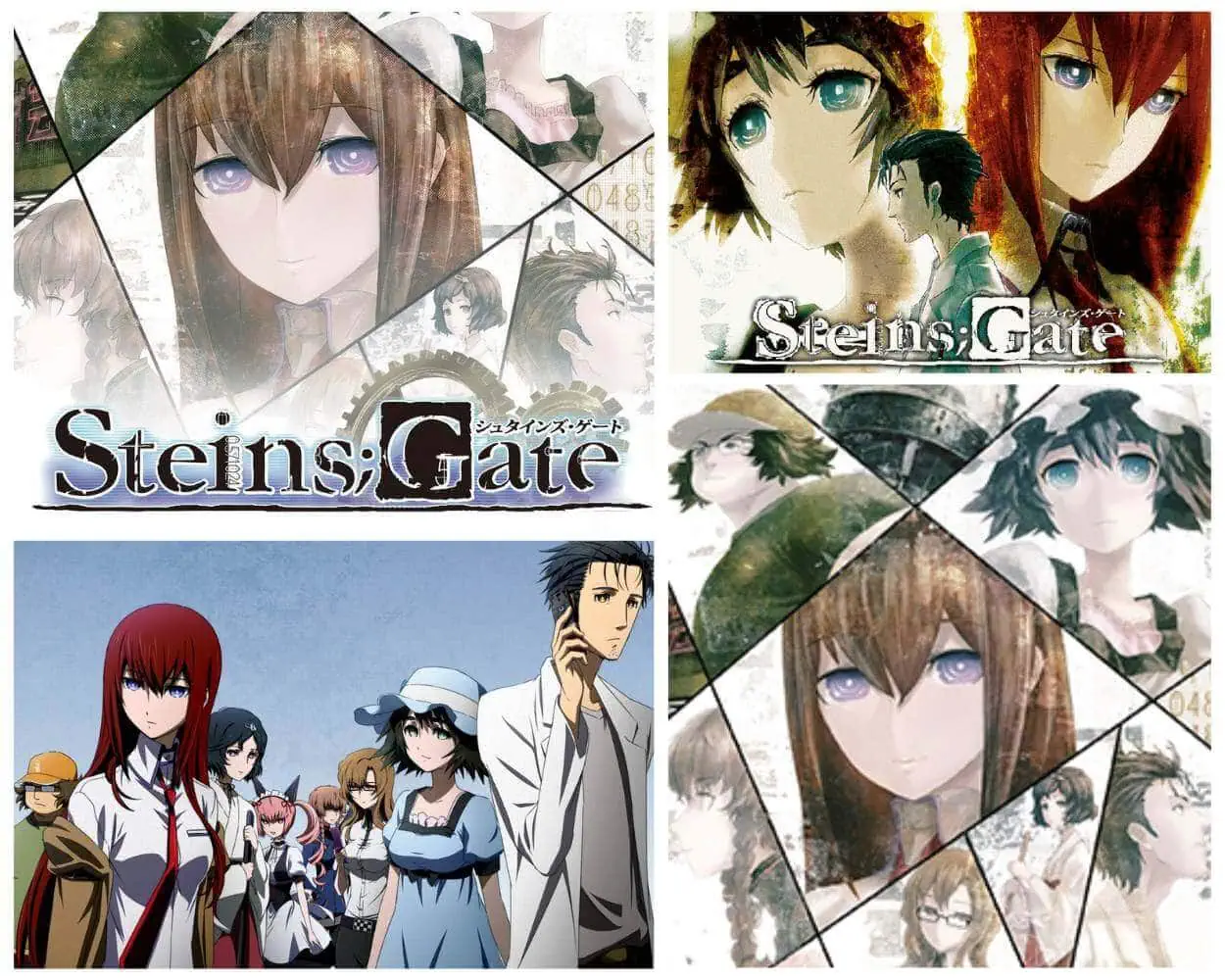
If you watch one time travel anime, make it this one. Rintaro Okabe, a self-proclaimed mad scientist, accidentally turns a microwave into a machine that sends texts to the past. It also turns bananas into green goo, and then it ruins his life.
What begins as goofy lab hijinks becomes one of the most stressful, heartbreaking stories about consequences ever animated.
The rules: messages to the past nudge the timeline onto a new “worldline.” Okabe is the only one who remembers the old ones, and that curse is the whole tragedy.
It starts slow, so push through the first few episodes. The ratings back up how hard the back half lands.
Erased
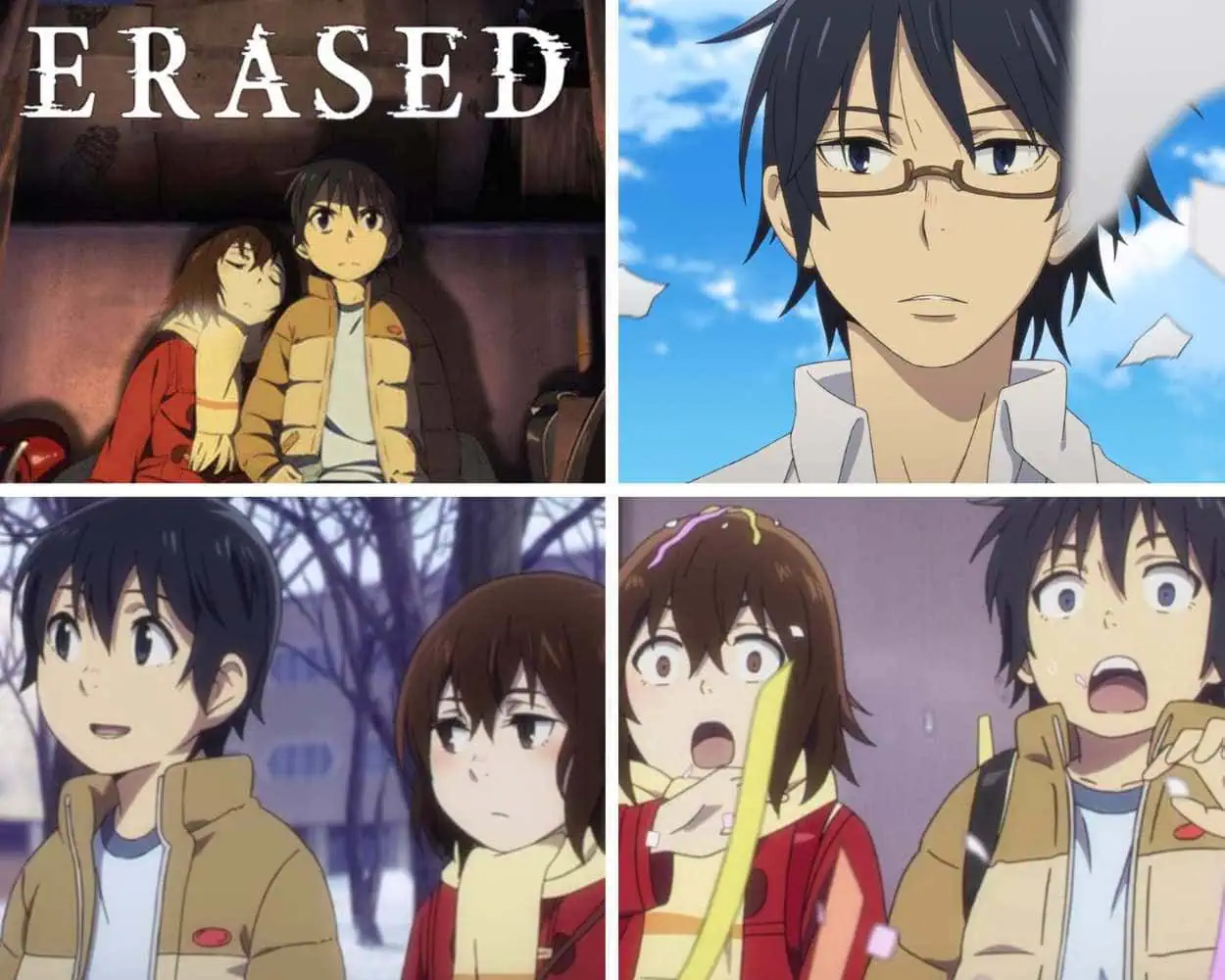
Satoru has a strange, involuntary power he calls “Revival.” When something terrible is about to happen near him, time snaps back a few minutes so he gets a chance to stop it.
Then a murder in the present flings him eighteen years into the past, into his own elementary-school body, with one shot at preventing a string of child abductions.
The rules: small Revivals are seconds or minutes. The big jump is decades, and he keeps his adult mind inside his kid self.
It is tense, warm, and easy to finish in a weekend. One of the best entry points into time travel anime, and it is sitting right there on Netflix.
The Girl Who Leapt Through Time
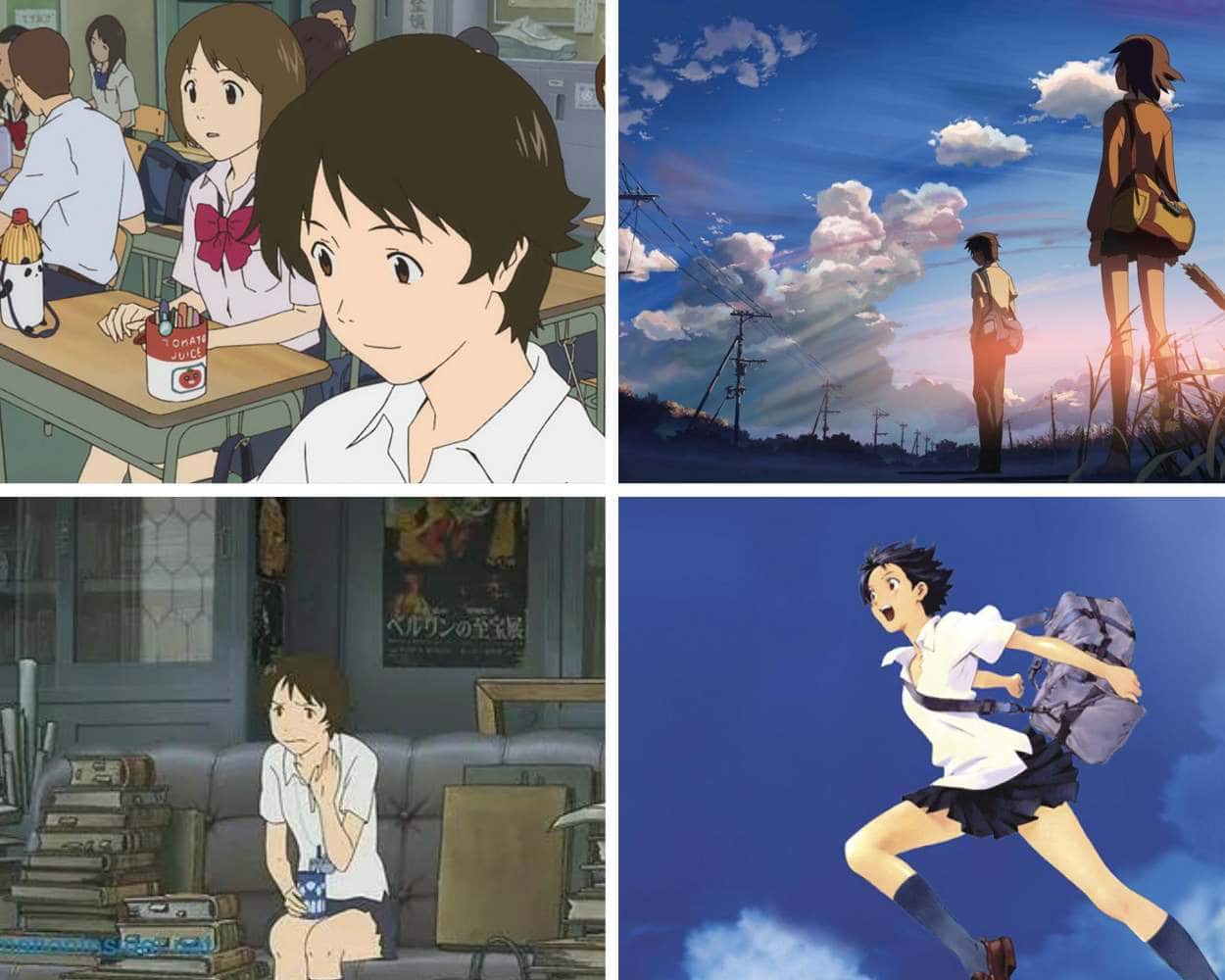
Makoto is a normal, slightly chaotic high schooler who trips into the ability to literally leap backward through time. Her first instincts are gloriously petty: ace a pop quiz, redo a bad day, dodge an awkward confession, eat more pudding.
Then she notices that every leap she takes drops the consequences onto someone else.
The rules: she has a limited number of leaps, counting down on her arm, and she burns through them before she understands the price.
Mamoru Hosoda’s film is funny, breezy, and quietly devastating by the end. A perfect one-sitting watch.
Your Name

Taki, a Tokyo boy, and Mitsuha, a girl from a rural town, start swapping bodies in their sleep. It plays like a charming comedy until the film reveals its twist: they are not just in different places, they are three years apart in time.
Once Taki understands that, the whole movie turns into a race against the past.
The rules: the swaps are involuntary and tied to twilight, and closing the time gap is the emotional core, not a footnote.
Makoto Shinkai’s biggest hit, and the rare time travel anime movie that works as a first date, a good cry, and a rewatch.
Orange

Naho gets a letter in the mail from herself, ten years older, begging her to change specific choices so their new classmate Kakeru is still alive a decade from now.
It is a quiet, aching story about depression, guilt, and the friends who do not realize how much their small kindnesses matter.
Content note: Orange deals directly with suicide and grief. It handles the subject with real care, but go in knowing that.
The rules: the letters cannot rewrite their own timeline. Acting on them spins off a parallel future where Kakeru survives, which makes the whole effort feel hopeful and bittersweet at once.
Thermae Romae Novae

Here is the pitch: a deadly serious ancient-Roman bath architect keeps getting sucked through time whenever he is underwater, surfacing in modern Japanese bathhouses, then racing home to pass off saunas and fruit milk as his own genius.
It is very silly, very charming, and weirdly educational about bathing culture.
The rules: water is the portal. Go under in Rome, come up in present-day Japan, and try not to lose your mind at the locals.
If the heavier shows on this list wore you out, this is the palate cleanser.
Summer Time Rendering
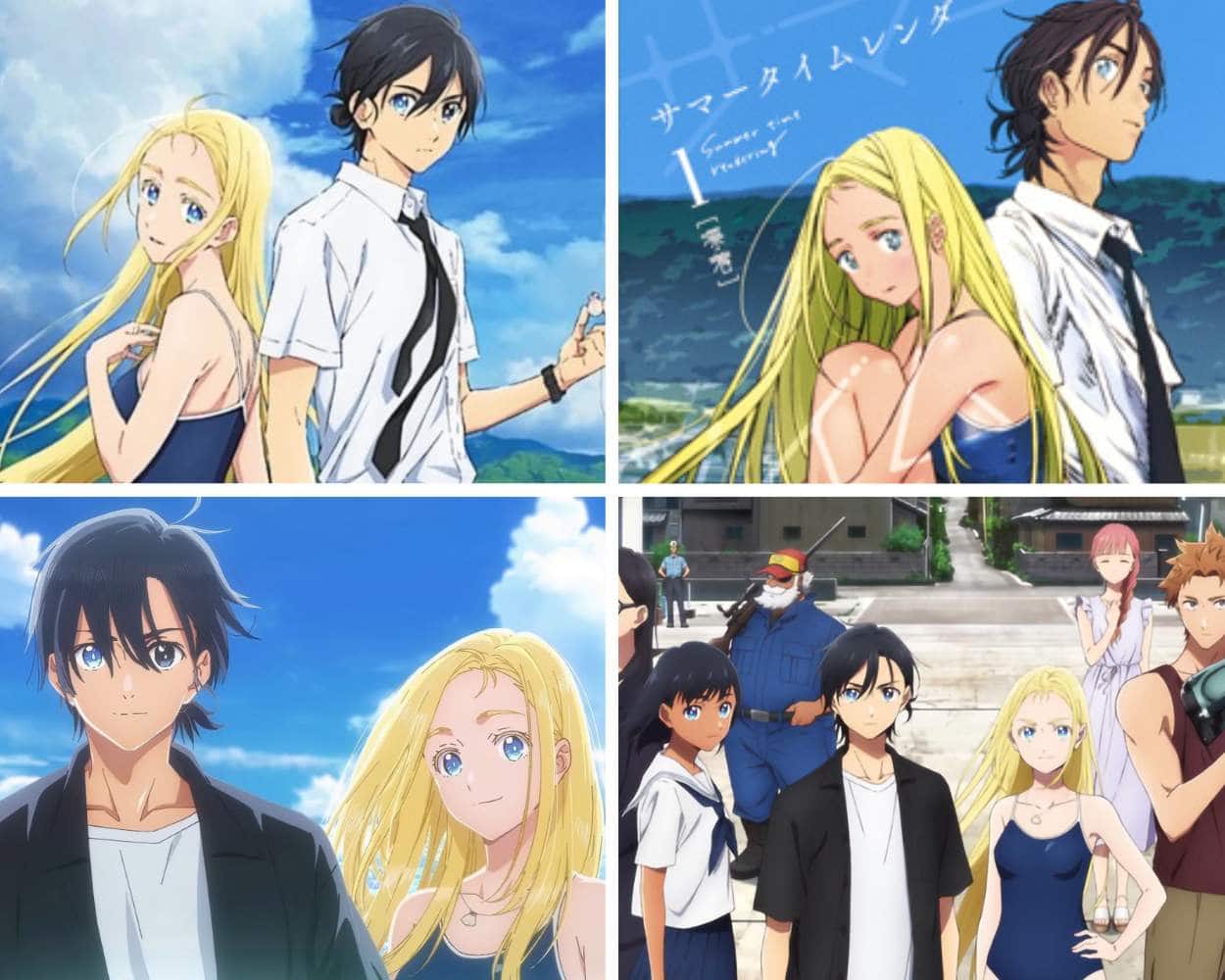
Shinpei comes back to his small island for his childhood friend Ushio’s funeral and quickly figures out that her drowning was no accident. Then he dies, and wakes up days earlier on the ferry in.
That is his power. When Shinpei dies, he loops back to a checkpoint with his memories intact, ready to try again against the island’s Shadows.
The rules: the reset point creeps forward with every death, so he cannot loop forever. Each mistake permanently costs him ground.
It is Re:Zero-style trial and error welded to a great mystery-thriller, and one of the most underrated time travel anime of recent years.
Tokyo Revengers
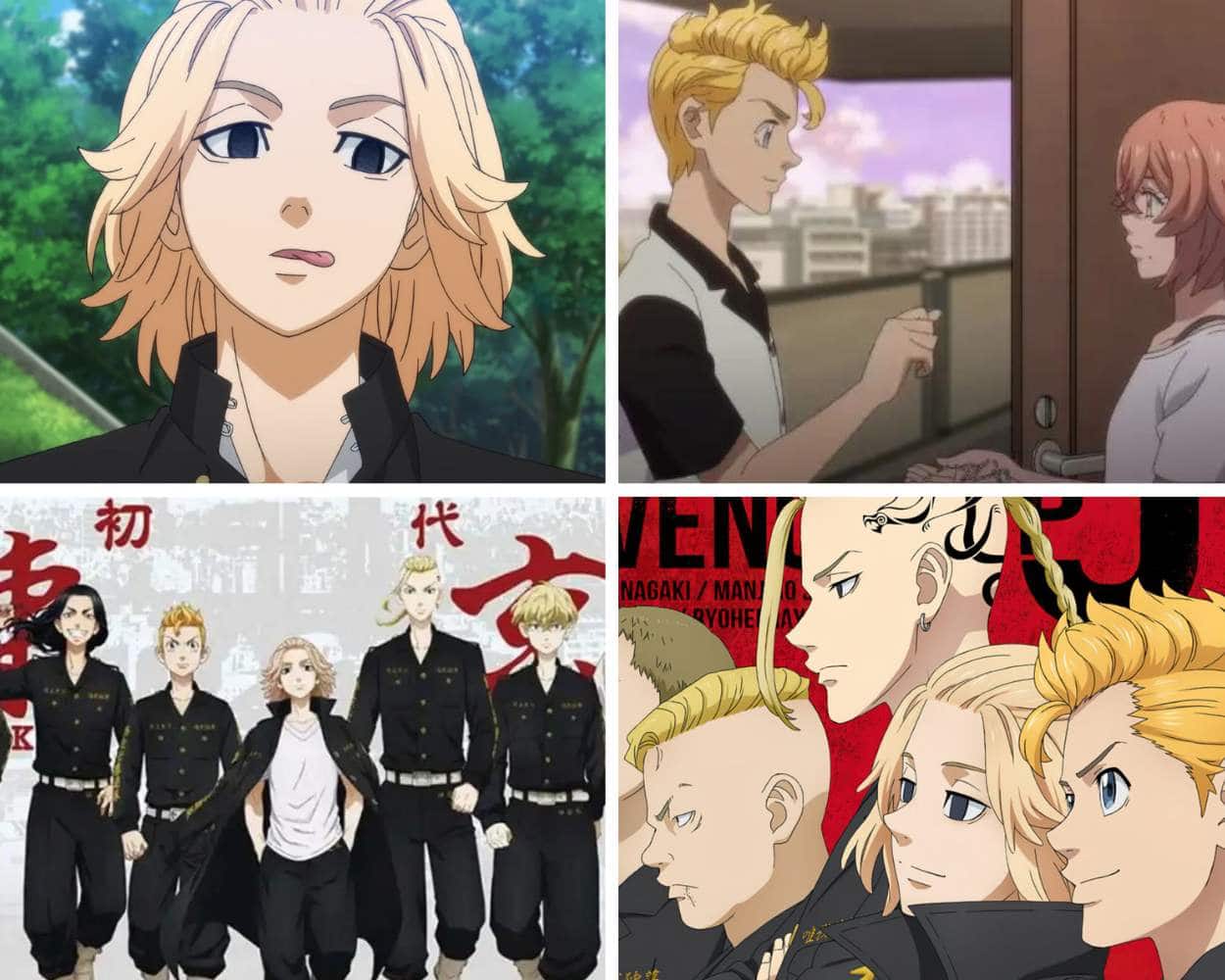
Takemichi is a 26-year-old with nothing going for him when he learns his middle-school ex has been killed by a gang. Then he gets shoved in front of a train and wakes up twelve years in the past, back in his teenage body.
Turns out he can leap between past and present, and he sets out to rewrite his loser timeline into one where the people he loves survive.
The rules: he jumps back exactly twelve years, and the trigger is a handshake with his ex’s brother in the present.
The delinquent drama gets repetitive later on, but the hook, a weak guy going back to fix everything, is pure momentum. I am about halfway in and still hooked.
Re:Zero
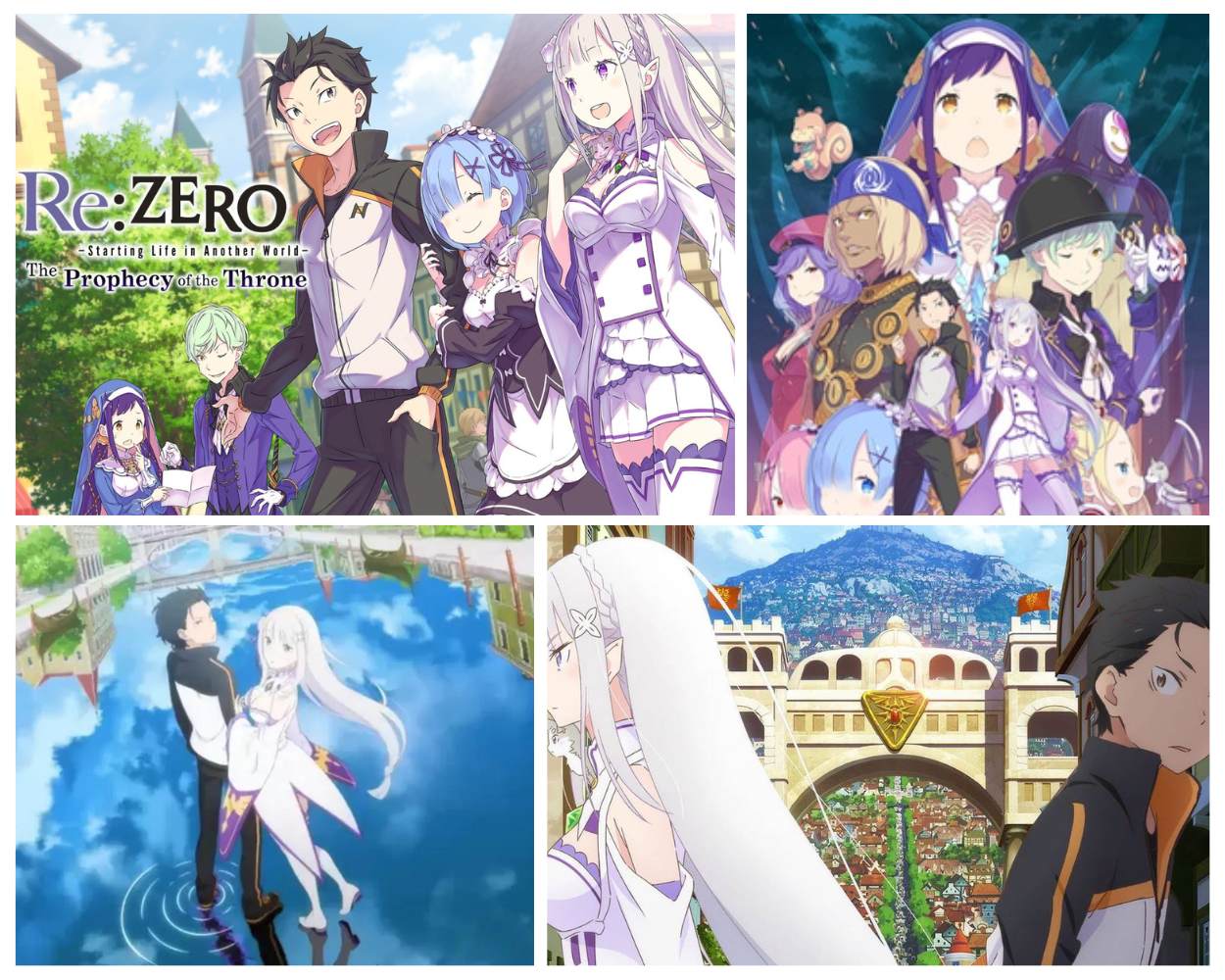
Subaru gets yanked into a fantasy world and, instead of a cool cheat power, receives the worst gift imaginable: every time he dies, he wakes up at an earlier checkpoint with his memories.
No control over when it triggers, no way to skip the pain, and a curse that stops him from even telling anyone why he keeps knowing things.
The rules: death is his only rewind button. “Return by Death” resets him to a save point, so he has to die, sometimes horribly, again and again to inch forward.
It is brutal, and it is the best argument in any time travel anime that a rewind power would be a nightmare.
The Tatami Galaxy

A nameless college student keeps restarting his university life, joining a different club each time, chasing the “rose-colored campus life” he thinks he is owed. Every version ends in the same regret.
Masaaki Yuasa directs it at a hundred miles an hour, with dense, motor-mouth narration and wild visuals.
The rules: this is the loosest loop on the list. Each possibility resets him to day one of college, and only late does he realize he is stuck.
It is more a philosophical maze than a straight sci-fi story. Viewers warn that you have to really pay attention, and they are right.
Nobunaga Concerto
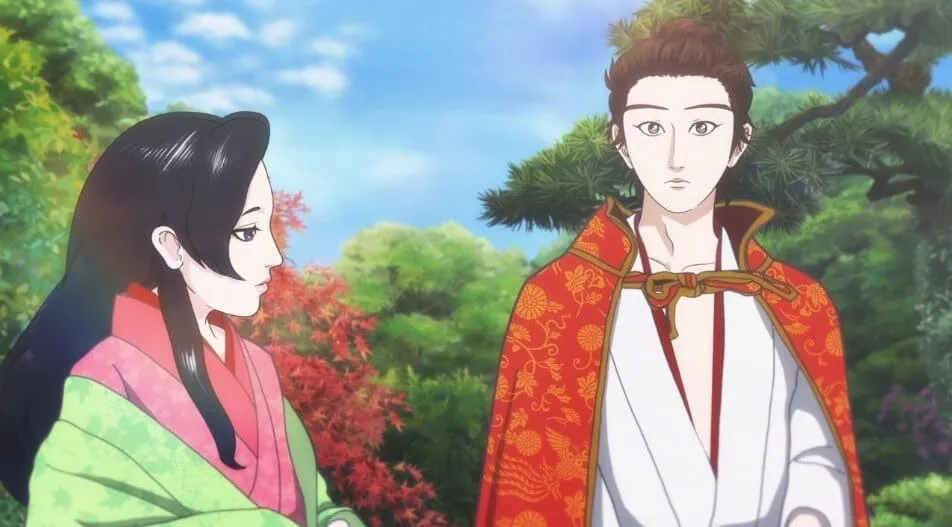
Saburo, a slacker high schooler who slept through history class, falls into the Sengoku era and runs into a sickly warlord who looks exactly like him: the real Oda Nobunaga. Nobunaga asks Saburo to take his place.
So a clueless teenager, armed with a school textbook, has to go unify feudal Japan.
The best twist: the real Nobunaga, now hiding in the shadows, takes the name Akechi Mitsuhide, the very man history records as Nobunaga’s assassin.
The CG animation is an acquired taste, but the story sneaks up on you.
Doraemon
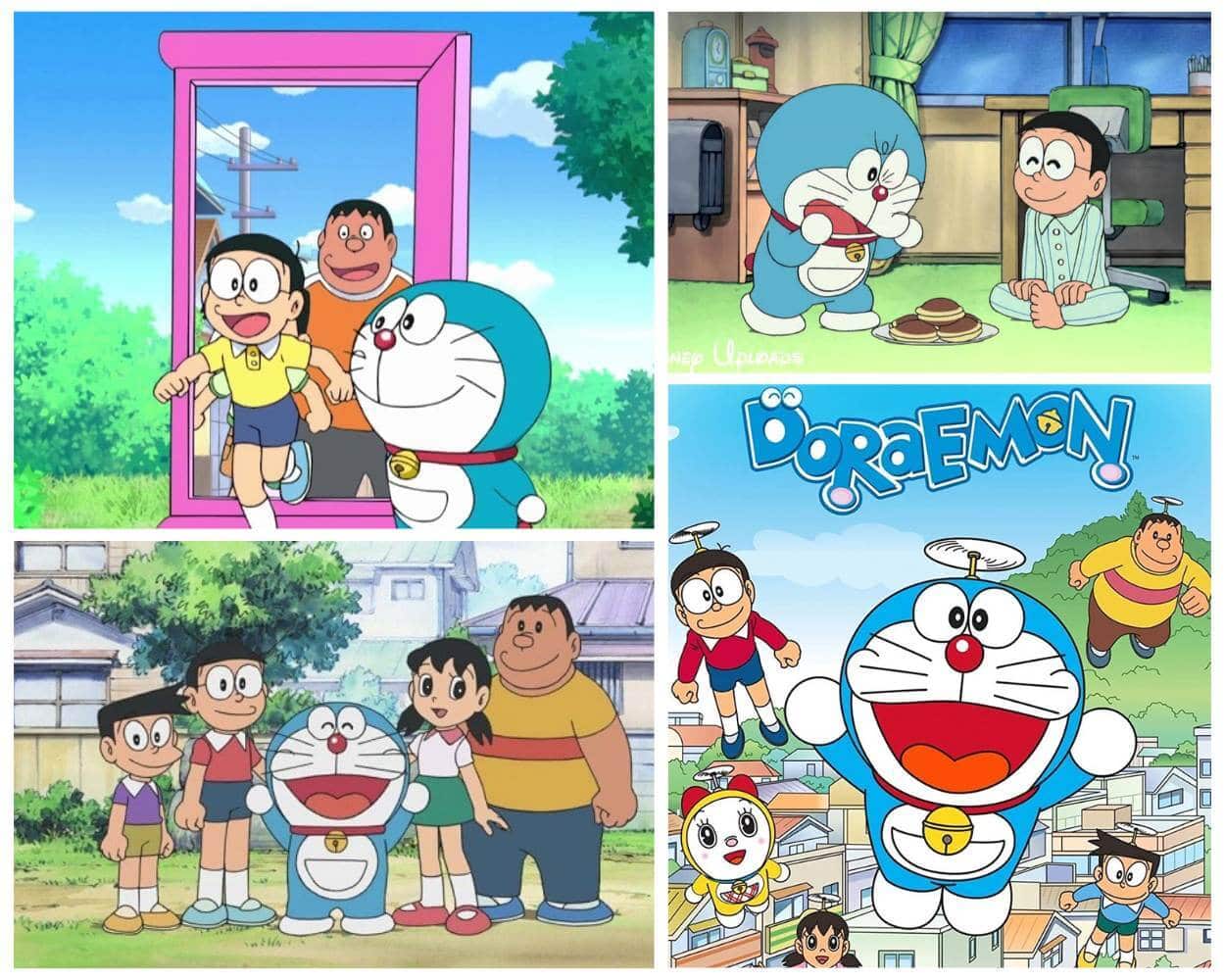
The elder statesman of time-traveling cartoons. Doraemon is a robotic cat sent from the future to fix the life of a hopeless boy named Nobita, mostly using absurd gadgets pulled from his pocket.
The time machine literally lives in Nobita’s desk drawer, and the two of them hop through eras like it is nothing.
It is aimed at kids and it is cozy comfort food, but the franchise has real heart. If you want time travel with zero existential dread, this is your show.
Zipang
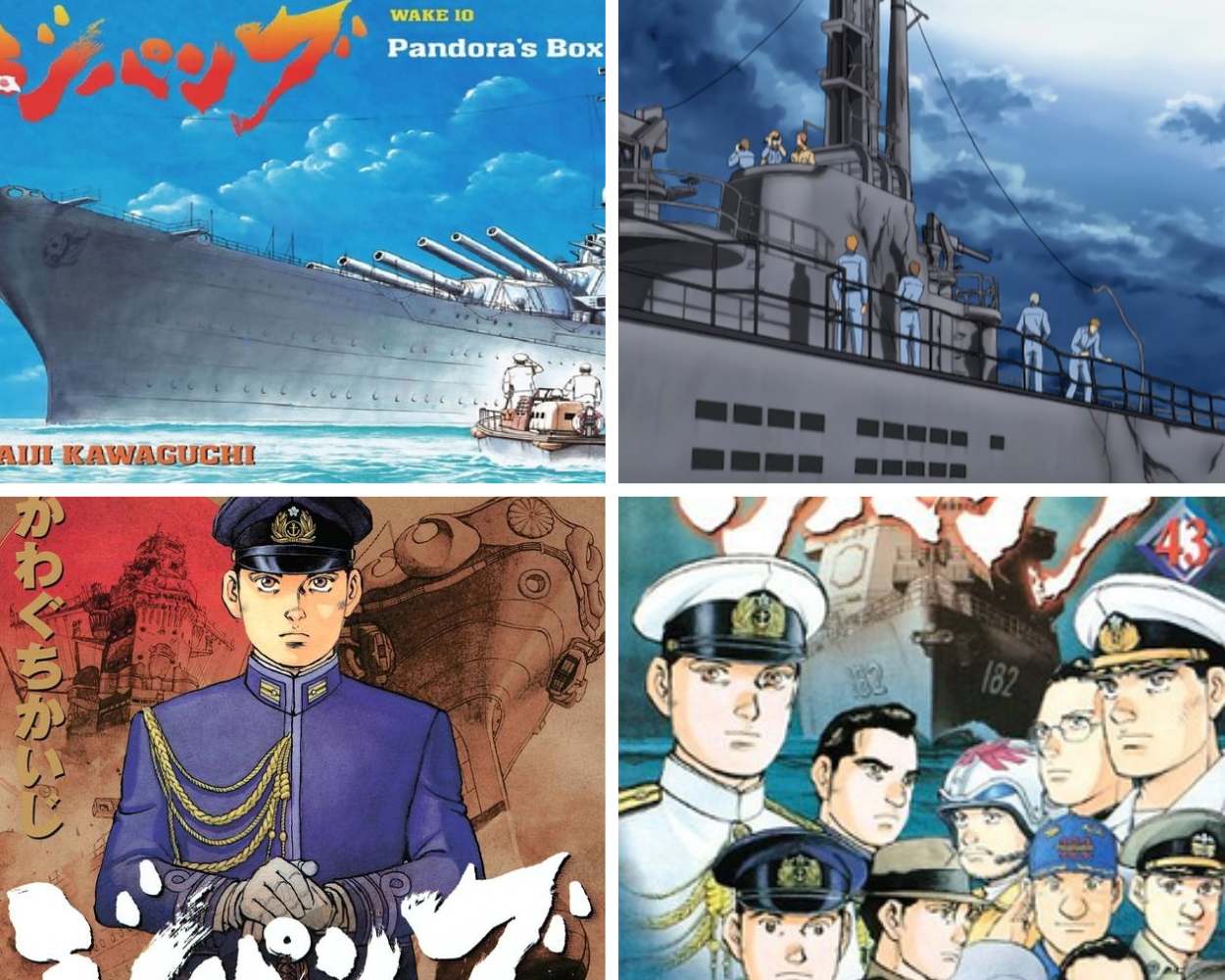
A modern Japanese naval destroyer, the Mirai, gets thrown back to 1942, right before the Battle of Midway. Suddenly a crew with twenty-first-century missiles is sitting on the outcome of World War II.
The drama is not action, it is ethics. Do they help their country’s former empire, stay out of it, or risk erasing the future they came from?
The rules: this one wrestles hard with the fixed-versus-changeable-timeline question. Every choice the crew makes might delete their own present.
A thinking-person’s war story, heavier and slower than the rest of the list.
Gintama: The Final Chapter

In this Gintama film, Gintoki scolds a “movie thief” in a theater and gets sucked through the screen into a future five years ahead, where Edo is a ruined wasteland and everyone he knows has changed.
Kagura grew up, Shinpachi went cool, and the Gintoki of this timeline is presumed dead.
This is a payoff built entirely for people who already love the series. As a stray time travel anime pick it is confusing, but as a Gintama finale it is one of the most emotional things the franchise ever pulled off.
Watch order matters: do not start here. Start Gintama from the beginning, then let this one wreck you later.
Is Time Travel Isekai?
Short version: not quite, but they are cousins. Isekai drops a hero into a whole different world, usually fantasy. Time travel keeps you in the same world and slides you along its timeline instead.
The overlap shows up in something like Re:Zero or Nobunaga Concerto, where the hero is both dropped somewhere new and tangled up in time. If you enjoy one flavor, you will probably like the other.
The Three Flavors of Time Travel Anime
After enough of these, you start to see the machinery. Almost every time travel anime here runs on one of three engines, and each one charges a different price.
Loop mechanics (Steins;Gate, Re:Zero, Summer Time Rendering). Trial and error. The hero repeats a stretch of time, learning a little more each pass. The cost is sanity and exhaustion, because every scrap of progress is paid for in failed, often painful attempts.
Butterfly-effect dramas (Erased, Orange, Tokyo Revengers). One changed choice ripples forward. The cost here is the original timeline. Save the person you love and you may quietly erase the life you knew.
Fish-out-of-water trips (Nobunaga Concerto, Thermae Romae Novae, Zipang). The hero is stranded in another era. The cost is identity. Live long enough as someone else and you start to forget who you were.
A few terms worth knowing before you argue about this online. A fixed timeline means the past cannot truly be changed, so every attempt was always part of history. A dynamic timeline means changes stick and rewrite the future. A parallel world means your change branches off a new reality while the old one rolls on. Orange leans on that last one, and Steins;Gate lives and dies by the second.
Why Time Travel Anime Stays With You
Strip away the microwaves and the pocket gadgets and these shows are not really about machines at all. They are about memory.
The hero’s true burden is knowing what happened, carrying it alone, and deciding whether to reach back and touch it.
That leads to the question the best ones keep circling. In a fix-it story like Erased or Tokyo Revengers, the hero can sand down every mistake.
But is a perfect life built on corrected mistakes better than a messy, honest one where you live with your failures?
These shows rarely answer cleanly, and that refusal is the point.
There is an older idea humming underneath all of it, a Japanese one: mono no aware, the tender ache of knowing that everything passes.
Cherry blossoms matter because they fall. A summer ends. A person leaves. Time travel anime is often a beautiful, doomed argument with that truth, a character straining against the current of a life that only flows one way.
Most time travel stories treat the past as a playground. Steins;Gate treats it as a prison. The real lesson under the whole genre is not that we get to erase our regrets, but that mastering time means finding the nerve to move forward still carrying them.
So pick one, press play, and let it mess with your head.
For more, dig through my other anime watchlists, just do not blame me for the existential hangover.