If you grew up with cartoons in the 2000s, you watched several eras collide at once.
Traditional hand-drawn comedy was still thriving. CGI television was becoming practical.
Superhero shows were embracing longer story arcs, while Nickelodeon, Cartoon Network, and Disney Channel were building distinct identities that viewers could recognize within seconds.
The decade did not have one house style. That was its strength.
You could move from the retro-futurism of My Life as a Teenage Robot to the quiet visual storytelling of Samurai Jack, then end the night with the tightly structured fantasy of Avatar: The Last Airbender.
I narrowed the field to 20 shows and ranked them by writing, visual identity, influence, rewatchability, and how strongly they shaped the decade.
This is not a list of every good cartoon that aired between 2000 and 2009. It is a ranking of the shows that best represent what made that era special.
How the ranking works
What counts as a 2000s cartoon?
- Most entries premiered between 2000 and 2009
- A few began in 1998 or 1999 but produced much of their defining work during the 2000s
- Rankings consider craft, cultural impact, influence, and adult rewatch value
- The list runs from great to iconic, with number one at the bottom
The Best 2000s Cartoons, Ranked
Every show here earned its place. The question is how high it climbs.
The Adventures of Jimmy Neutron, Boy Genius
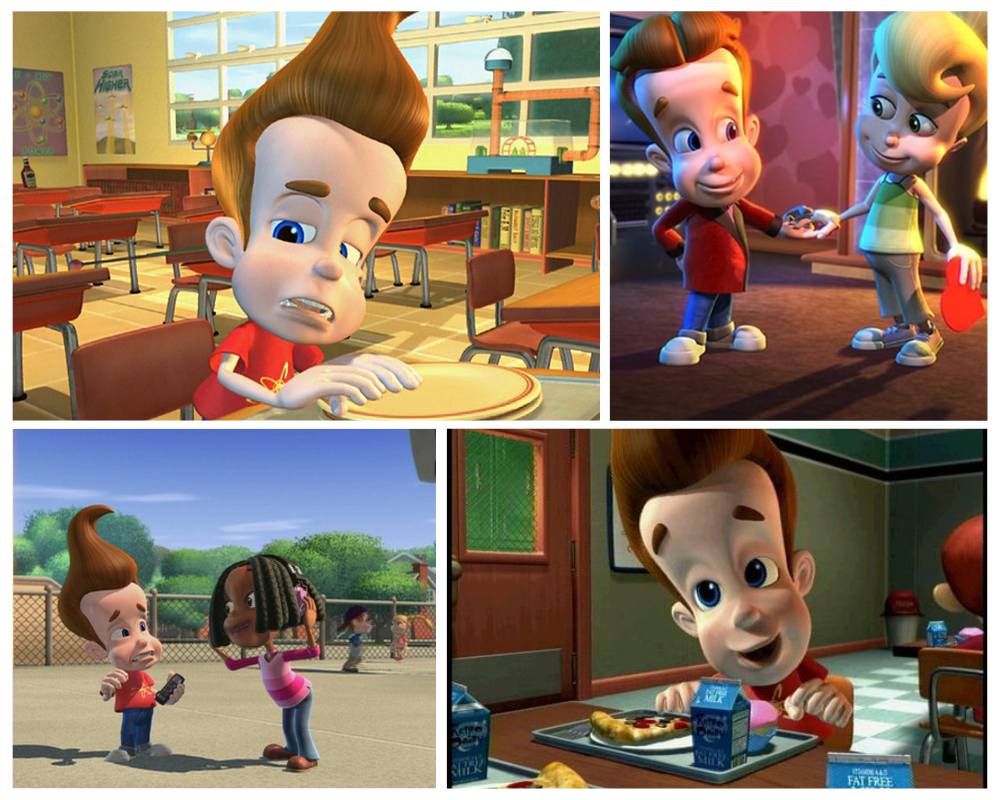
Jimmy Neutron is brilliant enough to build almost anything and young enough to overlook the one detail that will make it explode.
The character began in the 2001 theatrical film before moving into a Nickelodeon series in 2002. Jimmy’s inventions gave the writers a reliable engine for alien invasions, time travel, shrinking accidents, and disasters that usually required Carl and Sheen to survive the consequences.
The early television CGI looks unmistakably dated, but the character comedy remains sharp. Sheen’s obsession with Ultra Lord, Carl’s constant anxiety, and Hugh Neutron’s strange confidence give the show more personality than its technology alone could provide.
Why it holds up: The inventions are only the setup. The friendships, strange parents, and Retroville personalities are what keep the episodes funny.
My Life as a Teenage Robot
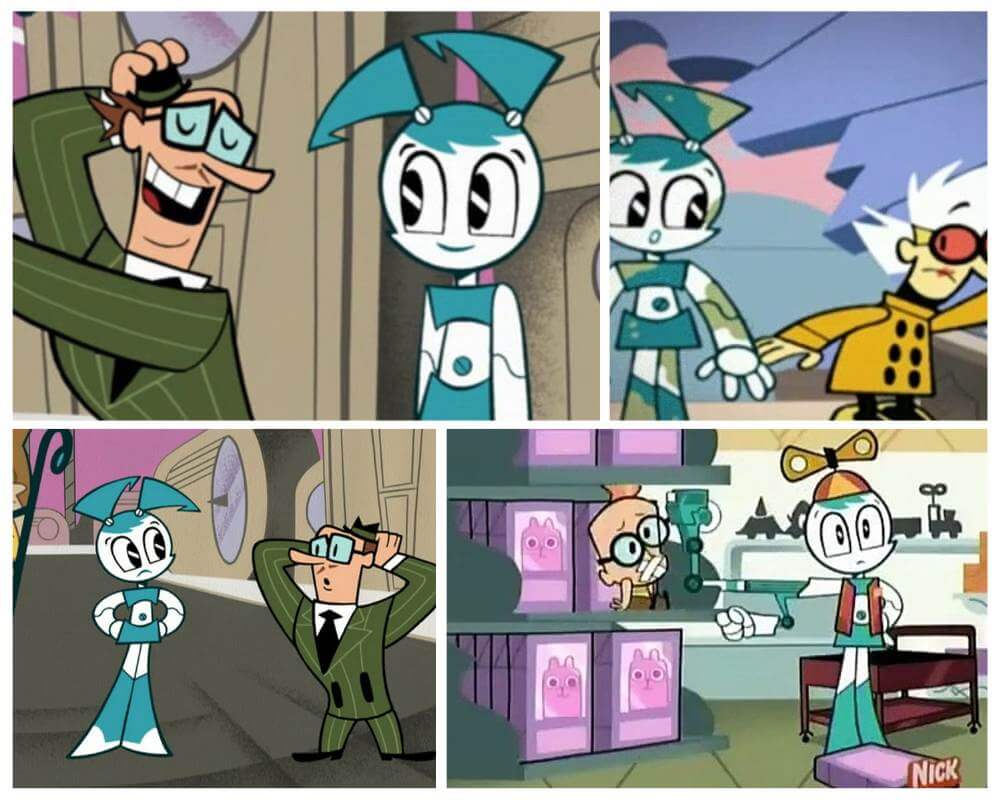
XJ-9 was built to protect Earth. Jenny Wakeman would rather go to school, make friends, and experience an ordinary teenage life.
That conflict gave Rob Renzetti’s Nickelodeon series its emotional centre. Jenny can stop an alien invasion, but she cannot easily control how classmates see her or how much freedom her inventor mother allows.
The visual design remains one of the decade’s best. Art deco machinery, 1950s science fiction, and Y2K futurism blend into a style that still looks deliberate rather than dated.
Why it holds up: Jenny’s wish to belong is universal, while the sleek retro-future art gives the show an identity no reboot could easily duplicate.
The Proud Family
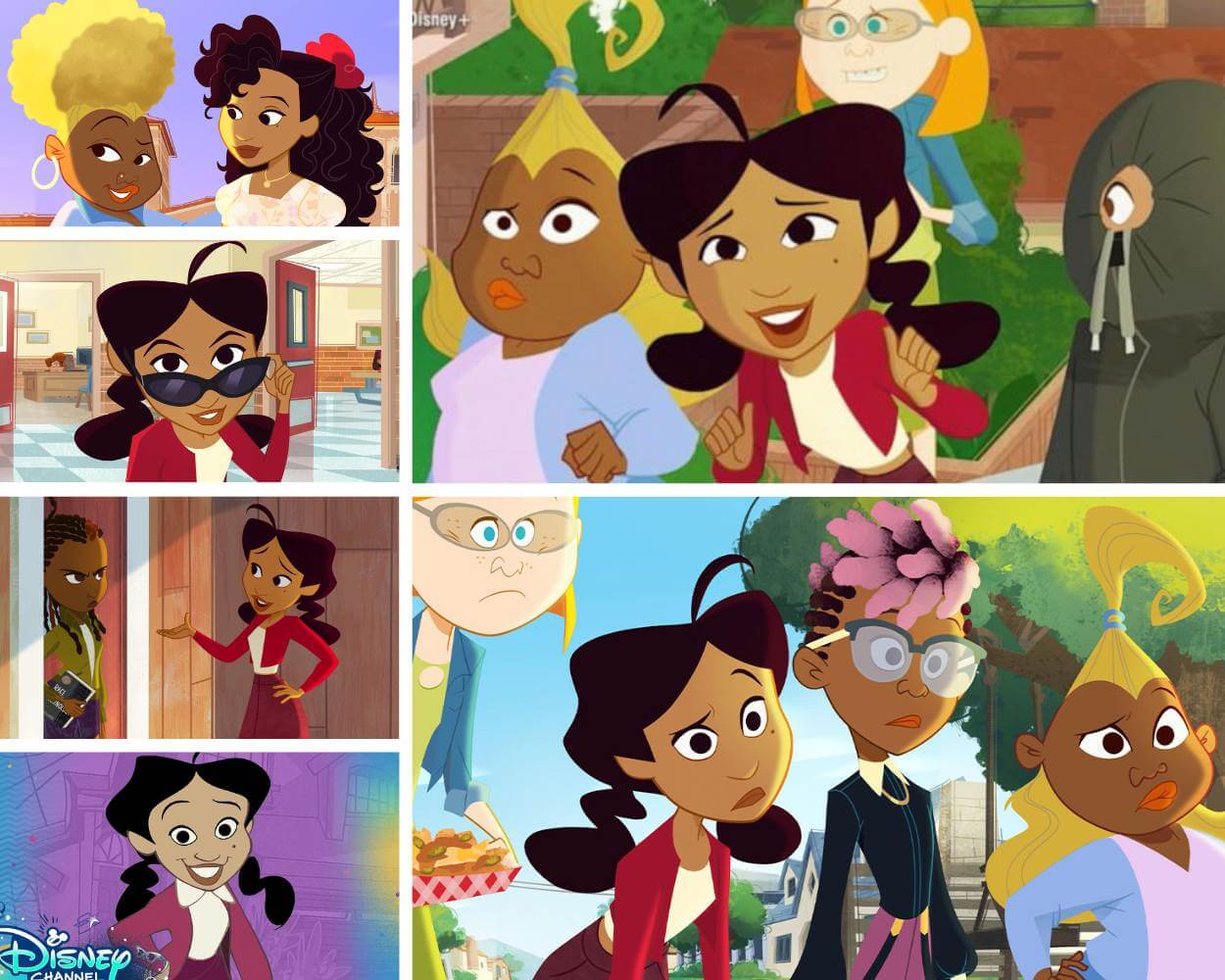
Penny Proud is trying to become her own person while living inside a family that makes privacy nearly impossible.
The Disney Channel series premiered in 2001 and gave a Black family the kind of broad, affectionate sitcom treatment that white animated families had received for decades.
Oscar’s pride, Trudy’s patience, Suga Mama’s blunt honesty, and the twins’ chaos create a household that feels exaggerated and recognizable at the same time. The series could address culture, friendship, prejudice, and growing up without losing its comic energy.
Disney revived the property in 2022 as The Proud Family: Louder and Prouder, showing how much life remained in the characters.
Why it holds up: The family comedy is warm and specific, while many of its stories about identity and social pressure still feel current.
As Told by Ginger
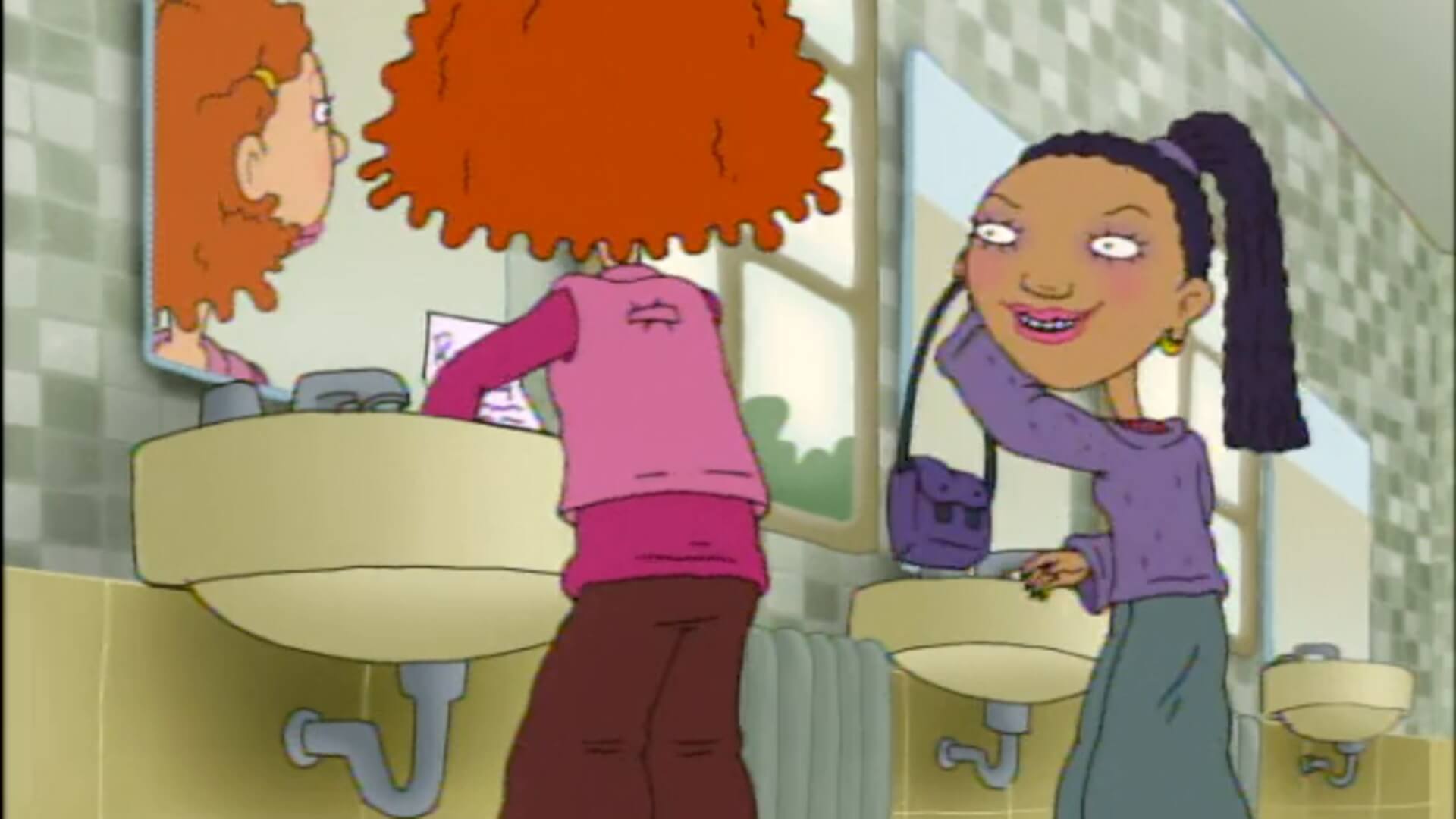
Ginger Foutley wants to survive school, improve her social life, and remain loyal to the friends who knew her before popularity became possible.
Klasky Csupo’s series premiered in 2000 and treated preteen emotion with unusual seriousness. Characters changed clothes, entered new relationships, moved schools, faced illness, and carried the consequences of earlier decisions.
Ginger was allowed to be thoughtful, selfish, insecure, generous, and occasionally wrong. That complexity made her feel more like a person than a standard cartoon lead.
Why it holds up: Few animated shows capture the awkward emotional politics of adolescence this honestly.
The Marvelous Misadventures of Flapjack
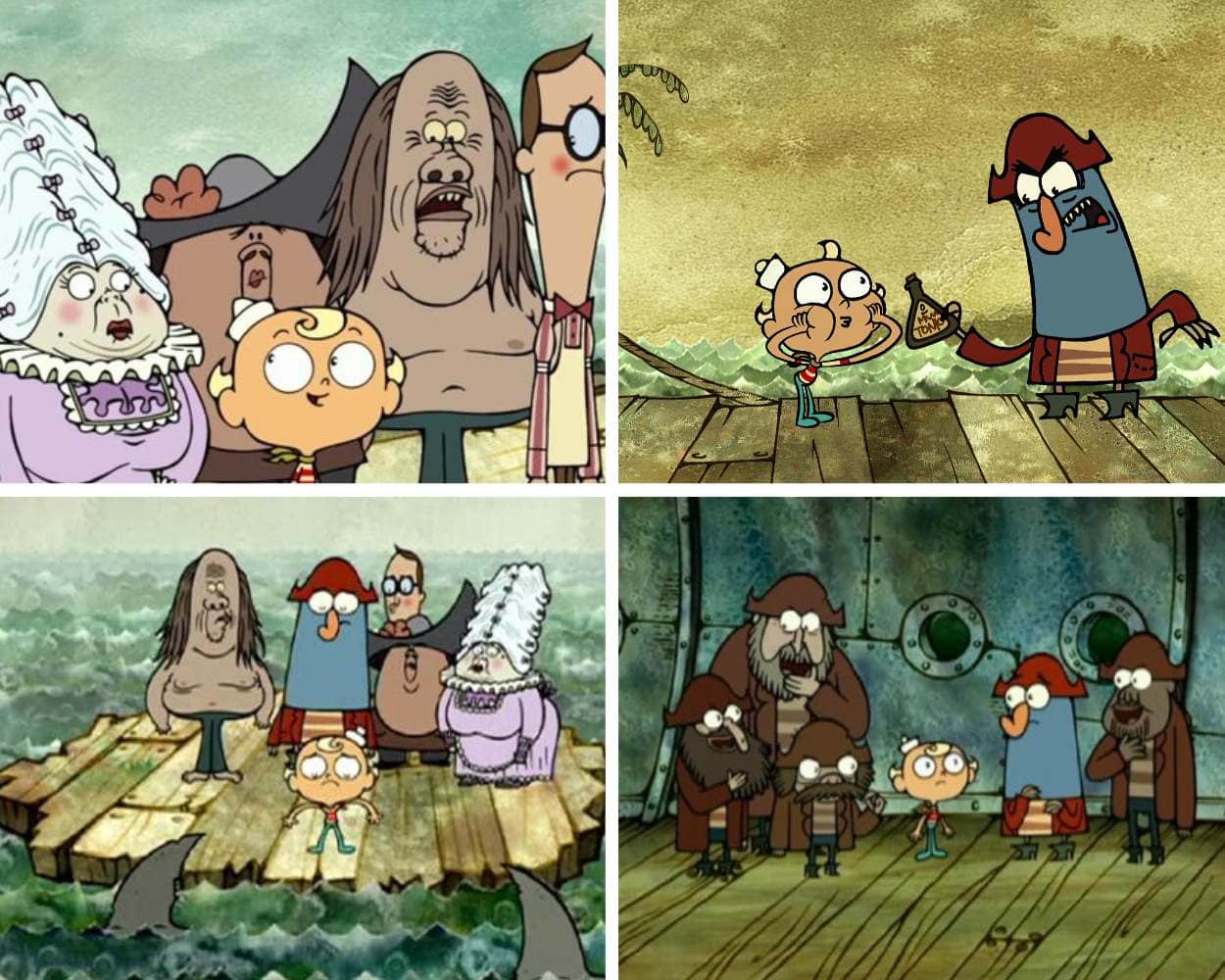
Flapjack is a cheerful boy raised by a whale named Bubbie. Captain K’nuckles is a dishonest sailor who convinces him that Candied Island is waiting just beyond the next terrible decision.
Thurop Van Orman’s 2008 Cartoon Network series mixed nautical fantasy, grotesque close-ups, handmade textures, and candy-coloured optimism. It could be sweet one moment and deeply uncomfortable the next.
Its influence also extends beyond what appeared on screen. Artists who worked on the series included Pendleton Ward, J.G. Quintel, Alex Hirsch, and Patrick McHale, who later helped create Adventure Time, Regular Show, Gravity Falls, and Over the Garden Wall.
Why it holds up: The strange visual language remains distinctive, and its creative family tree helped shape the next decade of television animation.
Ben 10
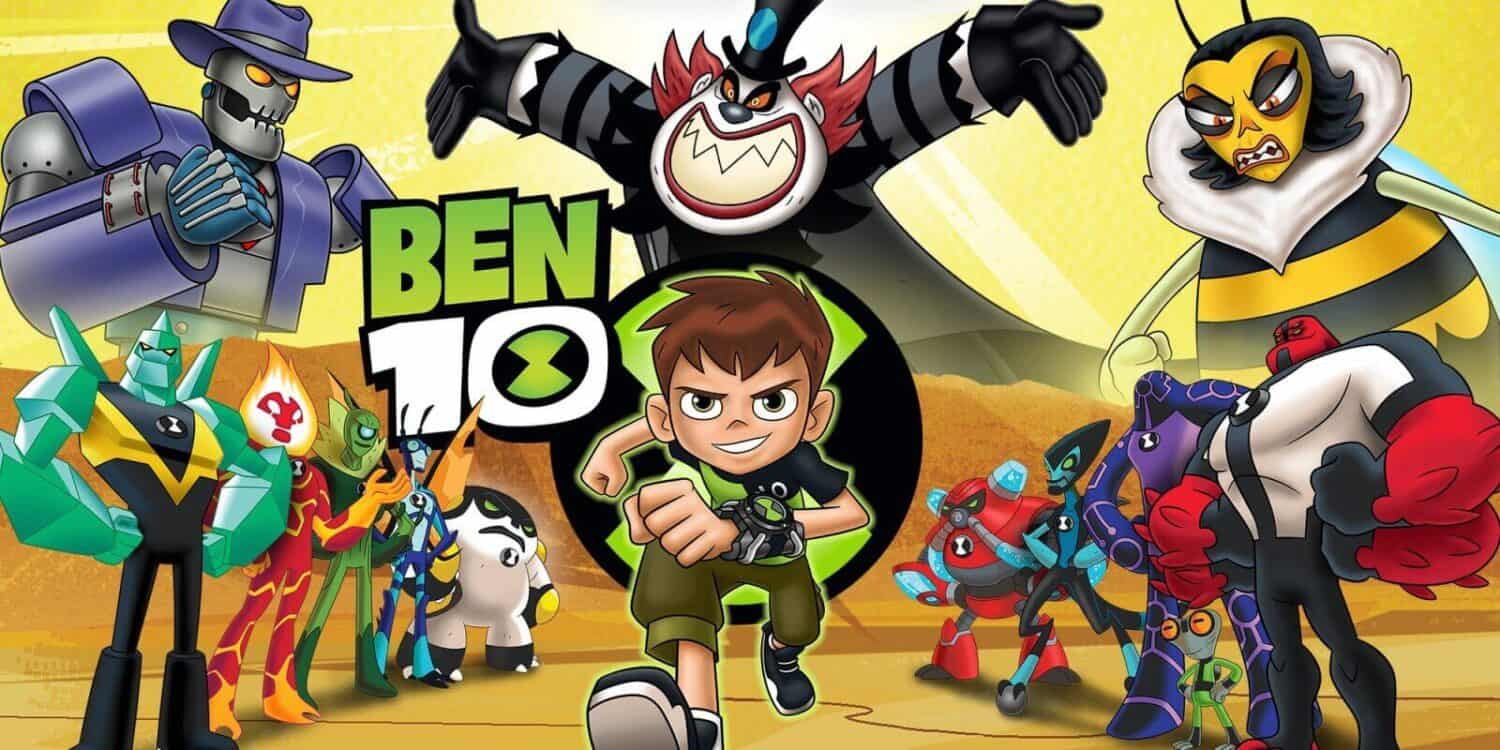
Ten-year-old Ben Tennyson finds an alien device that lets him transform into ten different species, each with its own strengths and weaknesses.
The original 2005 series understood the appeal immediately. Every transformation offered a new power set, but Ben often selected the wrong alien, misunderstood the situation, or used the Omnitrix before thinking.
Grandpa Max and Gwen kept the summer-road-trip structure grounded while the mythology slowly expanded into a much larger universe.
The franchise eventually produced sequels, reboots, movies, toys, and generations of new aliens. The original remains the cleanest expression of the idea.
Why it holds up: The transformation premise is endlessly reusable, but Ben’s gradual growth from reckless child to capable hero gives it staying power.
The Fairly OddParents
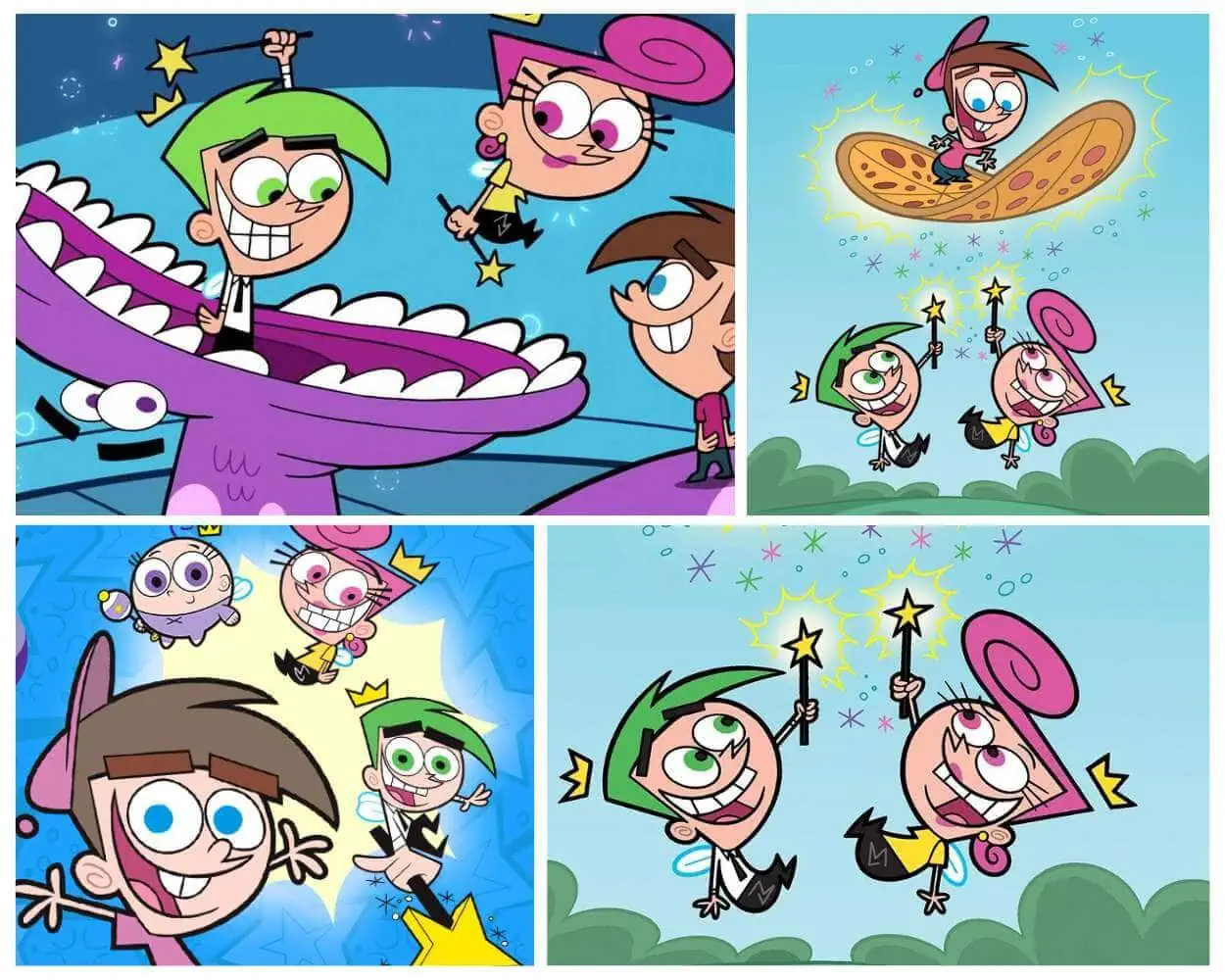
Timmy Turner receives two fairy godparents who can grant almost any wish. Unfortunately, Timmy is usually too frustrated, impatient, or literal to predict what the wish will do.
The series became a Nickelodeon staple after its 2001 debut. Its formula was flexible enough to support celebrity parodies, alternate realities, superhero stories, school comedy, and increasingly complicated rules from the fairy world.
The longest run became uneven, but the early seasons remain packed with fast dialogue, visual jokes, and side characters who can carry an episode by themselves.
Why it holds up: The wish-gone-wrong structure produces an exceptional number of jokes, and Cosmo and Wanda remain a perfect comic contrast.
The Grim Adventures of Billy & Mandy
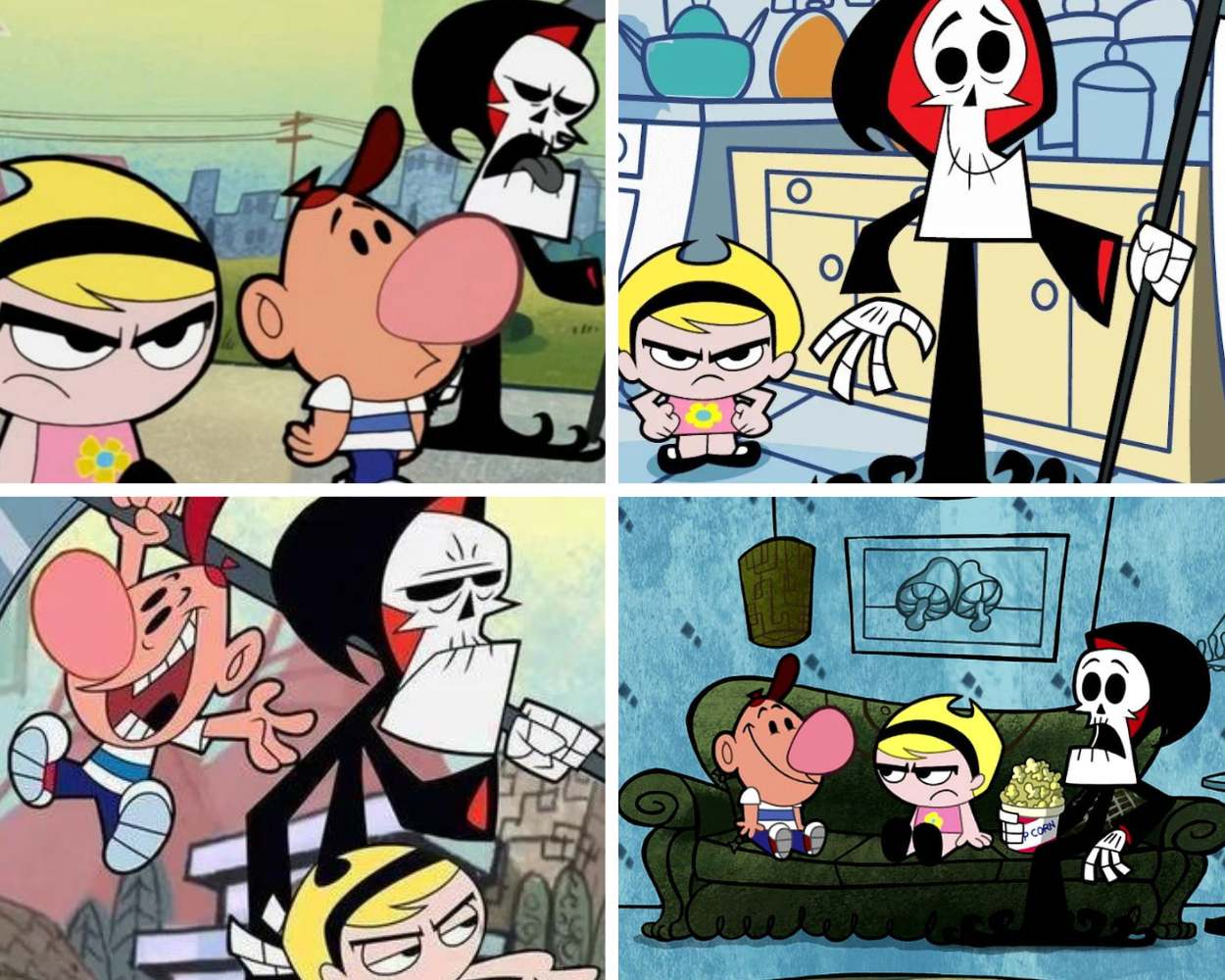
Billy and Mandy defeat the Grim Reaper in a limbo contest and force him to become their best friend forever.
The idea first appeared through Grim & Evil in 2001 before becoming its own series. Billy supplies reckless stupidity, Mandy supplies cold control, and Grim spends most episodes regretting the agreement that trapped him between them.
The show used monsters, underworld mythology, body horror, and death as ingredients in an aggressively silly comedy. Mandy’s complete lack of fear gives the darker material its best punchline.
Why it holds up: Its deadpan darkness feels even funnier to adults who now understand how many references passed over them as children.
Danny Phantom
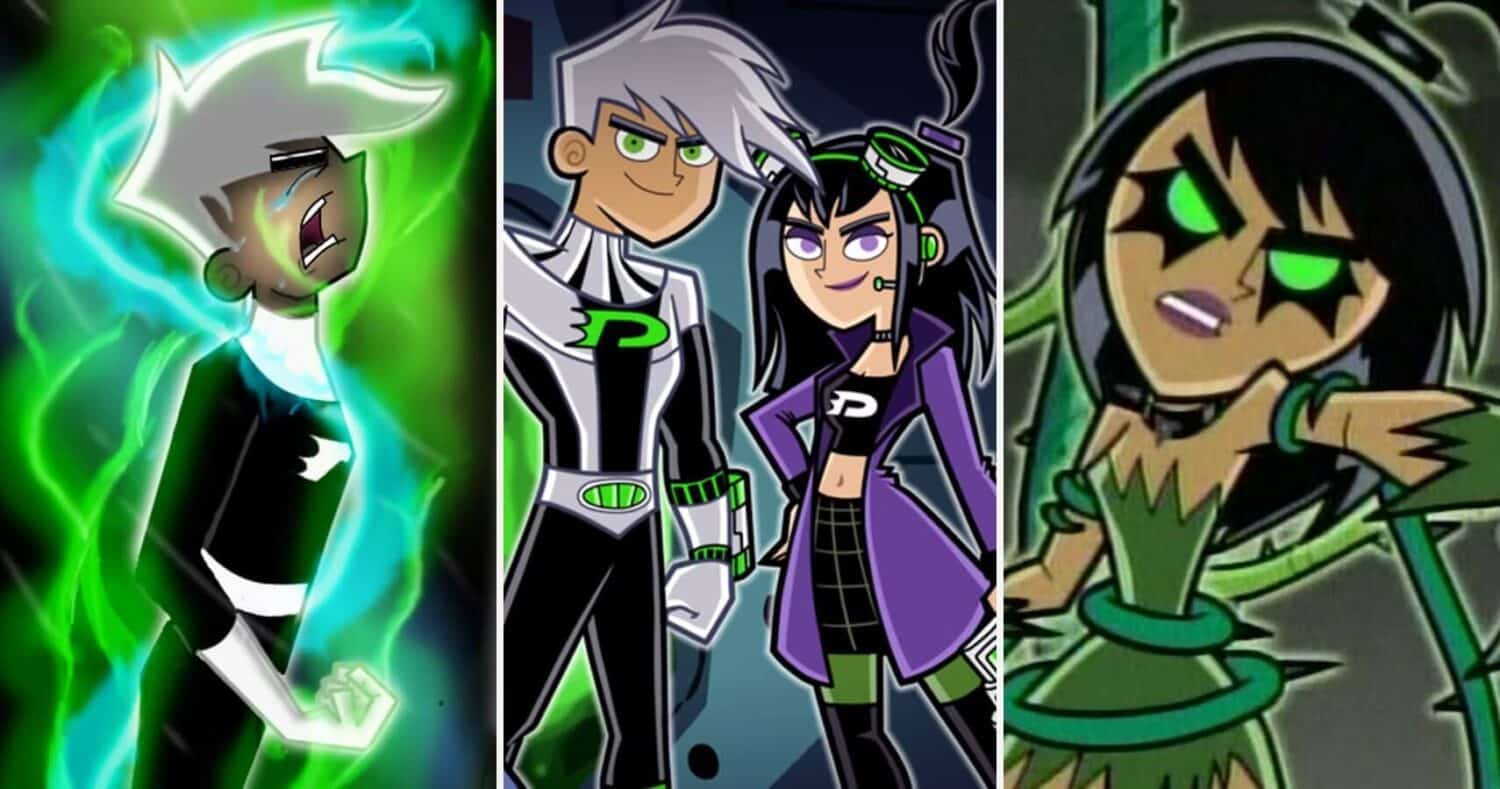
Danny Fenton enters his parents’ unfinished Ghost Portal and emerges half ghost.
The 2004 Nickelodeon series combines a superhero origin with high-school embarrassment and a family of enthusiastic ghost hunters who do not realize the ghost they are studying lives upstairs.
Danny’s powers become more complex as the series continues, and recurring enemies such as Vlad Plasmius give the story a stronger mythology than the basic premise initially suggests.
Why it holds up: The half-ghost concept supports strong action and personal conflict, while the continuing arcs reward watching in order.
Codename: Kids Next Door
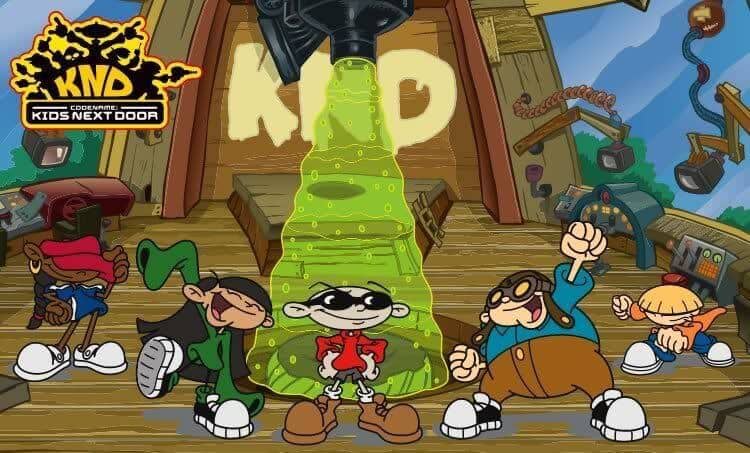
Five children operate from a treehouse filled with impossible technology and fight adults, teenagers, homework, dental villains, and every other force that threatens childhood freedom.
The 2002 Cartoon Network series makes ordinary kid complaints feel like international espionage. A trip to the dentist becomes a military operation. Bedtime becomes oppression. A birthday cake can trigger a global conflict.
Underneath the jokes, the show slowly builds a surprisingly detailed organization with sectors, rules, betrayals, and the inevitable fear of growing too old to remain part of it.
Why it holds up: It treats childhood imagination as a complete political world, then delivers an ending that understands growing up can feel like losing a country.
Kim Possible
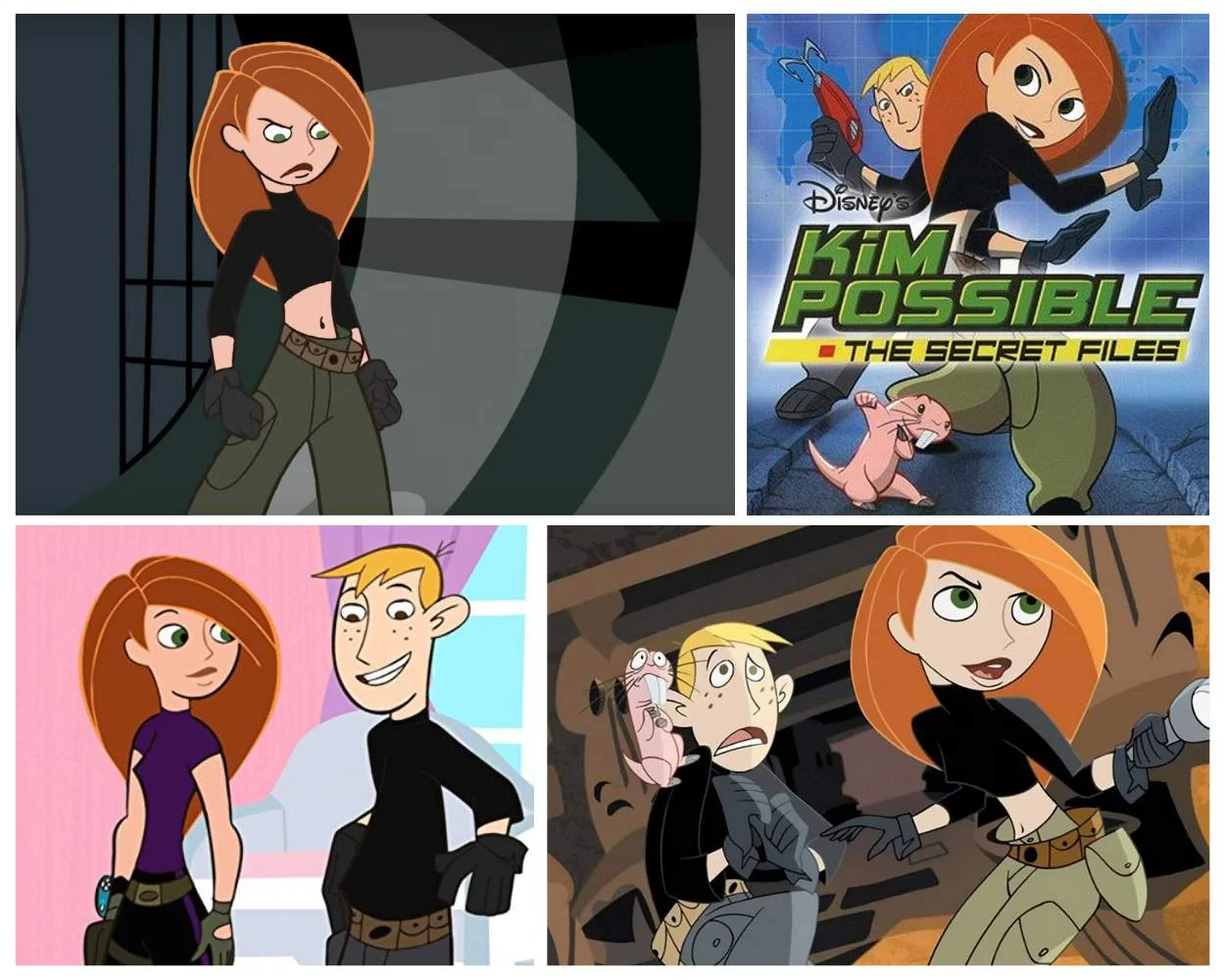
Kim Possible can stop a supervillain before dinner but still worries about homework, friendships, dating, and whether Bonnie will embarrass her at school.
The Disney Channel series ran from 2002 to 2007 and balanced spy action with a relaxed teen comedy. Ron Stoppable is not merely the incompetent sidekick. His loyalty, strange confidence, and occasional moments of competence make the partnership work.
Dr. Drakken and Shego also became one of the decade’s strongest villain pairings, largely because their workplace arguments are often funnier than the world-threatening plan.
Why it holds up: Kim is capable without becoming humourless, and the dialogue gives heroes, villains, and side characters equally memorable personalities.
The Powerpuff Girls

The Powerpuff Girls premiered in 1998, but its original run remained a defining part of Cartoon Network throughout the early 2000s.
Blossom, Bubbles, and Buttercup are kindergarten children who can fly, lift buildings, and survive battles that would flatten most superheroes. The contrast between their age and the violence around them gives the series its comic identity.
Craig McCracken’s graphic designs, fast editing, and willingness to shift from sweetness to absurd horror helped establish the visual confidence associated with Cartoon Network’s original programming.
Why it holds up: The bold shapes still look modern, and the writing works simultaneously as superhero action, satire, and childhood comedy.
Ed, Edd n Eddy
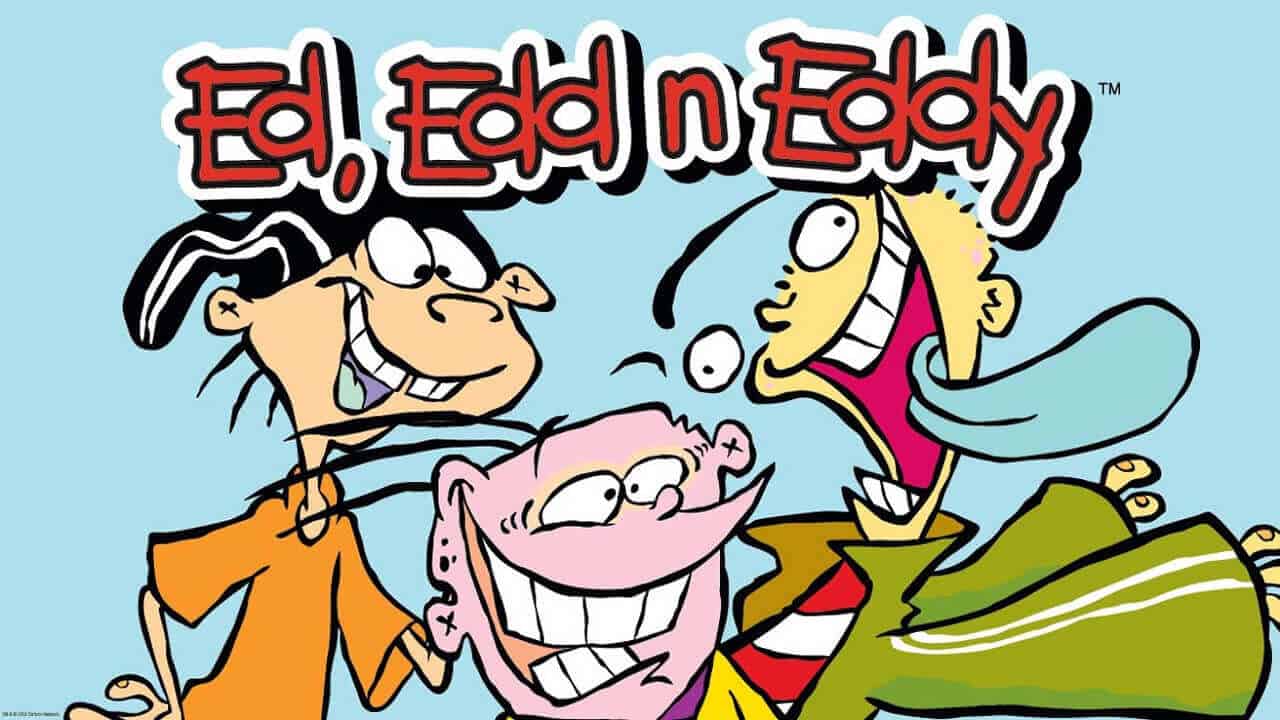
Three boys with the same name spend every summer day designing scams to earn enough money for jawbreakers.
The show premiered in 1999 and continued through 2009, making it one of Cartoon Network’s defining long-running originals. It rarely needed adults, school, or a larger world. The cul-de-sac was enough.
Danny Antonucci gave the series loose outlines, elastic movement, strange sound effects, and a jazzy score that made every failed scam feel physical.
The characters are selfish, insecure, loud, and frequently cruel to one another. They also feel exactly like children trapped together for an endless summer.
Why it holds up: Nothing else moves, sounds, or behaves quite like it. The show created a complete childhood ecosystem from one street.
Courage the Cowardly Dog
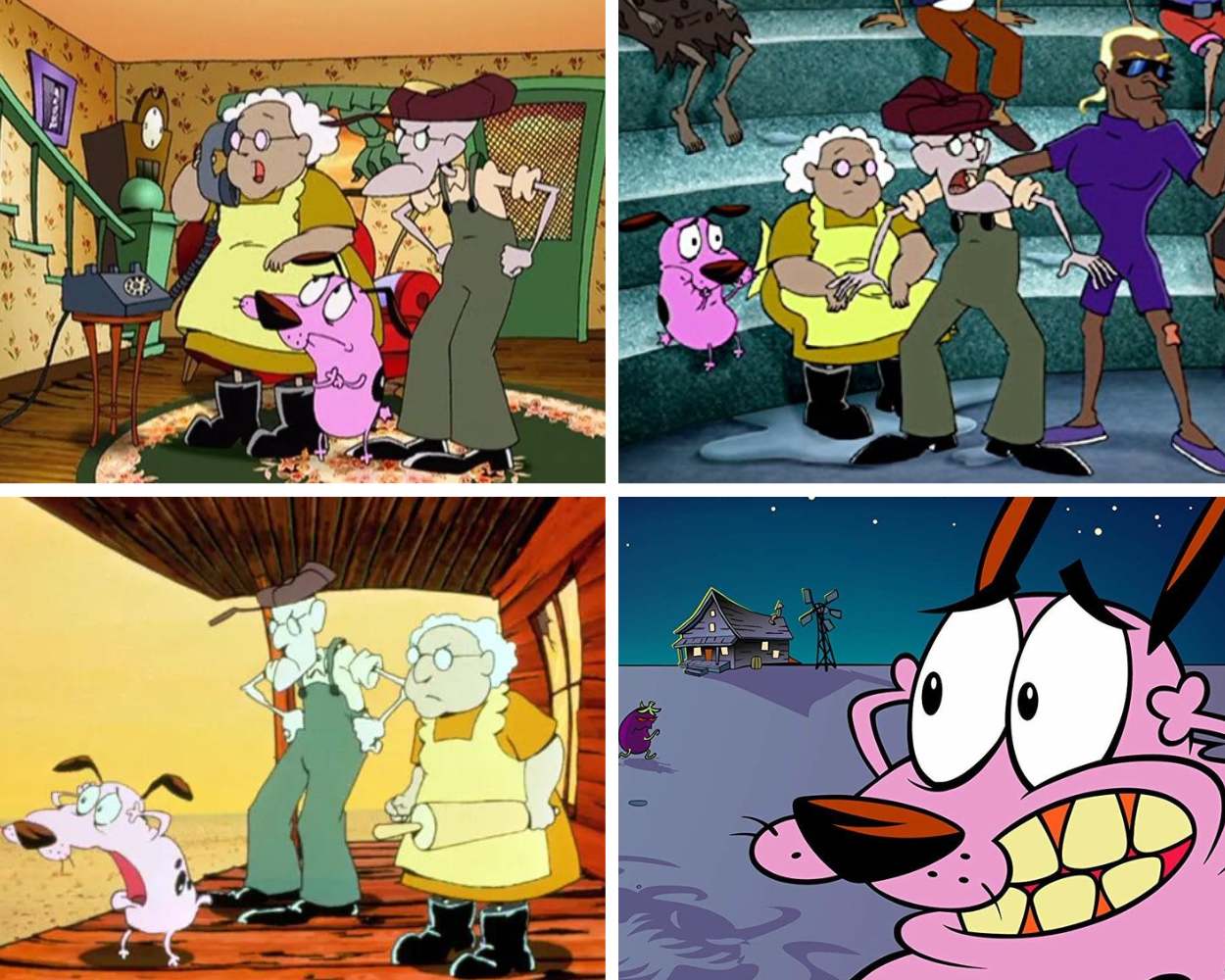
Courage is terrified of almost everything, but he repeatedly confronts monsters to protect Muriel and Eustace in the middle of Nowhere.
The series premiered in 1999 and produced most of its run during the early 2000s. Each episode mixes slapstick, folk horror, digital effects, uncomfortable close-ups, and villains who often feel more disturbing than their plots require.
Courage is not brave because he stops being afraid. He is brave because fear never prevents him from trying to save Muriel.
Why it holds up: The mixed-media scares remain genuinely unsettling, while Courage gives the horror an unexpectedly tender centre.
The Spectacular Spider-Man
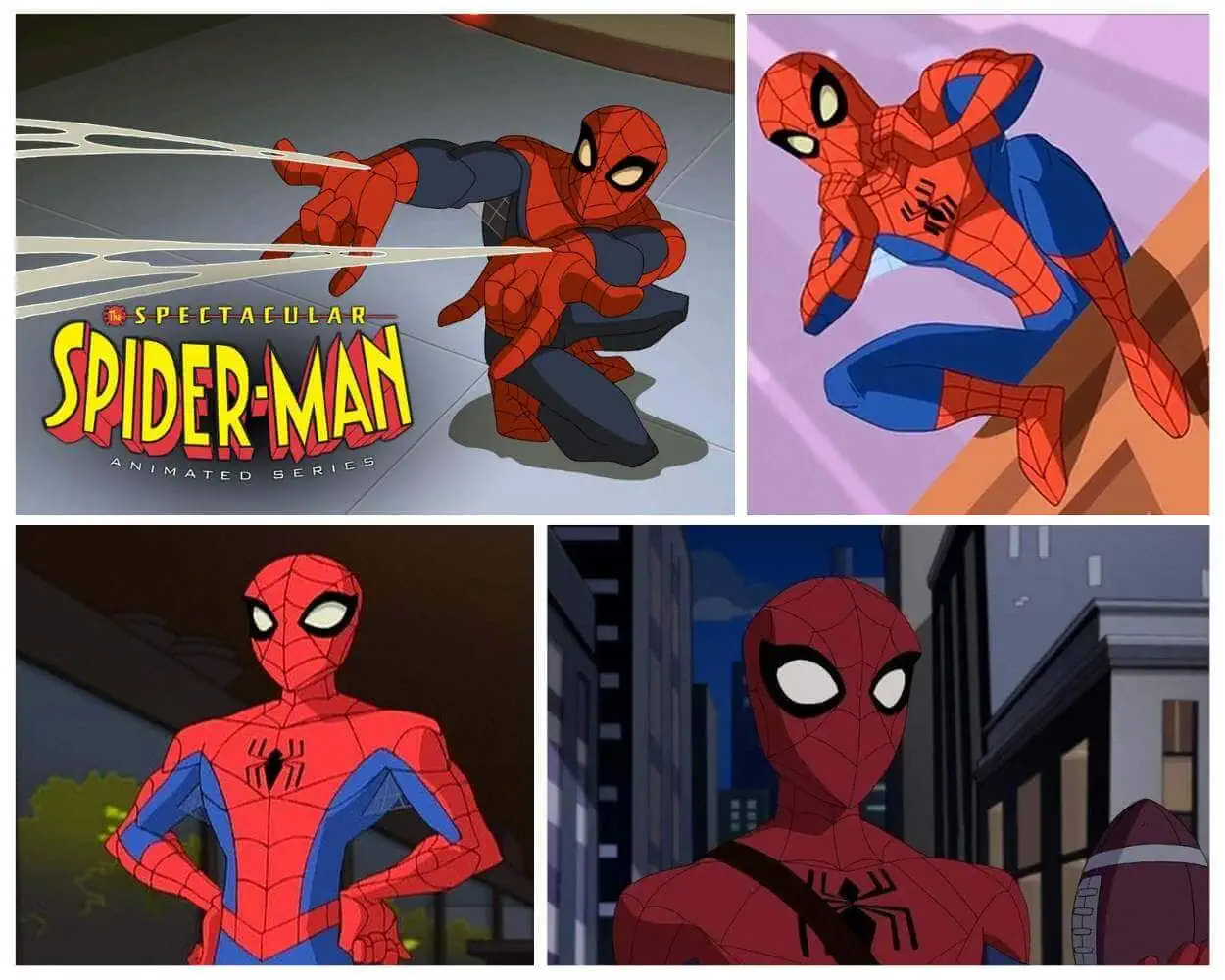
Peter Parker is trying to survive high school, earn money, maintain friendships, and protect New York from villains whose lives are often connected to his own.
The 2008 series ran for only 26 episodes, but it used that time exceptionally well. Supporting characters enter the story before becoming villains, relationships change gradually, and action scenes remain easy to follow without sacrificing speed.
The show did not end because one executive simply decided to cancel it. Sony returned the television animation rights to Marvel while retaining elements connected to this specific production, leaving no single company able to continue the same series.
Why it holds up: It understands that Spider-Man works best when Peter’s school life, friendships, money problems, and villains all collide.
SpongeBob SquarePants

SpongeBob SquarePants premiered in 1999, but the early 2000s turned it into one of the largest animated comedies in television history.
Stephen Hillenburg used his marine-science background to create Bikini Bottom, then filled it with characters whose personalities collide perfectly. SpongeBob’s optimism irritates Squidward, overwhelms Mrs. Puff, and somehow survives Mr. Krabs’ greed.
The early seasons are remarkably economical. Visual jokes, dialogue, background details, and character reactions often deliver several laughs within the same few seconds.
Why it holds up: The strongest episodes are tightly written comedy, and entire generations still quote them without needing the original scene explained.
Justice League
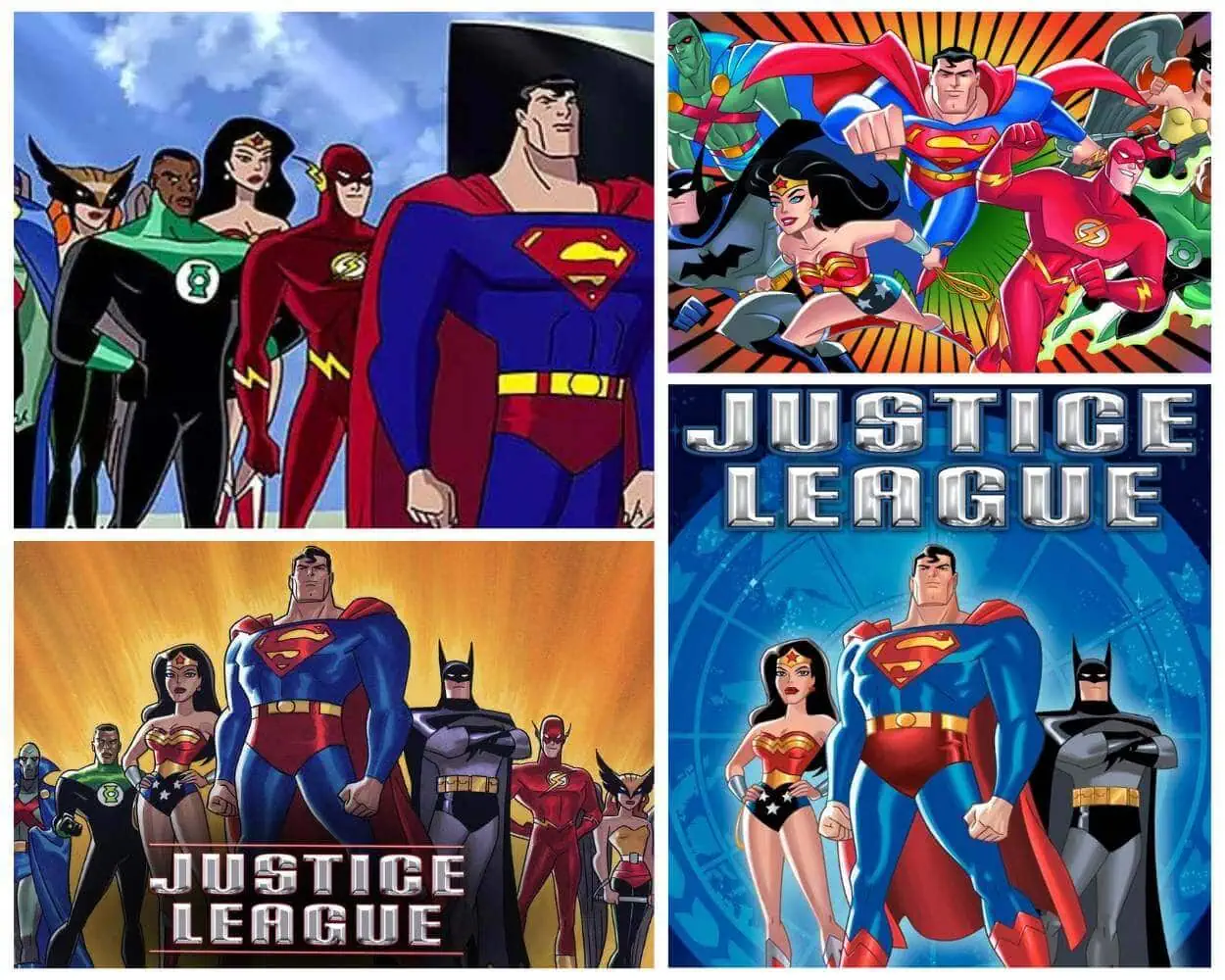
Justice League brought Batman, Superman, Wonder Woman, Green Lantern, Hawkgirl, the Flash, and Martian Manhunter into one continuing animated universe.
The original series began in 2001 and expanded into Justice League Unlimited in 2004. The larger roster allowed almost any DC hero or villain to enter the story while long-running political and personal conflicts continued underneath.
The series trusted younger viewers with moral ambiguity. Heroes disagreed about power, government authority, revenge, and whether the League itself had become too influential.
Why it holds up: It delivers superhero spectacle while asking difficult questions about what powerful heroes owe the world they protect.
Teen Titans
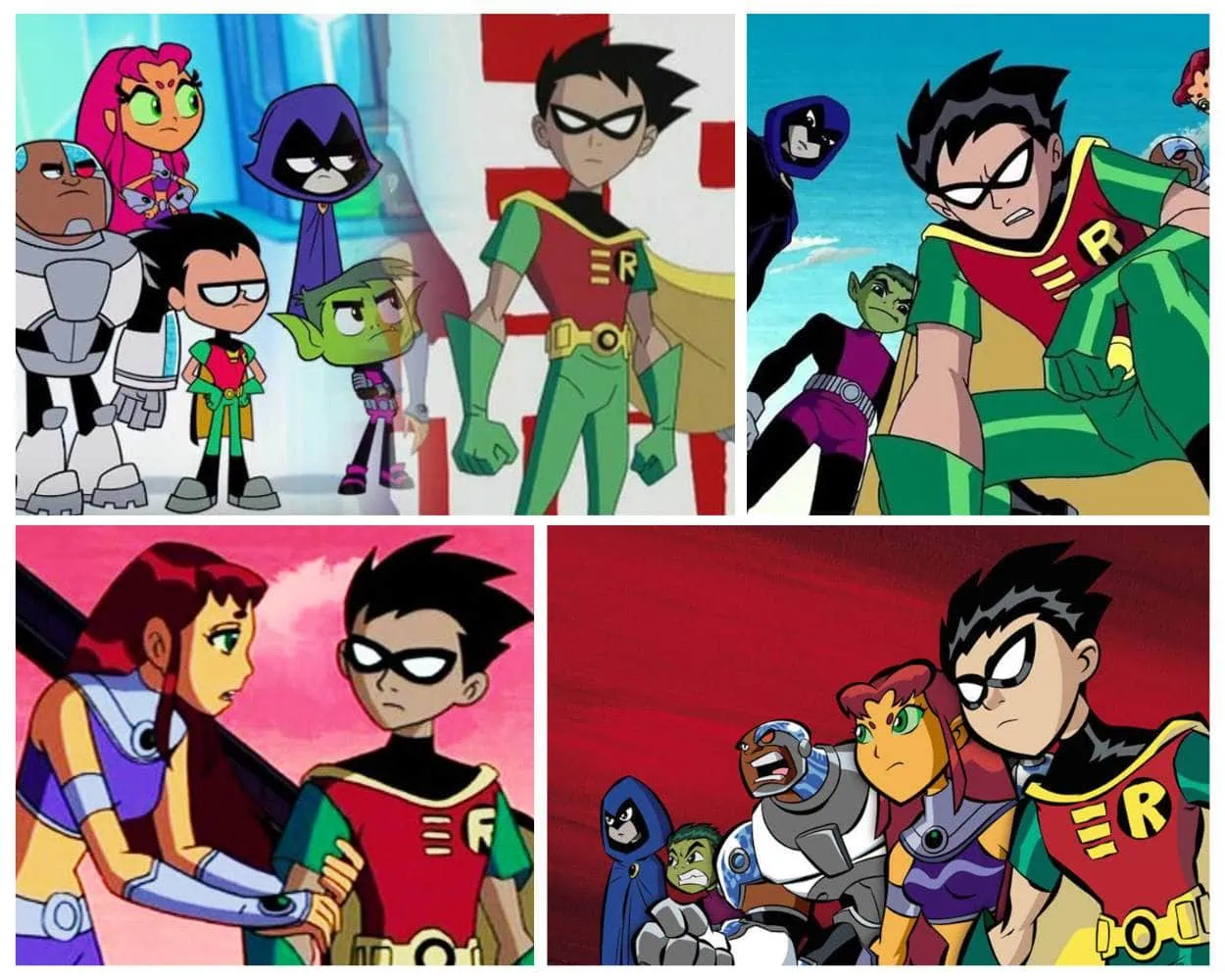
Robin, Starfire, Raven, Beast Boy, and Cyborg live together in Titans Tower while fighting villains and learning how to function as a family.
The 2003 series shifts easily between comedy and drama. One episode can focus on pizza, video games, or Beast Boy’s bad jokes. The next can confront abuse, betrayal, isolation, or Raven’s fear that she is destined to destroy the world.
Its anime-influenced expressions and action scenes gave it a style that immediately separated it from earlier DC animation.
The larger arcs involving Slade, Terra, Trigon, and the Brotherhood of Evil gave the team consequences that carried beyond a single episode.
Why it holds up: The series understands that superhero teams become compelling when their friendships matter as much as the villains.
Samurai Jack
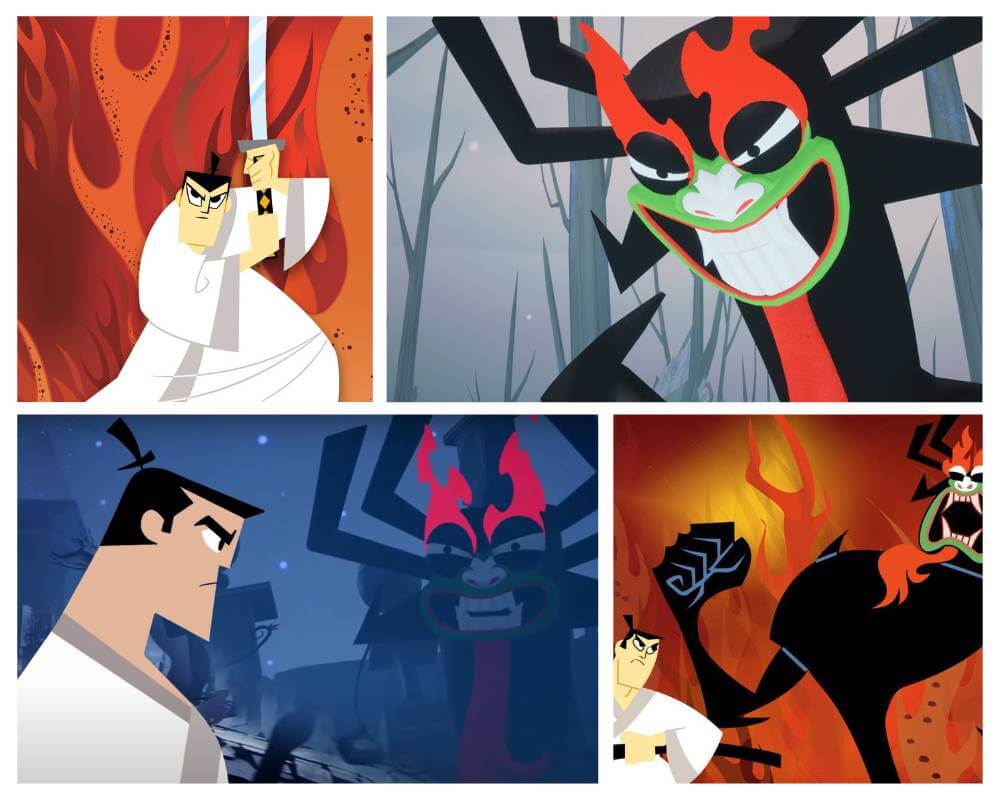
Aku sends a young samurai into a distant future where the shape-shifting demon controls the world.
Genndy Tartakovsky’s 2001 series often abandons normal television pacing. Entire sequences unfold without dialogue. Landscapes are allowed to dominate the frame. A fight can be communicated through colour, rhythm, silhouettes, and sound rather than explanation.
Jack remains a simple hero in the best sense. He is disciplined, compassionate, and determined to return home without allowing Aku’s world to make him cruel.
The 2017 revival finally gave the story an adult conclusion, but the original 2000s episodes remain the foundation of its reputation.
Why it holds up: Its cinematic composition and confidence in silence make it feel less like conventional television and more like visual storytelling in its purest form.
Avatar: The Last Airbender
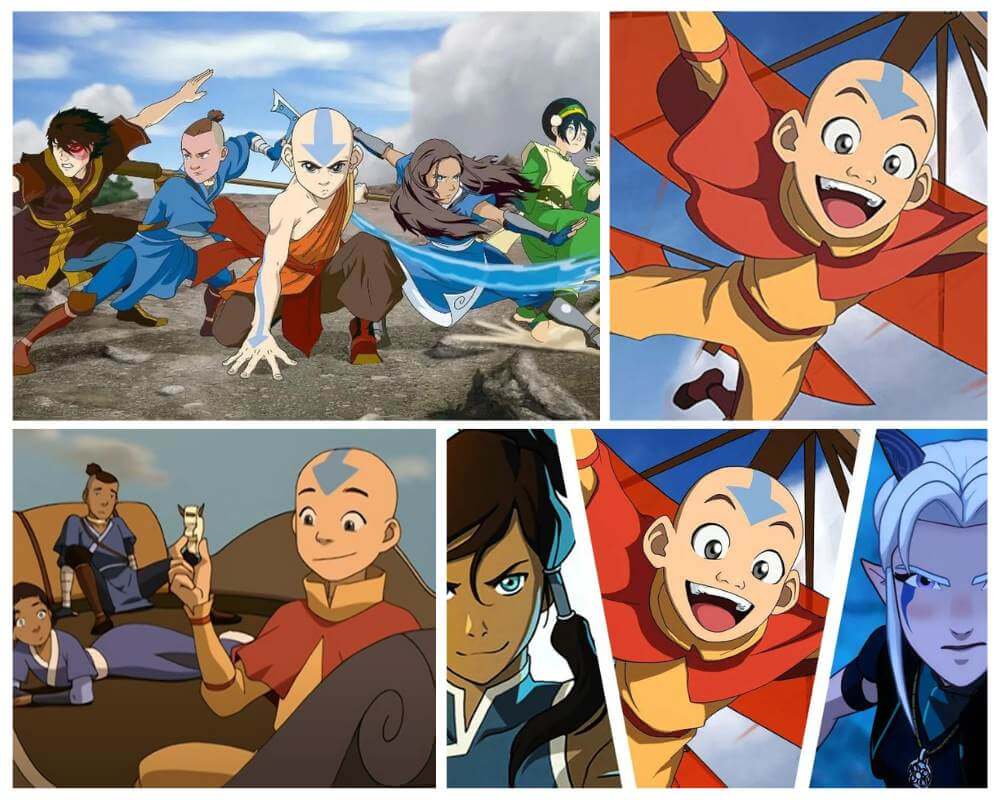
Aang wakes after one hundred years to discover that the Fire Nation has transformed the world and that he is the last surviving Air Nomad.
The 2005 Nickelodeon series follows a clear three-season journey as Aang learns the remaining elements and prepares to confront Fire Lord Ozai.
The world is carefully structured, but the characters make it exceptional. Zuko’s transformation is earned through failure, shame, anger, and difficult choices. Katara’s compassion never prevents her from becoming formidable. Sokka grows into a strategist without losing his humour.
The series can deliver a comedy about a terrible play, a quiet story about grief, and a large-scale battle without feeling like three different programs.
Why it holds up: Few animated series balance world-building, comedy, action, character growth, and a complete ending this successfully.
Why the Late-1990s Shows Belong Here
Four entries on this list premiered before January 2000: The Powerpuff Girls, Ed, Edd n Eddy, Courage the Cowardly Dog, and SpongeBob SquarePants.
Leaving them out would create a less accurate picture of the decade.
All four produced important episodes during the 2000s, remained central to their networks, and shaped what viewers now remember as 2000s animation. Television eras do not begin and end cleanly with the calendar.
What Made 2000s Cartoons Different?
The decade sat between two media systems.
Children still watched shared cable and broadcast schedules, which gave individual networks enormous cultural influence. At the same time, DVDs, early online video, games, and fan communities were changing how viewers revisited and discussed shows.
Animation also had room to experiment with format.
Some shows remained episodic. Others built season-long arcs. CGI became a practical television tool without replacing hand-drawn animation. Japanese animation influenced action, expressions, pacing, and serial storytelling across American productions.
The decade’s creative mix
- Traditional animation and television CGI existed side by side
- Episodic comedy shared schedules with serialized adventure
- Network identities were strong and easy to recognize
- Creators increasingly mixed American and Japanese visual influences
- Shows were built for weekly viewing but became ideal for later binge watching
That variety is the real reason the decade remains so rewatchable. There was no single correct way for a children’s cartoon to look or tell a story.
The Theme Songs Still Matter
A strong 2000s cartoon intro had to work quickly.
Danny Phantom explains its entire origin through a rap. Kim Possible turns a ringtone into a mission statement. Puffy AmiYumi’s Teen Titans theme tells viewers to expect action and playfulness at the same time.
SpongeBob SquarePants opens like an old sea song, while The Fairly OddParents introduces every central relationship before the first episode scene begins.
These songs remain effective because they are attached to clear characters and premises. The nostalgia is powerful, but the craftsmanship came first.
Honourable Mentions
Twenty spaces cannot represent an entire decade. These shows came close to making the ranking:
- Invader Zim
- Foster’s Home for Imaginary Friends
- Chowder
- Phineas and Ferb
- American Dragon: Jake Long
- 6teen
- Total Drama Island
- Clone High
- Lilo & Stitch: The Series
- Batman Beyond
Settle the debate: Which network defined your childhood lineup: Nickelodeon, Cartoon Network, Disney Channel, Teletoon, or something else?
The Last Word
The best 2000s cartoons did not all succeed for the same reason.
Some were beautifully designed. Some were built around unforgettable jokes. Others proved that children’s television could support careful world-building and long character arcs.
Together, they created a decade where a giant variety of animation could share the same audience.
That is why these shows remain easy to revisit. They were not simply filling time between commercials. At their best, they knew exactly what kind of world they wanted to create.
Which ranking would you change first?
Share your top five in the comments.