Legendary Japanese anime studios are the real engine behind the medium. A great manga can give you the blueprint, but the studio decides how the world feels: the acting choices, the animation timing, the background art, the sound design, and the little production touches that turn “good” into unforgettable.
I still think it’s wild that anime fans can often recognize a studio before the title card even appears. Sometimes it’s the way characters emote. Sometimes it’s how action “flows.” Sometimes it’s a very specific color palette, compositing style, or even the pacing of quiet scenes.
Also: creating an anime is not a single-team miracle. Most studios operate like a pipeline with specialized departments (animation, background art, photography/compositing, color, finishing, production management), plus a rotating orbit of freelancers and partner studios. And because anime is commonly financed through production committees, a studio can be both an artist and a business partner—balancing schedules, budgets, and expectations.
This is my ranked list of the 19 best Japanese anime studios, counting down from #19 to #1. I’m factoring in influence, consistency, signature style, and the ability to land big cultural moments.
If you like studio deep-dives, these related reads pair well with this post: anime from the 1990s, magical girl anime, and even design-focused posts like anime characters with scary smiles (because yes—studios absolutely have “expression styles”).
19 Best Japanese Anime Studios (Ranked)
19. Brain’s Base
Known for: Adaptable tone, character-centric storytelling
Why it matters: Brain’s Base is one of those studios that quietly builds strong, watchable series across multiple genres.
My take: Not always the flashiest, but often reliable—especially when the story needs warmth, comedy, and emotional rhythm.
Brain’s Base doesn’t always get the loudest hype, but it’s a studio I associate with “surprisingly solid” productions. They’ve handled everything from relaxed comedy to more psychological or dramatic work. If you like shows that feel human even when the premise is weird, this is a studio worth keeping an eye on.
Notable anime (examples):
- Durarara!! (selected production involvement across the franchise)
- Natsume’s Book of Friends (early seasons)
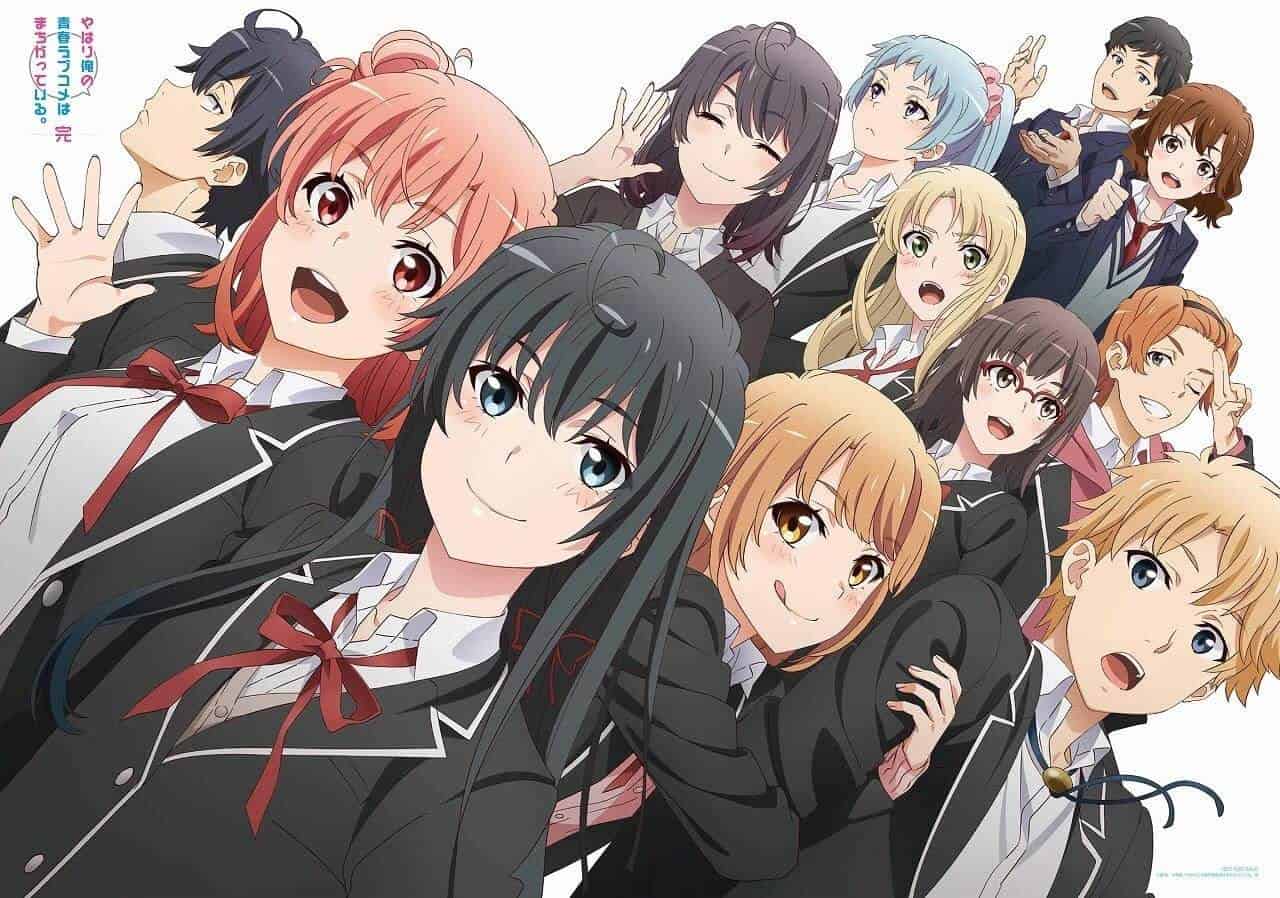
- My Teen Romantic Comedy SNAFU (Season 1)
18. J.C.Staff

Known for: Volume, variety, and franchise stamina
Why it matters: J.C.Staff has been a major “workhorse” studio for decades.
My take: When J.C.Staff is matched with the right staff + schedule, they can absolutely deliver.
J.C.Staff is a studio I think of as “ever-present.” They’ve produced a massive spread of genres—rom-com, action, fantasy, and long-running series. They may not always be the studio people name first in animation debates, but they’re undeniably one of the pillars of modern anime production.
Notable anime (examples):
- Toradora!
- Food Wars!: Shokugeki no Soma
- A Certain Magical Index / Railgun franchise
17. P.A.Works

Known for: Beautiful scenery, grounded character drama
Why it matters: P.A.Works specializes in “feels real” storytelling—often with lush background work.
My take: If you like slice-of-life or workplace dramas that look gorgeous, P.A.Works is a safe bet.
P.A.Works shines when the story needs atmosphere: small towns, seasonal color, and that calm-but-emotional pacing. They’re also known for original series that feel like love letters to specific places, industries, or coming-of-age themes. If you want a break from constant power scaling, P.A.Works is an excellent palette cleanser.
Notable anime (examples):
- Shirobako
- Hanasaku Iroha
- Angel Beats!
16. Shaft

Known for: Experimental direction, bold composition, “Shaft style”
Why it matters: Shaft proved you can build a studio identity through direction and editing as much as raw animation.
My take: When Shaft hits, it feels like anime directing as an art form—especially for psychological series.
Shaft is the studio I associate with “visual language.” Sharp cuts, striking layouts, symbolic backgrounds, and a willingness to make conversations feel cinematic. If you enjoy psychological storytelling, introspection, or surreal presentation, Shaft’s catalog is a goldmine.
Notable anime (examples):
- Puella Magi Madoka Magica (if you like dark genre flips, pair this with magical girl anime)
- Monogatari series
- March Comes In Like a Lion
15. CloverWorks
Known for: Modern polish, clean compositing, strong production values
Why it matters: CloverWorks has become a modern “quality signal” studio for many viewers.
My take: Their best work looks expensive—sharp, bright, and built for rewatch value.
CloverWorks has a reputation for a “premium finish.” When they’re in their comfort zone, the results are glossy and confident—great character acting, attractive color work, and strong visual consistency.
Notable anime (examples):
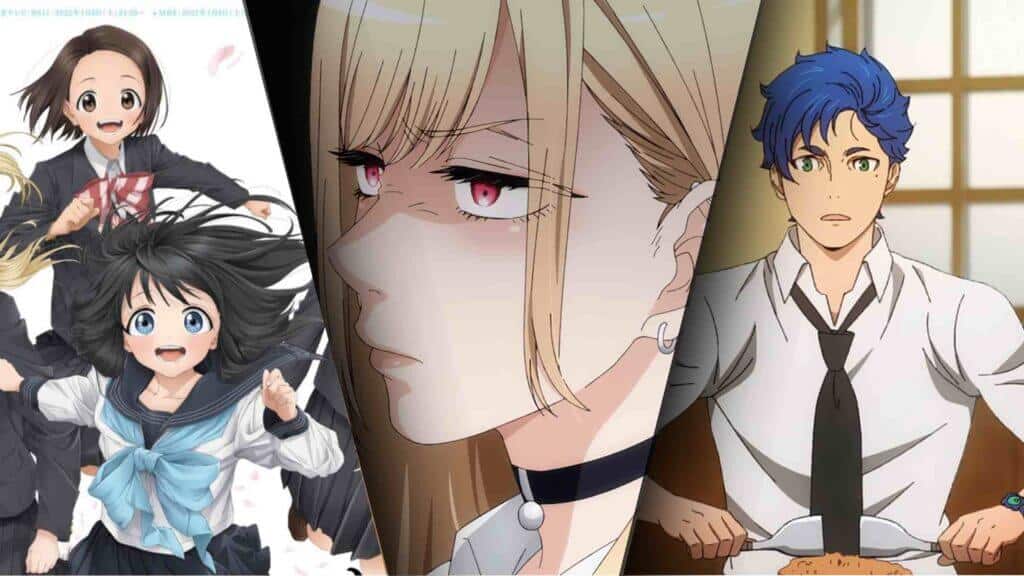
- Rascal Does Not Dream of Bunny Girl Senpai
- The Promised Neverland (Season 1)
- Spy × Family (co-production involvement)
14. A-1 Pictures

Known for: Big franchises, consistent output, broad genre range
Why it matters: A-1 has animated some of the most visible modern-era titles.
My take: A-1 can be extremely strong when the production schedule is healthy and the staff lineup is right.
A-1 Pictures is a major modern studio with a portfolio that touches everything from action franchises to tear-jerking drama. If you grew up watching 2000s and 2010s anime, there’s a good chance A-1 animated something you still rewatch.
Official site: a1p.jp
Notable anime (examples):
- Sword Art Online
- Your Lie in April
- Blue Exorcist (selected entries)
13. Studio Trigger
Known for: Hyper-stylized action, wild energy, expressive animation
Why it matters: Trigger is one of the clearest “studio identity” brands in anime.
My take: If you want anime that looks like it’s about to burst off the screen, Trigger is the call.
Trigger is the studio I recommend when someone says, “I want something that feels alive.” Their animation is loud (in a good way), their timing is sharp, and their shows often feel like a celebration of movement. If you’re the kind of viewer who loves big expressions and iconic silhouettes, you can often spot Trigger’s DNA instantly.
Official site: st-trigger.co.jp
Notable anime (examples):
- Kill la Kill
- Little Witch Academia
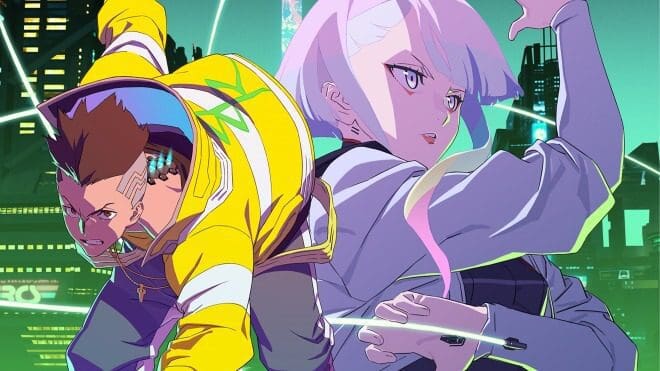
- Cyberpunk: Edgerunners
12. Studio Pierrot

Known for: Long-running shonen, iconic franchises
Why it matters: Pierrot helped define what “mainstream shonen anime” looks like for generations.
My take: Even if you critique filler eras, the cultural footprint is undeniable.
Studio Pierrot is a legacy studio for global anime fandom. When you talk about the rise of big shonen adaptations worldwide, Pierrot is part of that conversation. Their best arcs are the ones where direction, animation peaks, and music all align into something memorable.
Official site: en.pierrot.jp
Notable anime (examples):
- Naruto / Naruto Shippuden
- Bleach
- Tokyo Ghoul
If you’re on a Naruto kick, here’s a related internal read: is Naruto getting a remake?
11. Toei Animation
Known for: The biggest long-running mainstream franchises
Why it matters: Toei is foundational—one of the most historically important studios in anime.
My take: When Toei is on, they can deliver massive hype moments—especially in films and peak arcs.
Toei Animation is a cornerstone of the anime industry. They’ve been responsible for some of the biggest global properties ever—series that introduced entire generations to anime. Their week-to-week TV pipeline has sometimes been criticized (especially when schedules are tight), but they’ve also delivered iconic animation peaks and major theatrical hits.
Official company site: corp.toei-anim.co.jp
Notable anime (examples):
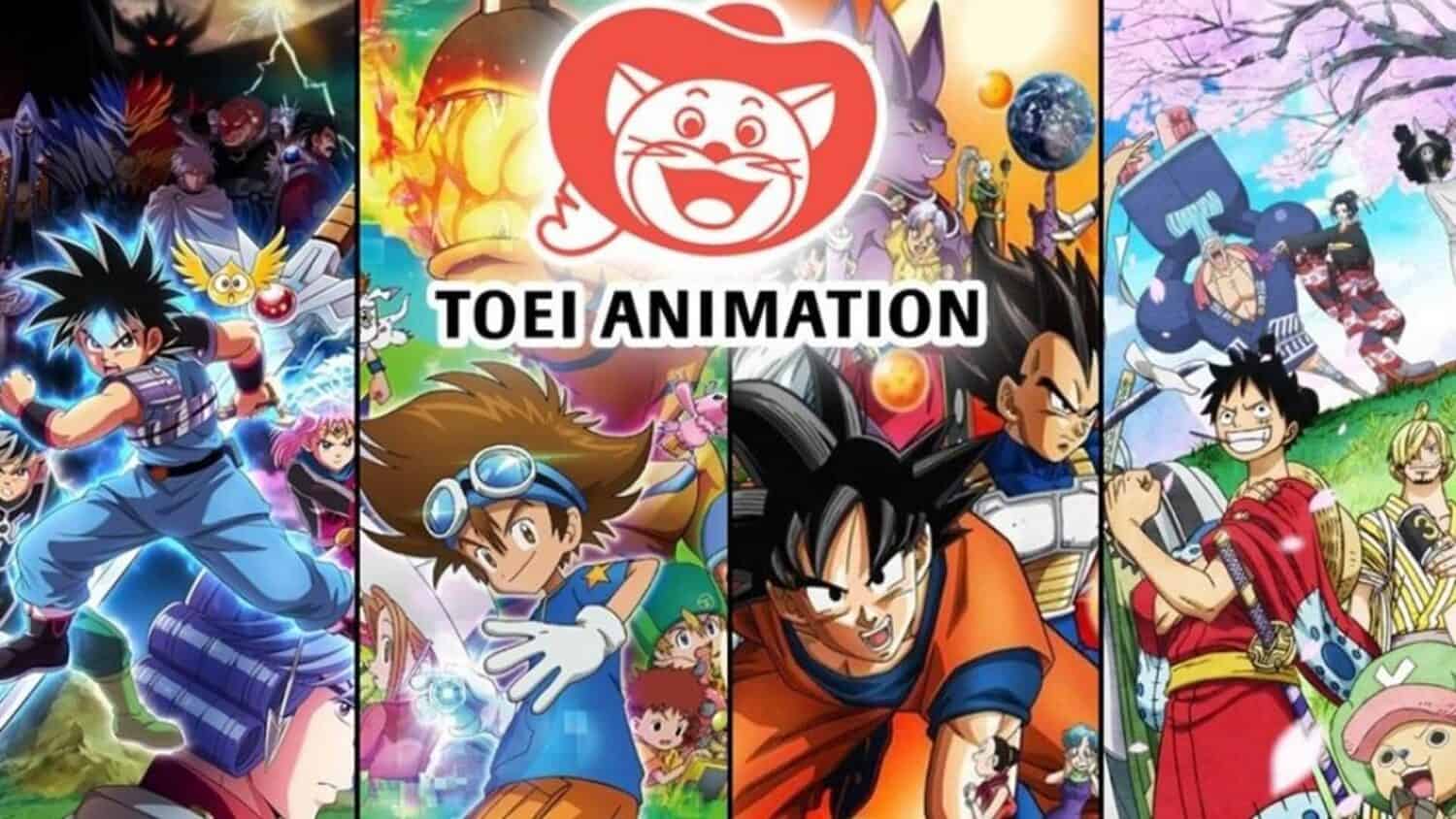
- Dragon Ball
- One Piece
- Sailor Moon (for more genre context, see magical girl anime)
10. TMS Entertainment
Known for: Long-running classics, franchise consistency, broad international reach
Why it matters: TMS has deep roots and a huge footprint across decades of anime.
My take: TMS is one of the studios people underestimate until they realize how many staples they’ve touched.
TMS Entertainment is one of those “you’ve definitely watched them” studios. Their catalog spans classic and modern anime, and their longevity says a lot about operational stability in an industry that can be chaotic. They also have a visible international-facing presence, which makes them easier to follow as a brand than many older studios.
Official site: tmsanime.com
Notable anime (examples):
- Lupin the 3rd (major franchise involvement)
- Detective Conan / Case Closed (major franchise involvement)
- Dr. STONE (selected production involvement)
9. Studio Bones
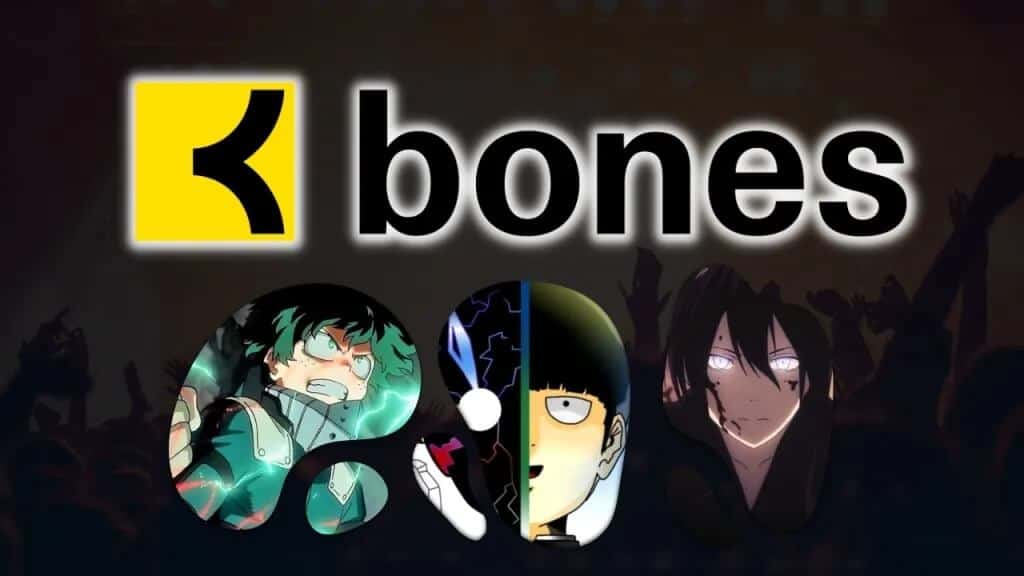
Known for: Character animation, action clarity, stylish direction
Why it matters: Bones is a modern powerhouse with a strong hit rate.
My take: If you care about how action “reads,” Bones is one of the best in the business.
Bones has produced multiple era-defining shows, and their best work feels crisp and intentional. They’re also a studio that can nail both spectacle and character acting—two things that don’t always come packaged together.
Notable anime (examples):
- Fullmetal Alchemist (2003 and 2009)
- Mob Psycho 100 (for more mind-powers, see telekinetic anime characters)
- My Hero Academia
8. Production I.G
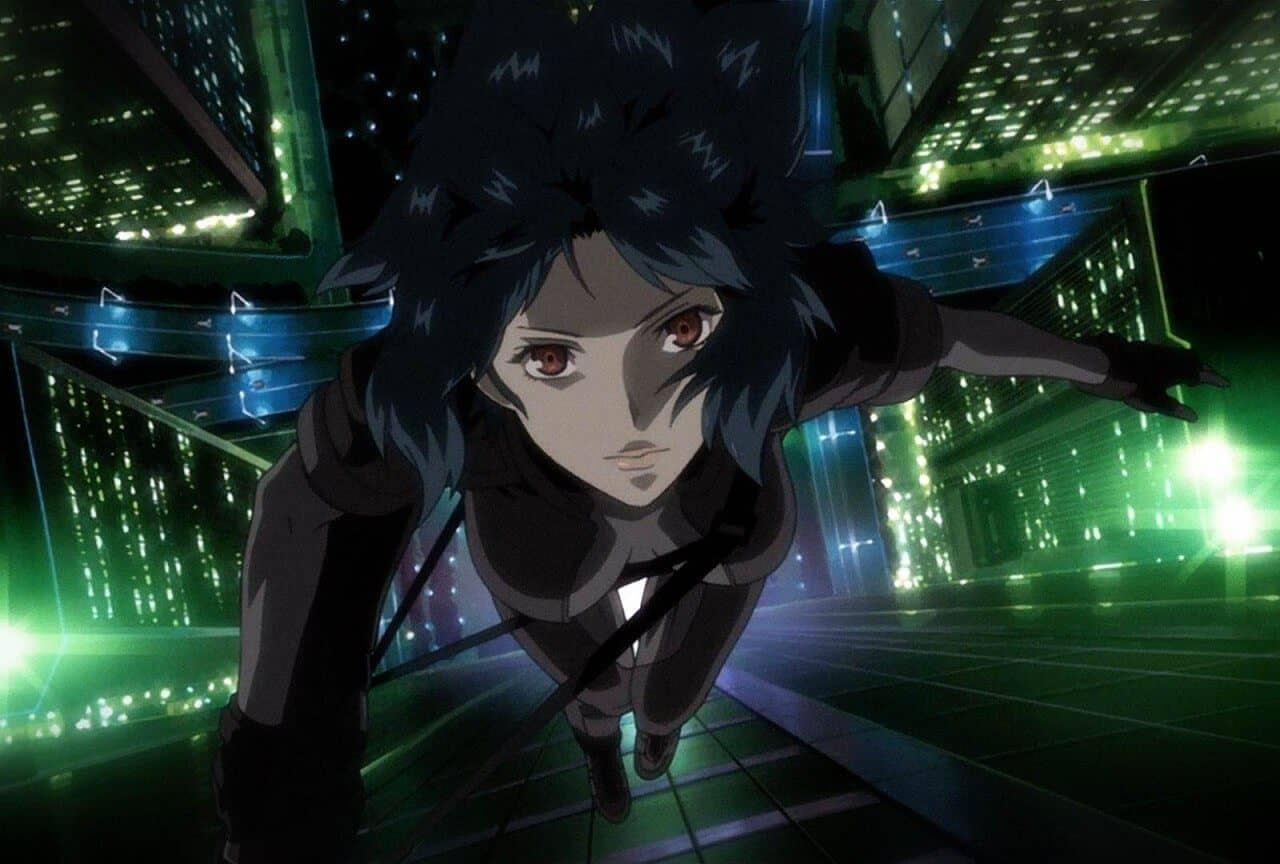
Known for: High-end sci-fi, action choreography, industry influence
Why it matters: Production I.G is one of the most globally respected names in anime production.
My take: If you like “serious” anime aesthetics—sleek, grounded, cinematic—Production I.G is a top-tier studio.
Production I.G has built a reputation for polished, cinematic anime—especially sci-fi and action-heavy works. They’re also deeply connected to the broader industry through IG Port, and they’ve played a major role in shaping modern production practices.
Official site: production-ig.co.jp
Notable anime (examples):
- Ghost in the Shell (franchise)
- Psycho-Pass
- Haikyuu!! (selected production involvement)
7. WIT Studio

Known for: Kinetic action, strong art direction, high-impact openings and set-pieces
Why it matters: WIT helped define modern “prestige TV anime” visuals.
My take: When WIT is in top form, their animation feels athletic—speed, weight, and camera movement all working together.
WIT Studio made a massive name for itself with adaptations that demanded scale and momentum. Even outside their most famous early breakout, they’ve consistently shown high production ambition and an eye for cinematic presentation.
Notable anime (examples):
- Attack on Titan (early seasons)
- Vinland Saga (Season 1)
- Ranking of Kings
6. Science SARU
Known for: Modern digital pipeline, bold experimentation, auteur-driven projects
Why it matters: Science SARU represents the “future-facing” side of Japanese animation production.
My take: If you like studios that take risks and don’t look like everyone else, this is one of the most exciting names in the industry.
Science SARU is a studio that consistently feels fresh. Their work often leans into stylization and motion in a way that stands out from more traditional pipelines. They’ve also been involved in projects that gained major international attention, proving that “different” can be mainstream when executed well.
Official site: sciencesaru.com
Notable anime (examples):
- Devilman Crybaby
- Keep Your Hands Off Eizouken!
- Inu-Oh (film)
5. Madhouse
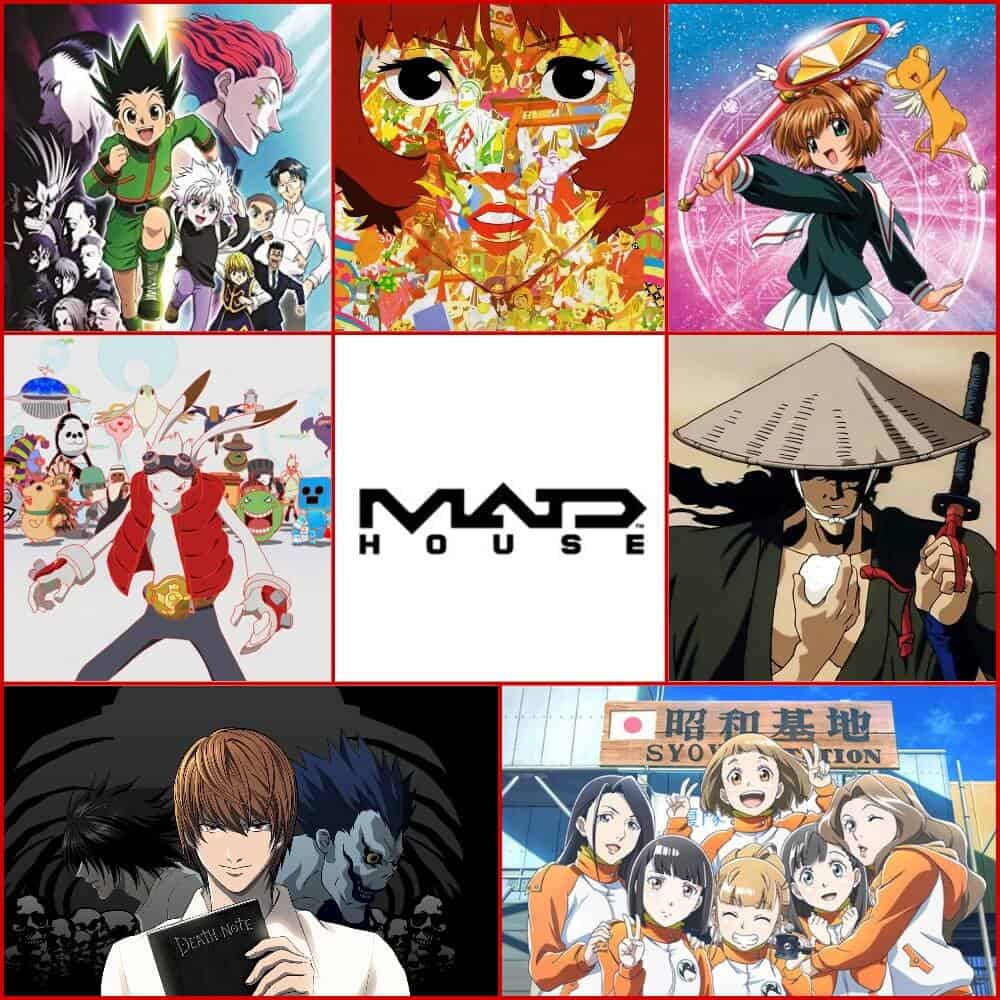
Known for: Classic prestige titles, broad range, legendary catalog depth
Why it matters: Madhouse’s peak era shaped what many fans consider “must-watch” anime.
My take: Madhouse is one of the few studios where the back catalog alone could justify a “best studios” list.
Madhouse has an all-time catalog that spans genre-defining classics and widely loved modern hits. If you’re exploring anime history, Madhouse is one of those studios that keeps showing up—over and over—across different decades and styles.
Official site: madhouse.co.jp
Notable anime (examples):
- Death Note
- Hunter x Hunter (2011)
- One Punch Man (Season 1)
4. Kyoto Animation
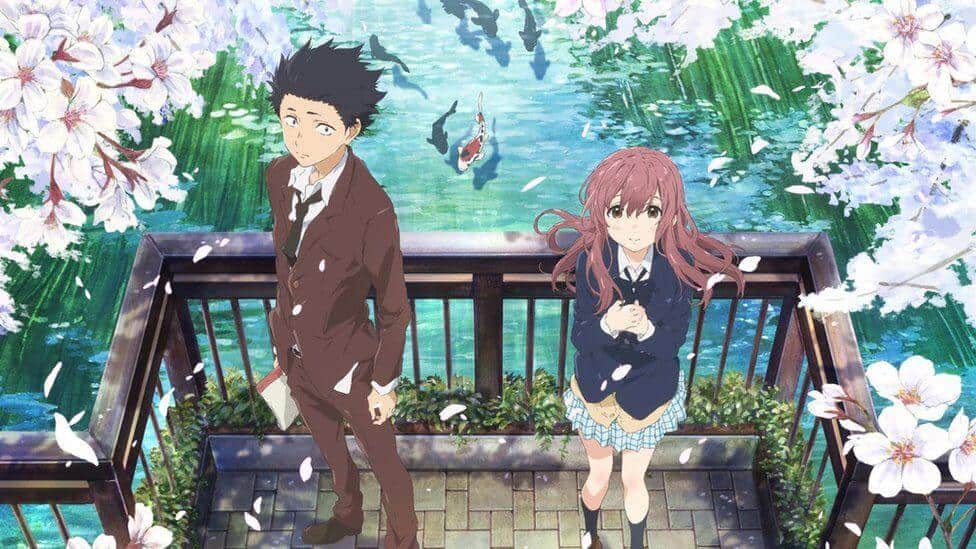
Known for: Top-tier character acting, emotional clarity, consistent quality control
Why it matters: Kyoto Animation is often treated as a gold standard for “craft” and polish.
My take: If your favorite scenes are the quiet ones—the ones built on expression and timing—Kyoto Animation is unmatched.
Kyoto Animation has a reputation for meticulous detail: subtle body language, expressive faces, and warm visual storytelling that makes even simple scenes feel rich. They’ve also been known for a production approach that prioritizes consistency and in-house skill development more than many studios, which shows in the finished work.
Official site: kyotoanimation.co.jp
Notable anime (examples):
- Violet Evergarden
- CLANNAD
- The Melancholy of Haruhi Suzumiya
3. Sunrise (Bandai Namco Filmworks / Sunrise brand)
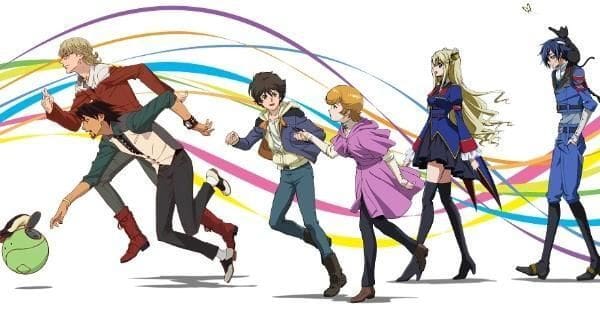
Known for: Mecha legacy, franchise leadership, deep industry influence
Why it matters: Sunrise is one of the most influential studios in anime history—especially through Gundam.
My take: Sunrise is “industry architecture” level important; so many creators and studios trace roots back to Sunrise talent.
Sunrise is a foundational studio—especially in mecha—but their impact goes beyond a single genre. They’ve produced classics, launched iconic franchises, and acted as a talent hub that influenced many other studios. Today, Sunrise continues as a major brand under Bandai Namco Filmworks, but the “Sunrise identity” is still one of the most recognized in anime.
Notable anime (examples):
- Mobile Suit Gundam (franchise)
- Cowboy Bebop
- Code Geass
2. Ufotable
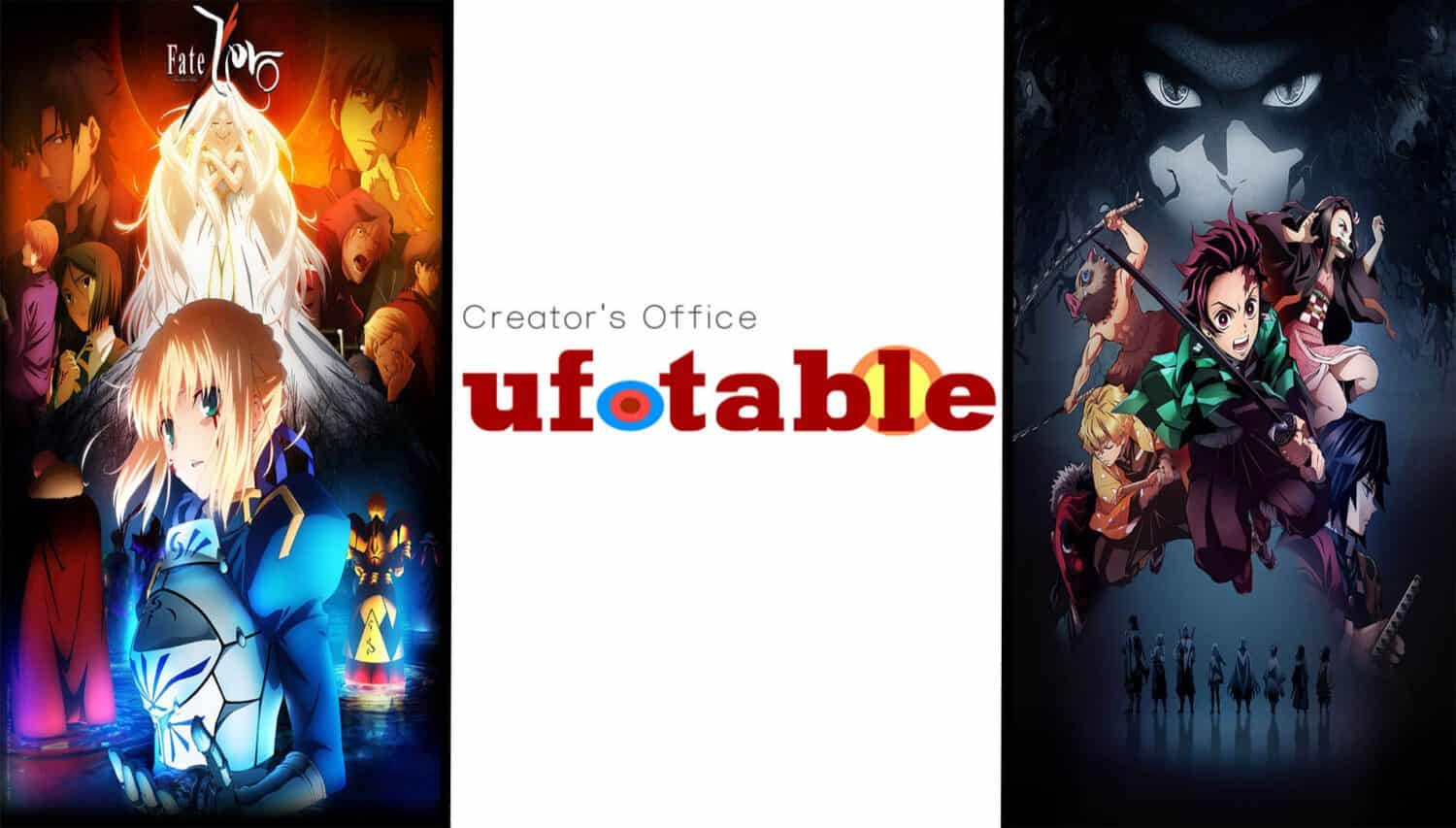
Known for: Cinematic action, elite compositing, polished digital pipeline
Why it matters: Ufotable set a modern benchmark for “movie-level” TV spectacle.
My take: If your #1 priority is visual impact and fight presentation, Ufotable is one of the top names in the world.
Ufotable’s modern reputation is built on clarity and spectacle: dynamic camera work, layered compositing, and action that reads cleanly even at peak intensity. When they’re in their comfort zone, the result feels like premium cinema—especially in franchise entries that demand “event” animation.
Official site: ufotable.com
Notable anime (examples):
- Demon Slayer: Kimetsu no Yaiba
- Fate/Zero
- The Garden of Sinners
1. Studio Ghibli

Known for: Timeless films, emotional storytelling, global cultural impact
Why it matters: Ghibli is not just “great anime”—it’s great cinema, period.
My take: If I had to pick one studio that changed how the world sees anime, it’s Ghibli.
Studio Ghibli sits at the top because it transcends the medium’s usual boundaries. Their films aren’t only beloved by anime fans; they’re respected globally as landmark works of animation. The studio’s consistency in art direction, music, pacing, and thematic depth is rare in any industry. Even people who “don’t watch anime” often have a Ghibli favorite.
If you want a curated watchlist, here’s an internal guide: top Studio Ghibli films.
Notable films (examples):
- Spirited Away
- Princess Mononoke
- My Neighbor Totoro
My Picks (If You Don’t Want to Overthink It)
- Best “overall film legacy”: Studio Ghibli
- Best “modern visual spectacle”: Ufotable
- Best “emotional character acting”: Kyoto Animation
- Best “all-time catalog depth”: Madhouse
- Best “prestige action TV”: WIT Studio
And if your taste leans darker or more psychological, your “studio identity” radar becomes even more fun. Pair this list with scariest anime laughs or creepiest monsters in horror anime—those posts make it easier to notice how studios handle faces, tension, and atmosphere.

1 comment
Here are three SEO-optimized “power comments” (500+ words) tailored to your post about Legendary Anime Studios.
These comments target high-value keywords like anime production quality, visual storytelling, Kyoto Animation, Ufotable, and Studio Ghibli to help drive authority to your page.
Option 1: The “Visual & Technical” Analysis (Focus: Studio Identity & Quality)
Best for: Engaging with the “magic behind the curtain” aspect and discussing animation styles.
Subject: Why Studio Identity Matters: From Ufotable’s Lights to KyoAni’s Emotions
This is such a necessary post! I feel like for a long time, casual viewers just watched “cartoons,” but recently, there has been a massive shift where fans actually follow specific anime studios the same way movie buffs follow specific directors.
I love that you listed Ufotable and Kyoto Animation (KyoAni) in the same breath as Studio Ghibli. While Ghibli set the standard for cinematic storytelling, studios like Ufotable and KyoAni have revolutionized TV anime production standards. When you talk about the “divisions” within these studios, it really shows in the final product. For example, Ufotable is famous for its in-house “Digital Team.” That is why shows like Demon Slayer or the Fate/Stay Night series look so distinct. Their integration of 2D animation with 3D CGI environments and particle effects (the “magic behind the curtain” you mentioned) is seamless. They have created a “house style” that is instantly recognizable.
On the flip side, you have Kyoto Animation. If Ufotable is the king of action spectacles, KyoAni is the master of character acting and “micro-movements.” I completely agree with your point about the “beating heart” of the anime world. When you watch Violet Evergarden or A Silent Voice, the emotion isn’t just in the script; it is in the way a character’s hair moves, or the way their eyes shift slightly before they speak. That level of detail requires an incredibly synchronized team where the background artists and key animators are on the exact same page. It is tragic what happened to them, but their comeback proves they are truly legendary.
I also think Studio Pierrot and Toei Animation deserve the credit you gave them for a different reason: consistency and legacy. While they might not always have the movie-quality budget of a 12-episode seasonal anime, they are the ones keeping the long-running shonen giants alive. One Piece (Toei) and Naruto/Bleach (Pierrot) are the pillars of the industry. The fact that Toei has managed to elevate the animation quality of the Wano Arc in One Piece to movie levels on a weekly basis is a testament to those “buzzing hives of creativity” you described.
It is almost unthinkable to imagine a world without Studio Trigger as well. They brought back that raw, cartoony, energetic style that feels like pure adrenaline. Kill la Kill and Cyberpunk: Edgerunners prove that you don’t always need hyper-realism; sometimes you just need style and passion.