Lola Bunny made her debut in Space Jam in 1996, but she has never felt like one completely settled character. Depending on what you watched, she might be a calm basketball star, a fast-talking comedy character, Bugs Bunny’s girlfriend or the centre of an argument about how female cartoon characters should be designed.
That is what makes Lola interesting to me. Warner Bros. did not simply update her clothes or change her voice over the years. Different movies and shows rewrote her personality almost from the ground up.
Here are 10 facts that explain how Lola Bunny was created, why she changed so much and how she became one of the most debated characters in the Looney Tunes lineup.
1. Space Jam Needed a Major Female Looney Tunes Character
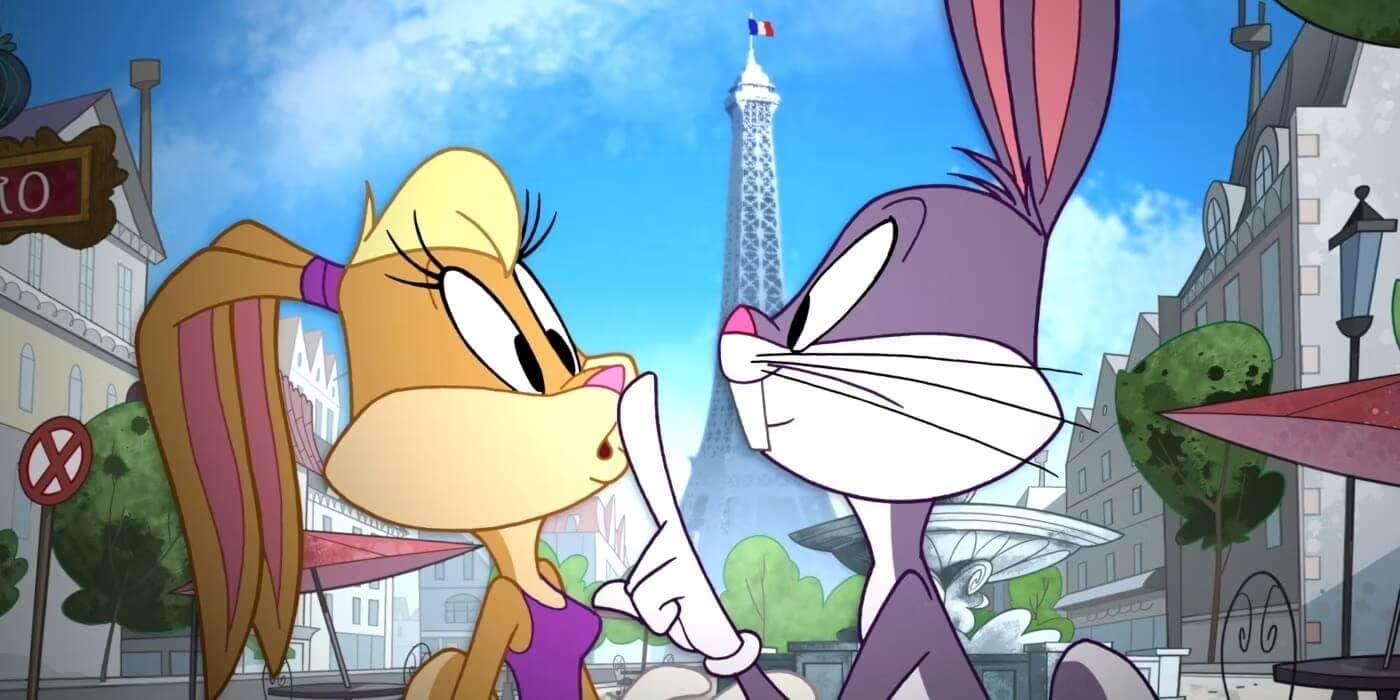
The classic Looney Tunes cast already included female characters such as Granny, Witch Hazel and Penelope Pussycat. What it did not have was a major female co-lead who could stand beside Bugs Bunny in a feature film.
Space Jam filled that gap with Lola. She was introduced as a skilled basketball player, a new member of the Tune Squad and a romantic interest for Bugs.
There was clearly a commercial side to the decision as well. Animation scholar Kevin Sandler described Lola as a female merchandising counterpart to Bugs, and she quickly appeared across toys, clothing and other Warner Bros. products.
I would not say merchandise was the only reason she existed, but it was certainly part of the plan. Lola was built to join the Looney Tunes brand immediately, not slowly grow into it through years of animated shorts.
- The classic Looney Tunes lineup was mostly male.
- Space Jam needed a female character with a major role on the team.
- Lola was presented as an athlete rather than a background character.
- Warner Bros. quickly promoted her alongside Bugs Bunny.
2. Honey Bunny Came Before Lola
Lola was not the first female rabbit connected to Bugs Bunny. Honey Bunny had appeared in Looney Tunes comics and merchandise for years, although her design changed several times and she never became a major animated star.
Early development for Space Jam explored ideas connected to Honey before Warner Bros. settled on Lola as a separate character. One of the problems was that some Honey Bunny designs looked too much like Bugs wearing different clothes.
The artists eventually moved toward a more distinct rabbit with tan fur, blonde hair and a modern athletic look. Development artwork also used several possible names before Lola Bunny became final.
Honey is still important to the story because she shows that Warner Bros. had been searching for a female counterpart to Bugs long before Space Jam. Lola was the version that finally caught on.
- Honey Bunny appeared mainly in comics and merchandise.
- Some versions looked very similar to Bugs Bunny.
- Early Space Jam development moved away from that older design.
- Lola largely replaced Honey as Bugs Bunny’s best-known partner.
3. Lola’s First Design Was More Tomboyish
One of the most revealing facts about Lola is that the production team initially imagined her as more of a tomboy.
Animation director Tony Cervone later explained that the artists worried the early version looked too masculine. They changed direction and emphasized her feminine features instead.
That means the original Space Jam design was not an accidental result of 1990s animation. The team discussed how feminine Lola should look and made a deliberate choice.
I find that especially interesting because Warner Bros. revisited the same issue in 2021. The studio first moved away from a tomboy design, then decades later redesigned Lola to place less attention on her figure and more on her athletic role.
- Lola was initially imagined with a more tomboyish appearance.
- The team worried she would be read as too masculine.
- Her feminine features were emphasized during development.
- The decision shaped how audiences viewed her for the next 25 years.
4. Her Movie Outfit and Merchandise Outfit Are Different
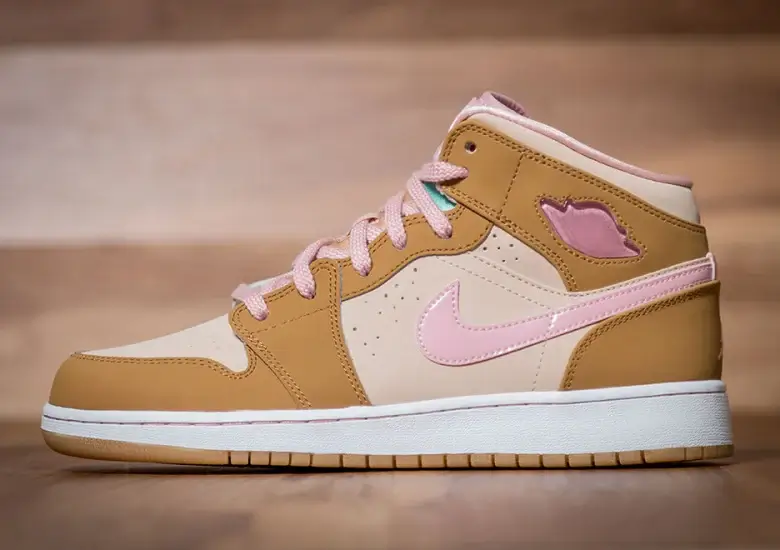
Lola’s original outfit is remembered differently depending on whether someone is thinking about the movie or the promotional artwork.
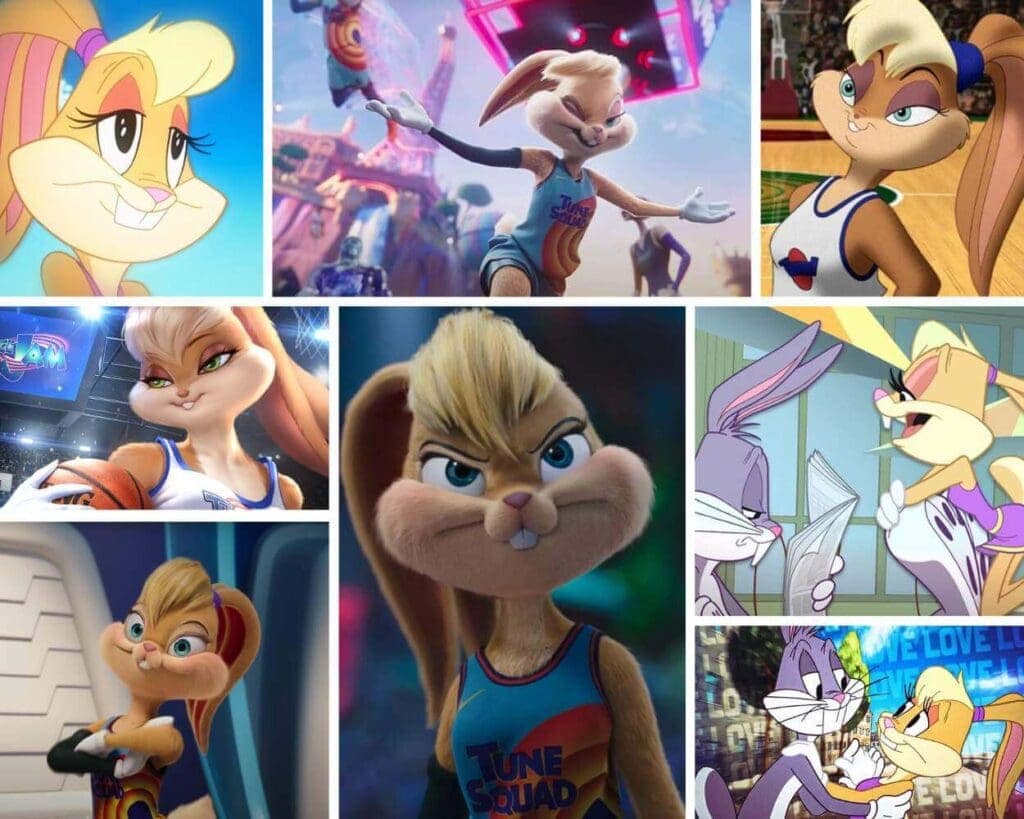
Her standard merchandise design usually gives her a yellow cropped top, purple shorts and matching purple bands around her ears. In the movie, she first appears in a white top, dark shorts and a black jacket before changing into the Tune Squad uniform.
I had always pictured the yellow-and-purple version first, so the difference stood out when I went back to the film. Warner Bros. used the brighter colours so often that they became Lola’s default look outside the basketball game.
- Lola has tan fur, blonde bangs and aqua-coloured eyes.
- Her common promotional outfit is yellow and purple.
- Her first outfit in the movie uses white, dark blue and black.
- She wears the Tune Squad uniform during the main game.
5. “Don’t Ever Call Me Doll” Defined Her
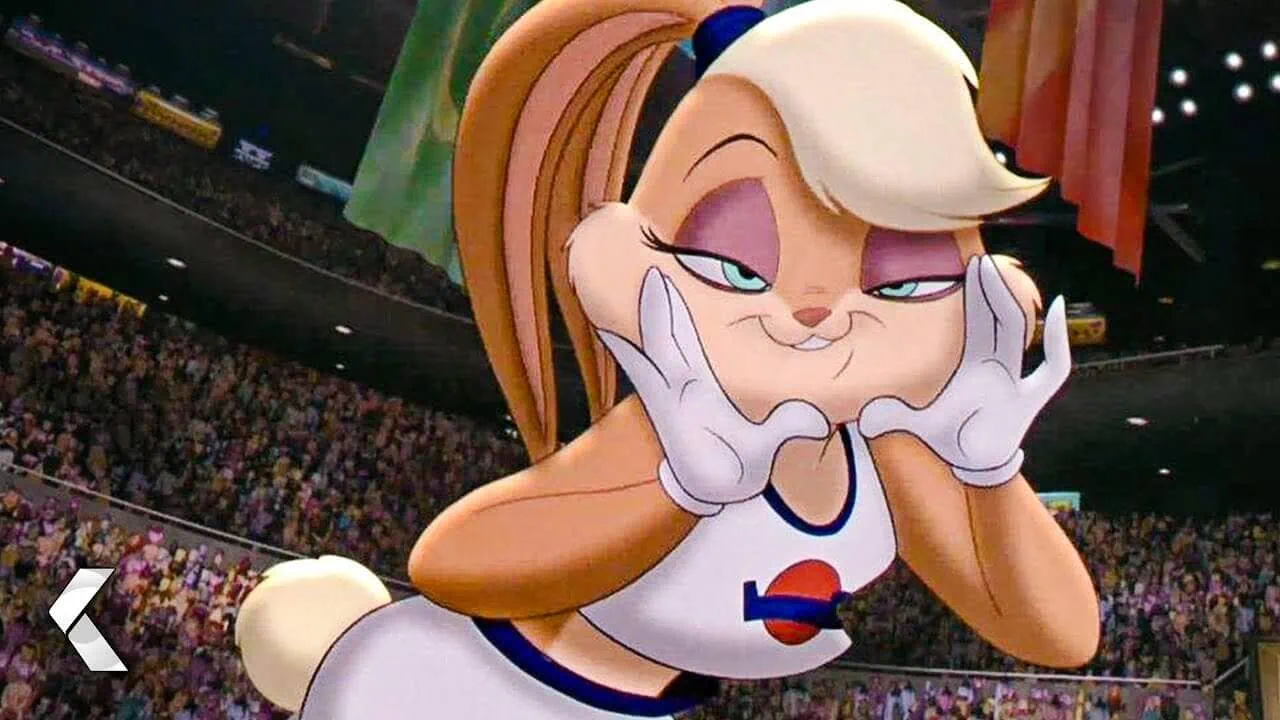
Lola’s best-known line arrives almost immediately after Bugs meets her.
He calls her “doll,” and she warns him, “Don’t ever call me doll.” She then proves the point by beating him on the court and finishing with a dunk.
The scene quickly establishes that Lola is not joining the Tune Squad as a mascot. She is one of its strongest players and has no interest in being dismissed because she is the only woman on the team.
There is still a contradiction in how the movie presents her. The script tells the audience to take Lola seriously, while the camera and several male characters focus heavily on how attractive she is.
That contradiction is probably why people still argue about the original version. Some viewers remember the confident athlete. Others remember how Bugs and the rest of the cast reacted when she entered the room. Both memories come from the same movie.
- Her warning to Bugs became her unofficial catchphrase.
- Her basketball audition establishes her ability.
- She plays an important role throughout the game against the Monstars.
- The movie presents her as both highly capable and a romantic fantasy.
6. Her Relationship With Bugs Changes Between Versions
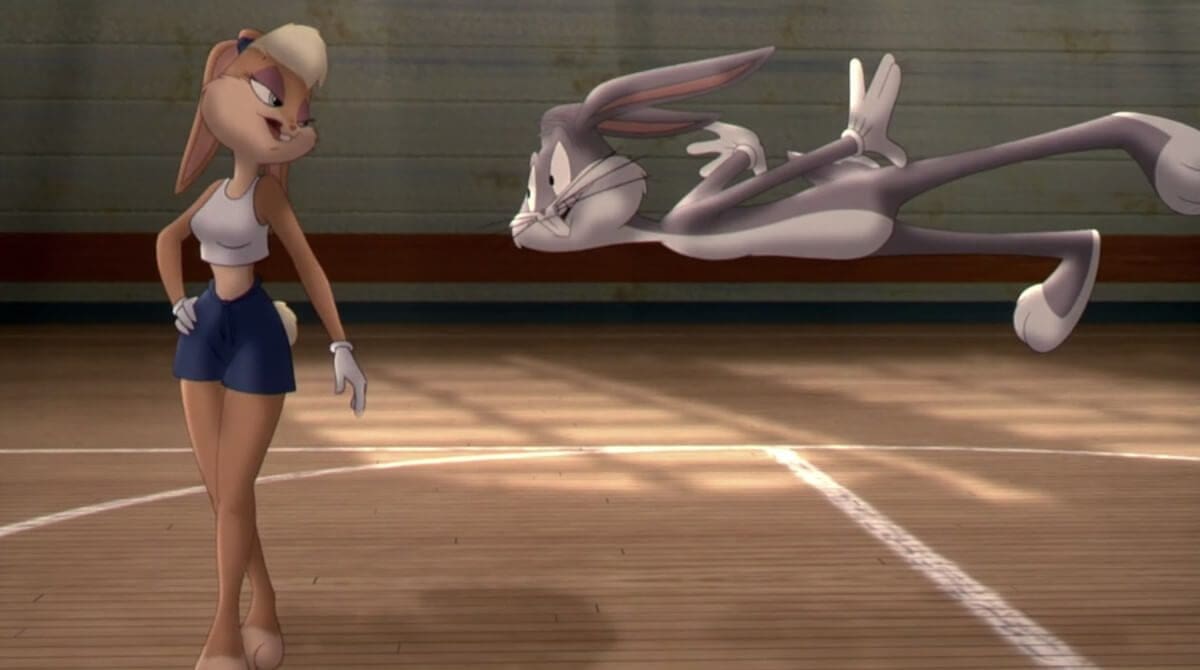
Bugs falls for Lola the moment he sees her in Space Jam. Lola is much less interested at first and stays focused on earning her place on the team.
She begins to warm to him after he pulls her out of the way during the game and gets flattened by a Monstar in her place. Their kiss near the end confirms the romance.
Lola went on to become Bugs Bunny’s most recognizable romantic partner, although Looney Tunes continuity has never been especially strict. Each series handles them differently.
In Space Jam, Bugs pursues Lola. In The Looney Tunes Show, Lola is the one constantly pursuing Bugs while he struggles to keep up with her energy. Other projects simply treat them as an established pair without spending much time on the relationship.
- Bugs is immediately attracted to Lola in Space Jam.
- Lola initially cares more about basketball than romance.
- Later shows reverse or change their relationship dynamic.
- Honey Bunny was Bugs’s earlier girlfriend in comics and merchandise.
7. The Looney Tunes Show Completely Rewrote Her Personality
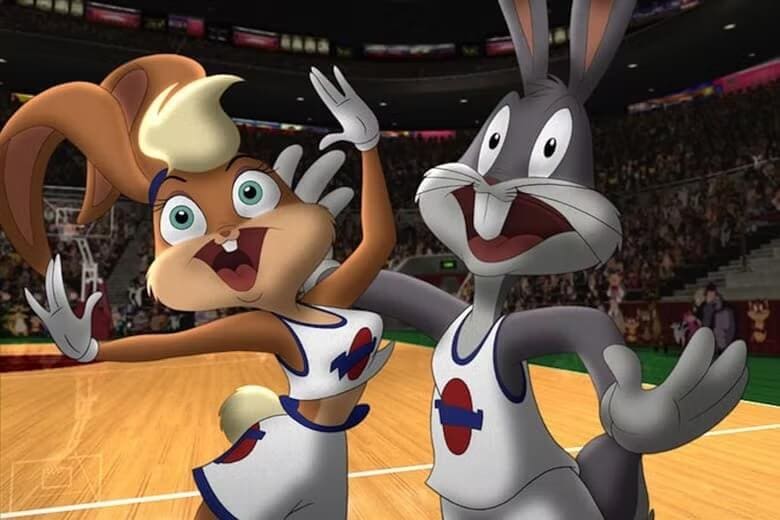
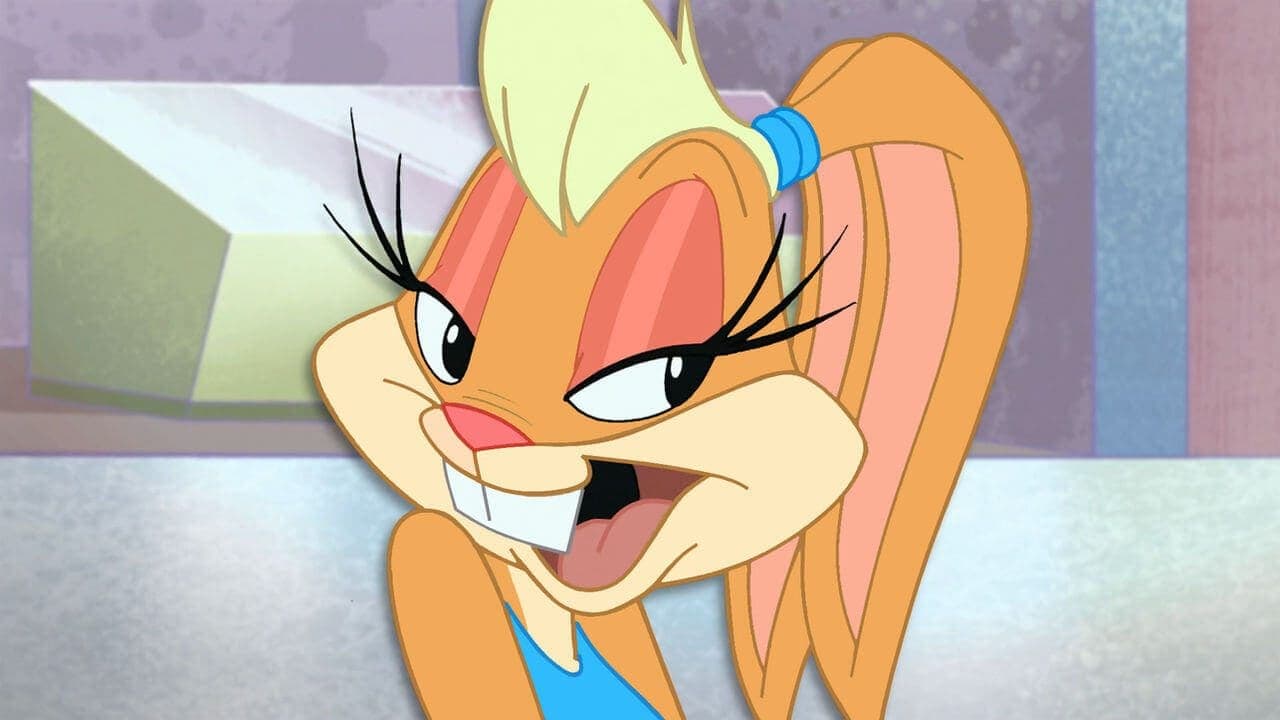
The Looney Tunes Show introduced a version of Lola who barely resembles the calm athlete from Space Jam.
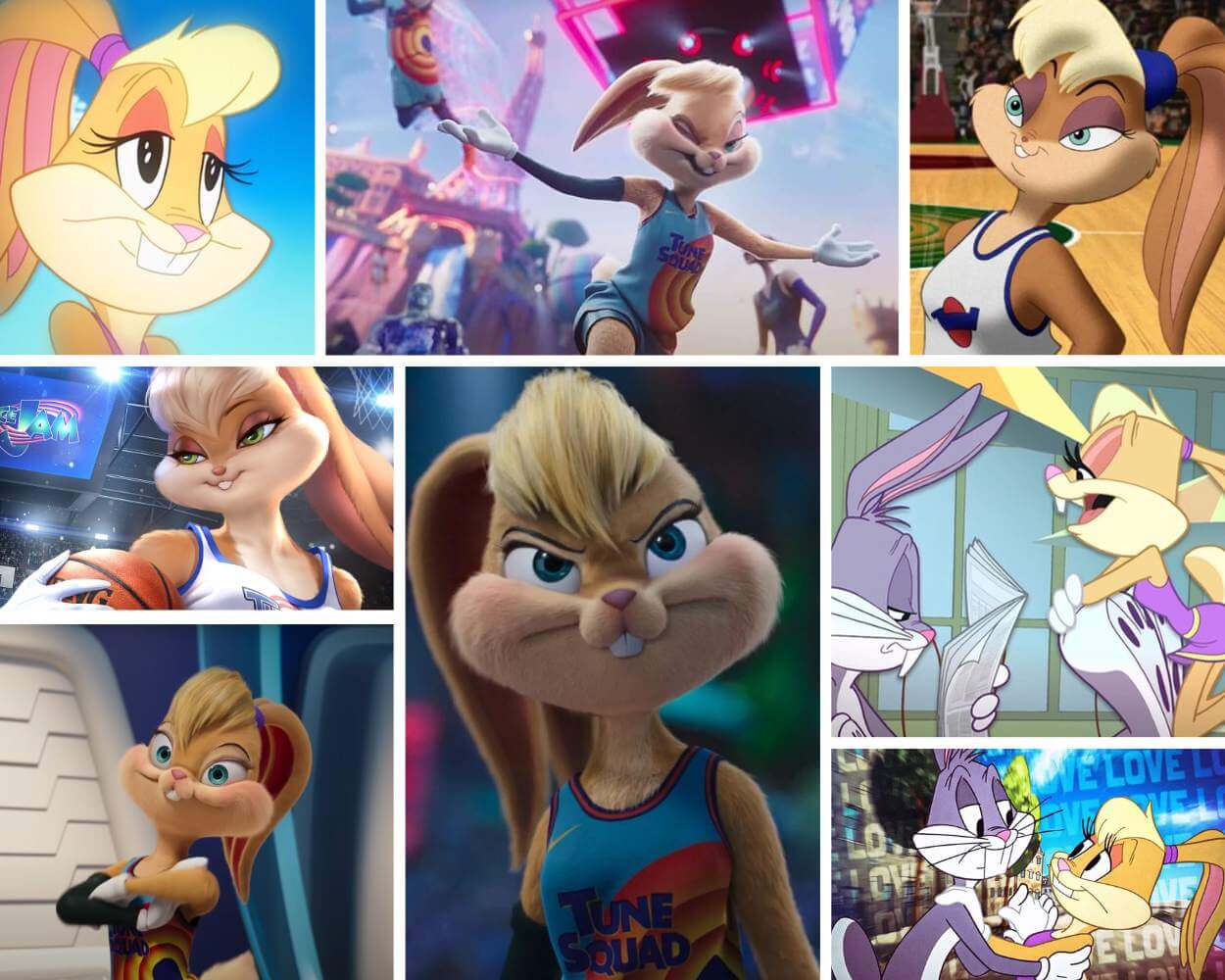
Kristen Wiig voices her as talkative, impulsive and cheerfully unaware of how strange she sounds. She jumps between subjects, misunderstands situations and becomes completely fixated on Bugs.
To me, this feels less like a minor update and more like a new comedy character using Lola’s name and basic design. That does not automatically make her worse. In fact, this may be the funniest version of Lola, but she is funny for completely different reasons.
The original Lola was often criticized for not having enough personality beyond basketball and romance. The television series solved that problem by giving her an overwhelming amount of personality, along with plenty of flaws.
- Kristen Wiig voiced Lola throughout the series.
- This version talks quickly and rarely stays focused.
- She is less composed and athletic than the 1996 version.
- Her intense interest in Bugs drives many of her stories.
8. The Looney Tunes Show Gave Lola a Wealthy Family
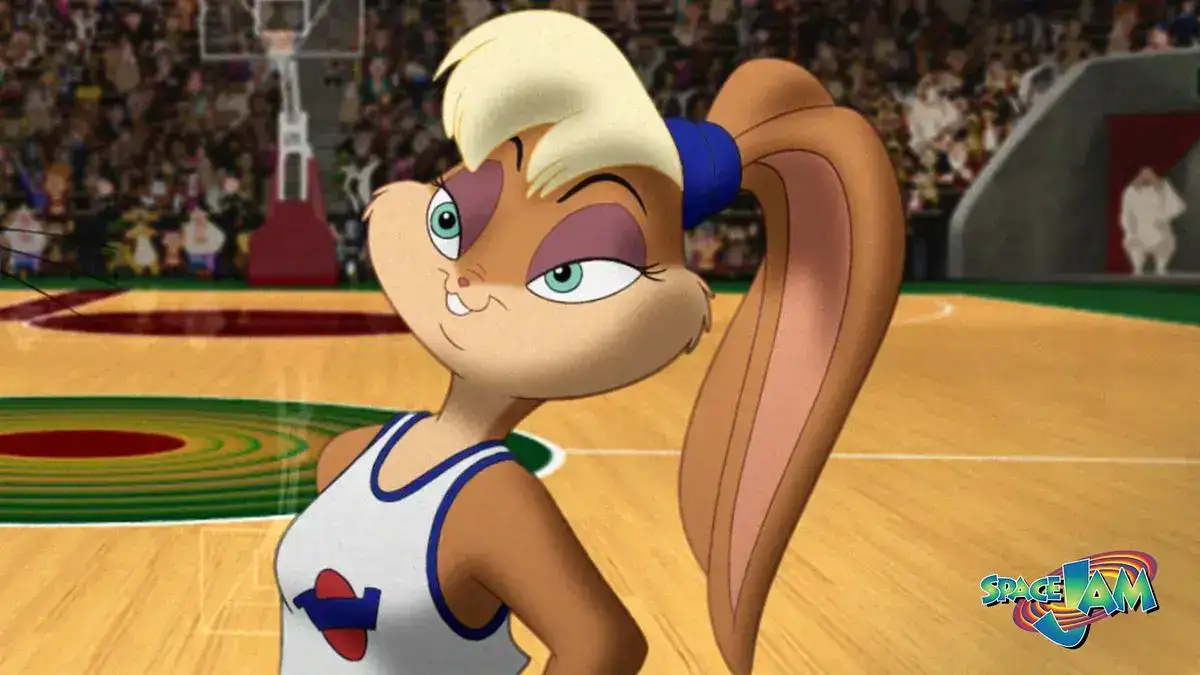
The Looney Tunes Show also gave Lola something the movie never did: a family background.
Her parents, Walter and Patricia Bunny, are wealthy and live a country-club lifestyle. Lola has grown up with money and seems completely comfortable in that world, even when Bugs and the other characters feel out of place.
The series uses the family’s wealth as a recurring joke rather than a serious part of Lola’s history. Walter and Patricia are affectionate parents who seem to accept their daughter’s unusual personality without questioning it.
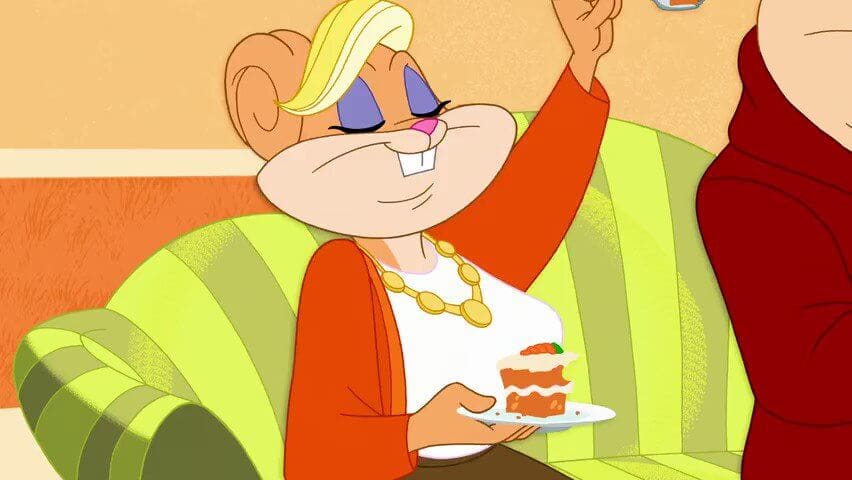
- John O’Hurley voices Lola’s father, Walter Bunny.
- Grey DeLisle voiced Patricia during the first season.
- Wendi McLendon-Covey took over the role during the second season.
- The parents and wealthy background belong specifically to this series.
This is a good example of how little Lola’s history carries between projects. Space Jam never mentions her parents or childhood, and later versions are free to ignore everything the television series established.
9. The 2021 Redesign Started a Much Larger Argument
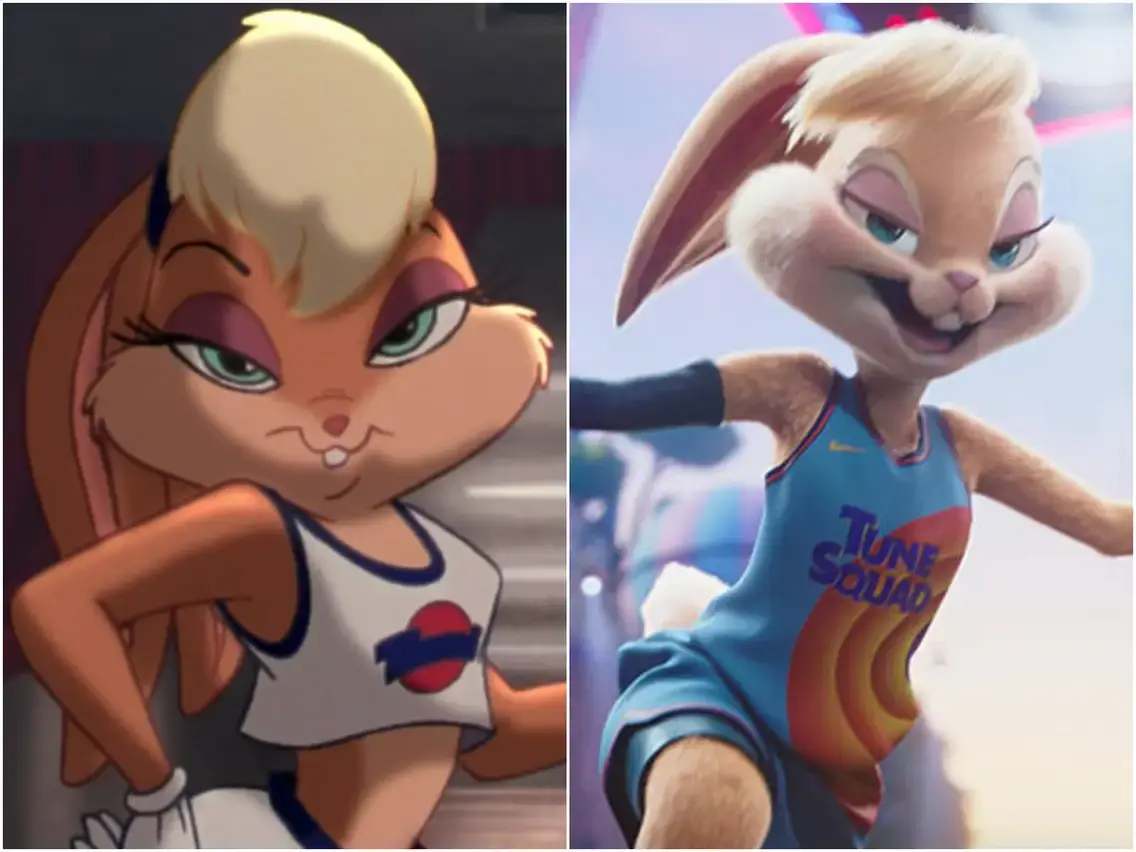
Space Jam: A New Legacy gave Lola a new uniform, a different body shape and a new voice.
Director Malcolm D. Lee said he was uncomfortable with how sexualized the original character had been in a children’s movie. The redesigned Lola wore a longer uniform that covered her midriff and placed more visual emphasis on her role as an athlete.
The change quickly became one of the most discussed parts of the sequel before anyone had even seen the full movie.
I understood the reason for changing the design. The original film often treated Lola’s appearance as though it were one of her main character traits. At the same time, I also understood the criticism that changing an outfit does not automatically create better writing.
The strongest version of Lola would not need to choose between femininity and ability. She could be stylish, funny, athletic and fully developed at the same time. The design can help, but the personality still has to come from the script.
- The redesign covered Lola’s midriff and lengthened her uniform.
- Lee wanted the sequel to emphasize her ability and leadership.
- Supporters thought the change reduced unnecessary sexualization.
- Critics argued that the studio focused more on clothing than characterization.
10. More Actresses Have Voiced Lola Than Most People Realize
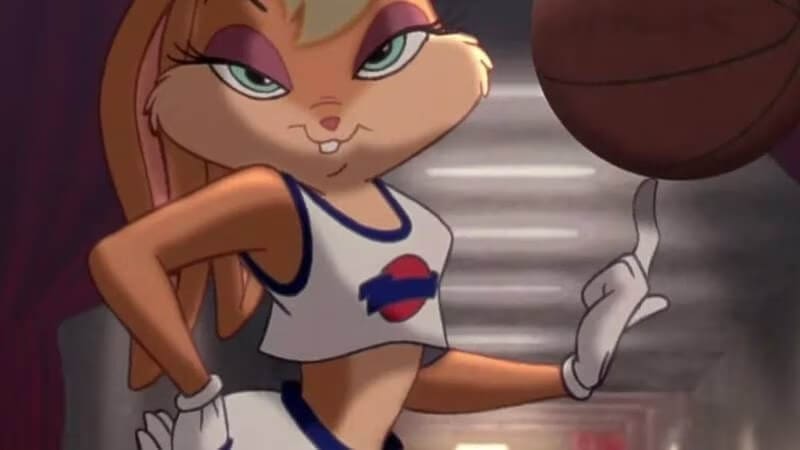
Kath Soucie created Lola’s original voice for Space Jam and has returned to the character several times. She is still the performer most closely associated with the 1996 version.
However, later shows, movies and games have regularly recast the role. Some actresses are playing different ages or interpretations of Lola, while others are simply taking over for a new production.
- Kath Soucie: Space Jam and several later Looney Tunes projects
- Britt McKillip: Baby Lola in Baby Looney Tunes
- Kristen Wiig: The Looney Tunes Show
- Rachel Ramras: Looney Tunes: Rabbits Run
- Zendaya: Space Jam: A New Legacy
- Chandni Parekh: Bugs Bunny Builders
- Kari Wahlgren: Tiny Toons Looniversity
- Erin Yvette: Lola in the game MultiVersus
I would avoid putting one permanent number on the total because new games and series can add another voice at any time. The more interesting point is that each major version tends to sound as different as it is written.
Where Else Does Lola Bunny Appear?
Lola has never had a long-running series entirely to herself, but she has moved far beyond the two Space Jam movies.
- Baby Looney Tunes reimagines her as a child.
- Looney Tunes: Rabbits Run, released in 2015, gives her a central role alongside Bugs.
- New Looney Tunes brings her back for several comic adventures.
- Bugs Bunny Builders includes her as part of the construction team.
- Tiny Toons Looniversity uses Lola as a sports coach at Acme Looniversity.
- She appears in games including Looney Tunes Racing, Space Race and MultiVersus.
She also shares the modern Tiny Toons world with Fifi La Fume. For another character from a Looney Tunes spinoff, see our guide to Queen Tyr’ahnee.
Frequently Asked Questions About Lola Bunny
Who originally voiced Lola Bunny?
Kath Soucie originated the role in the 1996 movie Space Jam. Kristen Wiig voiced Lola in The Looney Tunes Show, while Zendaya played her in Space Jam: A New Legacy.
When did Lola Bunny first appear?
Lola made her first official appearance in Space Jam, released on November 15, 1996.
What is Lola Bunny’s catchphrase?
Her best-known line is “Don’t ever call me doll,” which she says after Bugs Bunny calls her “doll” during their first meeting.
Why was Lola Bunny redesigned?
Director Malcolm D. Lee said the original version had been overly sexualized for a children’s movie. The 2021 redesign gave Lola a longer basketball uniform and placed more emphasis on her athletic role.
Are Lola and Bugs Bunny a couple?
They are commonly presented as romantic partners, although the exact nature of their relationship changes between movies and television series.
Was Lola Bunny based on Honey Bunny?
Honey Bunny was an earlier female rabbit associated with Bugs and influenced the development process. Warner Bros. ultimately created Lola as a separate character with a more distinctive design.
Does Lola Bunny have her own movie?
Looney Tunes: Rabbits Run places Lola at the centre of the story, although it also features Bugs Bunny and other Looney Tunes characters. She has not had a long-running solo television series.
Which Version of Lola Bunny Works Best?
I do not think there is one version that completely solves the character. The original Lola is confident and athletic, but the movie does not give her much room to be funny. The Looney Tunes Show gives her a real comic personality, but it changes her so much that she sometimes feels unrelated to the athlete from Space Jam.
A New Legacy tries to combine athletic ability with a more modern presentation, although changing her uniform attracted more attention than anything the movie did with her personality.
That may be the real Lola Bunny story. Warner Bros. knows she belongs in the Looney Tunes lineup, but every generation has a different idea of what she should be.
Which version do you prefer: the original Space Jam athlete, Kristen Wiig’s comedy version or the redesigned Lola from A New Legacy? Let me know in the comments.