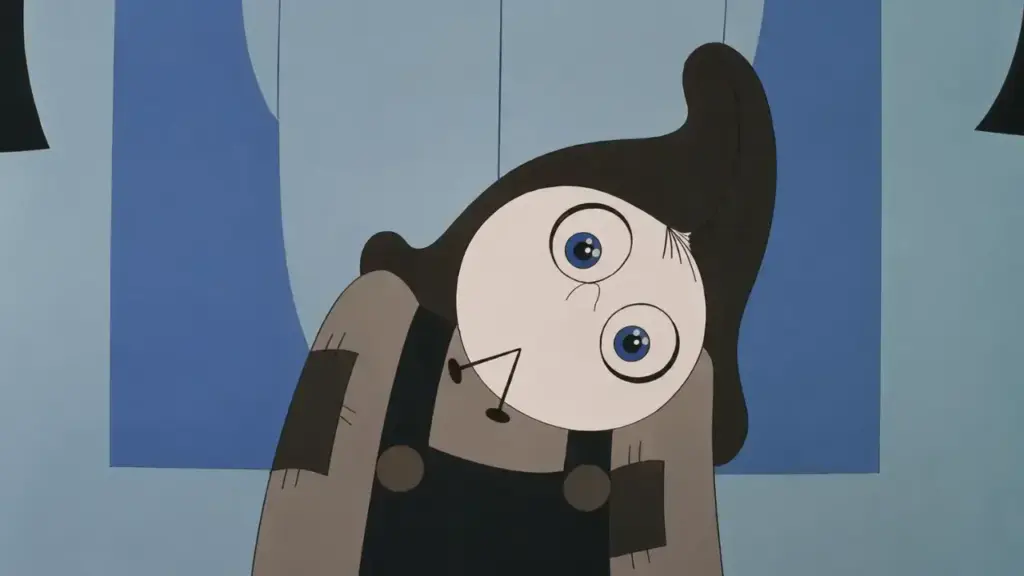
Tack is the unlikely hero of Richard Williams’s legendary animated film The Thief and the Cobbler. He is a shy, gentle cobbler who lives in the Golden City and says almost nothing in Williams’s original version.
Throughout the story, Tack rises from an overlooked shoemaker to the kingdom’s unlikely savior. He is caught between the scheming Grand Vizier Zigzag and the invading One-Eye army, which is preparing to destroy his home.
His journey is driven by kindness, patience, and quick thinking. Along the way, he falls in love with Princess Yum-Yum and repeatedly crosses paths with the film’s nameless Thief.
Tack may not look like a conventional hero, but he proves that courage can come from the quietest and most unexpected places.
Tack the Cobbler: Character Profile
| Detail | Specification |
|---|---|
| Associated Film | The Thief and the Cobbler |
| Creator / Director | Richard Williams |
| Key Visual Feature | Skinny frame, pale complexion, scruffy hair, and a mouthful of cobbler’s tacks |
| Primary Tools | Cobbler’s hammer, thread, tacks, and careful timing |
The Many Facets of Tack: A Guide to the Protagonist
Animation has given us countless heroes with bold personalities, powerful weapons, and dramatic speeches. Tack is easy to overlook beside characters like that, but his awkwardness, restraint, and quiet resourcefulness are exactly what make him stand out.
The Cobbler with a Heart of Gold
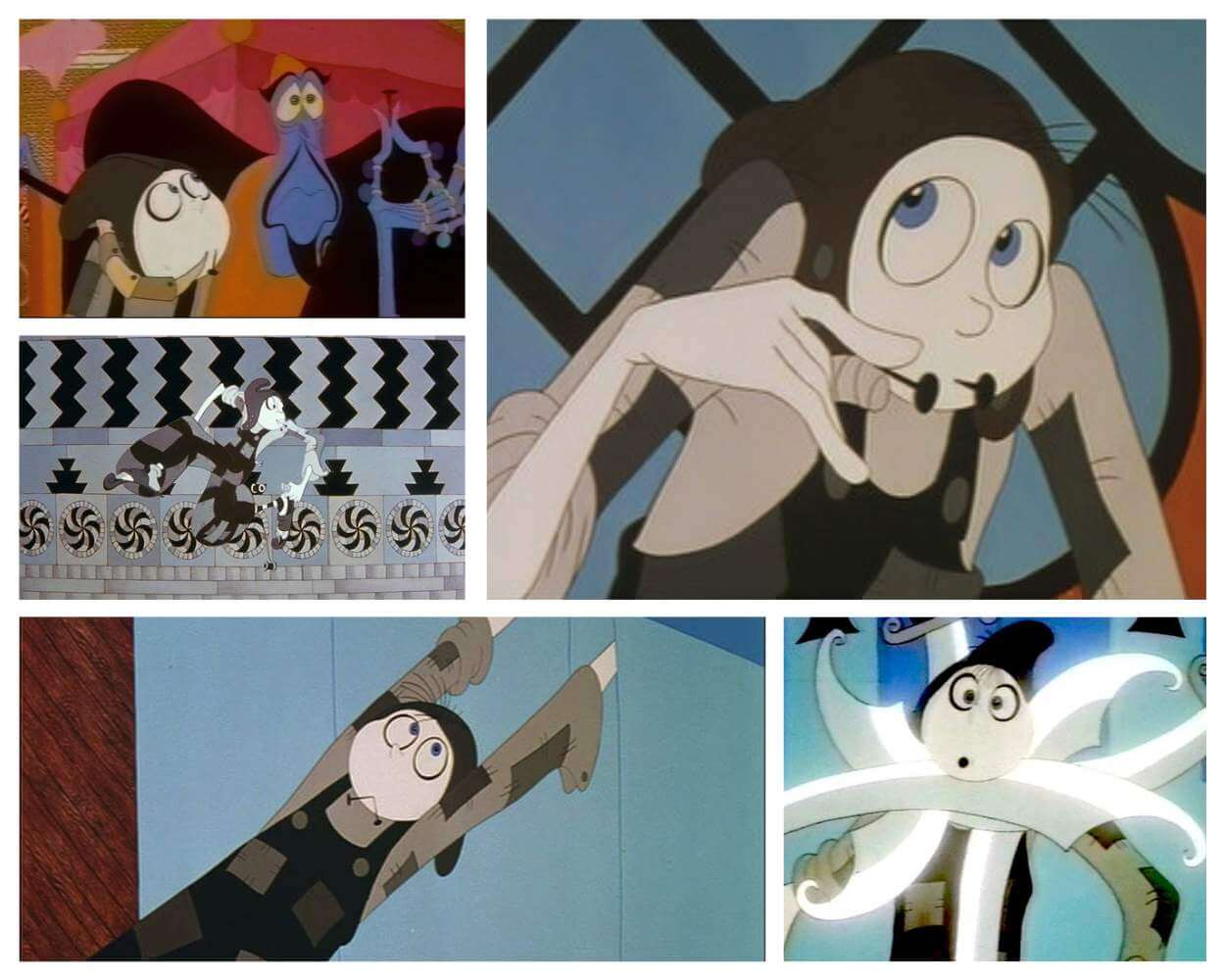
With his skinny limbs, nervous manner, and untidy brown hair, Tack hardly looks like the hero of an animated epic. He begins as a humble cobbler, quietly repairing shoes in the crowded Golden City.
What separates Tack from everyone around him is his decency. He is gentle with Princess Yum-Yum, refuses to be bullied by Zigzag, and steps forward when the city is threatened.
Tack never becomes a fearless warrior. He remains shy and physically awkward, but he acts when it matters. That makes his courage feel more believable than the confidence of a hero who was never afraid in the first place.
An Appearance That Defies Stereotypes
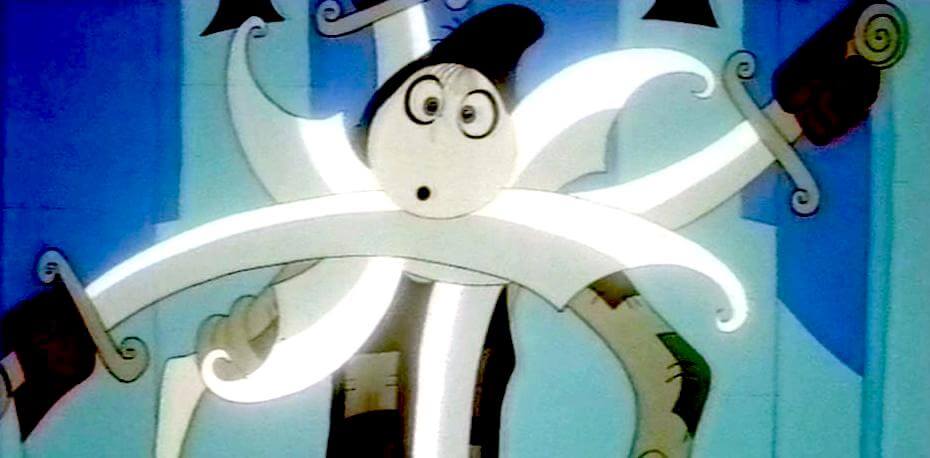
Tack’s appearance completely rejects the broad shoulders and square jaw usually given to animated heroes. His body is narrow, his hair is uneven, and his movements often look hesitant.
His simple design also serves a practical purpose. The film surrounds him with patterned floors, enormous buildings, and dizzying changes in perspective. Tack remains easy to follow because his silhouette is clean and uncomplicated.
He looks like someone who belongs behind a workbench, not on a battlefield. When he eventually saves the Golden City, the contrast between his appearance and his achievement becomes the entire point.
A Silent Personality Worth a Thousand Words
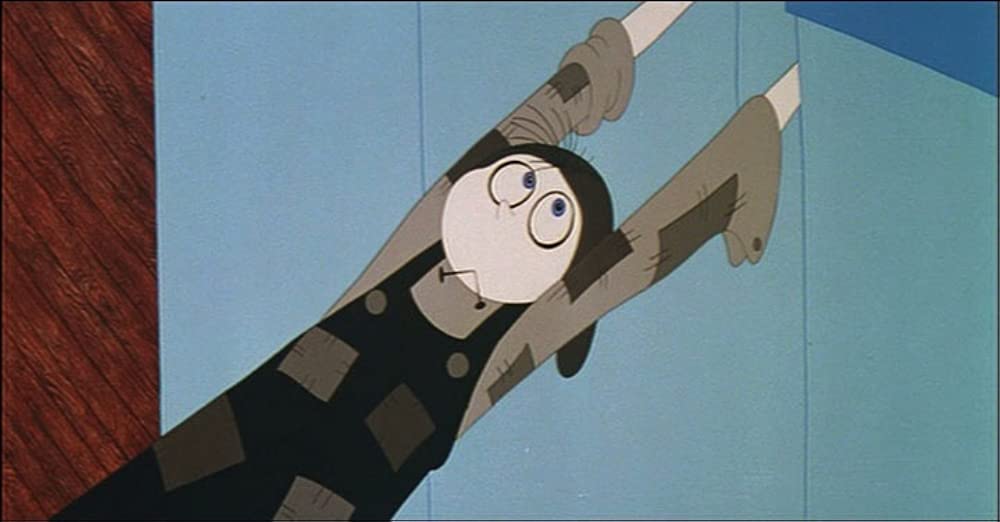
Tack’s quiet personality is central to the way Richard Williams designed him. Instead of explaining himself through dialogue, he communicates through his eyes, hands, posture, and timing.
His silence never makes him feel empty. A quick glance shows fear, a careful movement reveals concentration, and his reactions to Yum-Yum tell us exactly how he feels.
The later Miramax version changed this by giving Tack an internal monologue voiced by Matthew Broderick. That version explains more, but it also removes some of the precision and charm from a character who was created to communicate through animation.
Personally, this is why the quieter Tack works so well for me. In Williams’s 1992 workprint, he remains silent until the wedding, when he finally answers Yum-Yum with a brief declaration of love. After an entire film built on gestures and expressions, those few words carry real weight.
Animating on “Ones”: The Mind-Bending Artistry of Tack
To fully appreciate Tack, you have to look beyond the character and consider the enormous amount of work behind his movements.
Animator Richard Williams pushed many of the film’s most complicated sequences beyond the common practice of animating “on twos,” where one drawing is photographed for two frames.
Animating “on ones” can require 24 separate drawings for a single second of screen time. Williams did not use the technique identically in every shot, but many of the film’s most demanding scenes were built with an unusually high number of drawings.
The result is movement that feels incredibly smooth. Tack’s physical comedy, the shifting palace backgrounds, and the final destruction of the One-Eye war machine all move with a level of control rarely seen in hand-drawn animation.
The Pure Art of Hand-Drawn Animation: The film’s spinning rooms, changing perspectives, and intricate geometric patterns were created through traditional drawing, painting, and camera work. Tack’s deliberately simple design gives the viewer a clear figure to follow against those overwhelming backgrounds.
This is where Williams’s ambition becomes both inspiring and frustrating. He spent decades reworking scenes and chasing a standard few animated films would even attempt. The surviving footage is astonishing, but that same perfectionism made deadlines and budgets increasingly difficult to control.
The film’s troubled production was not caused by a lack of talent. It was the result of an artist trying to make every scene exceptional, even when the project could no longer support that level of revision.
Tack’s Unexpected Arsenal
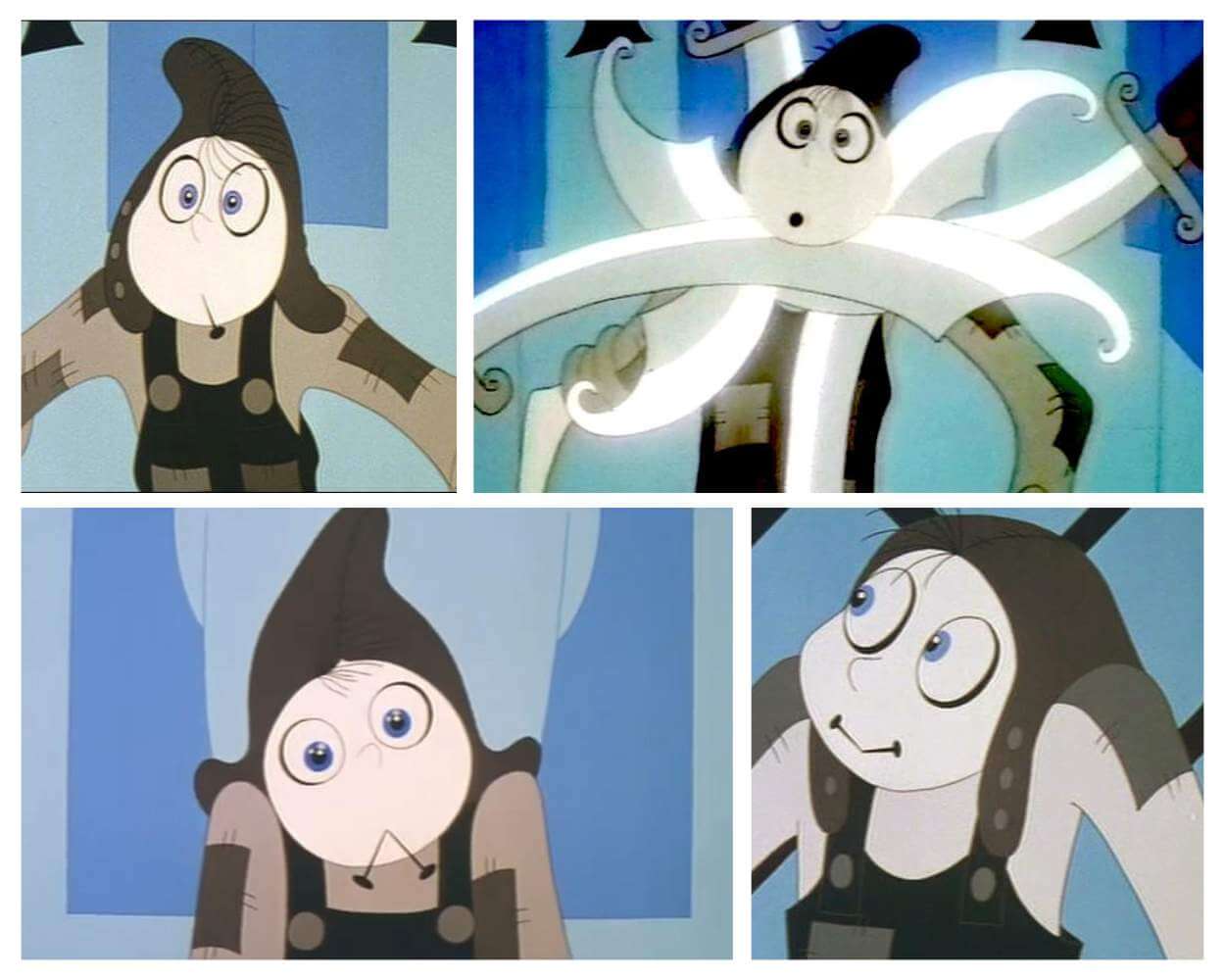
Tack never carries a mighty sword or commands an army. His tools are the same simple objects he uses in his workshop: a hammer, thread, and the tacks of his trade.
His real advantage is observation. Tack notices how objects move, waits for the right moment, and understands how one small action can trigger something much larger.
That idea drives the climax. Tack launches a single tack into the One-Eyes’ enormous war machine, setting off a chain reaction that tears through its gears, weapons, and soldiers.
It is the perfect victory for his character. Tack does not defeat a massive machine by becoming stronger than it. He finds the one small point that causes it to destroy itself.
Love, Friendship, and Unlikely Alliances
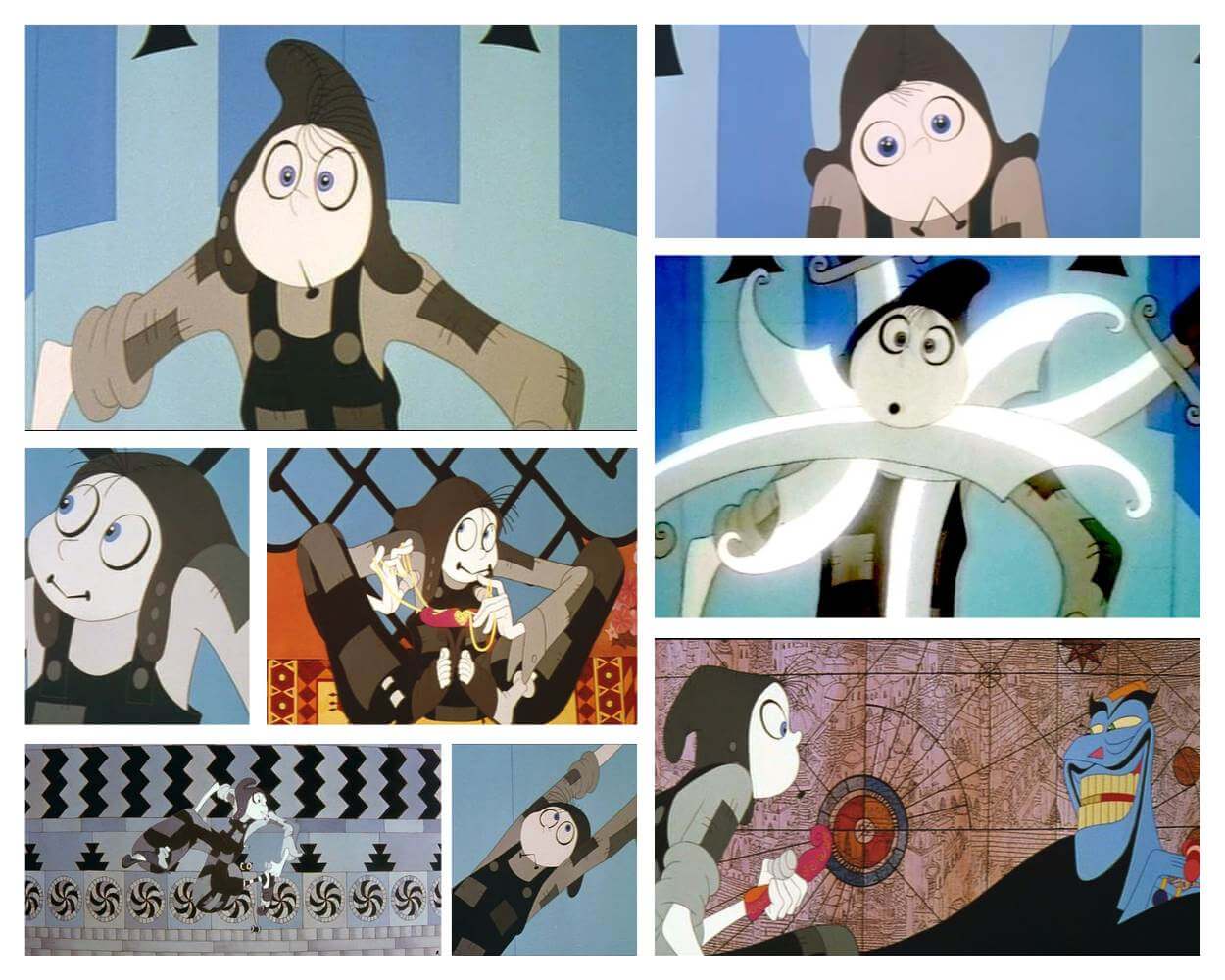
Tack’s journey is also a quiet love story. His relationship with Princess Yum-Yum begins after Zigzag has him arrested and brought to the palace, where she quickly realizes that the cobbler is not dangerous.
Their romance develops mainly through looks, gestures, and shared danger. Yum-Yum is not simply a prize waiting for Tack at the end of the story. She questions her father’s decisions, confronts Zigzag, and takes an active role in protecting the city.
Tack’s love for her gives the adventure a personal stake, but it is not his only reason for acting. He also chooses to defend the people and the city that would otherwise be destroyed by the One-Eyes.
An Unlikely Connection: Tack and the Thief
Despite the film’s title, Tack and the Thief are not a traditional partnership. They spend most of the story following separate paths through the same crisis.
Tack moves through the central plot, while the nameless Thief chases whatever glittering object has caught his attention. Their actions repeatedly cross, often without either character understanding the full effect.
The Thief causes much of the trouble by stealing the three golden balls that protect the city. He later recovers them from the collapsing war machine, and Tack receives them near the end.
Their connection is based more on contrast than friendship. Tack acts carefully and with purpose, while the Thief is ruled by impulse. One saves the kingdom deliberately, while the other helps almost entirely by accident.
Tack’s Timeless Legacy
More than three decades after different versions of The Thief and the Cobbler first reached audiences, Tack remains one of animation’s most unusual heroes.
His personality is not especially complicated on the page. Much of his appeal comes from the way he is drawn, posed, and timed. He is the kind of character who can only be fully understood through animation.
In a medium filled with loud personalities, Tack shows the value of stillness. He proves that a hero can be gentle without being weak and frightened without being useless.
His legacy is also tied to the film’s fractured history. Different audiences encountered different versions of Tack, from Williams’s nearly silent cobbler to the heavily narrated character released by Miramax.
That makes him more than the hero of an unfinished masterpiece. He is also a reminder of how editing, dubbing, and studio intervention can change a character after the animation has already been created.
Disney Aladdin Controversy
To understand the controversy, you have to start with the timeline.
Williams began developing the project that eventually became The Thief and the Cobbler in the 1960s. Its story, title, and characters changed several times as the film moved through decades of interrupted production.
Disney released Aladdin in November 1992, while Williams’s film was still unfinished. The surface similarities were hard to ignore: an Arabian fantasy setting, a princess, a scheming grand vizier, a young underdog, and a bird connected to the villain.
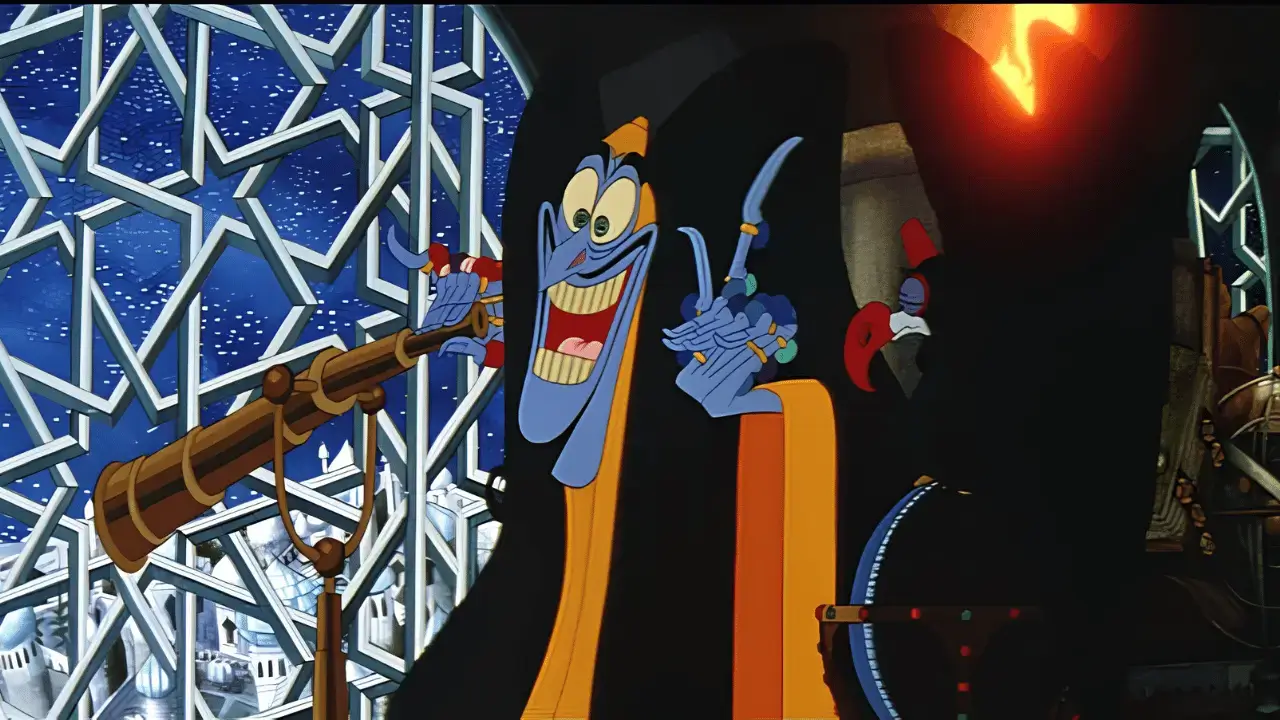
Zigzag, the tall and theatrical vizier voiced by Vincent Price, had existed in Williams’s project long before Jafar appeared on screen. His narrow face, elegant movements, and manipulative personality make the comparison understandable.
Zigzag’s blue face also invites comparisons to the Genie
Tack, meanwhile, occupies a similar place in the story to Aladdin: a poor but decent young man who falls in love with a princess.
The overlap was not necessarily proof of copying.
Both films drew from many of the same visual traditions and stories associated with Middle Eastern folklore. Animators also moved between major studios, making some creative overlap possible without proving that one production directly stole from the other.
What is certain is that the timing hurt Williams. Warner Bros. had agreed to finance and distribute his film, but the production fell behind schedule and remained unfinished. The approaching release of Aladdin increased the pressure on a project that was already struggling with deadlines.
The completion bond company took control of the unfinished film in 1992 and hired Fred Calvert to complete a new version. It was released internationally in 1993 as The Princess and the Cobbler.
Miramax, which was then owned by Disney, later acquired the North American distribution rights. Its editors cut the film further, added songs, and gave both silent leads extensive voice-over. That version opened in the United States in 1995 as Arabian Knight.
That is the bitter irony at the centre of the story.
A film that had been in development for decades finally reached many viewers after Aladdin, only to be dismissed as an imitation of the newer Disney movie.
My take: the similarities are real, but I would not present copying as a proven fact.
Evil viziers, princesses, poor young heroes, and magical Arabian settings existed long before either film. Zigzag and Jafar certainly invite comparison, but resemblance alone does not tell us exactly how those designs developed.
Aladdin is still a wonderful film. What bothers me is what happened to Williams’s work.
He spent decades trying to create a mostly silent, hand-drawn spectacle, and the version many people saw was a shortened musical filled with added jokes and narration. The greatest loss was not deciding who borrowed from whom.
It was how much of Williams’s original film never reached the screen in finished form.
What’s Your Take on Tack’s Design?
Do you think Tack is one of the most underrated protagonists in animation history? How well does his quiet, expressive design hold up against the usual square-jawed cartoon hero?
Share your thoughts in the comments below.