
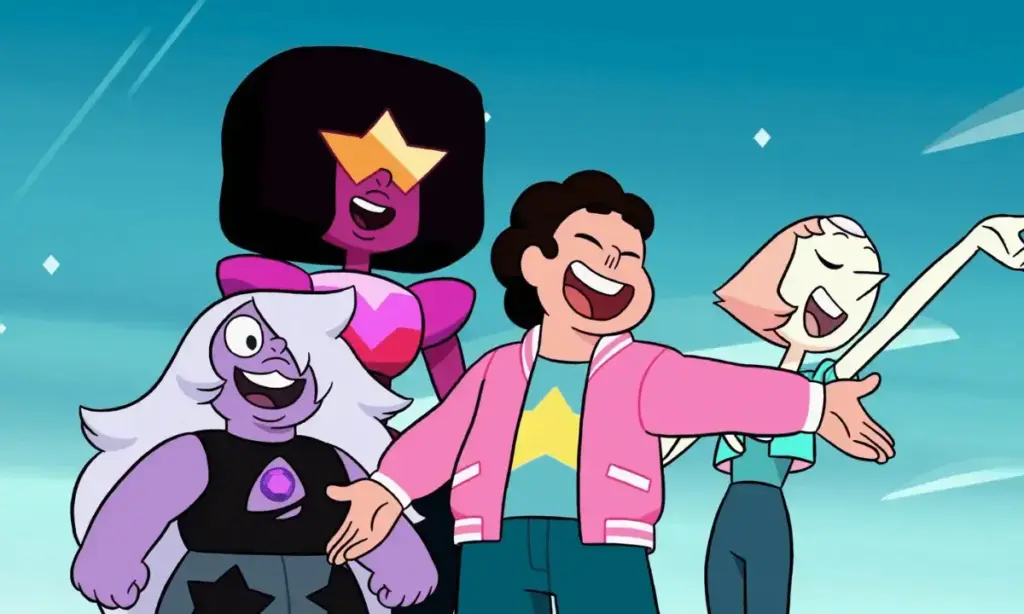
For years, queer characters in animation were easier to sense than to name.
A relationship might be hidden inside a joke, a loaded glance, or a friendship that clearly meant more than the network was willing to say. Viewers learned to read between the lines because the text itself rarely gave them another choice.
That changed quickly.
Today, LGBTQ+ animated shows include married gay parents, bisexual leads, lesbian romances, asexual coming-of-age stories, nonbinary characters, and queer heroes whose identities are allowed to matter without becoming their only personality trait.
People still search for “gay cartoons,” but that phrase only covers part of this list. These 22 shows represent a much wider range of lesbian, gay, bisexual, pansexual, asexual, trans, nonbinary, and queer stories.
How this ranking works
Impact matters more than screen time
- The ranking measures influence on animation and queer representation
- Earlier subtext can matter, but explicit on-screen stories rank higher
- Kids’ cartoons, adult animation, anime, and web series are all included
- A higher ranking does not automatically mean a better overall show
- Major relationship spoilers appear throughout
22 Best LGBTQ+ Animated Shows, Ranked by Impact
The list begins with shows that worked around restrictions and builds toward the series that made queer characters impossible to edit out.
Gravity Falls (2012)
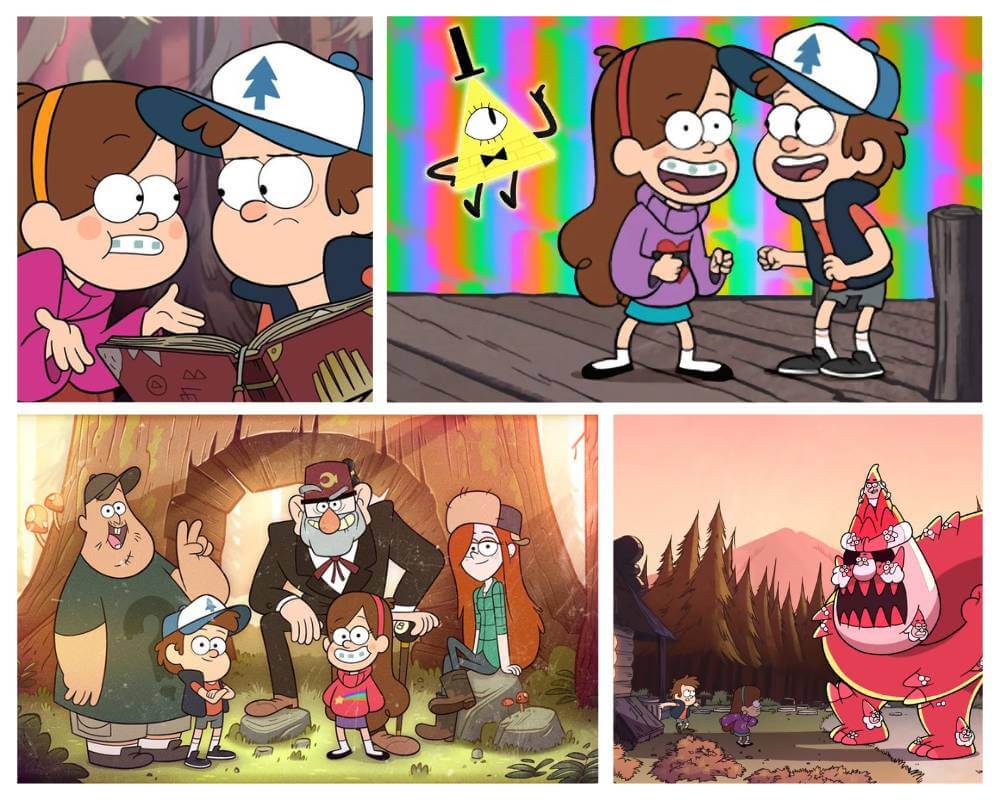
Gravity Falls is a useful starting point because it shows how restricted Disney animation still was in the early 2010s.
Sheriff Blubs and Deputy Durland behave like a devoted couple throughout the series. The finale lets them refer to being in love, but most of their relationship remains coded through jokes and physical affection. Creator Alex Hirsch later shared network notes showing that even a simple arm around the shoulder could trigger concern from Disney’s standards department.
- Premiered: 2012, Disney Channel
- Representation: Blubs and Durland
- Audience: Kids and family
Rick and Morty (2013)
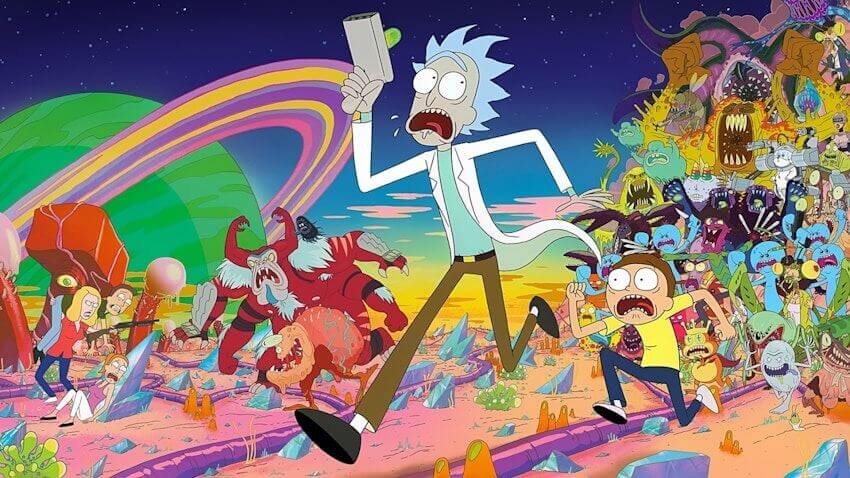
Rick Sanchez is attracted to people and beings across genders and species, and the series treats that part of him as incidental rather than surprising.
Rick and Morty is not built around thoughtful queer storytelling, and Rick is hardly a model of healthy intimacy. Its impact comes from scale. One of adult animation’s most recognizable leads exists outside a straight label without the show pausing for a special explanation.
- Premiered: 2013, Adult Swim
- Representation: Rick’s broad sexuality and queer supporting characters
- Audience: Adult
My Little Pony: Friendship Is Magic (2010)
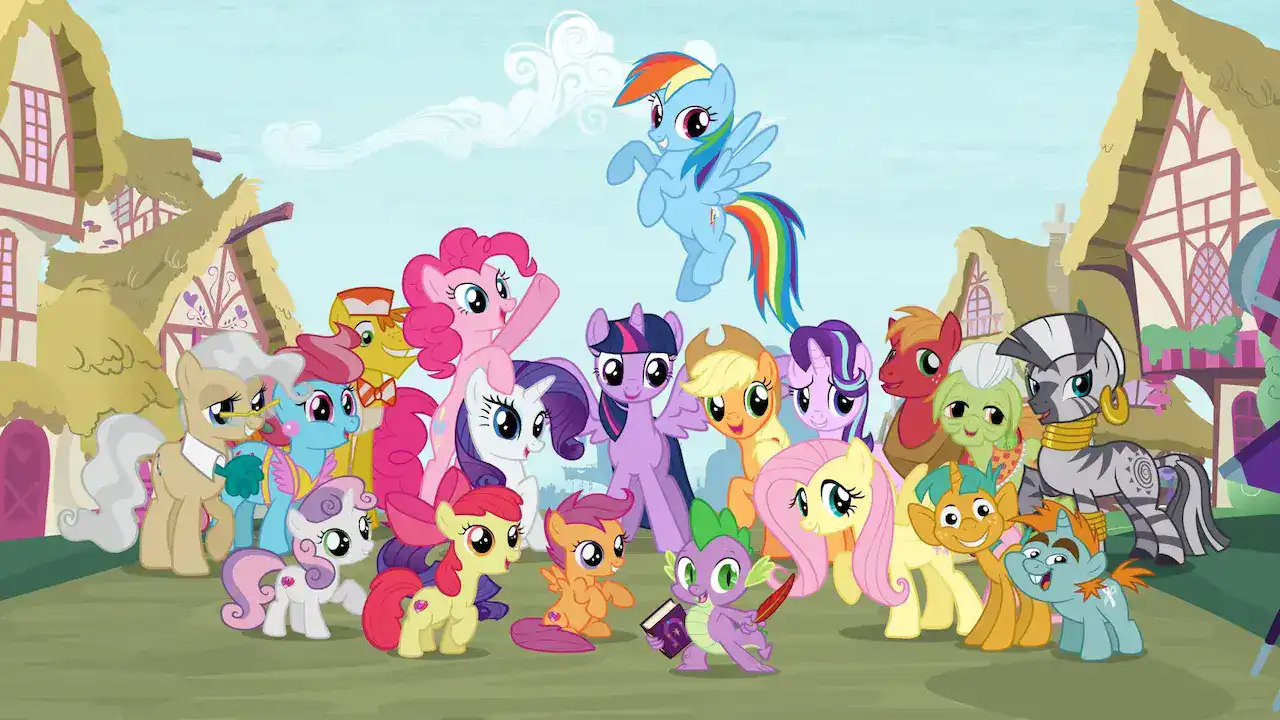
My Little Pony: Friendship Is Magic spent years presenting acceptance as the foundation of its world before bringing a same-sex family into the television series.
Aunt Holiday and Auntie Lofty are introduced as Scootaloo’s loving aunts and guardians. Their screen time is brief, but their presence matters because the show was aimed at very young viewers and treated the family as completely ordinary.
- Premiered: 2010, The Hub
- Representation: Aunt Holiday and Auntie Lofty
- Audience: Kids
The Hollow (2018)
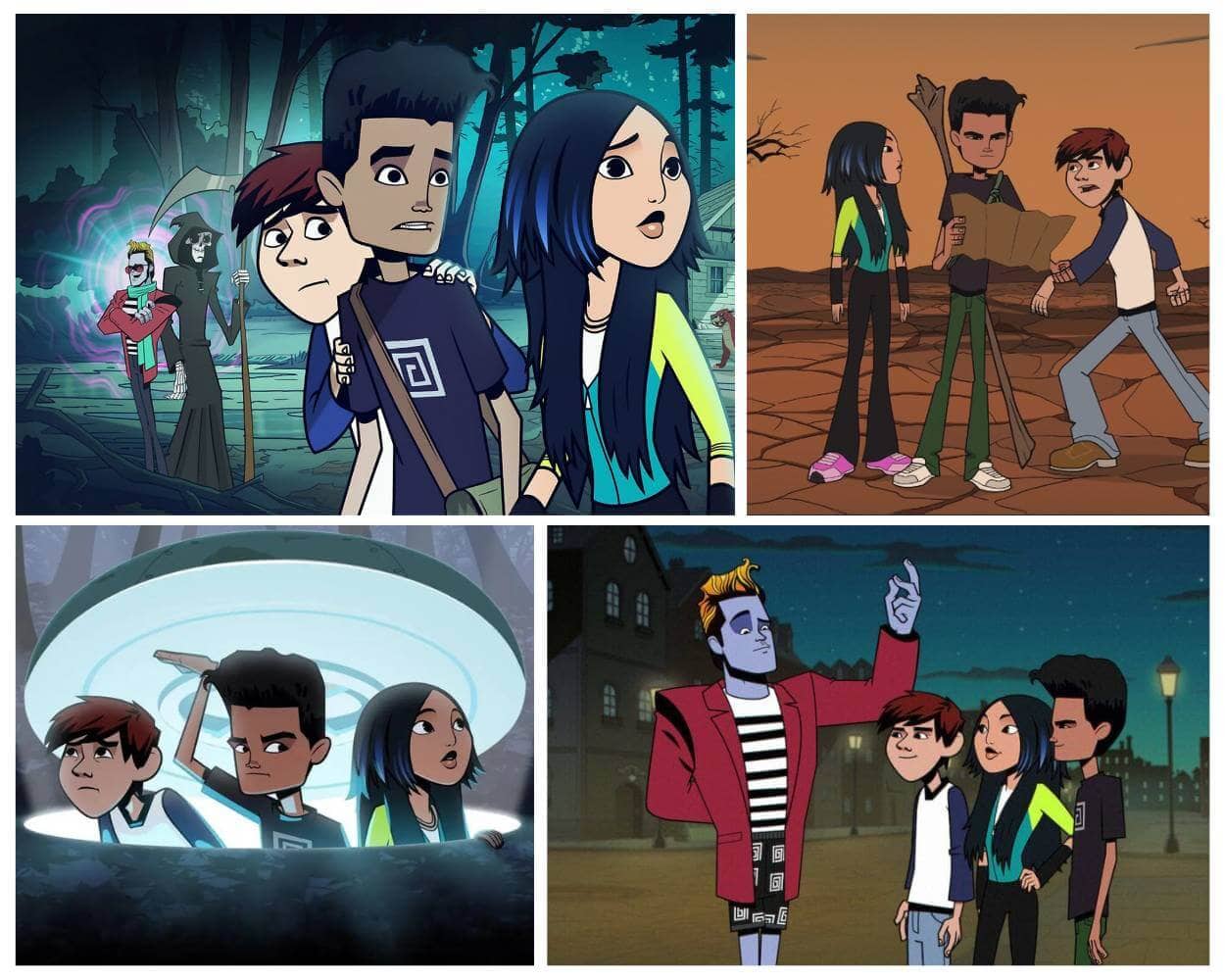
The Hollow follows three teenagers trapped inside a shifting mystery world. During the second season, Kai tells Mira that he is gay after realizing she may be interested in him.
The moment is direct, calm, and over in seconds. Kai does not need a dramatic coming-out episode, and the story does not punish him for telling the truth. That simplicity is what makes the scene memorable.
- Premiered: 2018, Netflix
- Representation: Kai openly identifies as gay
- Audience: Kids and teen
Twelve Forever (2019)
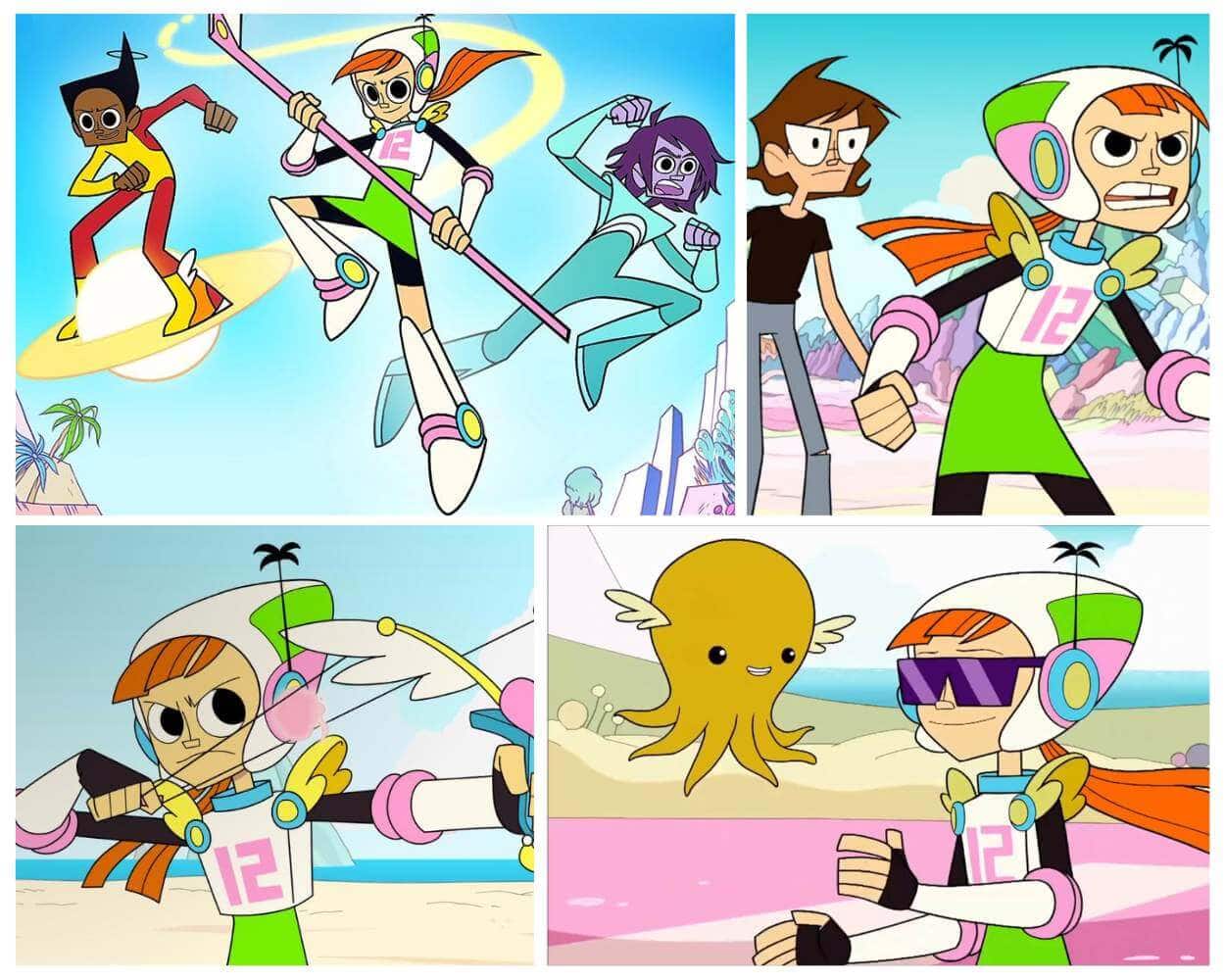
Twelve Forever centres on Reggie, a girl who escapes into a fantasy world because growing up feels frightening and confusing.
Her attraction to Connelly becomes part of that confusion. The series ended before it could fully develop the relationship, but Reggie’s crush is unmistakable and connected to the larger fear that she does not fit the version of adolescence expected from her.
- Premiered: 2019, Netflix
- Representation: Reggie’s crush on Connelly
- Audience: Kids and teen
The Bravest Knight (2019)
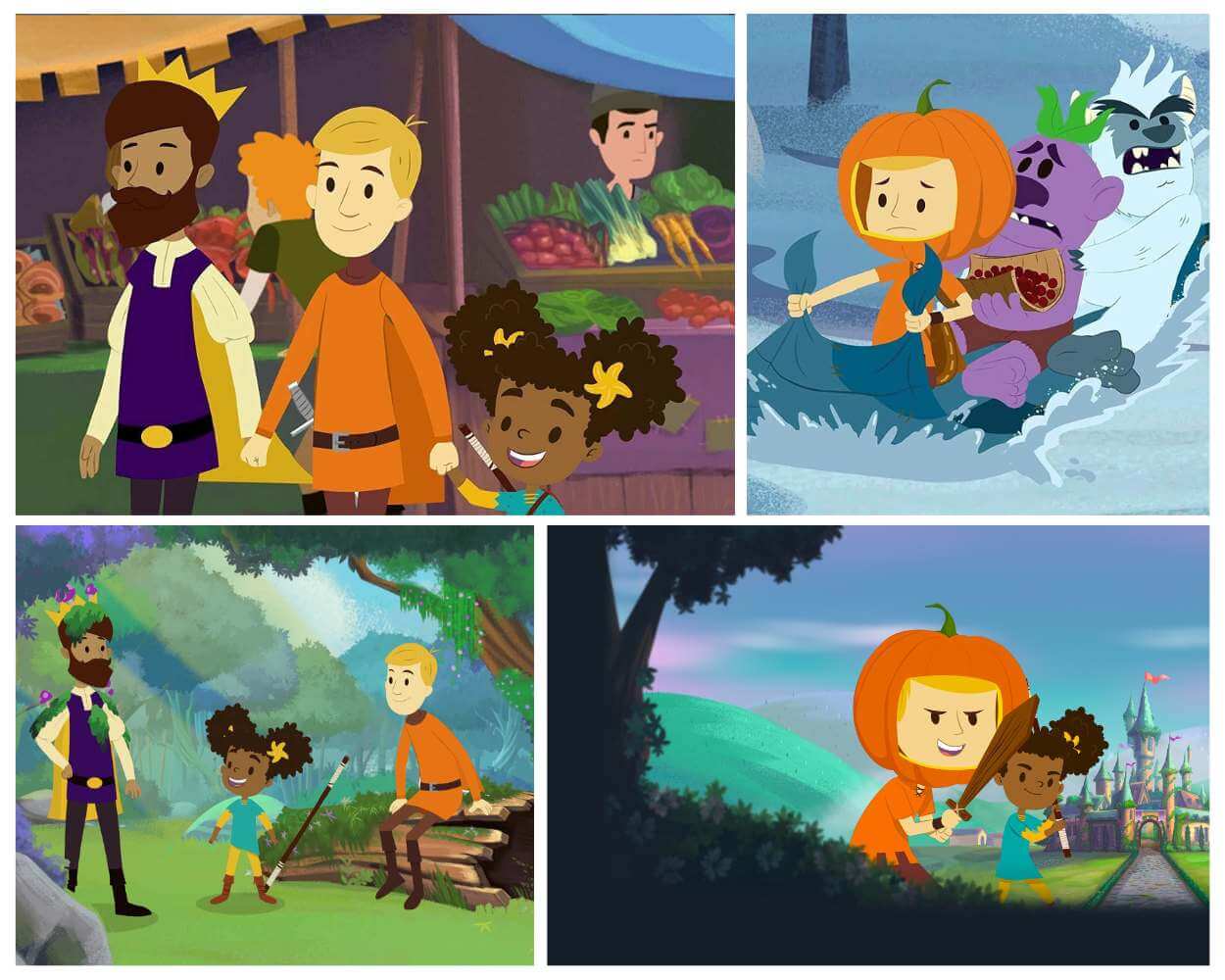
The Bravest Knight begins after the traditional fairy-tale ending.
Sir Cedric is married to Prince Andrew, and together they are raising their adopted daughter, Nia. Cedric tells her stories about becoming a knight, allowing the show to build a gentle adventure series around a happy gay family rather than a struggle for acceptance.
- Premiered: 2019, Hulu
- Representation: Two married fathers raising a daughter
- Audience: Kids
Super Drags (2018)
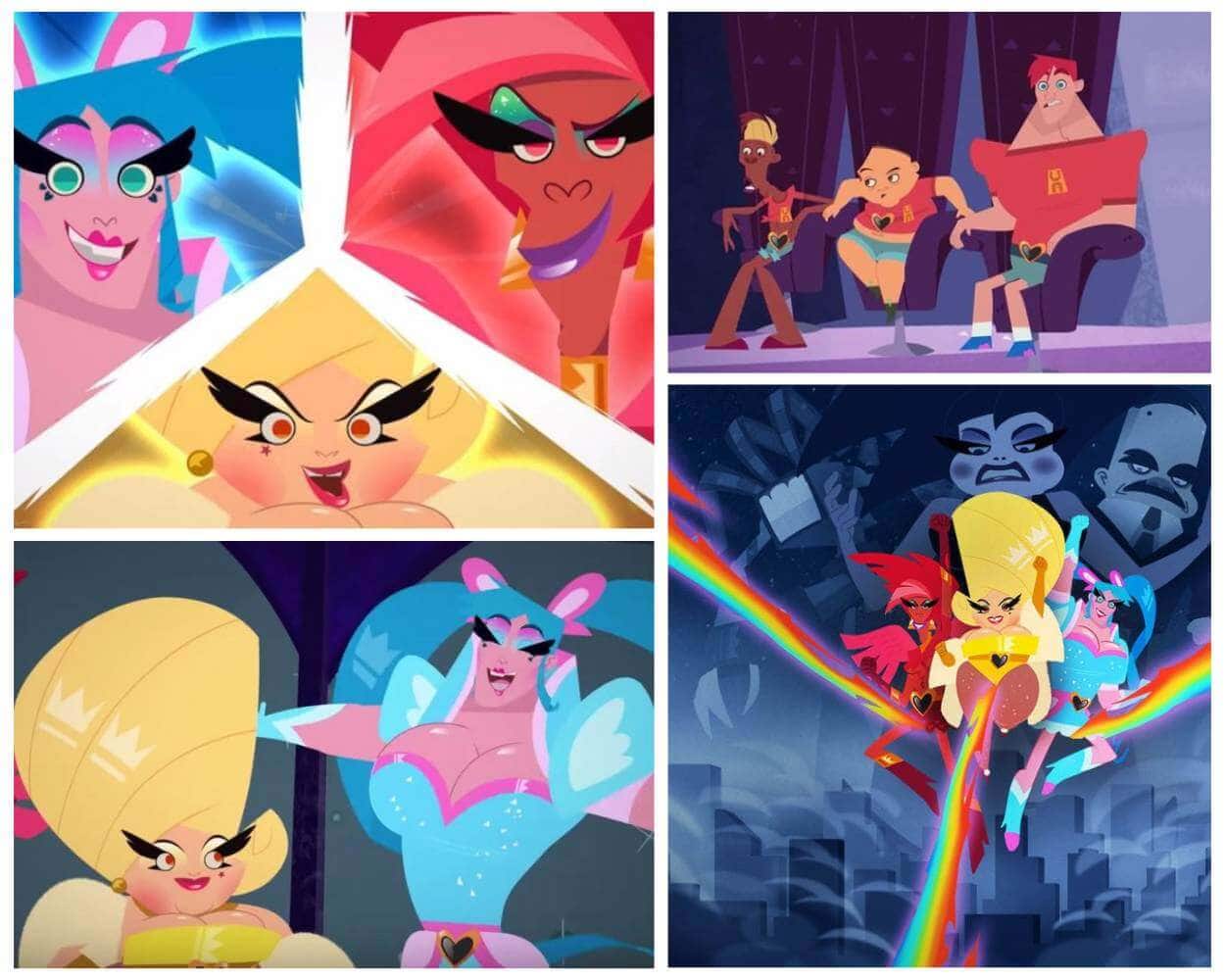
This short-lived Brazilian comedy follows three gay department-store workers who transform into drag superheroes.
Super Drags is loud, crude, uneven, and aimed entirely at adults. It has little interest in making queer culture comfortable for a broad family audience. That directness is both its appeal and its limitation.
- Premiered: 2018, Netflix
- Representation: Three gay drag-superhero leads
- Audience: Adult
Danger & Eggs (2017)
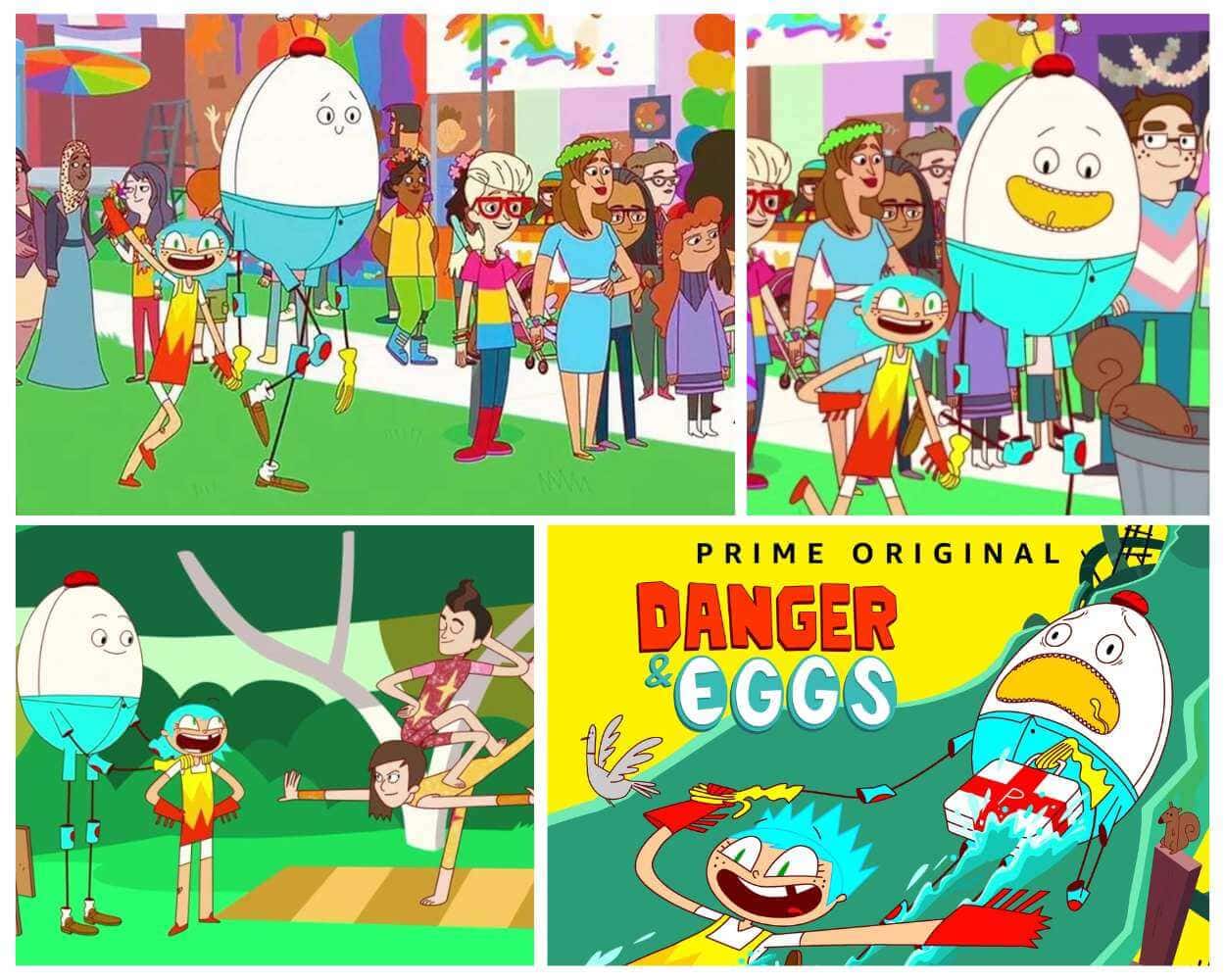
Danger & Eggs is built around friendship, imagination, and the idea that children should be allowed to define themselves.
The show includes characters using they and them pronouns, a transgender girl performing at Pride, children with same-sex parents, and a finale set during a community Pride celebration. None of it overwhelms the central friendship between D.D. Danger and Phillip.
- Premiered: 2017, Amazon
- Representation: Trans, nonbinary, and queer families
- Audience: Kids
OK K.O.! Let’s Be Heroes (2017)
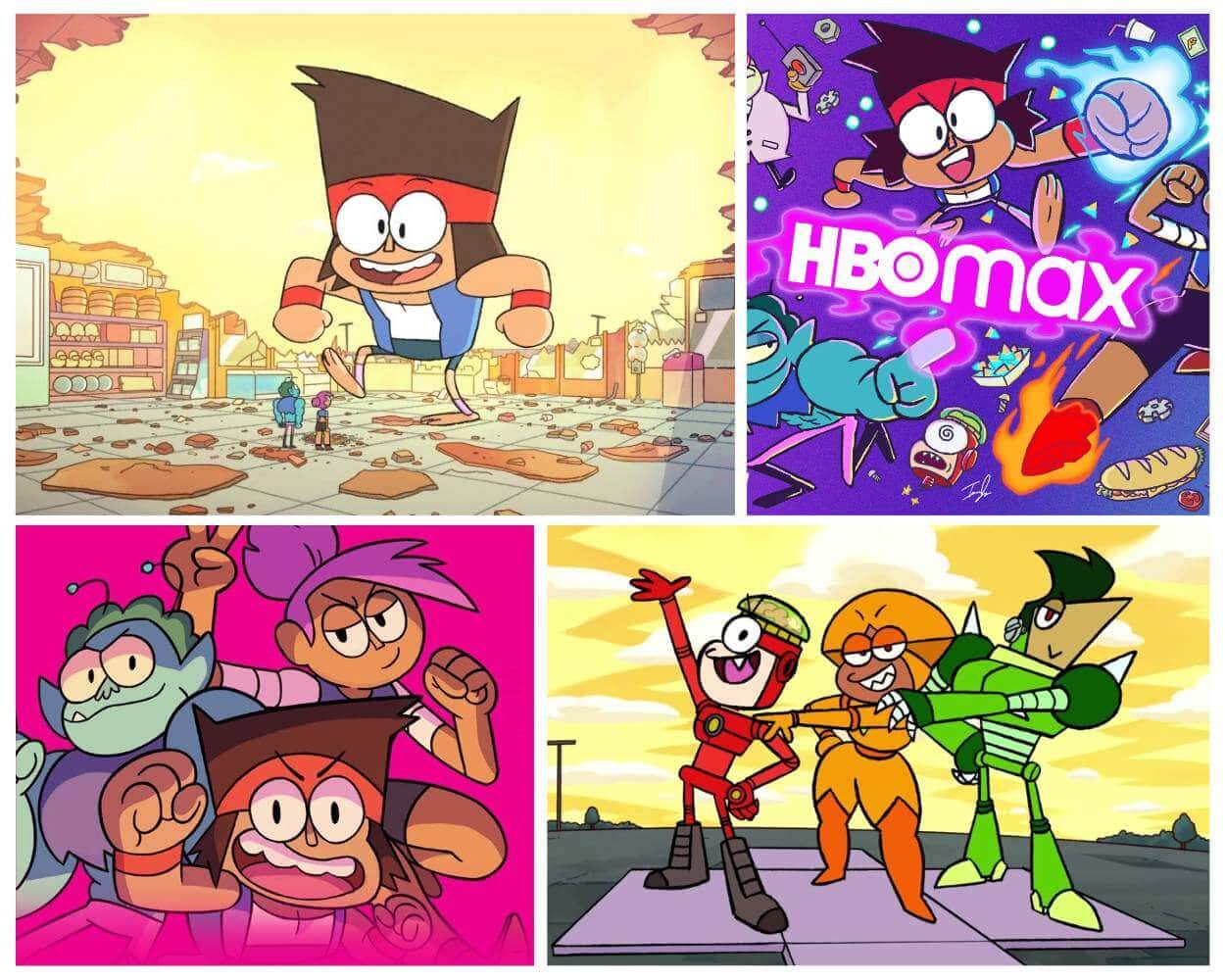
OK K.O.! builds queerness into its superhero world at every level.
Enid and Red Action develop a romantic relationship, while Joff and Nick Army receive an on-screen wedding. Other characters play freely with gender presentation, and the show never treats heterosexuality as the automatic default for its enormous cast.
- Premiered: 2017, Cartoon Network
- Representation: Enid and Red Action; Joff and Nick Army
- Audience: Kids
Kipo and the Age of Wonderbeasts (2020)
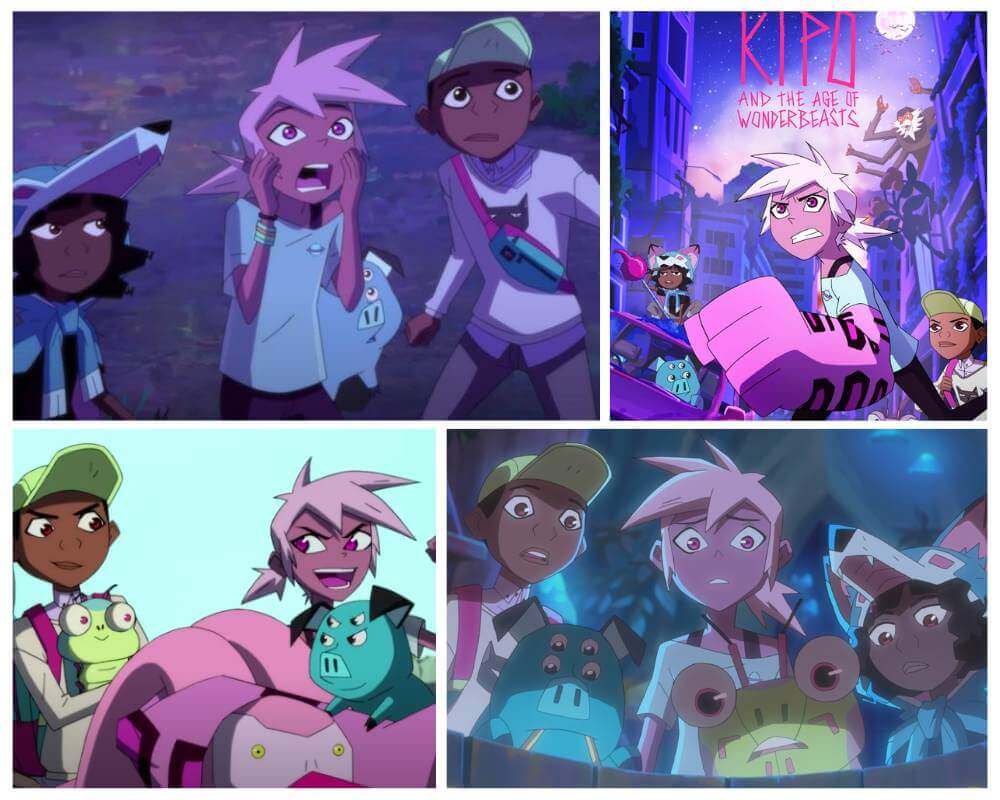
Kipo and the Age of Wonderbeasts gives Benson one of the clearest coming-out lines in all-ages animation.
When Kipo mistakes their friendship for a possible romance, Benson simply tells her that he is gay. The conversation does not destroy the friendship or create a season of discomfort. Benson later develops a sweet relationship with Troy.
- Premiered: 2020, Netflix
- Representation: Benson and Troy
- Audience: Kids and teen
The Loud House (2016)
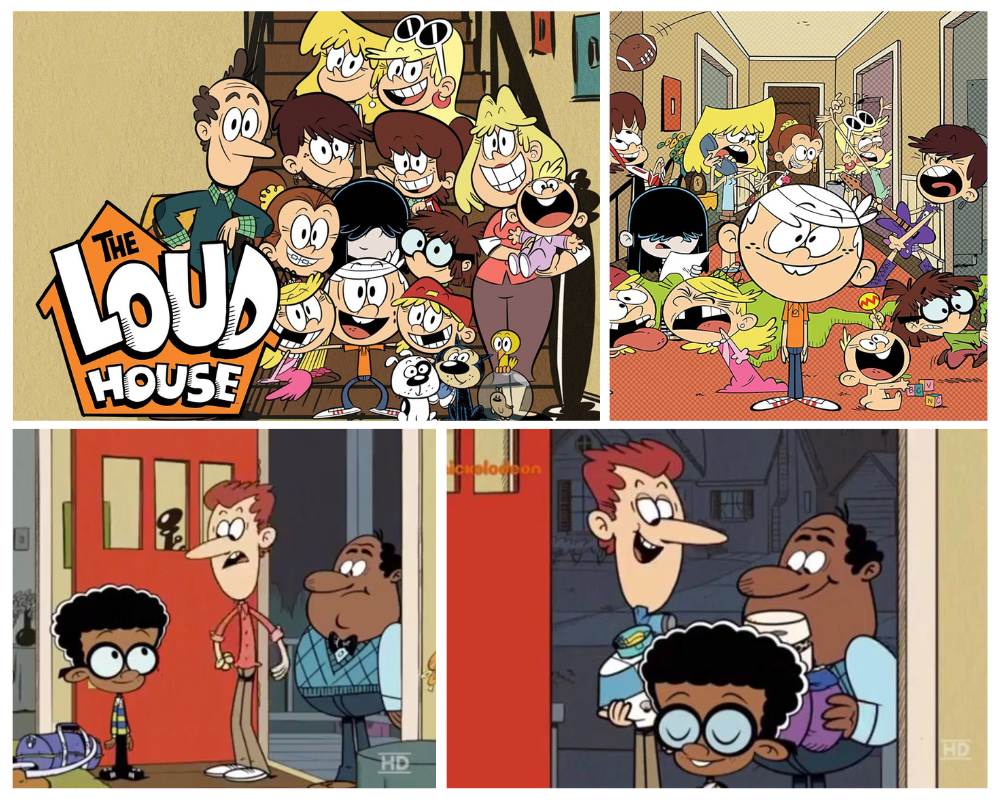
The Loud House brought queer families and relationships into one of Nickelodeon’s largest modern franchises.
Clyde McBride has two loving fathers, Howard and Harold. Luna Loud later develops a relationship with Sam, making bisexual representation part of the central family’s life rather than a one-episode guest story.
- Premiered: 2016, Nickelodeon
- Representation: Clyde’s fathers; Luna and Sam
- Audience: Kids
Craig of the Creek (2018)
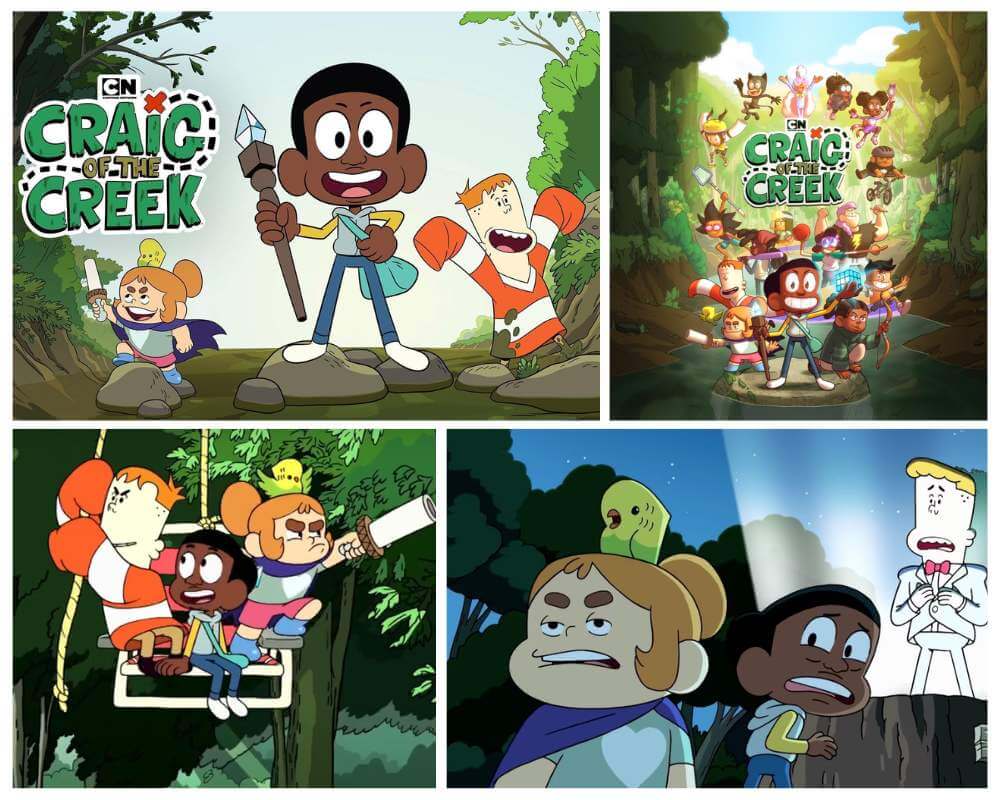
Craig of the Creek treats the neighbourhood around the creek as a complete community, and queer characters appear throughout it.
Kelsey and Stacks become a couple. Angel José uses they and them pronouns. Queer teenagers, adults, and parents appear without requiring a special episode to justify their presence.
- Premiered: 2018, Cartoon Network
- Representation: Queer couples and nonbinary characters across the ensemble
- Audience: Kids
RWBY (2013)
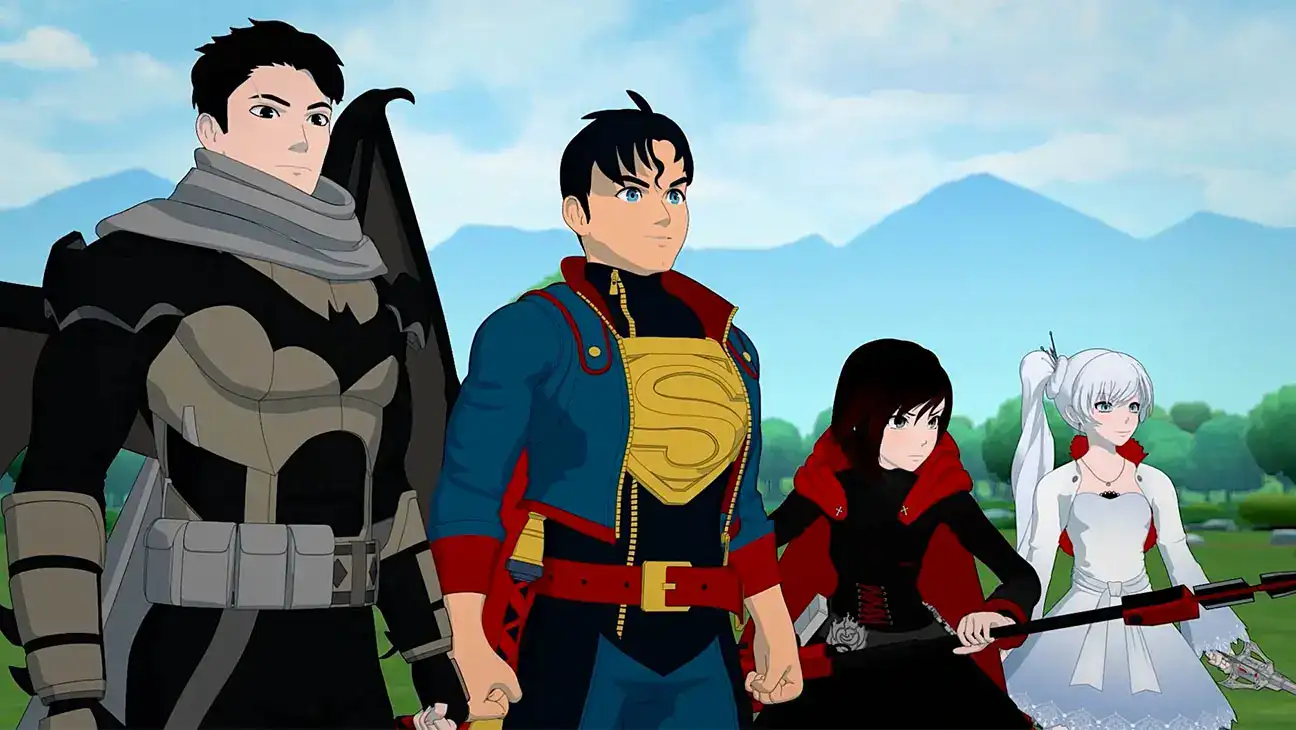
RWBY developed its LGBTQ+ representation gradually across a long-running fantasy story.
Ilia Amitola’s feelings for Blake are openly discussed, while Blake and Yang’s relationship moves from fan interpretation to an explicit confession and kiss in Volume 9. The slow development gave “Bumbleby” years of emotional history before confirmation.
- Premiered: 2013, web series
- Representation: Blake and Yang; Ilia Amitola
- Audience: Teen
Revolutionary Girl Utena (1997)
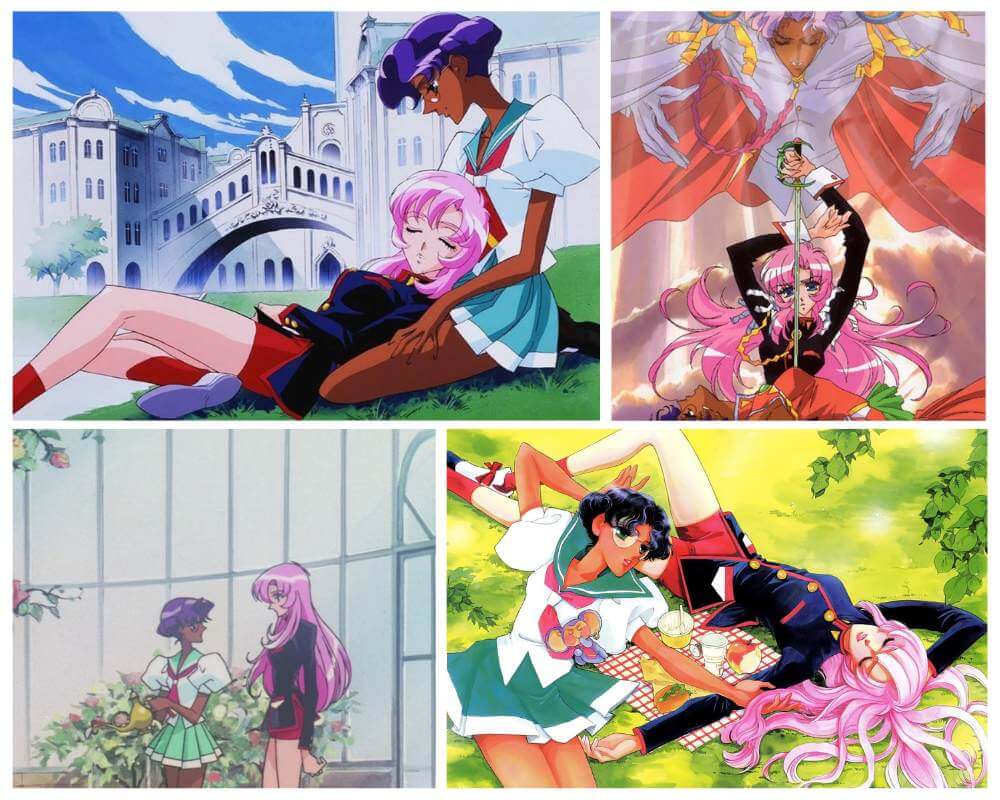
Revolutionary Girl Utena arrived long before the current wave of queer Western animation.
The series uses fairy-tale symbolism, gender performance, abuse, desire, and revolution to examine the bond between Utena and Anthy. It rarely speaks in modern identity labels, but its queer meaning is far more substantial than a few suggestive scenes.
- Premiered: 1997, anime
- Representation: Utena and Anthy; queer desire throughout the cast
- Audience: Teen and adult
BoJack Horseman (2014)
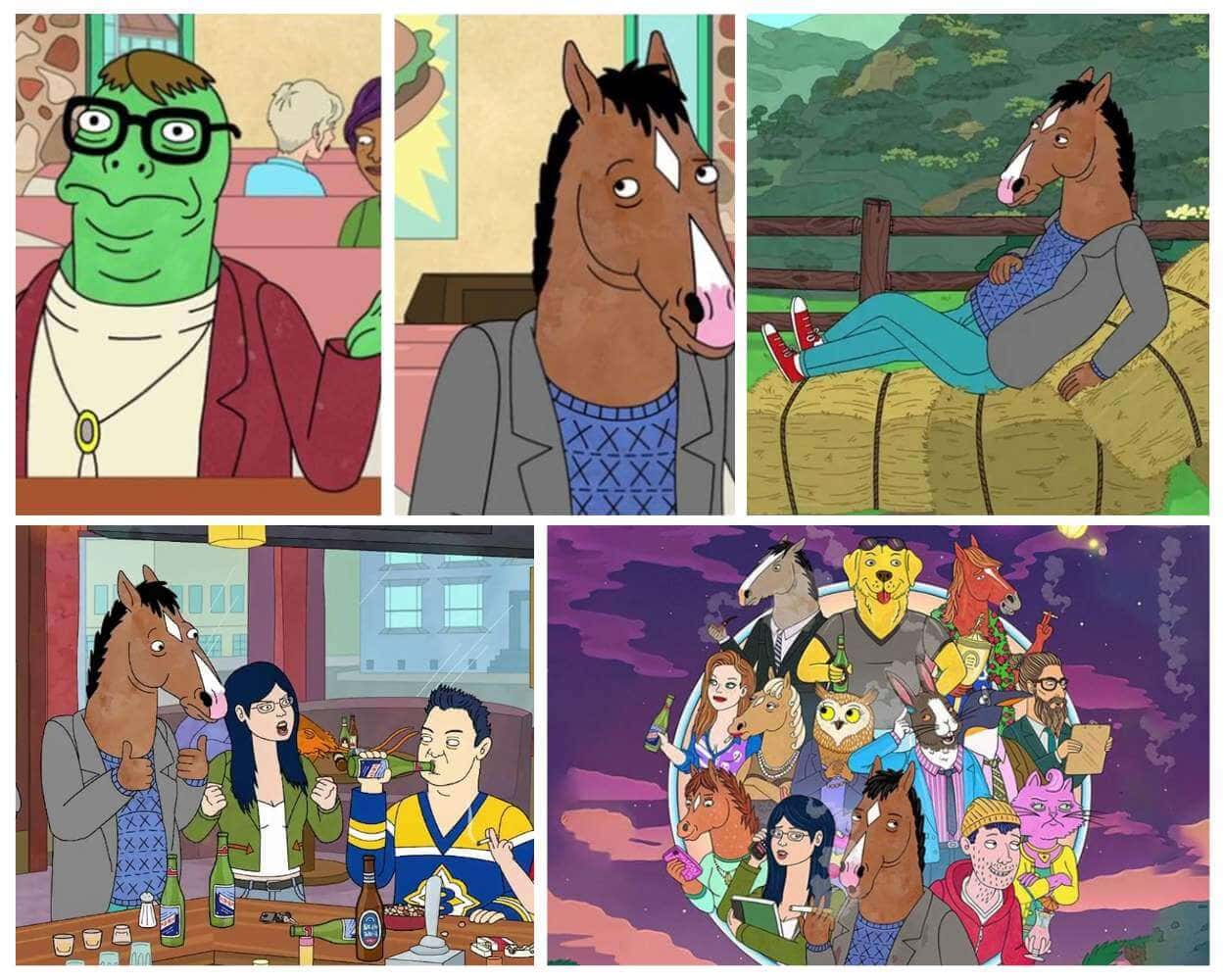
BoJack Horseman gives Todd Chavez a patient arc about realizing that he is asexual.
Todd first understands what he does not want, then finds language for it, meets other asexual people, and learns that a shared identity does not automatically make two people compatible. The show lets him build a life that is neither lonely nor secretly waiting for romance to fix him.
- Premiered: 2014, Netflix
- Representation: Todd is asexual
- Audience: Adult
Harley Quinn (2019)
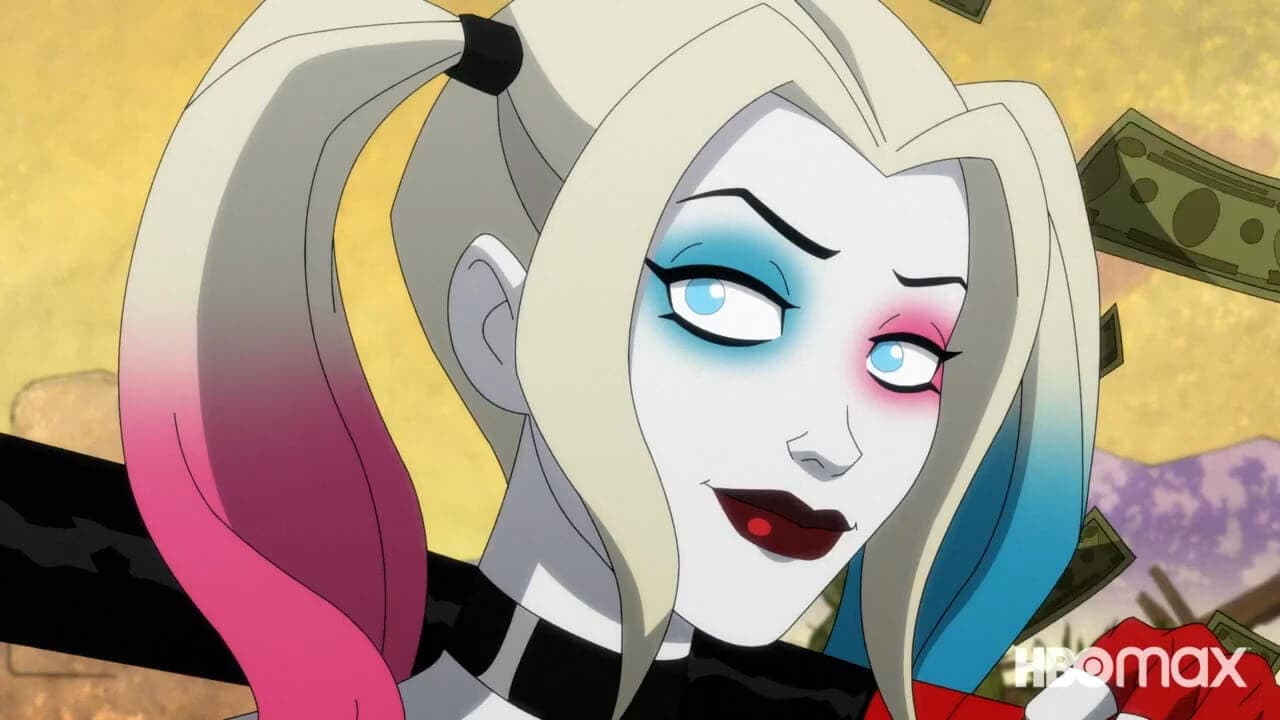
The relationship between Harley Quinn and Poison Ivy had existed in comics and fan culture for years. The adult animated series finally gave it time to become the emotional centre of an ongoing show.
Harley and Ivy move from friendship to romance while dealing with bad timing, old relationships, personal growth, and the fact that both women are professional criminals.
- Premiered: 2019, DC Universe
- Representation: Harley Quinn and Poison Ivy
- Audience: Adult
Yuri on Ice (2016)
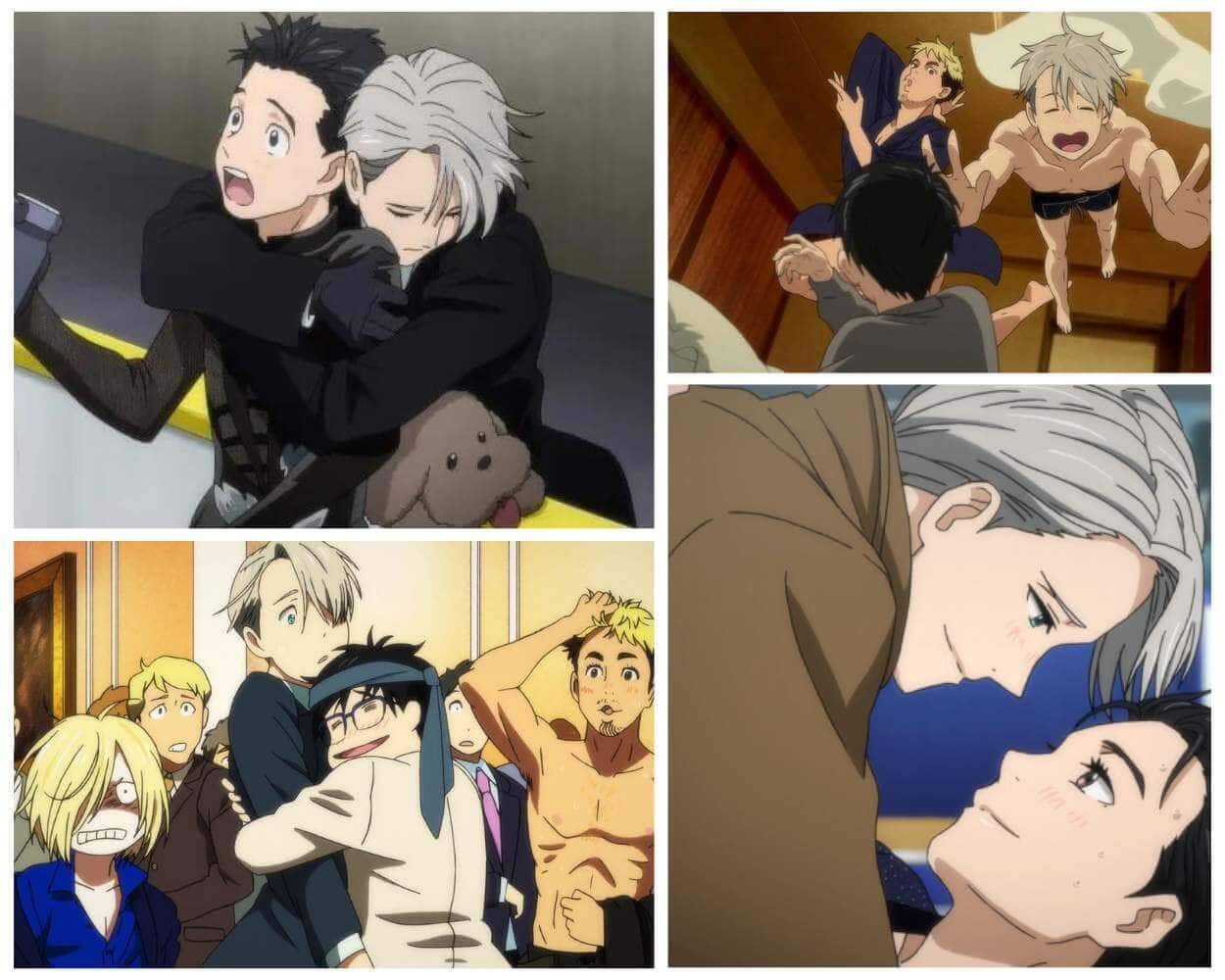
Yuri on Ice builds its emotional story around the bond between figure skater Yuri Katsuki and his coach, Victor Nikiforov.
The series presents their relationship romantically through physical intimacy, exchanged rings, jealousy, devotion, and a kiss that is partly obscured on screen. It avoids assigning either man an explicit identity label, which makes “canonical gay couple” more certain than the dialogue itself allows.
- Premiered: 2016, anime
- Representation: Yuri and Victor’s romantic relationship
- Audience: Teen and adult
Adventure Time (2010)
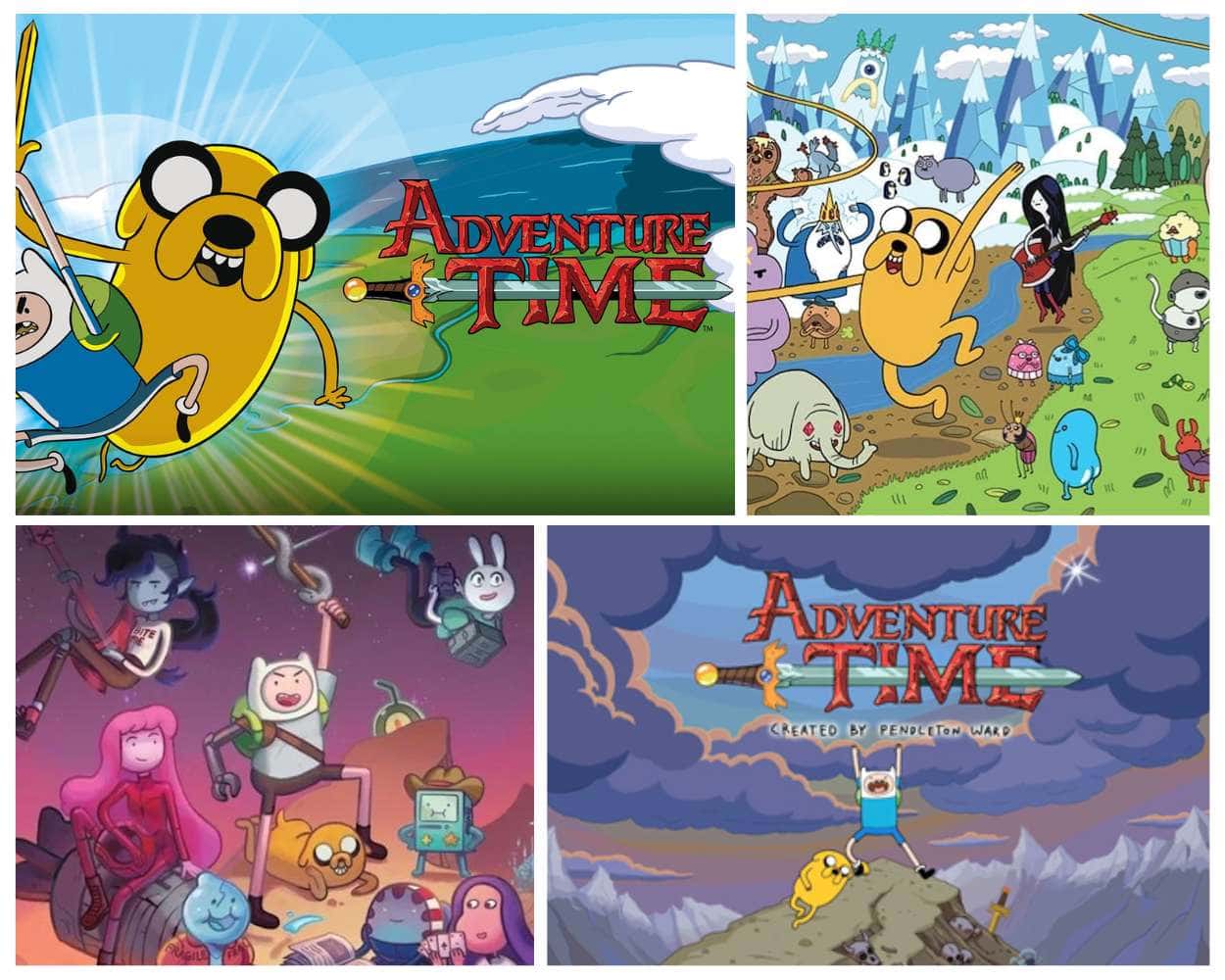
Adventure Time began Marceline and Princess Bubblegum’s story in implication.
Old hurt, a treasured T-shirt, intimate songs, and Rebecca Sugar’s character work suggested a romantic past long before the series could say so openly. The finale finally gave them an on-screen kiss, and Distant Lands: Obsidian later explored both their breakup and life together as a couple.
- Premiered: 2010, Cartoon Network
- Representation: Marceline and Princess Bubblegum
- Audience: Kids and teen
She-Ra and the Princesses of Power (2018)
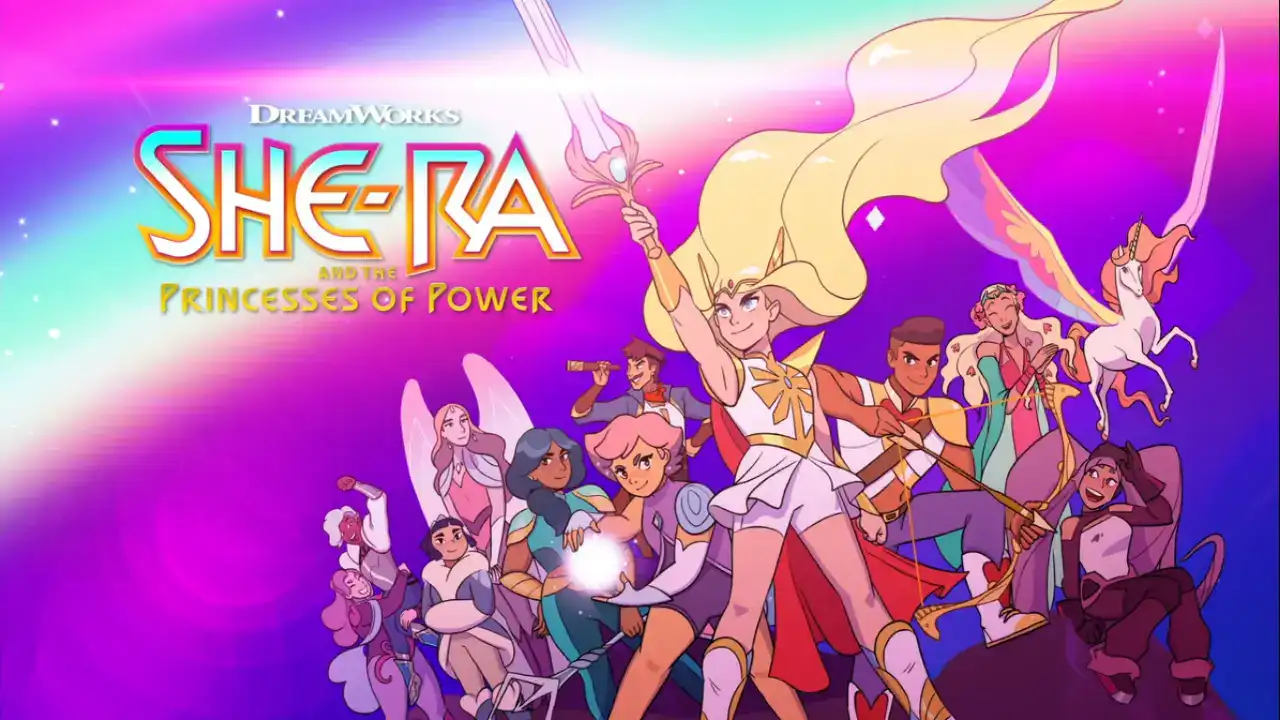
Nate Stevenson’s She-Ra reboot fills Etheria with queer heroes, couples, and families without building the entire burden of representation around one character.
Its central story belongs to Adora and Catra. Their damaged friendship, rivalry, separation, and reconciliation become an explicitly romantic arc in the finale. Their love is not an optional reward after the battle. It is part of what saves the world.
- Premiered: 2018, Netflix
- Representation: Adora and Catra; a broad queer ensemble
- Audience: Kids and teen
The Legend of Korra (2012)
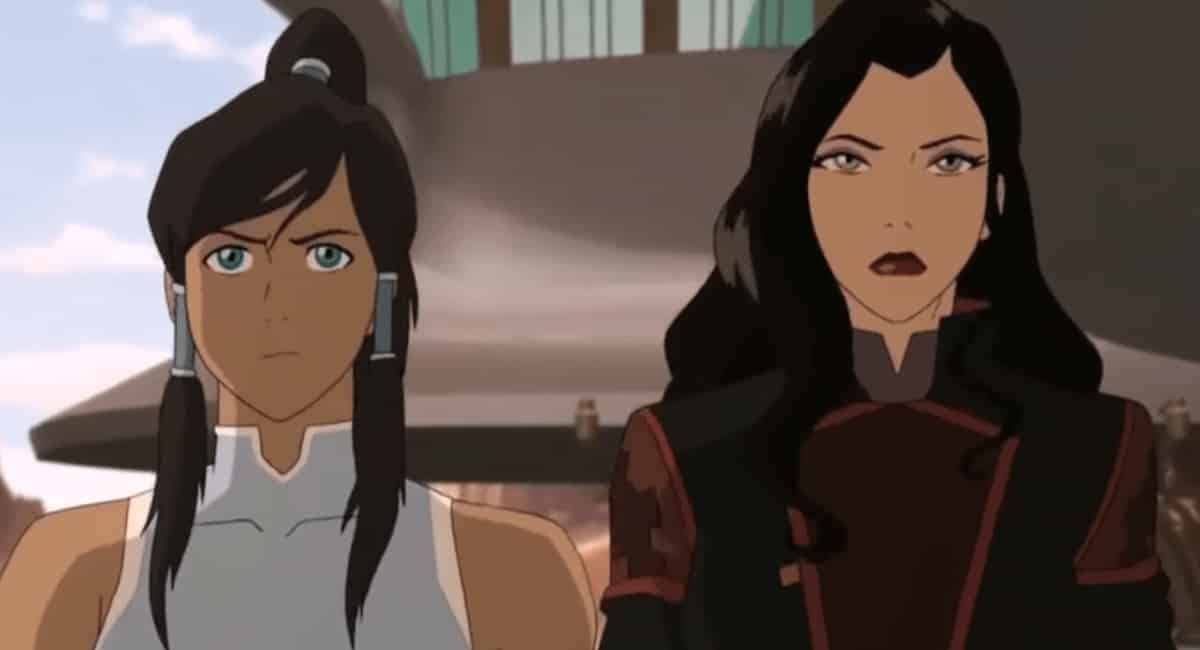
The Legend of Korra premiered in 2012, but its historic moment arrived in the 2014 finale.
Korra and Asami hold hands and enter the Spirit World while facing each other in a shot designed to mirror earlier romantic endings. Creators Bryan Konietzko and Michael Dante DiMartino immediately confirmed that the two women had fallen in love, and the comics continued the relationship openly.
- Premiered: 2012, Nickelodeon
- Representation: Korra and Asami
- Audience: Kids and teen
The Owl House (2020)
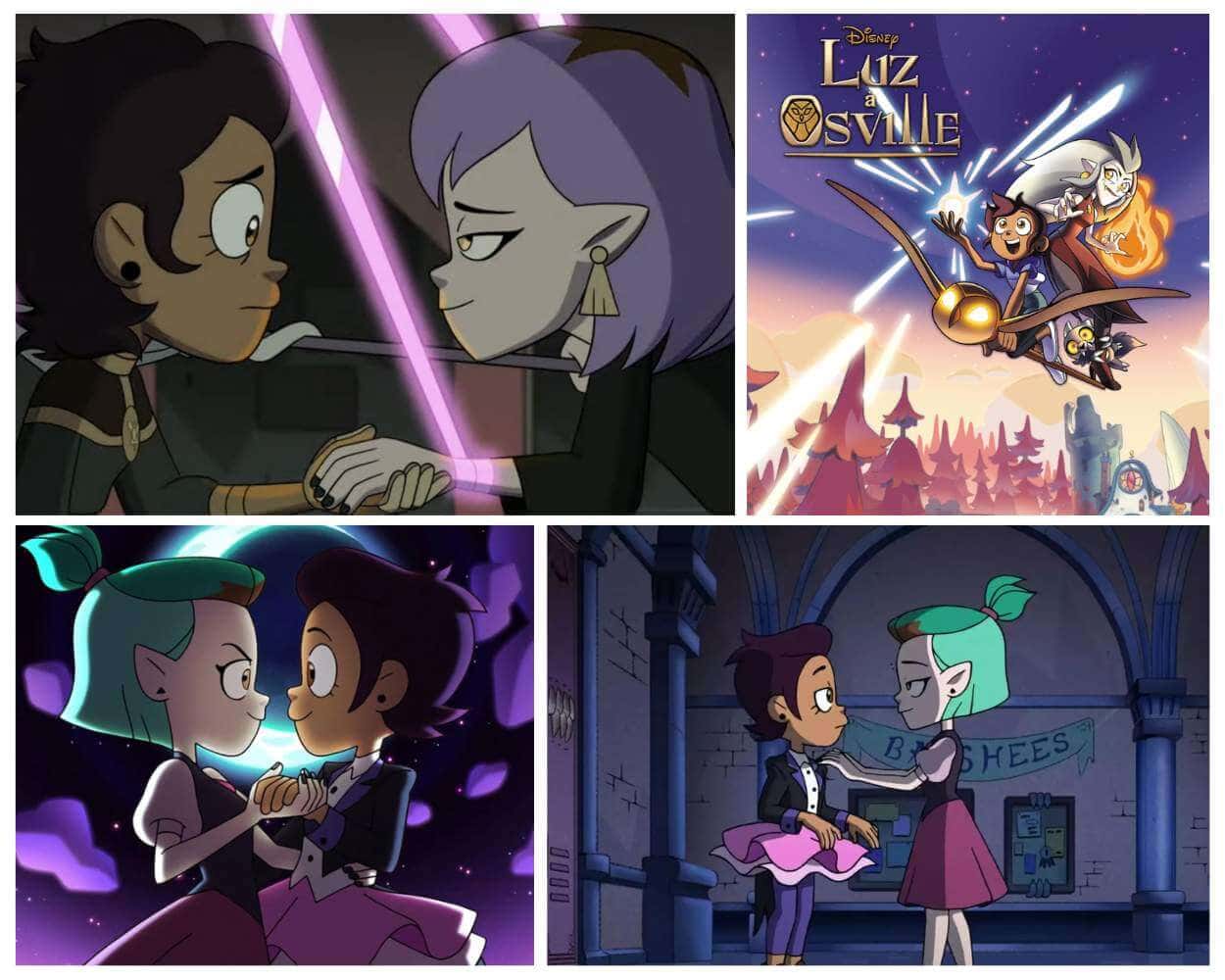
The Owl House moved Disney Channel representation from implication to a continuing teenage romance.
Luz Noceda is bisexual, Amity Blight is lesbian, and their relationship develops through crushes, awkward dates, conflict, and mutual support. The series also includes Raine Whispers, a prominent nonbinary character voiced by nonbinary actor Avi Roque.
The Peabody Awards praised the show for giving queer children a welcoming template for exploring creativity and identity.
- Premiered: 2020, Disney Channel
- Representation: Luz and Amity; Raine Whispers
- Audience: Kids and teen
Steven Universe (2013)
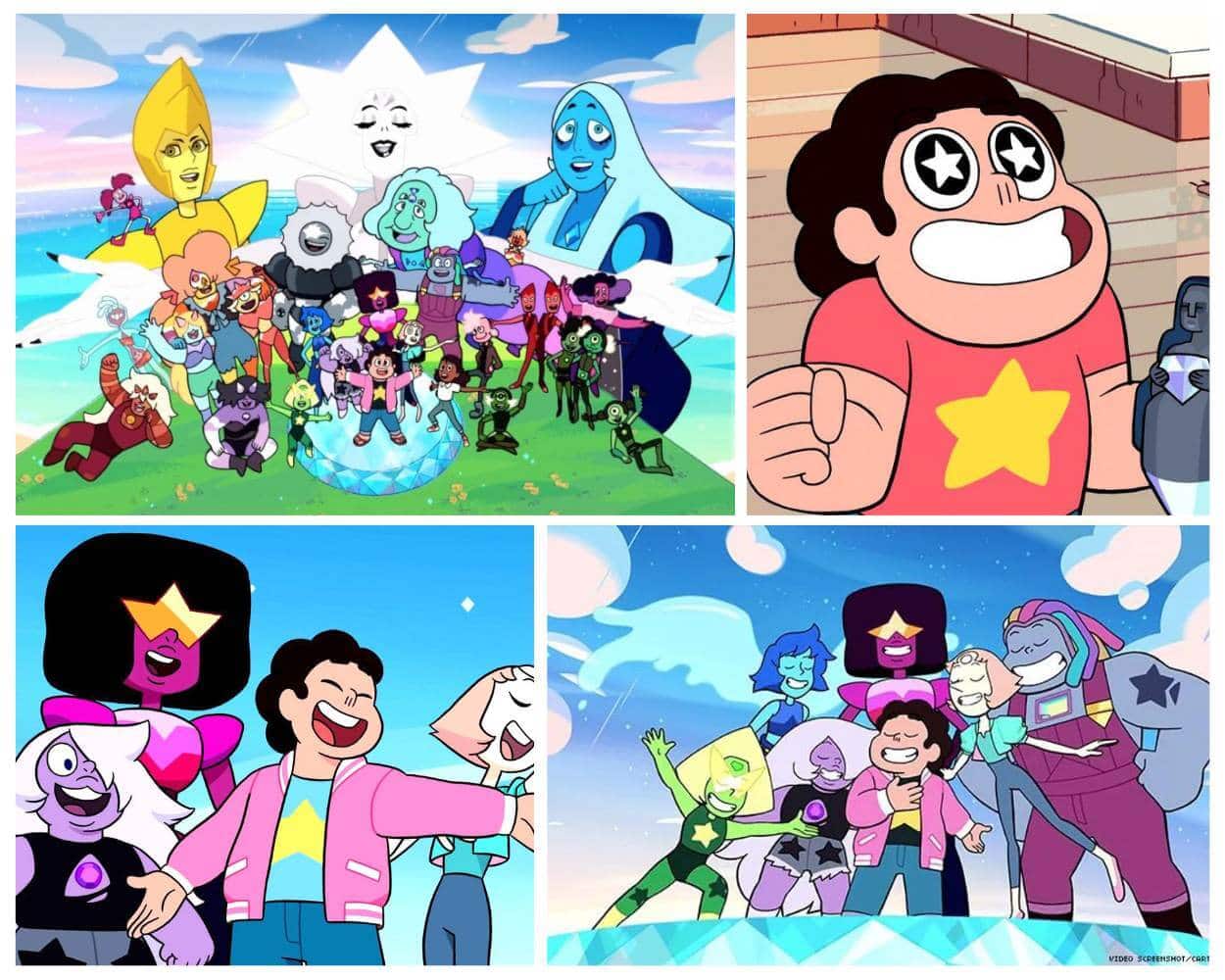
Steven Universe did not simply add queer characters to an existing formula. Rebecca Sugar built gender, love, identity, and chosen family into the structure of its fantasy world.
Garnet is revealed as the living fusion of Ruby and Sapphire’s relationship. Stevonnie uses they and them pronouns. The Gems challenge fixed ideas about bodies and gender. Ruby and Sapphire eventually marry in the first same-sex wedding shown in a Cartoon Network series.
Sugar had to fight to keep that material on screen, and the success of the show gave later creators evidence that younger audiences would embrace it.
- Premiered: 2013, Cartoon Network
- Representation: Ruby and Sapphire; Stevonnie; gender-expansive Gems
- Audience: Kids and teen
From Queer Subtext to Canon Relationships
The biggest change across this ranking is not simply that more queer characters appeared.
It is that their stories became harder to erase.
Gravity Falls had to rely on coded jokes and a carefully limited final acknowledgment. The Legend of Korra ended on a romantic image that its creators confirmed outside the episode. Steven Universe, She-Ra, and The Owl House then made queer relationships part of their continuing plots.
That difference matters.
A background couple can be removed from an international edit. A main character whose love story drives the season cannot disappear without breaking the narrative.
LGBTQ+ Cartoons for Different Audiences
Good starting points
- For younger kids: Danger & Eggs, The Bravest Knight, and Craig of the Creek
- For older kids and teens: The Owl House, She-Ra, Kipo, and Steven Universe
- For anime viewers: Revolutionary Girl Utena and Yuri on Ice
- For adults: BoJack Horseman, Harley Quinn, and Super Drags
- For long fantasy arcs: RWBY, She-Ra, Korra, and The Owl House
Why Better Representation Creates Better Stories
Representation works best when it gives writers more emotional territory to explore.
Todd’s asexuality in BoJack Horseman creates stories about language, dating, compatibility, and community. Adora and Catra’s relationship turns an old hero-versus-villain structure into a story about abuse, loyalty, and repair. Luz and Amity experience the awkwardness of first love while trying to survive a magical dictatorship.
These stories are specific, but the emotions are not limited to one audience.
Fear of rejection, relief at being understood, the work of building a chosen family, and the uncertainty of becoming yourself are widely recognizable experiences.
The Ranking Will Keep Changing
This list measures impact from the point of view of 2026.
Some lower-ranked shows were important because they managed to show anything at all. Newer series had more freedom and could build much fuller stories.
That does not make the earlier work meaningless. It shows that the boundaries moved.
The healthiest future for queer animation is one where no single series has to represent everyone. Kids should be able to find gentle family stories, fantasy adventures, strange comedies, superhero romances, and characters whose identities are important without being tragic.
Which LGBTQ+ animated show had the greatest impact on you?
Share your pick in the comments, along with the series that deserves a place in the next update.
Just recently watch, High Guardian Spice, I tihnk I will add i to the lsit next update. It’s a Western-produced magical girl series created by a trans man, following four young heroes in a vibrant fantasy world populated by numerous queer characters.
The lives of four fierce girls converge at High Guardian Academy, the one place where they can stumble comically toward adulthood while becoming the heroes they’ve always admired. As they master the ways of battle and sorcery, the foursome form allegiances, uncover legacies, face betrayals and discover their true identities while preparing to protect the world from an ominous unknown threat.
It’s on Prime Video and Crunchyroll. Highly Recommended
Just started this, good so far, thank for the recommendation. It’s amazing to see how far animation has come, from subtle subtext in 90s cartoons to characters in Kipo and The Owl House having their identities fully embraced on screen.
I recently watch Super Drags, hahah it’s funny. If you want to watch just 1 epsiode, watch Episode 3, “The Gay Cure” – It directly satirizes real-world conversion therapy through a campy superhero lens. You can still watch it on Netflix if anyone wanted.
If you subscribe to third-party channels through Amazon Prime Video add-ons, your options for Western animated series with strong LGBTQ+ representation open up significantly.
1. Harley Quinn
2. Adventure Tim2
3. Steven Universe
4. The Legend of Korra
Amazon Prime Video offers several excellent animated series with strong LGBTQ+ representation, including true boys’ love (BL) anime and short documentaries centering on queer youth. If you wanted more gay anime related.
Queer Youth Animated, also on Amazon Prime is good too, it’s a series of animated short-films that brings to life real, bite-sized interviews with queer youth across America, scored and animated by queer artists.