In the landscape of 90s television, most animated comedies were playing it safe.
Then there was Duckman.
Created by Everett Peck, this lewd, self-hating, deeply cynical anthropomorphic duck did not just push the boundaries of what a cartoon could be. He cheerfully set them on fire.
Nearly thirty years after Eric Tiberius Duckman first waddled onto our screens, I still think about this show. So let me look past the catchphrases and explain why the 90s’ most chaotic detective still matters.
Balancing Chaos and Duty: The Private Dick and the Family Man
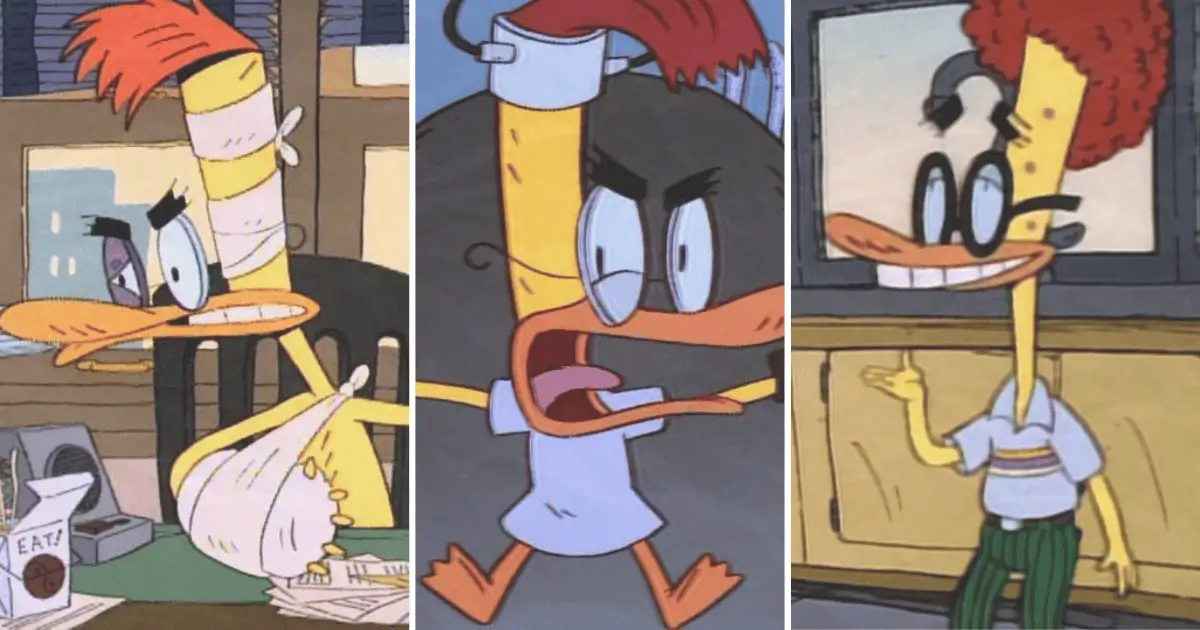
The whole show lives inside one perfect tension, and it is right there in the tagline: “Private Dick/Family Man.”
Eric Tiberius Duckman, voiced by Jason Alexander in full George Costanza mode, is a selfish, lazy, foul-mouthed private eye. He is also a widowed single father raising a house full of very strange kids.
That mix is the engine of the whole series. One minute this yellow duck is knee-deep in a neo-noir murder case.
The next he is forgetting a birthday or getting evicted from his own bedroom.
By welding a hard-boiled detective show to a dysfunctional family sitcom, the series gave itself almost unlimited room to tell stories.
It could be a crime thriller, a domestic farce, or a surreal fever dream, sometimes all in one episode.
Why it works: Most cartoons pick a lane. Duckman refused. The “Private Dick/Family Man” split let the writers swing from grimy detective noir to chaotic home life whenever they wanted, which is why no two episodes ever feel the same.
That range only landed because the show looked as unhinged as it felt. Which brings me to the art.
A Glimpse Into 90s Nostalgia and the Klasky Csupo Look
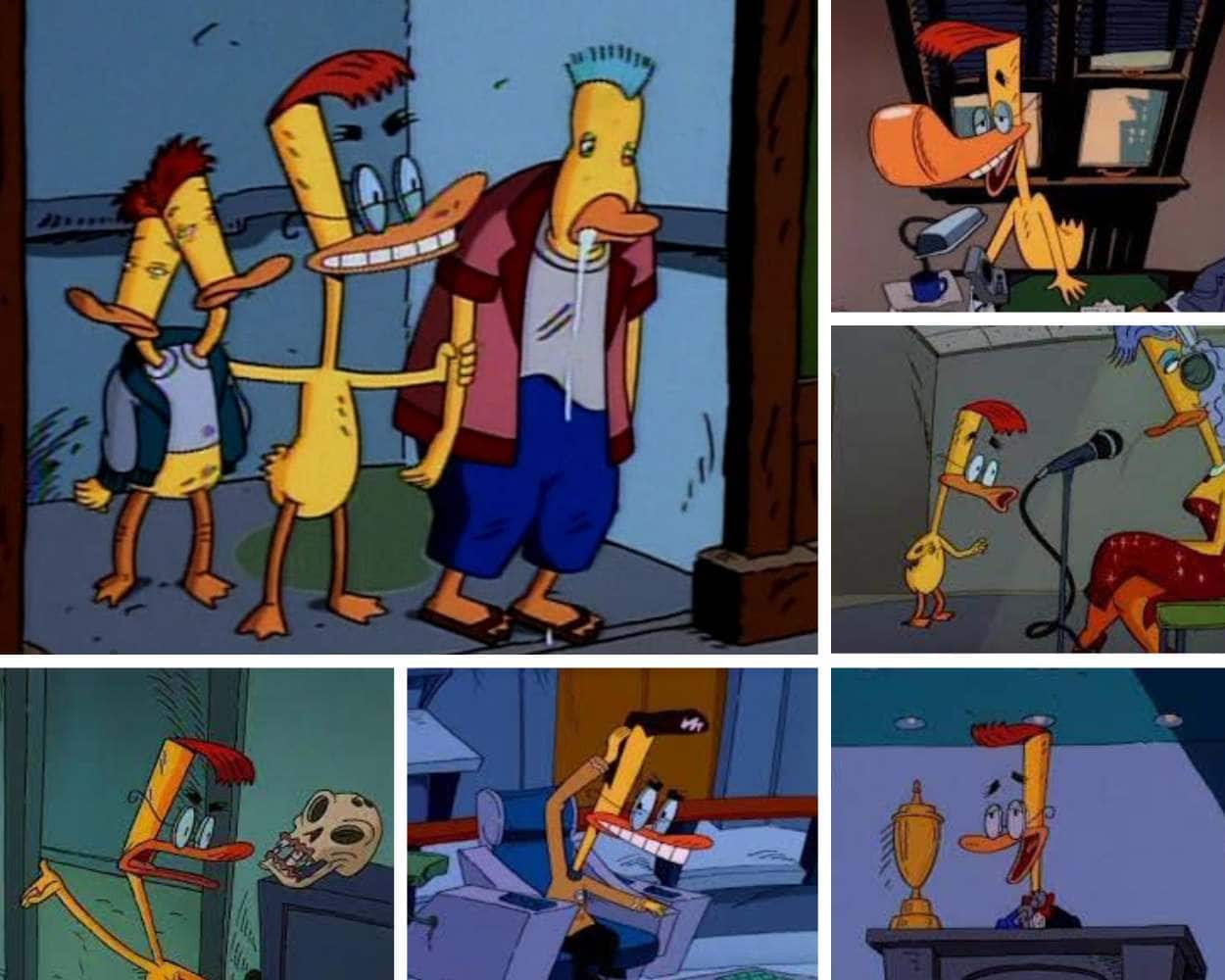
The show is a time capsule of a very specific era. Grunge was king, irony was currency, and cable was finally letting animation get weird.
A huge part of its identity is the animation itself. The show was produced by Klasky Csupo, the same studio behind Aaahh!!! Real Monsters and Rugrats.
You can feel that DNA instantly.
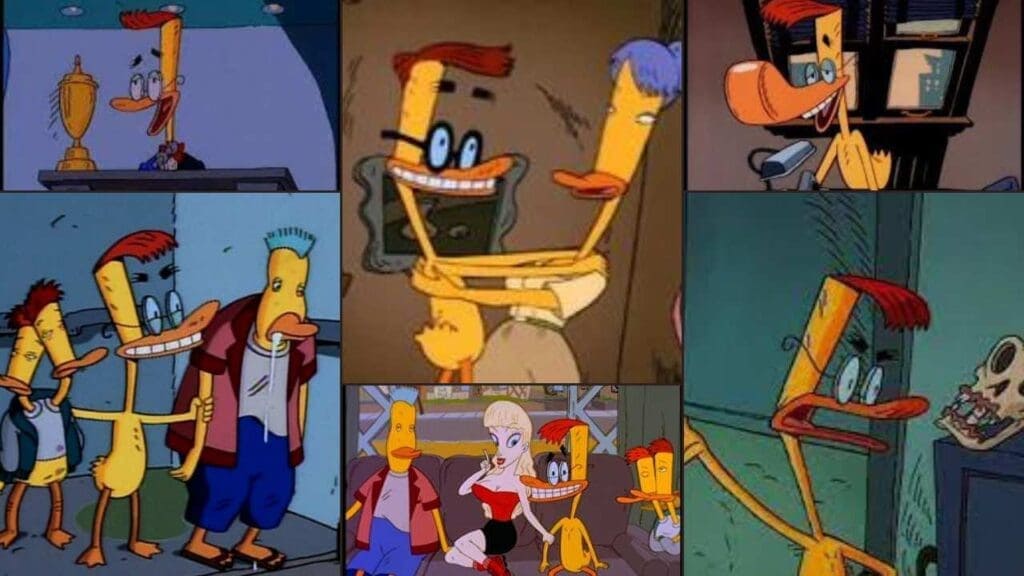
The show has the scratchy lines, the bulging eyes, and the deliberately ugly, jittery energy that made Klasky Csupo look so distinct.
It was the perfect visual match for the writing.
A clean, cute art style would have softened the show’s bite. Instead, everything on screen looks a little unwell, which is exactly the point.
Deep cut: The first season leaned on music from Frank Zappa’s catalog, released just months after Zappa’s death. His son Dweezil Zappa is even in the cast. That is the kind of odd, artsy pedigree that made Duckman feel like no other cartoon on TV.
But the beating heart of the show was never the duck alone. It was the pig standing next to him.
Duckman and Cornfed: The Yin and Yang of 90s Satire
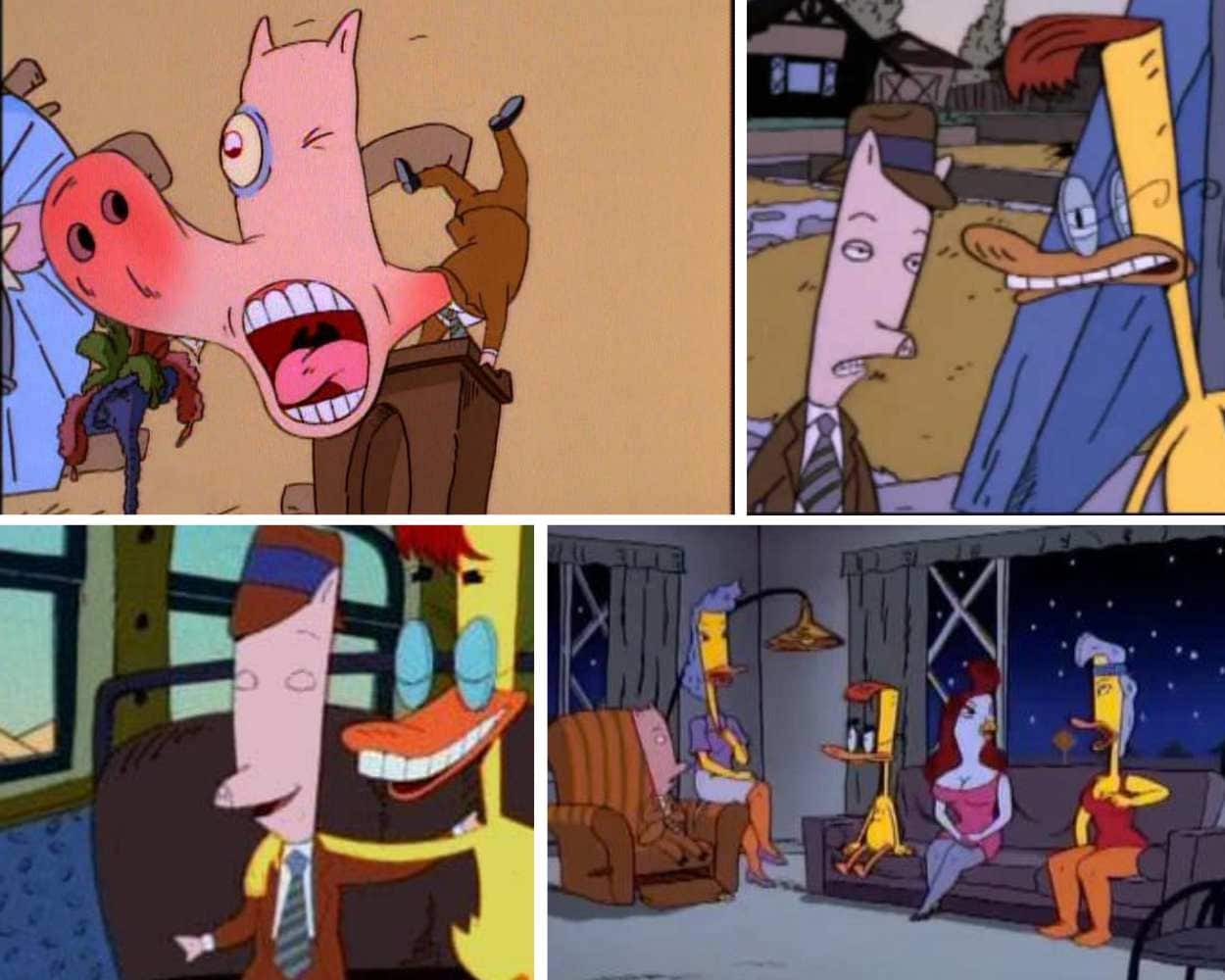
If Duckman is pure chaos, Cornfed is pure calm.
Cornfed, voiced by Gregg Berger, is Duckman’s business partner and the actual brains of the operation. He is a deadpan, endlessly competent pig, styled after Joe Friday from Dragnet, delivering exposition in a flat monotone while Duckman falls apart beside him.
It is a classic odd-couple setup, and it is very funny.
Here is the part that gets me, Cornfed is Duckman’s only real friend.
Think about what that says. A man this selfish, this exhausting, and this self-loathing still has one person who quietly sticks by him no matter what. Cornfed is loyal to a fault, and he never asks for thanks.
The emotional core: A cynic like Duckman needs a Cornfed. The pig is the steady anchor that keeps the duck from spinning off into the void entirely. Under all the crude jokes, their friendship is the most sincere thing in the whole series.
That sincerity made the show’s meaner satire hit even harder. And no characters were sharper weapons than the two teddy bears at the front desk.
Fluffy and Uranus: Satire as a Weapon
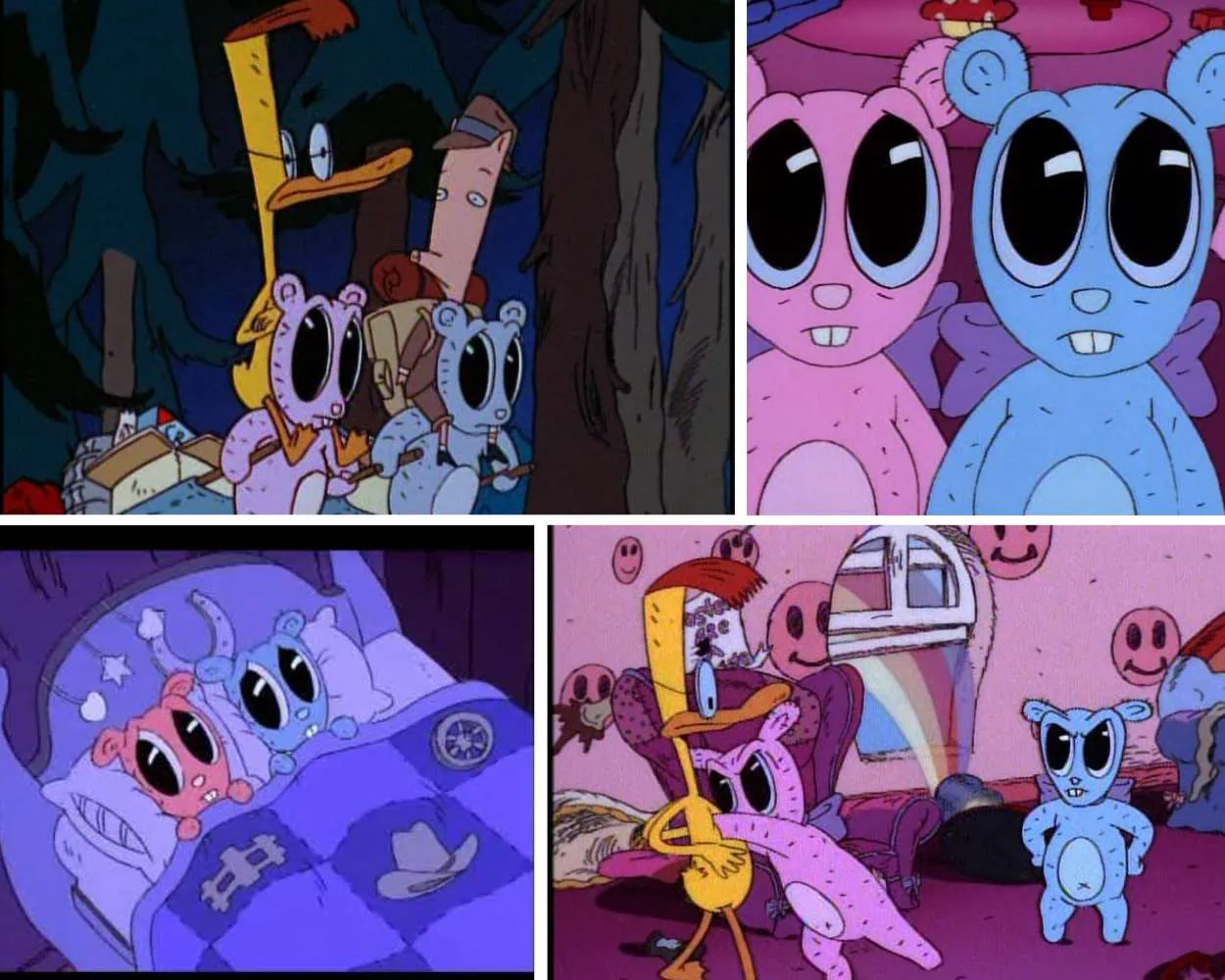
Fluffy and Uranus are Duckman’s office assistants, and they might be the show’s smartest joke.
They are two soft, plush, Care Bear-style creatures who are relentlessly sweet, positive, and politically correct about absolutely everything. Duckman cannot stand them.
His frustration with their endless cheer is a running gag. He regularly “kills” them in gruesome ways, only for them to bounce right back, because they are stuffed with fluff and basically indestructible.
On the surface it is shock comedy.
Underneath, it is pointed satire.
Fluffy and Uranus are the show poking fun at toothless corporate positivity and hollow feel-good culture, the kind of forced sunshine that drives a realist like Eric up the wall.
Why it matters: Duckman was never just crude for the sake of it. It used absurd characters like Fluffy and Uranus to lampoon real social trends, which is why so much of its satire still feels relevant today.
For all its cynicism, though, the show had a real wound at its center: the wife Duckman lost.
Beatrice: The Ghost That Haunts the House
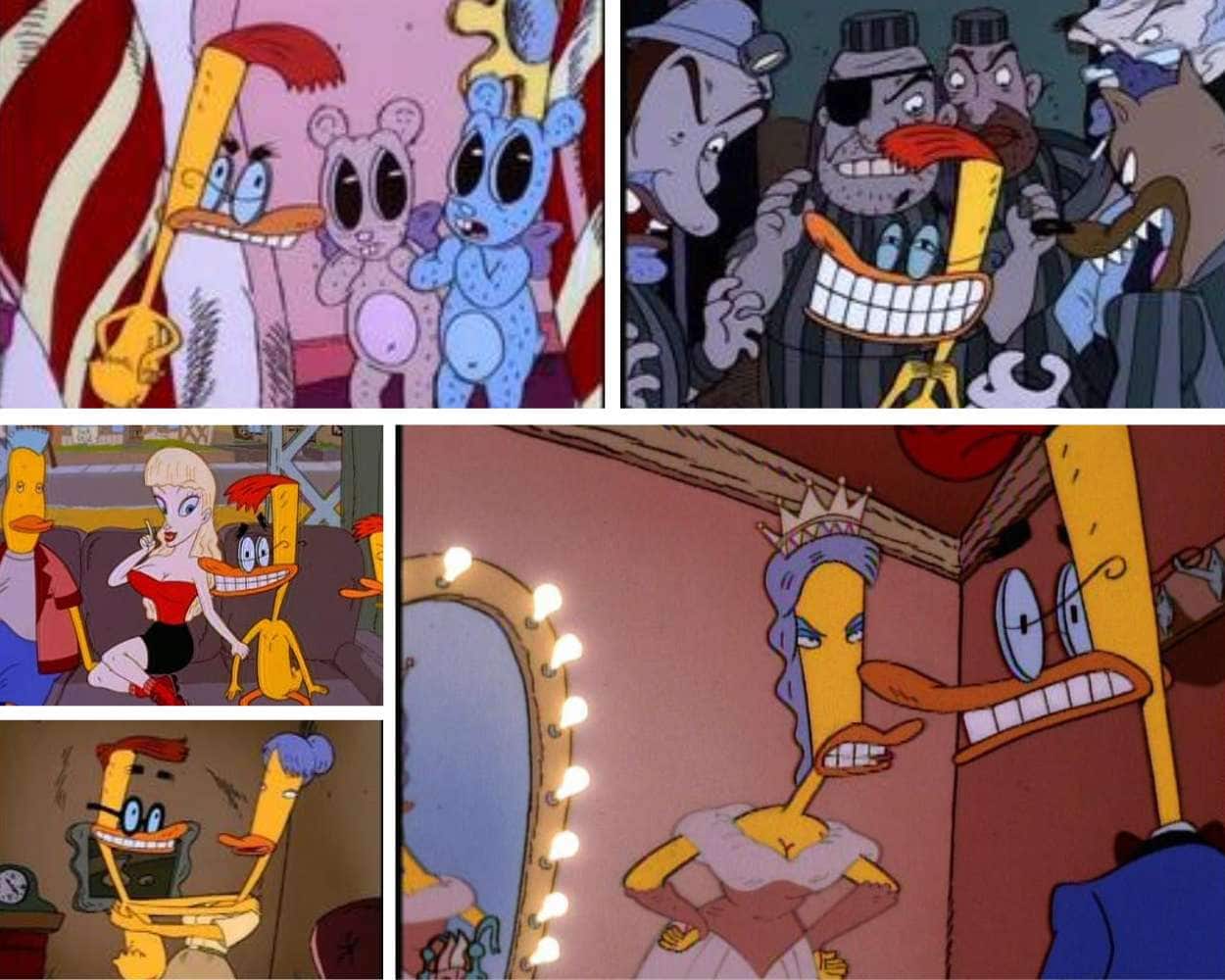
Beatrice is Duckman’s first wife, and she was believed to have been killed in an accident before the series began.
Her absence hangs over everything. For all his flaws, Duckman clearly loved her, and losing her is a big part of what turned him into the bitter mess we meet in episode one.
She is not just a sad backstory, either.
Beatrice becomes the fuse for the single most famous moment in the entire show, one I will come back to at the very end.
Worth noting: Beatrice is voiced by Nancy Travis, who also plays her identical twin sister Bernice and their flatulent mother, Grandma-ma. One actor quietly anchored a huge chunk of Duckman’s family tree.
With Beatrice gone, someone had to move into that house. Unfortunately for Eric, it was the one person who could not stand him.
Bernice: The Twin Who Hates Him
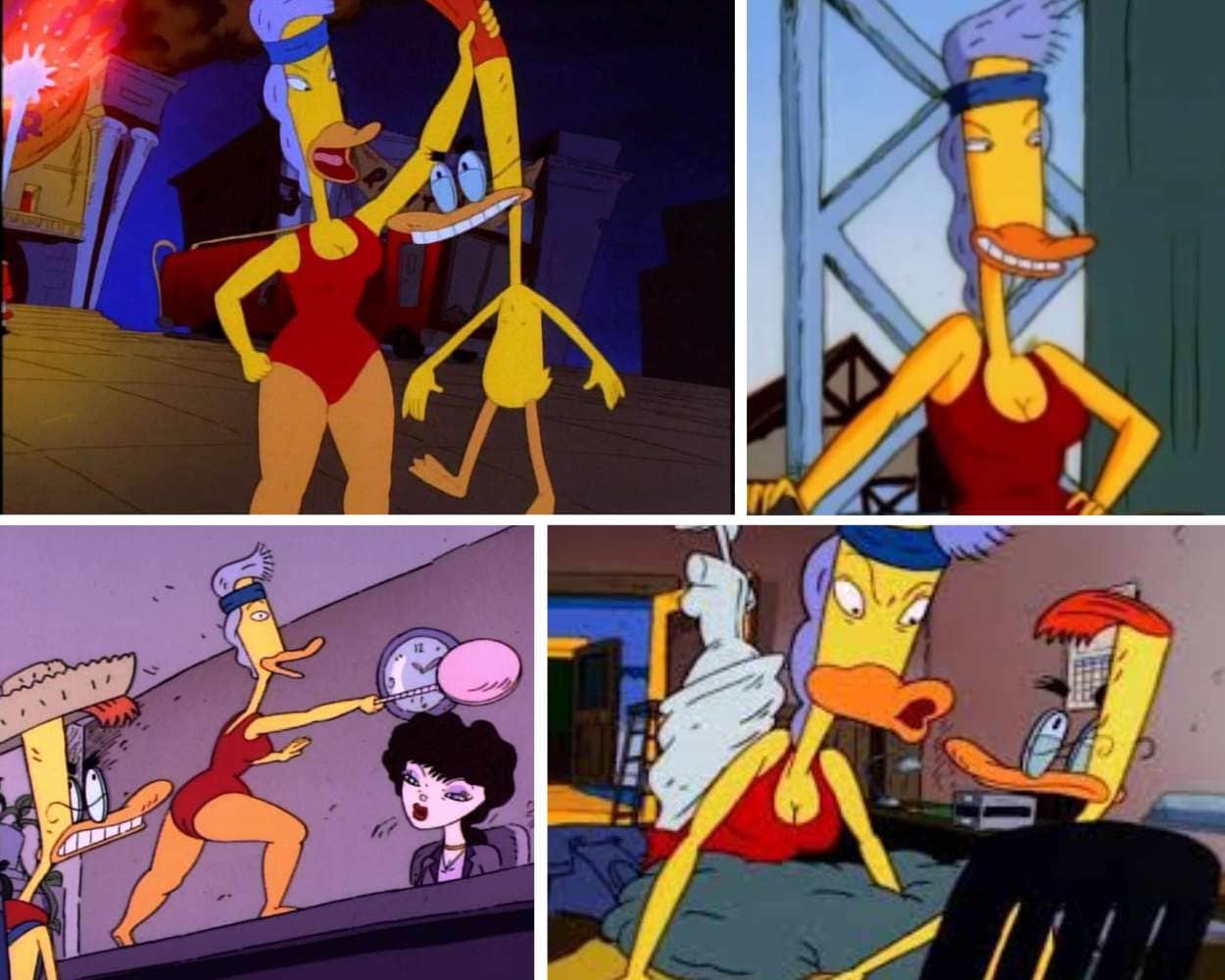
Bernice is Beatrice’s identical twin, which is a special kind of cruel joke. She looks exactly like the wife Duckman lost, and she despises him with a passion.
She is a fanatical fitness buff, rigid, controlling, and loud, and she moved in after Beatrice’s death to help raise the kids. In practice, she took over.
Bernice runs the household her way, and she is not shy about telling Eric he is a failure. Their constant sniping is some of the show’s most reliable comedy.
Why it matters: Bernice exists to hold up a mirror to Eric and remind him, loudly, of everything he is not. Their feud gives the domestic side of the show real teeth, so the home scenes are never soft or sappy.
Not everyone in the house is against him, though. Duckman’s oldest son might be the only pure soul in the whole series.
Ajax: The Sweet, Slow-Witted Son
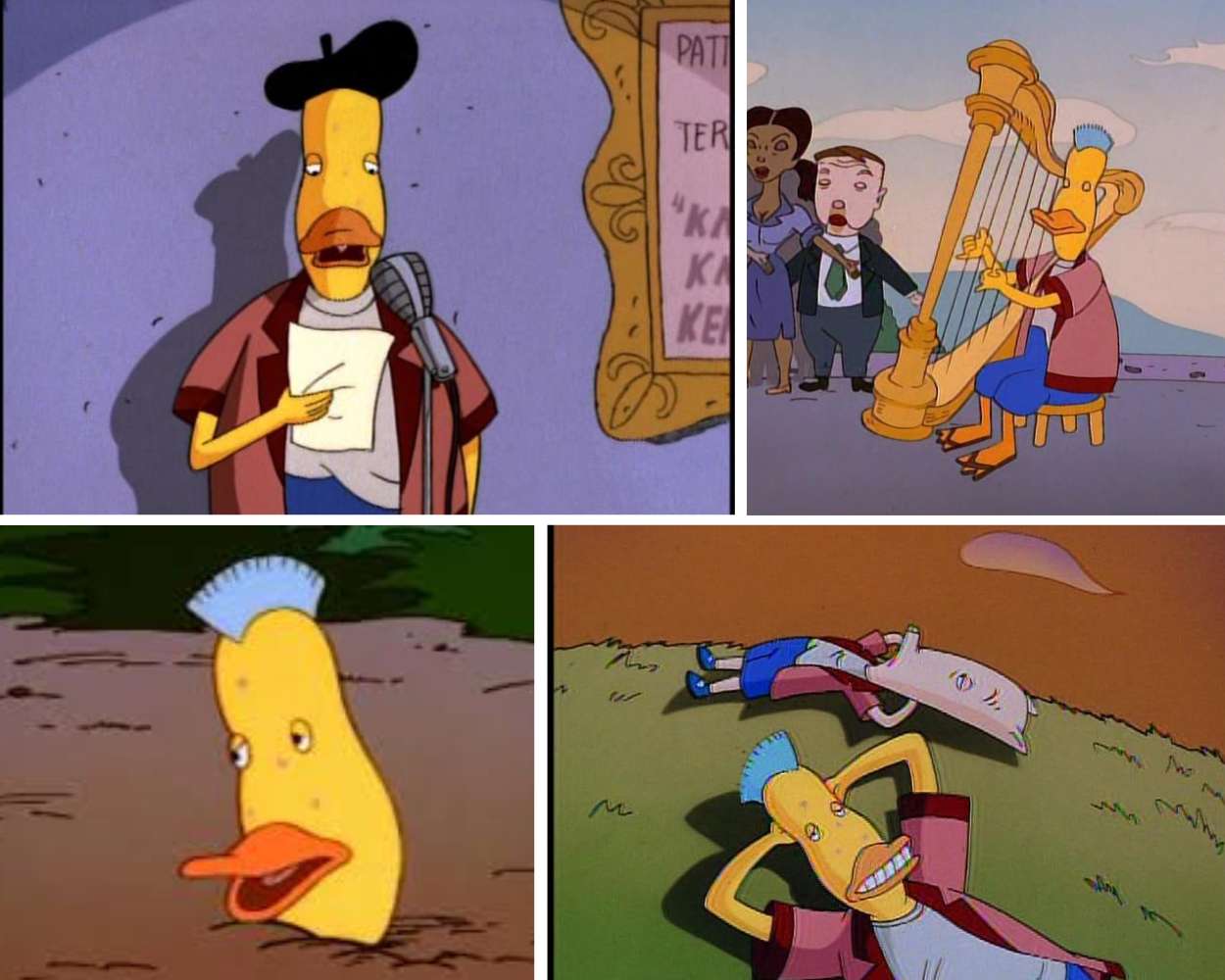
Ajax is Duckman’s eldest son, and he is not the sharpest tool in the shed.
He is slow, spacey, and completely without guile, voiced by Dweezil Zappa. In a show full of cynics and schemers, Ajax is a rare bit of pure innocence.
And here is the sweet part.
Ajax is the one family member Duckman truly connects with. The duck sees a gentleness in his son that he lost in himself a long time ago, and he is fiercely protective of the boy.
The contrast that counts: Eric is sharp, bitter, and selfish. Ajax is dim, kind, and open. Putting them side by side quietly reveals the softer, better father Eric could have been, if life had not beaten it out of him.
Ajax’s brothers, on the other hand, are on a completely different level. Literally.
Charles and Mambo: The Two-Headed Geniuses
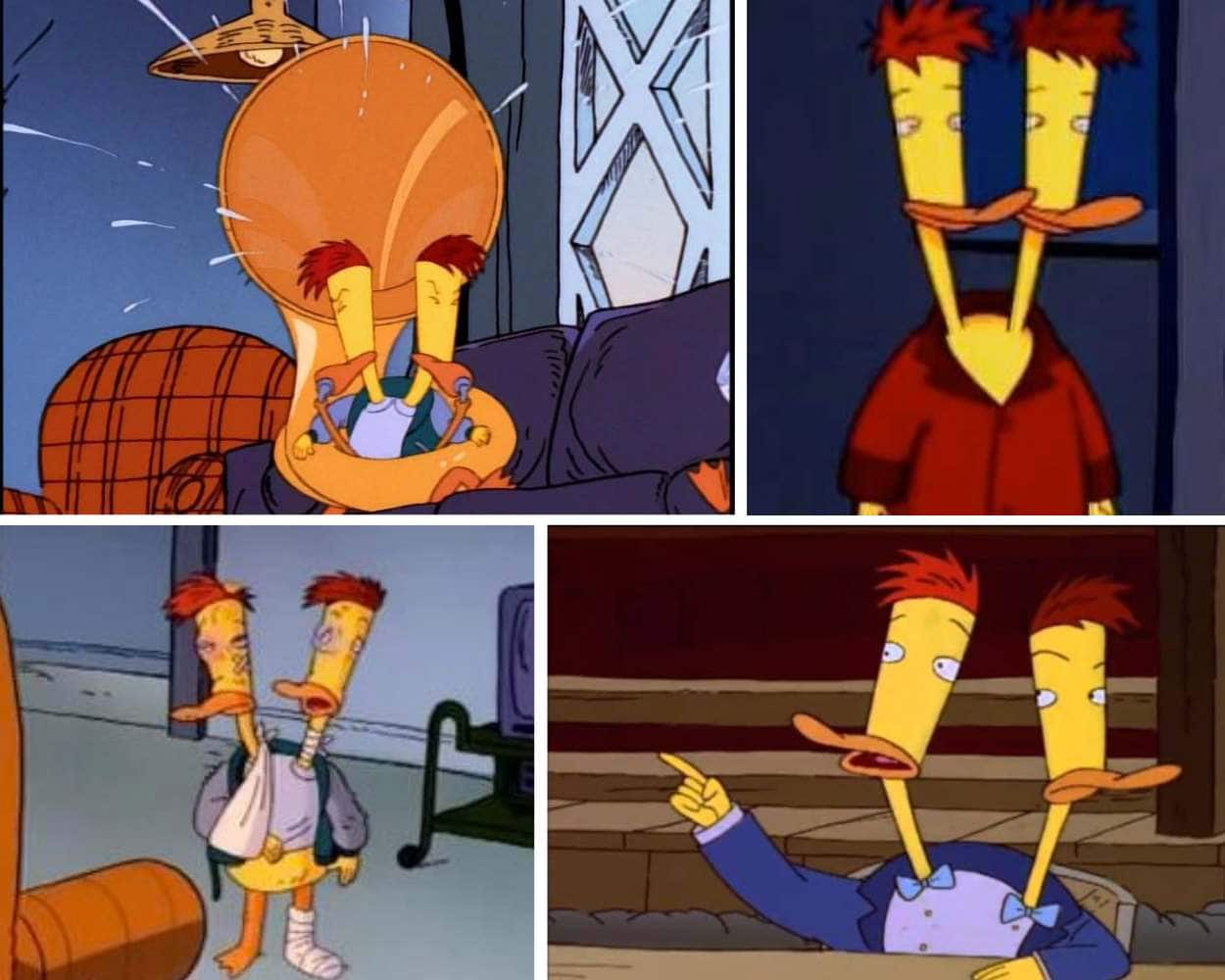
Charles and Mambo are Duckman’s younger sons, and they are a perfect example of how gleefully strange this show could be.
They are conjoined twins, two separate heads sharing a single body. They are also child geniuses, brilliant enough to build advanced tech and talk circles around every adult in the room.
That includes their father.
The boys often look down on their father, mocking his intelligence and his failures. But they also want him to be better, and they clearly wish they could look up to him.
It is a surprisingly poignant dynamic buried inside a wildly absurd design. Two hyper-intelligent kids who are quietly desperate for their disappointing dad to earn their respect.
Grounding the surreal: A two-headed genius could have been a one-note gag. Instead, Charles and Mambo push Eric to grow, and their impossible design becomes just another normal part of family life, which is exactly how the show made its surrealism feel lived-in.
Inside the house, Duckman battles his family. Outside it, he has a nemesis who has spent his whole life plotting revenge.
King Chicken: The Architect of Duckman’s Misery
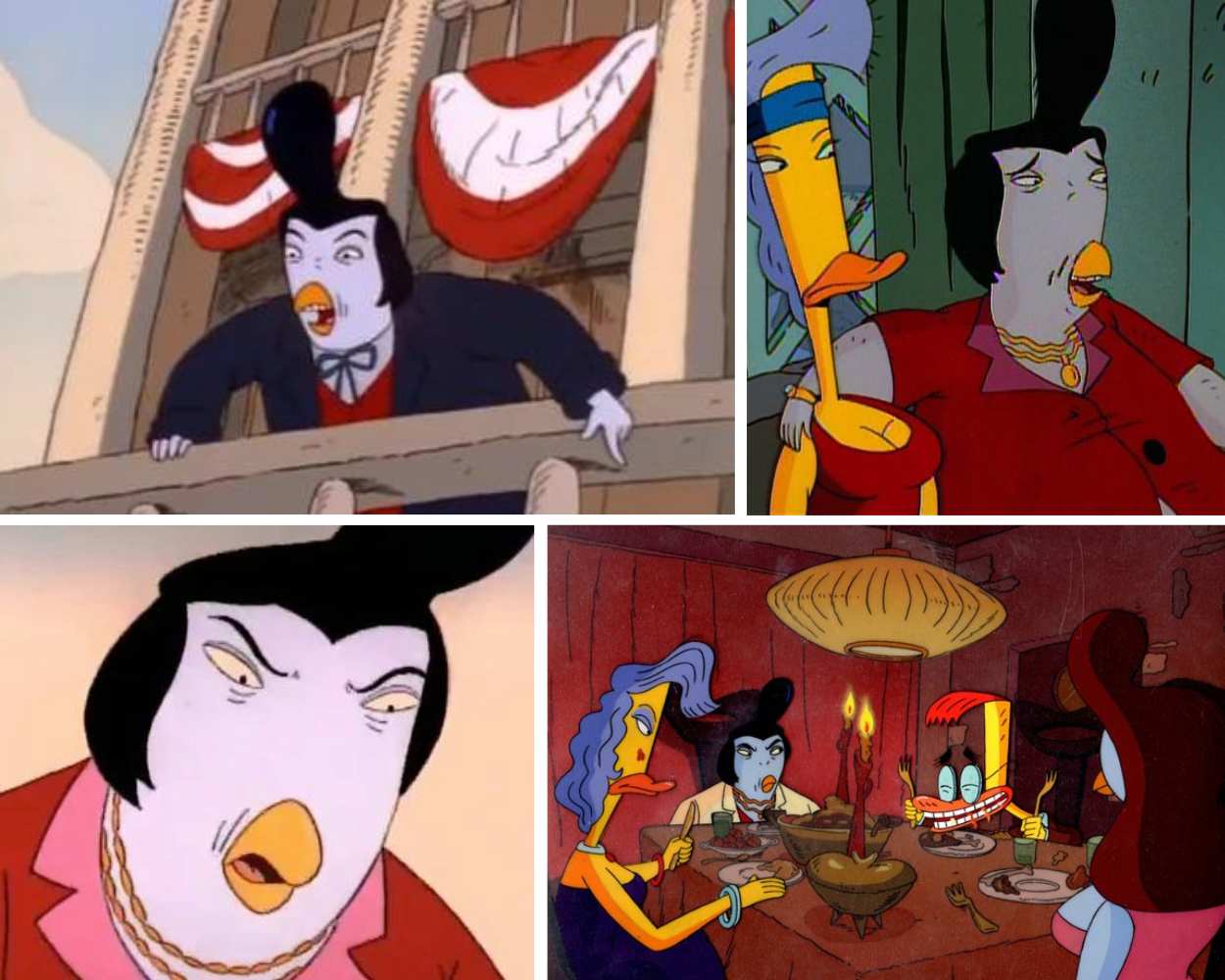
Every great chaotic hero needs a great villain, and Duckman has a fantastic one in King Chicken.
Voiced with pure theatrical menace by the legendary Tim Curry, King Chicken is a scheming supervillain who exists to make Duckman’s life miserable.
Their feud goes all the way back to high school in the 1970s, and it is his own fault. Back then, Duckman deflected the school bullies away from himself and onto the awkward young Chicken, and Chicken never forgave him for it.
That backstory is the key to the whole rivalry.
King Chicken is not random evil.
He is Duckman’s past mistakes coming back to haunt him, wearing a crown.
Why it matters: By making the archvillain a victim of Duckman’s teenage cruelty, the show refused to let its hero off the hook. Even Duckman’s enemies are, in part, monsters of his own making.
The show’s obsessions did not stop at the screen. In 1997, the show jumped into another medium entirely.
The Duckman Video Game
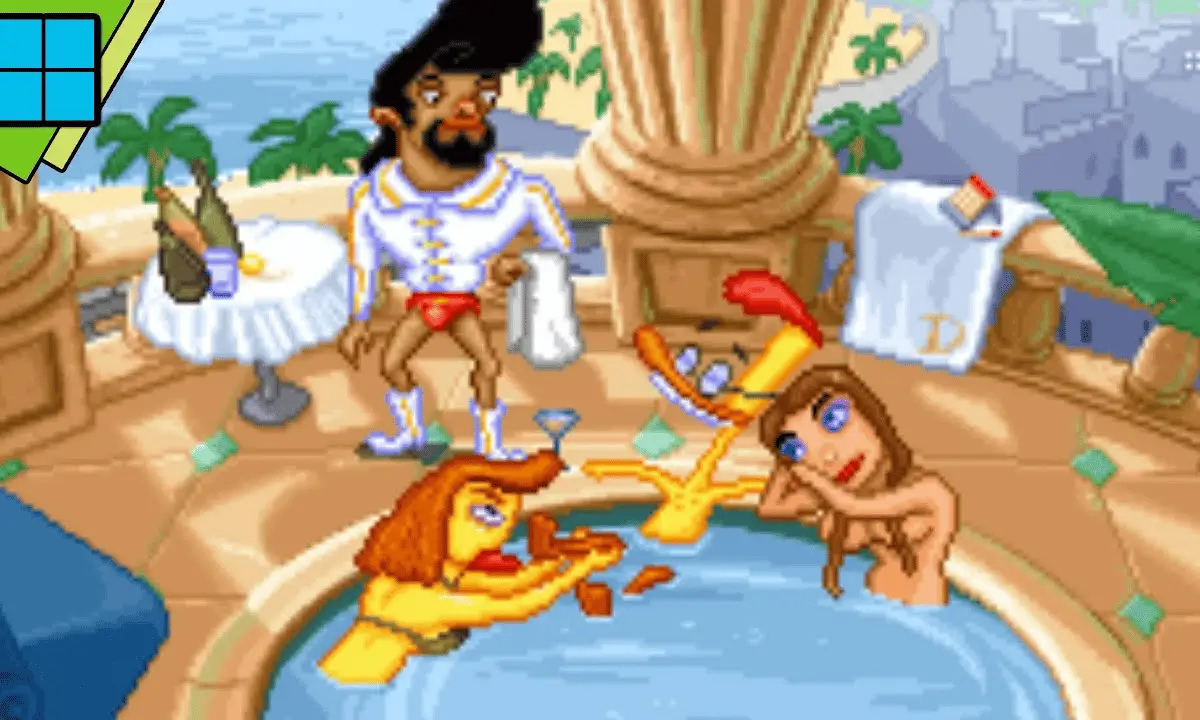
For the die-hard fans, there is a real deep cut worth knowing about.
In May 1997, a point-and-click adventure game called Duckman: The Graphic Adventures of a Private Dick arrived for Windows.
The plot is very on-brand. Duckman is a famous detective about to get his own TV show, but a bigger, better, more heroic version of him shows up and starts pushing him out of his own life.
Your job is to help the real, messy Duckman win it all back.
Fun detail: A “heroic” imposter trying to replace the real, flawed Duckman is the perfect video-game plot for this character. The whole point of the show was that Duckman was never meant to be a hero. A planned PlayStation version was cancelled, making the game an even deeper rarity.
Which leaves one last thing to talk about. The ending that fans have been arguing over for almost thirty years.
The Quack That Echoes: Duckman’s Legacy
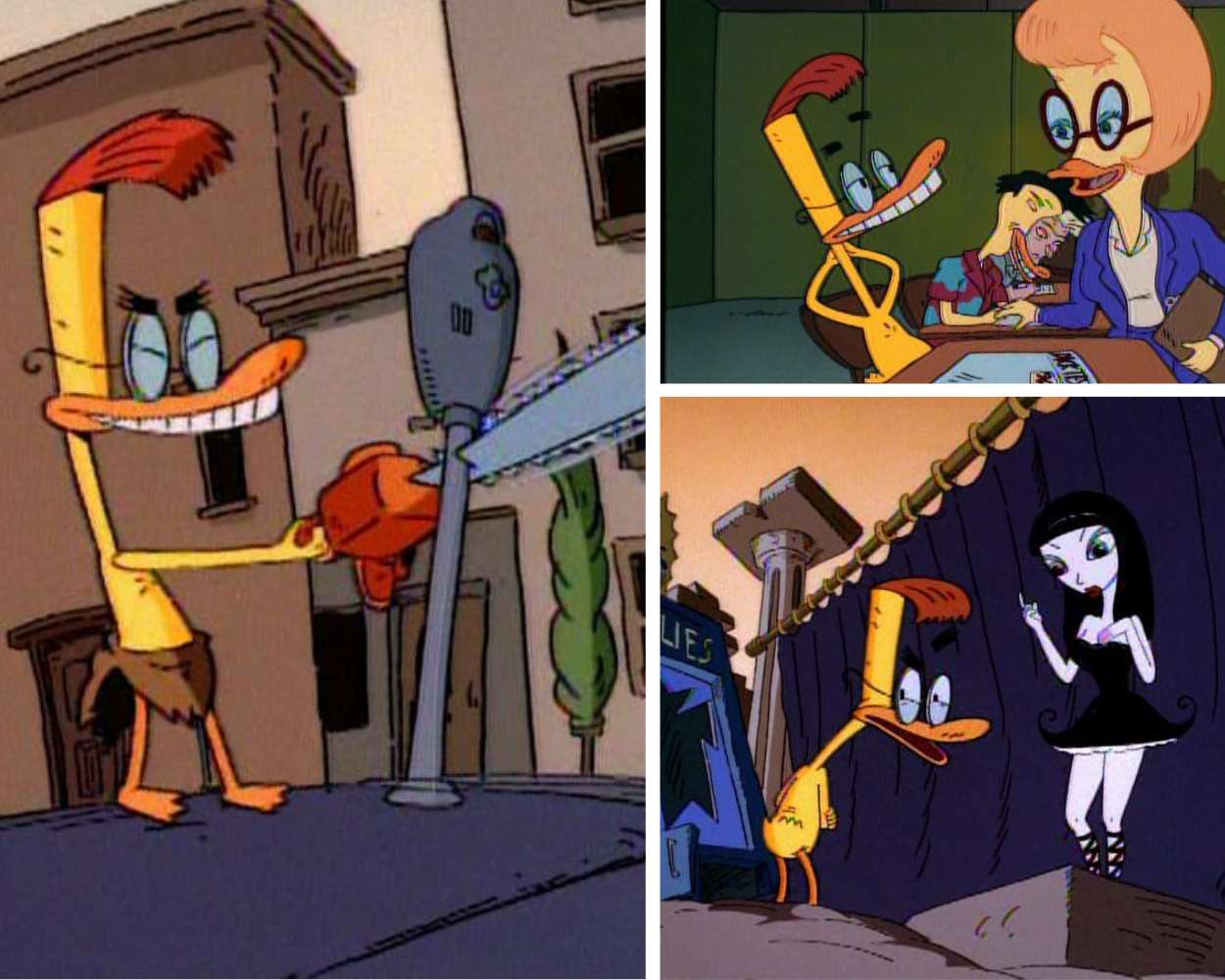
Duckman ran for 70 episodes on the USA Network from 1994 to 1997, then found a whole new audience in reruns on Comedy Central.
That slow burn turned it into a true cult classic. In 2009, IGN ranked Duckman number 48 on its list of the Top 100 best animated TV shows, cementing its place in the history of the medium.
But the reason fans still talk about it comes down to one unforgettable ending. In the series finale, several couples get married in one big ceremony. Then his supposedly dead wife, Beatrice, suddenly appears, alive.
A stunned Duckman asks how this is possible. Beatrice reveals that Cornfed knew the whole time.
Cornfed turns and says, “I can explain.” Then the screen cuts to four words that have haunted fans ever since: “To be continued…?”
The show was cancelled, so it never was. We never got the answer.
The insider twist: Years later, writer Michael Markowitz revealed on Twitter that he is a huge X-Files fan, and that the planned resolution involved a government coverup of aliens. He even hid a clue in the finale by naming a bride “Dana Reynard,” a nod to Dana Scully. Cornfed, apparently, was in on the conspiracy all along.
To this day, no Part II has ever arrived, which is a big part of why fans still hunt down the complete series on DVD, music edits and all.
That is the real legacy of Duckman.
It was cynical, filthy, surreal, and years ahead of its time, and it ended on a question mark that nobody has ever answered.
So let me ask you: do you think we will ever find out what Cornfed was hiding?
Because almost thirty years later, I am still dying to know.