Most guides will tell you Diane Nguyen is the smart, serious one. The writer. BoJack’s conscience. All of that is true, and all of it misses the most interesting thing about her.
Here is my theory, and I think the show quietly agrees.
Diane Nguyen is not BoJack’s opposite. She is his mirror.
Same wounds.
Same depression.
Same talent for self-sabotage.
The one real difference is that she does the work and gets out. Everything below is pulled straight from the show, including the line that finally set her free.
Who Is Diane Nguyen?

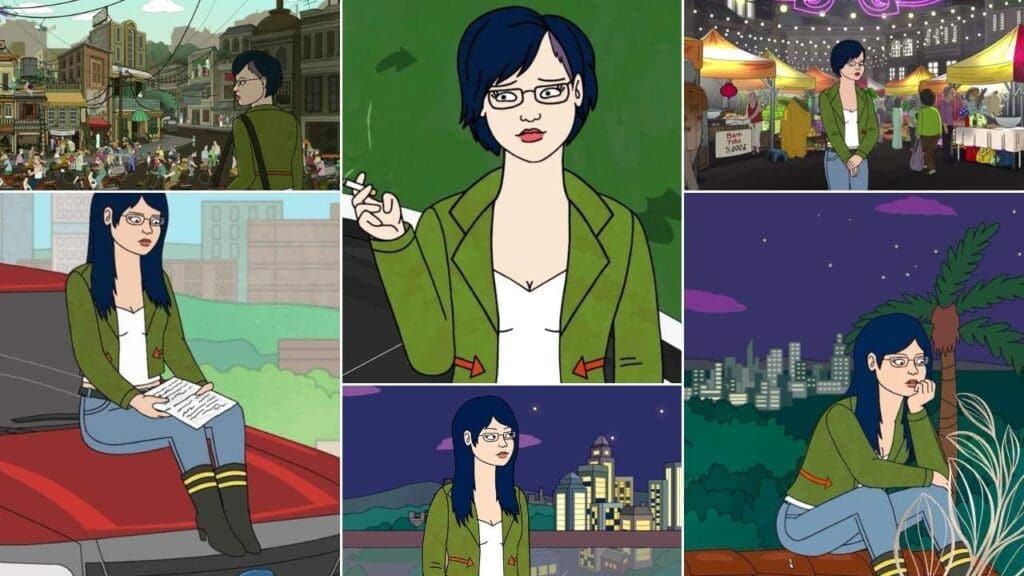
Diane is a Vietnamese-American writer from Boston and one of the five main characters in BoJack Horseman. She is voiced by Alison Brie.
She enters the story as the ghostwriter hired to write BoJack’s memoir. That book, One Trick Pony, becomes a huge hit and even wins BoJack a Golden Globe. Their working relationship turns into the emotional spine of the whole series.
Quick facts:
- Species: Human
- Voiced by: Alison Brie
- Job: Writer, from ghostwriting to feminist blogging to novels
- Marriage: married then divorced Mr. Peanutbutter
- Ends the series: married to Guy, living in Houston, finally okay
My Theory: The BoJack Who Got Out

Look closely and Diane and BoJack are the same person in two different bodies.
Both were raised by cruel, neglectful families. Both are sharp, cynical, and quietly depressed. Both wreck the good things in their lives and then hate themselves for it.
The show even puts a label on it. Back in Season 1, a character sorts everyone into two types: sunny, fun-loving extroverts and smart, cynical introverts.
Diane and BoJack are both the second type. That shared wiring is exactly why they understand each other, and exactly why their friendship curdles into something codependent.
The theory in one line: BoJack and Diane carry the same damage. She is the one who chooses to heal, and the show spends six seasons showing that healing is possible but brutally hard.
Good Damage: Her Deepest Wound
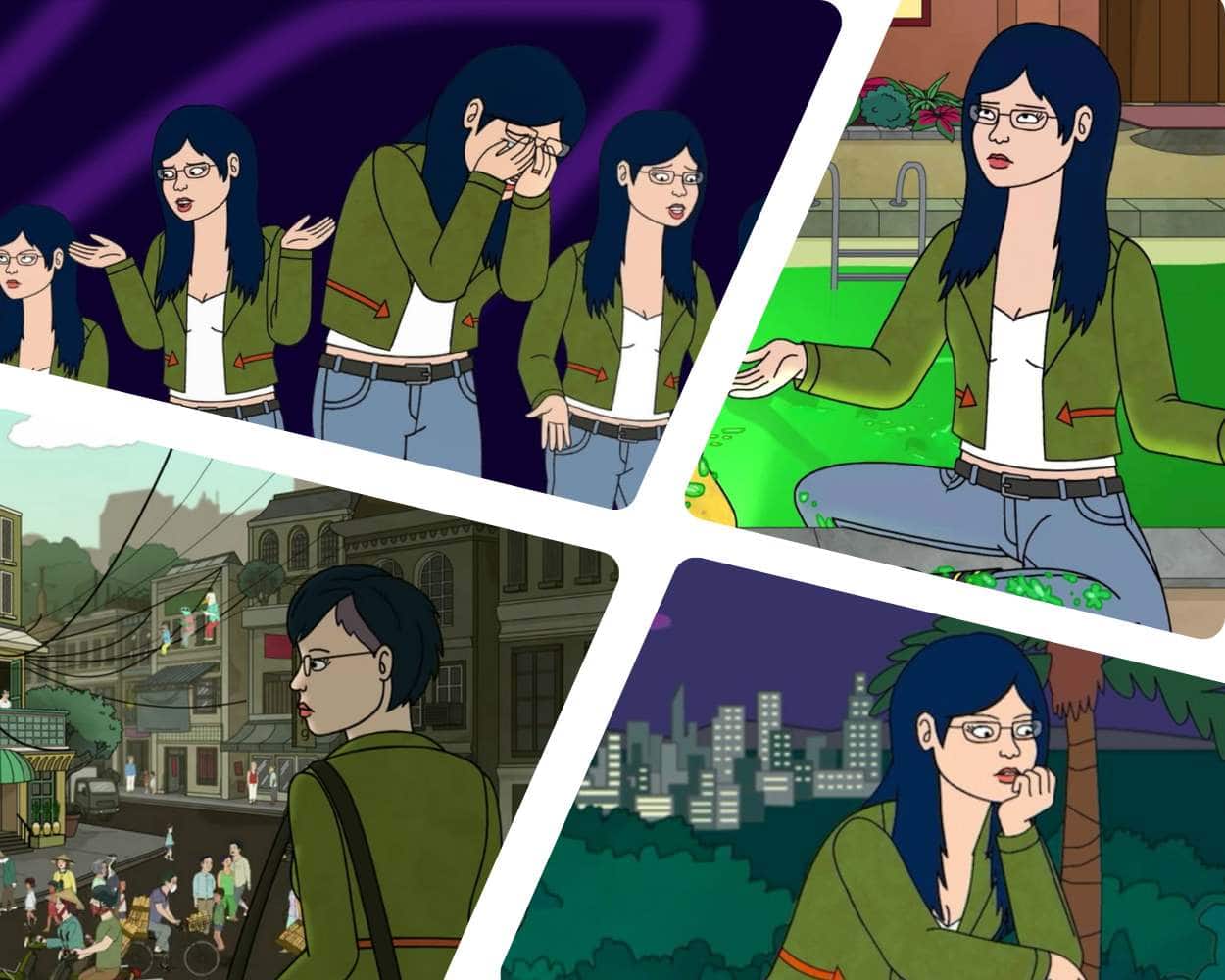
If you want to understand Diane, you need one idea: she believes her suffering has to mean something.
Her plan for her whole life is to turn her painful childhood into an important book. If the pain produces great art, then the pain was worth it. She calls this “good damage.”
In the Season 6 episode “Good Damage,” she finally sits down to write that serious memoir. She cannot do it. The words will not come.
What comes out instead is a fun kids’ book about a teenage sleuth called Ivy Tran, Food Court Detective. Ivy is a Vietnamese-American girl who moves from Los Angeles to Chicago, which is to say, Ivy is Diane.
What “good damage” means: Diane fears that if her trauma did not produce something meaningful, then all those miserable years were for nothing. Her breakthrough is realizing she does not owe her pain a masterpiece. She is allowed to just be happy.
The show returns again and again to kintsugi, the Japanese craft of mending broken pottery with gold so the cracks become part of the beauty. It sounds comforting. Diane’s quiet rebellion is that she does not want gilded cracks at all.
Did you know? Instead of romanticizing her broken pieces, Diane tells Guy she would rather just be “a beautiful salad bowl.” A whole, ordinary, unbroken thing. It is one of the most quietly radical lines in the series.
Diane’s Two Great Loves
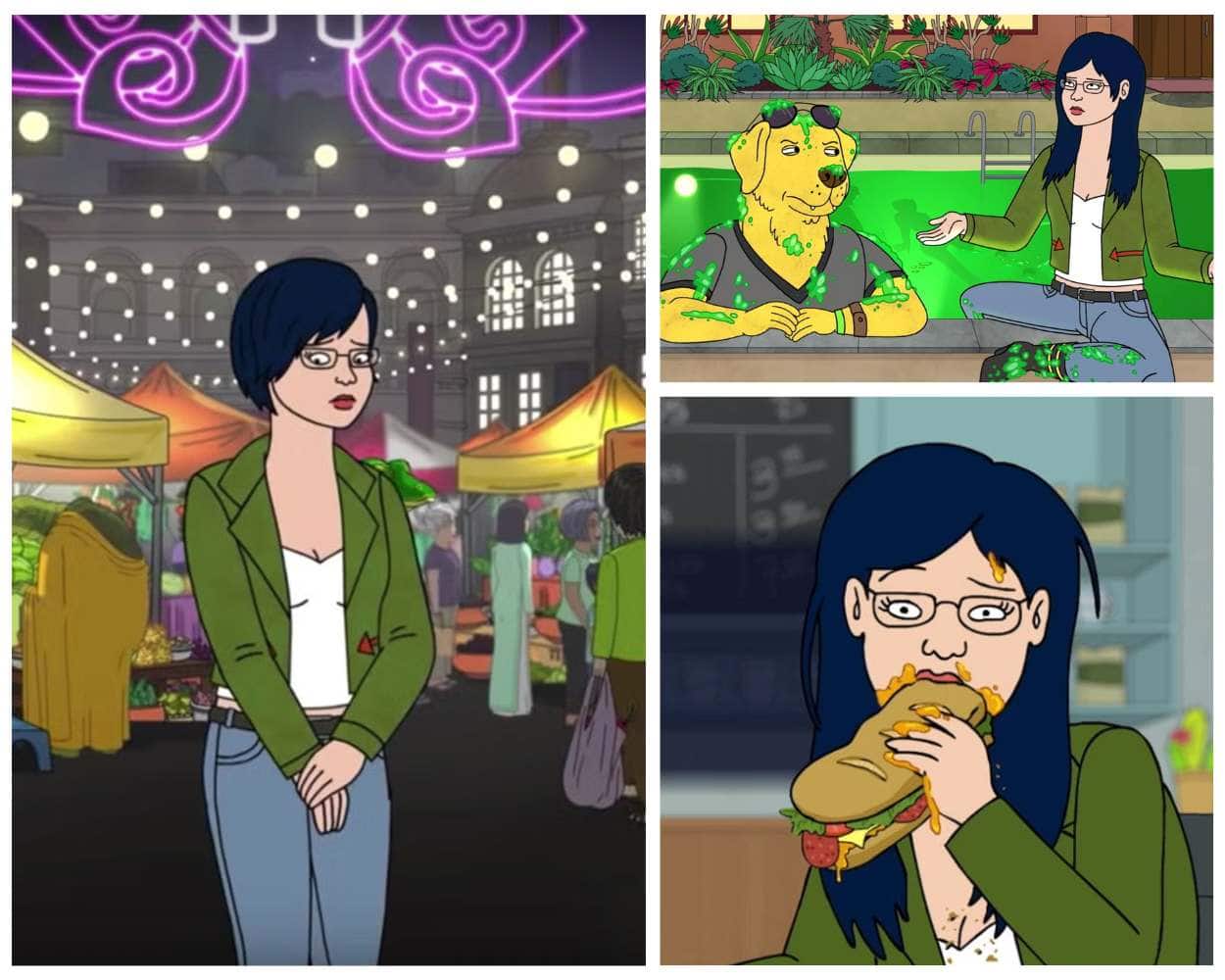
Diane’s two big relationships pull her in opposite directions.
First there is Mr. Peanutbutter, the sunny Labrador she marries. He is warm and generous and he never really listens, like the time he throws her a giant surprise party after she has begged him not to. Their divorce in Season 5 is one of the most grown-up breakups the show ever did.
Nobody is a villain.
They just do not fit.
Then there is BoJack. Their bond simmers with romantic tension that never becomes a romance, and that restraint is the point. They are too alike to save each other. Mostly they just sink together.
The line that says it all: In their final talk, Diane admits she wishes she could have been the person BoJack always wanted her to be, the one who would save him. His reply is quiet and devastating: “That was never your job.” Her answer is the whole tragedy: then why did you always make me feel like it was?
Where Diane Came From
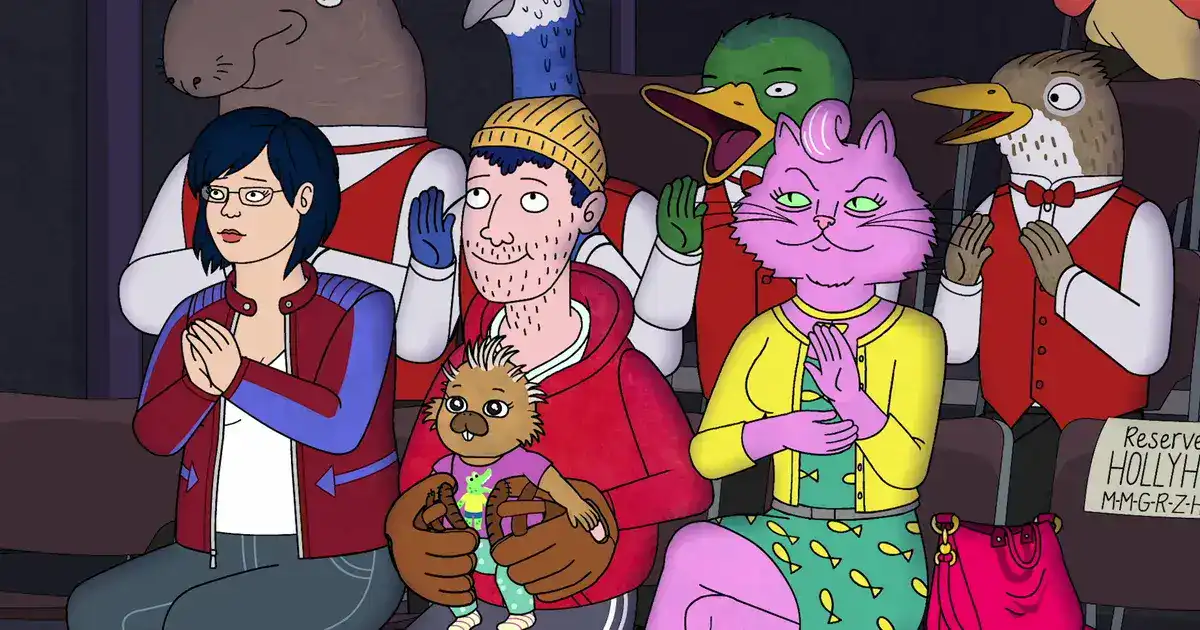
Diane grew up in Boston with a loud, dismissive family who treated her dreams as a joke.
Her brothers mocked her. Her father belittled her. When he dies early in the series and she goes home for the funeral, she gets no comfort and no closure, just more of the same.
This is the root of the mirror I keep coming back to. Diane and BoJack were both raised by people who made them feel worthless. She spends most of the show insisting she is nothing like him. She protests a little too hard.
Diane the Writer
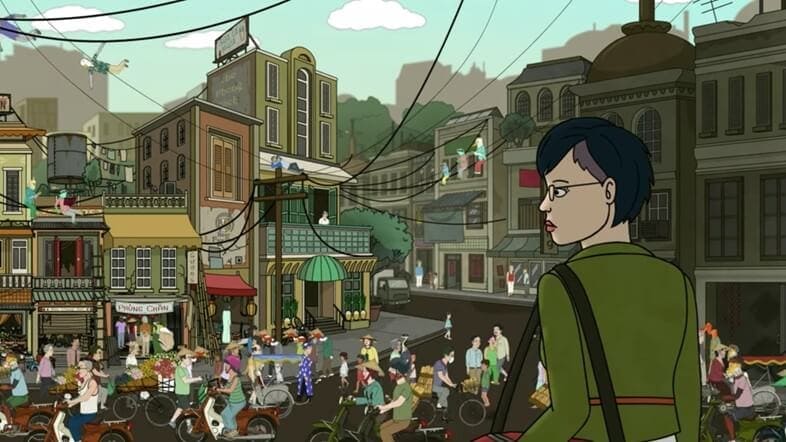
Diane’s career is her whole sense of self, which is part of her problem.
She moves from ghostwriting to feminist blogging at a site called Girl Croosh, then to writing on the prestige TV drama Philbert in Season 5. She hopes the show will skewer toxic masculinity. It gets twisted into celebrating it instead.
One small correction to the record here, since it comes up a lot: Diane did not create Philbert.
She was brought on as a writer and consulting producer, and watched her intentions get hijacked. It is the story of her career in a nutshell. She keeps reaching for meaningful work and keeps getting compromised.
How the Show Handles Diane’s Depression
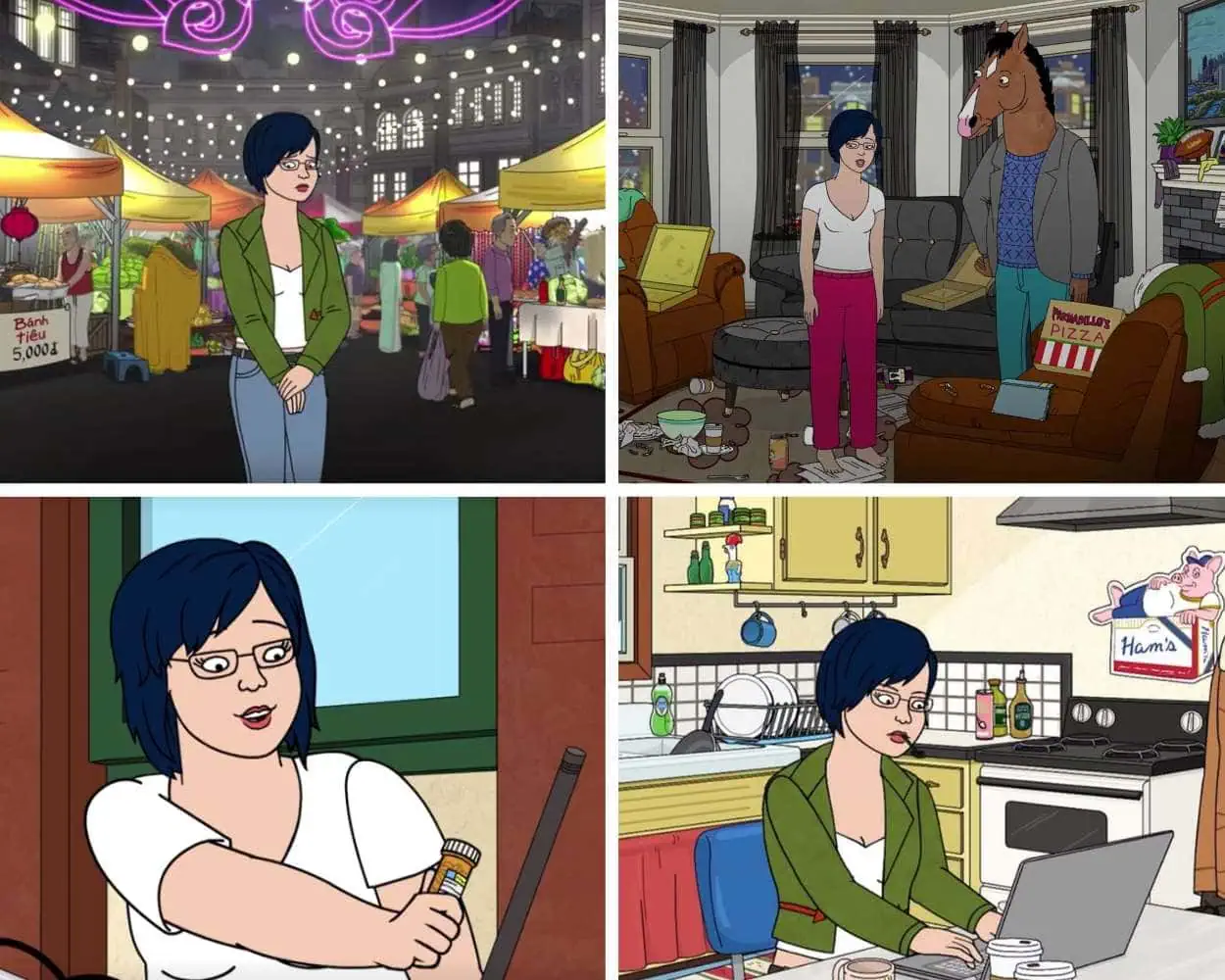
This is the part of Diane’s story that people remember most, and for good reason.
She lives with depression and anxiety for years before anyone names it. Only in the final season does she get a clinical diagnosis and start taking antidepressants.
What makes it land is the honesty.
The show does two things animation almost never does at once. It shows the medication helping, and it shows the side effects. Diane gains weight. She feels foggy. She nearly quits the meds because she misses feeling sharp.
Why it mattered: A cartoon lead gaining weight on medication, drawn plainly and without shame, was close to unheard of. Diane’s arc treated antidepressants as ordinary and helpful rather than a punchline, and a lot of viewers saw their own experience on screen for the first time. You can read more about that praise on the show’s mental health legacy.
The Feminist and Her Contradictions
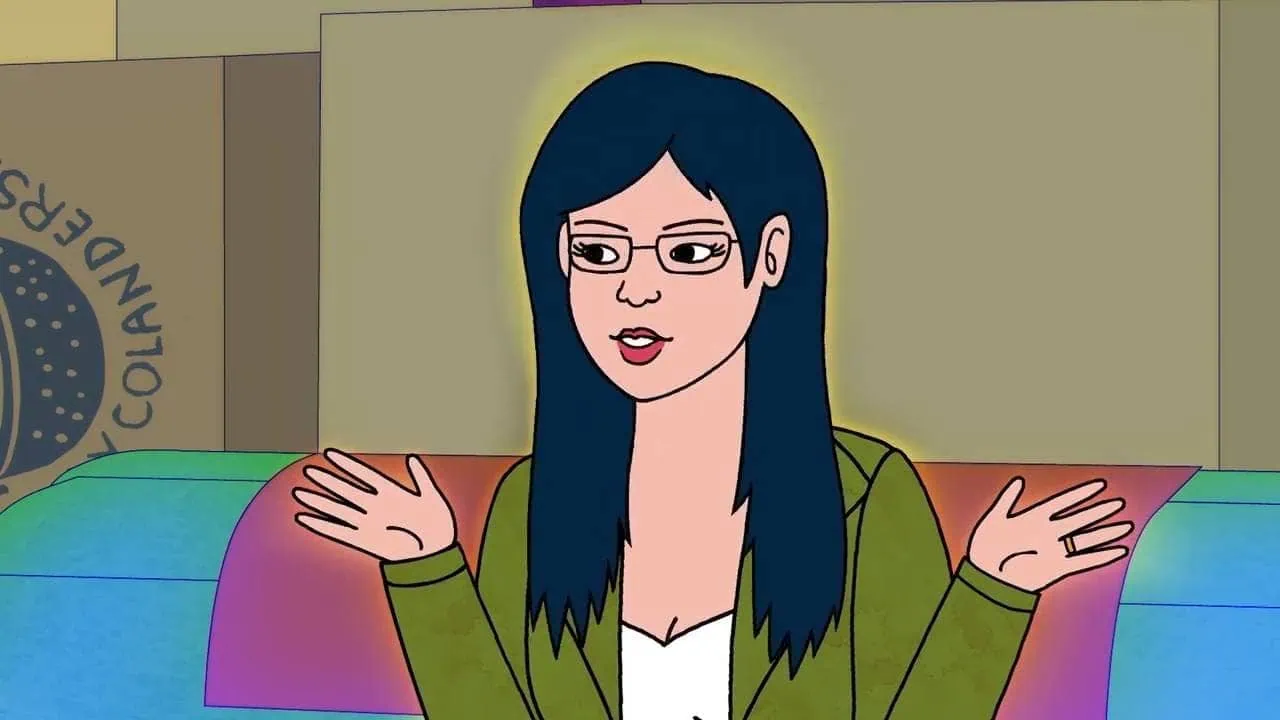
Diane is a proud feminist who uses her writing to fight for causes she believes in.
She travels to the fictional war-torn country of Cordovia to cover a humanitarian crisis. She calls out a beloved celebrity’s misconduct even when it costs her. She cares, loudly.
What I love is that the show refuses to make her a flawless mouthpiece. She can be self-righteous and certain her way is the only right way. She hides the contents of BoJack’s book because she knows best.
Those contradictions are what make her a person instead of a lecture.
Diane and Princess Carolyn: The Breakthrough
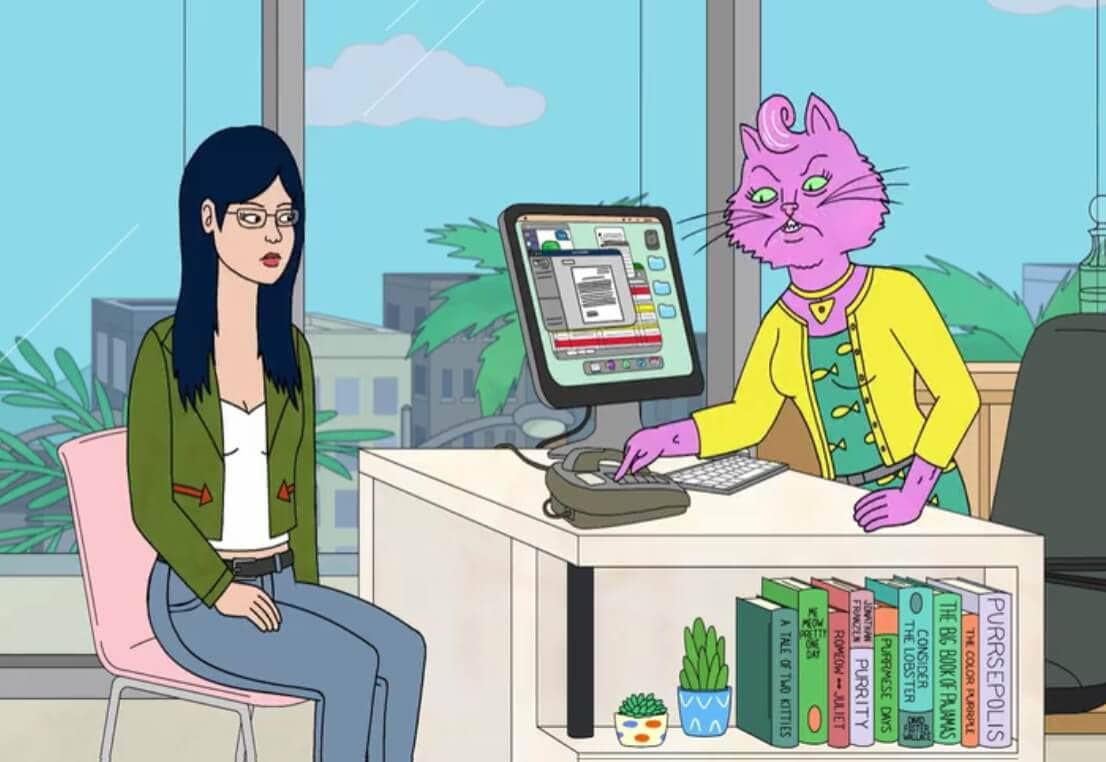
Diane’s friendship with Princess Carolyn is prickly, competitive, and completely real. Two driven women who do not always know how to root for each other, but do.
Princess Carolyn hired Diane in the first place. And in the end, she is the one who sets her free.
When Diane spirals over the book she cannot write, Princess Carolyn gently tells her the silly kids’ book can do the exact thing the serious one was meant to do: make lonely girls feel less alone. That is the permission Diane could never give herself.
The quiet hero move: Princess Carolyn does not fix Diane. She just tells her she likes the book, and that she wants a world where her own daughter can read something like it. Sometimes that is all healing needs to sound like.
Why Diane Wins
The series begins and ends with the same image: BoJack and Diane sitting together on a rooftop.
In the first one, they are two lonely people circling each other. In the last one, everything has changed. Diane is married. She lives in Houston. She is doing the slow, unglamorous work of getting better.
She thanks BoJack for who she became. Then she leaves for good.
She stops trying to save him, and she stops needing her pain to justify itself.
That is why I think Diane is the most hopeful character on a famously bleak show. She proves you can carry the exact same damage as BoJack Horseman and still climb out.
It just takes therapy, medication, honesty, and the courage to let some people go.
If you want the full picture, I mapped the whole cast in my BoJack Horseman characters guide, ranked the show’s high points in my best BoJack Horseman episodes, and dug into her old couch-surfing friend in my Todd Chavez profile.
Memorable Diane Nguyen Quotes
A few lines that sum her up, straight from the show.
“Sometimes life’s a bitch and then you keep living.”
Her answer to BoJack in the final scene, and maybe the whole point of the series.
“What was it all for?”
Her cry in “Good Damage,” terrified that her suffering added up to nothing.
“I wish I could have been the person you thought I was.”
Her goodbye to BoJack, and the quiet grief under their whole friendship.
Watch the series again with the mirror in mind. Diane Nguyen is not the sidekick to BoJack’s story.
She is the proof that his story could have ended differently.