If you have ever looked at Thundarr the Barbarian and thought, “That looks a lot like He-Man,” there is one important detail to remember:
Thundarr was on television first.
Thundarr the Barbarian premiered on ABC on October 4, 1980. Mattel’s original Masters of the Universe toy line followed in 1982, while He-Man and the Masters of the Universe did not reach television until 1983.
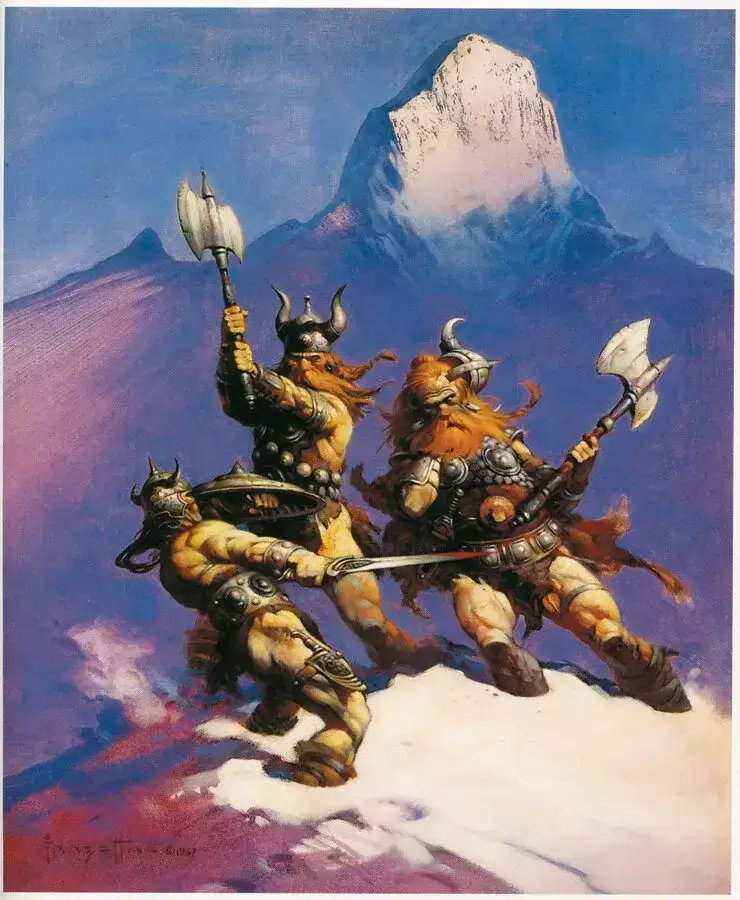
That does not mean He-Man copied Thundarr. Both characters grew out of the same larger sword-and-sorcery boom that included Conan the Barbarian, Frank Frazetta artwork and a growing appetite for muscular fantasy heroes.
But Thundarr unquestionably beat He-Man to television, and somehow became the one people now mistake for the imitation.
The Short Version
- Premiered: October 4, 1980 on ABC
- Created by: Steve Gerber, the Marvel writer who created Howard the Duck
- Produced by: Ruby-Spears Productions
- Character designs: Alex Toth designed the main trio, with Jack Kirby contributing many additional designs
- Main characters: Thundarr, Princess Ariel and Ookla the Mok
- Weapon: The energy-bladed Sunsword
- Episodes: 21 across two seasons
- He-Man comparison: Thundarr reached TV almost three years earlier
When Did Thundarr the Barbarian Come Out?
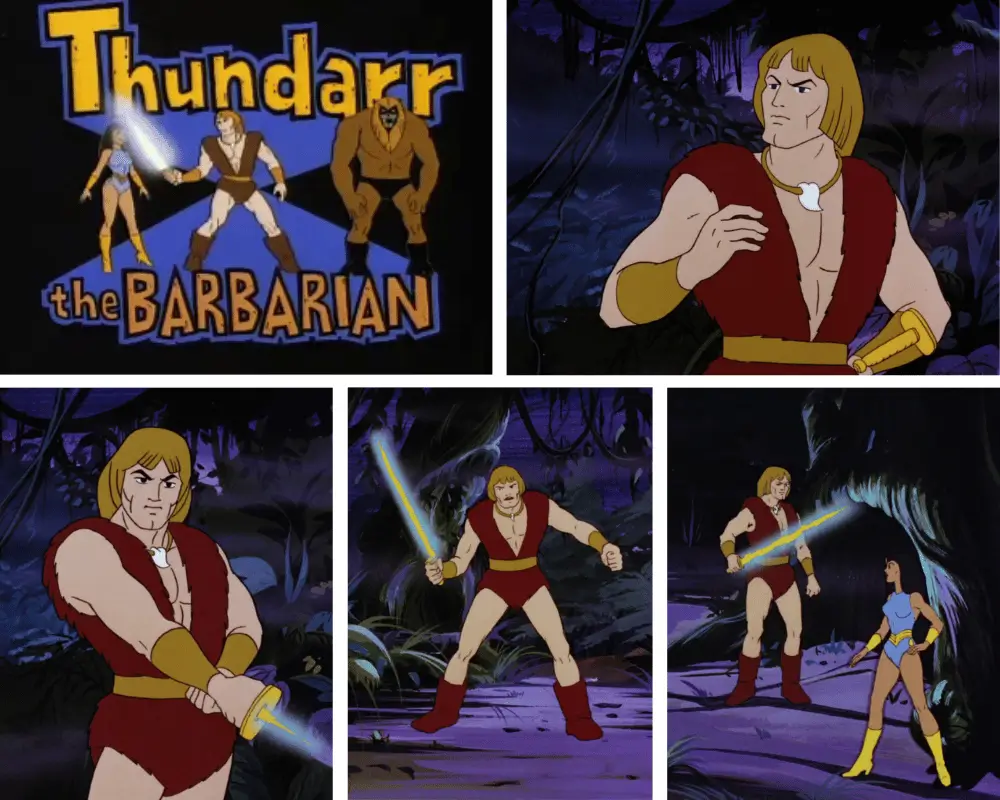
Thundarr the Barbarian premiered on ABC on October 4, 1980, during the network’s Saturday morning cartoon lineup.
The show immediately looked different from much of what surrounded it.
Instead of talking animals, teenage mystery-solvers or brightly colored superheroes, Thundarr opened with the destruction of civilization.
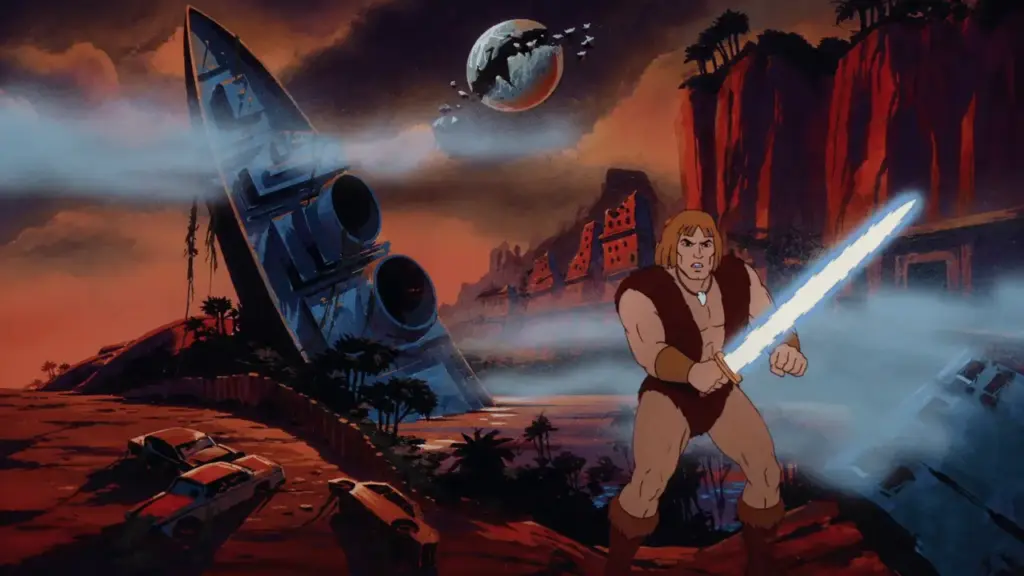
A cosmic disaster had shattered the Moon. Cities were ruins. Wizards controlled fragments of the old world, mutants roamed the countryside, and abandoned technology existed alongside magic.
Who Created Thundarr the Barbarian?
Thundarr the Barbarian was created by comic-book writer Steve Gerber, best known for creating Marvel’s Howard the Duck.
Gerber developed the series for Ruby-Spears Productions, the animation company founded by Joe Ruby and Ken Spears after years working at Hanna-Barbera.
Ruby and Spears had been deeply involved in the development of Scooby-Doo before starting their own studio, which helps explain why Thundarr sometimes gets incorrectly remembered as a Hanna-Barbera production.
- Steve Gerber: Creator and story editor
- Ruby-Spears: Production studio
- Alex Toth: Designer of the three principal heroes
- Jack Kirby: Additional production and character designs
- Writers: Contributors included Mark Evanier, Martin Pasko, Roy Thomas and others
Ruby-Spears also produced Turbo Teen, the infamous cartoon about a teenager who transformed into a sports car.
What Is Thundarr the Barbarian About?
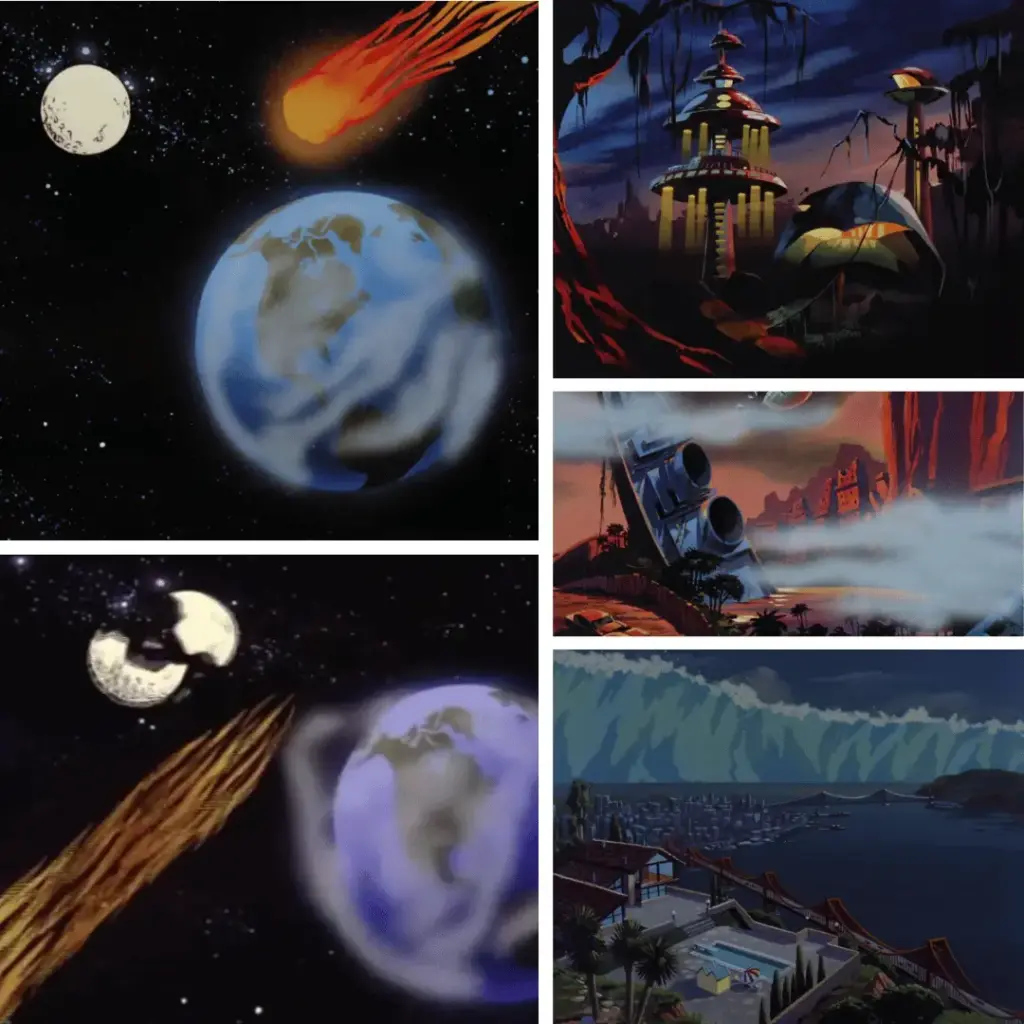
The opening narration explains the entire premise in less than a minute.
In the year 1994, a runaway planet passes between the Earth and the Moon, causing catastrophic destruction and cracking the Moon apart.
The series then jumps forward roughly 2,000 years.
Civilization as we know it is gone. The new world combines ruined technology, strange creatures, sorcery and fragments of recognizable cities from the past.
Through that world travel three heroes.
Thundarr
Thundarr is a former slave turned wandering warrior.
He has no superpowers of his own, but he carries the Sunsword, a weapon whose hilt produces a glowing blade of energy.
Princess Ariel
Ariel is a powerful sorceress who travels with Thundarr and frequently understands magical or historical problems before he does.
She is not simply the person waiting to be rescued. Ariel regularly saves both Thundarr and Ookla with magic.
Ookla the Mok
Ookla is a huge lion-like creature known as a Mok.
He does not speak English. Instead, he communicates through roars, growls and body language, while Thundarr and Ariel seem to understand him perfectly.
What Is Thundarr’s Sunsword?
One of the most remembered parts of Thundarr the Barbarian is the Sunsword.
When inactive, it looks like a sword hilt. Thundarr activates it to produce a glowing energy blade capable of cutting through many objects and deflecting attacks.
The resemblance to a Star Wars lightsaber is hard to miss, especially since Star Wars had become a worldwide phenomenon only a few years earlier.
But the Sunsword helped Thundarr occupy an unusual space between science fiction and fantasy. It looks technological, behaves almost like magic, and exists in a world where nobody is completely sure where one ends and the other begins.
Jack Kirby and Alex Toth Designed Thundarr’s World
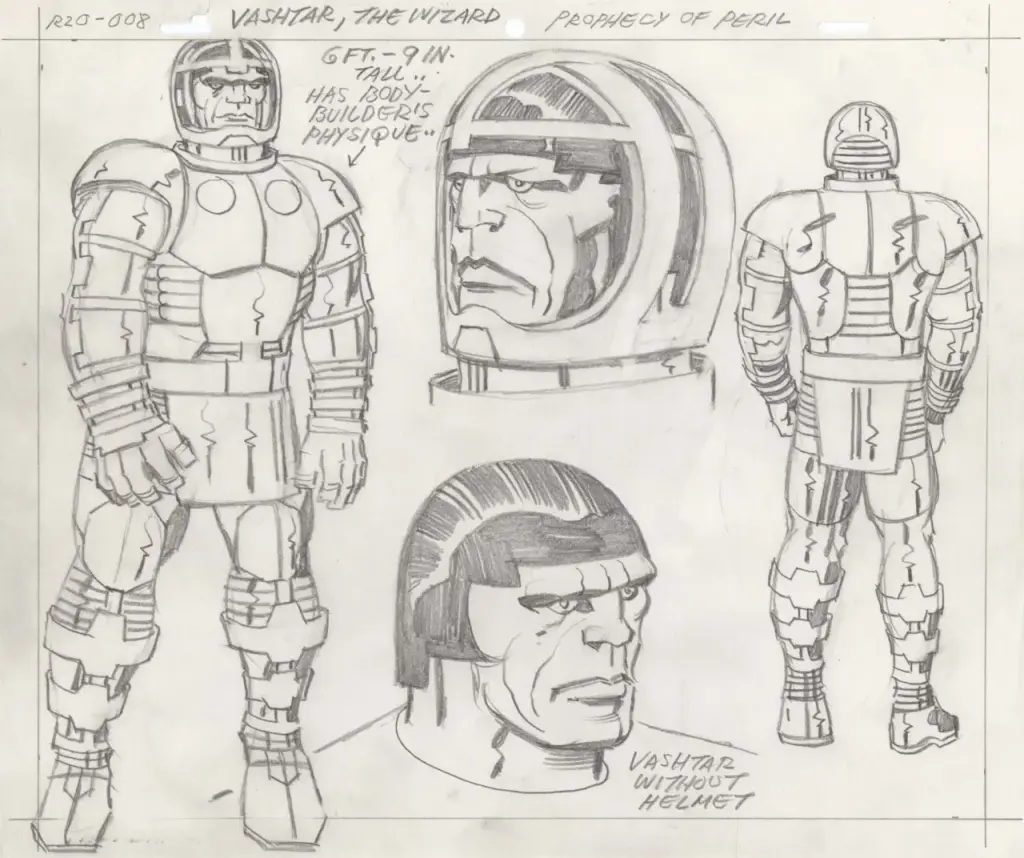
This is one of the biggest reasons Thundarr the Barbarian still interests comic-book fans.
Two legendary artists helped create its visual identity.
- Alex Toth designed Thundarr, Princess Ariel and Ookla.
- Jack Kirby was brought in when additional production artwork was needed.
- Kirby contributed designs for villains, creatures, technology and other parts of the ruined world.
Toth was already responsible for the visual development of Hanna-Barbera characters including Space Ghost and The Herculoids.
Kirby brought something different.
The giant machines, bizarre wizards and mutant-filled landscapes look surprisingly close to the kind of cosmic artwork he had spent decades drawing in comics.
Thundarr the Barbarian vs. He-Man: Which Came First?
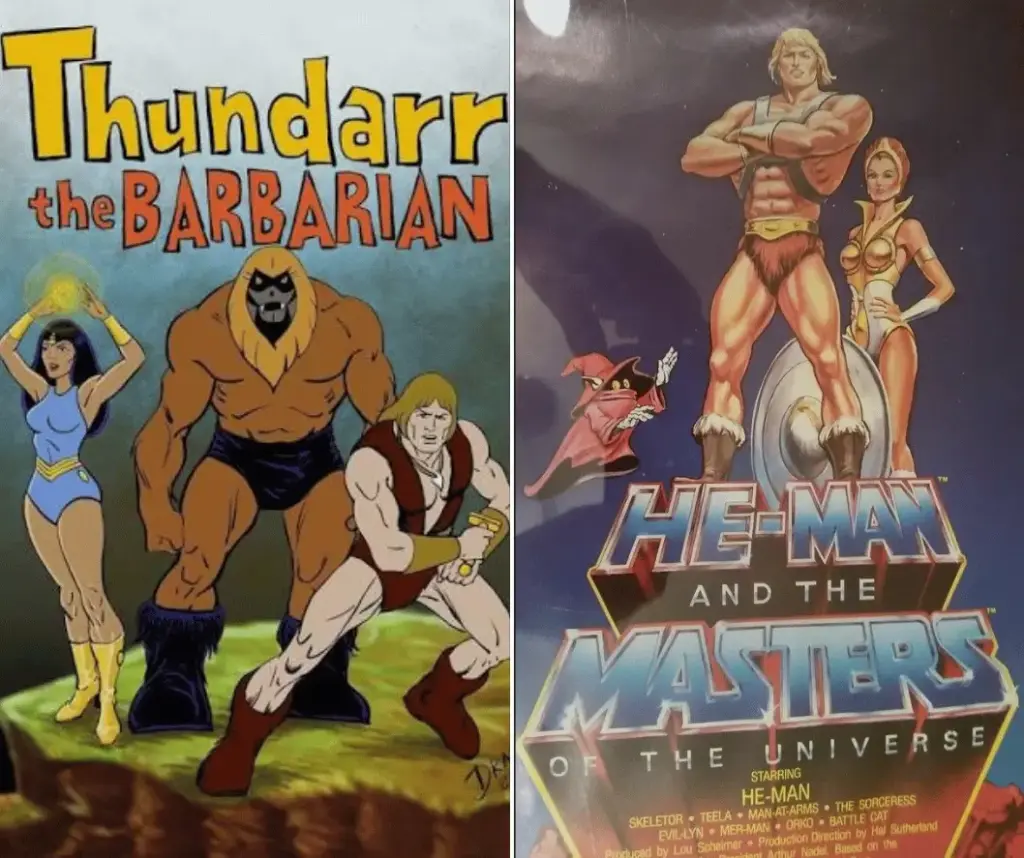
Thundarr the Barbarian came before the He-Man cartoon.
The timeline is straightforward:
| Date | Masters of the Universe | Thundarr |
|---|---|---|
| Oct. 1980 | Not yet released | Premieres on ABC |
| 1982 | Mattel launches Masters of the Universe toys | 21 episodes already produced |
| 1983 | He-Man and the Masters of the Universe reaches television | Existing in reruns |
That means Thundarr had already completed production on all 21 of its episodes before He-Man became a television cartoon.
Did He-Man Copy Thundarr the Barbarian?
There is no solid evidence that He-Man was copied from Thundarr.
Thundarr came first on television, but being first does not automatically establish influence.
The similarities make much more sense when both characters are placed inside the larger fantasy boom of the period.
- Conan the Barbarian had been influencing pulp fiction, comics and fantasy art for decades.
- Frank Frazetta helped popularize the muscular sword-wielding barbarian image through his fantasy paintings.
- Marvel’s Conan comics brought the style to another generation of readers during the 1970s.
- Mattel briefly held rights connected to Conan merchandise around the period when Masters of the Universe was being launched.
- Filmation’s Blackstar had already placed another muscular hero with a magical sword on television in 1981.
The creative overlap even runs through Thundarr itself. Roy Thomas, one of the writers closely associated with Marvel’s Conan the Barbarian comics, wrote for Thundarr’s second season.
The Barbarian Look Before Thundarr and He-Man
- 1932: Robert E. Howard introduces Conan in the pulp magazine Weird Tales.
- 1960s: Frank Frazetta’s paperback covers help establish the now-familiar muscular barbarian image.
- 1970: Marvel launches its Conan the Barbarian comic.
- 1980: Thundarr the Barbarian brings sword-and-sorcery imagery to Saturday morning TV.
- 1982: Mattel launches Masters of the Universe.
- 1983: Filmation’s He-Man cartoon begins.
Who Voiced Thundarr, Ariel and Ookla?
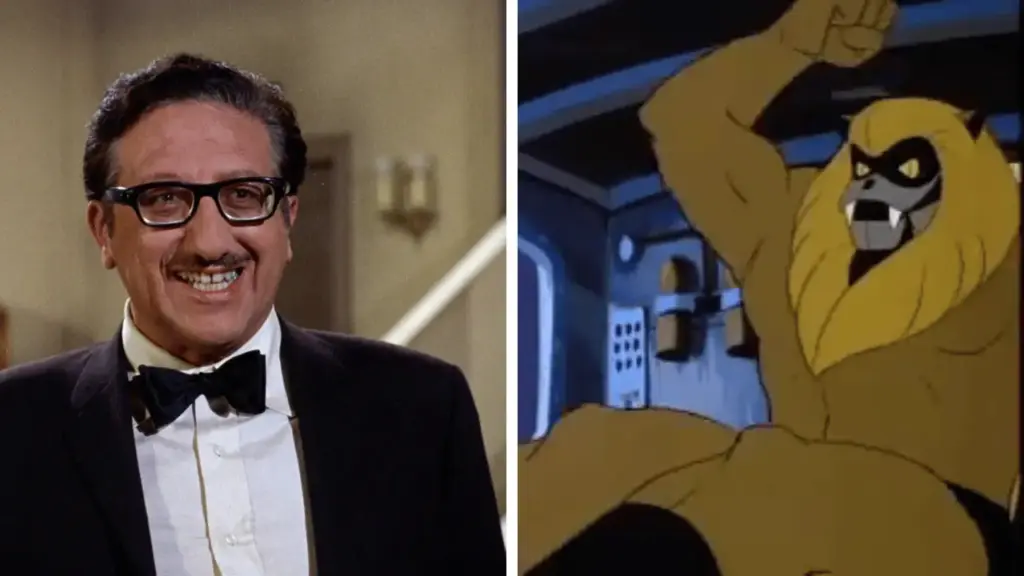
The main Thundarr the Barbarian voice cast included several familiar names.
- Robert Ridgely: Thundarr
- Nellie Bellflower: Princess Ariel
- Henry Corden: Ookla the Mok
- Dick Tufeld: Opening narrator
Henry Corden is especially interesting.
After Alan Reed’s death, Corden became the longtime voice of Fred Flintstone. In Thundarr, however, he had almost no recognizable dialogue at all—just Ookla’s growls, roars and frustrated noises.
How Many Episodes of Thundarr the Barbarian Were Made?
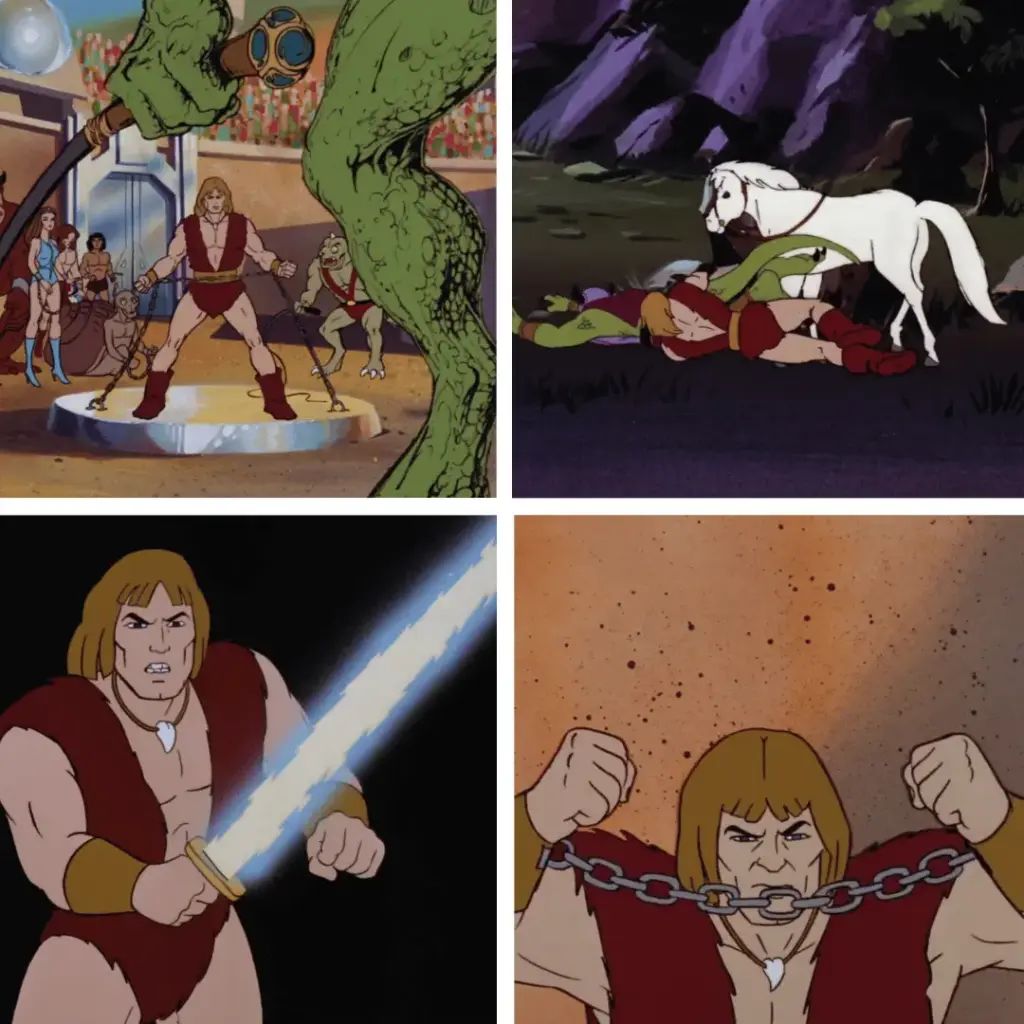
Thundarr the Barbarian has 21 episodes across two seasons.
- Season 1: 13 episodes
- Season 2: 8 episodes
- Total: 21 episodes
That looks tiny beside He-Man’s 130 episodes, but the two programs were made for very different television models.
Thundarr was a traditional weekly Saturday morning network series.
He-Man was built for weekday syndication, where a much larger library allowed stations to run an episode every weekday. That 65-episode scheduling model became common enough that I broke it down separately in my article on why so many old cartoons have 65 episodes.
Why Did Thundarr the Barbarian End After 21 Episodes?
This is one area where the story is less satisfying than the internet sometimes makes it sound.
I could not find a reliable contemporary source giving one definitive reason that ABC or Ruby-Spears stopped producing new episodes.
Twenty-one episodes was not unusually tiny for an early-1980s weekly Saturday morning cartoon. The television economics were very different from the weekday syndication model that would later give He-Man 130 episodes.
What Thundarr did not have was the massive merchandising engine that kept Masters of the Universe constantly visible.
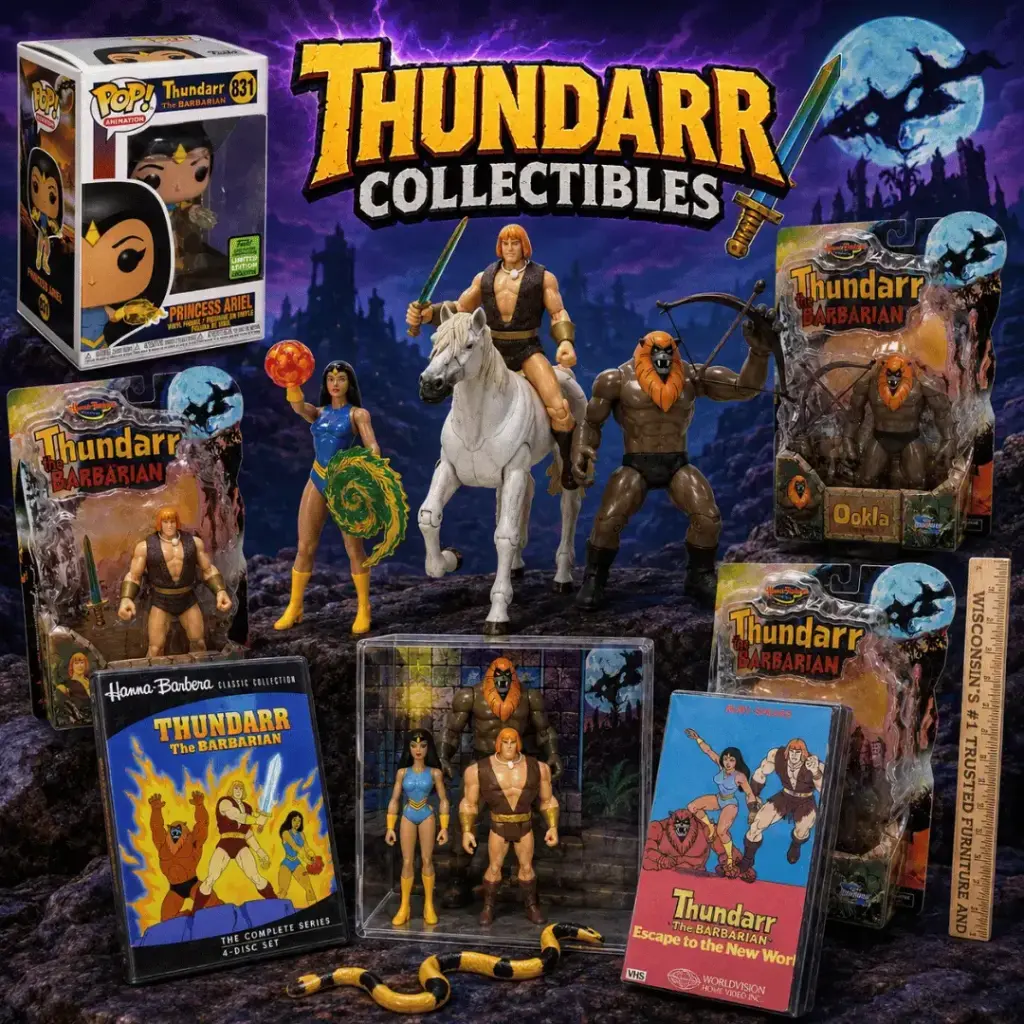
There was a Thundarr board game and other merchandise, but children in 1980 did not have an aisle of Thundarr action figures waiting for them after the cartoon.
Why Thundarr the Barbarian Still Has a Cult Following
A 21-episode cartoon could easily have disappeared after the 1980s.
Thundarr never completely did.
- Reruns introduced the show to viewers who missed the original ABC broadcasts.
- Cartoon Network brought Thundarr back to cable audiences during the 1990s.
- Toynami finally released action figures of Thundarr, Ariel and Ookla in 2003.
- The characters later appeared or were referenced in other Warner animation.
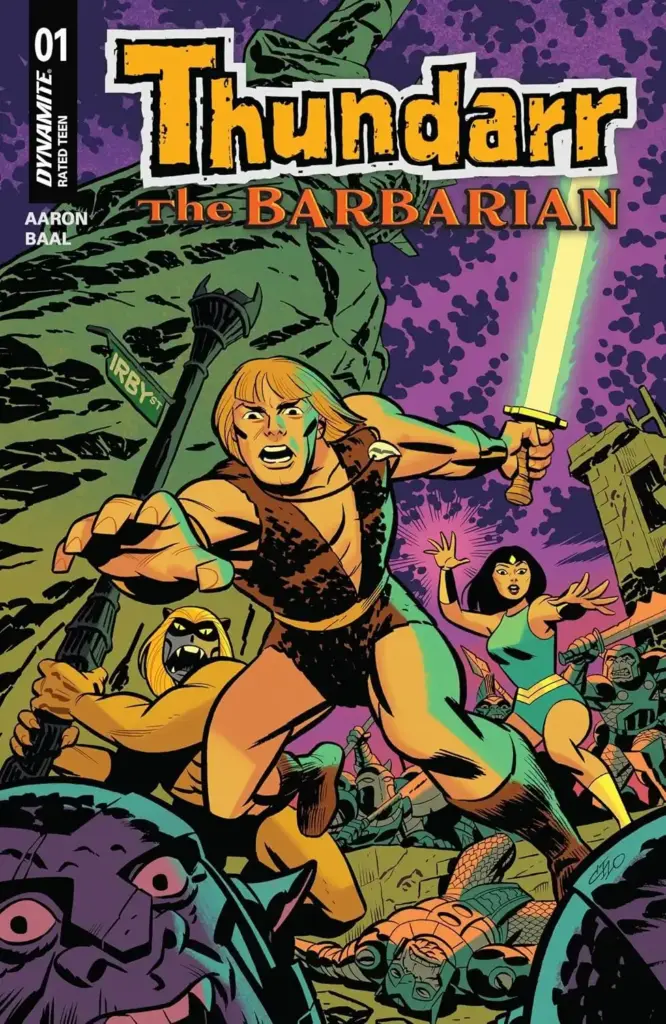
- In 2026, Dynamite Entertainment launched a new Thundarr the Barbarian comic written by Jason Aaron with artwork by Kewber Baal.
That new comic may be the clearest sign that Thundarr’s reputation outlasted its tiny episode count.
More than four decades after the cartoon ended production, there are still enough people who remember the Sunsword, the broken Moon and Ookla’s growl to support new stories.
Thundarr the Barbarian Came Before He-Man, But That Is Not the Whole Story
The timeline is easy.
- Thundarr the Barbarian premiered in 1980.
- Masters of the Universe toys arrived in 1982.
- The He-Man cartoon followed in 1983.
So anyone calling Thundarr a cheap He-Man knockoff has the chronology backwards.
What the dates do not prove is that He-Man copied Thundarr.
Both heroes belong to the same larger period when Conan, Frank Frazetta, fantasy comics, Star Wars and sword-and-sorcery imagery were colliding in popular culture.
He-Man became the bigger franchise.
Thundarr got 21 episodes, a broken Moon, a glowing Sunsword and some of Jack Kirby’s strangest Saturday morning monsters.
More than forty years later, that turned out to be enough.
If you enjoyed this one, read my article on Turbo Teen, one of the strangest cartoons of the 1980s, or browse my full Hanna-Barbera cartoon archive for more from the studio family surrounding Ruby-Spears.