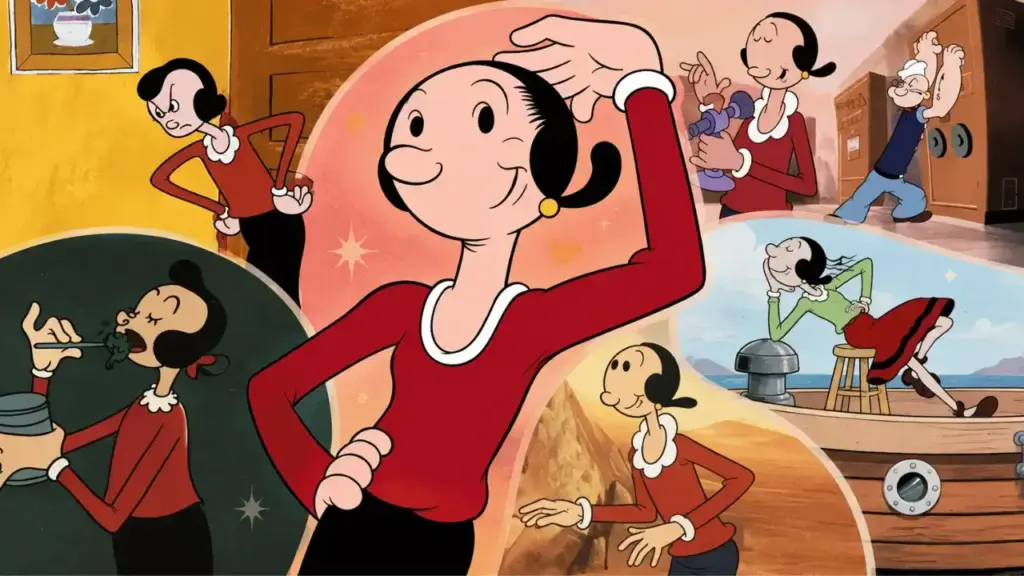
Olive Oyl is usually introduced as Popeye’s girlfriend, but that description gets the order of events completely backwards.
She did not arrive as a supporting character in his story.
Olive Oyl debuted on December 19, 1919 – nine years and 29 days before Popeye made his first appearance.
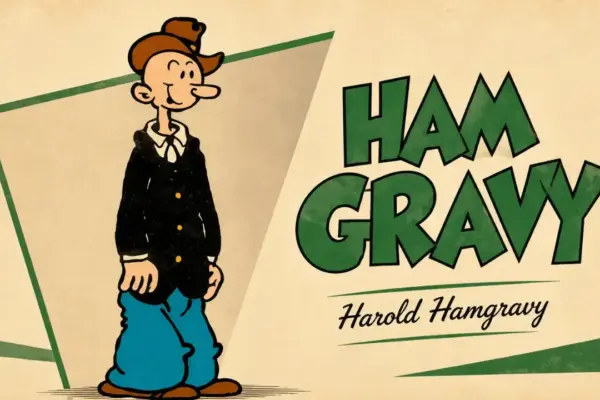
By the time the sailor walked into Thimble Theatre in January 1929, Olive already had a family, an established personality and a long-running boyfriend named Ham Gravy. Popeye was originally hired for one adventure in the comic strip she had occupied since its opening day.
Then readers decided they wanted him to stay.
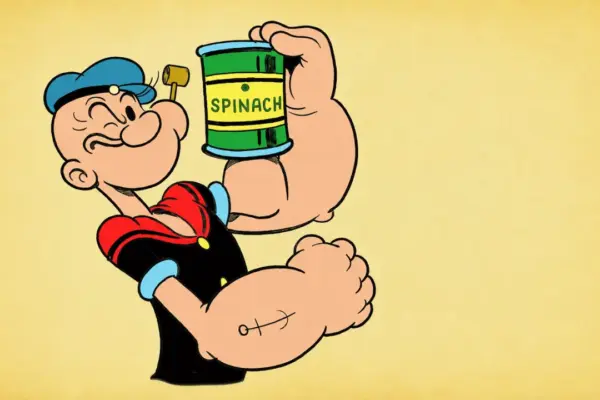
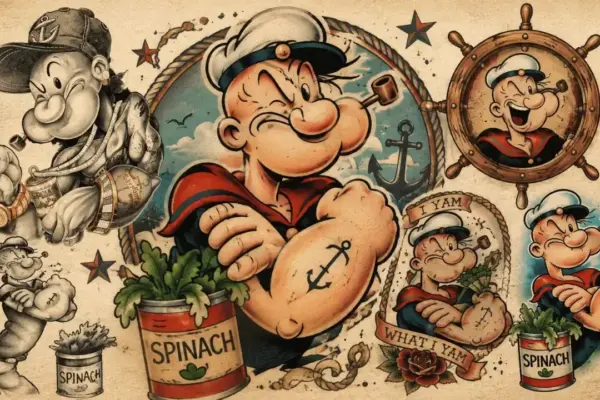
Within a few years, the temporary sailor had taken over the strip, replaced Olive’s original boyfriend and become one of the most recognizable cartoon characters ever created.
Olive Oyl at a glance
- Creator: E.C. Segar
- First appearance: December 19, 1919
- Original comic: Thimble Theatre
- First boyfriend: Ham Gravy
- Popeye’s debut: January 17, 1929
- First animated appearance: Popeye the Sailor in 1933
- Best-known cartoon voice: Mae Questel
- Live-action actress: Shelley Duvall
- Correct spelling: Olive Oyl, not Olive Oil
Olive Oyl Debuted in 1919
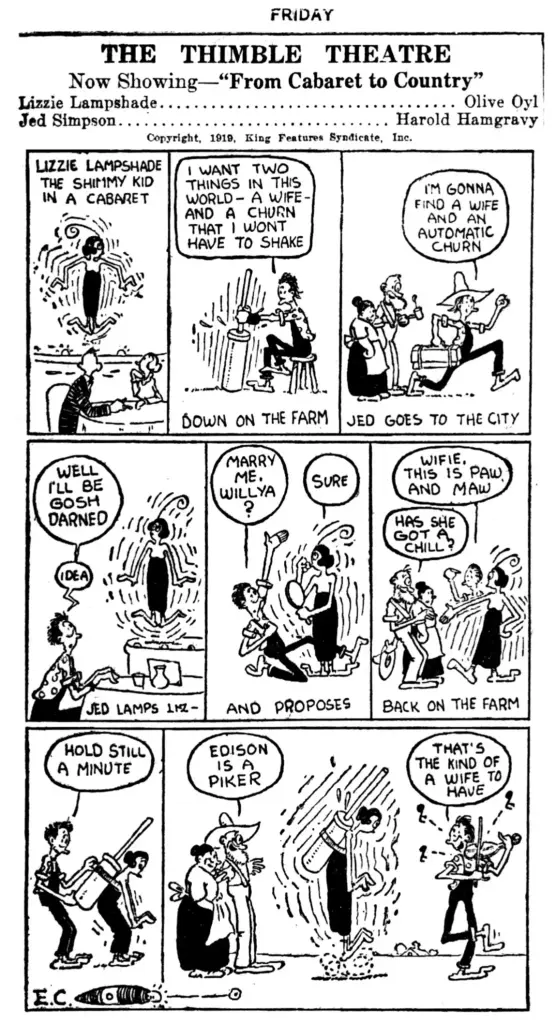
E.C. Segar launched Thimble Theatre on December 19, 1919.
The early strip was presented like a tiny theatrical production. Characters were listed as performers and placed into short melodramas, domestic comedies and other stage-inspired situations.
Olive Oyl and Harold Hamgravy, later written as Ham Gravy, were the original central couple. A mustache-twirling villain named Willie Wormwood frequently created trouble.
The theatrical framing soon faded, but Olive remained.
Her brother Castor Oyl joined the cast and gradually pushed the strip toward longer adventures involving treasure hunts, strange islands and questionable plans for getting rich.
The timeline that changes the story
Olive Oyl was not designed to be Popeye’s girlfriend. She was one of the original stars of a comic that had already been running for more than nine years when Popeye arrived.
The King Features archive calculates the pre-Popeye period as nine years and one month.
Who Was Olive Oyl’s Boyfriend Before Popeye?
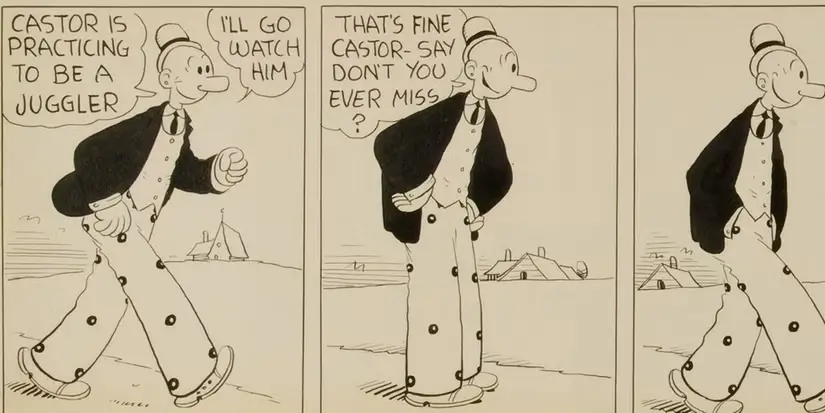
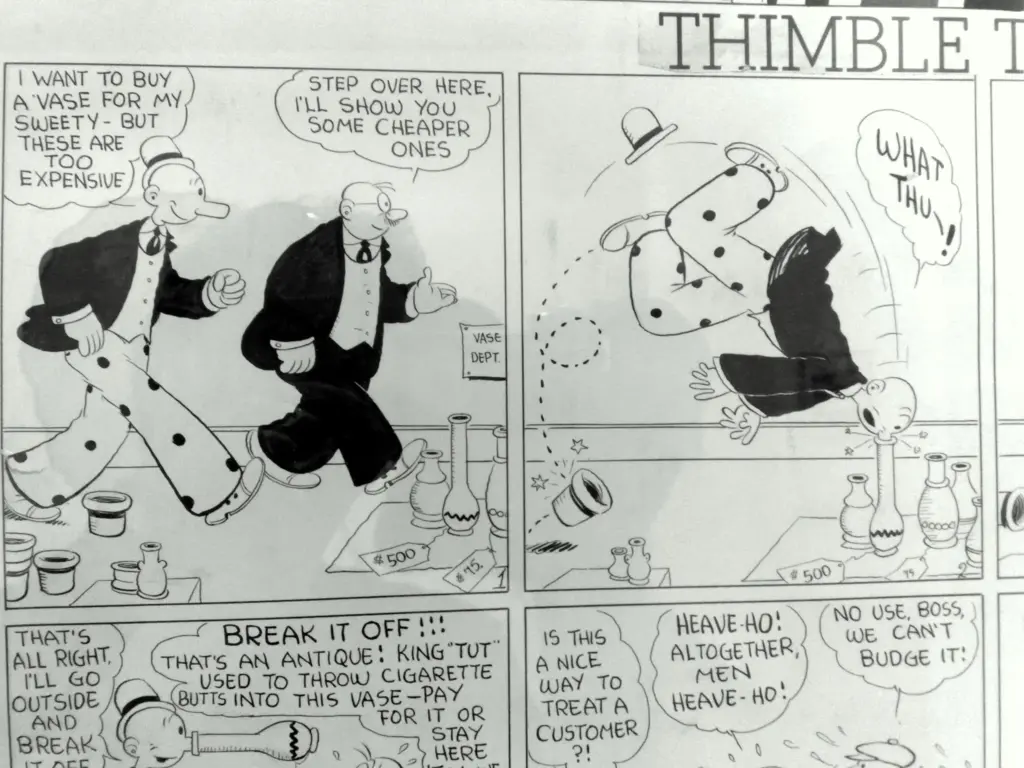
Olive Oyl’s first boyfriend was Harold Hamgravy, better known as Ham Gravy.
He was not exactly an ideal partner.
Ham was lazy, cheap and easily distracted by women with money. His relationship with Olive moved through repeated arguments, breakups, reconciliations and failed marriage proposals.
That dysfunction supplied years of comic-strip material.
Ham also joined Castor Oyl in get-rich-quick schemes and dangerous expeditions. In fact, he was still one of the strip’s established male leads when Popeye appeared.
Before the famous love triangle
- Olive and Ham Gravy: The original couple beginning in 1919
- Olive and Popeye: Their romance began developing in 1929
- Olive, Popeye and Bluto: The triangle most audiences recognize from animation
The Library of Congress describes Popeye as the character who eventually replaced Ham Gravy as Olive’s love interest.
How Popeye Met Olive Oyl
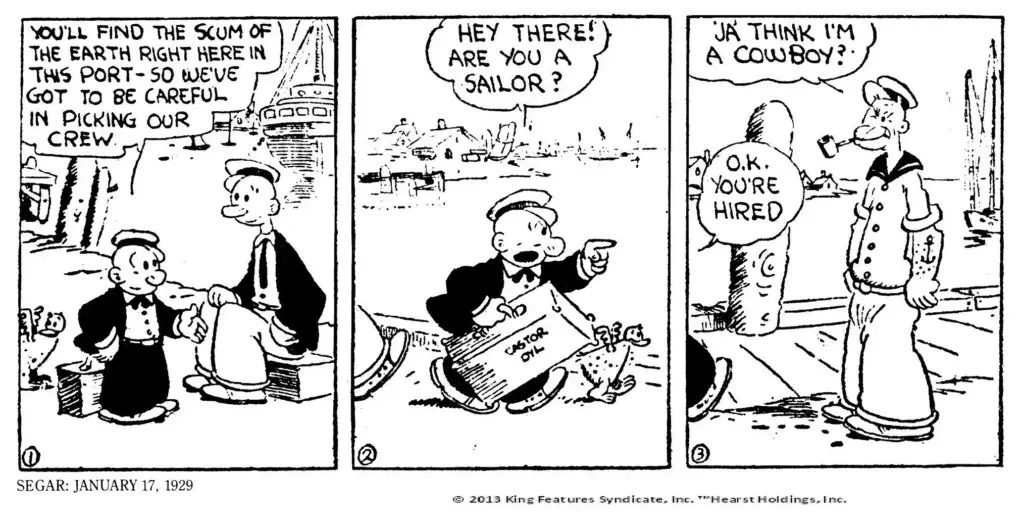
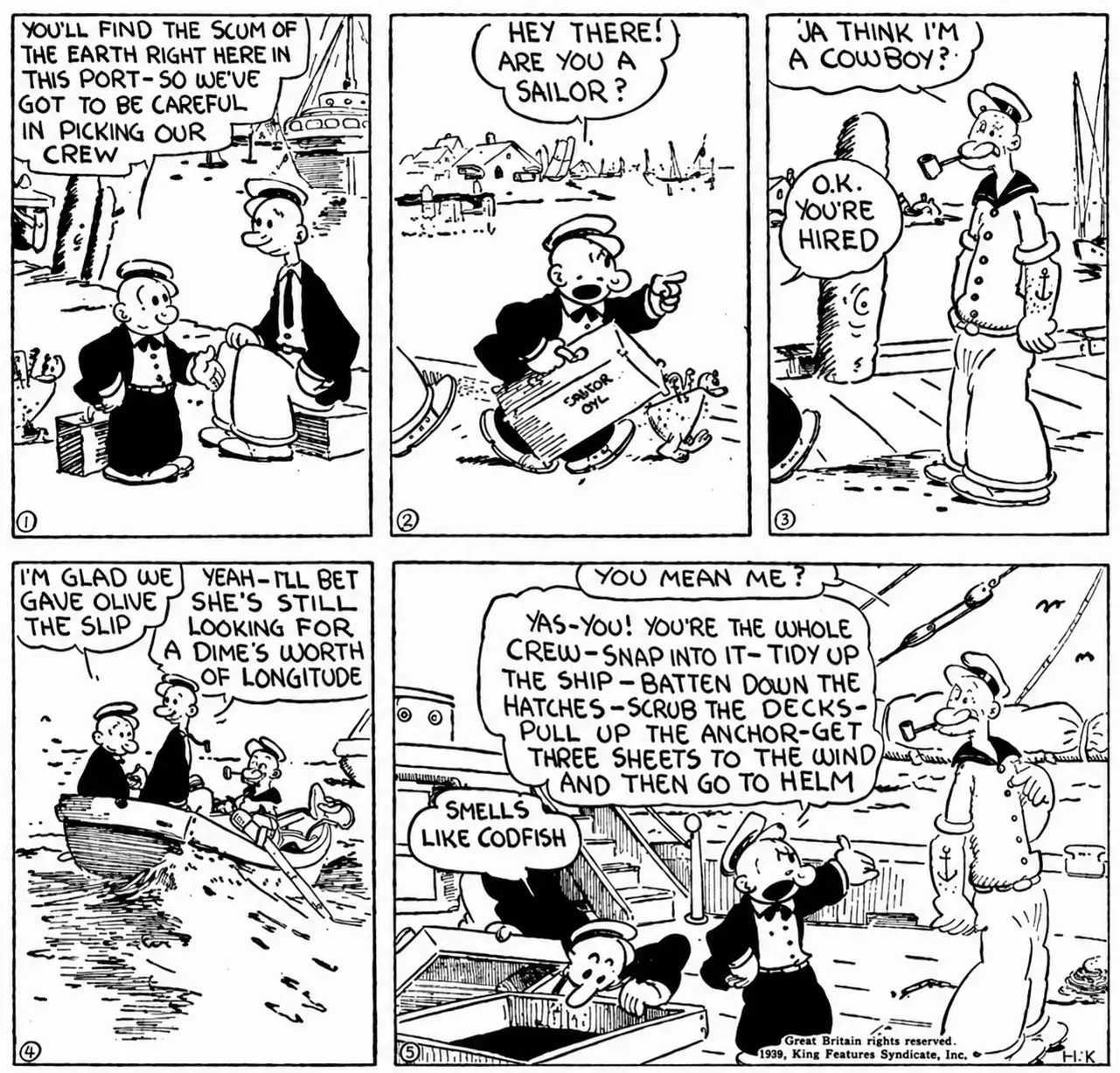
Popeye entered the strip because Castor Oyl and Ham Gravy needed a sailor.
The two men were preparing to travel to Dice Island and approached a rough-looking stranger on the docks.
Castor asked whether he was a sailor.
Popeye answered with the line that introduced his personality immediately:
“’Ja think I’m a cowboy?”
Popeye was initially intended to serve the needs of that particular adventure.
Readers responded so strongly to the one-eyed sailor that Segar brought him back and made him a permanent member of the cast.
The official Popeye timeline dates the beginning of his romance with Olive to August 27, 1929. Olive mistakenly kissed Popeye on the cheek, and the sailor immediately fell for her.
Ham Gravy’s role then collapsed remarkably quickly.
- Popeye debuted in January 1929.
- He became a continuing character later that year.
- His romance with Olive began before the end of 1929.
- Ham faded from the regular cast as Popeye became the new male lead.
A character hired for one voyage had effectively recast an established ten-year-old comic strip.
Why Olive Oyl Survived Popeye’s Takeover
Most of the characters who carried Thimble Theatre through the 1920s were pushed aside after Popeye became its breakout star.
Ham Gravy disappeared as a regular.
Castor Oyl shifted from leading entire adventures to making occasional supporting appearances.
Olive remained central because she was already more than a generic girlfriend.
Segar had spent a decade writing her as:
- Stubborn and argumentative
- Quick to become jealous
- Capable of joining adventures
- Willing to fight when cornered
- Unpredictable in her romantic decisions
Changing her boyfriend did not erase that personality.
The cartoons sometimes reduced Olive to someone waiting for Popeye to rescue her, but even those shorts usually allowed her to yell, kick, resist and make the situation more difficult for everyone involved.
Why Olive outlasted the original cast
Popeye may have changed her role, but he did not create her personality. Olive had already been written as a complete comic character for nearly ten years.
Is It Olive Oyl or Olive Oil?
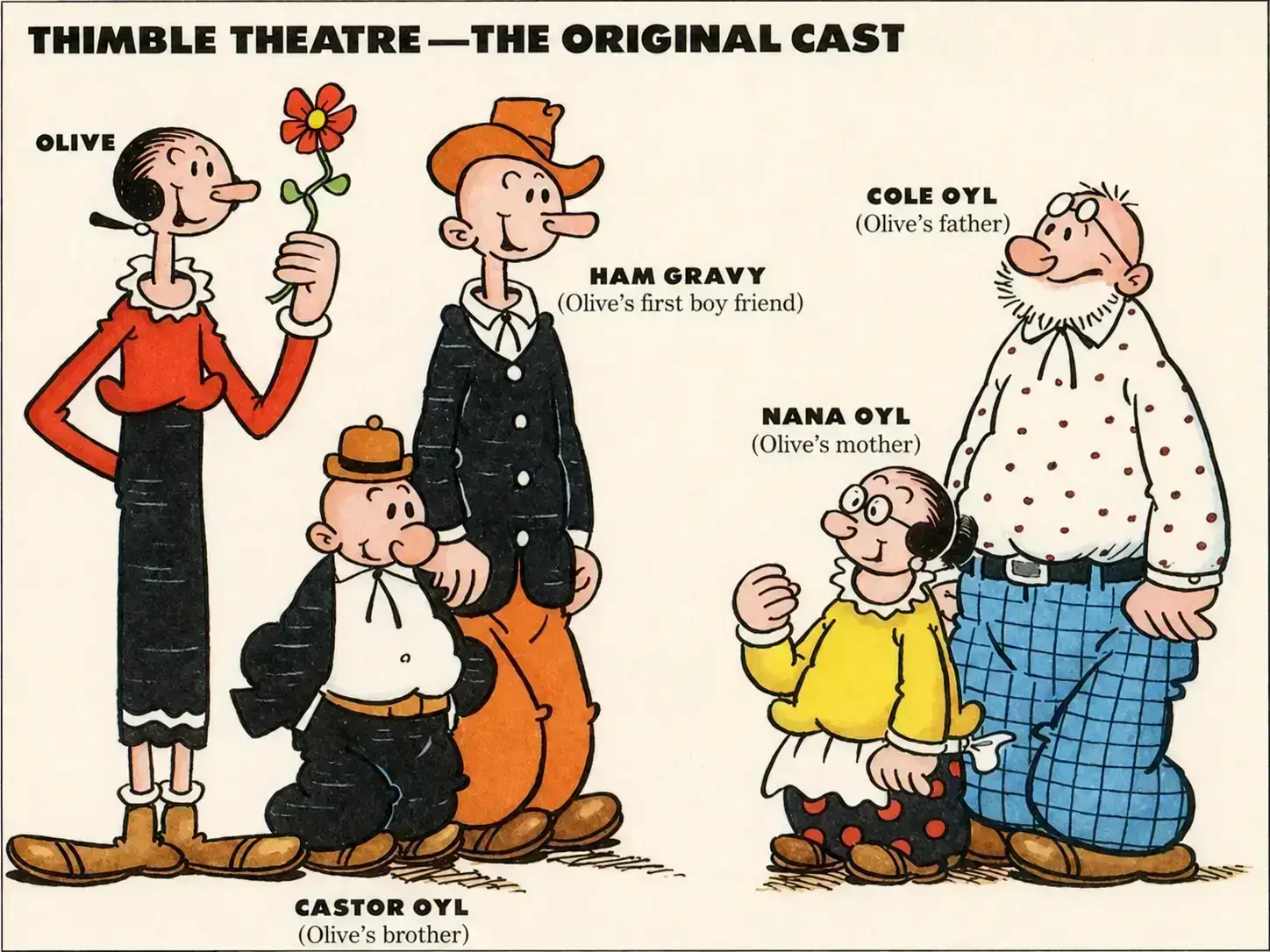
The character’s name is spelled Olive Oyl, with a “y.”
It is a deliberate play on olive oil.
Segar extended the joke through much of her family:
- Castor Oyl: Castor oil
- Cole Oyl: Coal oil, an old term for kerosene
- Nana Oyl: Banana oil, slang for nonsense
- Cylinda Oyl: Cylinder oil
- Otto Oyl: Auto oil
- Standard Oyl: Standard Oil
The misspelling allows the joke to remain obvious while making Oyl look like a family surname.
That is why searches for “Olive Oil from Popeye” still lead to the right character even though the official name is Olive Oyl.
Olive Oyl Reached Animation in 1933
Olive had already been in newspapers for nearly 14 years before she appeared in an animated cartoon.
Fleischer Studios licensed Popeye and the Thimble Theatre cast for a series distributed by Paramount Pictures. The sailor made his screen debut in the 1933 Betty Boop short Popeye the Sailor.
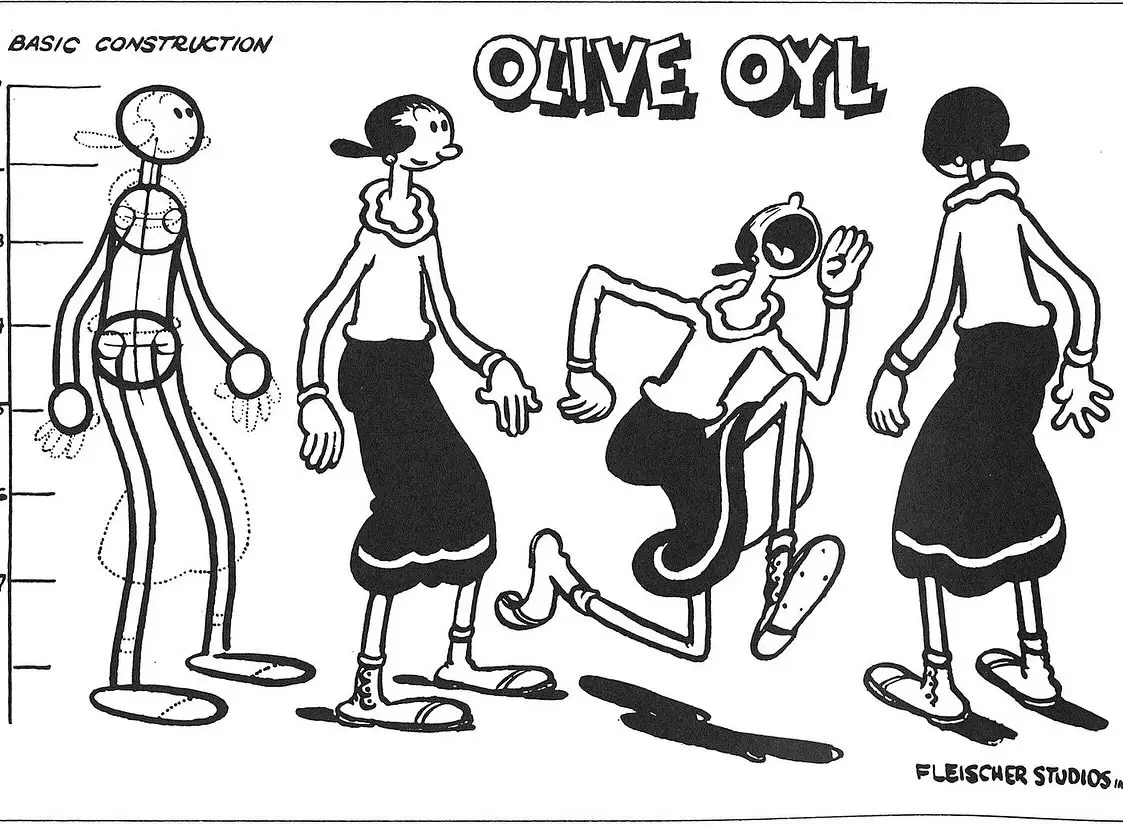
The Fleischer cartoons established many of the voices, movements and running gags audiences now associate with the characters.
Olive’s long limbs and enormous shoes were ideal for the studio’s rubbery animation style. Her arms could bend, stretch and swing wildly as she screamed for Popeye or attempted to escape Bluto.
Who Voiced Olive Oyl?
Several actresses voiced Olive during the Fleischer and Paramount years.
Bonnie Poe and Margie Hines performed early versions, but Mae Questel became the voice most closely associated with the character.
Questel had also performed Betty Boop, and the two characters shared parts of her high, wavering vocal style.
Later Olive Oyl performers included:
- Mae Questel: The voice most associated with the classic theatrical cartoons
- Marilyn Schreffler: Hanna-Barbera’s Olive beginning in 1978
- Shelley Duvall: The live-action Olive in the 1980 film
Olive’s voice changed between productions, but the basic performance remained consistent: nervous, excitable and capable of moving from a whisper to a scream within one sentence.
What Was Hanna-Barbera’s Connection to Olive Oyl?
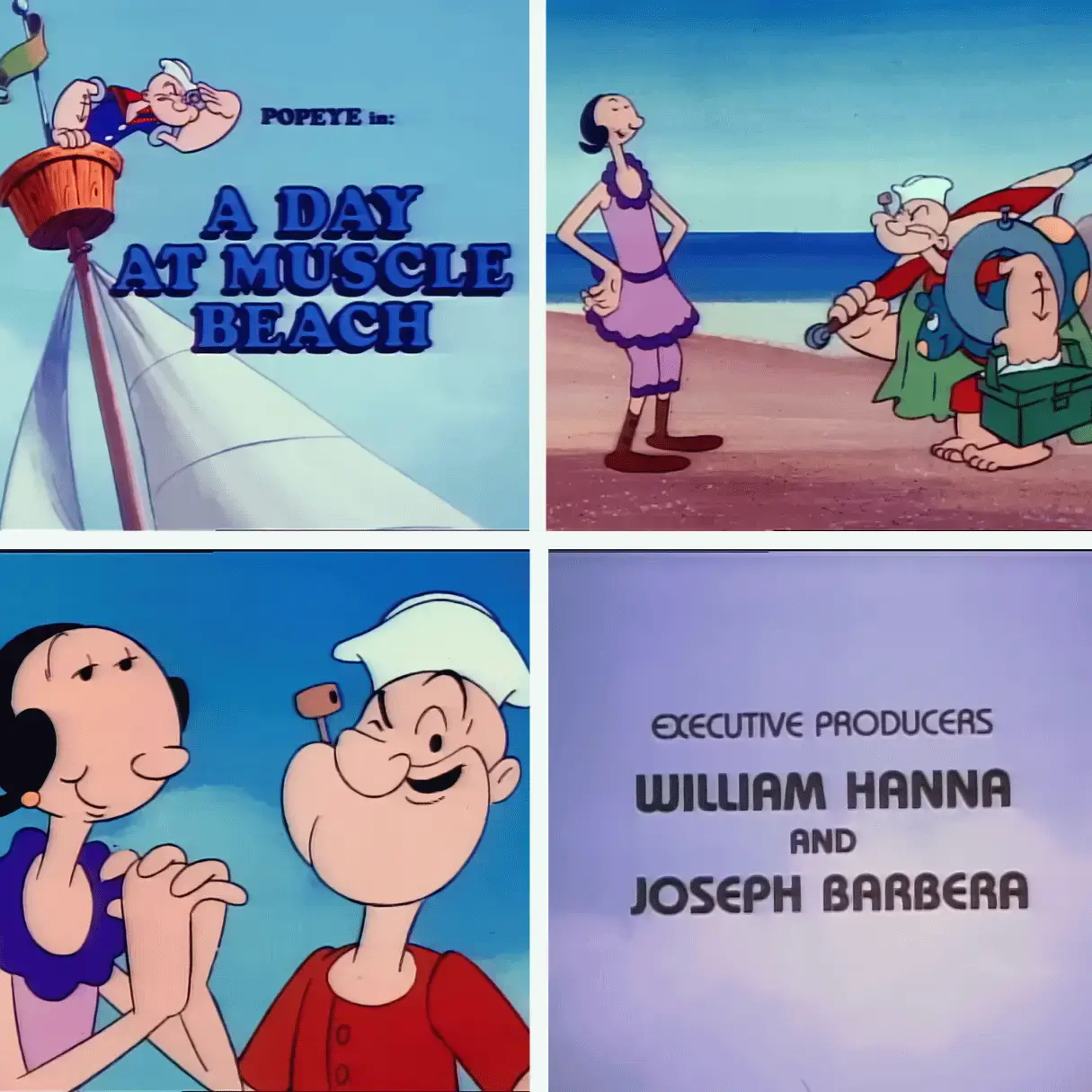
Hanna-Barbera did considerably more than produce one or two isolated Popeye episodes.
The studio was responsible for a complete television revival that kept Popeye and Olive on CBS for several seasons.
The Hanna-Barbera Popeye timeline
- 1978: The All-New Popeye Hour premiered on CBS.
- 1981: The format became The Popeye and Olive Comedy Show.
- 1981: Olive received her own recurring segment, Private Olive Oyl.
- 1983: The Hanna-Barbera package finished its CBS run.
- 1987: Hanna-Barbera returned with the 13-episode Popeye and Son.
The All-New Popeye Hour premiered on September 9, 1978.
Jack Mercer continued as Popeye, while Marilyn Schreffler became Olive and Allan Melvin voiced Bluto. The hour-long program included new Popeye adventures, treasure-hunt serials, sports segments and short health or safety messages.
When CBS shortened the program in 1981, Olive moved into the title.
The Popeye and Olive Comedy Show included Private Olive Oyl, a series of shorts in which Olive and Alice the Goon joined the Army and repeatedly frustrated Sergeant Bertha Blast.
It was one of the rare animated Popeye formats that allowed Olive to headline stories without functioning primarily as Popeye’s girlfriend.
For more about the studio behind the revival, read my history of the rise and fall of Hanna-Barbera.
Olive Oyl in Popeye and Son
Hanna-Barbera revisited the characters again in 1987 with Popeye and Son.
The series finally presented Popeye and Olive as a married couple raising their son, Junior. Bluto had also settled down and had a son named Tank, preserving the family rivalry for a new generation.
The show lasted one season of 13 half-hour episodes.
Its premise made Olive a wife and mother, although episodes such as “Mighty Olive at the Bat,” “Olive’s Dinosaur Dilemma” and “Olive’s Day Off” still gave her stories of her own.
Shelley Duvall as Olive Oyl
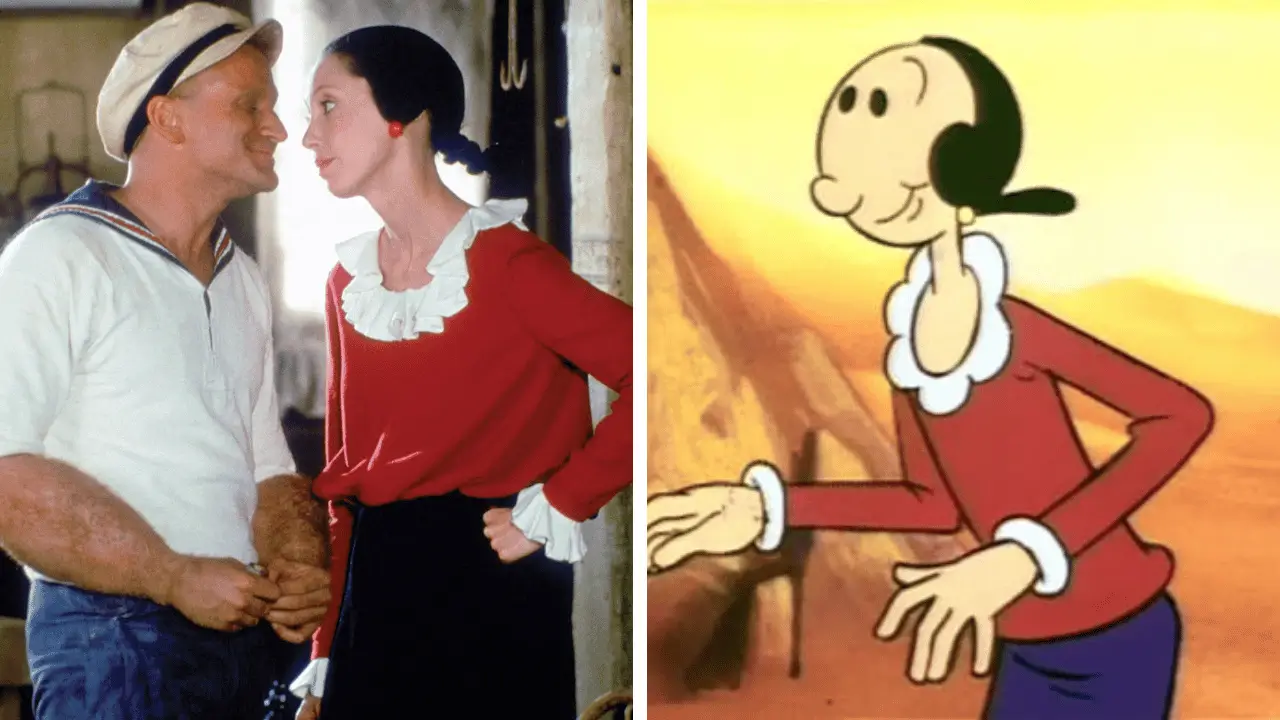
Actress Shelley Duvall played Olive opposite Robin Williams in Robert Altman’s 1980 live-action musical Popeye.
The physical resemblance was impossible to ignore.
Duvall had Olive’s narrow frame, long limbs, large expressive eyes and ability to make every movement appear slightly off balance. More importantly, she understood the character’s abrupt shifts between politeness, irritation and emotional chaos.
The American Film Institute catalog credits Duvall and Williams as the film’s leads, with the supporting cast including Ray Walston as Poopdeck Pappy, Paul L. Smith as Bluto and Paul Dooley as Wimpy.
Roger Ebert described Duvall as perfect for the role, while Altman reportedly resisted suggestions that another actress should replace her.
Her performance is not merely a physical impersonation.
Duvall gives Olive a nervous but determined energy, particularly during “He Needs Me,” the Harry Nilsson song that became the character’s musical centerpiece.
The film itself remains divisive, but Shelley Duvall’s casting is one part that even many critics agreed worked.
Olive Oyl Became “Mazola Oil” in MAD
Olive was recognizable enough to be parodied while MAD was still published as a comic book.
The story “Poopeye!” appeared in MAD #21, dated March 1955.
Harvey Kurtzman wrote the eight-page parody, with artwork by Bill Elder, colors by Marie Severin and lettering by Ben Oda.
The cast included:
- Poopeye: Popeye
- Mazola Oil: Olive Oyl
- Mammy Jokeum: Mammy Yokum from Li’l Abner
- Melvin of the Apes: Tarzan
- Superduperman: Superman
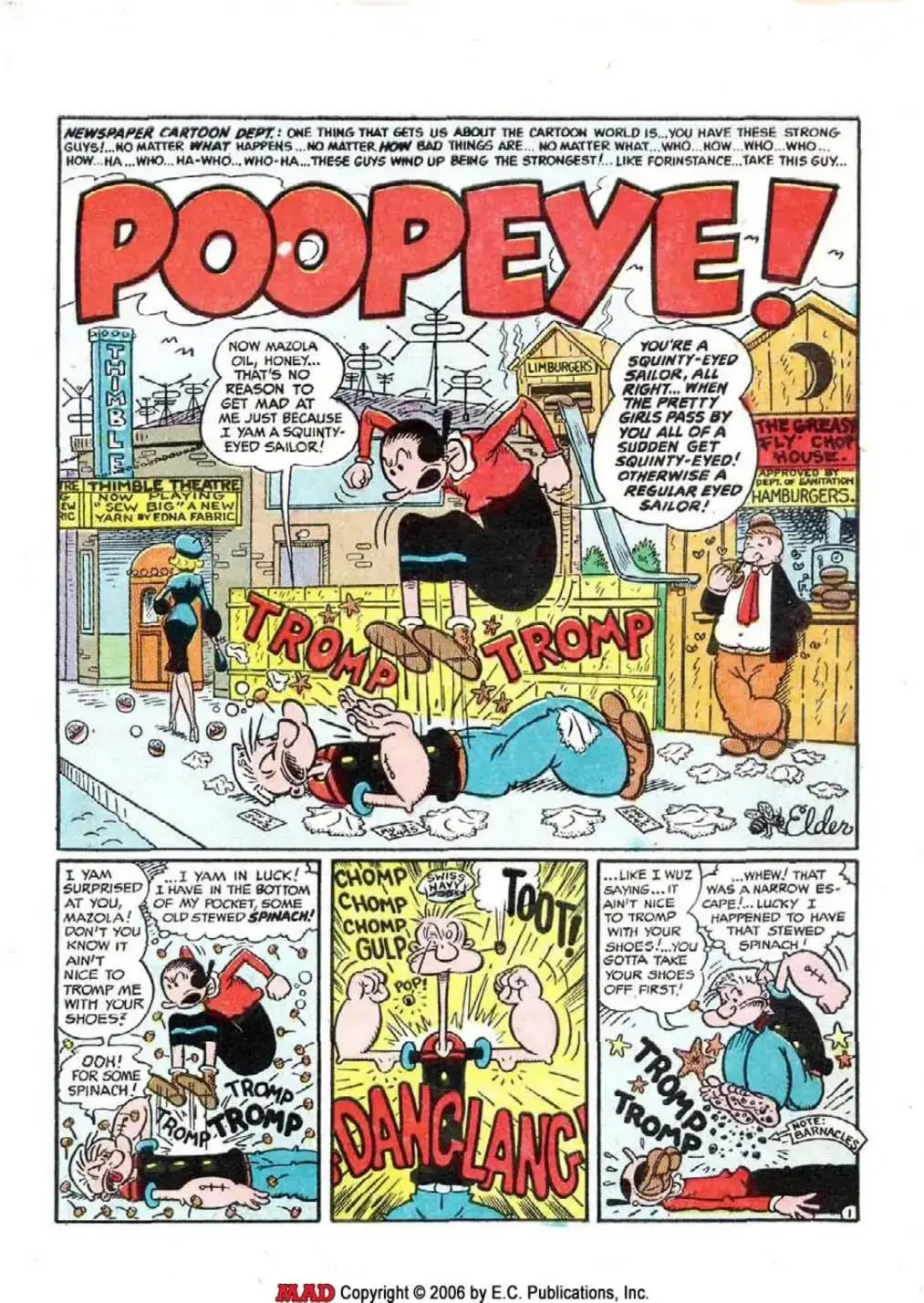
The story sends Poopeye into a series of fights with parodies of other comic-strip strongmen, extending the joke far beyond Popeye alone.
“Mazola Oil” was an especially neat replacement name. Mazola was already a recognizable cooking-oil brand, allowing the parody to keep Olive’s original naming joke intact.
The story was later reprinted in multiple editions of Mad Strikes Back, including the 2002 iBooks edition.
Olive Oyl Entered the Public Domain Before Popeye
Olive’s 1919 debut entered the United States public domain long before Popeye’s first appearance did.
Popeye’s original 1929 strips entered the public domain on January 1, 2025. Works published in 1930 followed on January 1, 2026.
That creates another strange reversal in their history.
Olive was created first, reached the public domain first and now has more of her original comic-strip career available for unrestricted study and republication.
What is actually public domain?
Only the versions and creative elements published in those early works are open in the United States. Later cartoon designs, newly added character details and active trademarks may still be protected.
The Duke Center for the Study of the Public Domain explains that it is Popeye’s original 1929 incarnation that became open for reuse—not every later version of the character.
Olive Oyl Was Never Just Popeye’s Girlfriend
Calling Olive Oyl “Popeye’s girlfriend” is not wrong.
It is simply incomplete.
She was already a comic-strip lead when Popeye was introduced as a temporary sailor. She had spent nearly a decade arguing with Ham Gravy, following Castor into adventures and building the bizarre Oyl family around her.
Popeye became more popular than everyone else and eventually took over the franchise.
Olive survived because she had enough personality to change roles without disappearing inside the new one.
She was a leading lady, a comic brawler, a cartoon damsel, an Army private, a mother, a movie character and even “Mazola Oil” in MAD.
More than a century after Thimble Theatre opened, Olive remains its longest-serving star.
Popeye may have become the name above the door, but for the first nine years, the theater belonged to her.