
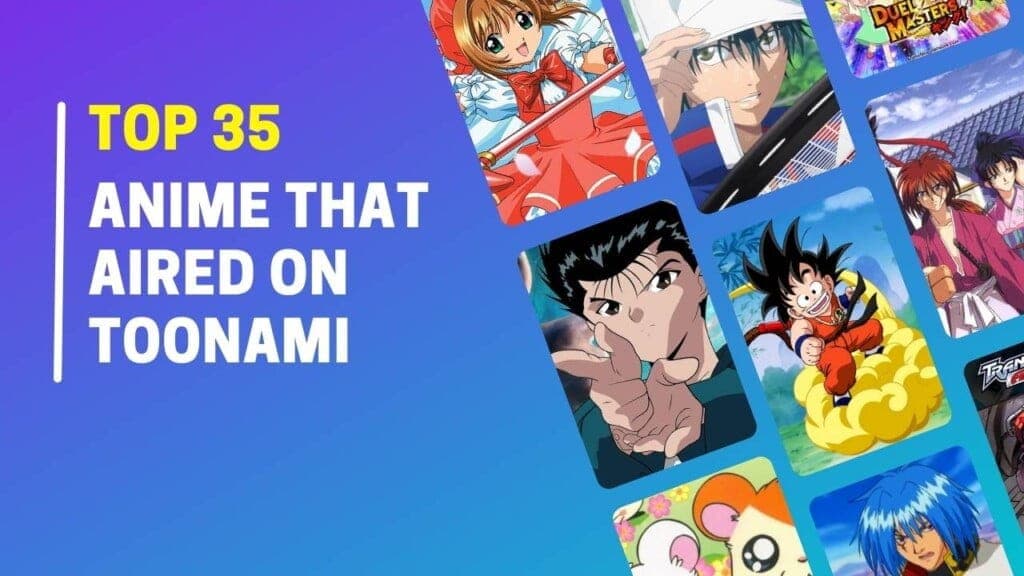
Say the word Toonami around anyone who grew up in the late 1990s or 2000s and there is a good chance you will unlock a very specific memory.
For some of us, it was racing home for the weekday-afternoon lineup. For others, it was staying up on Saturday night for anime, drum-and-bass music, sleek spaceship bumpers and TOM calmly telling us what was coming next.
Toonami did more than fill a few hours on Cartoon Network. It gave American viewers a carefully packaged gateway into anime, while also finding room for ambitious action cartoons from the United States and Canada.
This ranking covers the original Cartoon Network block, its Adult Swim revival and a few notable shows from Toonami Jetstream, the brand’s short-lived streaming service.
Toonami at a glance
- Launched: March 17, 1997, on Cartoon Network
- First program: ThunderCats
- First anime-derived series: Voltron
- Original host: Moltar from Space Ghost
- TOM debuted: July 10, 1999
- Original run ended: September 20, 2008
- Adult Swim revival: May 26, 2012
- Current status: Still airing Saturday nights on Adult Swim
Toonami was created by Sean Akins and Jason DeMarco, with Williams Street turning a programming block into something that felt like its own world. The name combines “cartoon” and “tsunami,” but the brand became recognizable through its hosts, music videos, game reviews, speeches and cinematic bumpers.
The block is still active through Adult Swim’s official Toonami page. Warner Bros. Discovery has also credited Toonami with helping introduce anime to a generation of American viewers.
How this ranking works
- How strongly the show is associated with Toonami
- Its quality, characters and rewatch value
- Its influence on anime and action-animation fans
- The importance of its Toonami run
- My own experience watching it
This is not a ranking of every show’s complete franchise. It is a ranking of what each series meant within the wider Toonami story.
Best Toonami Shows Ranked
Rave Master
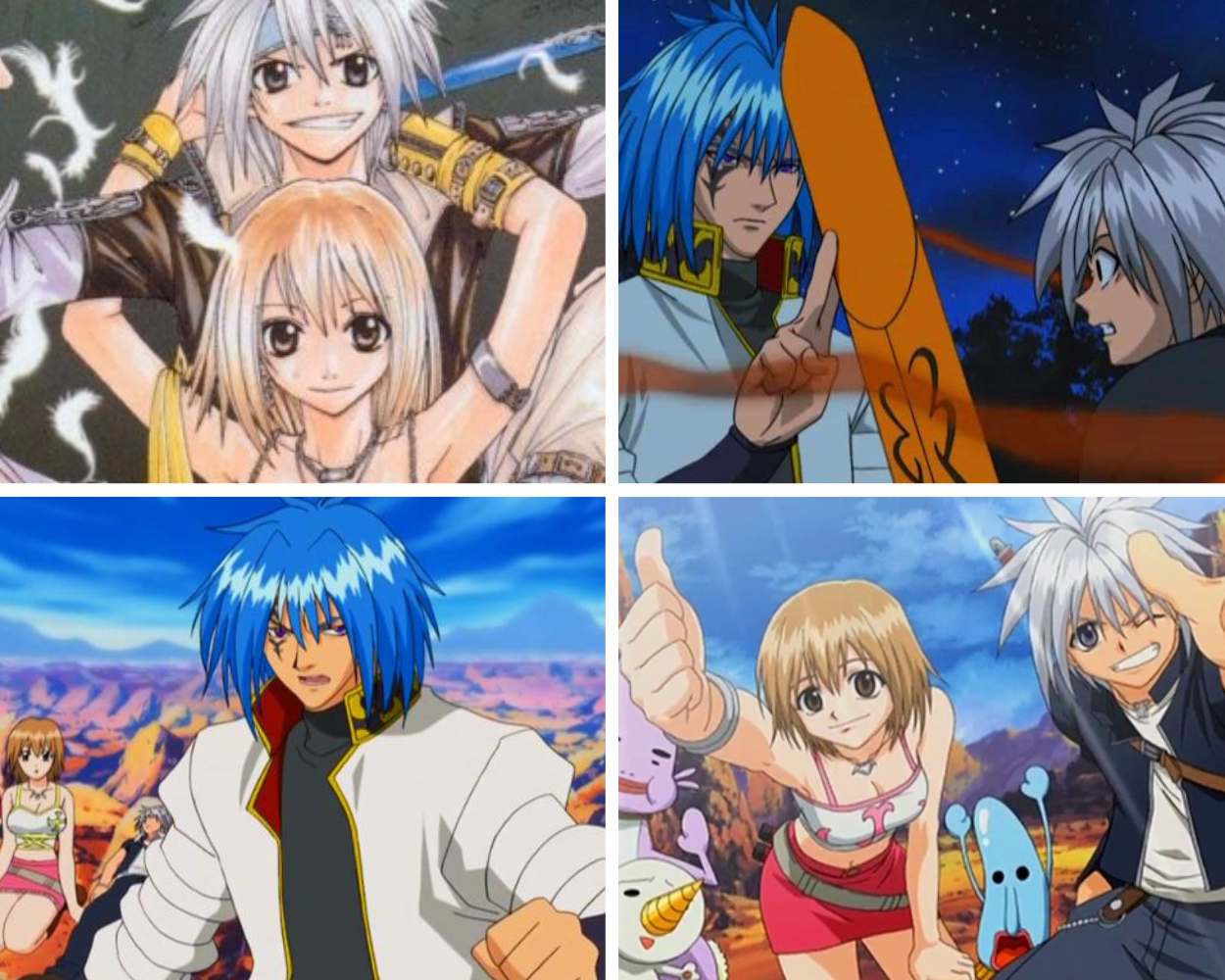
I have a soft spot for Rave Master because it feels like an early version of ideas Hiro Mashima would later refine in Fairy Tail.
Haru Glory inherits the power of the Rave Stones and sets out to stop the criminal organization Demon Card. The anime is uneven, and the English adaptation took plenty of liberties, but its energetic fantasy world fits the Toonami formula almost perfectly.
The series joined Toonami in 2004. For Mashima fans, it remains an interesting look at the style, humor and found-family storytelling he was developing before his biggest hit.
Duel Masters
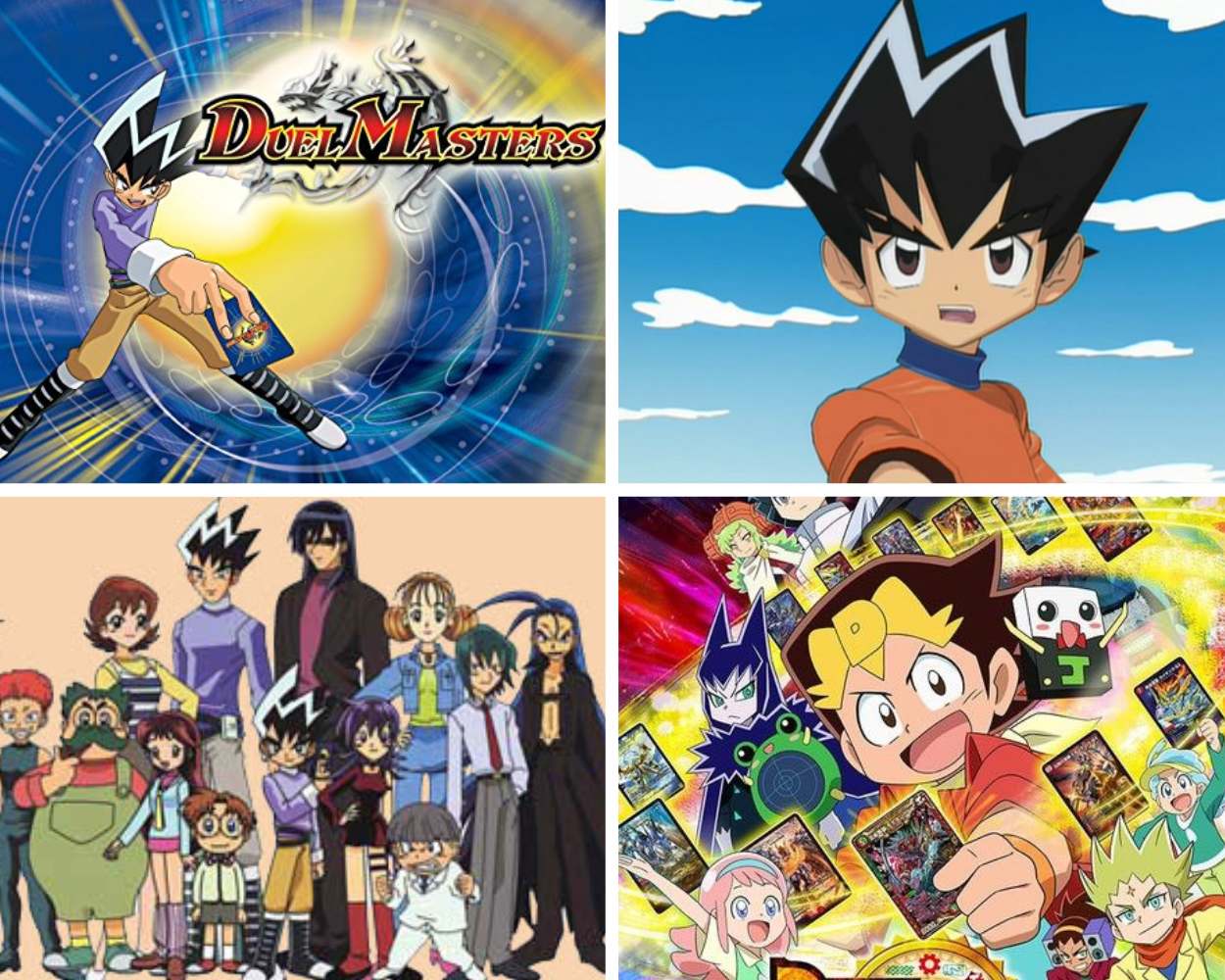
Duel Masters was created to sell trading cards, and the English version was refreshingly honest about it.
Instead of treating every duel with the solemn intensity of Yu-Gi-Oh!, the localized script leaned into fourth-wall jokes, pop-culture references and deliberately ridiculous dialogue. That approach made the series feel less like a commercial and more like a parody of one.
It may not have had the emotional pull of Toonami’s biggest anime, but it was strange, fast and much funnier than it needed to be.
Transformers: Armada
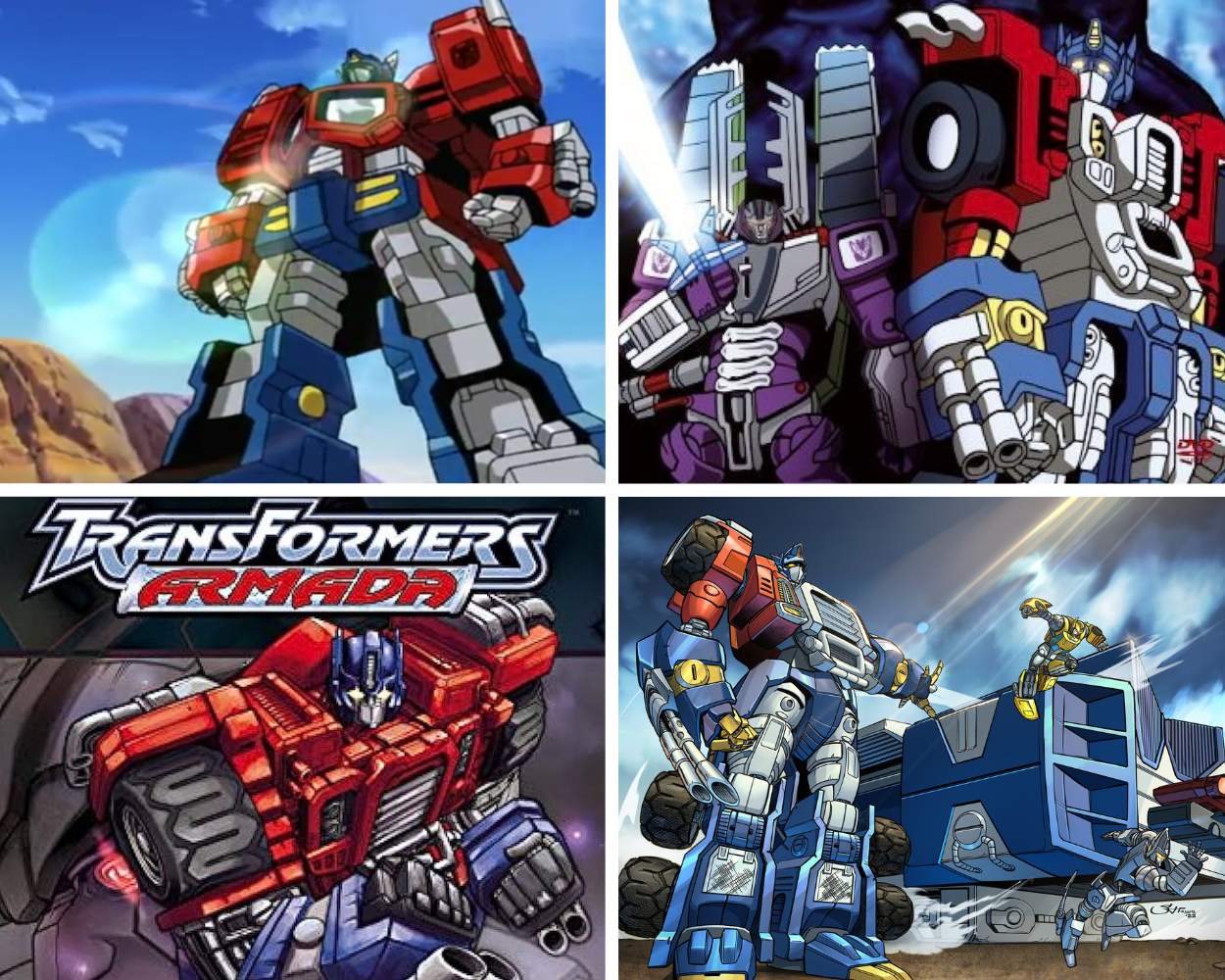
Transformers: Armada was a Japanese-American production known in Japan as Transformers: Micron Legend. One detail often gets reversed: the series actually premiered in the United States in August 2002, several months before its Japanese debut.
The main gimmick involved Mini-Cons, smaller Transformers whose power could change the balance between the Autobots and Decepticons. It was clearly designed with toys in mind, but the Mini-Con conflict eventually gave the story more emotional weight than expected.
The animation could be inconsistent, especially in early episodes, yet Optimus Prime and Megatron carried enough nostalgic power to keep me watching.
Cyborg 009
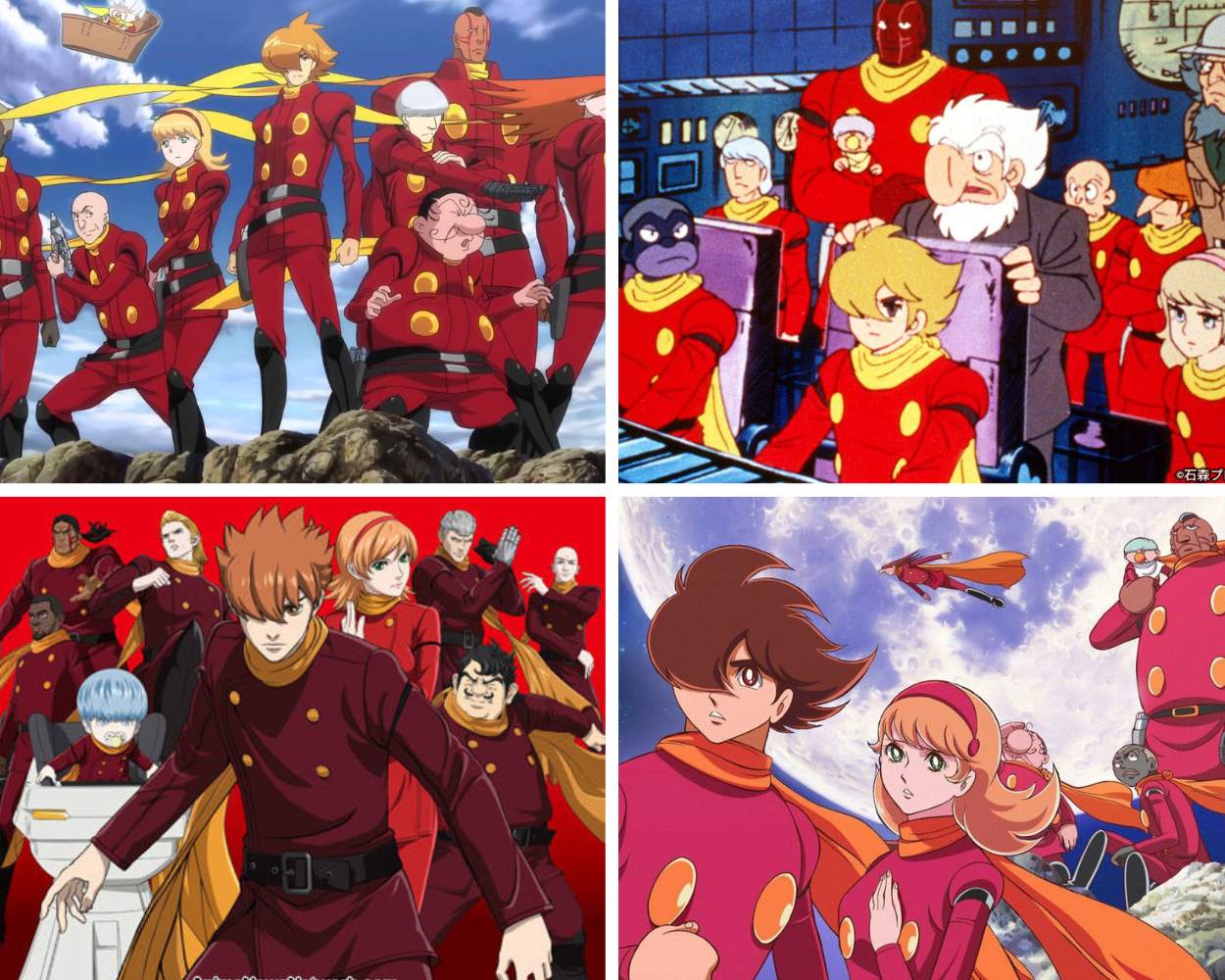
Based on Shotaro Ishinomori’s influential manga, Cyborg 009 follows nine people kidnapped and transformed into weapons by the Black Ghost organization.
Each cyborg has a different ability, but Joe Shimamura—Cyborg 009—stands out for his acceleration powers. The series mixes superhero action with a recurring question: what happens when people who were turned into weapons decide to reclaim their humanity?
Toonami began airing the 2001 anime in 2003 but showed only the first half of the series. Even incomplete, it gave younger viewers an introduction to one of manga’s foundational superhero teams.
Jackie Chan Adventures
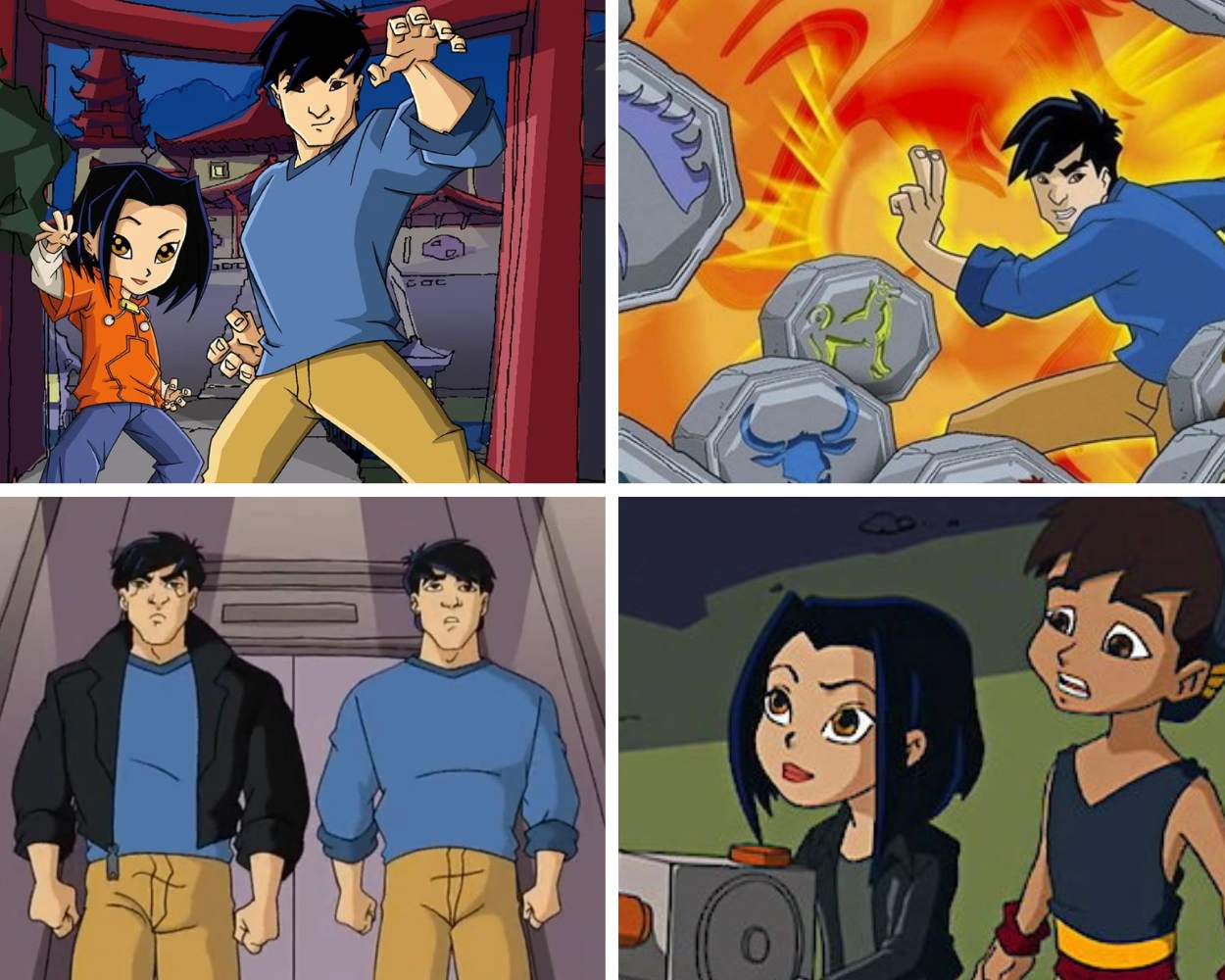
Jackie Chan Adventures was an American action cartoon rather than anime, but it fit Toonami beautifully during its brief 2004 run.
James Sie—not Jackie Chan—voiced the animated Jackie in the English version. The real Chan appeared in live-action segments at the end of episodes, answering questions and demonstrating how much more complicated real martial arts were than cartoon fights.
The talisman hunt gave the first season an addictive structure, Uncle supplied the endlessly quotable warnings, and Jade was usually the character who pushed every adventure into chaos.
The Real Adventures of Jonny Quest
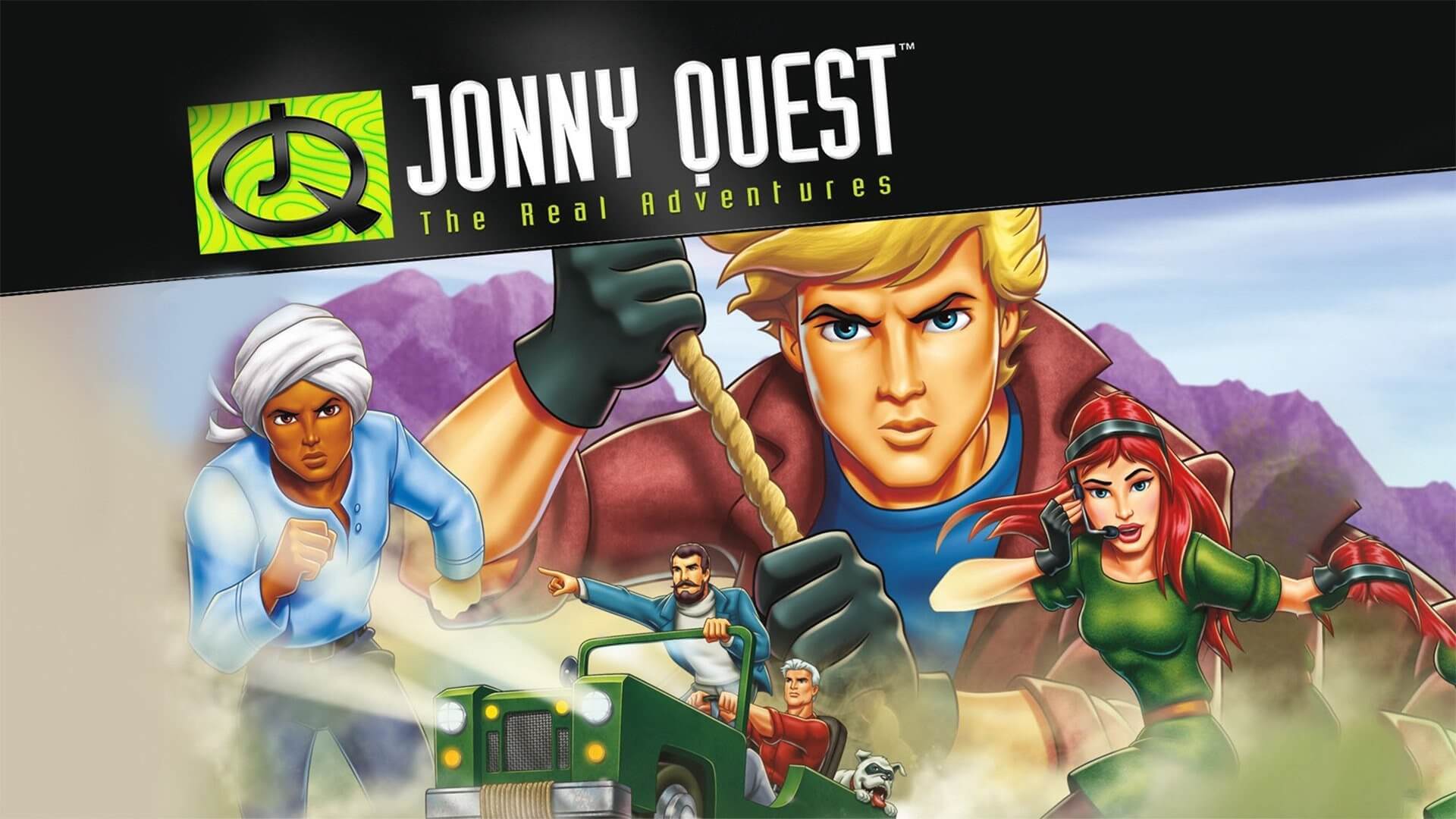
The Real Adventures of Jonny Quest was part of Toonami’s launch-day lineup on March 17, 1997.
The series updated Hanna-Barbera’s globe-trotting adventure formula with an older Jonny, a more capable Hadji, the addition of Jessie Bannon and the computer-generated virtual world known as QuestWorld.
Its production history was famously messy, and the first and second seasons do not always feel like the same show. Still, its mix of conspiracies, monsters, archaeology and science-fiction adventure helped establish Toonami’s original identity before anime became the block’s main attraction.
ReBoot
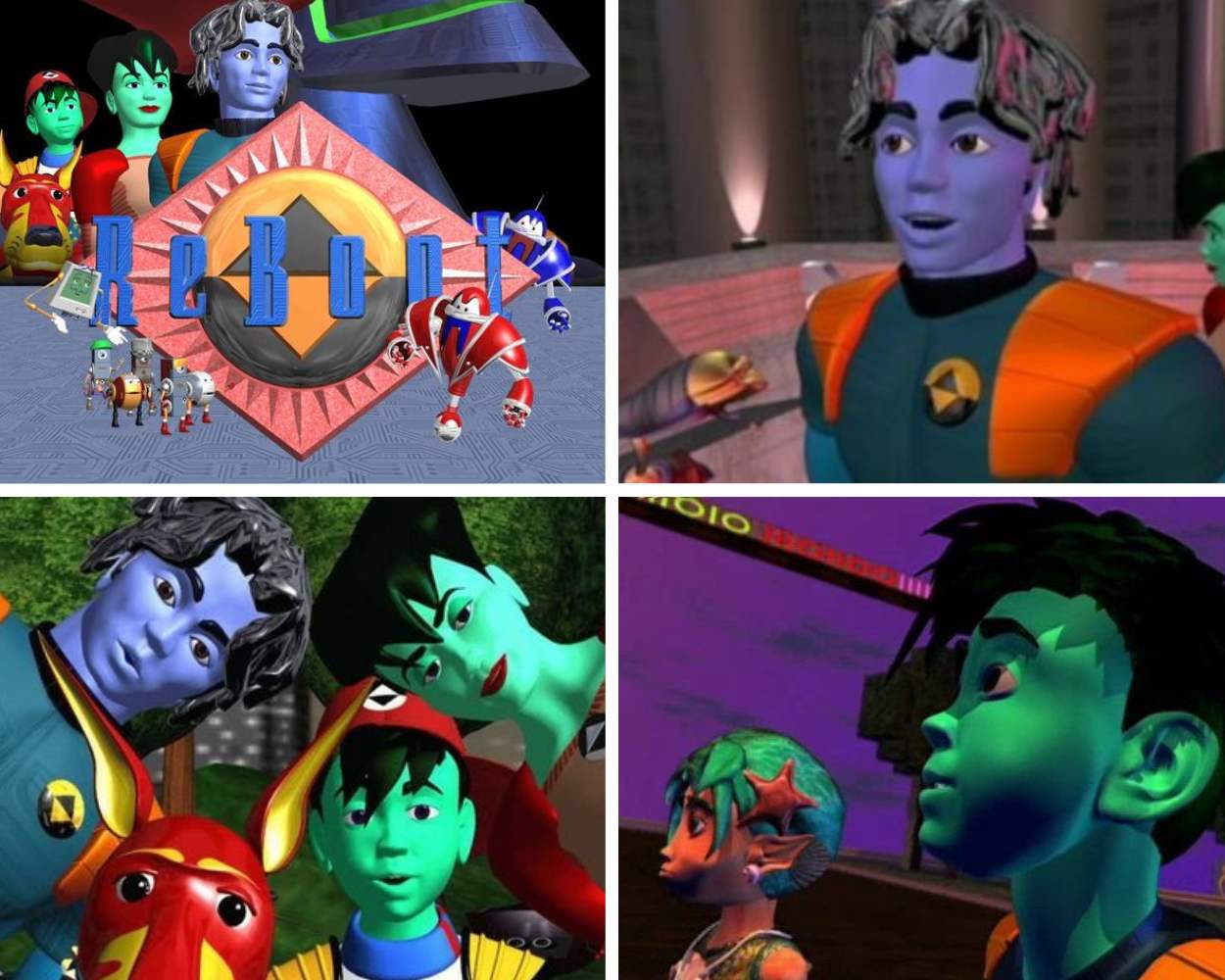
ReBoot is an essential piece of animation history. When it debuted in 1994, it was widely promoted as the first half-hour television series made entirely with computer animation.
The Canadian show takes place inside a computer system called Mainframe, where Guardian Bob protects its citizens from viruses such as Megabyte and Hexadecimal. The early CGI looks primitive now, but the storytelling became darker and more ambitious as Enzo grew up and the stakes increased.
Toonami began airing it in 1999, and the later seasons became U.S. Toonami exclusives. A contemporary Wired profile captured just how unusual the series looked when television CGI was still new.
Robotech
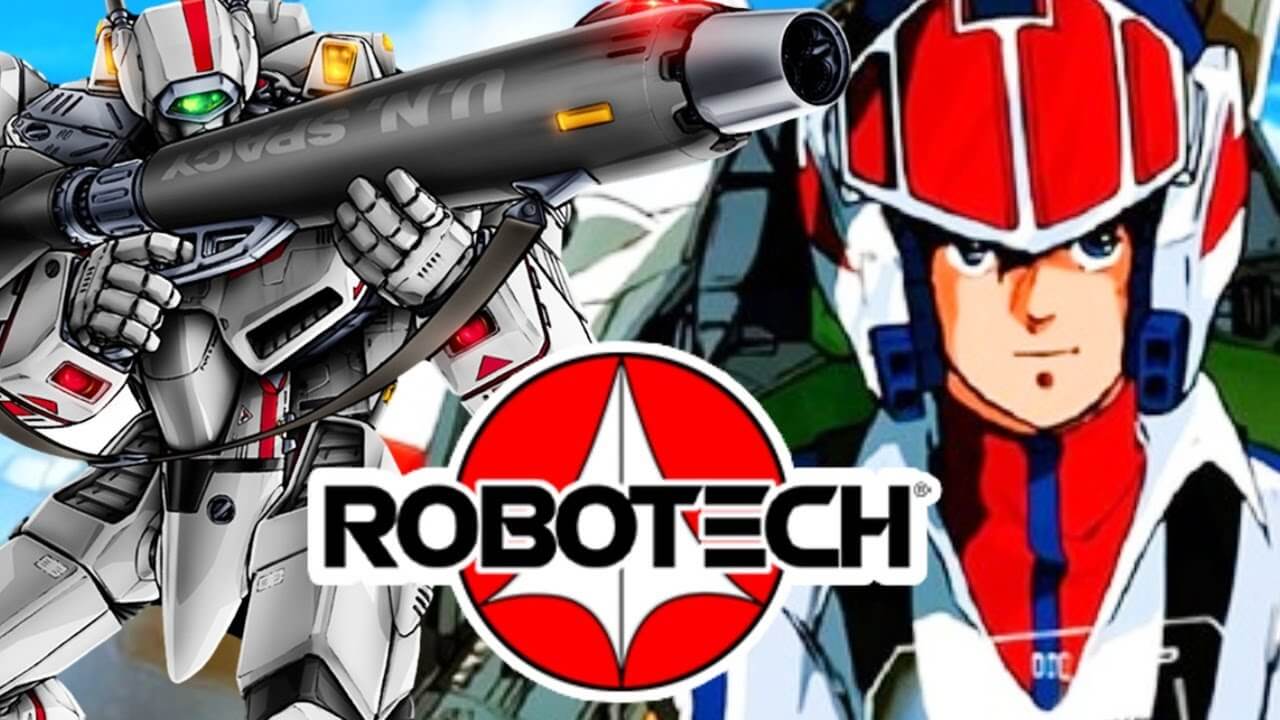
Robotech is one of the most complicated shows in American anime history.
Harmony Gold combined footage from three unrelated Japanese series—Super Dimension Fortress Macross, Super Dimension Cavalry Southern Cross and Genesis Climber MOSPEADA—then rewrote them as one multigenerational saga.
Toonami started airing Robotech in 1998, but it stopped after the first two story arcs and never reached The New Generation. Even in incomplete form, its serious treatment of war, sacrifice and romance made it feel very different from most afternoon cartoons.
.hack//SIGN
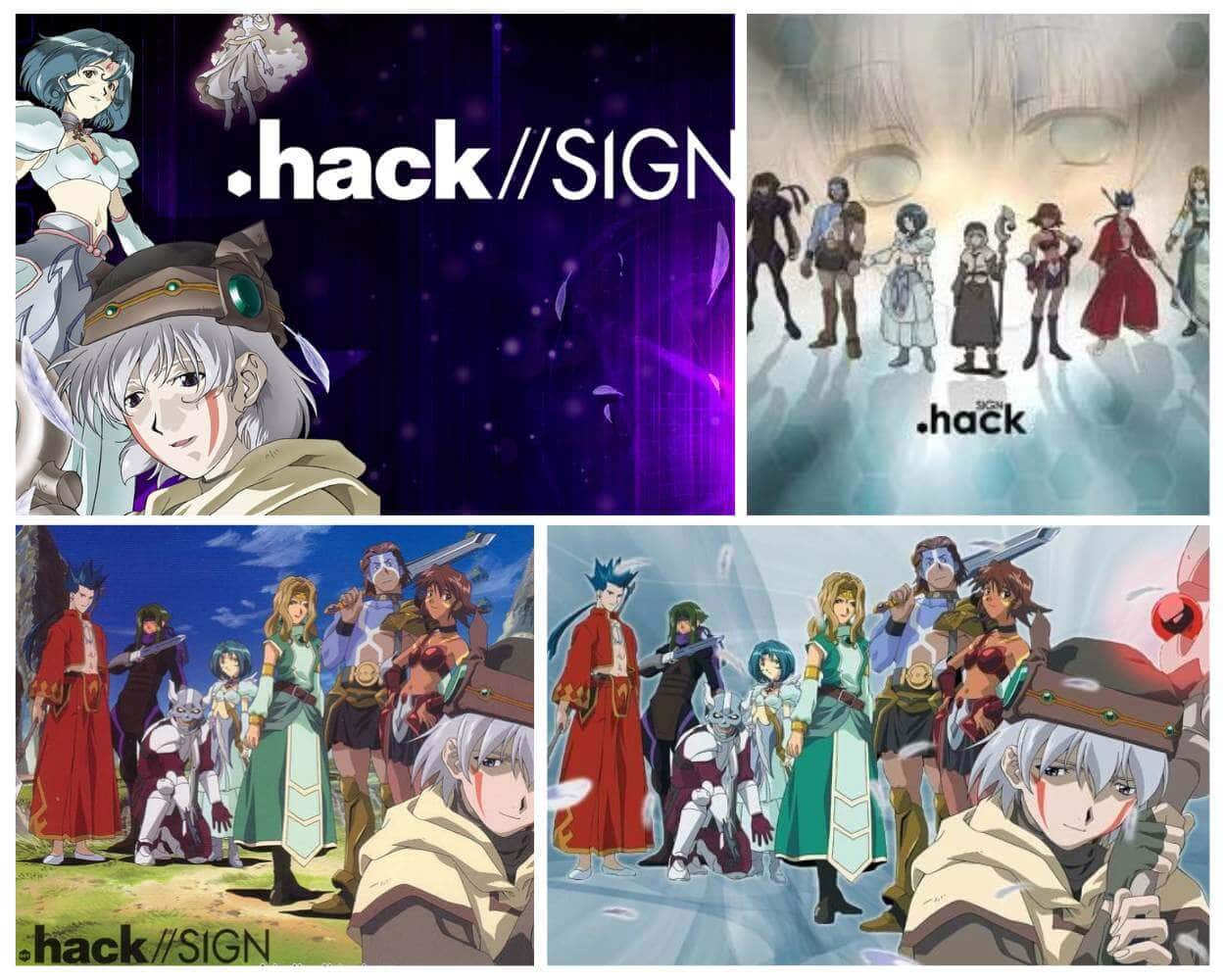
.hack//SIGN arrived on Toonami in 2003 as part of the larger .hack multimedia project.
Tsukasa wakes inside an online role-playing game called The World and discovers that he cannot log out. That sounds like the setup for nonstop combat, but the series is slower and more psychological than later trapped-in-a-game anime.
It is filled with long conversations, melancholy music and questions about identity, loneliness and the difference between online and physical life. That pace frustrated some viewers, but it also made the show feel years ahead of the virtual-world boom that followed.
Hikaru no Go
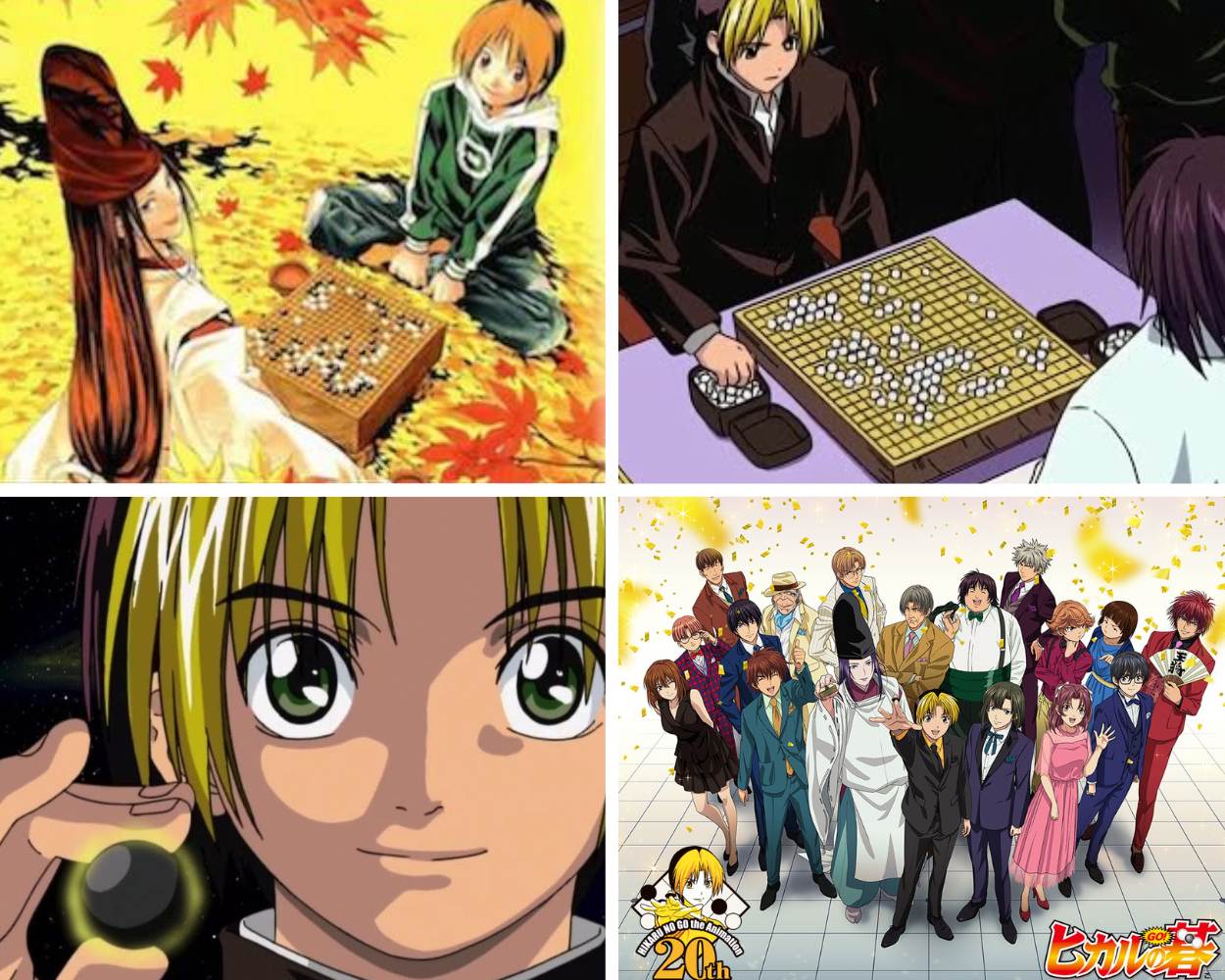
On paper, an anime about the board game Go should not be this gripping.
Hikaru no Go follows Hikaru Shindo, a boy who encounters the spirit of Fujiwara-no-Sai, a brilliant Go player from the Heian period. Sai’s obsession gradually pulls Hikaru into serious competition and one of anime’s best rivalries.
This entry requires an important distinction: Hikaru no Go was a Toonami Jetstream exclusive, not a regular U.S. Toonami television broadcast. Jetstream streamed most of the English dub beginning in 2006, but the service closed before its final three episodes could be posted.
The Prince of Tennis
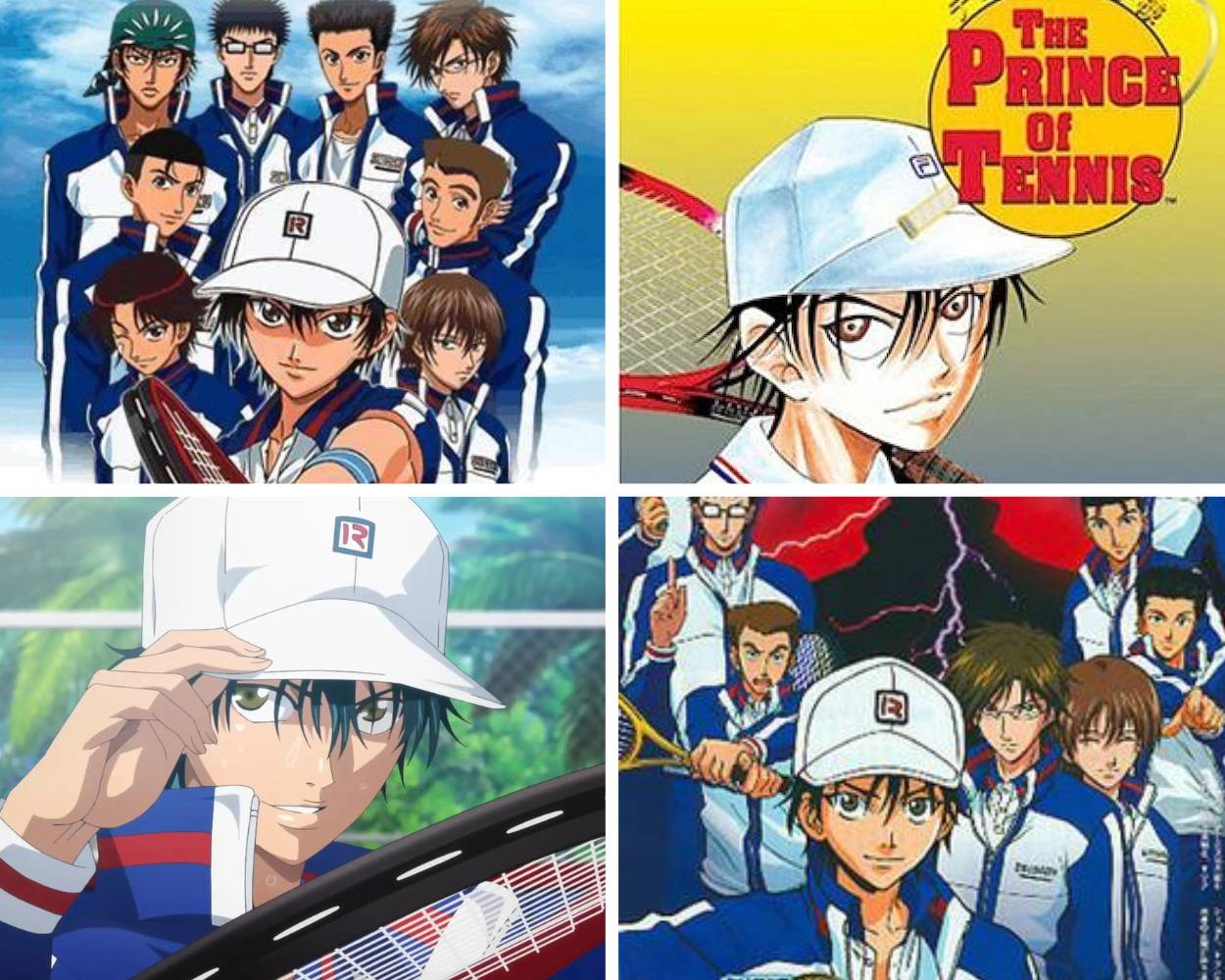
The Prince of Tennis treats a school tennis match with the same intensity another anime might reserve for a world-ending battle.
Ryoma Echizen arrives at Seishun Academy already convinced that he has seen everything tennis can offer. The series works because his talent does not eliminate the challenge; it forces him to meet players with stranger techniques, stronger personalities and reasons to care about the team.
The anime began on Toonami Jetstream in July 2006, then moved briefly to the television block in December. Its TV run ended in May 2007 after only a small portion of the 178-episode series had aired.
Hamtaro
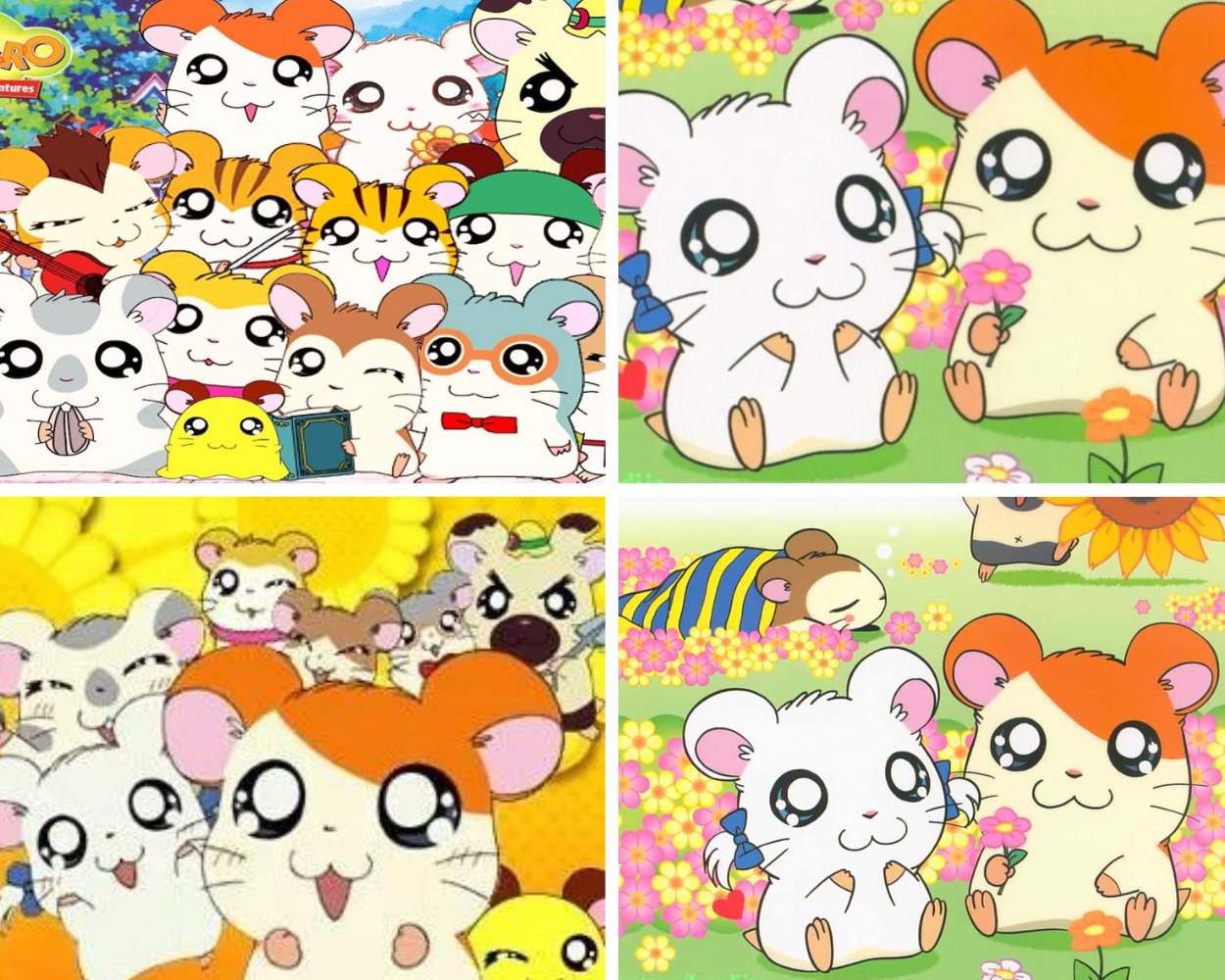
Hamtaro looked absurd beside giant robots and martial-arts battles, which may be exactly why people remember it.
The gentle anime follows a hamster who sneaks away to meet the Ham-Hams while his owner, Laura, goes about her day. It was cute, low-stakes and completely unlike the rest of the Toonami lineup.
Its legacy became stranger in 2020, when Thai student protesters adopted Hamtaro imagery and rewrote the theme song to criticize the government. Protesters ran in circles like hamsters in a wheel while chanting about taxpayer money, a story reported internationally by Reuters.
Astro Boy (2003)
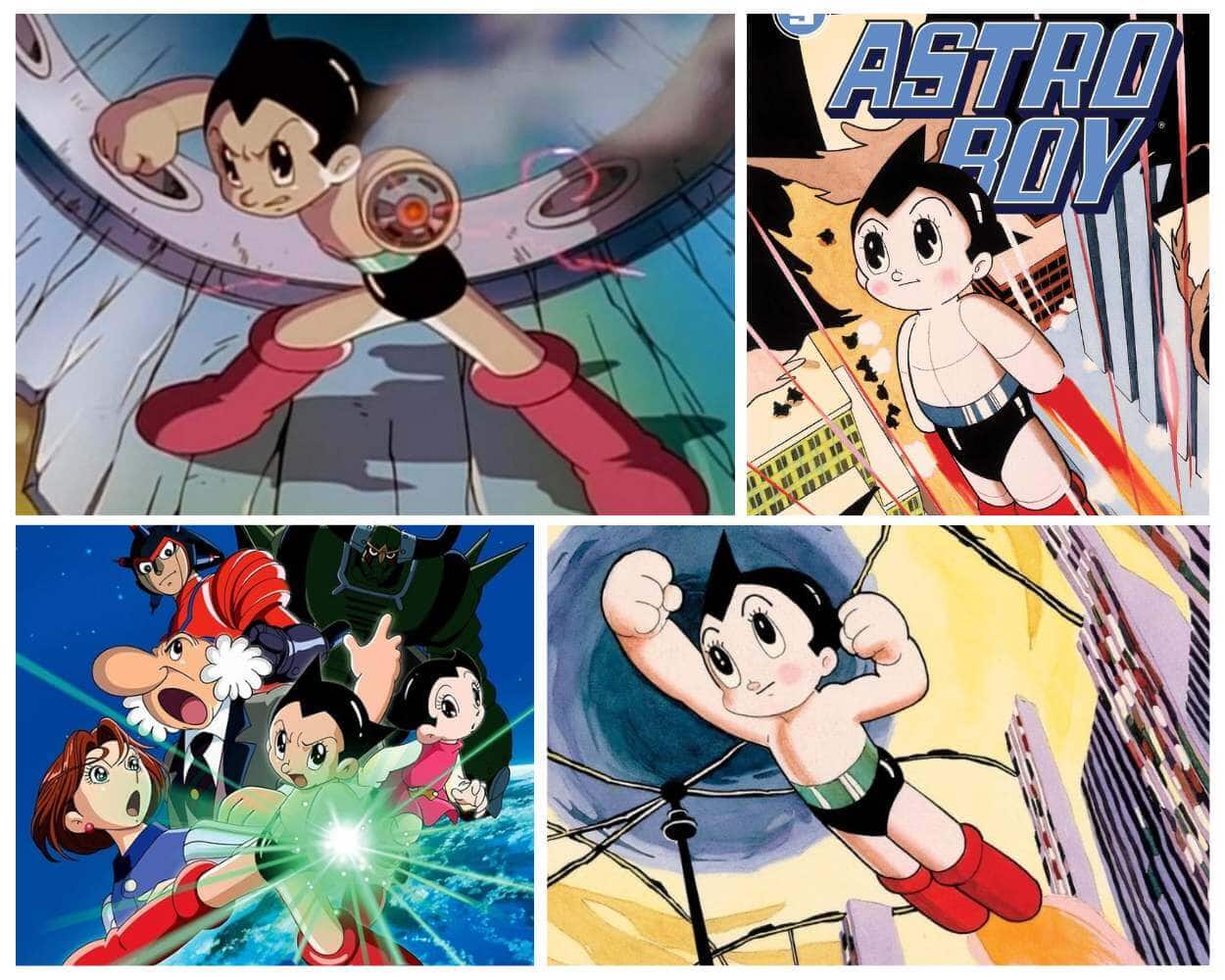
The 2003 version of Astro Boy gave Osamu Tezuka’s robot hero a polished update without losing the moral questions at the center of the original.
Astro is created in the image of Dr. Tenma’s deceased son, but he has to build an identity of his own in a world divided over whether robots deserve rights. The action is accessible to children, while the best episodes ask surprisingly serious questions about grief, prejudice and personhood.
Tezuka Productions describes the original 1963 Astro Boy television series as a work that changed Japanese animation history. Toonami gave a new generation a route into that legacy.
He-Man and the Masters of the Universe
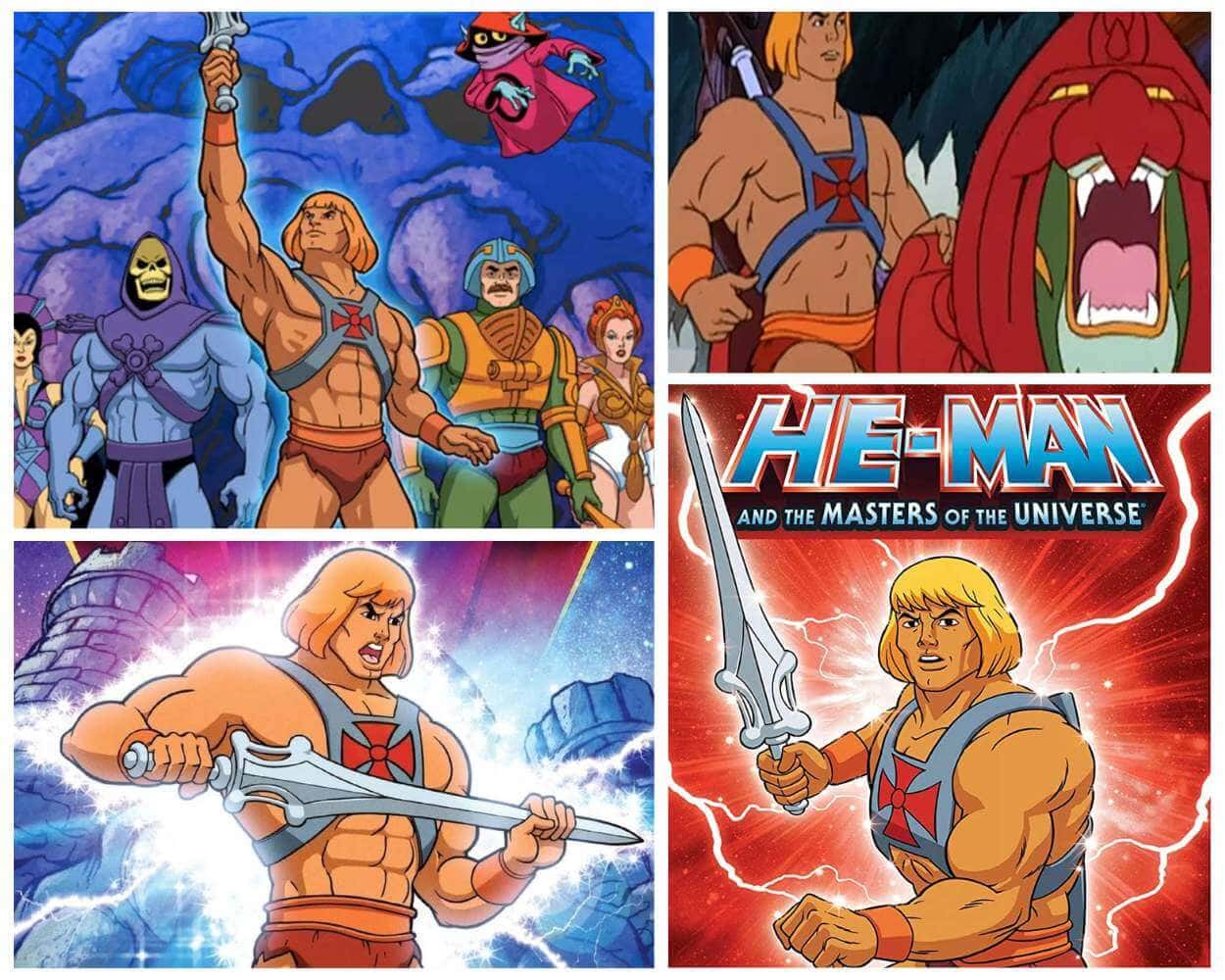
The 2002 He-Man and the Masters of the Universe reboot took the basic mythology of the 1980s series and rebuilt it as a more serialized action fantasy.
The animation was sharper, the fights carried more weight and Eternia finally felt like a world with a history rather than a collection of toy-ready locations. Skeletor remained theatrical, but he was also dangerous in a way that made the larger conflict work.
The series did not last long enough to complete all of its plans. That short run has helped turn it into one of the more respected action-cartoon reboots of its era.
Cardcaptors
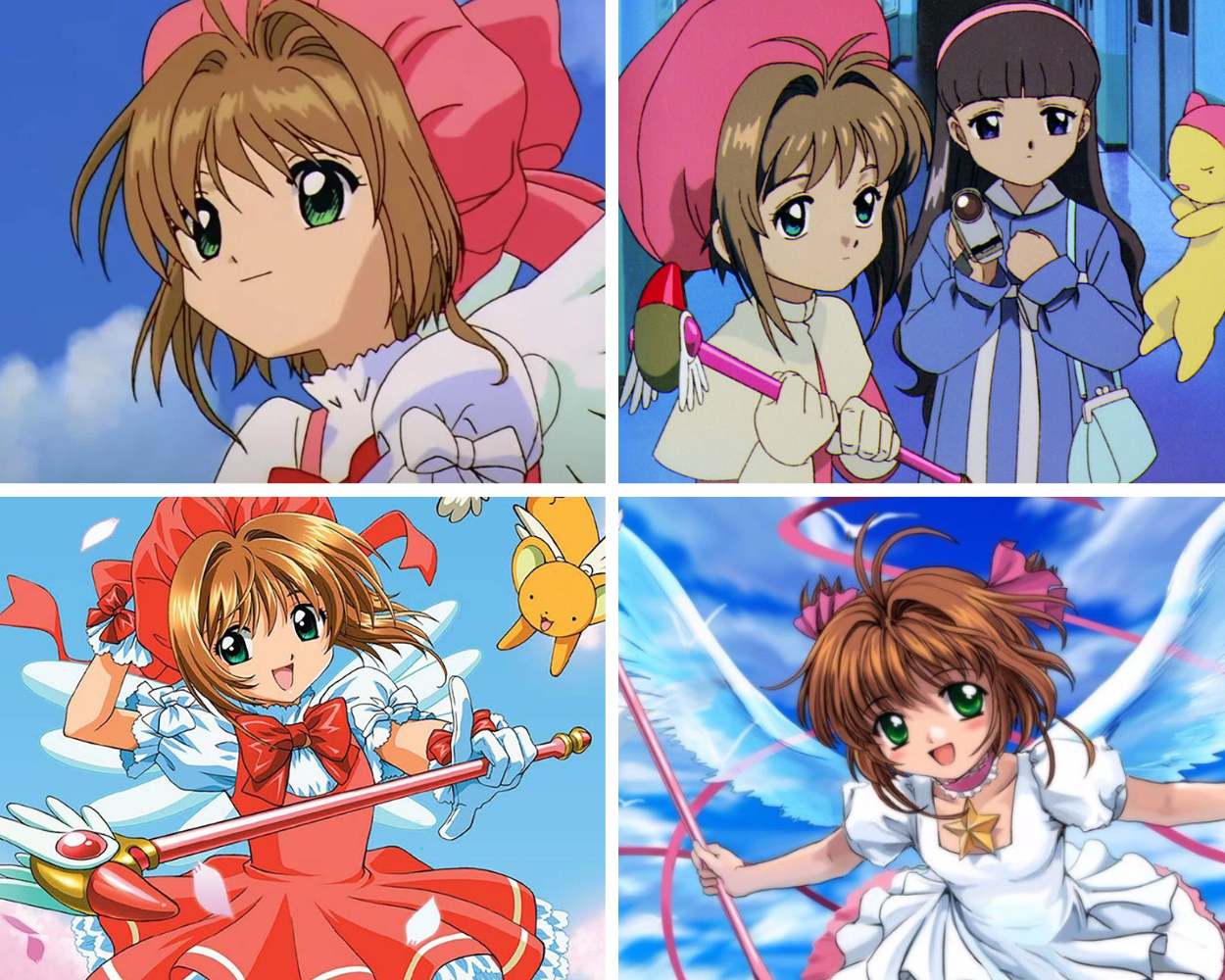
Cardcaptors was the heavily edited English adaptation of CLAMP’s Cardcaptor Sakura.
Sakura accidentally releases the magical Clow Cards and has to recover them one by one, gradually growing into the responsibility she never asked for. The original Japanese series is warm, emotionally intelligent and far more character-driven than the North American version suggested.
The Toonami run was extremely short, lasting from June 4 to June 22, 2001. Even so, it introduced some viewers to Sakura before they later discovered how extensively the English version had reordered episodes, altered relationships and reshaped the story.
Voltron
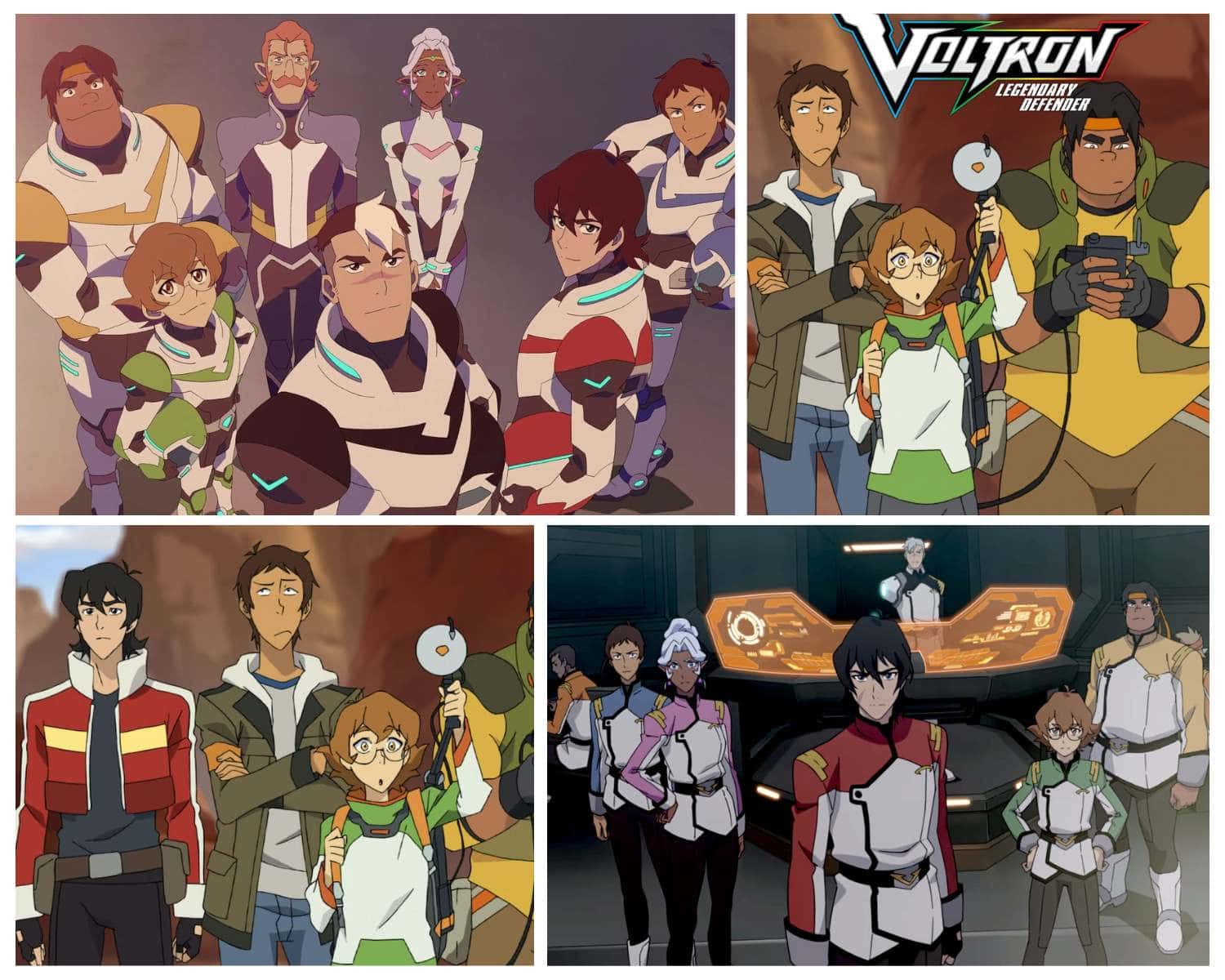
Voltron holds a permanent place in Toonami history as the first anime-derived series shown on the block’s launch day.
The 1984 American series was built primarily from the Japanese anime Beast King GoLion. Five pilots control robotic lions that combine into Voltron, defender of the planet Arus against King Zarkon, Prince Lotor and the witch Haggar.
The formula is repetitive, but the transformation sequence remains one of the great pieces of giant-robot ritual. Toonami did not make Voltron famous, but using it in the original lineup immediately connected the new block to an earlier generation of American anime fandom.
Rurouni Kenshin
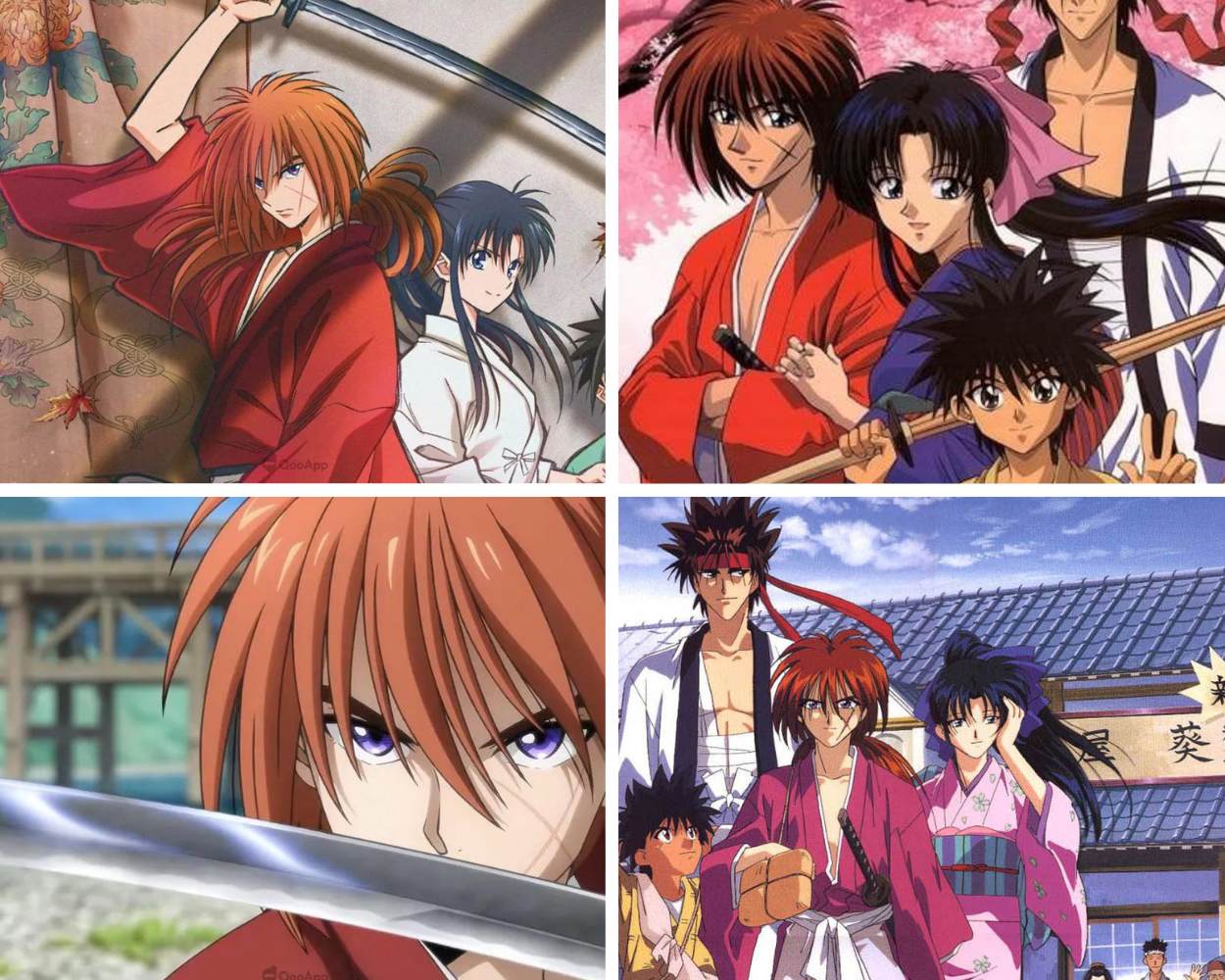
Rurouni Kenshin remains one of the most memorable samurai anime to air on Toonami.
Kenshin Himura was once the assassin known as Battosai. In the Meiji era, he wanders Japan carrying a reverse-blade sword and promising never to kill again.
That vow gives every fight a moral dimension. Kenshin is powerful enough to end most conflicts violently, but doing so would mean becoming the person he is trying to leave behind. The Kyoto arc, in particular, showed Toonami viewers how a long-running action anime could build tension without abandoning character.
The Big O
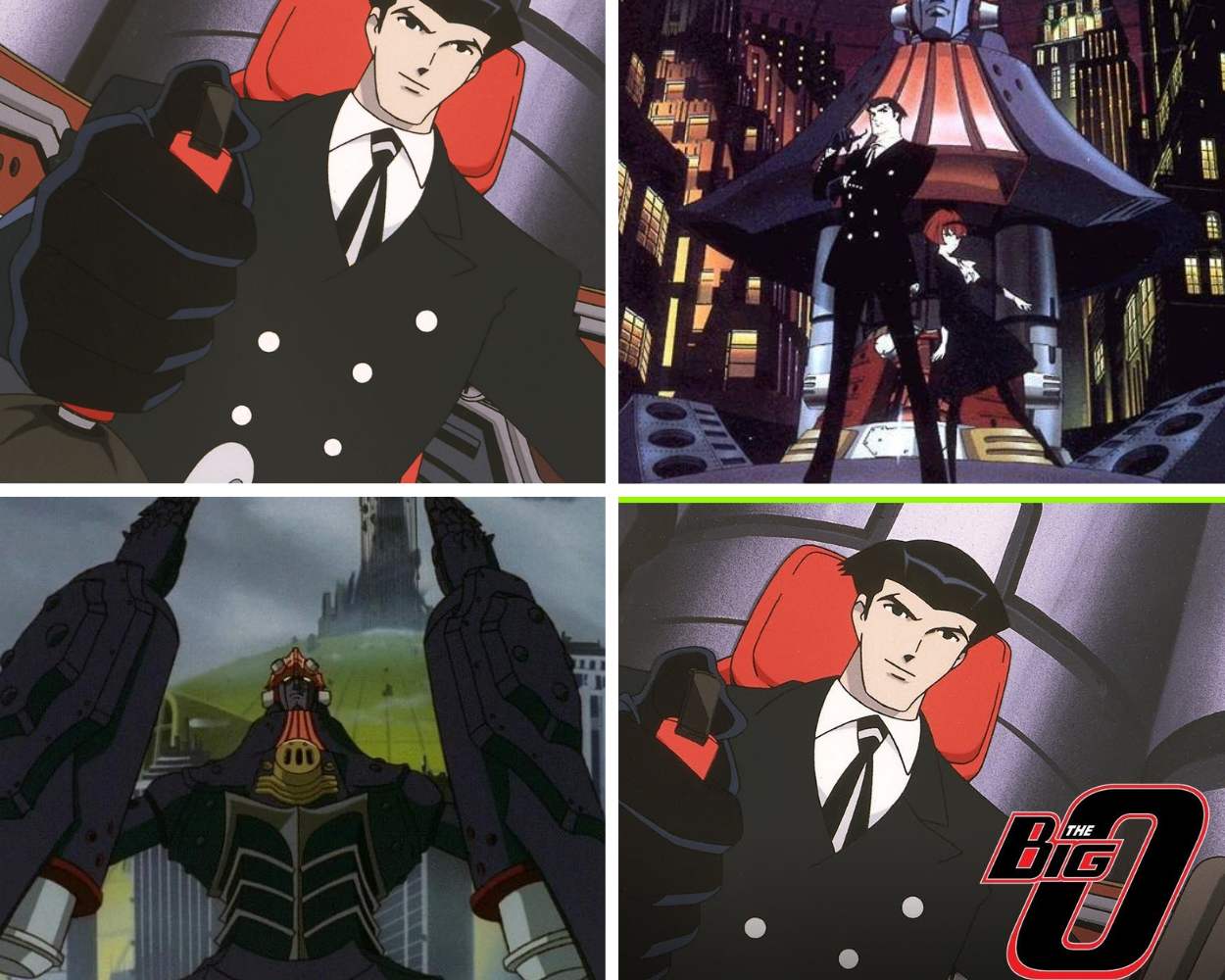
The Big O looks like Batman, film noir and a giant-robot anime were thrown into the same art-deco city.
Roger Smith works as a negotiator in Paradigm City, where everyone lost their memories 40 years earlier. When negotiation fails, he summons the enormous Megadeus called Big O.
The first season gained a stronger following in the United States than it had in Japan. Cartoon Network later helped fund a second season, an early example of an American network directly influencing the continuation of an anime. Polygon’s history of Toonami co-productions explains why that decision mattered beyond this one show.
Tenchi Muyo!
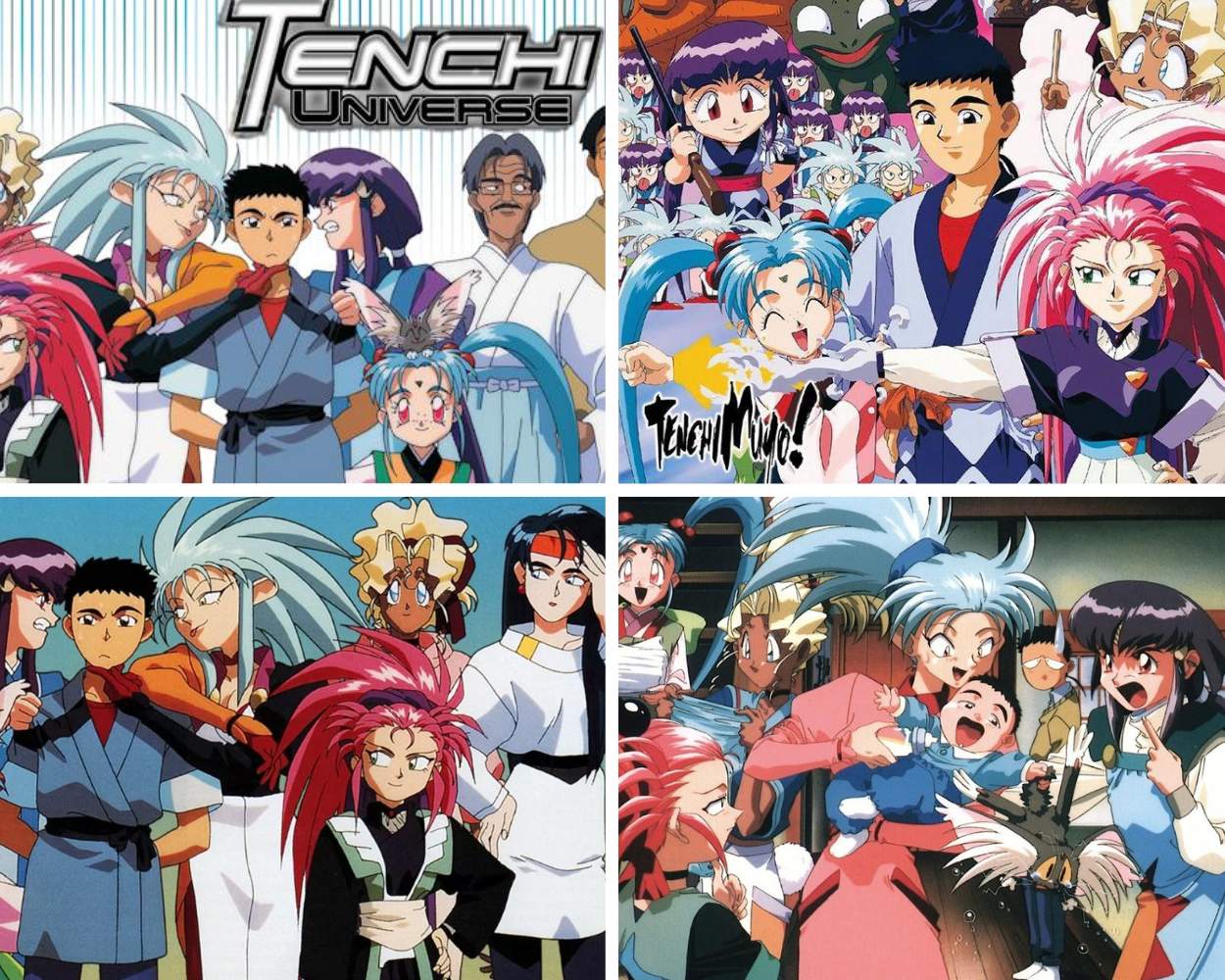
Toonami did not air just one version of Tenchi Muyo!. It introduced viewers to edited versions of the original OVA continuity, Tenchi Universe and Tenchi in Tokyo.
The basic appeal remained consistent: ordinary teenager Tenchi Masaki discovers that his family history connects him to alien royalty, space pirates and ancient powers. Soon his quiet home is filled with people who can destroy a planet but cannot get through breakfast without an argument.
The television edits removed or covered some fan service, occasionally in very obvious ways. Even so, the mix of science fiction, comedy and mythology became a defining part of Toonami’s early-2000s identity.
Outlaw Star
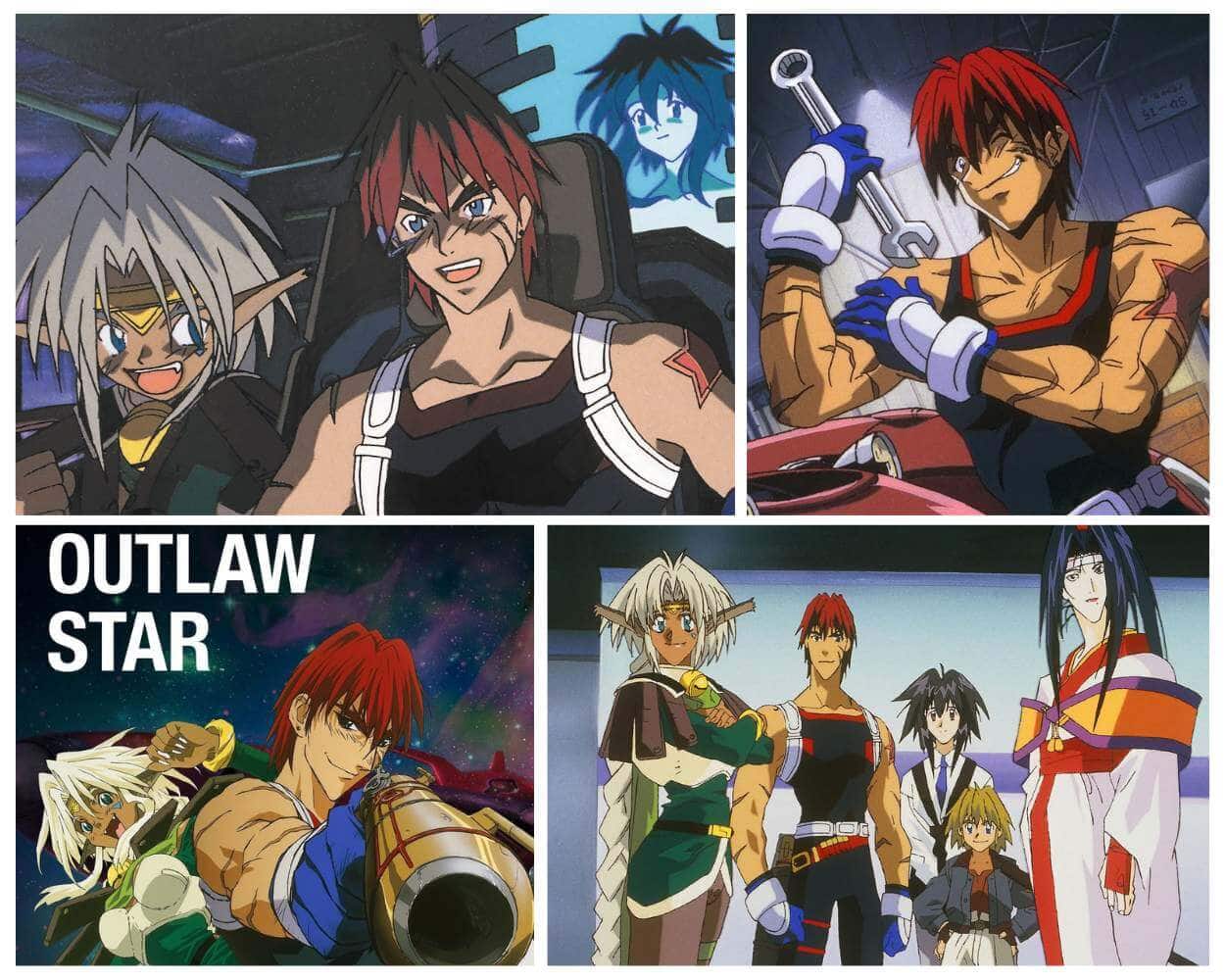
Outlaw Star arrived on Toonami in 2001 and immediately felt more dangerous than most afternoon animation.
Gene Starwind and Jim Hawking end up with an advanced ship, a mysterious woman named Melfina and several criminal factions chasing them toward the Galactic Leyline. The show combines gunfights, space piracy, magic ammunition and grappler ships that literally fight with mechanical arms.
The Toonami version was heavily edited, but the personality survived. It was louder and messier than Cowboy Bebop, yet that pulpy energy is exactly why it remains one of my favorite space adventures from the block.
ThunderCats
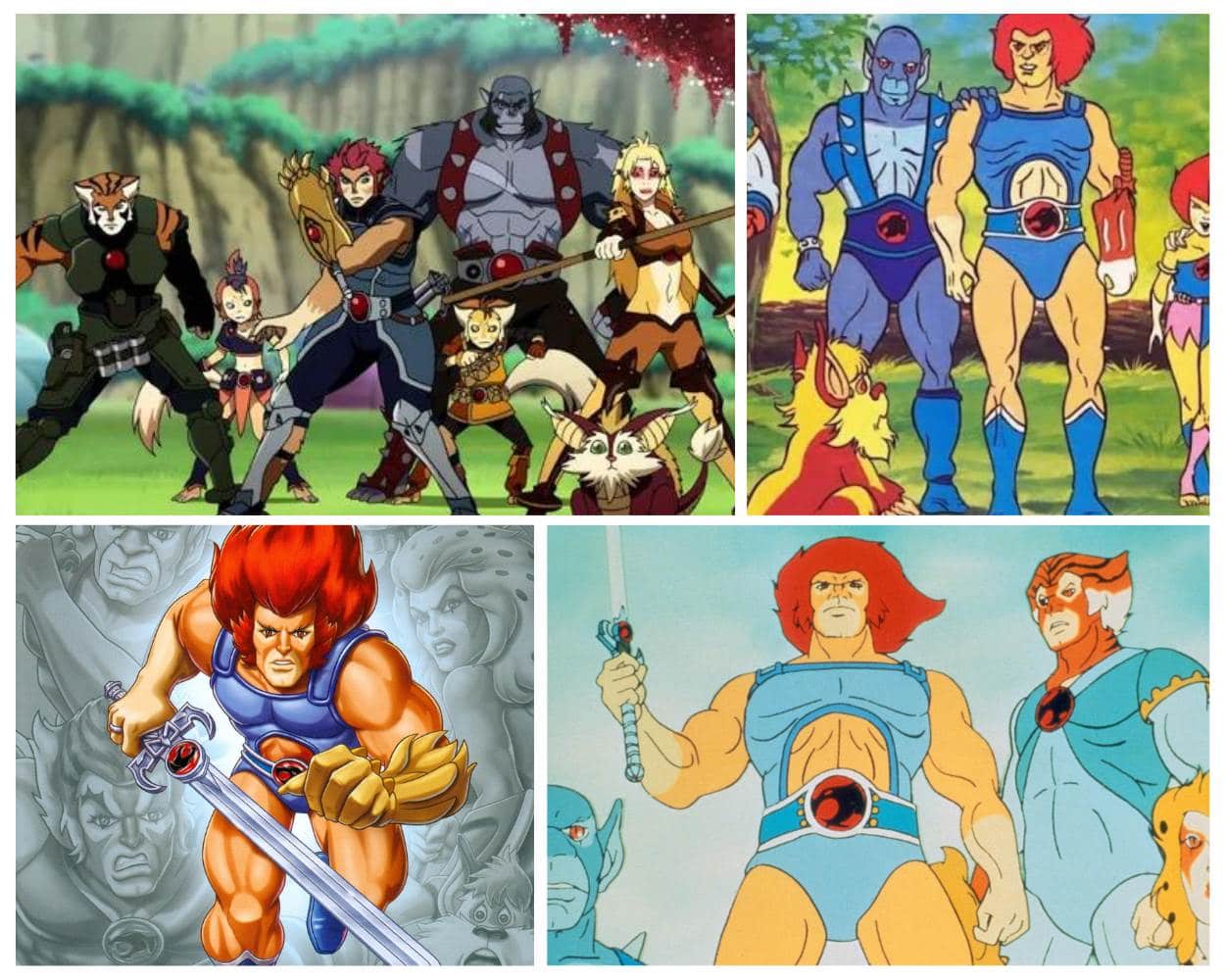
At 4:00 p.m. on March 17, 1997, ThunderCats became the first program ever shown on Toonami.
The 1980s series follows Lion-O and the surviving ThunderCats after they escape the destruction of Thundera and settle on Third Earth. There they battle Mumm-Ra, mutants and whatever threat can be defeated by raising the Sword of Omens.
It was already a rerun when Toonami launched, but that was part of the original strategy: package familiar action cartoons with a stronger identity. The underrated 2011 reboot later joined the revived Adult Swim version of Toonami in 2012.
My Hero Academia
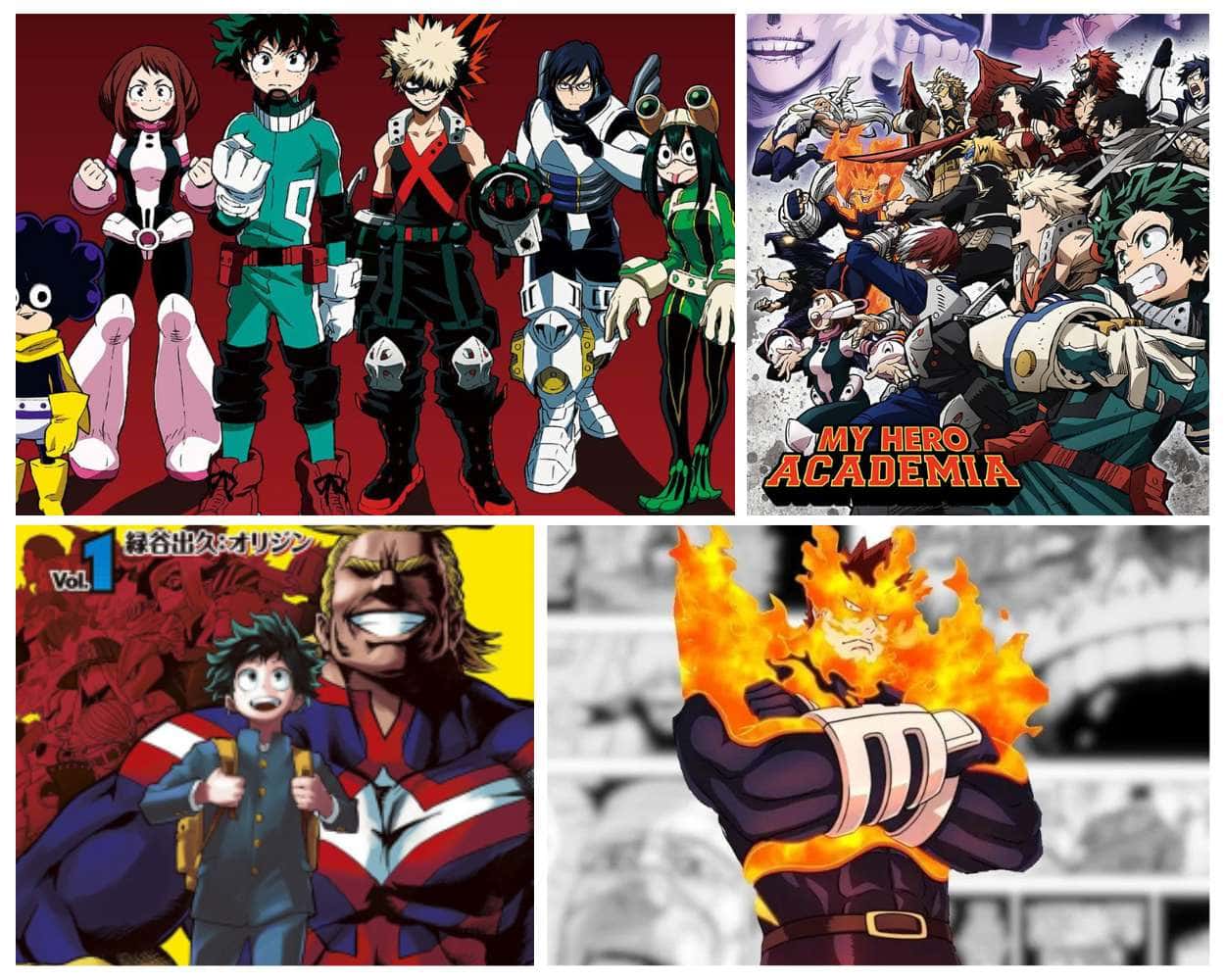
My Hero Academia became one of the defining anime of Toonami’s modern era after joining the block in 2018.
Izuku Midoriya grows up without a superpower in a world where abilities called Quirks are normal. His determination catches the attention of the legendary hero All Might, who chooses him to inherit One For All.
The series understands superhero spectacle, but its best quality is how seriously it treats the work behind heroism. Midoriya’s progress is painful, incremental and often embarrassing, which makes his victories feel earned rather than guaranteed.
Pokémon: Master Quest
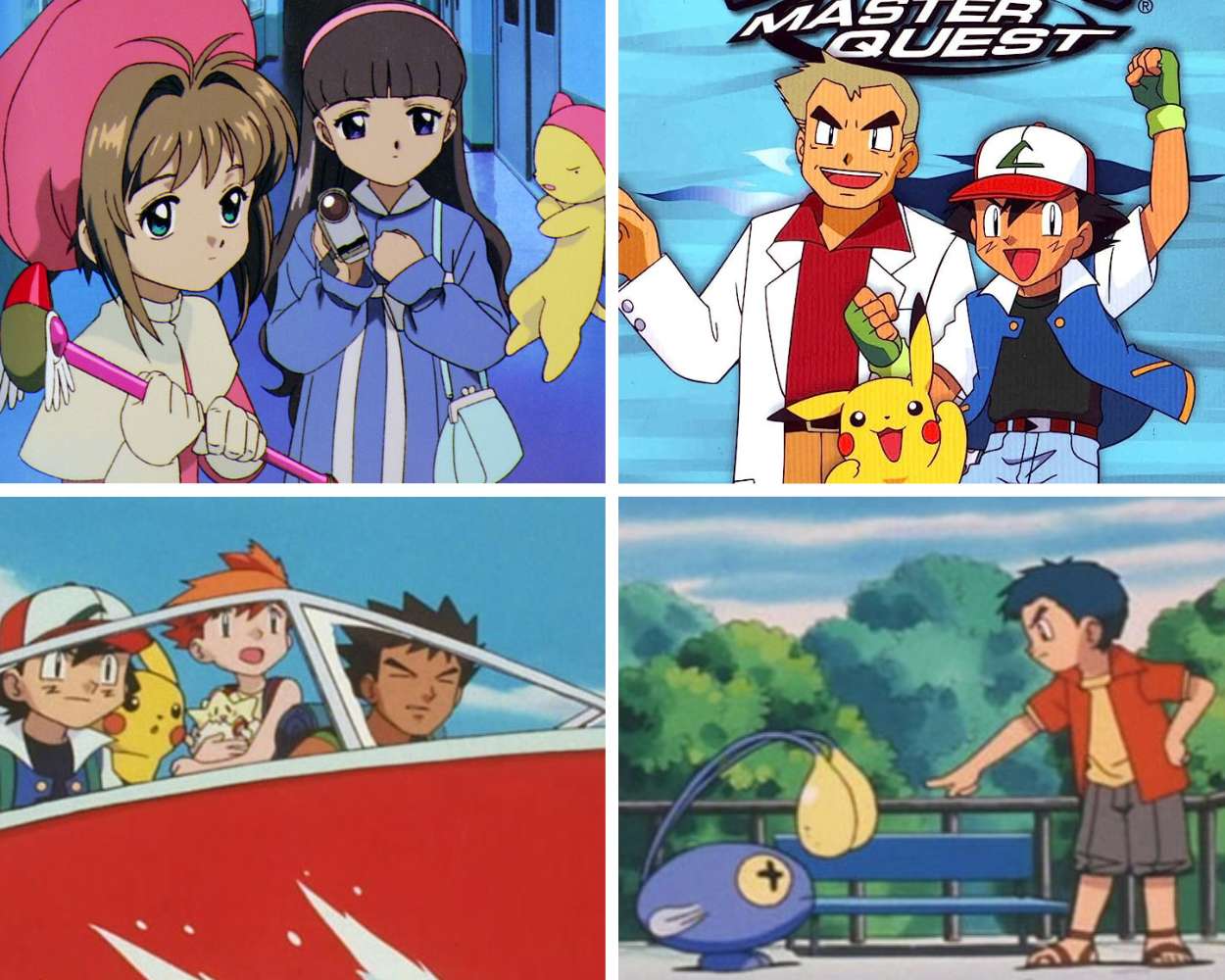
Pokémon: Master Quest represents the final stretch of Ash’s original Johto journey, including the Silver Conference and one of his strongest early tournament runs.
Its place on this list comes with the same qualification as Hikaru no Go: Master Quest was associated with Toonami through Toonami Jetstream reruns in 2008, not through the regular U.S. television block.
That makes it less central to Toonami history than most titles here. Still, Pokémon was one of the franchises that made anime unavoidable in North America, and its presence on Jetstream showed how broadly the Toonami brand was trying to stretch before the original block ended.
YuYu Hakusho
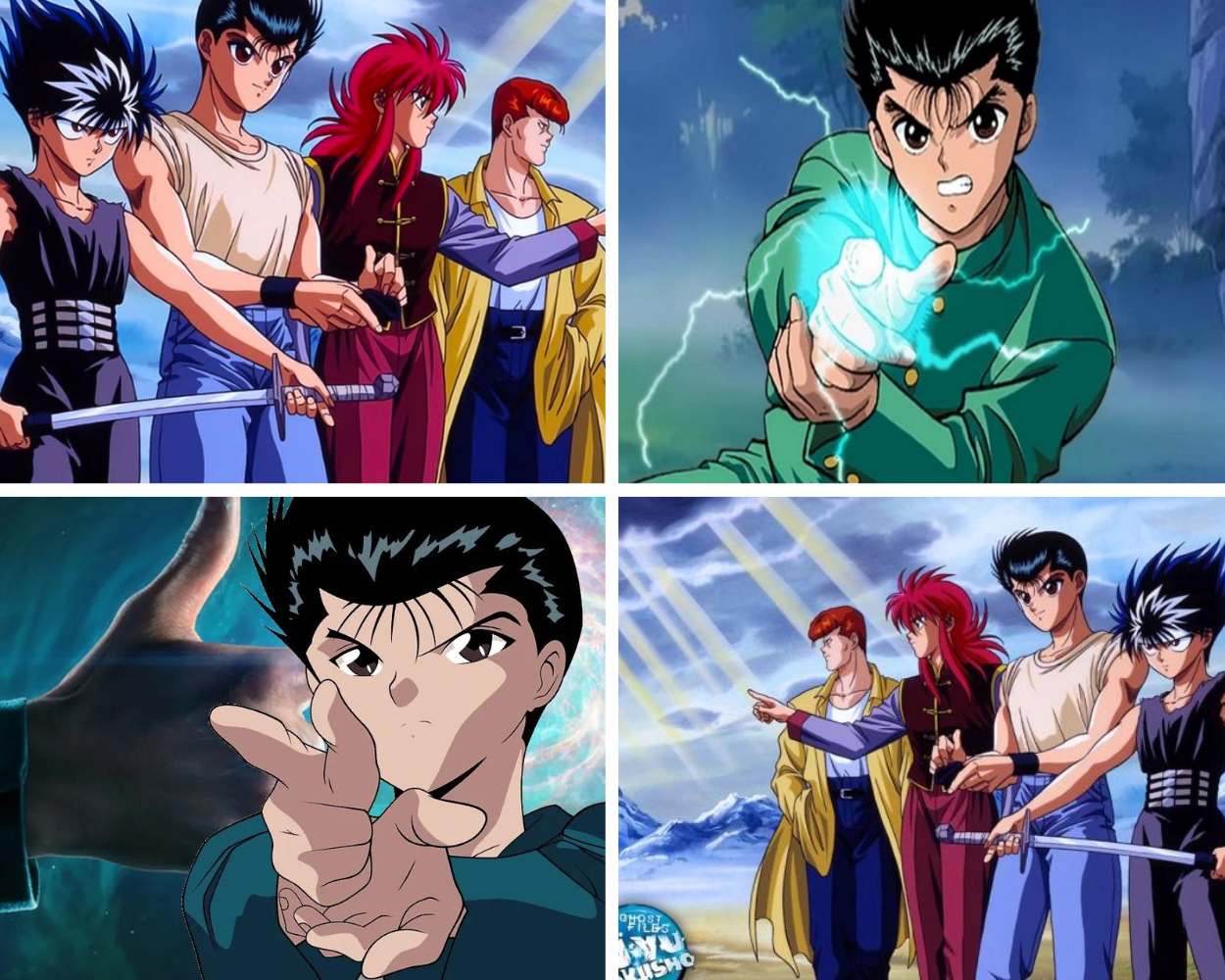
YuYu Hakusho opens by killing its lead character.
Teen delinquent Yusuke Urameshi dies while saving a child, surprises the afterlife with his one selfless act and eventually returns as a Spirit Detective. From there, the series grows into one of the sharpest supernatural fighting anime ever made.
It originally aired on Adult Swim before moving to a more heavily edited Toonami run in 2003. The Dark Tournament remains the obvious highlight, but the real strength is the cast. Yusuke, Kuwabara, Kurama and Hiei argue like people who barely tolerate one another, yet the loyalty between them never feels fake.
Samurai Jack
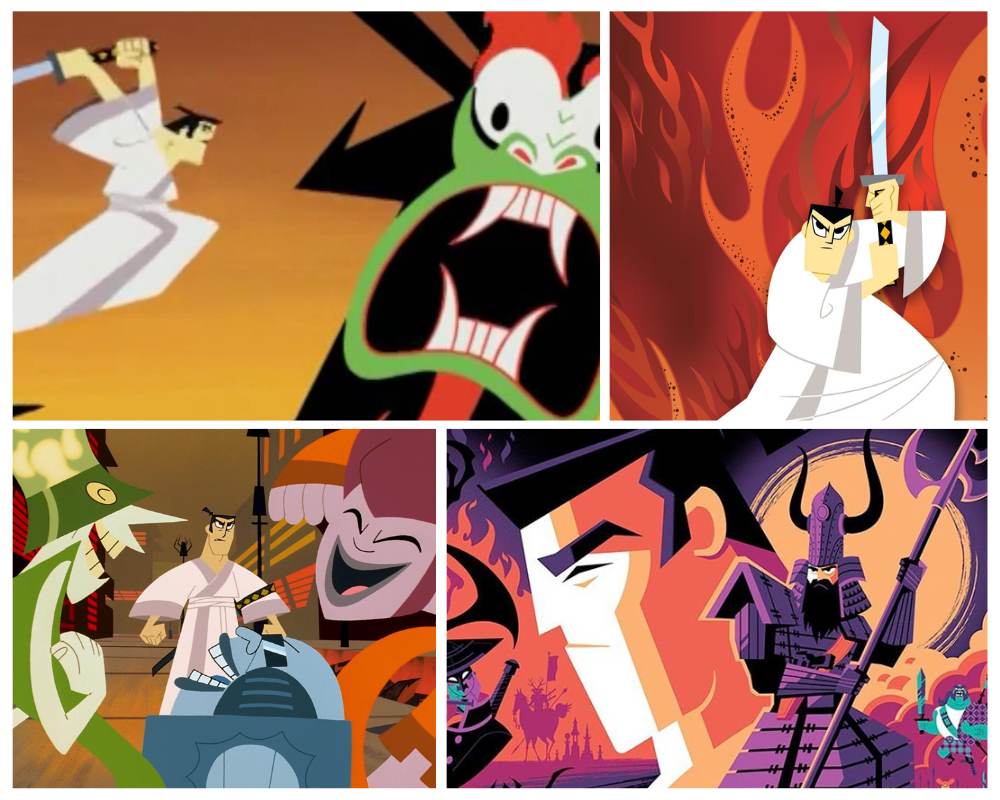
Samurai Jack is not anime, but few shows have ever matched Toonami’s visual language so perfectly.
Genndy Tartakovsky used long silences, graphic compositions and bursts of precisely staged action to tell the story of a samurai trapped in a future ruled by Aku. Some episodes feel closer to short films than standard television cartoons.
A Samurai Jack rerun was the final program shown before Toonami’s original 2008 shutdown. The series returned in 2017 with a darker fifth season on Adult Swim, finally giving Jack’s journey a conclusion after more than a decade.
Attack on Titan
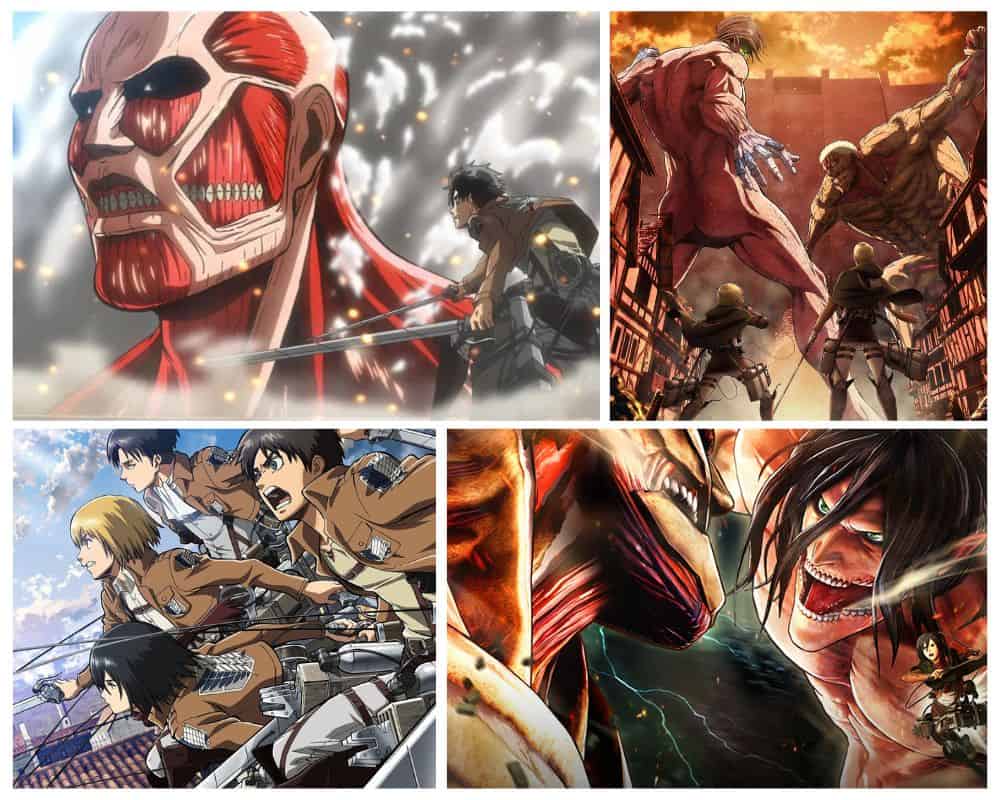
Attack on Titan announced that the revived Toonami could still turn a major anime into appointment television.
The series begins with humanity hiding behind walls from man-eating Titans, then keeps expanding until the original premise looks almost simple. What starts as survival horror becomes a story about war, inherited hatred, propaganda and the stories nations tell about themselves.
Toonami premiered the English dub in May 2014 and continued airing later seasons. Watching something this violent and politically tangled under the same brand that once aired Hamtaro says a lot about how much Toonami changed.
Yu-Gi-Oh!
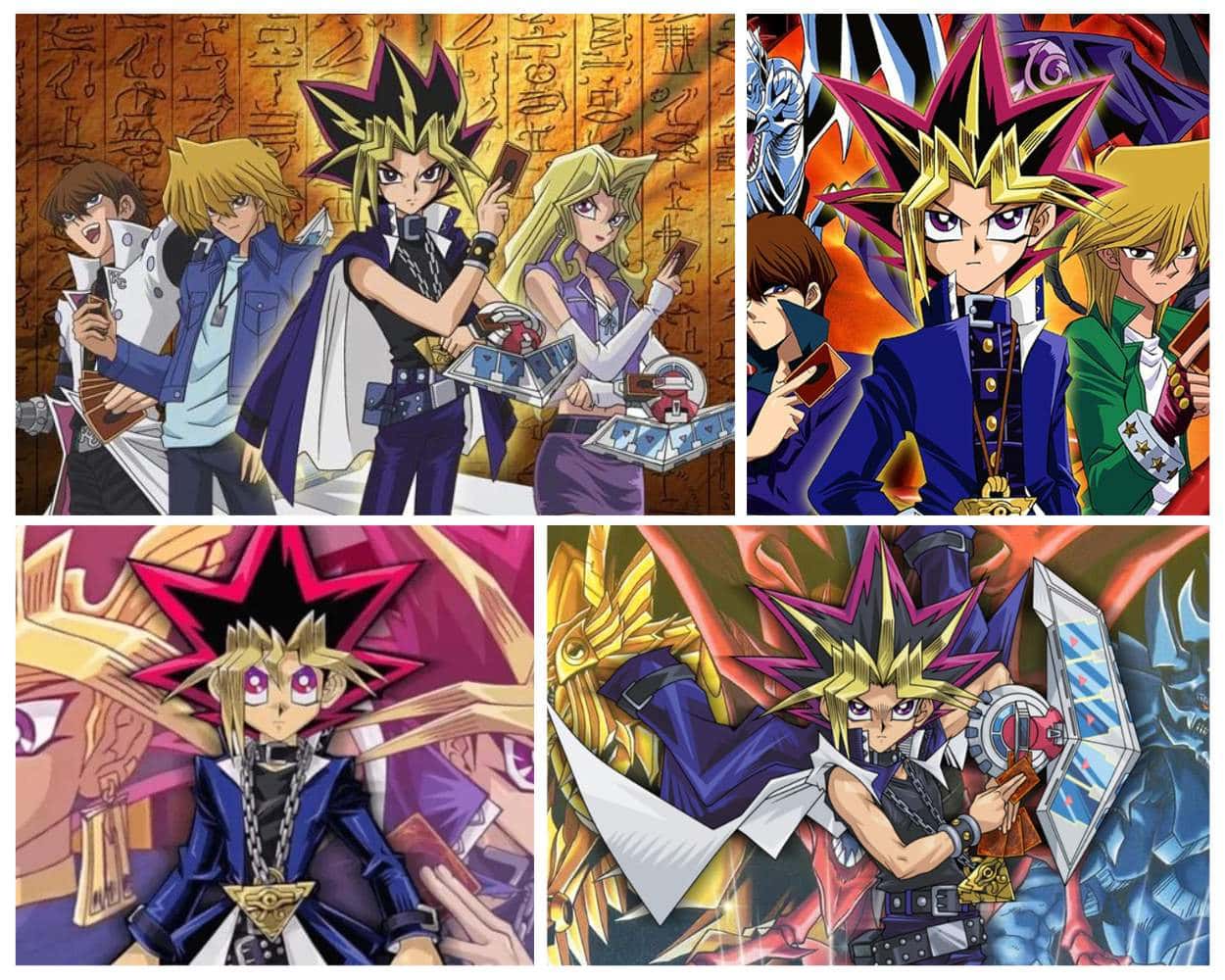
Yu-Gi-Oh! transformed a fictional card game into one of the largest multimedia franchises in the world.
Yugi Muto shares his body with the spirit of an ancient pharaoh, and their increasingly elaborate duels gradually uncover a story involving lost memories, Egyptian mythology and the fate of the world.
The English dub is full of censorship and rewritten dialogue, but its theatrical voice acting became part of the appeal. Toonami never aired the complete series, yet hearing “It’s time to duel” inside the block still felt like two major parts of early-2000s fandom colliding.
Gundam Wing

Gundam Wing exploded onto Toonami in March 2000 and turned the wider Gundam franchise into a major American obsession.
Five teenage pilots are sent to Earth in separate mobile suits to fight the military organization OZ. The plot is full of coups, shifting alliances and speeches about pacifism that many of us only half understood as children.
It also became the first Toonami series to receive both an edited daytime run and an uncut presentation through Midnight Run. The surviving Toonami history is complicated, but Gundam Wing’s role is not: it proved that dense political mecha anime could attract a mass cable audience.
Bleach
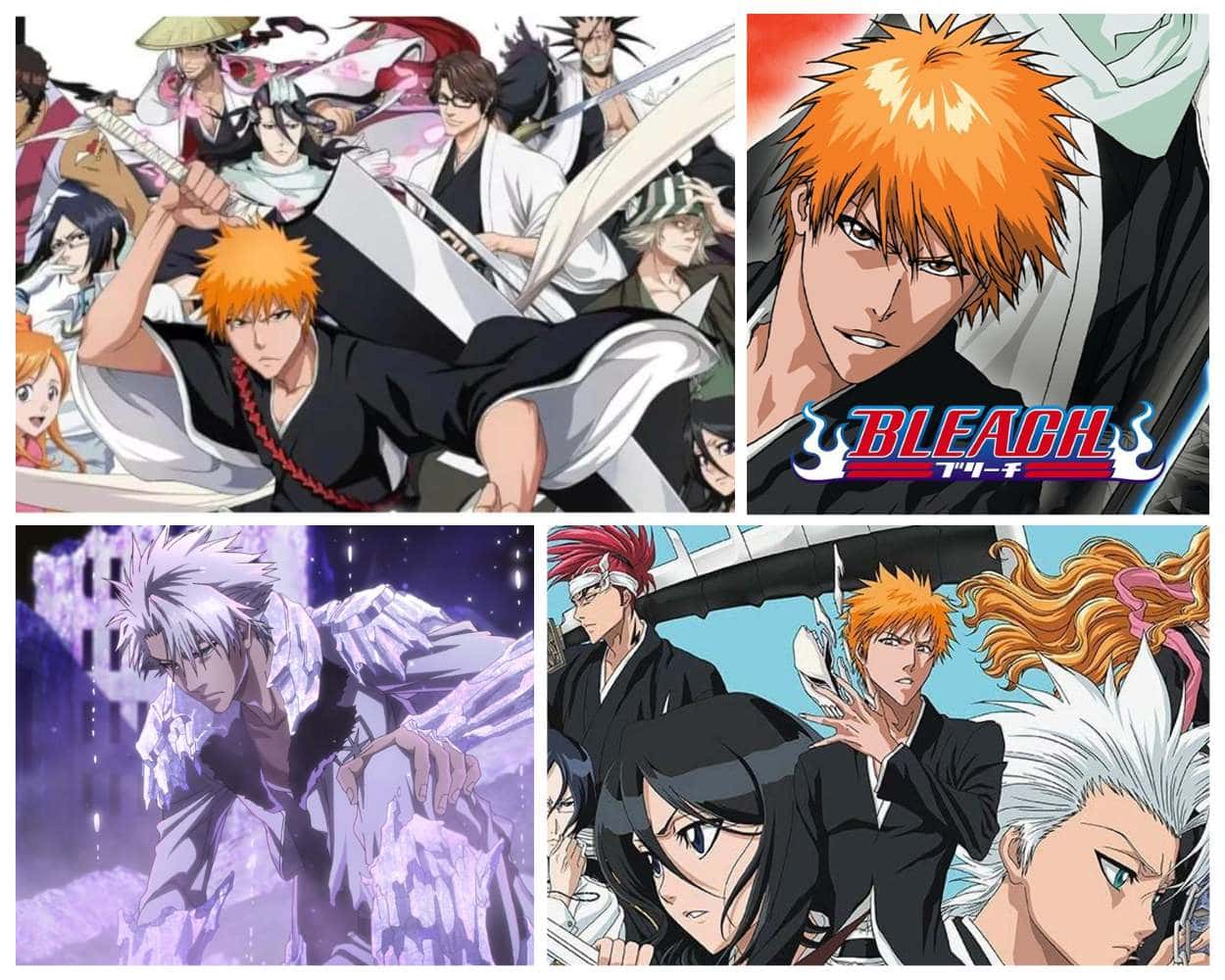
Bleach was already an Adult Swim anime staple when it became the first show aired during Toonami’s official 2012 revival.
Ichigo Kurosaki can see ghosts, but his life changes when Soul Reaper Rukia Kuchiki transfers her powers to him. That setup opens the door to Soul Society, Zanpakuto, Hollows and an enormous cast of stylish warriors.
The series can wander, and its filler arcs tested everyone’s patience. At its best, though, Bleach combines music, character design and sword fights with an effortless sense of cool. Its place in the comeback lineup made it the bridge between Adult Swim Action and the new Toonami.
Dragon Ball
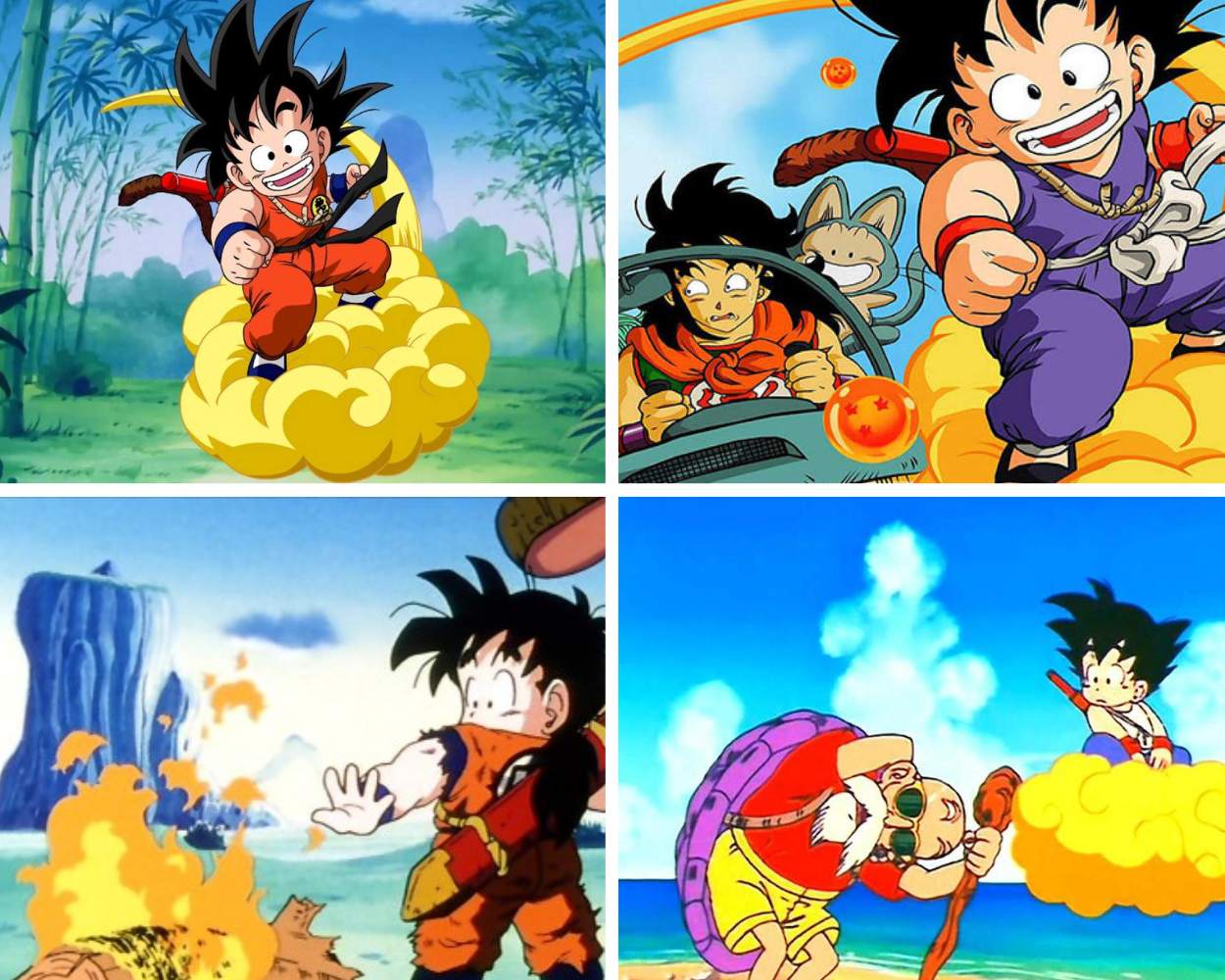
Before the transformations and planet-shaking battles, Dragon Ball was a comedy adventure about a strange child with a tail.
Young Goku leaves the mountains with Bulma to search for the Dragon Balls. The early series mixes martial arts, fantasy, slapstick and a loose parody of Journey to the West.
Toonami began airing a newly dubbed version in 2001, after Dragon Ball Z had already made Goku famous. Going backward turned out to be part of the fun. It showed viewers the friendships, rivalries and smaller adventures that gave the later battles their emotional foundation.
Cowboy Bebop
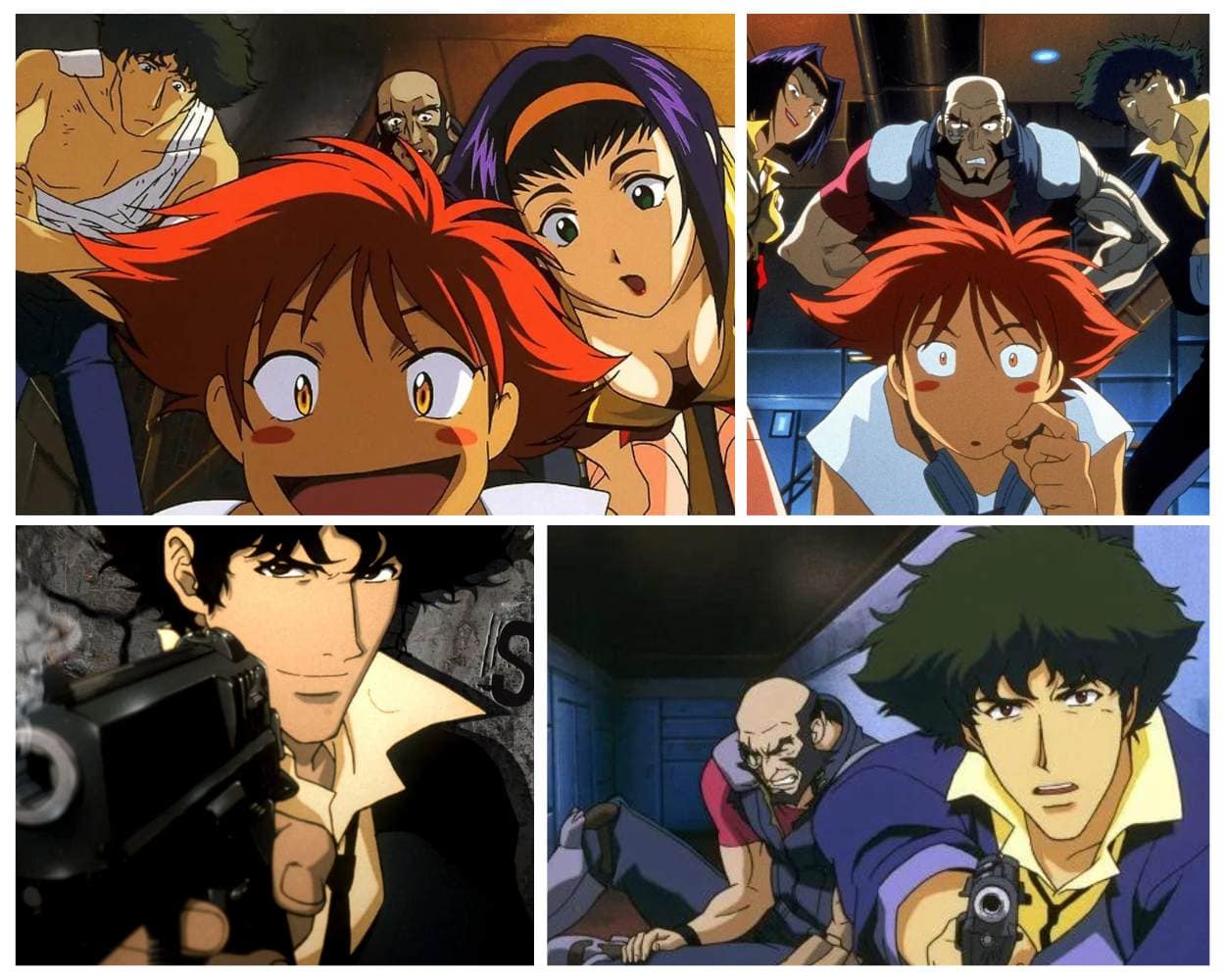
Cowboy Bebop is one of the greatest anime ever made, and I am comfortable leaving that statement exactly as it is.
Spike Spiegel, Jet Black, Faye Valentine, Edward and Ein drift through the solar system collecting bounties and usually losing the money again. Beneath the episodic cool is a melancholy story about people who cannot escape their pasts.
Its Toonami connection needs explaining. Cowboy Bebop first made American television history on Adult Swim in 2001, not the original Toonami. It later became part of the revived Toonami lineup in May 2012, linking Adult Swim’s earlier anime identity directly to the returning brand.
One Piece
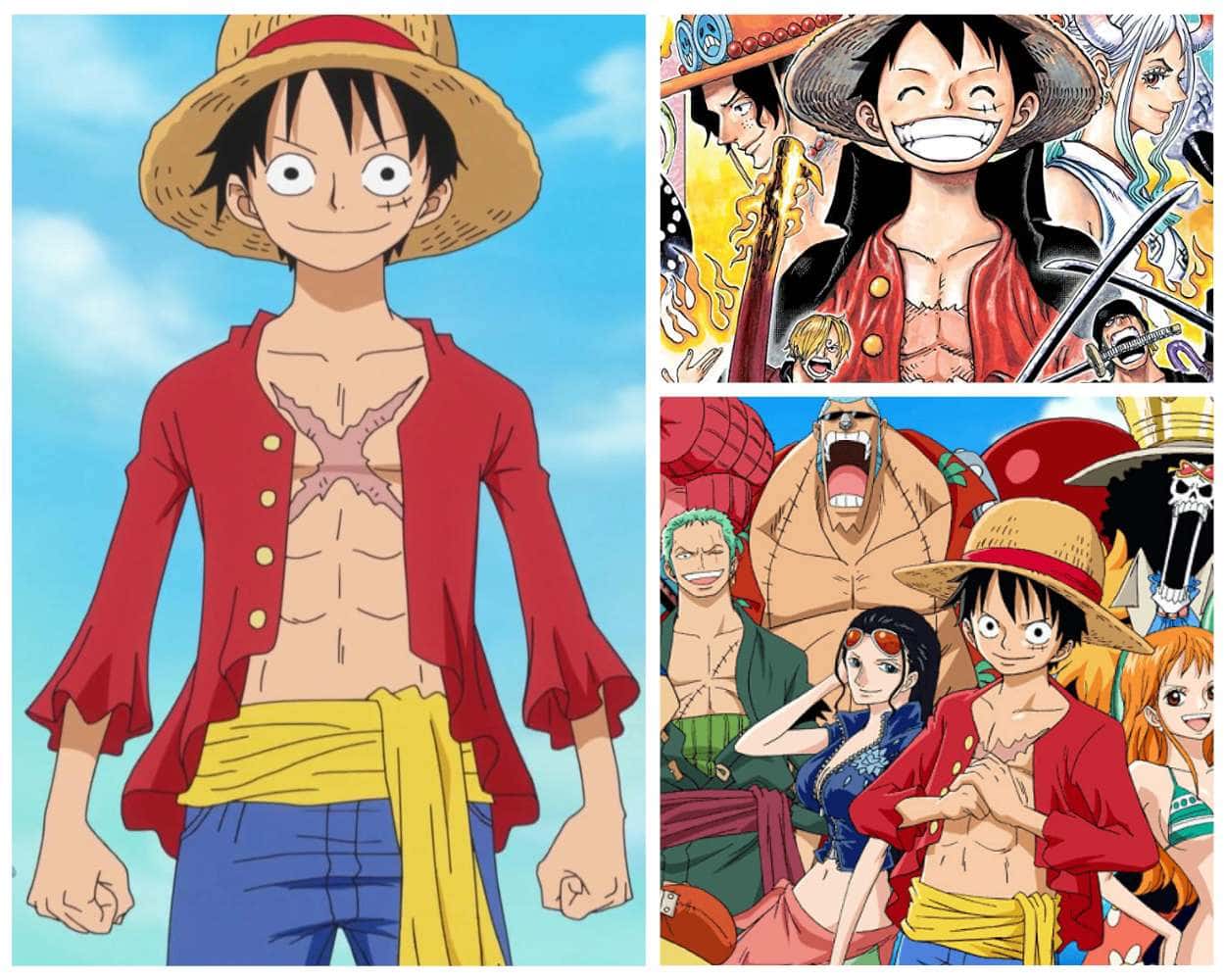
One Piece had one of the roughest American journeys of any major anime.
The 4Kids dub that first reached Toonami in 2005 rewrote dialogue, replaced music, removed entire episodes and produced edits that became infamous. A more faithful Funimation dub followed, but Cartoon Network removed the series in 2008 during the Skypiea storyline.
Adult Swim’s Toonami brought it back from 2013 to 2017, then returned it to the schedule again in 2022. It remains part of the Adult Swim schedule in 2026.
Luffy’s journey endures because the world keeps getting bigger without losing sight of friendship, freedom and the dream that started everything.
Sailor Moon
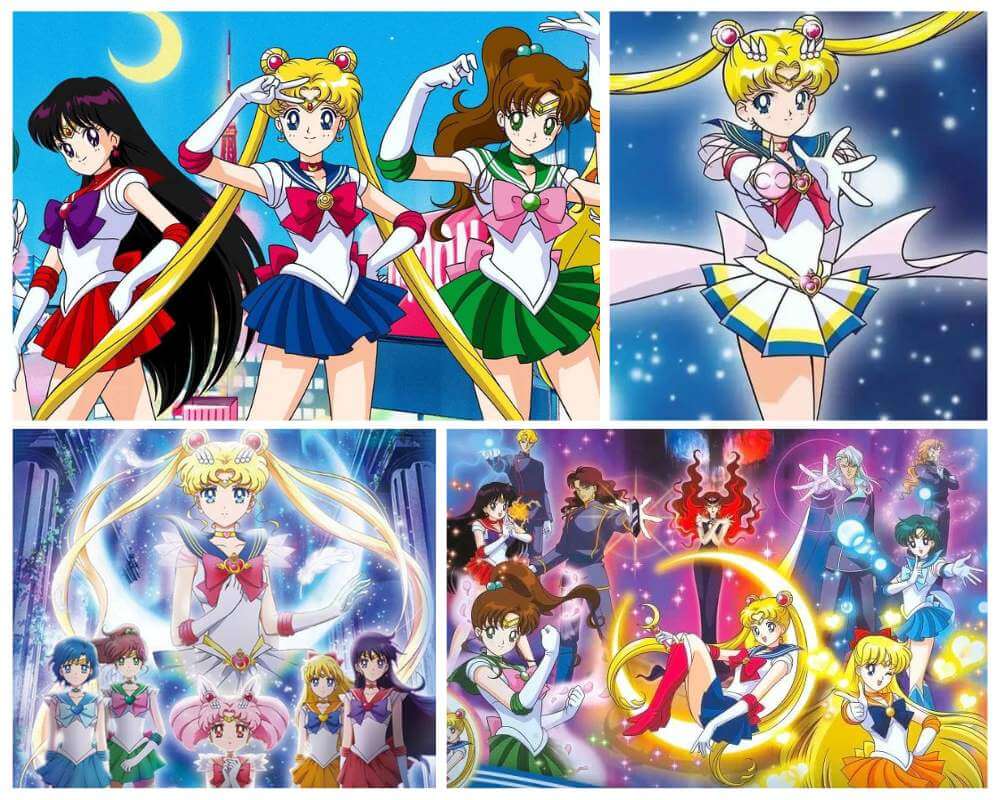
Sailor Moon was already on American television before Toonami, but the block gave the struggling English dub a new audience in 1998.
Usagi Tsukino is clumsy, emotional and frequently terrified, yet she repeatedly chooses to protect people when it matters. That combination made her a very different kind of hero from the stoic warriors surrounding her in the lineup.
Toonami helped turn the series into a lasting North American fandom and proved that the block did not have to focus entirely on male-led fighting anime.
The original dub never reached the fifth season, Sailor Stars. Viz Media finally released that season in North America with a new English dub in 2019, as detailed in its official Sailor Stars announcement.
Naruto
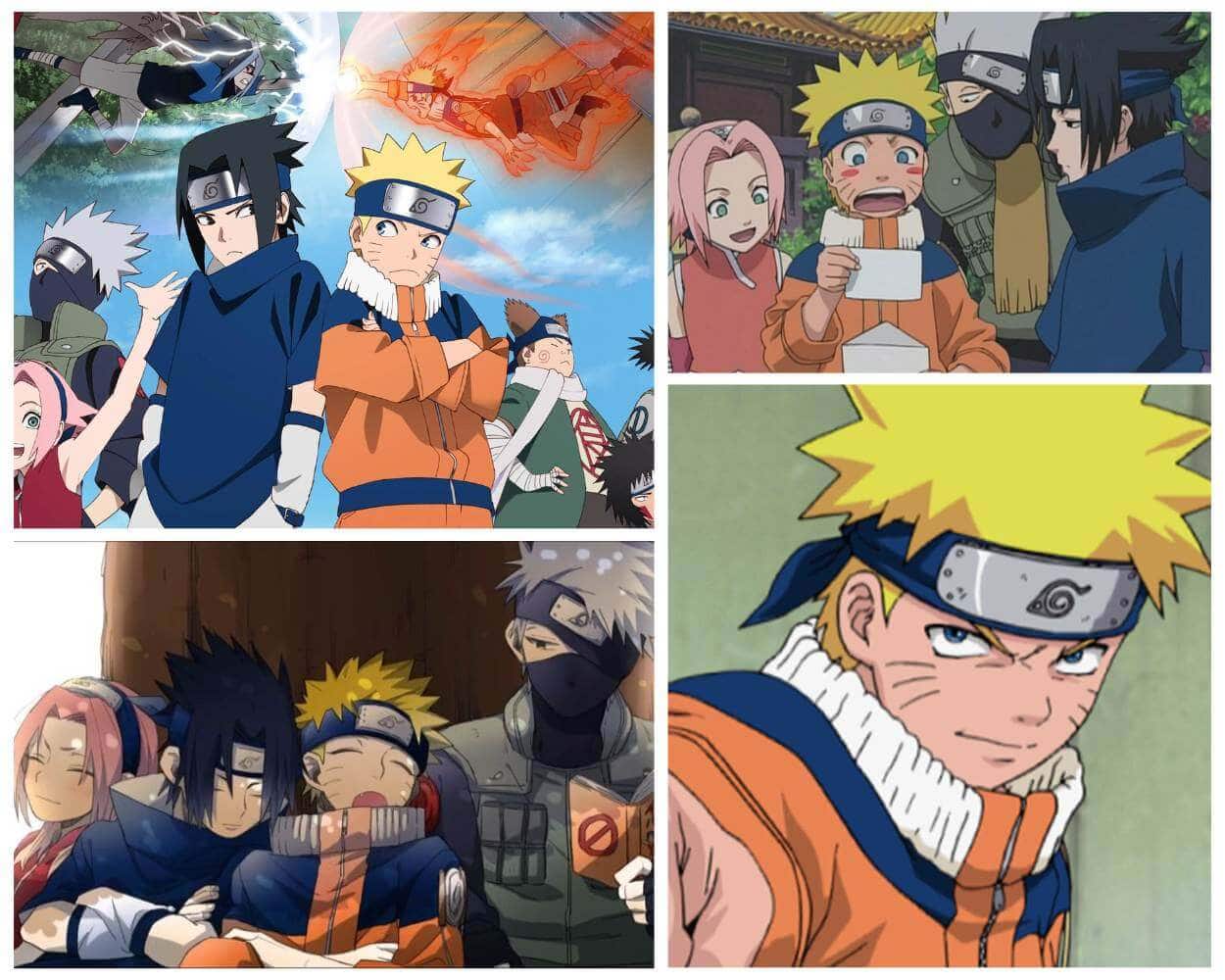
Naruto premiered on Toonami in 2005 and became the defining anime of the block’s final Cartoon Network years.
Naruto Uzumaki is treated as an outcast because the Nine-Tailed Fox was sealed inside him as a baby. He responds by becoming louder, more stubborn and more determined to earn recognition as Hokage.
The ninja techniques were inventive, but the emotional core was loneliness. Naruto kept finding damaged people who had made darker choices and insisting that they were not beyond saving.
If Dragon Ball Z built Toonami’s anime audience, Naruto proved another generation was ready to inherit it.
Dragon Ball Z
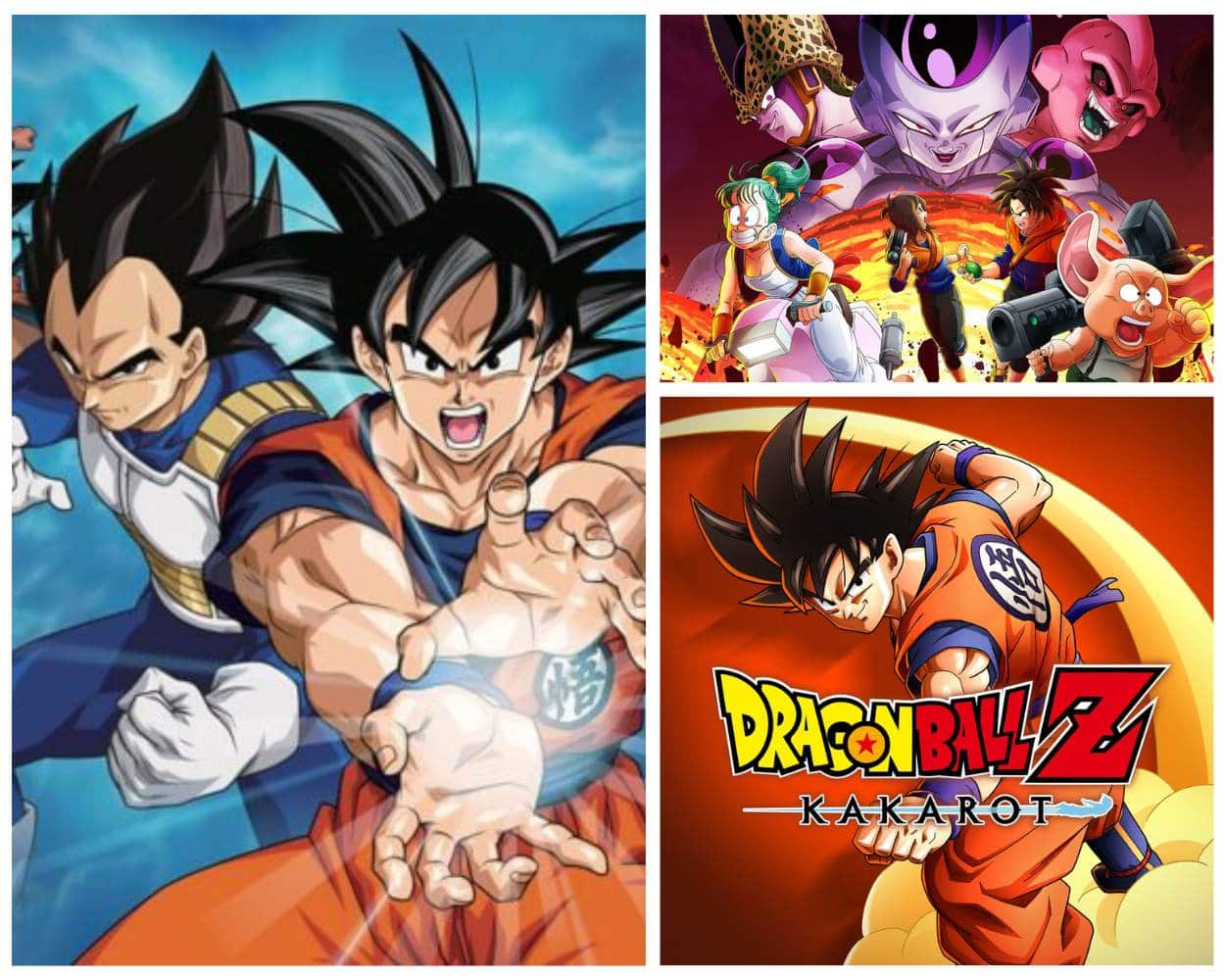
There was only ever going to be one show at number one.
Dragon Ball Z did not merely become popular on Toonami. It changed the direction of the block.
The series joined Toonami in 1998 and turned Goku, Vegeta, Piccolo and the Z Fighters into after-school television icons. Ratings helped show Cartoon Network that anime could attract a large, intensely loyal audience.
It was also perfect appointment television. Viewers returned day after day for transformations, cliffhangers and fights that could take weeks to finish.
Plenty of Toonami shows are better paced, more sophisticated or more consistently animated. None is more closely tied to the block’s rise.
Adult Swim’s own leadership has said Toonami helped introduce anime to a generation of American viewers. More than any other series, Dragon Ball Z was the engine that made that happen.
The Block That Made Anime Feel Like an Event
No ranking of the best Toonami shows will satisfy everyone.
Some viewers remember the Moltar years. Others arrived with TOM, stayed for Dragon Ball Z and Sailor Moon, or discovered the brand through the Adult Swim revival.
The lineups changed, but the presentation was always the secret.
Toonami treated animation like it mattered. The music, promos, speeches and serialized packaging made a rerun feel like an event and a new anime premiere feel like an invitation into a larger world.
For a lot of us, it was not simply where we watched cartoons.
It was where we learned how broad animation could be.

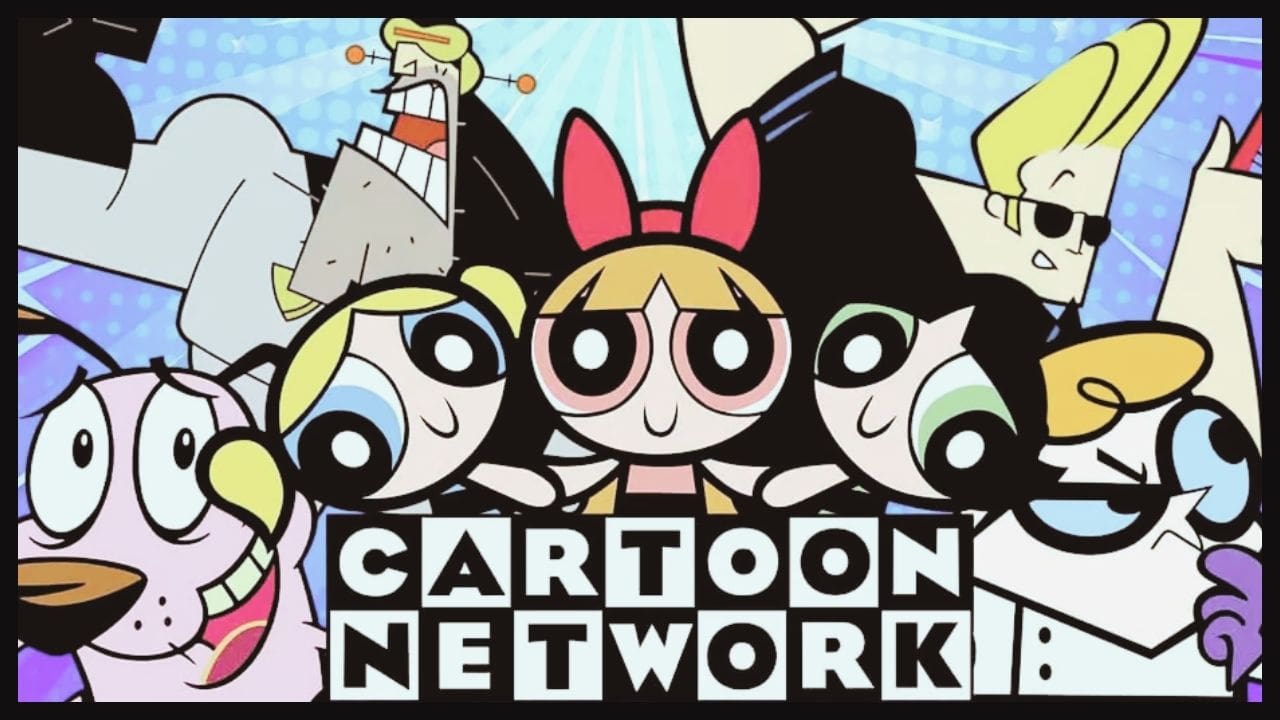
Toonami’s original Cartoon Network daytime block ended in 2008. The block was revived in 2012 on Adult Swim thanks to a legendary April Fools’ Day stunt in 2012 where Cartoon Network aired the 1990s lineup unannounced.