
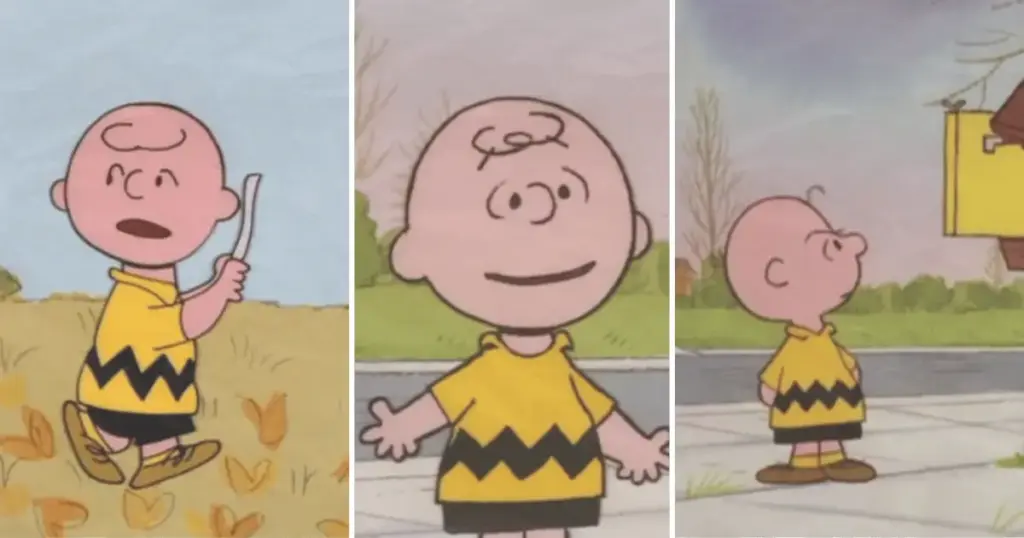
Bald cartoon characters include Homer Simpson, Charlie Brown, Popeye, Elmer Fudd, Caillou, Mr. Magoo, Stewie Griffin, and Ollie Williams.
Some are heroes, some are villains, and a few are just babies who have not grown any hair yet.
I have always thought baldness is one of the most useful shortcut designs in animation.
A clean head silhouette makes a character easy to recognize, and it hands the animators a wide-open face for expressions.
That is a big reason so many famous bald characters end up being the most memorable faces on their shows.
The Most Famous Bald Cartoon Characters
Here are some of the most famous cartoon characters with no hair, including a few mostly bald designs like comb-overs and receding hairlines, because animation loves those too.
Further down you will also find bald cartoon villains, a couple of bald anime picks, and a breakdown of why animators reach for the bald look so often.
Blendin Blandin (Gravity Falls)
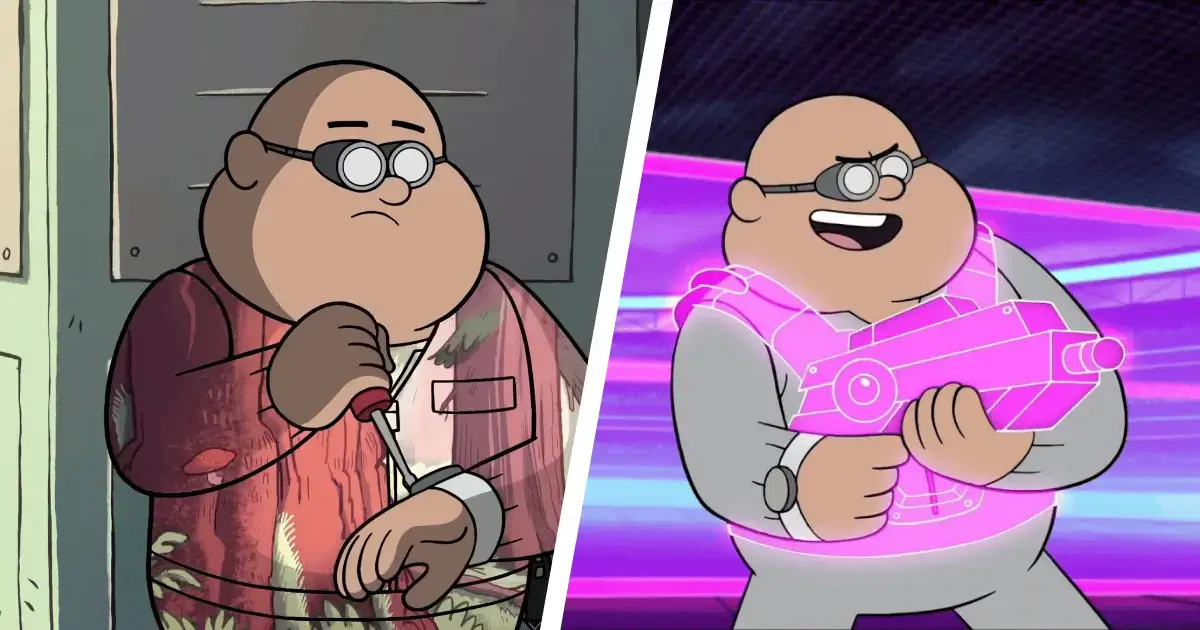
Vibe: Nervous bureaucrat from the future
Why he works: The “balding” look makes him feel older, stressed, and out of place.
My Take: Blendin looks like paperwork became a person.
King Candy (Wreck-It Ralph)
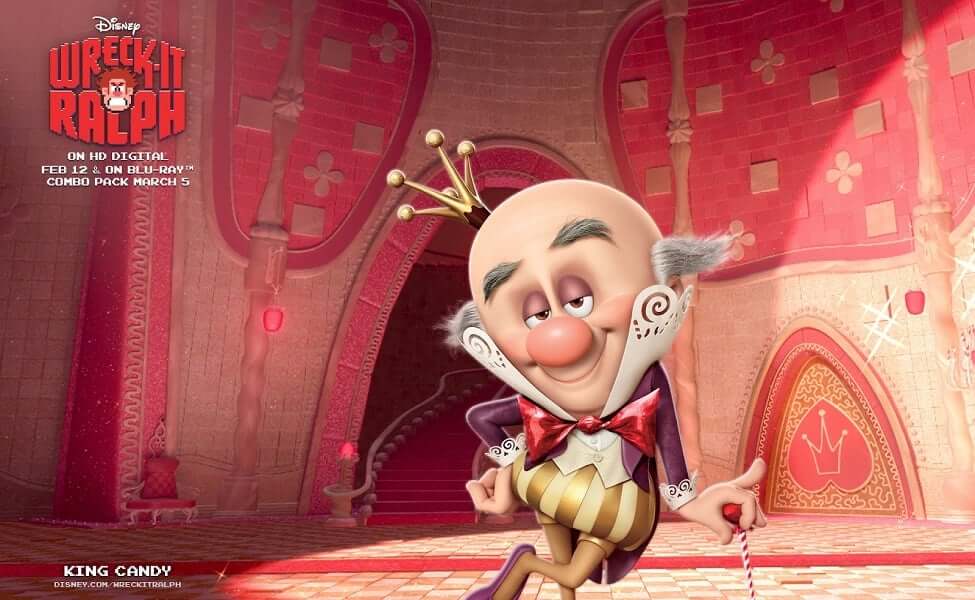
Vibe: Sweet-looking villain energy
Why he works: Bald head emphasizes the cartoonish “big face” expressions.
My Take: He’s proof that “cute aesthetic” villains can be the creepiest.
If you’re linking deeper into that movie, your internal hub is perfect: Wreck-It Ralph characters.
Chef Hatchet (Total DramaRama)
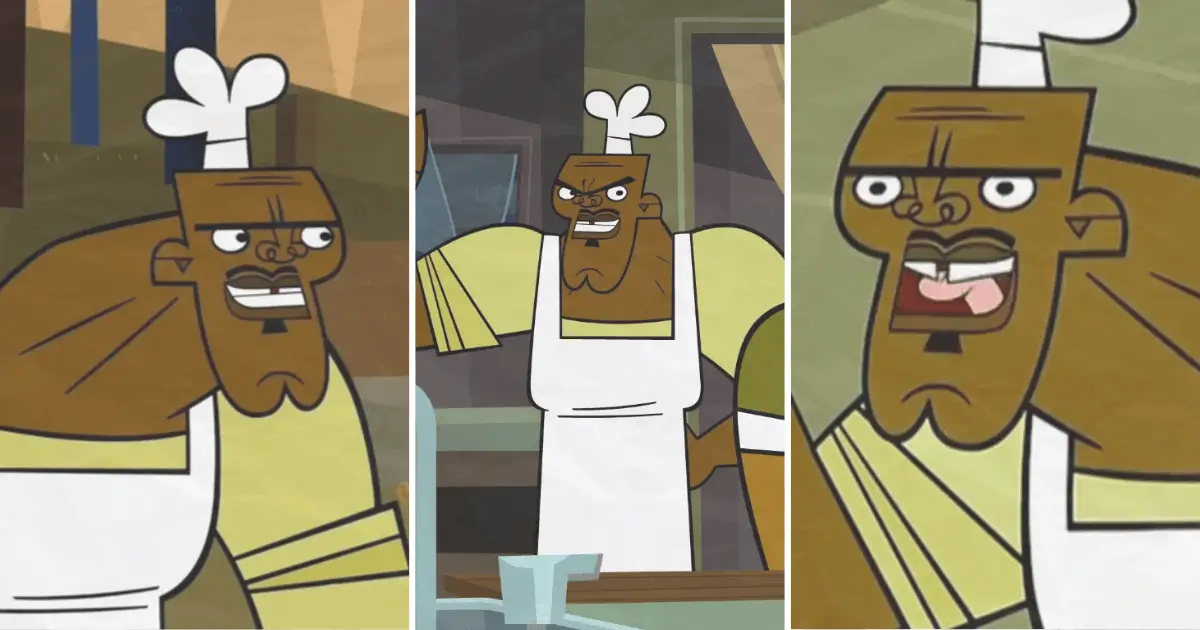
Vibe: Tough-love authority figure
Why he works: Bald head sells the “military tough” silhouette instantly.
My Take: He’s the only adult in the room, and he looks like it.
Grand Master Dashi (Xiaolin Showdown)
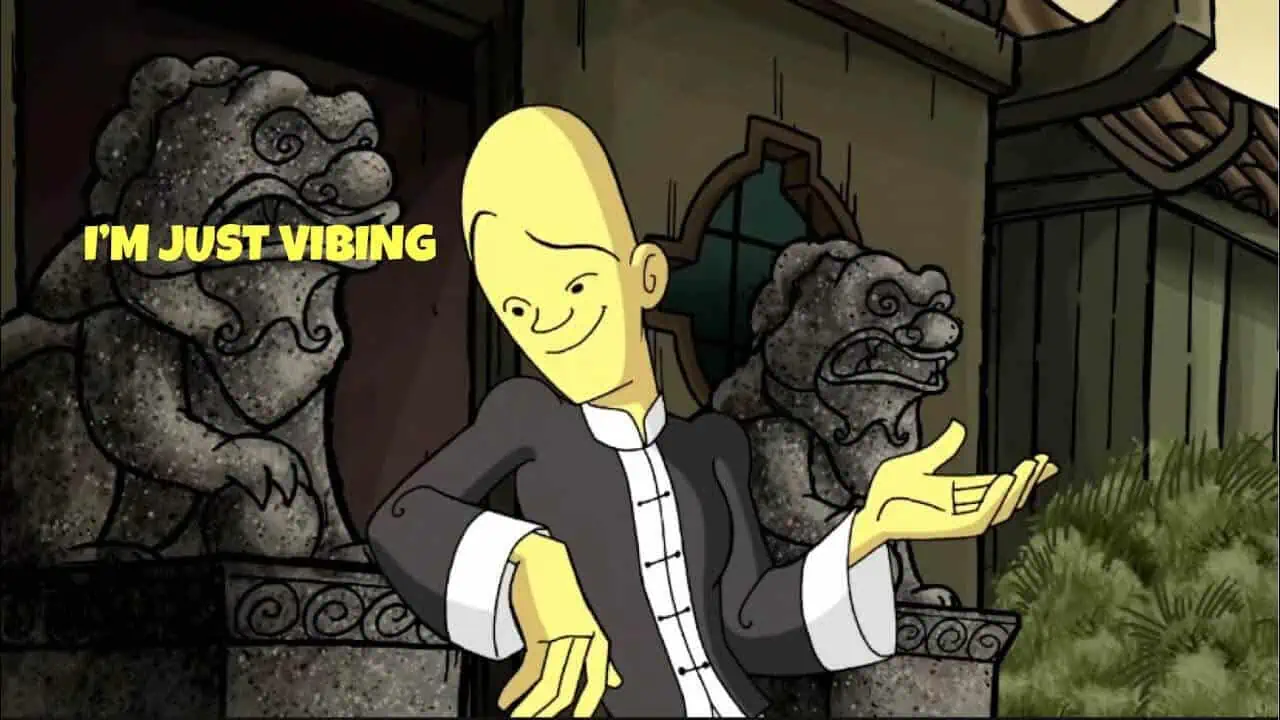
Vibe: Legendary monk archetype
Why he works: Baldness is instant “wise master” shorthand.
My Take: This is baldness used for authority, not comedy.
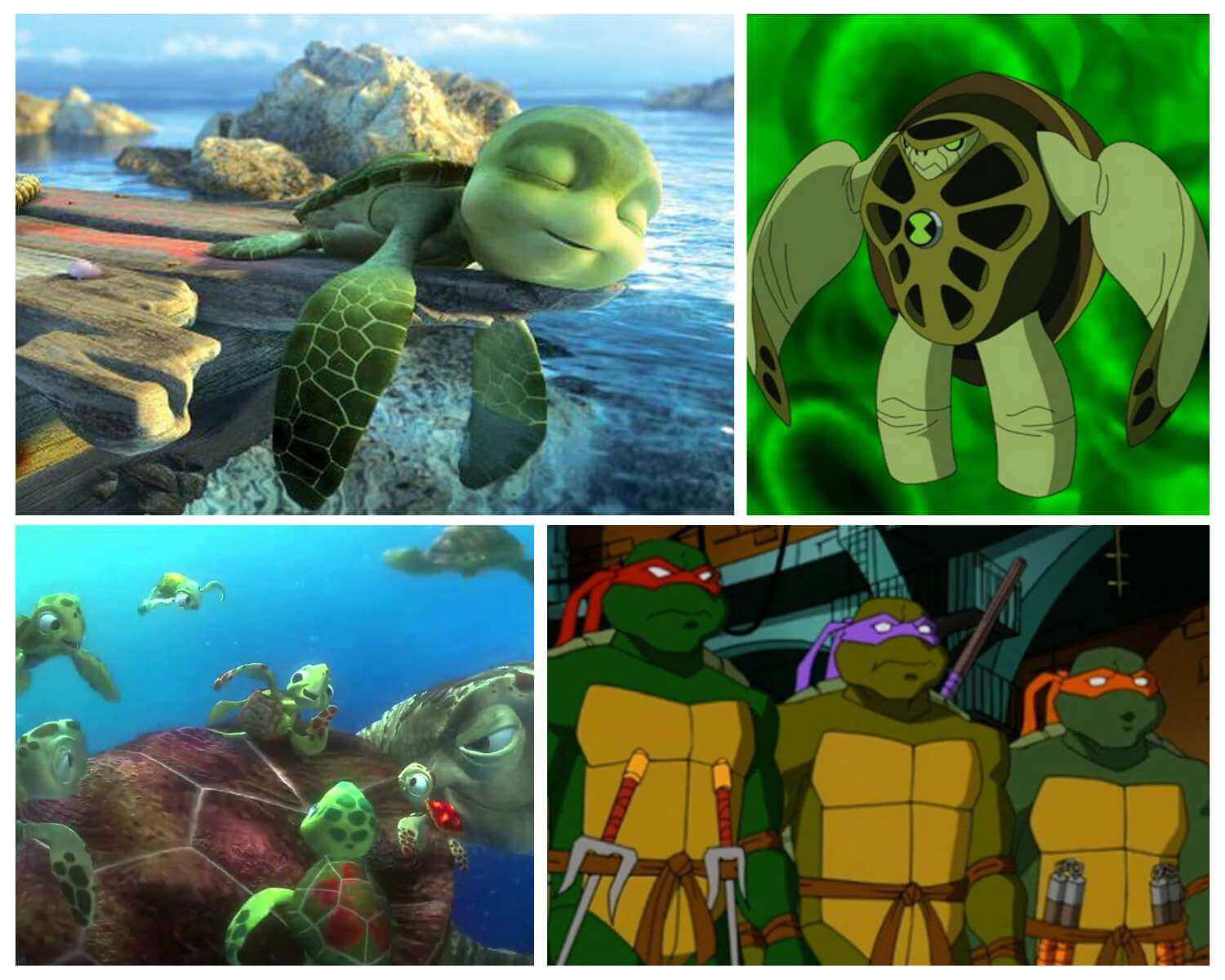
The Teenage Mutant Ninja Turtles
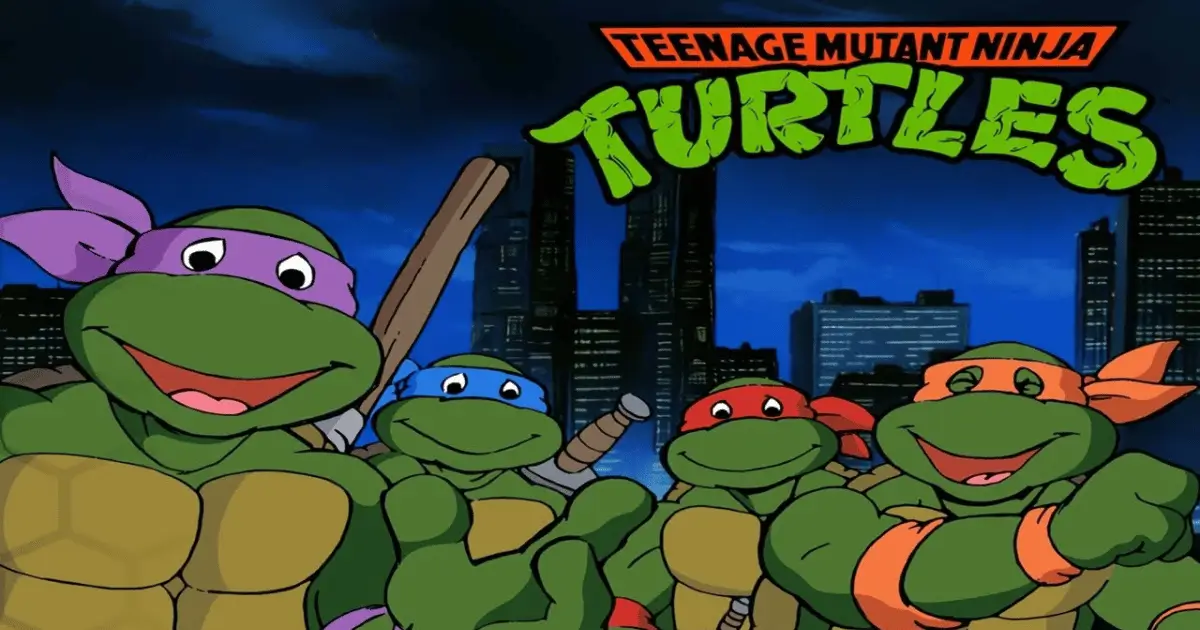
Vibe: Bandana heads = bald by default
Why they work: No hair keeps the face simple, mask color does the identity work.
My Take: The bandanas basically function as “hair” in character design terms.
Stanley Griff (Stanley)
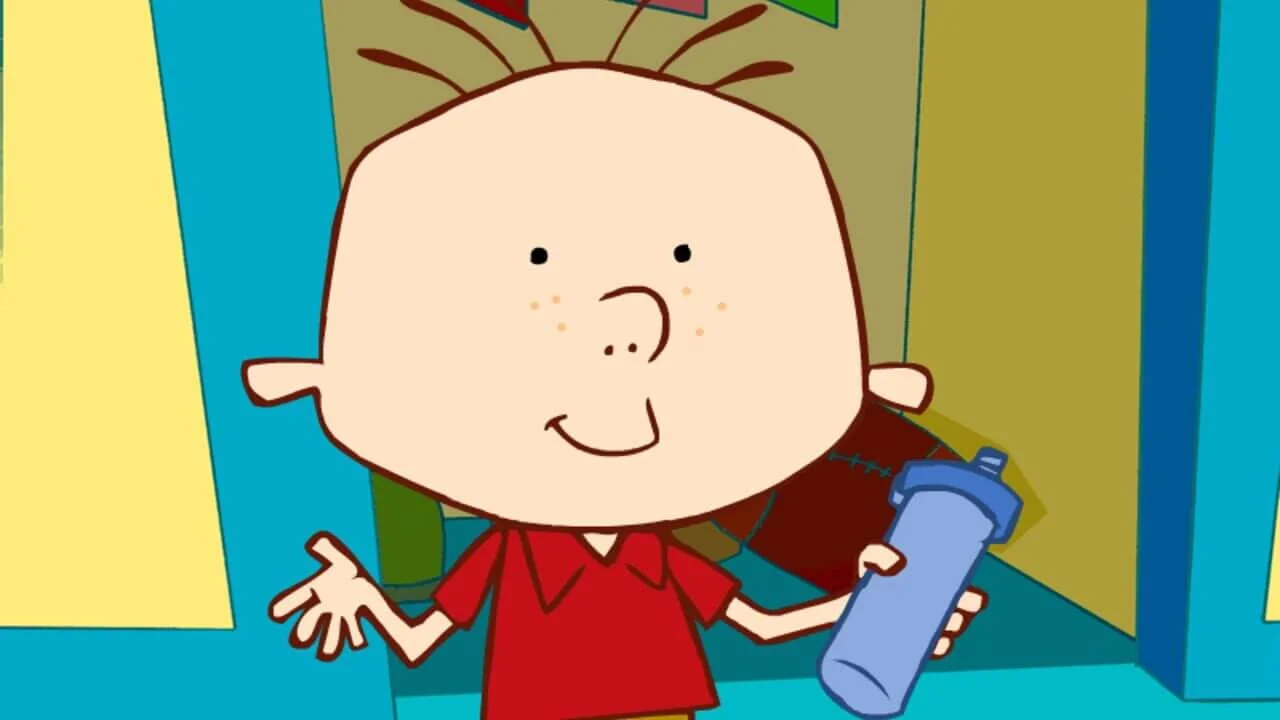
Vibe: Curious kid + learning adventures
Why he works: Bald design reinforces “kid” simplicity and readability.
My Take: He feels like a real children’s-TV protagonist: earnest, curious, and gentle.
John Herbert (Family Guy)
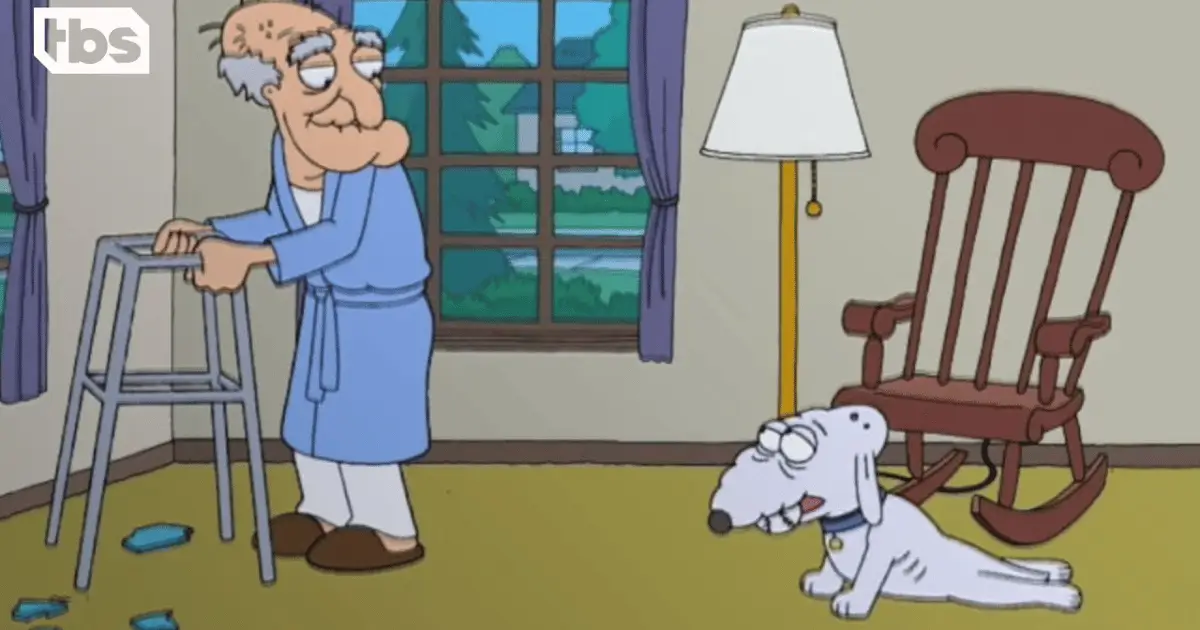
Vibe: Elderly cartoon caricature
Why he works: Baldness reinforces the “old man” silhouette instantly.
My Take: This is one of those designs that’s memorable even if you wish it wasn’t.
Ollie Williams (Family Guy)
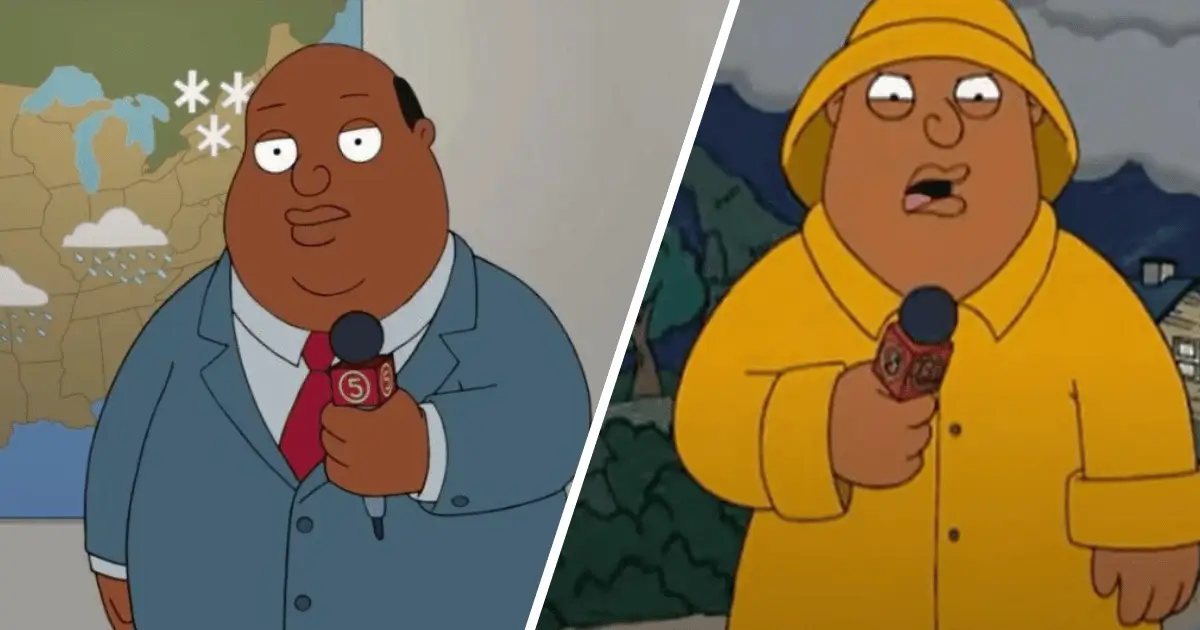
Vibe: Loud, fast, unforgettable side character
Why he works: Simple design + explosive delivery = instant recognition.
My Take: Ollie proves a minor character can steal an episode with 10 seconds of screen time.
In fact, Ollie is a perfect example of how a clean bald silhouette helps a character pop, especially in a show packed with visual noise.
Superintendent Chalmers (The Simpsons)
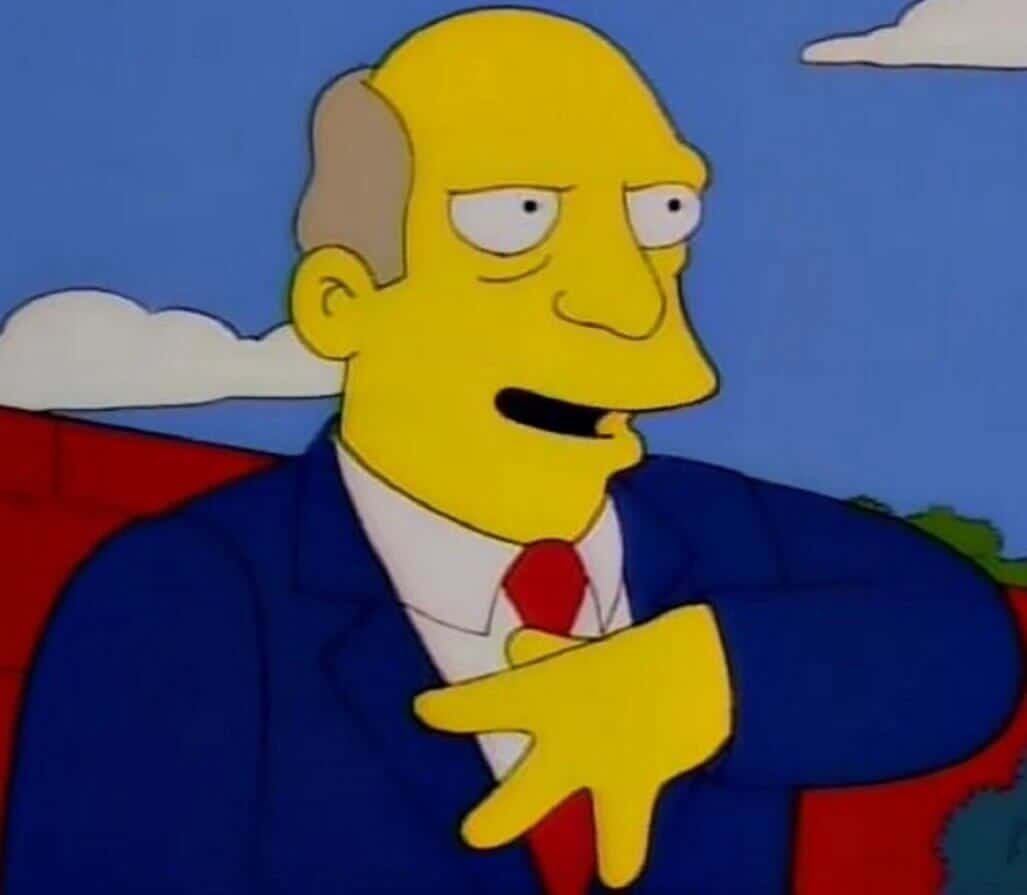
Vibe: Authority figure who’s always unimpressed
Why he works: Baldness is classic “administration” shorthand in cartoons.
My Take: He looks like he’s been disappointed for 30 years.
Bill Dauterive (King of the Hill)
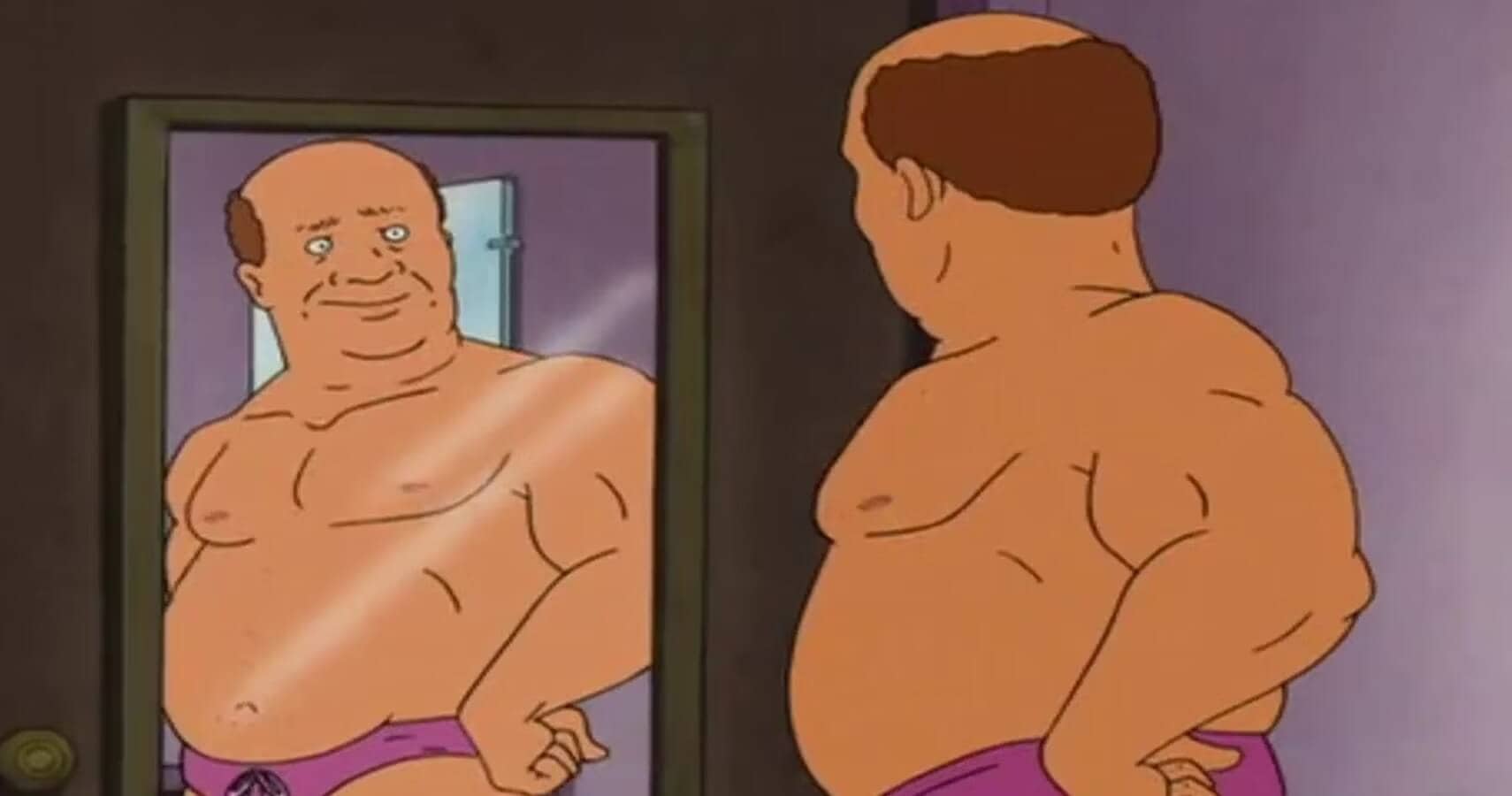
Vibe: Sad-sack friend with a good heart
Why he works: The half-bald comb-over matches his “life didn’t go as planned” energy.
My Take: Bill is one of the most painfully human animated characters.
Dopey (Snow White and the Seven Dwarfs)
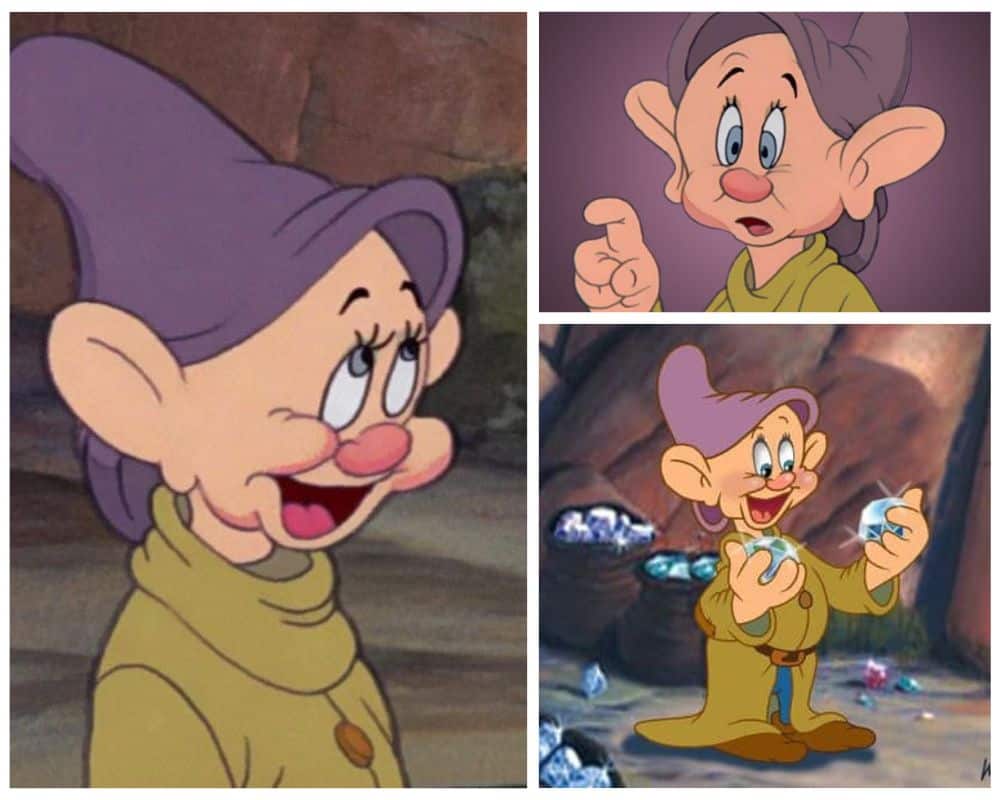
Vibe: Childlike, sweet, harmless
Why he works: Bald head reinforces innocence, he looks like a kid in a grown-up world.
My Take: Dopey is baldness used as pure “cute factor,” and it works.
Internal link for the dwarf rabbit hole: Who are the Seven Dwarfs?
Herbert Garrison (South Park)
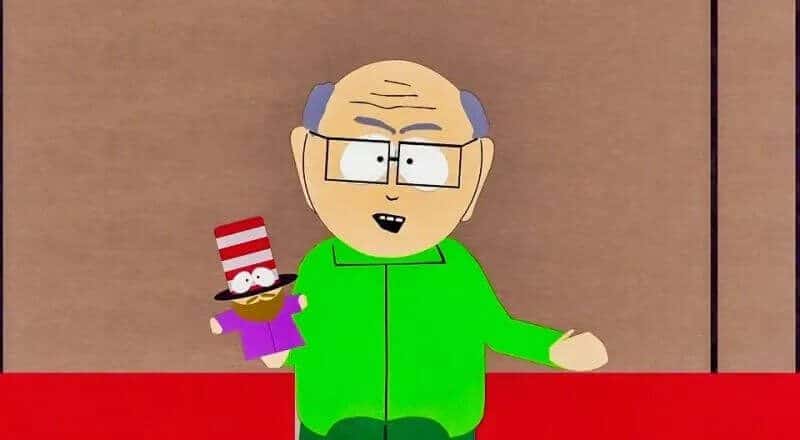
Vibe: Unhinged adult cartoon energy
Why he works: The bald design emphasizes age and exaggerates facial expressions.
My Take: South Park uses baldness as shorthand for “authority figure,” then burns it down.
If you want a broad internal link for this content lane, your “adult cartoons” adjacent hub fits well: adult cartoons similar to Family Guy.
Roger Smith (American Dad!)
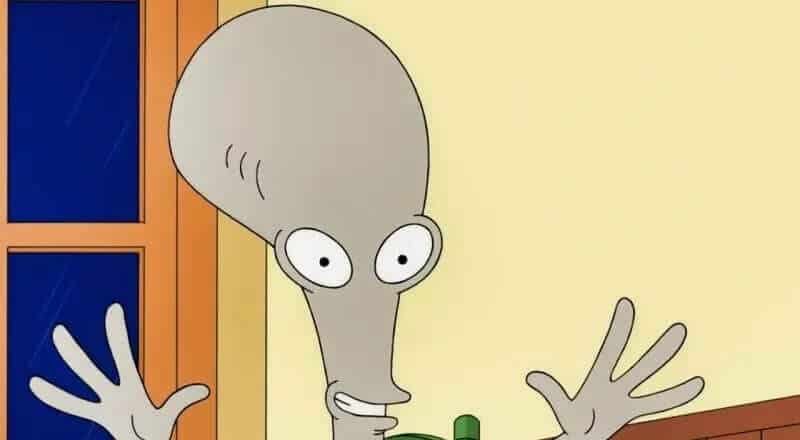
Vibe: Chaos in 1,000 disguises
Why he works: A bald alien head is a blank canvas for costumes.
My Take: Roger is proof that “simple design” doesn’t mean “simple character.”
Internal link: Roger Smith. If you want a high-retention follow-up link, your episode list is a strong companion: best American Dad episodes.
Stan Smith (American Dad!)
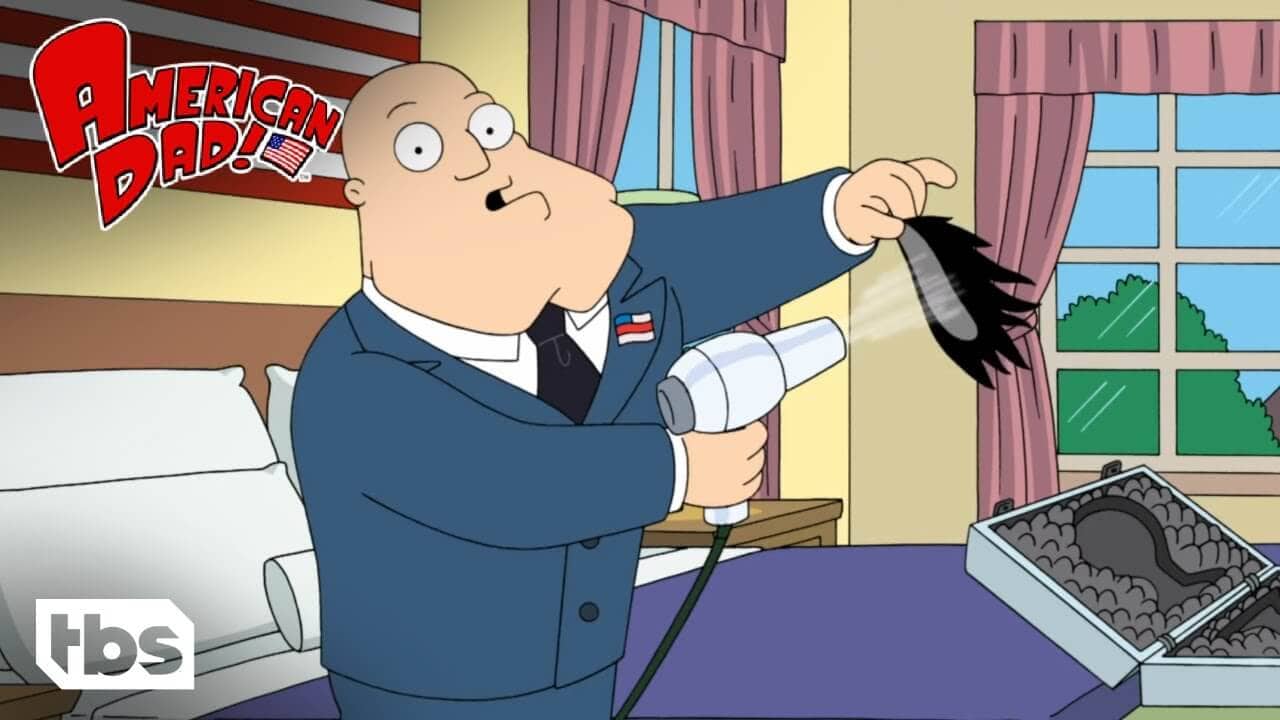
Vibe: Patriotic intensity turned into comedy
Why he works: Bald head + square jaw = “I’m right” energy, visually.
My Take: His baldness makes his expressions and panic reactions even funnier.
Internal links that pair perfectly here: Stan Smith and American Dad characters.
Tommy Pickles (Rugrats)
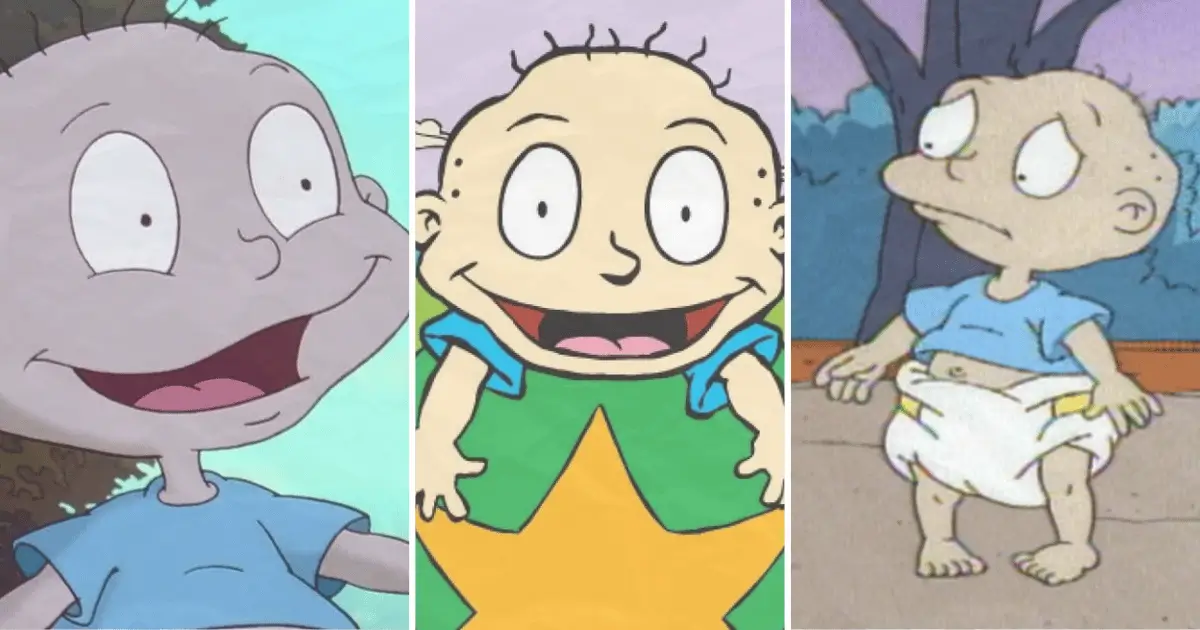
Vibe: Baby adventurer
Why he works: Bald baby design makes every expression extra readable.
My Take: Tommy looks like he’s about to start a mission at all times.
If you want a fun character-level internal link nearby, you already have a strong Rugrats tie-in: Angelica Pickles.
Abe Simpson (The Simpsons)
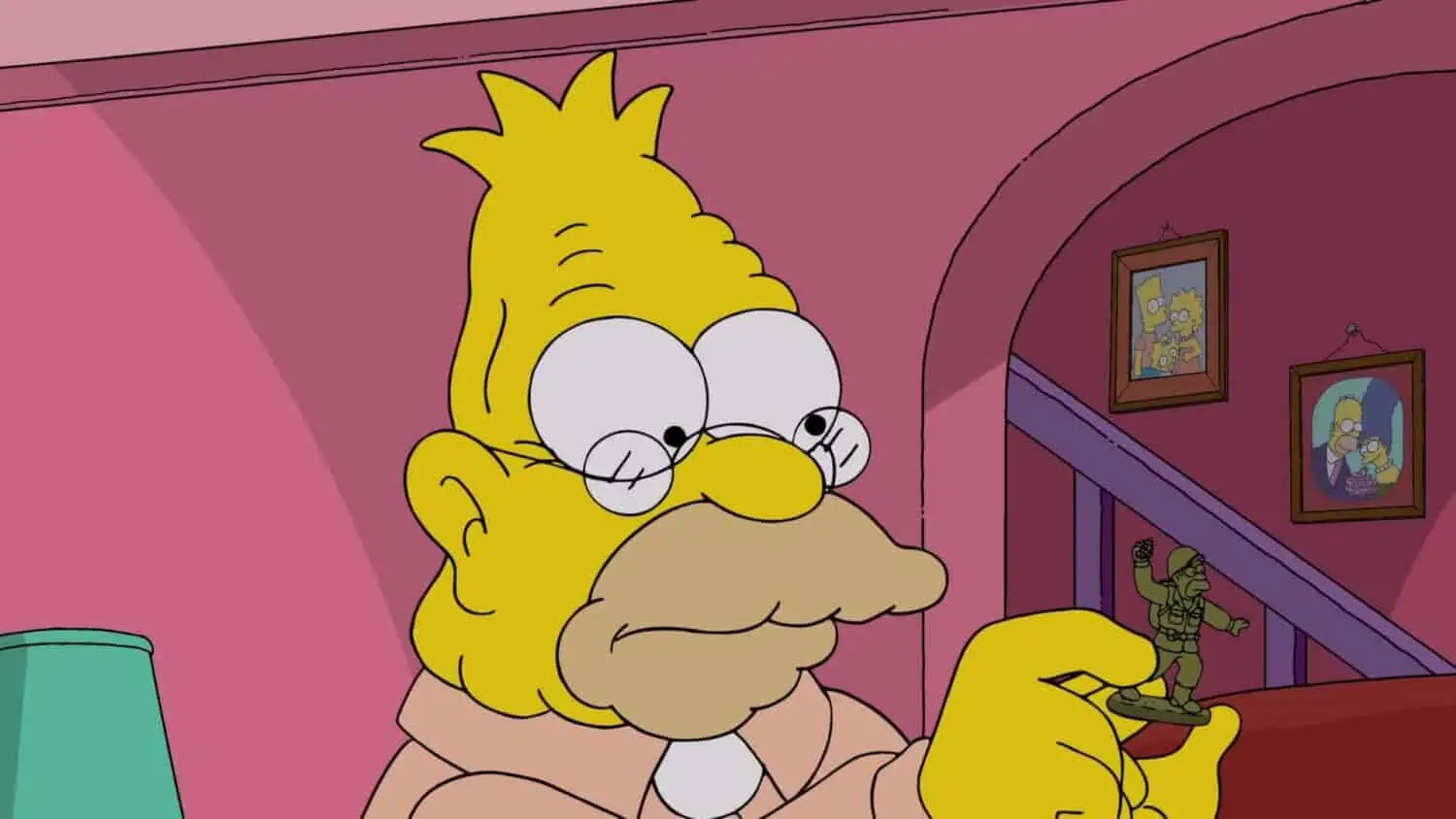
Vibe: Cantankerous grandpa storytelling
Why he works: Bald head is part of the “old man” cartoon toolkit.
My Take: Abe is funny because he feels like someone’s real grandpa, exaggerated.
Cyborg (Teen Titans)
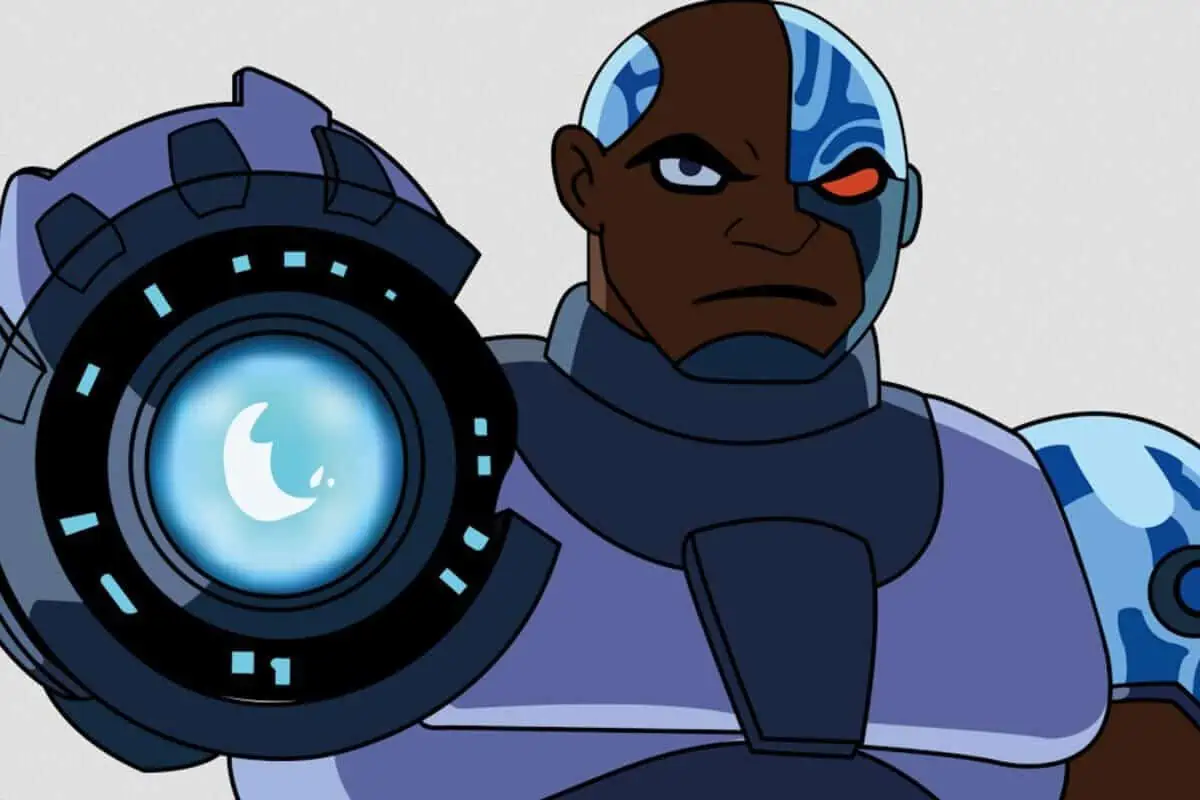
Vibe: Big heart + big power
Why he works: The bald/metal head shape is a superhero silhouette you can spot instantly.
My Take: Cyborg’s design screams “tank,” but his personality is pure teammate.
If you want a broader internal link for this genre, your hub fits perfectly: animated superhero series.
Casper the Friendly Ghost
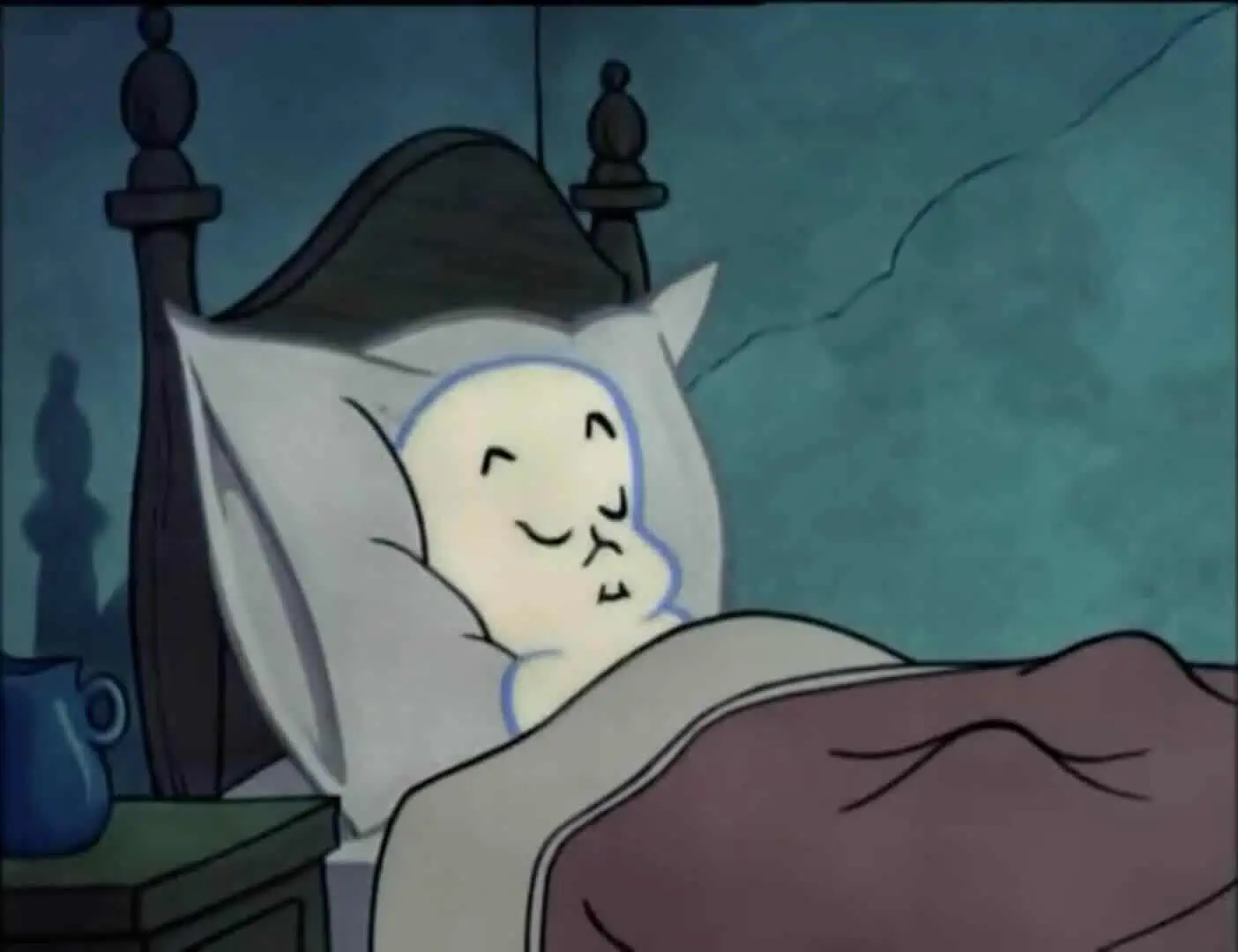
Vibe: Sweet, childlike classic
Why he works: A clean “no hair” design makes him baby-faced and non-threatening.
My Take: Casper is basically the blueprint for “friendly supernatural kid.”
Professor Farnsworth (Futurama)
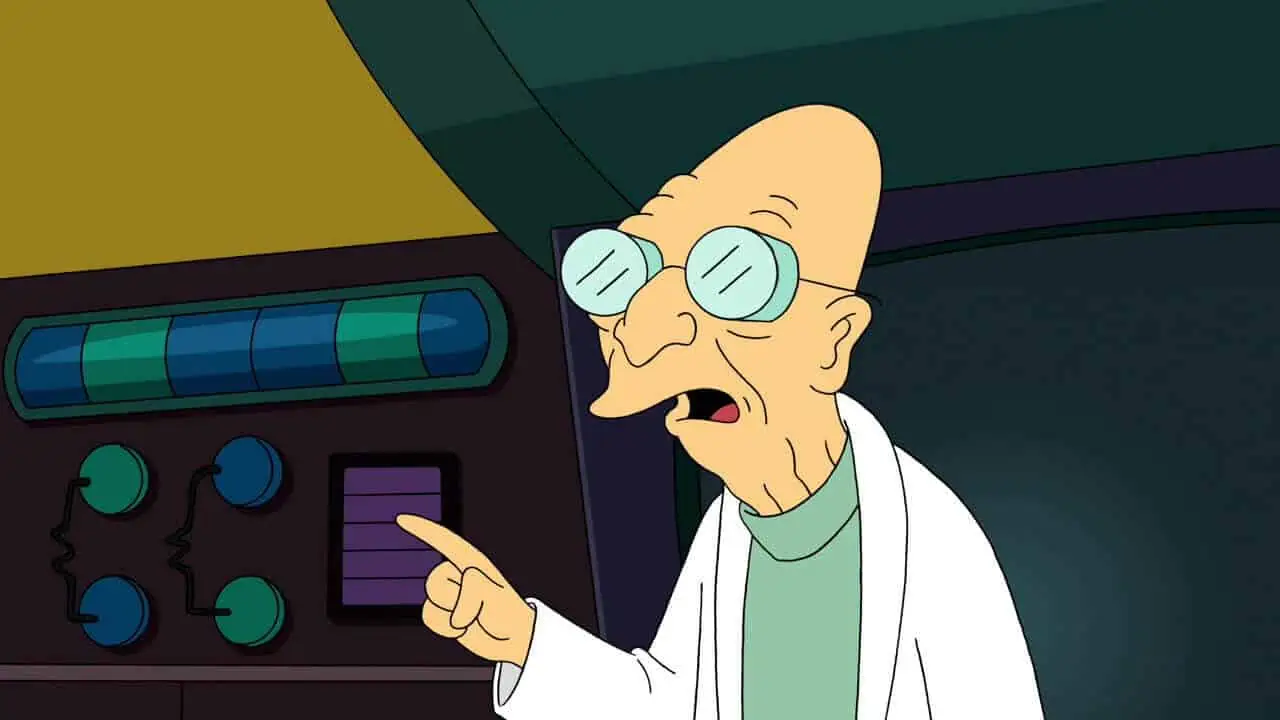
Vibe: Mad scientist grandpa
Why he works: Bald head + glasses screams “eccentric genius.”
My Take: Futurama uses baldness for “old scientist,” and then makes him hilarious.
If you want a Futurama internal link path, your site has a strong hub: main Futurama characters.
C. Montgomery Burns (The Simpsons)
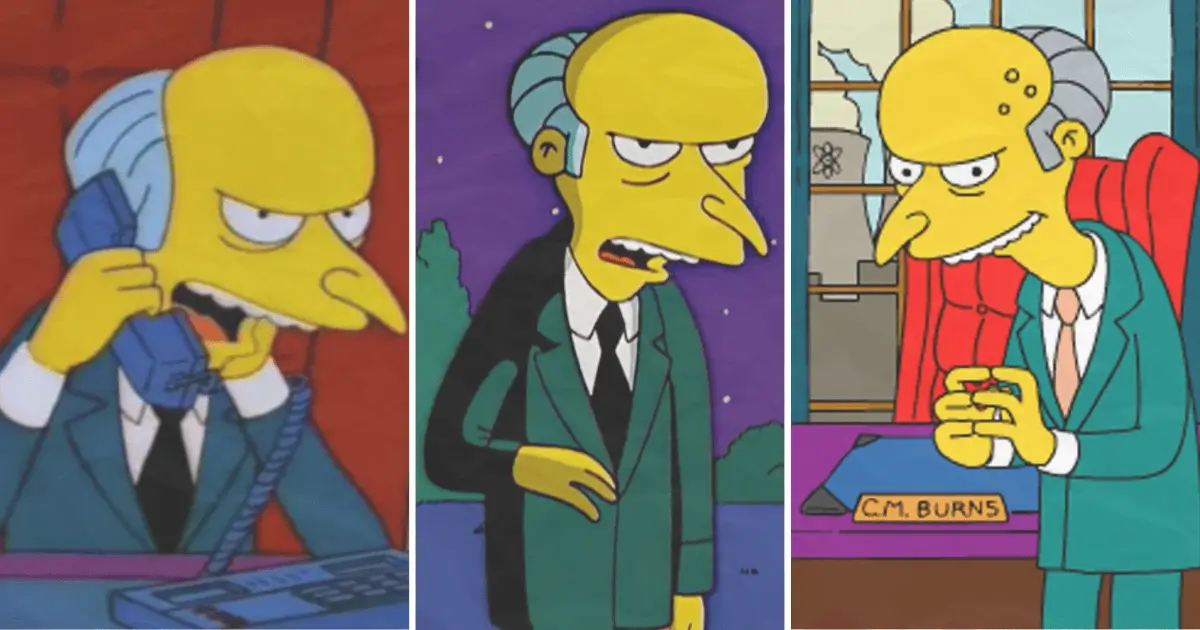
Vibe: Evil capitalist cartoon icon
Why he works: The comb-over is a visual shortcut for “old and sinister.”
My Take: Burns is basically a cartoon villain silhouette in human form.
Caillou
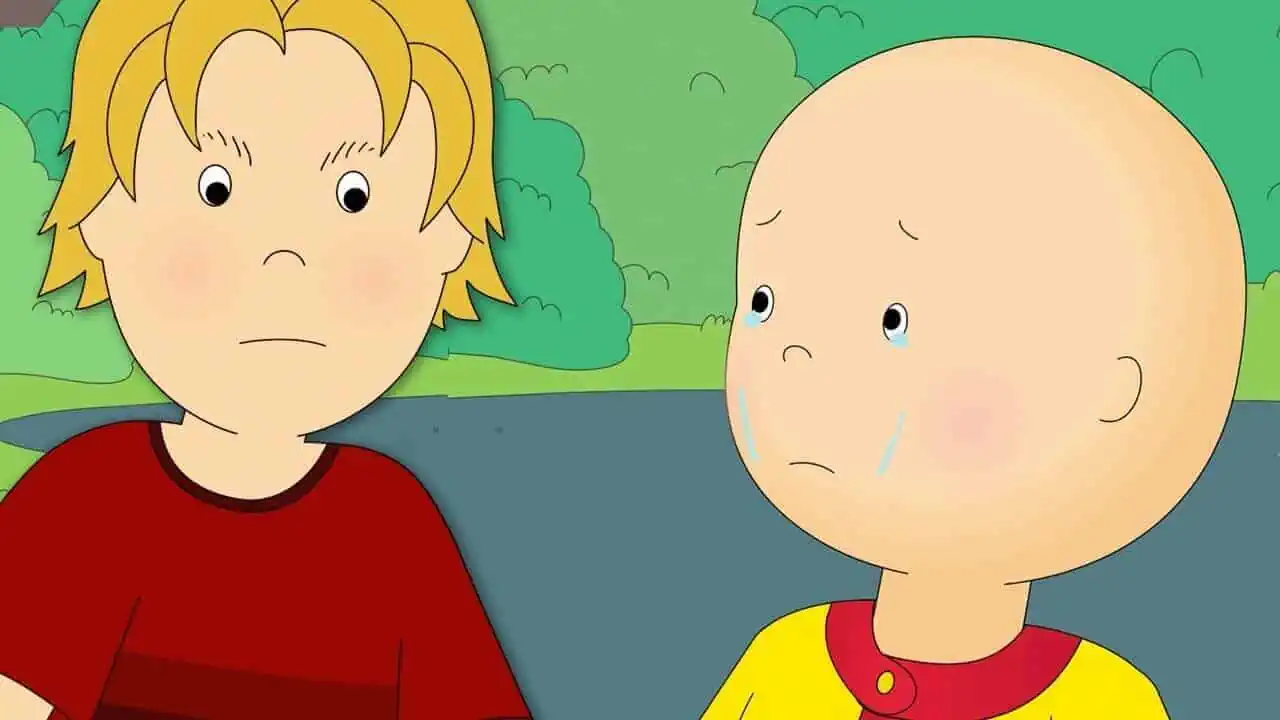
Vibe: Preschool “real kid” energy
Why he works: Baldness reads instantly as “little kid.”
My Take: Caillou is controversial because he’s too realistic: kids can be exhausting.
If you’re leaning into “characters people complain about,” this pairs well with most annoying cartoon characters.
The bald question everyone asks:
- Caillou is not bald because of cancer. That rumor is a long-running internet myth with no basis in the books or the show.
- His publisher, Chouette, has explained that he started as a baby in the original books, and when they aged him up they kept him bald so he stayed instantly recognizable.
Elmer Fudd (Looney Tunes)
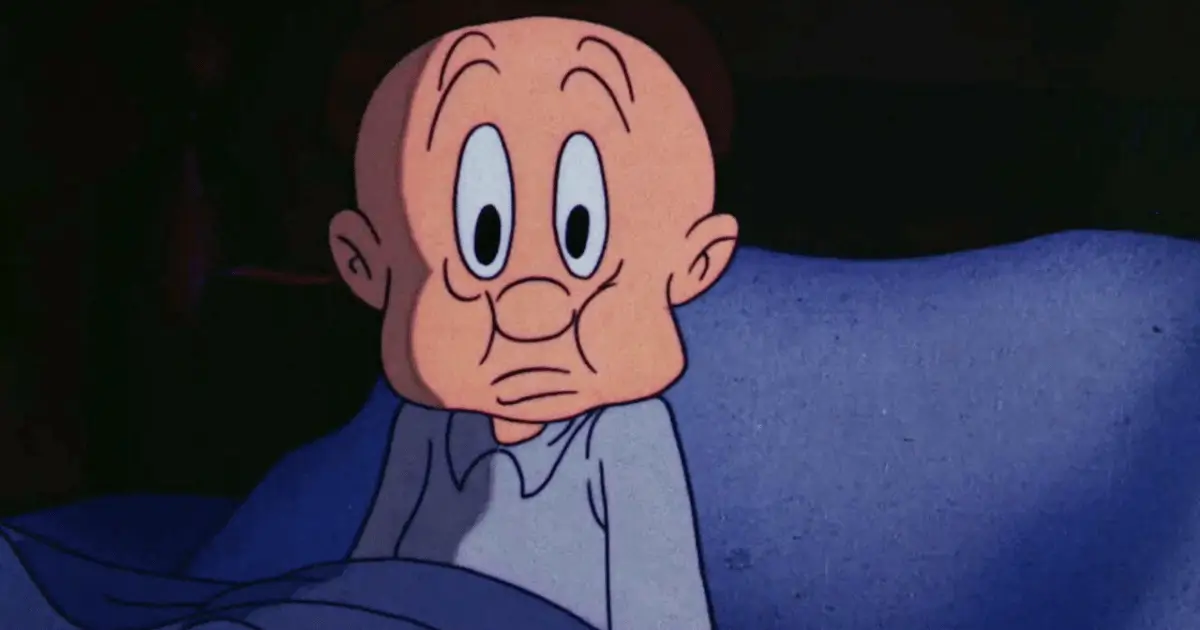
Vibe: Lovable loser hunter
Why he works: Bald head makes his expressions extra readable (and pathetic).
My Take: Bugs Bunny doesn’t even need to try, Elmer is already losing.
Internal link for your Looney Tunes cluster: Bugs Bunny.
Quincy Magoo (Mr. Magoo)
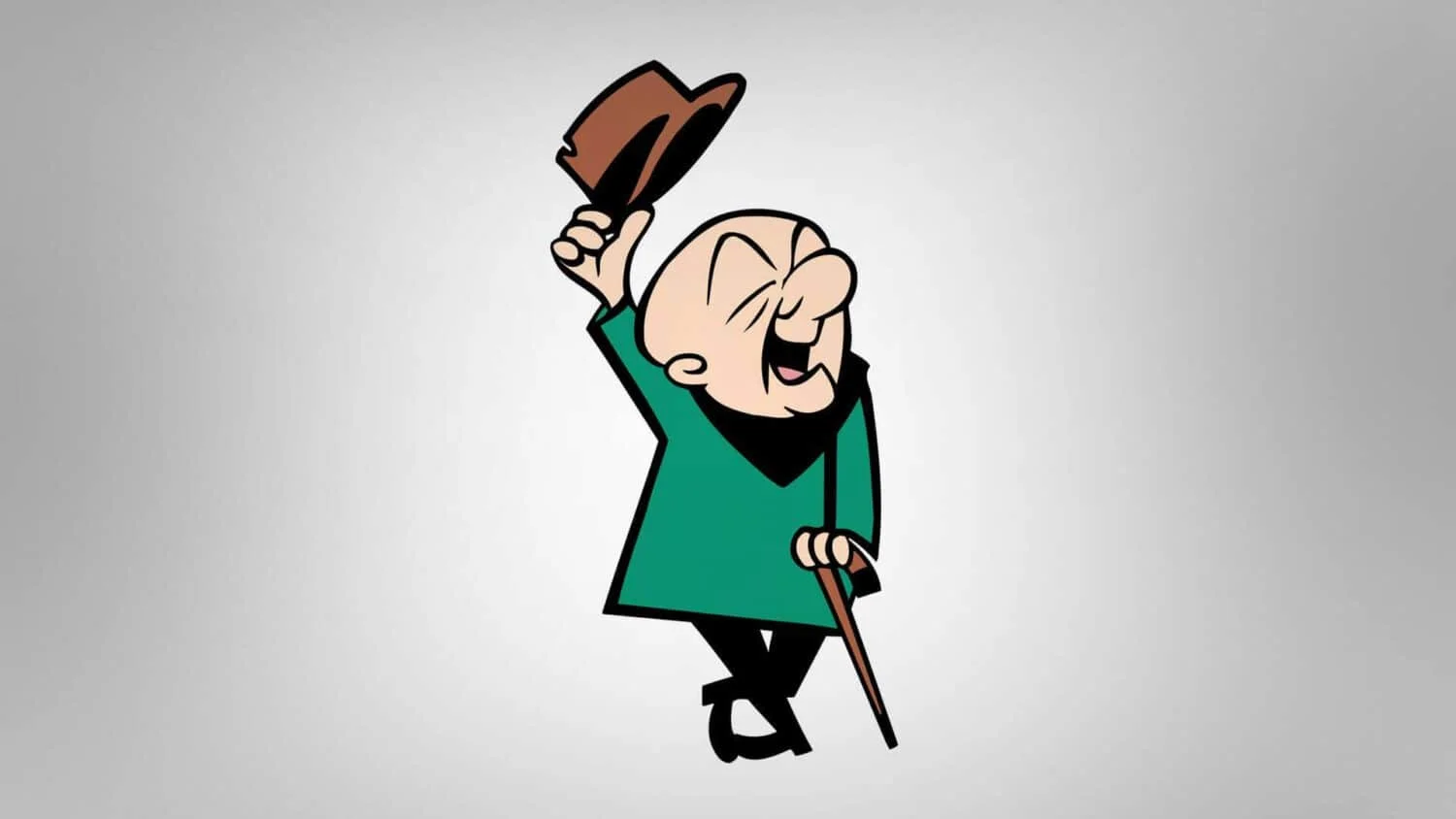
Vibe: Classic animation comedy
Why he works: Bald head + glasses = instantly readable “older gentleman” design.
My Take: Magoo’s stubborn confidence is funnier than the “bad eyesight” gag.
Mr. Magoo’s bald head is part of the clean silhouette that made him so recognizable for decades.
Did you know:
- Magoo was voiced by Jim Backus, the same actor who played millionaire Thurston Howell III on Gilligan’s Island.
- He first appeared back in 1949, which makes him one of the oldest characters on this entire list.
Stewie Griffin (Family Guy)
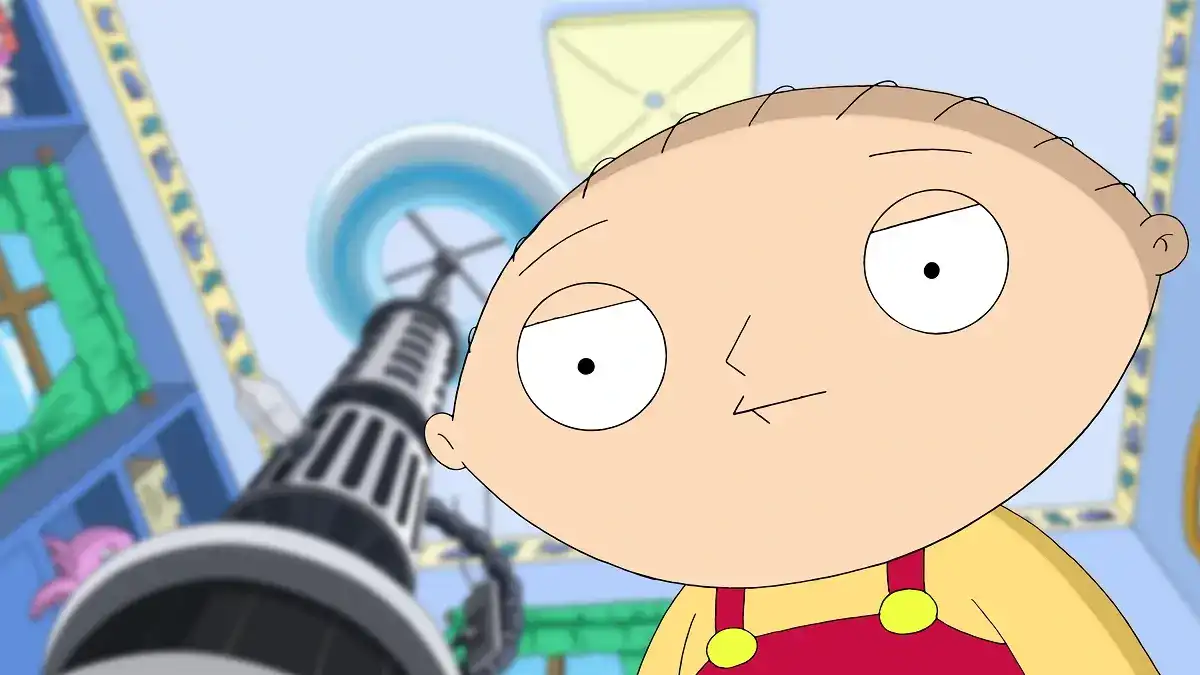
Vibe: Evil genius baby energy
Why he works: The bald “baby head” silhouette is iconic and instantly readable.
My Take: The head shape does half the comedy before he even speaks.
If you want to go deeper into the Family Guy universe, you already have a strong internal cluster: Stewie Griffin, Peter Griffin, Lois Griffin, and funny Family Guy episodes.
Felonius Gru (Despicable Me)
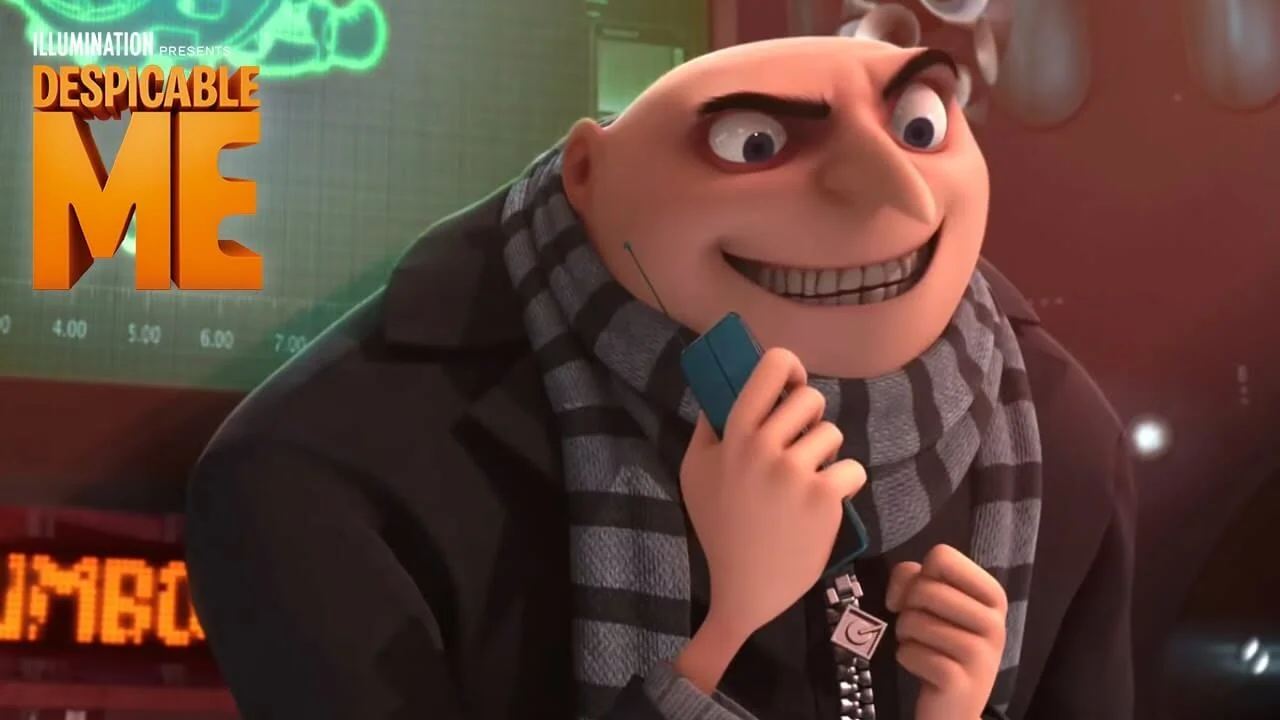
Vibe: Villain silhouette turned dad
Why he works: Bald head + long nose = instantly recognizable shape.
My Take: Gru’s design looks “evil,” but the writing makes him lovable.
Gru is also a strong crossover mention for your design-focused lists like cartoon characters with big noses.
Did you know:
- Steve Carell voices Gru, and he made up the accent on the spot. He has described it as a mash-up of Eastern European sounds with no single country behind it.
Aang (Avatar: The Last Airbender)
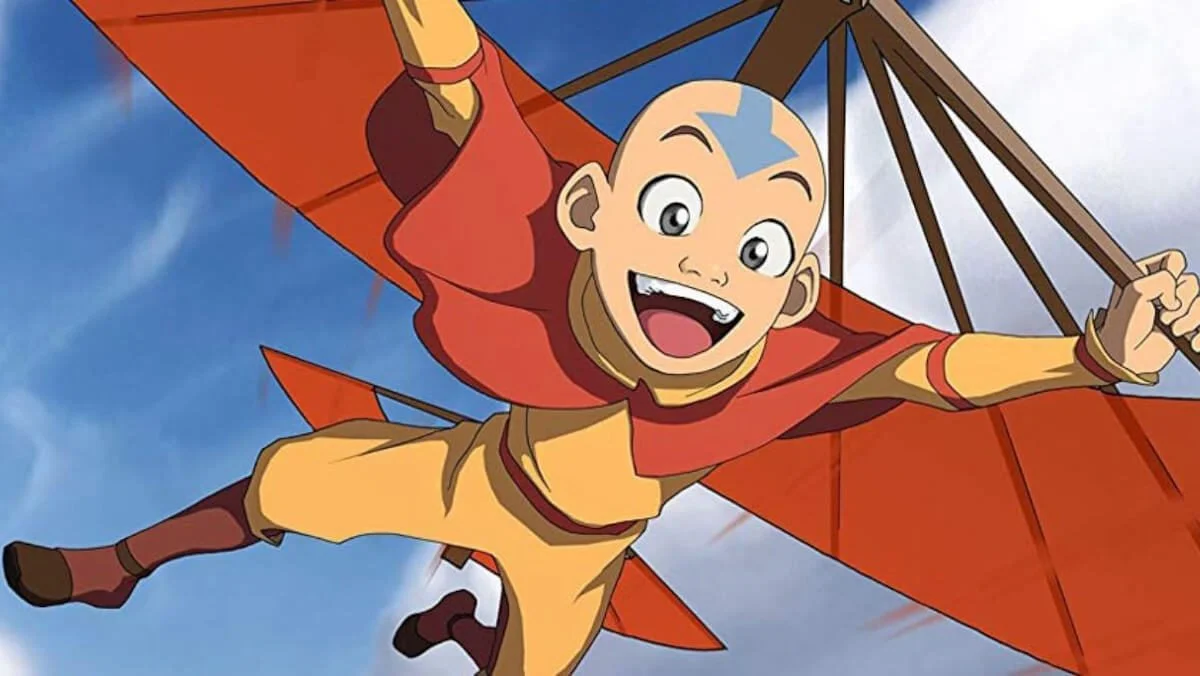
Vibe: Spiritual hero + kid energy
Why he works: His bald head isn’t “style”, it’s cultural identity.
My Take: Aang is one of the best examples of baldness being meaningful, not just visual shorthand.
For a related internal link that matches your decade content, this pairs naturally with best kids shows of the 2000s and 2000s cartoons.
Did you know:
- Aang’s shaved head and blue arrow tattoos mark him as an Air Nomad monk, a look the creators based on real Tibetan and Shaolin monks.
- The arrows copy the markings of the sky bison, and an airbender only earns them once they reach mastery.
Popeye (Popeye the Sailor)
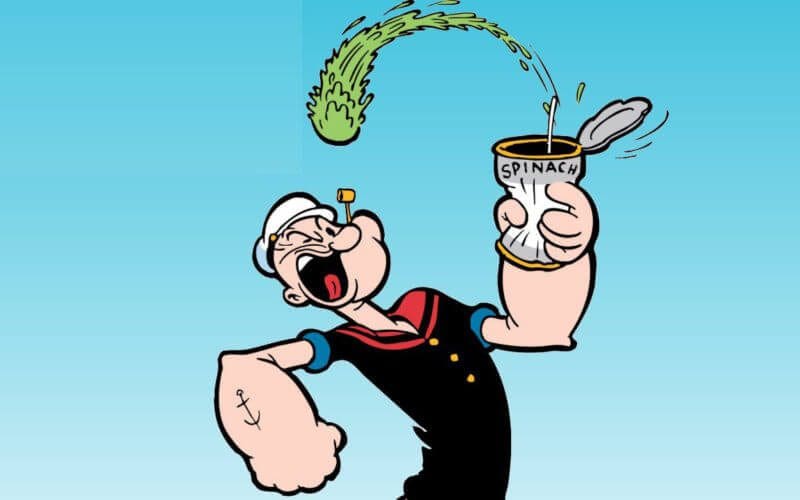
Vibe: Tough guy cartoon classic
Why he works: The bald head reinforces the “rugged sailor” silhouette.
My Take: Popeye’s personality is bigger than his biceps.
Bonus internal link that fits your existing site structure: Olive Oyl is a perfect mention for your list of skinny cartoon characters.
Did you know:
- Popeye first appeared in 1929 in E. C. Segar’s comic strip Thimble Theatre, where he was only meant to be a walk-on character.
- He was such a hit that he took over the whole strip within months and has been squinting ever since.
Charlie Brown (Peanuts)
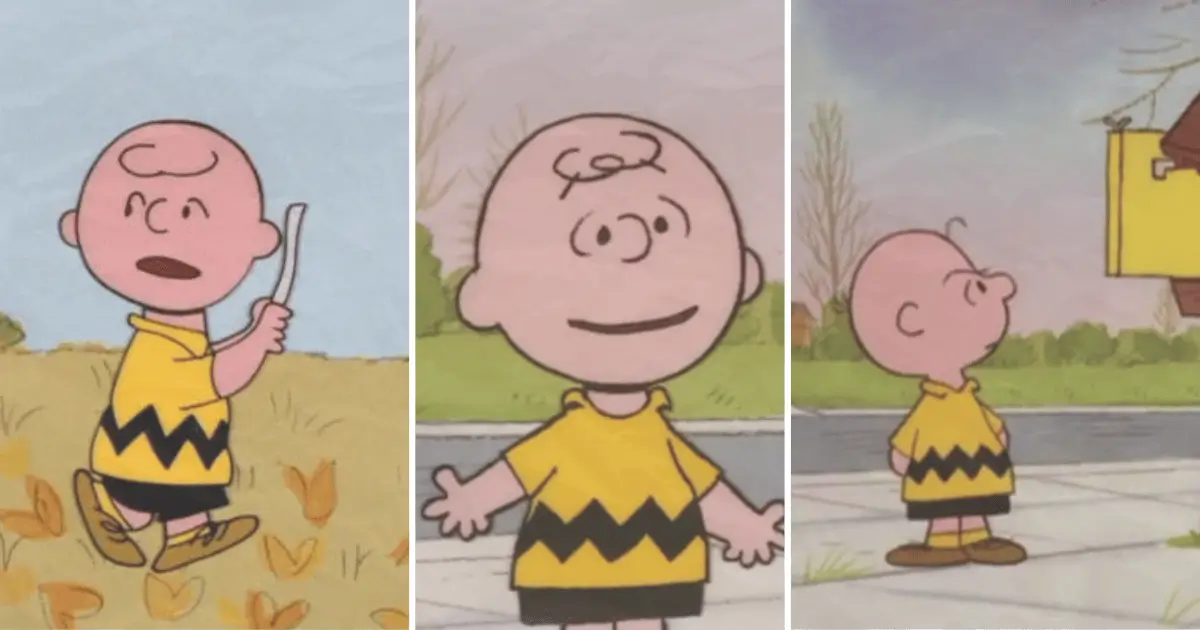
Vibe: Everyman anxiety and optimism
Why he works: Bald head + simple face = maximum relatability.
My Take: Charlie Brown is “trying your best” as a character design.
Did you know:
- Charlie Brown is not fully bald. Charles Schulz always drew a tiny wisp of hair at the front and a little curl at the back, so he is closer to “buzzed” than bald.
Squidward Tentacles (SpongeBob SquarePants)
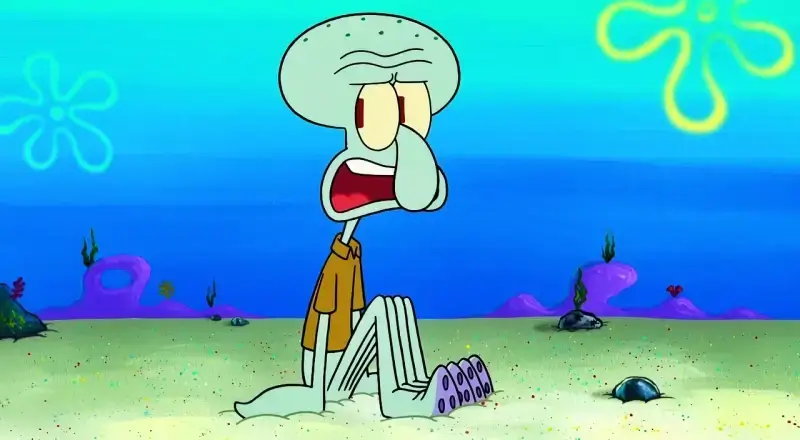
Vibe: Grumpy, dramatic, permanently over it
Why he works: No hair + huge nose = a silhouette you can spot instantly.
My Take: Squidward is the patron saint of customer service burnout.
Two strong internal links here: Squidward Tentacles and (design-wise) cartoon characters with big noses.
Did you know:
- Despite the name, Squidward is an octopus, not a squid. Creator Stephen Hillenburg gave him six limbs instead of eight purely to make him easier to animate.
Homer Simpson (The Simpsons)
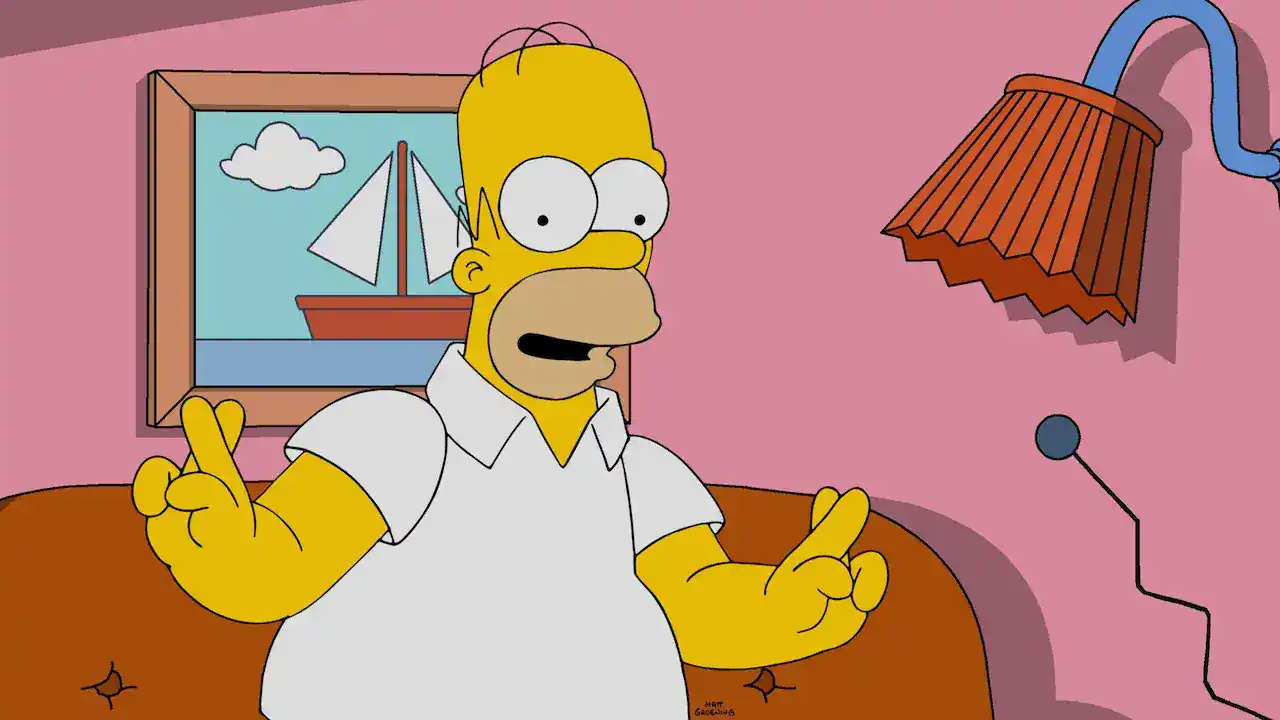
Vibe: Lovable disaster dad
Why he works: The “two hairs” is basically a logo at this point.
My Take: Homer’s baldness isn’t a joke, his decisions are.
Homer is a perfect example of bald design as identity: you can draw him in three seconds and everyone knows who it is.
Did you know:
- Matt Groening hid his own initials in Homer’s face. The ear forms an “M” and the hairline traces a “G,” so Homer quietly wears his creator’s monogram.
- Those two stubborn hairs on top have never grown in, no matter how many times the show jokes about it.
Top Bald Disney Characters
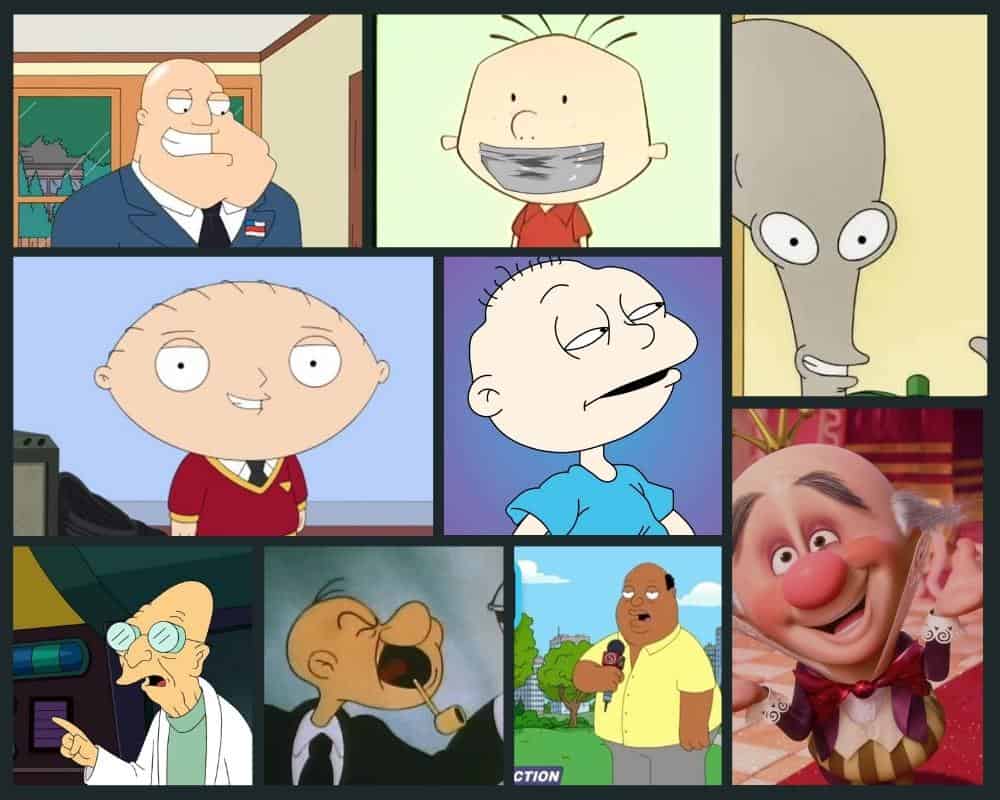
Baldness is a versatile tool in Disney design: it can signal age, power, villainy, or pure cartoon simplicity. Here are a few standout examples.
- Genie (Aladdin) – Bald, blue, and expressive (the face does all the work).
- King Triton (The Little Mermaid) – Baldness + huge beard = instant authority.
- Mr. Smee (Peter Pan) – Bald with a hat (classic “friendly sidekick” look).
- Hades (Hercules) – Bald head with “hair” made of blue flames.
- Dr. Facilier (The Princess and the Frog) – Mostly bald under the hat; villain silhouette for days. (Internal link: Dr. Facilier.)
- Quasimodo (Hunchback) – Balding design reinforces vulnerability and uniqueness.
Bald Cartoon Villains
Naturally, animation leans on baldness to sell a villain fast. A bare, shiny scalp reads as cold, calculating, and a little sinister before the character even opens their mouth. Here are some of the best bald cartoon villains that did not make the main list.
- Lex Luthor (Superman) is the definitive bald supervillain, the billionaire genius whose smooth head became shorthand for pure ego.
- Dr. Eggman, aka Robotnik (Sonic the Hedgehog) pairs a bald dome with a giant mustache and a plan that never quite works.
- Gargamel (The Smurfs) is the scraggly, balding wizard who spent decades failing to catch a single Smurf.
- Kingpin (Spider-Man) turns his bald head and massive frame into pure intimidation.
- Megamind flips the trope, a blue-skinned bald “villain” who turns out to be the hero.
More Famous Bald Cartoon Characters
Of course, twenty was never going to cover it. Here are a few more famous bald characters worth knowing, including a couple of bald anime picks that fans always bring up.
- Shrek is probably the most famous bald character in movie animation, an ogre whose bare green head is half his charm.
- Saitama (One-Punch Man) is the bald anime hero who, as a running joke, lost his hair from training too hard.
- Krillin (Dragon Ball) is one of anime’s most beloved bald fighters, usually first into a battle and first to need saving.
- Master Roshi (Dragon Ball) is the bald, bearded, sunglasses-wearing martial arts master who trained Goku.
- Professor X (X-Men) is the bald telepath whose smooth head practically screams “powerful mind.”
- Numbuh One (Codename: Kids Next Door) is the bald, sunglasses-wearing kid who leads Sector V.
- Eustace Bagge (Courage the Cowardly Dog) is the cranky, balding farmer who never met a scare he could not cause.
Why Are So Many Cartoon Characters Bald?
Once you notice how many bald cartoon characters there are, you start to wonder why. It is not an accident. Baldness is one of the most efficient tools in a designer’s kit, and it pulls serious weight for a look that is technically “less.”
- Instant recognition. A smooth head is a clean silhouette you can identify in a single frame, even from across the room.
- Faster, cheaper animation. No hair means no strands to redraw, no fringe to keep consistent, and nothing to track frame by frame.
- More room for expression. An open forehead and scalp exaggerate every raised eyebrow, bead of sweat, and vein-popping meltdown.
- Built-in shorthand. Baldness quickly signals age, authority, villainy, or “this is a baby,” before a single line of dialogue.
- Universality. A bald character has no specific hairstyle or hair color, so more kids can see themselves in him.
That blend of practicality and personality is why bald cartoon characters keep turning up across every studio and every decade.
Hero, villain, grandpa, or baby, the bald look does a surprising amount of storytelling on its own.
Who is your favorite bald cartoon character?
Let me know in the comments.
bald cartoon characters have always felt way more layered than people give them credit for. Growing up, I never consciously thought “bald equals lazy or dumb,” but I can definitely see how certain portrayals nudged that stereotype along. Characters like Elmer Fudd or Caillou were often framed as either clueless or emotionally grating, and that sticks with audiences, especially kids.
At the same time, some of the most iconic and emotionally resonant characters in animation are bald. Charlie Brown is the first one that comes to mind for me. He is insecure, kind, thoughtful, and deeply human. His baldness is never the joke. If anything, it makes him more vulnerable and expressive. The same goes for Abe Simpson, where baldness becomes shorthand for age and experience rather than stupidity.
I also like the point about expressiveness, because it really does track. Without hair, animators can lean hard into eyebrows, wrinkles, and mouth shapes, which is probably why bald characters tend to have very readable emotions. Someone like Popeye can go from calm to furious in seconds, and his face does most of the work. That clarity is part of why these designs endure.
And then you have characters who completely flip the stereotype on its head, like Professor X. Bald, powerful, respected, and unquestionably intelligent. No joke framing, no infantilization. Just authority. That contrast alone proves baldness in cartoons is not the problem. It is how the character is written.
I am curious how others see it. Do you think bald cartoon characters feel more relatable because they are visually simple and expressive, or do certain shows still lean too hard into outdated stereotypes? And which bald character do you think did the most to change how audiences perceive baldness in animation?