In the animal kingdom, the elephant stands for memory and the dinosaur stands for raw, primal nature.
The rabbit stands for something sneakier and far more dangerous: the quiet collapse of order.
Whether they are outwitting hunters, bending the laws of physics, or dismantling the social rules everyone else obeys, rabbit cartoon characters work as agents of chaos.
So this ranking is not about which bunny is cutest.
It is about how hard each one pulls at the threads holding a story together, a reading we are calling the Trickster Quotient.
The Trickster Quotient: Why the Rabbit Exists
Sort these rabbit cartoon characters by the role they play rather than their fur, and three archetypes cover almost all of them:
- The Anarchist. Exists purely to break the rules. It has no interest in growing or changing, only in exposing how absurd the authority figures around it really are. Bugs Bunny is the patron saint.
- The Instigator. Drops chaos into a stable world. Rarely a villain, but its mere presence forces everyone else to react, adapt, and evolve. Roger Rabbit is the model.
- The Idealist. The rare moral anchor. It inverts the trickster trope, aiming that same speed and wit at justice instead of chaos. Judy Hopps and Oswald live here.
A small handful of rabbits score near zero on the scale, gentle souls and rule-keepers who want nothing to do with mischief.
They are the exceptions that prove how subversive the rest of the warren really is.
The Best Rabbit Cartoon Characters, Ranked
These are the rabbit cartoon characters that shaped the archetype, ranked from cult favorites at the bottom of the warren to the undisputed icon at the top.
Skippy Rabbit – Robin Hood
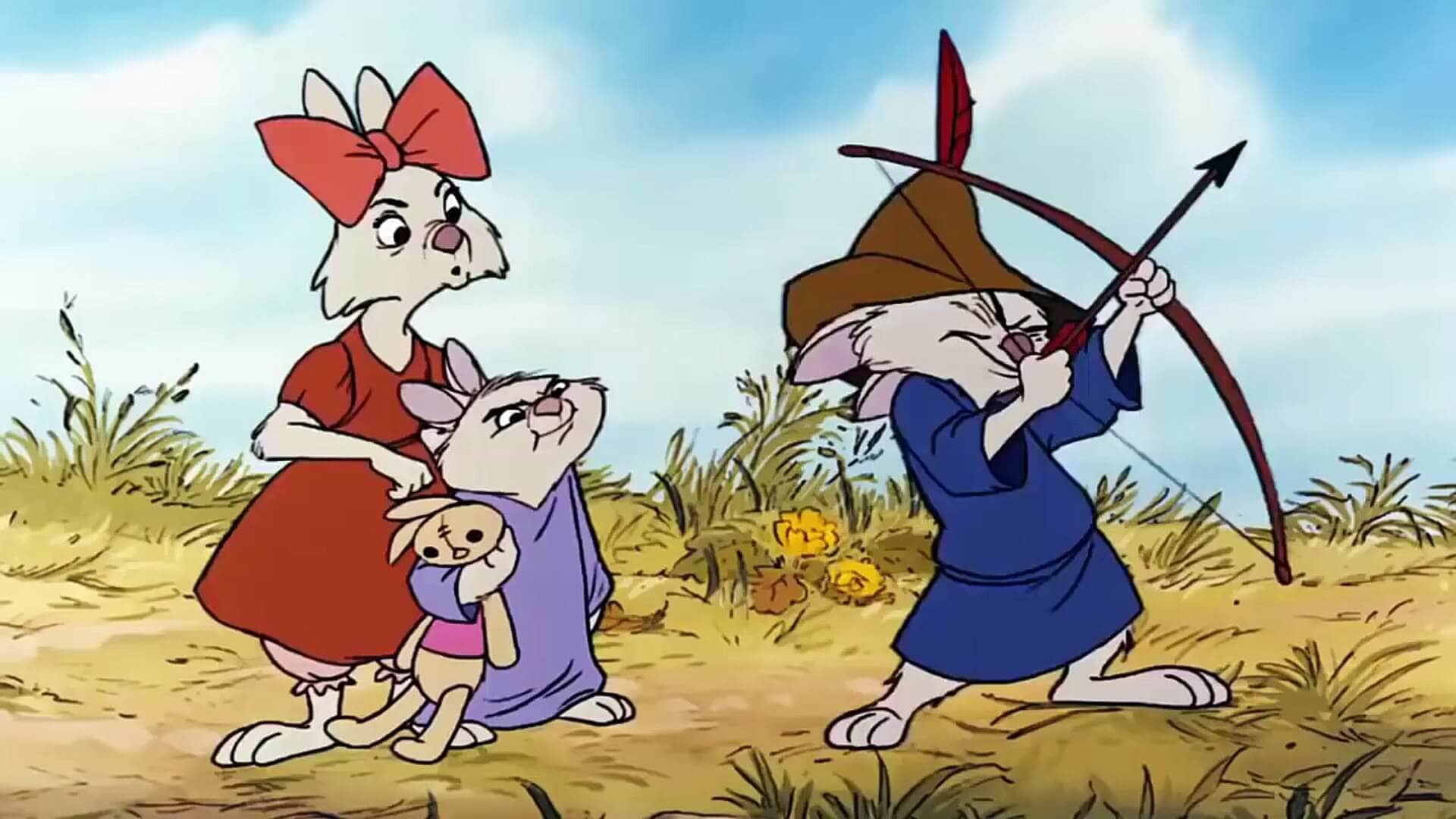
Skippy is the young rabbit at the sweet center of Disney’s 1973 Robin Hood, all wide-eyed hero worship and birthday-arrow adventures. He is minor but memorable, mostly for that crush on Maid Marian.
My take: a small role that lands purely on charm.
E.B. – Hop
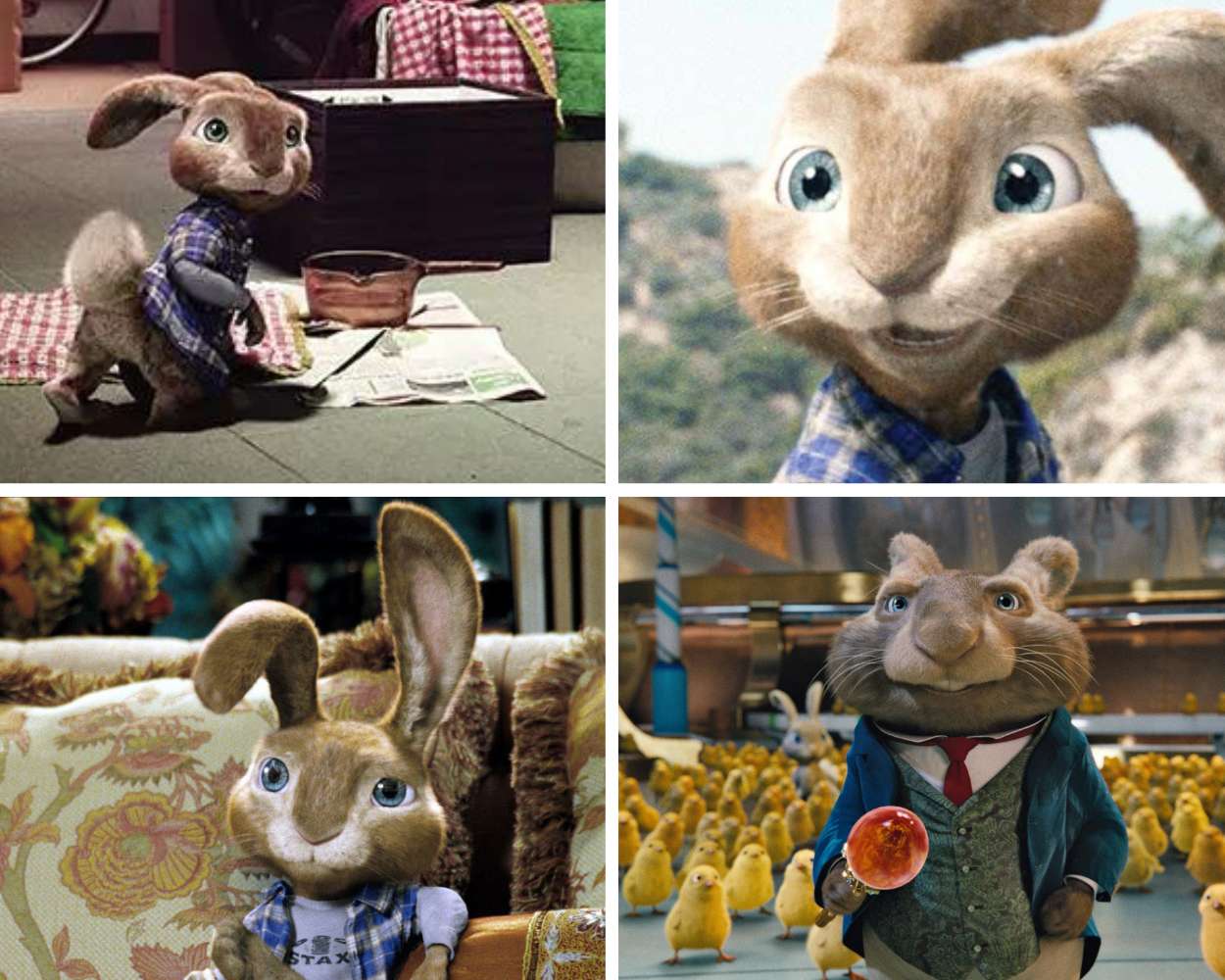
In the 2011 film Hop, E.B. is the Easter Bunny’s teenage son who would rather drum in a rock band than inherit the family holiday. So he runs away to Hollywood and leaves the entire Easter operation in the lurch.
My take: a slight movie, but the “reluctant heir” hook is a real character, not just a mascot.
Velveteen Rabbit – The Velveteen Rabbit
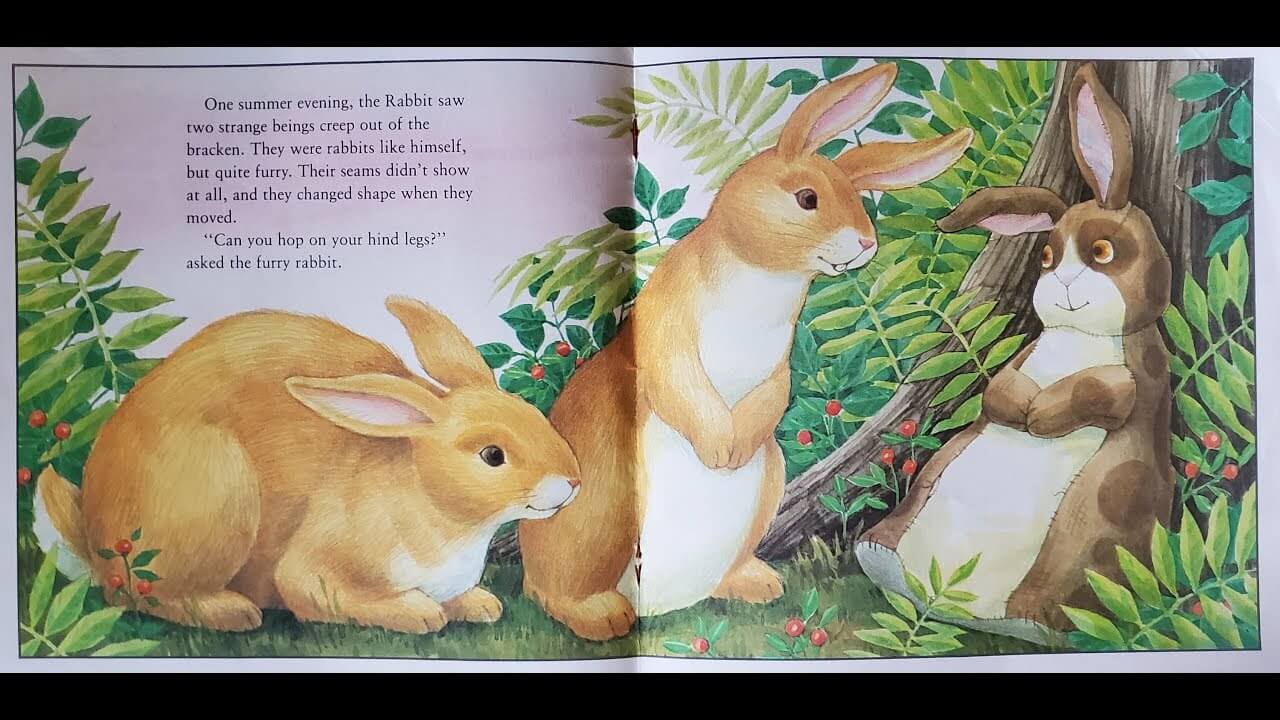
The star of The Velveteen Rabbit is a stuffed toy who longs to become real, and learns that a child’s love is what makes it happen. The story has been adapted for screen many times over the last century.
My take: pure heartbreak in the best way, and a rabbit built entirely from feeling.
Mr. Herriman – Foster’s Home for Imaginary Friends
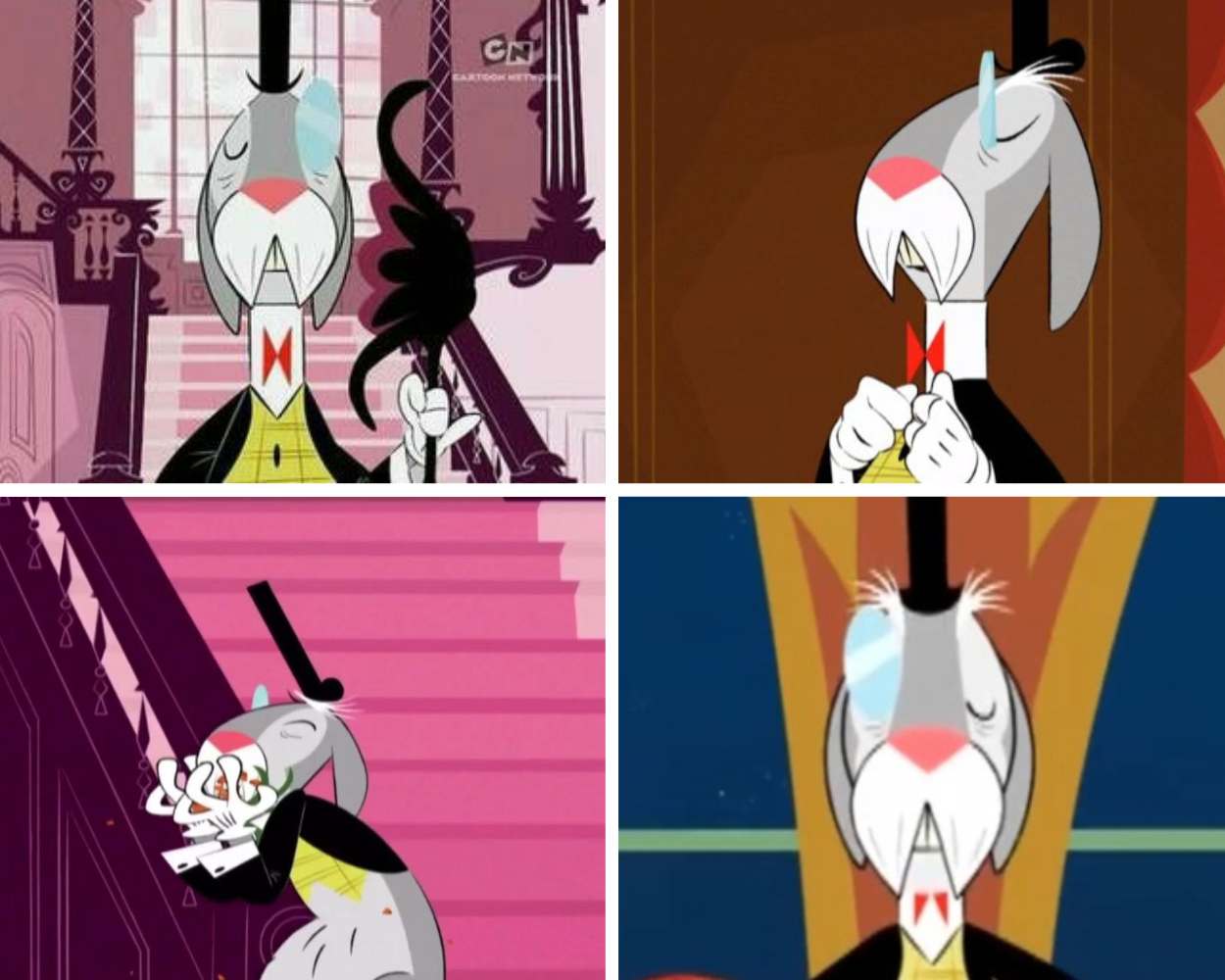
Mr. Herriman is the stiff, top-hatted business manager of Foster’s, obsessed with rules, paperwork, and proper conduct. His British formality makes him the perfect foil for the anarchic imaginary friends he tries to govern.
My take: a great comic engine precisely because he refuses to have any fun.
Buster Baxter – Arthur
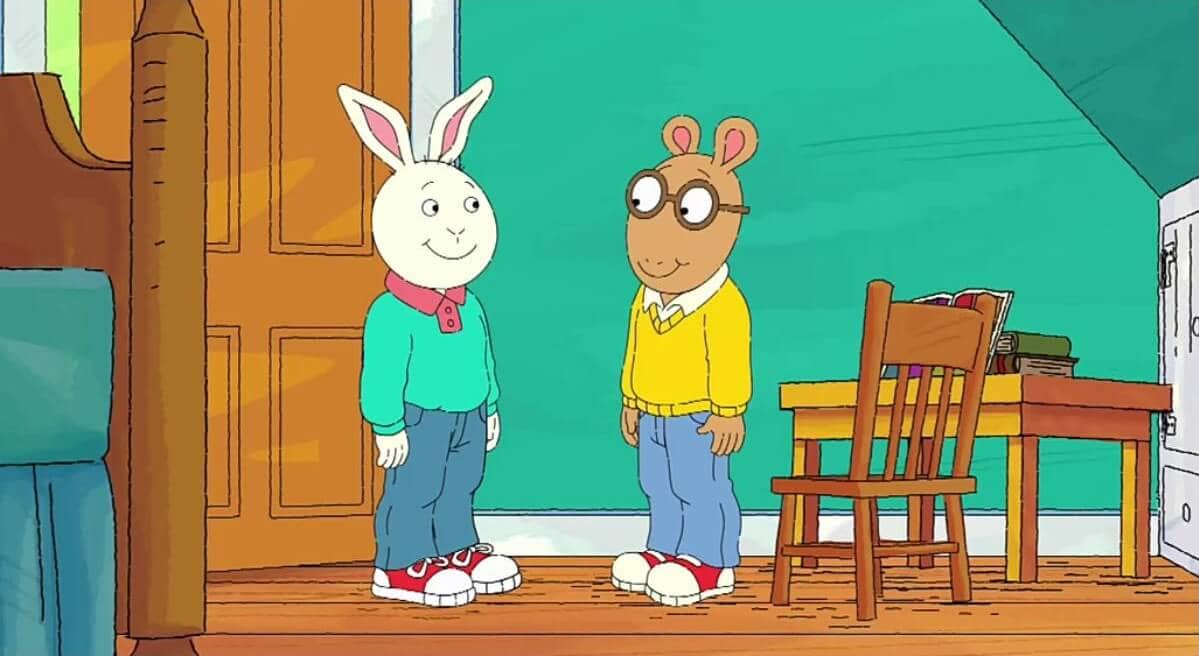
Buster is Arthur’s best friend in Elwood City, an easygoing daydreamer obsessed with aliens, mysteries, and snacks. His overactive imagination is usually the spark for the gang’s stranger adventures.
My take: the loyal, food-motivated sidekick every kid show needs.
Anais Watterson – The Amazing World of Gumball
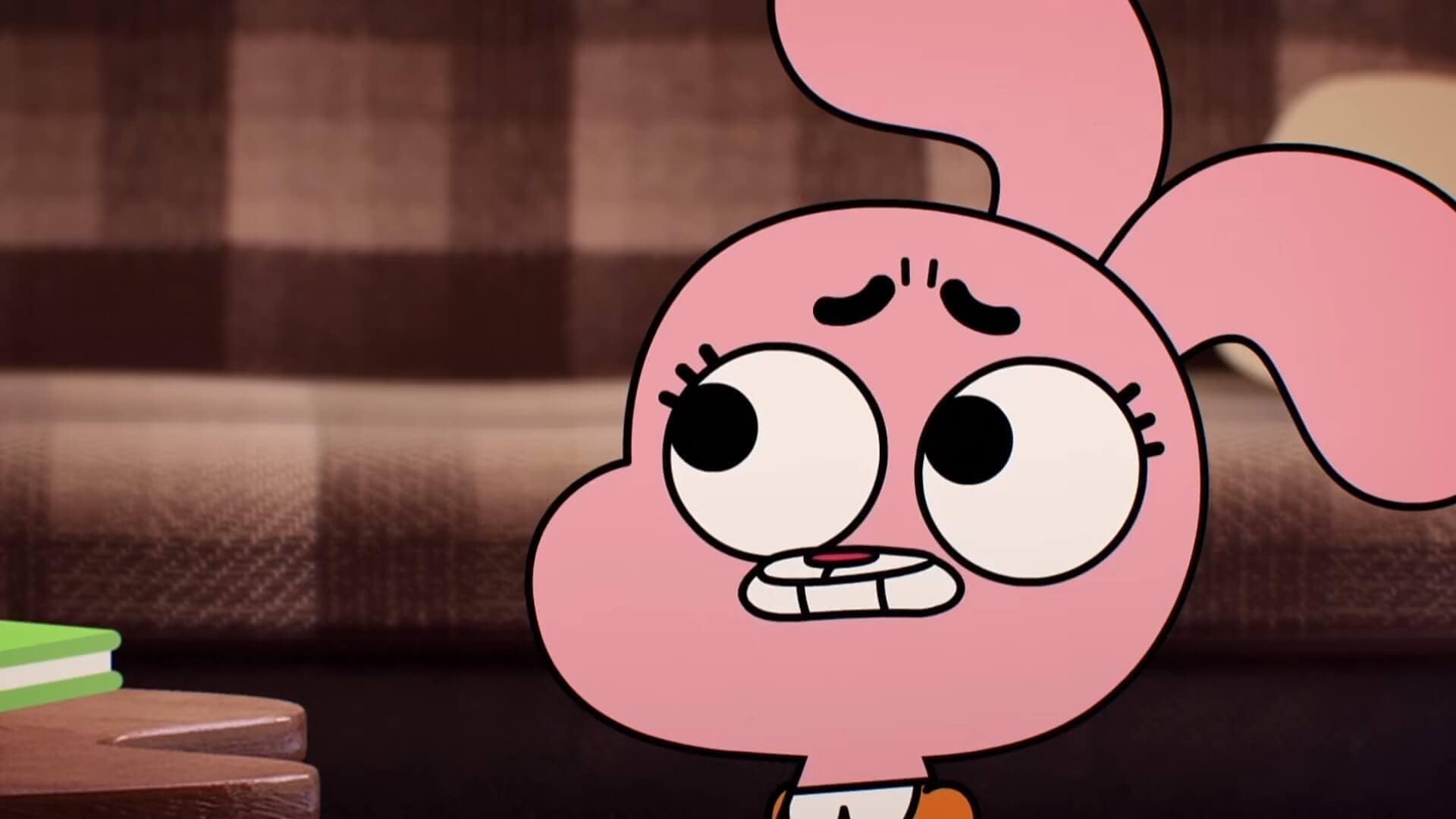
Anais is Gumball’s four-year-old sister, a pink rabbit with the sharpest mind in the family. She is fluent in logic, psychology, and quiet exasperation at everyone around her.
My take: the smartest person in the room is always the tiny bunny, and that never stops being funny.
Richard Watterson – The Amazing World of Gumball
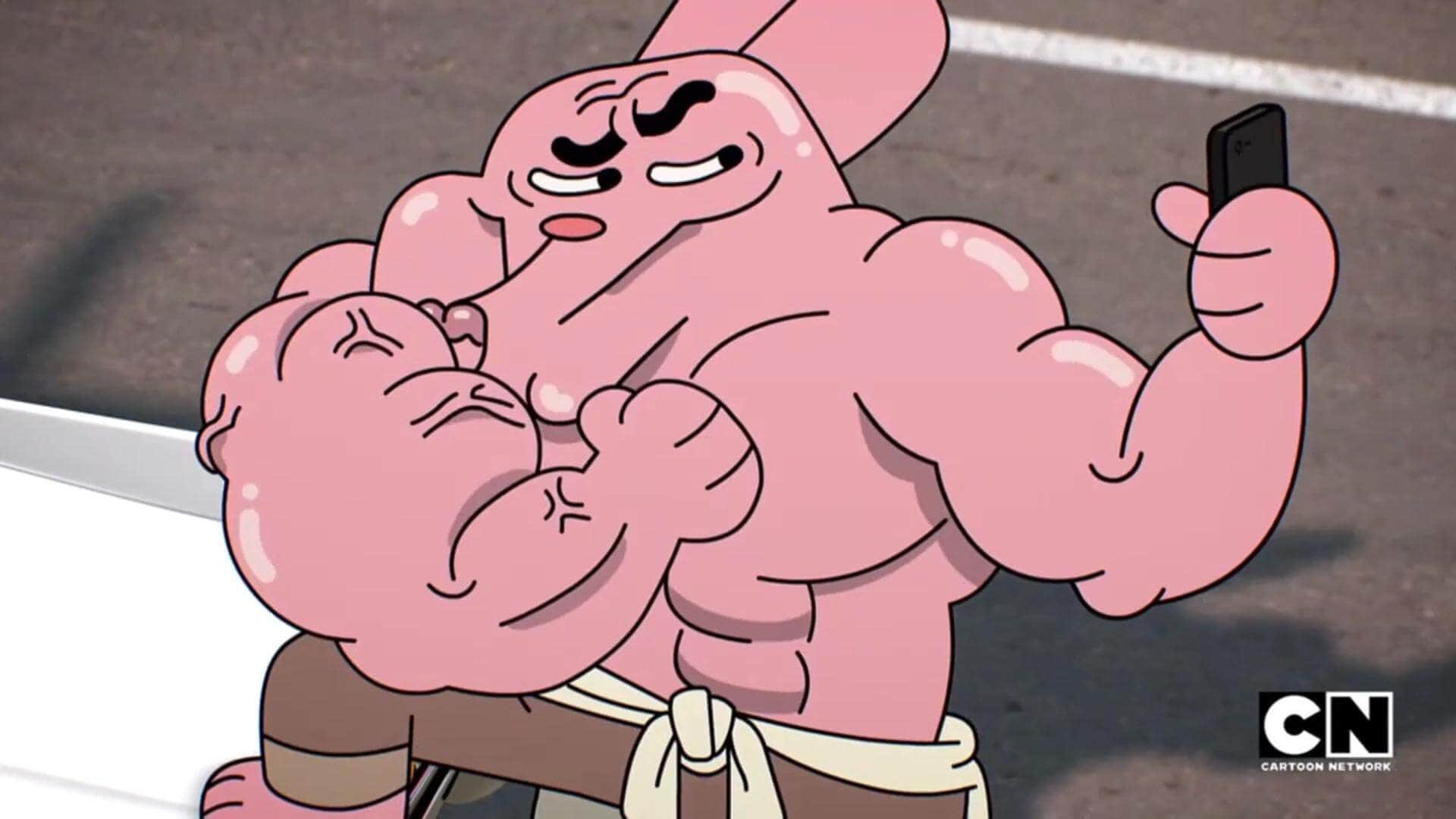
Richard is the big pink dad of the Watterson family in this chaotic series, a lovable idiot powered entirely by food and impulse. His terrible decisions drive a shocking amount of the plot.
My take: dumb dads are a trope, but Richard is a small work of art.
The Trix Rabbit – Trix Cereal
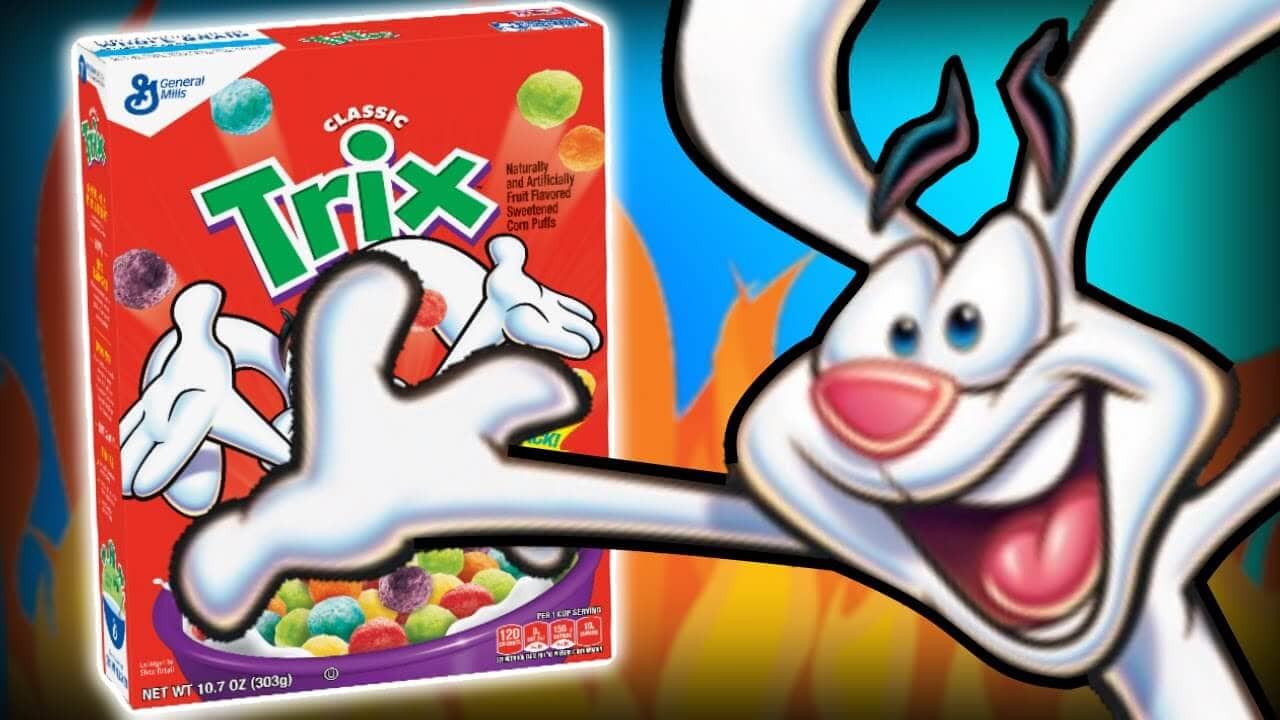
Since the 1950s, the Trix Rabbit has schemed, disguised, and connived his way toward a single bowl of cereal, only to be busted by kids every time with “Silly rabbit, Trix are for kids!”
My take: an advertising mascot with a surprisingly tragic arc, forever denied the one thing he wants.
March Hare – Alice in Wonderland
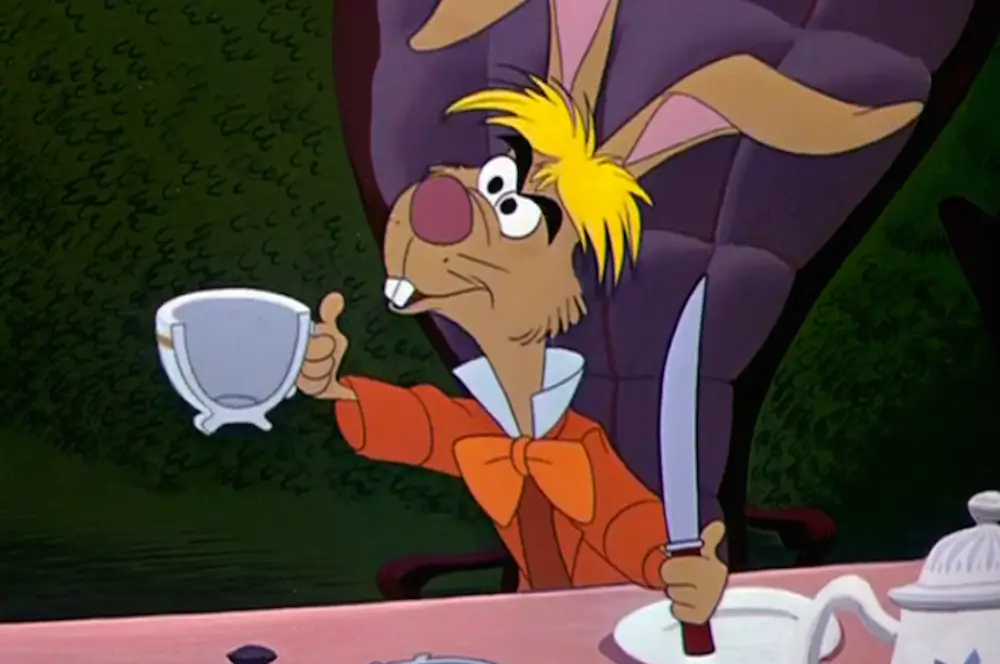
The March Hare co-hosts Wonderland’s endless tea party with the Mad Hatter, a manic bundle of nonsense, spilled tea, and non-sequiturs. He runs on pure dream logic.
My take: exactly as unsettling and delightful as Wonderland demands.
E. Aster Bunnymund – Rise of the Guardians
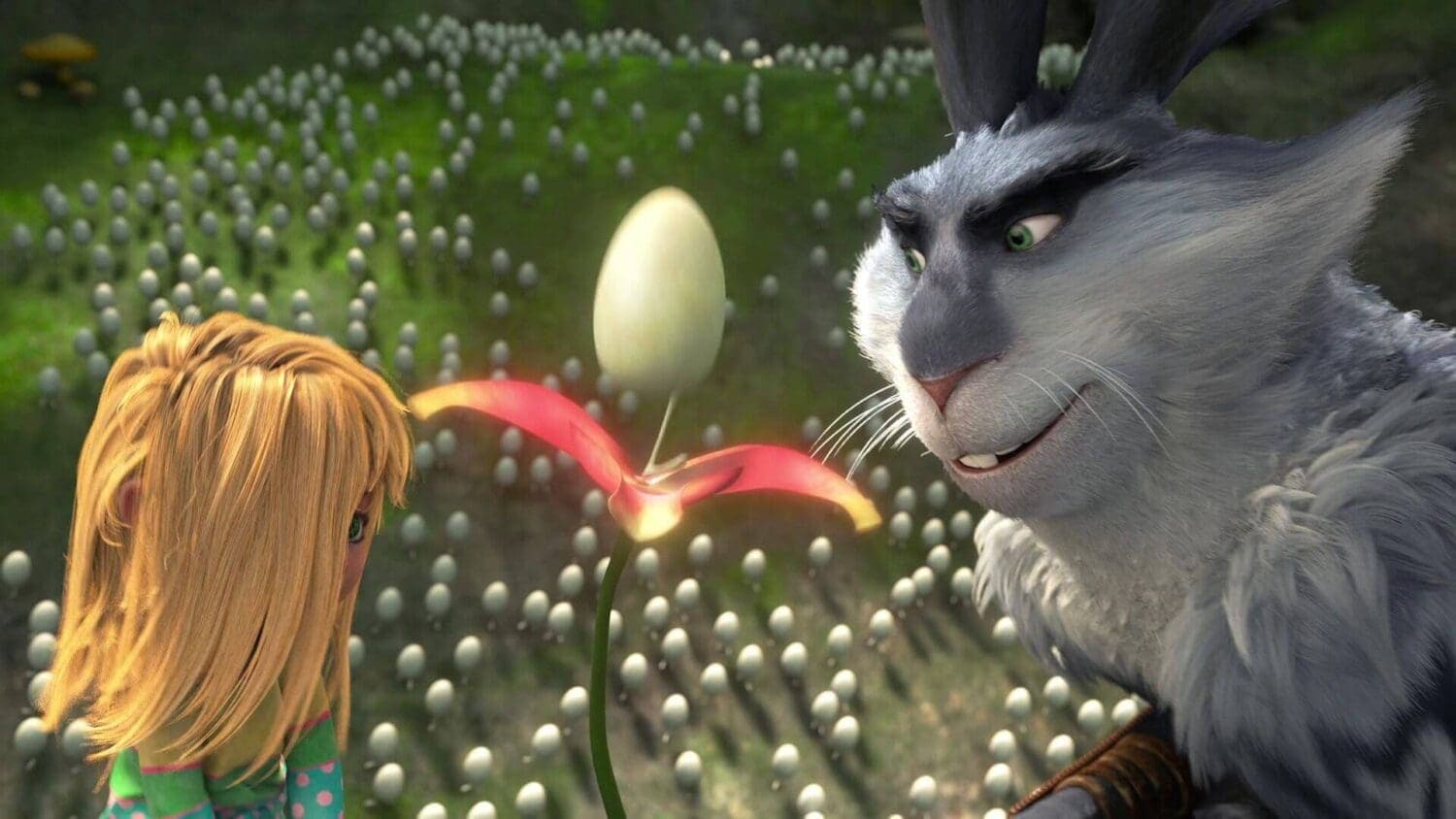
Rise of the Guardians reimagines the Easter Bunny as a hulking, boomerang-wielding warrior with an Australian accent and a chip on his shoulder. He fights alongside Santa and the Sandman to protect children’s hope.
My take: a really great redesign, treating a soft holiday icon like an action hero.
Scorbunny – Pokémon
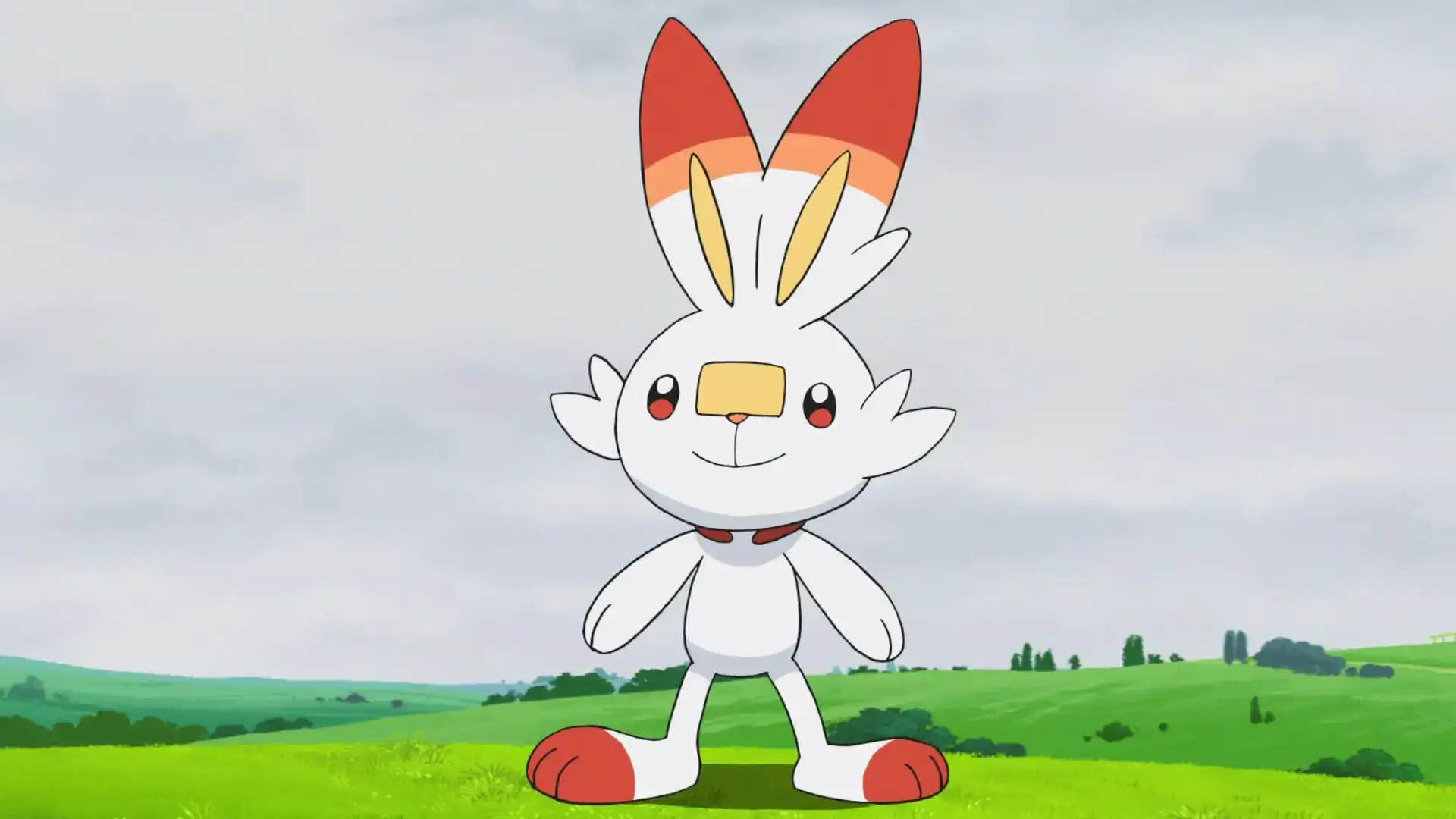
Scorbunny is the fire-type starter of the eighth Pokémon generation, an energetic little rabbit that kicks flaming soccer balls and eventually evolves into the athletic Cinderace.
My take: one of the more charming starters, and a favorite the moment it was revealed.
Cream the Rabbit – Sonic the Hedgehog
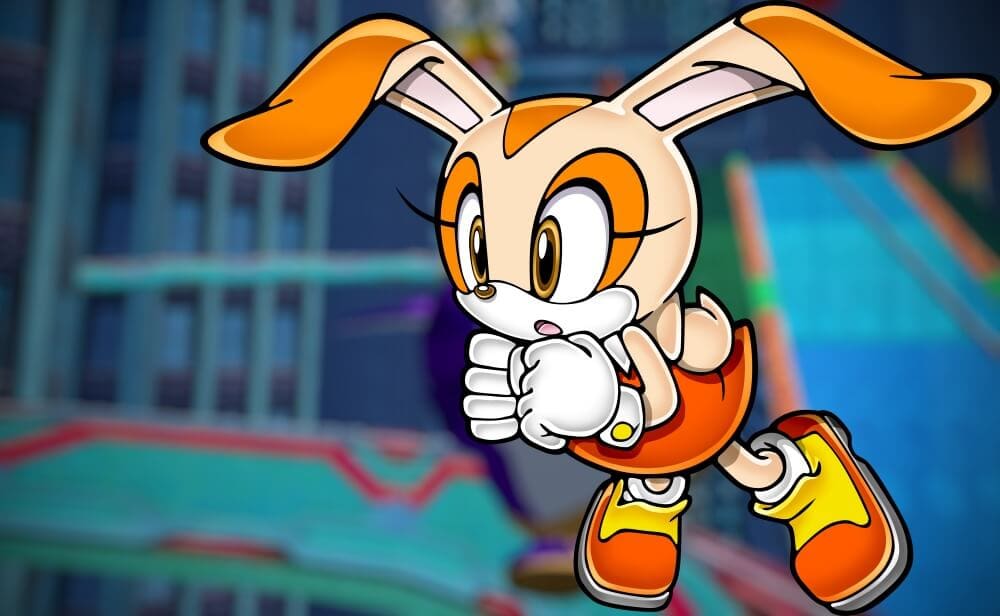
Cream is the sweet young rabbit of the Sonic universe, able to fly using her oversized ears and always paired with her Chao companion Cheese. Her innocence hides real courage in a fight.
My take: gentle without being useless, which is a hard balance to strike.
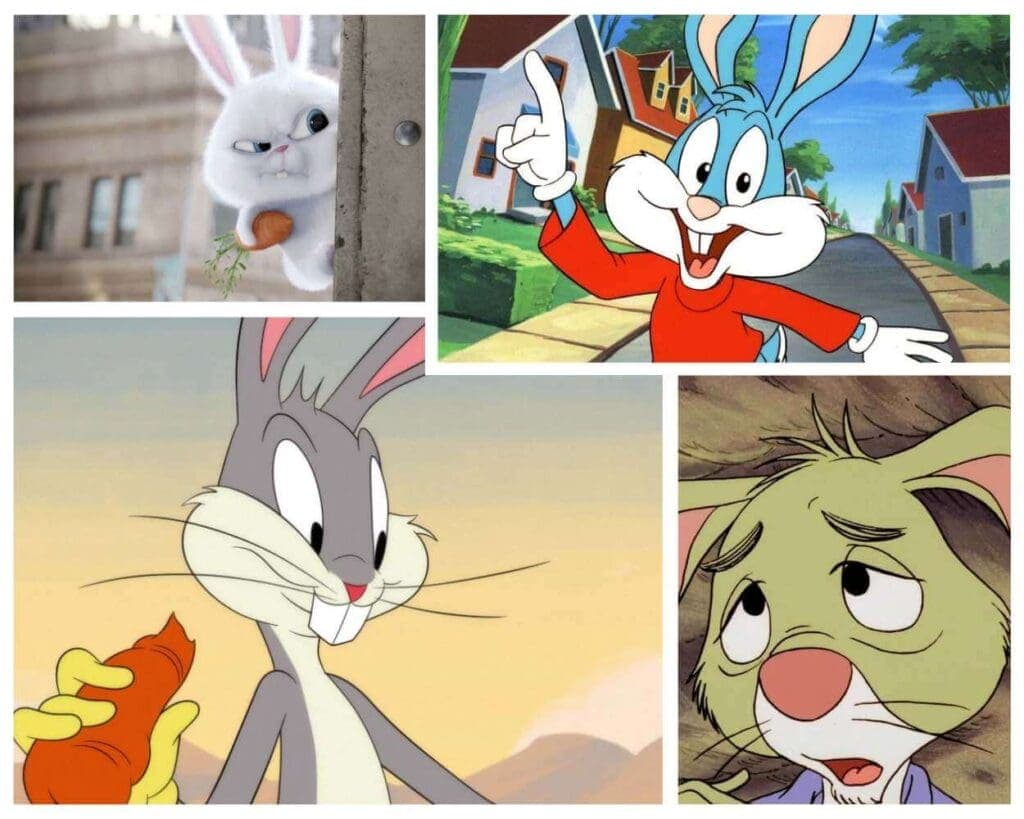
Babs Bunny – Tiny Toon Adventures
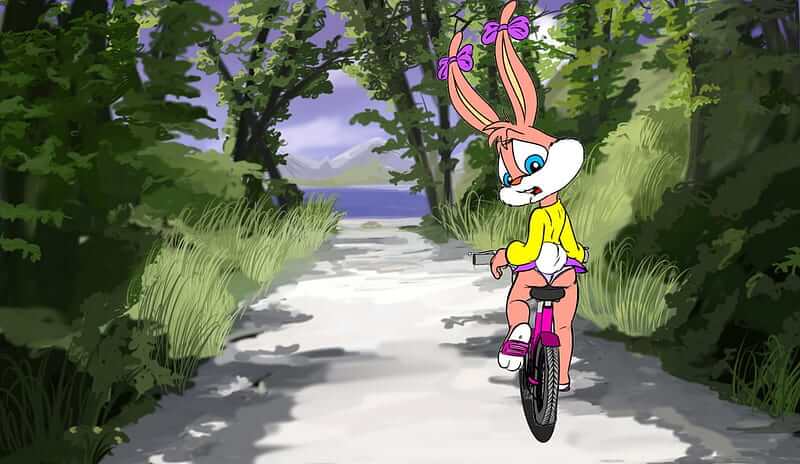
Babs is the spunky star pupil of Acme Looniversity, a lightning-fast impressionist who breaks the fourth wall to talk straight to the audience. No relation to Buster, as the show never tired of reminding you.
My take: the sharper, funnier half of the Tiny Toons double act.
Buster Bunny – Tiny Toon Adventures
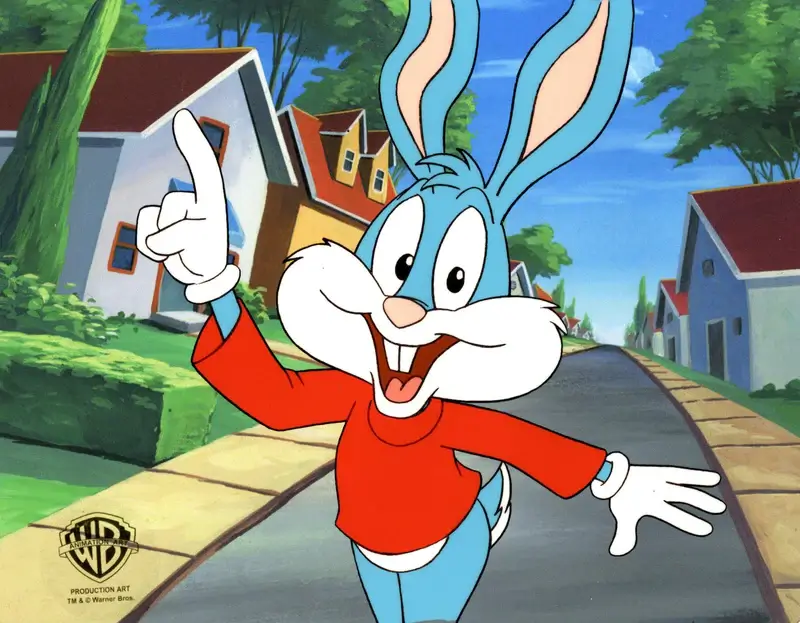
Buster is the blue-furred ringleader of Tiny Toon Adventures, a clever, confident student training to inherit the Looney Tunes legacy at Acme Looniversity.
My take: a worthy Bugs successor, even if he never quite escaped the shadow.
Rabbit – Winnie the Pooh
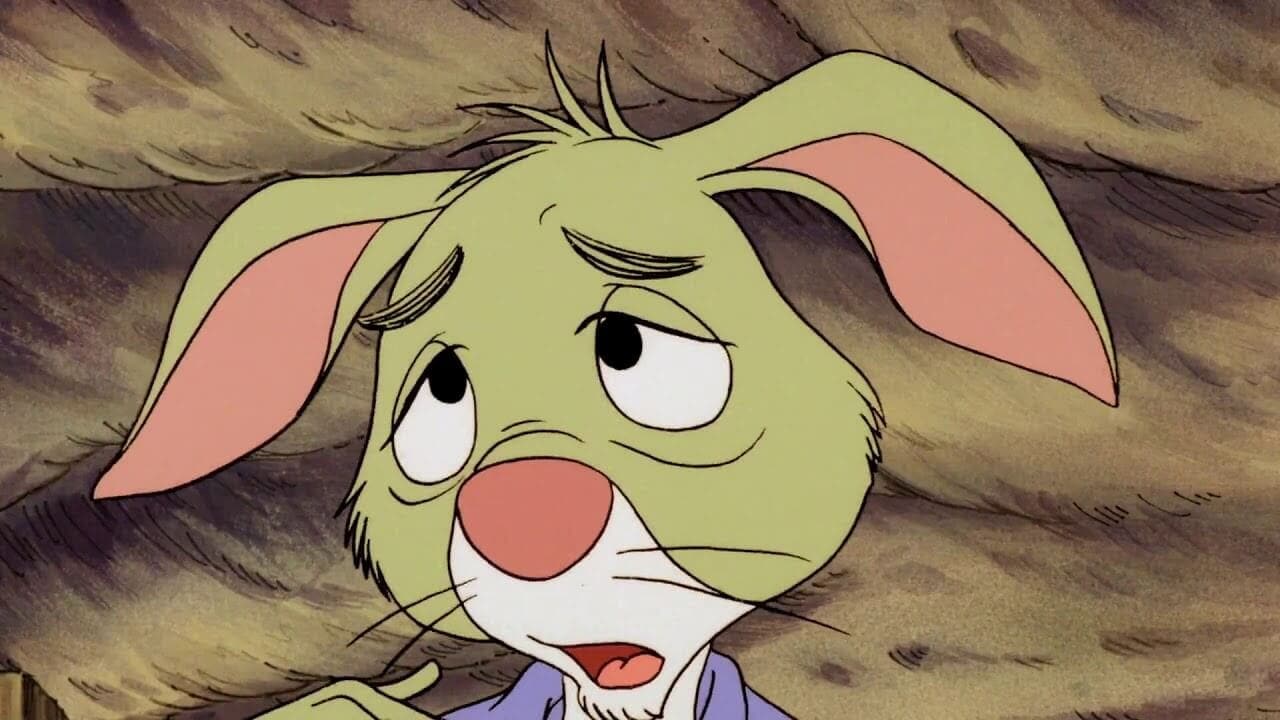
A.A. Milne’s Rabbit is the anxious, tidy planner of the Hundred Acre Wood, forever tending his garden and getting flustered by Tigger and Pooh. He is the group’s self-appointed voice of reason.
My take: every friend group has a Rabbit, which is exactly why he works.
Br’er Rabbit – The Adventures of Brer Rabbit
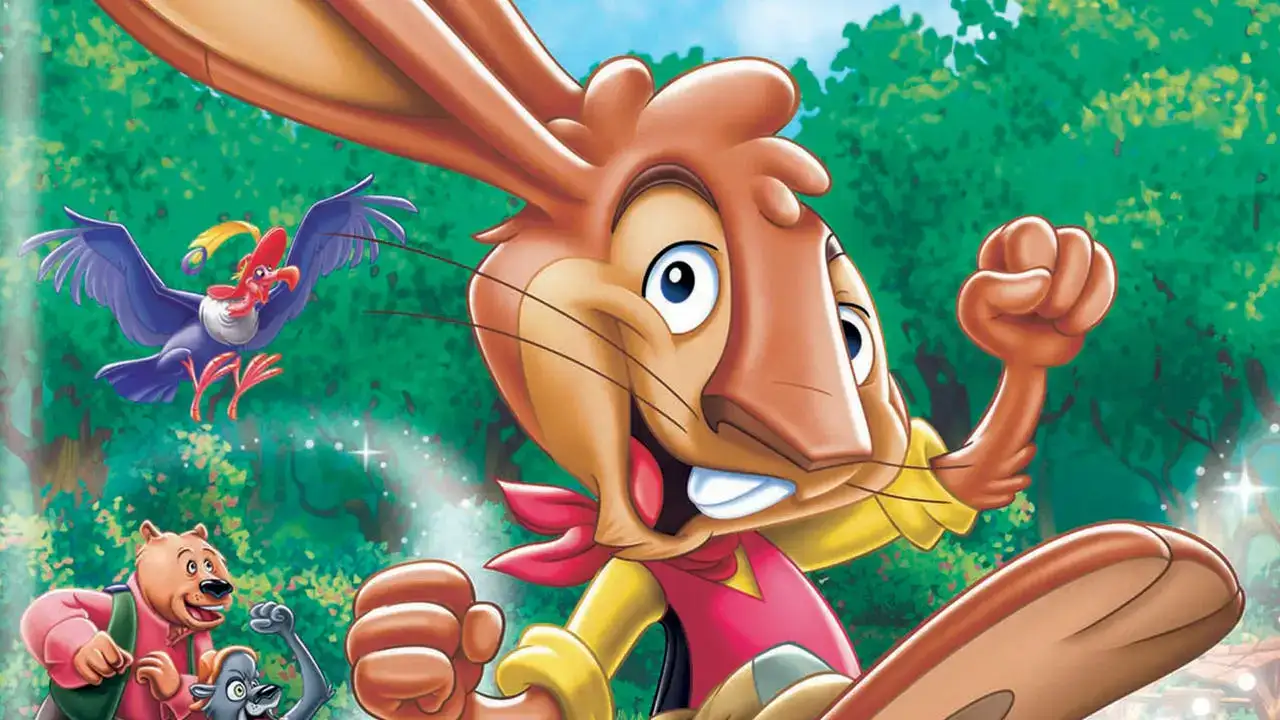
Rooted in African American folktales, Br’er Rabbit is one of the original trickster heroes, using pure cunning to escape stronger, meaner foes. His reverse-psychology briar patch scheme is a masterclass.
My take: the ancestor of nearly every clever cartoon rabbit that followed.
Snowball – The Secret Life of Pets
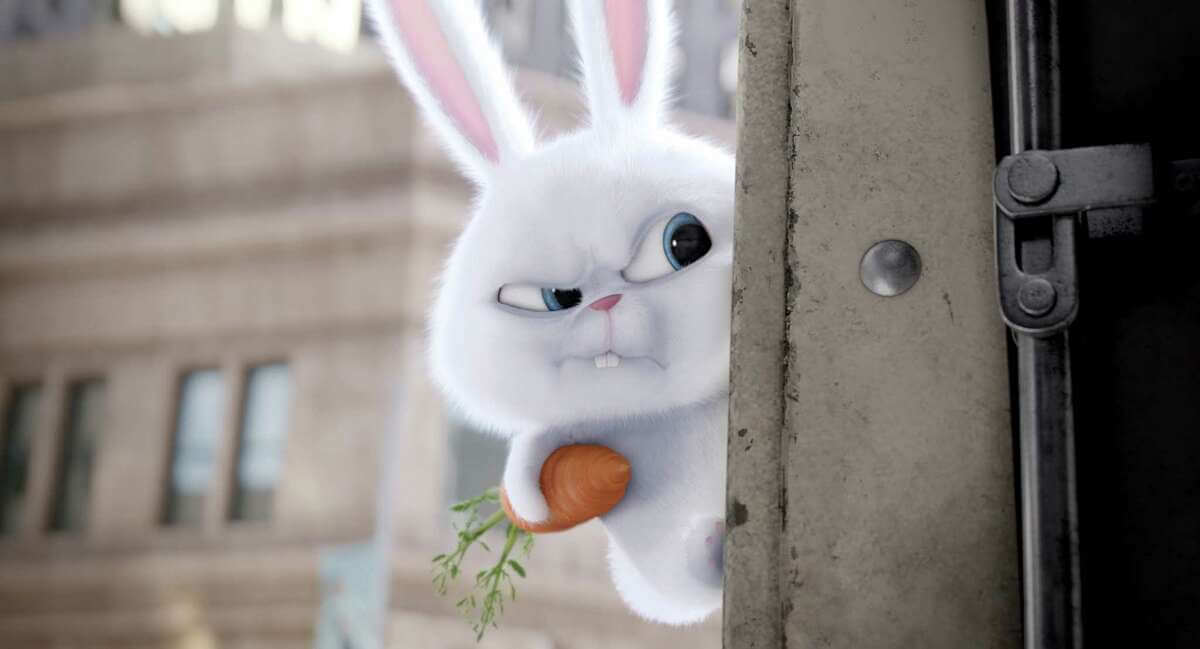
Voiced by Kevin Hart, Snowball is a fluffy white bunny with the fury of a revolutionary, leading a gang of abandoned pets against the humans who dumped them. His cuteness is a complete disguise.
My take: the funniest kind of villain, a tiny ball of rage in an adorable body.
White Rabbit – Alice in Wonderland
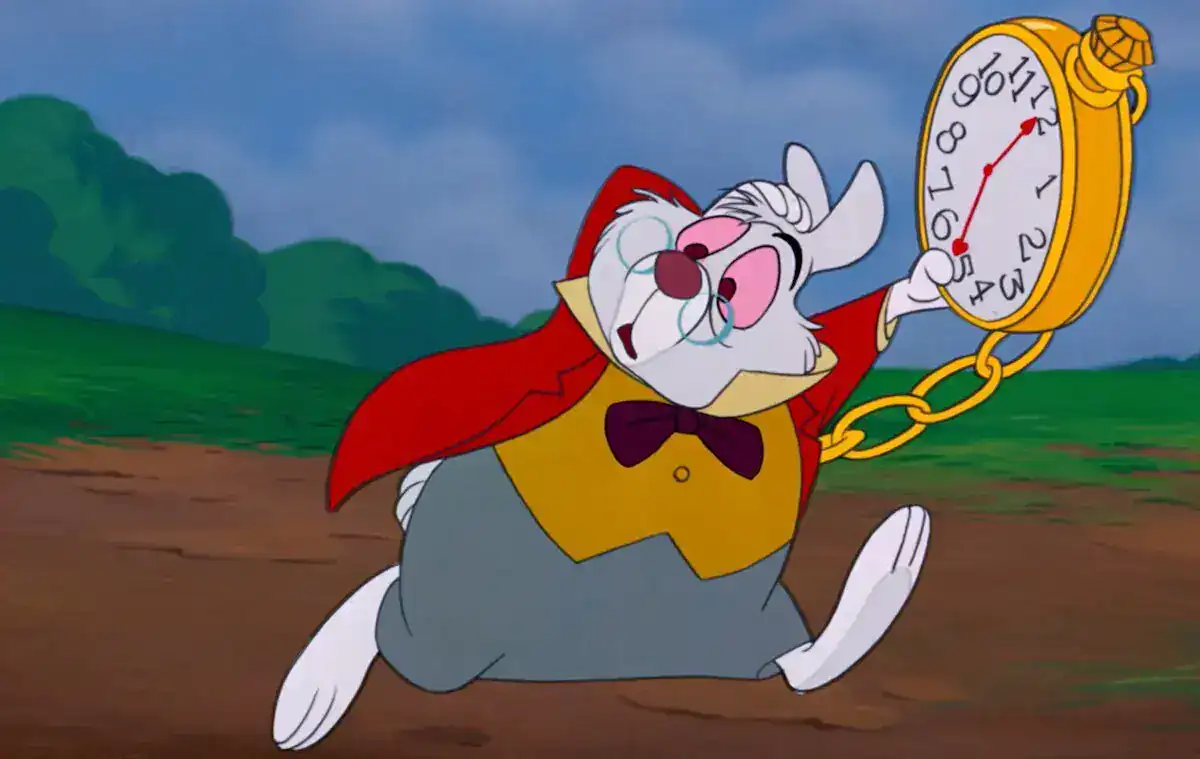
The waistcoated, watch-checking White Rabbit is the one who starts it all, muttering about being late as he scurries past Alice. Following him down the hole is what launches the entire story.
My take: barely a personality, but one of the most consequential rabbits ever drawn.
Oswald the Lucky Rabbit – Disney
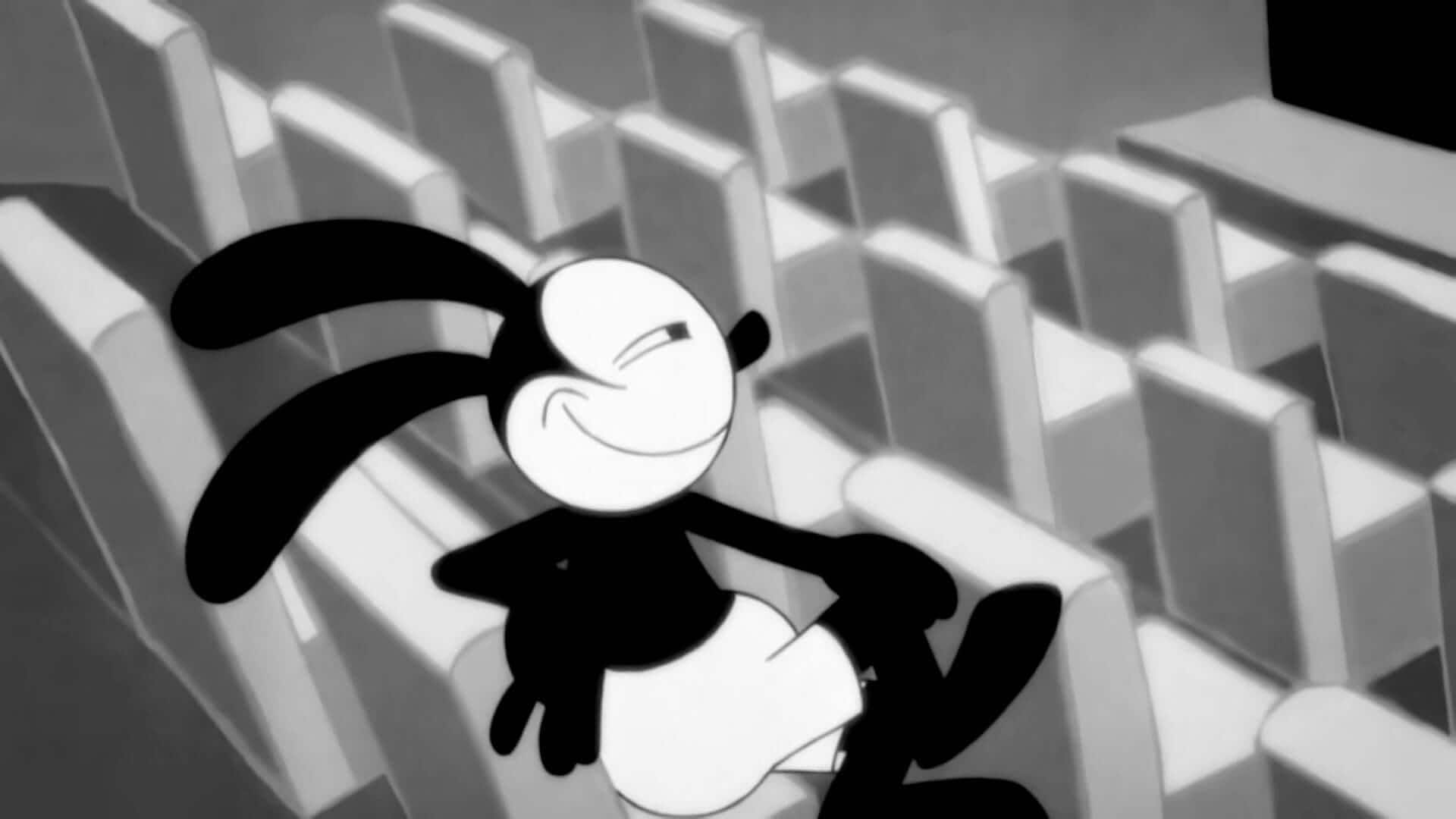
Created by Walt Disney in the 1920s, Oswald was Disney’s first real star and the direct blueprint for Mickey Mouse. A contract dispute cost Disney the character for decades before he was finally won back.
My take: a piece of animation history that is fun and mischievous in his own right.
Lola Bunny – Looney Tunes
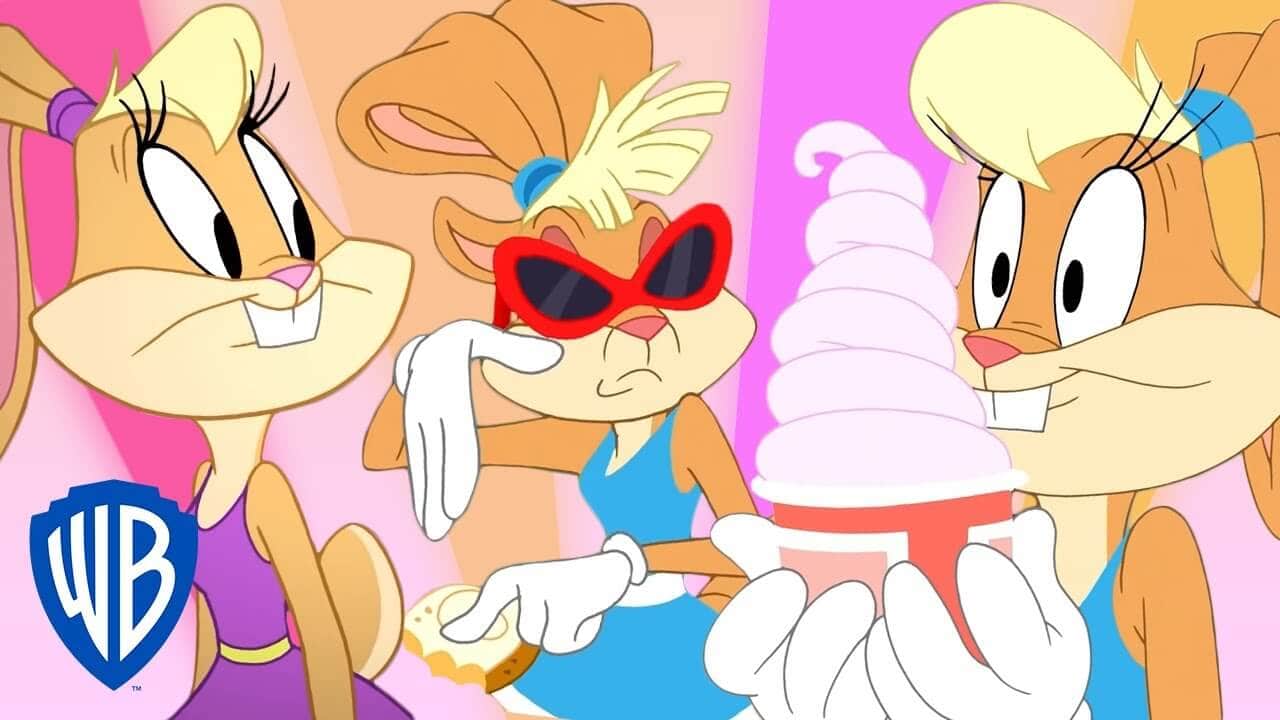
Lola Bunny debuted in 1996’s Space Jam as a sharpshooting basketball player and Bugs’s counterpart. Later versions have leaned harder into her skill and independence than her original love-interest framing.
My take: her best modern incarnations finally let her be an athlete first.
Peter Rabbit – The Tale of Peter Rabbit
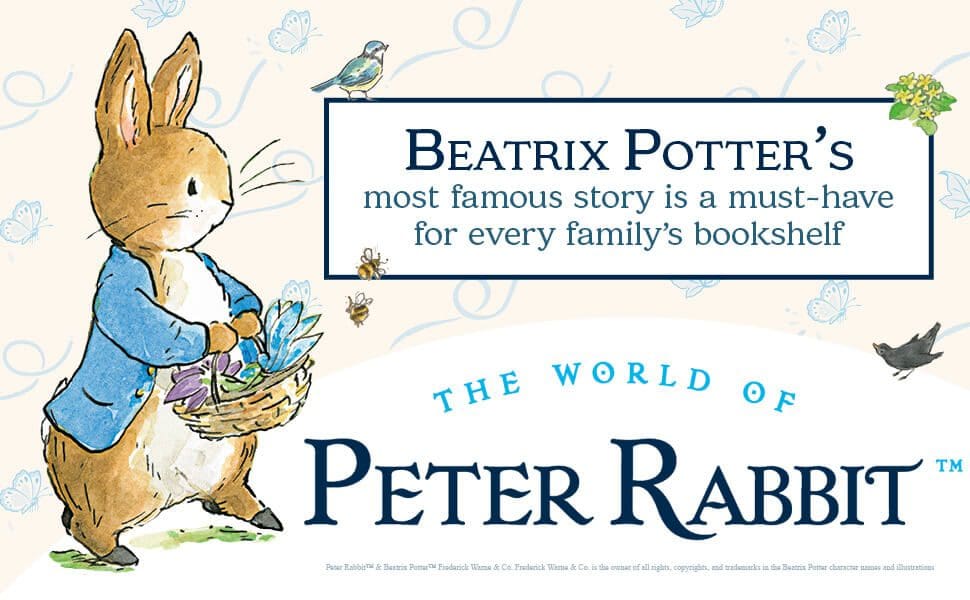
Beatrix Potter introduced Peter in 1902, a disobedient young rabbit who sneaks into Mr. McGregor’s garden despite every warning. More than a century of books, films, and shows have followed.
My take: the original naughty bunny, and still one of the most charming.
Thumper – Bambi
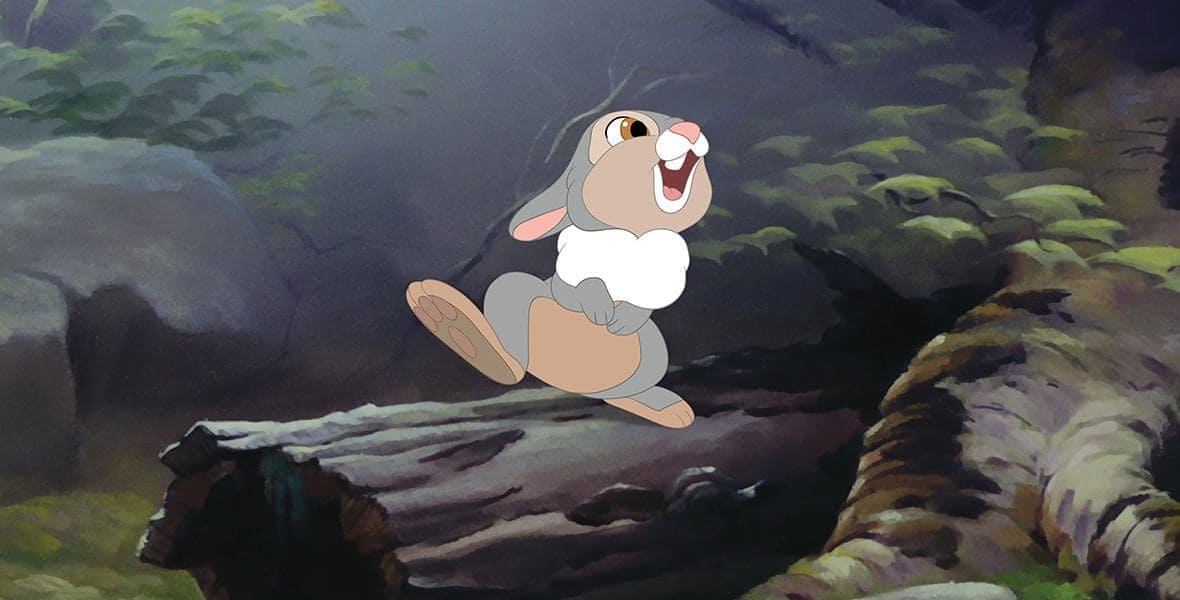
Thumper is the foot-drumming young rabbit who befriends Bambi in the 1942 Disney classic, teaching him to walk, skate, and speak. His name comes straight from that trademark thump.
My take: seventy years on, still the gold standard for an adorable animal sidekick.
Roger Rabbit – Who Framed Roger Rabbit
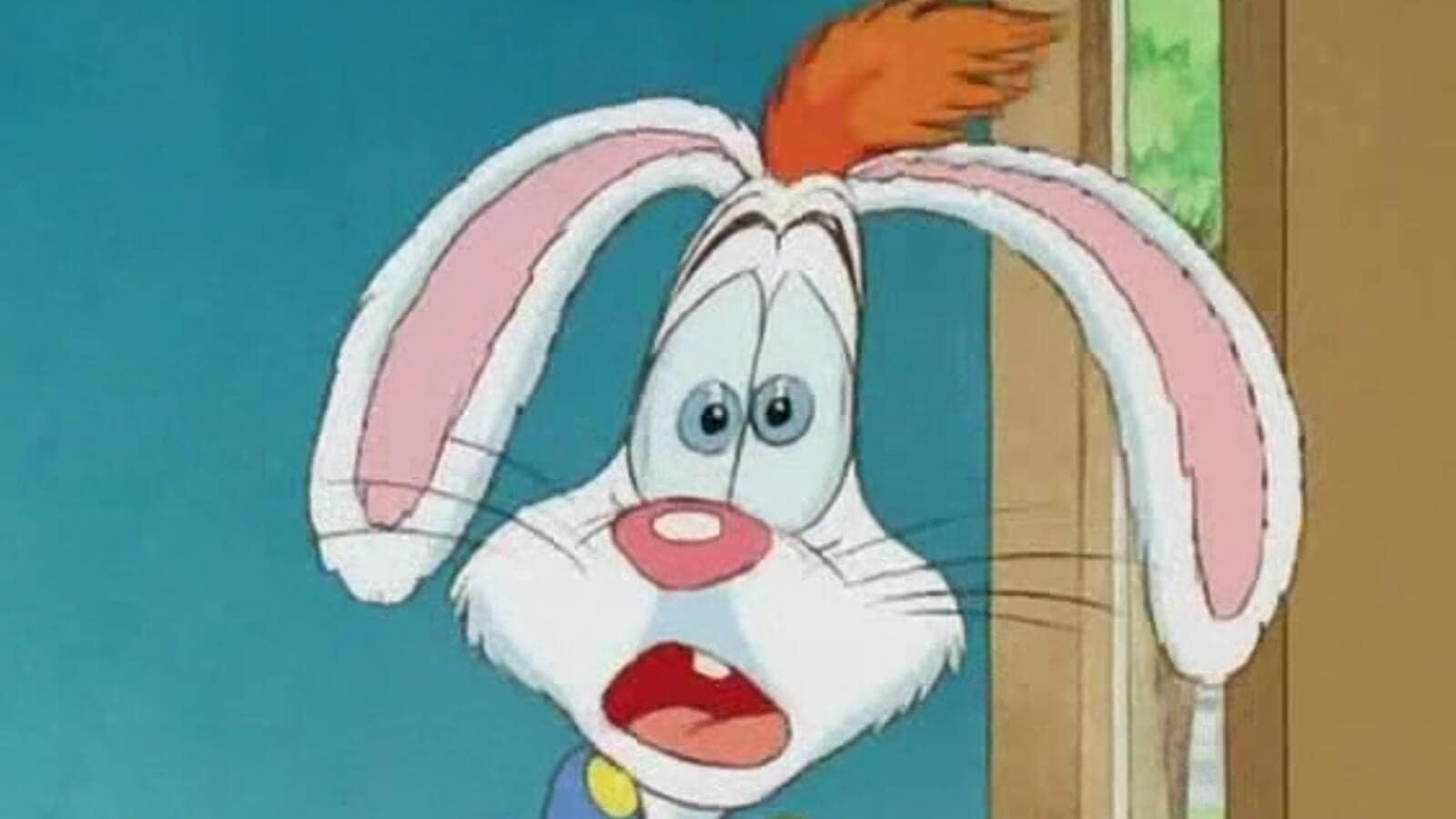
The groundbreaking 1988 live-action and animation hybrid Who Framed Roger Rabbit built its whole story around this frantic, lovable toon, framed for murder and desperate to clear his name.
My take: a landmark of animation, and a rabbit who could only work as pure kinetic energy.
Officer Judy Hopps – Zootopia
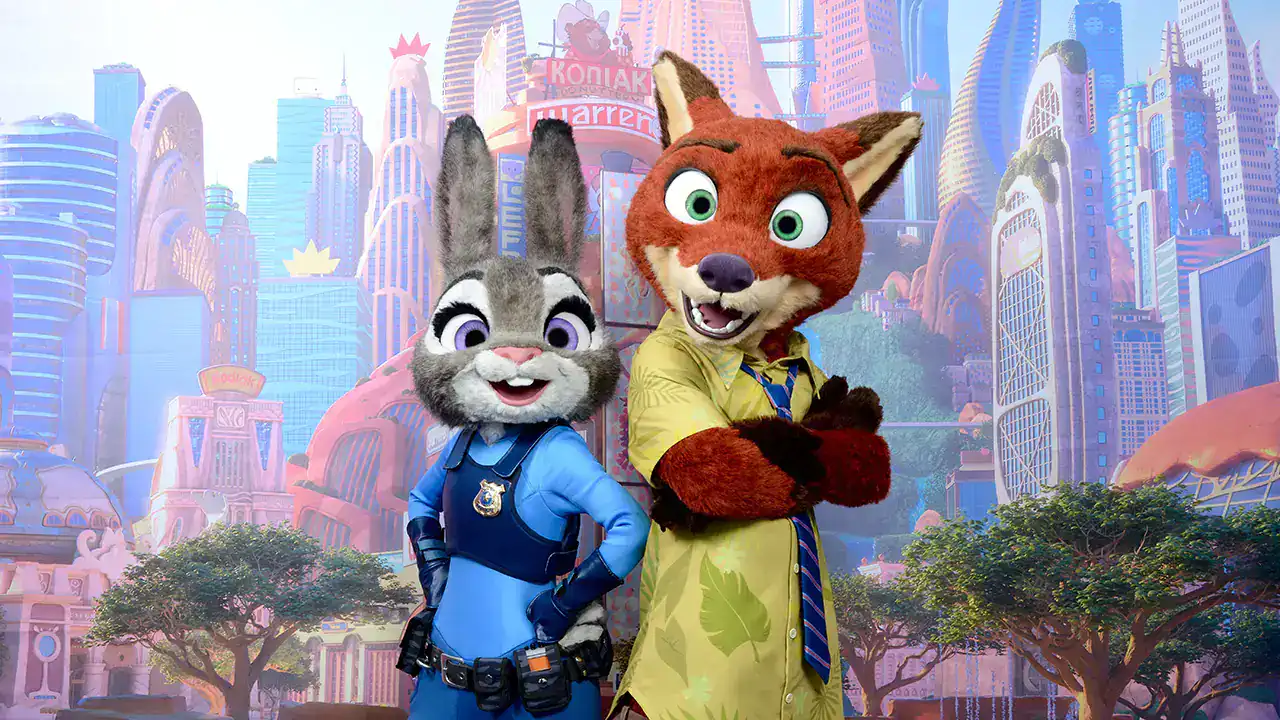
In 2016’s Zootopia, Judy Hopps becomes the first rabbit on the city’s police force, fighting prejudice at every turn to crack a real case. She is small, underestimated, and relentless.
My take: one of Disney’s best modern leads, and a rabbit with real moral weight.
Bugs Bunny – Looney Tunes
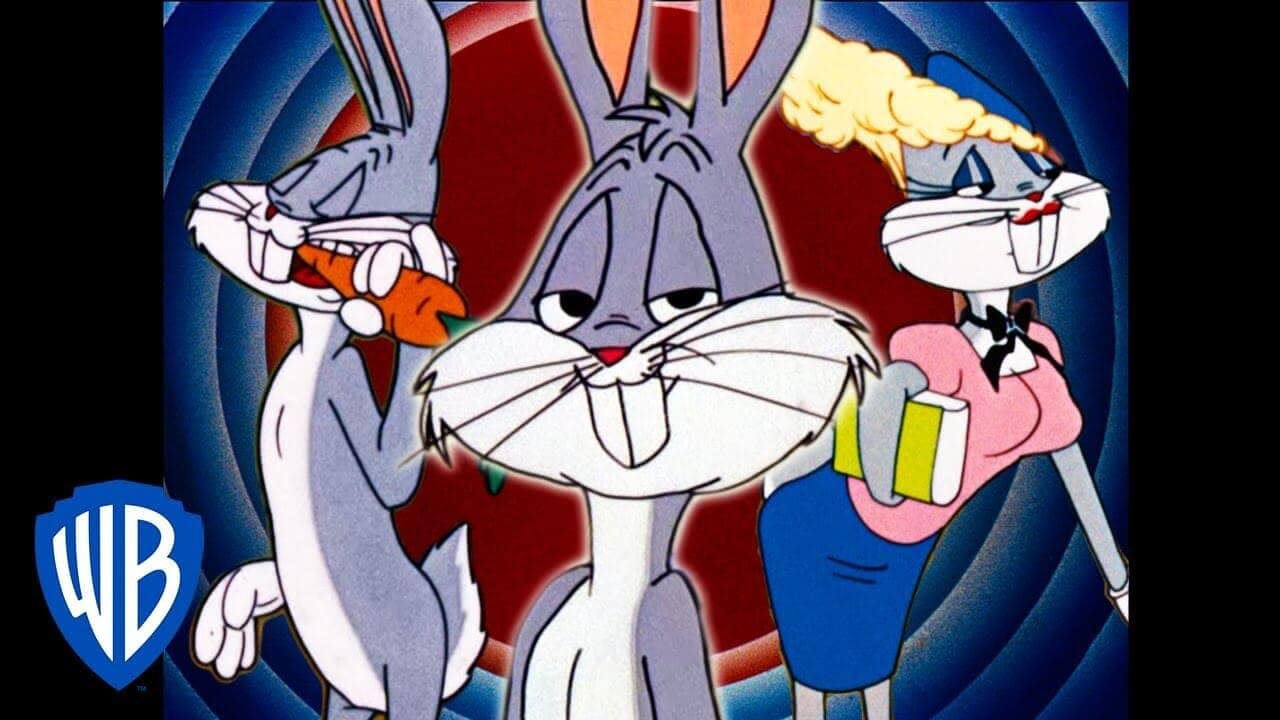
The legendary Bugs Bunny arrived in the 1940s and never left, chewing a carrot and drawling “What’s up, doc?” while calmly dismantling anyone foolish enough to hunt him. He is the most influential cartoon rabbit ever made.
My take: the blueprint, the benchmark, and still untouchable at the top.
Why the Rabbit Rules Animation
Line them all up and a pattern appears.
The most beloved rabbit cartoon characters are almost never the ones who follow the rules. They are the ones who bend, break, or outrun them, turning speed and cleverness into a quiet act of rebellion. E
ven the gentle exceptions, the Thumpers and the Velveteens, only stand out because of the chaos agents surrounding them.
That is the strange power of the cartoon rabbit.
Under all the fluff, it is animation’s favorite way of asking what happens when someone simply refuses to play along.
So which bunny sits at the top of your own list?
Drop your pick in the comments, and the best arguments might reshape the next update.