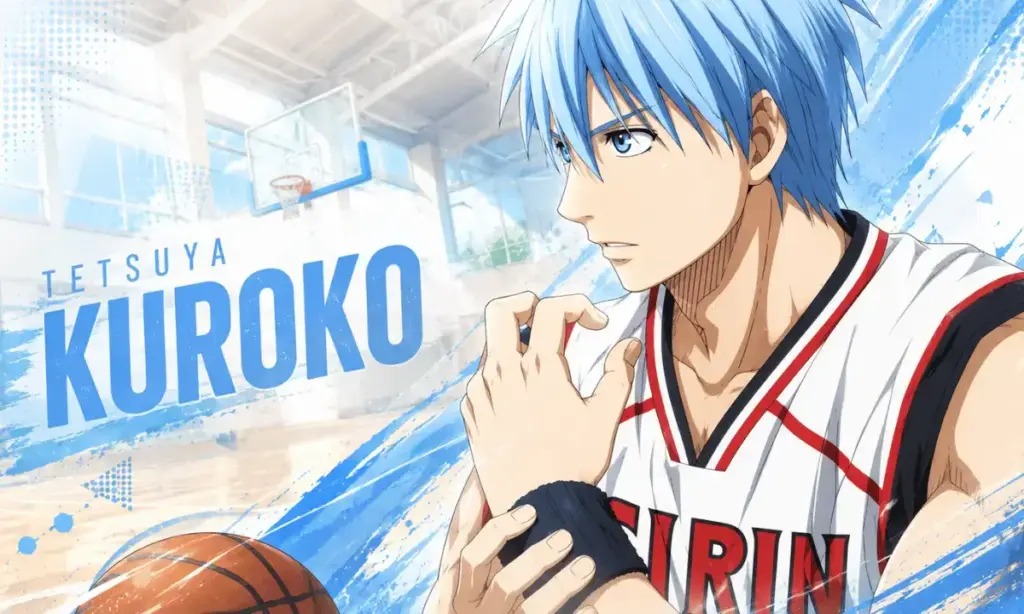
Most sports anime hand you a hero who craves the spotlight. Tetsuya Kuroko sprints the other way. He is the quiet heart of Kuroko’s Basketball, the so-called Phantom Sixth Man, and he wins games by disappearing.
So the premise sounds like a contradiction. A basketball story built around the one player you cannot see?
Yet that paradox is the reason he works.
Kuroko is not weak.
Instead, he is synergetic, and his lack of presence is the engine of everything he does.
The Paradox of the Invisible Protagonist
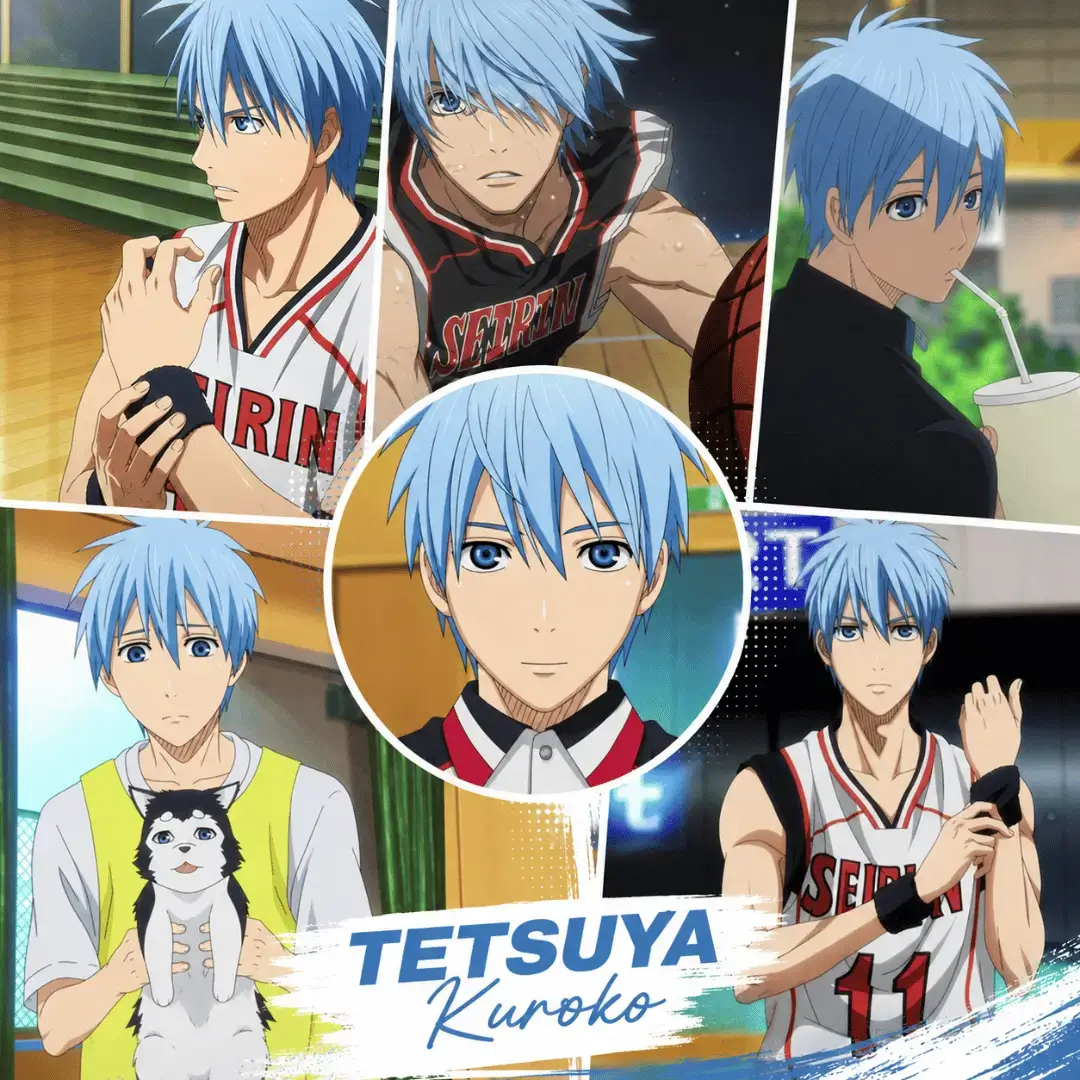
Every other sports hero chases the spotlight. Tetsuya Kuroko runs from it, and that choice defines him.
- He is the main character, yet he is the least noticeable person on the floor.
- His talent is not scoring. Instead, it is making everyone around him better.
- So his biggest weakness, a near-total lack of presence, doubles as his sharpest weapon.
Who Is Tetsuya Kuroko?
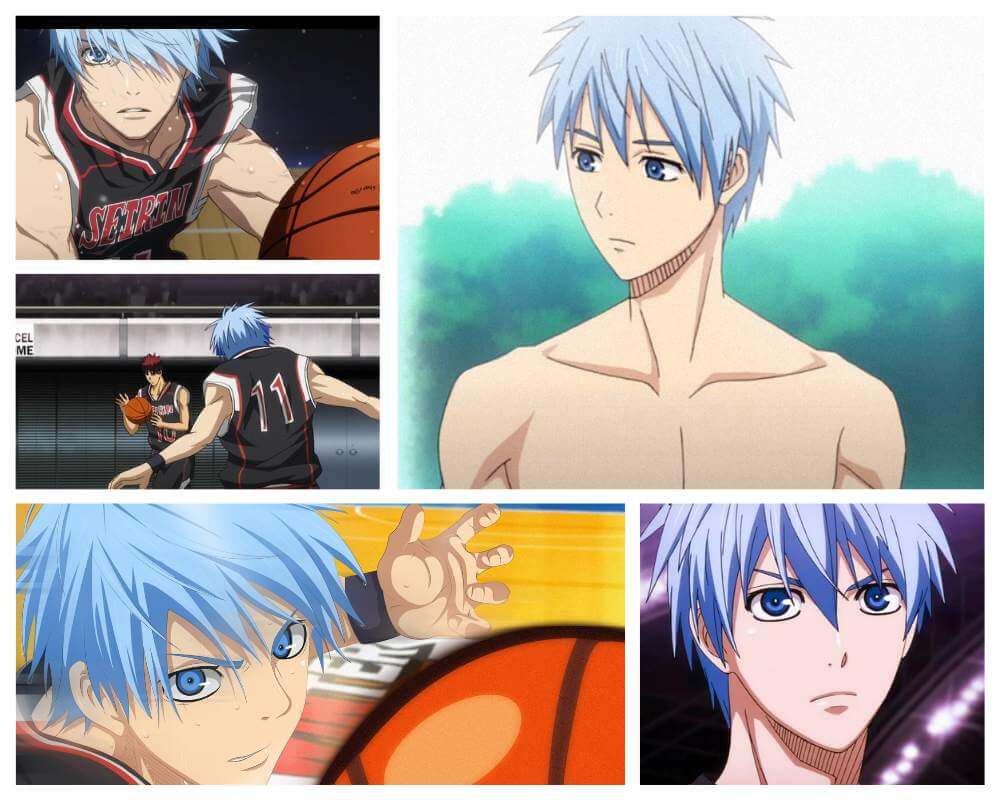
Tetsuya Kuroko is the main character of Kuroko’s Basketball, the hit series by Tadatoshi Fujimaki. Once, he was the secret sixth member of the Generation of Miracles at Teiko.
- At Teiko, he played as the invisible support man behind five prodigies.
- Then he transferred to Seirin High to challenge every one of them.
- Above all, he stays soft-spoken and easy to overlook, which is the entire point.
What the Name “Kuroko” Really Means
In fact, this is my favorite detail about him, and most write-ups skip it. His name is not a coincidence. Rather, it is a deliberate pun.
Once you know that, the character clicks into place. His given name appears in katakana, so the whole meaning rides on that surname. In short, Fujimaki did not just name him. In three syllables, he summed up the gimmick.
Misdirection as a Philosophy, Not a Skill
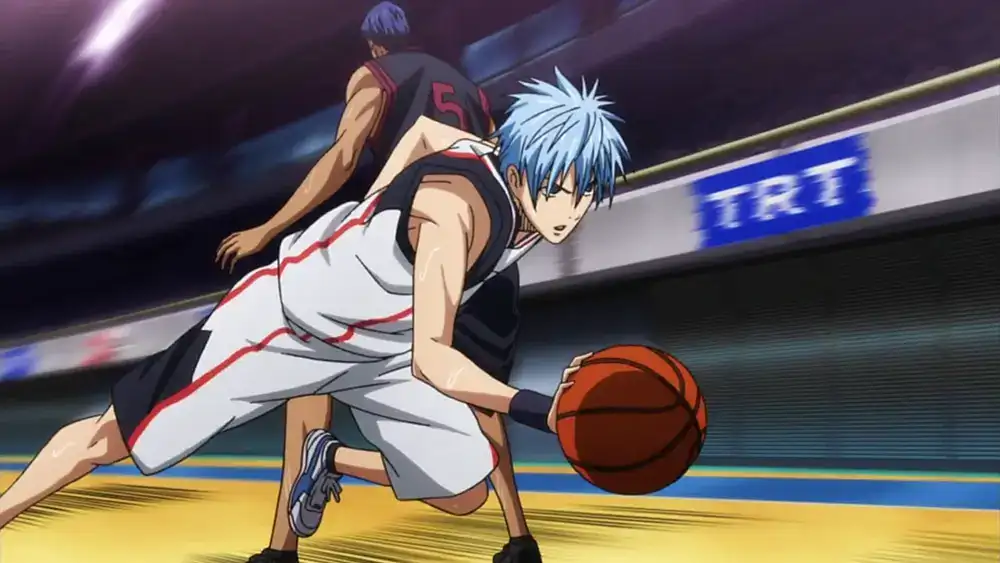
Misdirection is Kuroko’s signature. Still, it is less magic than psychology. His weak presence means eyes naturally slide off him. So he nudges their attention elsewhere and works in the blind spot.
It helps that he is small. At 168 cm, roughly 5 feet 6 inches, he is one of the shortest players on any court. So defenders overlook him even more.
- The Ignite Pass, and its upgraded Kai version, fires the ball like a bullet.
- The Vanishing Drive lets him slip past a defender in plain sight.
- The Phantom Shot hides the ball the same way his passes hide him.
- Eventually, the Quasi-Emperor Eye lets him read his teammates several steps ahead.
Light and Shadow: The Kagami Connection

The emotional core of the series is the bond between Kuroko and Taiga Kagami. Kagami is his explosive, high-flying partner at Seirin, and his best friend. Kuroko calls himself the shadow to Kagami’s light, and the idea is beautiful. Because the stronger the light burns, the deeper and more useful the shadow becomes.
- Kagami is the light: raw, explosive, unmissable talent.
- By contrast, Kuroko is the shadow: the tactical depth that makes the light land.
- So you cannot really have one without the other. Their partnership is symbiotic.
So his growth is subversive. It is not about becoming a star. Rather, it is about finding the right partner to make brilliant.
The Specialist Among Monsters

So is Kuroko any good at basketball? The honest answer is more interesting than a flat yes or no. By the normal yardsticks of the sport, he is bad. Yet he is elite at the one thing he does.
- He is a poor dribbler, slow on his feet, and a weak shooter.
- The official fan book ranks his raw athleticism near the bottom of the national-level cast.
- Still, his court awareness sits off the charts, and no one else can copy his misdirection.
So he is a specialist, not an all-rounder. That gap also sets him apart from the other Miracles. They are the giants. He is the ghost who haunts them.
Ultimately, this contrast is what makes him compelling. Kuroko is living proof of one idea. The direction of your effort can matter as much as the raw amount of it.
Does Kuroko Ever Enter the Zone?
This question comes up a lot, because the Zone is the ultimate power-up. In the series, the Zone belongs to the elite scorers, the aces driven by a hunger to dominate.
It fits him perfectly. The Zone is about one player overpowering everyone alone. That was never going to be Kuroko’s story.
Tetsuya #2: The Dog Named After Him

Yes, Kuroko has a dog, and it is one of the most beloved running gags in the show. He finds an abandoned puppy, takes it in, and names it after himself.
Of course, that gag never gets old. In short, the fearless ace turns into a nervous wreck around a fluffy puppy named after his own partner.
Does Kuroko Have a Girlfriend? Kuroko and Momoi

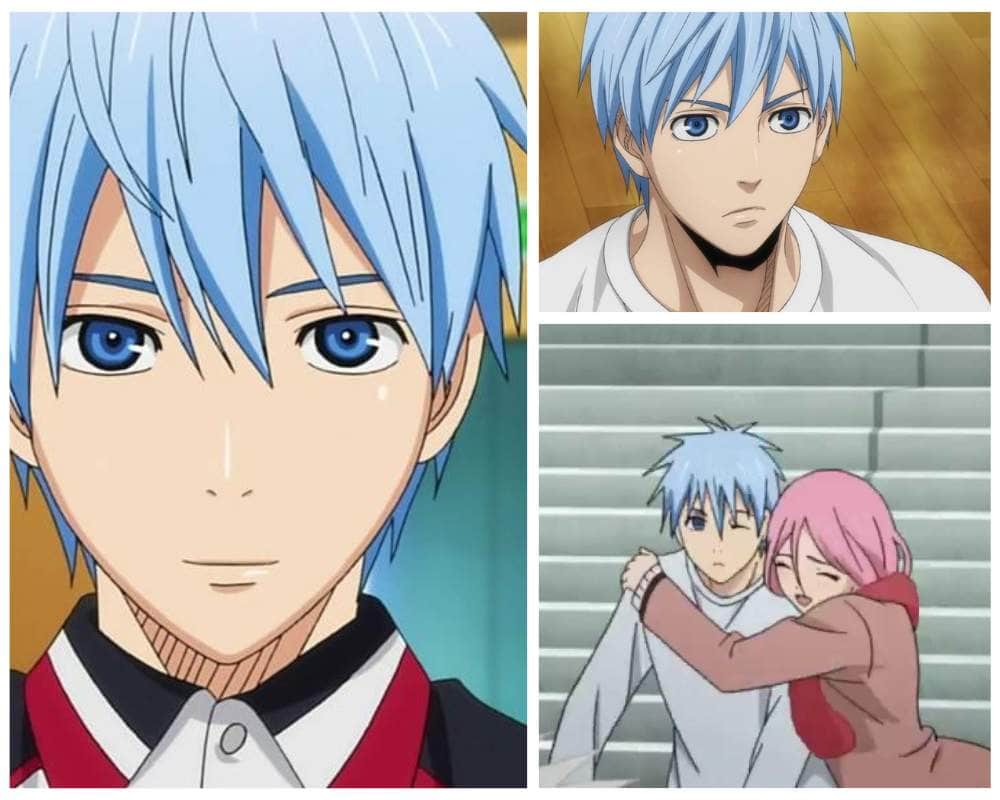
Kuroko does not have a girlfriend in the series. Still, he does have a devoted admirer. The closest thing to romance is his bond with Satsuki Momoi, the sharp Teiko team manager who fell for him during their middle-school days.
Indeed, Momoi is openly, adorably smitten, and she hides none of it. From Kuroko’s side, though, the bond reads as warm and platonic. If Kuroko loves anything, it is the game itself. So his loyalty to his teammates outweighs any grand romance.
Who Voices Kuroko?
Kuroko’s flat, soft-spoken delivery is a big part of the joke. So both of his voice actors nail that deadpan calm.
Is Kuroko Autistic?
This is a common fan question, so it deserves a plain answer. Notably, the series never states or suggests that Kuroko is autistic. The creators have never commented on it either.
So it is purely a fan reading. Usually it comes from his calm manner and his deep focus on basketball. Still, a quiet personality and an intense passion show up in all sorts of people. They do not add up to a diagnosis.
Is Kuroko’s Basketball Finished?
If you are wondering whether there is more to watch, the story is complete.
So here is the final verdict. Without Kuroko, this series would just be superpowers with a basketball attached. Instead, he is the grounding force.
Because of him, the show stays fixed on the soul of the sport instead of the flash.
That is the whole point of the shortest, quietest, easiest-to-miss player on the floor. Somehow, he is also the most important one. So where does Tetsuya Kuroko rank for you among anime basketball players?
And is misdirection the coolest skill in the series, or do you lean toward one of the flashier Miracles?
Drop your pick in the comments.