Count Chocula has spent more than half a century selling chocolate cereal without ever starring in a conventional cartoon series.
He did not need one.
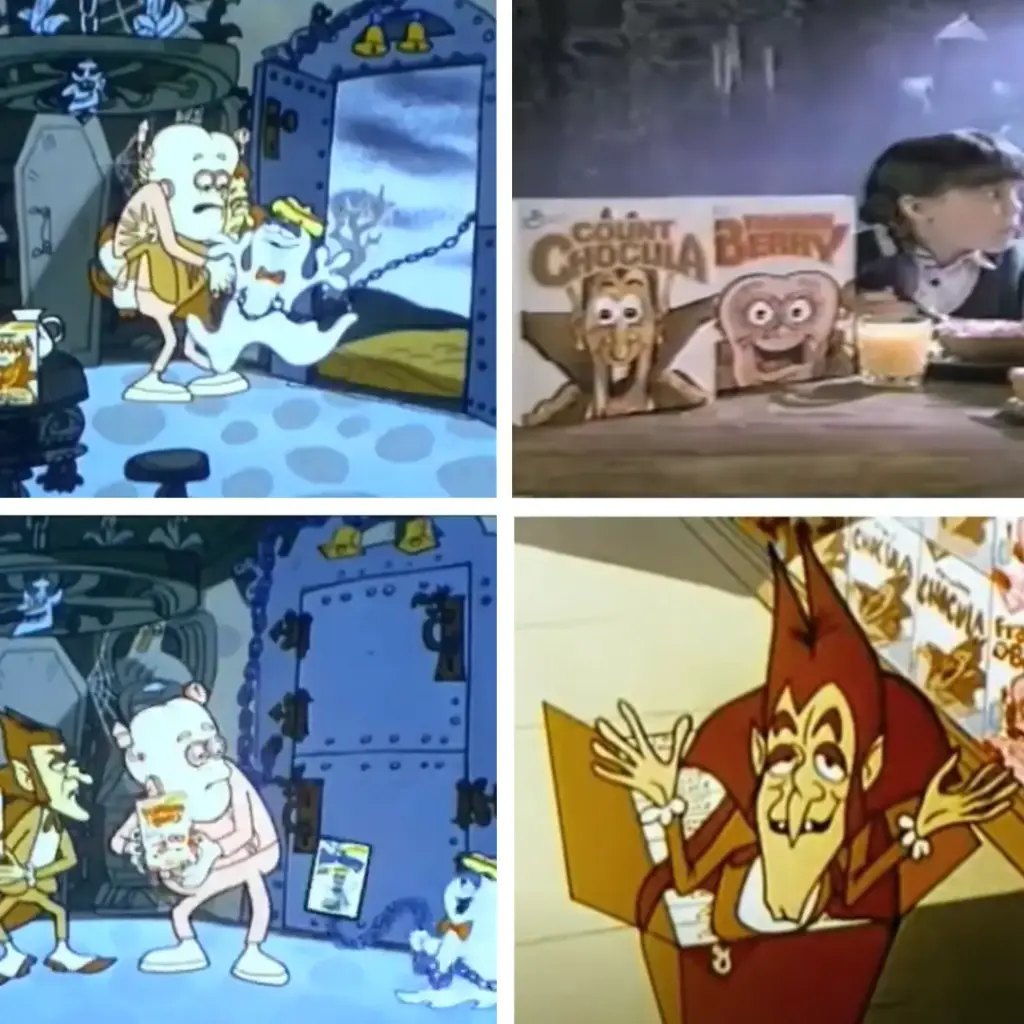
His entire animated career was built in commercials that lasted less than a minute: argue with Franken Berry, brag about his cereal, get frightened by something harmless, and disappear until the next ad break.
That limited screen time somehow made him more durable than many cartoon characters who had complete shows.
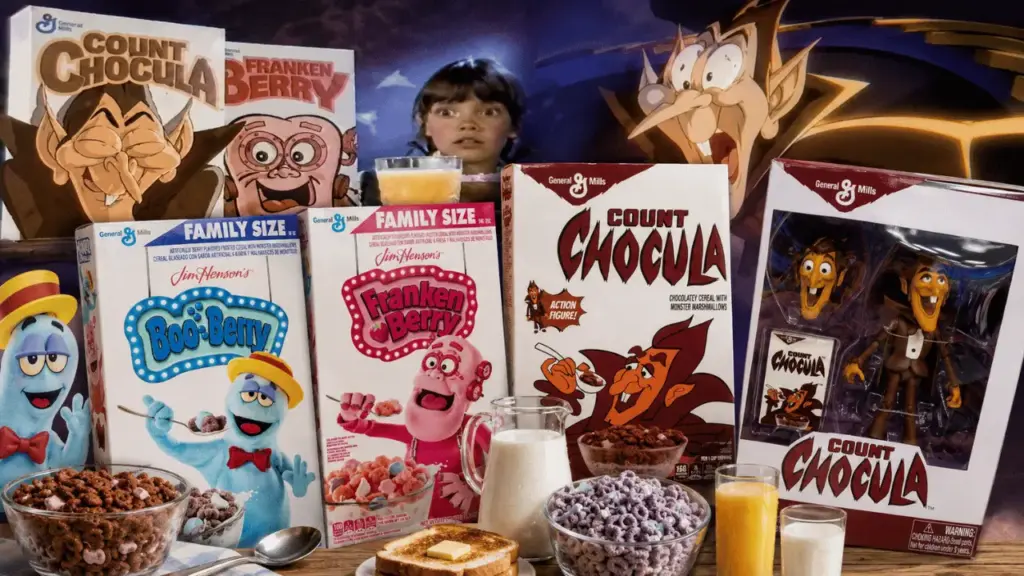
Count Chocula survived changing animation styles, the decline of Saturday morning television and decades of redesigned cereal boxes. In 2026, he returned for the Monster Cereals’ 55th anniversary alongside Franken Berry and Boo Berry.
This is the history of Count Chocula and every General Mills Monster Cereal: including the forgotten werewolf, the short-lived mummy, the zombie DJ and the strawberry cereal that ended up in a medical journal.
The Monster Cereals at a glance
- Original launch: Count Chocula and Franken Berry in March 1971
- Third cereal: Boo Berry in 1972, with national distribution in 1973
- Original concept: Classic monsters who were frightened by almost everything
- Forgotten cereals: Frute Brute and Fruity Yummy Mummy
- Newest character: Carmella Creeper, introduced in 2023
- Current core lineup: Count Chocula, Franken Berry and Boo Berry
- Availability: Limited seasonal releases around Halloween
Who Is Count Chocula?
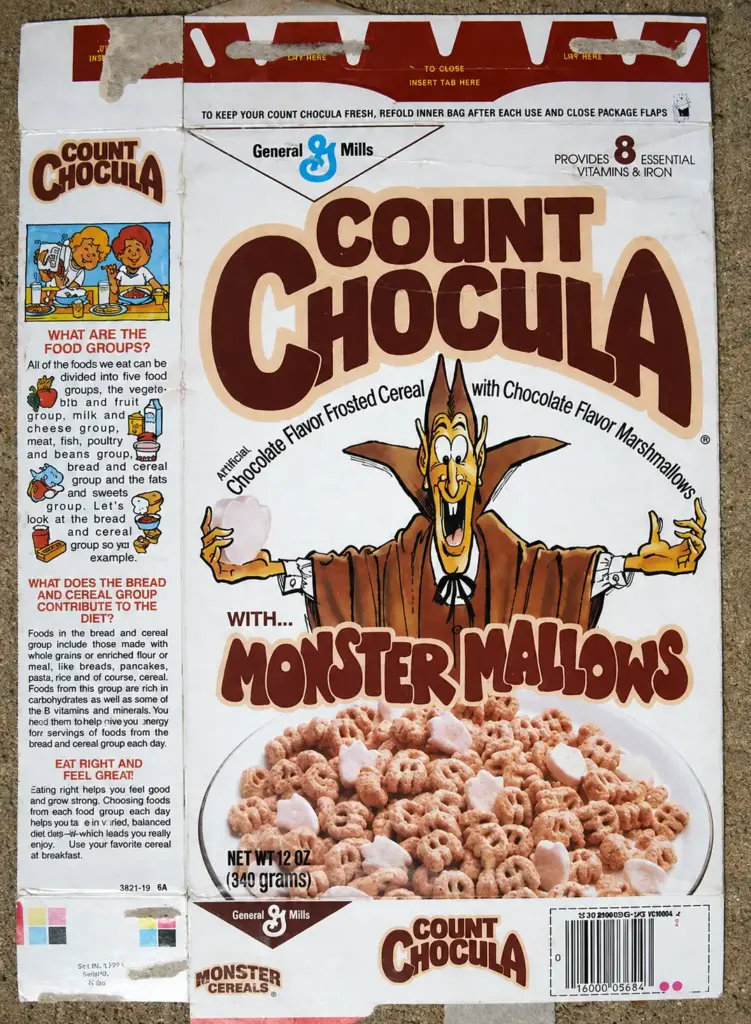
Count Chocula is the cartoon vampire mascot of General Mills’ chocolate-flavored Monster Cereal.
He debuted in March 1971 alongside Franken Berry, a pink Frankenstein-inspired character representing a strawberry cereal.
According to General Mills’ official history, the two products were the only chocolate- and strawberry-flavored cereals on the market at the time.
The original commercials established their personalities immediately.
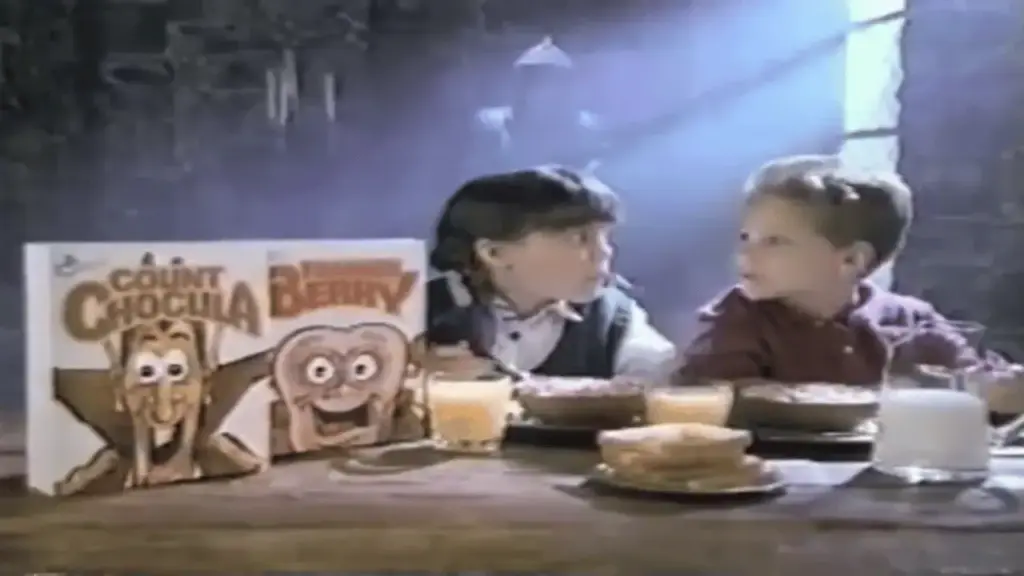
Count Chocula and Franken Berry would argue over whose cereal tasted better. Both claimed to be terrifying monsters, but the argument usually ended when a child, cat, bird or unexpected noise frightened them.
The joke that carried the entire brand
The Monster Cereals looked like horror characters, but behaved like nervous children. That reversal kept the mascots funny and prevented them from becoming too frightening for a breakfast aimed at kids.
When Did Count Chocula Come Out?
Count Chocula officially launched in March 1971.
Franken Berry arrived at the same time, making the pair the founding members of what became the Monster Cereals line.
The timing was ideal.
Classic horror films had found a new audience through late-night television, magazines, toys and monster comedies. Dracula and Frankenstein’s monster were no longer limited to frightening adults in theaters. By the early 1970s, children recognized their silhouettes immediately.
General Mills turned those familiar monsters into harmless breakfast mascots:
- Dracula became a chocolate-obsessed vampire.
- Frankenstein’s monster became a pink strawberry spokesman.
- Their rivalry replaced horror with slapstick.
- The frightening monsters were usually the first characters to panic.
The monsters were built for recognition. A cape, fangs and widow’s peak told viewers everything they needed to know about Count Chocula before he spoke.
Who Created Count Chocula and Franken Berry?
The Monster Cereals were developed through advertising rather than a television animation studio.
General Mills’ agency, Dancer Fitzgerald Sample, was asked to create characters for new chocolate- and strawberry-flavored cereals.
Copywriter Laura Levine received the assignment from creative director Tony Jaffe.
In a later interview with Mental Floss, Levine recalled developing the names Count Chocula and Franken Berry while searching for a funny pair of mascots.
Her central idea was simple: monsters who thought they were frightening but were actually “scaredy cats.”
That personality was just as important as the names.
A straight Dracula mascot could have been too threatening. A cowardly Dracula who screamed at a kitten was safe enough to sell breakfast cereal.
Minnesota illustrator George Karn helped establish the visual identity. General Mills credits Karn, who had previously drawn the original Trix Rabbit, with sketching the first Count Chocula artwork.
Why the concept was so efficient
- The monster type explained the character instantly.
- The cereal flavor was built directly into the name.
- The cowardice supplied a repeatable commercial joke.
- The designs worked on both animated television ads and cereal boxes.
Count Chocula’s Voice Was Based on Bela Lugosi
The early commercials borrowed heavily from the voices and performances associated with classic horror films.
Count Chocula spoke with an exaggerated version of Bela Lugosi’s Hungarian-accented Dracula voice. Franken Berry’s slower delivery recalled Boris Karloff’s performances as Frankenstein’s monster.
The best-known performers associated with the original mascots include:
- Count Chocula: Jim Dukas is commonly credited with the earliest voice, while Larry Kenney became the character’s long-running performer.
- Franken Berry: Bob McFadden established the character’s Karloff-inspired delivery.
- Boo Berry: Paul Frees voiced the ghost with a sleepy impression of actor Peter Lorre.
Paul Frees gives Boo Berry an especially strong connection to animation and theme-park history.
He was also the voice of Boris Badenov in Rocky and Bullwinkle and the Ghost Host inside Disney’s Haunted Mansion.
The Monster Cereals were therefore not merely boxes with character art. Their commercials used professional voice actors, recurring personalities and comic timing drawn from the same talent pool as television cartoons.
Franken Berry Caused the Famous Pink-Poop Scare
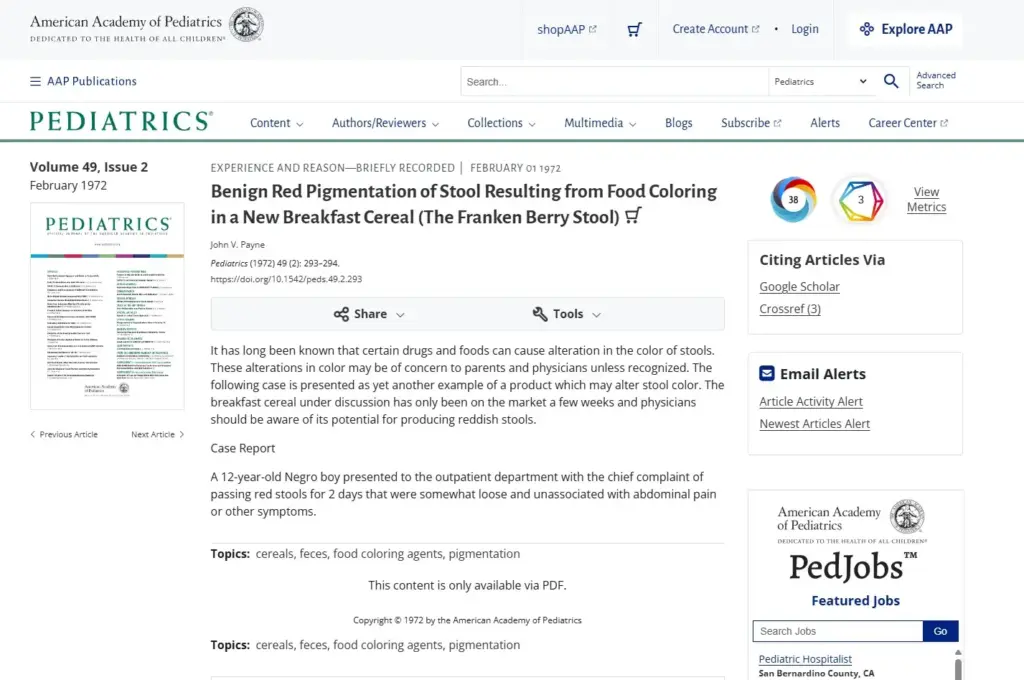
Franken Berry achieved something none of the other cereal monsters could claim: it became the subject of a medical paper.
In February 1972, the journal Pediatrics published a case report titled:
“Benign Red Pigmentation of Stool Resulting from Food Coloring in a New Breakfast Cereal (The Franken Berry Stool).”
The report concerned a 12-year-old boy who had developed reddish stool that appeared similar to intestinal bleeding.
Doctors initially investigated more serious causes. Questioning later revealed that the child had recently eaten Franken Berry.
After his digestive system cleared, the boy was given four bowls of the cereal. The unusual color returned, confirming that the food coloring was responsible.
The effect was harmless, but understandably alarming to parents.
What “Franken Berry Stool” meant
The original cereal coloring could pass through the digestive system and turn stool a bright reddish-pink. It looked frightening, but the published case described the pigmentation as benign rather than internal bleeding.
The original formula was later changed.
More than fifty years later, “Franken Berry Stool” remains one of the strangest intersections between cartoon advertising and medical literature.
When Was Boo Berry Introduced?
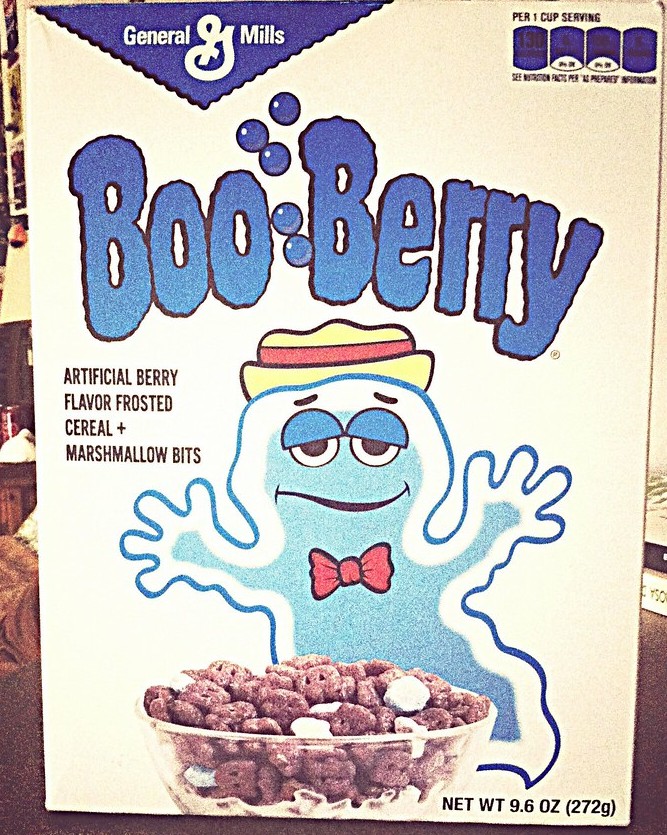
Boo Berry joined the Monster Cereals in 1972 and expanded nationally in February 1973.
General Mills identifies it as the first blueberry-flavored cereal sold on the market.
The mascot is a small blue ghost wearing a yellow hat and red bow tie. Unlike Count Chocula and Franken Berry, his physical design was not a direct copy of one particular horror-film monster.
His voice supplied the clearest reference.
Paul Frees performed Boo Berry with the slow, nasal delivery associated with actor Peter Lorre. The result was a ghost who sounded tired, strange and faintly suspicious without becoming threatening.
Boo Berry also expanded the original rivalry.
Count Chocula and Franken Berry were initially frightened by the new ghost, giving the commercials another monster who could interrupt their arguments.
Frute Brute: The Forgotten Werewolf Cereal
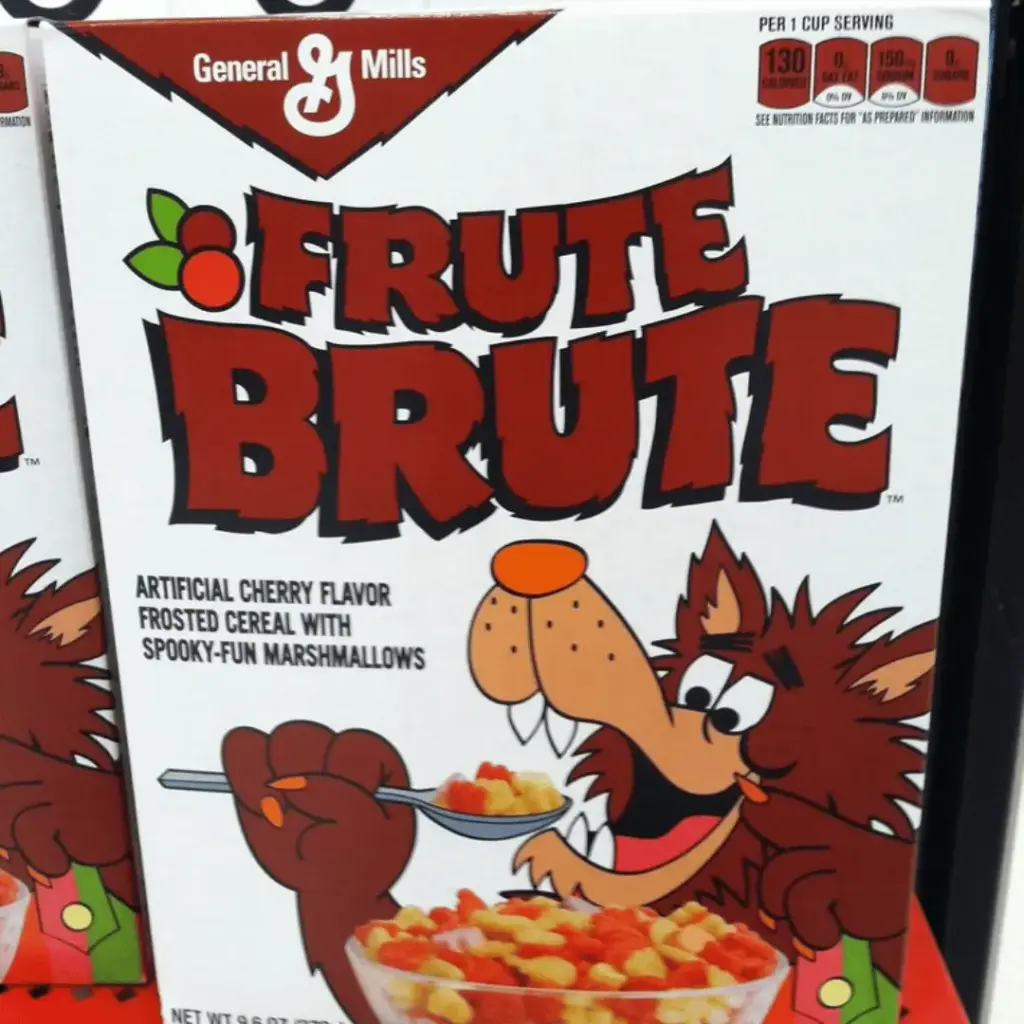
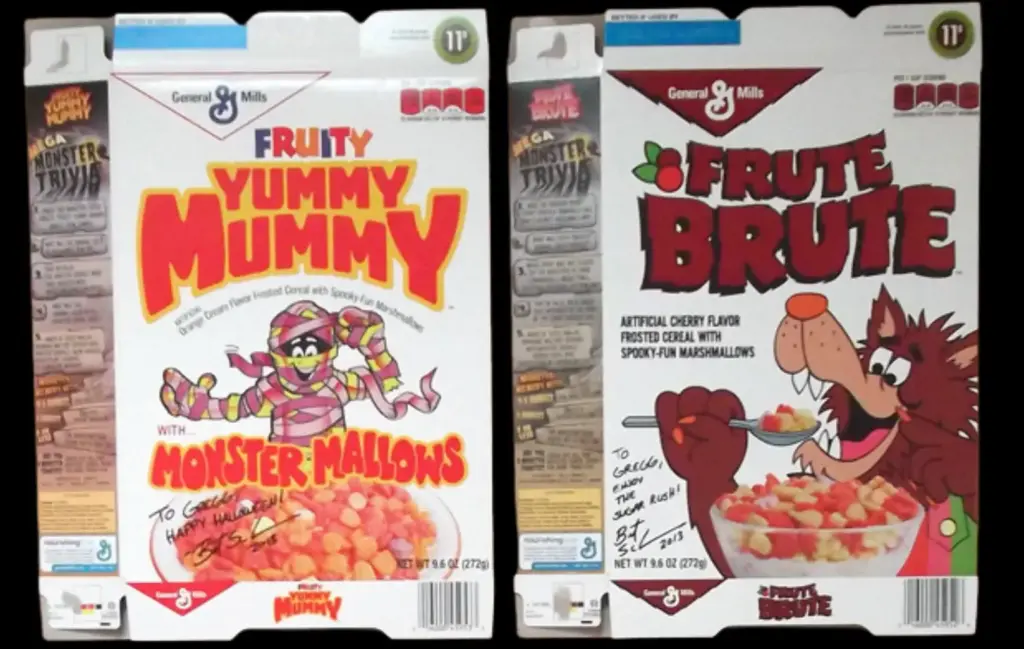
Frute Brute joined the lineup in 1974.
The mascot was a friendly-looking werewolf wearing striped overalls. His fruit-flavored cereal included lime-flavored marshmallow pieces and was promoted with the phrase “the howlin’-good taste of fruit.”
The werewolf never became as recognizable as Count Chocula, Franken Berry or Boo Berry.
General Mills discontinued Frute Brute in 1982 after an eight-year run.
The cereal later gained an unusual second life through Quentin Tarantino.
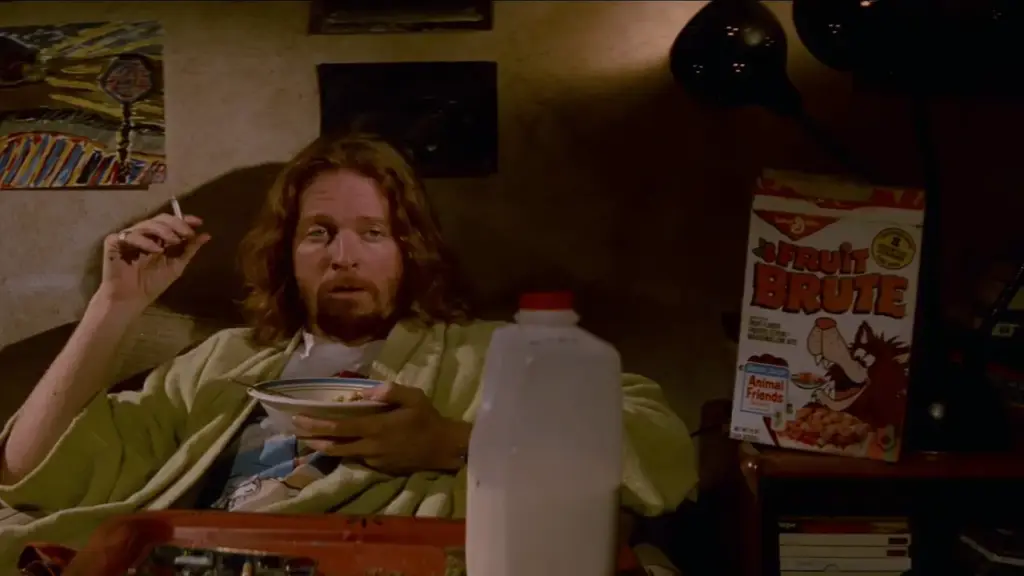
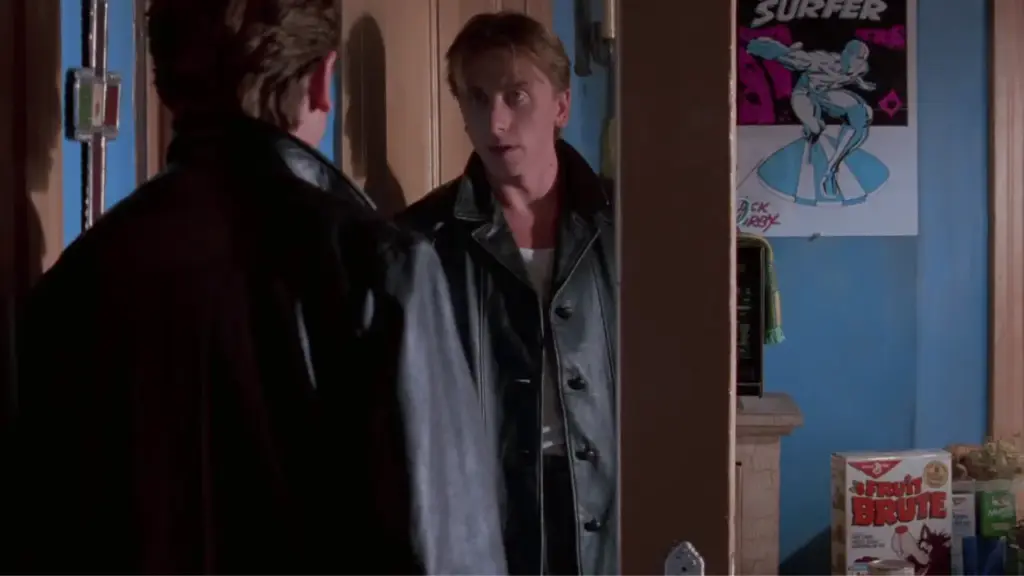
A Frute Brute box appears in:
- Reservoir Dogs, inside Mr. Orange’s apartment
- Pulp Fiction, while Lance is eating cereal
Those appearances helped make surviving vintage boxes desirable among collectors who might not otherwise remember the cereal.
Frute Brute returned alongside the other classic monsters in 2013. The revival changed its cereal flavor to cherry and used the shortened spelling “Frute Brute.”
It also received another limited seasonal return in 2022.
Fruity Yummy Mummy Lasted Only a Few Years
Fruity Yummy Mummy debuted in 1988.
The character was a colorful mummy covered in multicolored bandages. His original cereal used a fruit flavor with vanilla-flavored marshmallows.
- Yummy Mummy effectively filled the fruit-cereal position left vacant by Frute Brute, but the replacement lasted only until 1992.
The character returned in 2013 when General Mills placed all five classic Monster Cereals on shelves simultaneously for the first time.
For that revival, Fruity Yummy Mummy was reformulated with an orange-cream flavor.
Why Frute Brute and Yummy Mummy became collector favorites
Count Chocula, Franken Berry and Boo Berry returned regularly. The werewolf and mummy disappeared for long stretches, making their original boxes, advertisements and merchandise much harder to find.
Who Is Carmella Creeper?
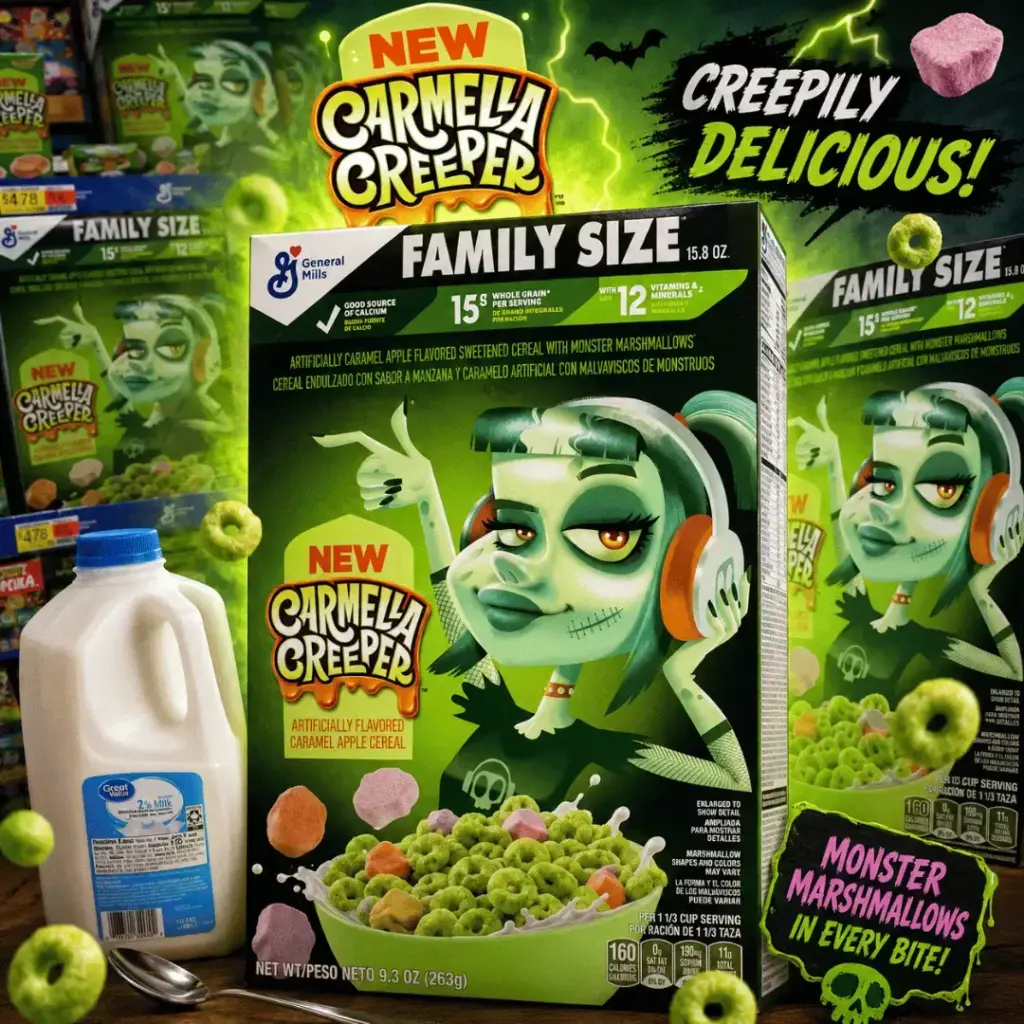
Carmella Creeper joined the Monster Cereals in 2023.
General Mills introduced her as a green-haired zombie DJ and Franken Berry’s long-lost cousin. Her cereal used a caramel-apple flavor with colored marshmallows.
Carmella’s design updated the monster formula for a newer audience:
- She is a zombie rather than a classic Universal-style monster.
- Headphones and music equipment replace a cape, chains or bandages.
- Her personality is based on DJ culture rather than old horror films.
- Her cereal flavor draws directly from caramel apples and Halloween.
General Mills also used her to front the 2023 “Monster Mash Remix.”
That release combined flavors representing all six Monster Cereal characters in one box: Count Chocula, Franken Berry, Boo Berry, Frute Brute, Fruity Yummy Mummy and Carmella Creeper.
Carmella expanded the character roster, but she is not currently part of the annual three-cereal core lineup.
Every General Mills Monster Cereal
| Cereal | Debut | Original flavor | Monster | Current status |
|---|---|---|---|---|
| Count Chocula | 1971 | Chocolate | Vampire | Seasonal core cereal |
| Franken Berry | 1971 | Strawberry | Frankenstein-style monster | Seasonal core cereal |
| Boo Berry | 1972 | Blueberry | Ghost | Seasonal core cereal |
| Frute Brute | 1974 | Fruit with lime marshmallows | Werewolf | Retired with limited revivals |
| Fruity Yummy Mummy | 1988 | Fruit with vanilla marshmallows | Mummy | Retired after a 2013 revival |
| Carmella Creeper | 2023 | Caramel apple | Zombie DJ | Limited release character |
Why Is Count Chocula Only Available Around Halloween?
Count Chocula was not always a seasonal cereal.
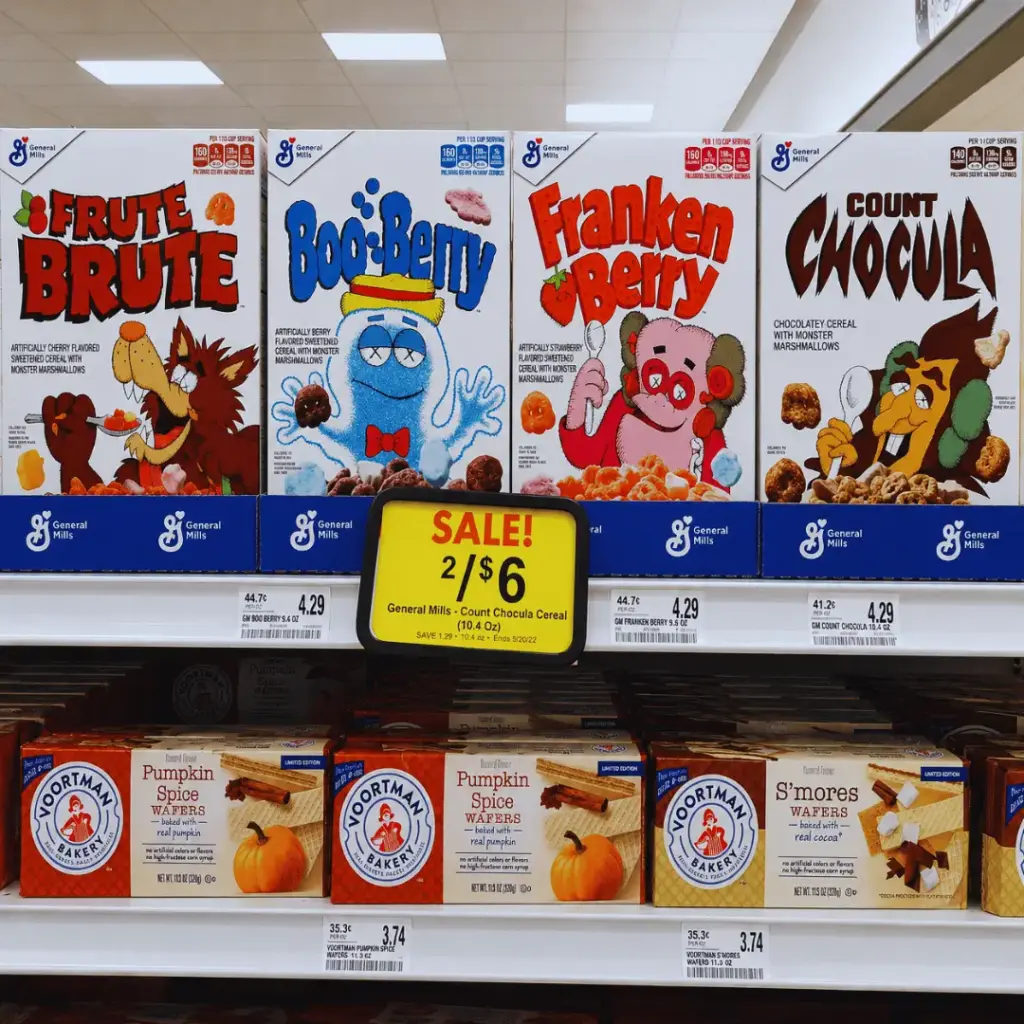
General Mills sold Count Chocula, Franken Berry and Boo Berry throughout the year until 2009.
Beginning in 2010, the company shifted the line to a limited autumn release. Boxes usually begin appearing during late summer and remain available through the Halloween season.
The change turned the cereals into an annual event.
Instead of competing for shelf space throughout the year, the monsters became part of the arrival of fall. Their return now works like seasonal candy, Halloween decorations or limited holiday drinks.
Is Count Chocula discontinued?
No. Count Chocula remains in production, but General Mills currently sells it for a limited period around Halloween rather than throughout the year.
The 1987 Count Chocula Box Controversy
One Count Chocula promotion created a controversy that is sometimes incorrectly attributed to the mascot himself.
- In 1987, General Mills released a box featuring an electronically enhanced image of Bela Lugosi as Dracula.
The image included a six-pointed medallion that some consumers and Jewish publications believed resembled a Star of David. The combination of a Jewish symbol with a blood-drinking vampire raised understandable concerns.
The image was Dracula not the cartoon Count Chocula and the medallion had appeared in the original film costume.
- General Mills nevertheless changed the remaining packaging and edited unreleased television commercials to remove the symbol. The company apologized for the oversight, while the Anti-Defamation League praised its quick response.
The company did not recall the boxes already in stores.
That difference is worth preserving because online versions of the story often claim Count Chocula himself originally wore a Star of David. He did not.
How the Monster Cereal Boxes Became Collectible Art
The Monster Cereals eventually became as famous for changing box art as for the cereal inside.
Notable releases include:
- 2013: All five classic monsters returned, with retro editions available through Target.
- 2014: DC Comics artists Terry and Rachel Dodson, Dave Johnson and Jim Lee illustrated limited-edition boxes.
- 2021: General Mills released Monster Mash cereal for the original line’s 50th anniversary.
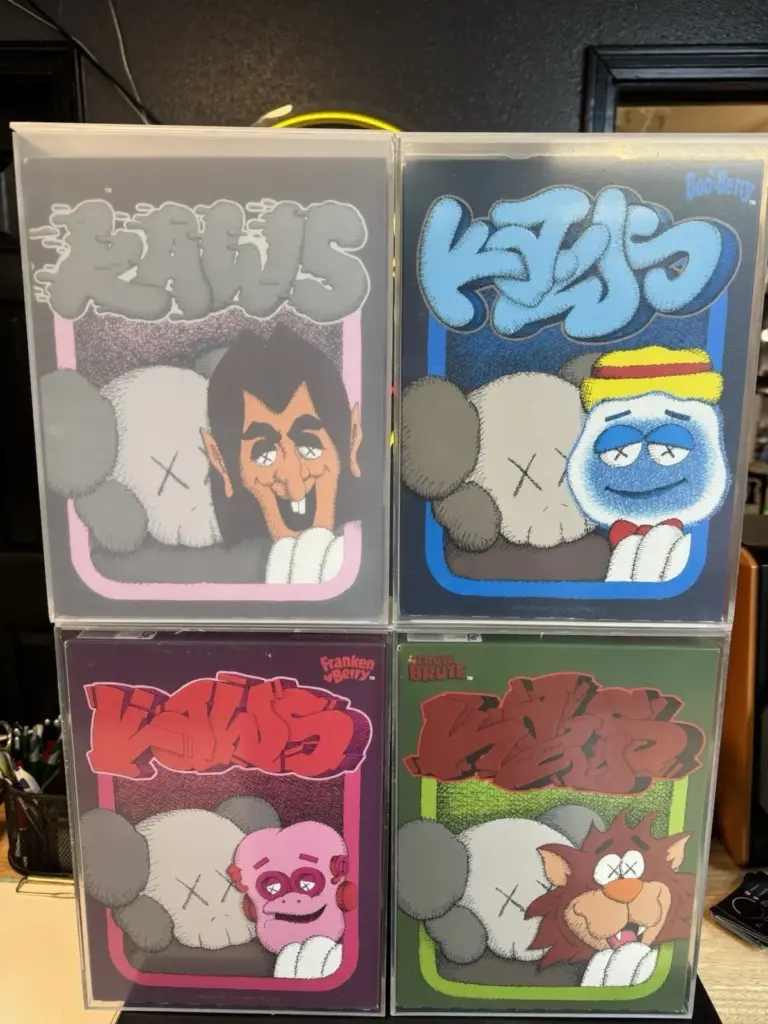
- 2022: Artist KAWS redesigned the core trio for collectible cereal boxes and figures.
- 2023: Carmella Creeper and Monster Mash Remix joined the seasonal campaign.
- 2025: The Jim Henson Company transformed Count Chocula, Franken Berry and Boo Berry into puppets.
- 2026: The Henson puppet collaboration returned for the Monster Cereals’ 55th anniversary.
The Henson designs were an especially appropriate transformation.
These characters had always existed somewhere between cartoons and physical mascots. Turning them into puppets made them feel like performers rather than artwork printed on a box.
Are the Monster Cereal Mascots Cartoon Characters?
They count as cartoon characters even though they never had a regular animated series.
Count Chocula, Franken Berry and Boo Berry had:
- Recognizable character designs
- Professional voice actors
- Recurring personalities
- Relationships with one another
- Running jokes carried across multiple commercials
- Animated stories shown during children’s television
Their cartoons were simply advertisements.
For viewers watching Saturday morning cartoons, the distinction may not have mattered much. The monsters appeared between programs, used the same visual language and often featured voices familiar from animation.
I think that limited format is a major reason Count Chocula endured.
A television character needs new plots and episodes. Count Chocula needed only one reliable idea: a vampire who wants chocolate cereal instead of blood and is far less courageous than he thinks.
How Count Chocula Outlived Saturday Morning Television
The Monster Cereals survived the advertising agency that created them, the Saturday morning schedule that carried their commercials and most of the cartoons they once interrupted.
Their success came from a combination that was simple enough to survive repeated redesigns:
- Famous horror silhouettes
- Bright cereal flavors
- Memorable voice impressions
- Characters who looked scary but behaved harmlessly
- Packaging people wanted to collect
Count Chocula never needed a half-hour show.
A strong design, a Bela Lugosi-style voice and one dependable joke carried him from 1971 into the 2026 Halloween season.
That makes him more than a cereal mascot.
He is one of animation’s most successful characters who built an entire career thirty seconds at a time.
For another cartoon figure created outside a conventional series, read my history of Daren the Lion, the D.A.R.E. mascot. You can also explore the story behind the Garbage Pail Kids cartoon CBS canceled before it aired.