
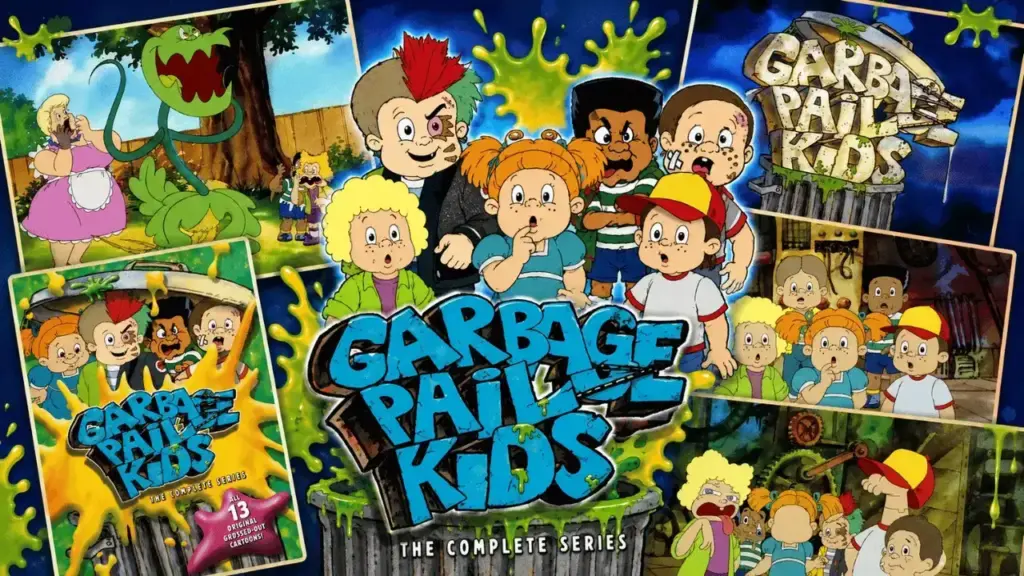
In September 1987, CBS achieved one of the strangest milestones in television history. The network completed an entire Saturday morning cartoon, promoted it nationwide, secured its place in the fall schedule and then cancelled it just days before the premiere.
The Garbage Pail Kids was not an unfinished pilot or a collection of abandoned storyboards. All 13 episodes had been scripted, recorded and fully animated. The series was ready to air, yet American television viewers never saw a single episode.
This is the story of one of animation history’s most infamous cancelled cartoons: who stopped it, what was actually hidden on those tapes and how the Garbage Pail Kids eventually escaped from the CBS vault.
What Was The Garbage Pail Kids Cartoon?
By 1987, Topps’ gross-out trading cards had become a full-blown elementary school phenomenon and a growing nightmare for parents, teachers and school principals.
CBS saw an opportunity. Rather than simply licensing the property for its Saturday morning lineup, the network partnered directly with Topps to produce an animated series.
Executives were betting that the cards’ disgusting humor and rebellious attitude could become the next major trend in children’s television.
CBS also assembled an experienced creative team to bring the show to life:
- Bob Hathcock: The series’ director and producer, who had worked on major animated shows including DuckTales and The Real Ghostbusters.
- Flint Dille: The head story developer, best known for his work on The Transformers and G.I. Joe.
On paper, CBS appeared to have a guaranteed Saturday morning hit.
In reality, the network was walking directly into a public relations disaster.
The show
13 episodes, finished and shelved
- Ordered and produced by CBS with Topps
- Directed by Bob Hathcock, developed by Flint Dille
- Animated overseas by Taiwan’s Wang Film Productions
- Scheduled for 9:30 Saturday mornings, fall 1987
Every stage of production had been completed. The scripts were written, the characters were designed, the dialogue was recorded, the animation was finished and even the wordless theme song was ready.
Then, at the last possible moment, CBS changed its schedule.
As a result, The Garbage Pail Kids became one of the most complete television series never to air in American homes.
The Cards Behind the Chaos
Topps launched Garbage Pail Kids in 1985 as a deliberate gross-out parody of Cabbage Patch Kids. The creative team came from an unlikely place. Cartoonist Art Spiegelman co-created the line, and John Pound painted the art.
Yes, that Spiegelman, who later won a Pulitzer for Maus.
Soon the cards became a schoolyard economy.
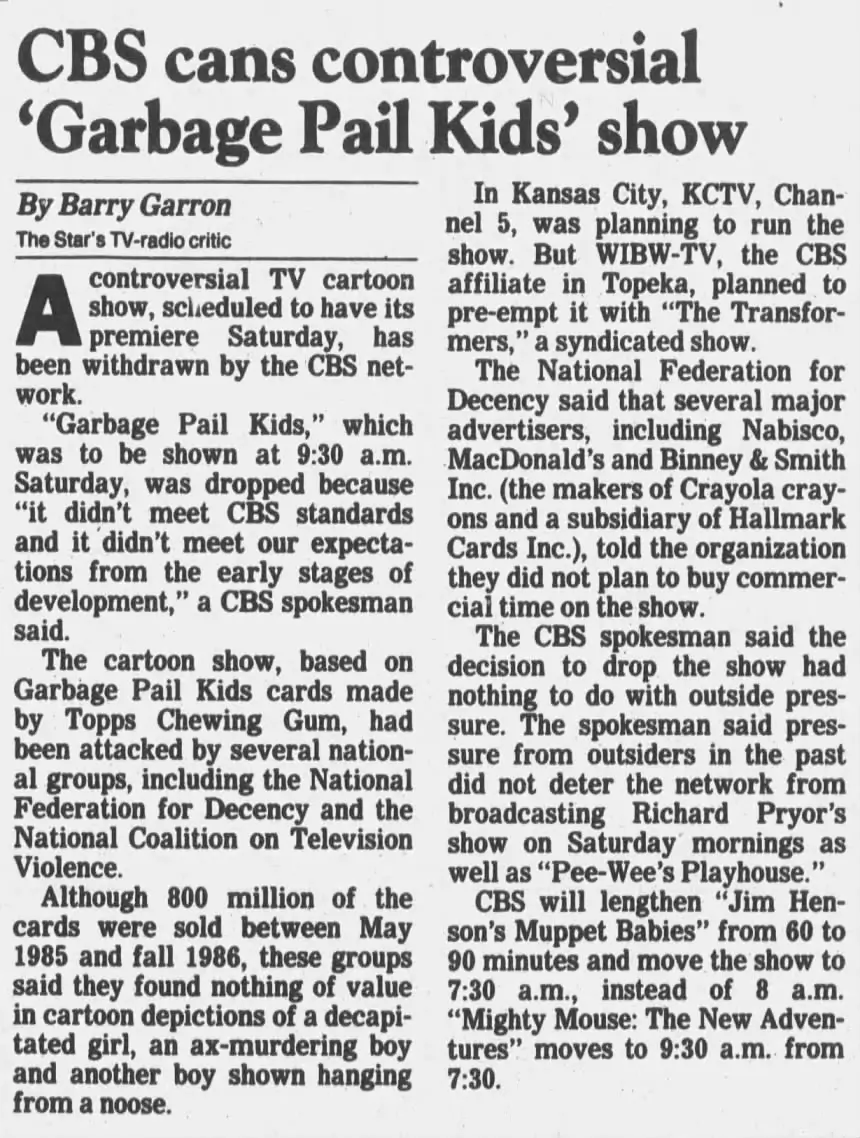
According to 1987 wire reports, 800 million sold between May 1985 and fall 1986. Meanwhile the Cabbage Patch company sued, and Topps eventually settled.
But the panic came from the imagery, because the funniest cards turned beheadings, ax fights, and hangings into punchlines. In the end, parents saw the cards, and the cards were the whole case.
The Worst Timing in Cartoon History
Then the summer of 1987 made the situation even worse.
That August, the live-action Garbage Pail Kids Movie arrived in theaters and quickly became a critical and commercial failure. It would later earn a lasting reputation as one of the most notorious children’s films ever made.
Only weeks later, CBS was preparing to launch a Saturday morning cartoon carrying the same increasingly toxic brand name.
Promotional spots for the series had already aired throughout the summer, and many viewers still remember seeing them. Those brief commercials would become the only footage from the Garbage Pail Kids cartoon ever broadcast on American television.
The cancellation happened so suddenly that local television guides continued listing the series for weeks after CBS had quietly removed it from the schedule.
The Pressure Campaign
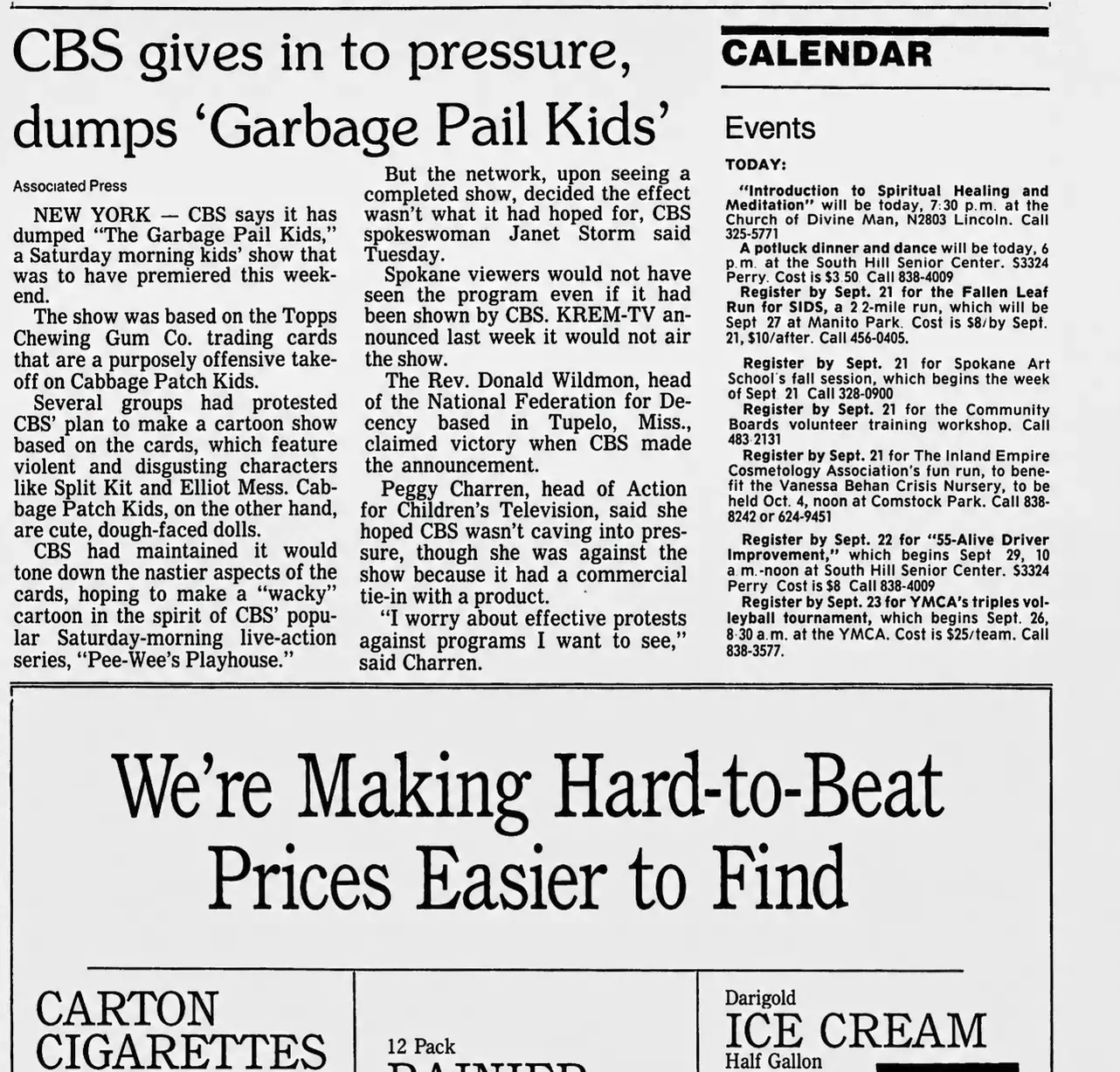
The opposition organized fast, and it organized wide. Rev. Donald Wildmon’s National Federation for Decency led the charge from Tupelo, Mississippi, with the National Coalition on Television Violence alongside.
Notably, their argument never needed the show itself. The cards were evidence enough.
The opposition
- Rev. Donald Wildmon’s National Federation for Decency
- The National Coalition on Television Violence
- Advertisers Nabisco, McDonald’s, and Crayola maker Binney and Smith
- Local CBS stations in Spokane and Topeka
However, the advertising piece did the real damage. The NFD said those three companies told them they had no plans to buy commercial time. Meanwhile, affiliates started walking. Spokane’s KREM announced it would not air the show at all.
Topeka’s WIBW, meanwhile, planned to run The Transformers in the slot instead.
A Saturday morning cartoon without sponsors or stations is already canceled.
It just doesn’t know it yet.
The Week CBS Blinked
Just days before the premiere, CBS abruptly removed the series from its Saturday morning slot at 9:30. The network then offered two explanations that did not quite match.
One spokeswoman said executives had watched the completed episodes and felt the final result was not what they had hoped for. Another spokesman claimed the series simply “didn’t meet CBS standards” and insisted that pressure from outside groups had played no role in the decision.
Few people accepted that version of events, especially the protesters themselves. Wildmon’s organization publicly declared victory as soon as the cancellation was announced.
CBS then quietly rearranged its schedule. Muppet Babies was expanded from 60 to 90 minutes, while Mighty Mouse moved into the newly vacant half-hour slot.
Just like that, the controversial series disappeared before viewers had the chance to see it.
The Charren Twist
Here is the detail that most retellings leave out.
Peggy Charren, founder of Action for Children’s Television and one of the era’s most influential children’s television advocates, also opposed the series. Her objection, however, was different from Wildmon’s.
Charren viewed the cartoon as little more than an extended commercial for the Garbage Pail Kids trading cards. It was a television show created to promote and sell an existing product, placing it squarely within the same debate that surrounded the toy-driven cartoon boom of the 1980s.
That is also the story behind why so many old cartoons were produced in batches of exactly 65 episodes.
Even so, Charren was uneasy about the way the series had been removed.
“I worry about effective protests against programs I want to see,” she told the Associated Press.
In a single sentence, she identified the danger of cancelling television through organized pressure. Once the tactic proves successful, it does not remain limited to the programs you personally dislike.
What Was on the Tapes?
So what exactly had CBS decided was too controversial to broadcast?
By most accounts, the answer was something surprisingly mild.
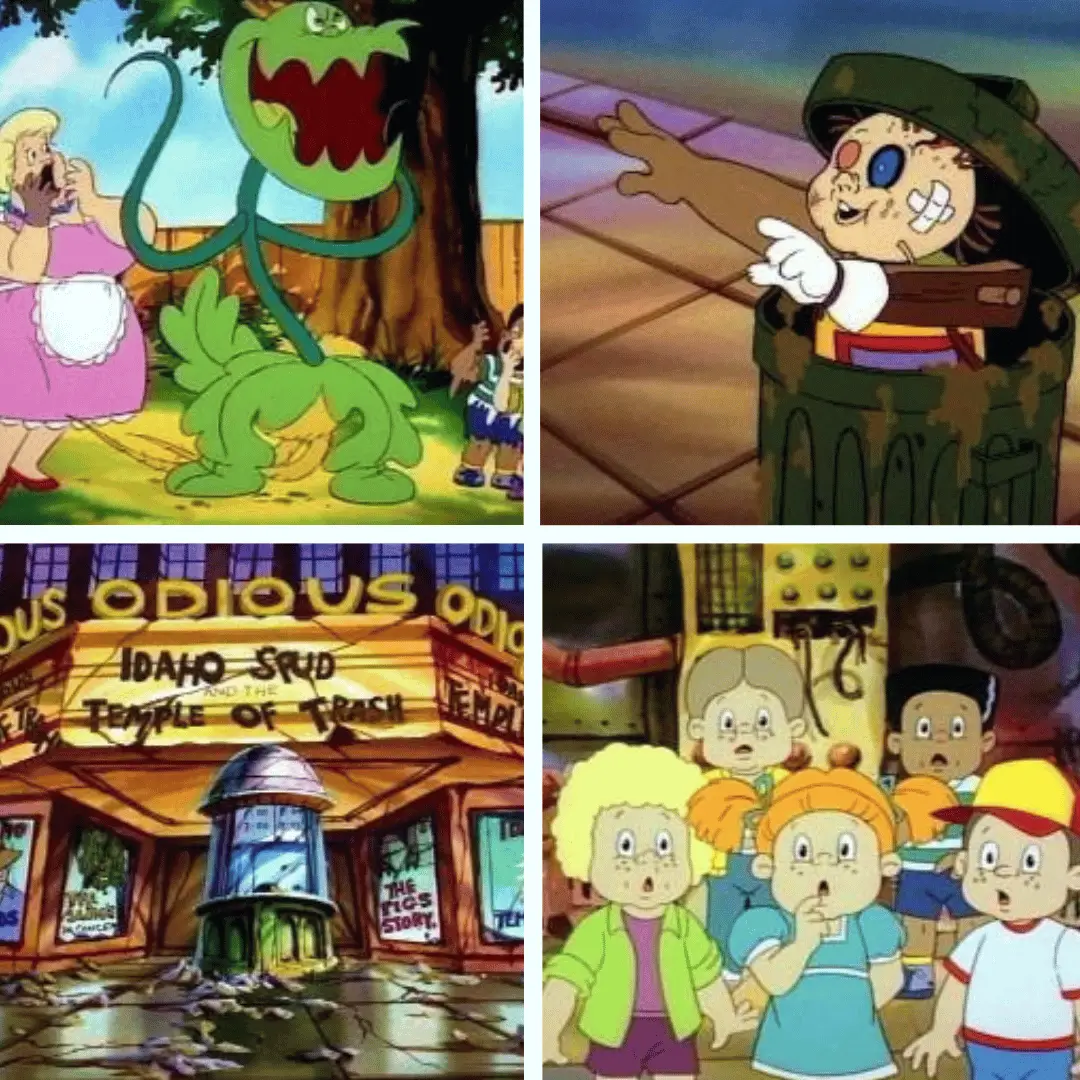
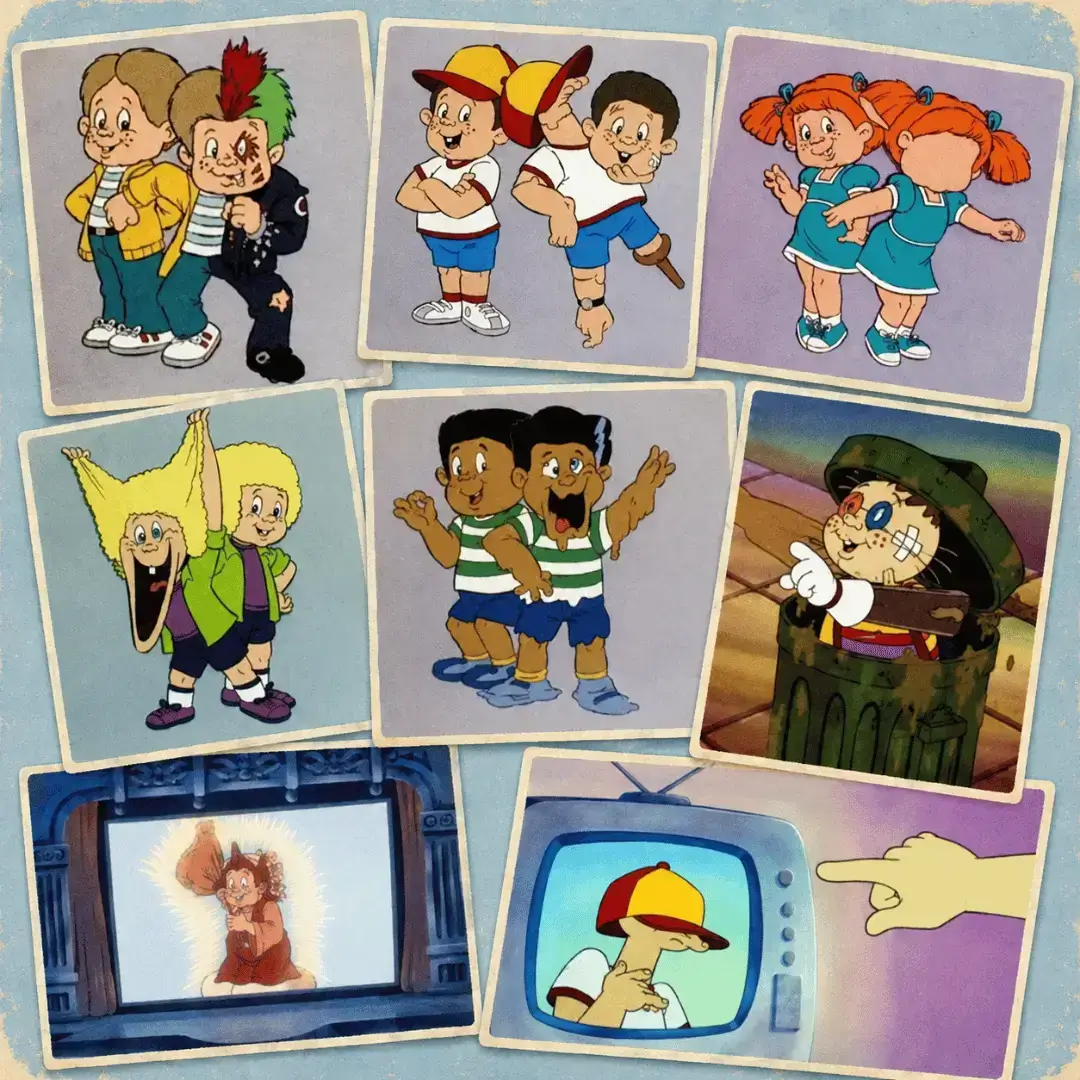
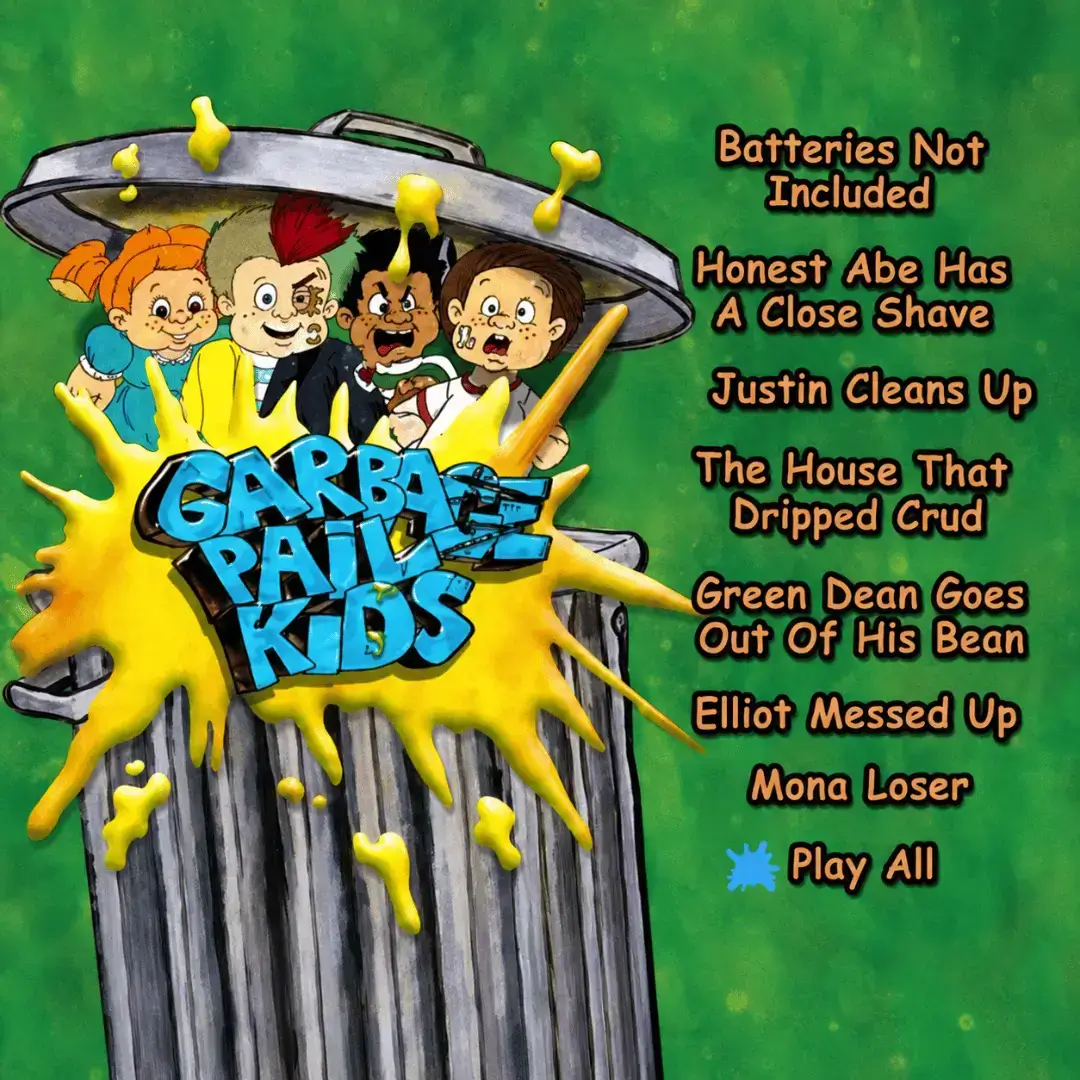
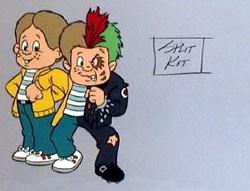
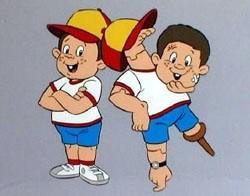
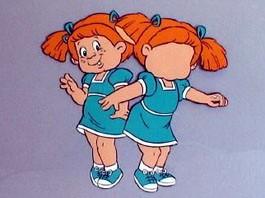
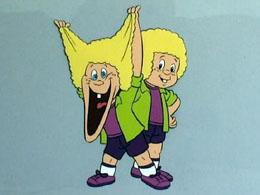
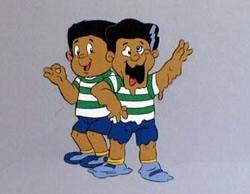
The series followed five ordinary children named Split Kit, Elliot Mess, Terri Cloth, Patty Putty and Clogged Duane. During the first two episodes, the characters could “trash out,” transforming into their grotesque Garbage Pail Kids identities.
Beginning with the third episode, however, the transformation gimmick was abandoned.
The characters simply remained in their mutated forms for the rest of the series.
Inside the 13 episodes
- A movie spoof every week, from Idaho Spud to The Fry
- Fake ads for Cootie Detectors and Anti-Kissing Cream
- A joke segment called the Garbage Pail Groaner
- Adventures no edgier than any 1987 kids’ show
Director Bob Hathcock confirmed the network sanded off the edges. Later, in an oral history, he delivered the line that defines this story. “The protest was about the cards, and they never saw a frame of film”, he said.
A fan who finally watched it after 19 years reached the same verdict. The show was fun, but never more than cute.
The banned series turned out to be the tame one.
The Voices America Never Heard
The cast list carries its own lost history. The voices included a young Tara Charendoff, years before she became Tara Strong, the voice of Bubbles and Timmy Turner.
Meanwhile, Cree Summer, already Penny from Inspector Gadget, was in the booth alongside Alyson Court and Noam Zylberman.
Raccoons fans know Zylberman as Bentley.
That is a room full of future and present cartoon royalty, recording a series their home audience would never hear.
For most of them, the credit sat invisible for two decades.
It Aired Anyway, Just Not Here
The Global Broadcast Scorecard
BANNED (0 / 13 Aired)
FULL RUN (13 / 13 Aired)
AIRED
AIRED
AIRED
Because the season was complete, the tapes traveled. The show ran in the UK from June to October 1988, and reached much of Europe, Australia, and the Caribbean.
So an American network cartoon became foreign television exclusively.
For years afterward, bootleg tapes crawled across the internet, low quality and sometimes dubbed into other languages.
The afterlife
- UK broadcast run, June to October 1988
- Airings across Europe, Australia, and the Caribbean
- Two decades of murky bootlegs and foreign dubs
- Paramount’s complete-series DVD, April 4, 2006
Then, on April 4, 2006, Paramount released the complete series on DVD in North America.
Fans who had waited since childhood finally pressed play, nineteen years late.
The nostalgia sites that kept the flame alive tell that story best.
My Take: The Ban Built the Legend
Had it aired, the Garbage Pail Kids cartoon would likely be a forgotten footnote today.
Just another single-season cash-in from the 1987 toy craze. Instead, the total erasure made it immortal. So scarcity accomplished what quality never could.
A mild gross-out show became Saturday morning television’s great forbidden text.
The uncomfortable part is how the killing worked. Wildmon’s decency coalition convicted an entire series nobody had ever watched, using crude trading cards as the only evidence.
CBS panicked, scrubbed the lineup days before launch, and then insisted pressure played no part. Meanwhile, the network scrambled to fill the crater it had just made.
In the end, the pressure campaign scored a total victory, and the precedent was the entire point. The research on how cartoons shape children shows concern about violent media was never baseless. But a major network caved over a show whose edgiest gag was a gadget that detected cooties.
How to Watch It Today
If you want to track down animation’s most infamous lost broadcast, three doors are open.
- The 2006 official release: Paramount Home Entertainment quietly dropped Garbage Pail Kids: The Complete Series on DVD in 2006. All 13 episodes sit in one set.
- The tape-trader era: The show aired across the UK, Europe, and Australia. So fan-recorded copies, sometimes dubbed, circulated in bootleg circles for decades.
- Digital archives: Animation historians regularly upload the episodes to YouTube and the Internet Archive. Quality ranges from murky broadcast rips to clean DVD copies.
Quick Answers: The Garbage Pail Kids Cartoon
Did the Garbage Pail Kids cartoon ever air on American television?
No. Aside from promotional spots broadcast during the summer of 1987, no episode ever aired on a U.S. television network. American audiences did not officially see the series until Paramount released it on DVD in 2006.
Why did CBS cancel it just days before the premiere?
Parent and decency groups threatened boycotts, major advertisers began pulling away, and several CBS affiliates refused to carry the show. CBS ultimately removed it from the schedule while continuing to deny that outside pressure influenced the decision.
How many episodes were produced?
Thirteen episodes were fully scripted, voiced, and animated in 1987. That was enough to fill a complete Saturday morning season order.
The Final Verdict
The Garbage Pail Kids cartoon earned a distinction no television network would want to claim. It remains one of the rare fully completed Saturday morning series pulled by its own network before a single episode could air.
Nearly four decades later, the trading cards are still being sold, bootleg copies of the cartoon continue to circulate, and the controversy surrounding the series looks more excessive with every passing year.
Now it is your turn.
Which banned, cancelled, or long-lost animated series should this column investigate next?
Leave your suggestion in the comments. The strongest picks could become the subject of the next case file.
This looked like it would be been a fun cartoon when I was a kid!