
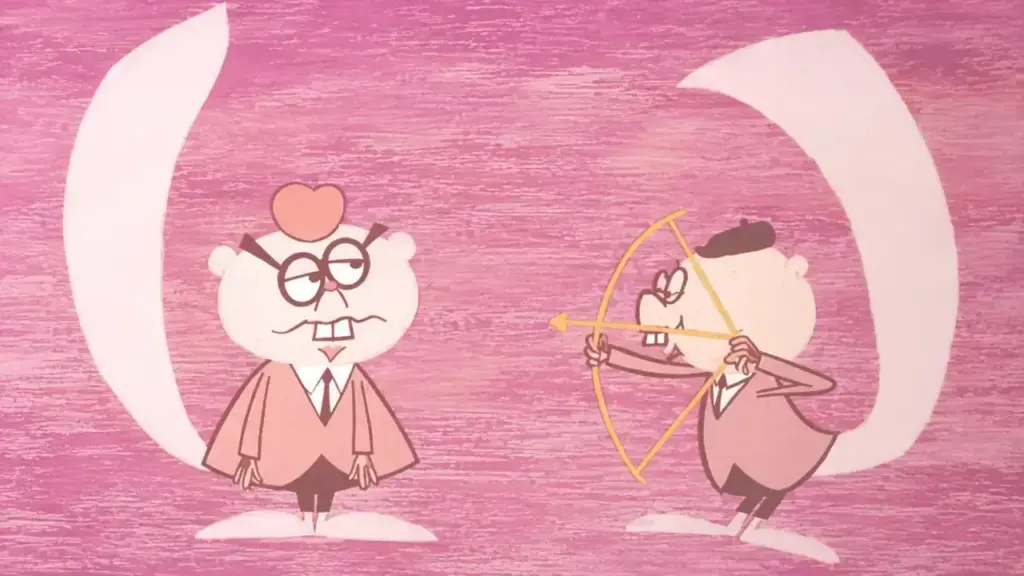
The Nutty Squirrels began as an imitation, but they were not an amateur copy.
They were created in 1959 by two established jazz and commercial-music professionals who heard the Chipmunks’ sped-up voices and wondered what the same studio trick would sound like with bebop phrasing and scat singing.
The answer produced a real hit.
“Uh! Oh! (Part 2)” reached number 14 on the Billboard Hot 100 dated January 4, 1960. The record’s success then led to The Nutty Squirrels Present, a syndicated cartoon package that reached television in 1960.
The Alvin Show did not premiere until October 1961.
That makes the Nutty Squirrels a rare imitation that reached television before the act that inspired it.
The short answer
- Creators: Jazz musician Don Elliott and composer Sascha Burland
- Debut: The recording act formed in 1959
- Biggest hit: “Uh! Oh! (Part 2),” which reached number 14
- Television series: The Nutty Squirrels Present entered syndication in 1960
- Historical twist: The cartoon arrived about a year before The Alvin Show
Who Were the Nutty Squirrels?
The Nutty Squirrels were the creation of Don Elliott and Alexander “Sascha” Burland.
Elliott was a jazz multi-instrumentalist, singer, and experimenter who played trumpet, mellophone, vibraphone, and other instruments. He had already explored overdubbing and layered vocal performances before the Nutty Squirrels existed.
Burland worked in television, advertising, and popular music. His credits included theme music used by the game show What’s My Line?.
Together, they turned the Chipmunks’ novelty formula into a beatnik jazz act.
The Nutty Squirrels wore dark suits, berets, and goatees in promotional artwork. Instead of singing children’s pop songs, they traded rapid syllables and improvised-sounding phrases over jazz arrangements.
The project was clearly inspired by Alvin and the Chipmunks. It was also musically different enough to develop its own identity.
How Were the Nutty Squirrels’ Voices Made?
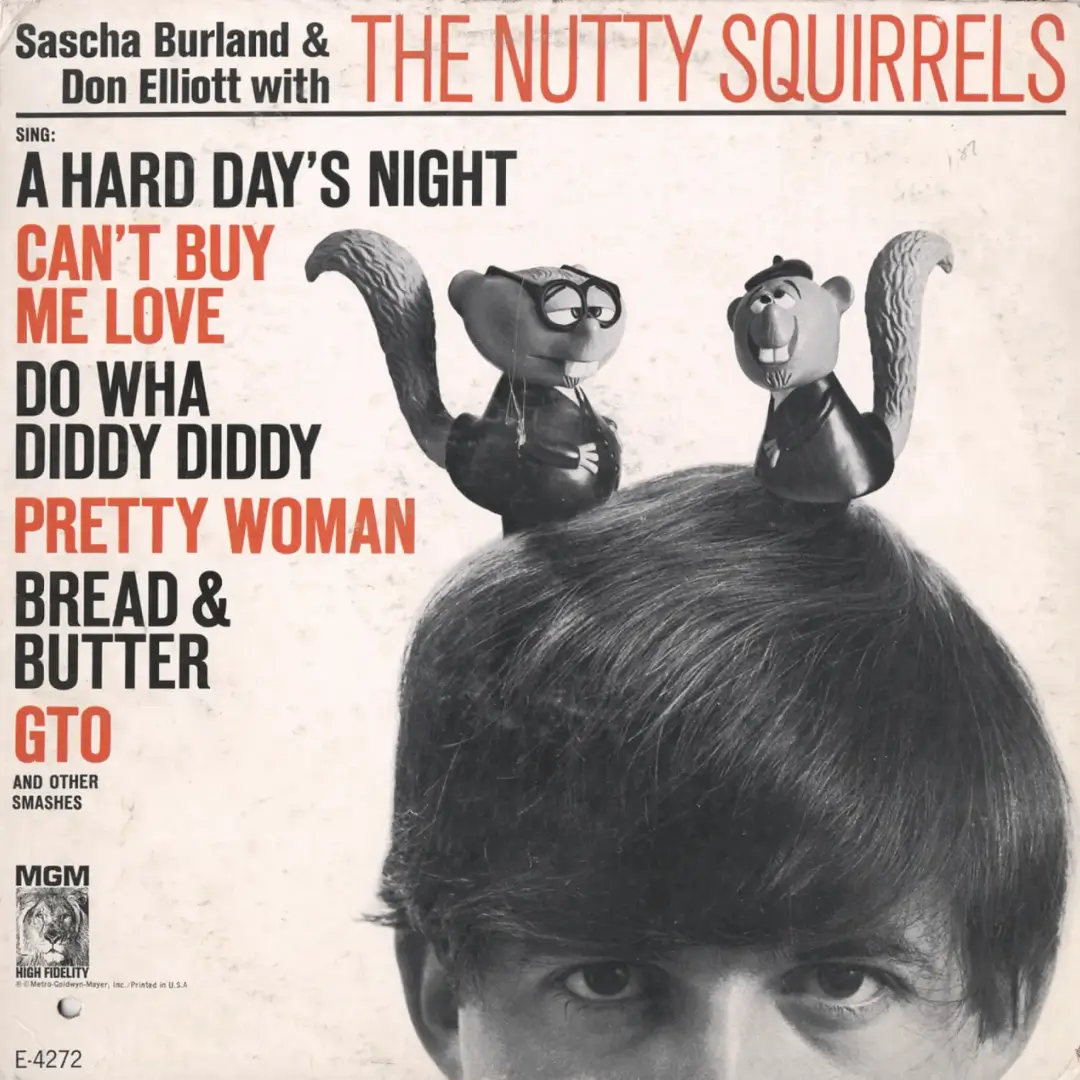
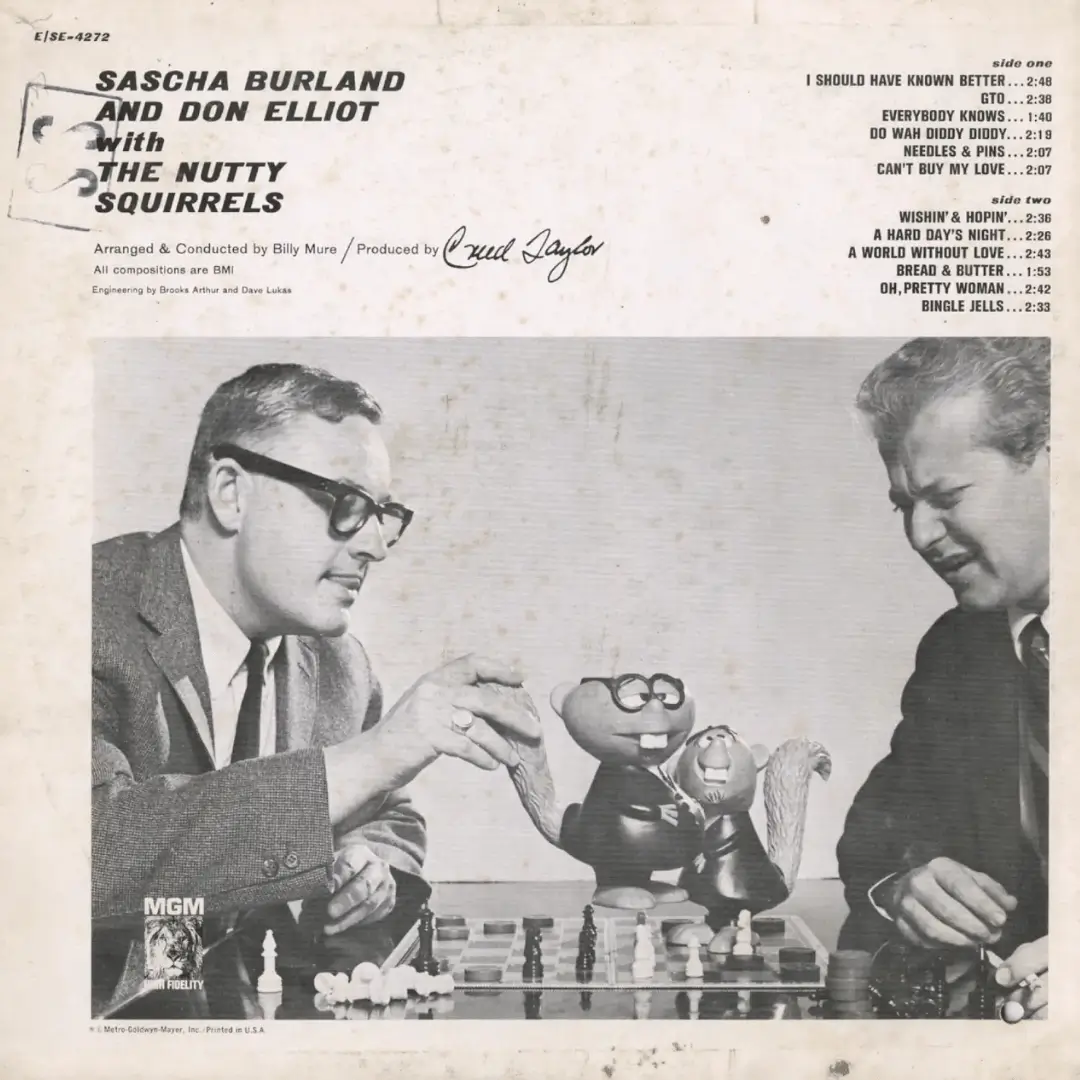
Elliott and Burland used the same basic tape-speed technique Ross Bagdasarian had used for the Chipmunks.
The performers recorded their voices at a slower speed. Playing the recording back faster raised the pitch and shortened every sound, producing the familiar squeaky voice.
The difference was the performance underneath the effect.
Bagdasarian built clear pop characters around Alvin, Simon, and Theodore. Elliott and Burland used scat singing, stereo separation, and jazz phrasing. Once the tape was accelerated, the result sounded like a pair of tiny nightclub performers improvising at impossible speed.
An AllMusic history of the Nutty Squirrels identifies Elliott’s vocal experimentation and the pair’s commercial-music background as essential parts of the act.
“Uh! Oh!” Became a Real Hit
The Nutty Squirrels’ signature recording was divided between the two sides of a single:
- “Uh! Oh! (Part 1)”
- “Uh! Oh! (Part 2)”
Part 2 became the larger hit, climbing to number 14 on the Billboard Hot 100 at the beginning of 1960.
That was not a minor regional novelty.
It placed the Nutty Squirrels inside the national Top 20 roughly one year after “The Chipmunk Song” had become a number-one Christmas hit.
The timing made the imitation obvious, but the chart performance proved there was room for more than one group of electronically altered rodents.
The Jazz Musicians Behind the Novelty
The records were made with considerably more musical skill than the premise suggests.
Don Elliott was already respected within jazz, and the sessions included experienced New York studio players.
The follow-up album Bird Watching featured Cannonball Adderley on “Yardbird Suite.” Bobby Jaspar, Sam Most, and other notable jazz musicians also appeared in the project’s recording history.
Adderley did not play throughout the entire album. Discographical sources credit him specifically on “Yardbird Suite,” which makes the detail more interesting and more precise than simply listing him as a general backing musician.
The joke worked because the musicians took the music seriously.
Remove the accelerated voices, and much of the backing still functions as polished jazz and studio-pop arranging.
The Record Label Behind the Group
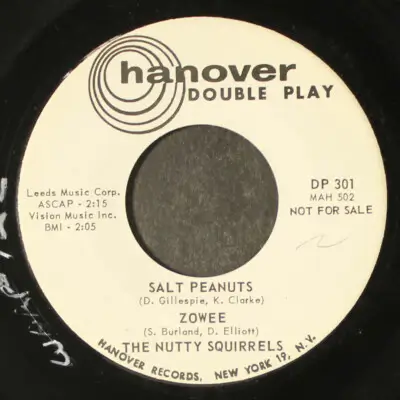
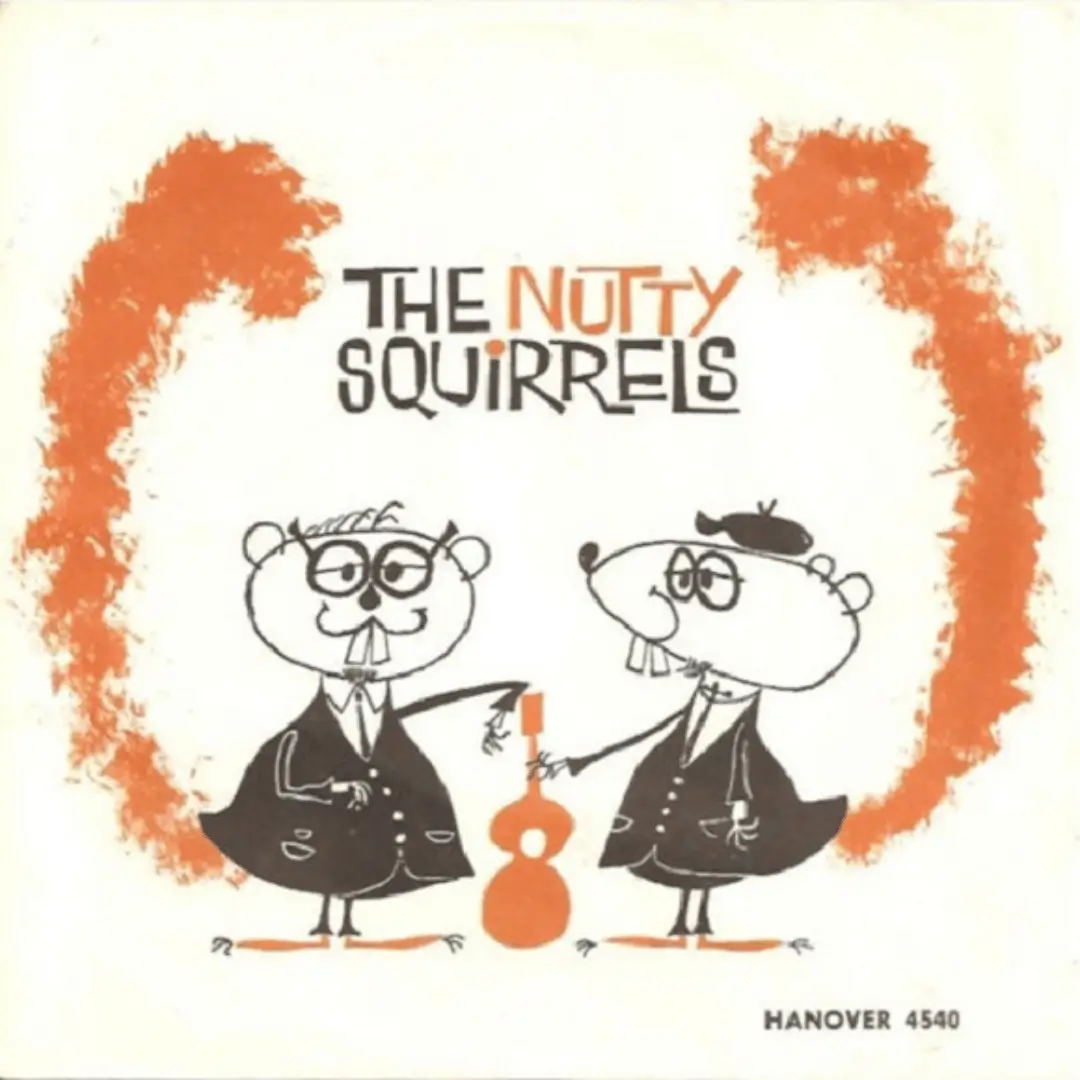
The first Nutty Squirrels recordings appeared on Hanover Records, a label associated with producer Bob Thiele and entertainer Steve Allen.
Thiele later became closely connected with major jazz recordings and co-wrote “What a Wonderful World.” Allen was already one of television’s best-known personalities.
That support helps explain why the Nutty Squirrels moved so quickly from an amusing studio idea to a nationally distributed record.
The project was a novelty, but it was handled by people who understood records, radio, advertising, and television.
How Did the Nutty Squirrels Beat Alvin to Television?
The Chipmunks were the established stars, but turning them into animated characters took time.
Ross Bagdasarian and Format Films had to settle on visual designs for Alvin, Simon, Theodore, and Dave Seville. Accounts of the production describe delays before the final television models were approved.
Meanwhile, Transfilm-Wylde Animation developed a television package around the Nutty Squirrels.
The Nutty Squirrels Present entered first-run syndication in September 1960. The Alvin Show premiered on CBS on October 4, 1961.
The Nutty Squirrels therefore reached television roughly thirteen months earlier.
They beat the Chipmunks in one very specific race, even though Alvin had already beaten them to records, radio, merchandising, and public recognition.
What Was The Nutty Squirrels Present?
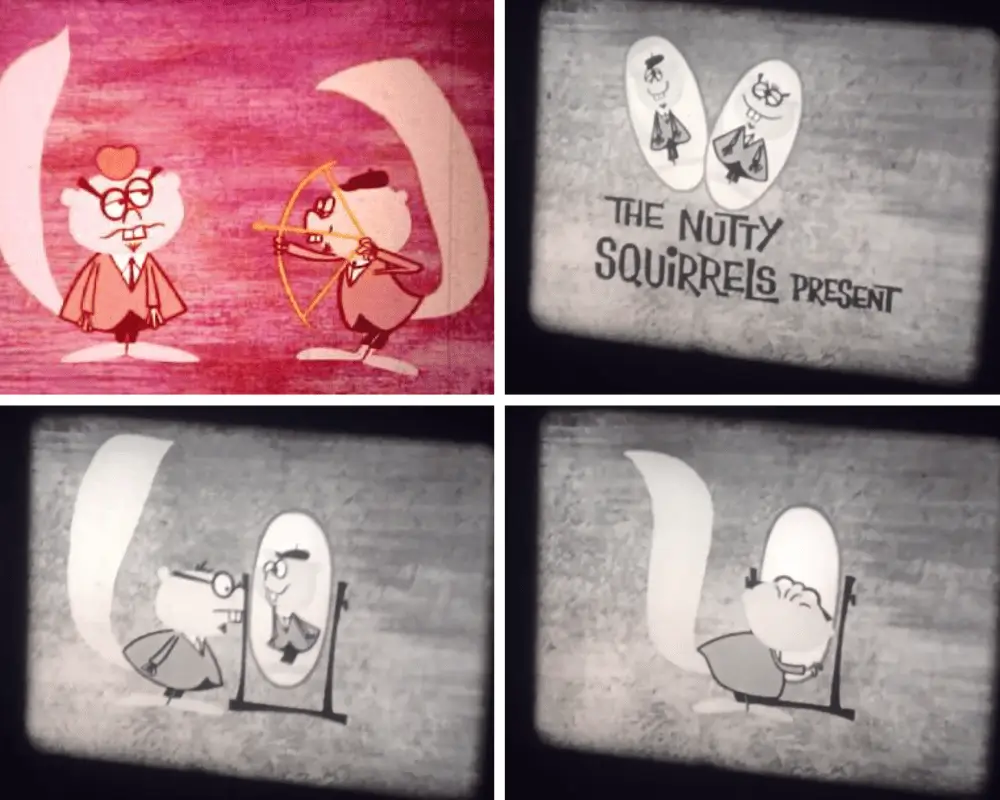
The title can create the wrong impression.
The Nutty Squirrels Present was not a conventional half-hour series in which the two squirrels carried every story.
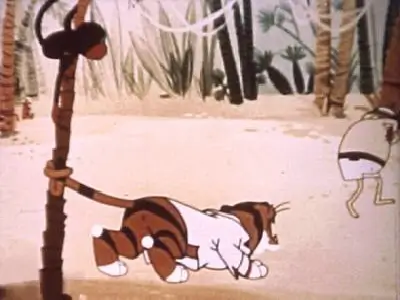
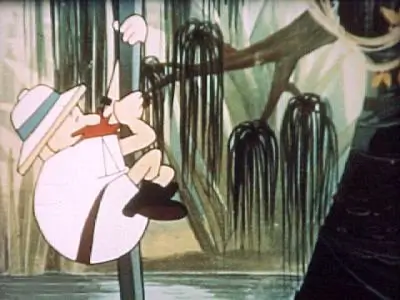
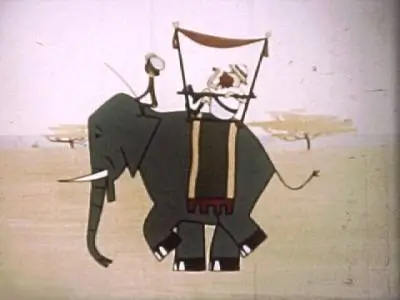
Surviving production accounts describe approximately 30 half-hour programs assembled from a large library of short cartoons. Many of the cartoons had been acquired from studios outside the United States, including productions from Eastern Europe.
The imported material was edited, dubbed into English, and given new music or narration for American syndication. Newly animated Nutty Squirrels introductions and connecting material wrapped the shorts together.
The surviving production summary identifies syndication executive Fima Noveck and Flamingo Telefilm Sales with the imported-cartoon package.
The exact short count varies among later sources, usually ranging from about 100 to more than 150. The safest description is that the company created 30 half-hour syndicated packages from a much larger collection of short segments.
That format explains both how the program reached television so quickly and why it did not build memorable personalities around the Squirrels themselves.
Why Did Alvin and the Chipmunks Win?
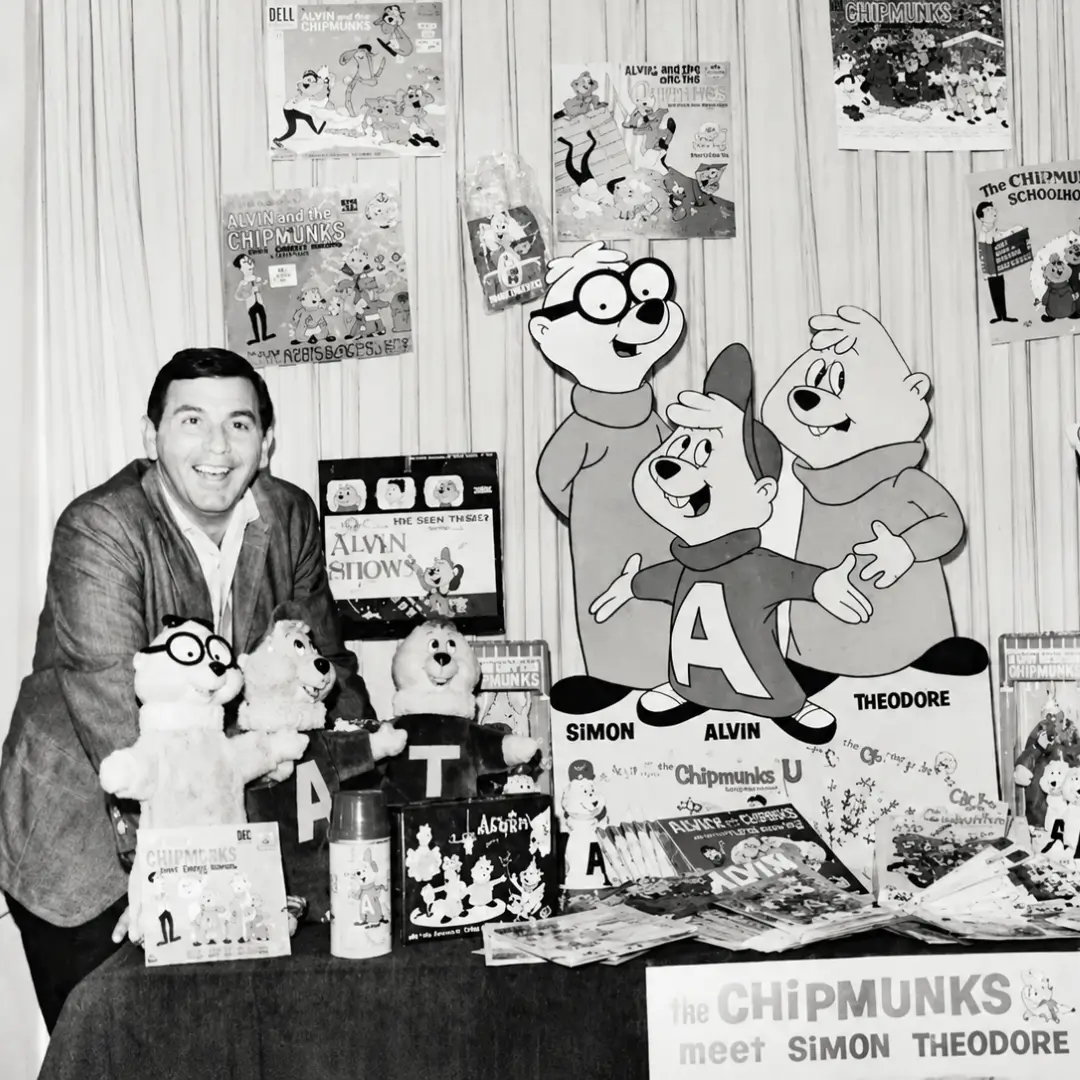
Getting to television first was not enough.
The Alvin Show gave Alvin, Simon, and Theodore distinct personalities, a home life with Dave Seville, original stories, and recurring supporting characters.
The Nutty Squirrels mostly served as hosts for unrelated imported shorts.
That difference mattered.
Viewers could recognize the Nutty Squirrels’ voices and record sleeves, but the television package did not give audiences the same opportunity to form a lasting attachment to them as characters.
The Chipmunks also had a creator who kept returning to the property. After Ross Bagdasarian’s death, his family revived the group through records, holiday specials, new series, and feature films.
Elliott and Burland released more Nutty Squirrels music, including a 1964 album of Beatles covers, but the project did not continue as a permanent franchise.
The imitators reached television first.
The original built the world people remembered.
Were the Nutty Squirrels a Chipmunks Rip-Off?
They were unquestionably an imitation of the Chipmunks concept.
The timing, rodent theme, and accelerated voices leave little room for another interpretation.
“Rip-off,” however, can make the project sound less inventive than it was.
Elliott and Burland applied the sound to jazz scat, beatnik imagery, and experienced session musicians. Their television program also used a very different imported-cartoon package format.
A more accurate description is that the Nutty Squirrels were a fast, commercially savvy jazz response to the Chipmunks craze.
Quick Answers About the Nutty Squirrels
Who created the Nutty Squirrels? Don Elliott and Sascha Burland created the recording act in 1959.
Did the Nutty Squirrels copy Alvin and the Chipmunks? Yes, they openly used the same accelerated-voice concept after the Chipmunks became successful. Their main variation was applying it to jazz and scat singing.
What was their biggest song? “Uh! Oh! (Part 2),” which reached number 14 on the Billboard Hot 100.
Did the Nutty Squirrels beat the Chipmunks to television? Yes. The Nutty Squirrels Present entered syndication in September 1960, while The Alvin Show premiered in October 1961.
Was the Nutty Squirrels cartoon made entirely for the group? No. It used newly animated Squirrels material to present and connect imported short cartoons that had been edited and dubbed for American television.
Was Cannonball Adderley on a Nutty Squirrels album? Yes. He played alto saxophone on “Yardbird Suite” from Bird Watching.
Why are the Nutty Squirrels forgotten? Their television program gave them limited character development, while Alvin and the Chipmunks continued through decades of new stories, songs, and revivals.
The Cartoon Copycats Who Got There First
The Nutty Squirrels occupy a strange corner of music and animation history.
They started as a response to somebody else’s hit, but they brought serious jazz ability to the joke. They placed a single in the Top 20 and moved into syndicated television before the Chipmunks received their own series.
Then the advantage disappeared.
Alvin became a character and a franchise. The Nutty Squirrels remained a record, a short-lived television package, and an excellent piece of trivia.
For more forgotten animated animals, see my guide to squirrel cartoon characters. You can also explore the Hanna-Barbera cartoon archive and the later wave of Scooby-Doo imitators.
The Nutty Squirrels Present 1960 Opening
The surviving opening offers a brief look at how the Squirrels were used to introduce the syndicated cartoon package.
Bob Thiele, who ran the Hanover label that released the Nutty Squirrels’ music, actually went on to produce albums for Louis Armstrong and John Coltrane. It’s hilarious that a guy heavily involved in high-art jazz history got his start distributing electronic rodent bebop.