
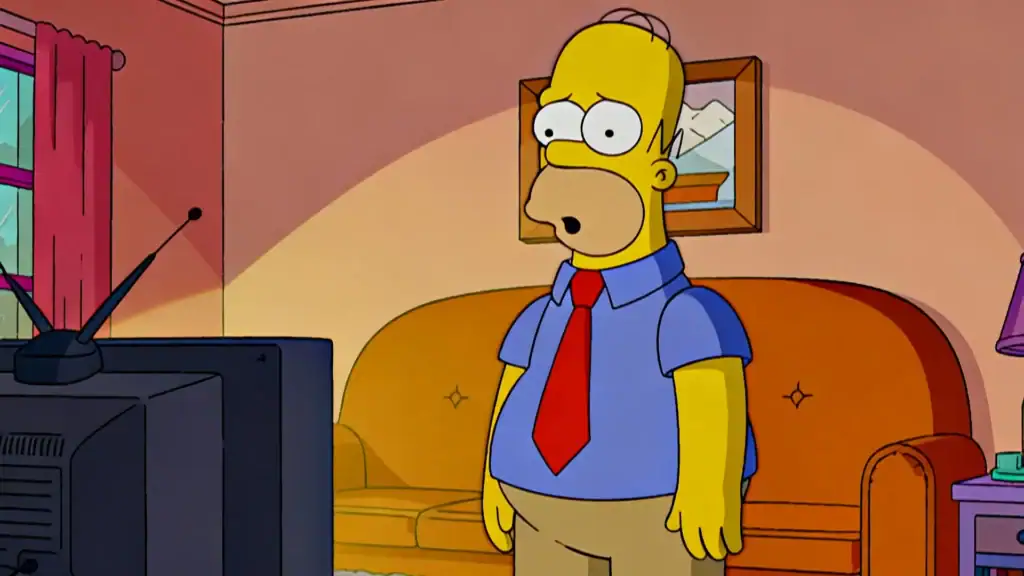
Cartoon dad characters almost always follow one blueprint. He is big, well-meaning, and completely incompetent. He causes the chaos, and his patient, smarter wife cleans it up. It is a trope as old as the sitcom itself.
But I have been rewatching the classics, and the dumb cartoon dad has changed. He did not just stay stupid.
Over 60 years he devolved, evolved, and turned into something new. So we went from schemers like Fred Flintstone to full agents of chaos like Peter Griffin.
Why do we love watching dumb cartoon characters run families? Maybe it makes us feel better about our own parents. Maybe a guy falling down the stairs is just always funny. Either way, let me trace the history of the dumb dad.
Animation fans call this the Bumbling Dad trope, and these cartoon dad characters are the perfect way to track it.
My quick definition of a dumb dad
- Not always low IQ. Often it is bad judgment or emotional immaturity.
- He is the comedy engine. The plot happens because he makes the wrong choice first.
- Love is the safety net. The family sticks around, because the show needs the status quo.
The Prototype: Working-Class Schemers (1960s)
In the beginning, the dumb dad was not dumb at all. He was just loud.
Fred Flintstone (The Flintstones)
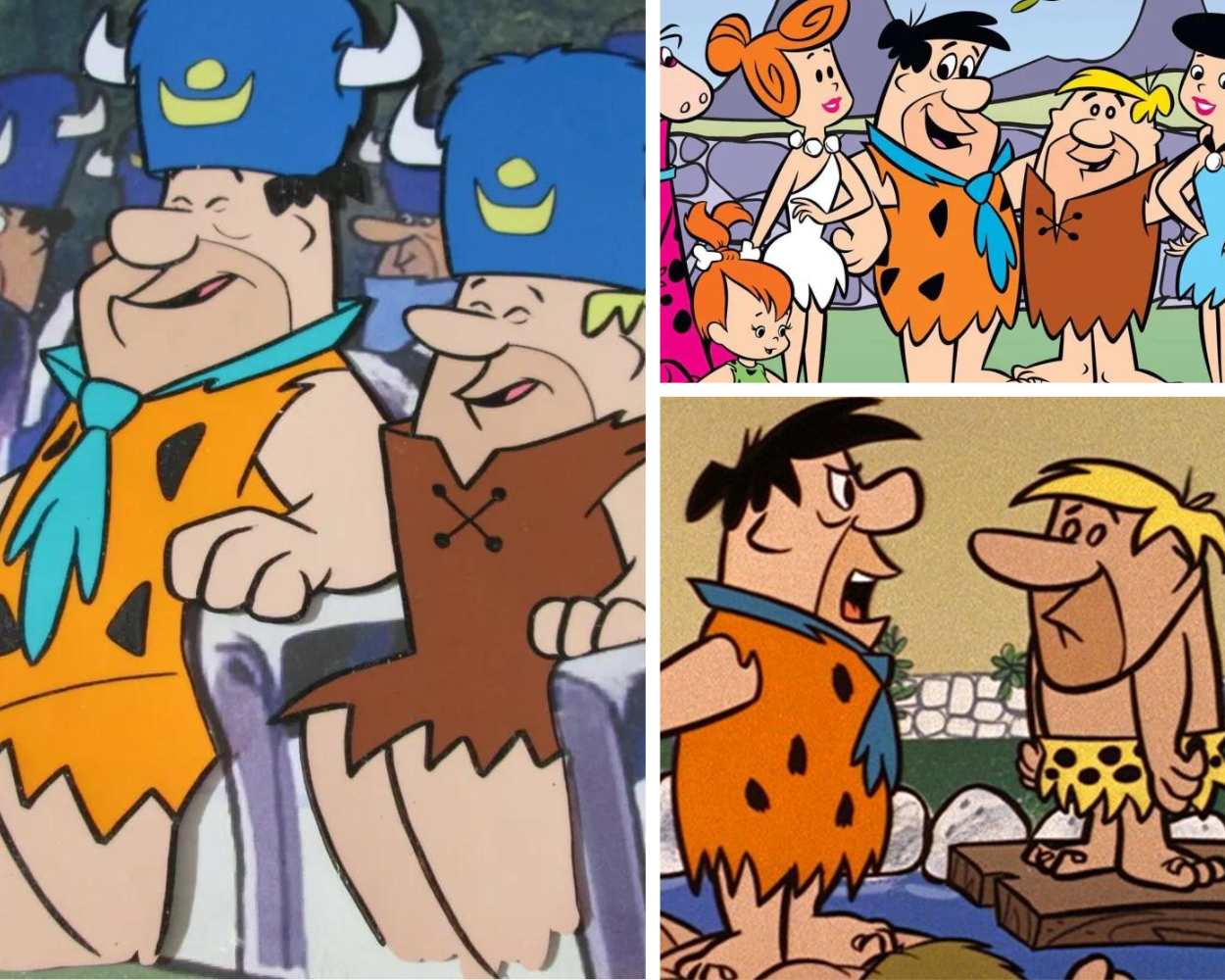
Show: The Flintstones
What he is: Average brain, oversized ego
Parenting vibe: Provider with big feelings
My take: Fred is not stupid. He is just confident enough to think he can outsmart reality.
You have to start with the patriarch of primetime. Fred is the first of these cartoon dad characters, and here is what makes him the template:
- The Flintstones premiered in 1960 as a cartoon riff on the sitcom The Honeymooners
- Fred is not really dumb, he is all ego and hubris
- His whole thing is the get-rich-quick scheme that always backfires
- He is loud and stubborn, but he crumbles at the thought of letting Wilma down
So his incompetence is not a lack of brains. It is pure ego. That is a totally different flavor from the chaos machines who came later.
George Jetson (The Jetsons)

Show: The Jetsons
What he is: Not dumb, just hapless
Parenting vibe: Overwhelmed modern dad
My take: George’s dumb dad energy is basically anxiety in a jumpsuit.
After Fred came George. I always saw George Jetson as the same archetype with a twist:
- He is not physically imposing, just stressed and scared of his boss
- Technology outpaces him and his own kids outsmart him
- Even the family dog Astro often looks more capable
So George is not really dumb, he just feels obsolete. He represents a different fear than Fred. Not failing as the provider, but being replaced by a world moving too fast.
The Golden Age: Lovable Oafs (1990s)
If Fred built the house, the cartoon dads of the 90s moved in and set it on fire. This was a huge shift. As animation got sharper than the cartoons of the 1980s, writers started tearing down the whole “Father Knows Best” fantasy.
Homer Simpson (The Simpsons)
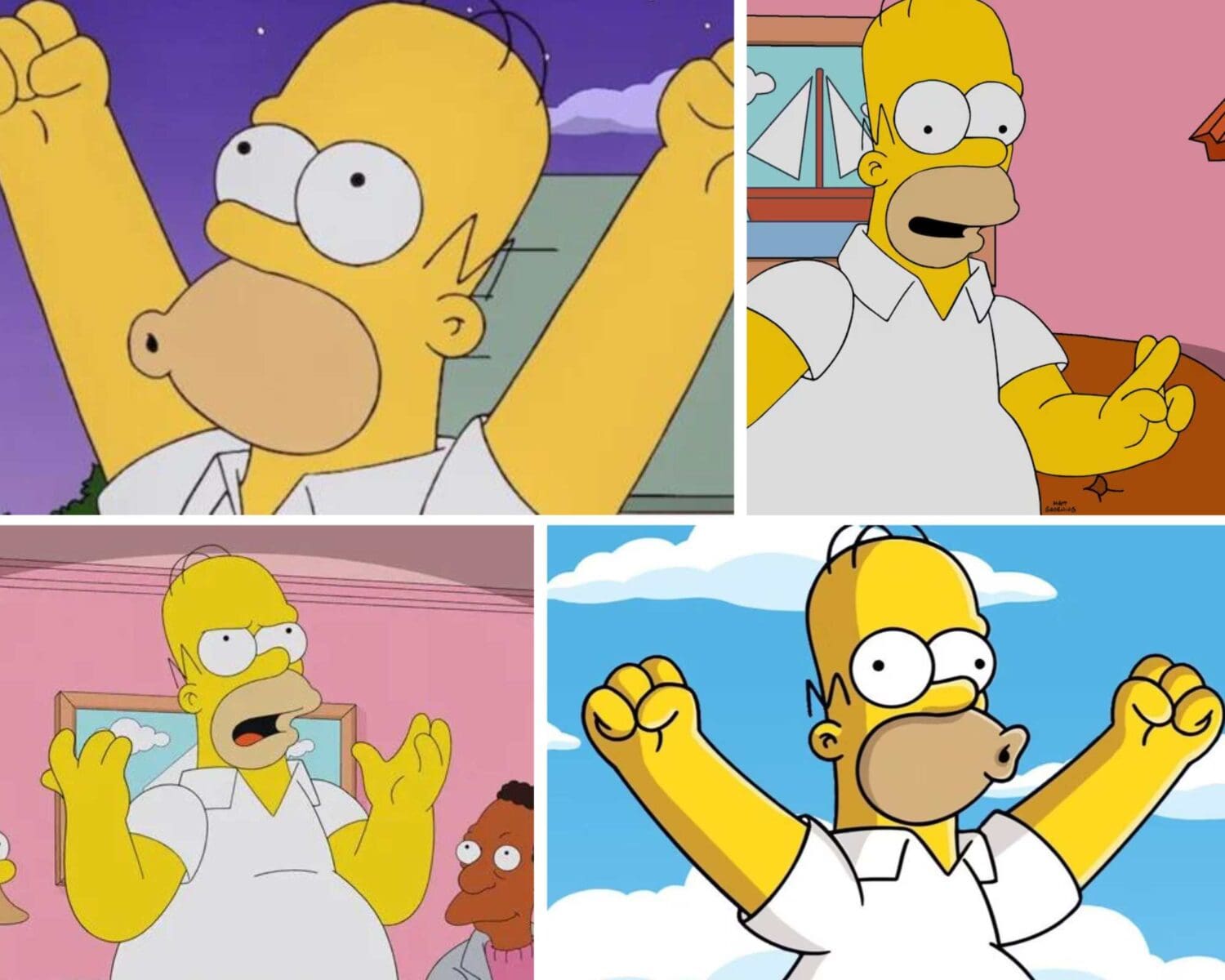
Show: The Simpsons
What he is: Low IQ, high appetite
Parenting vibe: Negligent, but emotionally attached
My take: Homer is forgivable because the show keeps reminding me he loves his family, even when he is awful at showing it.
Homer is the pivot point for every cartoon dad character who followed. Here is why he mattered:
- Fred schemed, but Homer just reacts. He sees a donut, he eats it
- He is the Id with a job at a nuclear plant
- Some of it has aged badly, like the old Bart-strangling gag
- Still, the golden-age formula nailed the “jerk with a heart” balance
So Homer fails constantly. Then the show lands one moment of sincerity that reminds you why the family stays. His stupidity is not just funny, it is vulnerable.
Timmy’s Dad (The Fairly OddParents)
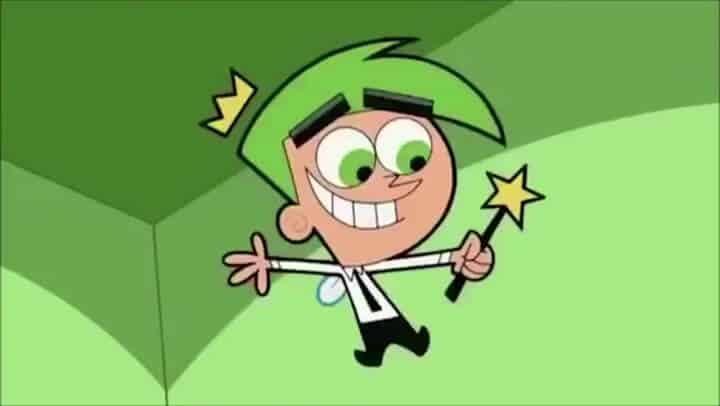
Show: The Fairly OddParents
What he is: Oblivious and petty
Parenting vibe: More big kid than parent
My take: Timmy’s dad is funny because he lives in a world where his neighbor Dinkleberg is the final boss.
Mr. Turner takes Homer’s stupidity and turns it into pure absurdism.
- His hatred of Dinkleberg is basically his entire personality
- He rarely knows what Timmy is doing, because he is lost in childish rivalries
- The dad becomes another kid in the house
So the parents stop being guides. Instead they are background chaos, while the kid and his fairies do the real problem-solving.
The Toxic Turn: Chaos Agents (2000s)
Then adult animation exploded, and the dumb dad turned darker. Writers stopped asking how he could mess up. Instead they asked how much damage he could cause. If you have ever fallen into an adult cartoons binge, you know the type.
Peter Griffin (Family Guy)
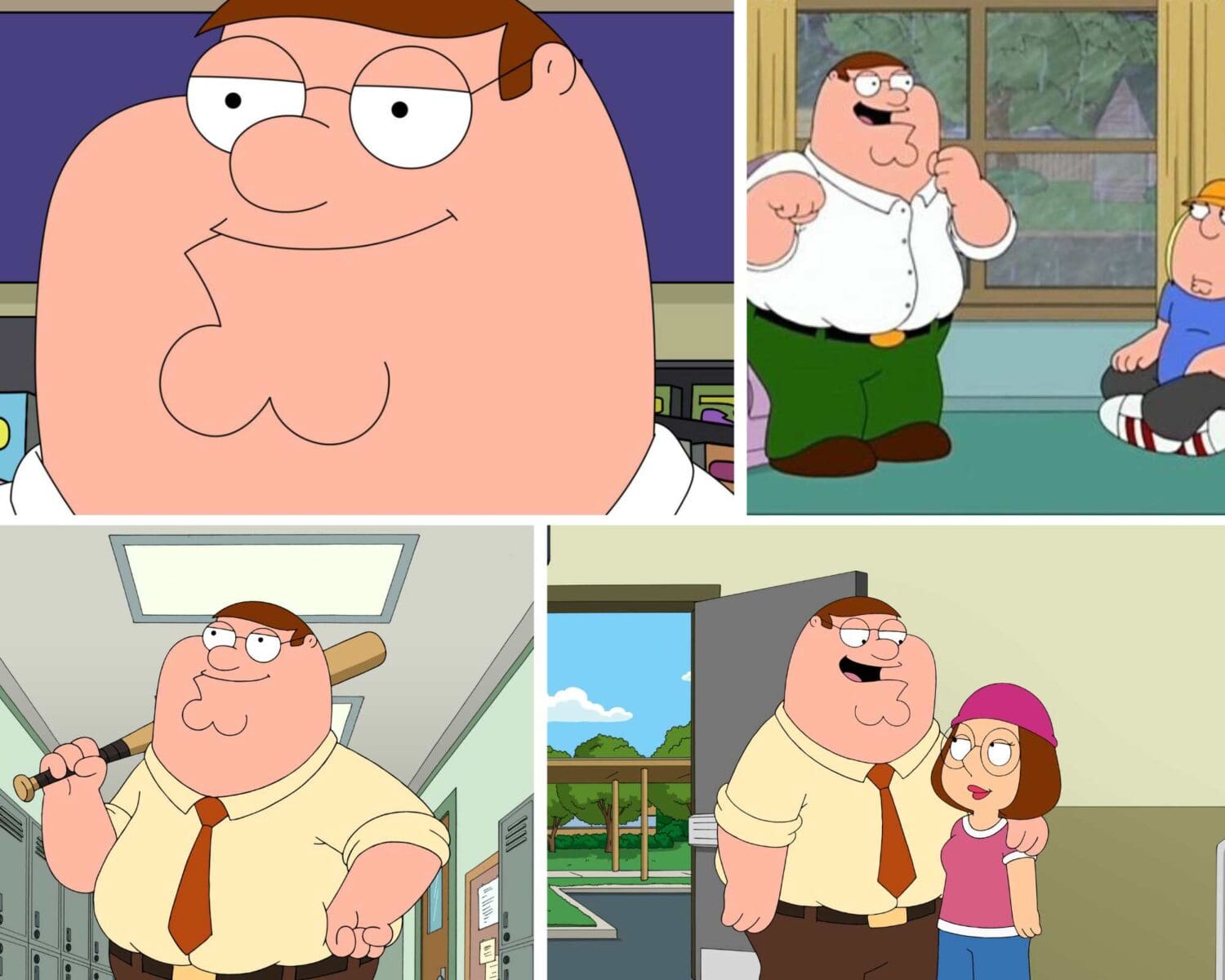
Show: Family Guy
What he is: Chaos vehicle, all Rule of Funny
Parenting vibe: Active menace
My take: Peter is what happens when the dumb dad trope stops caring about consequences.
If Homer is a lovable oaf, Peter Griffin is a weapon of mass destruction.
- He is not just stupid, he is often malicious, petty, and violent
- Then he will ruin his own life for a bit, and the show resets like nothing happened
- Logic and realism do not apply to him, only punchline physics
- He is even a direct bully to Meg Griffin
So Peter is less “relatable dad” and more comedy grenade. That surreal stupidity is exactly why some people love the show and others bounce right off it.
Stan Smith (American Dad!)
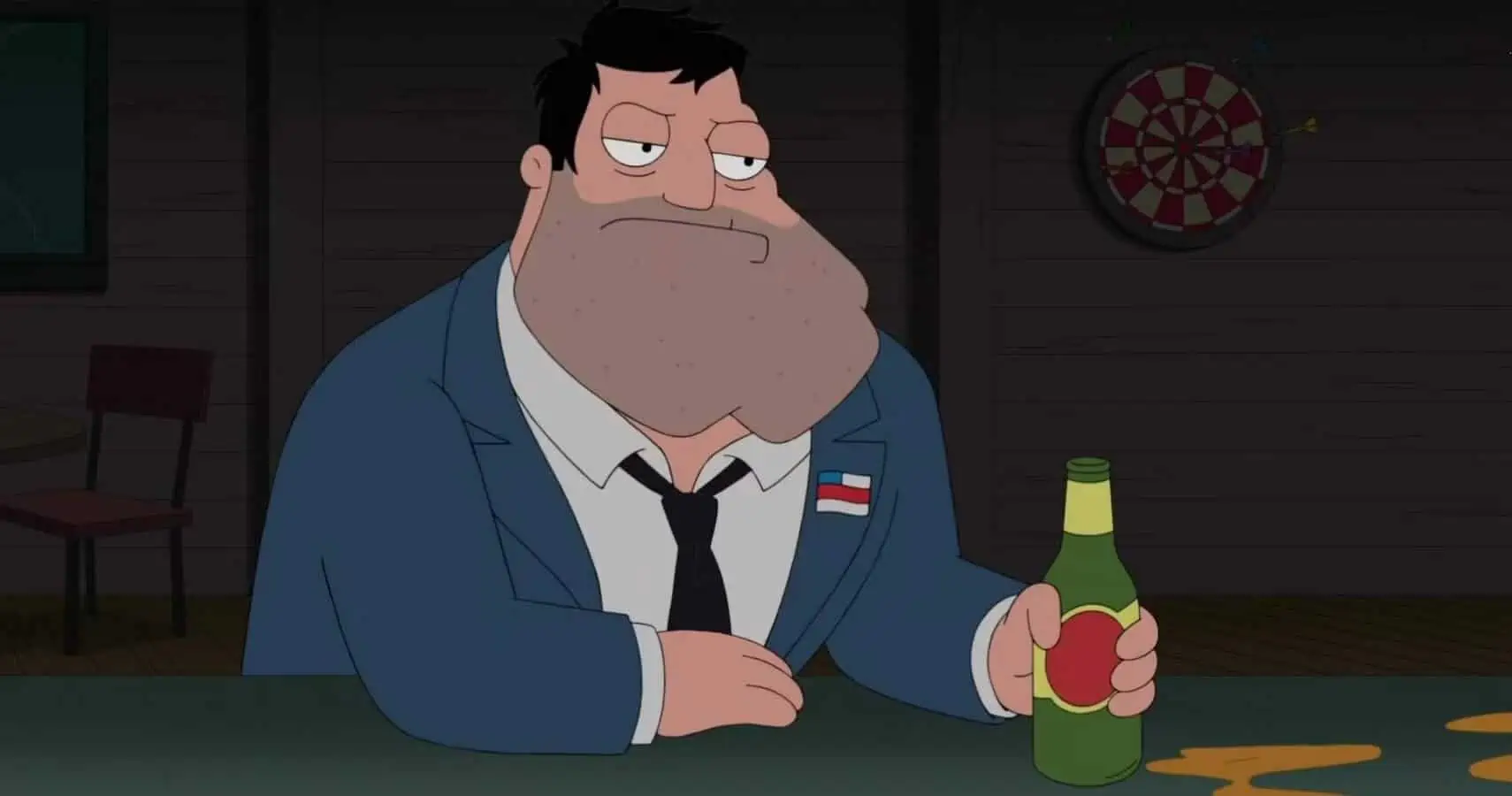
Show: American Dad!
What he is: Sharp at work, clumsy at home
Parenting vibe: Authoritarian control freak
My take: Stan is not dumb, he is rigid. His worldview does the damage for him.
Stan Smith is a clever subversion of the trope.
- He is highly competent as a CIA agent
- His dumb dad moments come from trying to control everything
- His chaos is powered by ideology and insecurity
So the real threat is his fear of losing authority, relevance, or respect. That fear makes his choices for him.
The Modern Era: The Man-Child (2010s to Now)
After the toxic-chaos era, modern cartoon dads got pulled back toward innocent. But they kept a heavy dose of immaturity.
Richard Watterson (The Amazing World of Gumball)
Show: The Amazing World of Gumball
What he is: Pure man-child wonder
Parenting vibe: Submissive partner and accidental chaos
My take: Richard feels like the endpoint. Not malicious, not scheming, just reality-breaking incompetence.
Richard Watterson is, in my opinion, the most fascinating endpoint of this whole evolution.
- He does not work, does not scheme, and barely functions as an adult
- Unlike Peter, he is not malicious, he is childlike and almost sweet
- The wife becomes the competent protector, and the dad becomes the court jester
So it is a full reversal of the Fred Flintstone dynamic. The king of the castle is gone. Now the mom runs the castle, and the dad sets the kitchen on fire trying to make toast.
Bob Belcher (Bob’s Burgers)
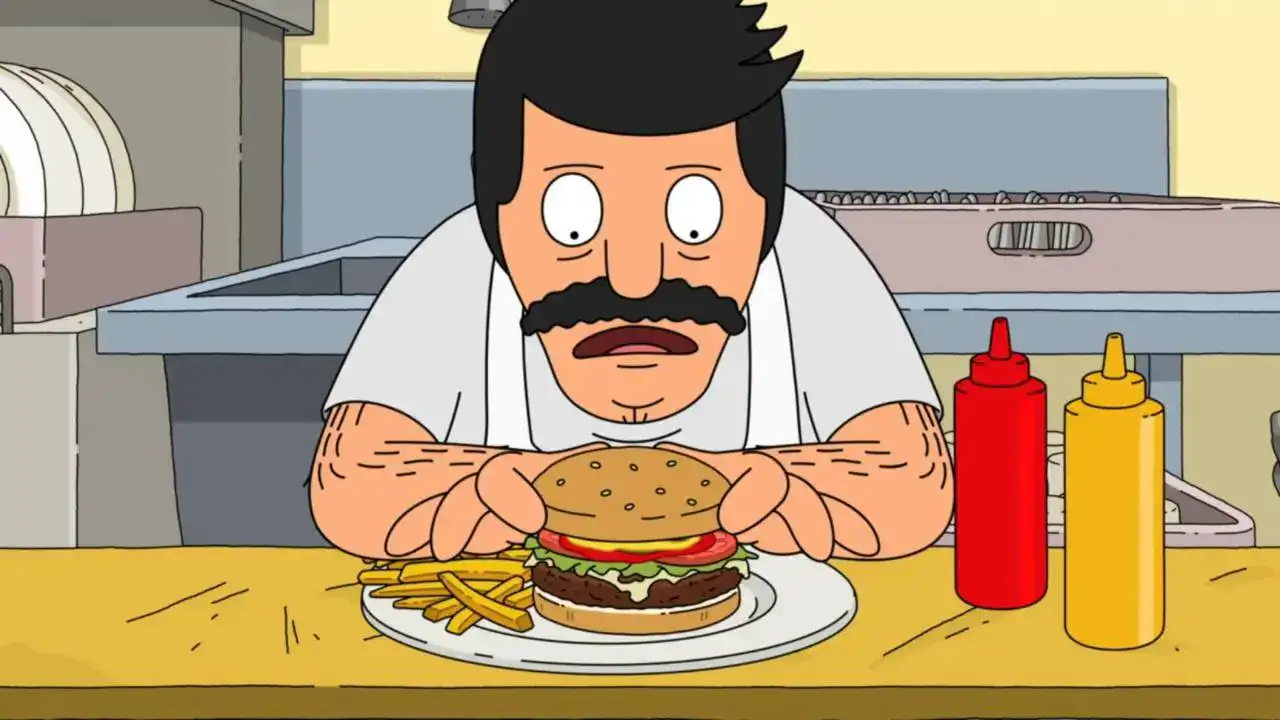
Show: Bob’s Burgers
What he is: Not dumb, just exhausted
Parenting vibe: Realist dad trying his best
My take: Bob is proof you can make a dad funny without making him incompetent.
You cannot talk modern dads without the antithesis of the trope. Bob Belcher is not dumb, he is tired.
- He loves his kids and works constantly, mustache and apron always on
- His only “stupidity” is stubbornness, or talking to food like it is a person
- He reacts to the chaos instead of causing it
So his scenes with Tina, Gene, and Louise land because he is the one trying to keep reality intact.
The Good Dad Renaissance: Cartoon Dad Characters Done Right
Lately there has been real pushback against the dumb dad trope. A lot of viewers are tired of fathers written as incompetent babysitters. And I get it. So here are some of the best cartoon dads, the ones who flip the whole script.
Goofy (A Goofy Movie)
Movie: A Goofy Movie
What he is: Clumsy, but sincere
Parenting vibe: Tries too hard, loves hard
My take: Goofy is not dumb, he is uncool. And every teenager treats uncool like a crime.
Goofy is clumsy, sure. But is he a bad dad? Not a chance.
- A Goofy Movie reframes his clumsiness as earnest love
- He tries too hard because he wants a real connection with Max
- He is the parent who embarrasses you because he cares
So the clumsiness stops being the joke. Instead it becomes the heart of the movie, and that is exactly why it hits.
Bandit Heeler (Bluey)
Show: Bluey
What he is: Playful, present, and competent
Parenting vibe: The modern ideal dad
My take: Bandit is the anti-Homer. He is funny without being the family’s liability.
Bandit is the new template for the good-dad cartoon.
- He is silly, but never incompetent
- Still, he plays hard and stays fully present
- He proves you can write a fun dad who is not a disaster
So for me, Bandit is the clearest sign that these cartoon dad characters are finally growing up.
Every Cartoon Dad Character at a Glance
Here is a quick look at the most famous cartoon dads on this list, sorted by era and dad type. So if you want the fast version of these cartoon dad characters, this table is it.
| Cartoon dad | Show | Era | Dad type |
|---|---|---|---|
| Fred Flintstone | The Flintstones | 1960s | Loud schemer |
| George Jetson | The Jetsons | 1960s | Hapless worrier |
| Homer Simpson | The Simpsons | 1990s | Lovable oaf |
| Timmy’s Dad | The Fairly OddParents | 2000s | Oblivious big kid |
| Peter Griffin | Family Guy | 2000s | Chaos agent |
| Stan Smith | American Dad! | 2000s | Rigid control freak |
| Richard Watterson | The Amazing World of Gumball | 2010s | Man-child |
| Bob Belcher | Bob’s Burgers | 2010s | Tired realist |
| Goofy | A Goofy Movie | 1995 | Uncool but loving |
| Bandit Heeler | Bluey | 2010s to now | Modern ideal dad |
So Who Is the Dumbest Cartoon Dad Character?
People argue about this a lot, so here is my verdict on the dumbest cartoon dad characters:
- Dumbest by raw incompetence: Richard Watterson, who bends the laws of reality by accident
- Most dangerous: Peter Griffin, who causes real damage on purpose
- Dumbest with a heart: Homer Simpson, who fails big but always loves his family
- Least dumb (the trick answer): Bob Belcher and Bandit, who are not dumb at all
So if you want the single dumbest cartoon dad, I give it to Richard. Peter is the one I would never leave alone with my house.
Why We Keep Loving Dumb Cartoon Dads
Looking at this timeline of cartoon dad characters, our tolerance for bad parenting in cartoons has clearly shifted. We laughed at Fred locking himself out. Then we laughed at Homer causing a meltdown. Then we watched Peter treat reality like a sandbox.
But the core appeal never changed. It is low-stakes life.
- Homer can ruin everything and still make it to family dinner next episode
- Peter can blow up a city block and be back on the couch immediately
- Richard can break the laws of the universe and still get a hug
In real life, consequences stick. Bills stick. Parenting mistakes stick. So I think that is why the dumb dad trope stays popular.
It is a comedy fantasy where failure resets, love stays, and everything still works out.
Have we moved past it? Not fully. Still, the good-dad renaissance proves we are evolving. We want funny. We just do not always want incompetent.
Here is a debate to settle. If one of these cartoon dad characters had to babysit your kids or pets for a weekend, who are you trusting?
Homer Simpson, who will lose them but show them a good time. Bob Belcher, who will feed them but complain the whole weekend.
Or Richard Watterson, whose house will definitely explode. Tell me your pick in the comments.


Cartoon Conspiracy Theory: What if all those goofy TV dads aren’t an accident?
Think about it. Homer Simpson, Peter Griffin, Richard Watterson, Hugh Neutron, George Liquor, Timmy Turner’s Dad, Oscar Proud… they’re all portrayed as clueless, impulsive, or incompetent most of the time.
Meanwhile, the moms are usually the voice of reason, and the kids end up solving the problems.
Maybe it’s just comedy… or maybe writers realized the easiest way to create conflict is to make Dad the chaos generator.
Coincidence? Maybe. But it’s interesting how often the same formula shows up across completely different cartoons.
What’s interesting is how cartoon fathers shifted with the era: early dads were flawed but competent enough to drive the plot, while modern animated dads often lean into exaggerated incompetence for faster laughs and sharper satire.
Which TV dad do you think changed the archetype the most—Homer, Peter, or someone newer like Bob Belcher or Bandit Heeler?