
Most cancelled superheroes disappear into reruns.
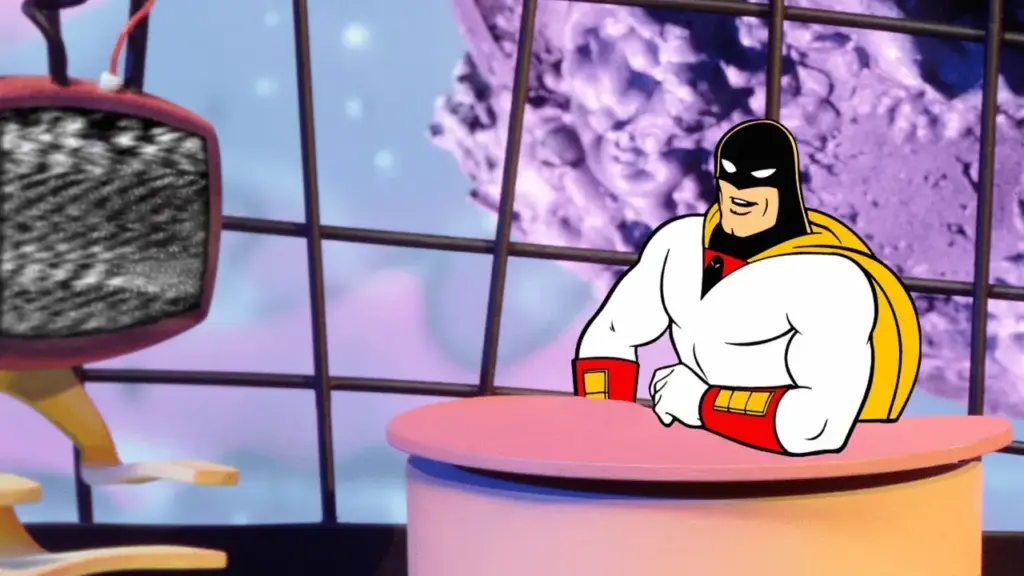
Space Ghost received a second career.
In 1966, he was a straight-faced Hanna-Barbera action hero who fought monsters across the galaxy. In 1994, Cartoon Network brought him back as a vain, confused talk-show host interviewing real celebrities from behind a desk.
That strange revival did more than rescue an old character.
Space Ghost Coast to Coast created the production model, comedy style, staff, and spinoff culture that eventually became Adult Swim.
The connection is sometimes reduced to a simple piece of trivia: Space Ghost aired before Adult Swim. The real lineage is much stronger.
The talk show proved that Cartoon Network could take forgotten animation, add a small amount of new material, and turn the result into original late-night television for adults. The team behind it became Ghost Planet Industries, then Williams Street.
Its writers created Aqua Teen Hunger Force. Its supporting villains became stars of their own shows.
By the time Adult Swim formally launched in 2001, Space Ghost had already tested nearly every idea the block would use.
The short version
How Space Ghost led to Adult Swim
- 1966: Alex Toth designs Space Ghost for a CBS superhero series
- 1991: Turner acquires Hanna-Barbera and its animation library
- 1994: Space Ghost Coast to Coast becomes Cartoon Network’s first fully produced original series
- 1994-1999: Its production team develops the tone and talent later associated with Adult Swim
- 2000: The Aqua Teens emerge from an abandoned Space Ghost script
- 2001: Adult Swim launches with several shows built from the same creative culture
Space Ghost Began as a Serious Superhero
Space Ghost was created during the superhero boom of the mid-1960s.
Fred Silverman, then overseeing daytime programming at CBS, wanted more animated adventure shows for Saturday mornings. In his Television Academy interview, Silverman recalled building a CBS lineup around superheroes that included Superman, Mighty Mouse, and Space Ghost.
Hanna-Barbera turned to comic-book artist Alex Toth.
Toth gave the character one of the studio’s strongest designs: a white suit, black cowl, yellow cape, red wristbands, and a silhouette that remained readable even in limited television animation.
Gary Owens supplied the original voice. He played Space Ghost without irony, giving the hero the commanding delivery of a radio announcer.
Space Ghost patrolled the galaxy with teenage sidekicks Jan and Jace, plus their monkey, Blip. His enemies included Zorak, a giant mantis, and Moltar, a ruler surrounded by heat and lava.
Those villains looked disposable in 1966.
Three decades later, they would be sitting behind a keyboard and a control-room console.
Space Ghost and Dino Boy
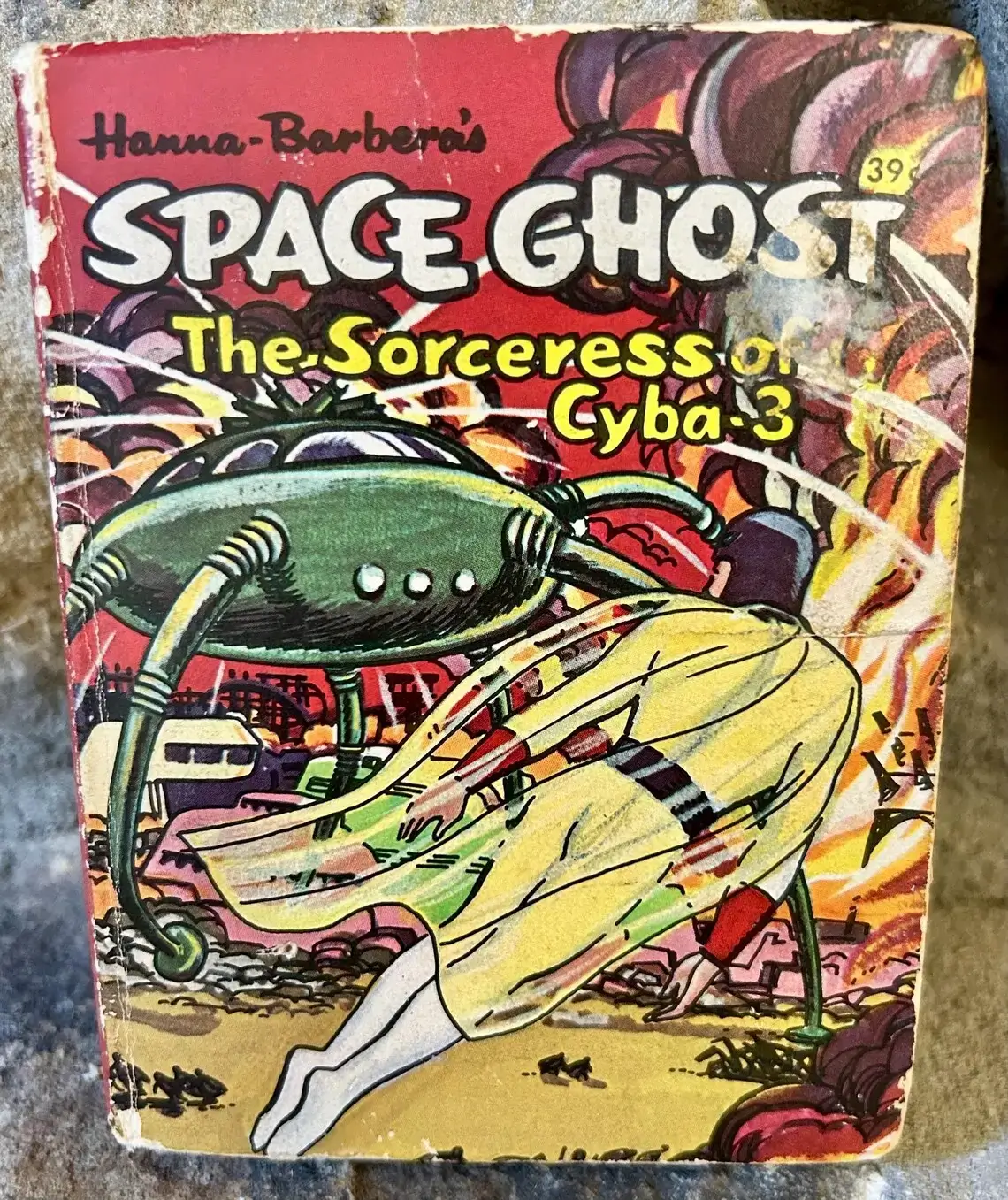
The original program was officially packaged as Space Ghost and Dino Boy.
Most half-hours contained two short Space Ghost adventures with an unrelated Dino Boy in the Lost Valley segment between them. Dino Boy followed a child stranded in a prehistoric world, while Space Ghost handled science-fiction threats across the galaxy.
The original television run
- Premiered on CBS on September 10, 1966
- Produced as 20 half-hour programs
- Usually contained two Space Ghost shorts and one Dino Boy short
- New material was produced for the 1966-67 season
- CBS continued airing reruns into 1968
- Space Ghost briefly returned in new segments for Space Stars in 1981
The distinction matters because Space Ghost was not simply “cancelled in 1968” after producing new episodes for two full years. The original production was short, while reruns extended the program’s network life.
Why the Original Space Ghost Disappeared
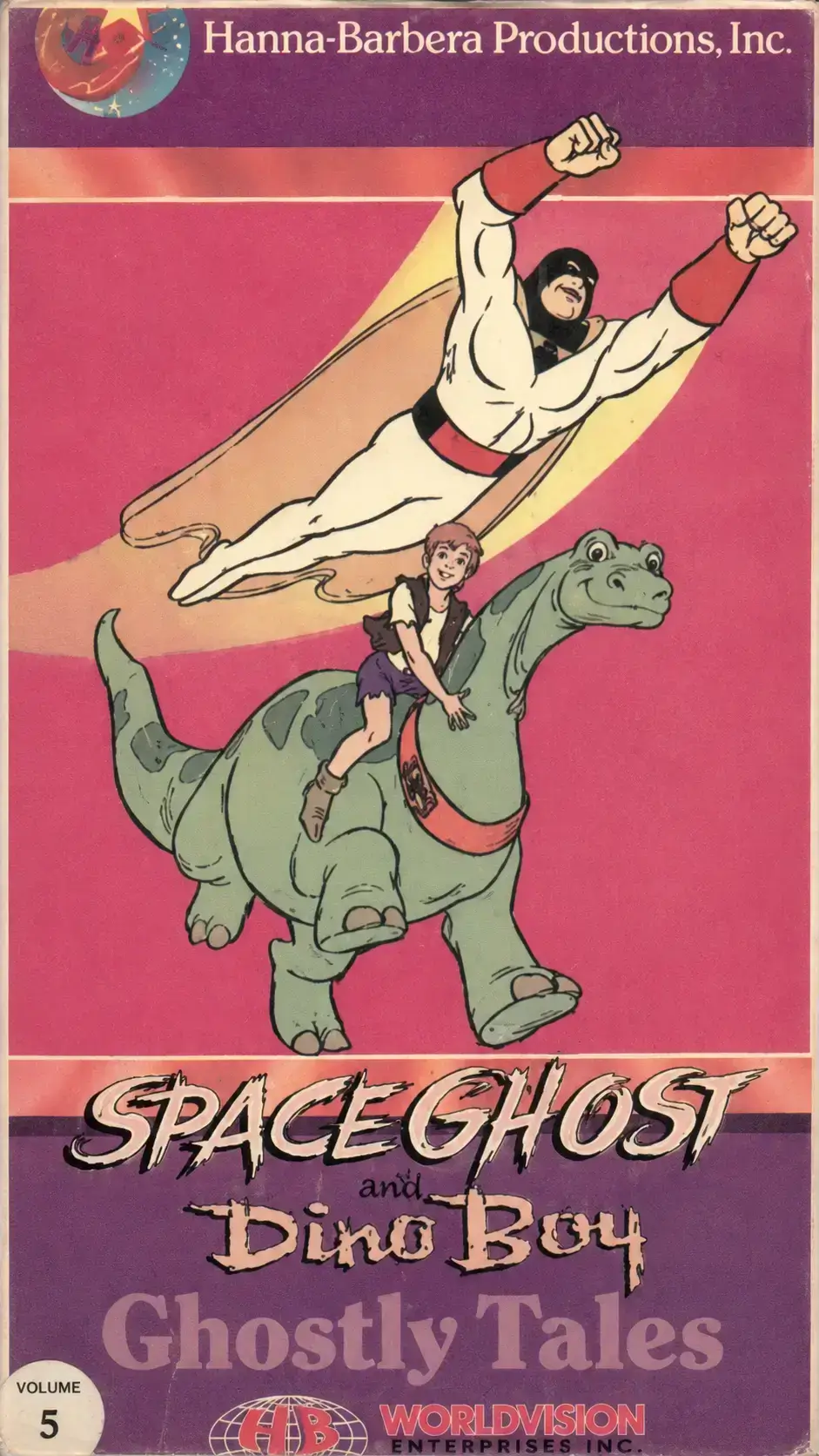
Calling the original Space Ghost a failed series is too simple.
It arrived during a period when networks wanted superhero action. Soon afterward, parent groups and television critics increased pressure on broadcasters over violence in children’s cartoons.
By the end of the decade, superhero lineups were shrinking. Hanna-Barbera moved toward comedy and mystery programs that appeared safer to network standards departments.
That shift helped create Scooby-Doo, Where Are You!, a series where frightening monsters were usually revealed as ordinary criminals.
Space Ghost was pushed aside by changing network priorities, along with much of the wider action slate. The same history is explored in my articles on violence in cartoons and the rise and fall of Hanna-Barbera.
The character returned briefly in 1981, but the revival did not establish a lasting second run.
Space Ghost’s real comeback required something that did not exist yet: a cable channel with a large animation library and almost no money for original production.
Turner Bought the Library That Made the Revival Possible
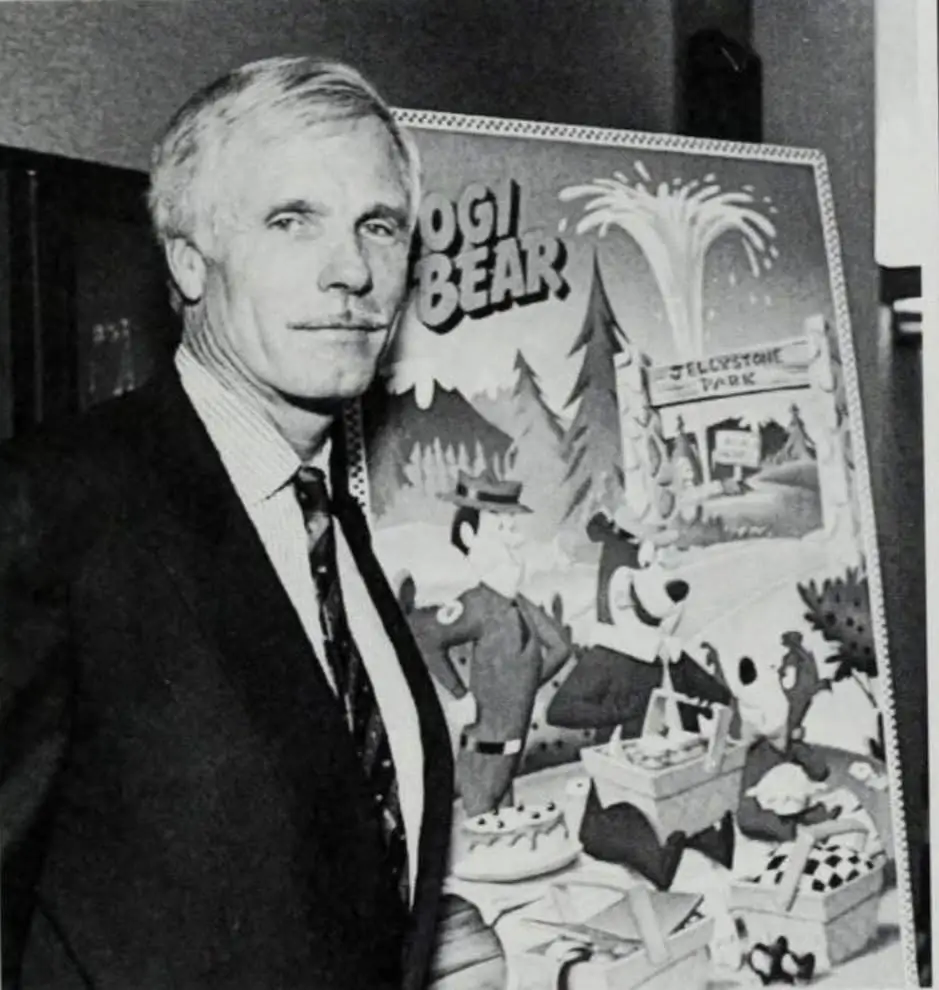
In 1991, Turner Broadcasting agreed to purchase Hanna-Barbera and its enormous catalogue.
At the time, Ted Turner openly connected the acquisition to the possibility of launching an animation channel. The contemporary UPI report described the $320 million deal and Turner’s interest in using the library as the foundation for a cartoon network.
Cartoon Network launched in 1992.
The channel suddenly controlled decades of Hanna-Barbera characters, including Space Ghost, Zorak, Moltar, Brak, Birdman, the Sealab crew, and hundreds of others.
The library solved one problem. Cartoon Network had programming.
It created another. The young network needed an identity beyond endlessly repeating old shows.
The Cheap Experiment That Changed Cartoon Network
Cartoon Network’s staff wanted to create something original, but the channel did not have the budget for a conventional animated series.
Mike Lazzo explained the situation in a 2003 Fresh Air interview. The network possessed a huge archive, but very little money for new production.
The solution was to make the archive itself part of the new show.
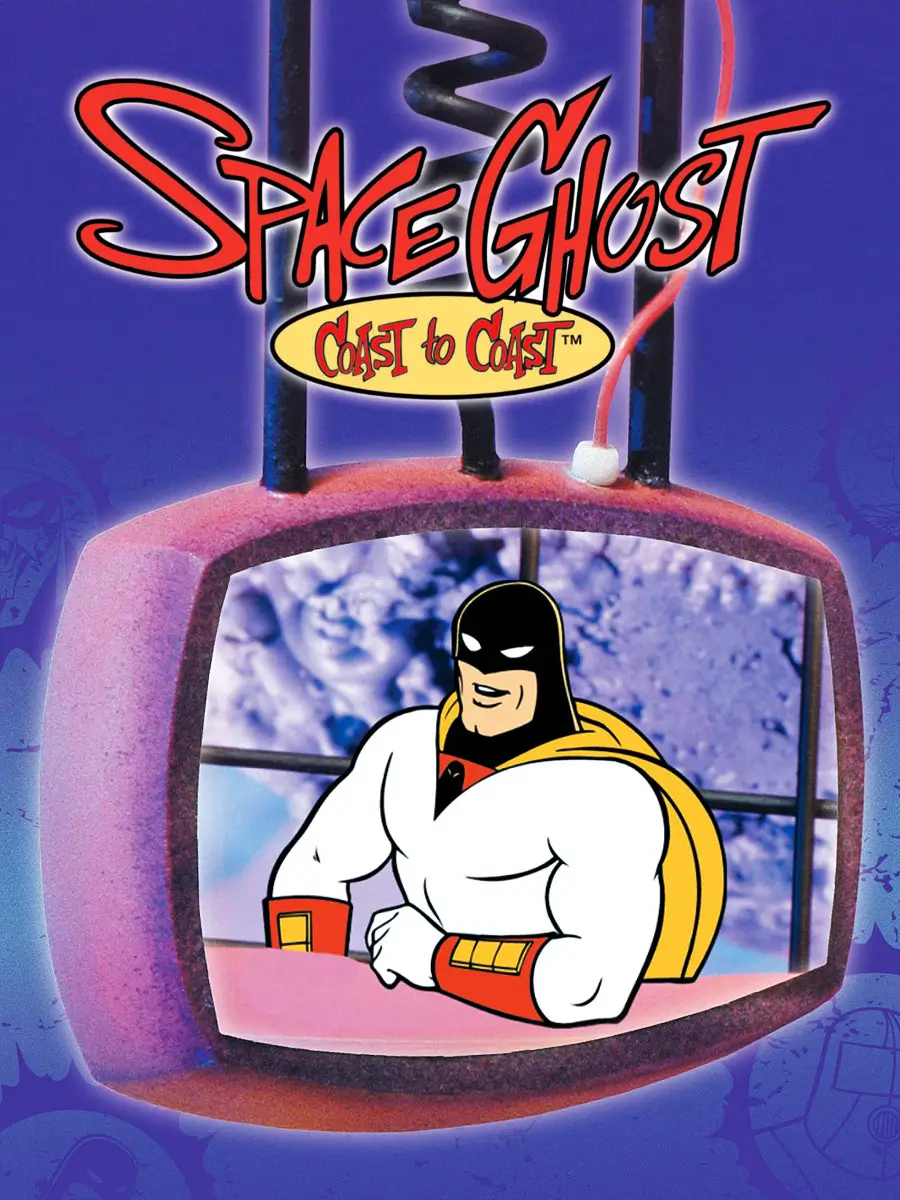
Space Ghost Coast to Coast premiered on April 15, 1994. It reused animation from the 1960s series, added limited new material, and placed live-action celebrity interviews on a monitor beside the host.
George Lowe voiced the new Space Ghost.
This version still believed he was a respected superhero and broadcaster. In reality, he was vain, insecure, easily distracted, and terrible at interviewing guests.
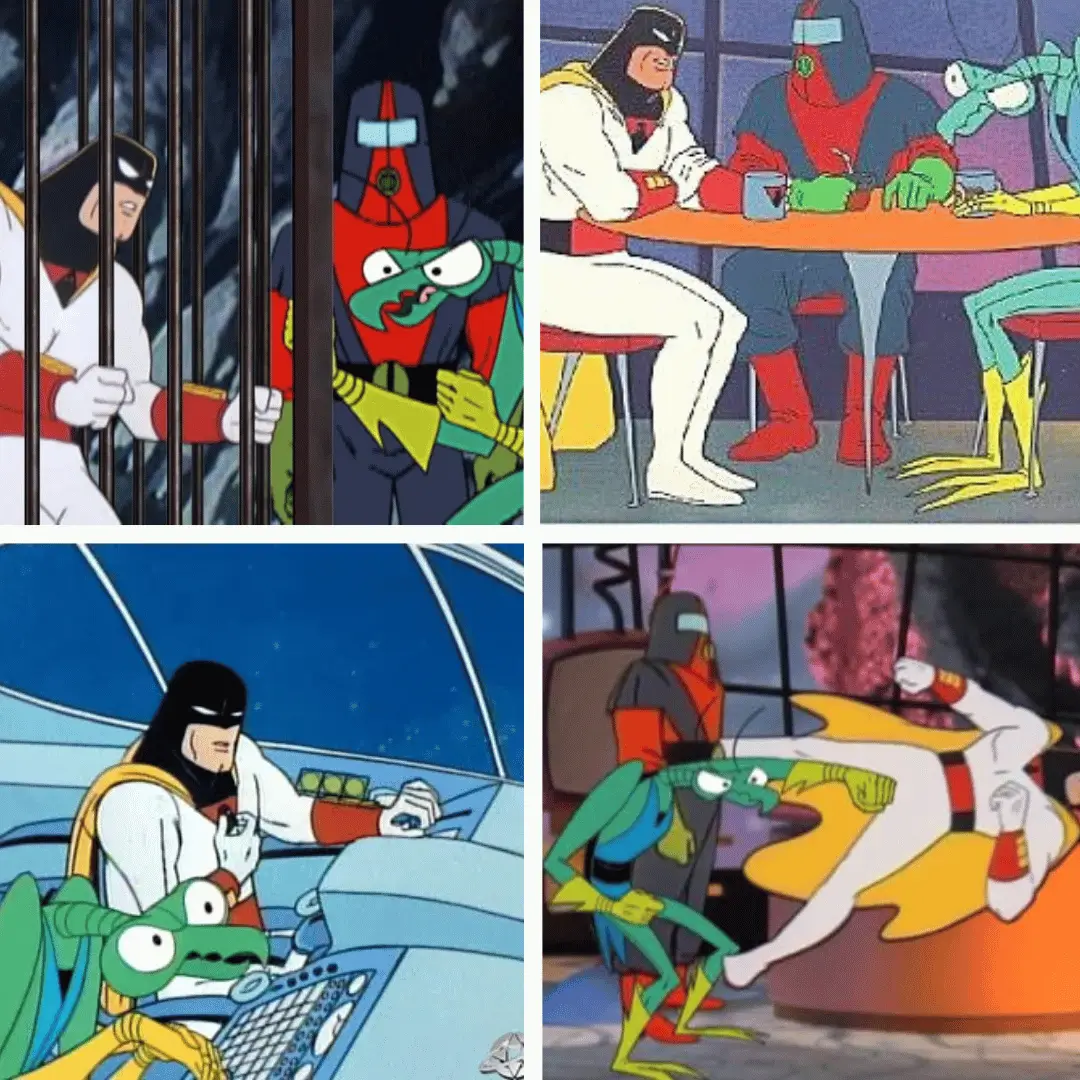
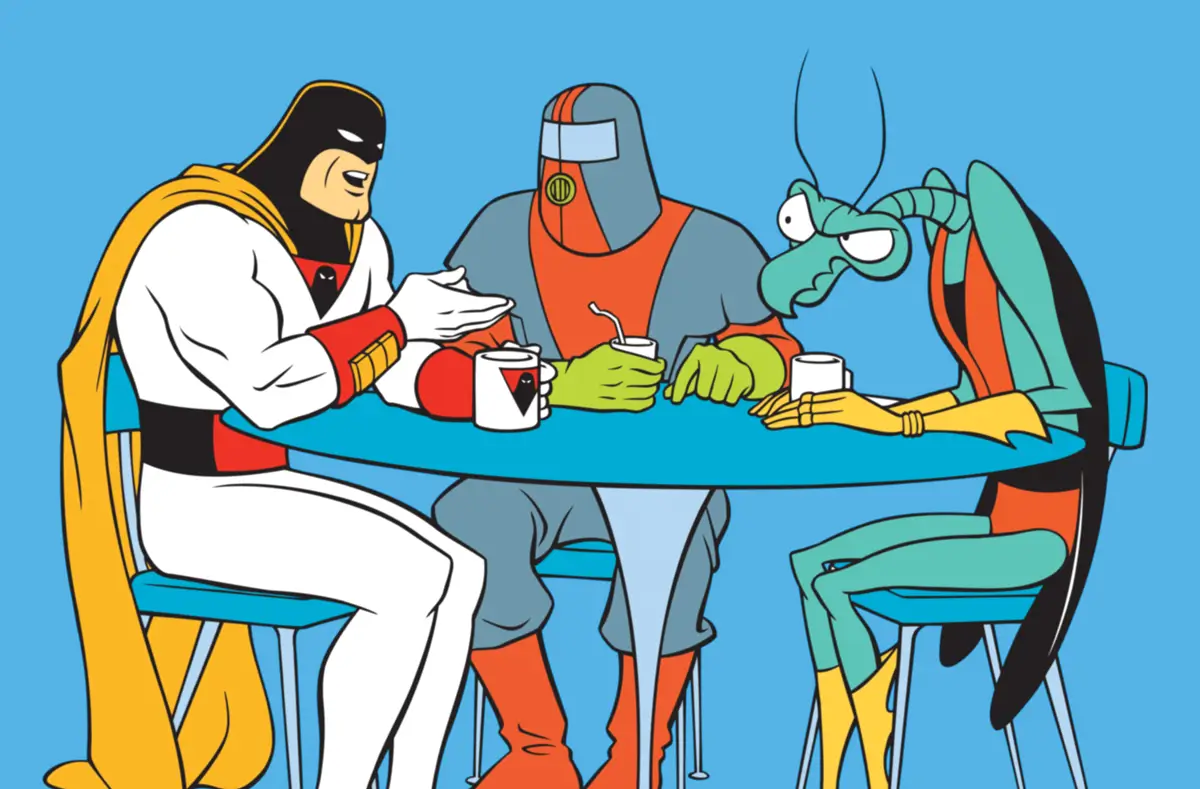
C. Martin Croker voiced Zorak and Moltar. The former villains had been forced into jobs on the talk show:
- Zorak: Bandleader and openly hostile employee
- Moltar: Director working from the control room
- Space Ghost: Host who barely understood his own program
The reused animation was not hidden as a budget-saving measure. Its stiffness became part of the joke.
Awkward pauses, mismatched reactions, strange editing, unfinished conversations, and obvious repetition gave the show a rhythm that felt unlike normal television comedy.
What Space Ghost Coast to Coast Actually Invented
The show did not invent adult animation. The Simpsons, MTV animation, and other programs were already proving that cartoons could reach older audiences.
Its contribution was more specific.
Coast to Coast discovered a production language that Cartoon Network could repeat inside its own building.
The Adult Swim blueprint
- Reuse the archive: Old characters and footage became raw material rather than untouchable history
- Keep episodes inexpensive: Limited animation and short runtimes reduced production demands
- Write for adults: The comedy assumed an older audience familiar with television conventions
- Embrace awkwardness: Silence, bad timing, and apparent mistakes became part of the style
- Develop talent internally: Writers, editors, performers, and producers moved from one small project to the next
- Promote forgotten characters: Minor Hanna-Barbera figures could become new leads
These choices would later define several of Adult Swim’s earliest shows.
Ghost Planet Industries Became Williams Street
The production team behind Coast to Coast called itself Ghost Planet Industries, borrowing the name of Space Ghost’s fictional studio.
That was more than an end-credit joke.
The unit became a small creative laboratory inside Cartoon Network. It produced Cartoon Planet, which paired Space Ghost with Zorak and Brak in a looser comedy format. Brak’s popularity eventually helped him become the lead of The Brak Show.
Ghost Planet Industries was renamed Williams Street in 1999, after the Atlanta street where the studio operated.
Williams Street became the production home of Adult Swim.
The corporate name changed, but the Space Ghost connection remained visible in the studio’s identity. The original production unit had grown into the group responsible for an entire late-night block.
Space Ghost Also Built a Talent Pipeline
The show’s influence cannot be explained only through reused footage.
Its staff became central to Cartoon Network’s adult-comedy operation.
- Mike Lazzo helped create Coast to Coast and later led Adult Swim
- Keith Crofford became a key Williams Street executive producer
- Andy Merrill voiced Brak and helped shape the show’s early comedy
- C. Martin Croker animated the series and voiced Zorak and Moltar
- Dave Willis wrote for Space Ghost before co-creating Aqua Teen Hunger Force
- Matt Maiellaro wrote and produced Space Ghost before co-creating Aqua Teen Hunger Force
The show gave Cartoon Network a place where a small team could learn to make unusual comedy quickly and cheaply.
That institutional knowledge mattered as much as any one character.
The Rejected Space Ghost Script That Became Aqua Teen Hunger Force
The clearest direct line from Space Ghost to Adult Swim runs through three talking food items.
Dave Willis and Matt Maiellaro wrote Master Shake, Frylock, and Meatwad into a proposed Space Ghost episode called “Baffler Meal.” The characters took over so completely that Space Ghost barely participated.
Maiellaro later explained the development in a WABE interview. The script went through more than 20 drafts but was never approved because the Aqua Teens hijacked the show.
When Coast to Coast went on hiatus, Willis and Maiellaro asked to develop the fast-food characters as their own series.
The result was Aqua Teen Hunger Force.
The original “Baffler Meal” concept was eventually completed as a Space Ghost episode after Aqua Teen had already become successful.
This is more than a funny connection between two shows. One of Adult Swim’s longest-running originals grew directly from the writing room of the series that established Williams Street.
Adult Swim Launched With Space Ghost’s Ideas Everywhere
Adult Swim formally launched on September 2, 2001.
Home Movies opened the first night, but the surrounding lineup revealed how much of the block’s identity had already been tested through Space Ghost and Williams Street.
- The Brak Show: Promoted a former Space Ghost villain into a suburban sitcom lead
- Aqua Teen Hunger Force: Grew from a rejected Space Ghost script and two of its writers
- Sealab 2021: Reworked a forgotten Hanna-Barbera series into adult absurdism
- Harvey Birdman, Attorney at Law: Turned another old Hanna-Barbera superhero into a workplace-comedy lead
- Space Ghost Coast to Coast: Joined the block it had helped make possible
Not every launch show was a literal Space Ghost spinoff.
They shared its operating logic: take television history apart, rearrange it, write for adults, and let the limited resources become part of the comedy.
The Saturday morning cartoons of the past had become the raw material for late-night television.
Space Ghost Was the Proof of Concept
Adult Swim was not created by one show on one night.
It grew from several experiments, acquisitions, creators, and programming decisions. Space Ghost Coast to Coast matters because it connected those pieces earlier than anything else inside Cartoon Network.
It proved that:
- Cartoon Network could produce original comedy rather than only air library programming
- Old Hanna-Barbera characters could be rewritten for adults
- A small Atlanta production team could develop a recognizable comic voice
- Short, inexpensive shows could build loyal late-night audiences
- Writers and minor characters could spin into entirely new series
That is why calling Space Ghost “the first Adult Swim show” misses the point.
It was not created for a block that did not yet exist.
It created the conditions under which that block could exist.
George Lowe Made the Reinvention Work
The concept depended on George Lowe.
Lowe had the booming voice of a professional broadcaster, which allowed him to deliver ridiculous dialogue with complete authority. Space Ghost sounded as though he belonged on television even when he had no idea what was happening.
That contrast made the character work.
Lowe also brought improvisation and odd personal rhythms to the performance. The host could sound arrogant, wounded, cheerful, or furious without ever becoming fully self-aware.
George Lowe died on March 2, 2025, at age 67. The Associated Press obituary described Coast to Coast as Cartoon Network’s first original production and noted the foundation it established for later programming.
The original 1966 hero supplied the costume.
Lowe supplied the personality that survived.
Quick Answers About Space Ghost and Adult Swim
Who created Space Ghost?
Alex Toth designed and is generally credited with creating the character for Hanna-Barbera’s 1966 CBS series.
Was the original Space Ghost a failure?
It had a short production run, but its disappearance was part of a broader retreat from violent superhero cartoons on Saturday mornings. Calling it a simple ratings failure is misleading.
When did Space Ghost Coast to Coast begin?
It premiered on Cartoon Network on April 15, 1994.
Was Space Ghost Coast to Coast an Adult Swim show?
It predates Adult Swim by seven years. The series later aired as part of the block, but its larger importance is that it helped create the studio and comedy model Adult Swim inherited.
What was the first show aired on Adult Swim?
Home Movies opened the block’s first official night on September 2, 2001.
How did Space Ghost lead to Aqua Teen Hunger Force?
Master Shake, Frylock, and Meatwad were developed for a proposed Space Ghost script. Writers Dave Willis and Matt Maiellaro later turned the characters into their own series.
The Canceled Hero Who Built a Future
Television history usually moves in a predictable direction.
A successful show produces spinoffs, creates imitators, and builds a franchise.
Space Ghost moved backward.
A superhero whose original series had been sitting in a library for decades was revived because his animation was already paid for. That cheap experiment became Cartoon Network’s first real original-production laboratory.
The laboratory became Williams Street.
- Its characters became spinoffs.
- Its writers created new shows.
- Its production methods shaped the first Adult Swim lineup.
The cape stayed the same.
The job changed, and late-night animation changed with it.
Which part of the Space Ghost family deserves the next deep dive: Harvey Birdman, Brak, or the Sealab crew?
Share your pick in the comments.
One of my favorite epsiodes, if anyone is looking to re-watch one is – 1997 episode. – Knifin’ Around is the 81st episode of Space Ghost Coast to Coast. hahah – already laughing. Space Ghost ends up marrying the pop star Björk, Zorak supposedly eats her, and the episode ends with a massive gas leak that makes everyone hallucinate. It is widely considered the peak of the show’s surrealism.