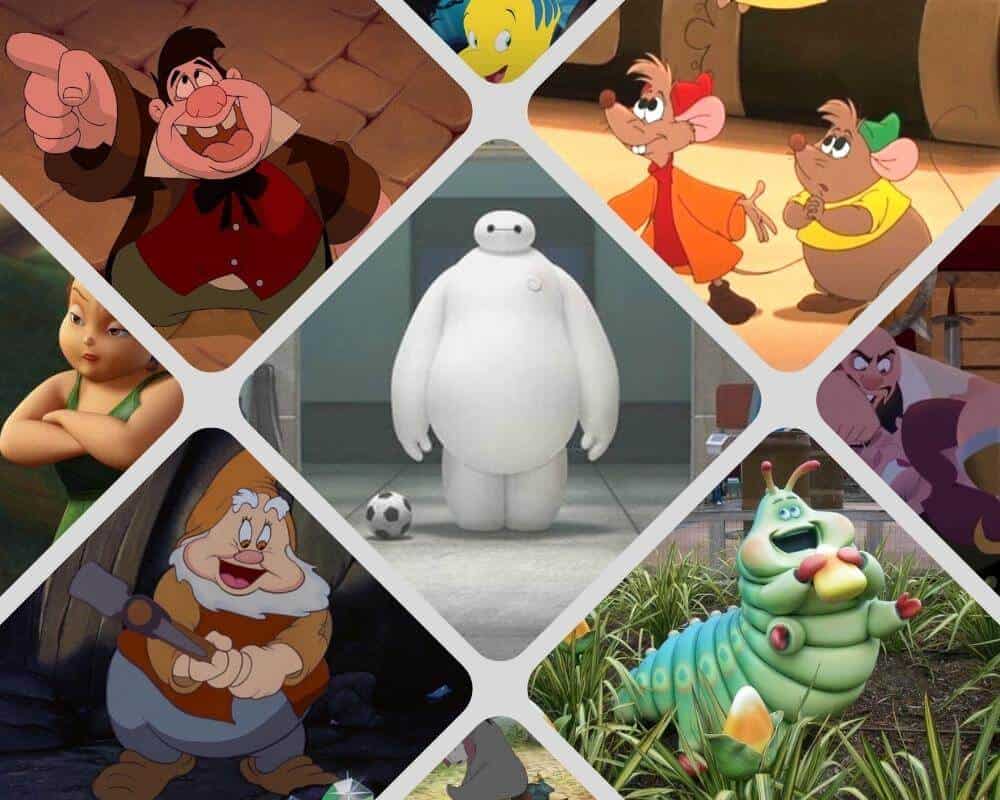
Cartoons have been part of childhood for generations, and the honest answer to how cartoons shape children is not a simple yes or no. It is “it depends”, on the content, the child, the context, and how the show is watched.
Animation can teach a lot without ever feeling like a lesson, but it is still media: fast, emotional, and persuasive.
This guide walks through what the research shows about how cartoons affect children, the upsides, the downsides, and the settings that decide which one you get.
If you are building a kid-friendly watchlist, you might also like kids cartoon characters and cartoon movies for the family, and for a trip through the eras, best kids shows of the 2000s.
The short version
- The upside: cartoons can build language, social skills, emotional awareness, creativity, and problem-solving.
- The downside: some cartoons can nudge up aggressive behavior, disrupt sleep, tax attention in the moment, or push unhealthy habits.
- The deciding factor: content quality, co-viewing, sensible limits, and the individual child.
How Do Cartoons Affect Children?
Kids learn through imitation, repetition, and emotional cues, and cartoons are almost a perfect delivery system for all three, because they are designed to hold attention and make feelings feel enormous.
That is the core of how cartoons shape children: not through single episodes, but through the patterns and scripts they repeat.
The modeling piece is one of the most studied ideas in psychology.
In Albert Bandura’s famous Bobo doll experiments in the early 1960s, young children who watched an adult attack an inflatable doll were far more likely to copy that aggression, and they copied it even more when the adult was rewarded for it.
Cartoons run on the same wiring: a character who “wins” by being aggressive is teaching a script, whether the show intends to or not.
The main ways cartoons influence kids
- Modeling: kids copy what characters do, especially when the character wins or gets praised.
- Scripts: cartoons teach what happens next in social moments, sharing, arguing, apologizing.
- Emotion training: they show what anger, fear, kindness, jealousy, or courage looks like.
- Language exposure: vocabulary, storytelling, and conversational rhythm improve with strong content.
- Attention demands: fast-paced shows ask a young brain to switch scenes quickly.
The Positive Effects of Cartoons on Children
The encouraging half of how cartoons shape children is real. When cartoons are built around learning, empathy, and problem-solving, they can be a clear net positive. The strongest kids shows do not just teach facts, they teach how to handle feelings, how to treat people, and how to think through a problem.
They sharpen thinking skills. Shows built on puzzles, planning, and cause-and-effect give kids repeated practice at figuring something out, which is exactly the cooperative problem-solving young brains benefit from.
They spark creativity. This one shows up fast: a child watches an imaginative story and then wants to draw the characters, invent games, and build worlds. Fantastical cartoons can trigger creative play, especially when the show rewards curiosity.
They teach values and social skills. Cartoons are social rehearsal. Kids see how friends treat each other, what an apology looks like, and how to recover from a mistake, and the shows that model repair after conflict, rather than resetting to zero every episode, tend to land the lesson.
They support language. High-quality educational programming exposes kids to vocabulary and storytelling patterns. Sesame Street is the classic example, one of the most researched children’s shows ever made, and studies have tied it to measurable gains in early literacy and school readiness.
They give kids words for feelings. When a character says “I feel nervous” or “I feel left out,” it hands a child language for their own emotional experience, which quietly makes real conversations easier down the line.
Green flags in a kids cartoon
- Characters solve problems with words, not only fists.
- The show rewards kindness, honesty, and persistence.
- Adults and mentors are supportive, not just punchlines.
- Episodes end with repair: an apology, a lesson, or a healthier choice.
The Negative Effects of Cartoons on Kids
There is a real other side to how cartoons shape children. Cartoons can carry downsides when the content is violent, chaotic, or heavily commercial, or when watching crowds out sleep, movement, and real-world play.

They can nudge aggression. Violent cartoons do not automatically turn kids violent, but a large body of research, summarized in a 2006 review by Bushman and Huesmann, links media violence to small but real increases in aggressive behavior, both right after viewing and over the longer term. The effect is a nudge, not destiny, and it is strongest when the violence is funny, heroic, or free of consequences.
They can disrupt sleep. Exciting or scary shows right before bed make it harder to settle, and lost sleep rarely stays in the bedroom, it resurfaces as next-day irritability, meltdowns, and shaky focus.
They can crowd out movement. If cartoons become the default activity, kids lose time for physical play, and boredom, which is often where creativity starts.
They can replace other things that matter. Even excellent cartoons become a problem if they push out reading, imaginative play, or social time. Balance is the real issue, not cartoons existing.
They can sell to kids. Plenty of children’s content is a toy ad in disguise. Even without traditional commercials, it pushes brands and collect-them-all thinking, which is why a kid can suddenly need a toy they ignored yesterday.
Red flags for younger kids
- Violence played as harmless comedy with no consequences.
- Relentless pacing with constant scene cuts.
- Mean behavior as the main joke, never corrected.
- Scary images with no warning.
- Everything coded as merch and “buy this.”
Violent Cartoons: What the Evidence Shows
When people ask whether violent cartoons change behavior, the answer keeps coming back to context.
Age matters, the child’s temperament matters, and the type of violence matters most of all. Classic slapstick, where nobody is truly hurt and the exaggeration is obvious, is a different animal from content that frames cruelty, bullying, or weapons as something to admire.
The research on media violence points the same way: the risk climbs when aggression is rewarded rather than punished.
If your kid loves rough cartoons
- Co-watch one episode and clock whether it is slapstick, cruelty, or weapons.
- Talk for 60 seconds after: “Was that funny or mean? What would you do instead?”
- Balance the diet: pair intense shows with calmer, prosocial ones.
- Cut bedtime viewing if sleep is slipping.
- Watch for imitation: if the copying starts, change the content.
Fast-Paced Cartoons and Attention
The more modern worry is not just whether a show is violent, but whether it is chaotic. Some kids shows are cut like music videos: constant motion, constant scene changes, constant stimulation. The most-cited evidence here is a 2011 study by Angeline Lillard and Jennifer Peterson, published in Pediatrics. They had 60 four-year-olds either watch nine minutes of a fast-paced cartoon (scenes changing roughly every 11 seconds), watch nine minutes of a slower educational show (scenes every 34 seconds), or draw. Straight after, the fast-paced group did significantly worse on executive-function tasks like delaying gratification and following rules.
Two caveats keep this honest. The study measured immediate, likely temporary effects, not permanent damage, and the sample was small. It also points at pacing, not a specific show or cartoons as a category. The practical takeaway is modest: for younger kids, a show that never takes a breath can be harder to regulate after, so it is worth watching for.
An attention-friendly checklist
- Slower pacing and longer scenes.
- Clear cause-and-effect storytelling.
- Less constant shouting and sensory overload.
- Humor that is not only chaos or humiliation.
For the classic example of chaos that people still debate, Tom and Jerry is the perfect case study: are Tom and Jerry best friends?
Screen Time: How Much, What, and When
Screen-time debates online usually argue over one magic number, but in practice the patterns matter more than the total: is screen time replacing sleep or movement, does turning it off cause a meltdown, and is the content age-appropriate? Two official sources are worth reading in full. The World Health Organization’s 2019 guidance recommends no sedentary screen time for children under 1, and no more than one hour a day for ages 2 to 4, with less being better. The American Academy of Pediatrics similarly advises avoiding screens (beyond video chat) before about 18 months, and capping ages 2 to 5 at roughly an hour a day of high-quality programming, ideally co-viewed.
Better than a timer
- Stop at a calm point, the end of an episode, not mid-scene.
- Have an after-screen routine: a snack, drawing, outside time, a book.
- Keep screens out of bedtime when sleep is sensitive.
- Watch together sometimes so the screen is not a solo world.
The Best Educational Cartoons for Kids
For a clear look at how cartoons shape children for the better, educational shows are the place to start. Educational cartoons work well when they are entertaining enough to hold attention but structured enough to teach something real. A few reliable ones families return to again and again:
- Sesame Street, the gold standard for language, social skills, and early learning, and one of the most rigorously researched children’s programs ever made.
- Dora the Explorer, problem-solving, persistence, and interactive storytelling.
- Wild Kratts, science and animals for the kid who loves facts.
- The Magic School Bus, science adventures that make learning feel like a story.
- Bluey, emotionally intelligent play that models patient, present parenting as much as it entertains.
For more picks by era, best kids shows of the 2000s is a solid starting point.
Which Cartoons Get Edited for Violence?
Rather than “banned,” the accurate word is usually edited or restricted, and it varies by region, broadcaster, and the era a show was made in. Older cartoons in particular get trimmed for violence considered too imitable, dangerous stunts a kid might copy, outdated stereotypes, and tobacco or alcohol use. Commonly discussed examples include older Tom and Jerry airings and some classic Looney Tunes shorts reworked for modern broadcast standards. For the darker, not-for-kids end of the spectrum, dark cartoon characters (Nickelodeon) is a useful guide, and for the wider history of the medium, animated cartoon characters covers the classics.
The Bottom Line on How Cartoons Shape Children
If it boils down to one rule, it is this: the pattern matters more than any single episode. A rough slapstick episode now and then is not the end of the world. But if the daily diet is violent, chaotic, fear-based, or purely commercial, the downsides start to show. That is the real answer to how cartoons shape children, it is the steady diet, not the occasional treat, that does the shaping.
A realistic balance to aim for
- Some educational content: language, science, problem-solving.
- Some cozy content: calm pacing, comfort viewing.
- Some funny content, because laughter matters.
- Minimal “mean for fun” content.
- Minimal bedtime screens when sleep is fragile.
Quick Answers
The most common questions about how cartoons shape children, answered fast.
Are cartoons bad for kids? Not automatically. Many are helpful. Problems tend to appear when the content is violent or chaotic, or when screen time replaces sleep, movement, and real-world play.
Do violent cartoons cause aggression? They can nudge it, depending on the child and the content, and the research links are strongest when violence is glamorized or consequence-free. Co-viewing and a quick chat afterward both help.
What age should kids start watching? Pediatric groups urge extra caution for the youngest kids and recommend high-quality content and co-viewing whenever screens are introduced.
Is it better to limit screen time or improve what kids watch? Both, but quality is the first lever. A little high-quality content is a different thing entirely from hours of chaotic, aggressive, or ad-heavy viewing.
References and Further Reading
- Bandura A., Ross D., Ross S. A. (1963). Vicarious reinforcement and imitative learning. Journal of Abnormal and Social Psychology. PubMed
- Lillard A. S., Peterson J. (2011). The immediate impact of different types of television on young children’s executive function. Pediatrics, 128(4), 644-649. Pediatrics
- Bushman B. J., Huesmann L. R. (2006). Short-term and long-term effects of violent media on aggression in children and adults. Archives of Pediatrics & Adolescent Medicine. JAMA Network
- Bjorkqvist K., Lagerspetz K. (1985). Children’s experience of three types of cartoon at two age levels. International Journal of Psychology. CrossRef
- World Health Organization (2019). To grow up healthy, children need to sit less and play more. WHO
- American Academy of Pediatrics. Media and Children (Family Media Plan). AAP