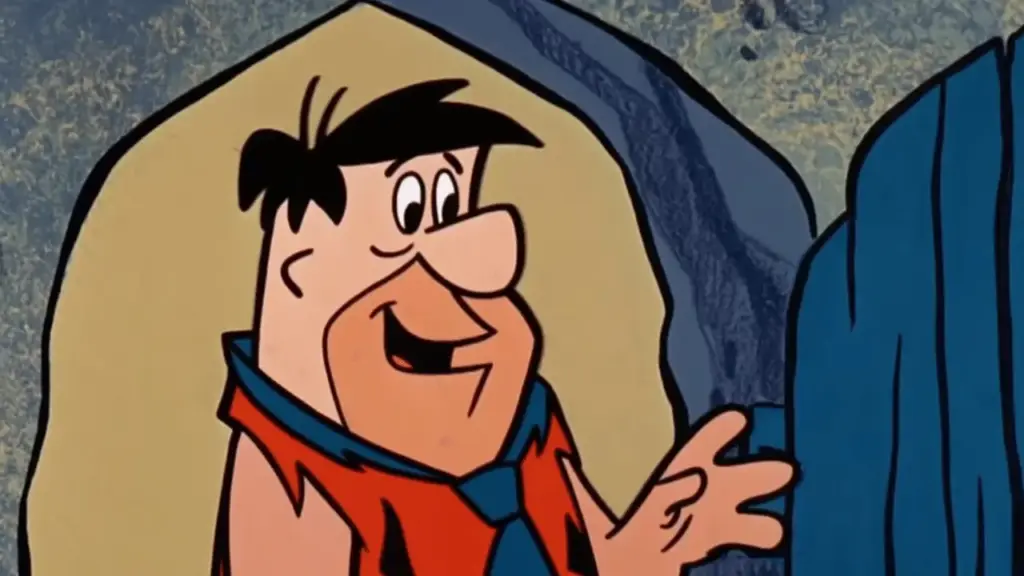
The short answer begins with two names.
Alan Reed created the Fred Flintstone voice heard in the original television series. After Reed died in 1977, Henry Corden took over and played Fred for nearly three decades.
But Fred’s full voice history is a little more complicated.
Daws Butler performed him in the original pilot. Corden was already singing and recording as Fred years before he inherited the speaking role. Jeff Bergman later became the most frequent modern voice, while James Arnold Taylor and Scott Innes handled specific commercials and projects.
One voice created Fred.
Another proved the character could survive a major cast change.
The quick answer
Who voiced Fred Flintstone?
- Daws Butler: Fred in the original 1959 pilot
- Alan Reed: The original series voice from 1960 until his death in 1977
- Henry Corden: Fred’s singing and record voice before becoming the main voice from 1977 to the early 2000s
- Jeff Bergman: The most frequent voice in modern animated productions
- James Arnold Taylor and Scott Innes: Voices in commercials, promotions, and selected appearances
Fred Flintstone Voice Actors at a Glance
| Voice actor | Period | Main contribution |
|---|---|---|
| Daws Butler | 1959 | Voiced Fred in the original pilot, then called The Flagstones |
| Alan Reed | 1960-1977 | Created the familiar voice and introduced “yabba-dabba-doo” |
| Henry Corden | 1960s-2000s | Sang and recorded as Fred before taking over the main role in 1977 |
| Jeff Bergman | 1990s-present | Modern specials, shows, attractions, games, and promotional appearances |
| James Arnold Taylor | 2000s-2010s | Commercials, Cartoon Network material, and guest appearances |
| Scott Innes | Selected advertising work | Performed both Fred and Barney for Toshiba advertising |
Daws Butler Voiced Fred in the Original Pilot
Alan Reed is correctly remembered as the original Fred Flintstone.
There is still one earlier performance worth mentioning.
Before ABC ordered the series, Hanna-Barbera produced a short presentation film under the working title The Flagstones. Daws Butler voiced Fred in that pilot, while June Foray performed Wilma.
The pilot was a sales tool rather than a regular broadcast episode. When the series entered production, Reed became Fred and Jean Vander Pyl became Wilma.
That makes Butler the first actor known to have recorded Fred, but Reed the original series voice and the performer who defined the character.
A current Fred Flintstone voice listing credits both Butler and Reed for the original production era.
Alan Reed Created the Fred Everyone Remembers
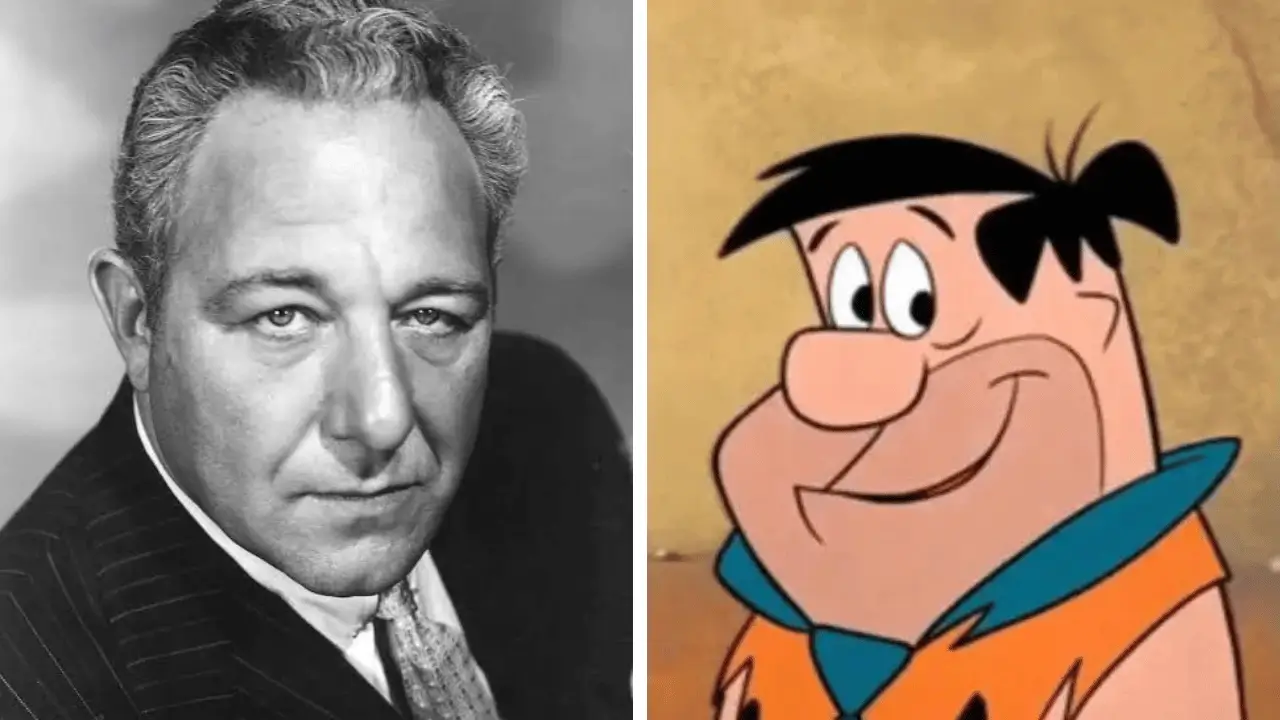
Alan Reed was an experienced radio, film, and television actor long before Bedrock.
His Fred was loud without becoming permanently angry. He could explode at Barney, beg Wilma for forgiveness, celebrate a bowling victory, or panic when one of his schemes collapsed.
The voice sounds larger than the character’s body.
That was perfect for Fred, a man who treats every small inconvenience like the final crisis in human history.
Reed voiced him through all six seasons of the original series, along with commercials, records, specials, and later appearances until his death in June 1977.
Did Alan Reed Invent “Yabba-Dabba-Doo”?
Yes.
Joseph Barbera later recalled that an early script asked Fred to shout “Yahoo!” Reed suggested replacing it with “yabba-dabba-doo,” and Barbera approved the change.
Reed’s son told a similar story, explaining that his father thought the original word did not have enough excitement.
The usual explanation is that Reed drew inspiration from the old Brylcreem advertising line, “A little dab’ll do ya,” which his mother liked to repeat.
A recent history of The Flintstones recounts the same recording-session story and Brylcreem connection.
The catchphrase timeline
- An early script called for Fred to shout “Yahoo!”
- Alan Reed suggested “yabba-dabba-doo” during recording
- The phrase appeared in the first broadcast episode, “The Flintstone Flyer”
- It later became part of “Meet the Flintstones,” the opening theme introduced during the third season
The phrase was not created by a marketing department after the show became successful.
It came from the actor building the character in the recording room.
How Much Did Fred Borrow From Jackie Gleason?
The comparison between Fred Flintstone and Ralph Kramden is impossible to miss.
Both are loud working-class husbands with patient wives and good-natured neighbours. Fred and Barney’s friendship also resembles Ralph Kramden and Ed Norton in The Honeymooners.
William Hanna acknowledged the influence directly, saying the earlier sitcom served as a basis for the concept.
Joseph Barbera was more guarded. He said he did not remember mentioning The Honeymooners in the original pitch, while accepting the comparison as a compliment.
The Webrock archive of Hanna-Barbera quotations places those two recollections side by side.
Fred is not simply an animated copy of Ralph Kramden. Reed gave him his own rhythm, and the Stone Age setting created a much broader family world.
But The Honeymooners influence is part of the character’s history.
Did Jackie Gleason Nearly Sue The Flintstones?
Possibly, but this story needs a caution label.
Later accounts say Gleason considered legal action because of the similarities between the two shows.
The most repeated version came through Henry Corden, who was described as a friend of Gleason. Corden recalled that Gleason’s lawyers believed a case was possible but warned him about becoming known as the person who removed a popular children’s show from television.
Gleason also reportedly told Playboy in 1986 that he had considered suing and decided against it.
What has not surfaced is a filed complaint, a demand letter, or a contemporary legal record showing that a lawsuit came close to court.
That means the responsible version is:
Jackie Gleason reportedly considered suing, but no lawsuit was filed. The famous “yanked Fred off the air” explanation comes from later recollections, not a surviving court record.
This places the story beside the other cartoon legal legends covered in my investigations of Yogi Berra and Yogi Bear and the Kirward Derby threat.
Henry Corden Was Fred Before He Took Over the Role
Henry Corden did not suddenly arrive after Alan Reed died.
He had already been working around Hanna-Barbera productions and recording Fred Flintstone material during the 1960s.
Corden performed Fred on children’s records, including a 1965 album of songs from Mary Poppins. He also supplied Fred’s singing voice when Reed handled the spoken dialogue.
The best-known example is the 1966 theatrical film The Man Called Flintstone.
The film’s music credits identify Corden as Reed’s singing double, including the Fred and Barney number “Team Mates.”
He also sang for Fred in the 1966 television special Alice in Wonderland, or What’s a Nice Kid Like You Doing in a Place Like This?
For more than a decade, Corden was already practicing the voice in songs and records while Reed remained the official speaking performer.
Henry Corden Took Over in 1977
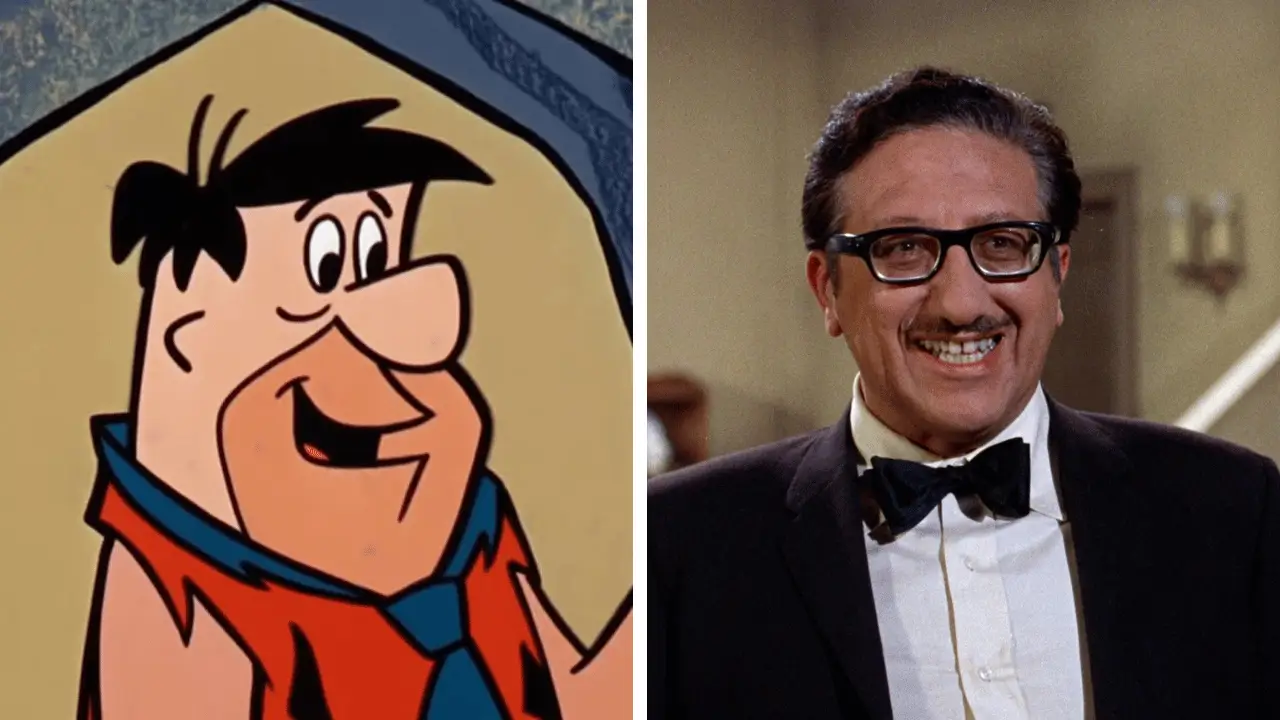
Alan Reed died on June 14, 1977.
Corden took over the full role that year, with A Flintstone Christmas among his first major speaking appearances as Fred.
He then voiced the character across television series, holiday specials, crossover movies, records, and years of cereal commercials.
The transition worked because Corden did not attempt an exact mechanical copy forever.
He studied recordings of Reed until he could approach the original performance. Over time, he allowed his own version to become slightly broader and more forceful.
In its obituary, the Los Angeles Times quoted Corden explaining that he first imitated Reed closely and gradually made Fred more his own.
Corden remained the dominant Fred Flintstone voice for nearly 30 years. He died in May 2005 at age 85.
The Modern Fred Flintstone Voices
After Corden’s long tenure, no single performer handled every use of Fred.
The role became a relay divided between animated productions, network promotions, advertising, games, and guest appearances.
Jeff Bergman
Jeff Bergman became the most frequent modern Fred.
His credits include The Flintstones: On the Rocks, The Flintstones & WWE: Stone Age SmackDown!, Yabba-Dabba Dinosaurs, Jellystone!, attractions, games, commercials, and promotional material.
He is the closest thing the franchise currently has to a default Fred voice, although individual productions can still cast someone else.
James Arnold Taylor
James Arnold Taylor voiced Fred in advertisements, Cartoon Network material, and guest appearances such as The Grim Adventures of Billy & Mandy.
His version was especially common in commercial work during the 2000s.
Scott Innes
Scott Innes, best known for voicing Scooby-Doo and Shaggy, performed both Fred and Barney in Toshiba commercials.
That makes him part of the official voice history, but not a long-term lead performer in the animated franchise.
A detailed Fred Flintstone role index tracks the many shows, movies, games, and advertisements in which these actors appeared.
Who Voices Fred Flintstone Now?
Jeff Bergman is the best current answer.
He voiced Fred in the most recent substantial animated productions listed for the character, including Yabba-Dabba Dinosaurs and Jellystone!.
However, “the current voice” is less permanent than it was during the Reed and Corden eras. Warner Bros. can choose different actors for commercials, parodies, games, or one-off appearances.
It is more accurate to call Bergman the most frequent modern Fred than the only actor allowed to voice him.
A Brief Barney Rubble Voice Detour
Fred’s best friend has his own unusual voice history.
Mel Blanc played Barney Rubble in the original series. After Blanc suffered a near-fatal car crash in 1961, Daws Butler temporarily replaced him for five episodes.
Blanc returned while he was still recovering, with recording equipment reportedly brought to his bedside.
The story shows how dependent early Hanna-Barbera characters were on a small group of performers.
You can follow the wider studio history in my article on the rise and fall of Hanna-Barbera, and see Fred’s place in my ranking of the best Hanna-Barbera characters.
Quick Answers About Fred Flintstone’s Voice
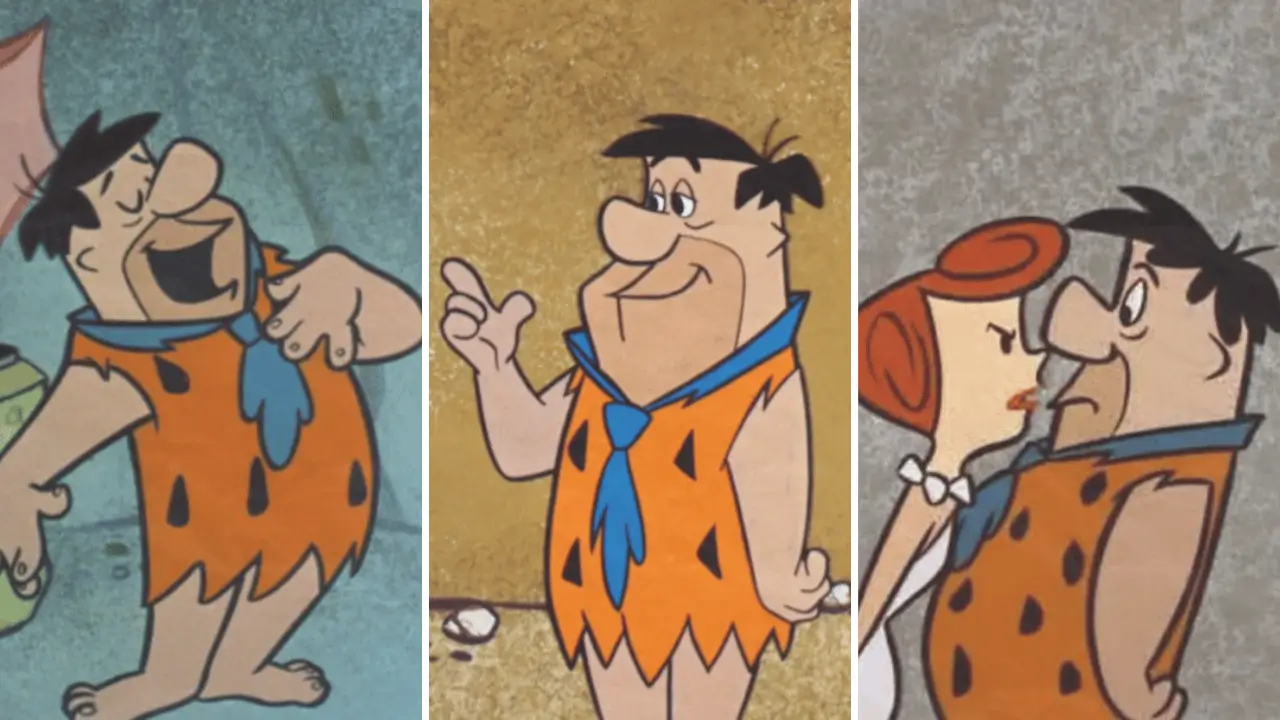
Who originally voiced Fred Flintstone? Daws Butler voiced Fred in the 1959 presentation pilot. Alan Reed became the original television-series voice in 1960 and defined the character.
Who voiced Fred after Alan Reed? Henry Corden took over the full speaking role after Reed died in 1977.
Who invented “yabba-dabba-doo”? Alan Reed suggested it during an early recording session when the script called for “Yahoo.”
Did Henry Corden voice Fred before 1977? Yes. He recorded Fred for children’s records and supplied the character’s singing voice during the 1960s.
Did Jackie Gleason sue The Flintstones? No. Later accounts say he considered legal action over similarities to The Honeymooners, but no lawsuit was filed.
Who is the current voice of Fred Flintstone? Jeff Bergman is the most frequent modern voice, although other actors have handled specific advertisements and appearances.
Who played Fred Flintstone in the live-action movies? John Goodman played him in the 1994 film. Mark Addy took over for the 2000 prequel The Flintstones in Viva Rock Vegas.
The Voice That Survived the Actor
Alan Reed gave Fred Flintstone more than a deep voice and a loud laugh.
He found the combination of anger, excitement, insecurity, and affection that made Fred feel like a person rather than a cartoon imitation of Ralph Kramden.
Henry Corden then faced the difficult job of replacing a performance audiences already knew.
He succeeded so well that many viewers never noticed when the actor changed.
Modern performers continue to adjust that same basic sound for new productions.
Fred’s voice belongs to several actors now, but every version still begins with Reed’s original idea.
One recording-room suggestion became “yabba-dabba-doo.”
One performance became a voice that could outlive the man who created it.